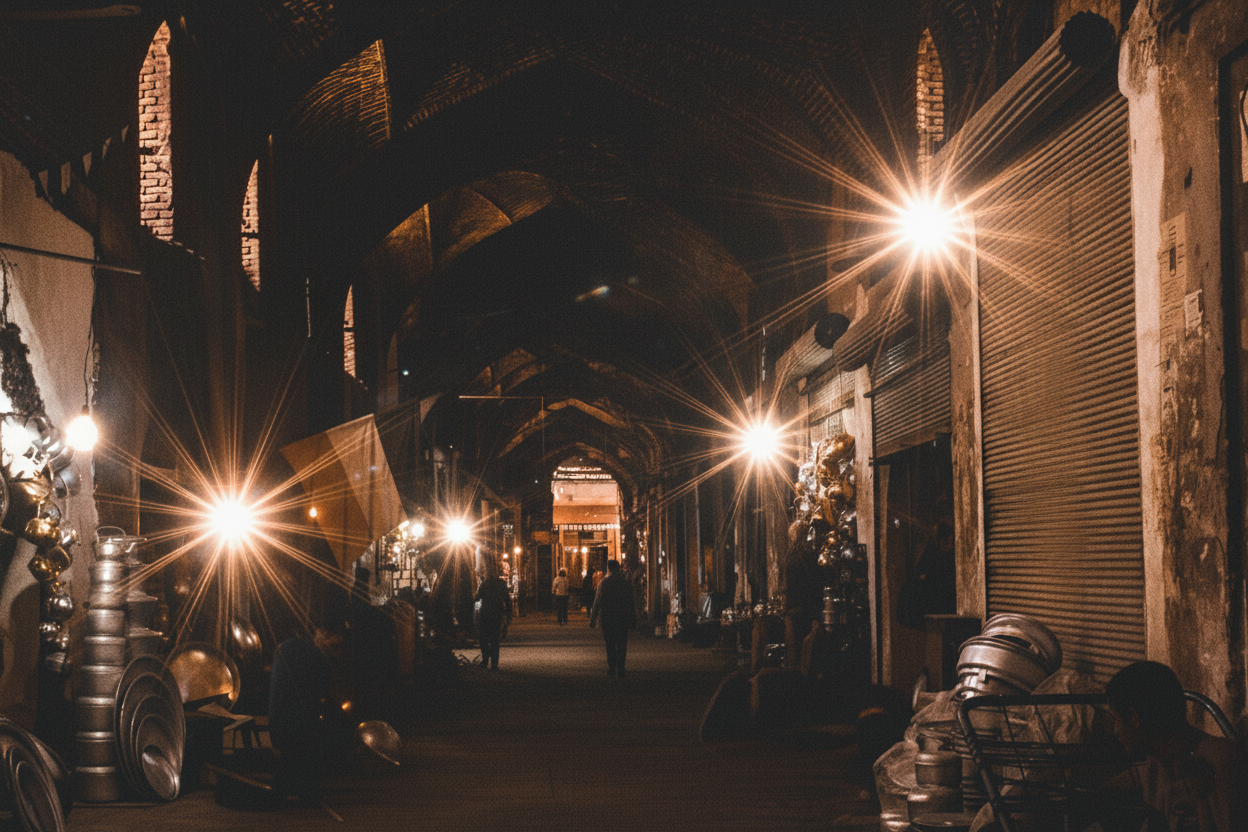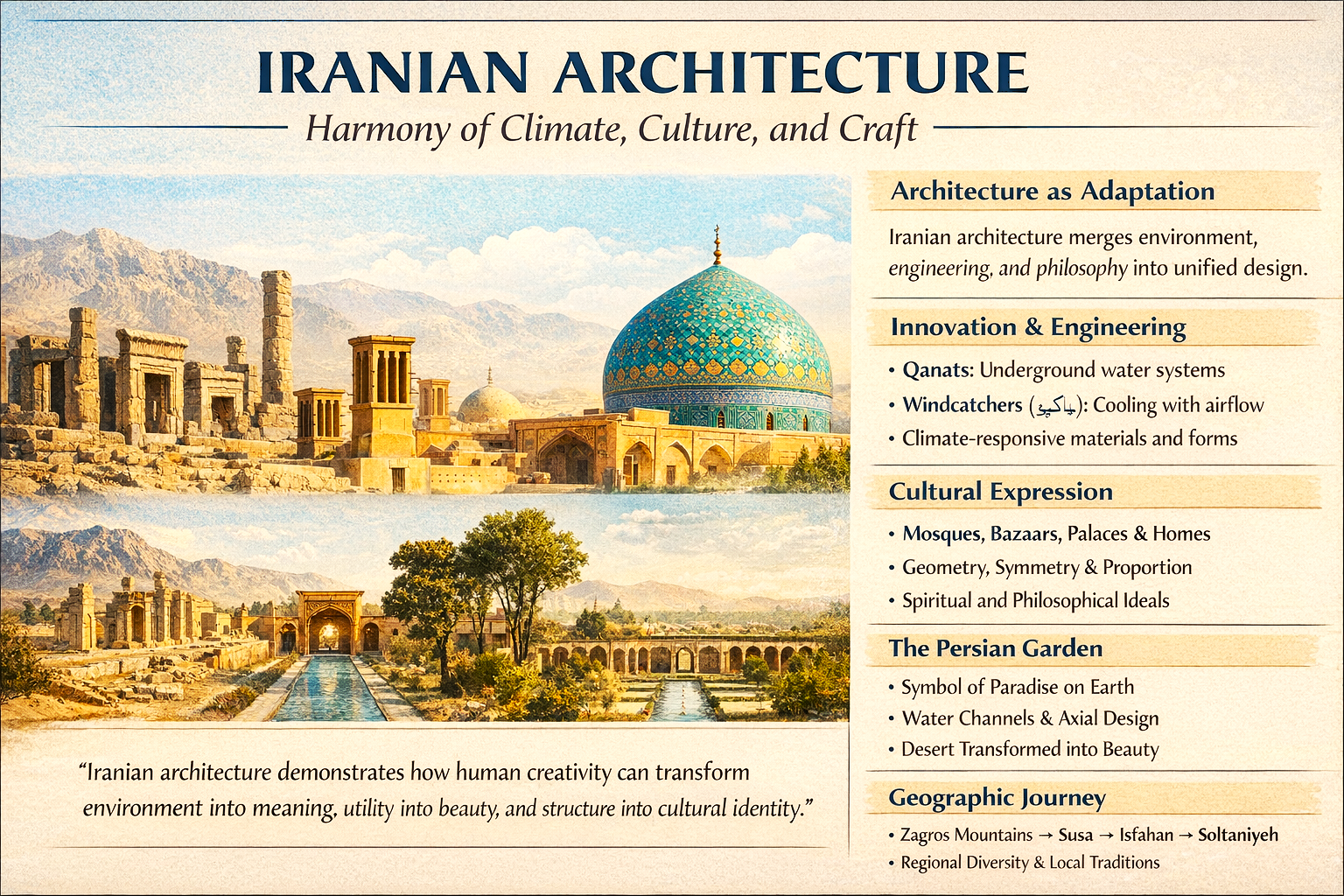
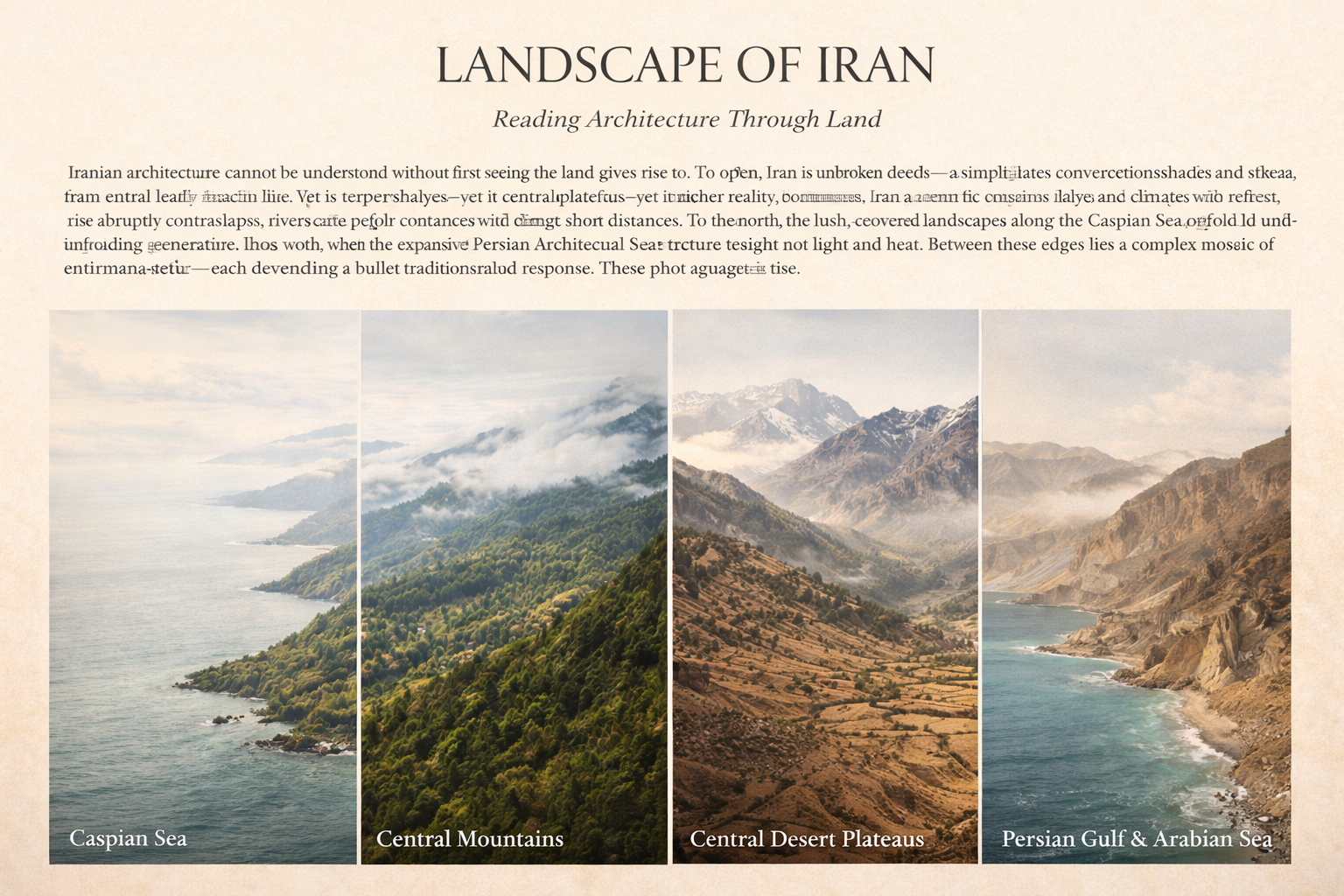
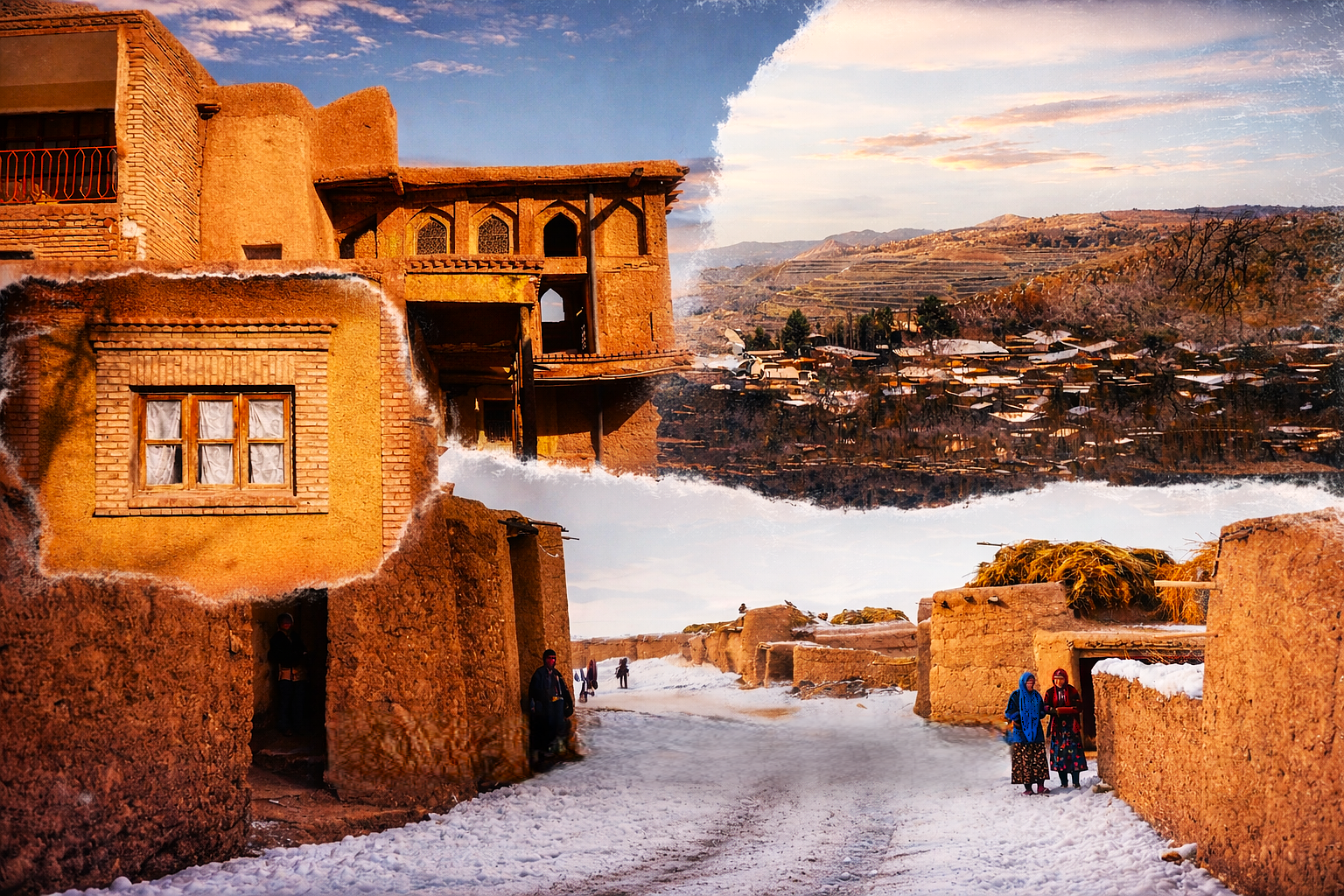
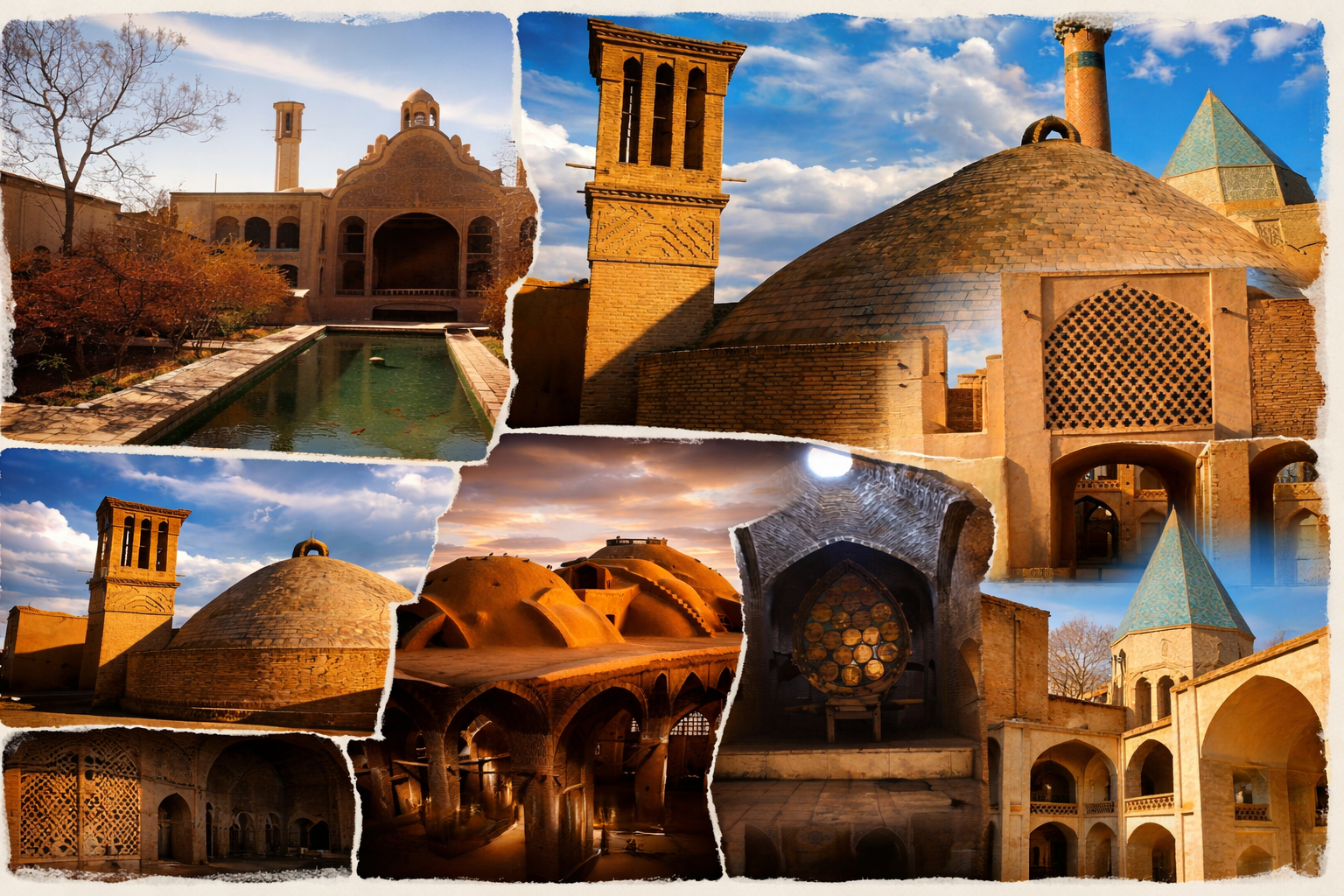
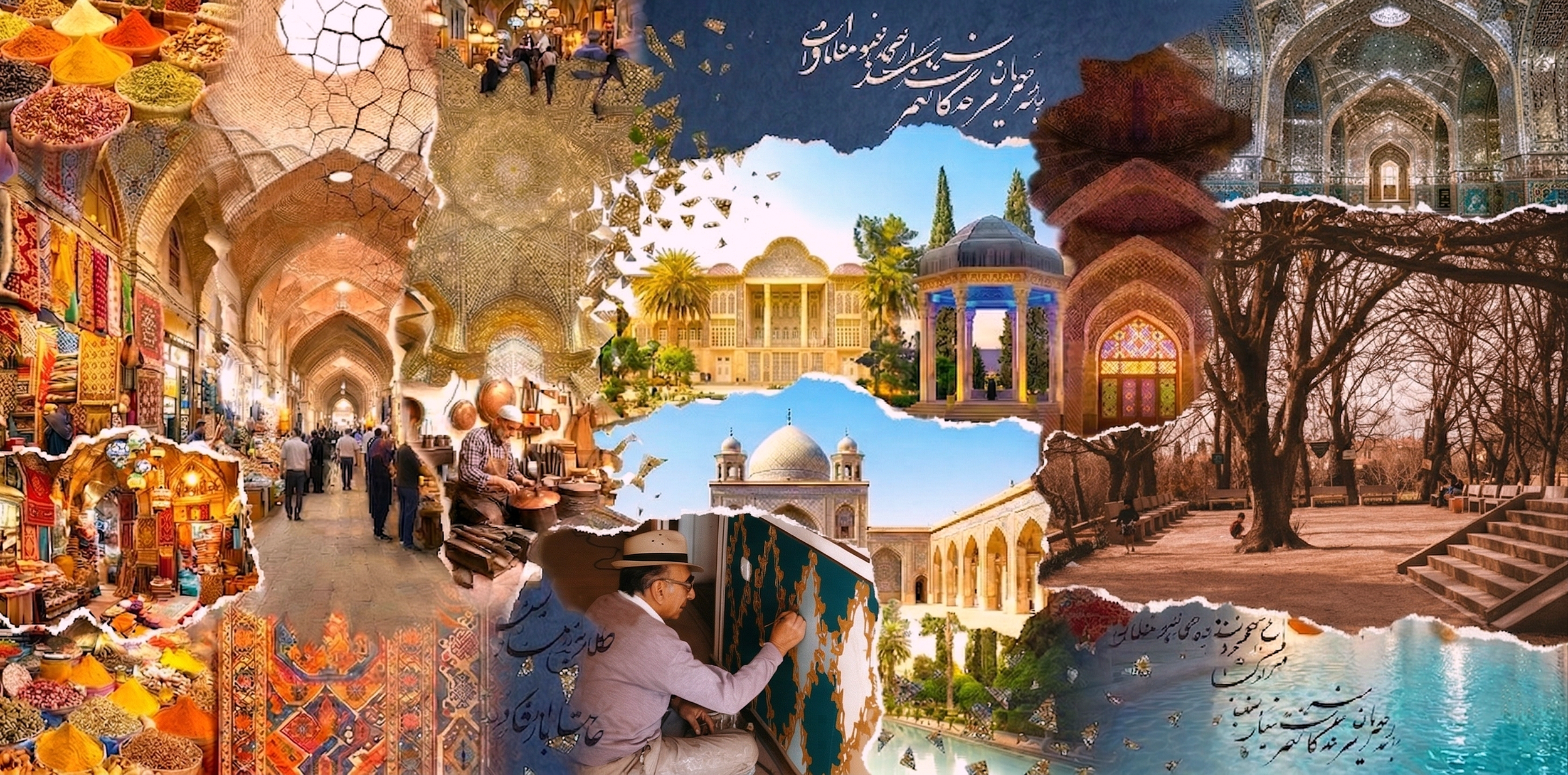
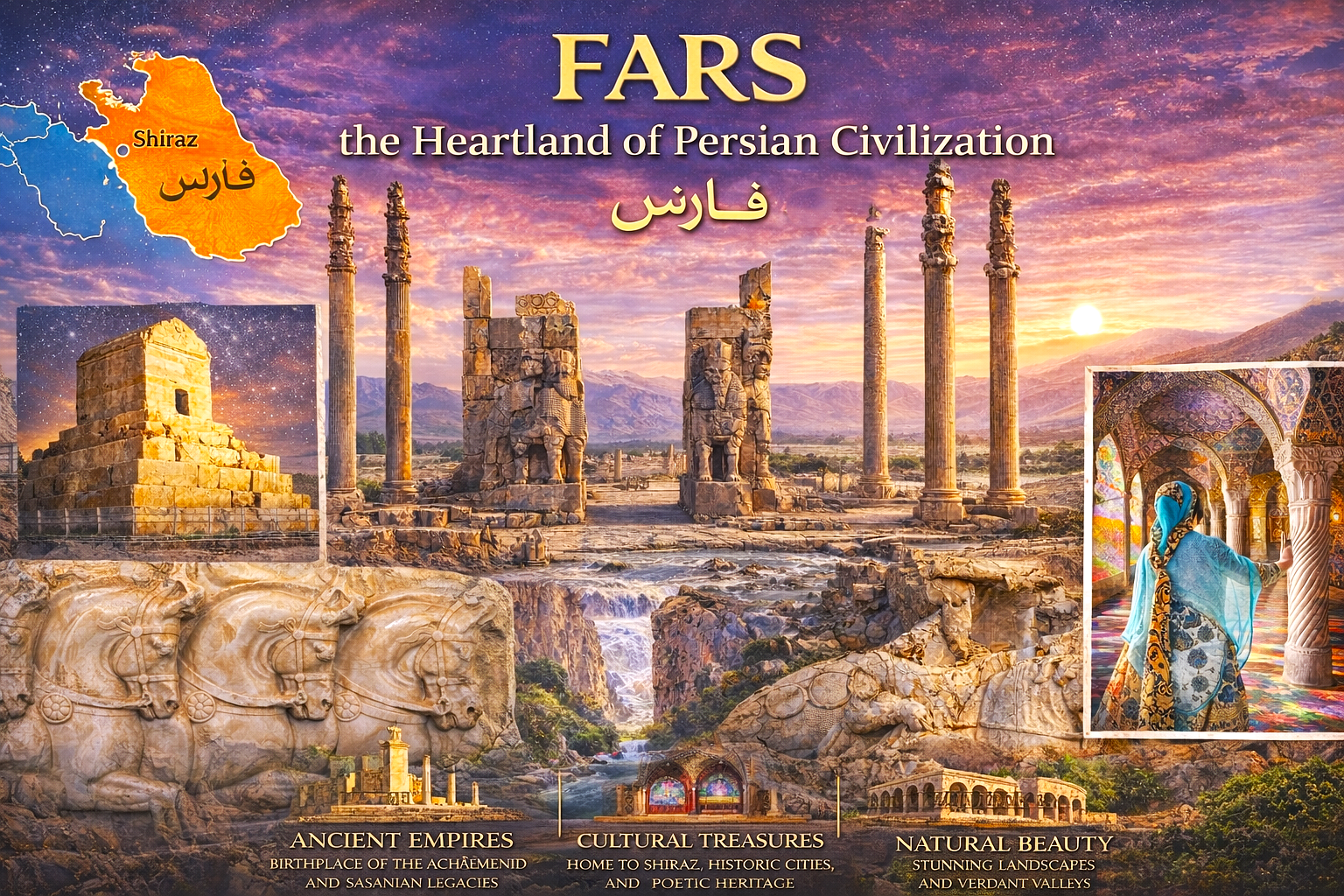
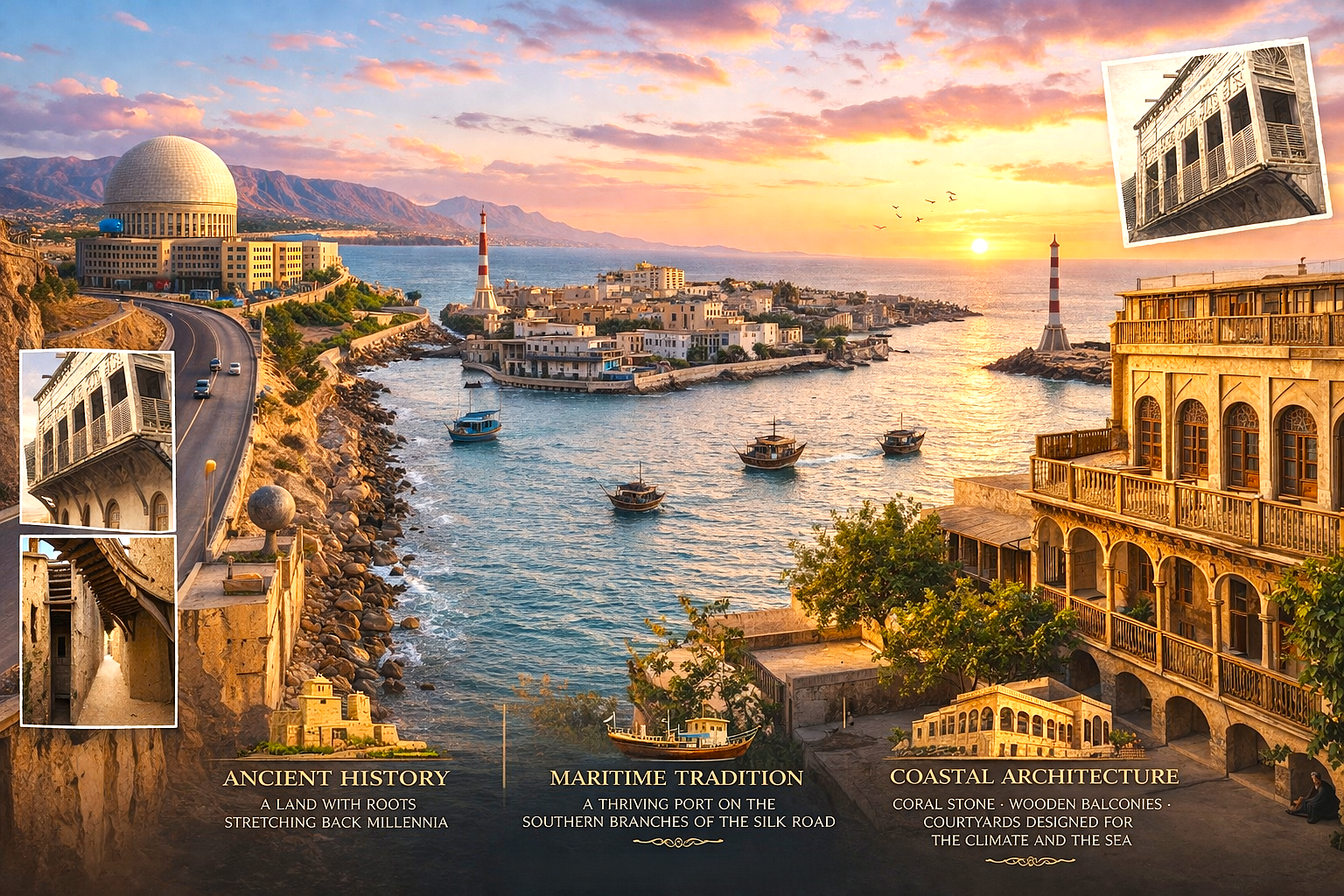
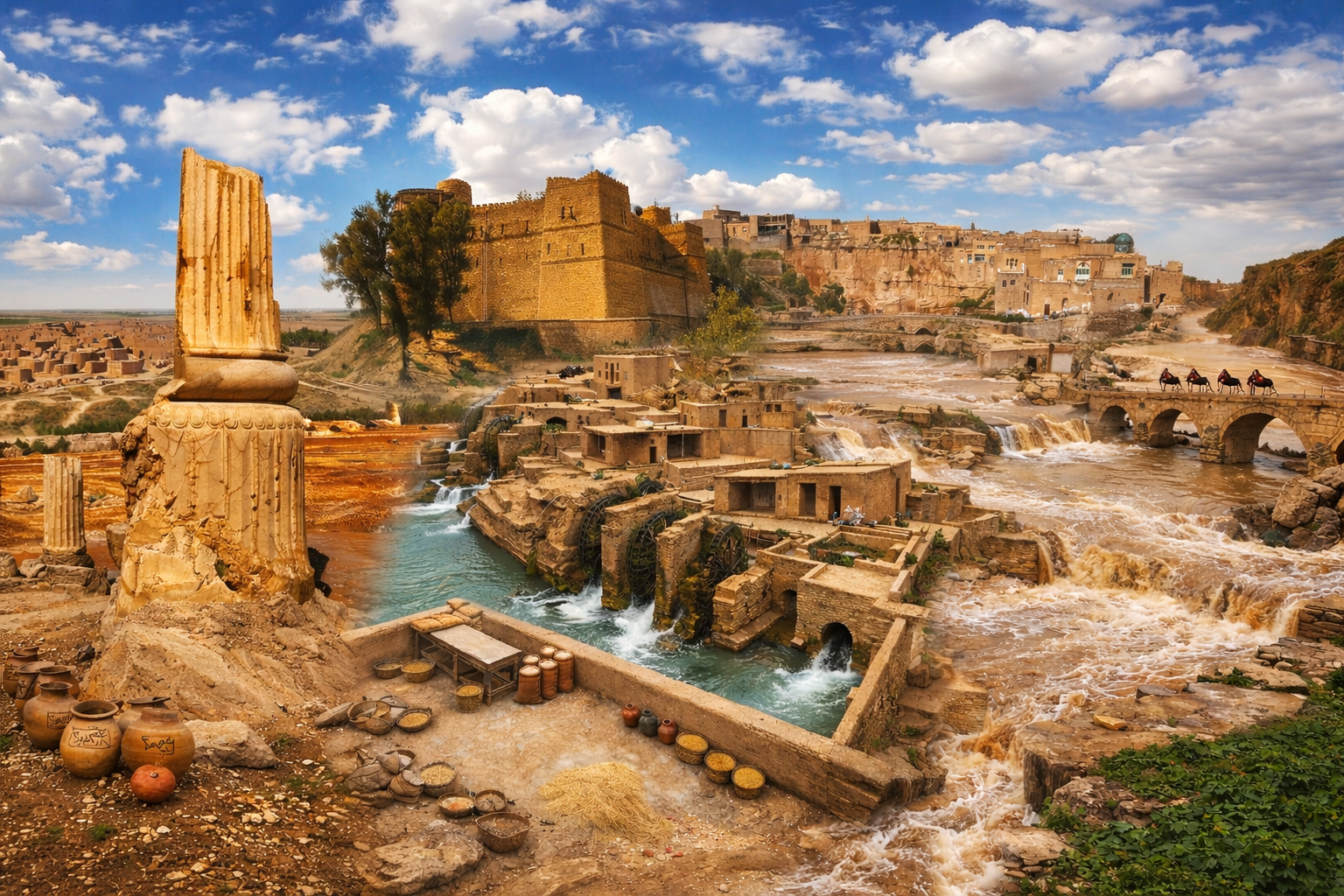
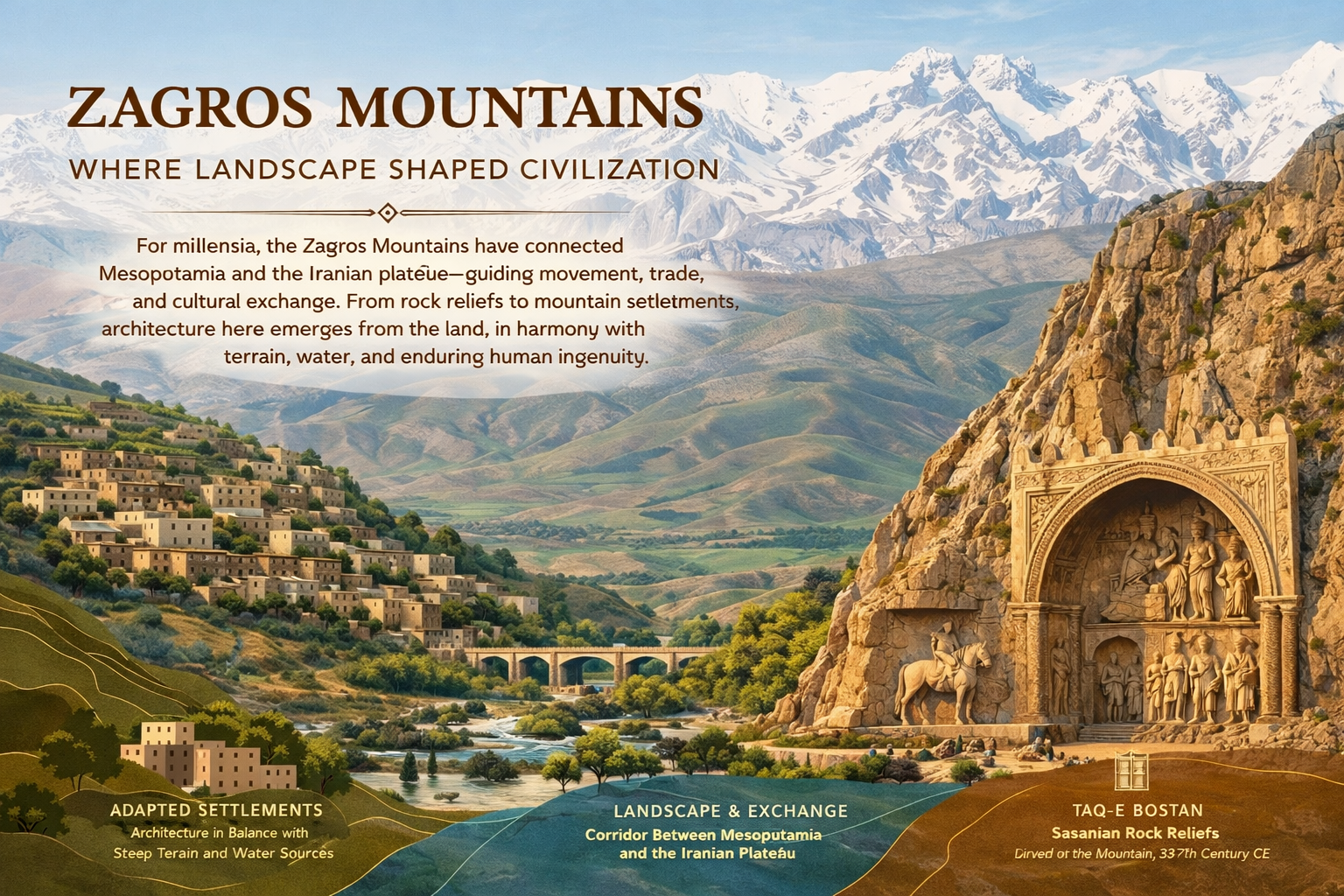
Across the Iranian plateau, architecture evolved through a dialogue between landscape, climate, and culture. From Achaemenid terraces to desert windcatchers and Safavid domes, builders developed innovative responses to environment and belief. Palaces, mosques, gardens, and cities reveal a tradition in which engineering, geometry, and symbolism have shaped enduring architectural forms over centuries.
-
Across the Iranian plateau, architecture has evolved in continuous dialogue with landscape, climate, culture, and belief. From the monumental stone terraces of the Achaemenid Empire to the windcatcher cities of the central desert and the turquoise domes of Safavid mosques, Iran's architectural heritage reflects more than two millennia of artistic innovation and environmental adaptation.
Iranian architecture is distinguished by its synthesis of engineering, symbolism, and craftsmanship. Builders developed sophisticated solutions to the challenges of geography and climate: underground qanat systems transported water across arid landscapes, while windcatchers (بادگیر) captured desert breezes to cool interior spaces through natural ventilation.
Throughout this long history, architecture served not only practical needs but also cultural expression. Royal palaces, mosques, bazaars, gardens, and houses were shaped by philosophical ideals that emphasized harmony, geometry, and the relationship between humanity and nature. The Persian Garden, with its flowing water channels and symmetrical layout, embodied the concept of paradise on earth, transforming harsh desert environments into cultivated landscapes of shade and reflection.
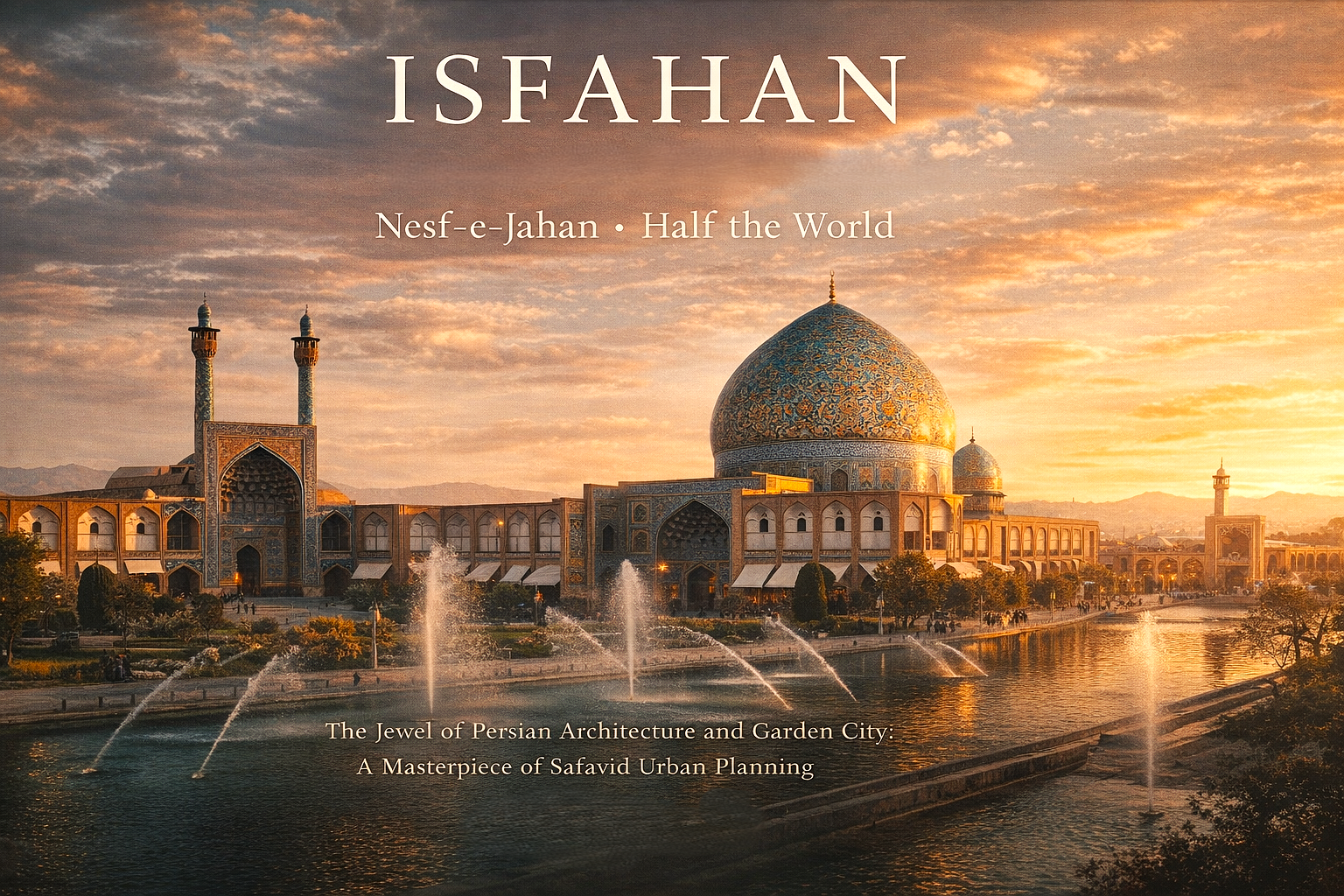
This gallery presents an architectural journey across Iran—from the Zagros Mountains and the ancient city of Susa to the imperial squares of Isfahan and the great dome of Soltaniyeh. Each city reveals how generations of builders, artisans, and communities transformed local materials and environmental knowledge into enduring architectural forms.
Together, these sites illustrate the extraordinary diversity of Iranian architecture and its lasting influence on the architectural traditions of the Middle East, Central Asia, and beyond.
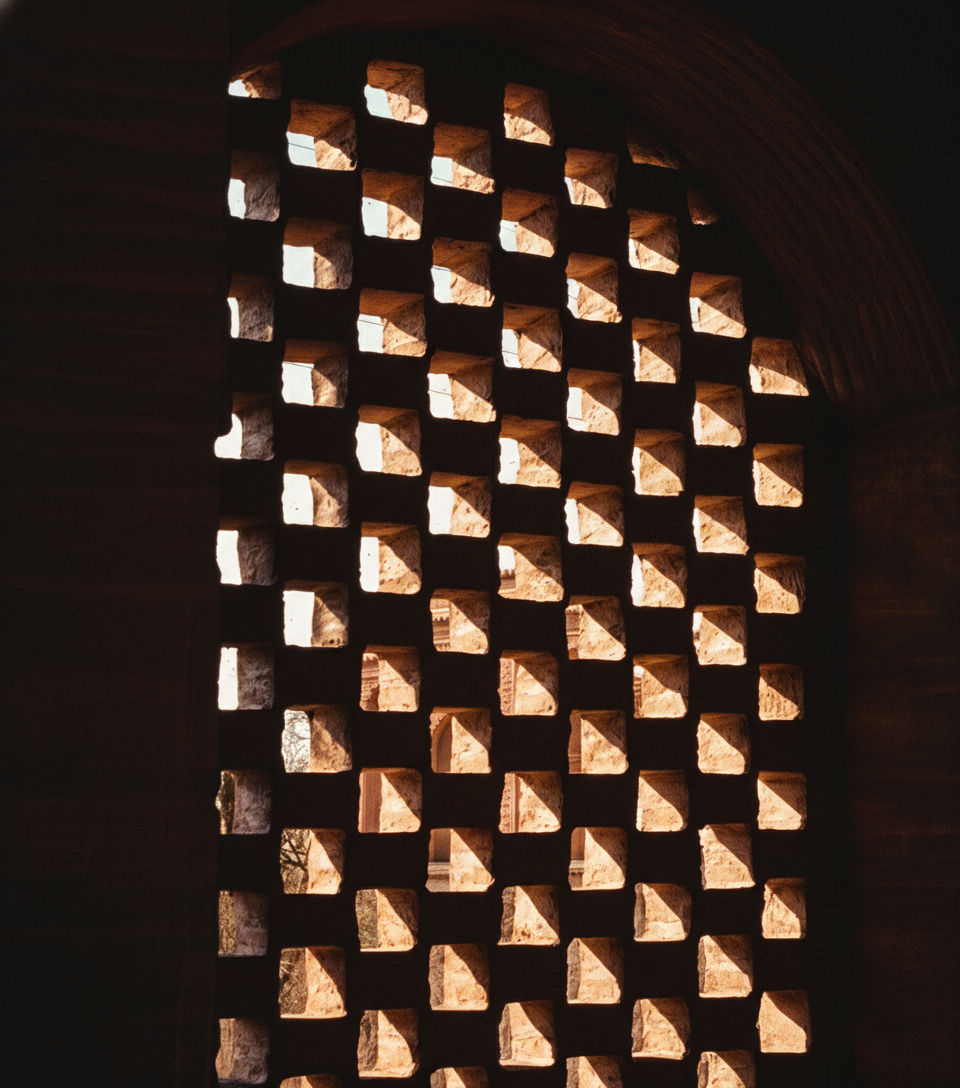
Fakhr-o-Madin (فخر و مدین)
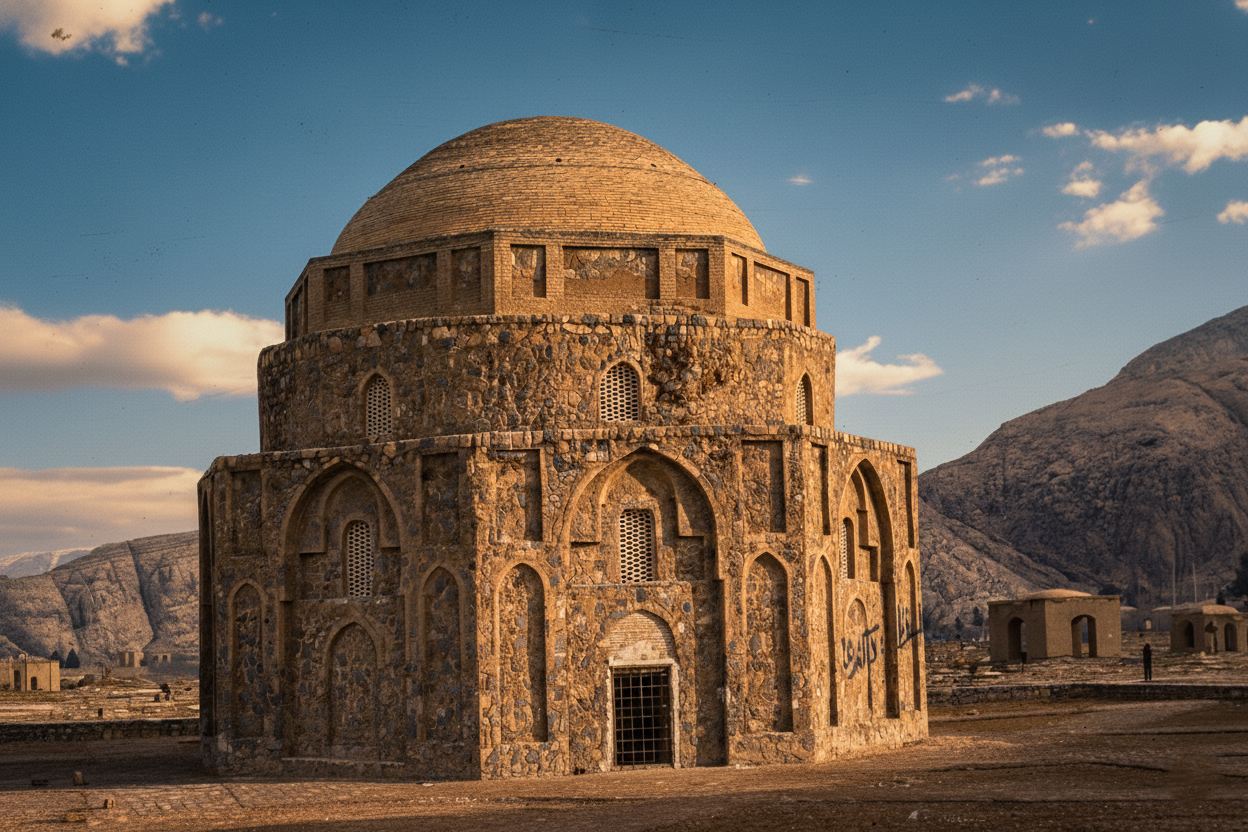
Jabalieh Dome (گنبد جبلیه)
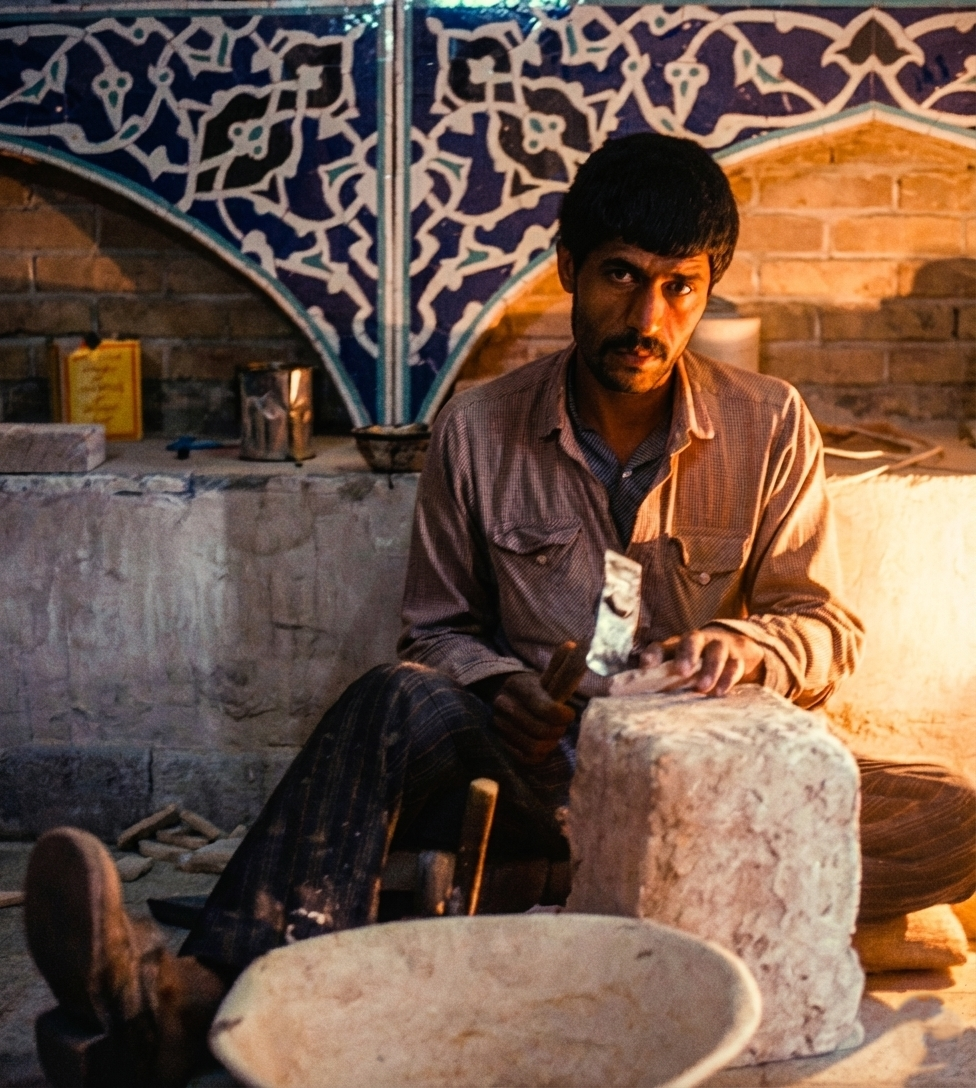
Sanctuary of Jopar امامزاده جوپار
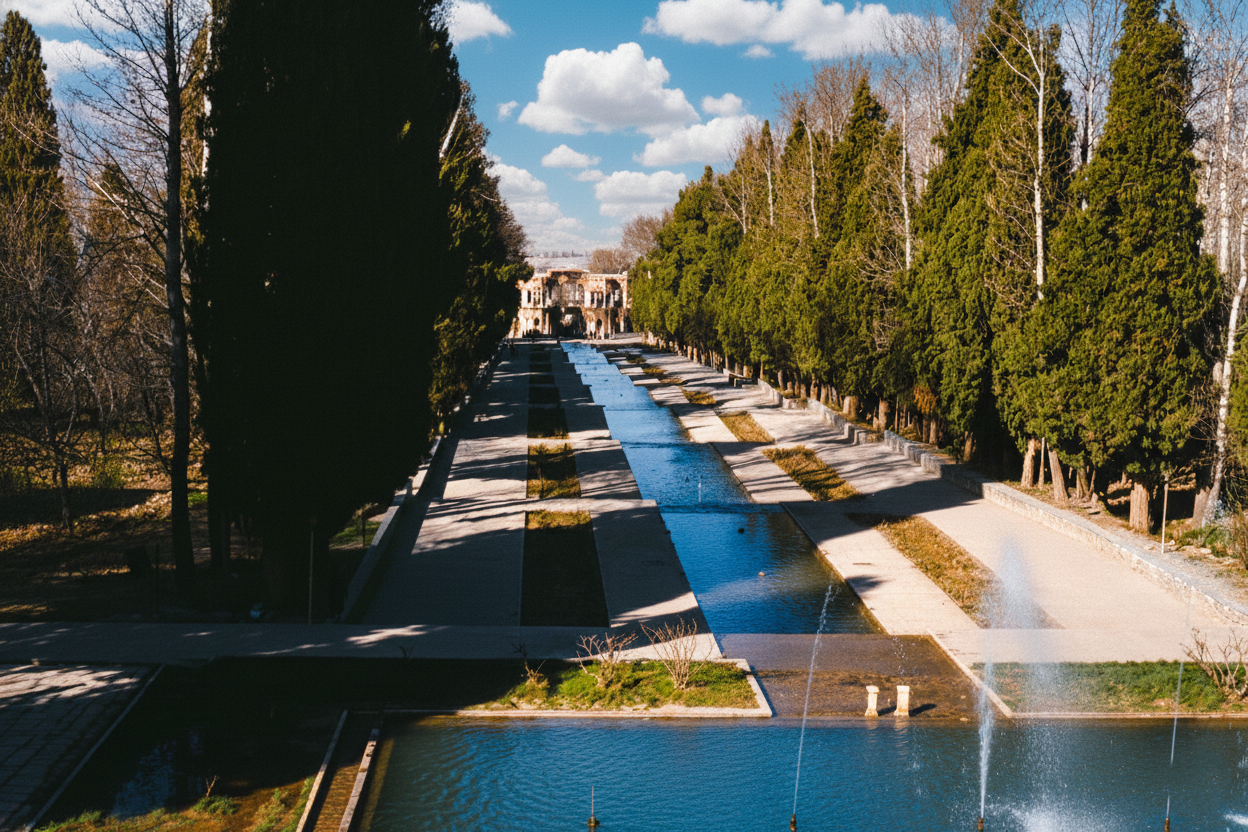
Shazdeh Garden (Bagh-e Shazdeh باغ شاهزاده)
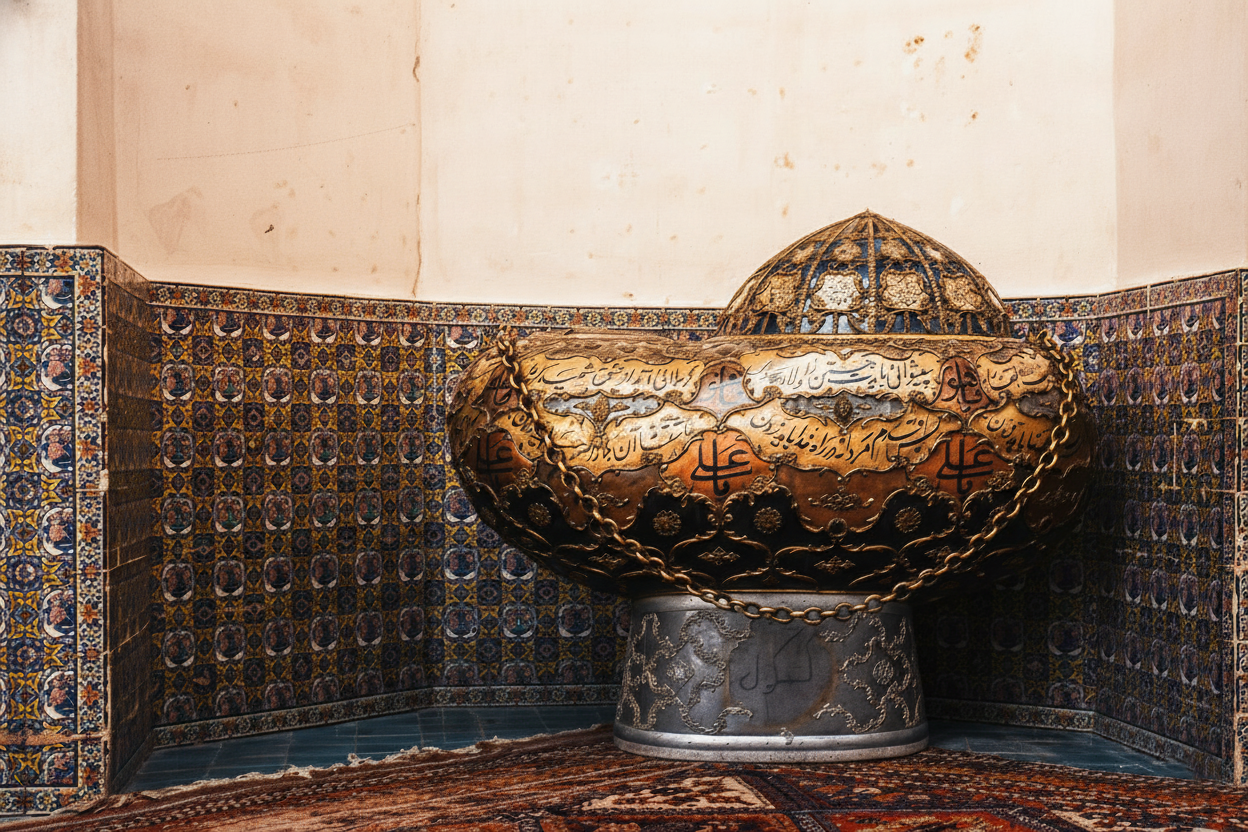
Shrine of Shah Nematollah Vali (شاه نعمتالله ولی)
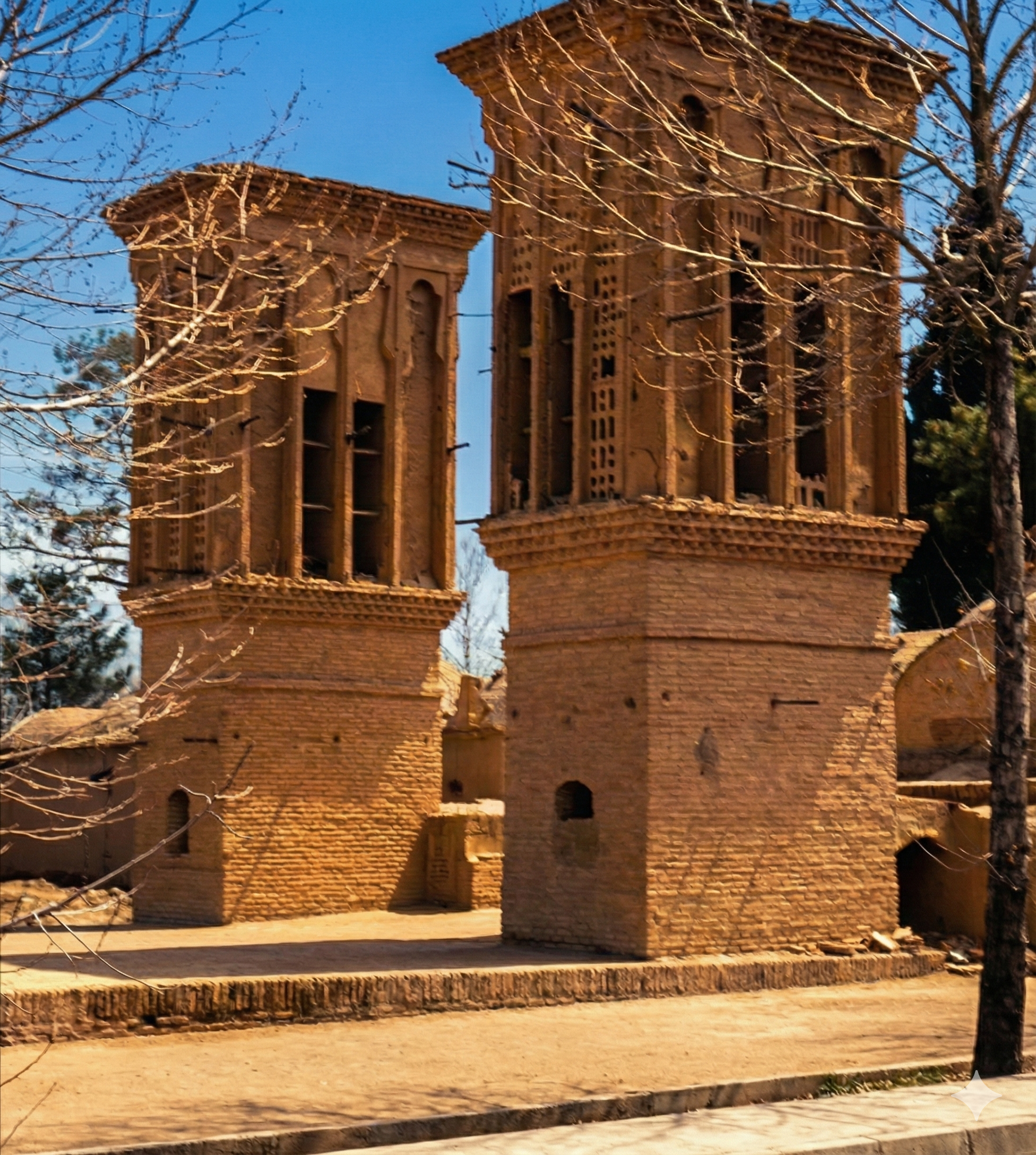
Mahan (ماهان): A Sanctuary of Sufi Mysticism
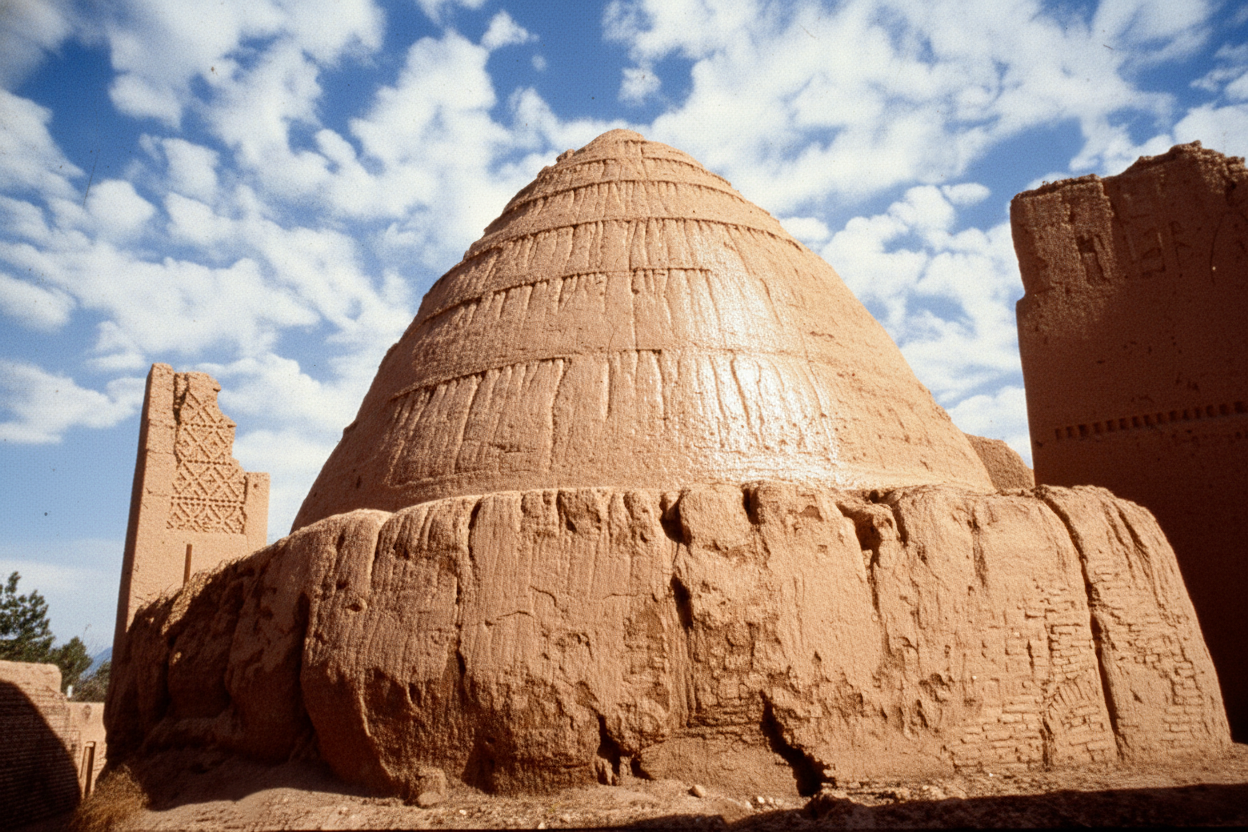
Yakhchal of Kerman (یخچال)
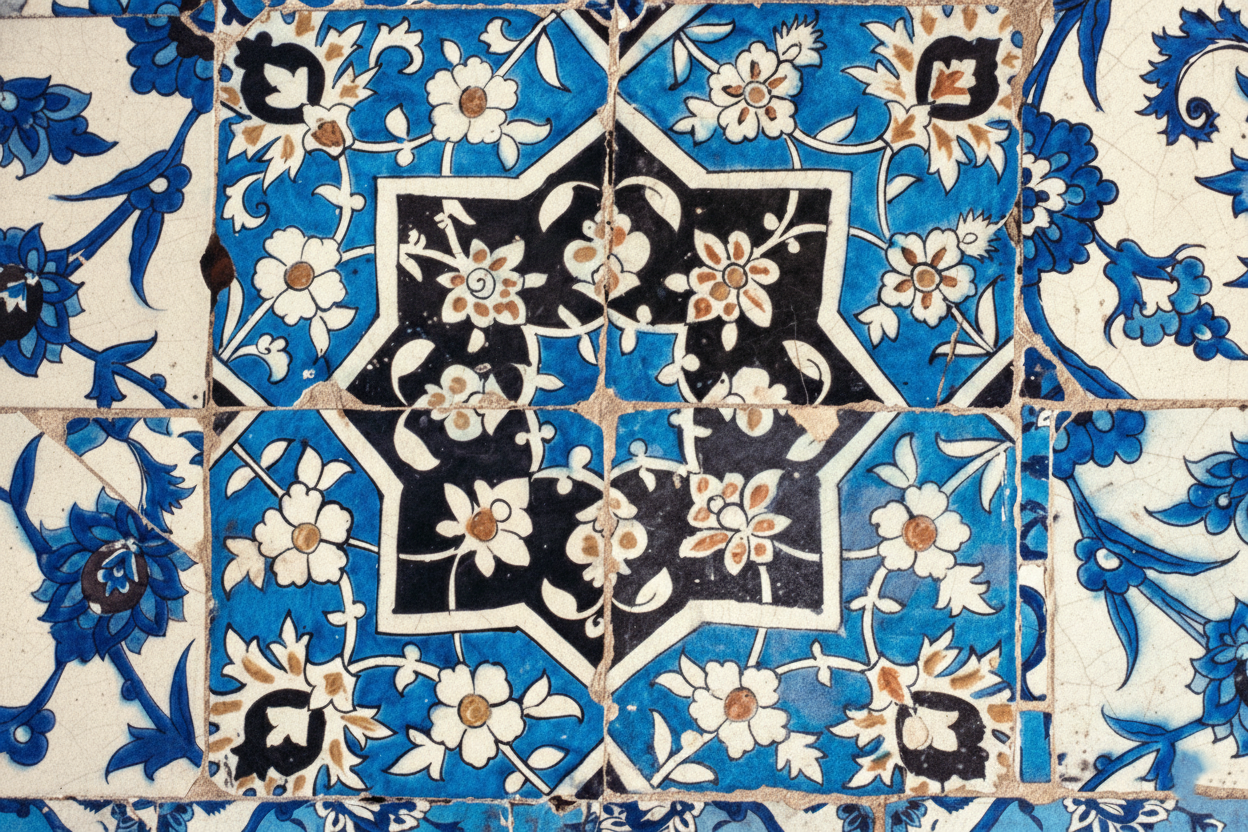
Tilework in Kerman’s Historic Architecture
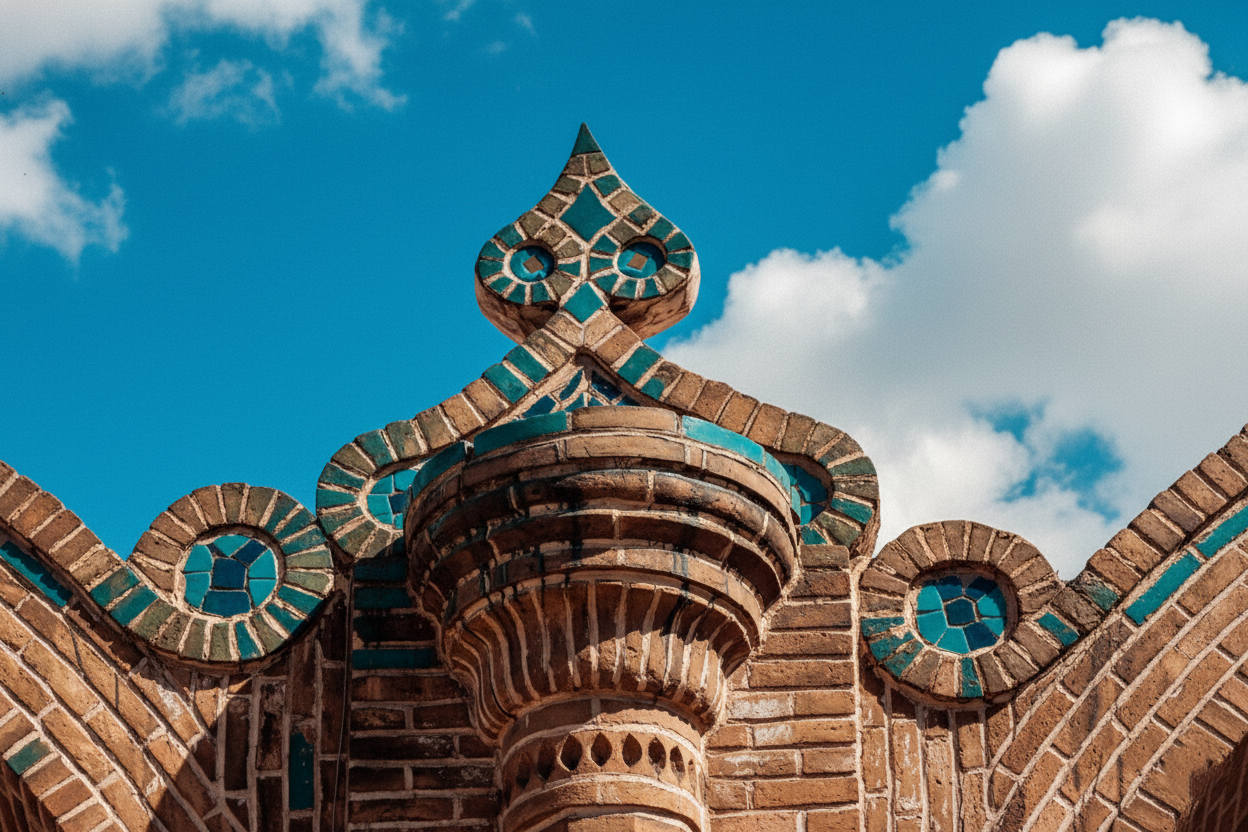
Kerman National Library: The Sanctuary of Silence and Brick
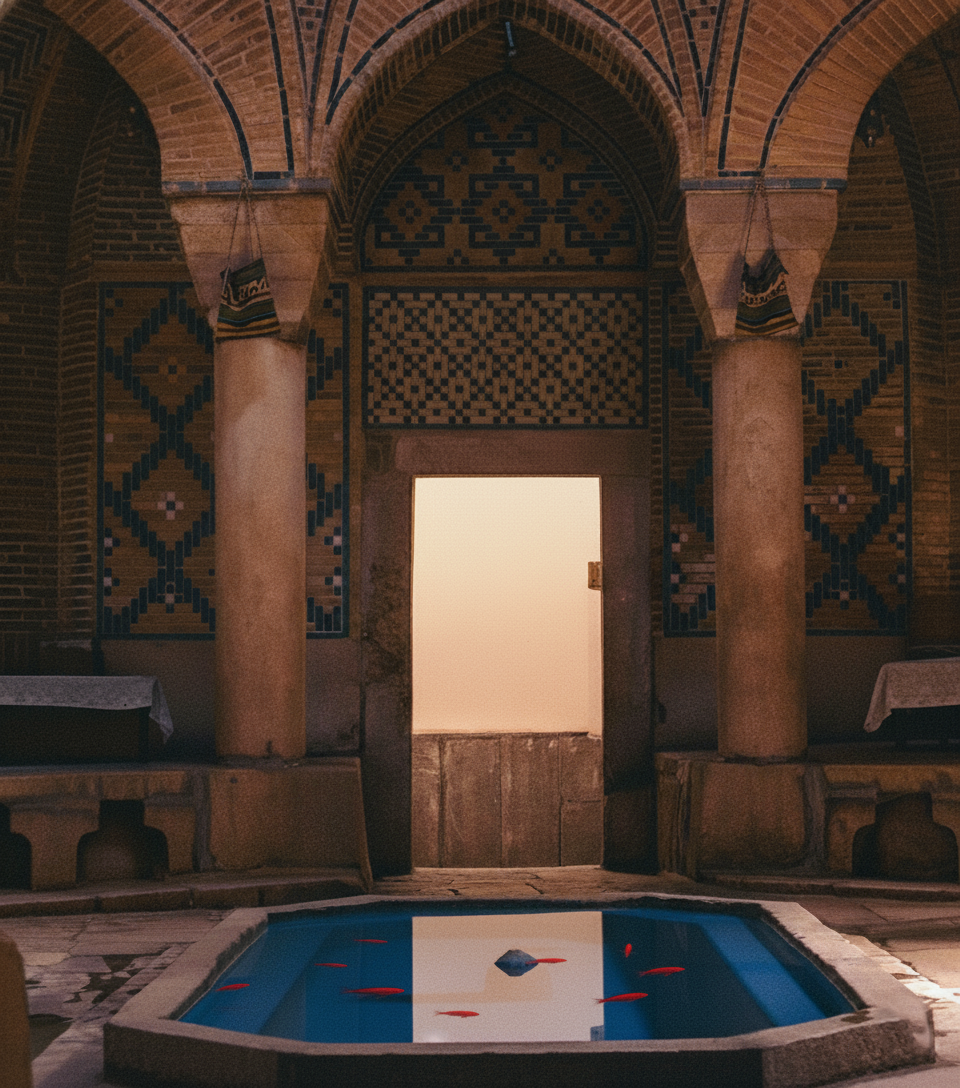
Ganj Ali Khan Public Bath (حمام گنجعلی خان)
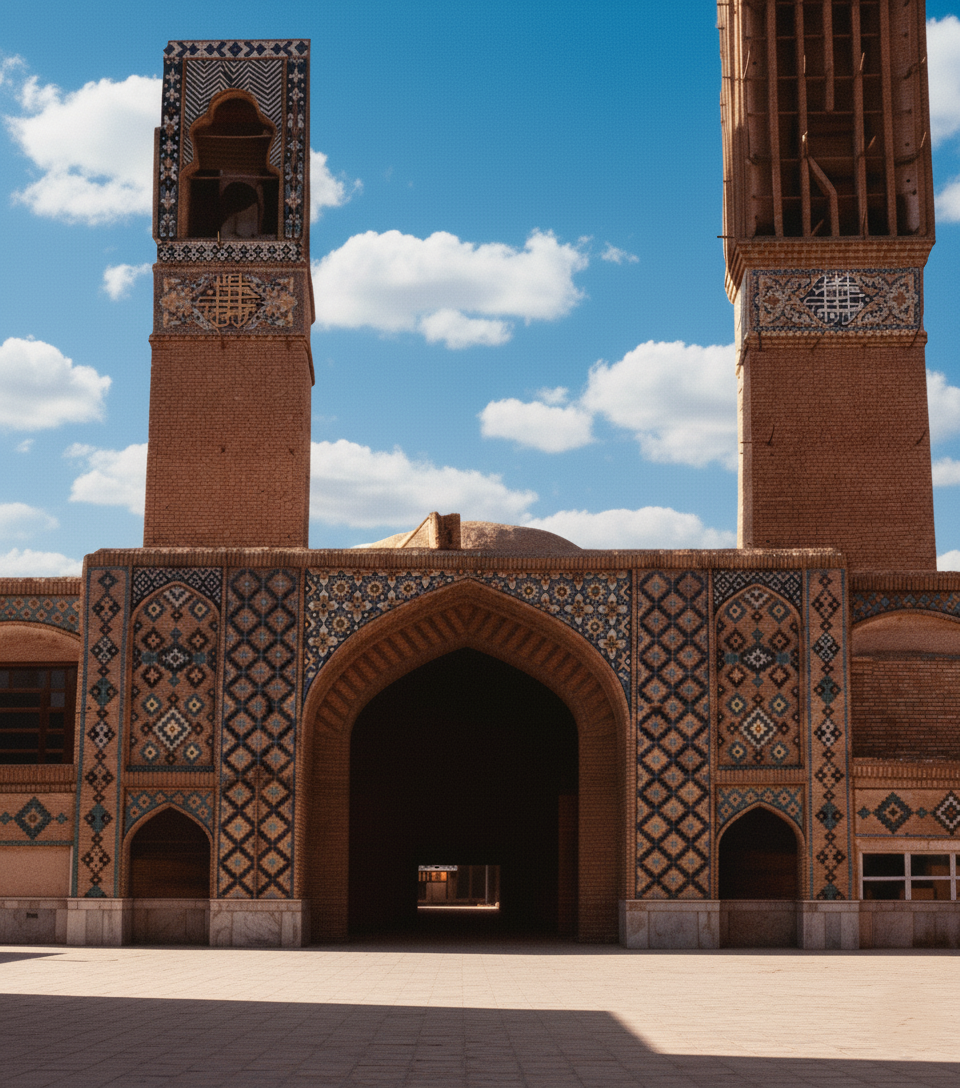
Ganj Ali Khan Complex
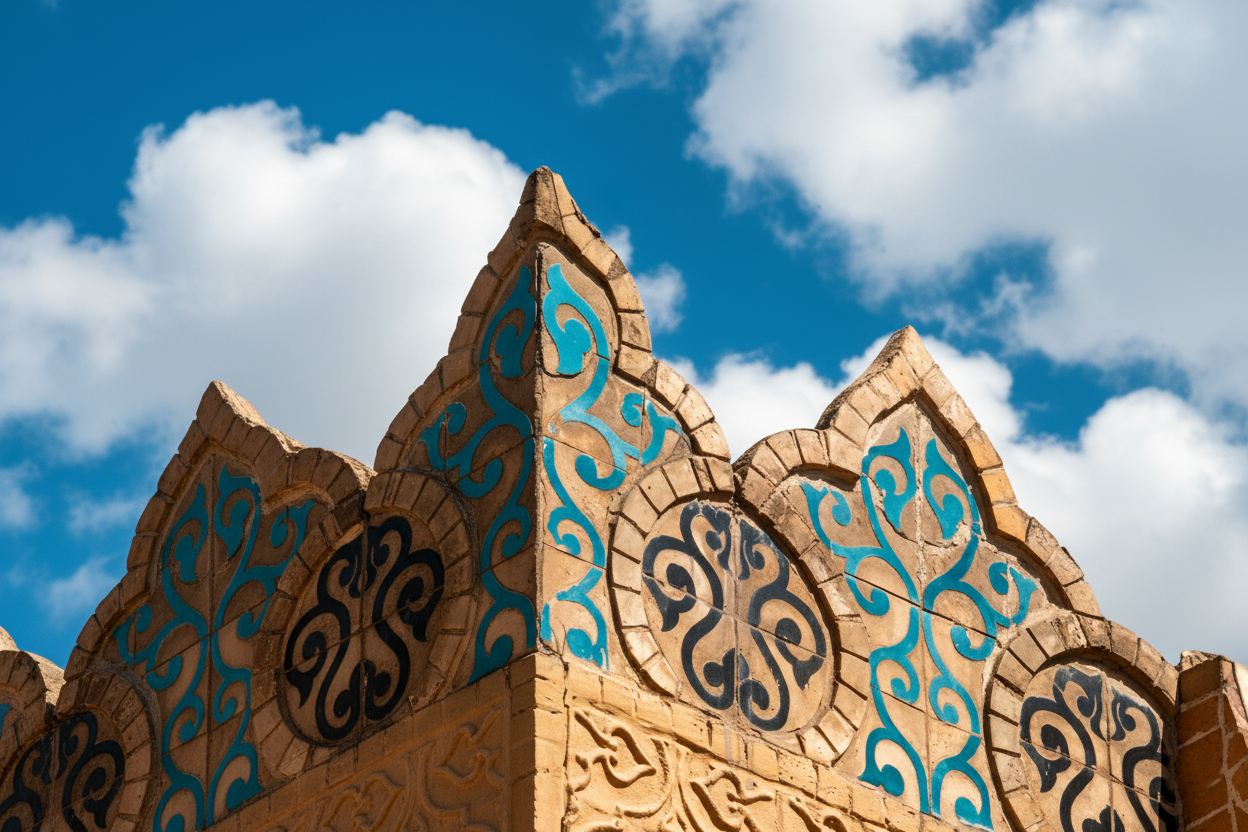
Kerman(کرمان): The Gateway to Dasht-e Lut
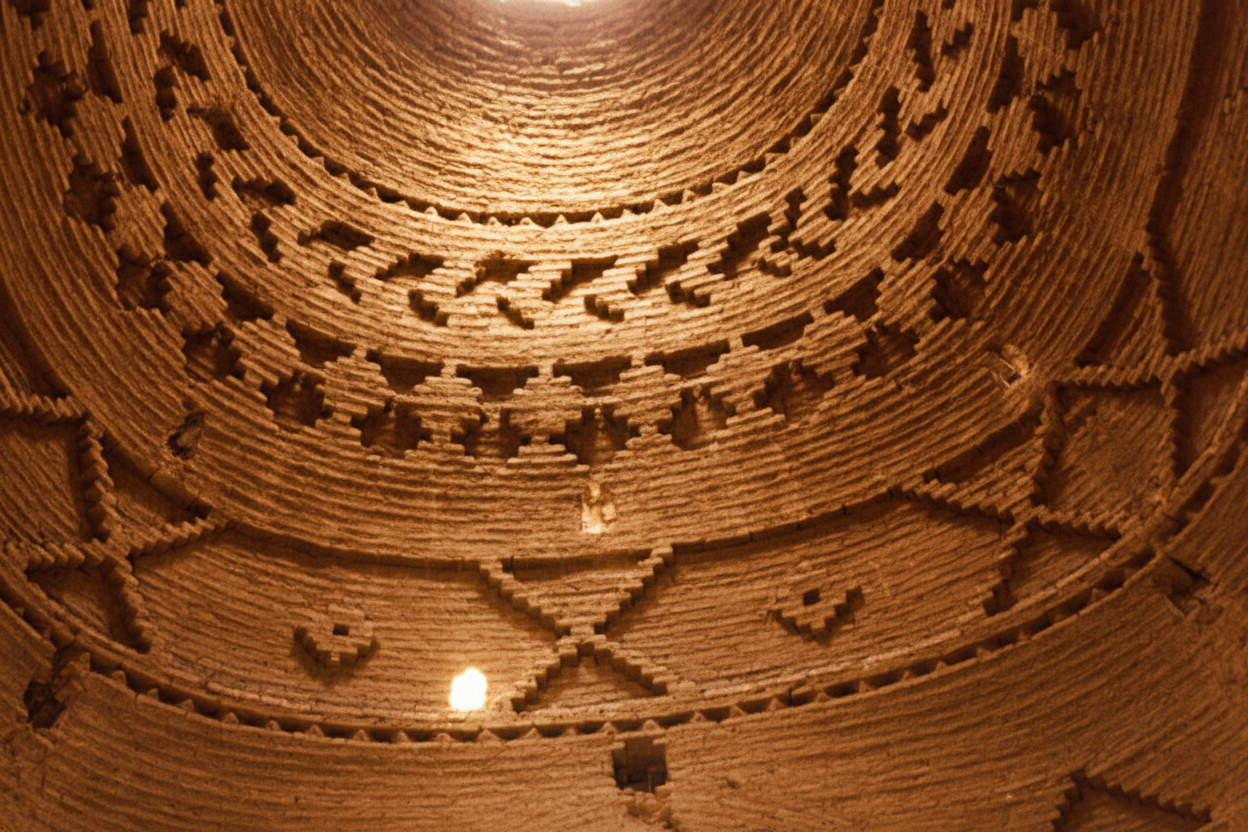
The Frozen Heart of the Desert: The Yakhchal of Bam
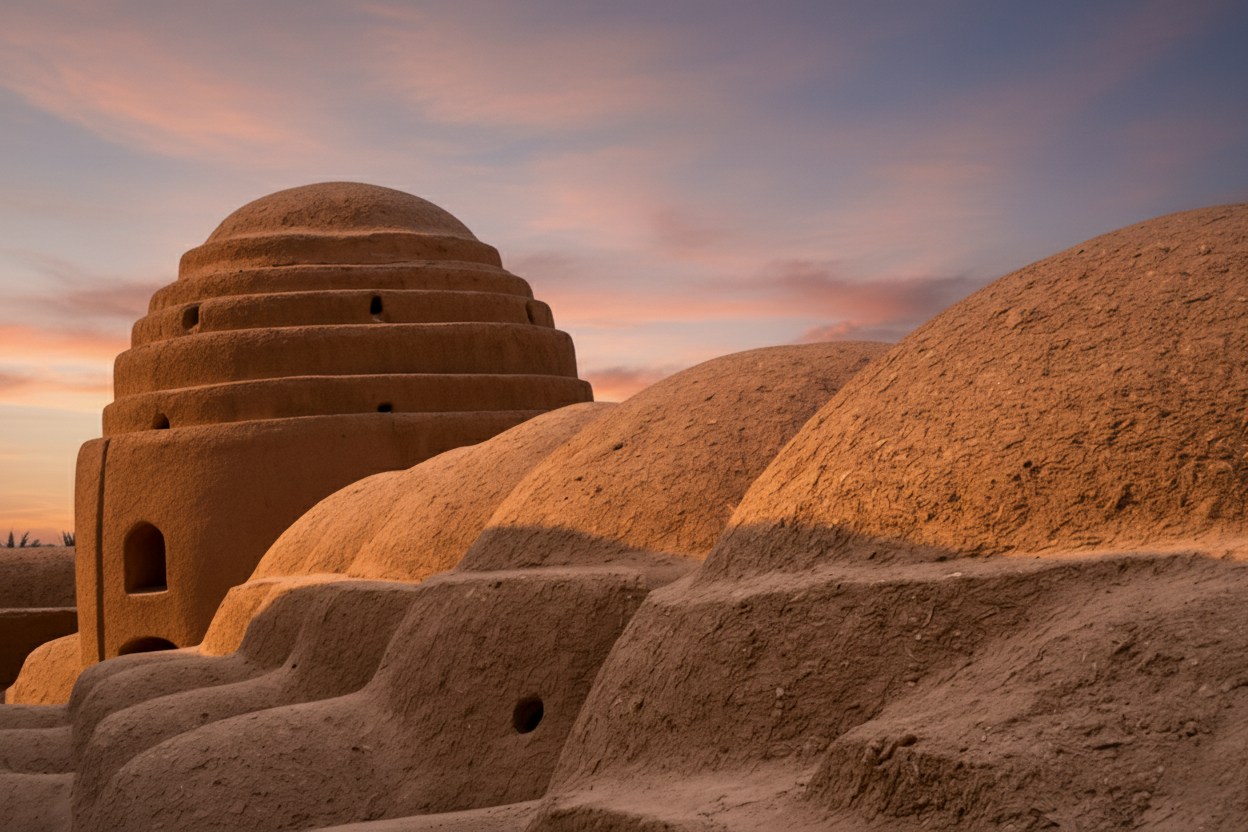
The Citadel of Bam (Arg-e Bam ارگ بم)
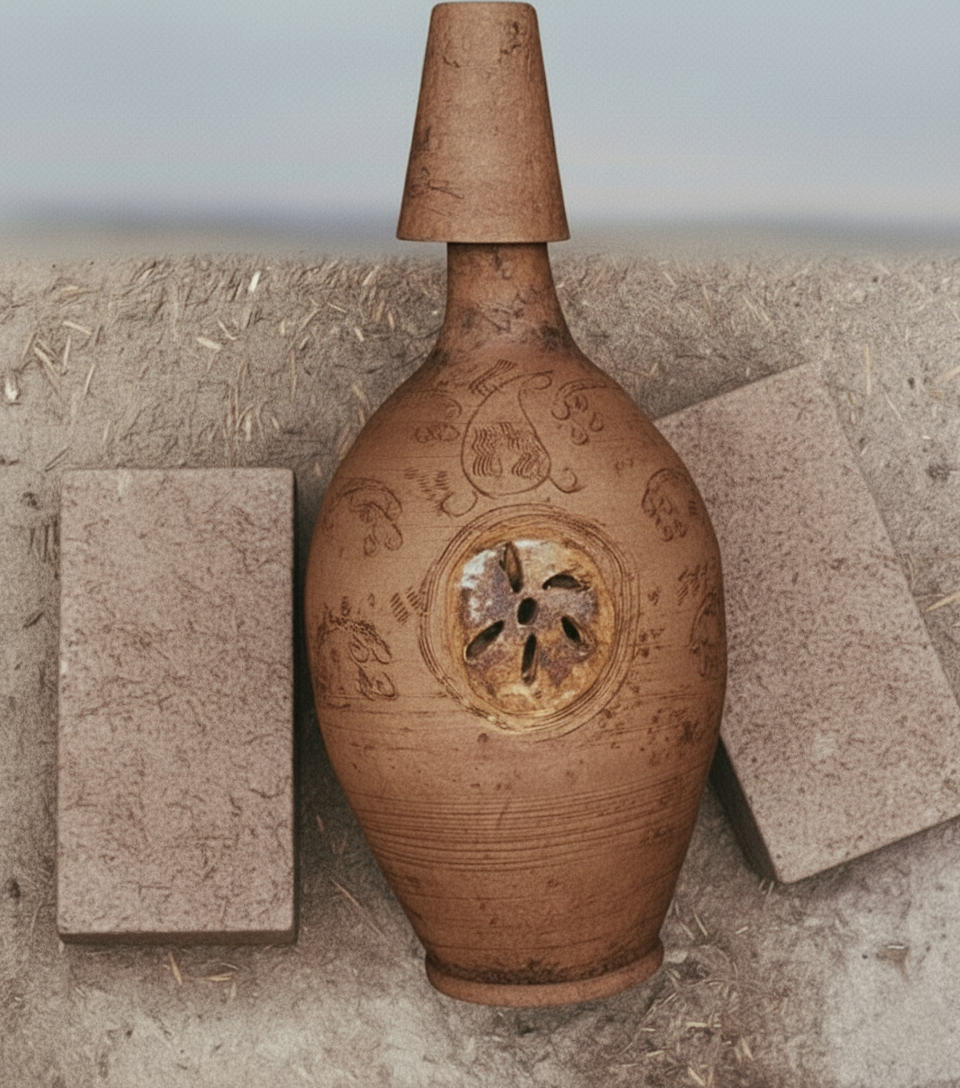
Bam (بم): The Edge of the Arid Mystery
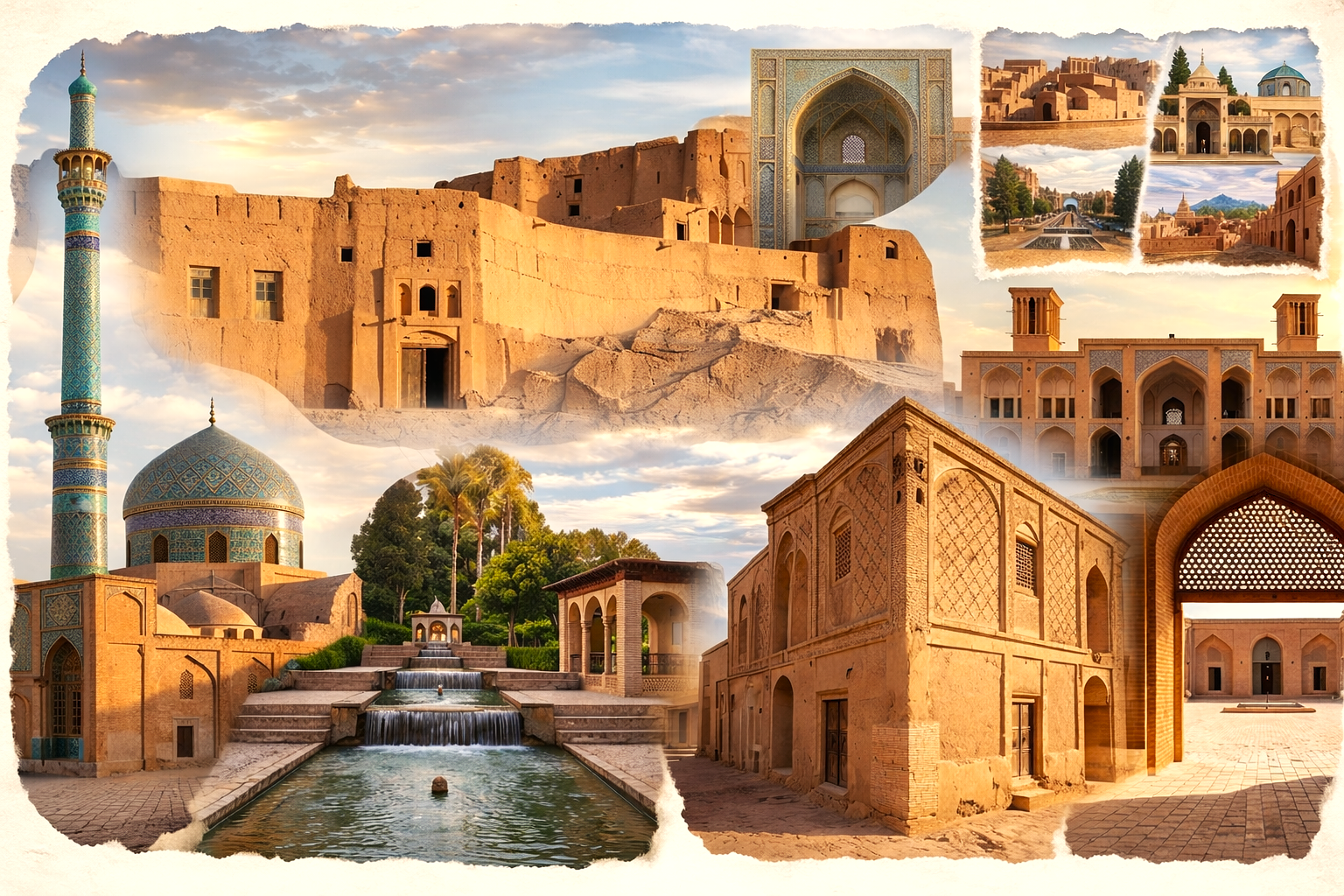
Section VI — The Edge of the Lut Desert
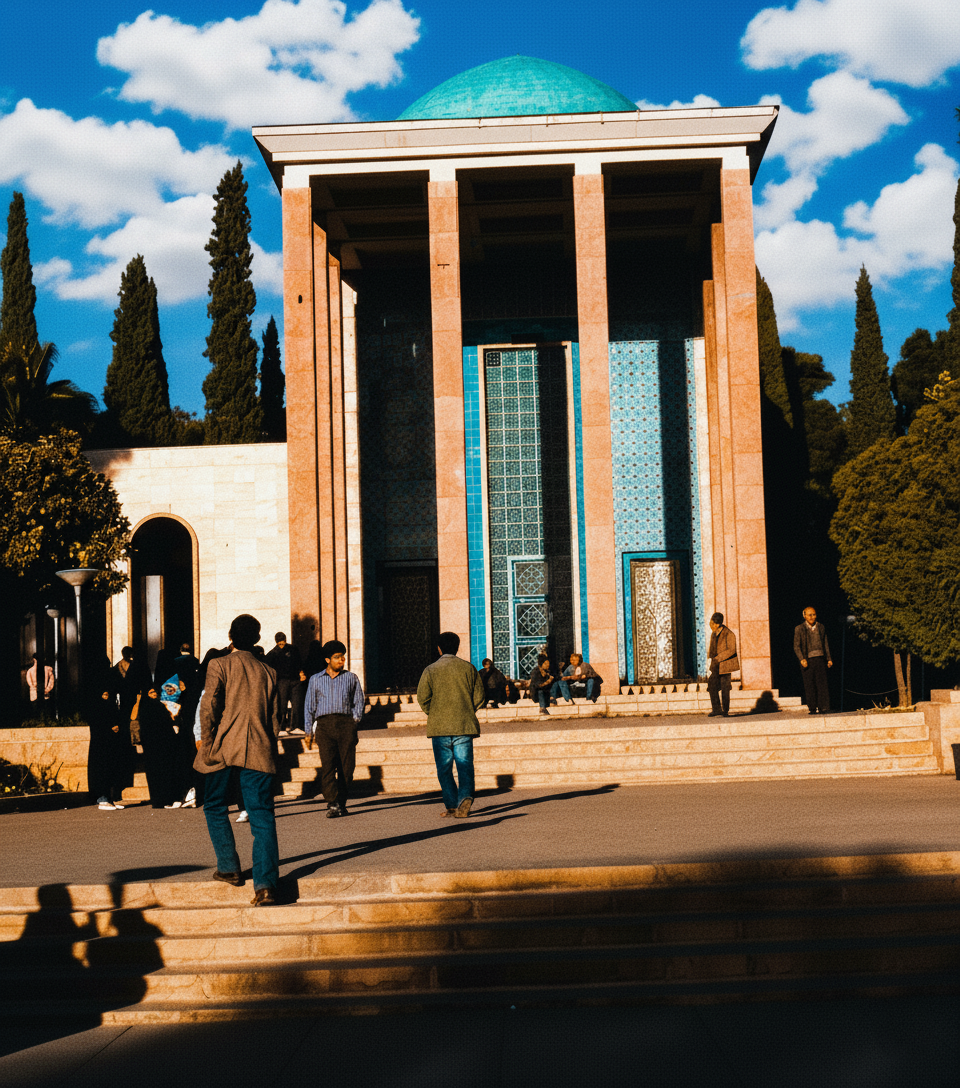
The Tombs of Hafez (Hafezieh) and Saadi
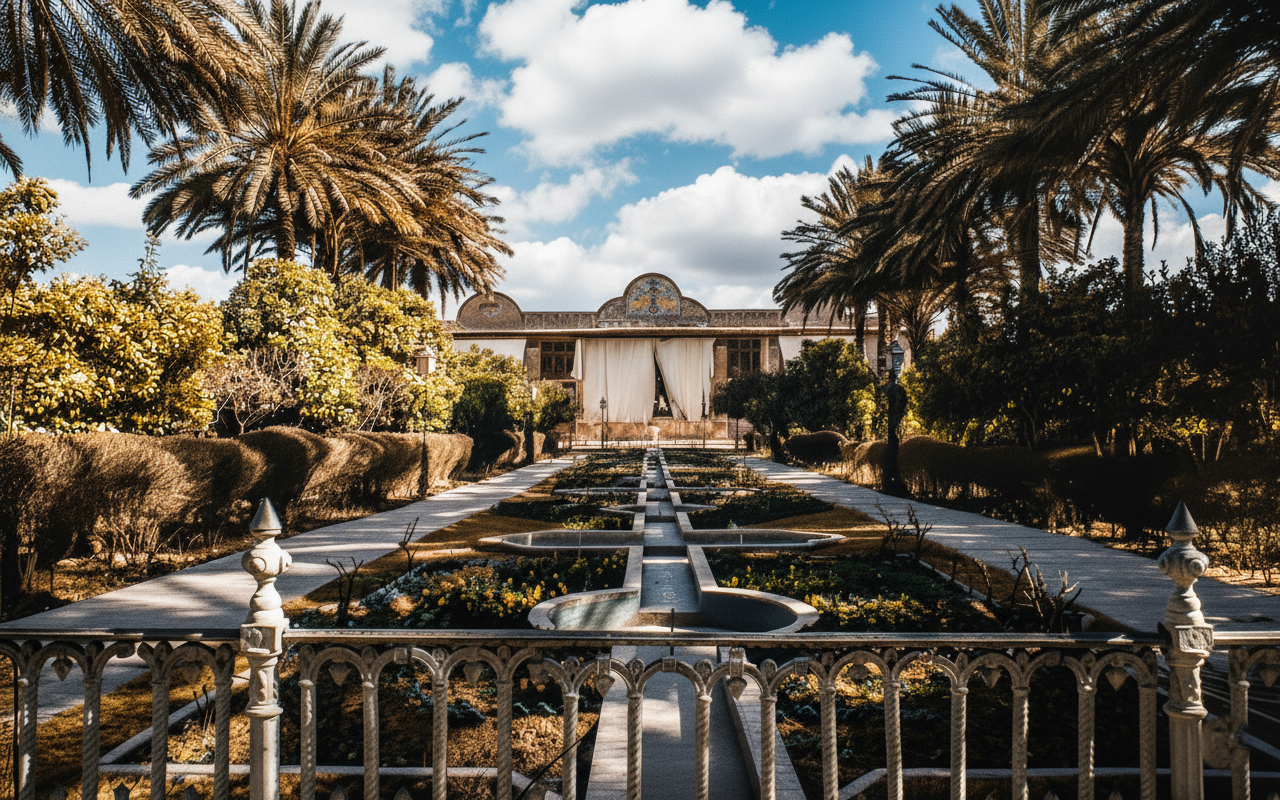
Narenjestan-e Qavam (نارنجستان ـ خانه قوام)
King of Light or Shah Cheragh (شاه چراغ)