Section I — The Zagros Mountains and Ancient Landscapes
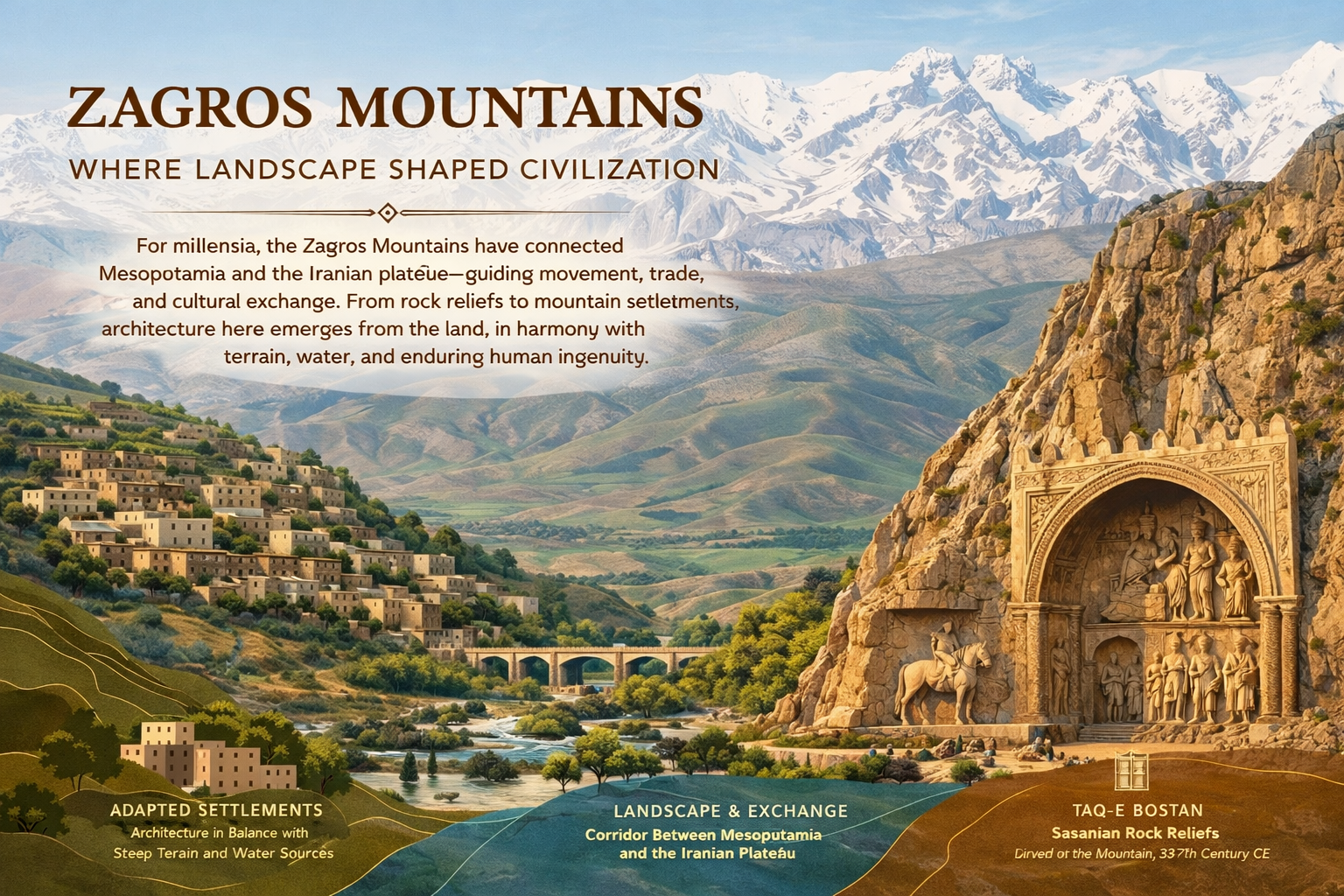
The architectural journey across Iran begins in the Zagros Mountains, where rugged terrain long shaped movement, trade, and cultural exchange between Mesopotamia and the Iranian plateau. Here architecture emerges from landscape: Sasanian rock reliefs at Taq-e Bostan, settlements adapted to steep valleys and water sources, and environments where geography and human creativity together formed enduring patterns of building and habitation.
-
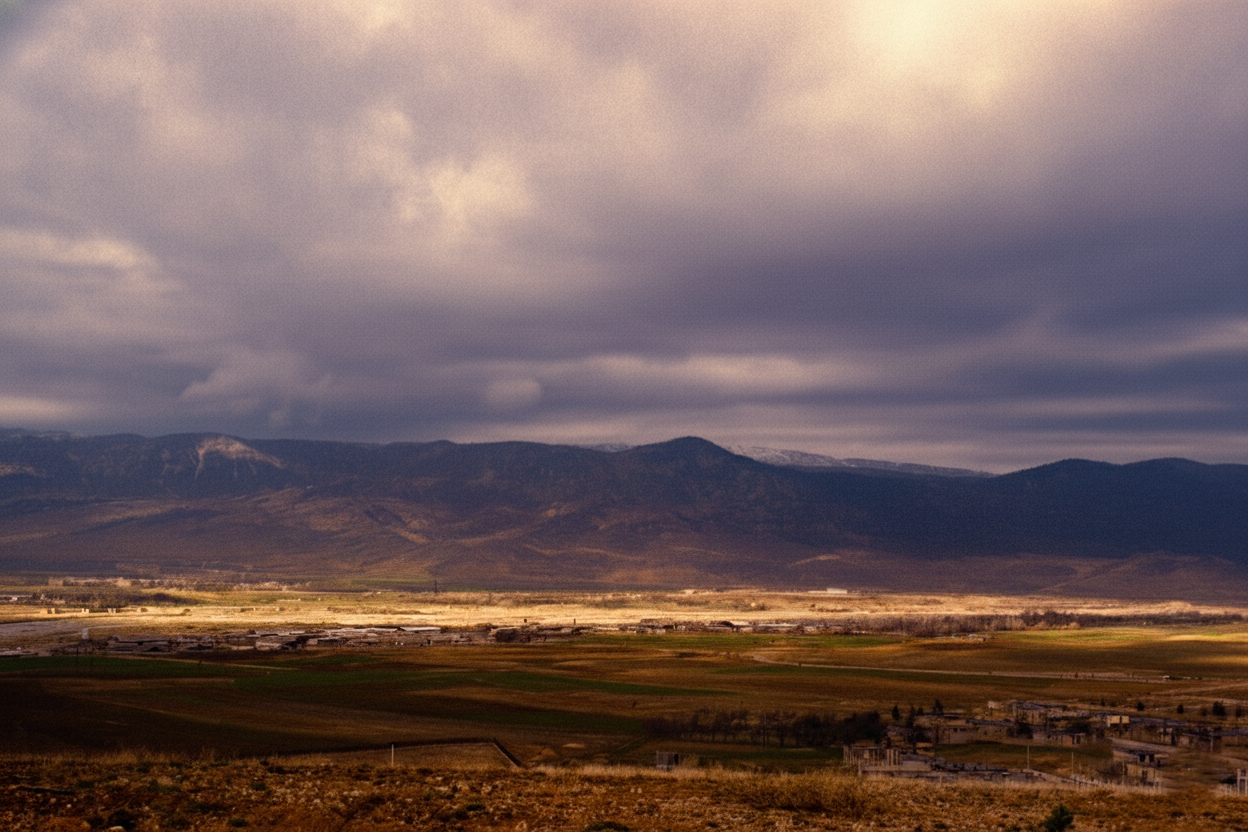
The architectural journey across Iran begins in the rugged landscapes of the Zagros Mountains, a vast mountain chain that stretches across western and southwestern Iran. For millennia, these mountains have shaped the movement of peoples, trade routes, and cultural exchange between Mesopotamia and the Iranian plateau. Their dramatic terrain—marked by limestone cliffs, forested valleys, rivers, and alpine peaks—has also influenced the forms of architecture and settlement that developed within this environment.
In this region, architecture often emerges directly from the landscape itself. Ancient rulers carved monumental reliefs into mountain cliffs, while communities adapted their settlements to steep terrain, water sources, and seasonal climates. These environments reveal how architecture in Iran has long been shaped by the interaction between natural geography and human creativity.
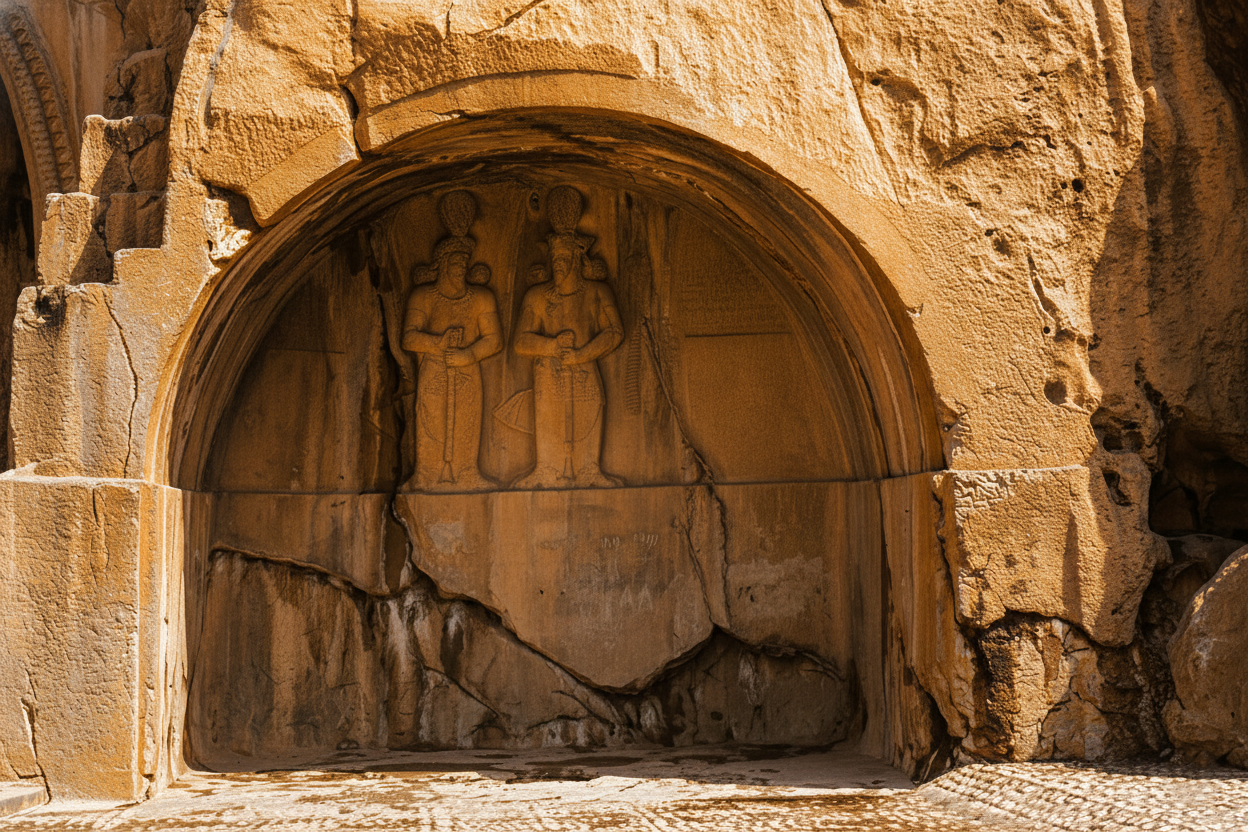
At Taq-e Bostan (طاق بستان), carved into a limestone cliff at the foot of the Zagros Mountains near Kermanshah, the rock reliefs commemorate the power and ceremonial life of Sasanian kings. These monumental carvings were created during the Sasanian Empire between the 4th and 7th centuries CE, with major reliefs dating to the reigns of Shapur II (309–379 CE), Shapur III (383–388 CE), and Khosrow II (590–628 CE). Reflected in a natural spring pool, the sculptures create a monumental landscape where art, architecture, and nature merge.
Further south, the mountainous landscapes around Yasuj (یاسوج) present a different expression of the Zagros environment. The region has been inhabited since ancient Elamite and early Iranian periods (2nd–1st millennium BCE) and later became part of the territories of various Iranian empires. Surrounded by oak forests and rugged peaks, the region’s abundant water sources and fertile valleys have shaped traditional settlement patterns and vernacular architecture across southwestern Iran for centuries.
Together, these landscapes introduce the beginning of Iran’s architectural story—one rooted in mountains, natural resources, and the enduring relationship between environment and human settlement.