Taq-e Bostan (طاقبستان), Kermanshah
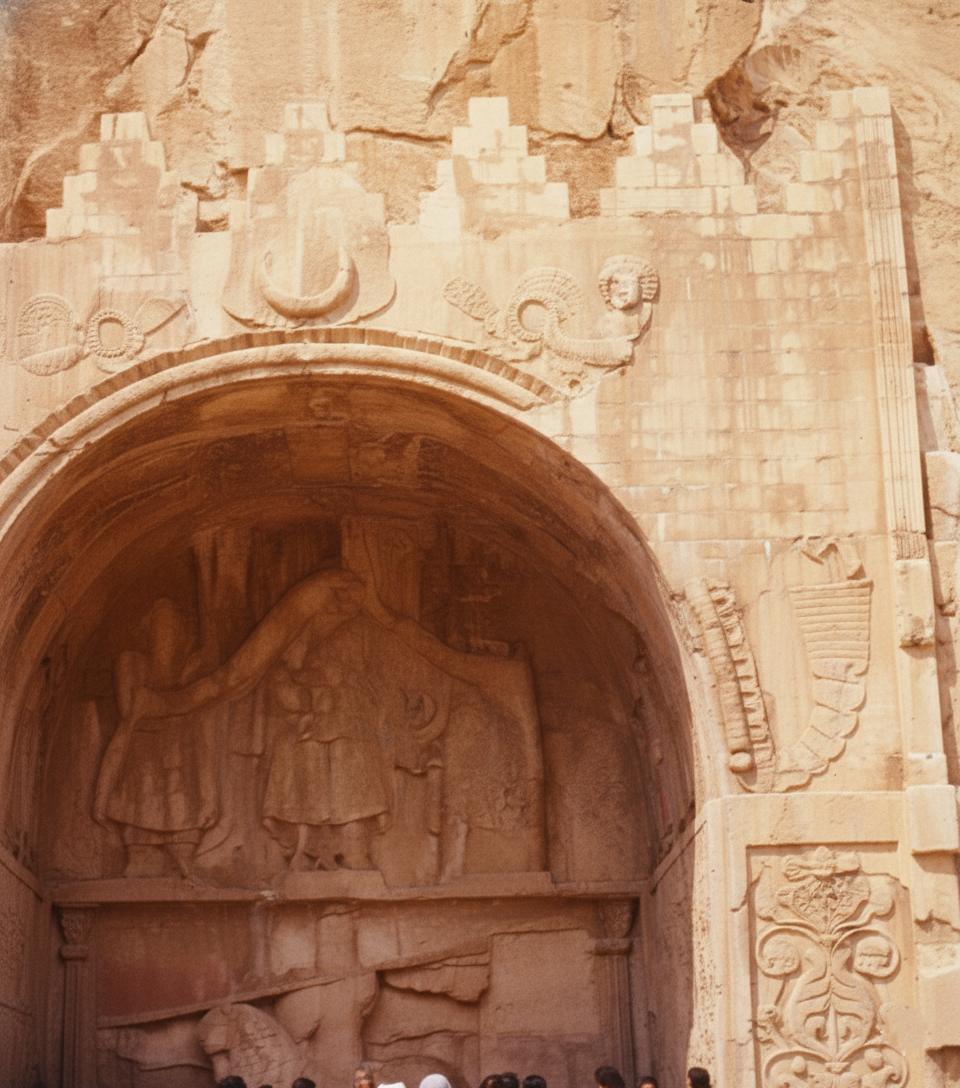
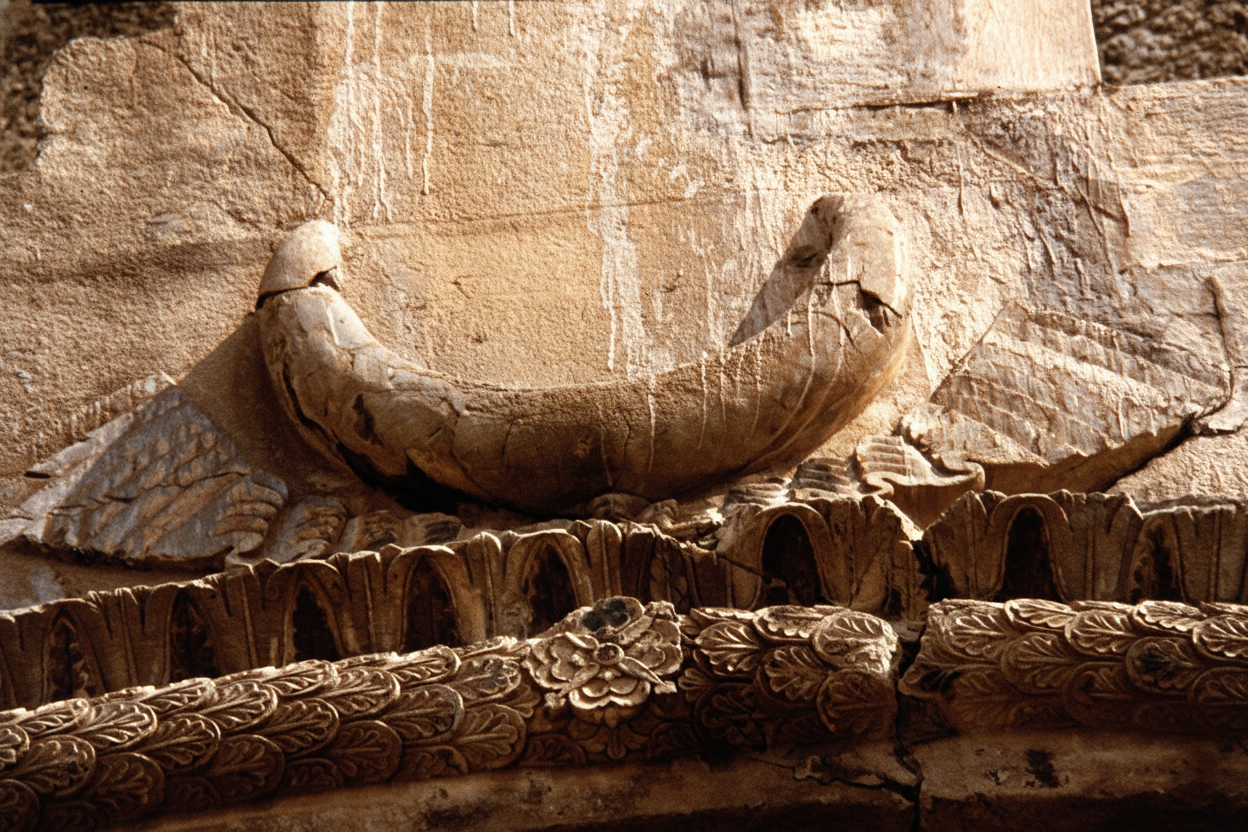
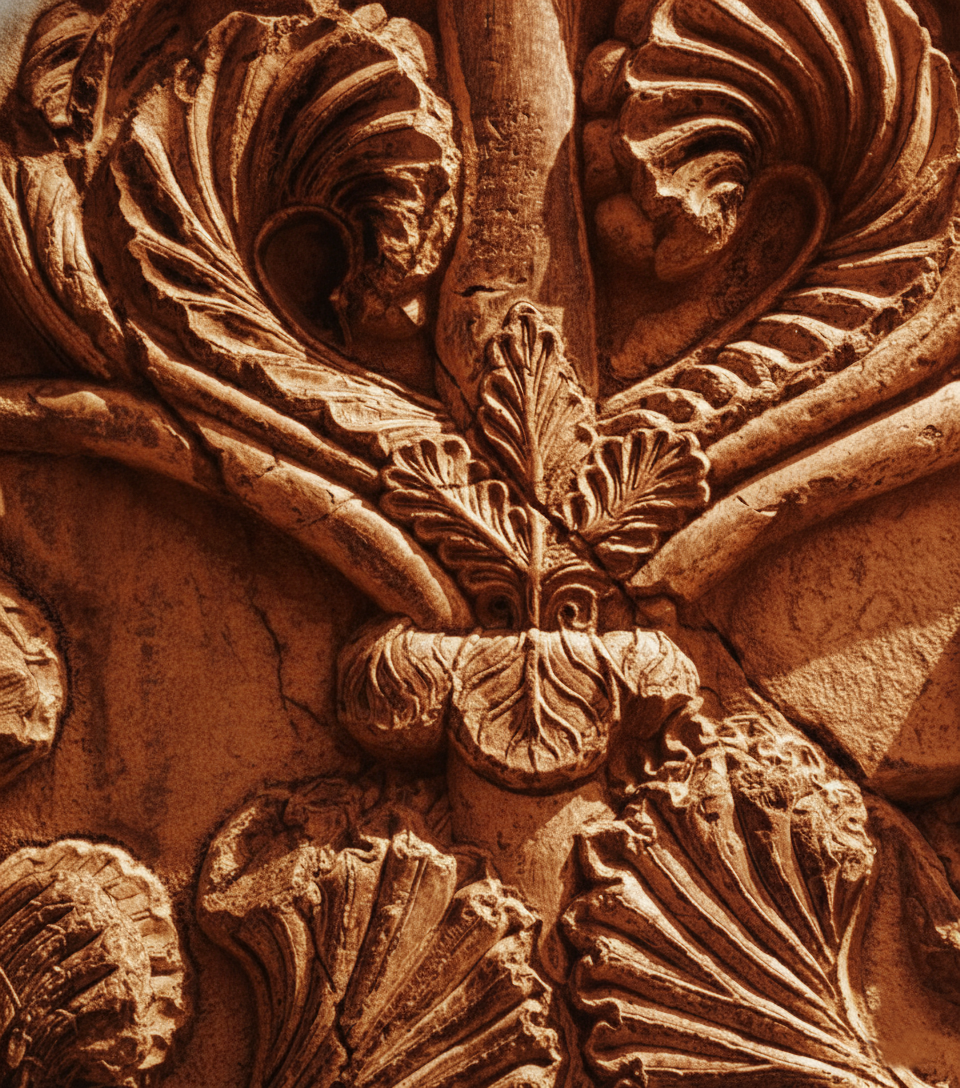
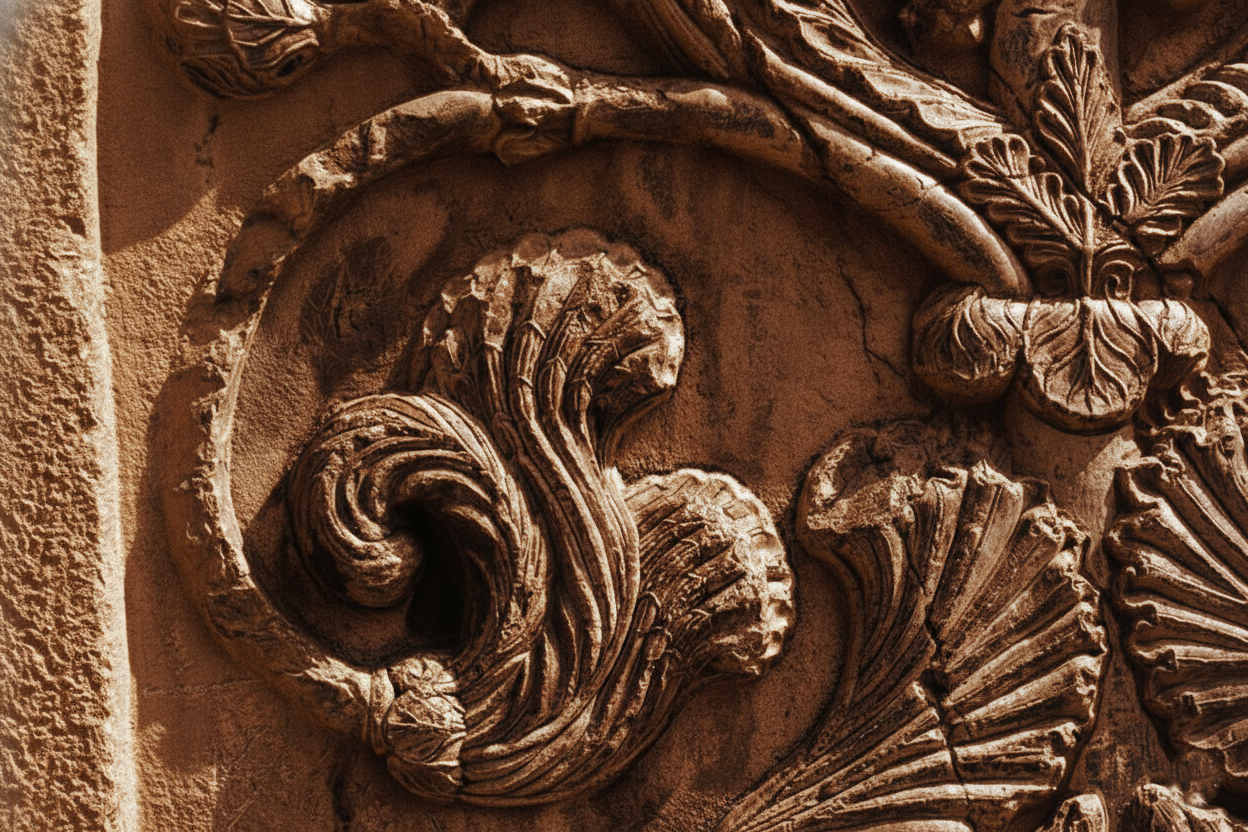
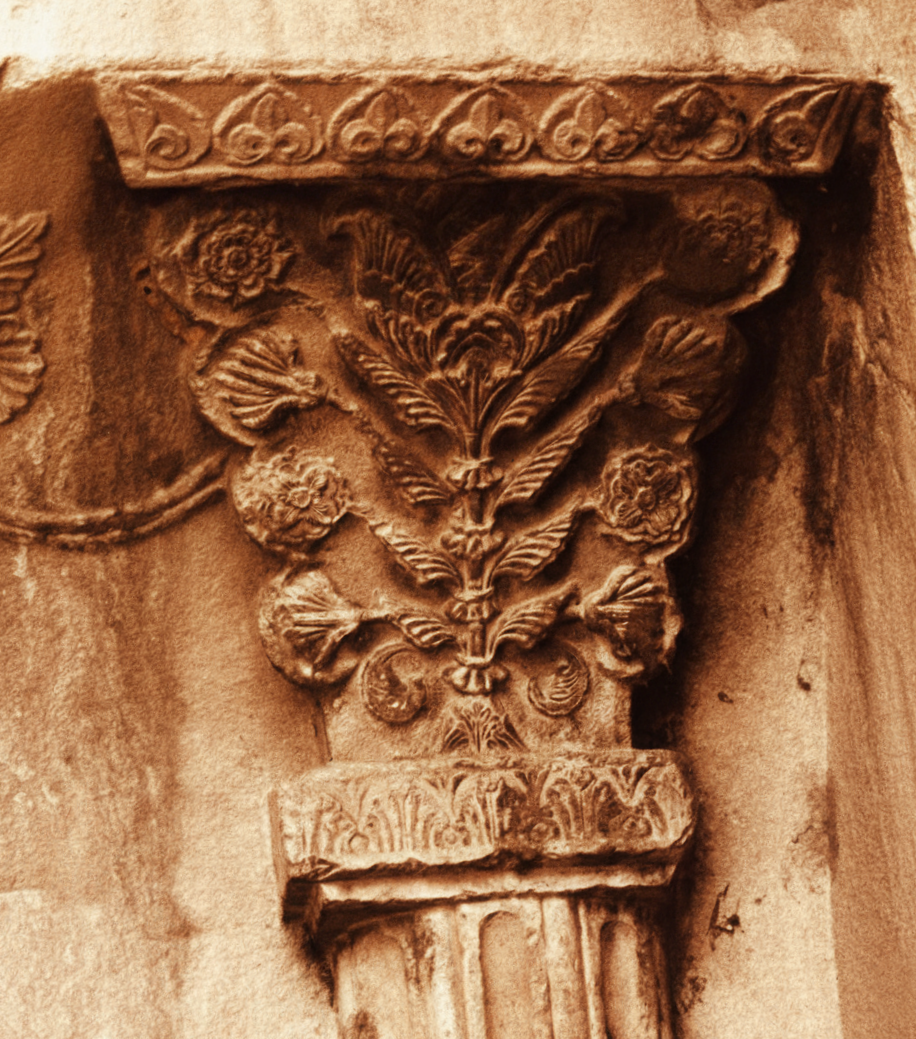
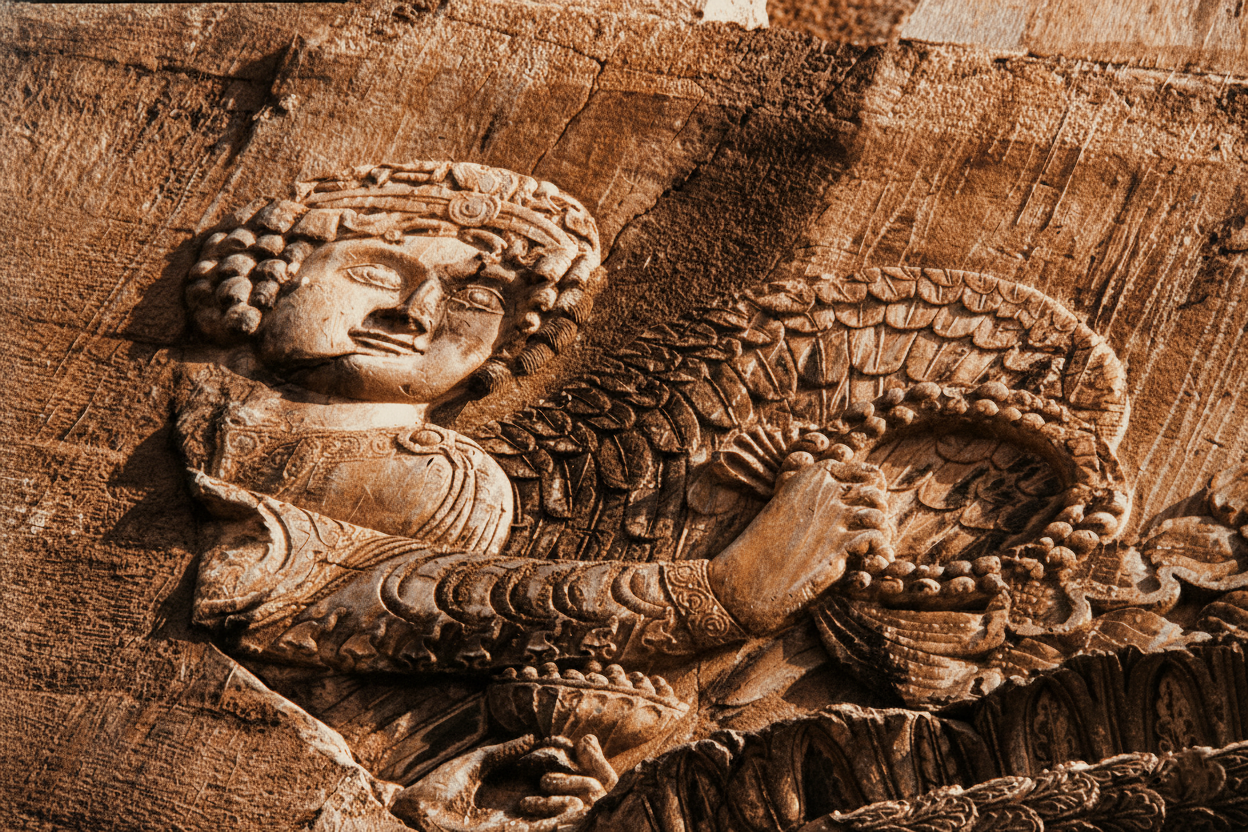
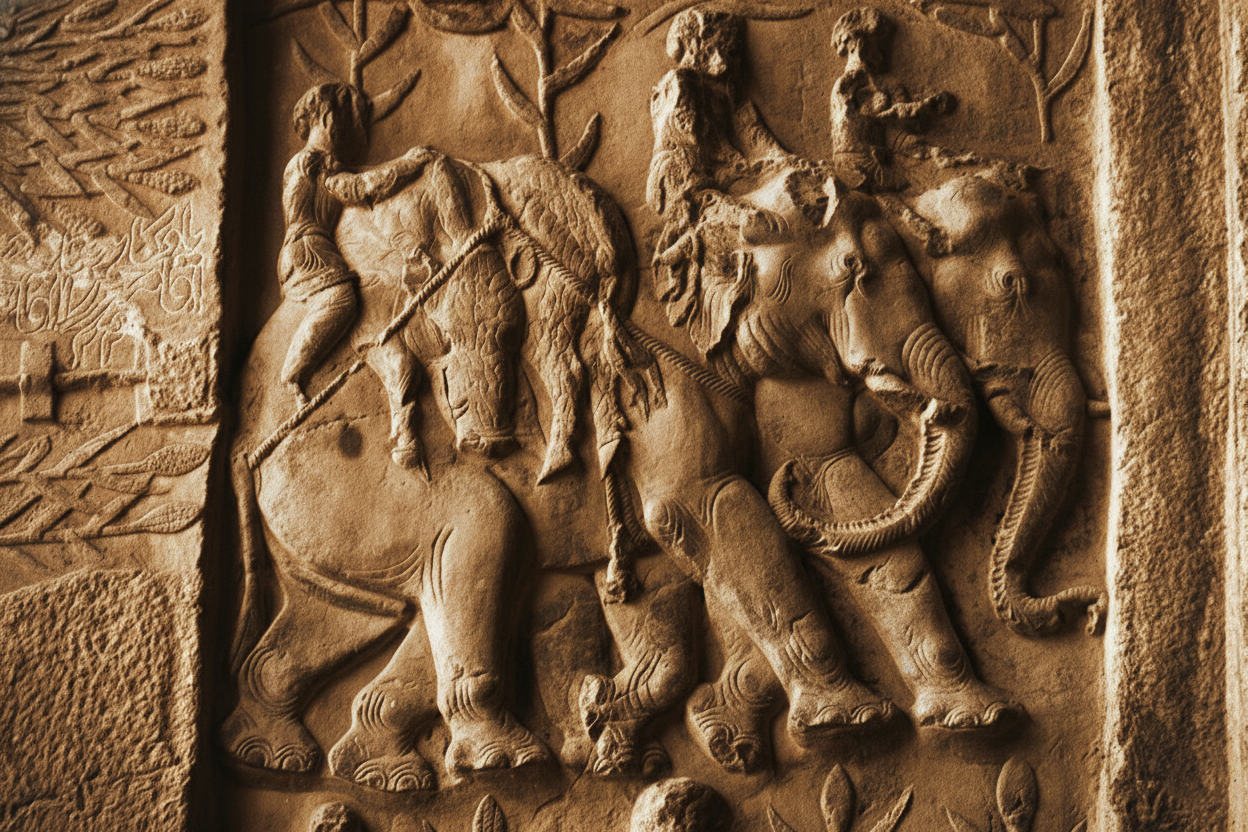
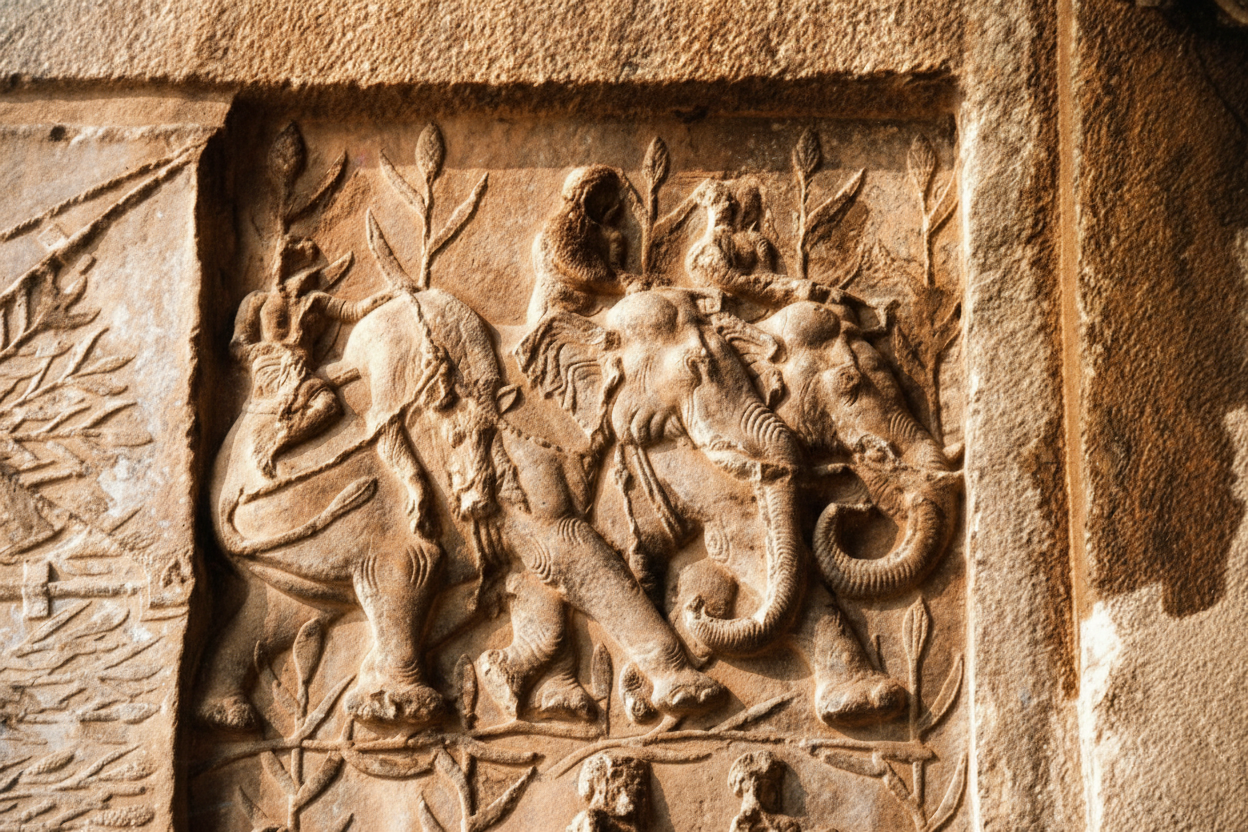
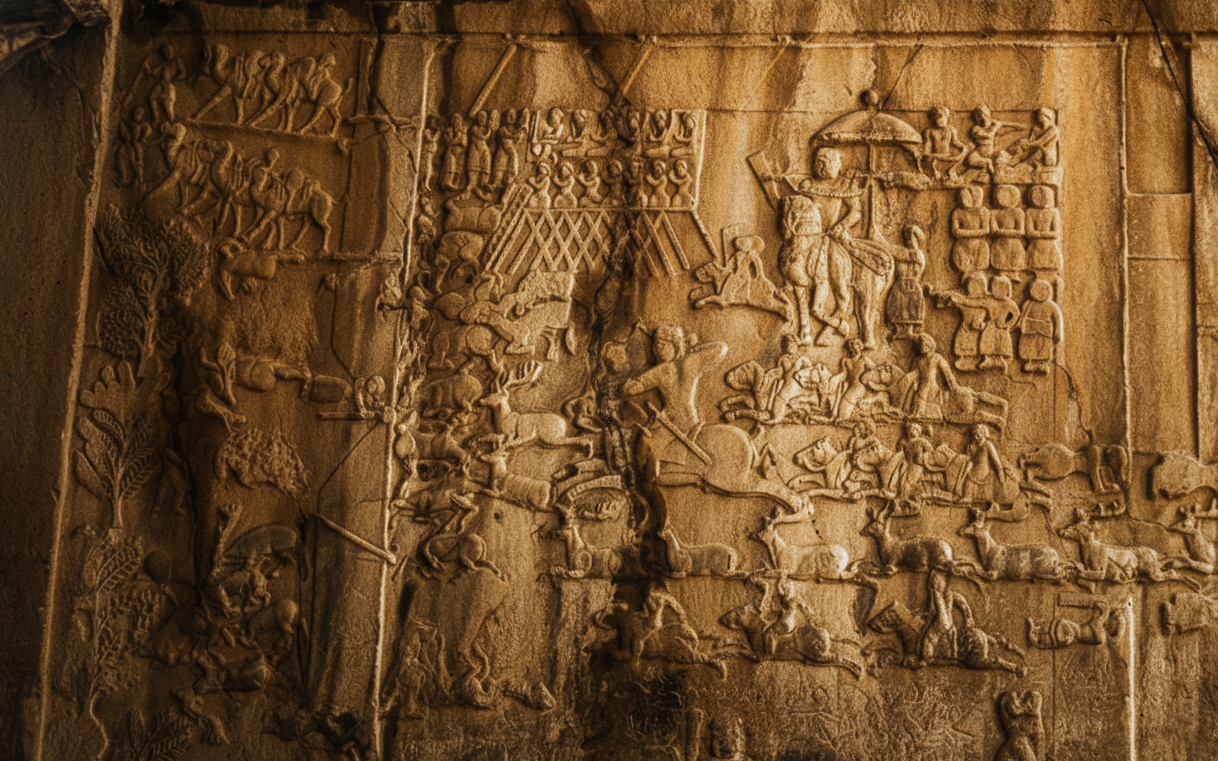
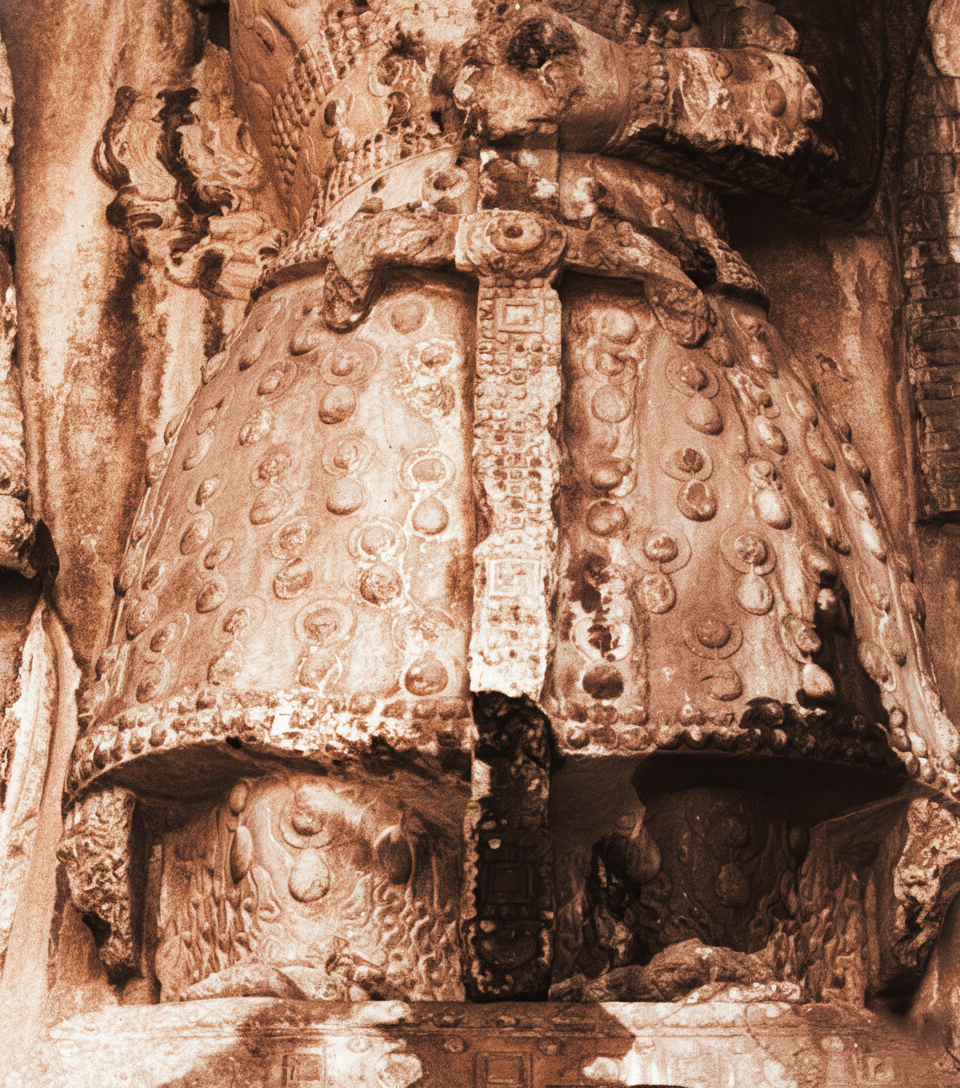
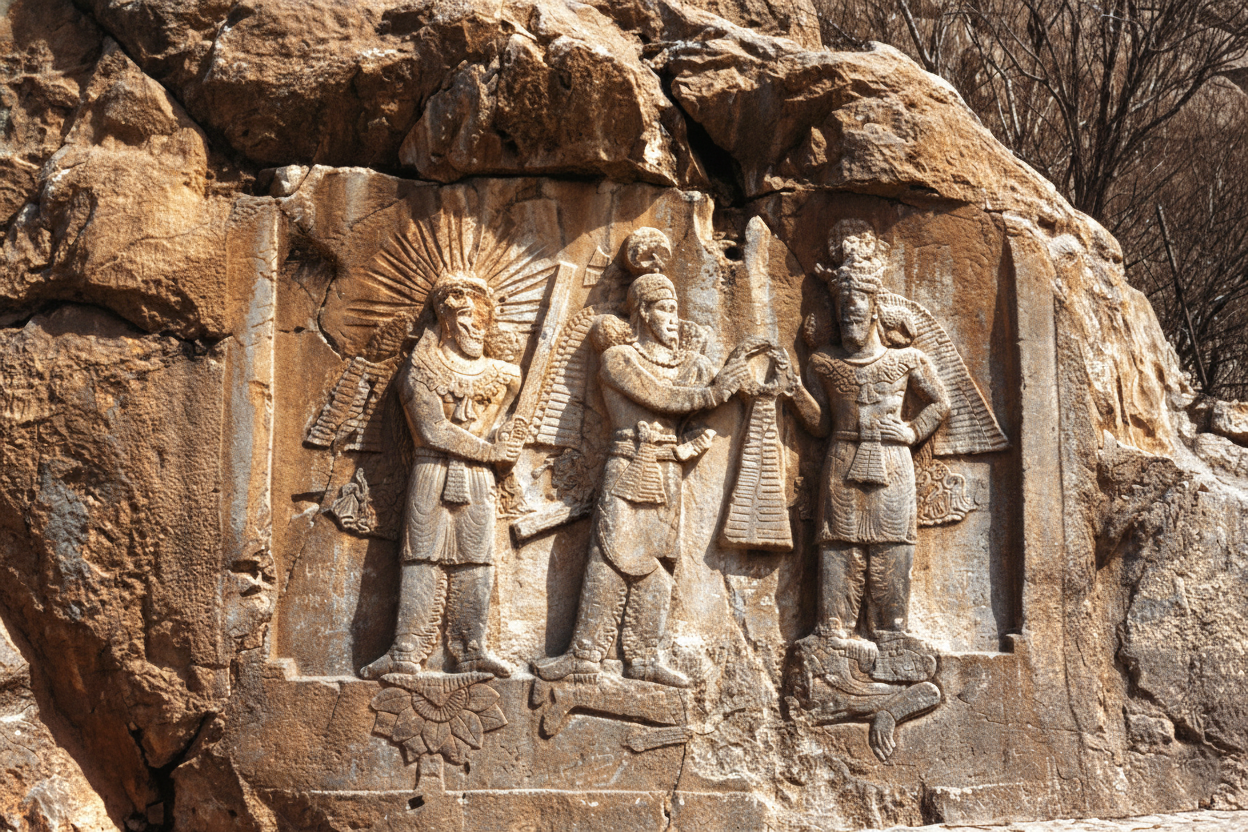
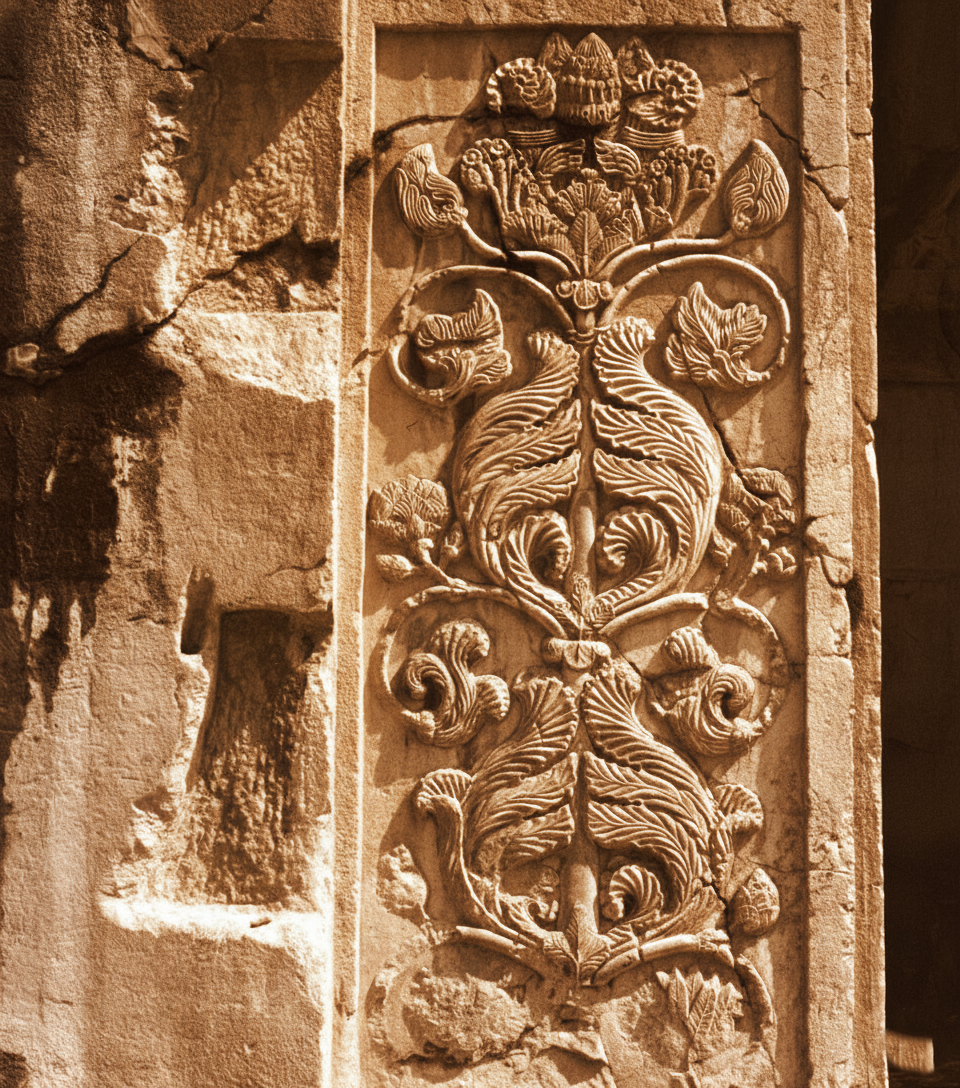
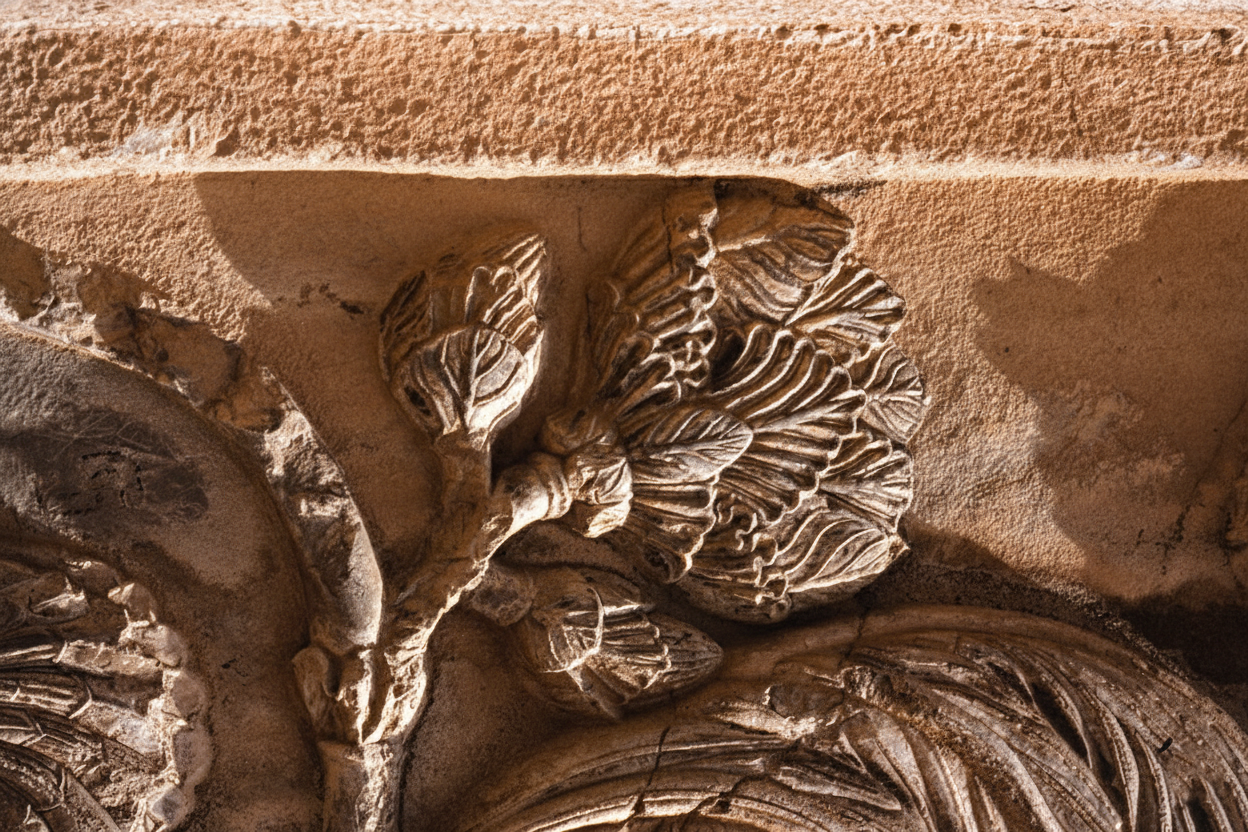
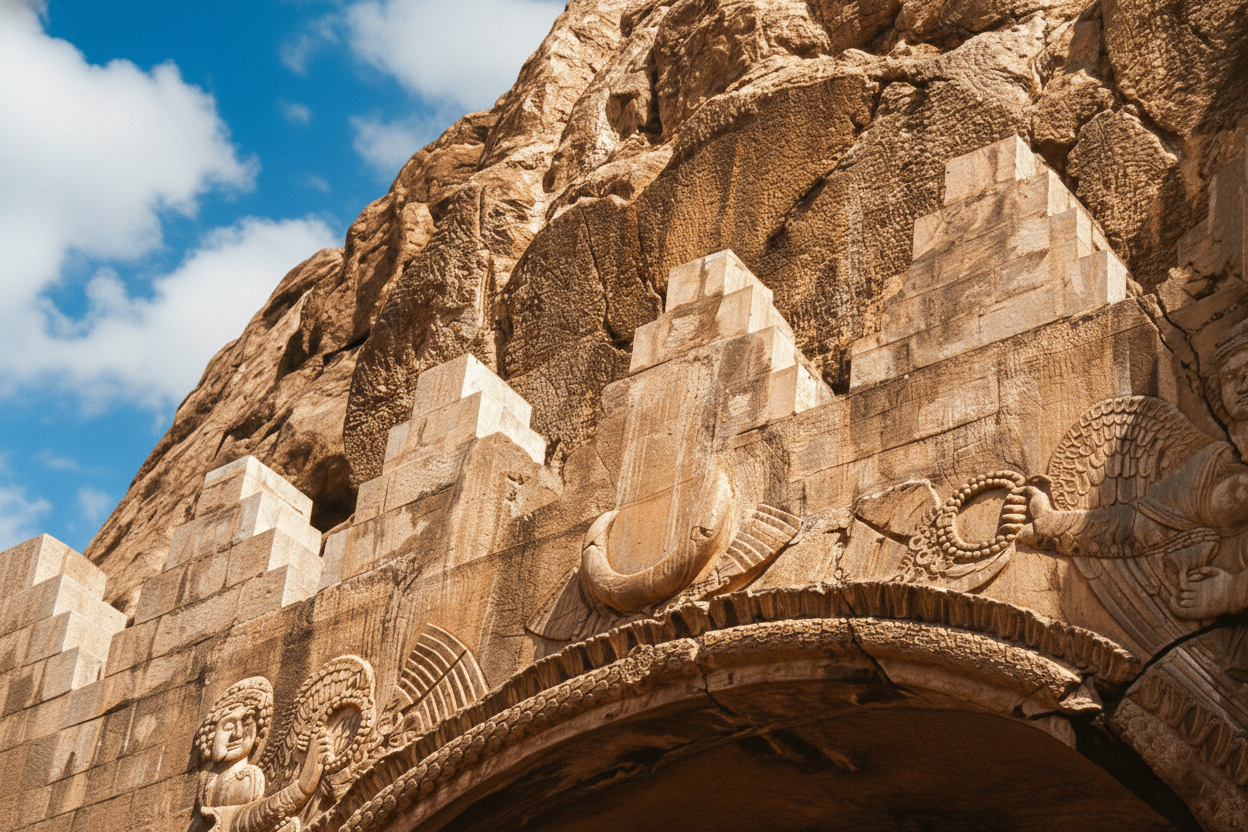
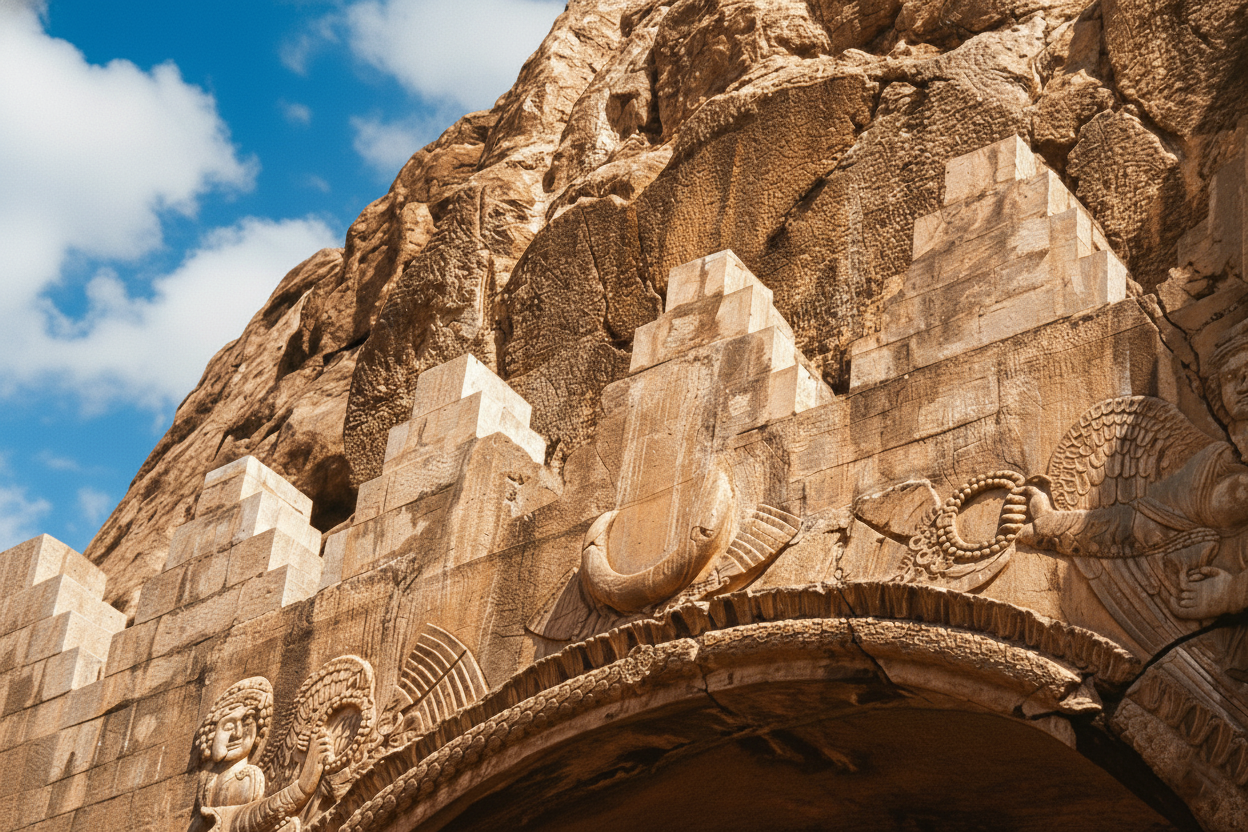
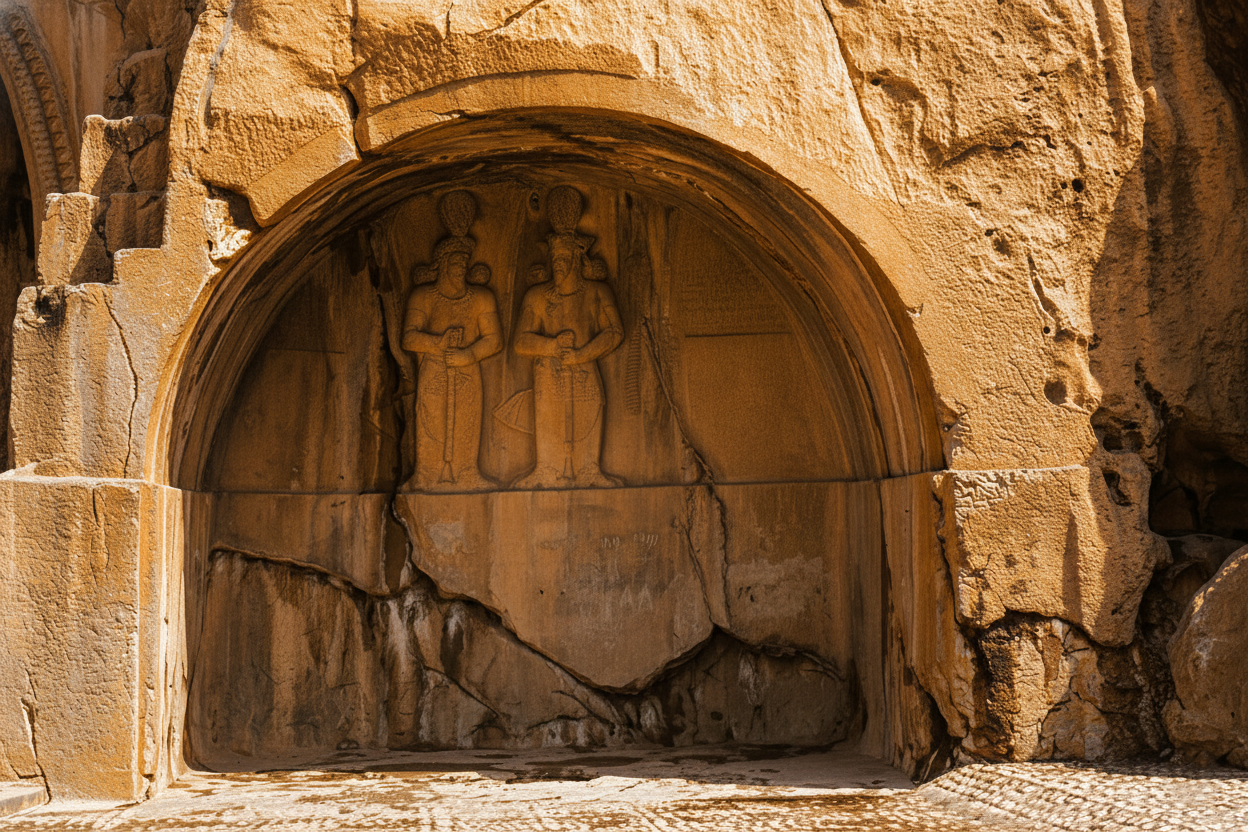
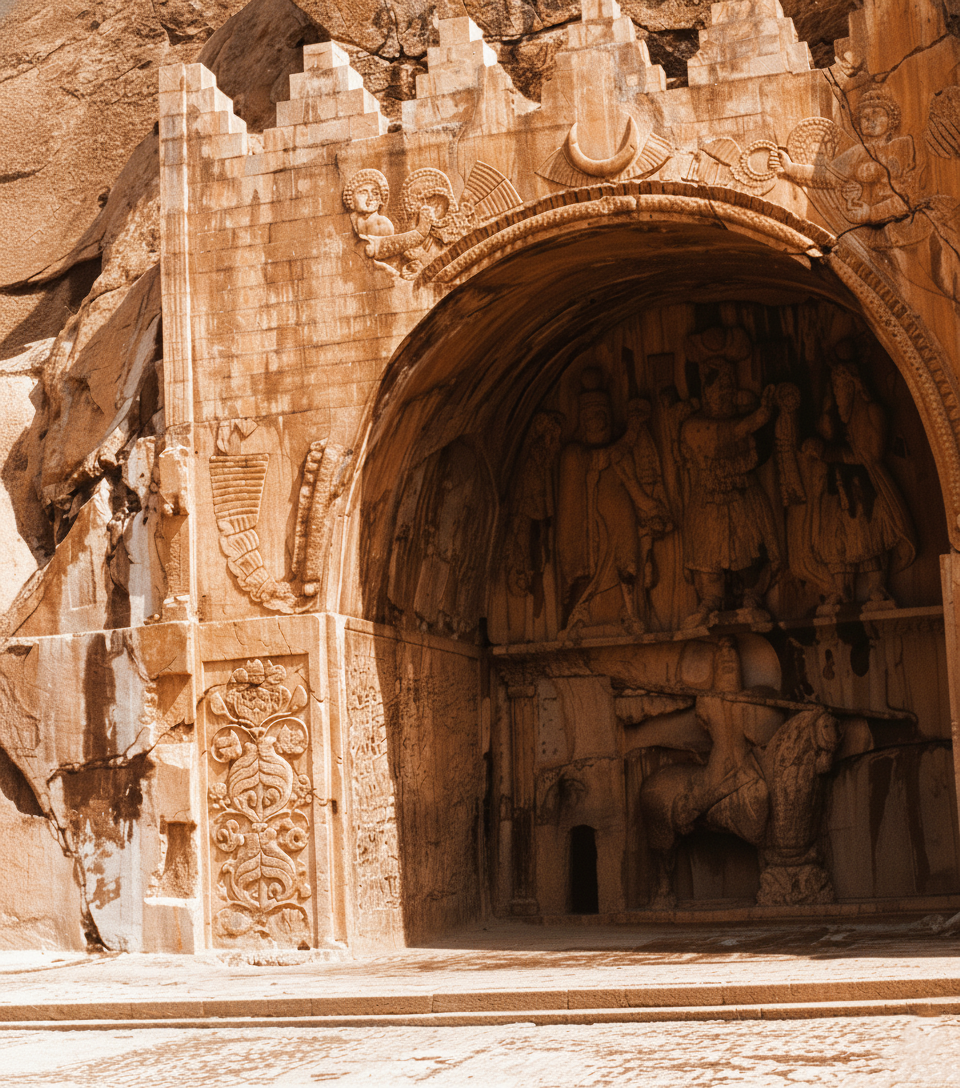
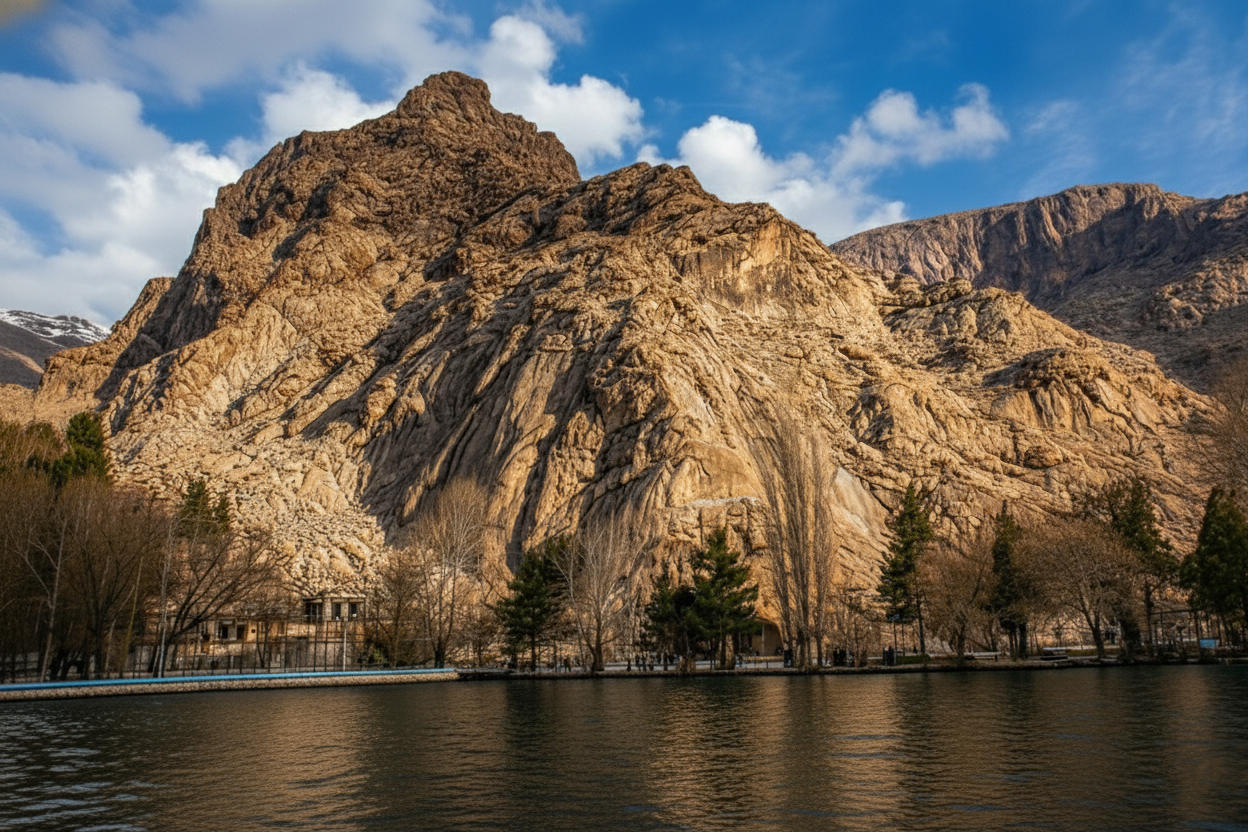
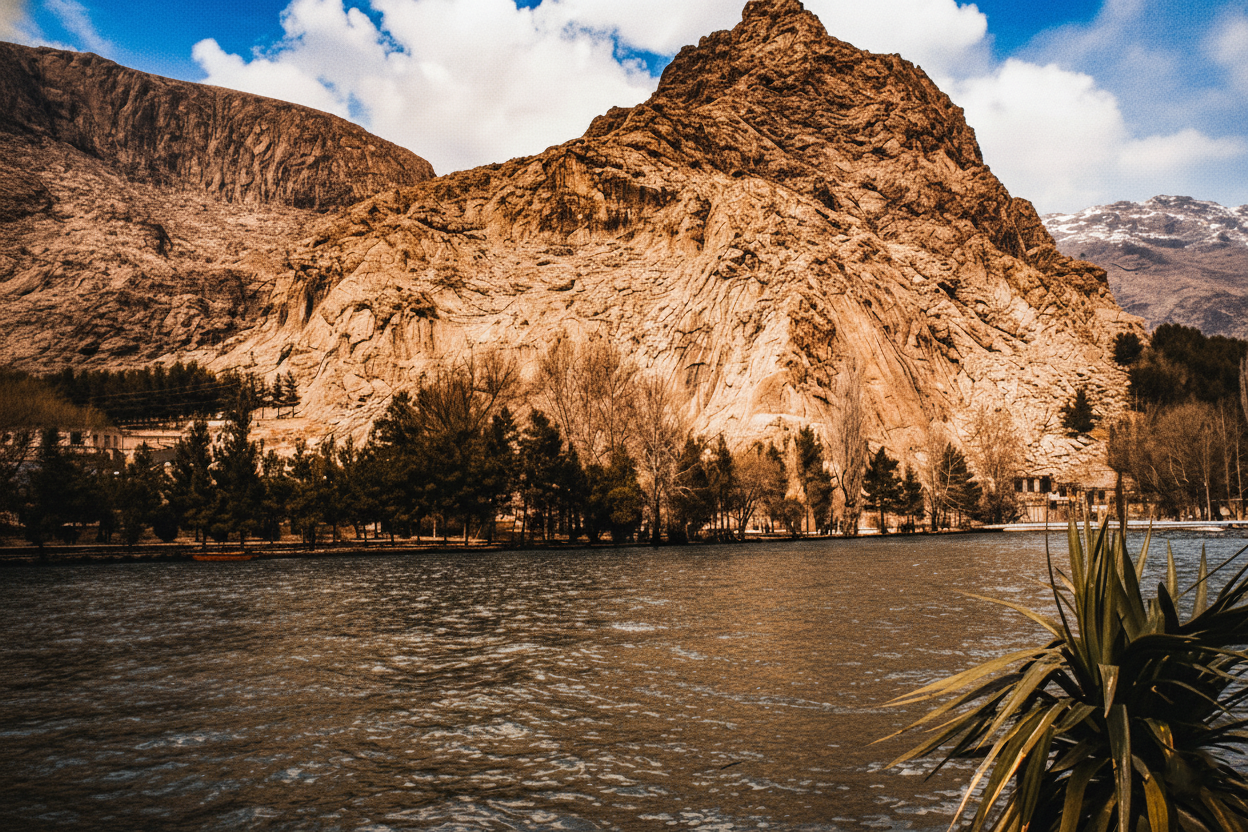
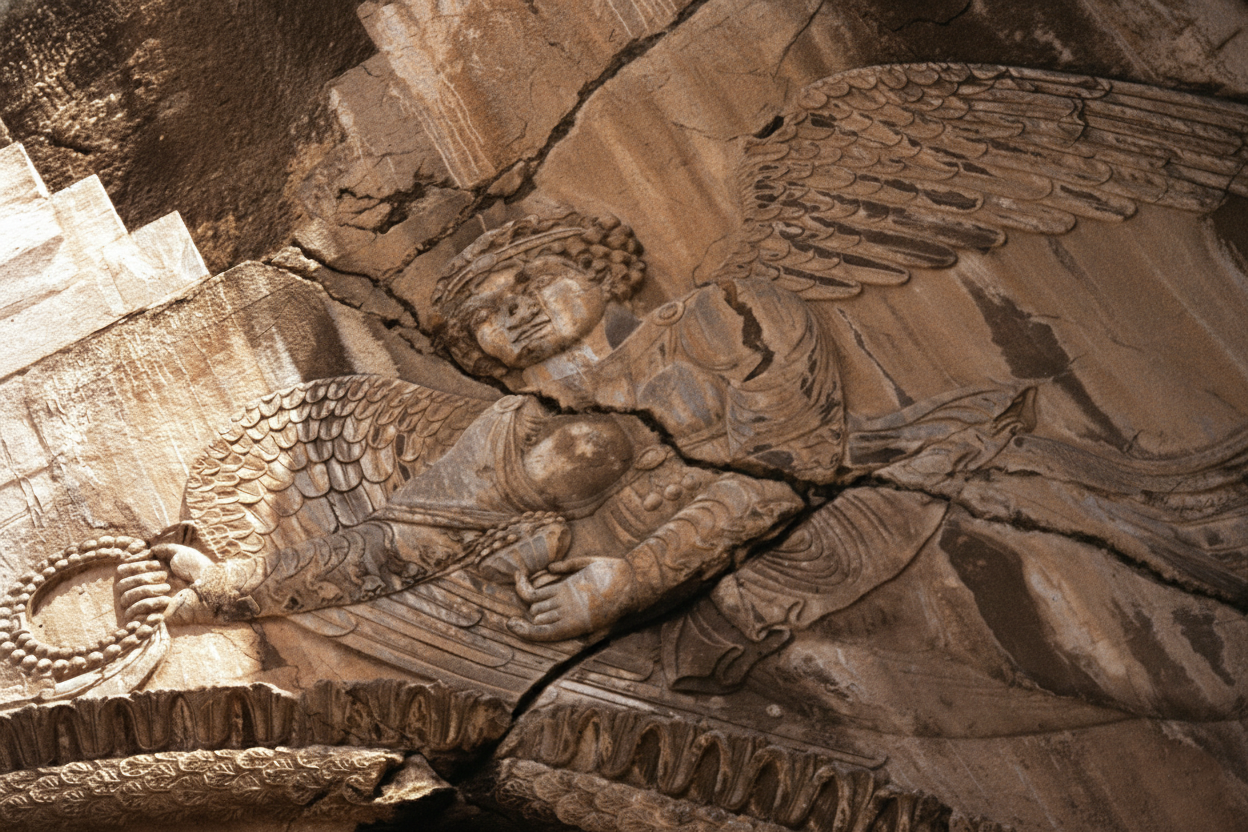
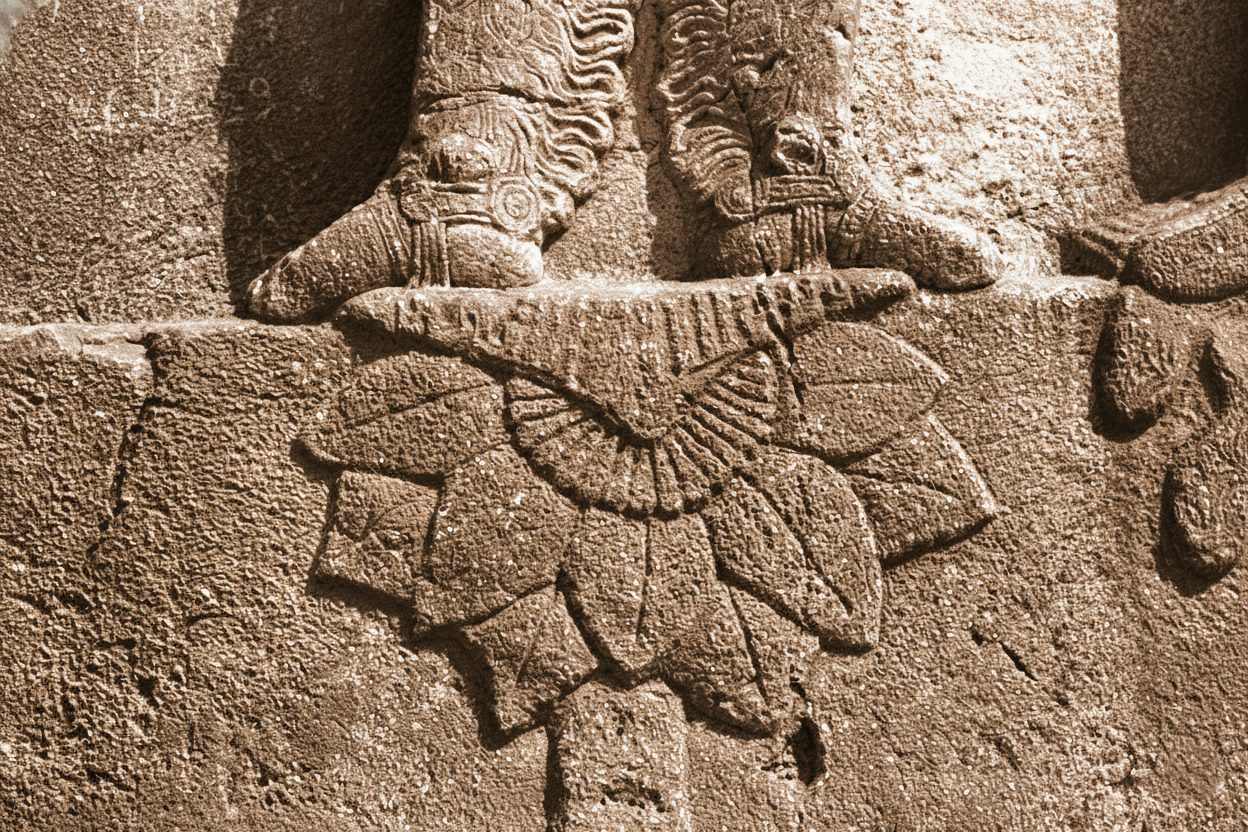
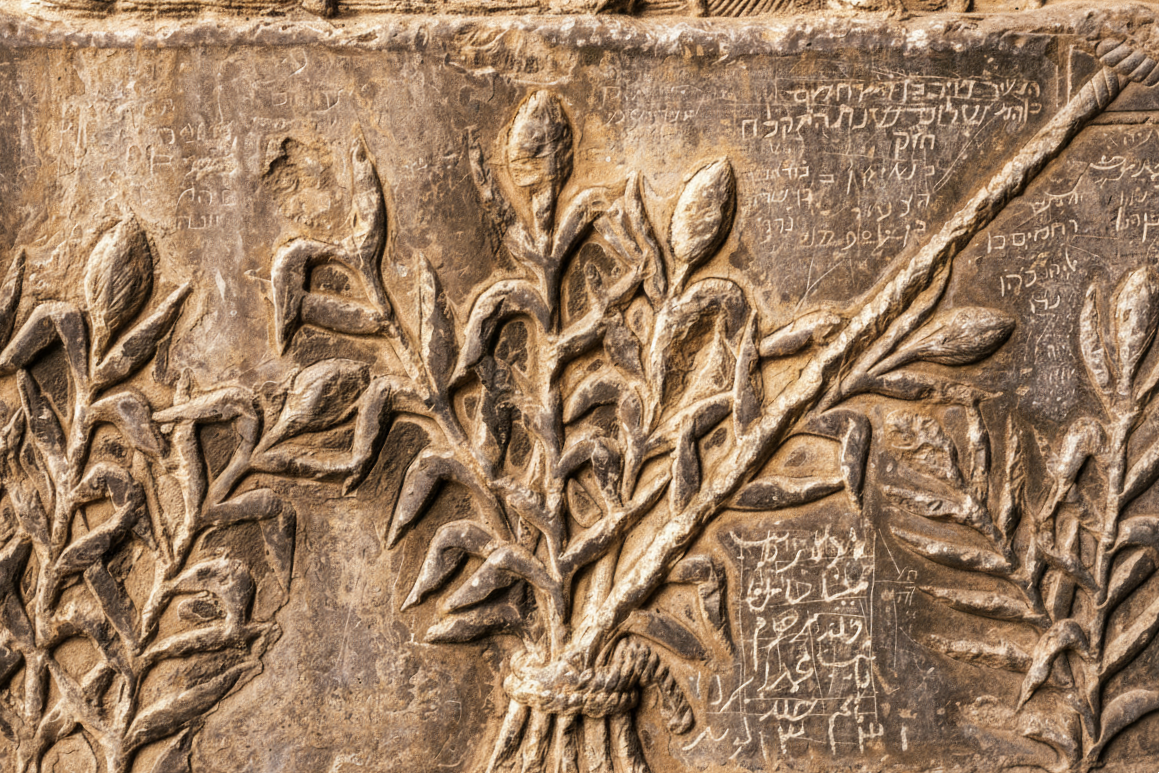
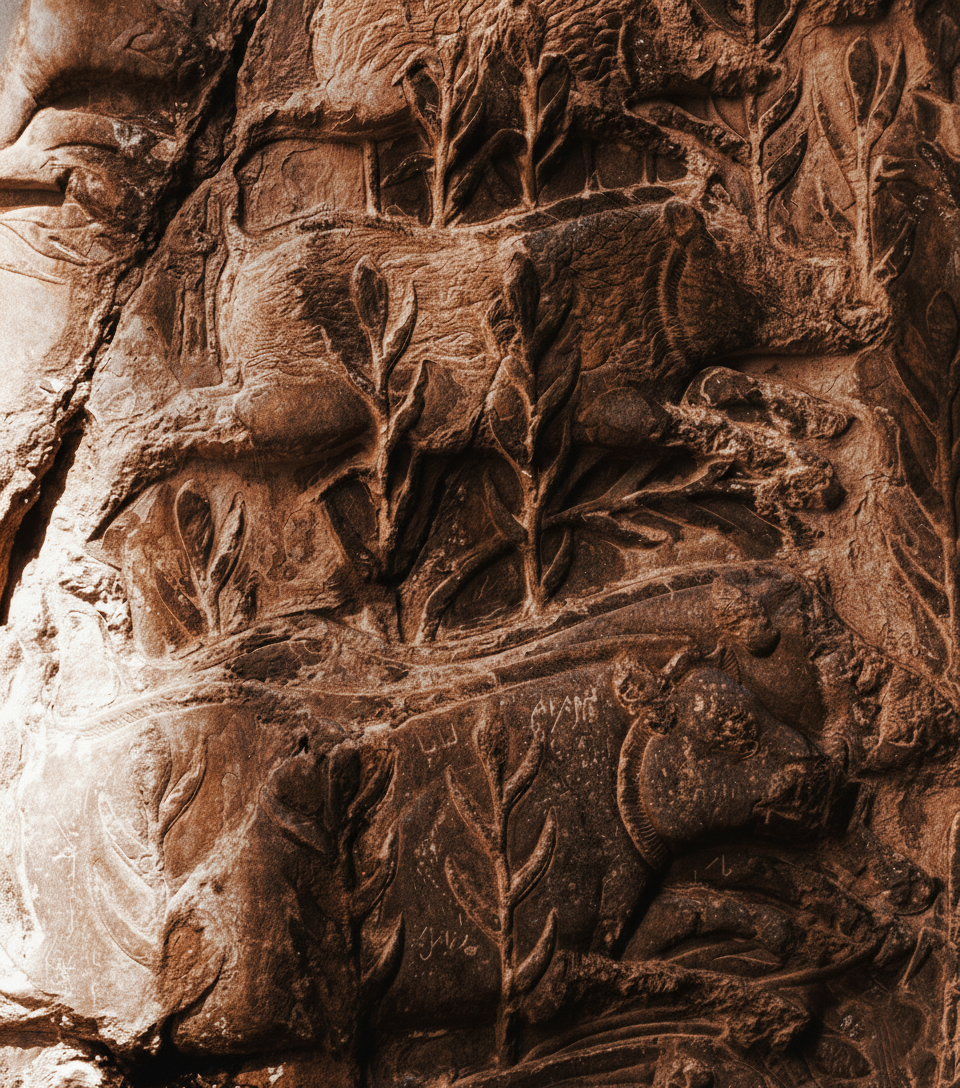
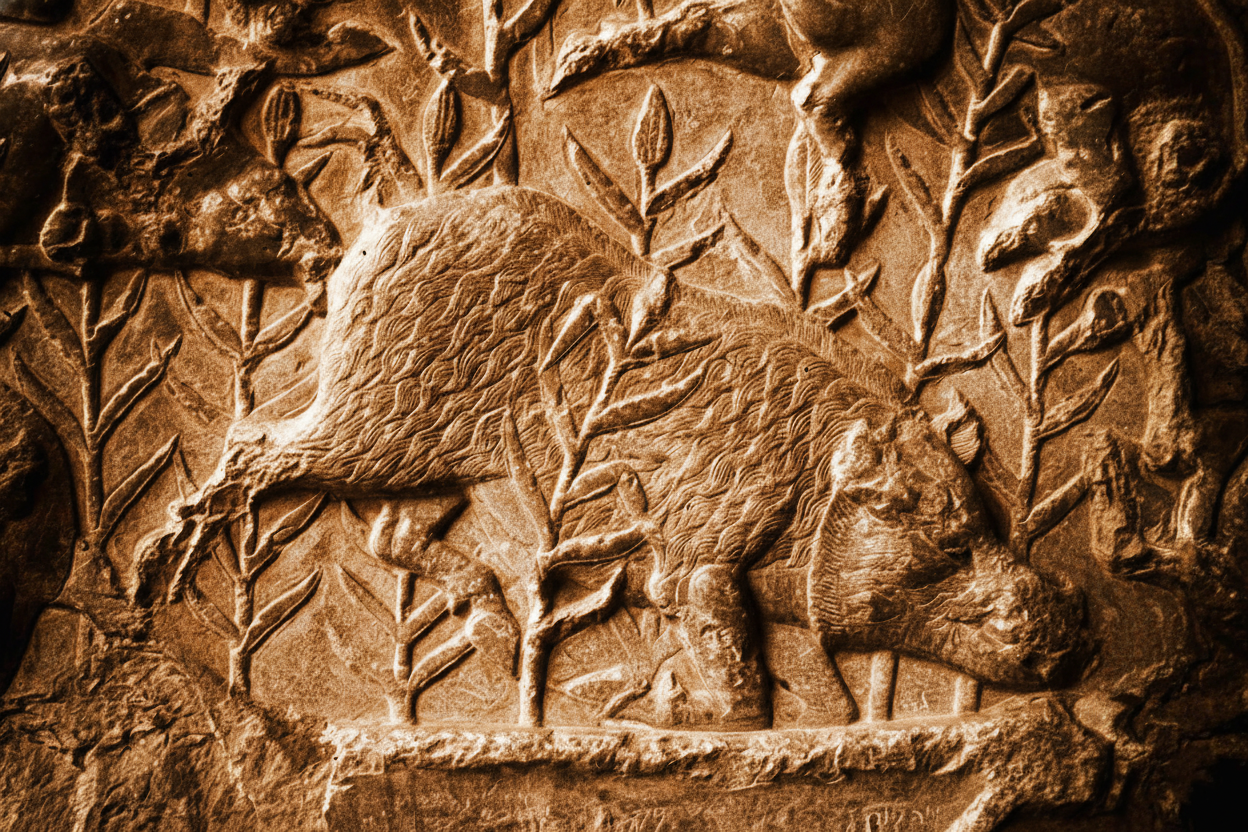
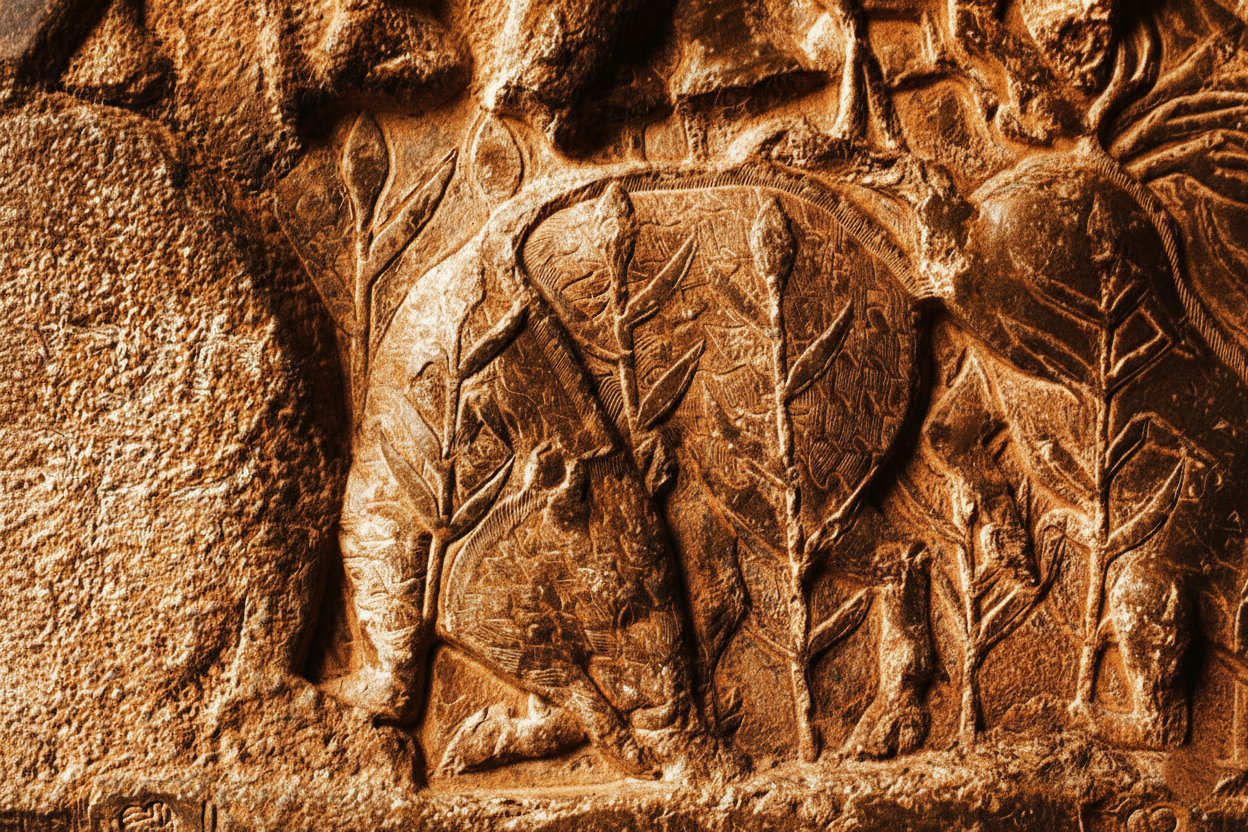
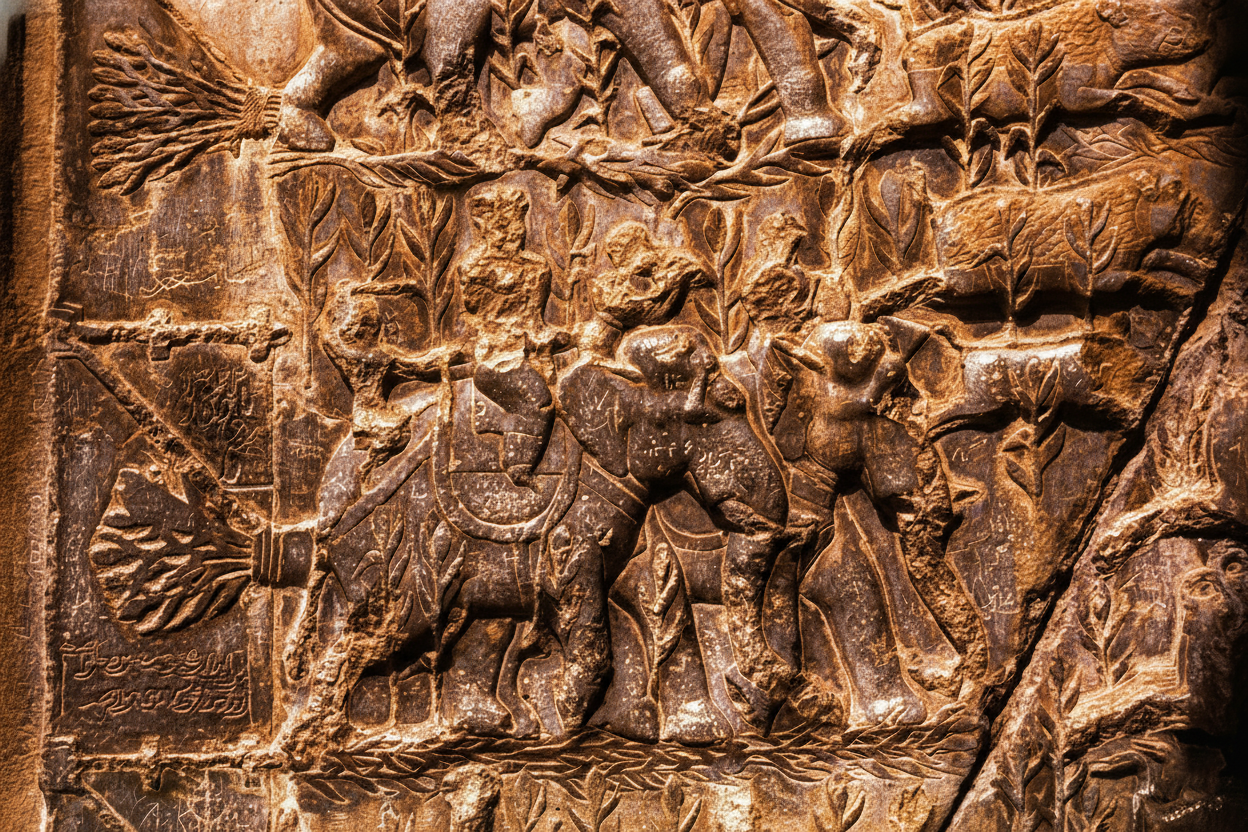
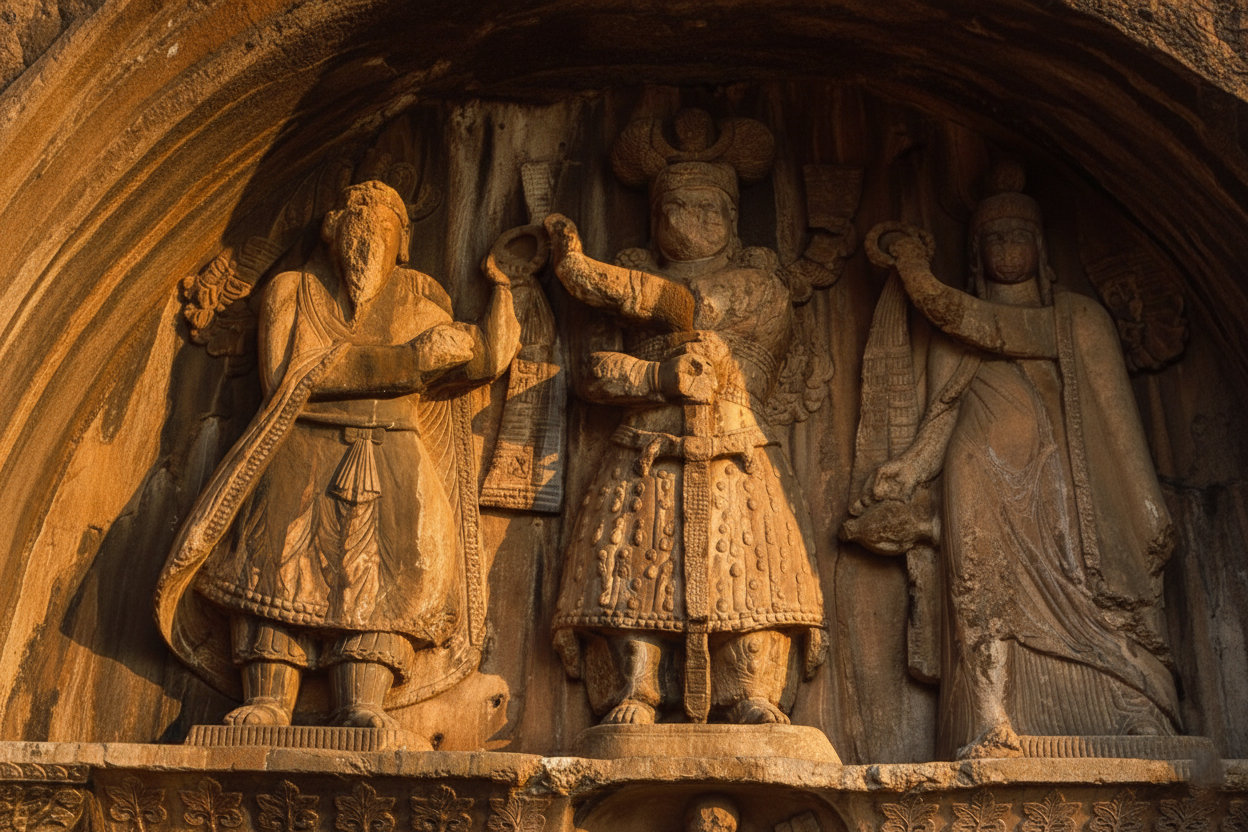
Taq-e Bostan (طاقبستان), near Kermanshah at the foot of the Zagros Mountains, is a major monument of Sasanian art carved into a limestone cliff between the 4th and 7th centuries CE. Its reliefs depict royal investitures and hunting scenes, while a natural spring pool reflects the sculptures, blending landscape, architecture, and imperial symbolism.
-
Taq-e Bostan (طاقبستان), located at the foot of the Zagros Mountains near Kermanshah, is one of the most remarkable surviving monuments of Sasanian imperial art. Carved directly into a limestone cliff during the 4th to 7th centuries CE, the site consists of monumental rock reliefs and vaulted iwans that celebrate royal power, divine legitimacy, and ceremonial life.
The reliefs depict investiture scenes in which Sasanian kings receive authority from divine figures, as well as elaborate hunting scenes that emphasize royal strength and cosmic order. These carvings were commissioned by rulers including Ardashir II (379–383 CE), Shapur III (383–388 CE), and Khosrow II (590–628 CE).
A defining feature of the site is the natural spring that emerges at the base of the mountain, forming a reflective pool in front of the carved façade. The water mirrors the arches and sculptures, transforming the monument into a carefully composed ceremonial landscape in which architecture, sculpture, and nature interact.
Historically situated along routes connected to the Silk Road (جاده ابریشم), Taq-e Bostan served not only as a royal monument but also as a symbolic gateway to the Iranian plateau, where imperial imagery and the surrounding natural environment together conveyed the authority and grandeur of the Sasanian state.
