The Tombs of Hafez (Hafezieh) and Saadi
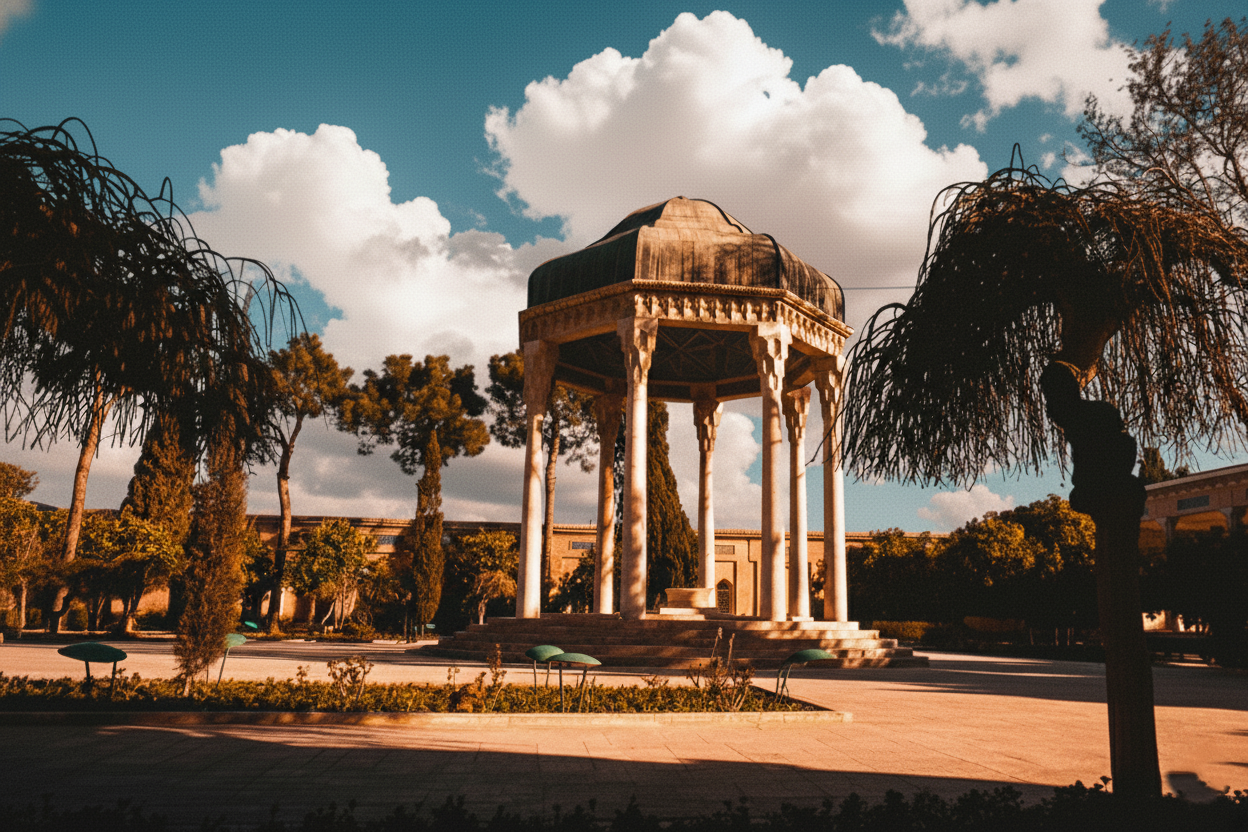
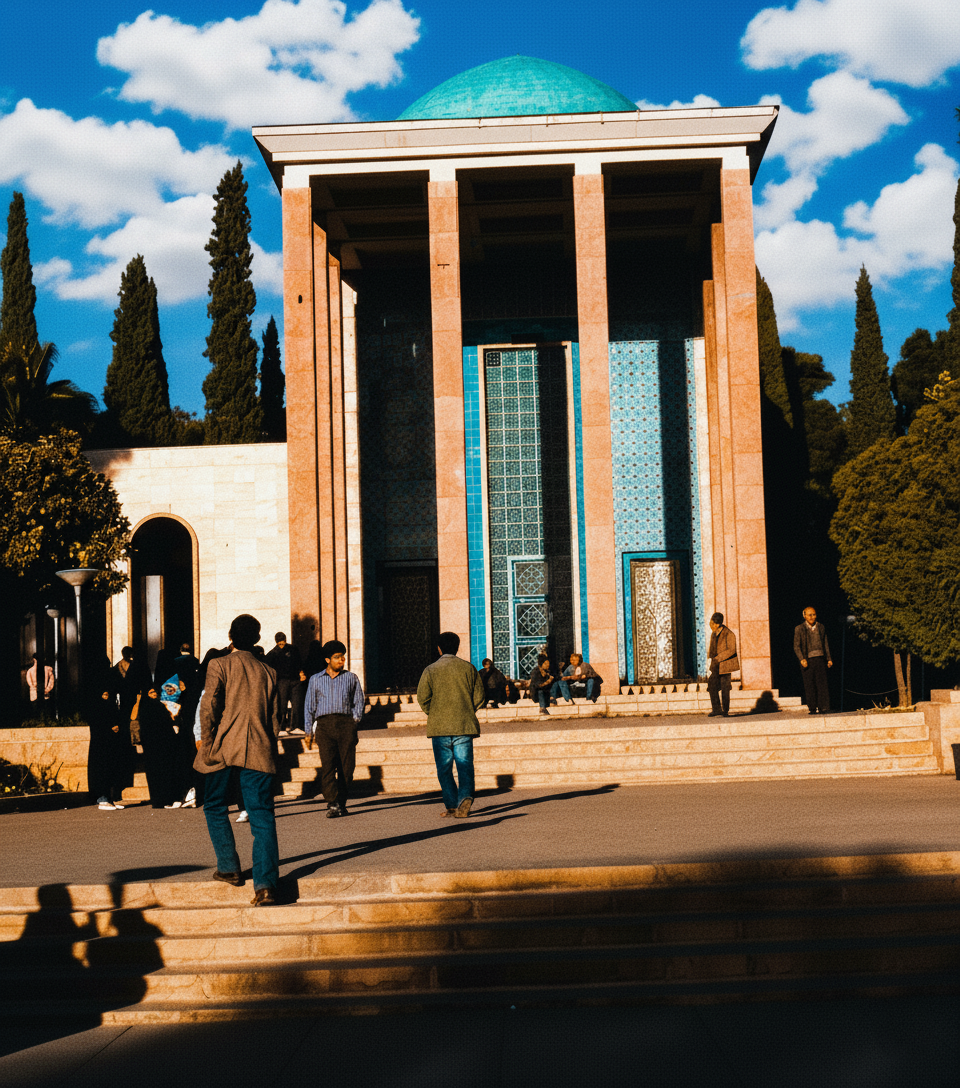
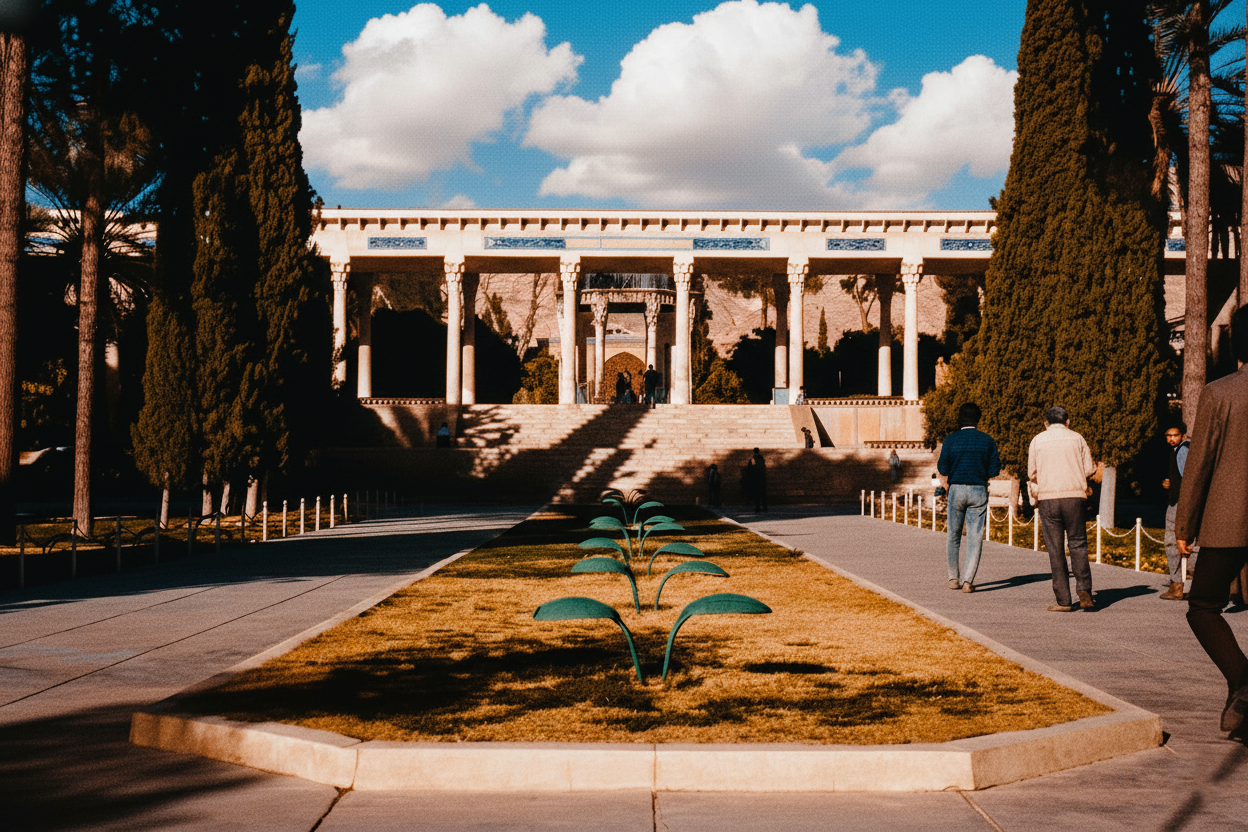
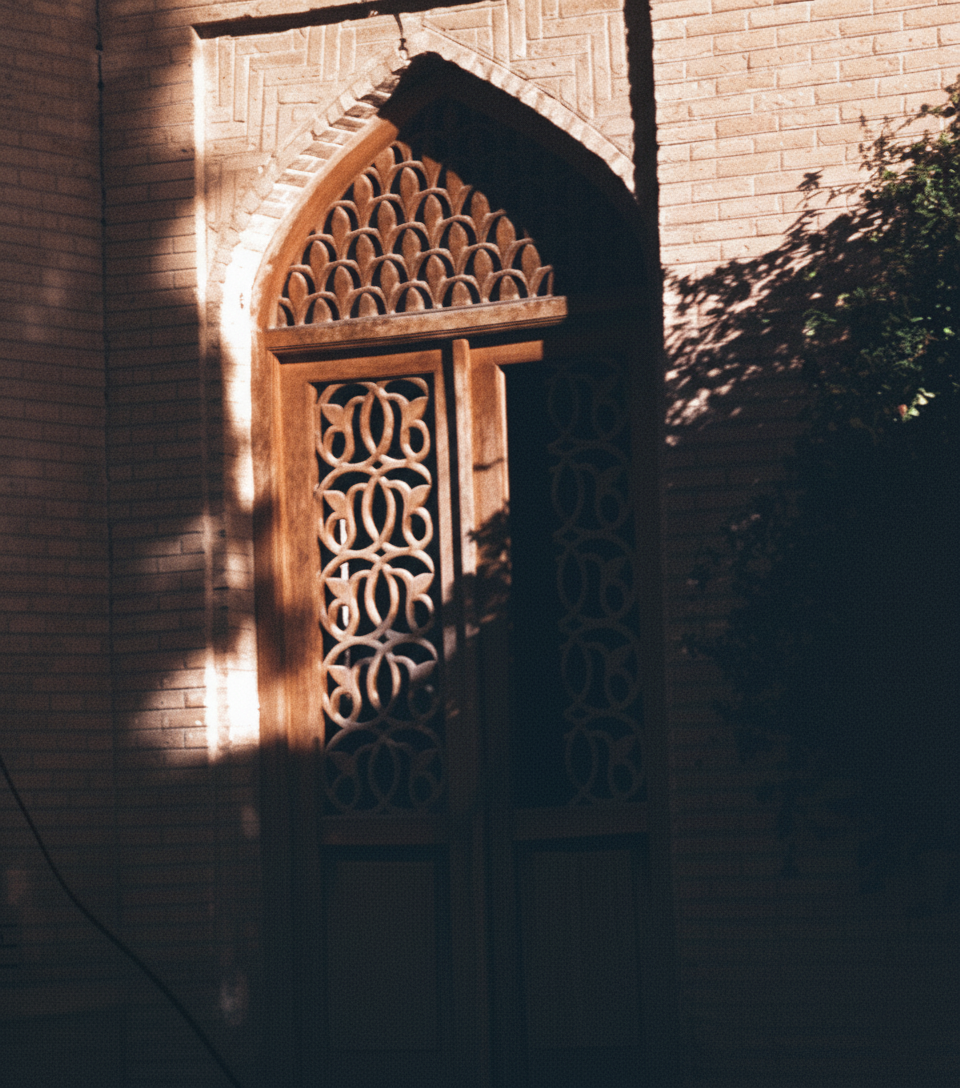
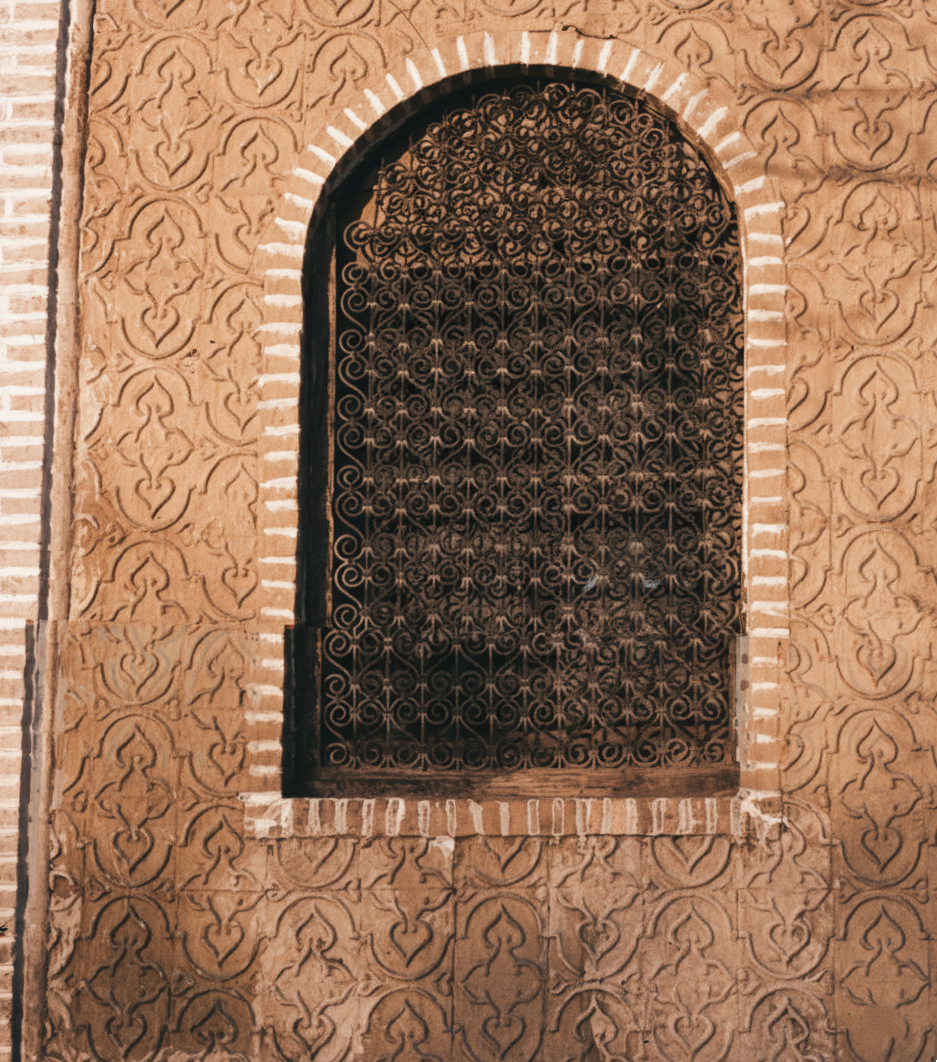
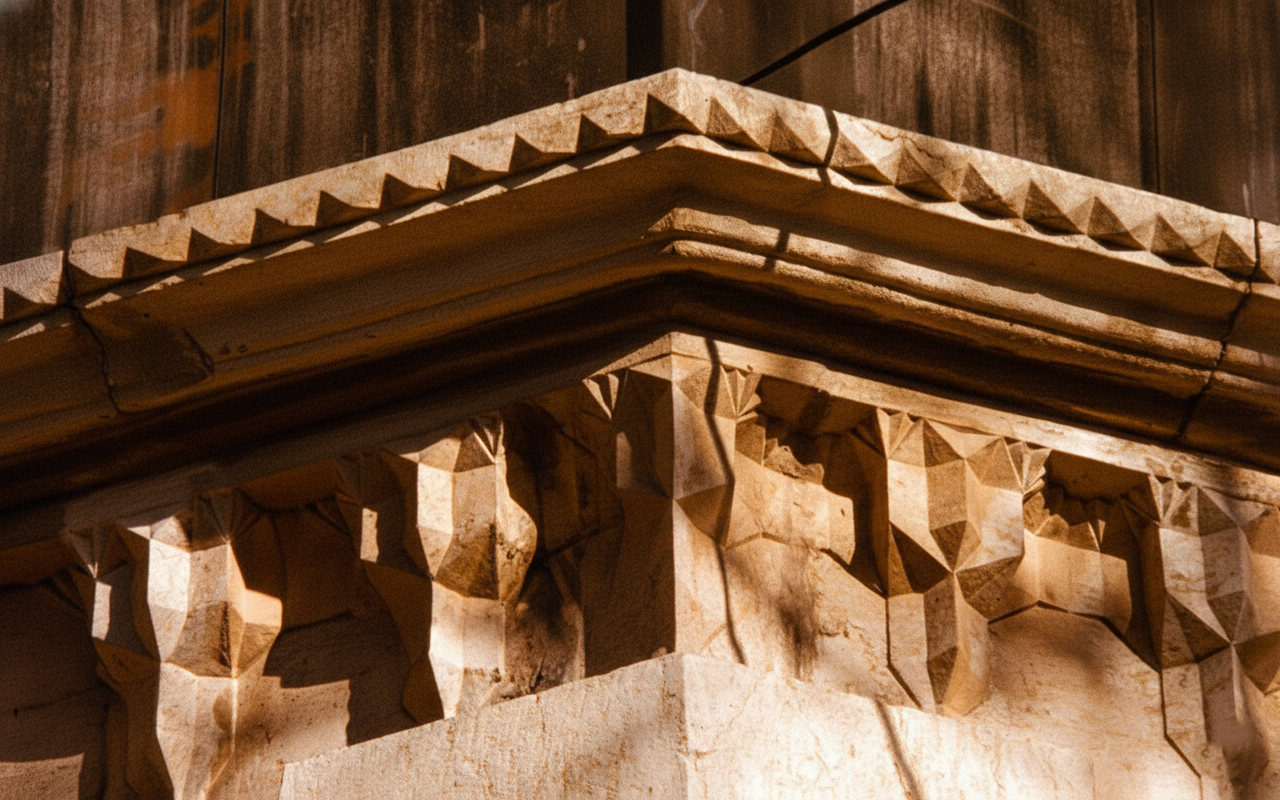
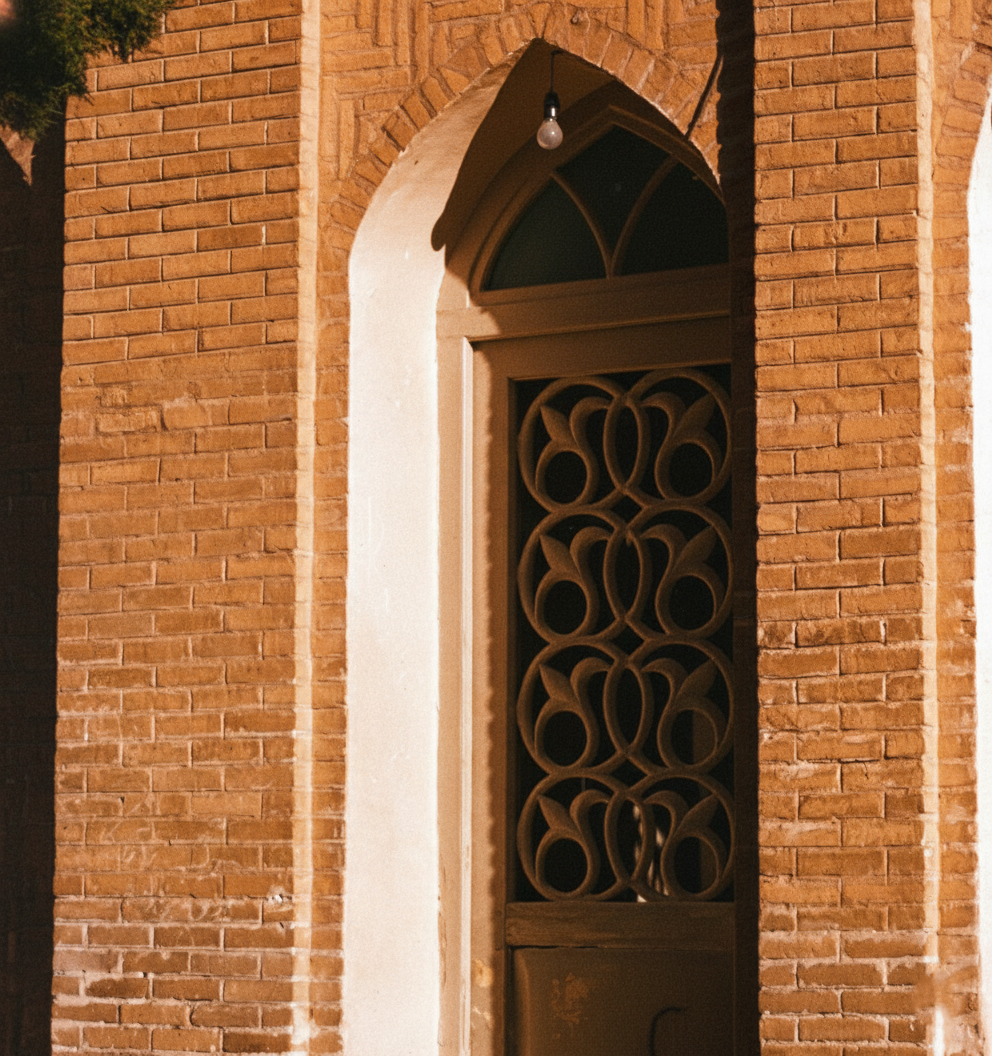
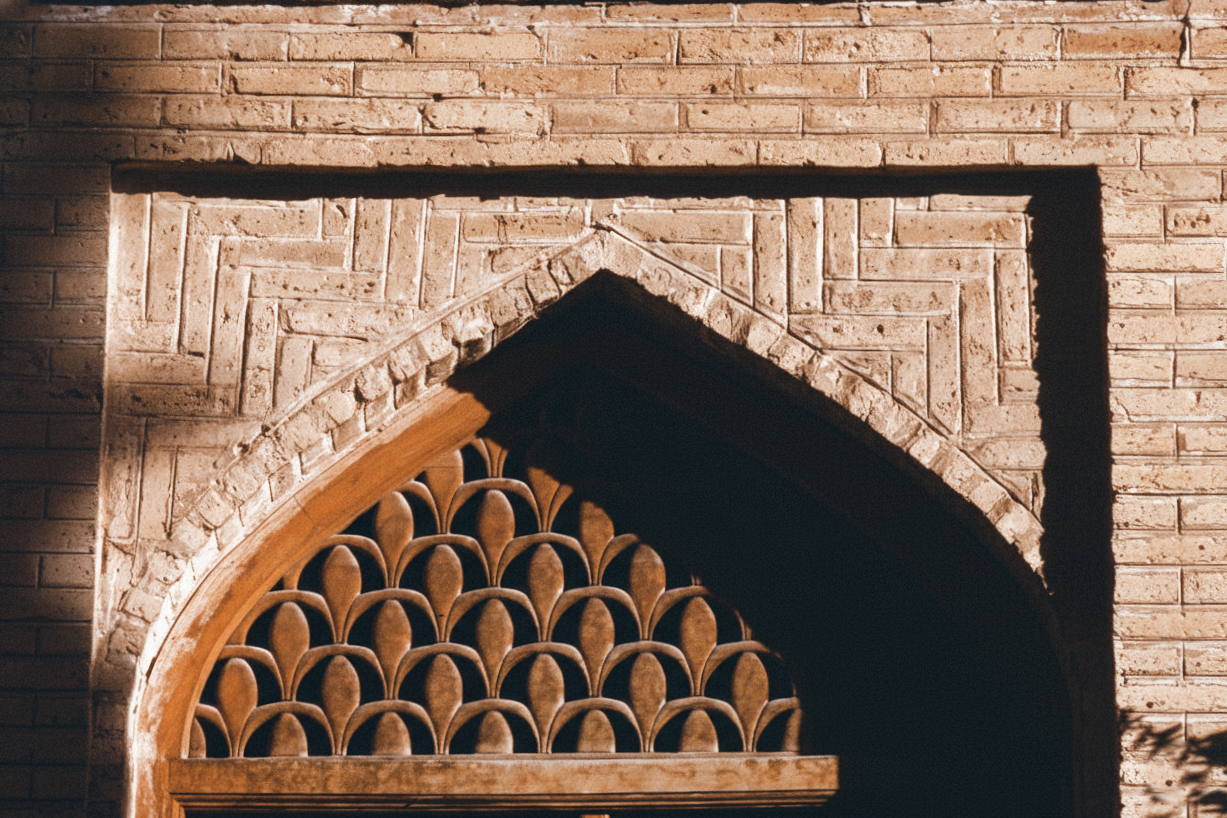
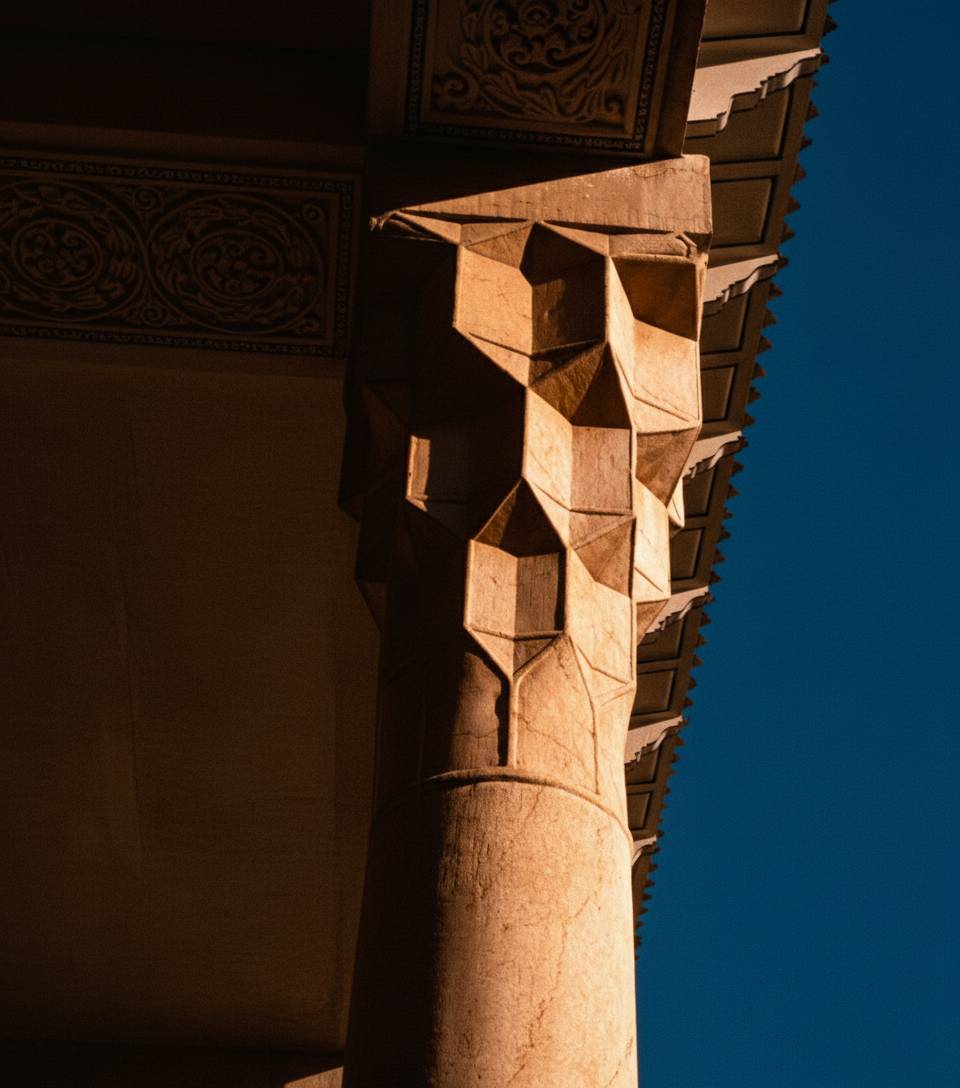
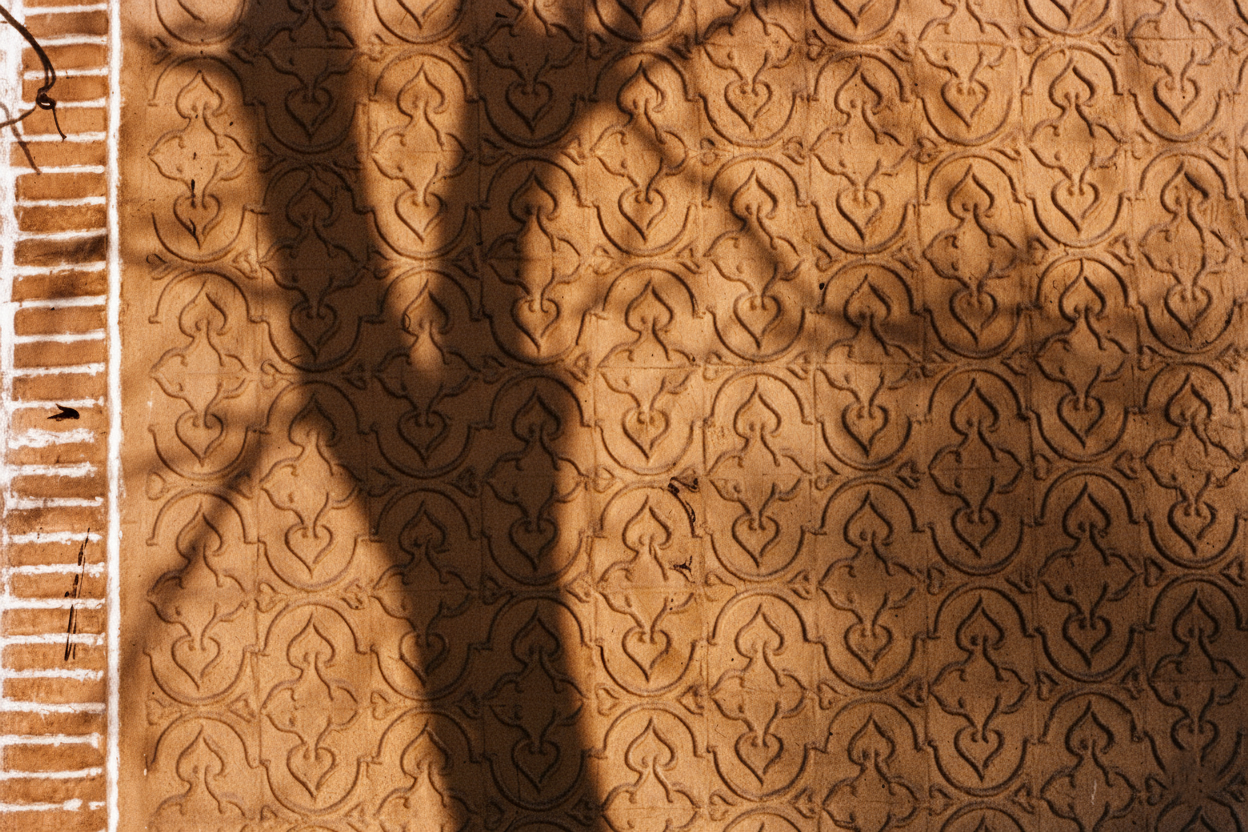
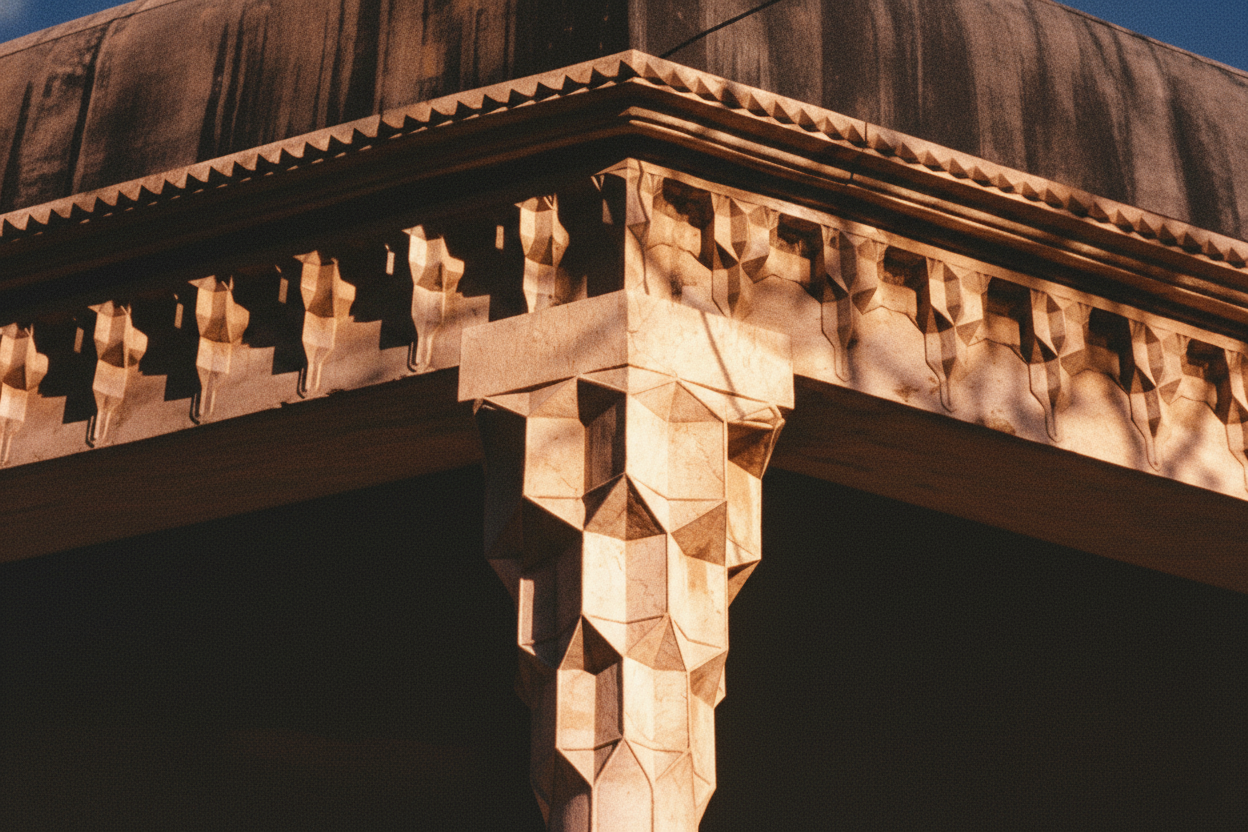
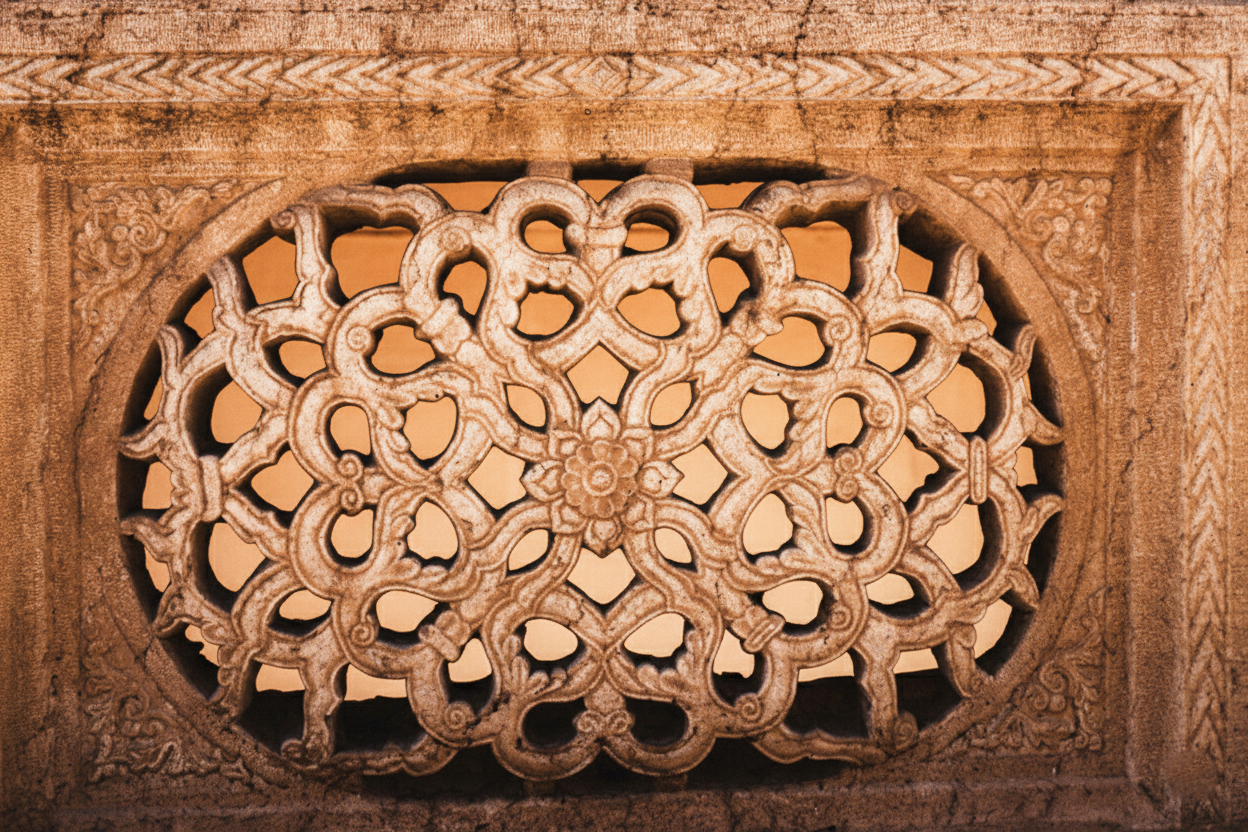
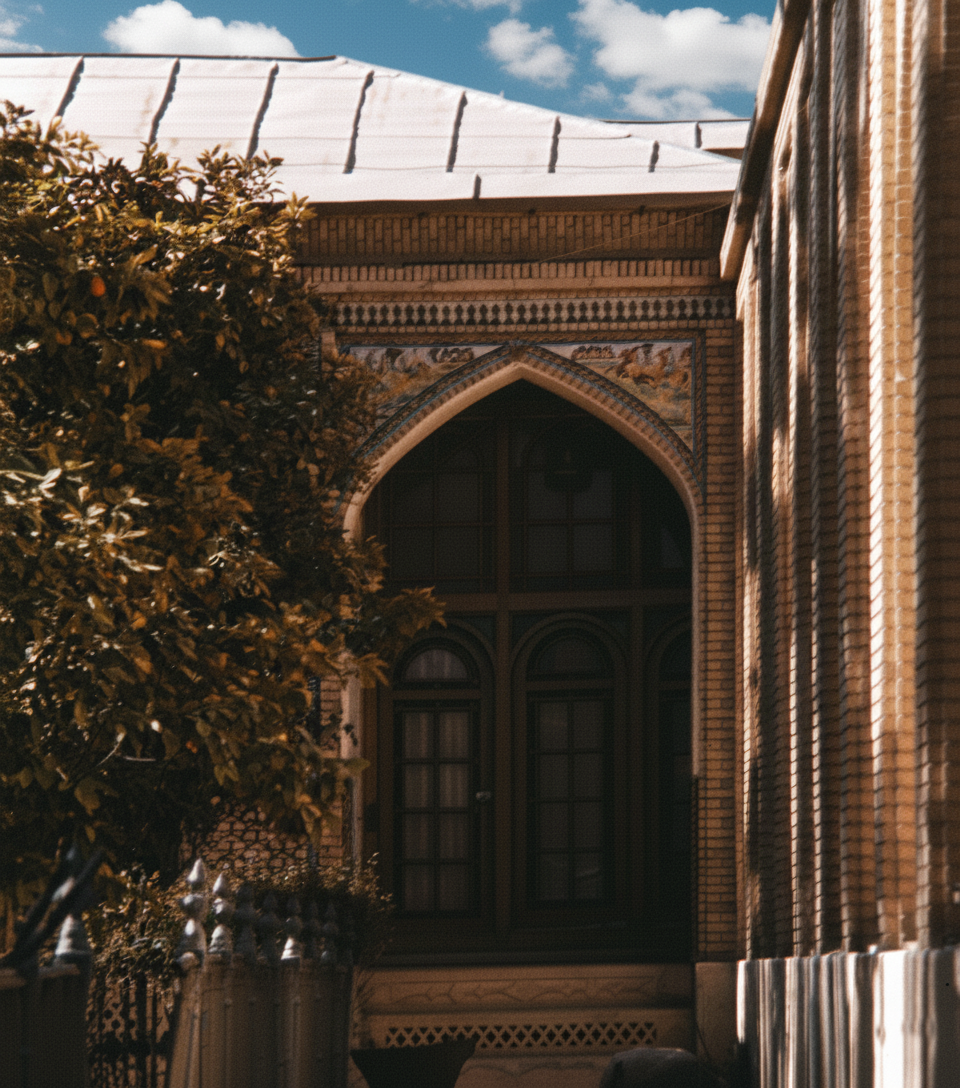
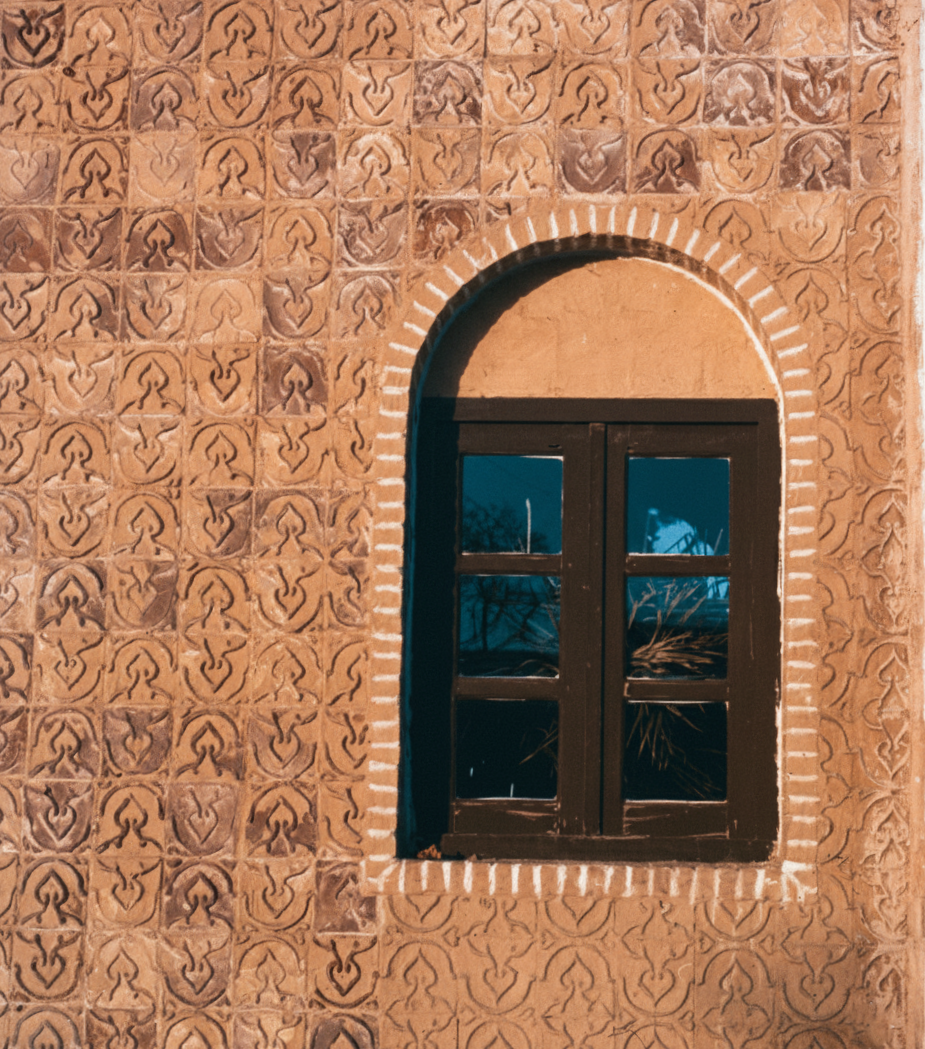
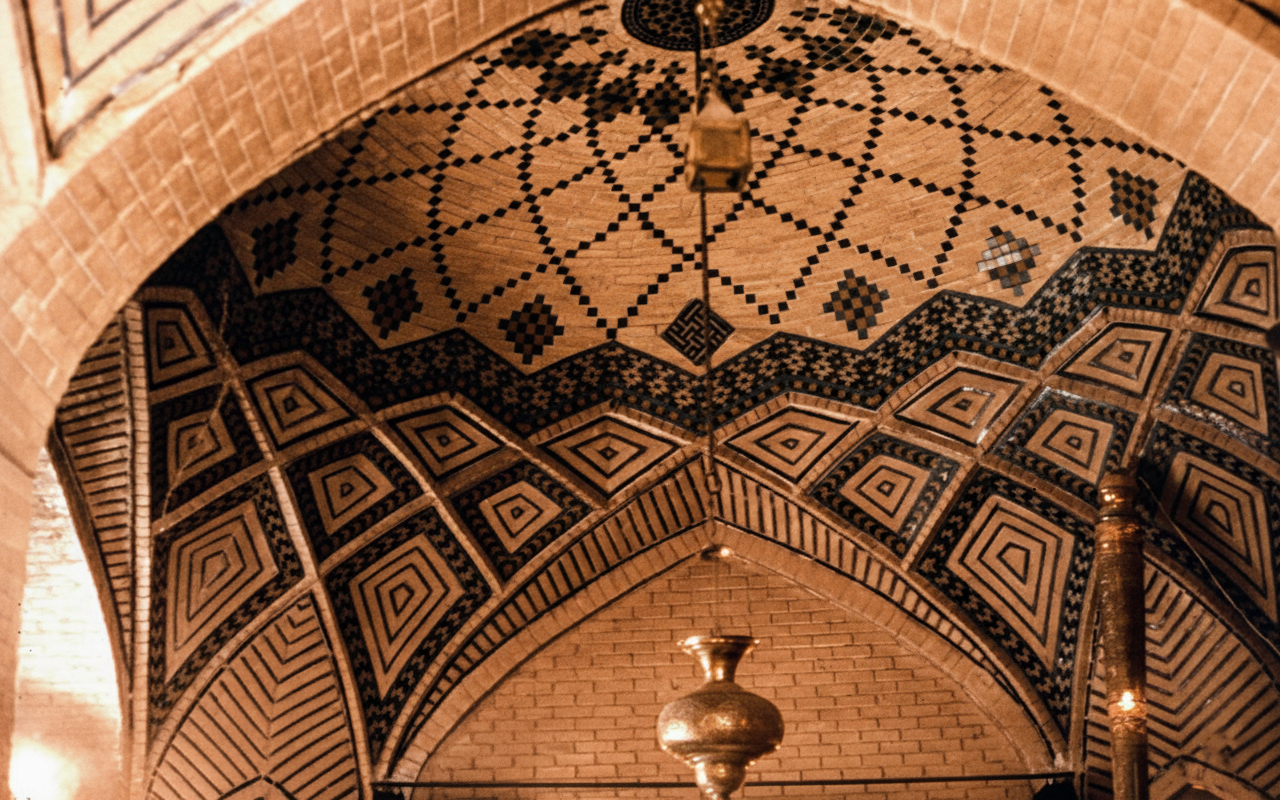
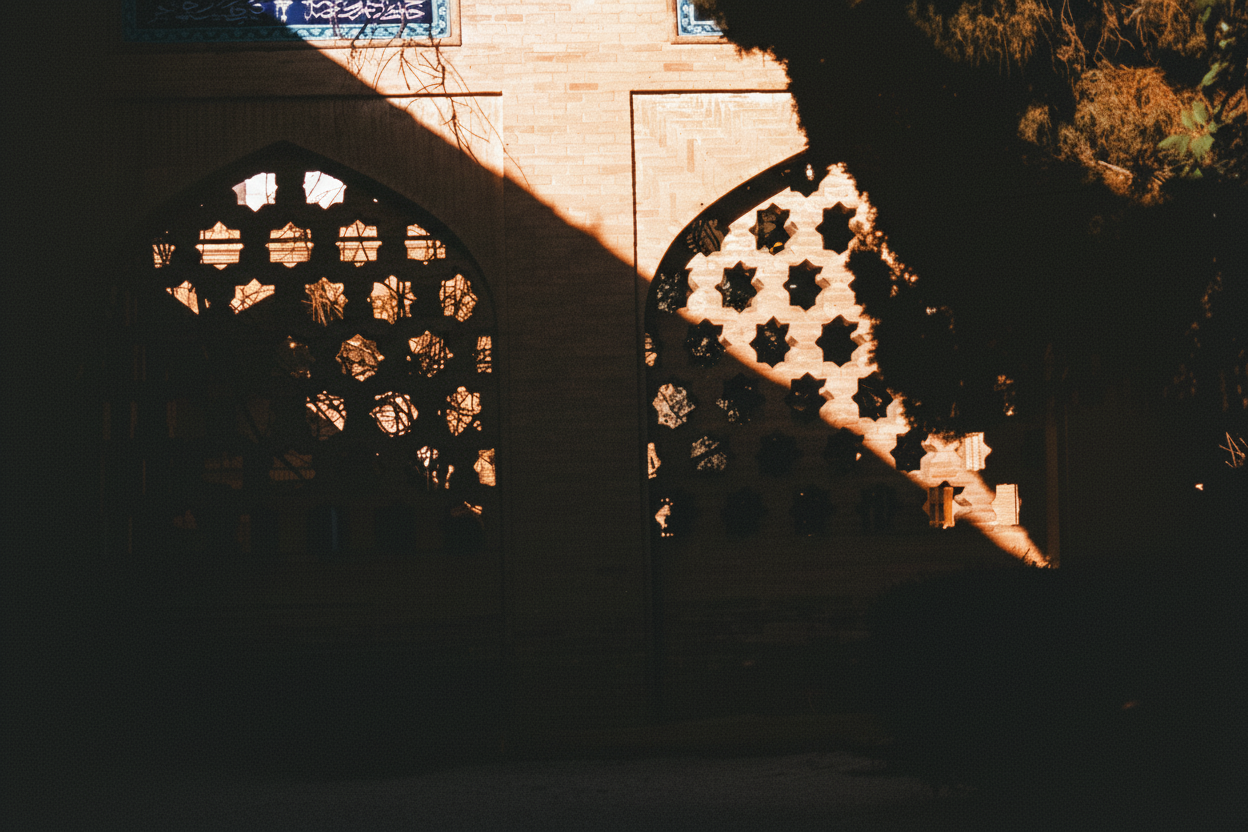
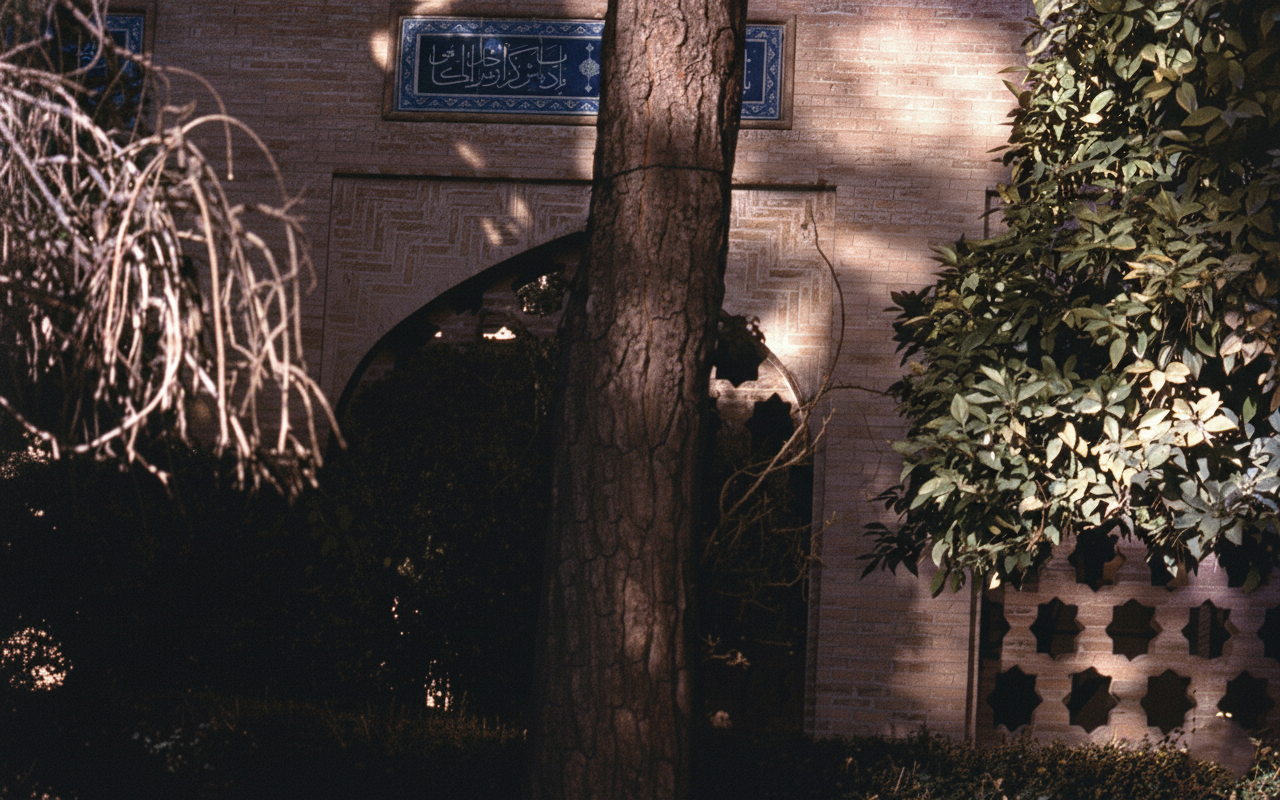
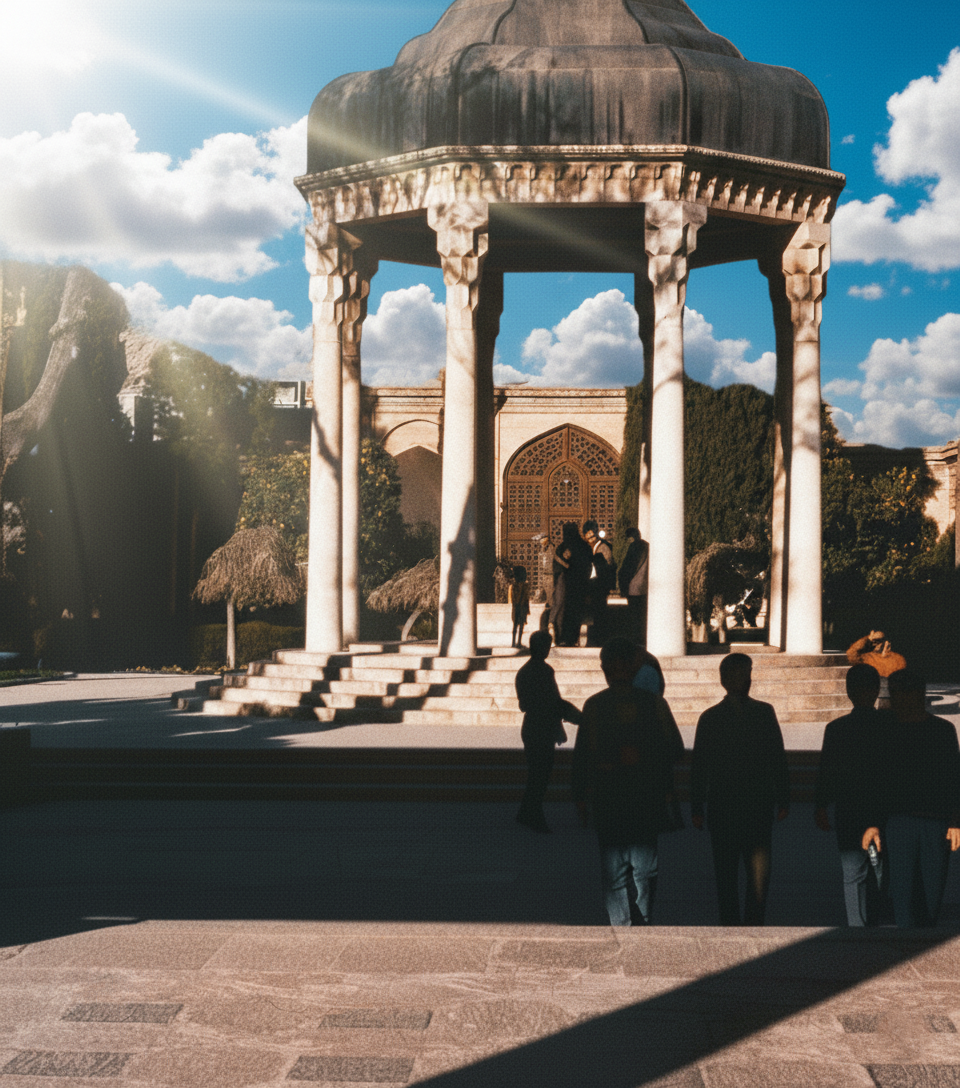
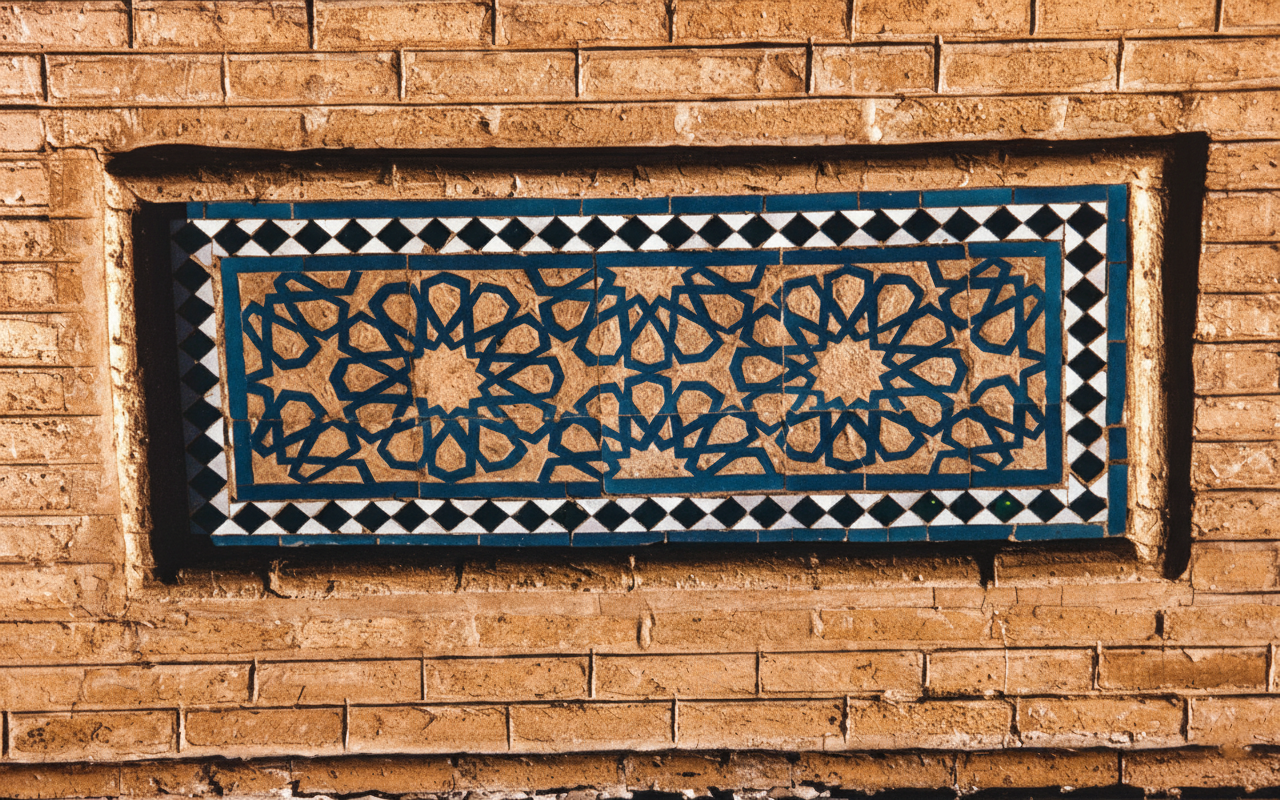
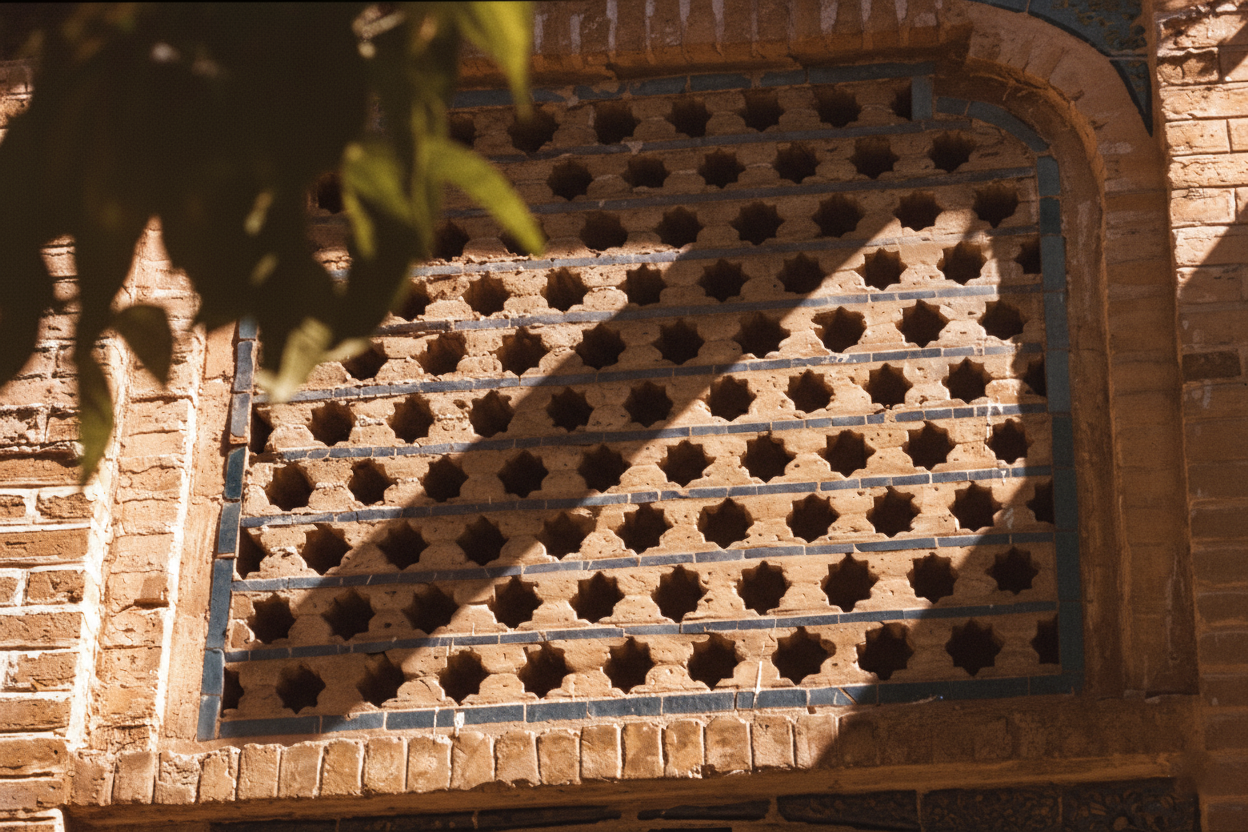
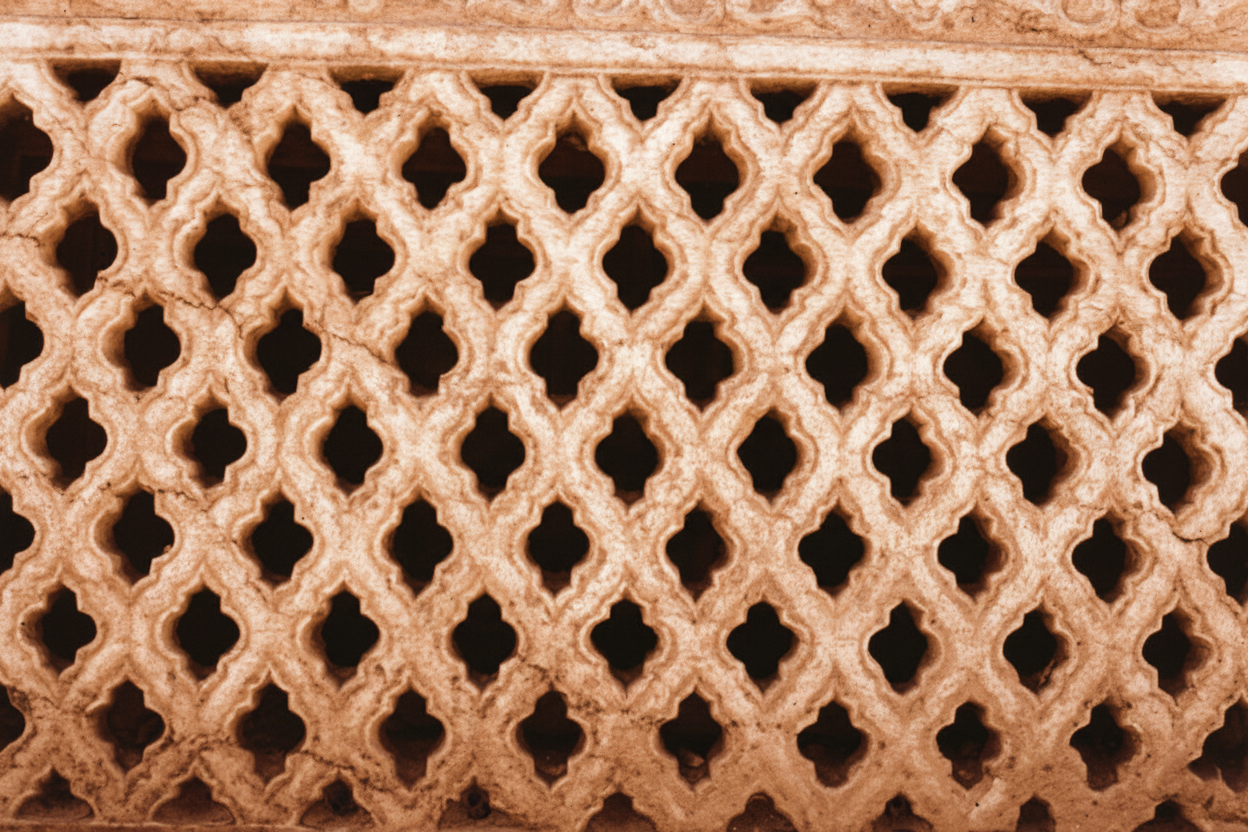
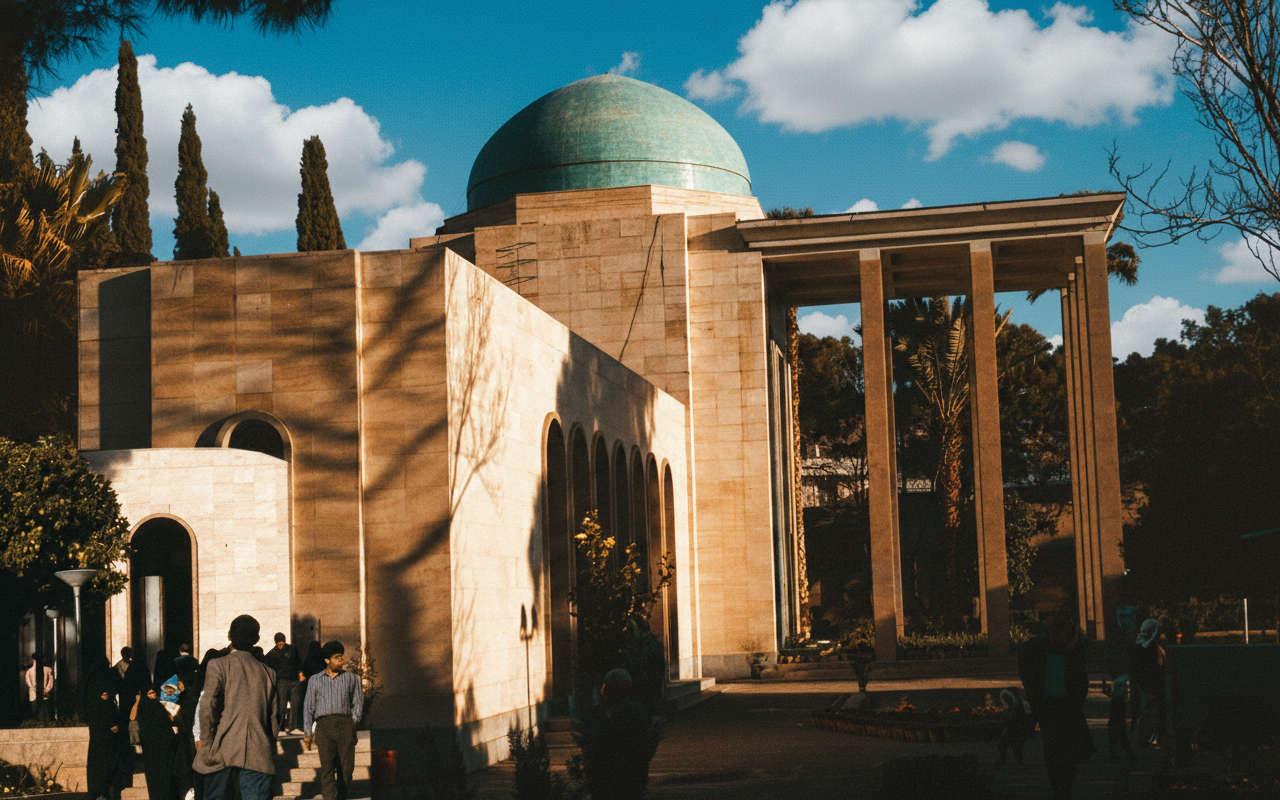
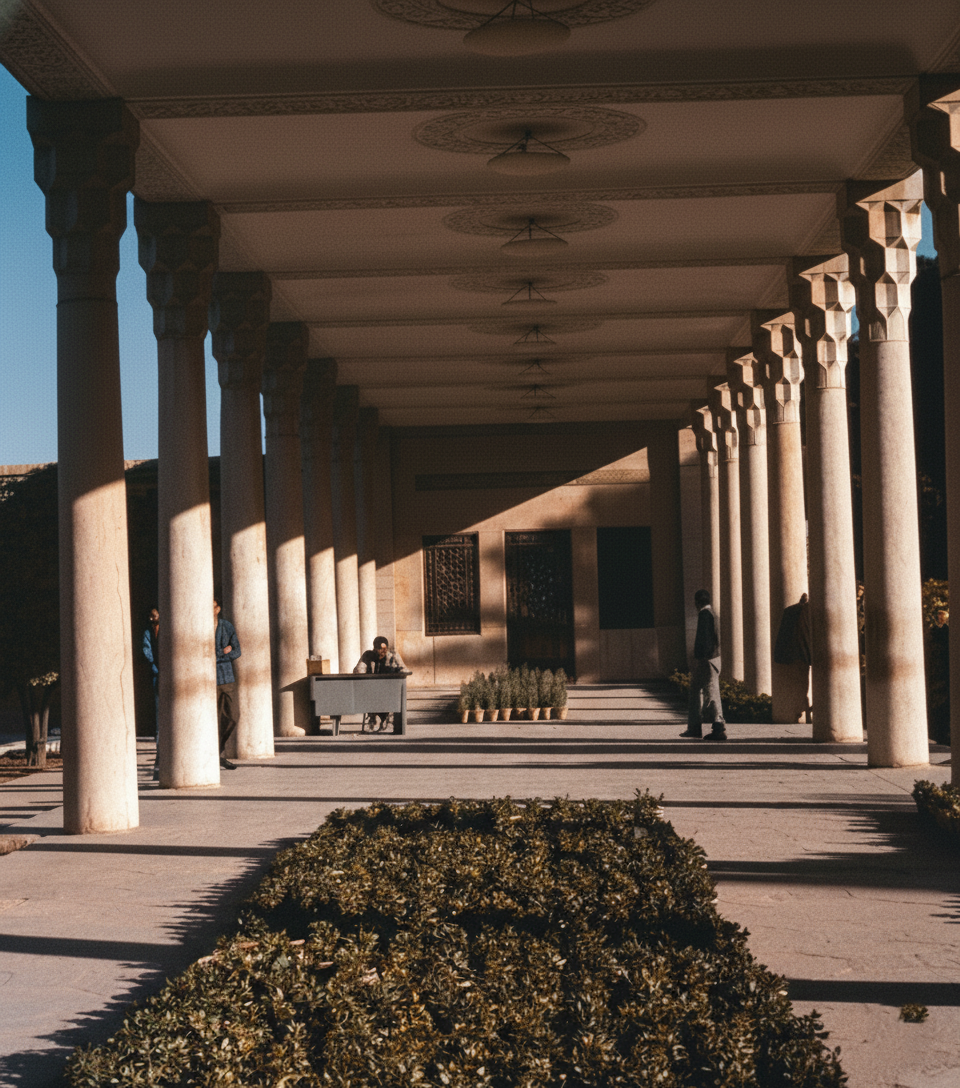
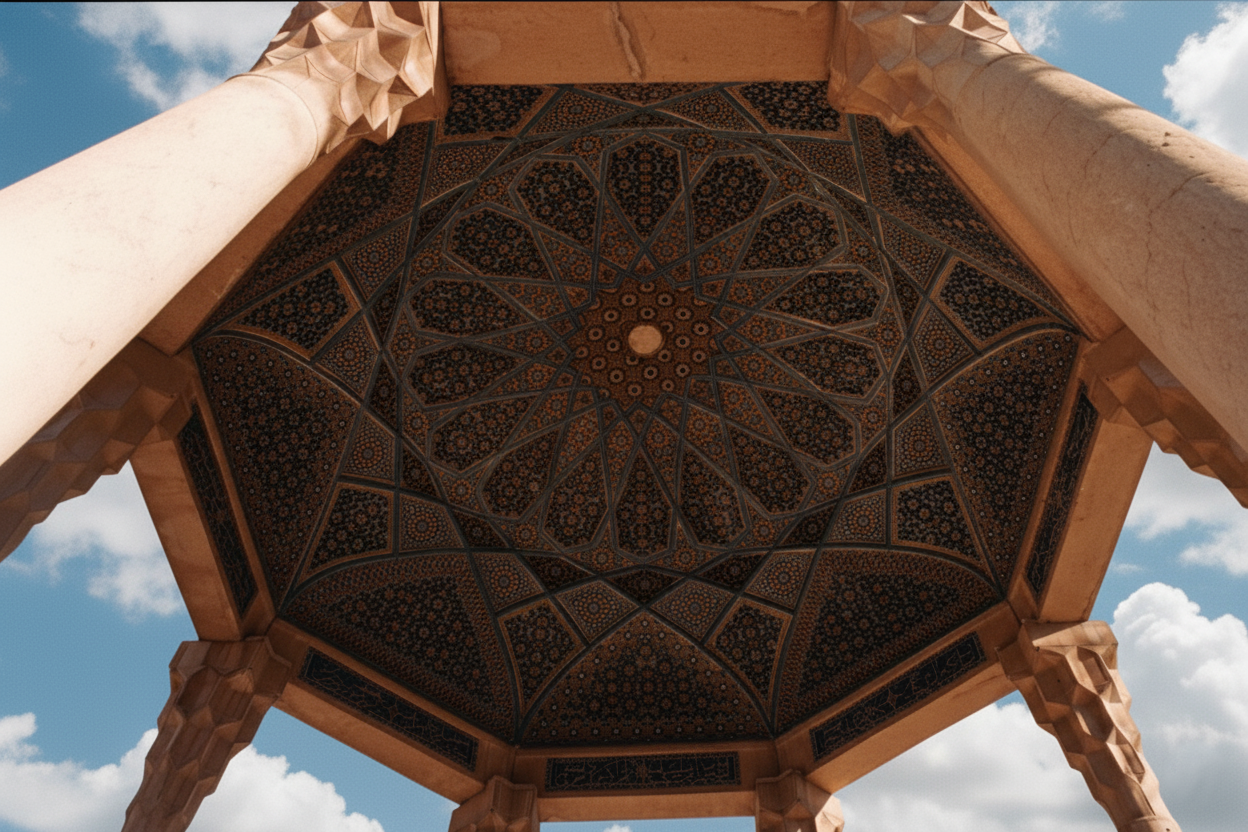
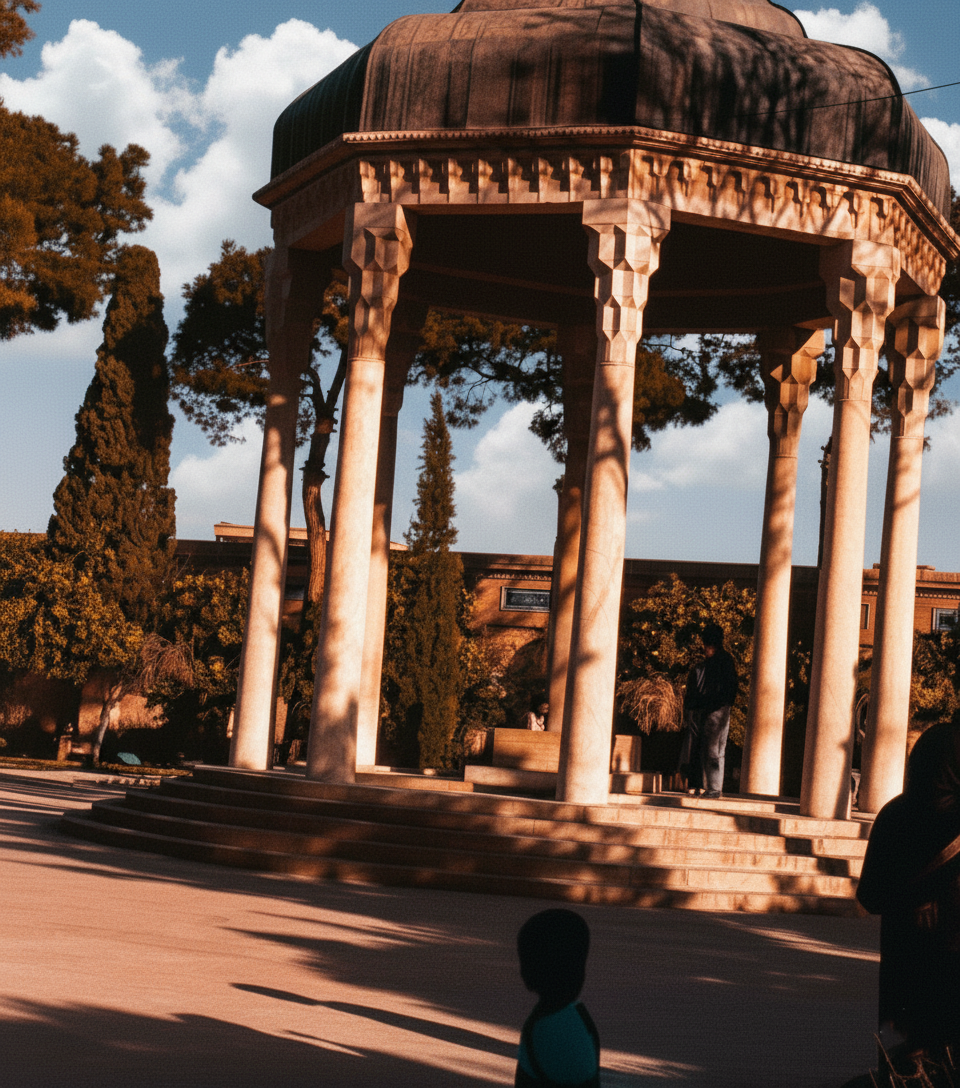
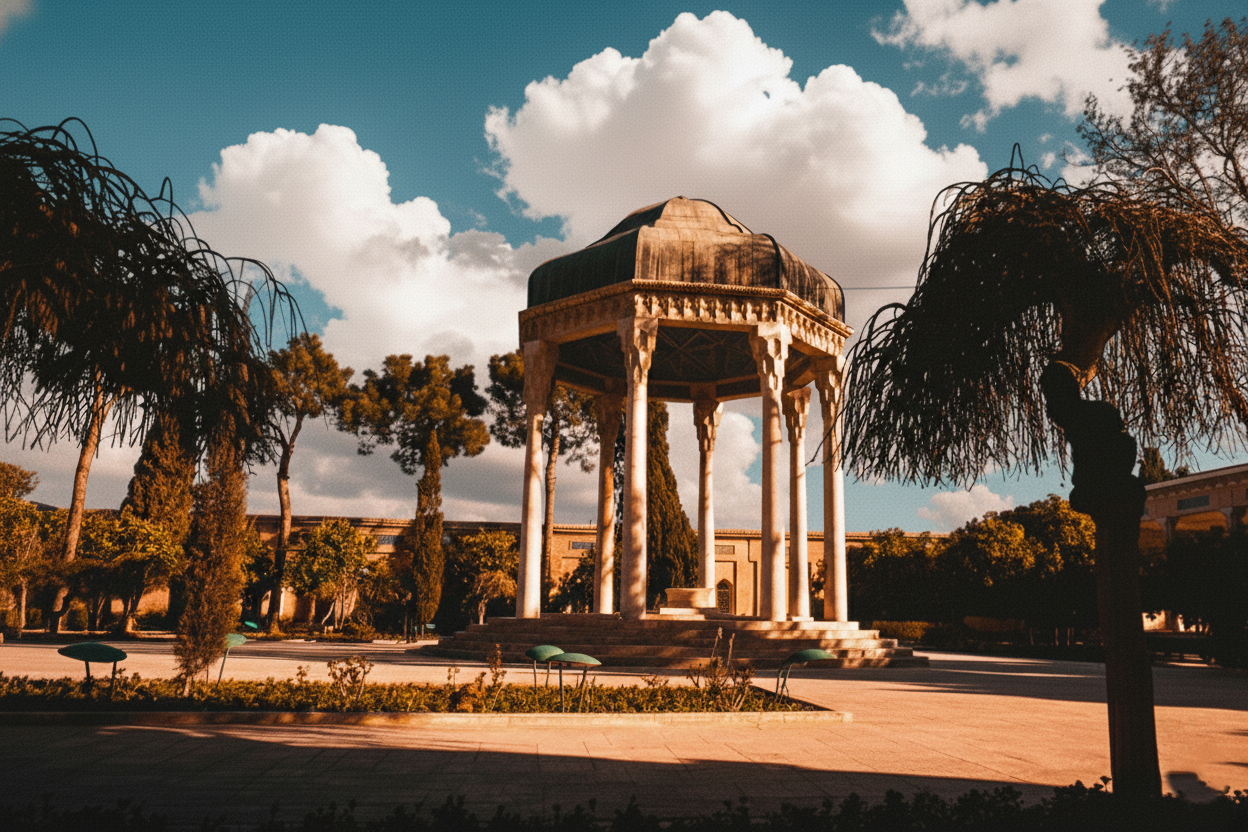
Saadi (c. 1210–1292) and Hafez (c. 1315–1390) shaped Shiraz’s identity as a center of Persian poetry. Their works—Saadi’s Golestan and Bustan and Hafez’s Divan—blend ethics, mysticism, and lyric beauty. Their garden tombs, Saadieh and Hafezieh, remain cultural landmarks that continue to inspire visitors with literature, landscape, and tradition.
-
Saadi (c. 1210–1292 CE) and Hafez (c. 1315–1390 CE) represent two complementary pillars of Shiraz’s literary and cultural identity. Saadi, the 13th-century perceptive traveler and moral philosopher, composed Golestan (1258 CE) and Bustan (1257 CE), works that blend ethical reflection with practical wisdom. More than a century later, Hafez articulated the mystical and lyrical spirit of Persian poetry in his Divan-e Hafez, celebrating the interplay between earthly beauty and divine love. Together, they shaped Shiraz’s enduring reputation as the “City of Roses and Nightingales,” influencing its artistic traditions, civic rituals, and annual commemorations held in their honor.
The Tomb of Saadi, known as Saadieh (سعدیه), was originally established shortly after his death in the late 13th century, later rebuilt during the Zand period (18th century) and substantially redesigned in its present form in 1952 CE. Set within a Persian garden, the mausoleum functions as a secular pilgrimage site, symbolizing the continuity of wisdom and poetic heritage. Similarly, the Tomb of Hafez, or Hafezieh (حافظیه), first erected in the 15th century (1452 CE) and later restored in the Zand era (1773 CE) before receiving its current design in 1935 CE, stands as both an architectural landmark and a spiritual gathering place. Visitors engage in traditions such as Fal-e Hafez, seeking guidance through his verses. Together, these memorial sites embody the synthesis of literature, landscape, and architecture, reinforcing Shiraz’s identity as a timeless center of poetry and cultural reflection.
