Narenjestan-e Qavam (نارنجستان ـ خانه قوام)
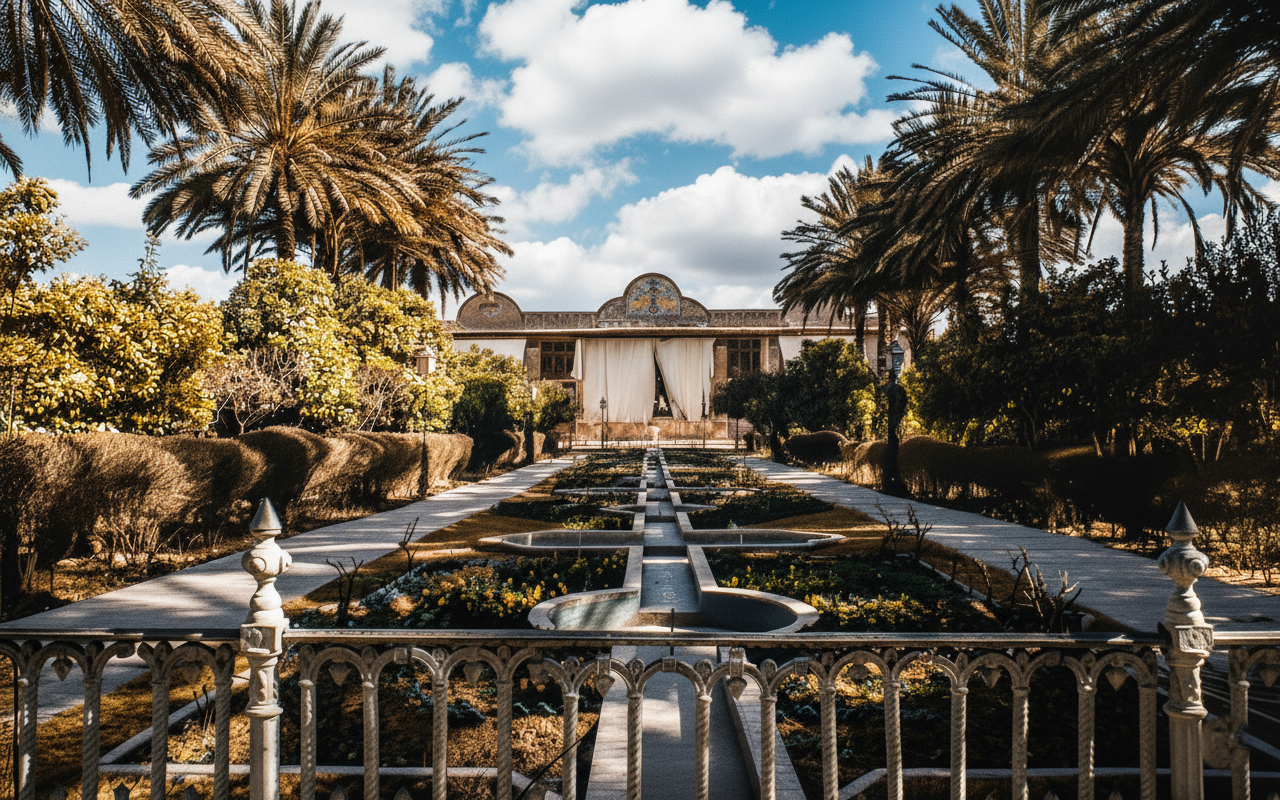
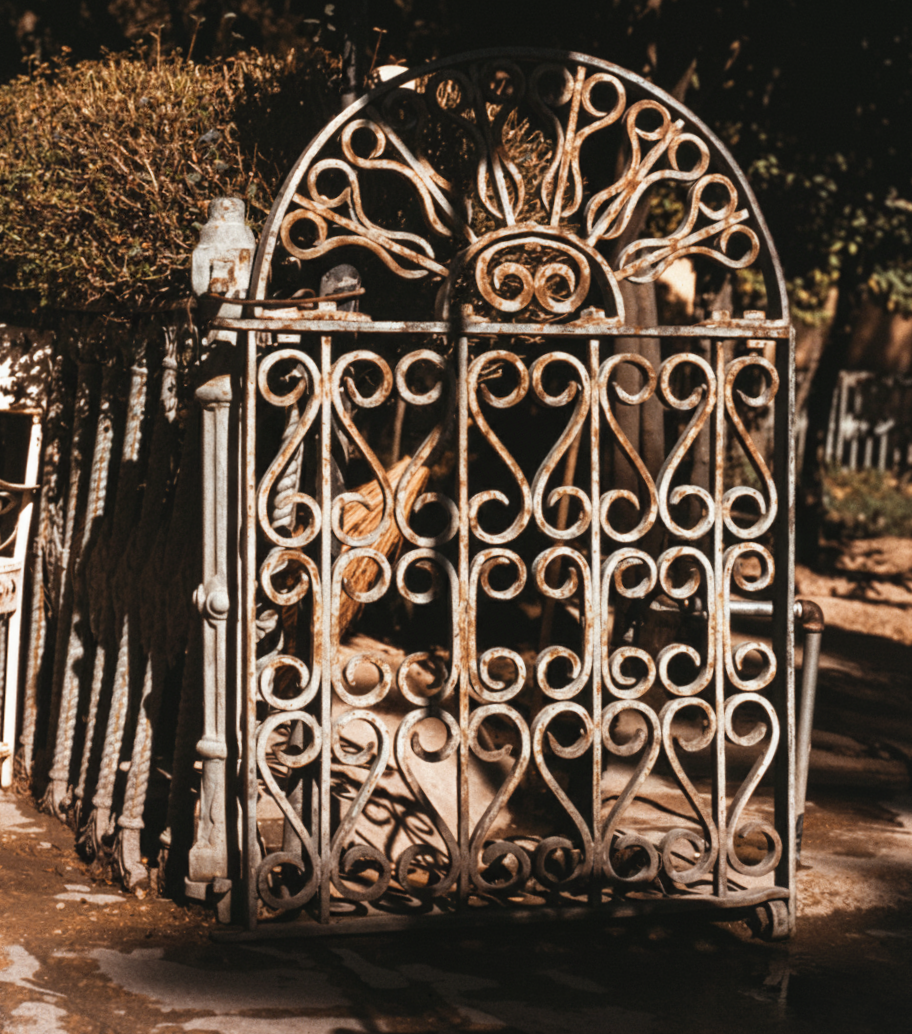
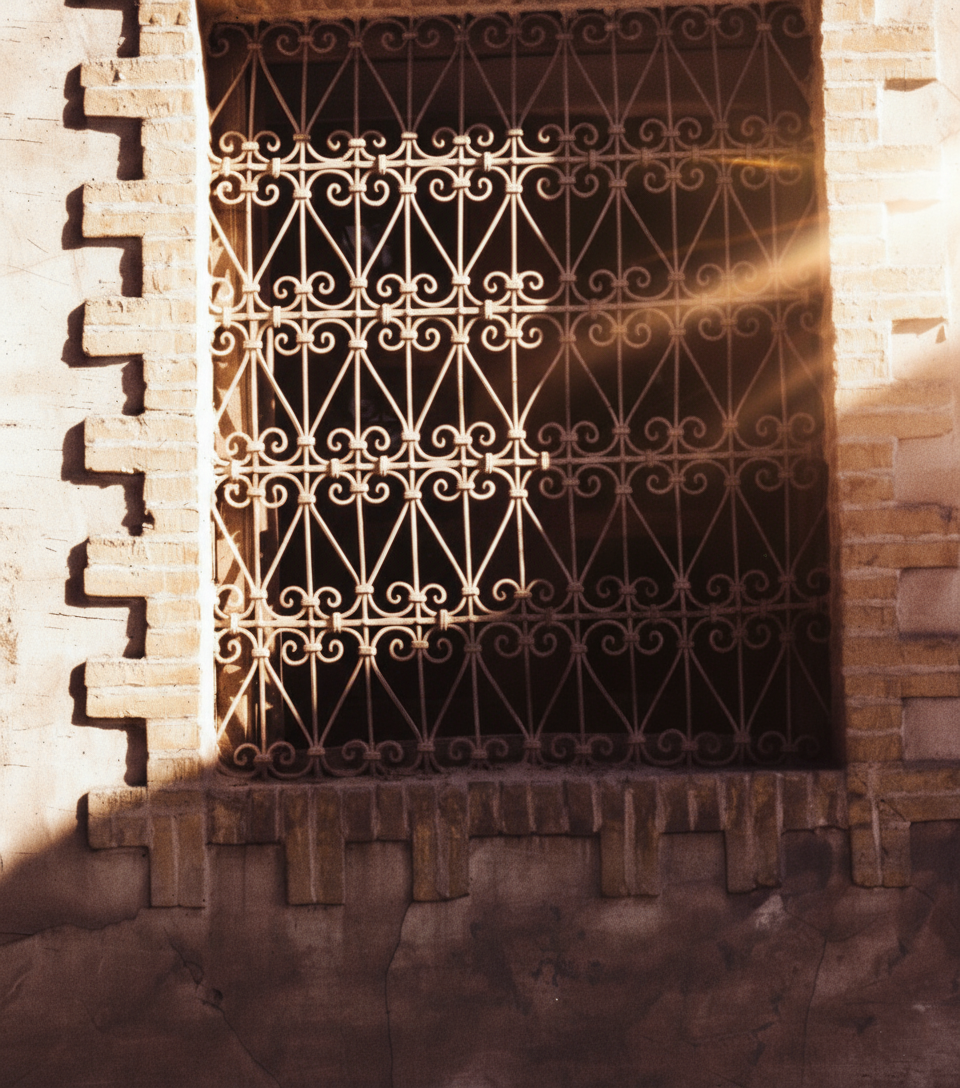
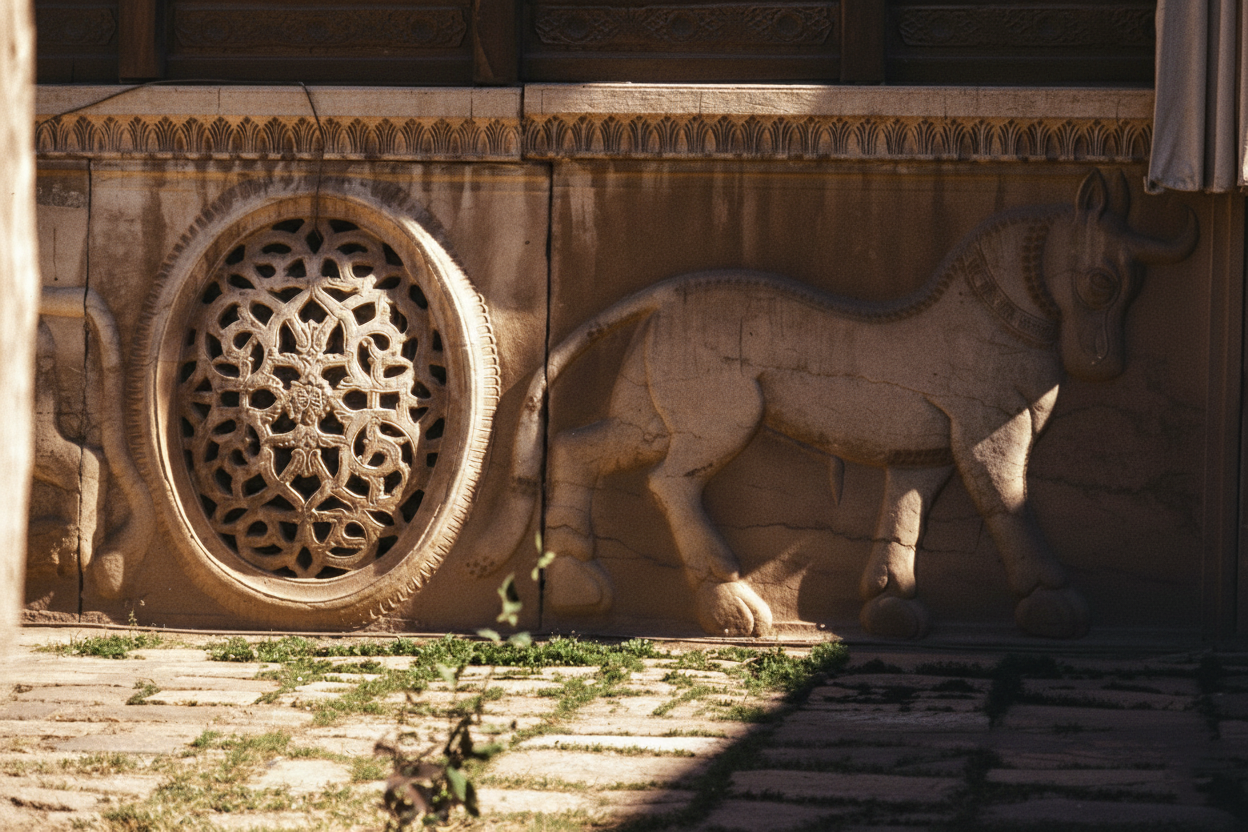
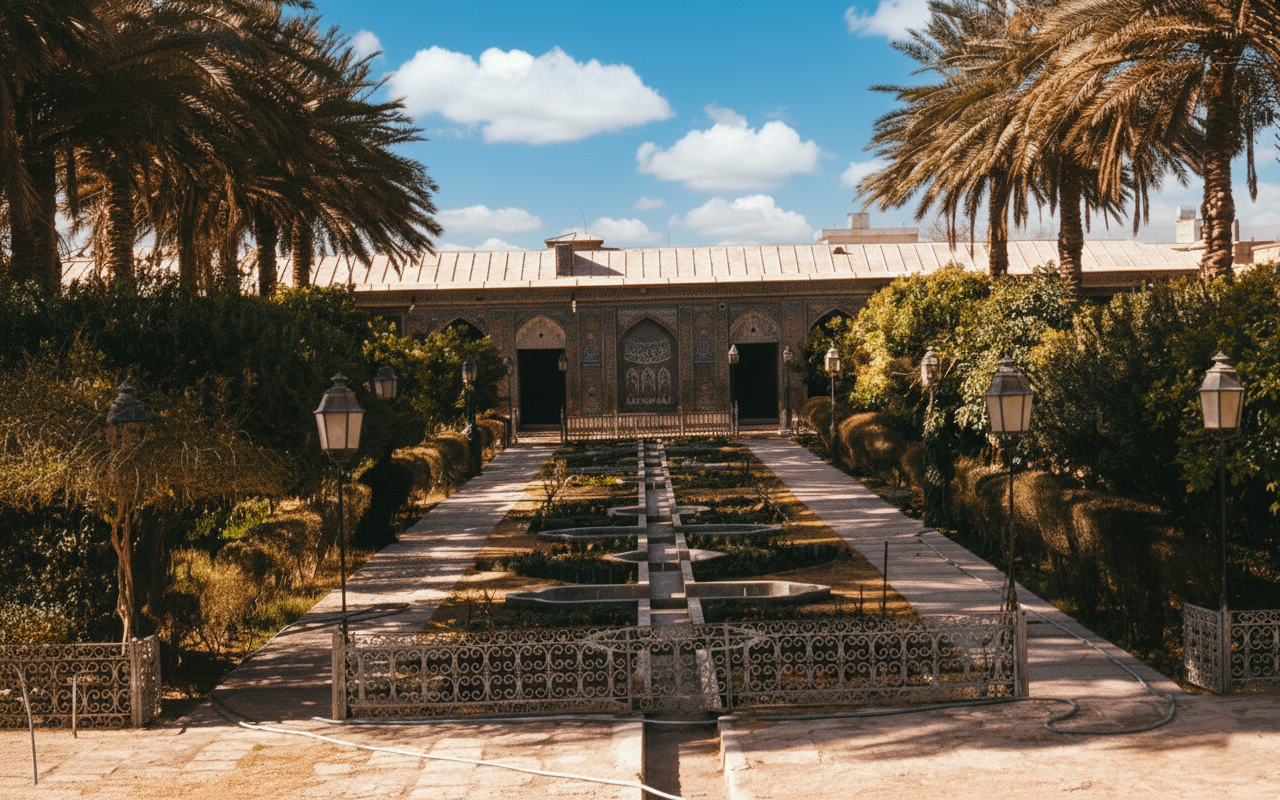
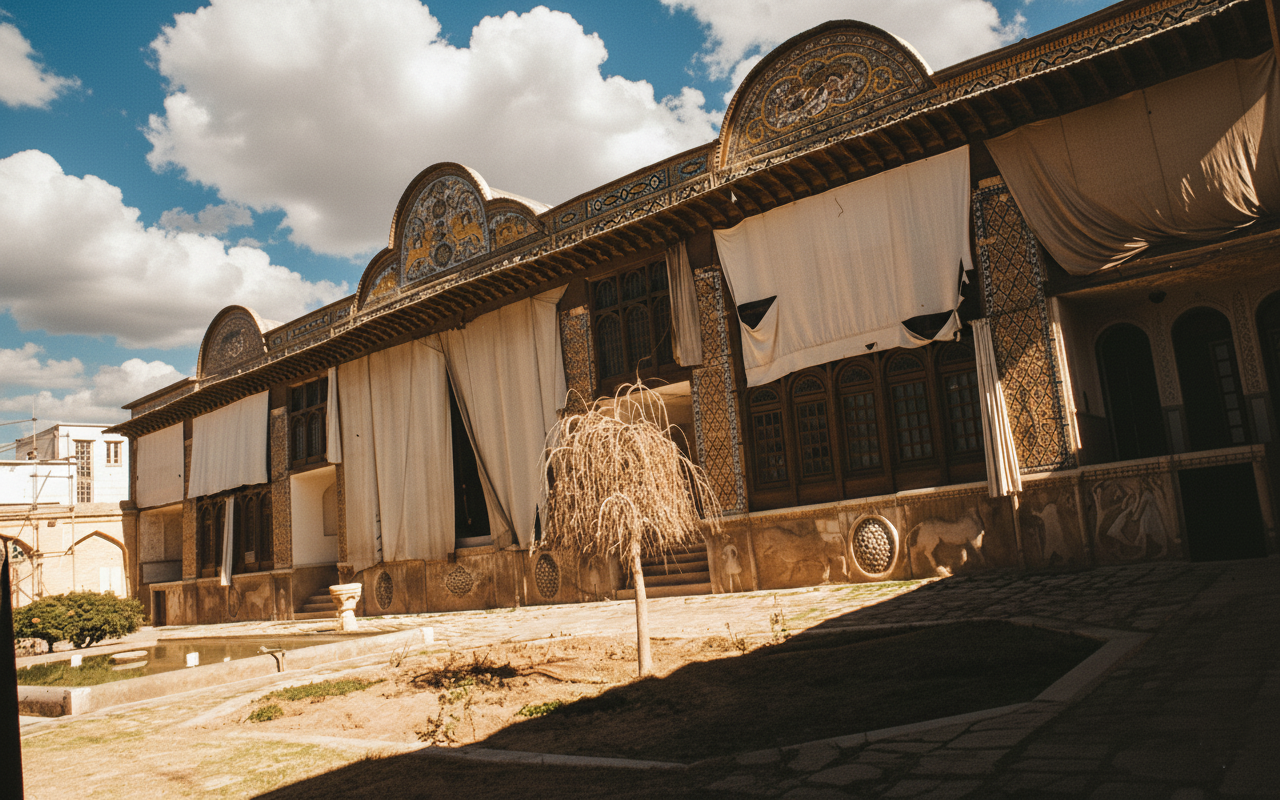
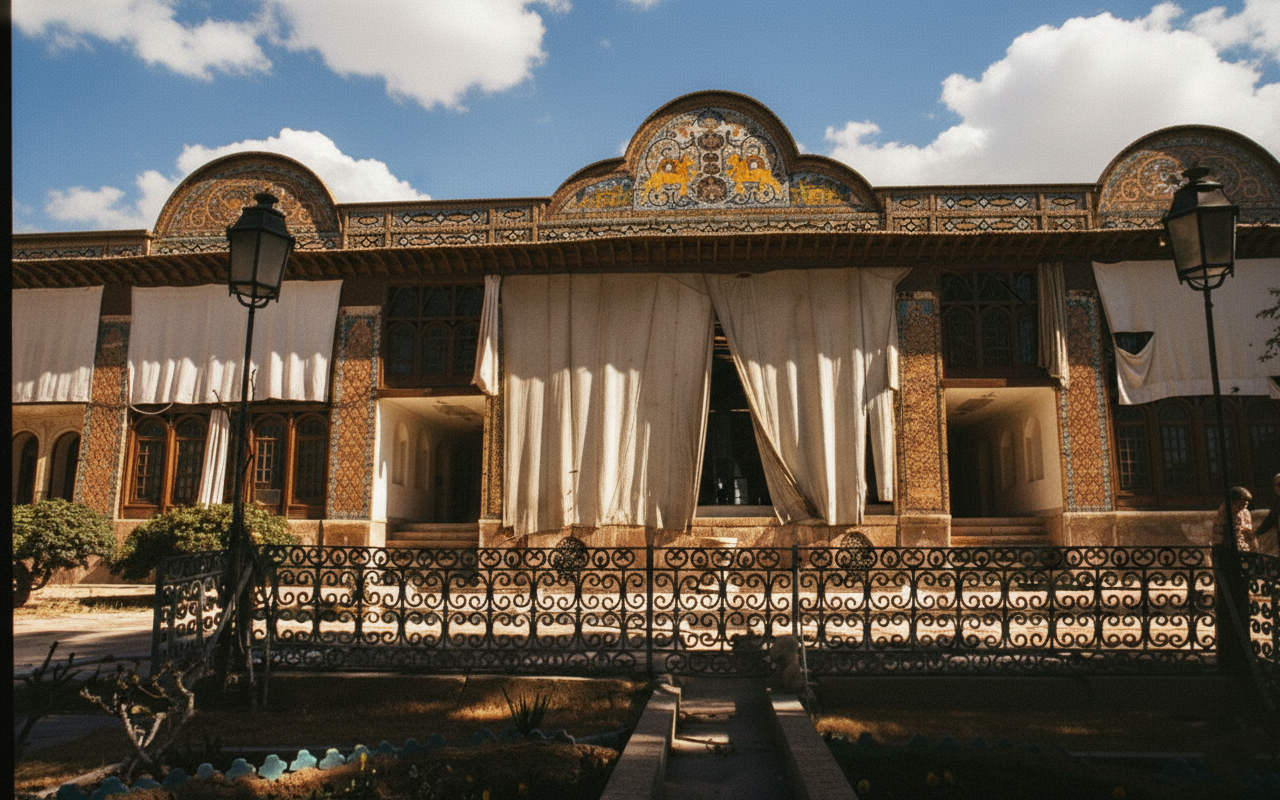
Narenjestan-e Qavam (Qavam House), built between 1879 and 1886 in Shiraz, is a refined example of Qajar residential architecture. Organized around a garden courtyard of bitter orange trees, it features mirrorwork, colorful tilework, painted ceilings, carved wood, and stained-glass windows, reflecting elite domestic life and Persian craftsmanship of the late 19th century.
-
Narenjestan-e Qavam (نارنجستان ـ خانه قوام), also known as the Qavam House, is a distinguished example of late 19th-century Qajar architecture, constructed between 1879 and 1886 CE in Shiraz. Commissioned by Ali Mohammad Khan Qavam al-Molk, a prominent Qajar official, the residence reflects the social stature of the Qavam family and the refined domestic culture of the period.
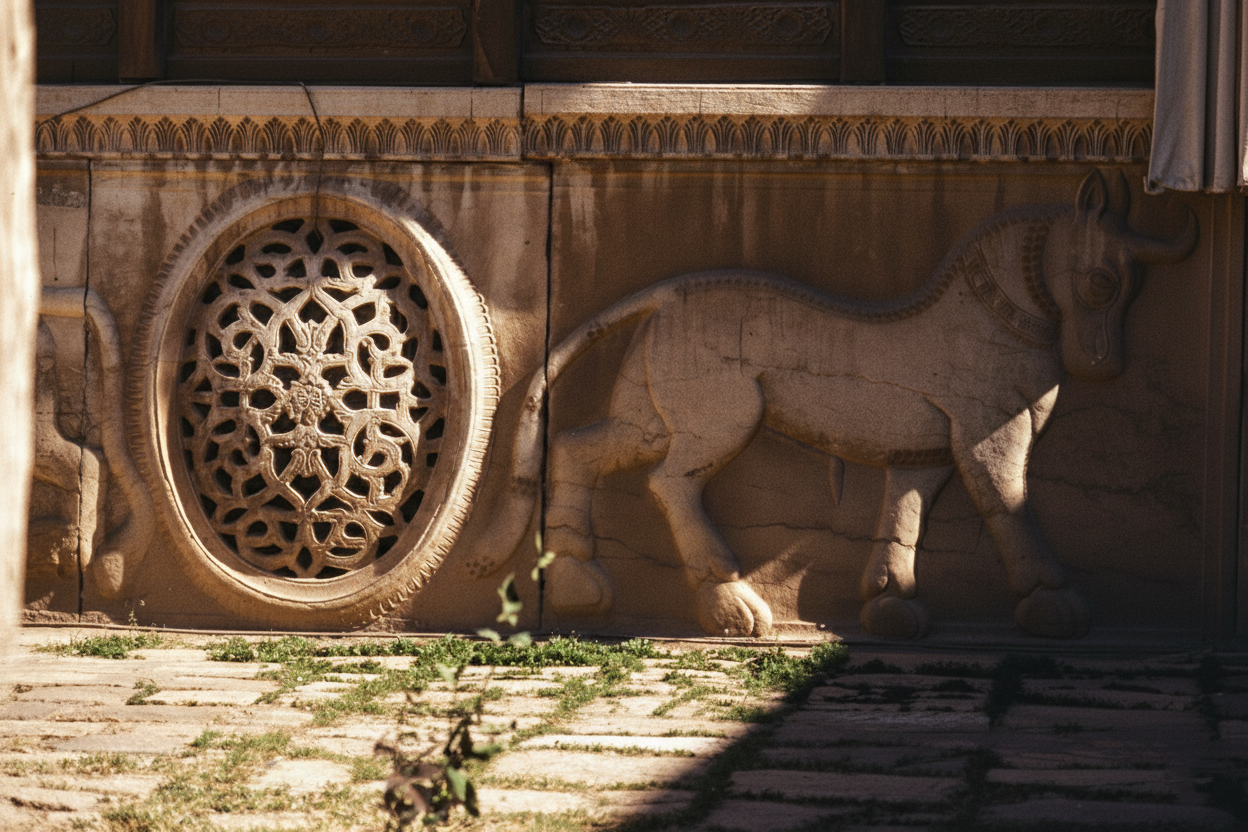
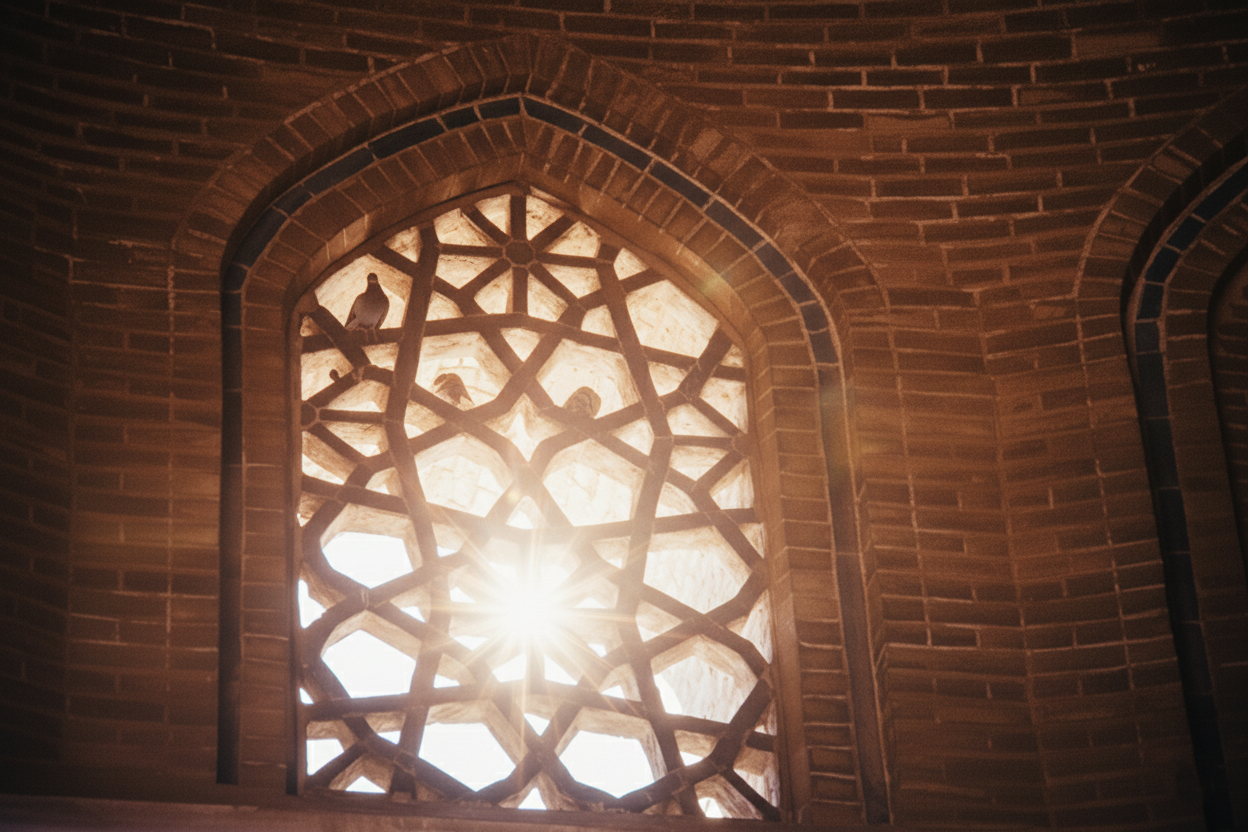
The complex is organized around a symmetrical garden courtyard planted with bitter orange trees, embodying the Persian garden tradition on a residential scale. It comprises a formal public reception wing (biruni) and private family quarters (andaruni), historically connected by an underground passage. Architecturally, the house is celebrated for its intricate mirrorwork (آینه کاری), vibrant tilework, painted ceilings, carved wooden doors, and colored-glass sash windows (orsi), blending traditional Persian craftsmanship with subtle European influences characteristic of the late Qajar era. Donated to Shiraz University in 1966, it now functions as a museum, preserving an important chapter of Shiraz’s architectural and cultural heritage.
