King of Light or Shah Cheragh (شاه چراغ)
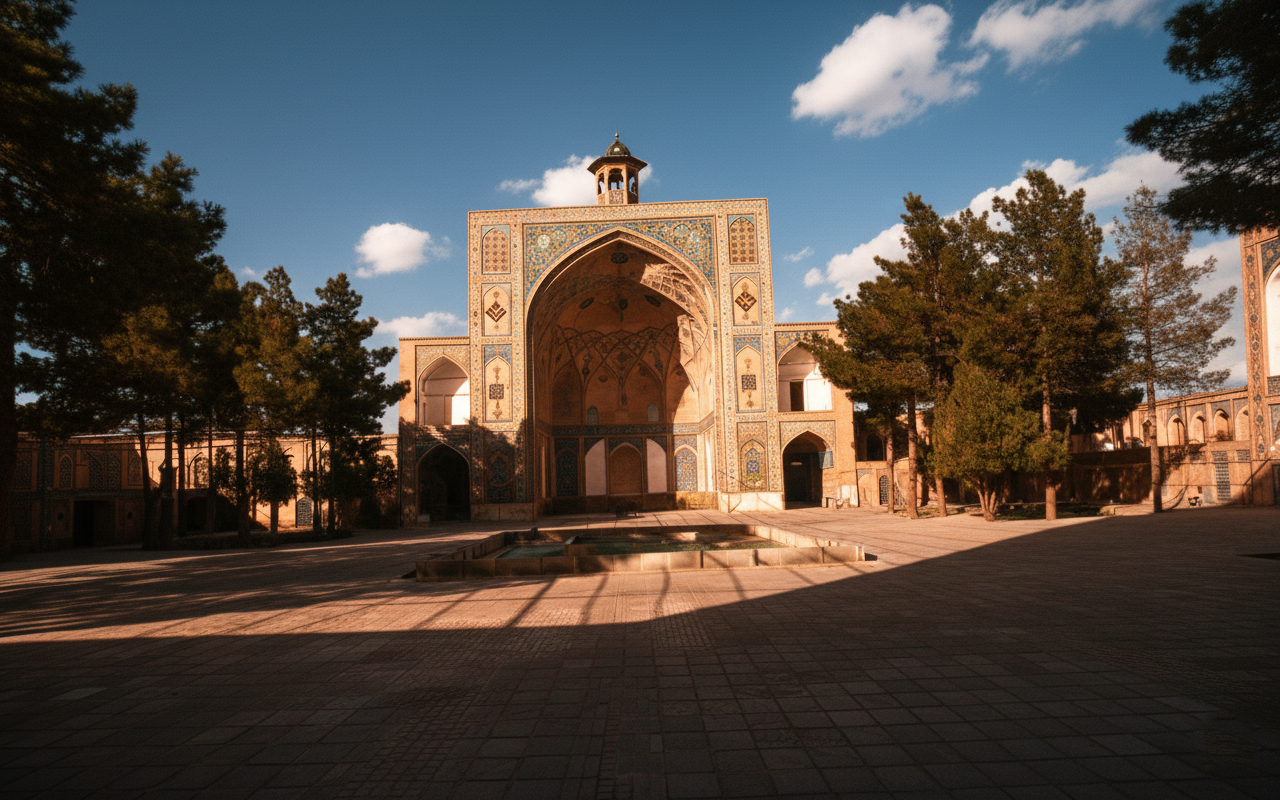
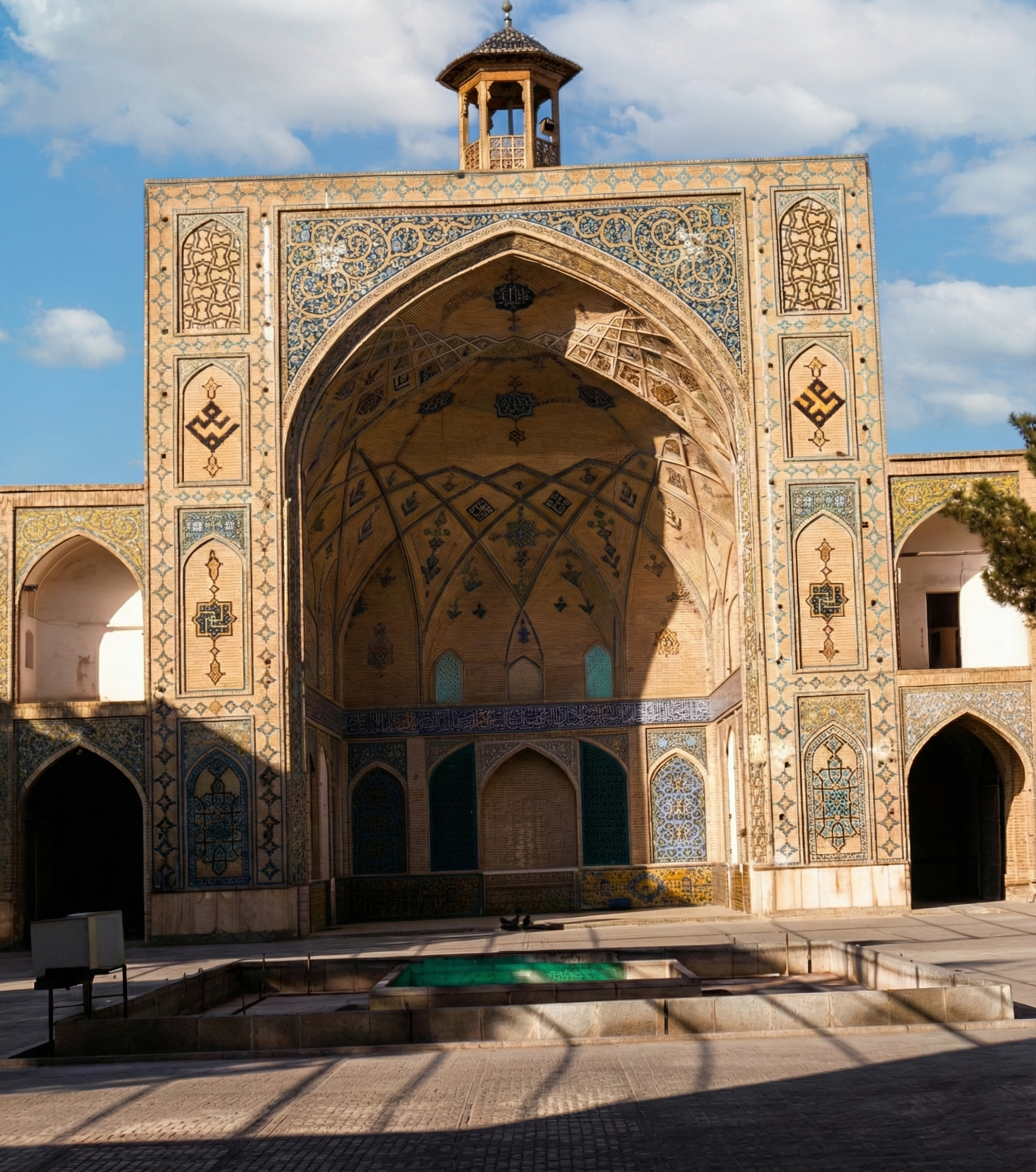
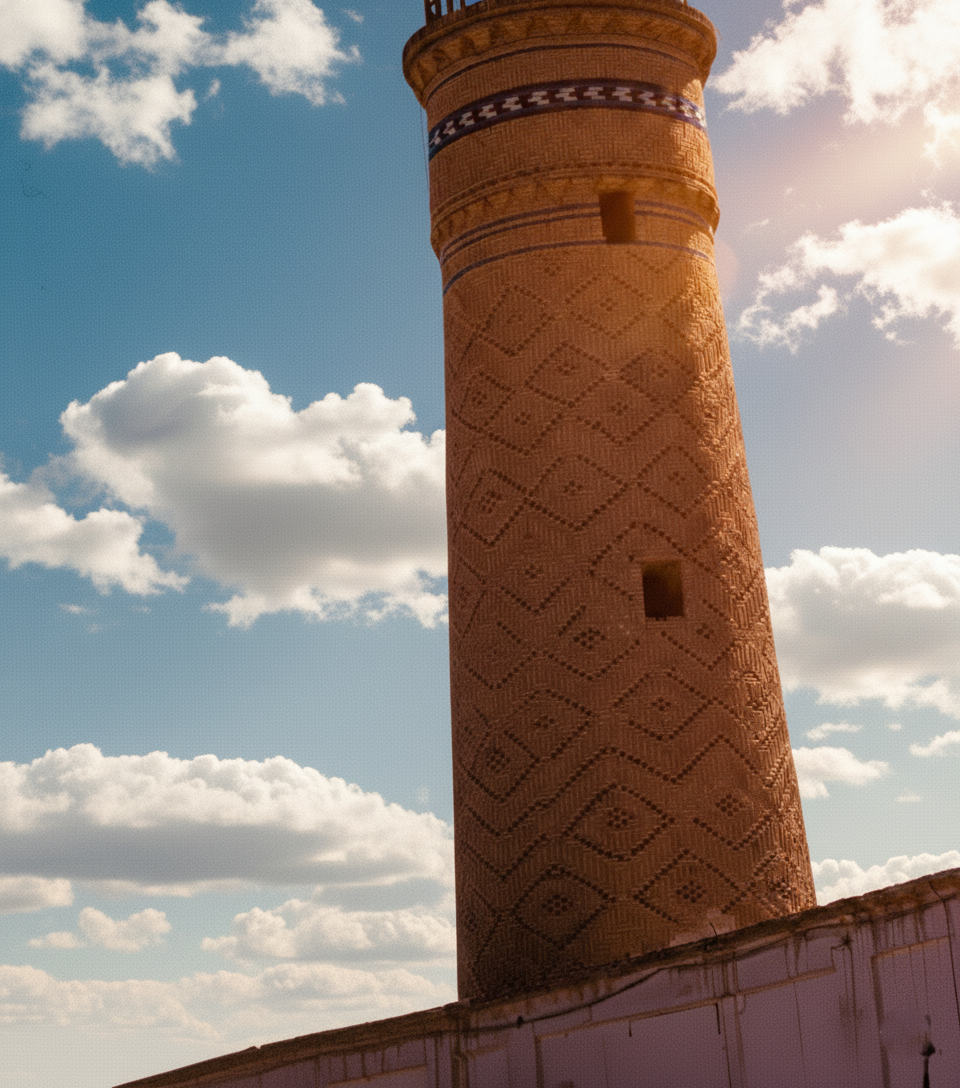
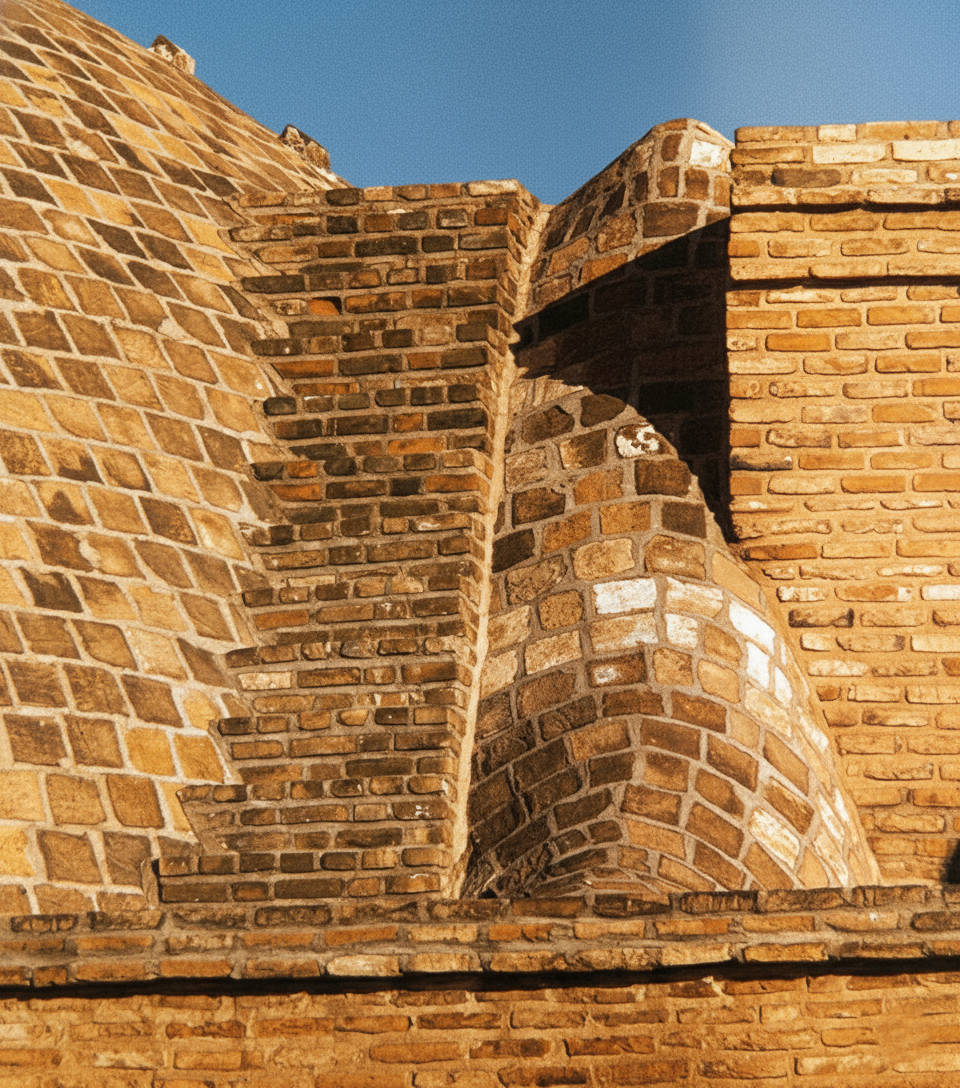
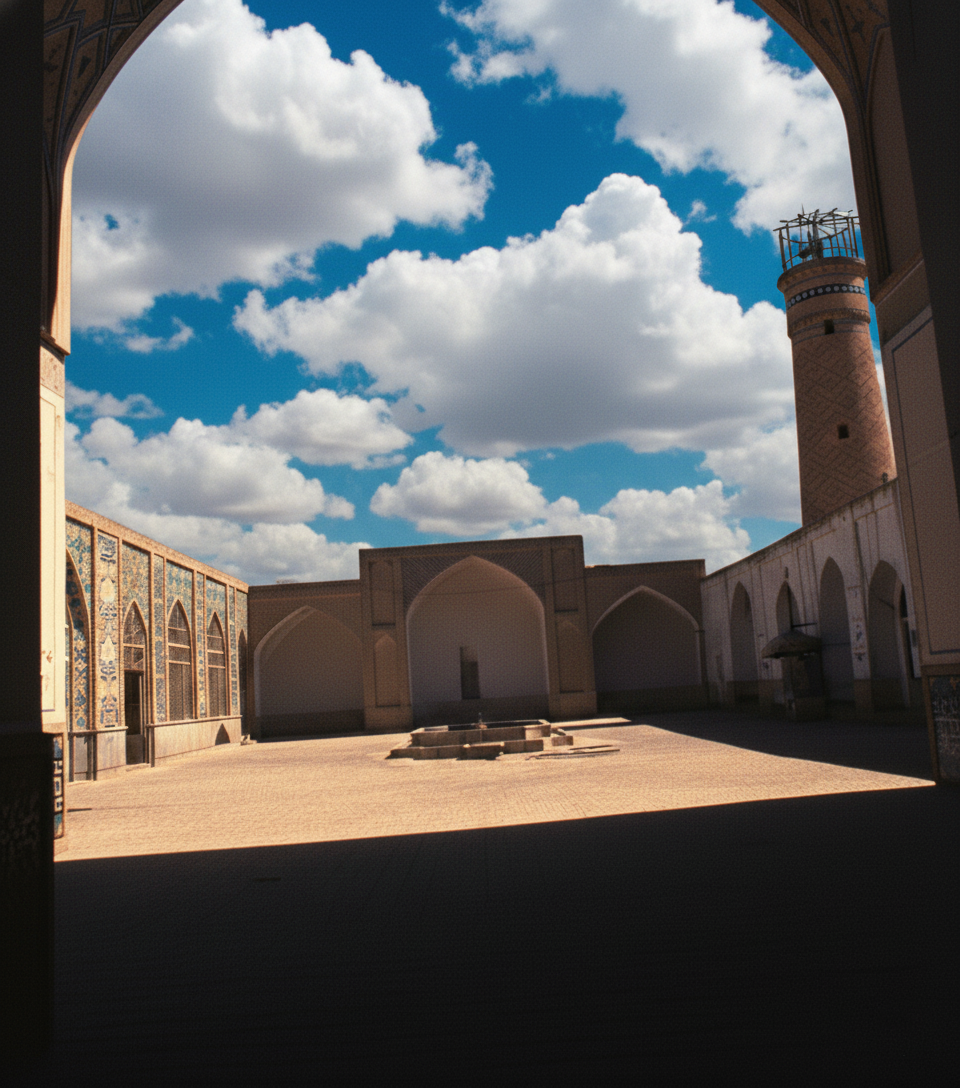
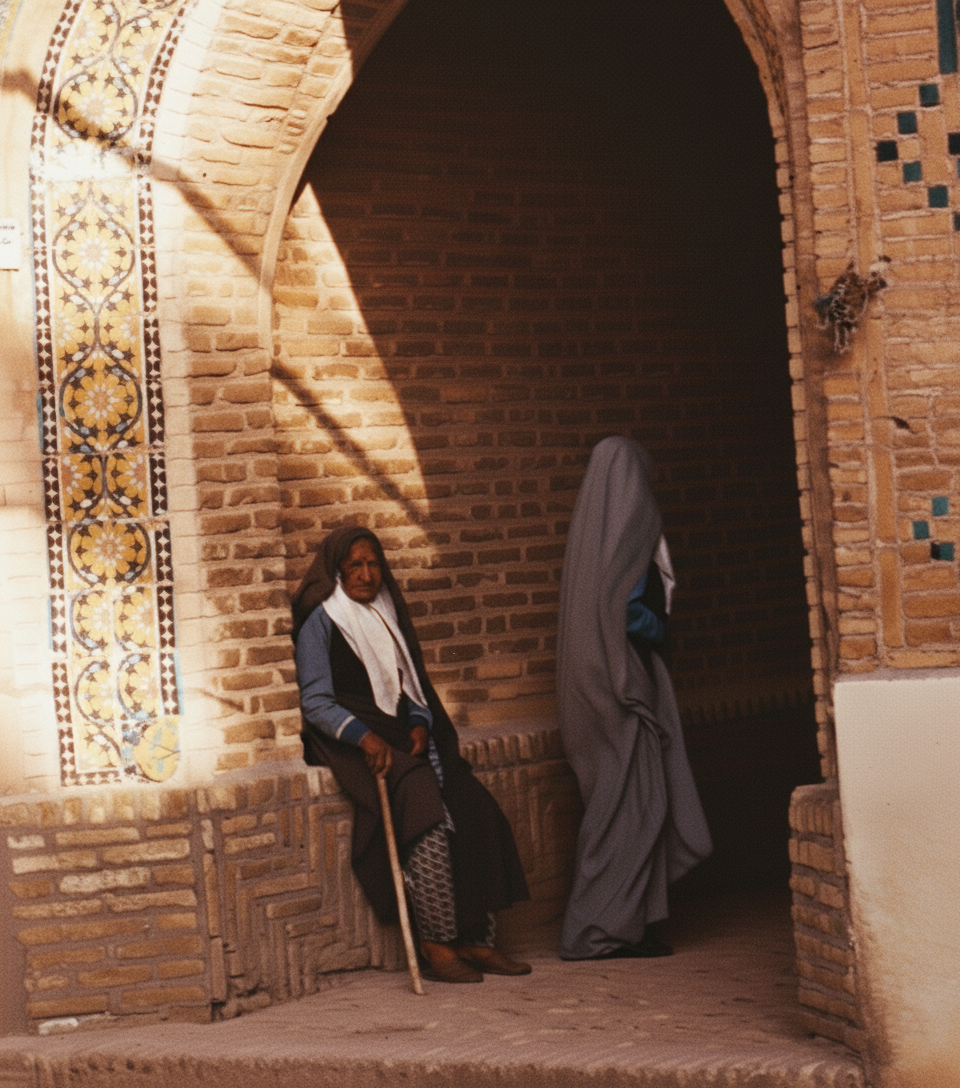
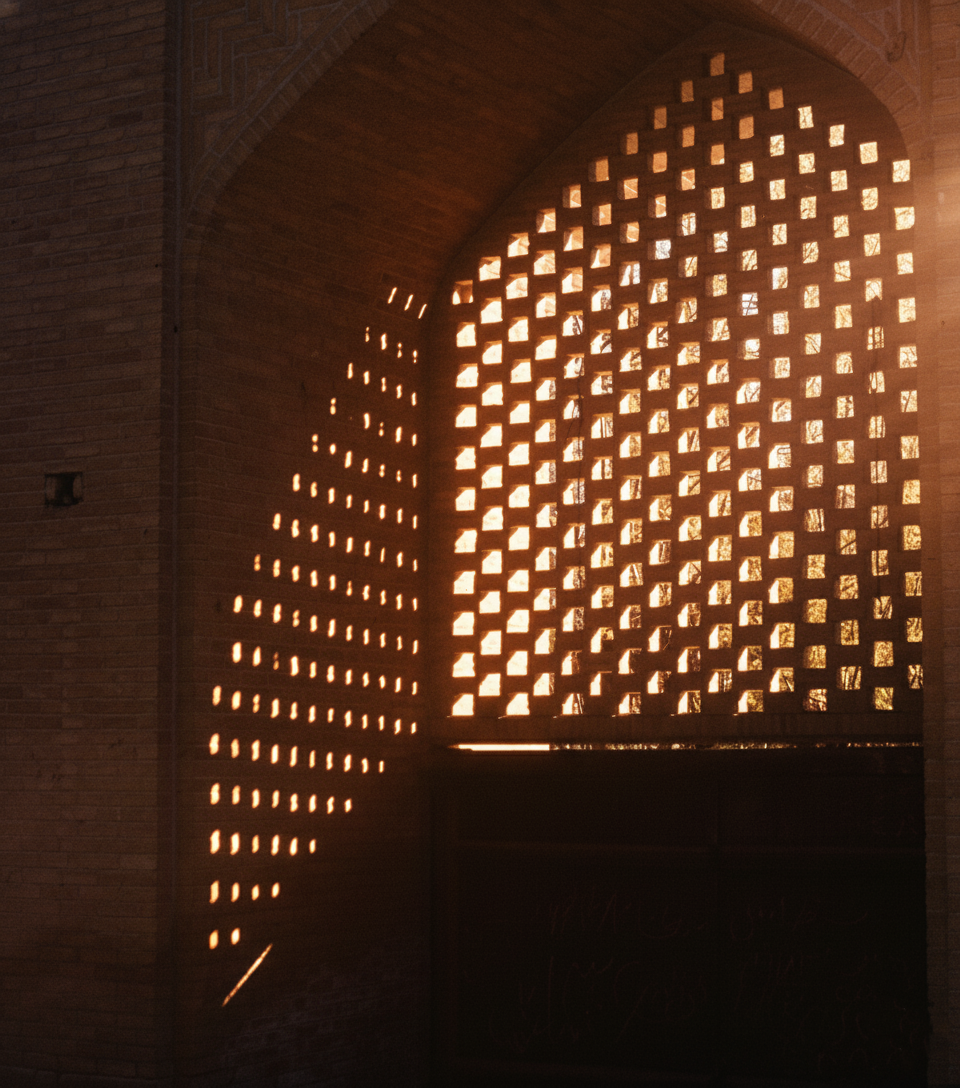
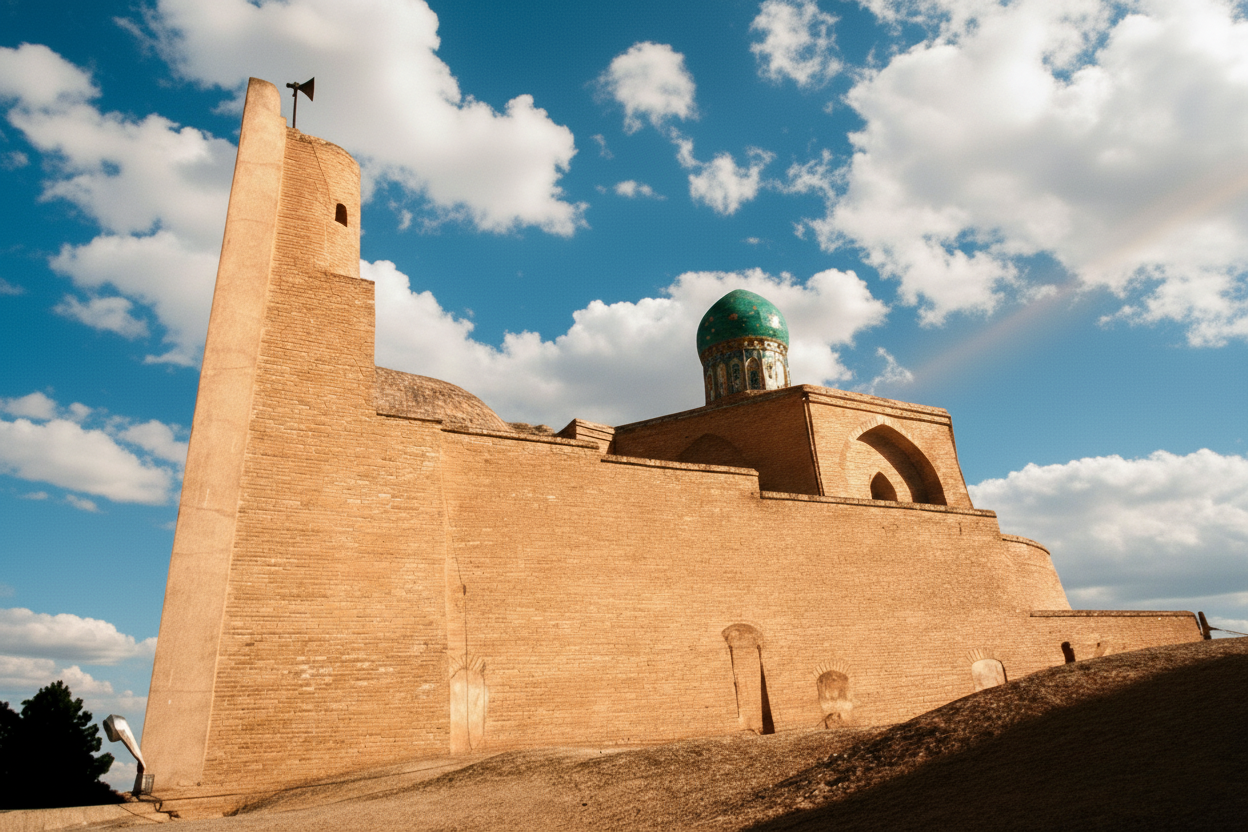
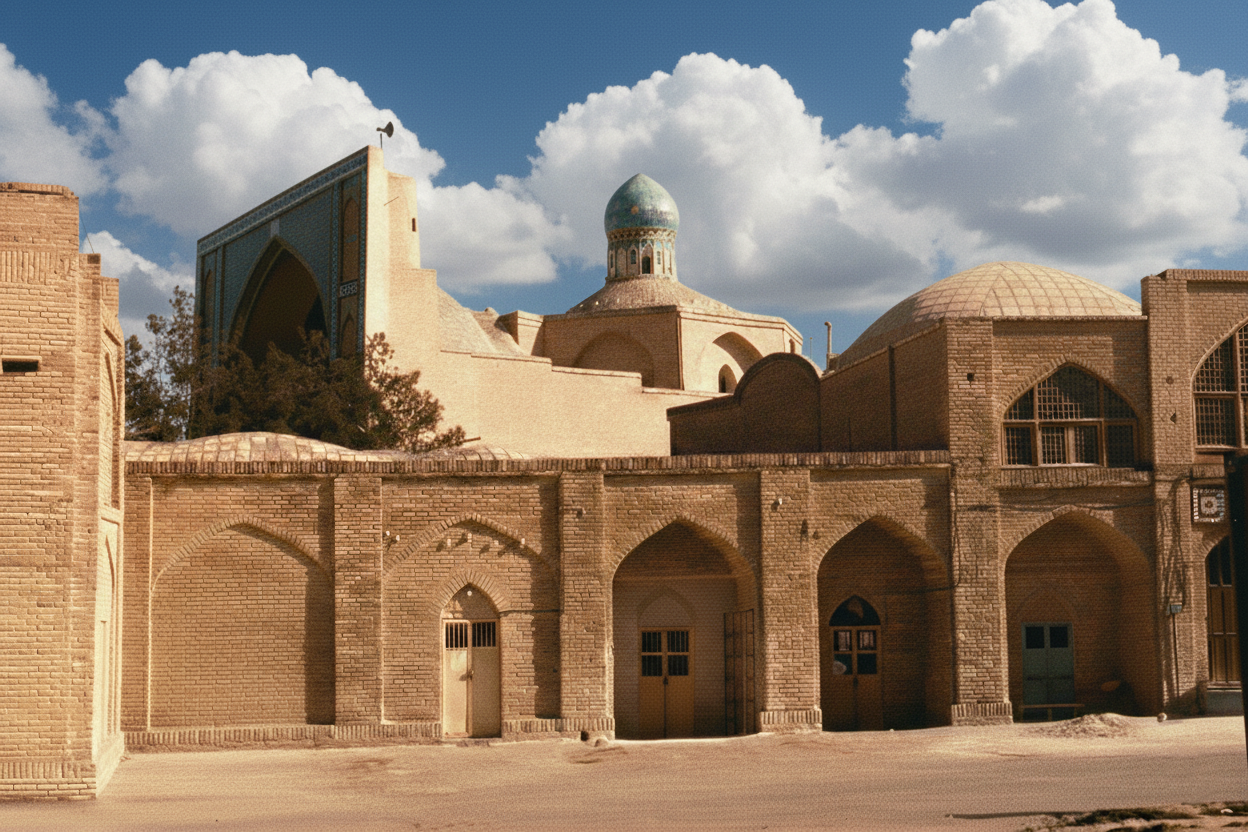
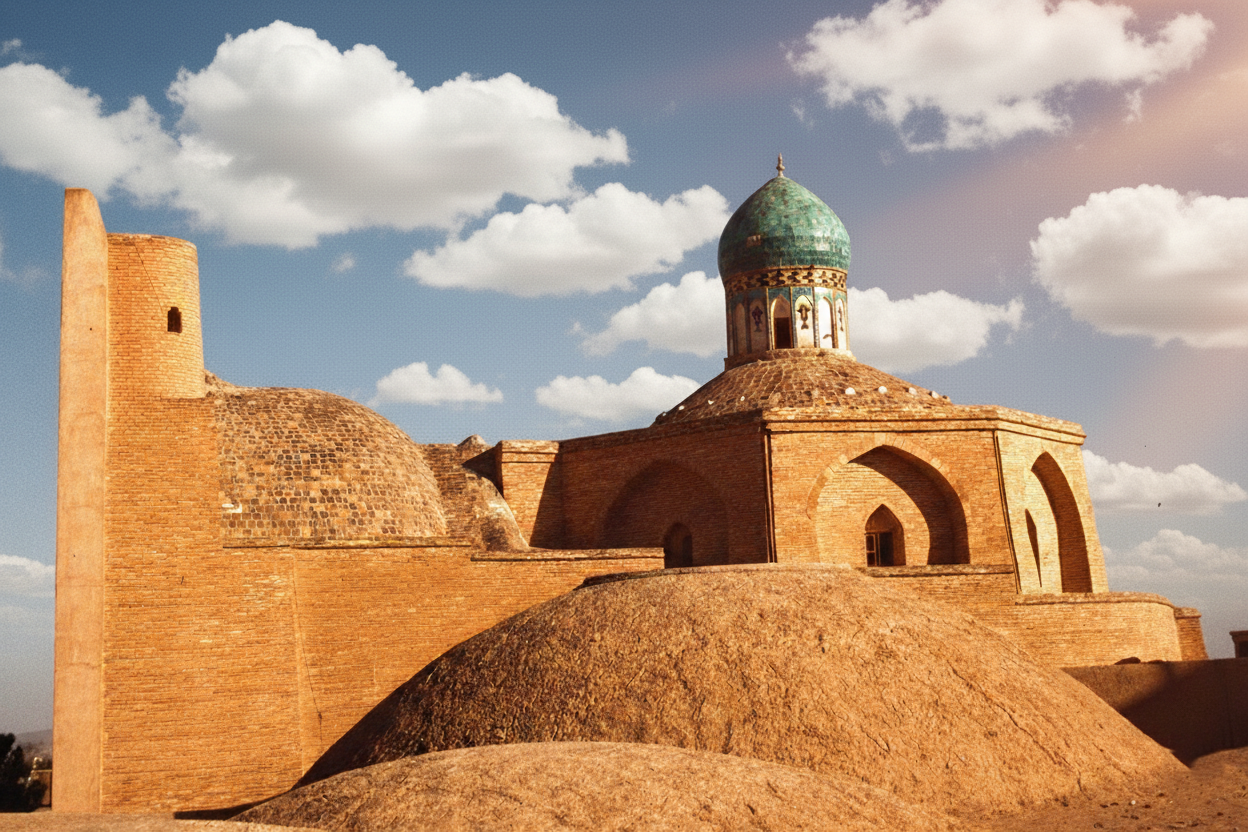
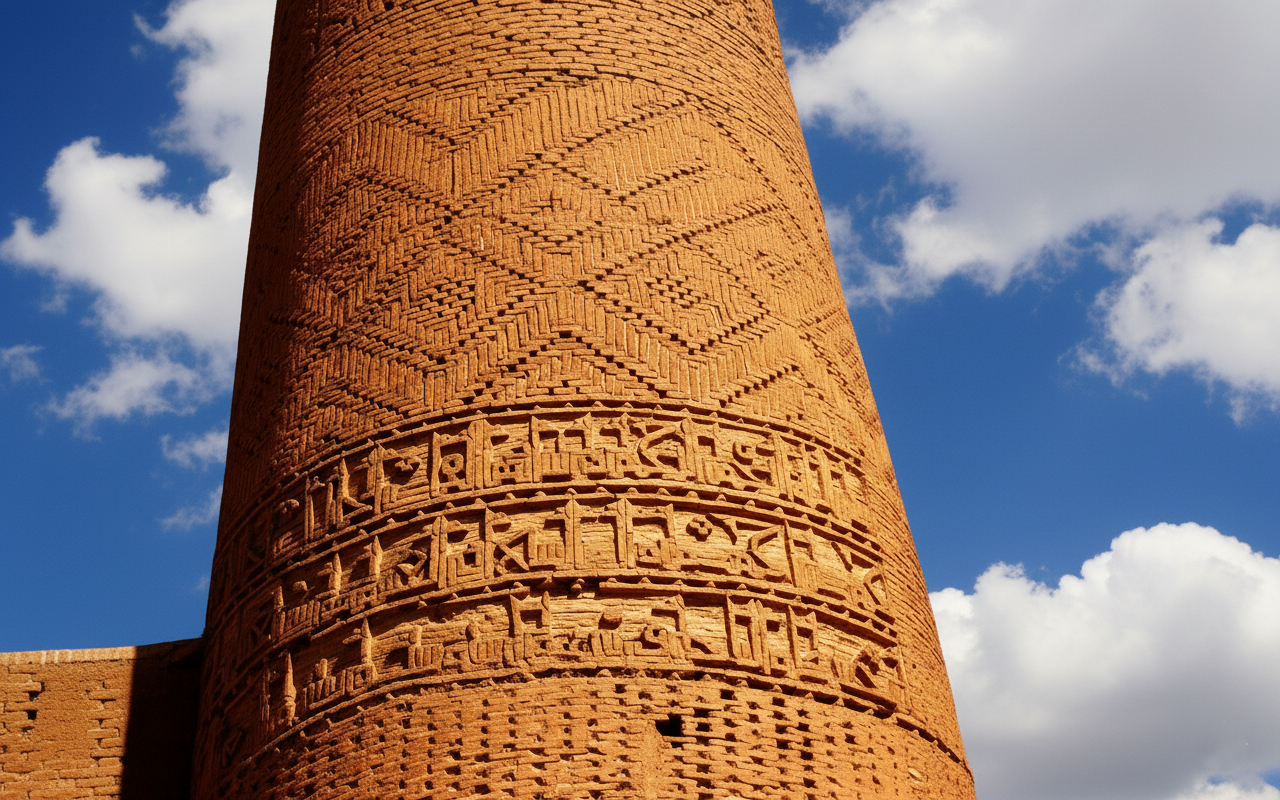
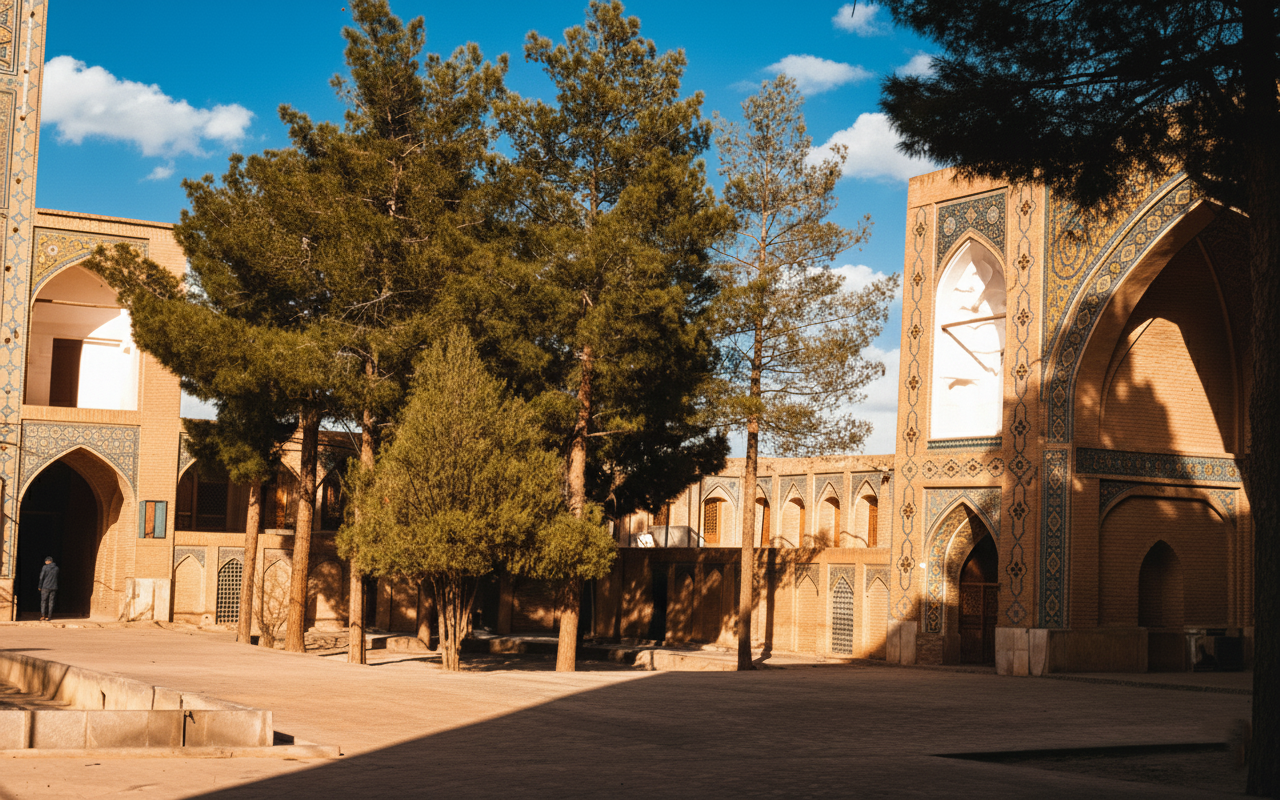
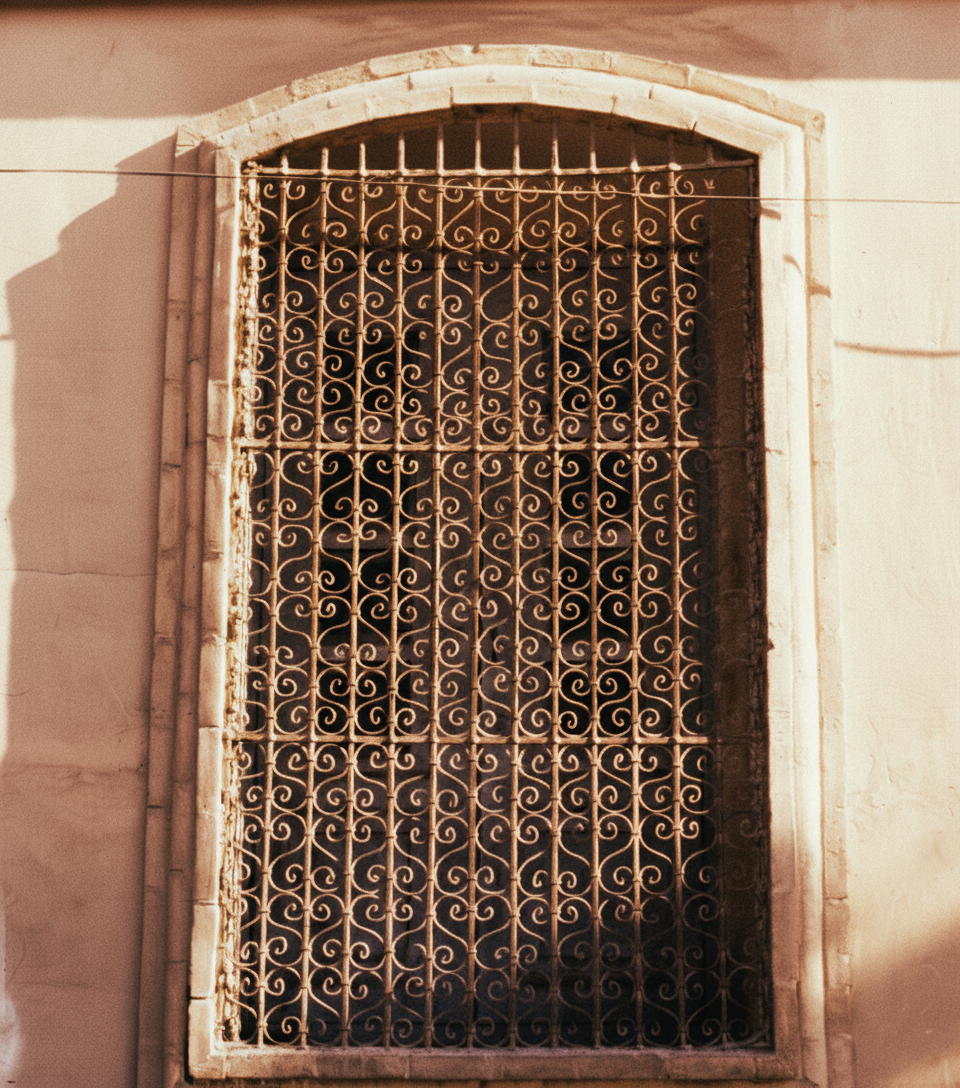
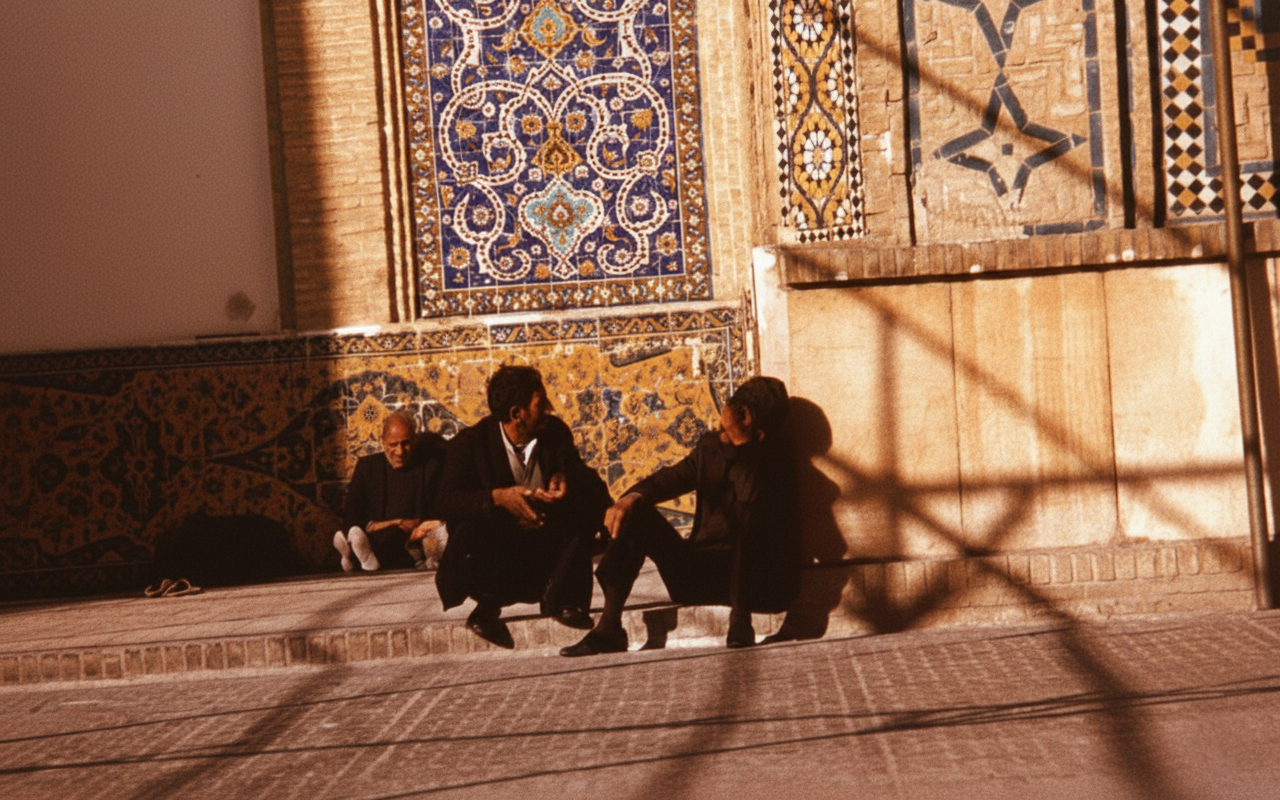
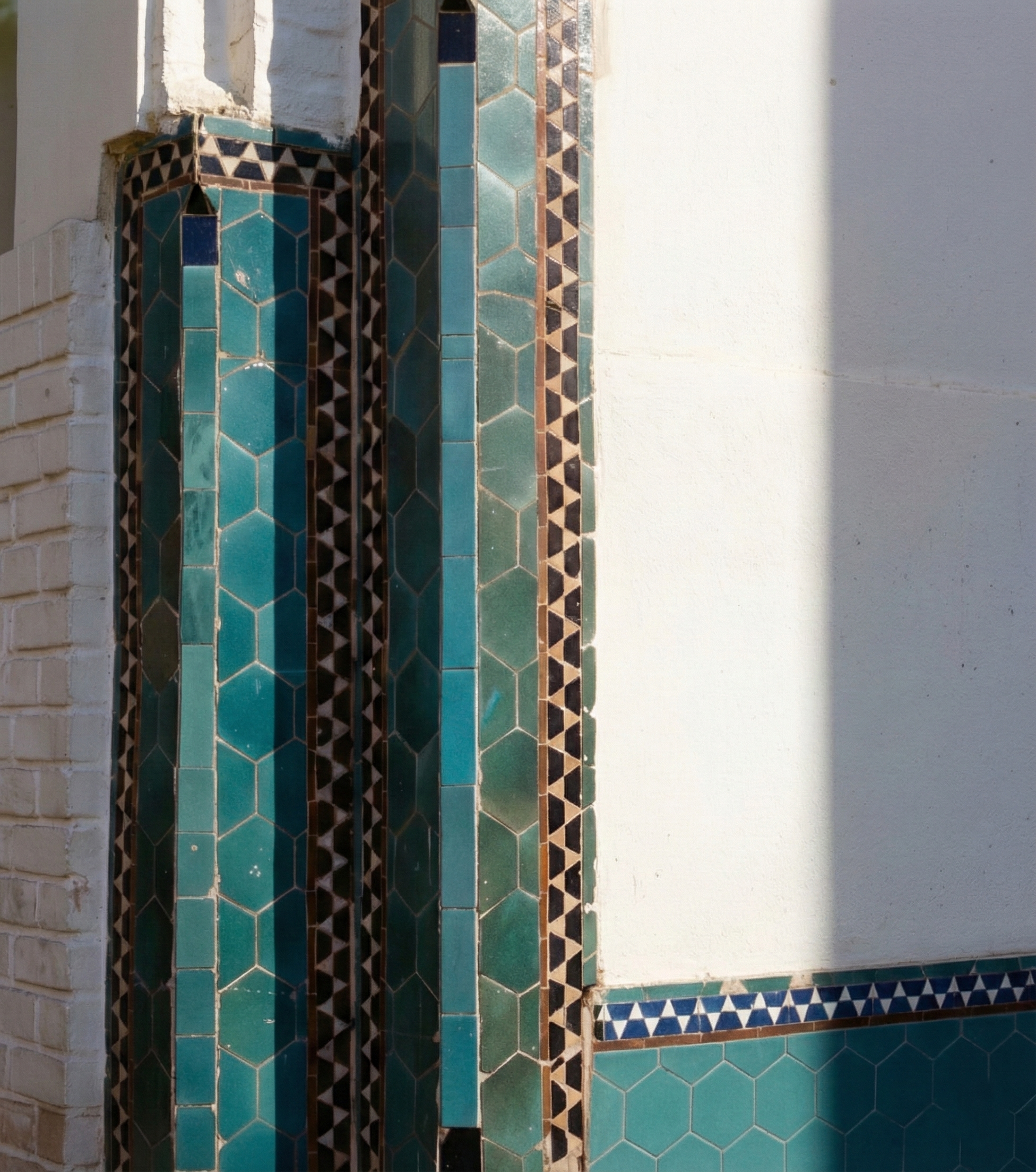
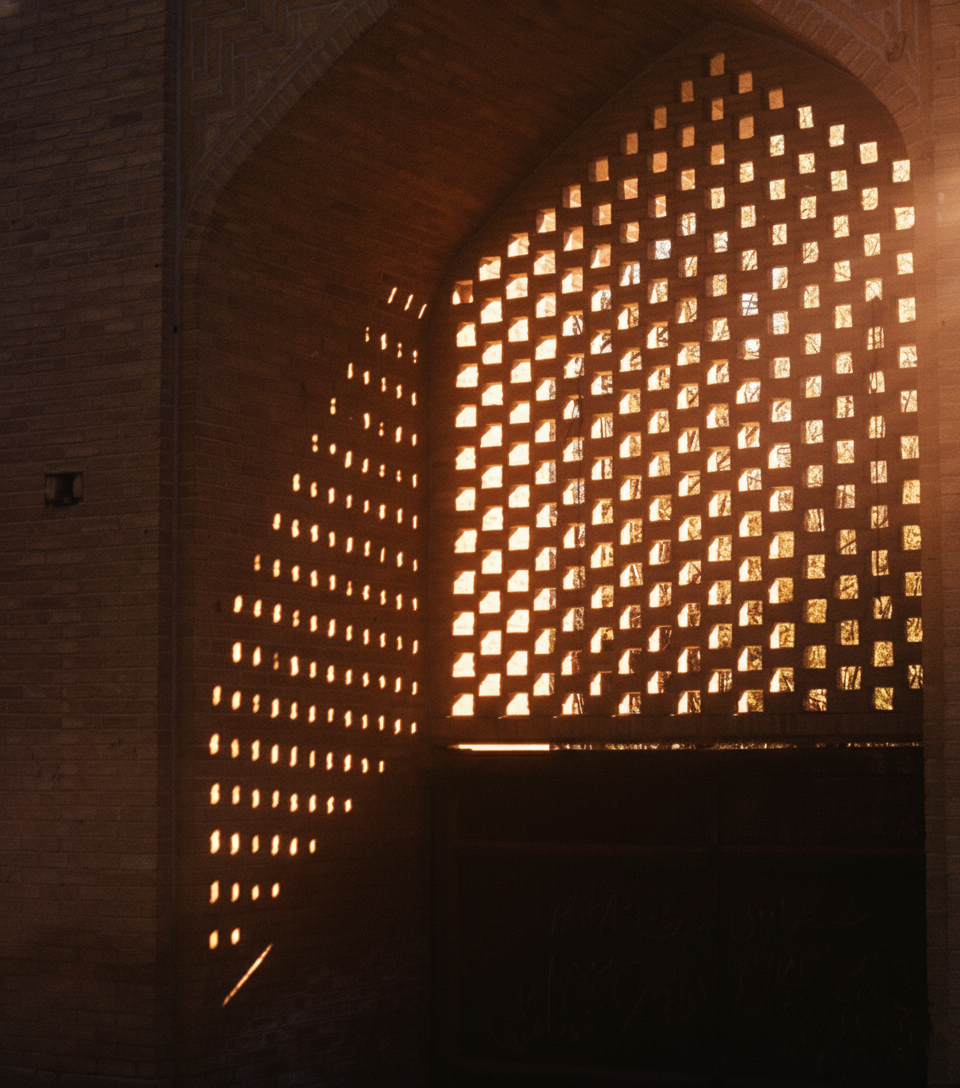
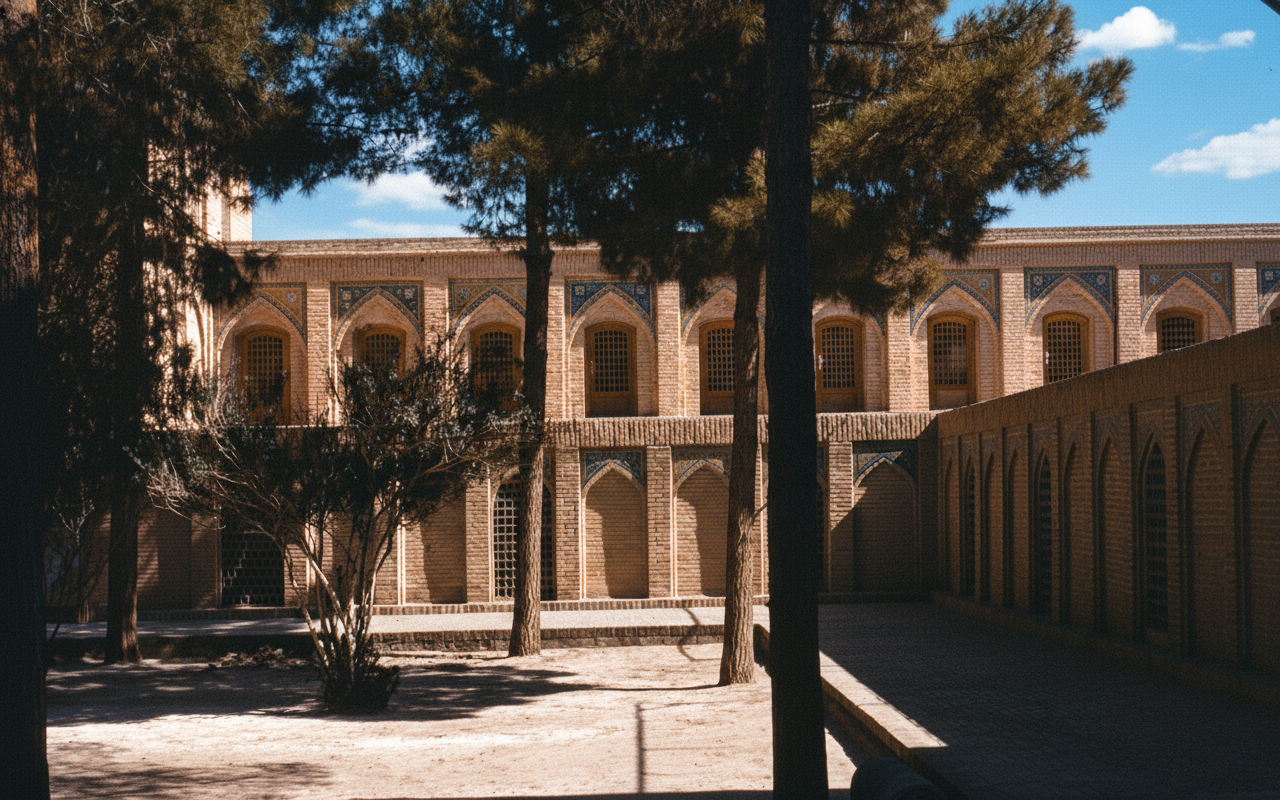
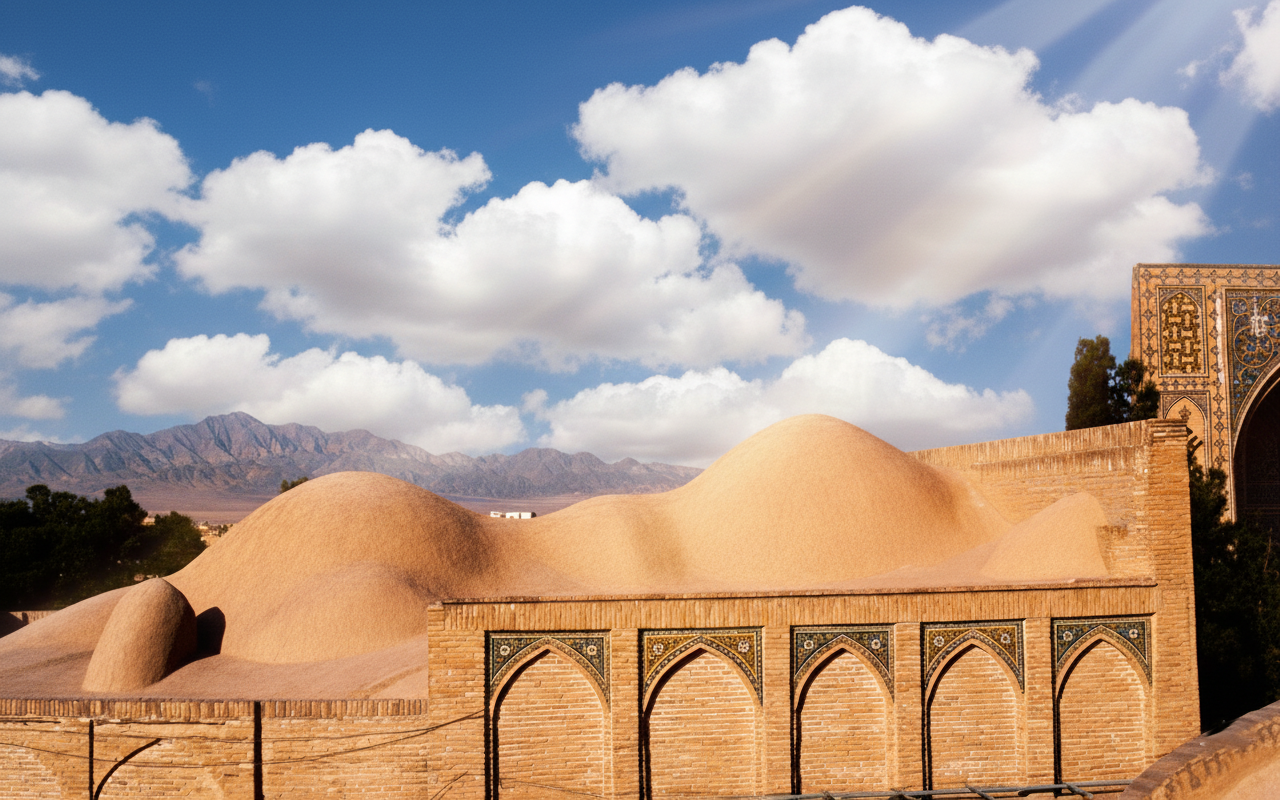
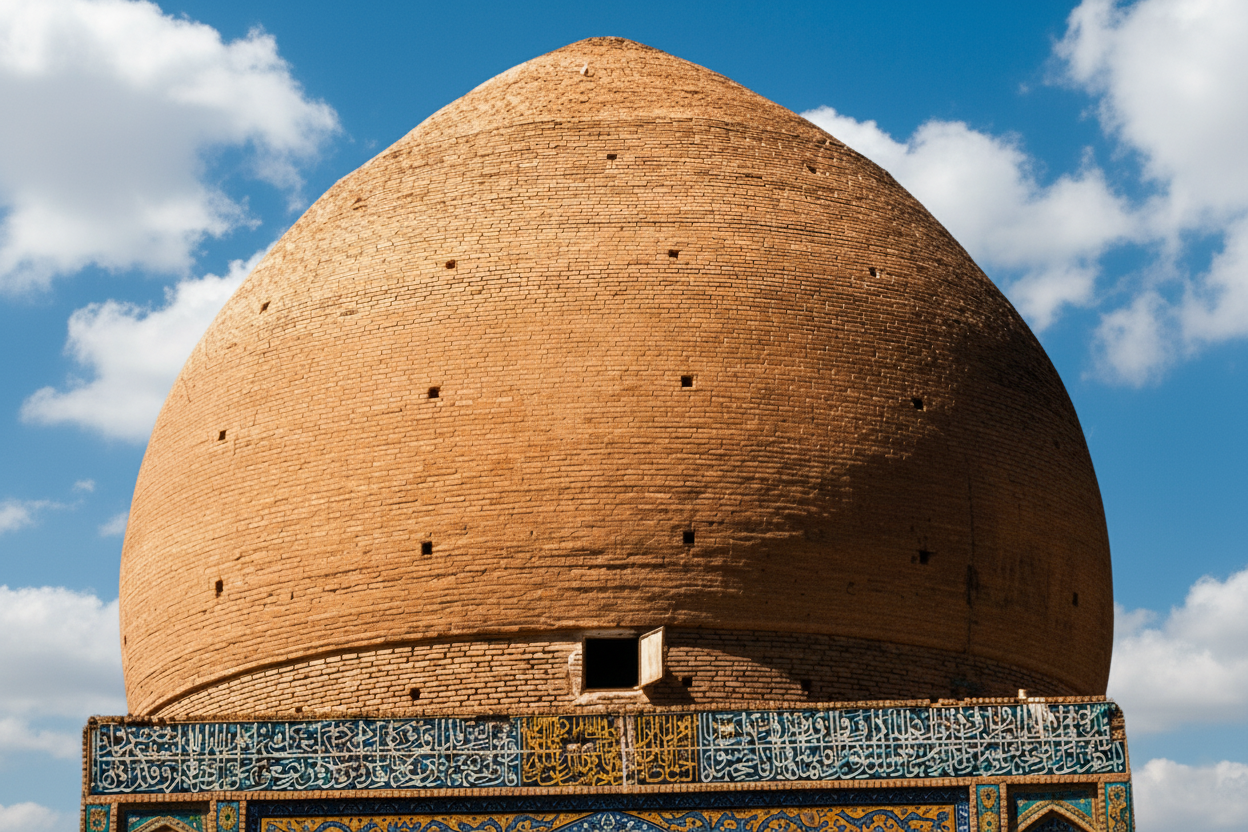
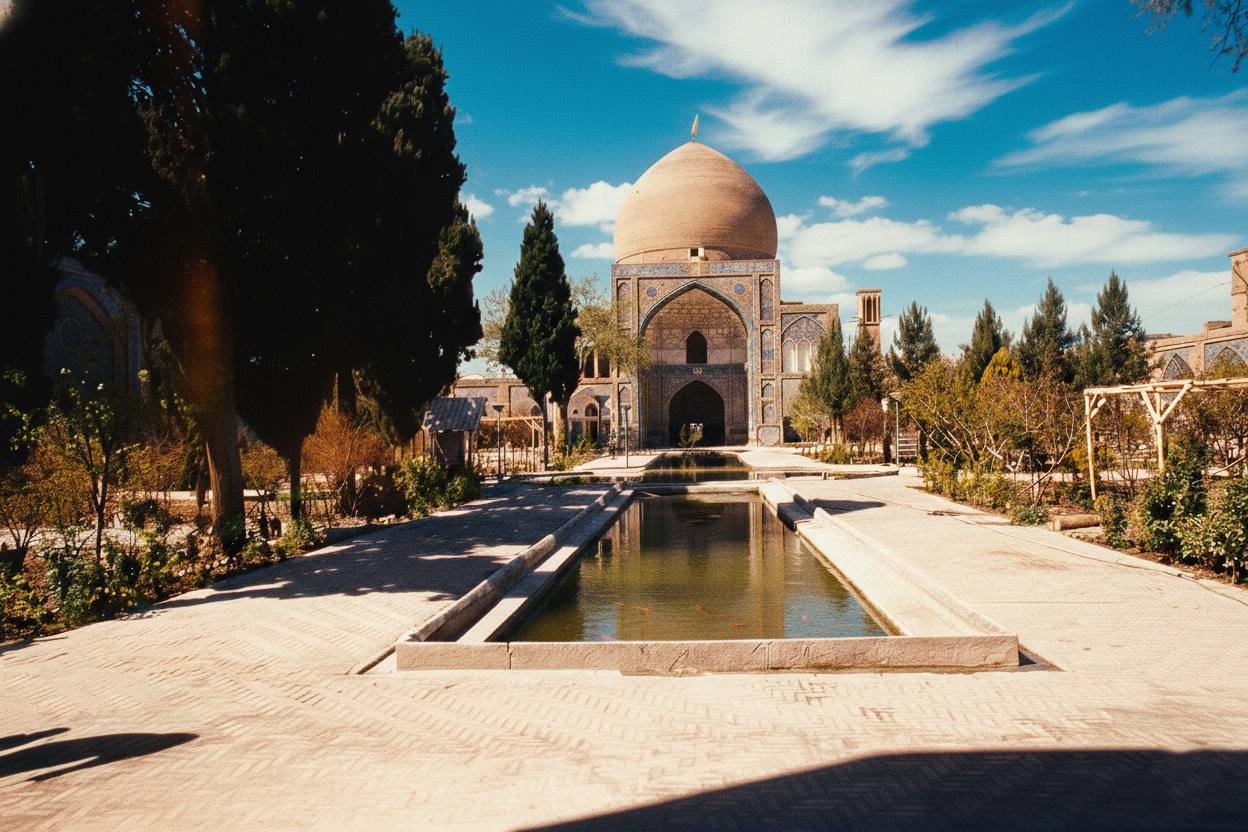
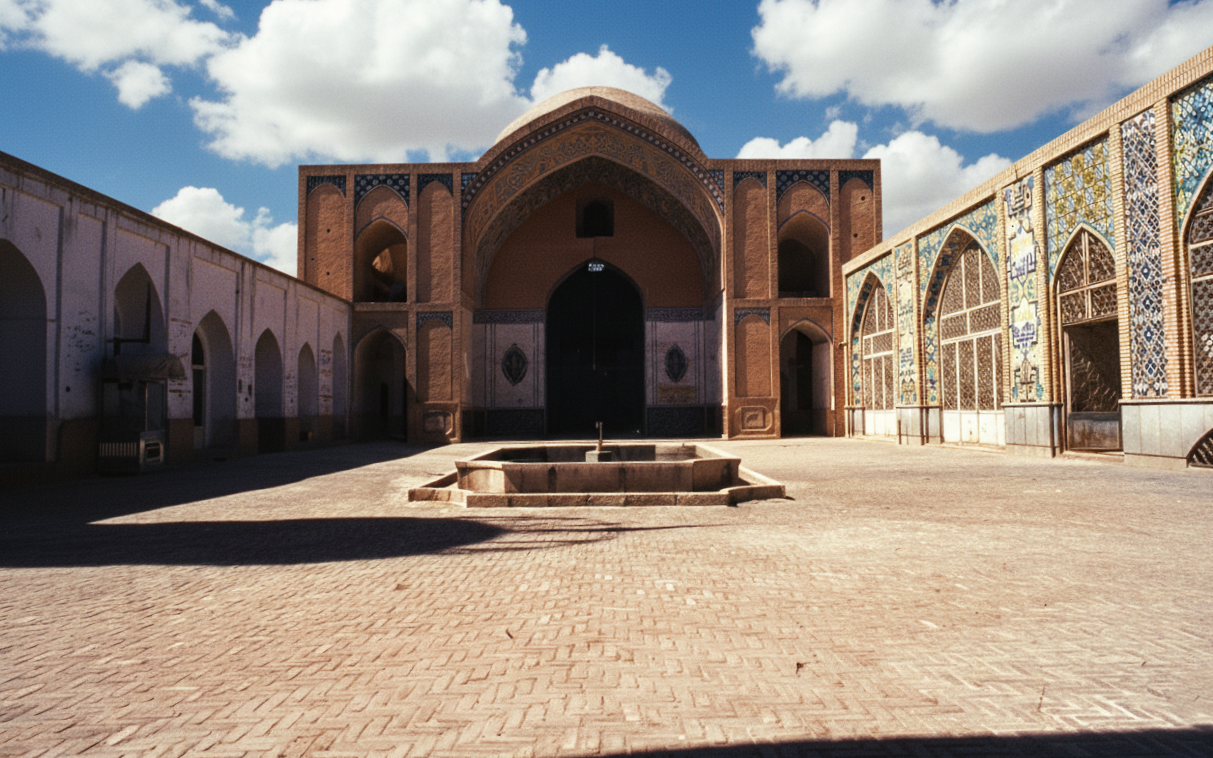
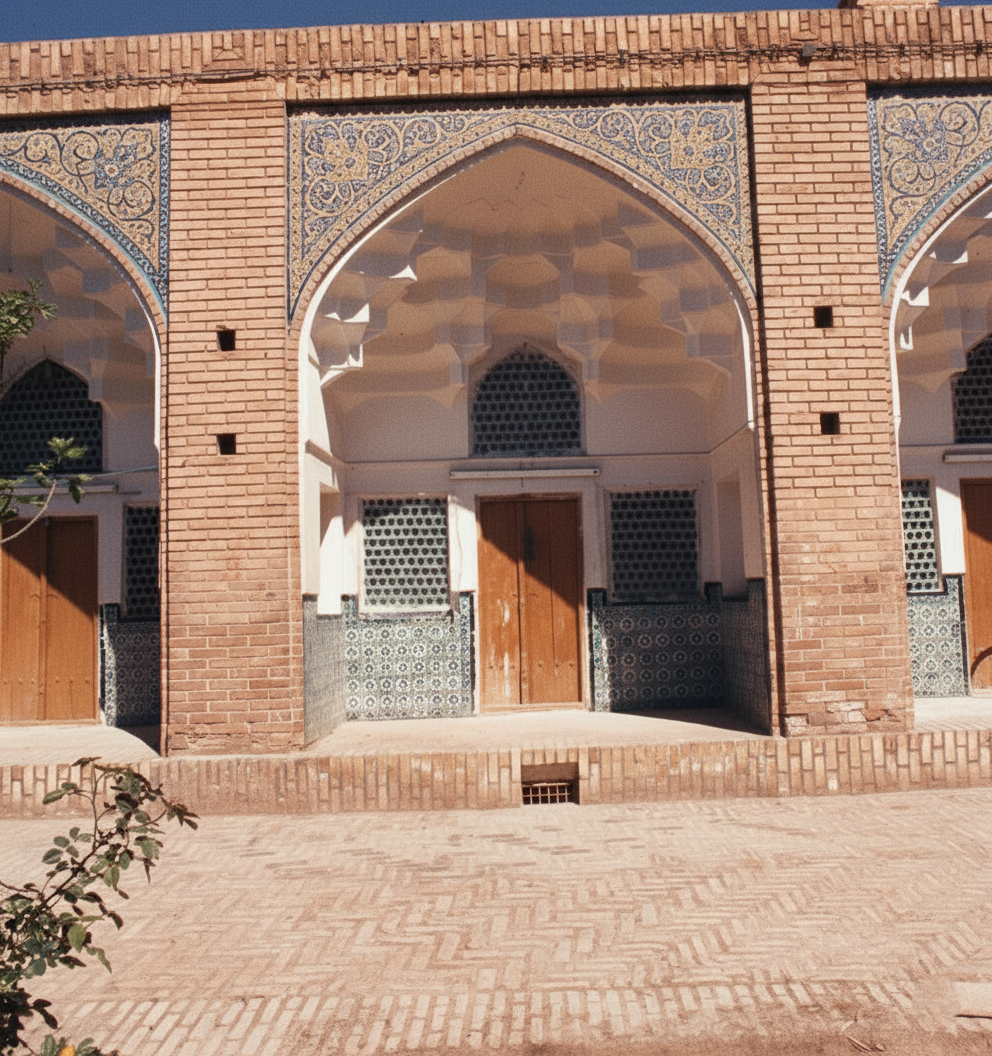
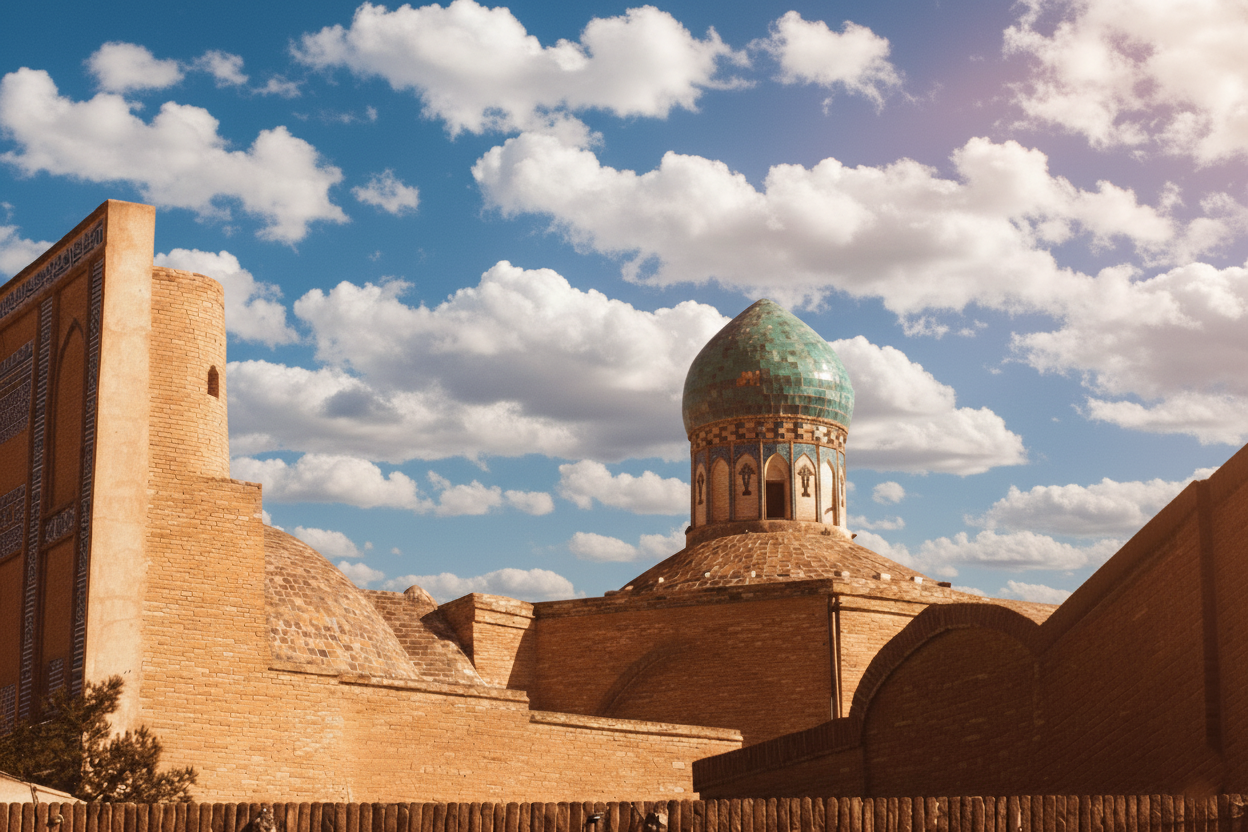
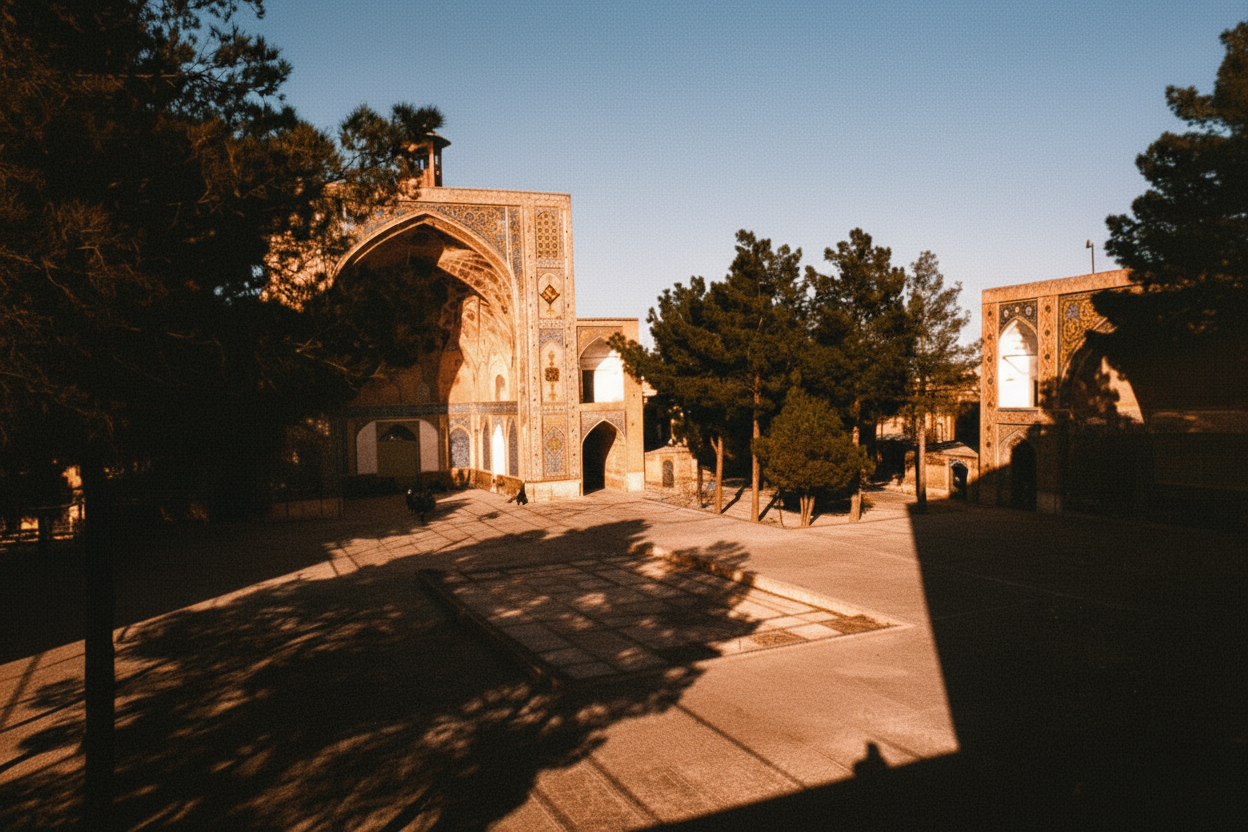
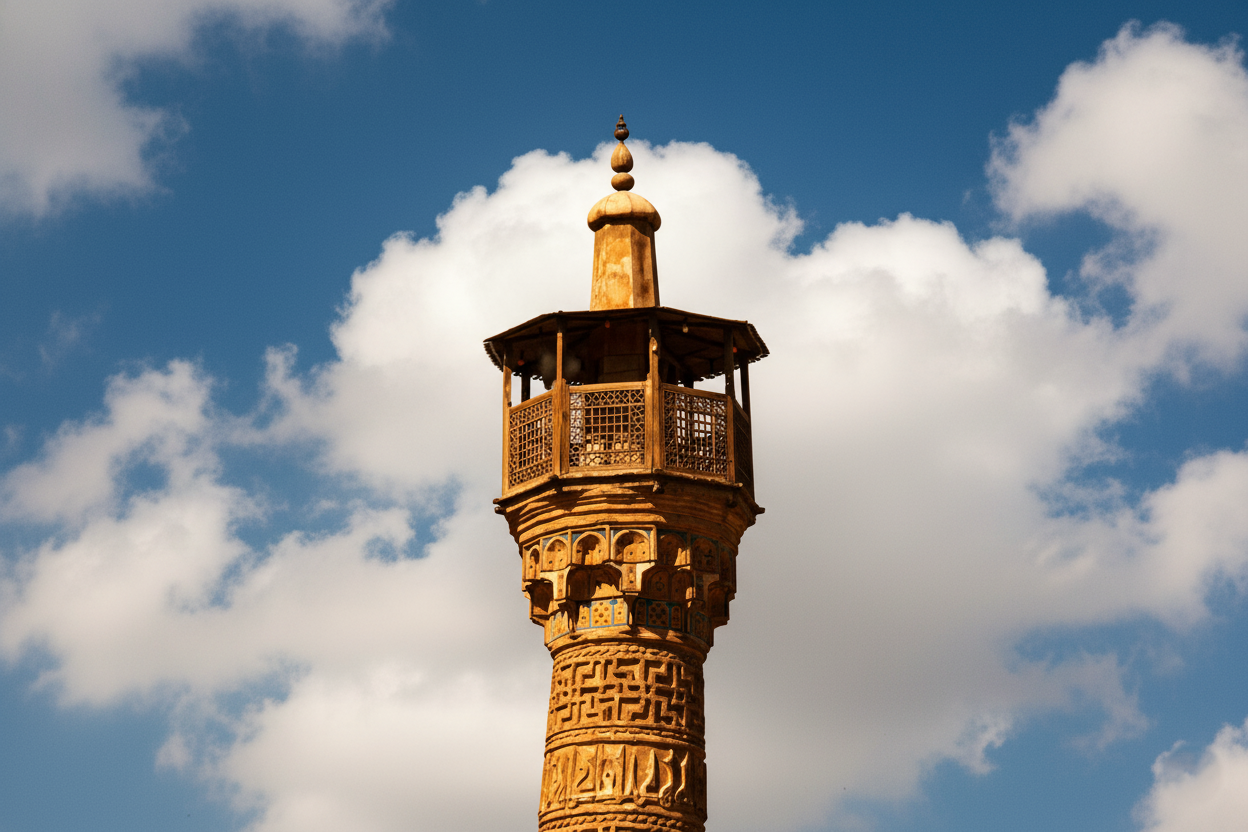
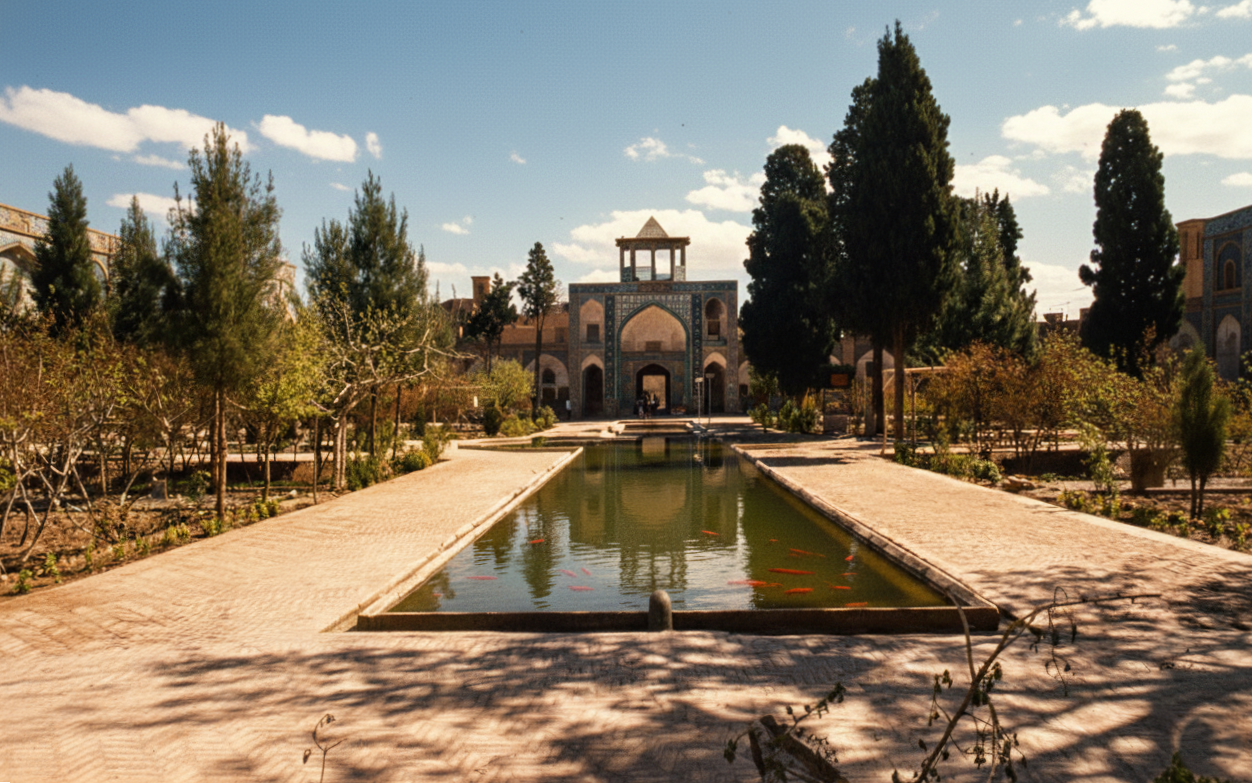
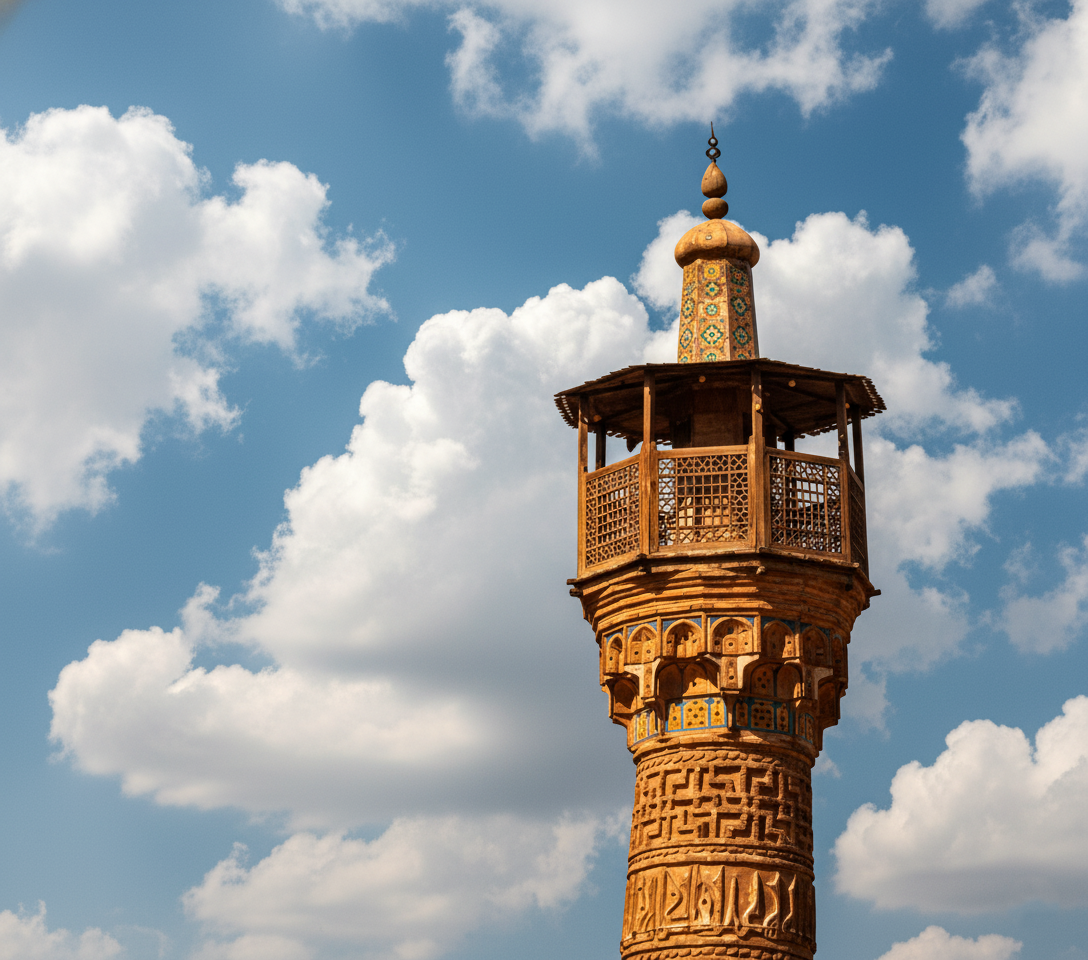
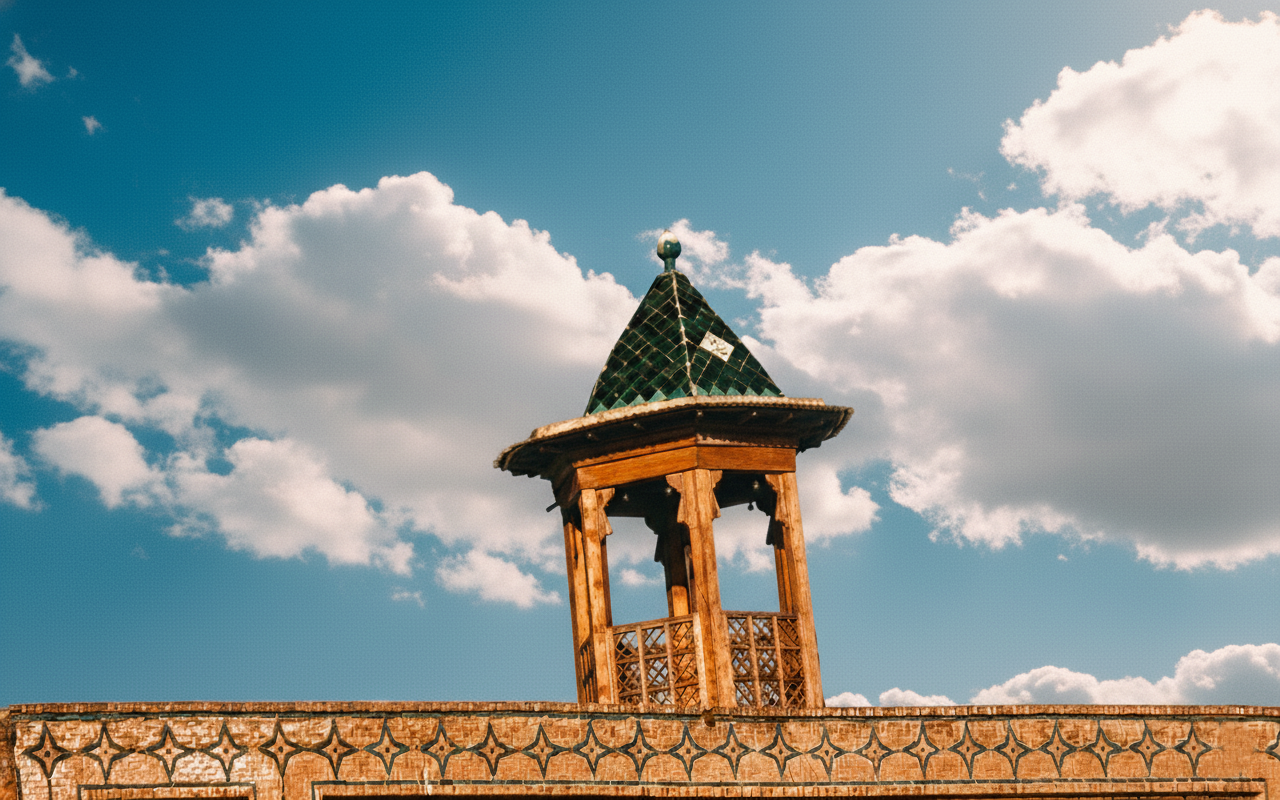
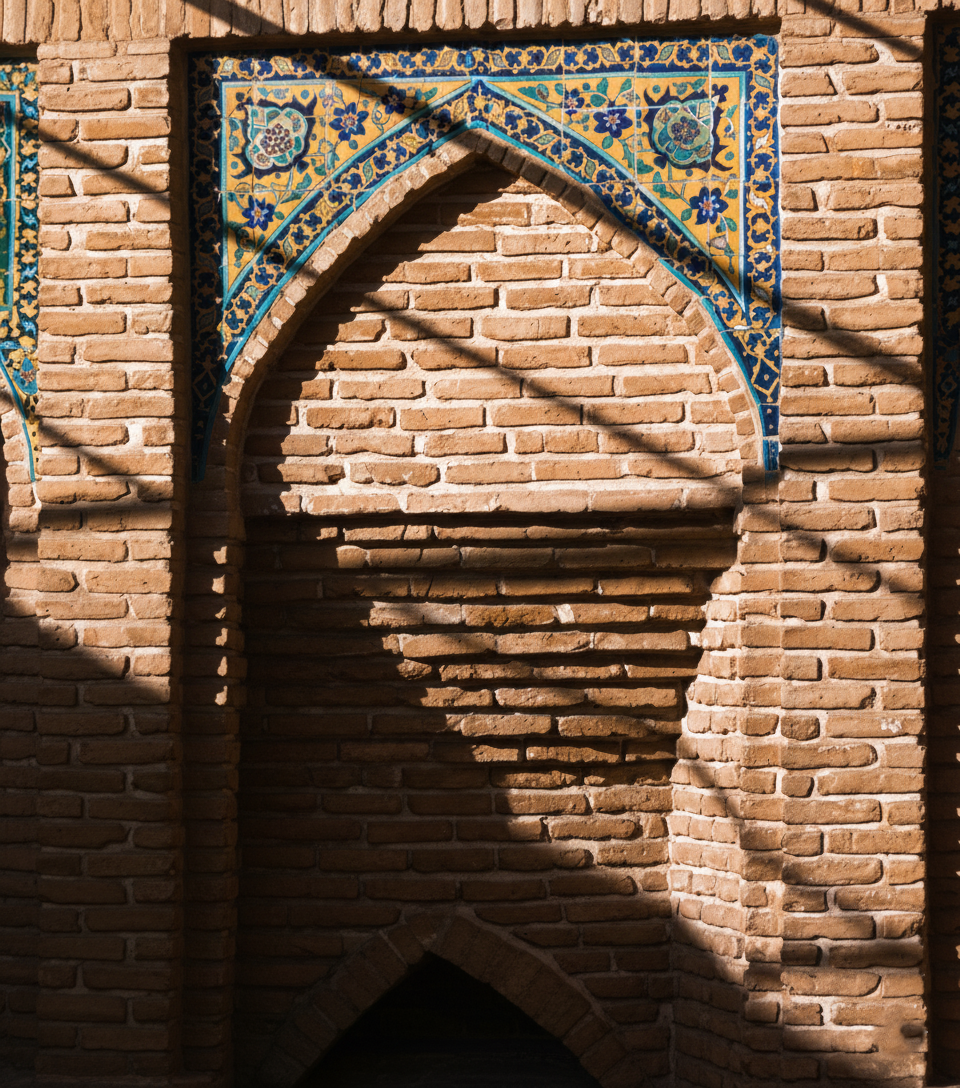
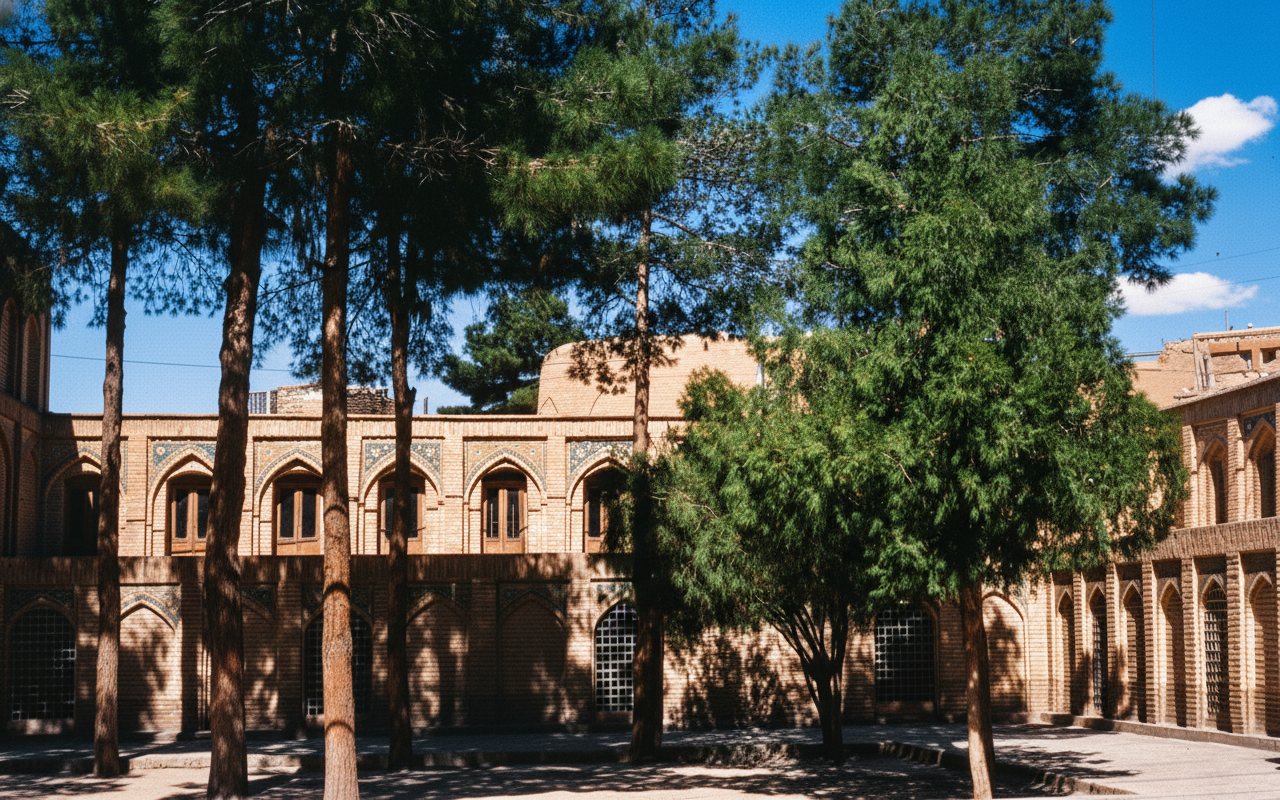
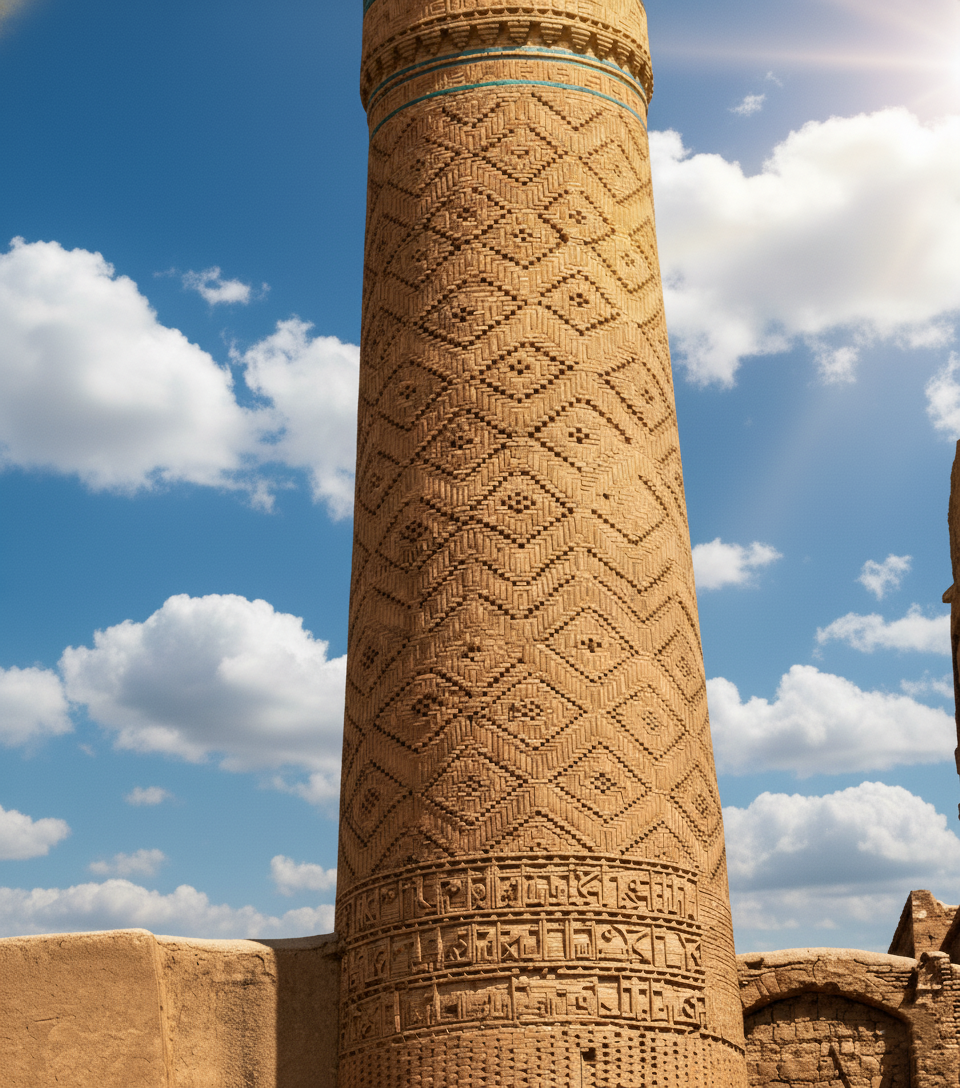
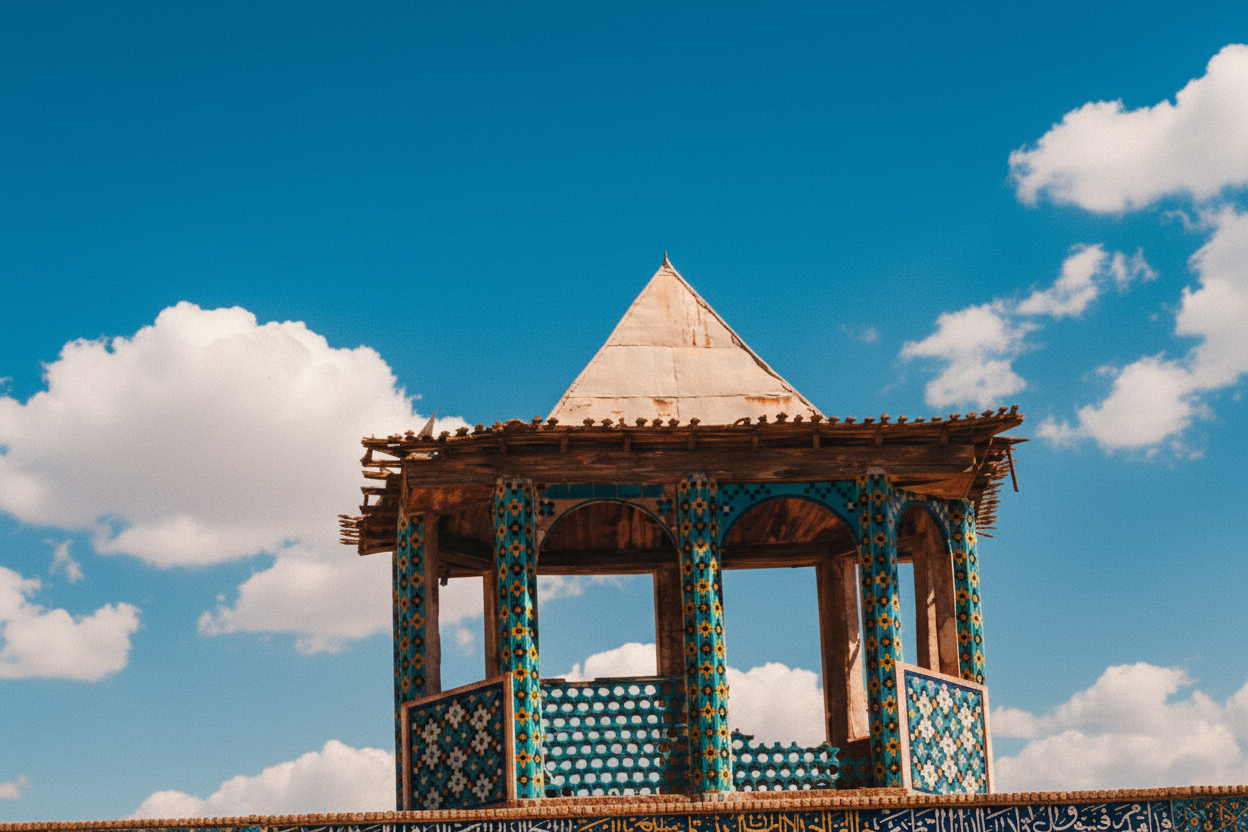
Shah Cheragh (شاه چراغ) in Shiraz, housing the tomb of Amir Ahmad ibn Musa (d. 835 CE), developed from the 12th century onward and expanded in the Safavid and Qajar periods. Renowned for its radiant mirror-work interiors, the shrine symbolizes divine light while anchoring Shiraz’s historic network linking religion, commerce, and urban life.
-
DesKing of Light or Shah Cheragh (شاه چراغ) in Shiraz, housing the tomb of Amir Ahmad ibn Musa (d. 835 CE / 223 AH), was first developed as a shrine in the 12th century (Atabeg period) and later expanded during the Safavid (16th–17th centuries) and Qajar (19th century) eras. Meaning “King of Light,” the title derives from local accounts of the tomb’s discovery through a miraculous illumination, embedding the shrine deeply within Iranian spiritual imagination. Over centuries, it has evolved into one of the city’s most significant religious and urban landmarks.
Architecturally, Shah Cheragh is organized around a central courtyard and richly ornamented sanctuary, most renowned for its Aina-kari (آینه کاری) mirror work. The shimmering interior surfaces dissolve solid form into radiant reflections, visually expressing the mystical concept of Wahdat al-Wujud (وحدت وجود, Unity of Existence), where multiplicity reflects a single divine truth. Symbolically, the emphasis on “Light” resonates not only with Islamic theology but also with older Persian concepts such as Xvarnah, the divine light of legitimacy and glory.
Urbanistically, the shrine is not an isolated monument but a vital node within Shiraz’s historic fabric. Narrow, winding alleys (کوچهها) connect it directly to the Vakil Bazaar (بازار وکیل) and the Masjed-e Jameh Atigh, forming a functional triad that links religion, economy, and governance—with the Arg of Karim Khan (ارگ کریم خان) nearby. Surrounding neighborhoods of inward-facing courtyard houses historically belonged to merchant and clerical families seeking proximity to the shrine. Through its spiritual symbolism, architectural brilliance, and integration into the city’s commercial and civic systems, Shah Cheragh stands as a luminous anchor of Shiraz’s historical and urban identity.cription text goes here
