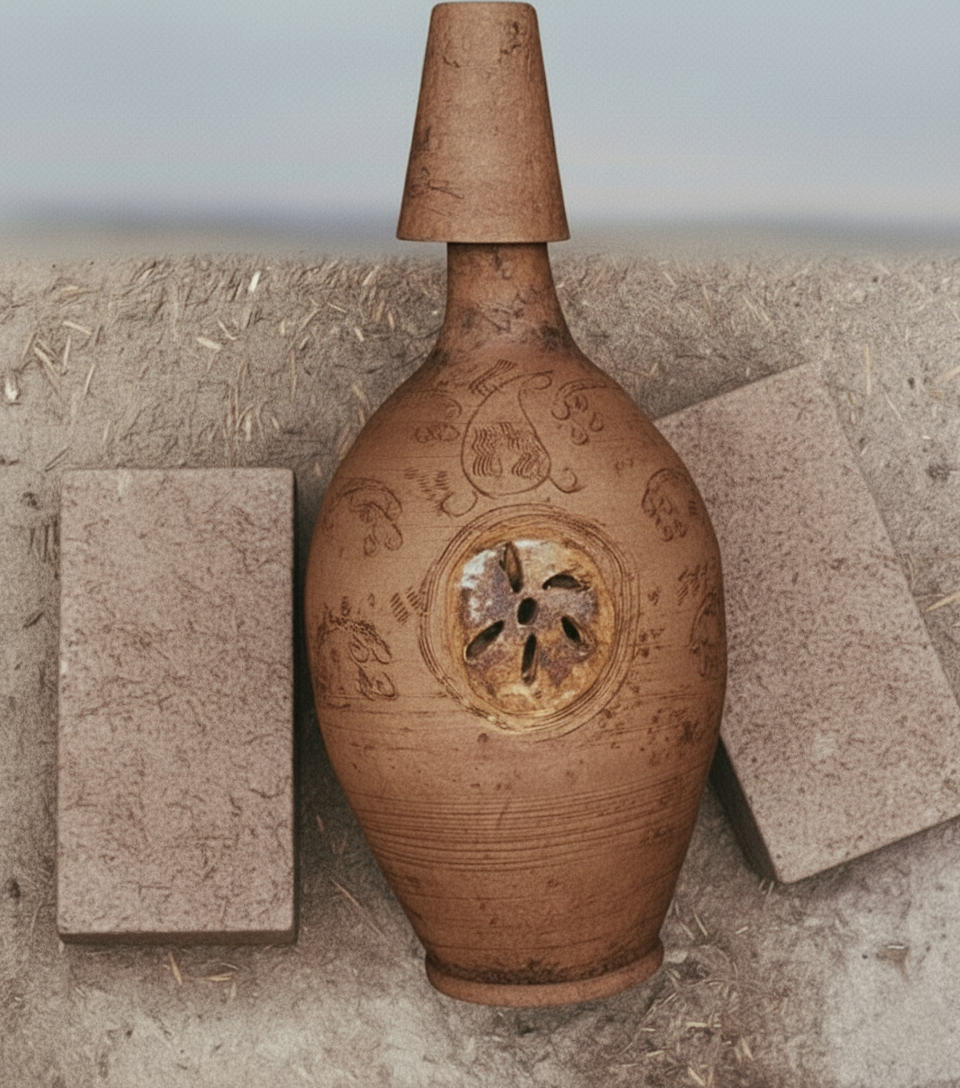
Section VI — The Edge of the Lut Desert
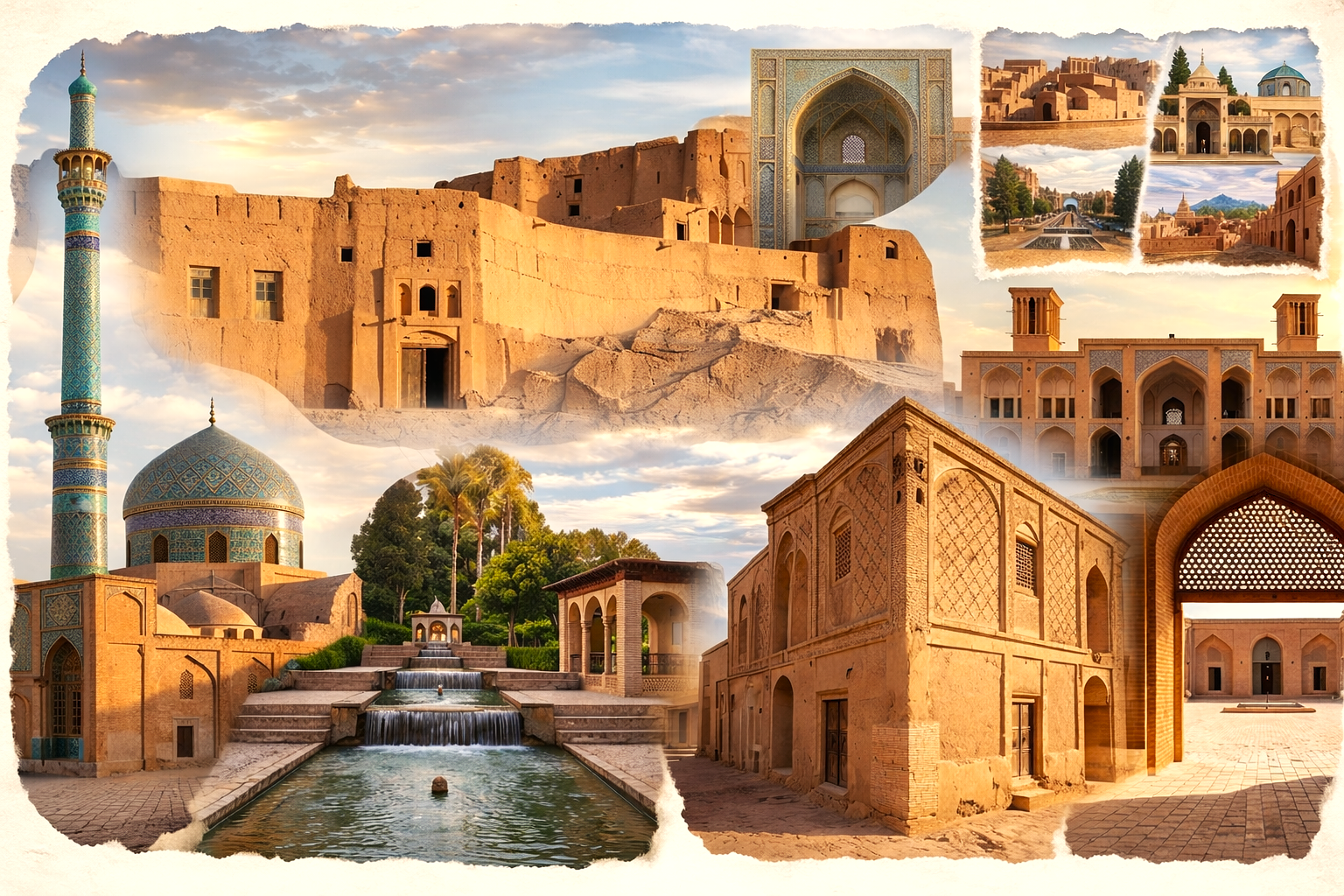
At the edge of the Dasht-e Lut, cities such as Bam, Kerman, and Mahan reveal how architecture adapted to the desert environment. The adobe citadel of Arg-e Bam, the Safavid Ganjali Khan Complex in Kerman, and the gardens and shrine of Mahan demonstrate ingenious water management, climate-responsive design, and the enduring relationship between landscape, trade, and culture.
-
At the southeastern edge of the Iranian plateau, where the fertile highlands give way to the vast expanse of the Dasht-e Lut, a distinctive architectural landscape emerges—one shaped by trade, spirituality, and ingenious adaptation to the desert environment. Cities such as Bam, Kerman, and the oasis town of Mahan illustrate how architecture, water management, and urban planning enabled communities to flourish in one of the harshest climates on earth.
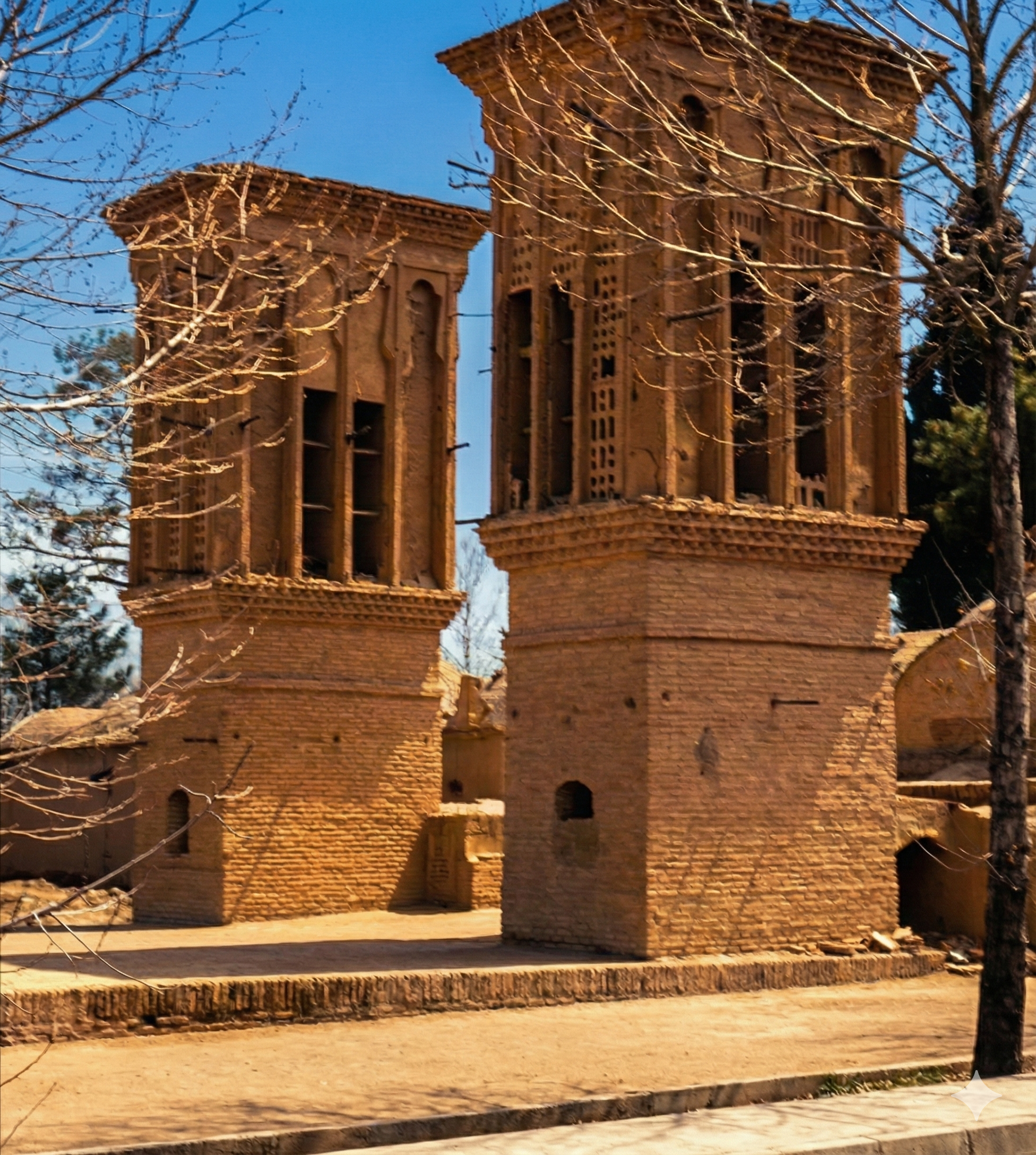
Bam stands as a remarkable example of desert urbanism. Dominating the oasis is Arg-e Bam, the largest adobe citadel ever constructed, whose terraced mud-brick walls and watchtowers rise directly from the desert terrain. Developed from the Achaemenid period and flourishing in the early Islamic centuries, the citadel formed a fortified city of homes, markets, mosques, and public spaces. Narrow alleys, thick earthen walls, and windcatchers helped regulate temperature, while qanat systems carried precious groundwater from distant mountains to irrigate palm groves and sustain urban life.
Further north, the historic city of Kerman developed as a major hub along the Silk Road. Its architecture reflects centuries of commercial vitality and environmental adaptation. The Safavid-era Ganjali Khan Complex, organized around a central square, integrates a bazaar, bathhouse, caravanserai, mosque, and water reservoir into a unified civic ensemble. Vaulted bazaar corridors regulate light and airflow, demonstrating how architecture shaped both commerce and climate comfort.
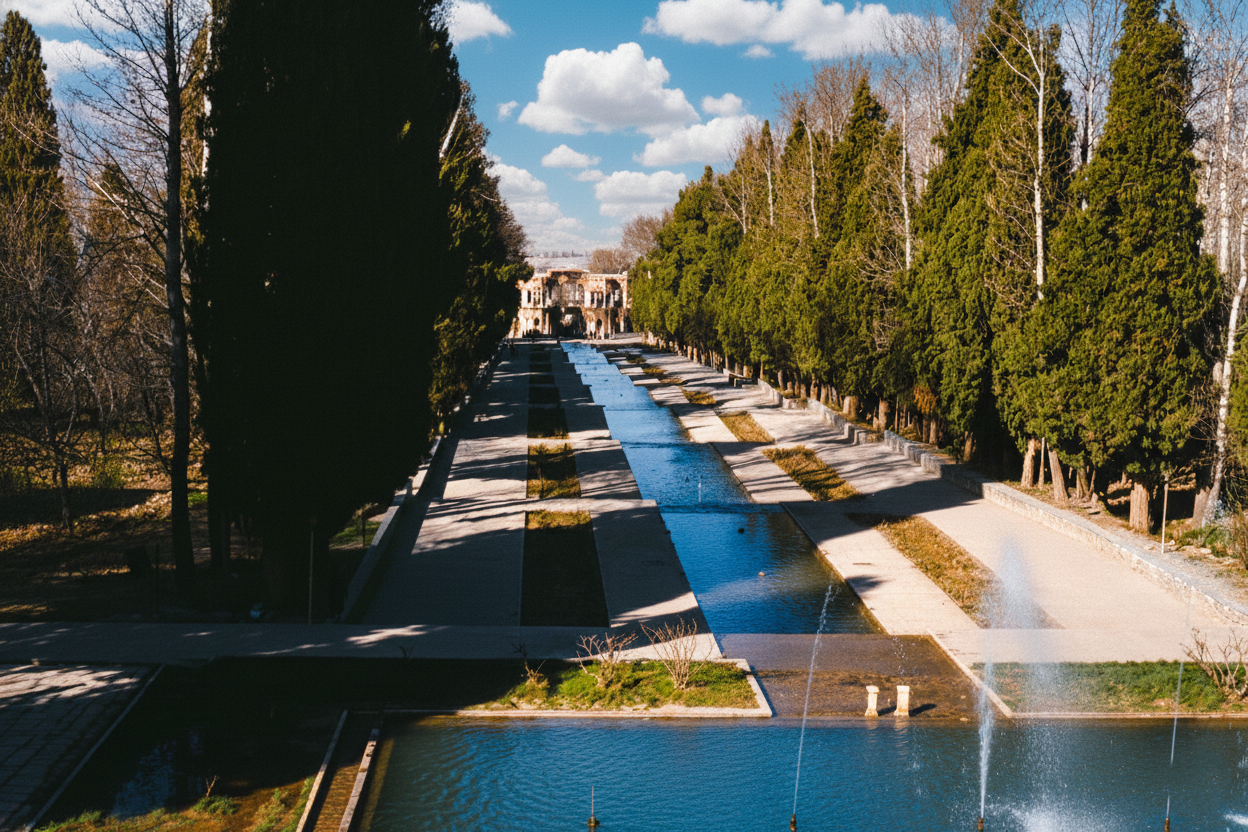
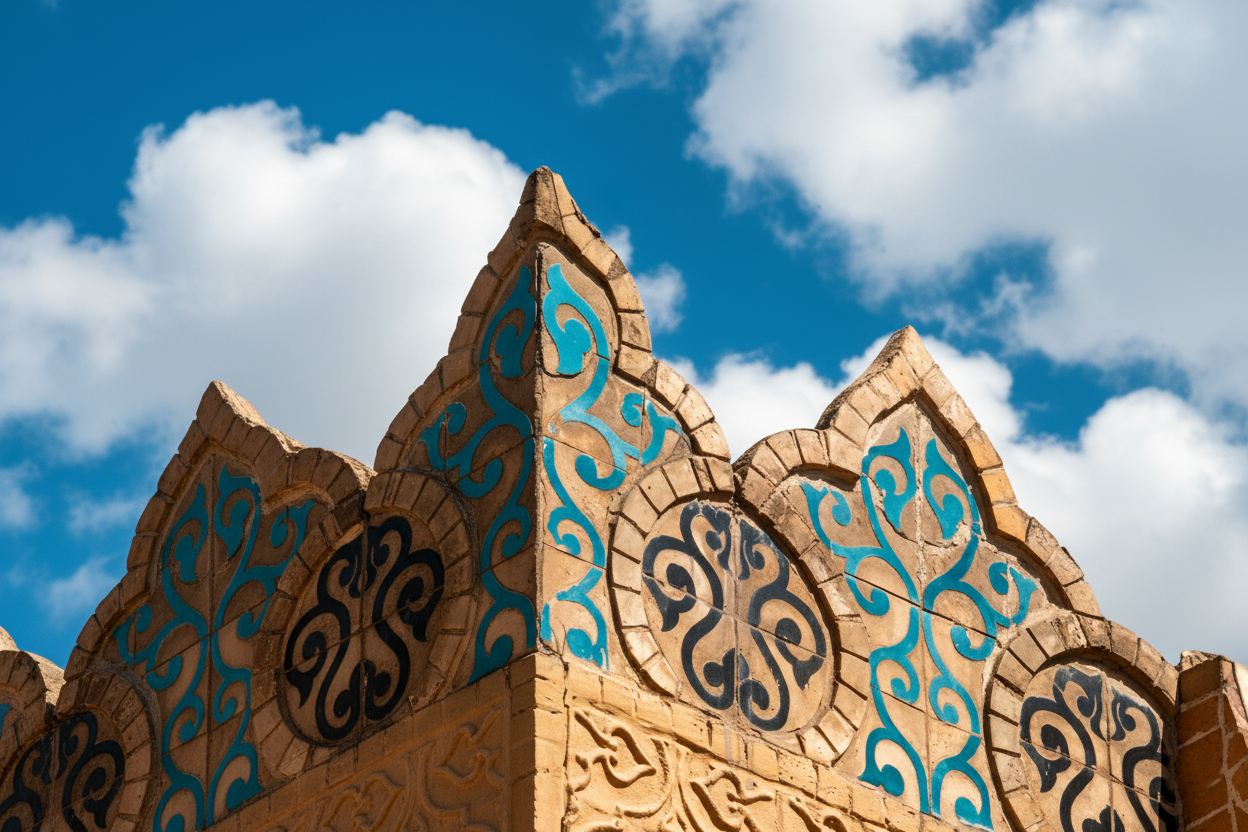
Nearby, the oasis of Mahan presents a more spiritual landscape. The Shrine of Shah Nematollah Vali, with its turquoise dome and ceremonial courtyards, honors the renowned Sufi mystic whose teachings transformed the town into a center of pilgrimage. Close by lies Bagh-e Shazdeh, one of the finest Persian gardens, where terraces, fountains, and flowing qanat water create a lush sanctuary against the desert backdrop.
Together, these sites reveal how architecture at the edge of the Lut Desert transformed scarcity into beauty, resilience, and enduring cultural identity.