Kerman(کرمان): The Gateway to Dasht-e Lut
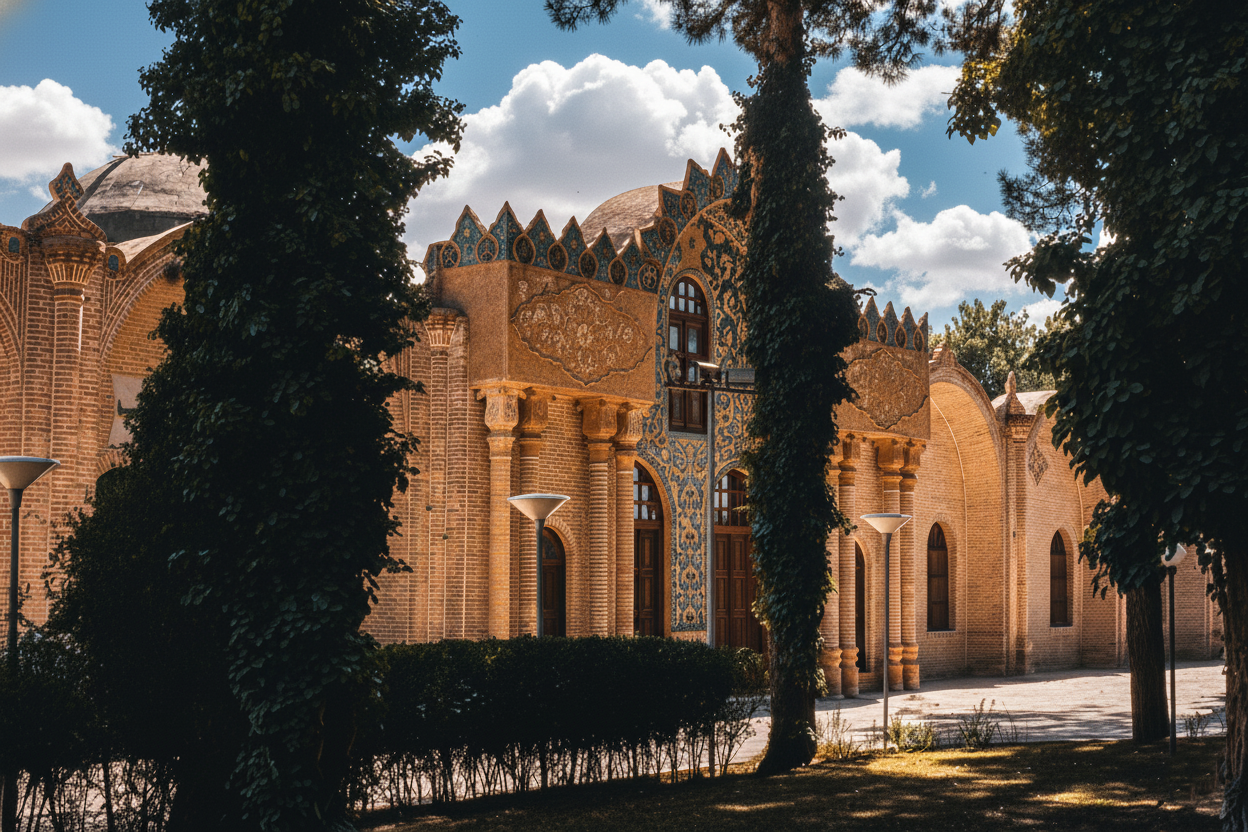
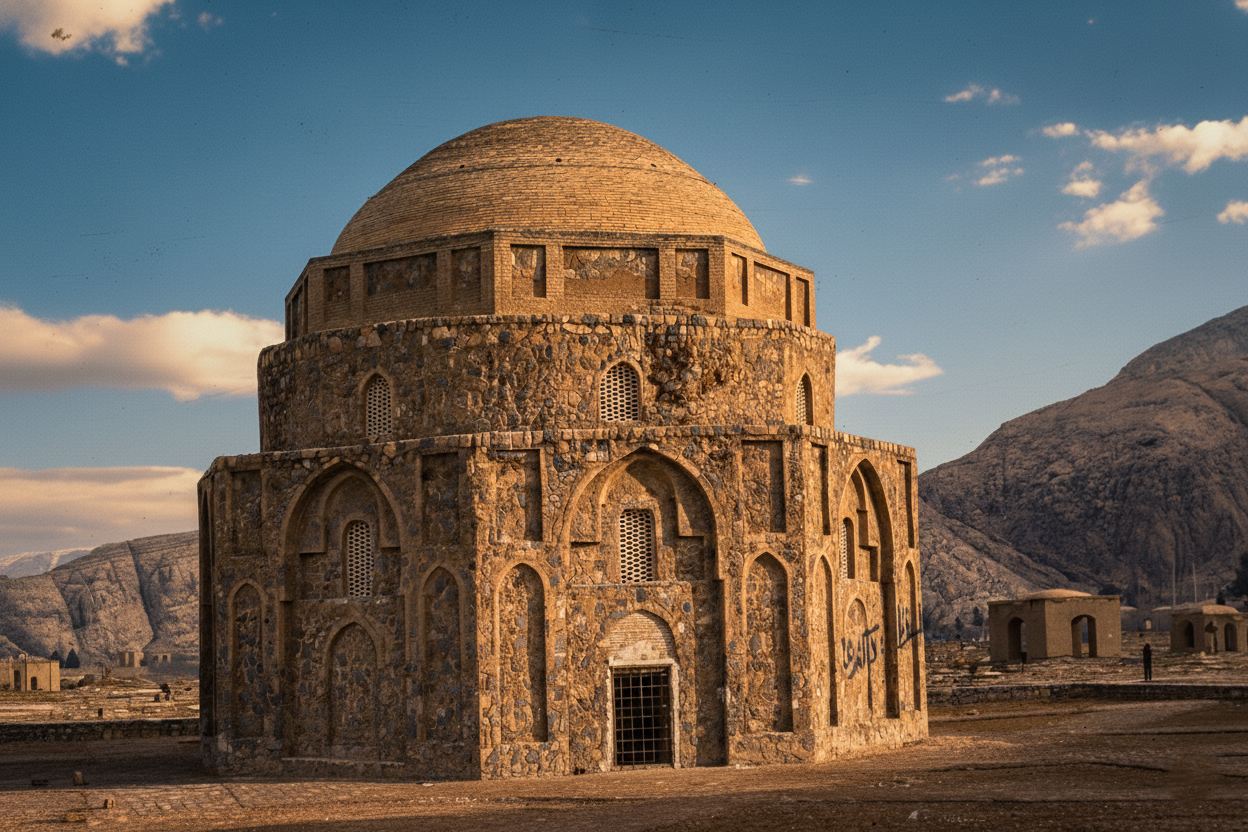
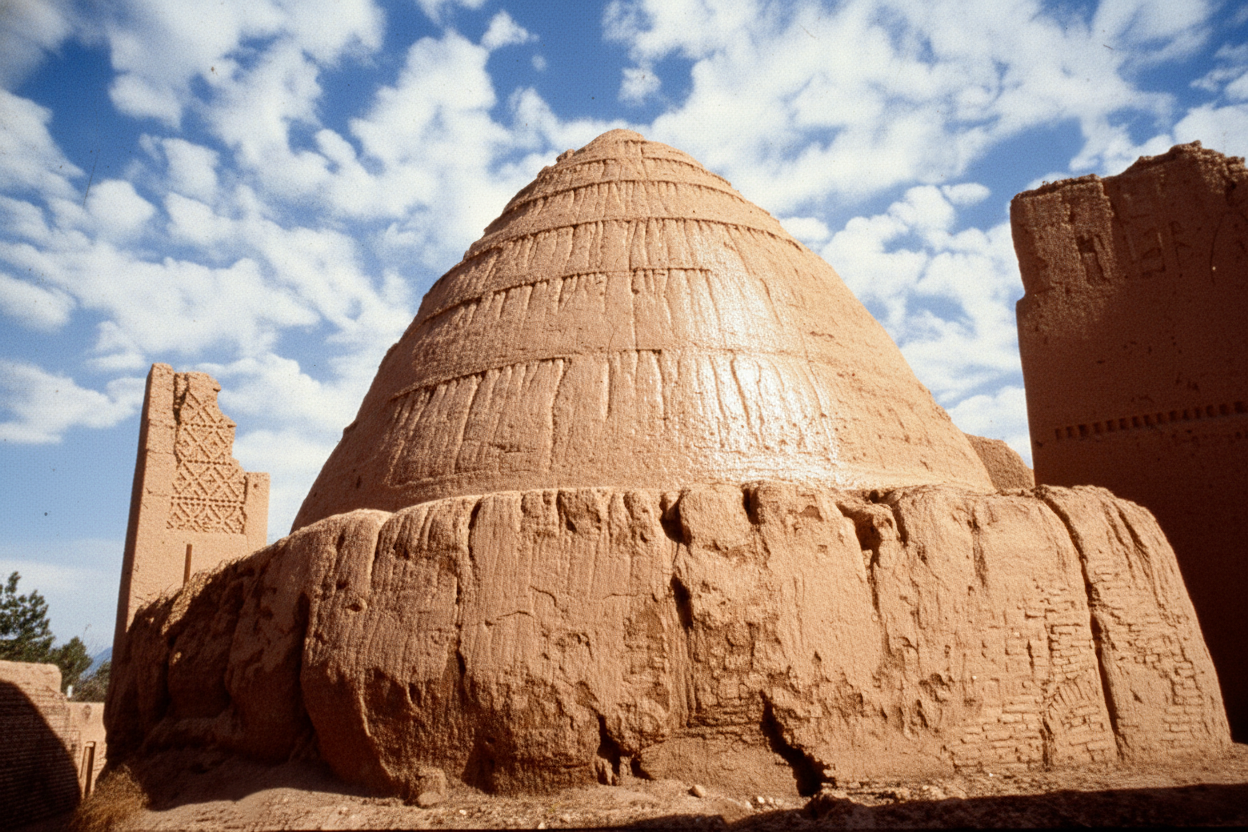
Kerman (کرمان), founded in 224 CE by Ardashir I, stands near the Dasht-e Lut (دشت لوت) as a historic Silk Road (جاده ابریشم) city. Landmarks include the Ganj Ali Khan Complex (مجموعه گنجعلی خان) (1596–1621 CE), Bazaar of Kerman (بازار کرمان), Jabalieh Dome (گنبد جبلیه) (7th–8th centuries CE), and Yakhchals (یخچال), reflecting desert architecture and trade heritage.
-
Kerman (کرمان), often described as the “Gateway to the Dasht-e Lut” and sometimes called the “Heart of the Desert,” occupies a strategic position near the Dasht-e Lut (دشت لوت) along historic routes linking the Iranian Plateau with Central Asia and the Indian subcontinent through the Silk Road (جاده ابریشم). Archaeological evidence indicates human activity in the region dating to the 3rd millennium BCE, while the city itself was formally established in 224 CE during the Sasanian period by Ardashir I as a fortified administrative center known historically as Veh-Ardashir.
Over time, Kerman developed into a major commercial hub shaped by trade, craftsmanship, and environmental adaptation. Its urban fabric consists of compact neighborhoods known as mahallas (محلهها), narrow alleys (کوچههای باریک), bazaars (بازار), caravanserais, mosques, and courtyard houses built primarily of adobe—khesht-o-gel (خشت و گل)—and brick. These dense, earth-toned structures create a climate-responsive environment in which shaded passages reduce solar exposure and channel airflow. Kerman also became known for its textile production, particularly the celebrated Kerman carpets and traditional embroidery called Pateh (پته), widely traded along Silk Road (جاده ابریشم) caravan routes.
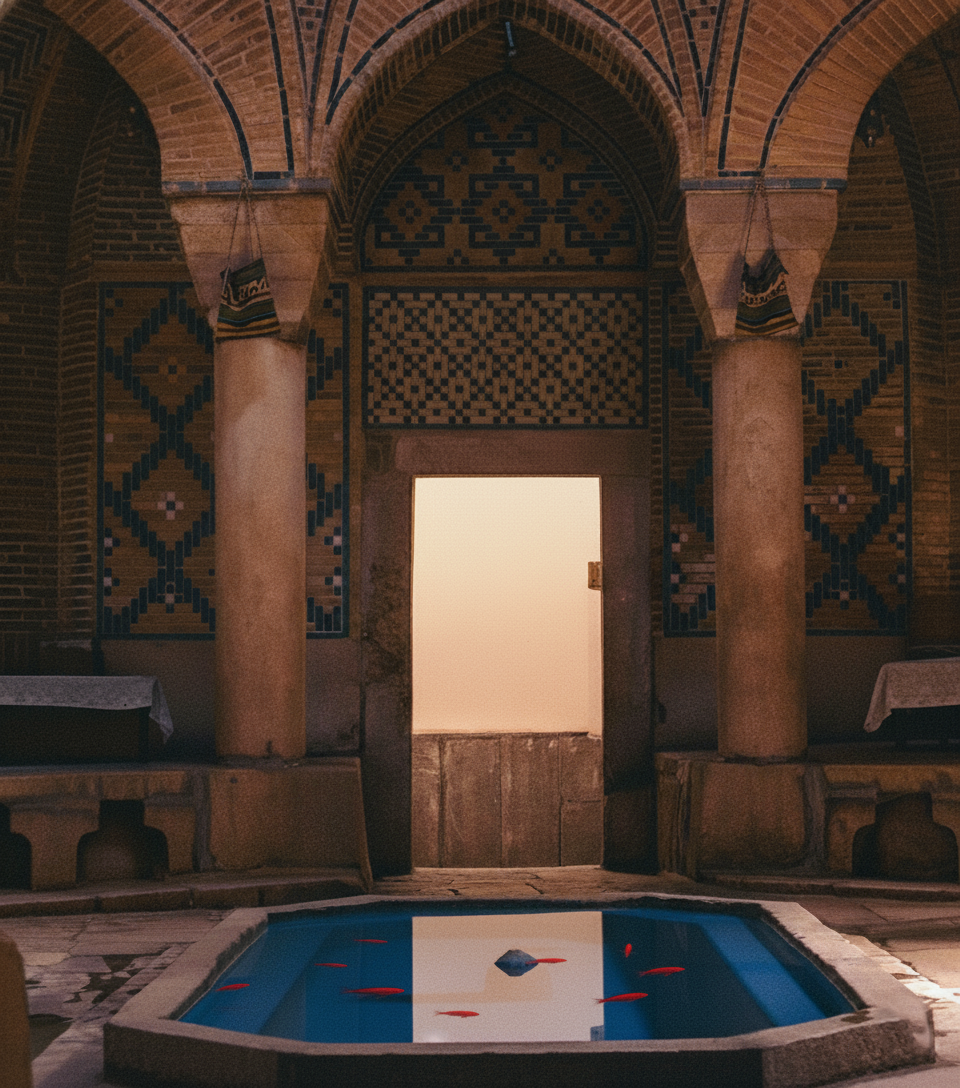
The architectural center of the historic city is the Ganj Ali Khan Complex (مجموعه گنجعلی خان) (1596–1621 CE), built during the Safavid period under Governor Ganjali Khan. Organized around a large rectangular square, the complex integrates a bazaar, bathhouse, mosque, caravanserai, and water reservoir into a unified civic ensemble.
This complex connects directly to the broader Bazaar of Kerman (بازار کرمان) (16th–18th centuries CE), a network of vaulted corridors that regulate light and airflow across the commercial core. At its central intersection, the Chahar-Suq (چهارسوق) (16th–17th centuries CE) features a high domed ceiling decorated with murals and muqarnas that forms a prominent architectural focal point.
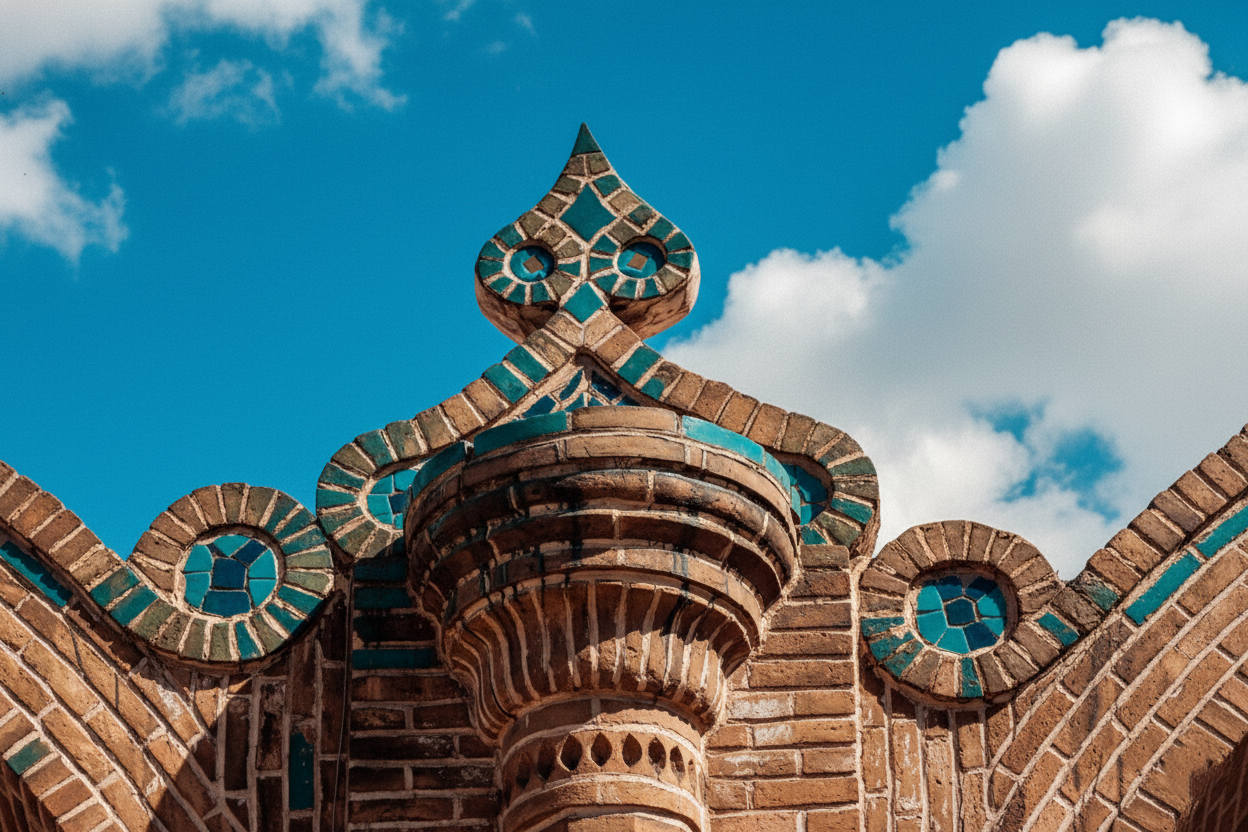
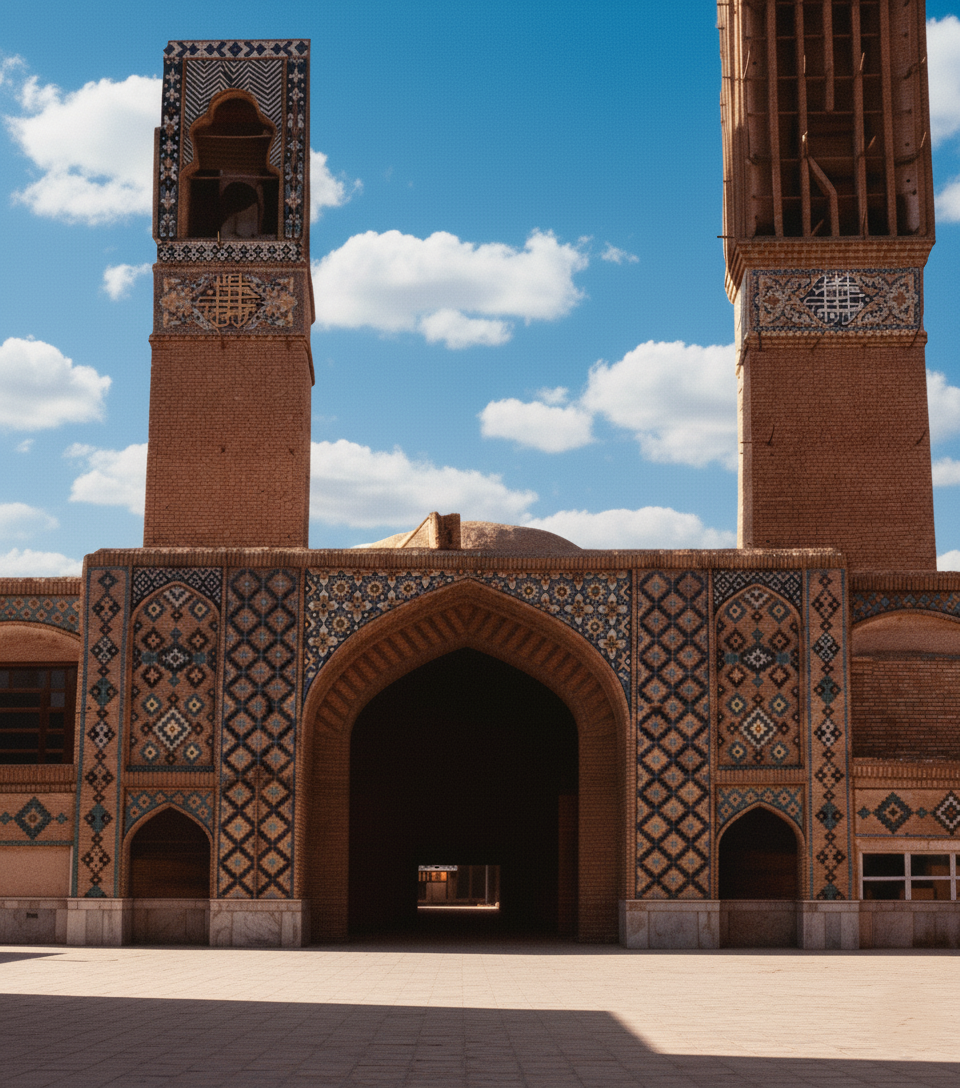
Other landmarks include the Jabalieh Dome (گنبد جبلیه) (7th–8th centuries CE), an octagonal stone structure likely dating to the late Sasanian or early Islamic period, and traditional Yakhchals (یخچال) (17th–19th centuries CE), whose massive adobe domes allowed ice production and storage in the desert climate. Nearby in Mahan (ماهان), the Bagh-e Shazdeh Garden (باغ شاهزاده) (1850–1870 CE) and the shrine of Shah Nimatullah Wali (شاه نعمتالله ولی) (15th century CE) illustrate the integration of landscape, spirituality, and desert settlement, while the shrine of Prince Hossein Jopar (شاهزاده حسین جوپار) reflects the region’s devotional heritage. Architectural elements such as decorated sardar (سردر) gateways and intricate brick patterns like Fakhr-o-Madin (فخر و مدین) enrich historic façades throughout the city.
Together, these monuments and urban forms illustrate how trade, climate adaptation, and architectural craftsmanship shaped Kerman (کرمان) into one of Iran’s most enduring desert cities at the edge of the Dasht-e Lut (دشت لوت).