Kerman National Library: The Sanctuary of Silence and Brick
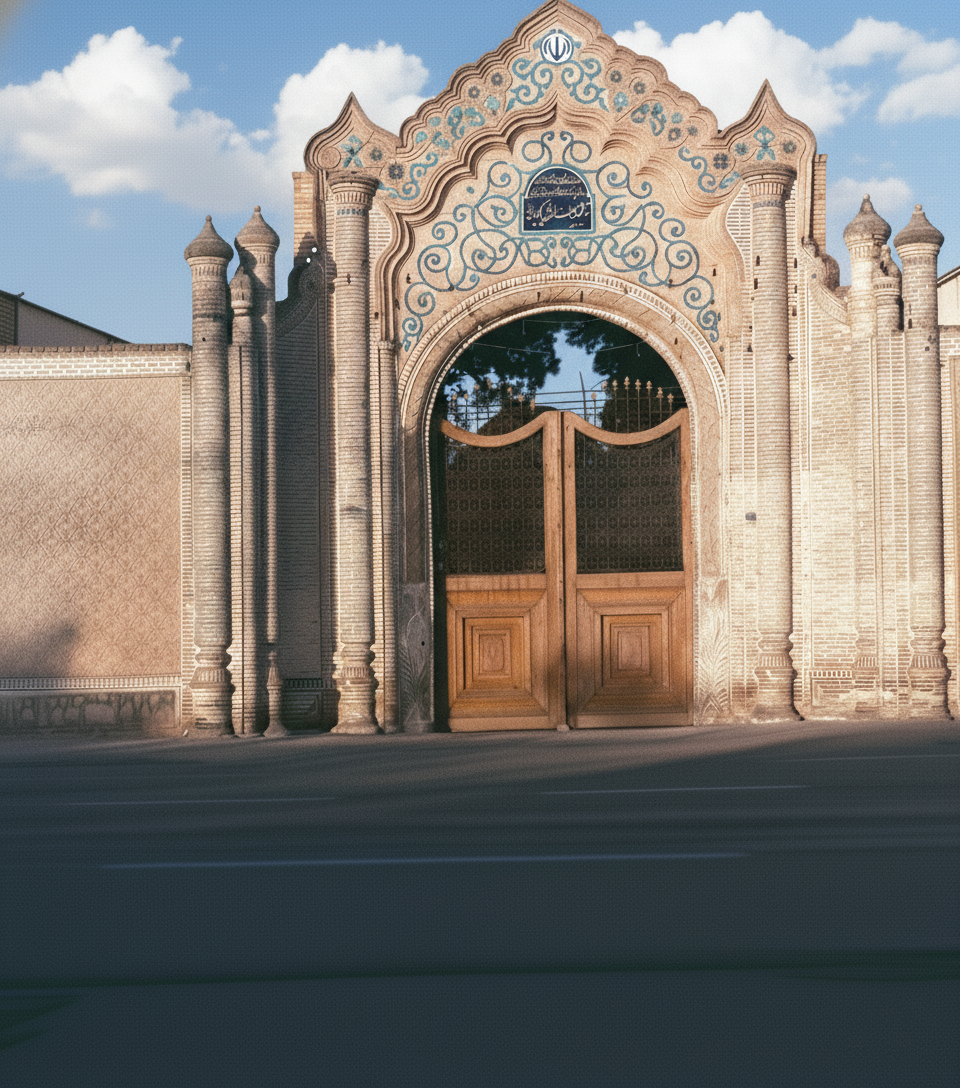
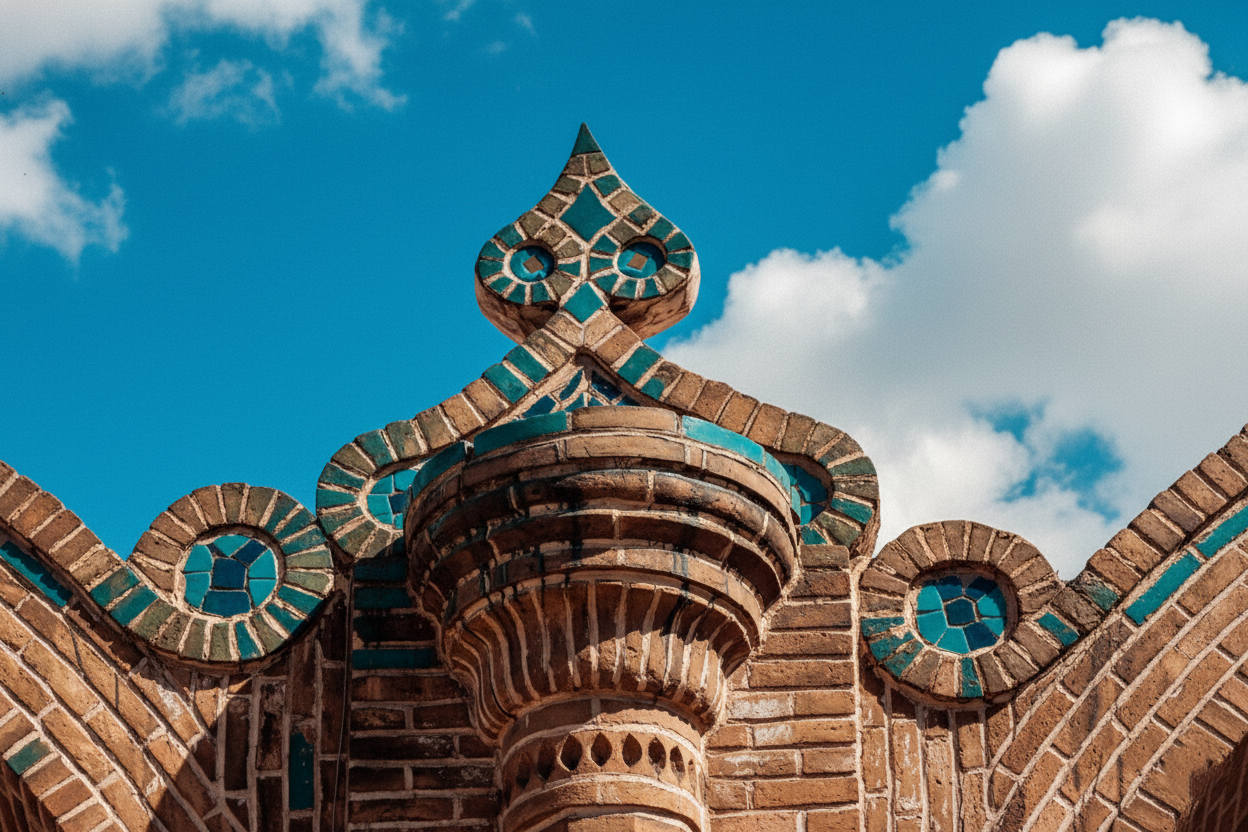
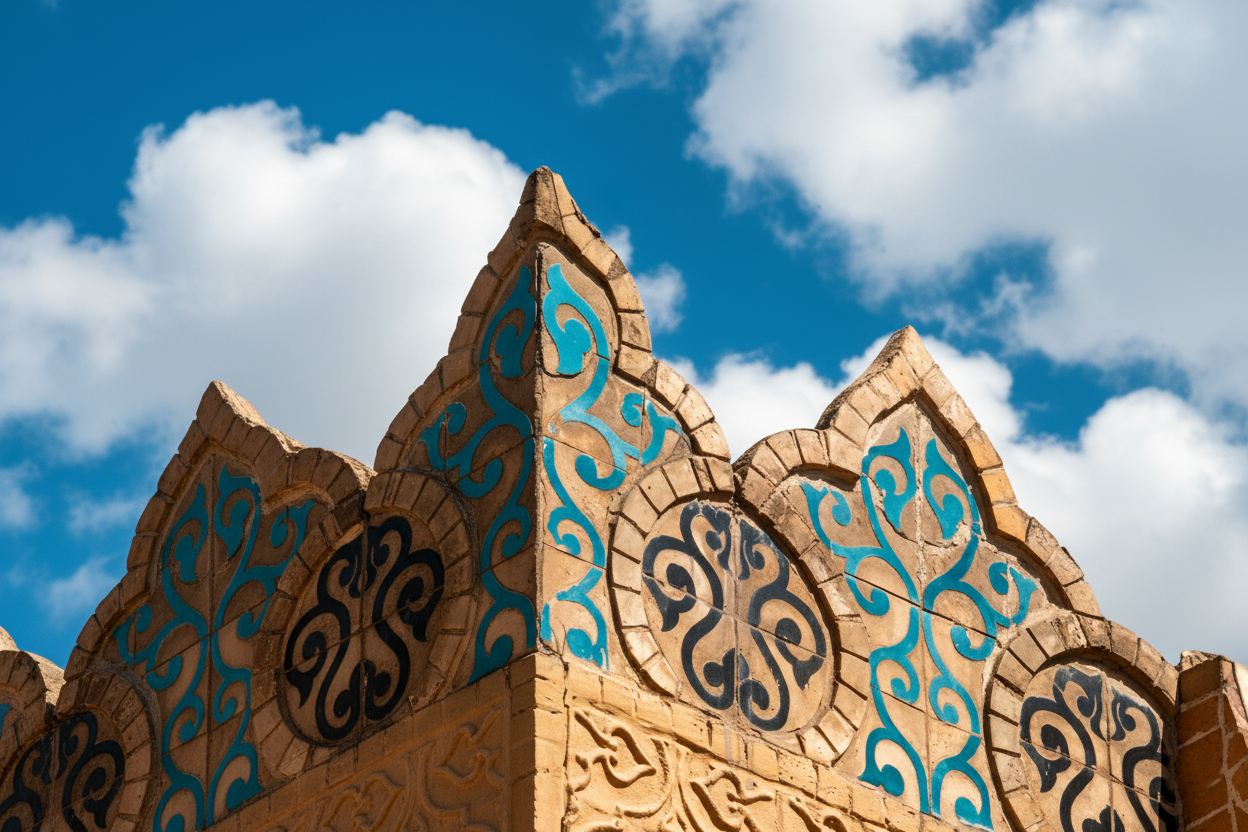
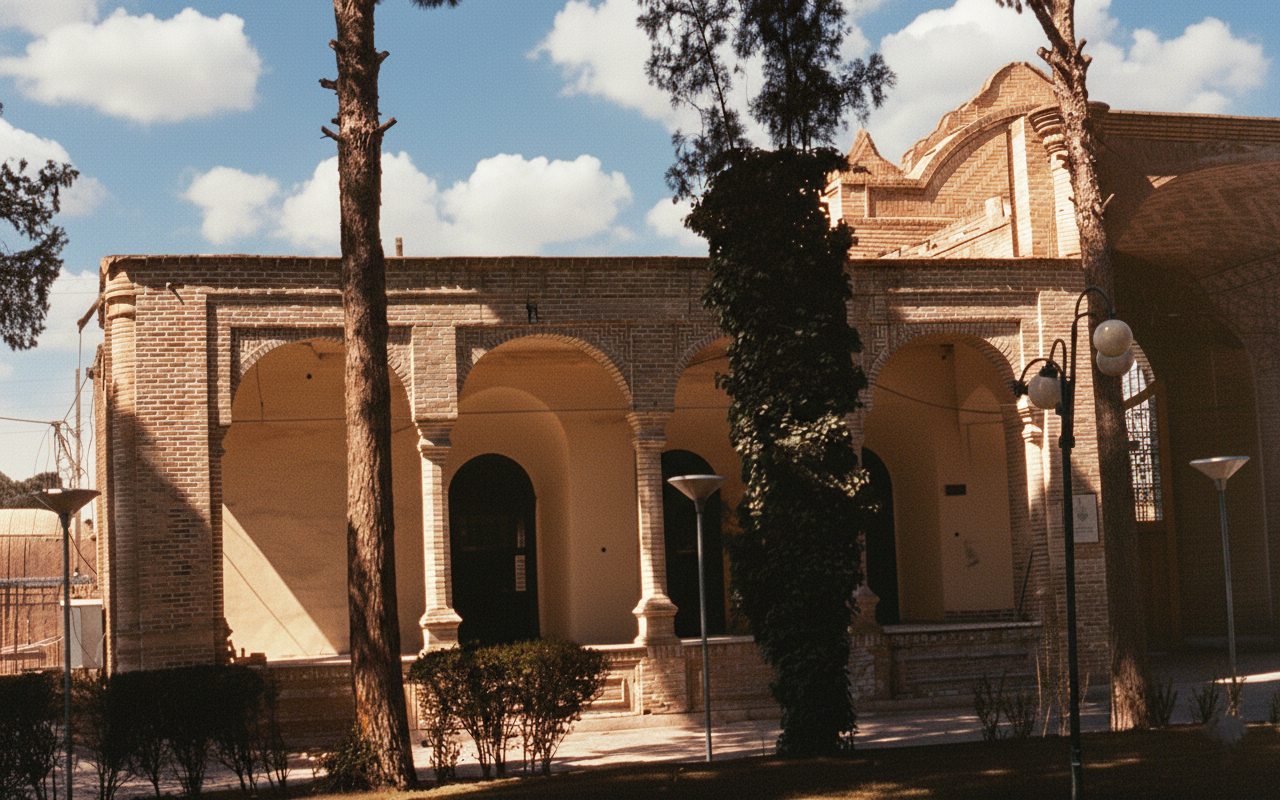
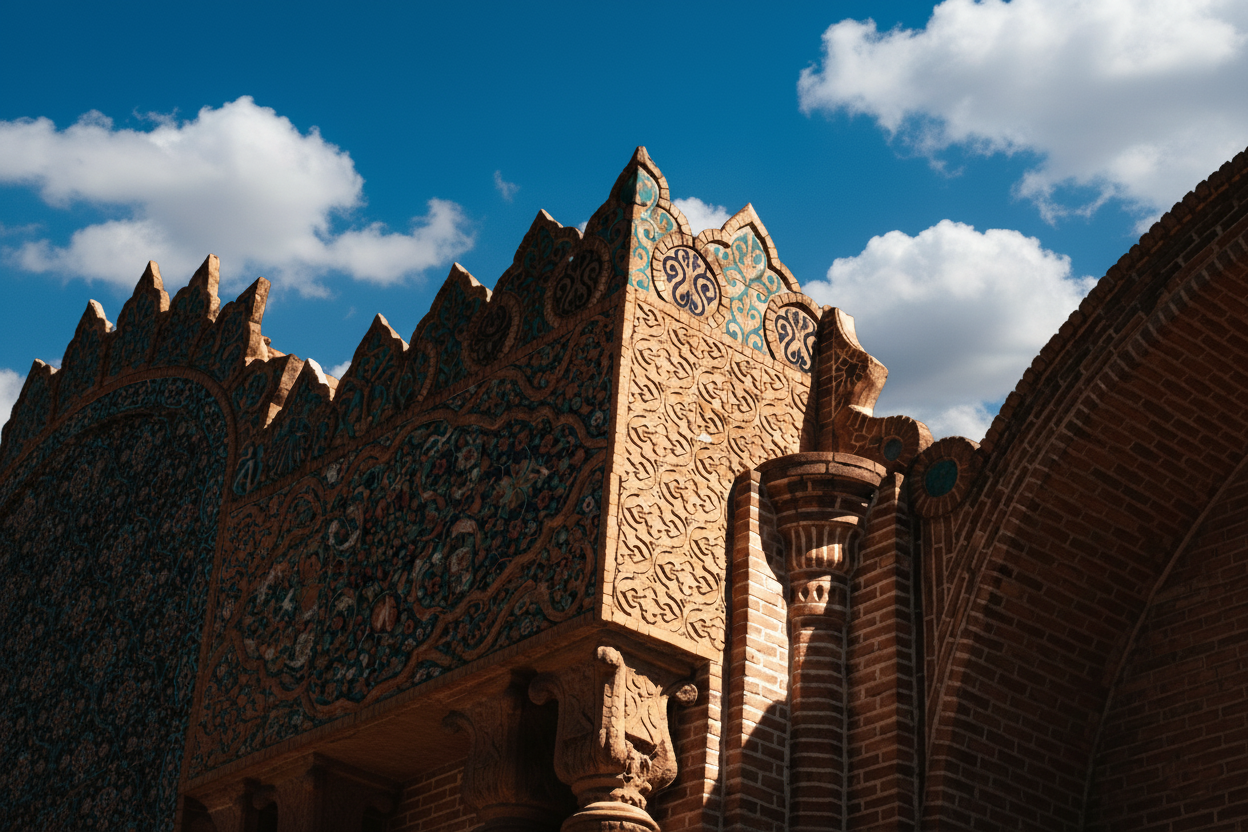
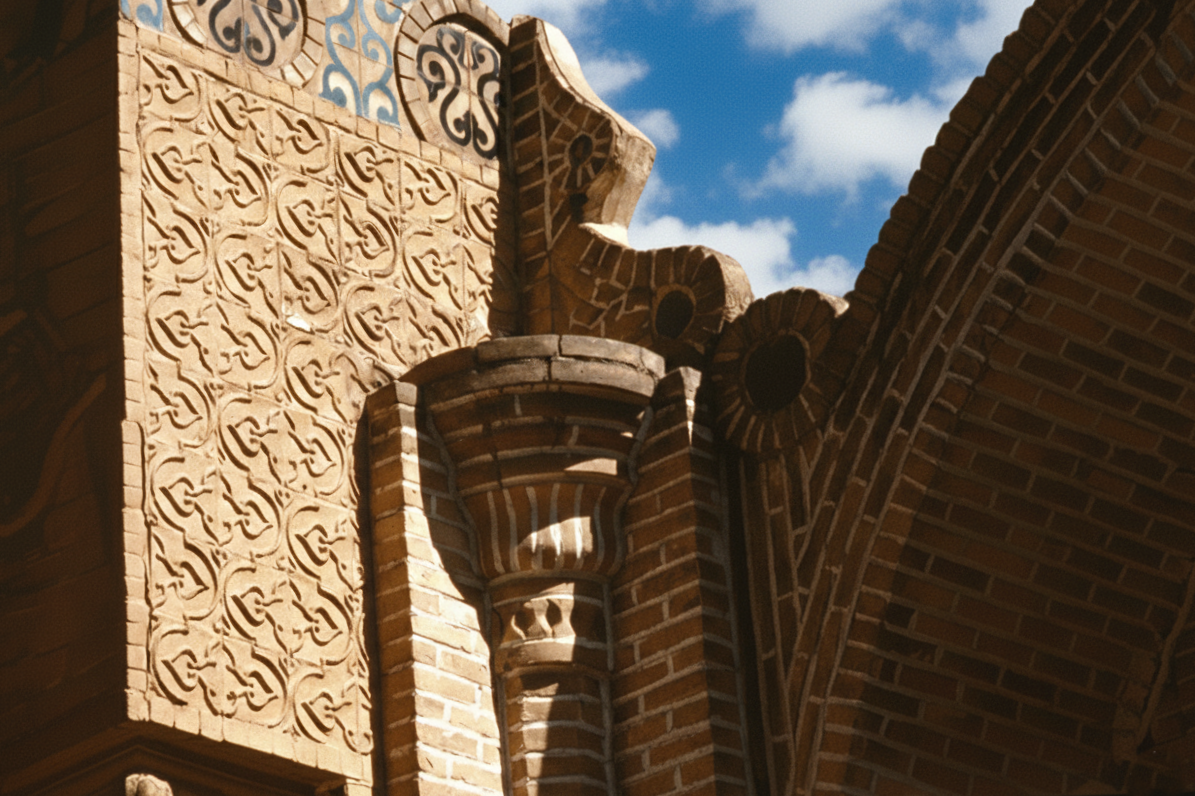
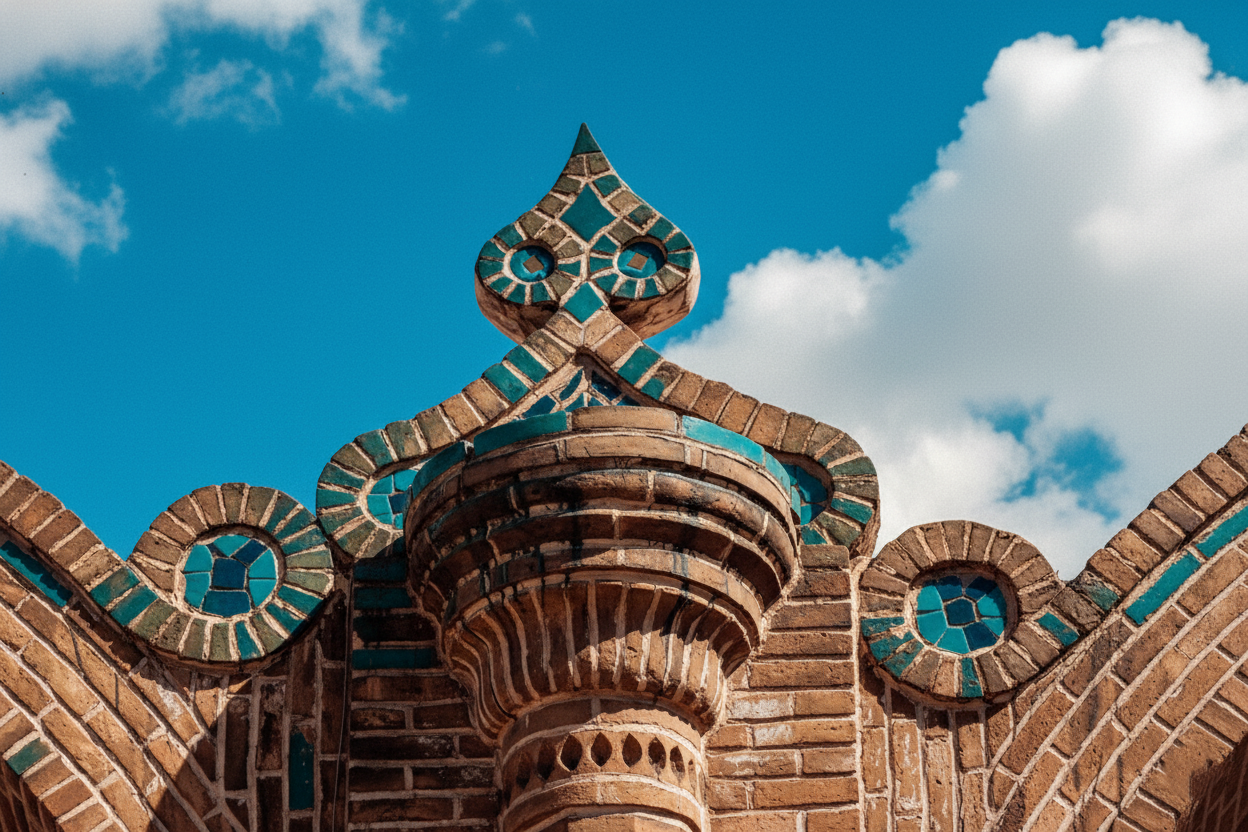
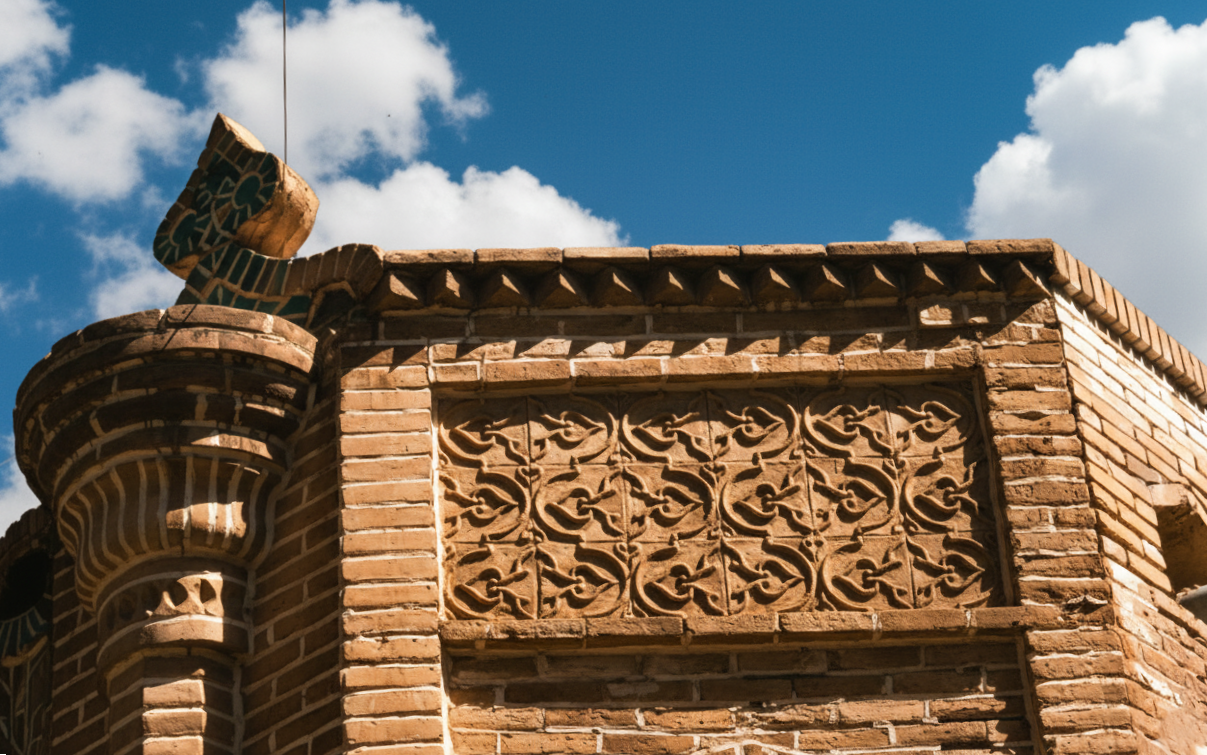
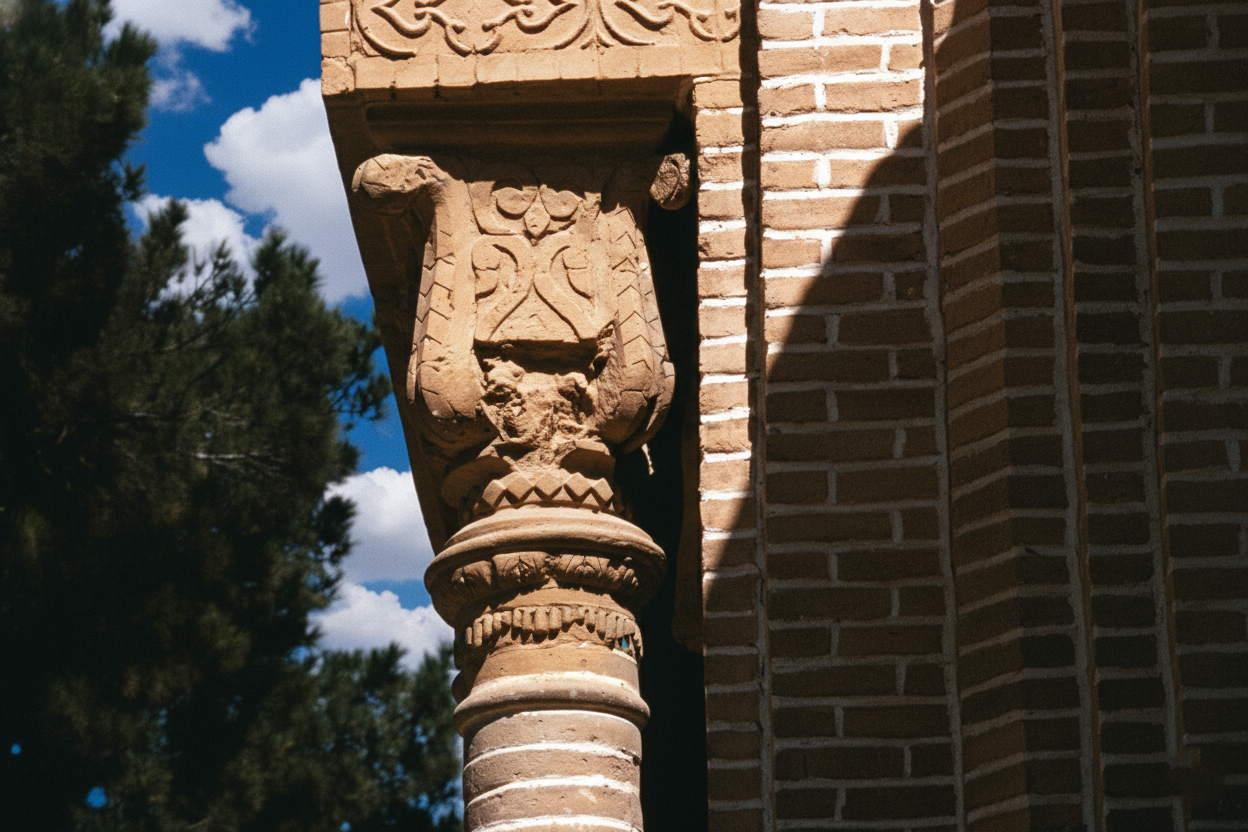
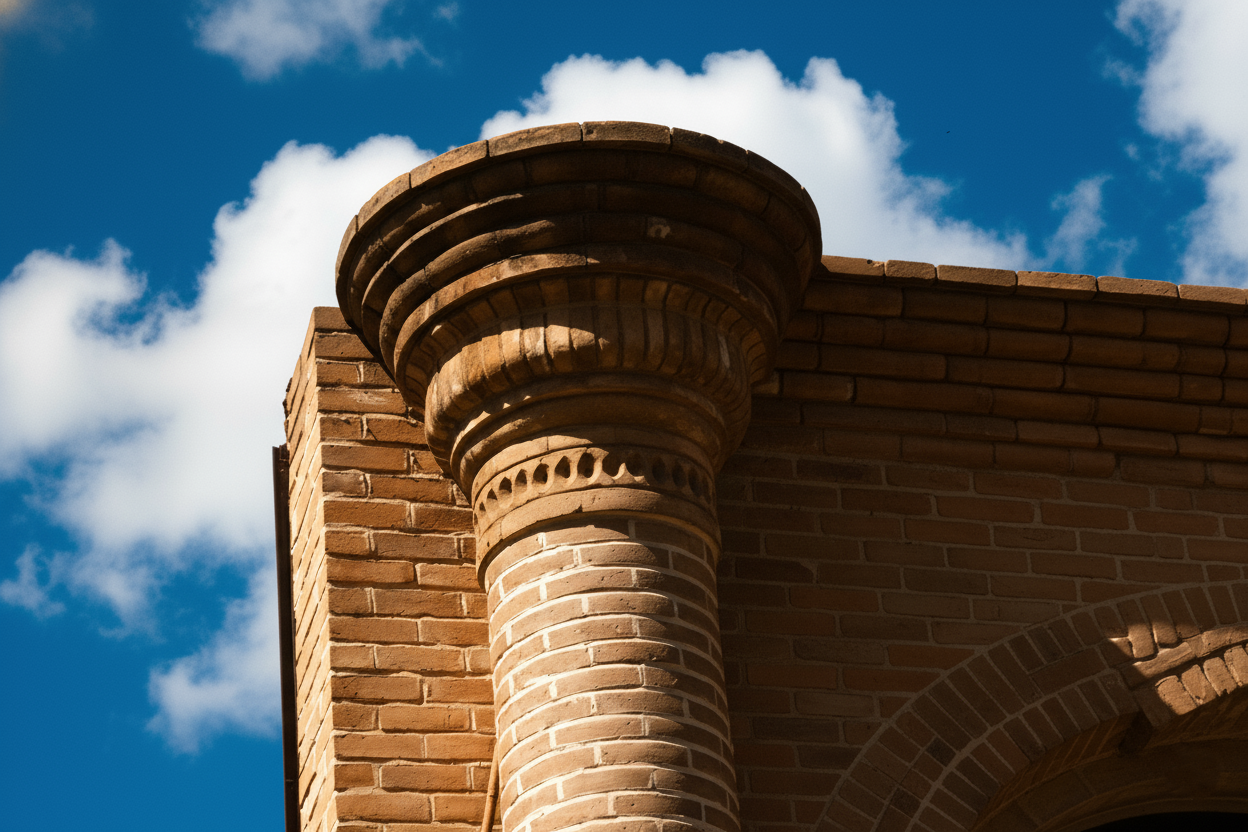
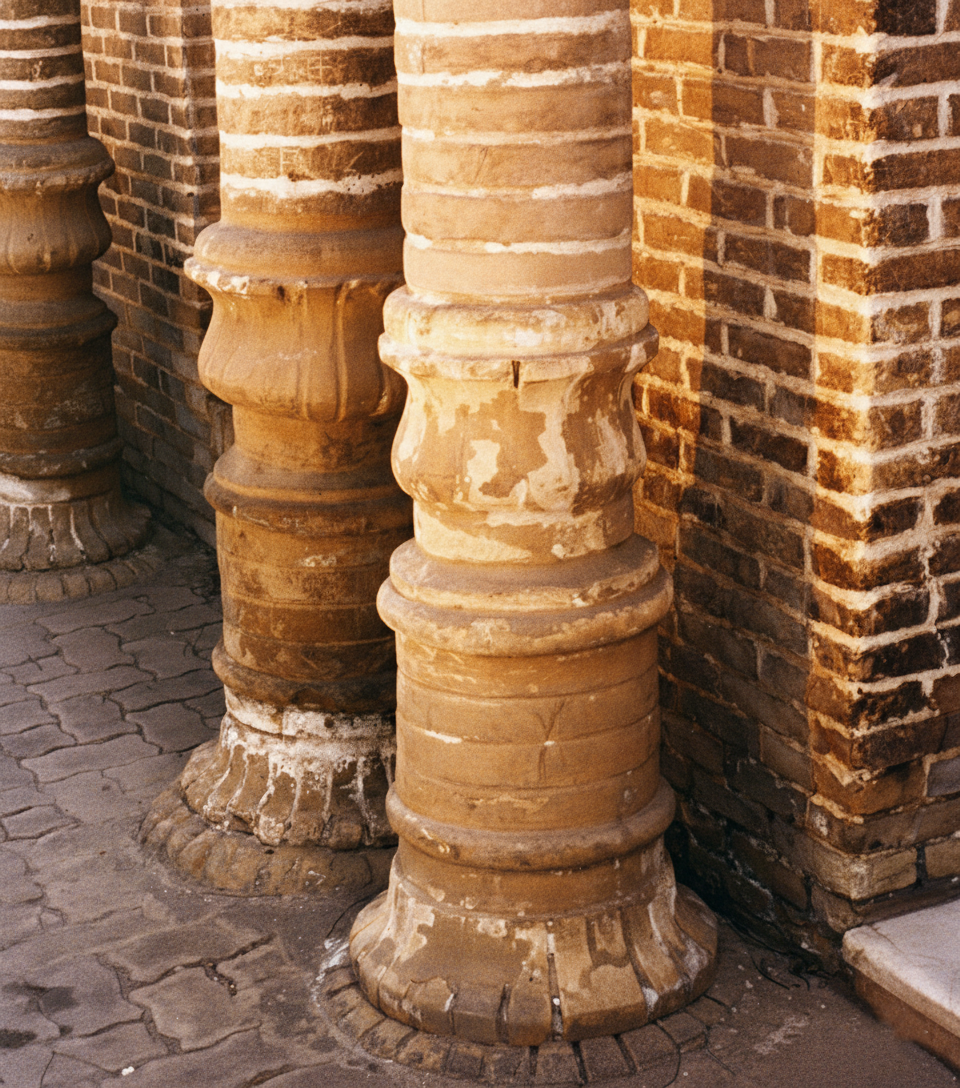
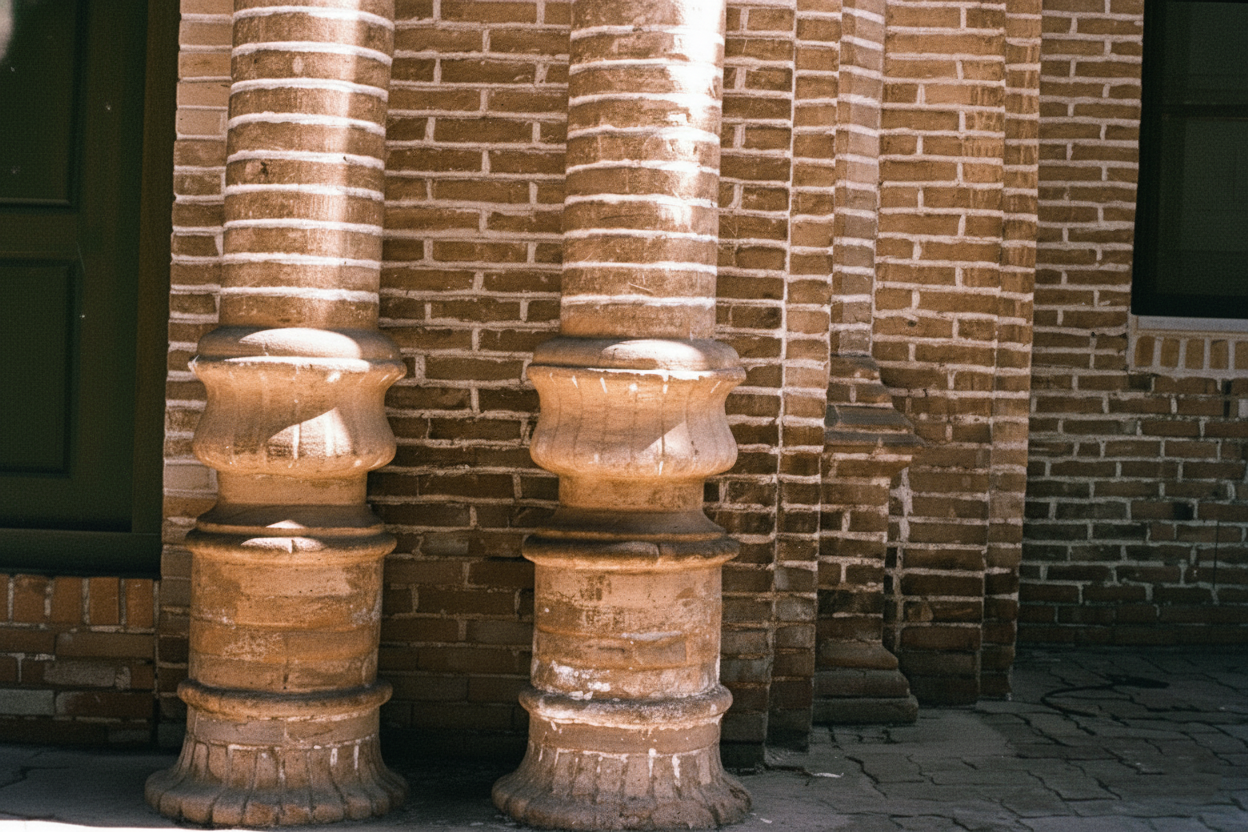
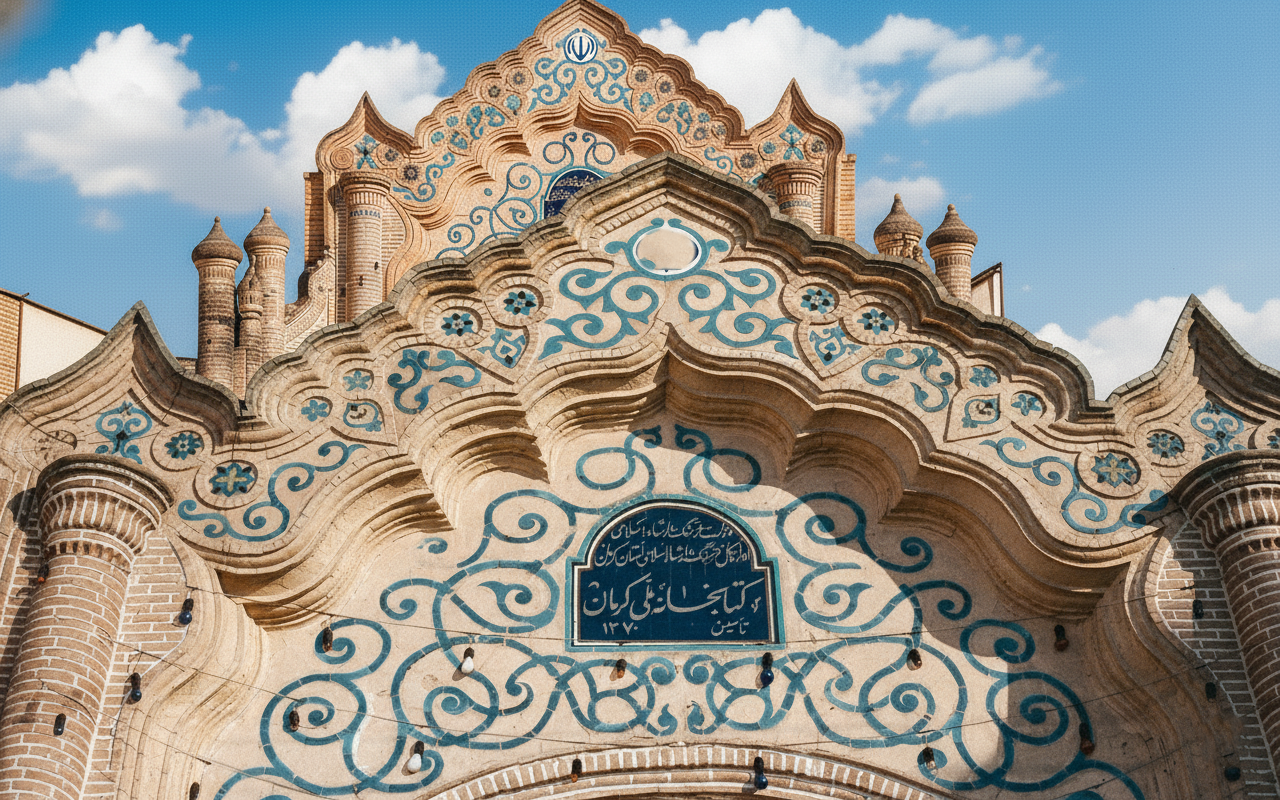
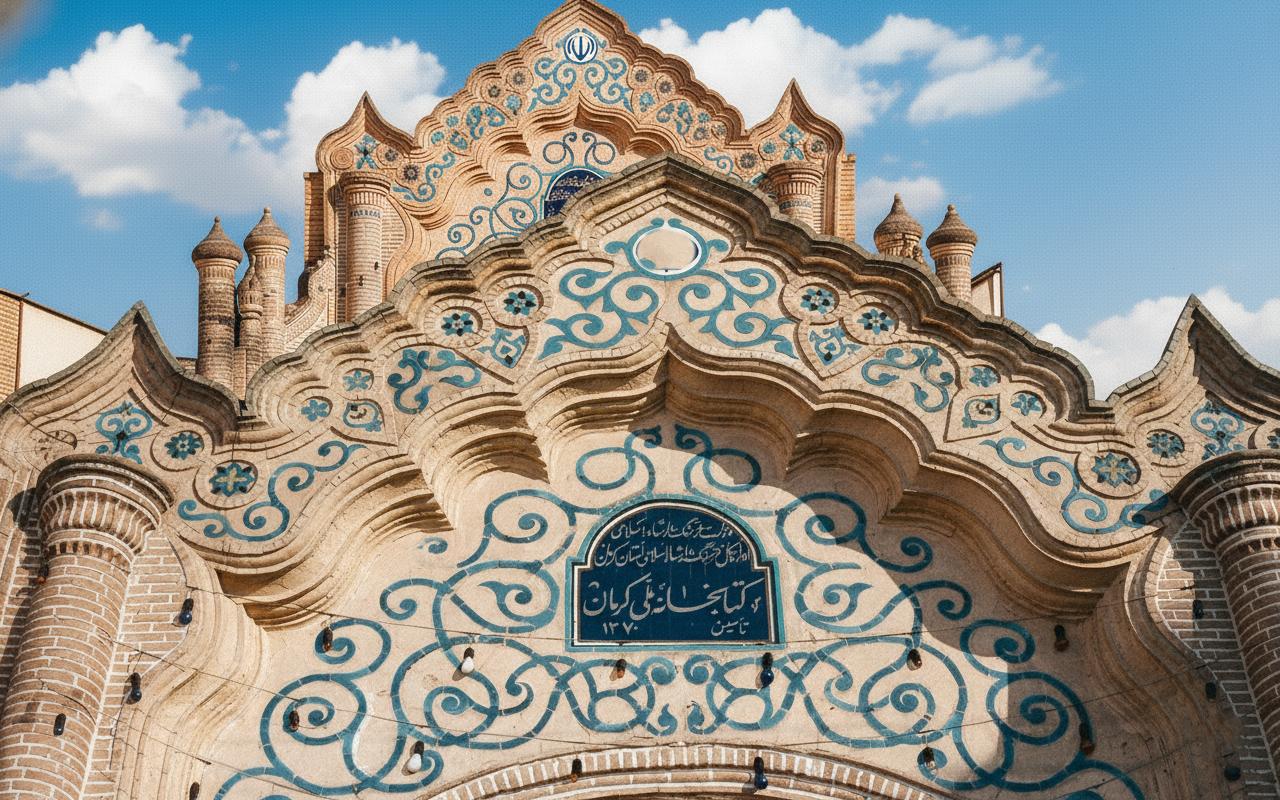
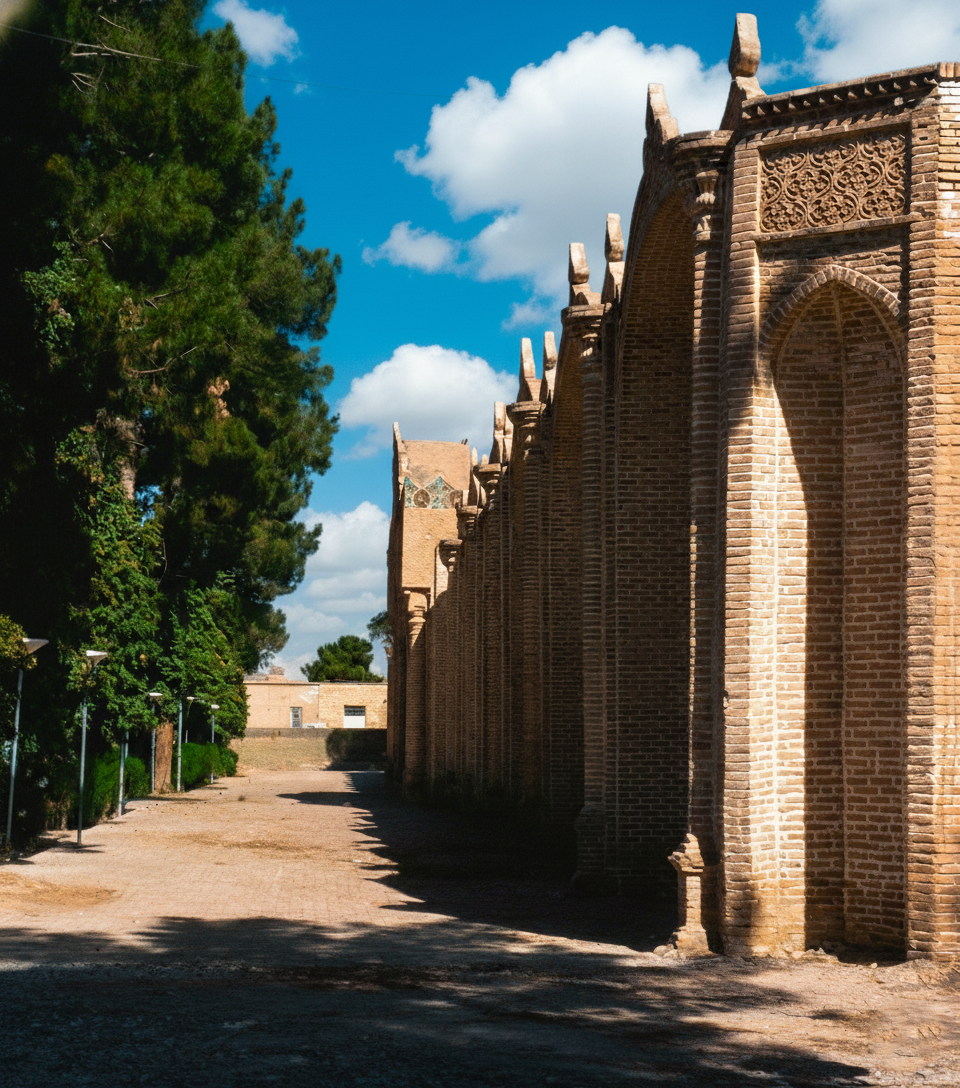
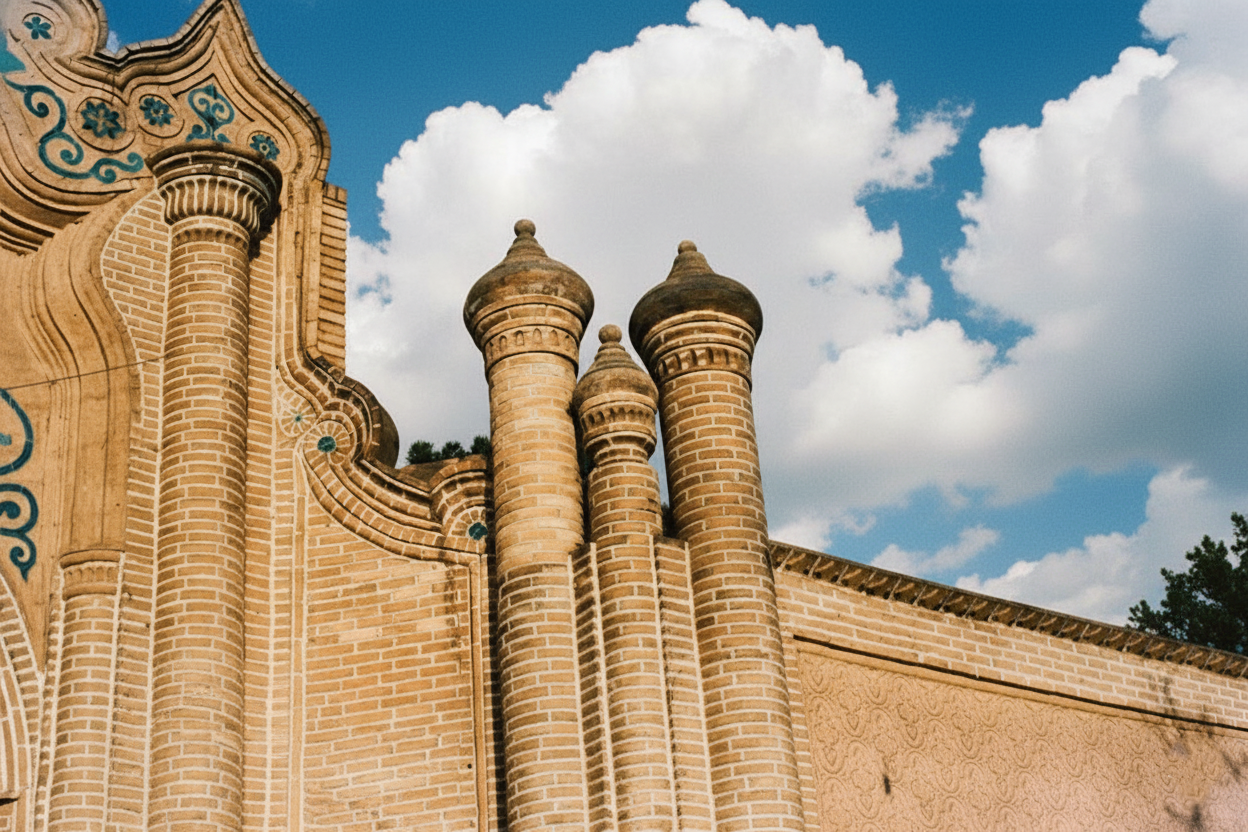
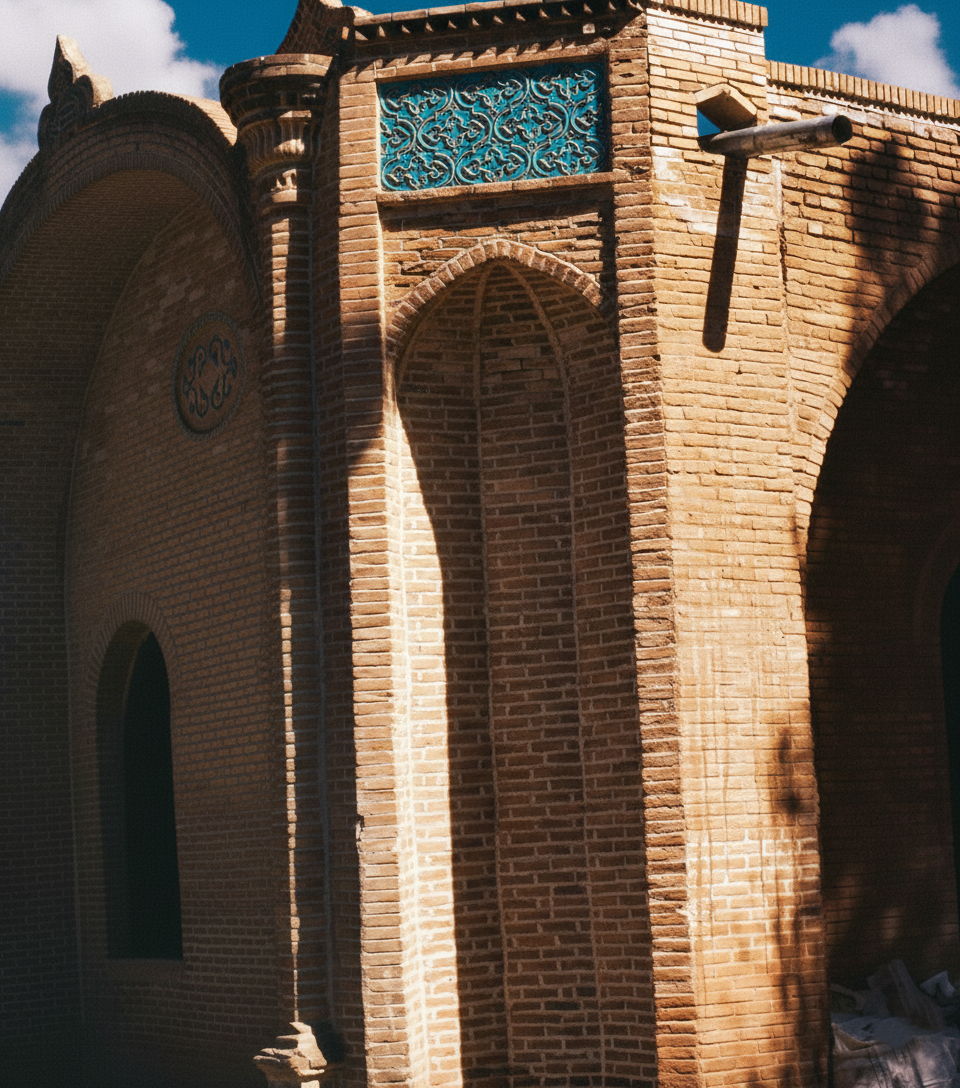
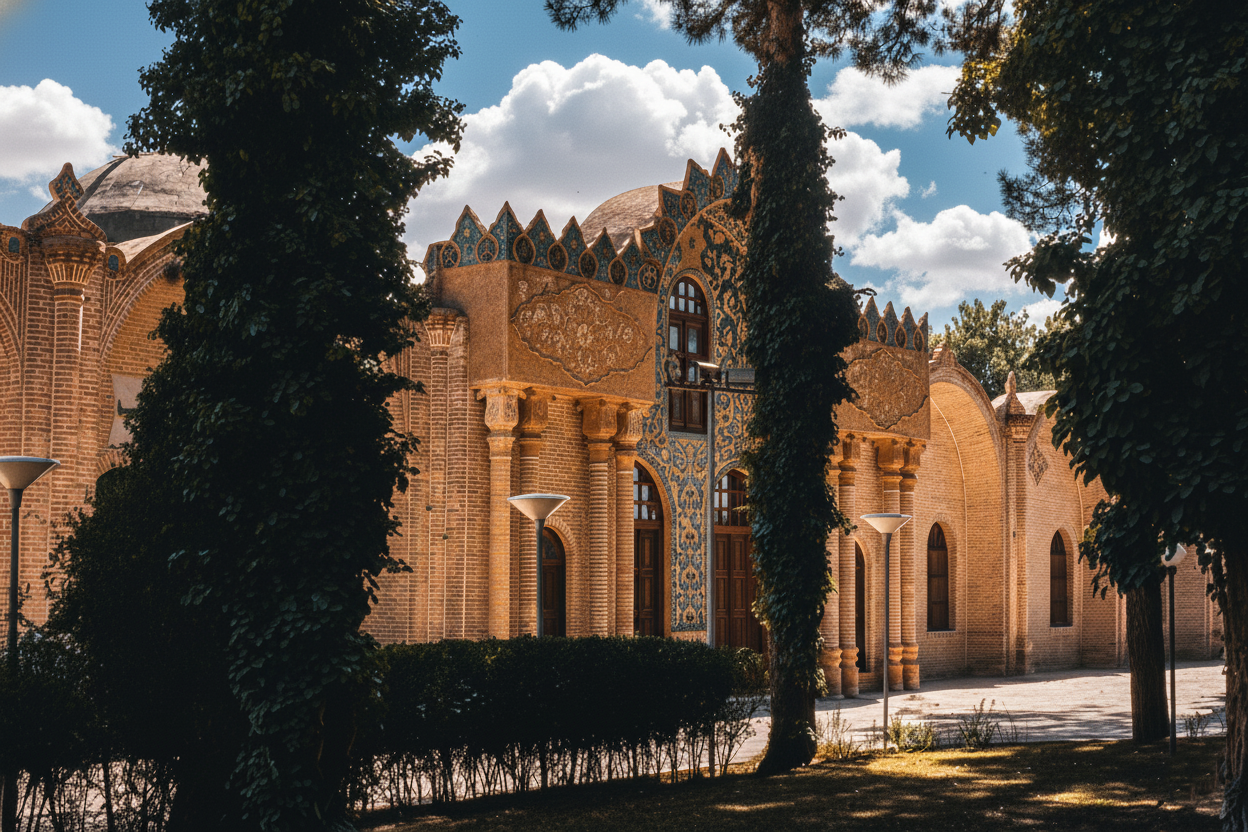
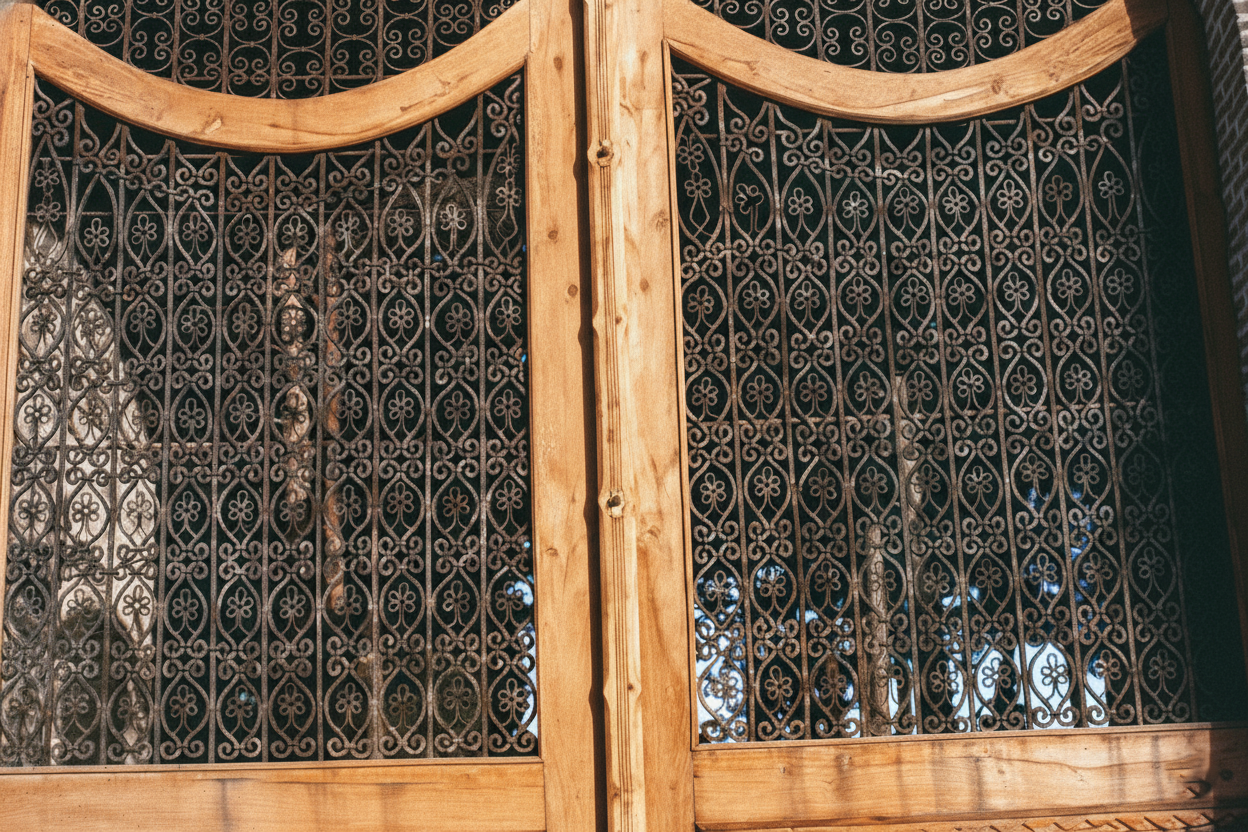
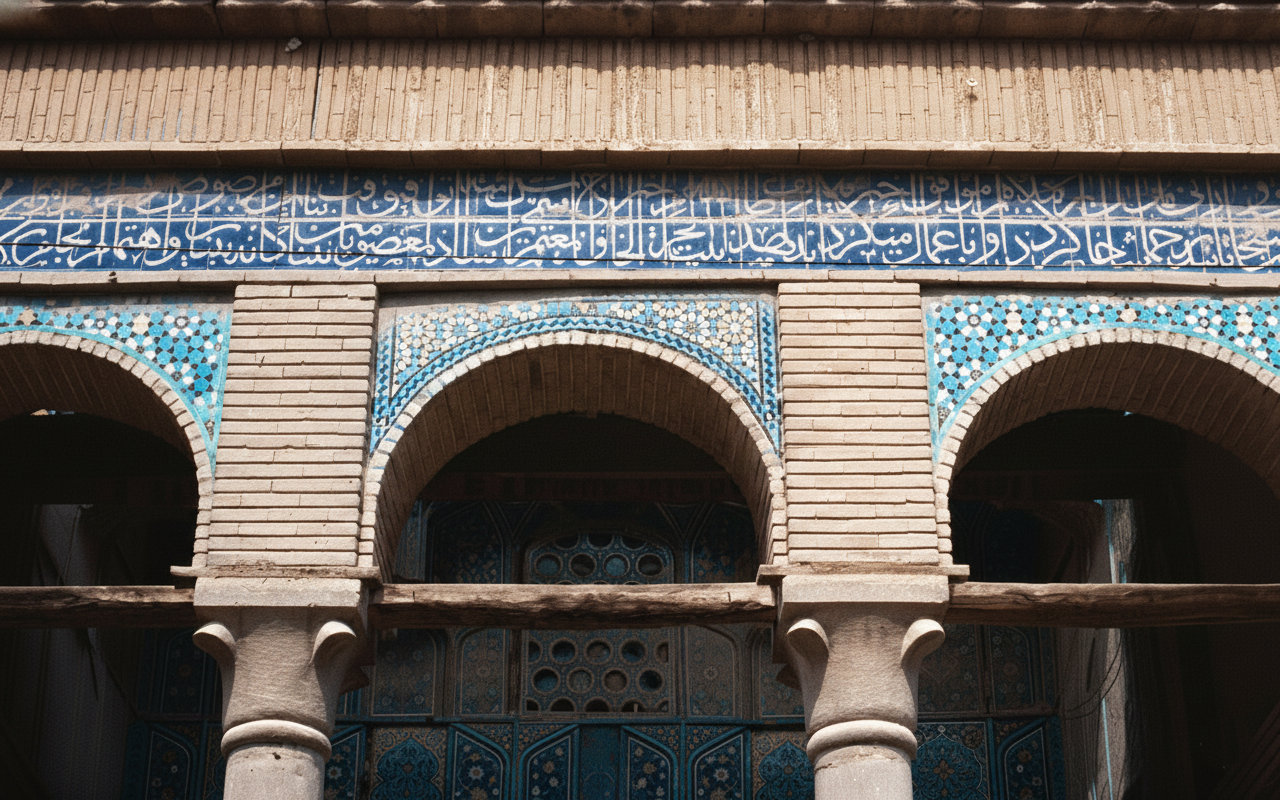
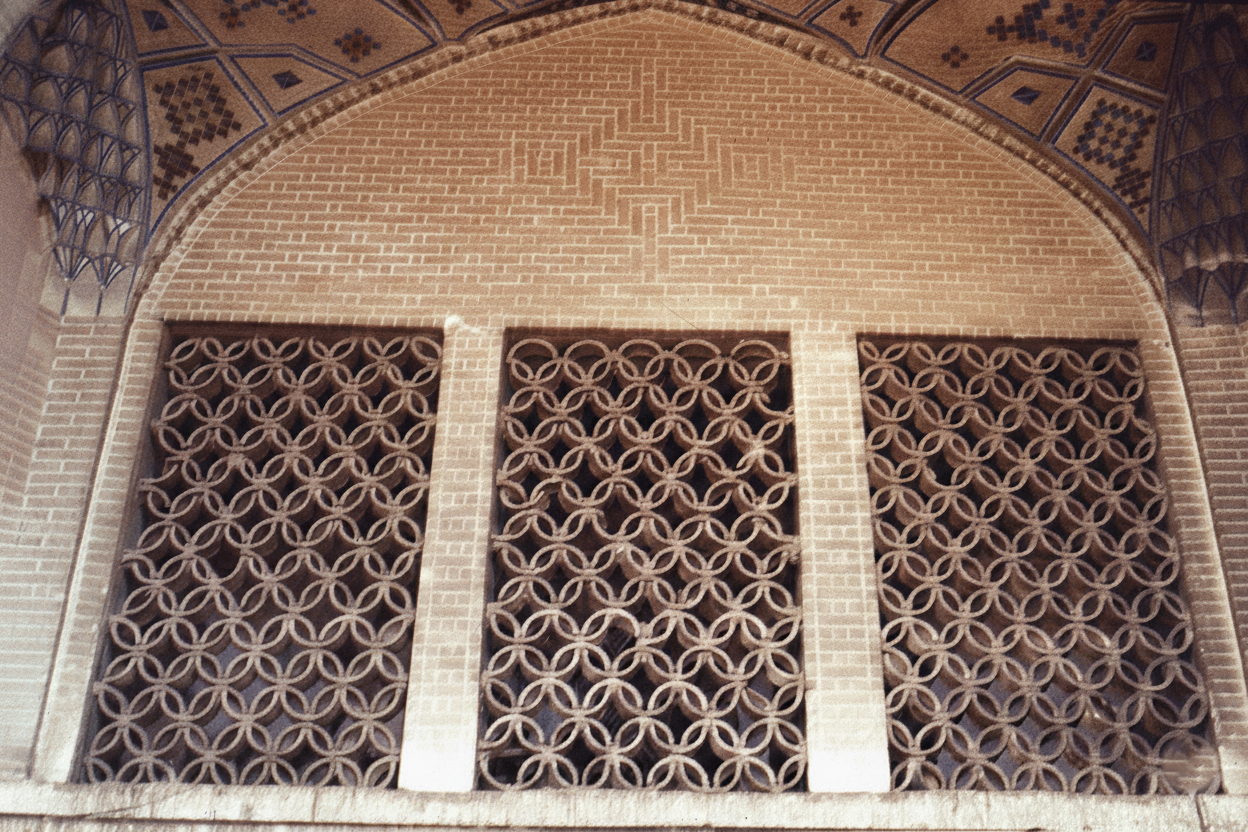
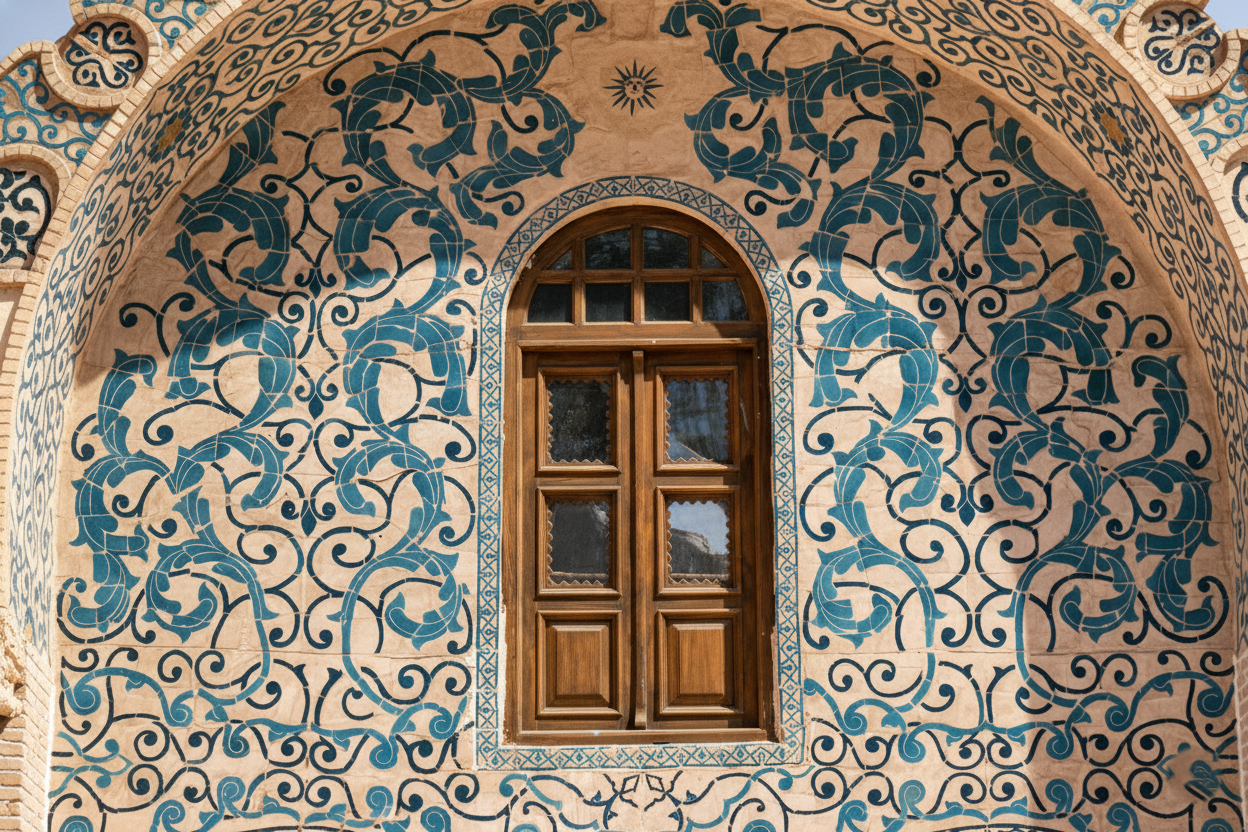
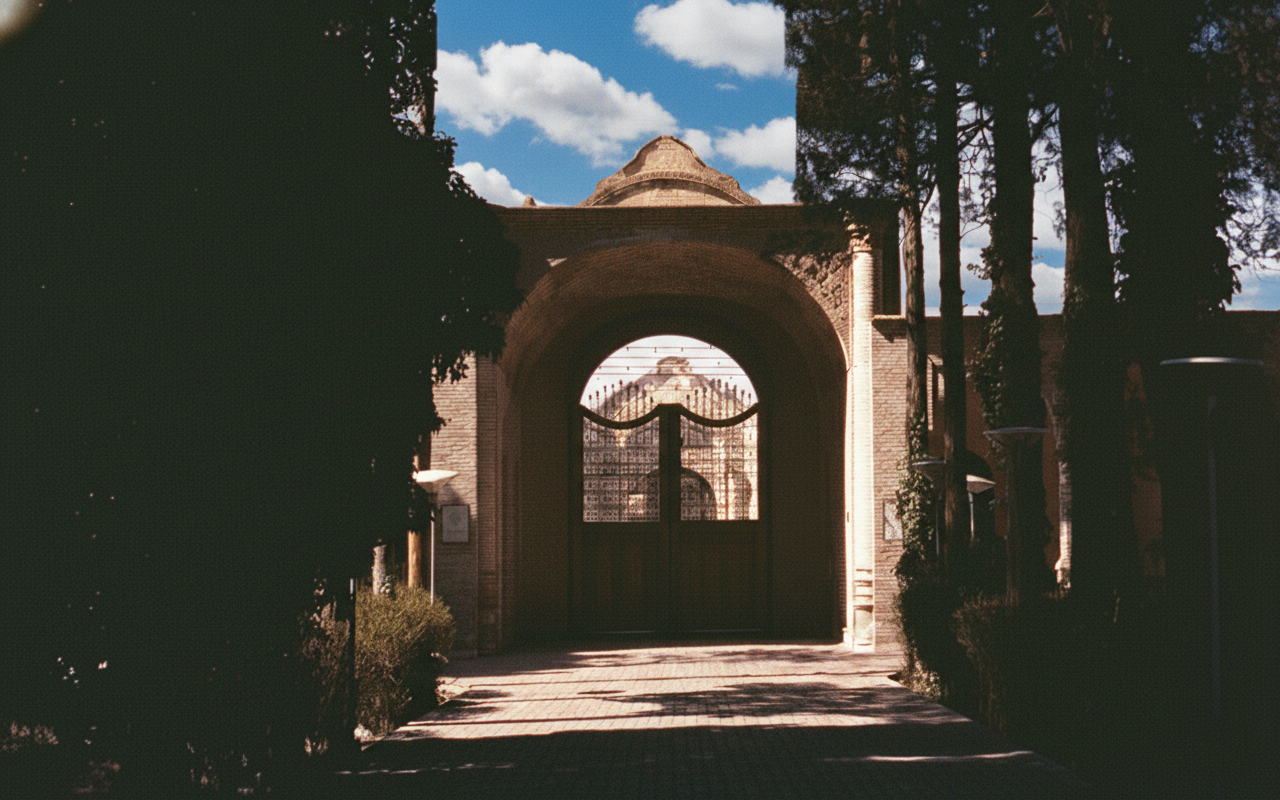
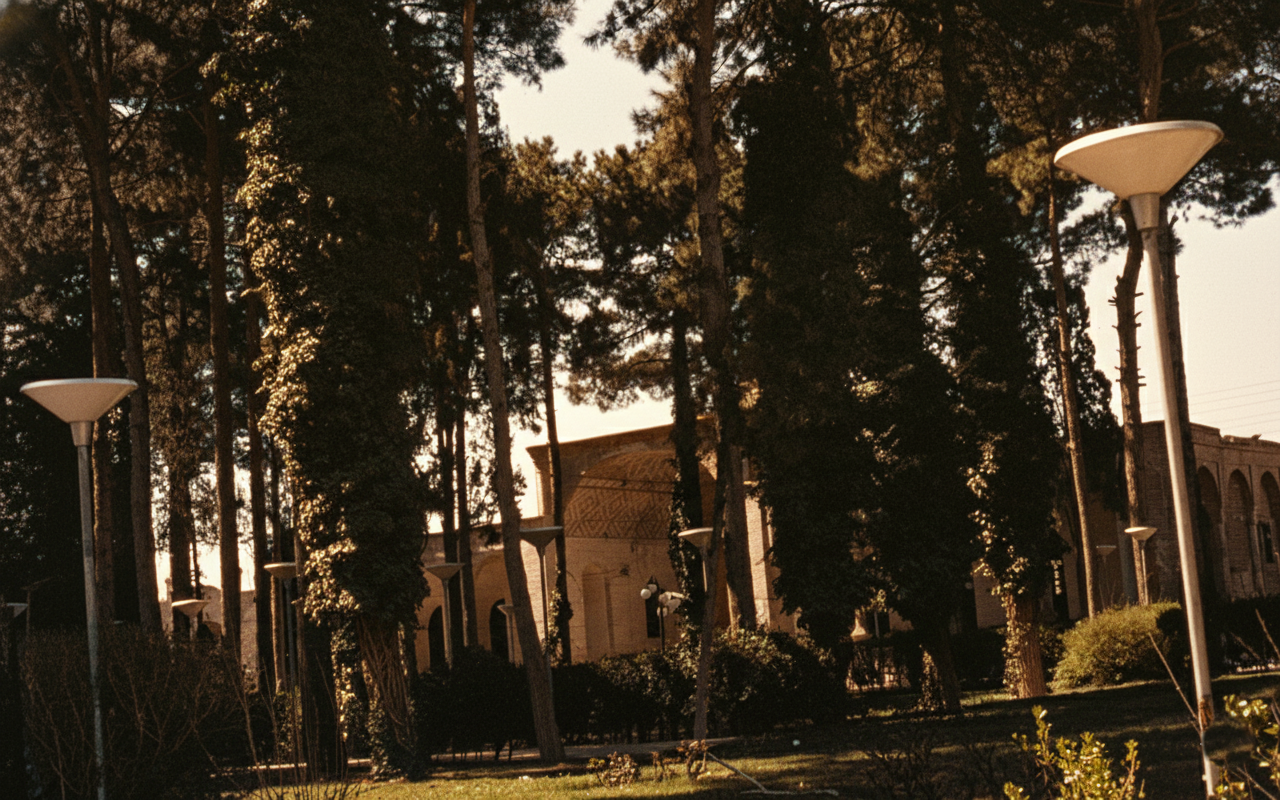
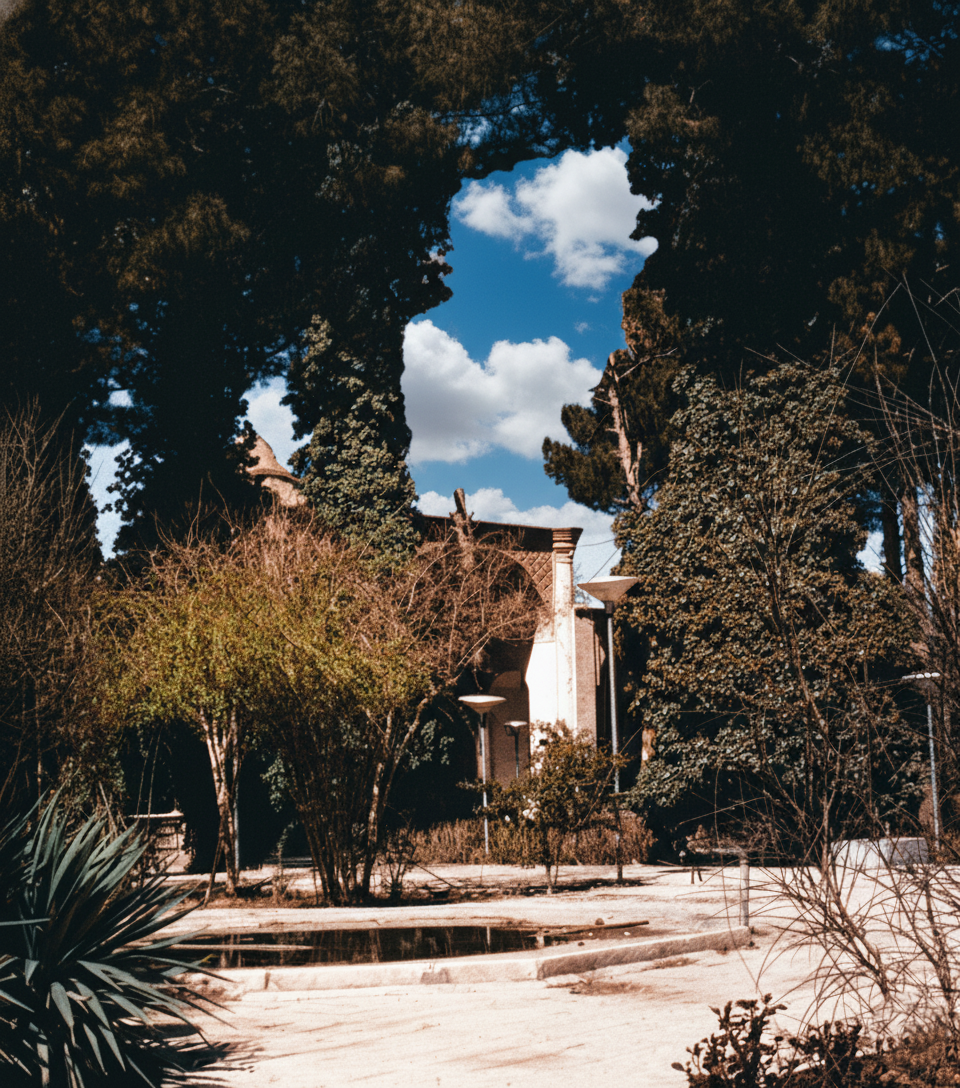
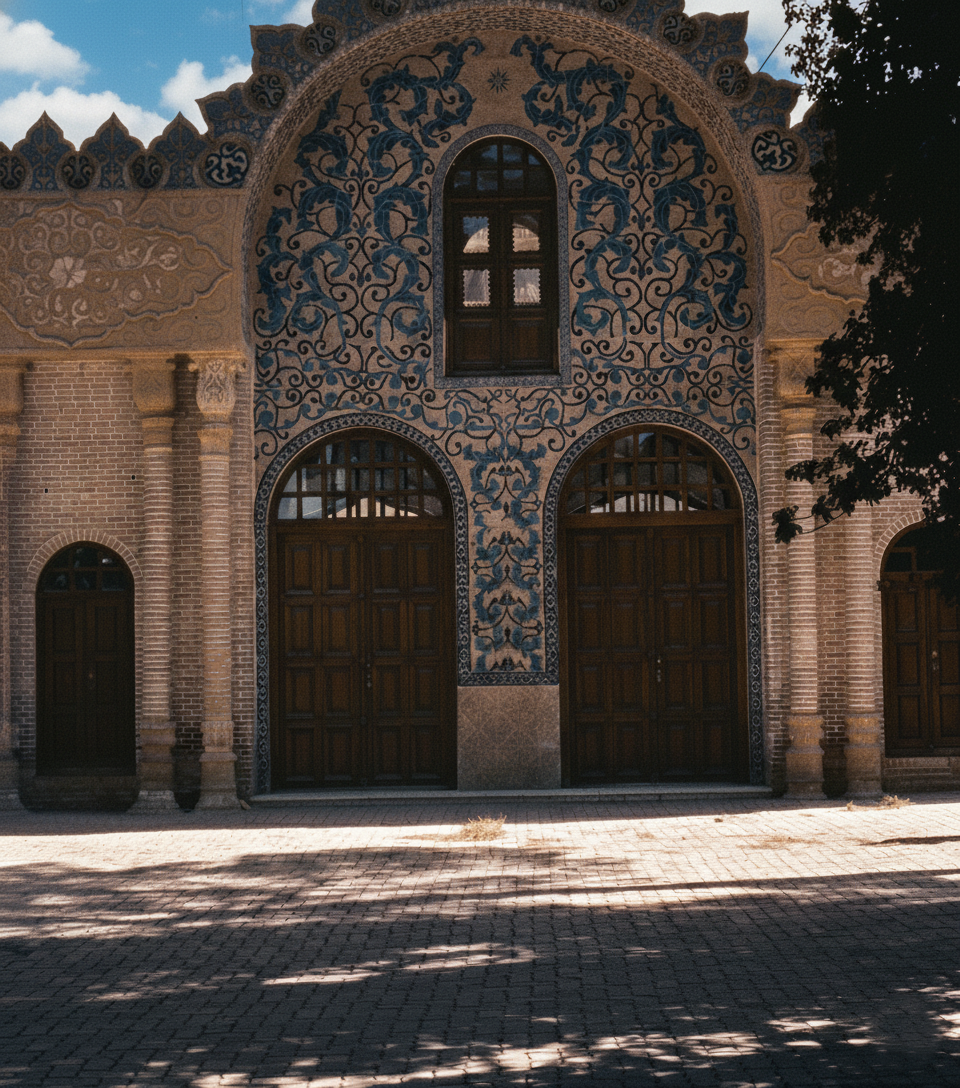
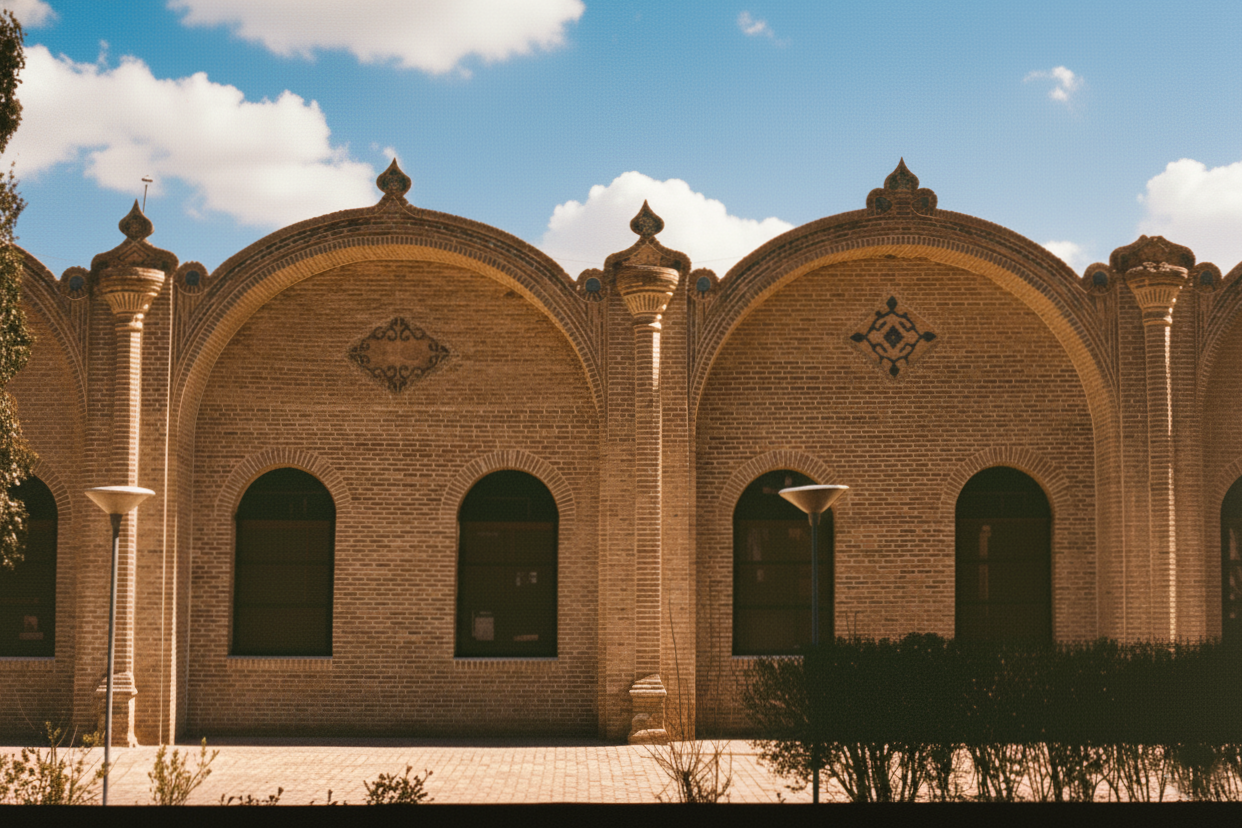
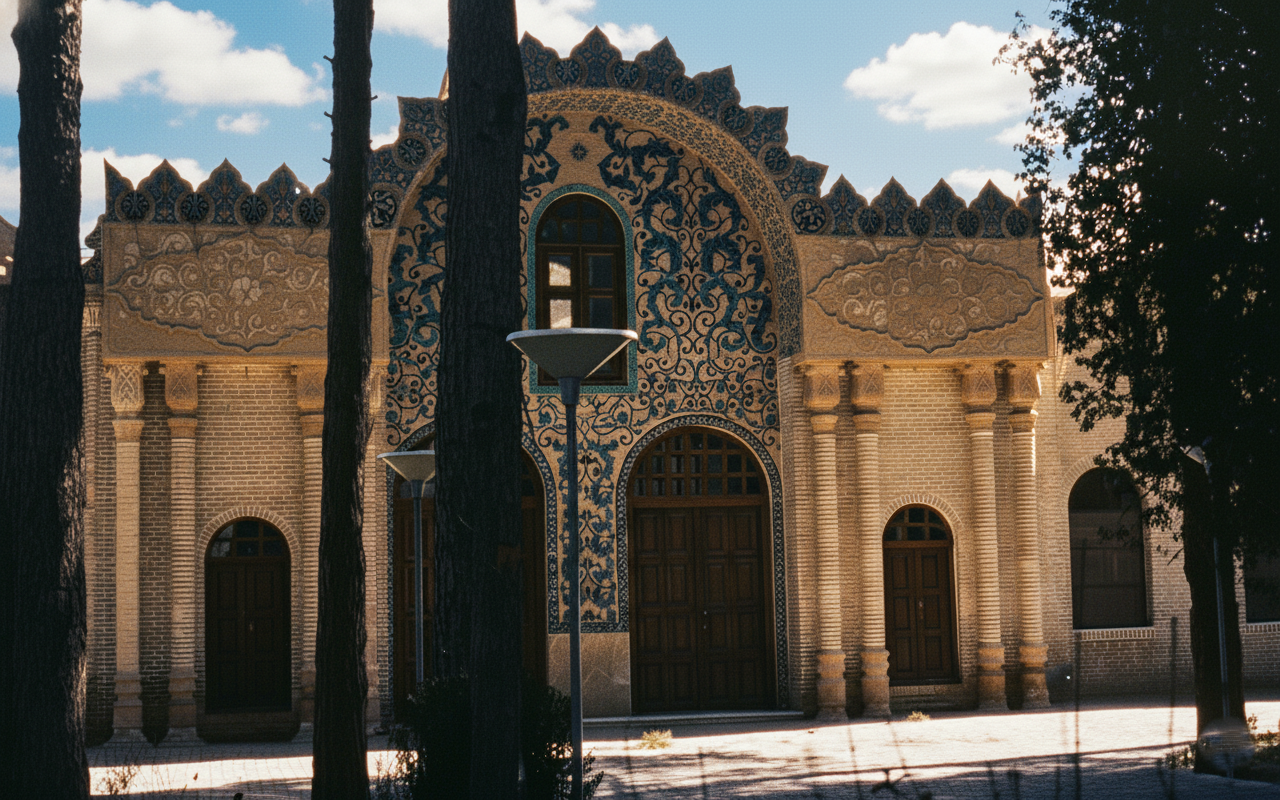
The Kerman National Library (کتابخانه ملی کرمان), originally the Risbaf Factory (کارخانه ریسباف) built 1929–1934 CE by Mohammad Ali Memar Yazdi (محمد علی معمار یزدی), represents adaptive reuse architecture. Restored in 1991 CE, its forest-like columns and vaulted brick ceilings transformed a textile factory into a quiet intellectual sanctuary preserving Kerman (کرمان)’s industrial and cultural heritage.
-
Kerman National Library: The Sanctuary of Silence and Brick
The Kerman National Library, a masterpiece of adaptive reuse often celebrated as a "forest of knowledge," stands as a striking testament to the city’s ability to transmute industrial brawn into intellectual spirit; originally constructed between 1929 and 1934 as the Risbaf (wool-spinning) factory under the architectural direction of the master Mohammad Ali Memar Yazdi محمد علی معمار یزدی, the building embodies a harmonious transition between late Qajar aesthetics and early Pahlavi industrialism.
Once a noisy hall where the hum of textile machinery echoed the region’s economic pulse, it was meticulously restored in 1991 and reborn as a hushed sanctuary for scholars, where the original "forest" of interior columns now supports soaring vaulted bare-brick ceilings that rhythmically divide the space, creating an atmosphere of intimacy and order ideally suited for deep contemplation. The structure’s brilliance lies in its honest materiality—devoid of heavy ornamentation, the exposed brickwork and geometric repetition of the arches provide a visual quietness that mirrors the library's new purpose, effectively preserving Kerman’s heritage not just in the books it houses, but in the very walls that once wove the city’s famous textiles.
