Tilework in Kerman’s Historic Architecture
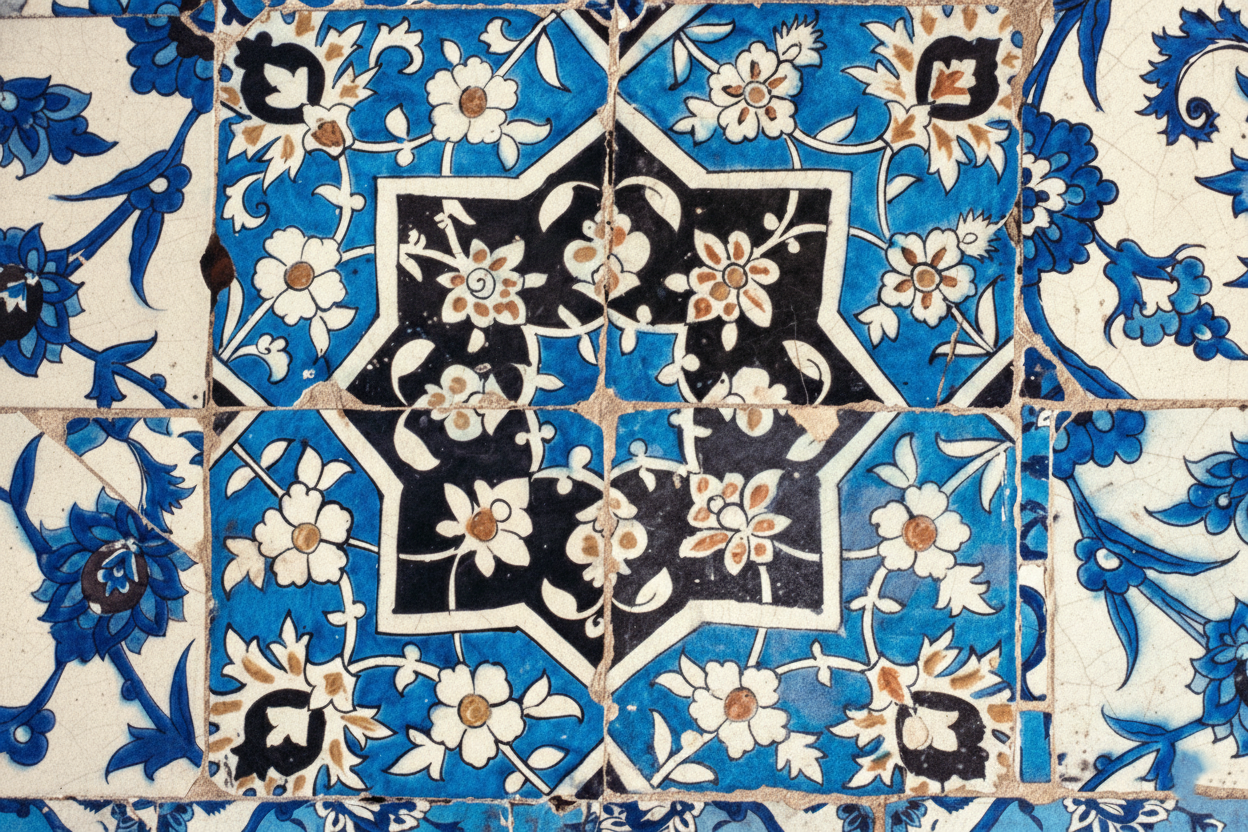
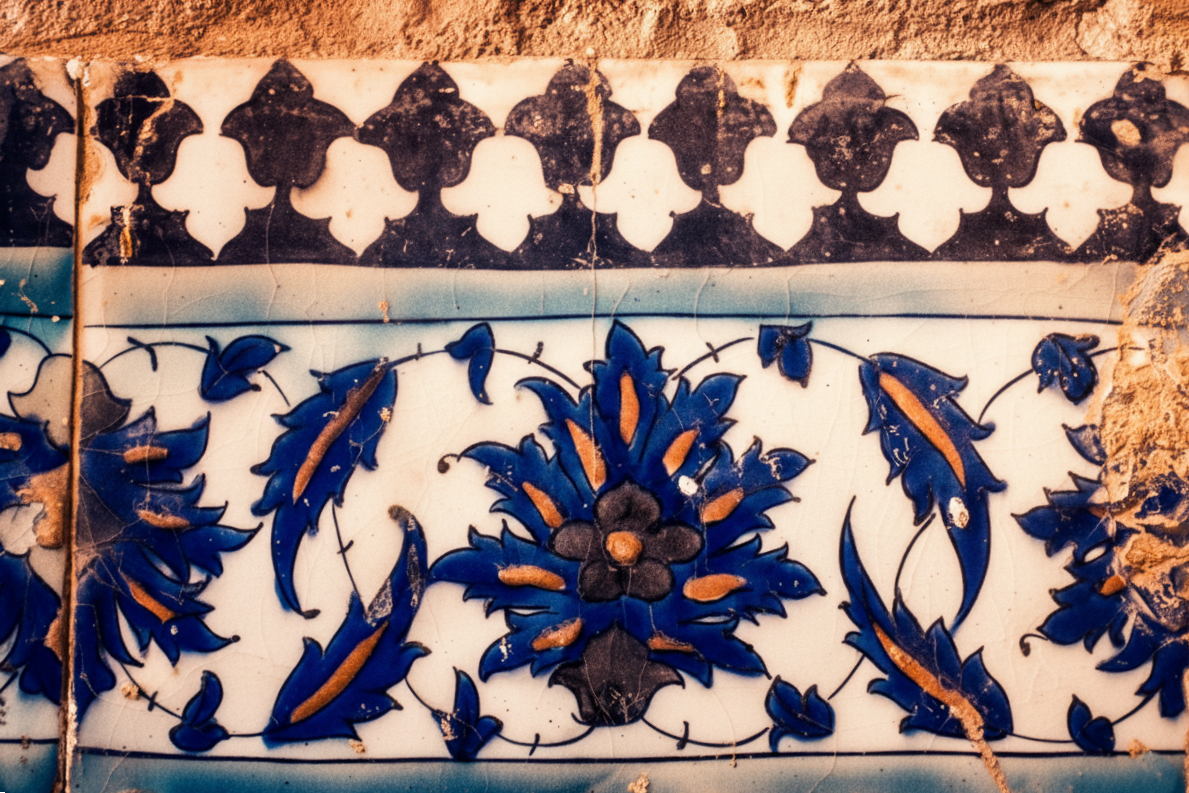
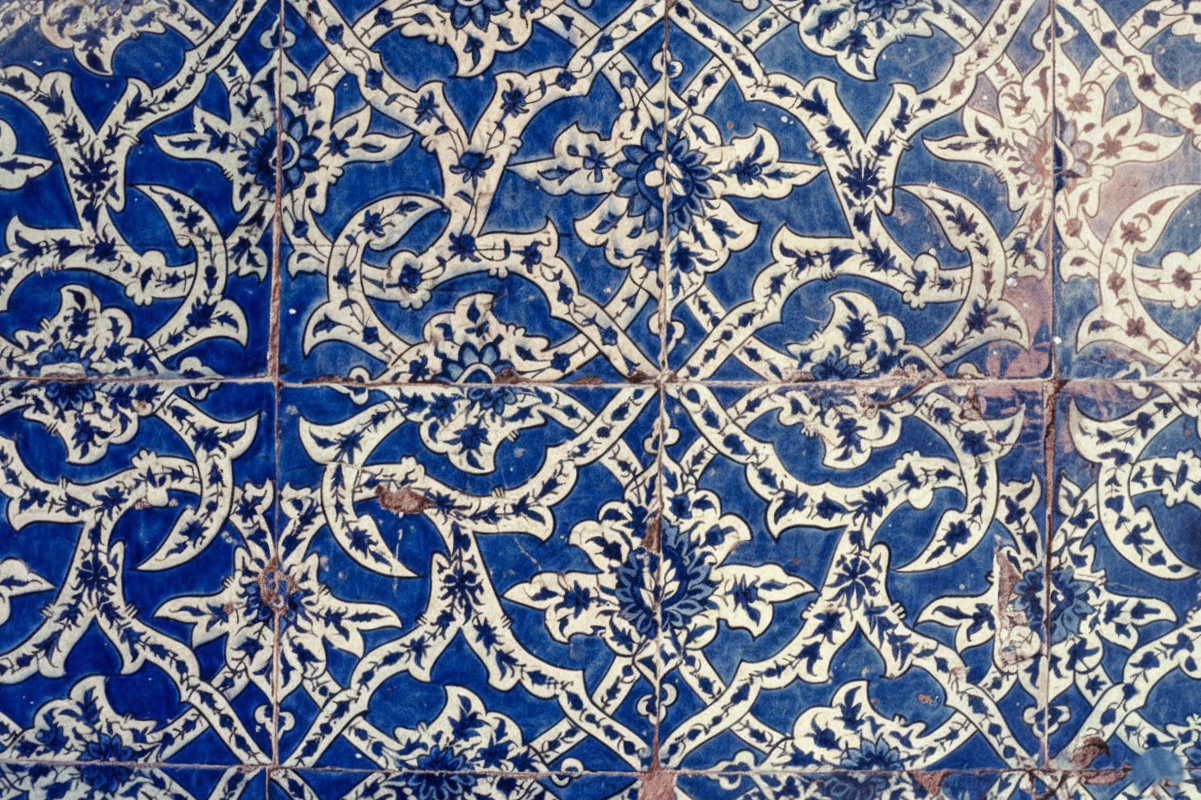
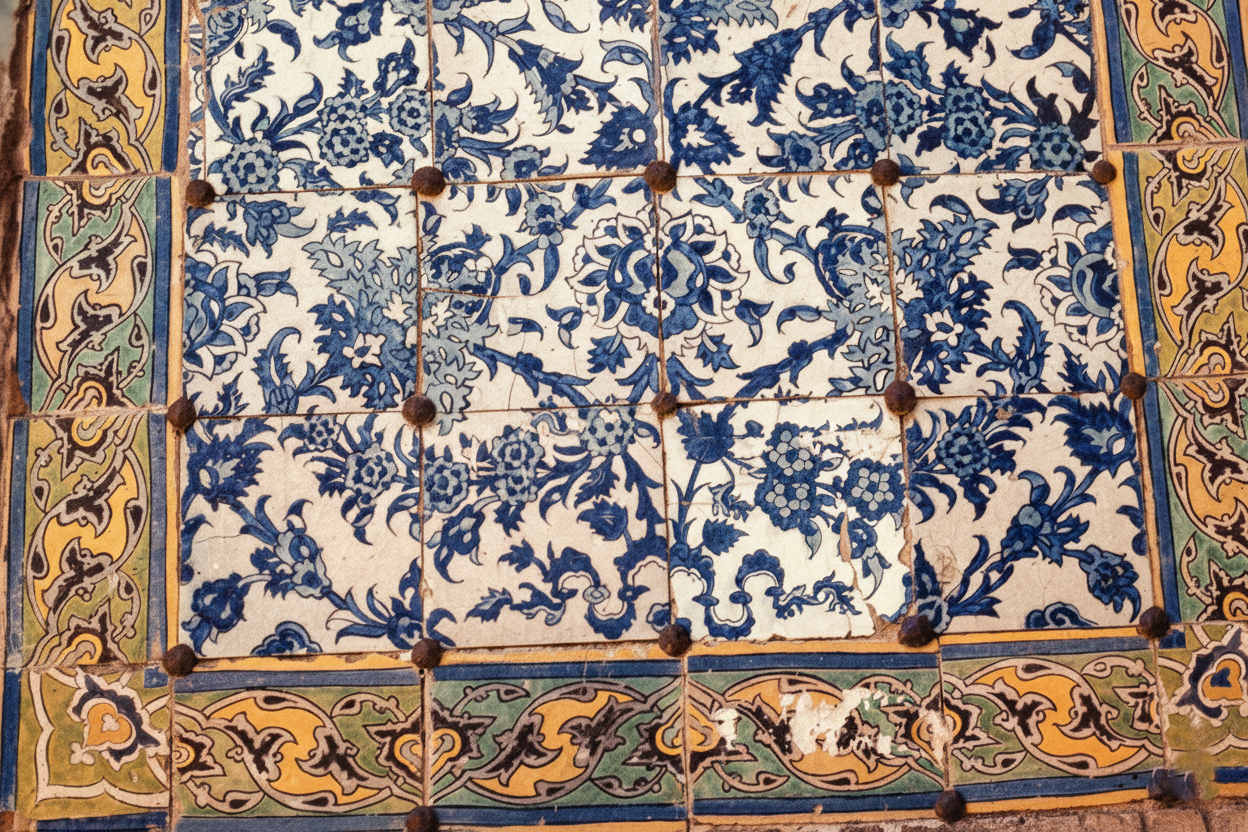
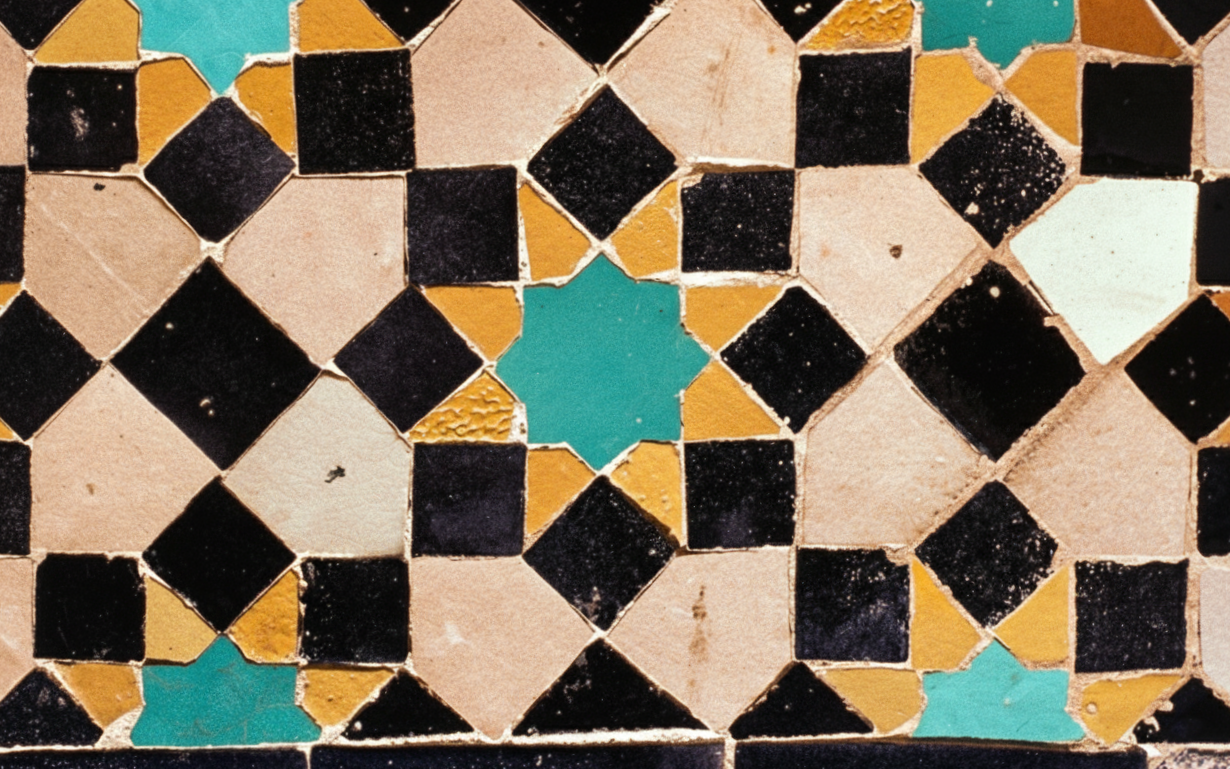
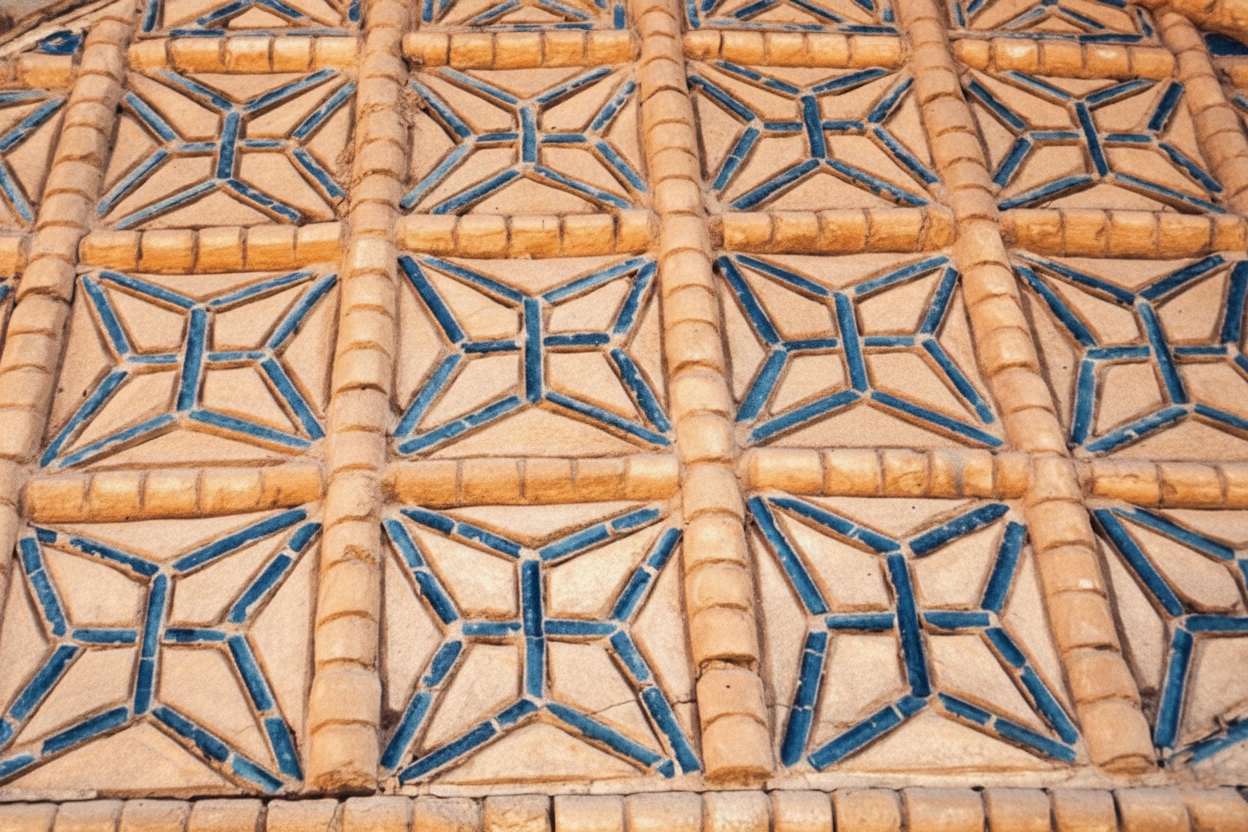
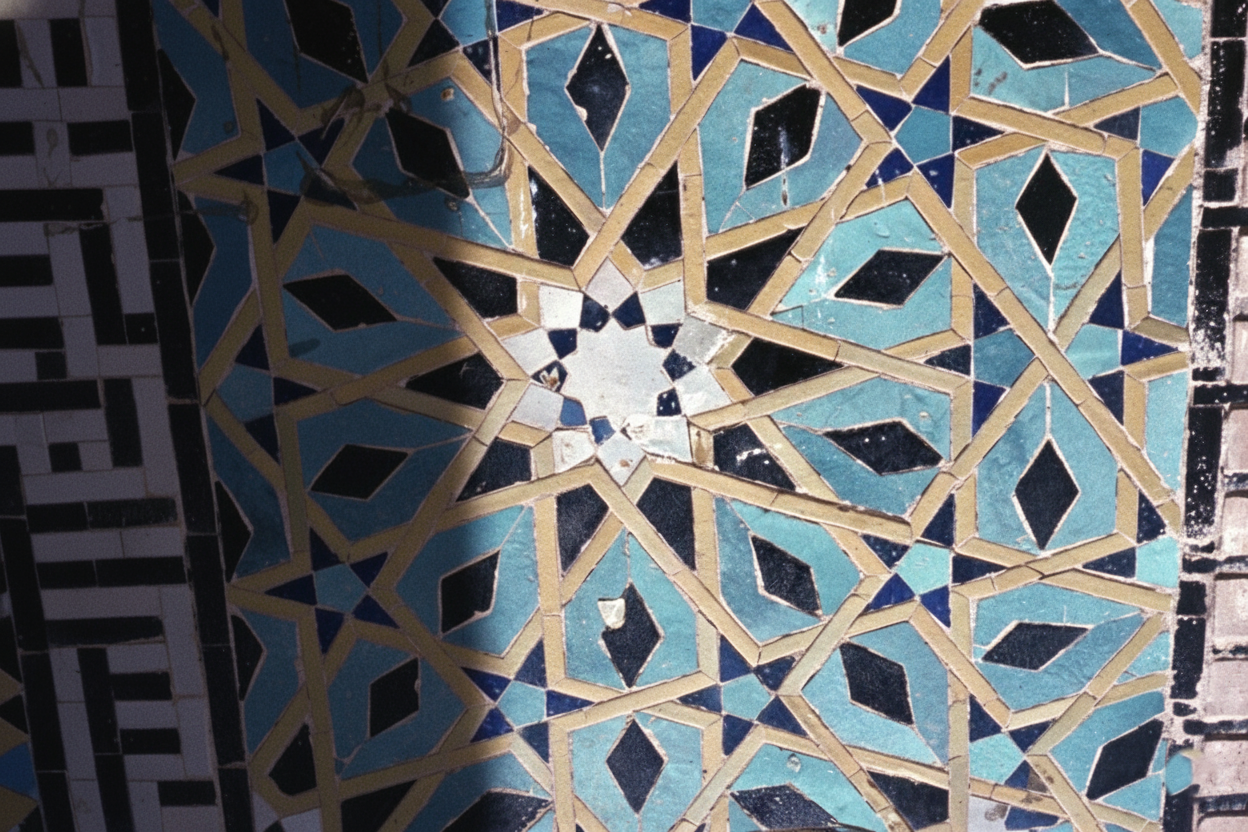
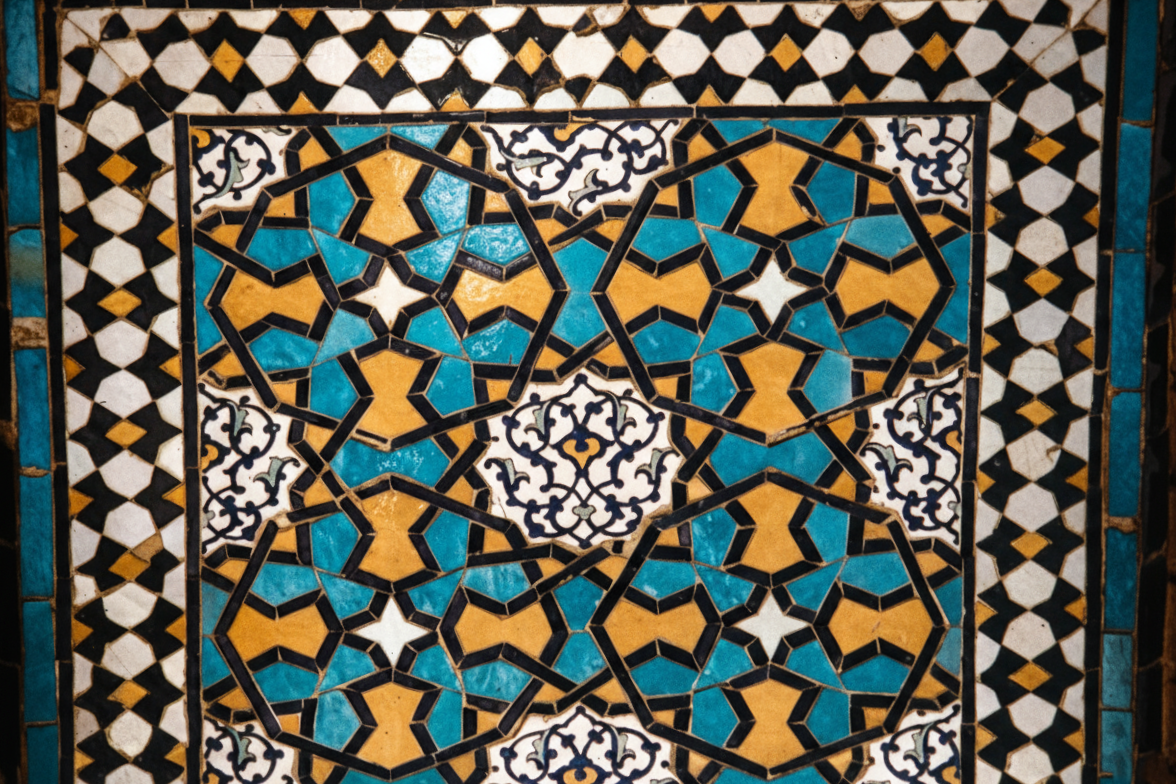
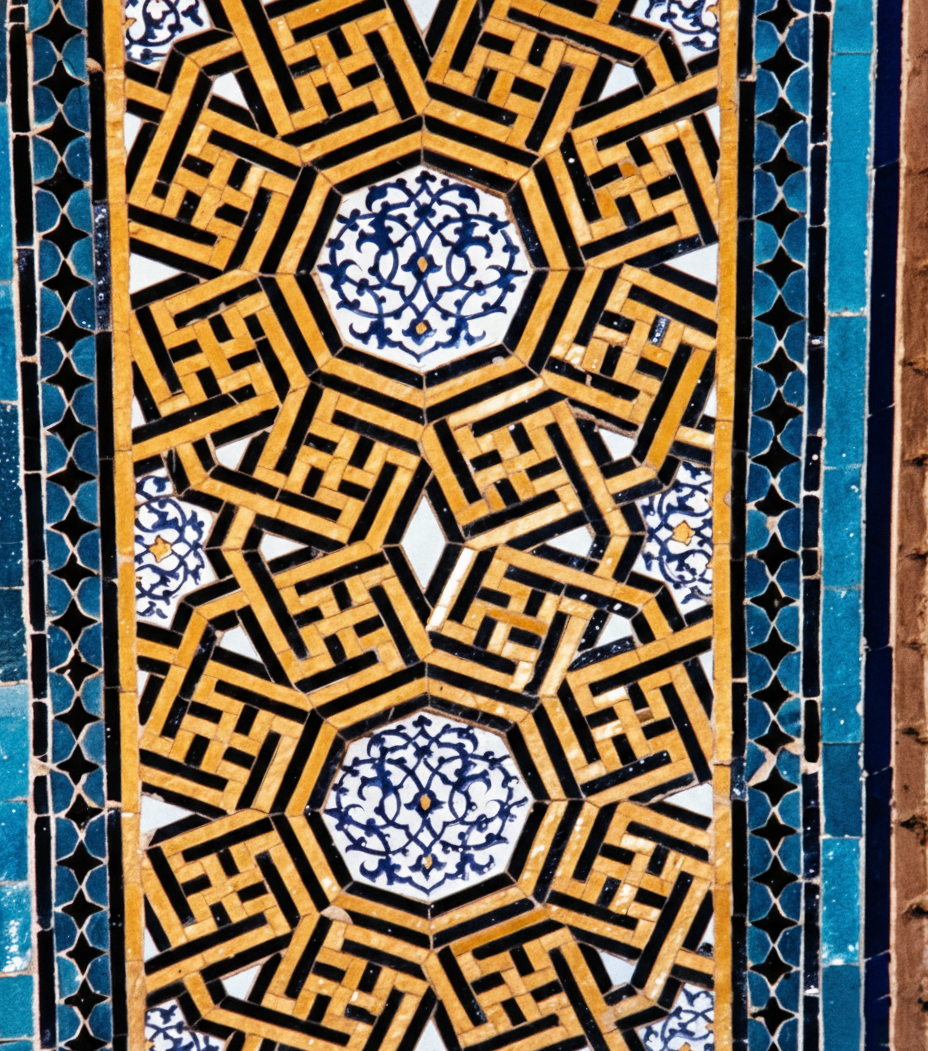
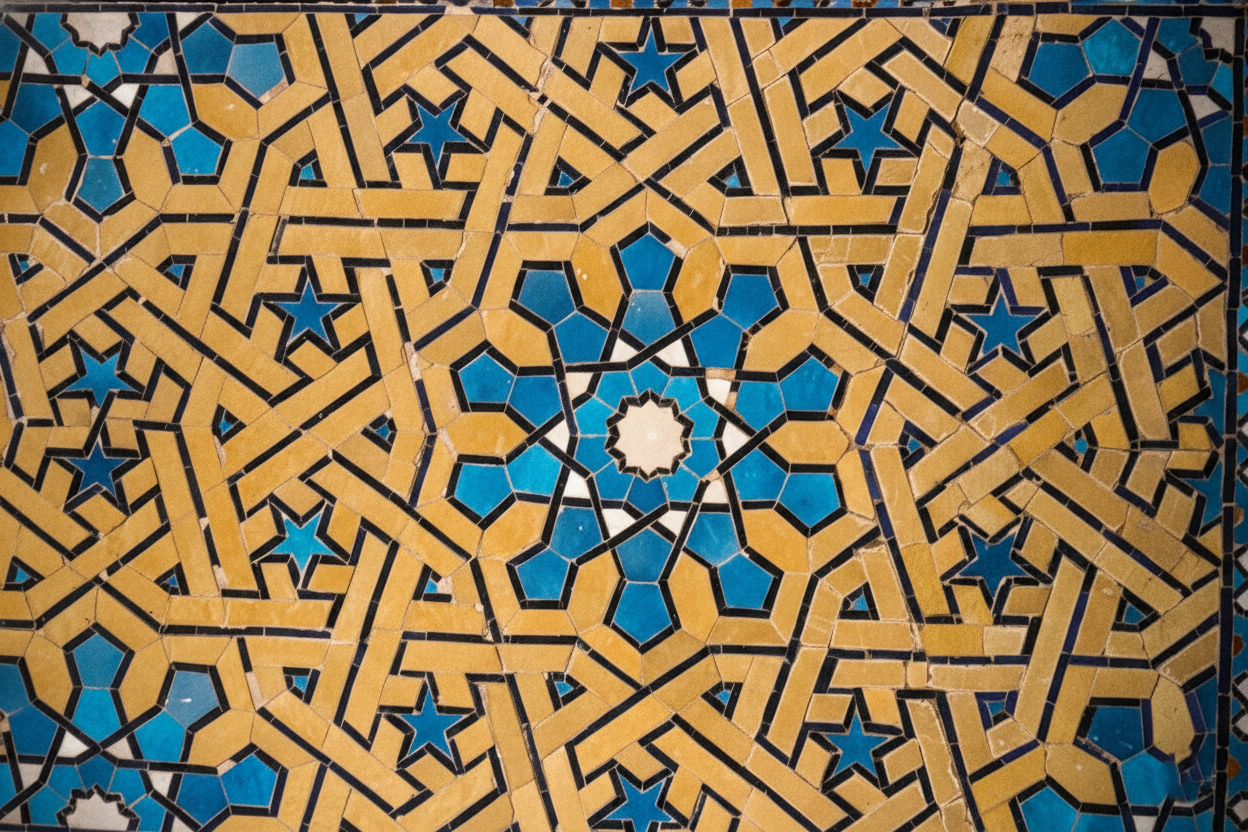
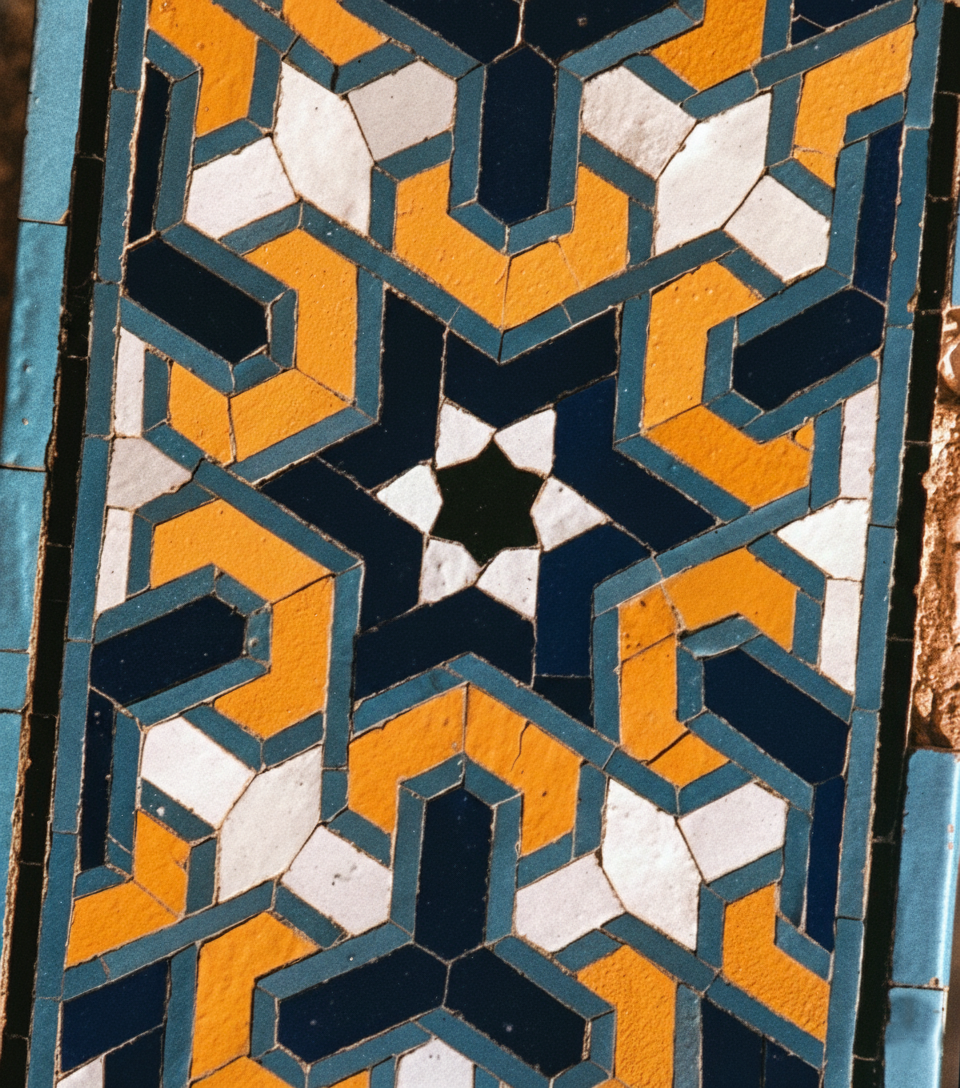
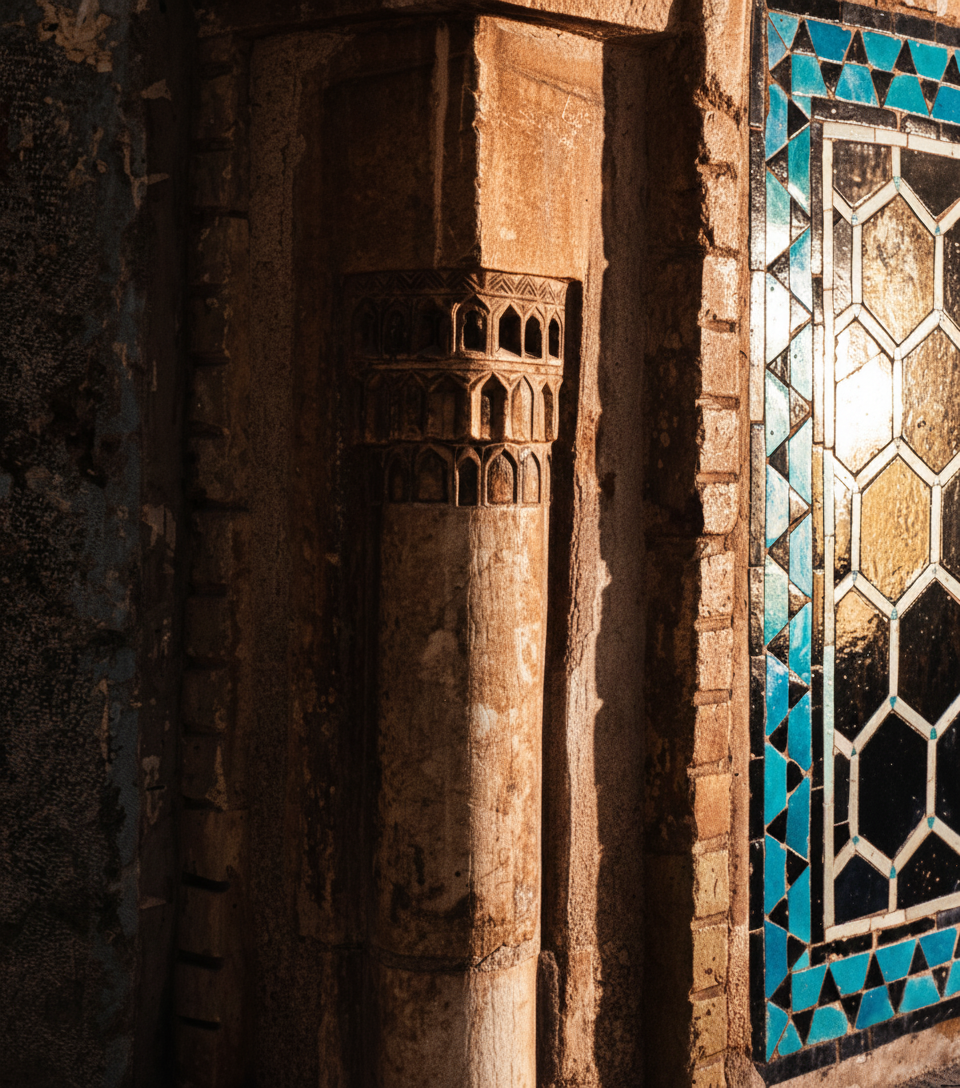
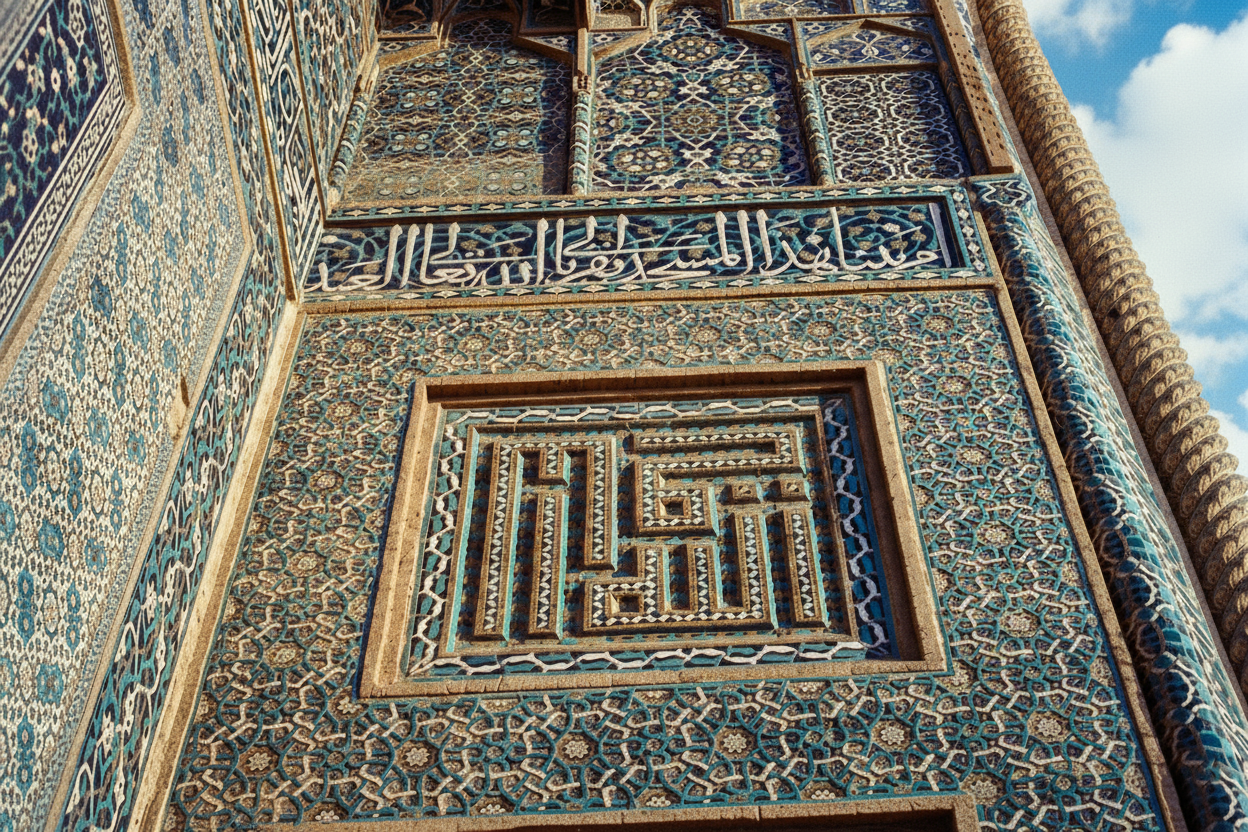
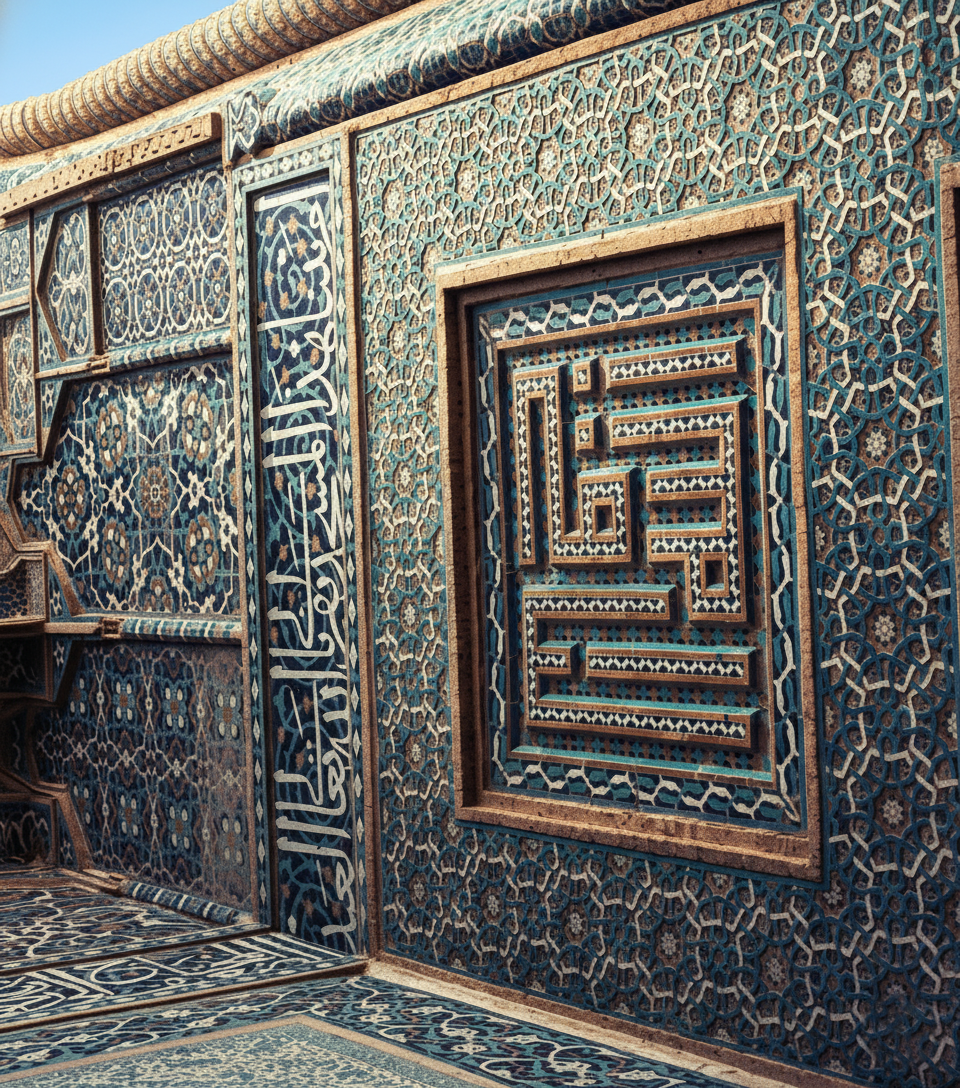
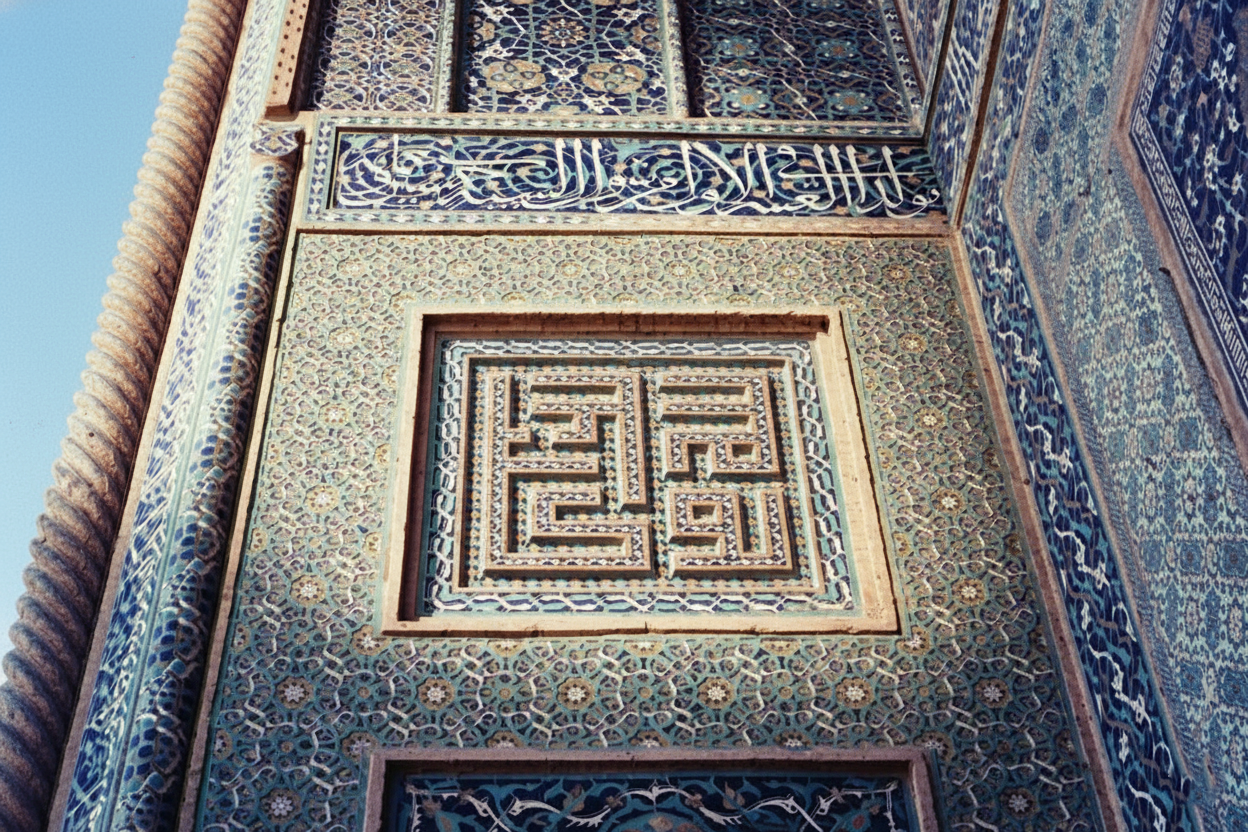
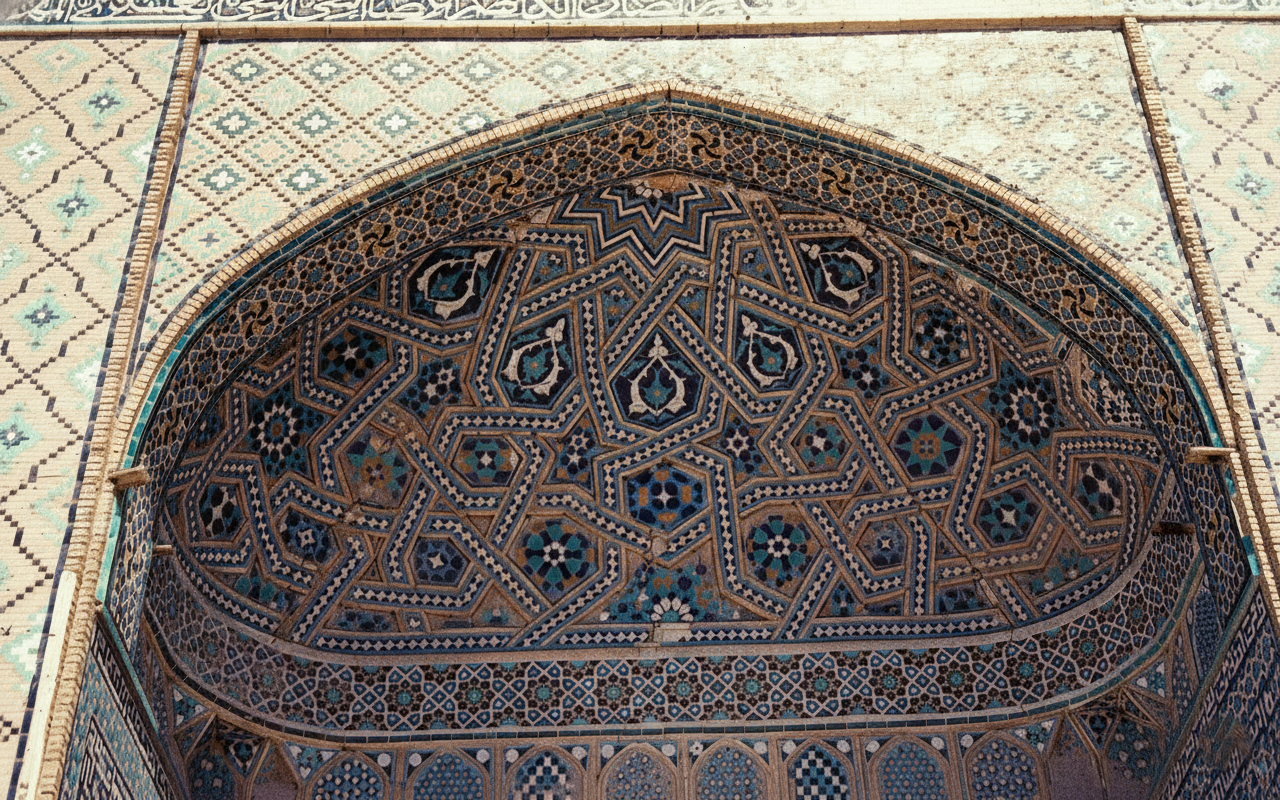
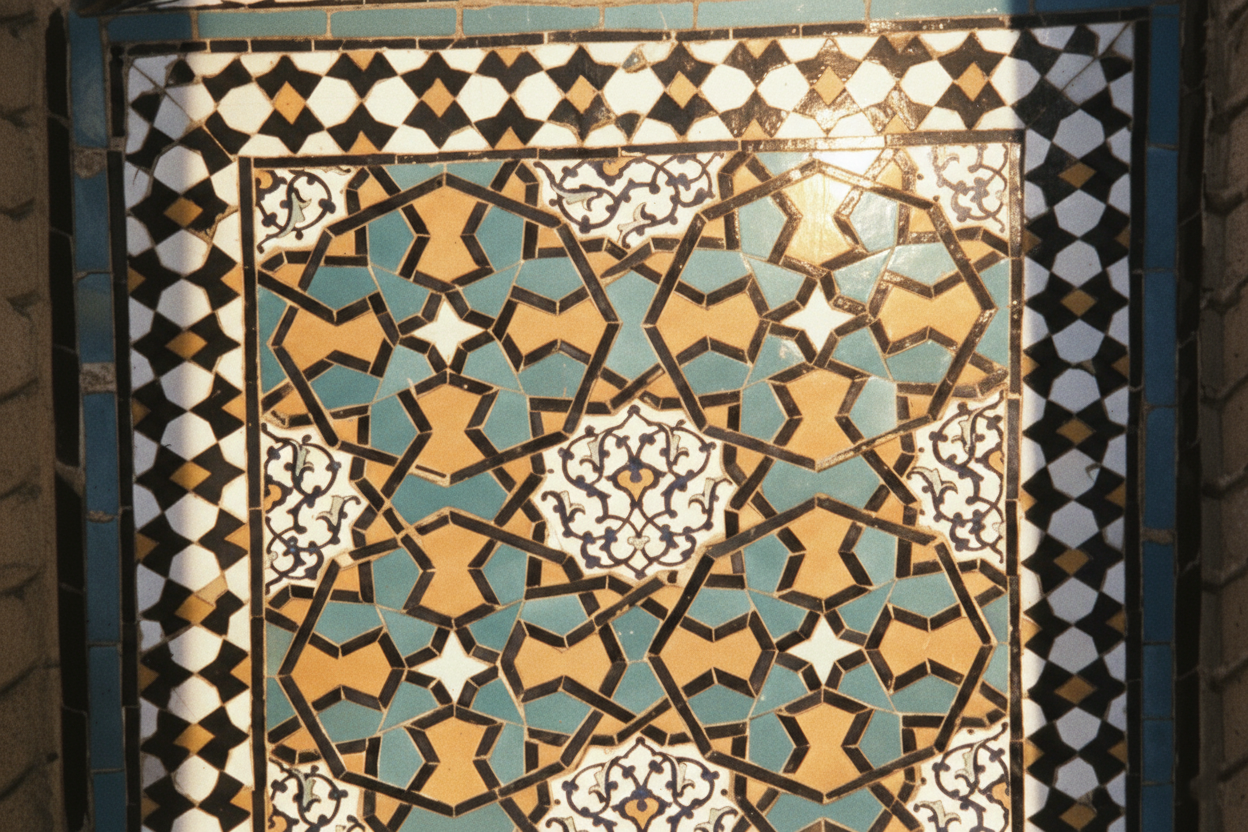
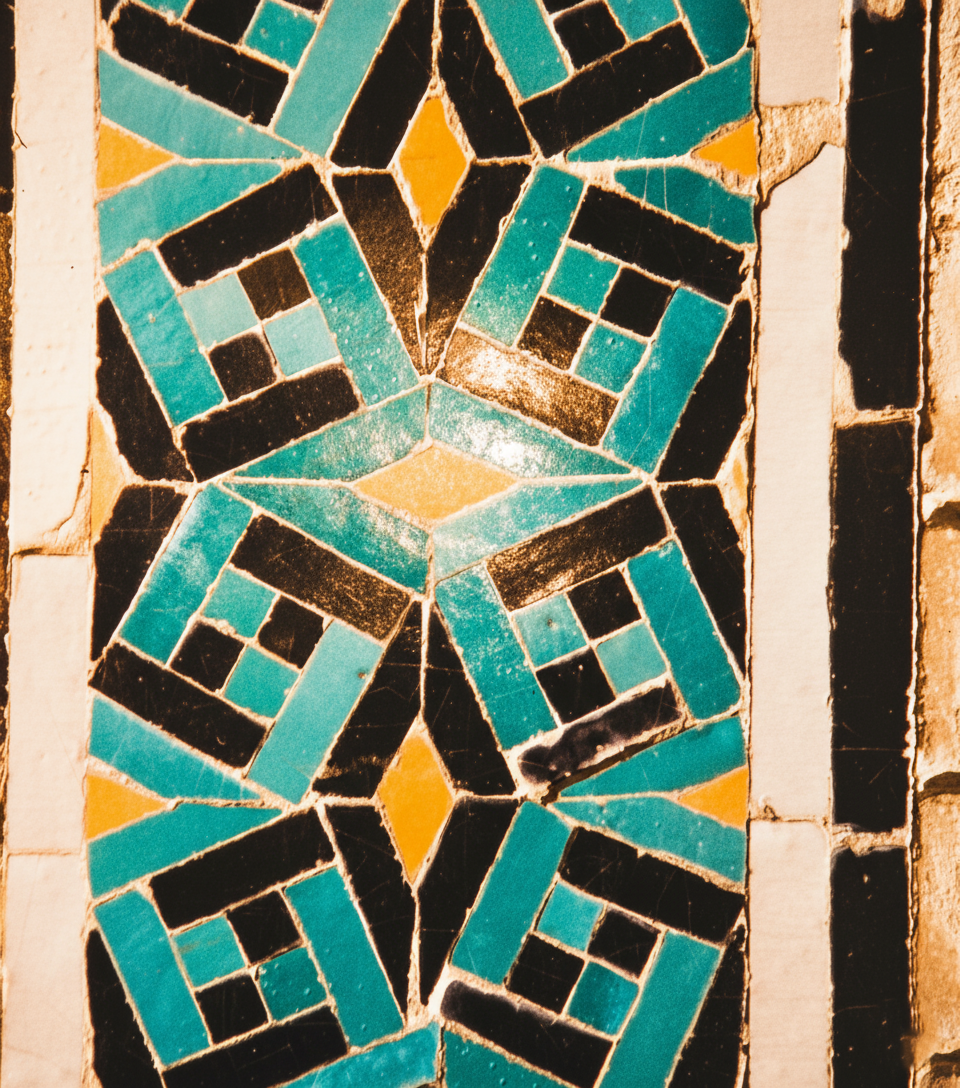
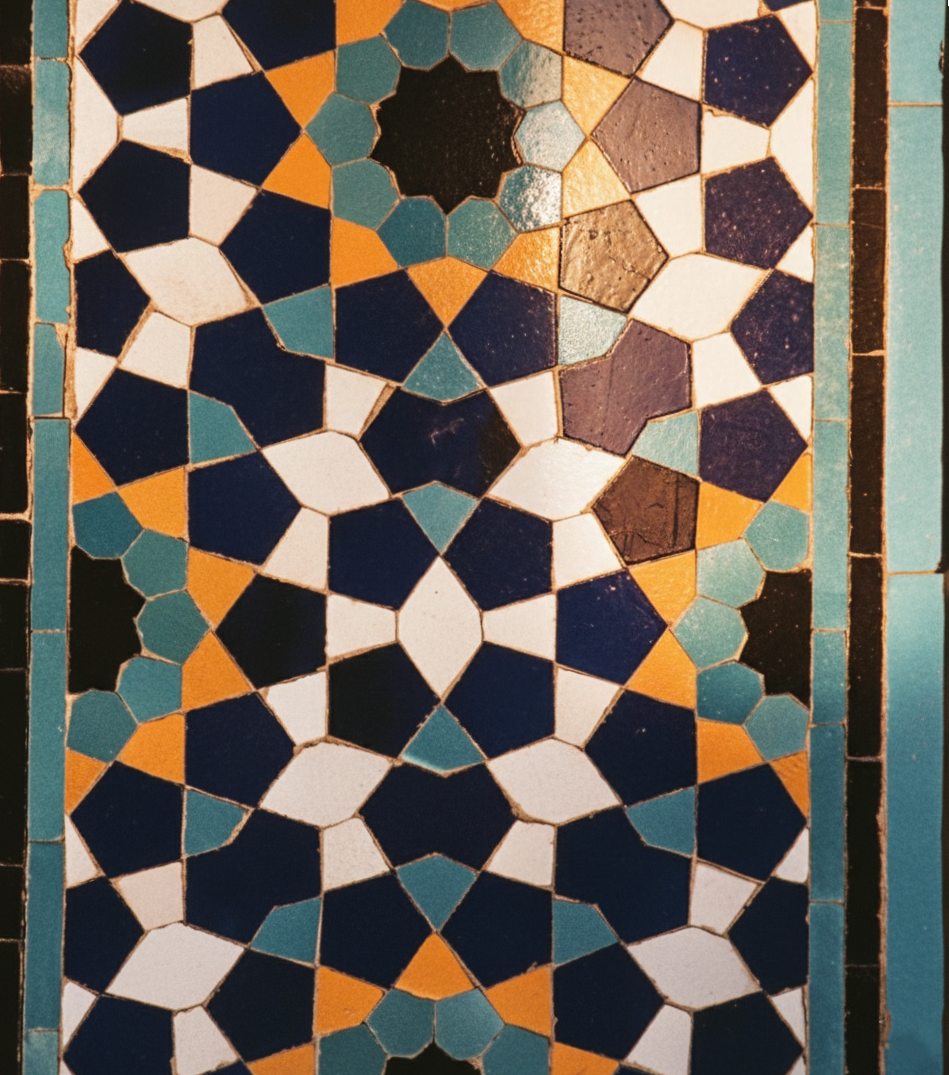
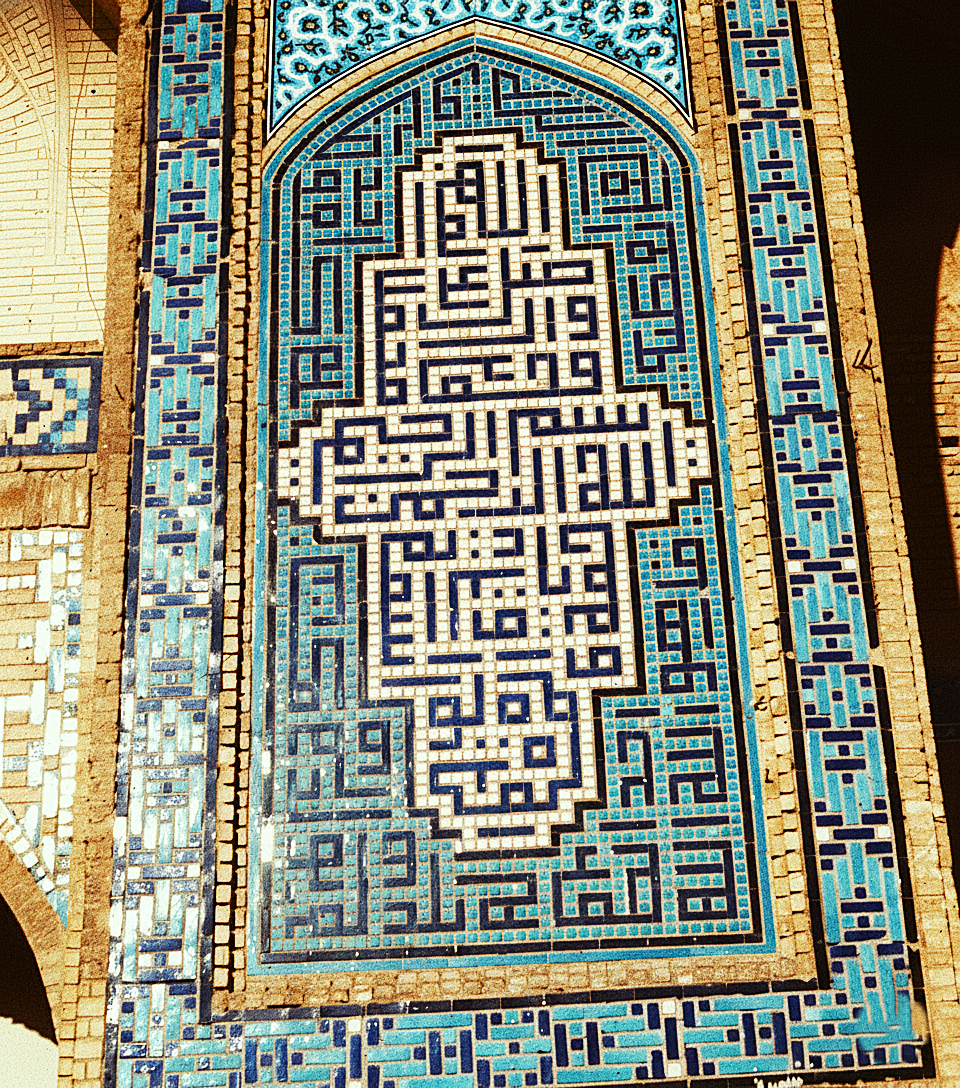
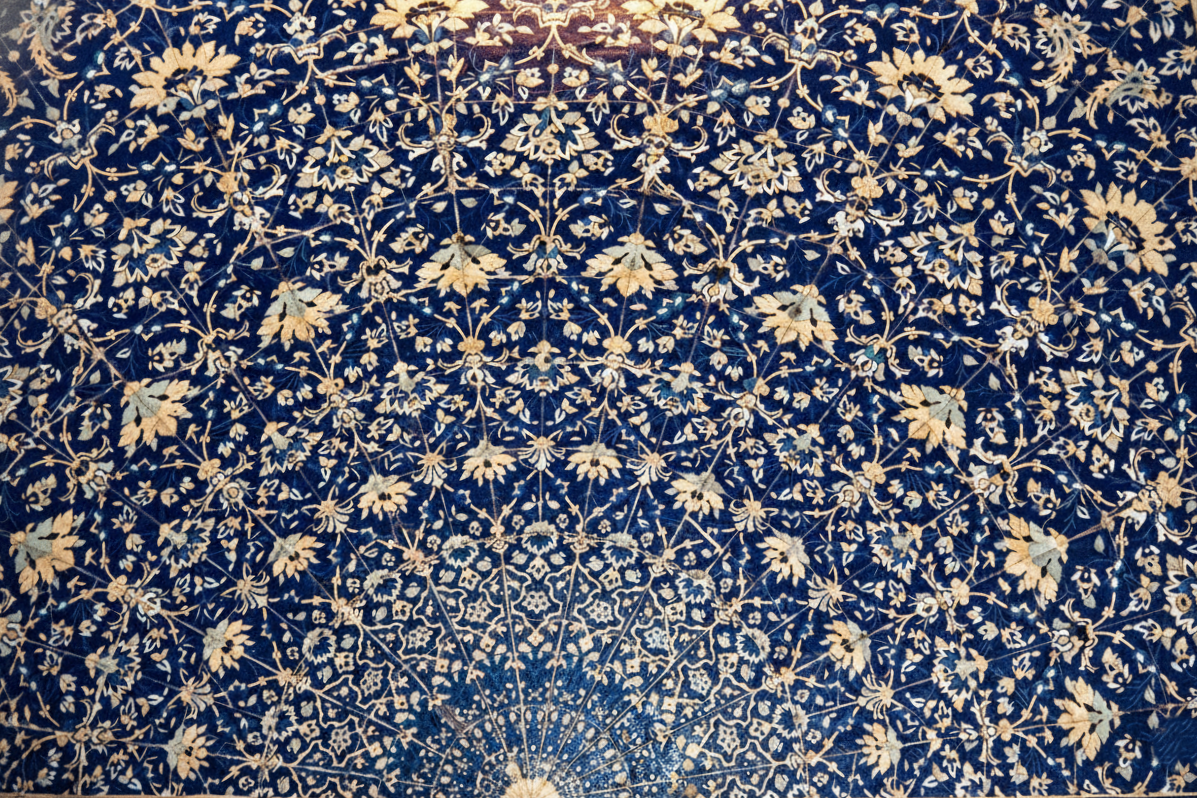
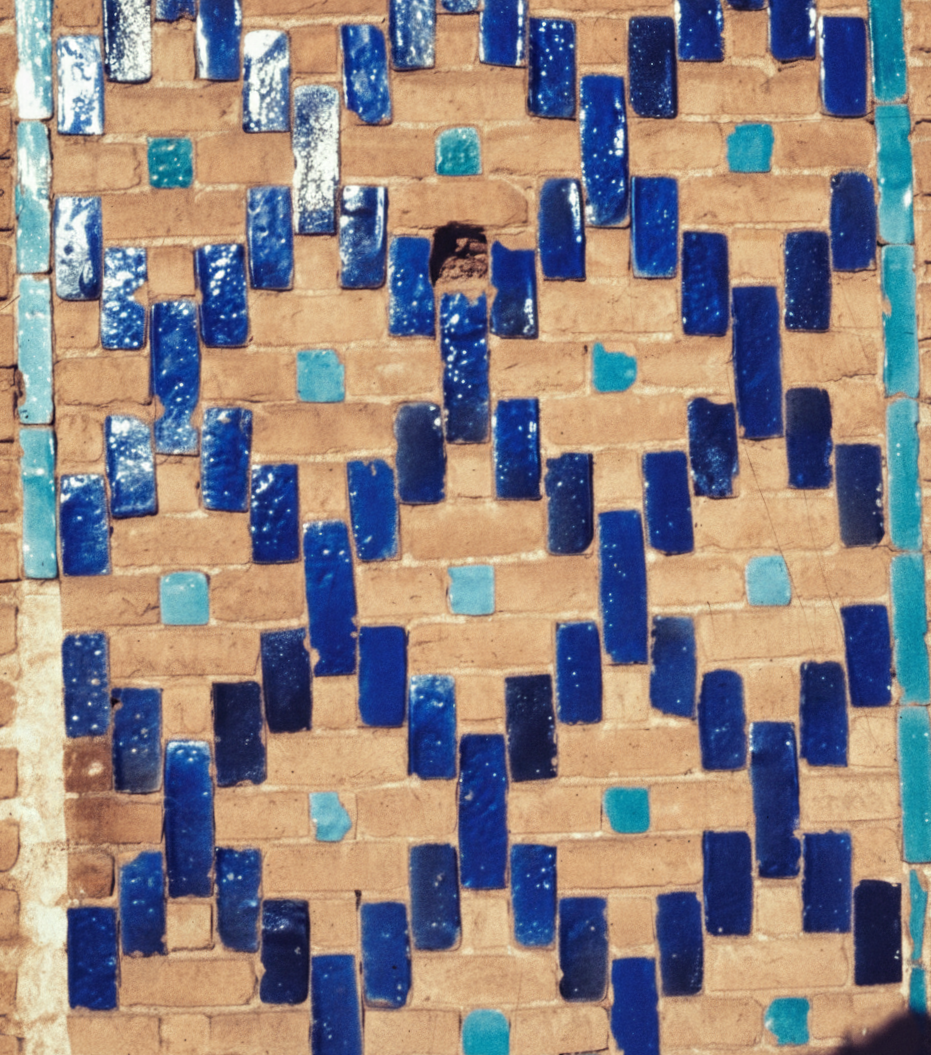
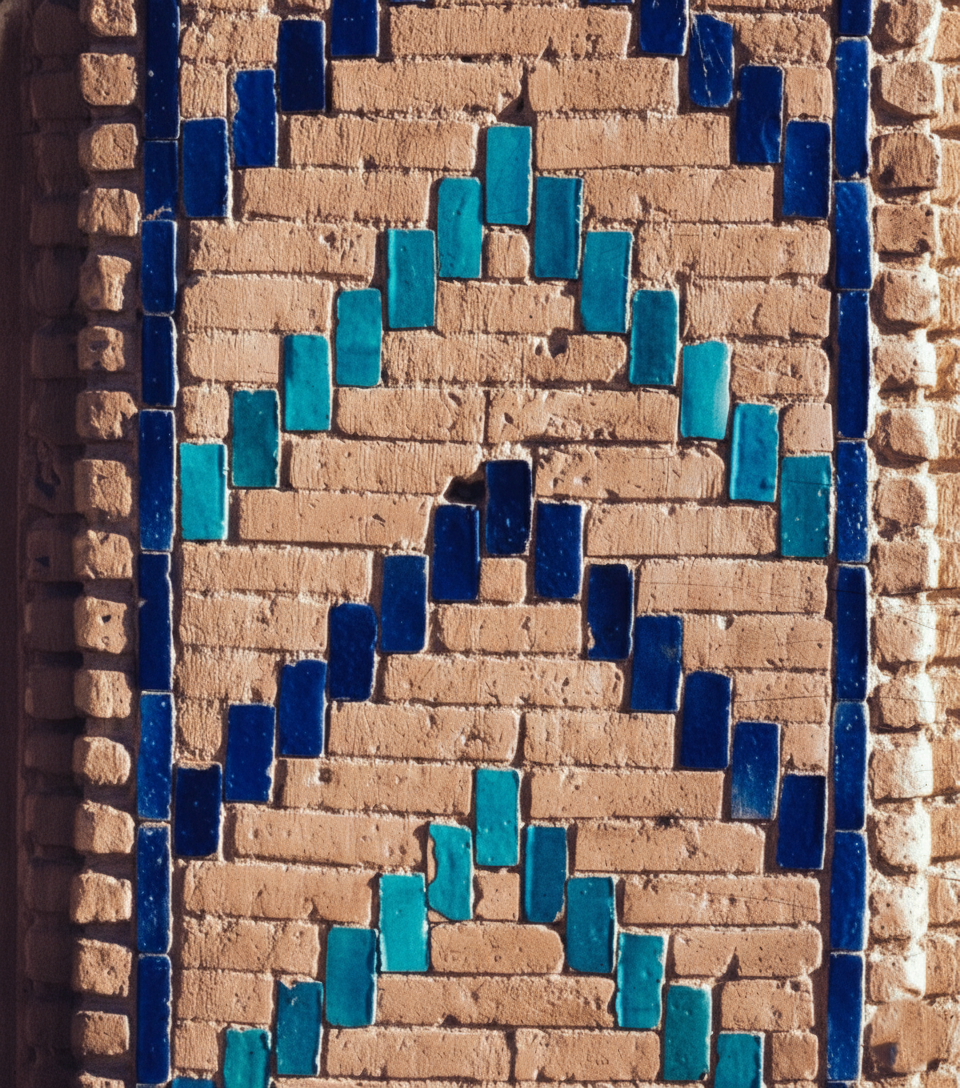
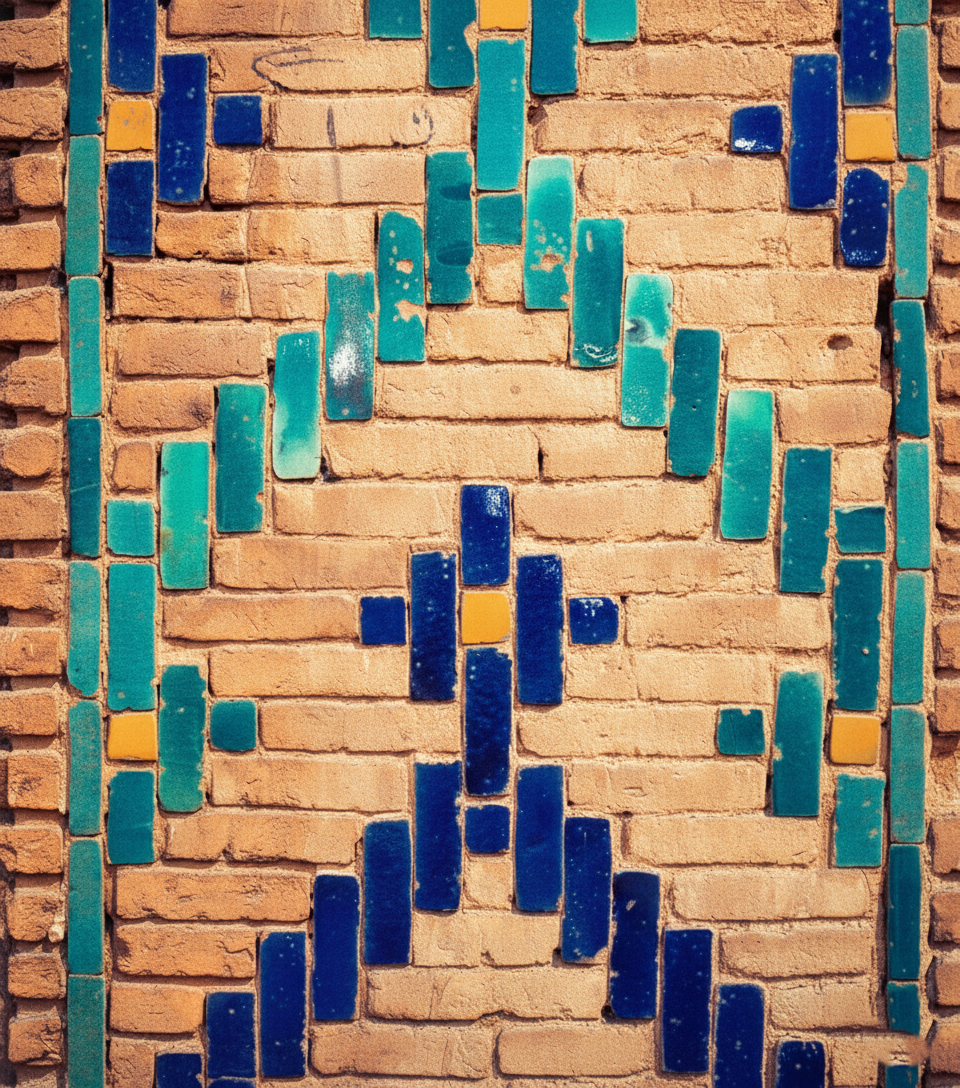
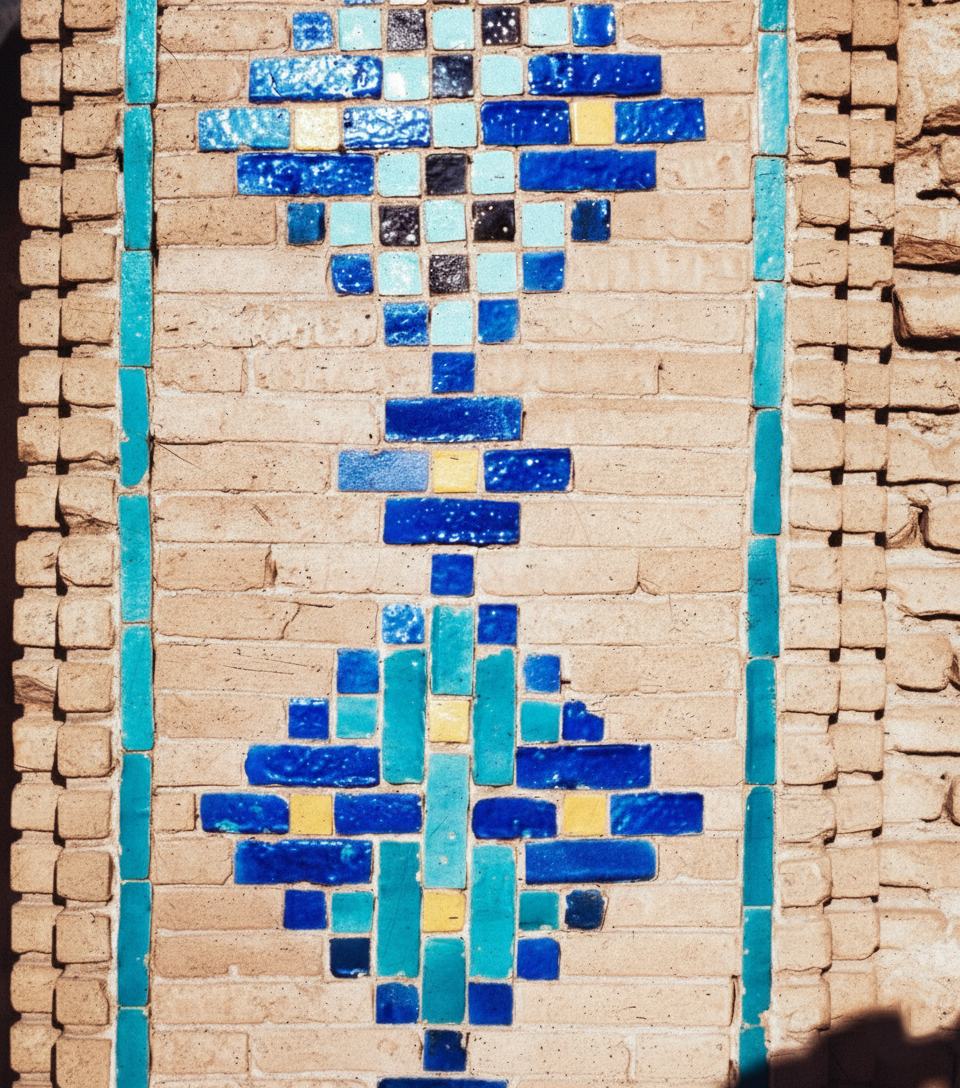
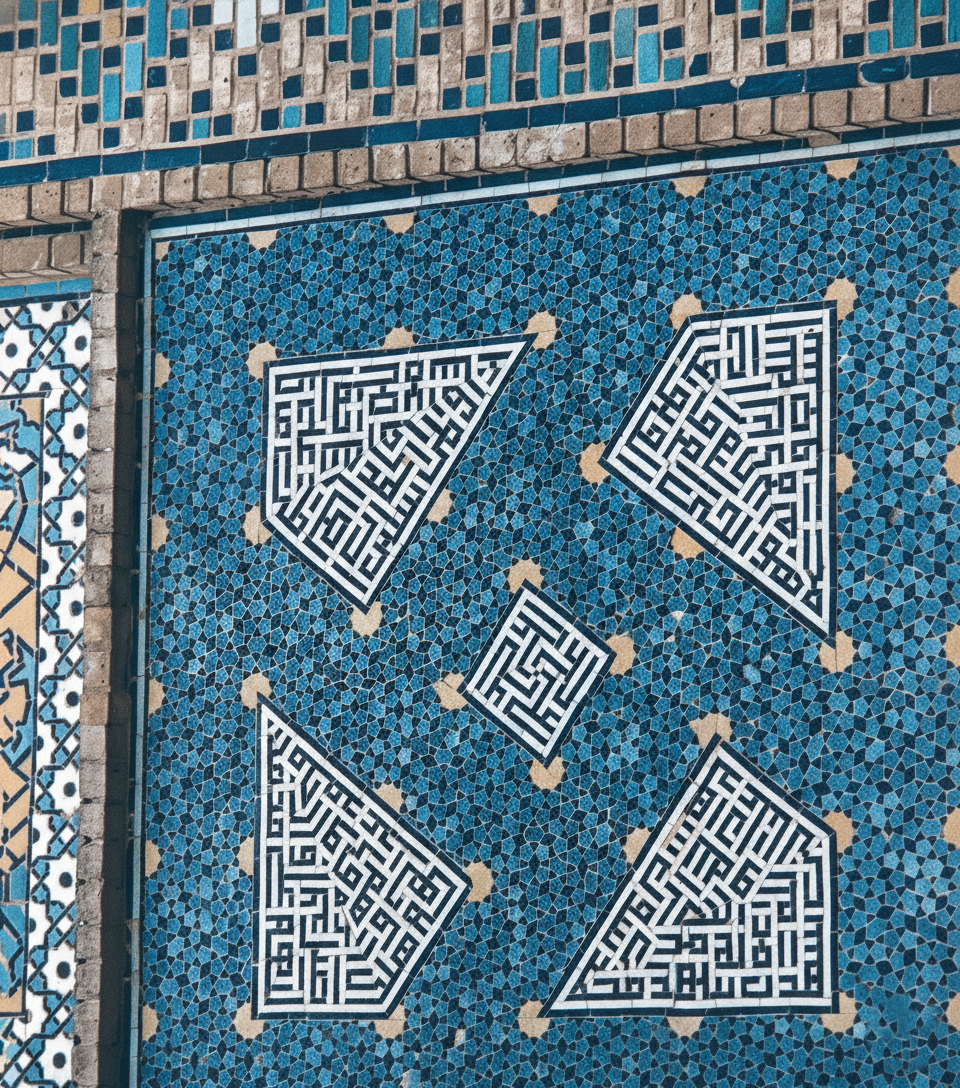
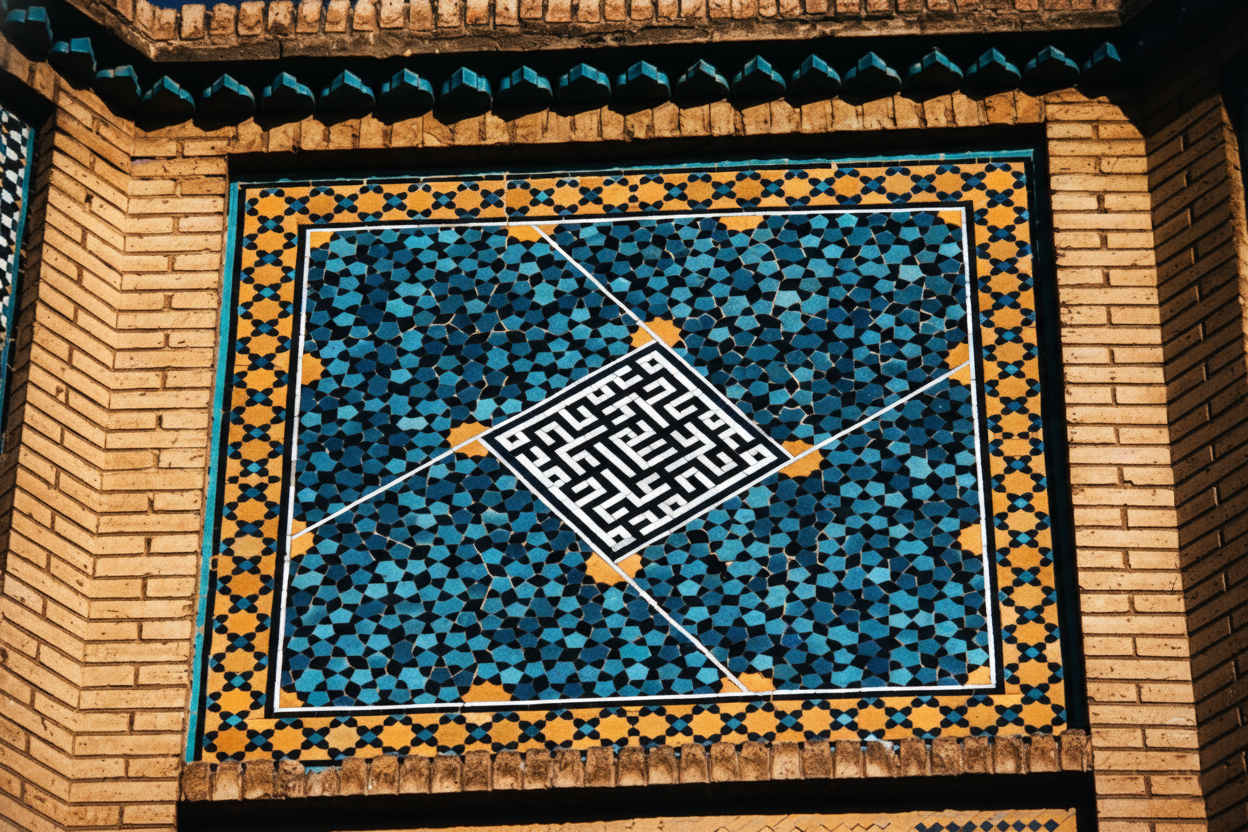
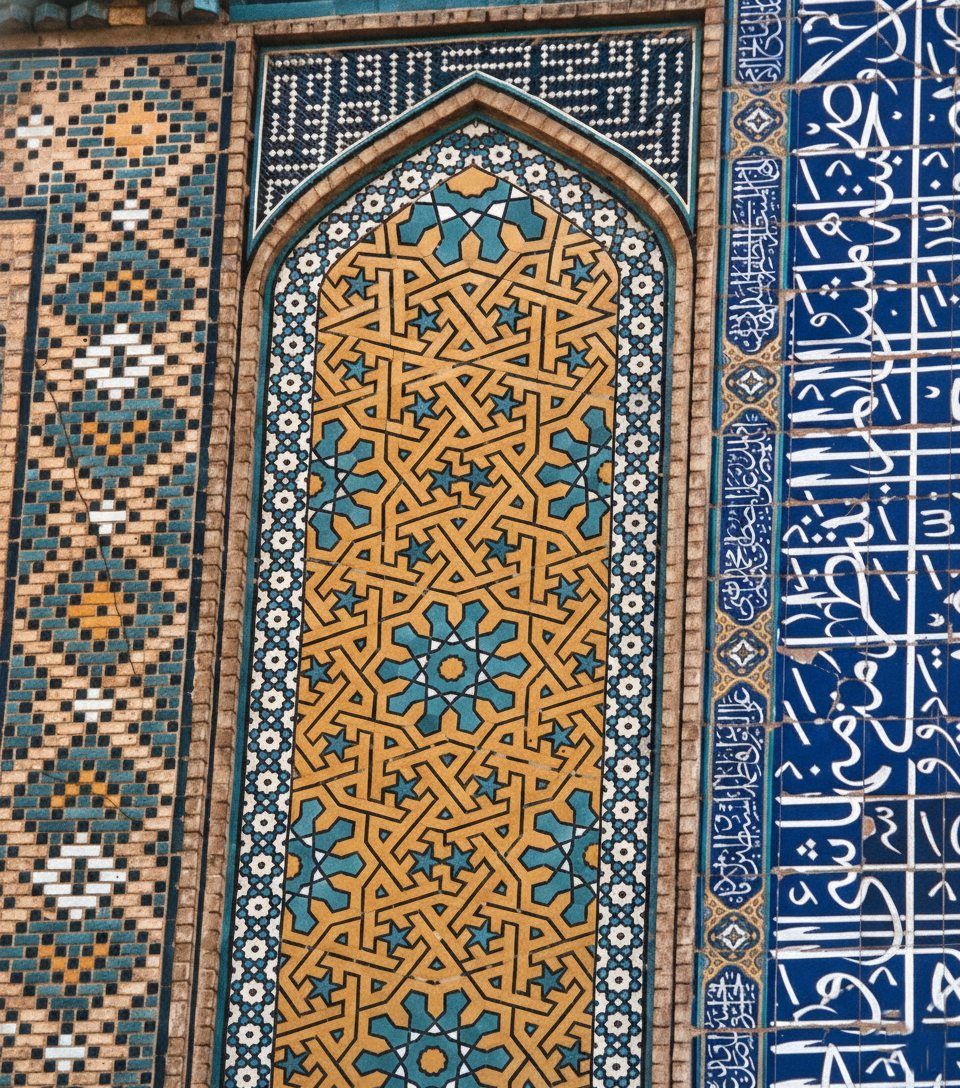
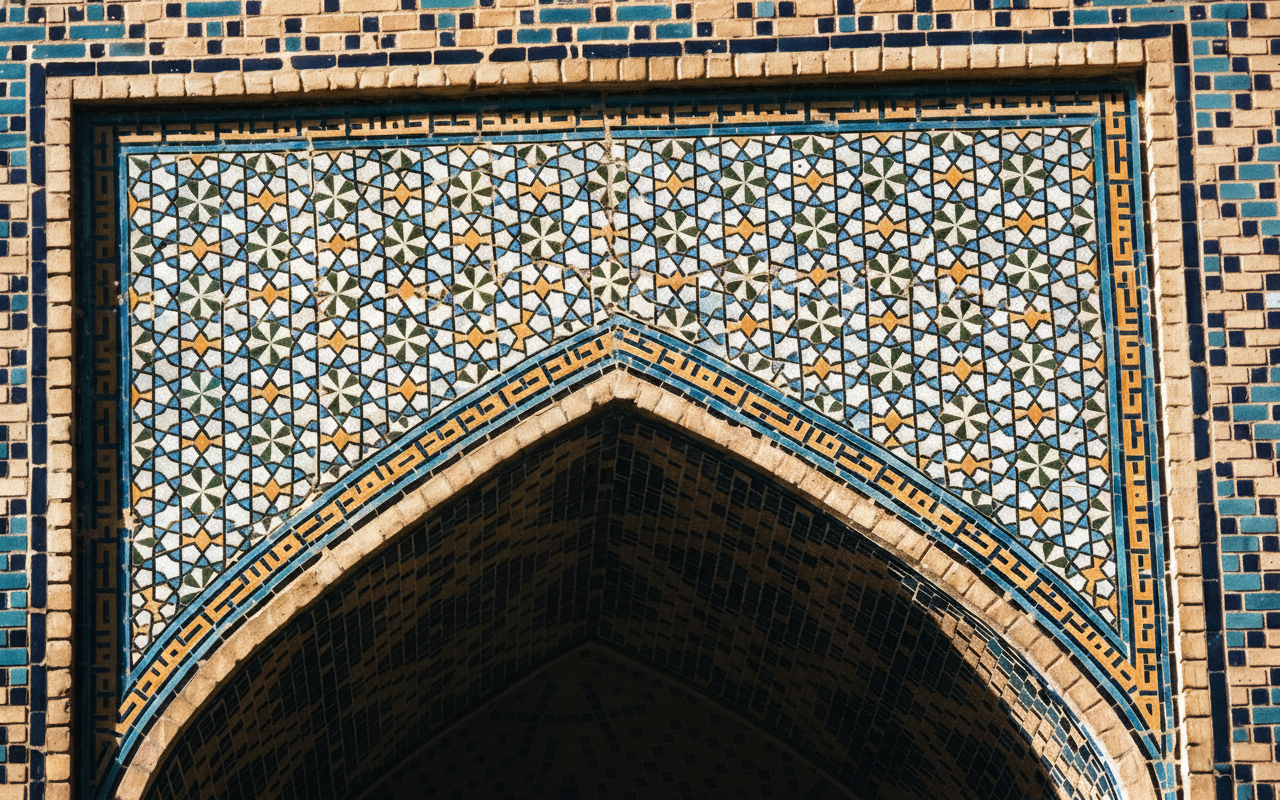
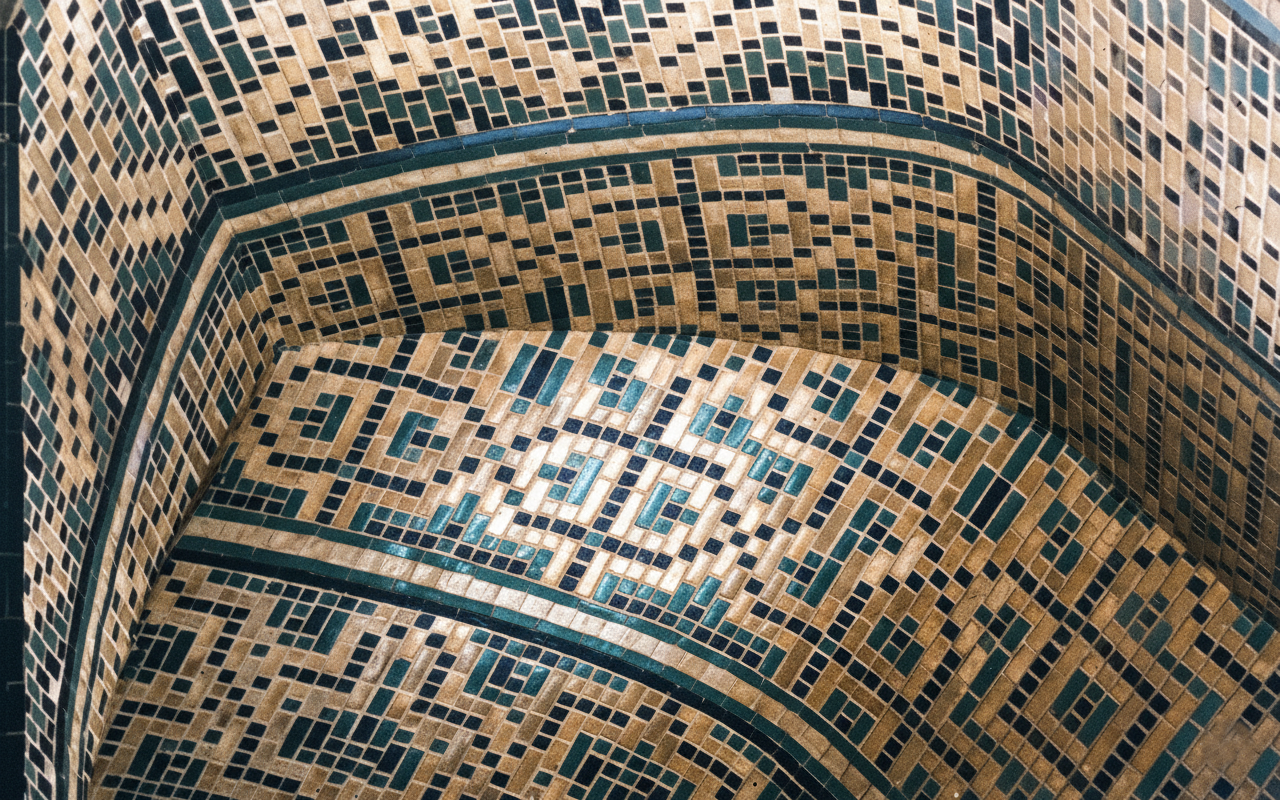
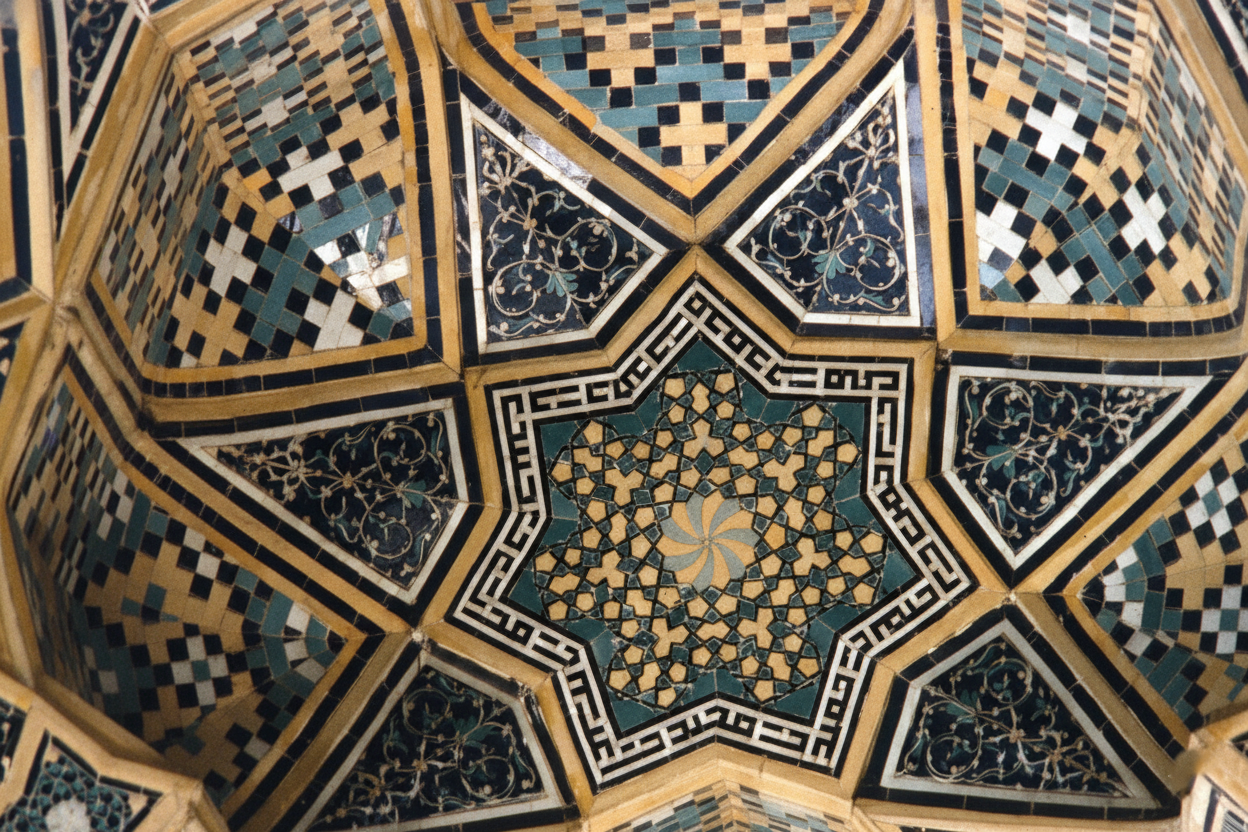
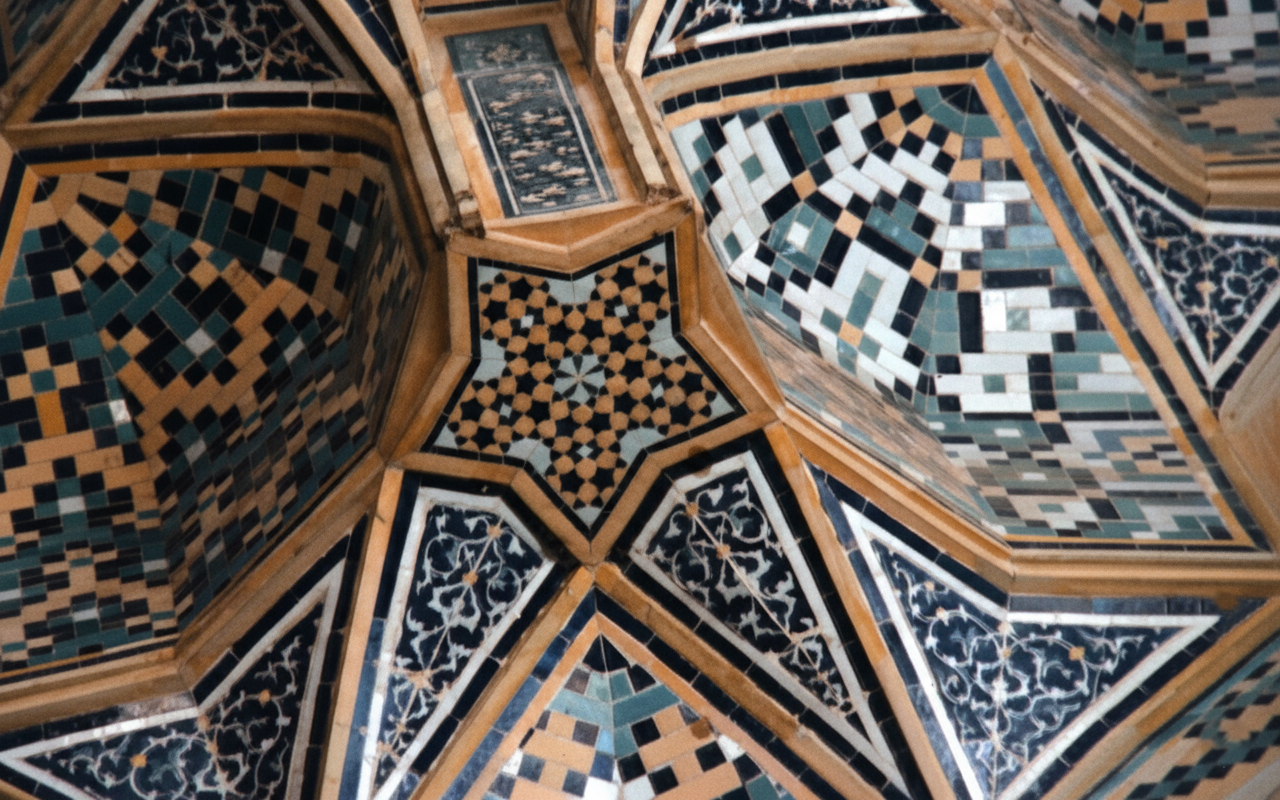
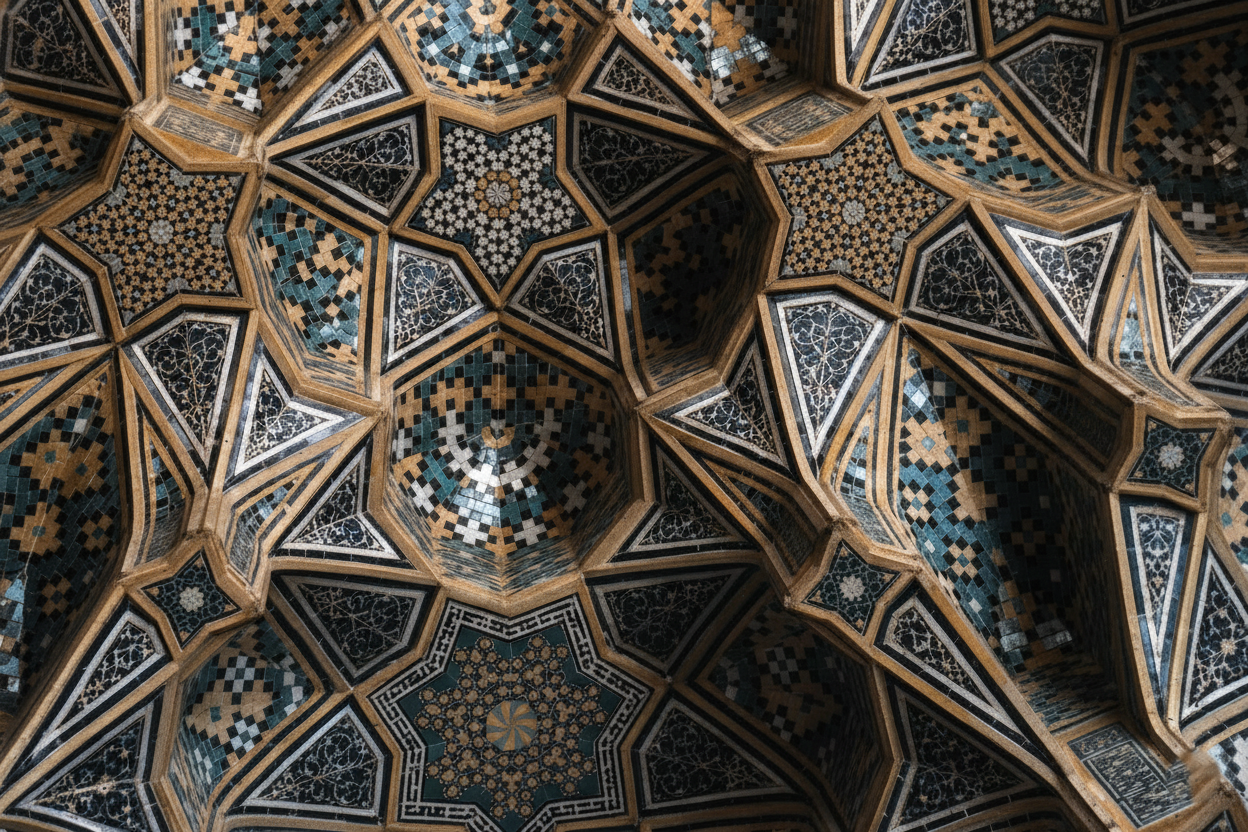
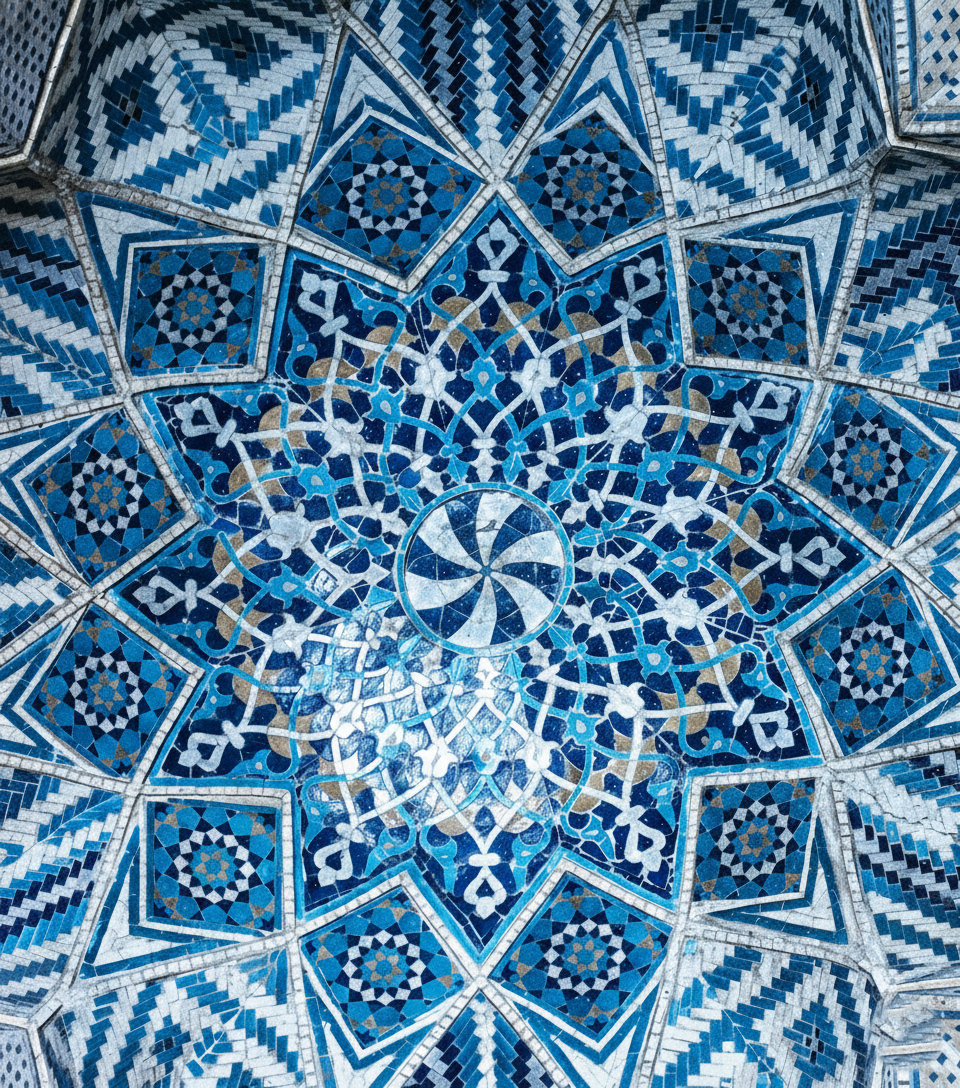
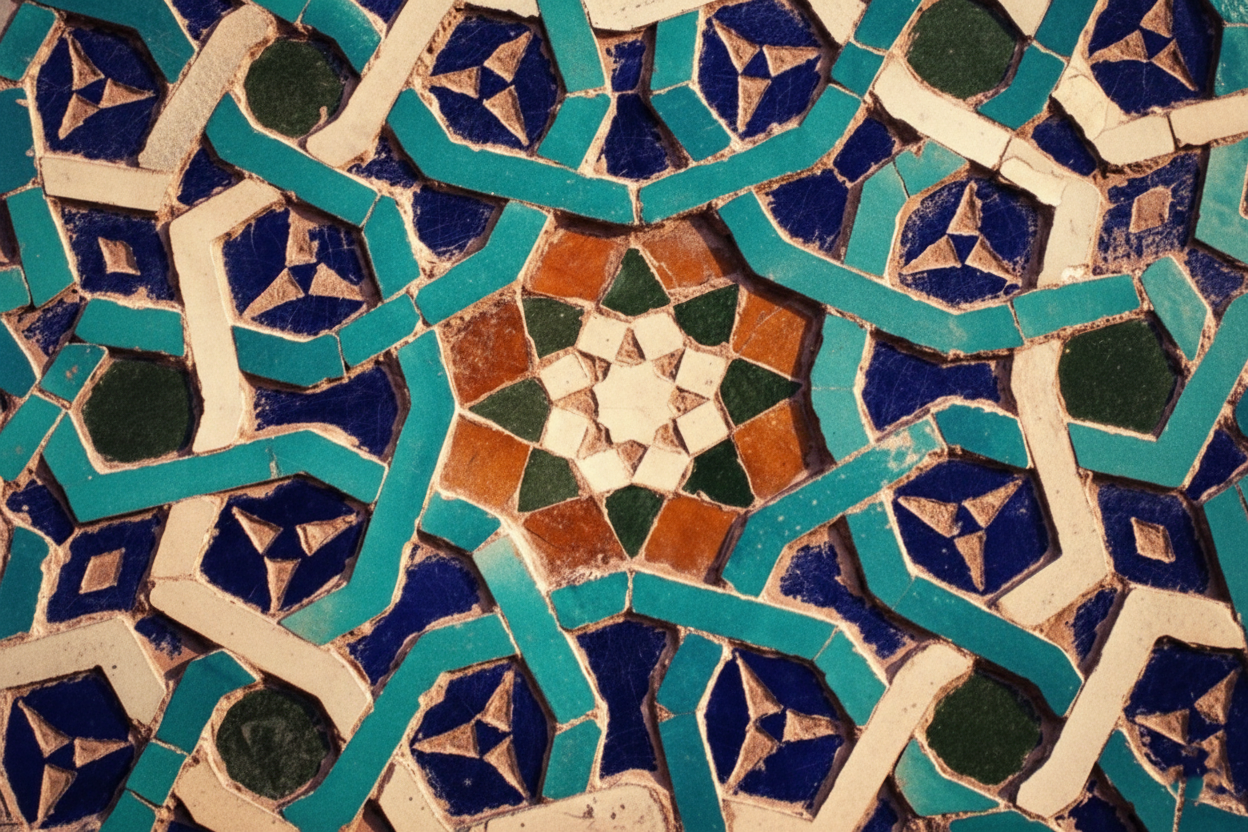
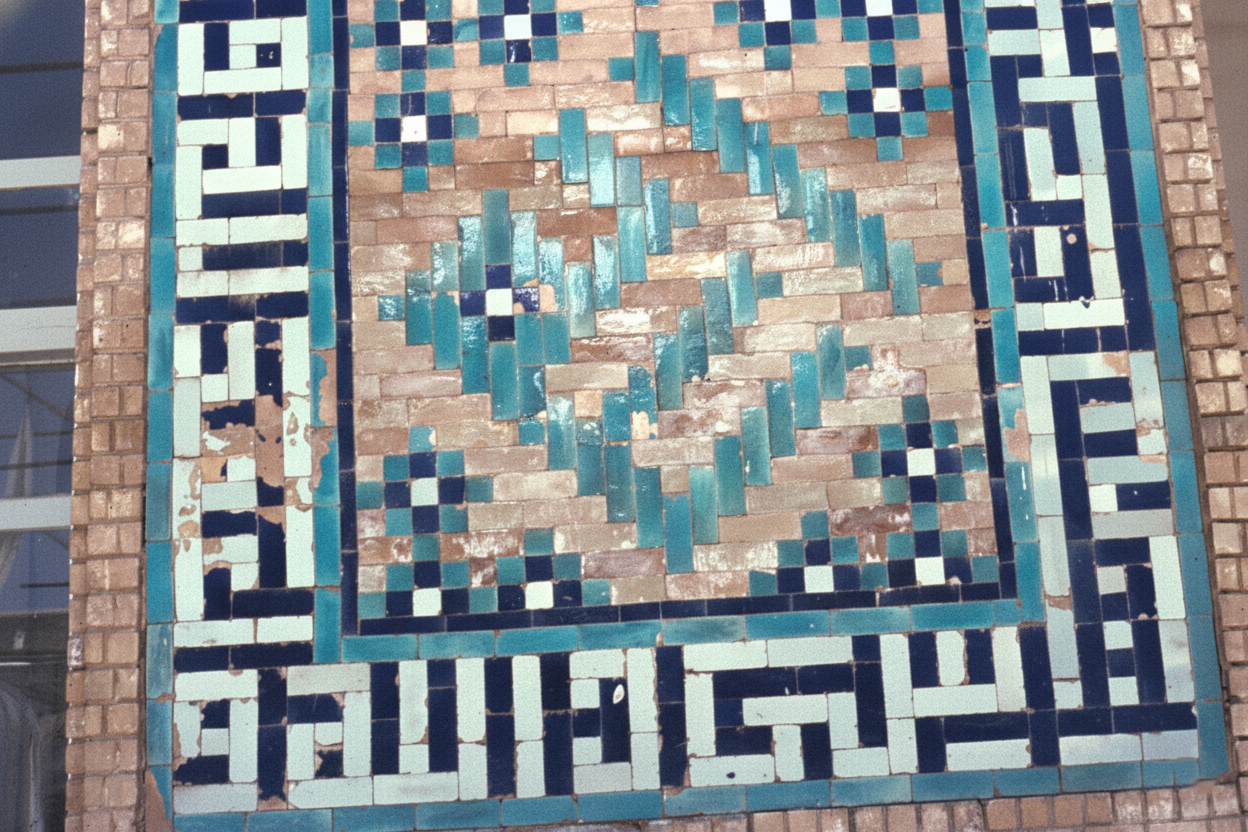
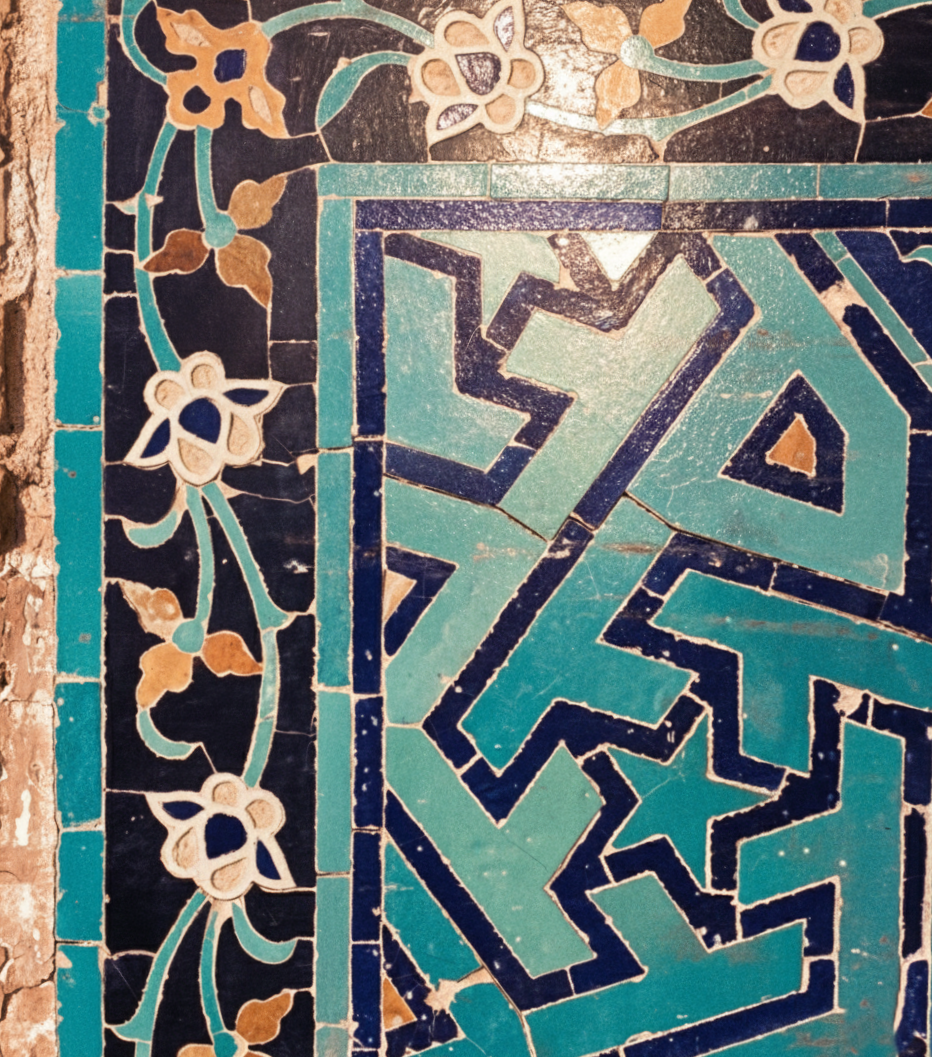
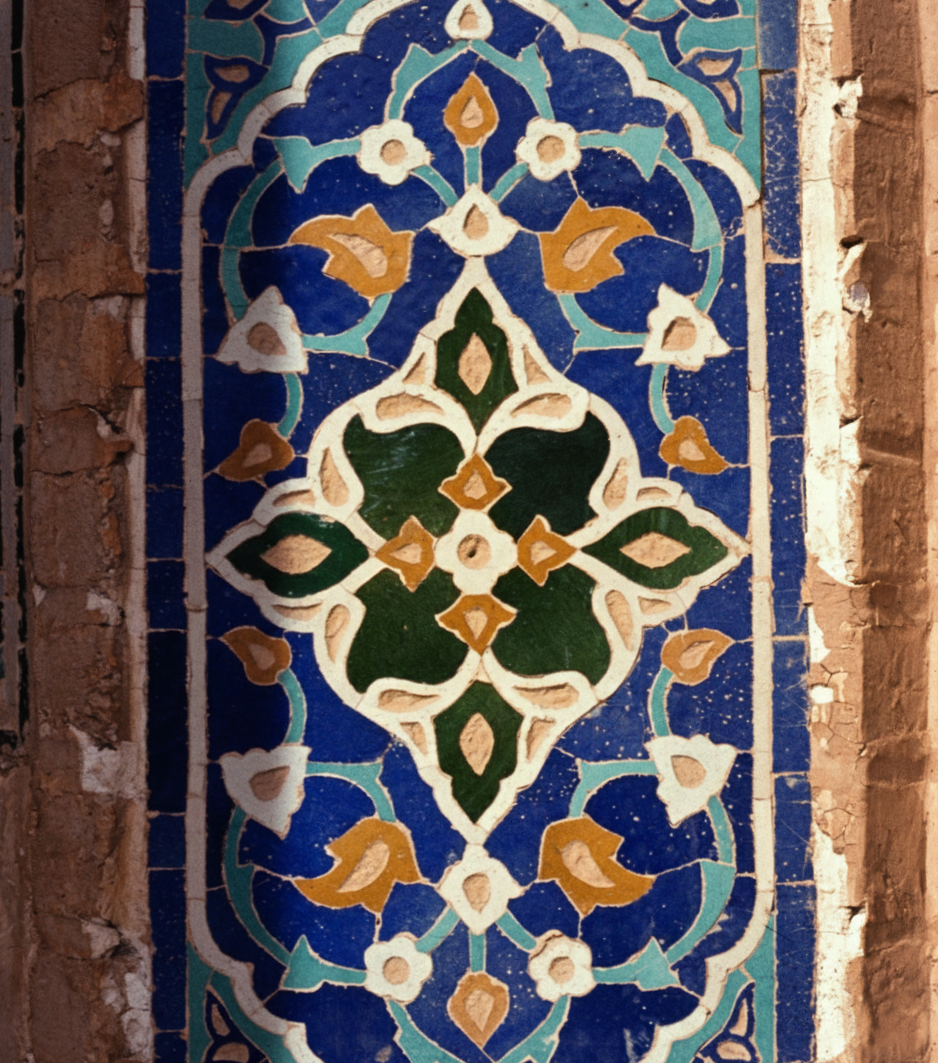
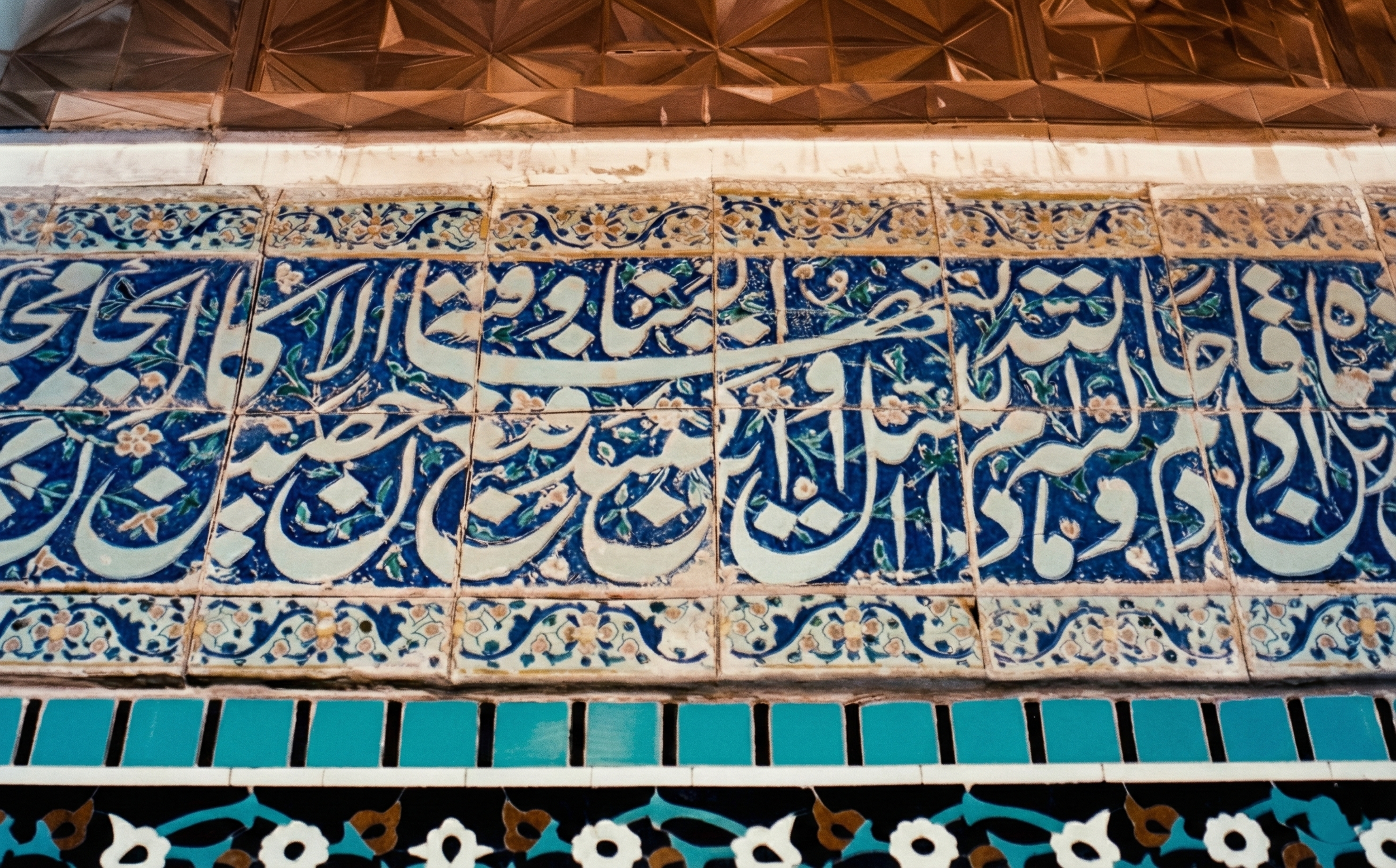
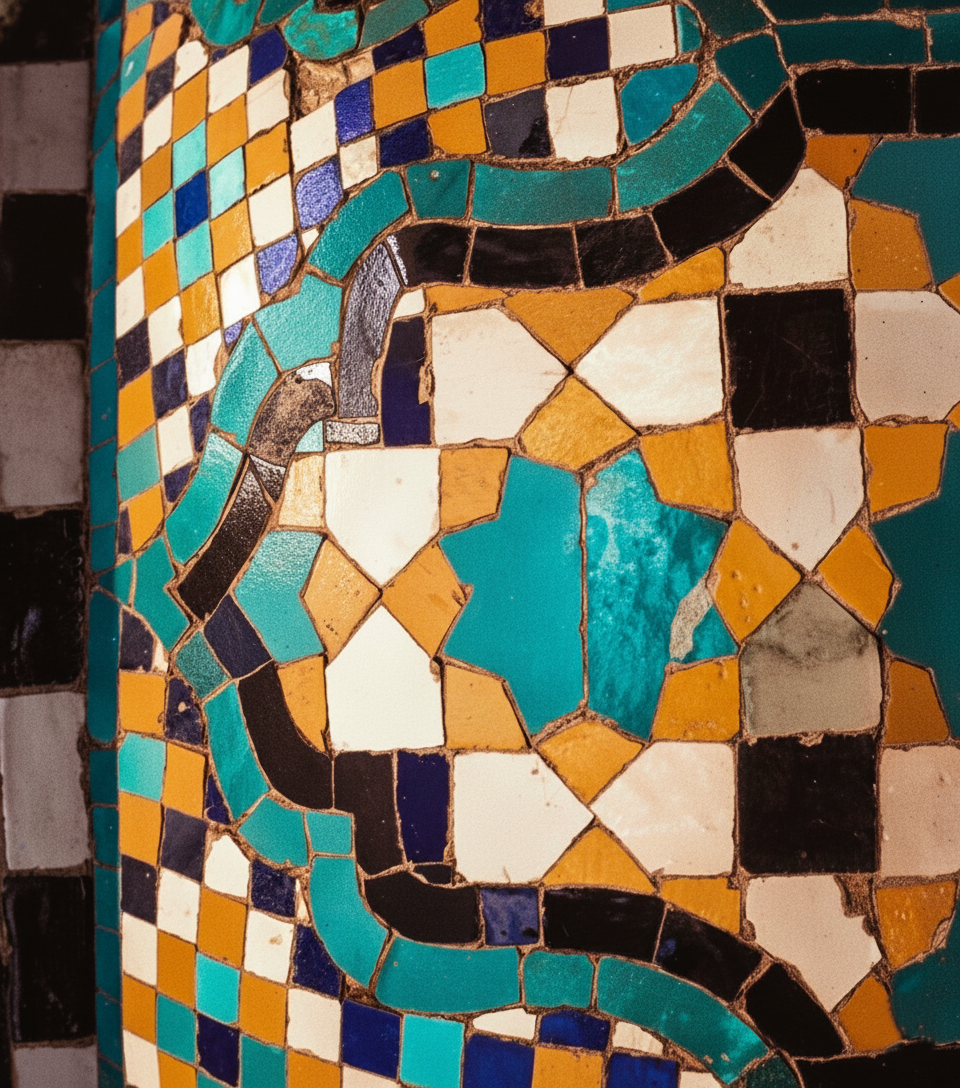
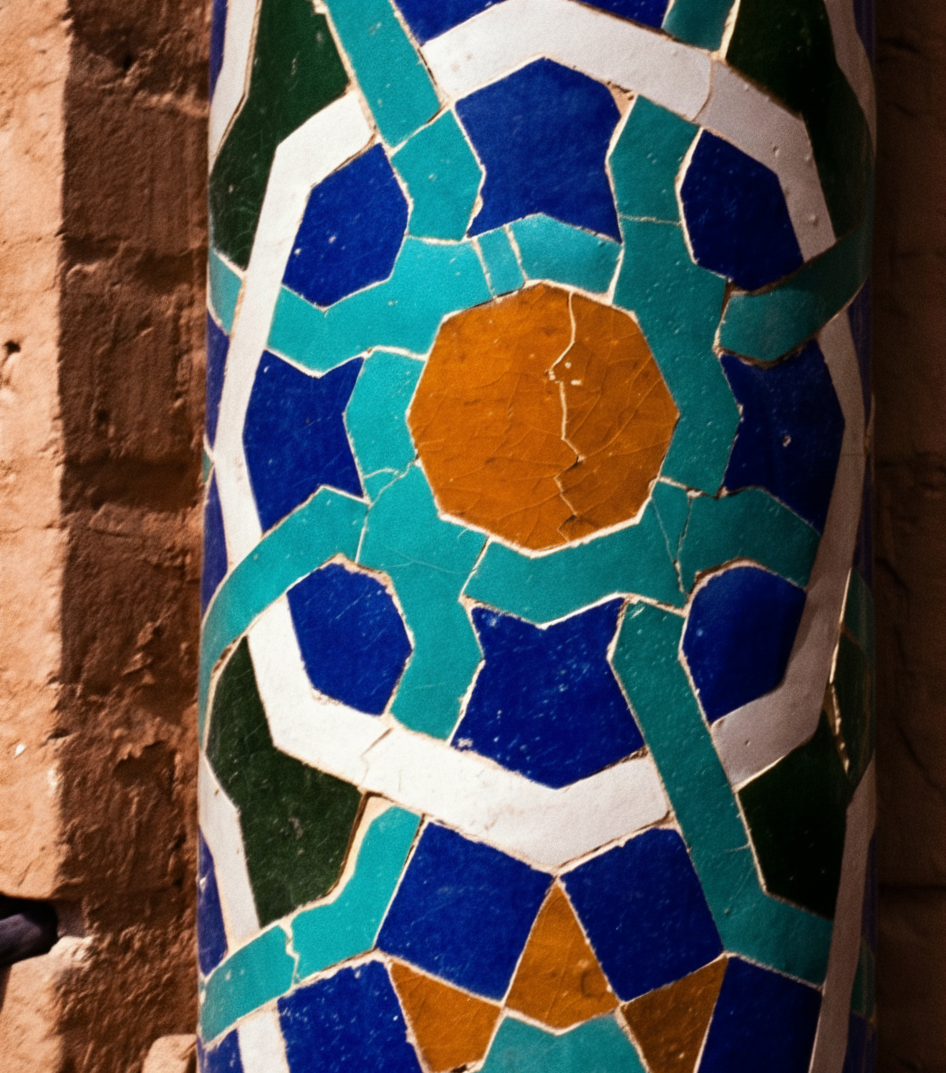
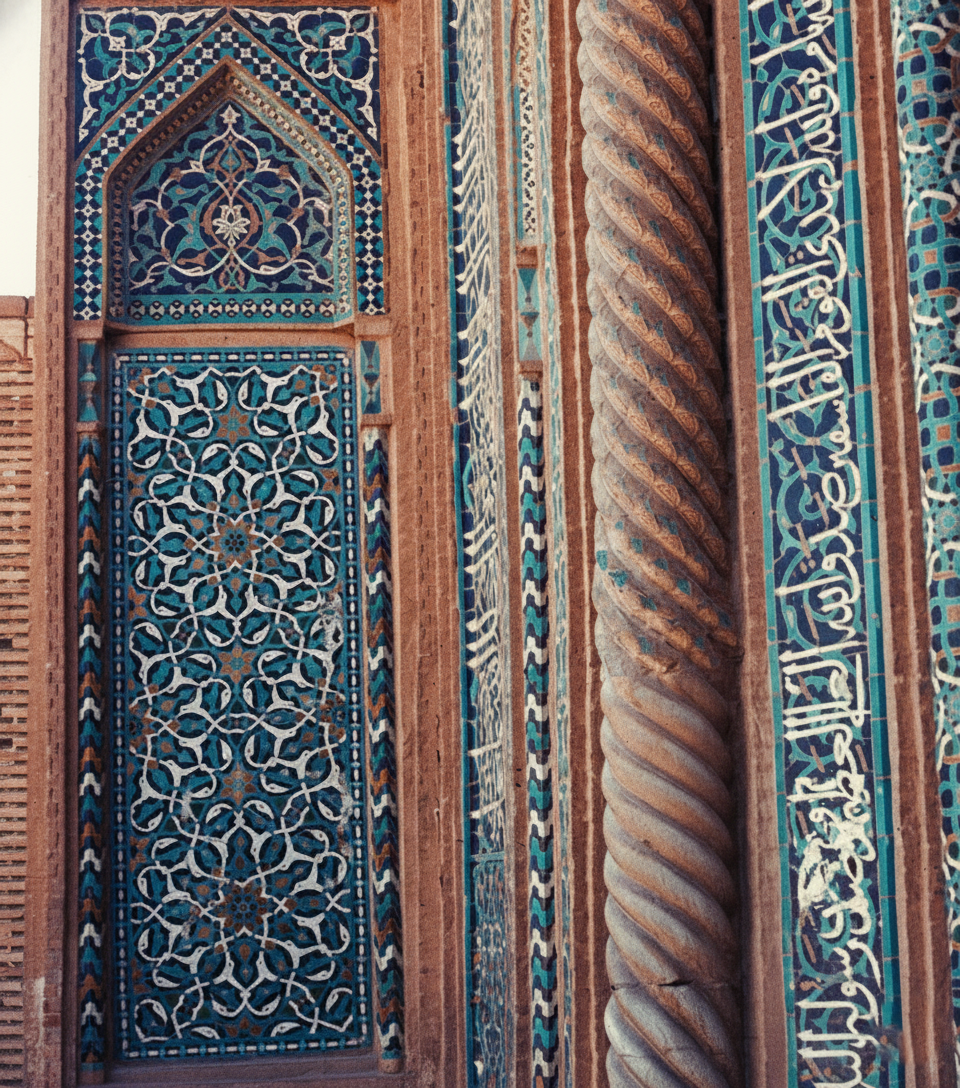
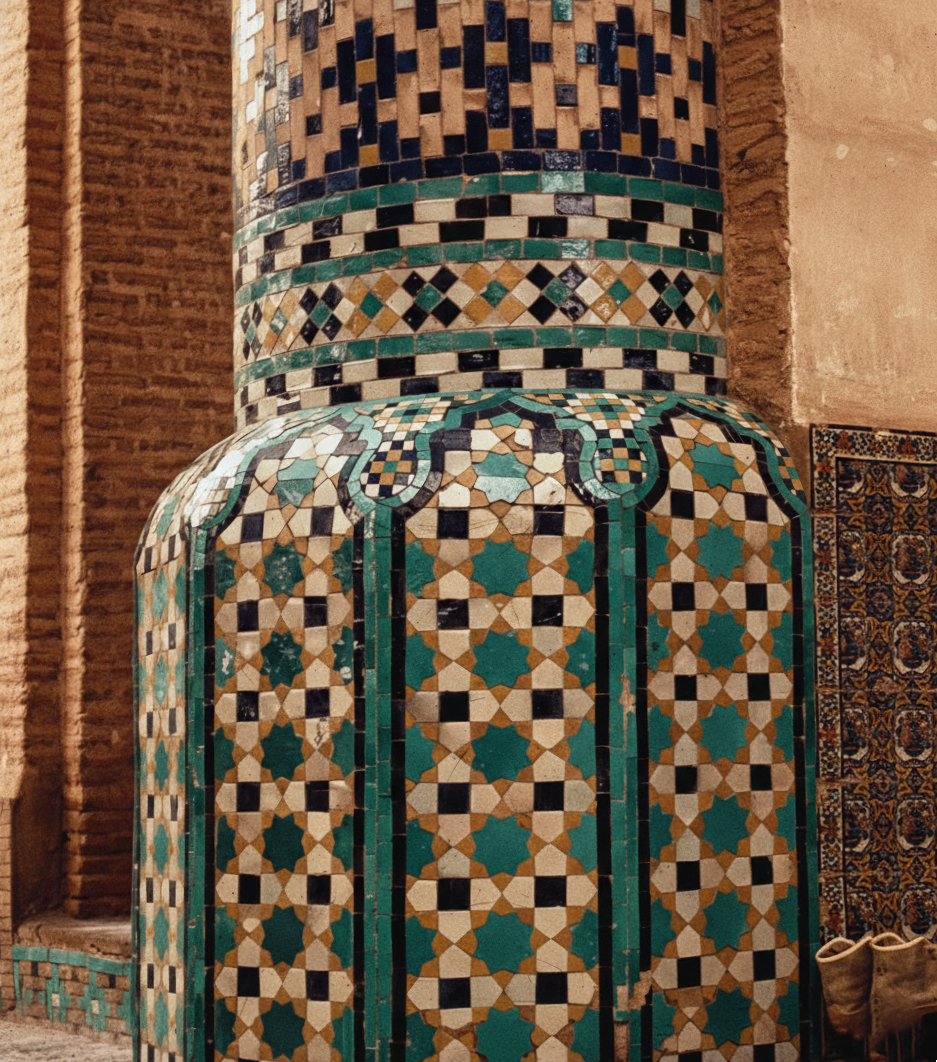
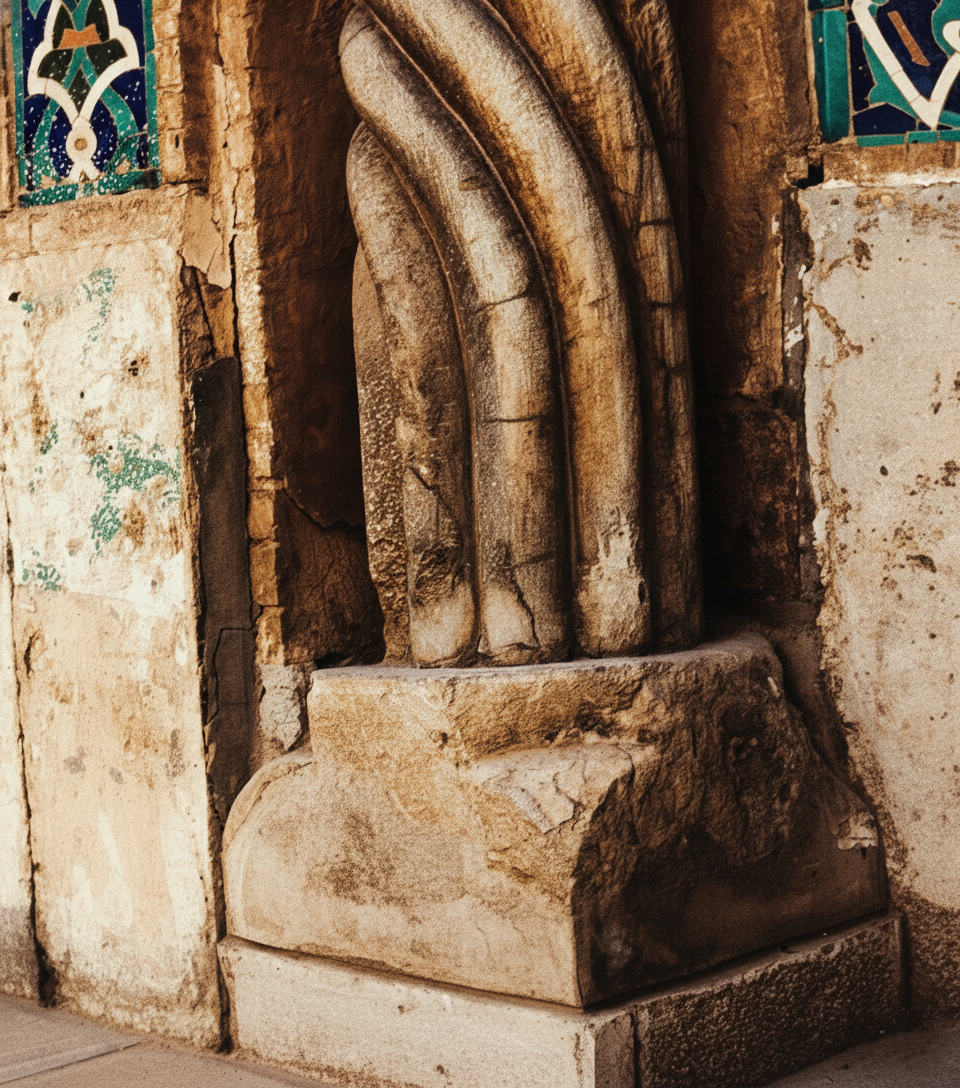
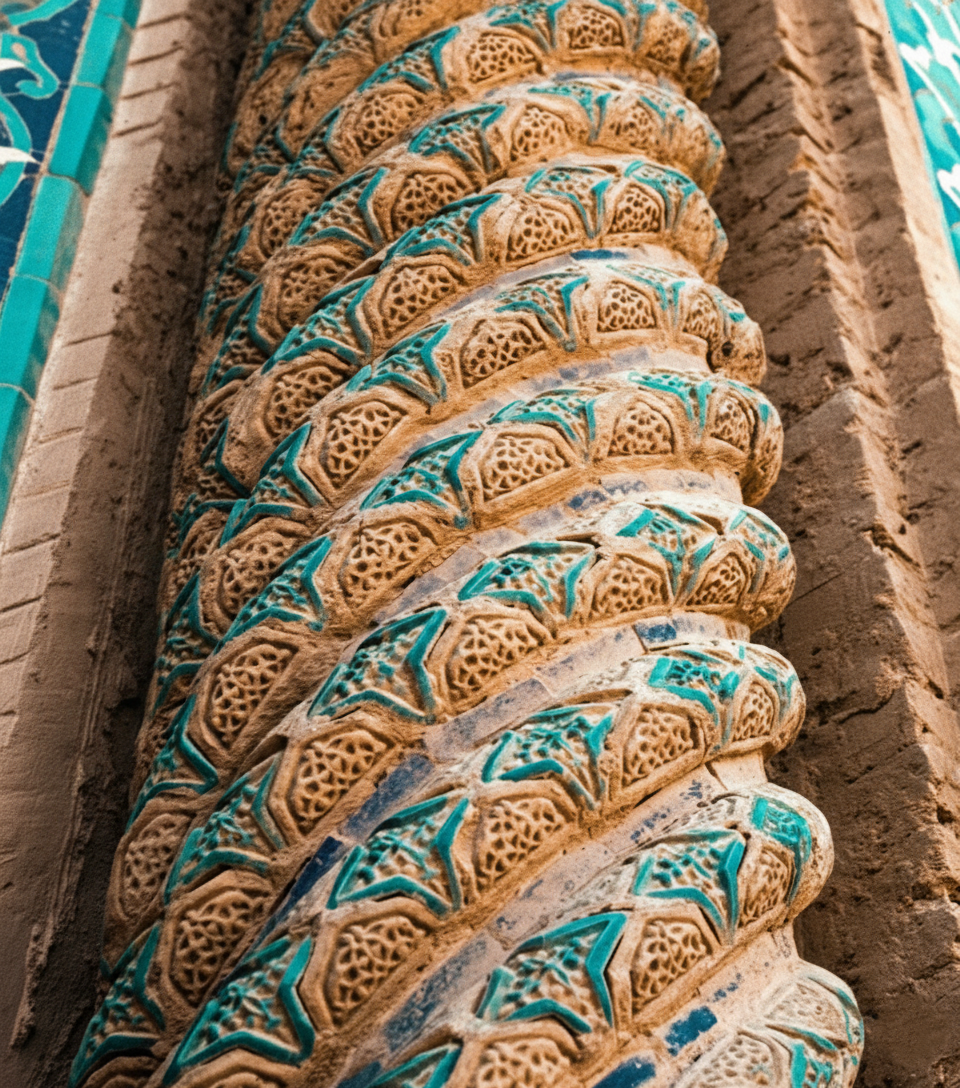
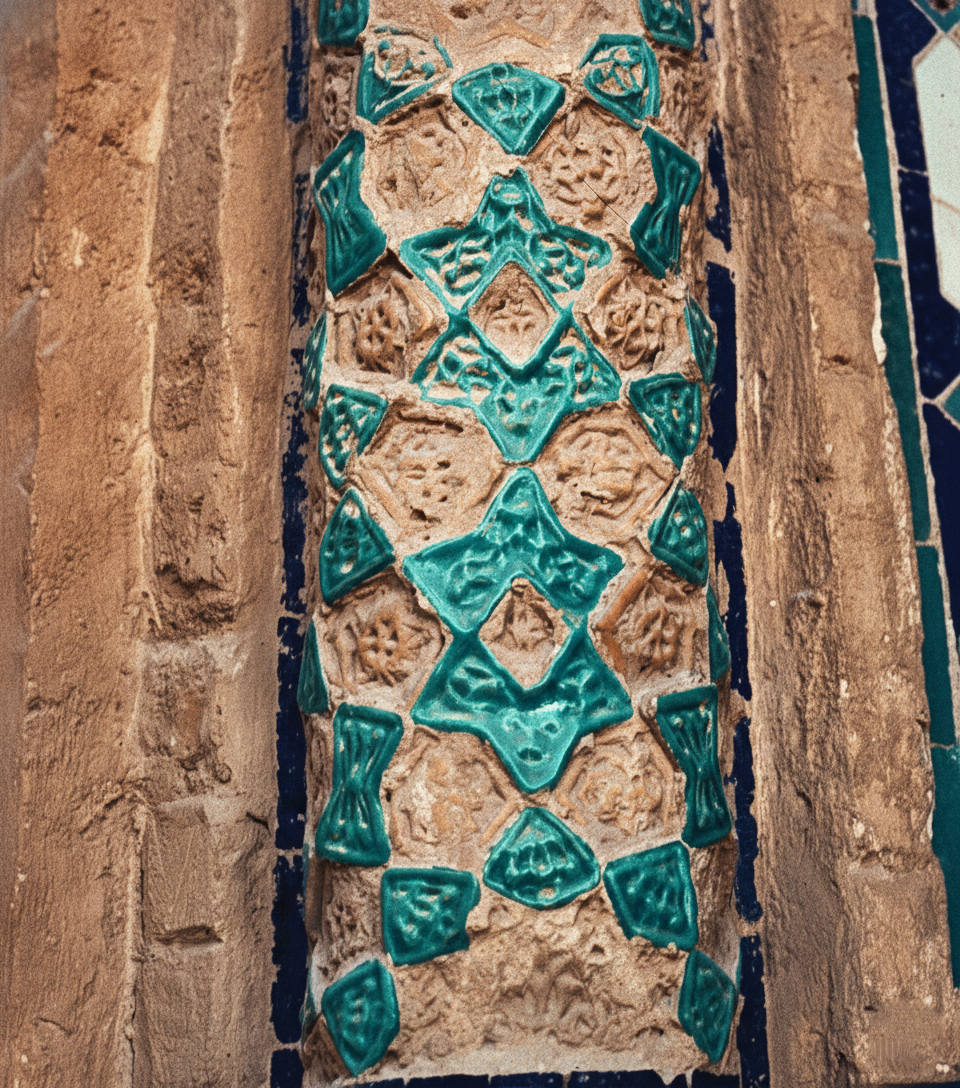
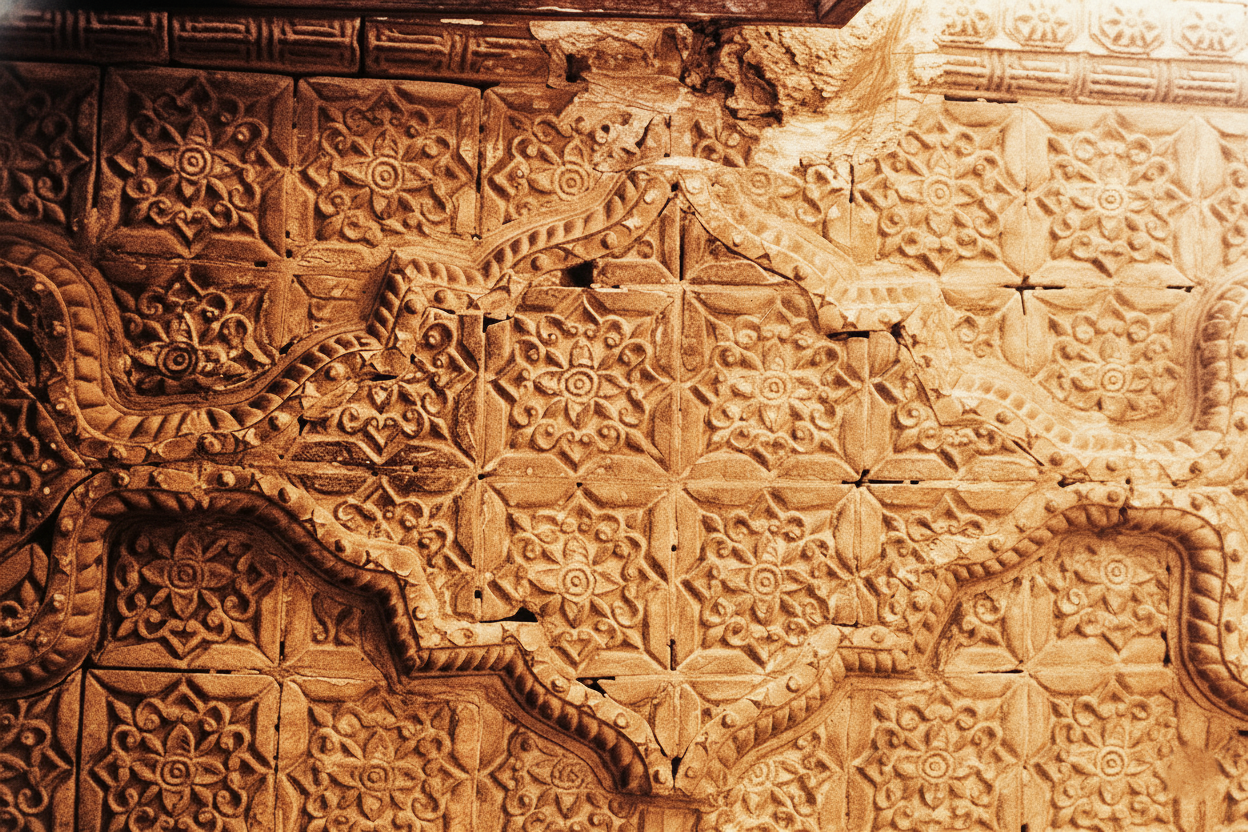
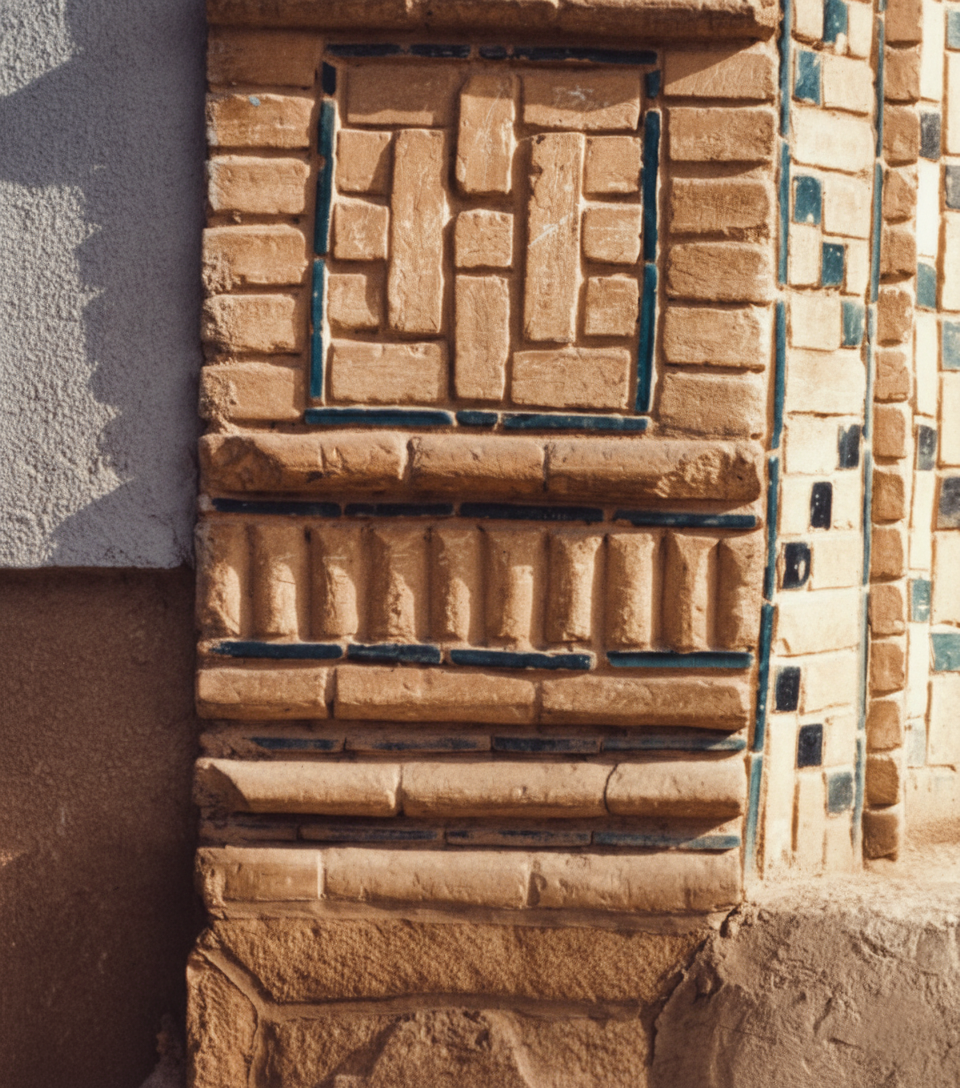
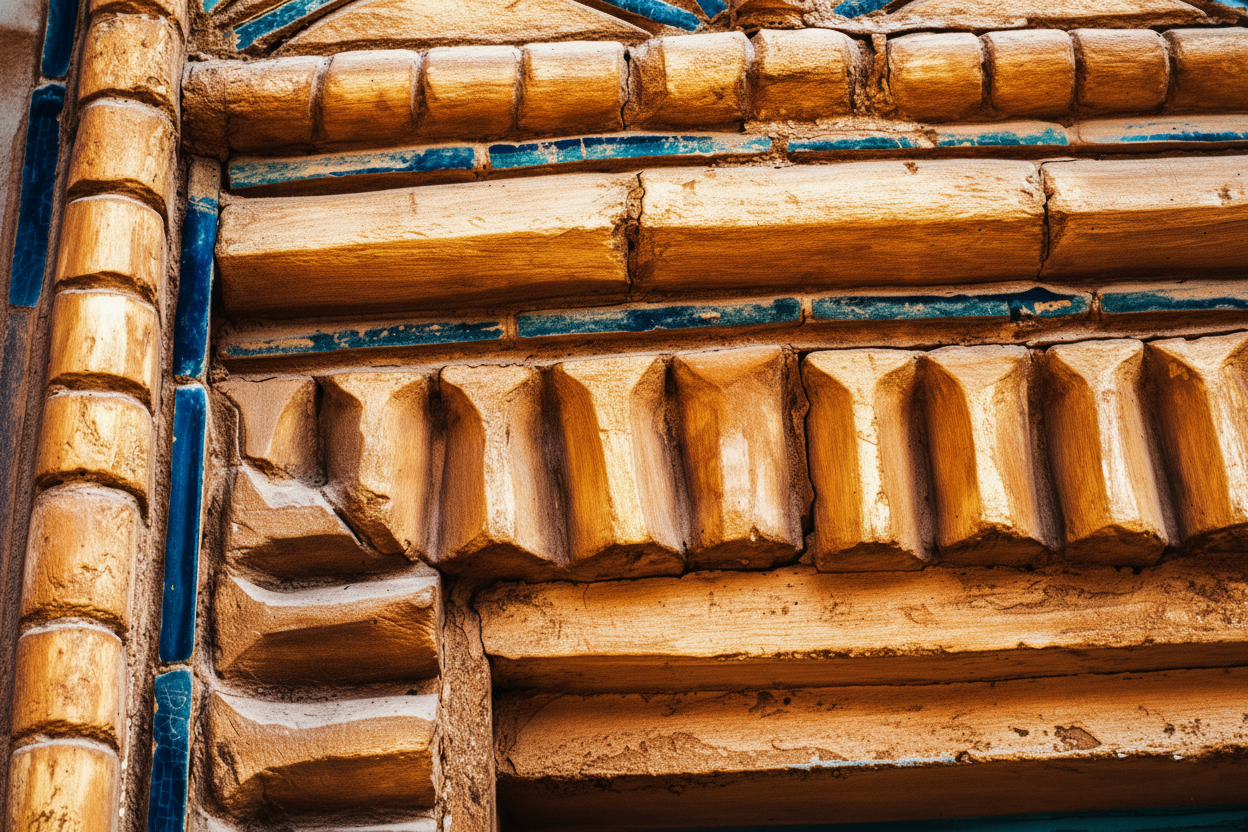
Tilework in Kerman (کرمان) architecture, especially during the Safavid (صفوی) and Qajar (قاجار) periods (16th–19th centuries), appears prominently in monuments like the Ganj Ali Khan Complex (مجموعه گنجعلی خان). Using Haft Rang (هفت رنگ) techniques, artisans created vibrant geometric and floral tiles highlighting sardar (سردر) portals and domes, often combined with brick patterns such as Fakhr-o-Madin (فخر و مدین).
-
Tilework in Kerman’s historic architecture reflects a refined blend of craftsmanship and regional aesthetic developed especially during the Safavid and Qajar periods (16th–19th centuries). Buildings such as the Ganj Ali Khan Complex (مجموعه گنجعلی خان) and local mosques display intricate glazed tiles featuring geometric patterns, floral arabesques, and calligraphic bands. Techniques such as Haft Rang (هفت رنگ) allowed artisans to apply multiple colors—turquoise, cobalt blue, yellow, and white—on a single tile surface, creating vibrant decorative panels that contrasted beautifully with the earthy tones of brick and adobe.
Beyond ornament, tilework played an important architectural role by highlighting structural elements such as sardar (سردر) entrance portals, domes, and interior niches. Combined with traditional brick patterns such as Fakhr-o-Madin (فخر و مدین), the tiles created rhythmic façades that balanced color and texture. This integration of glazed ornament and masonry gave Kerman’s buildings both visual richness and cultural identity while maintaining harmony with the desert environment.
