Yakhchal of Kerman (یخچال)
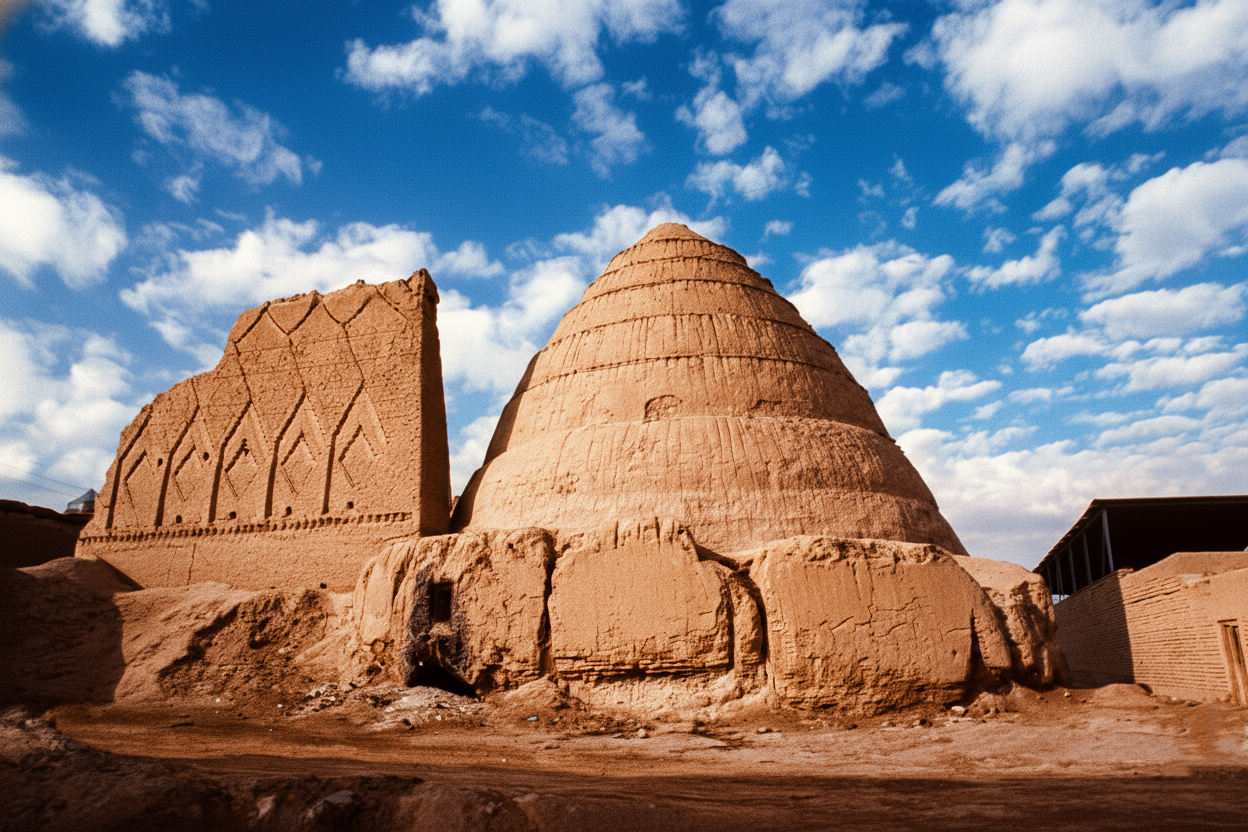
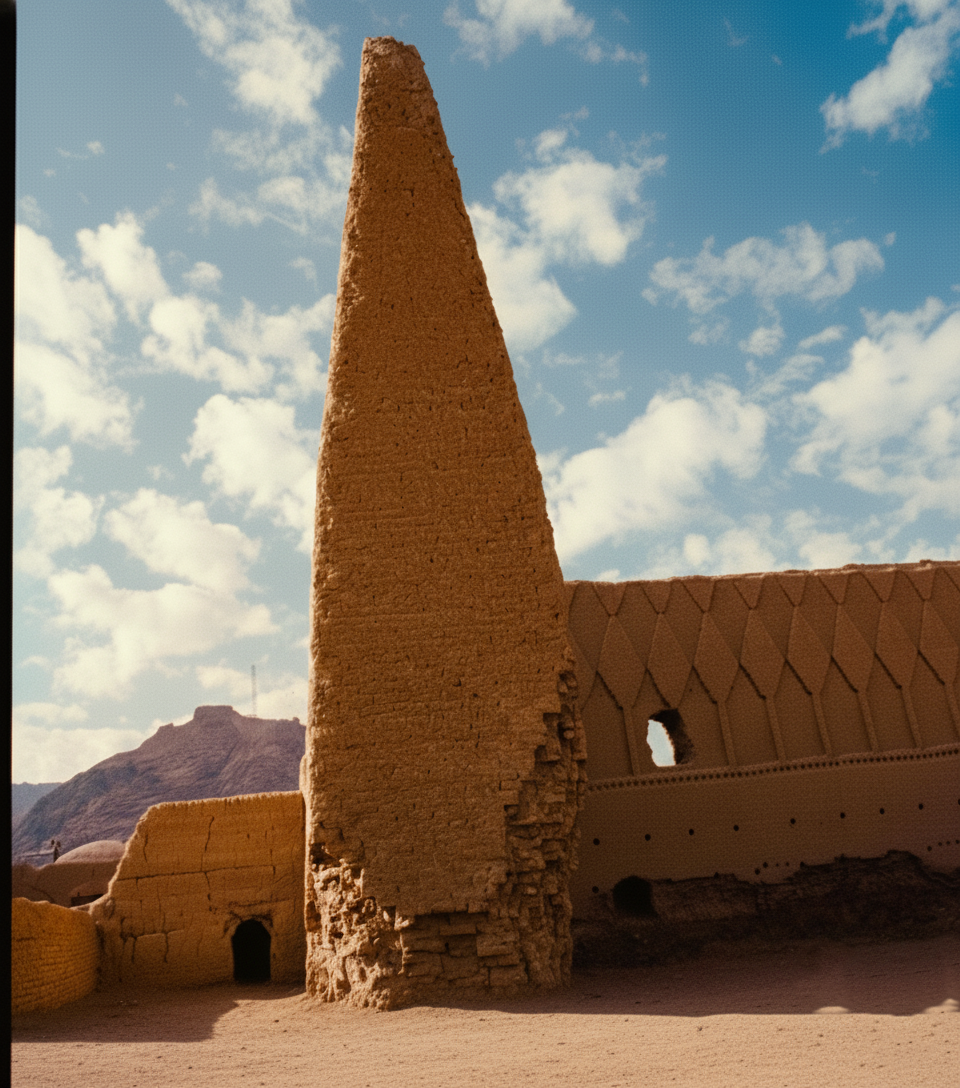
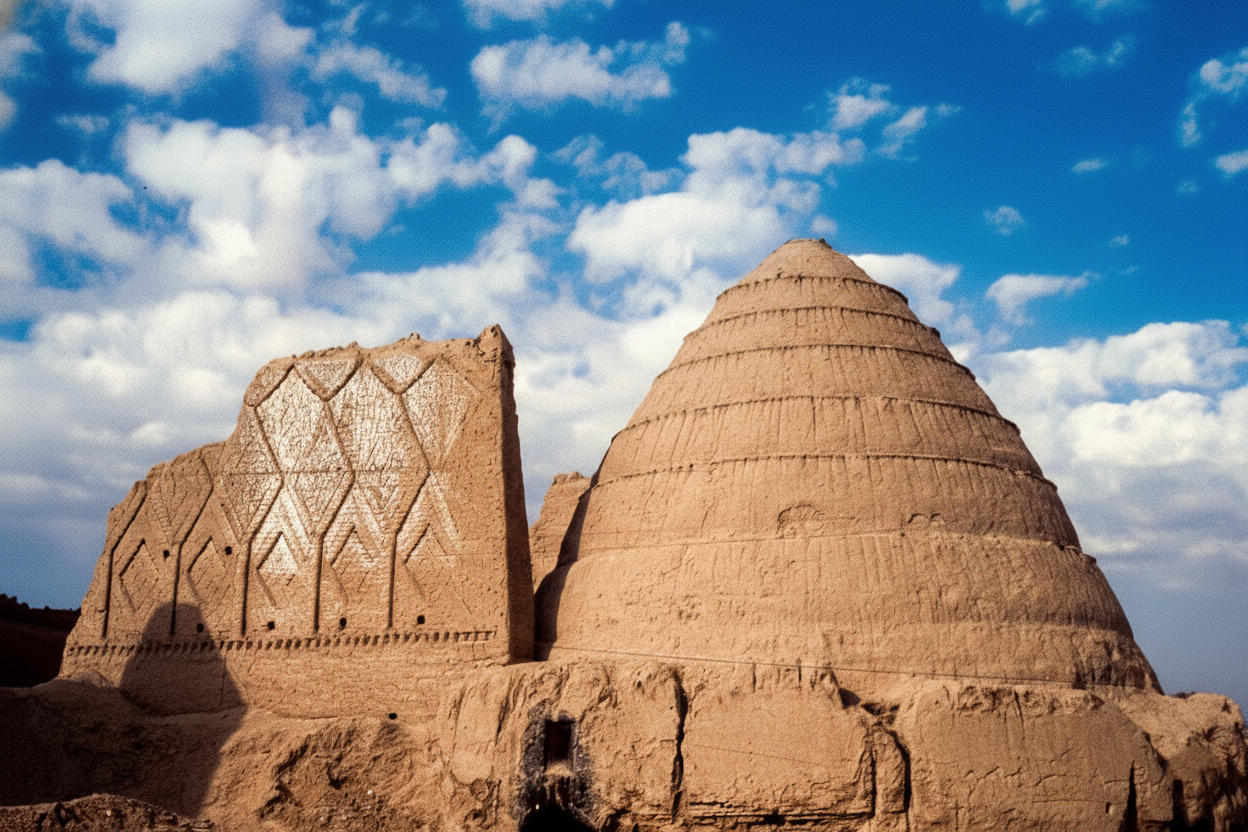
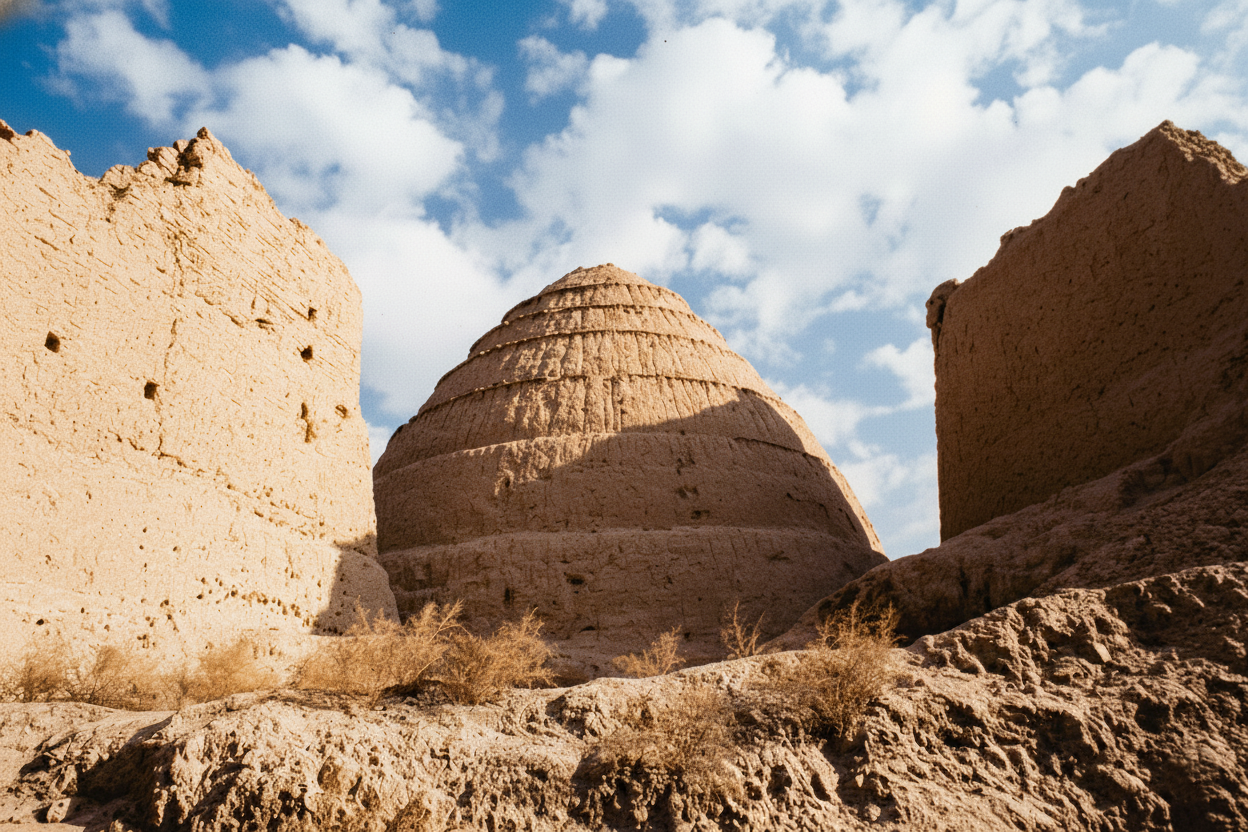
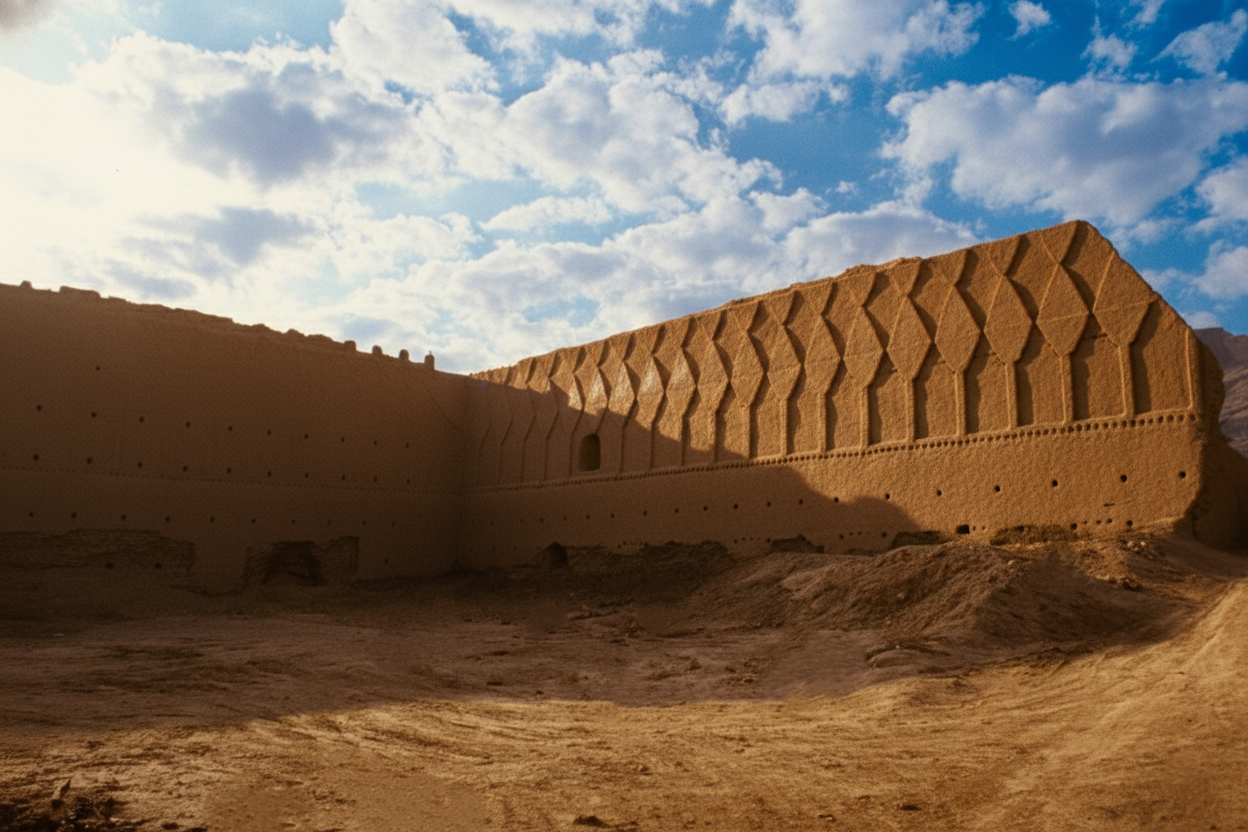
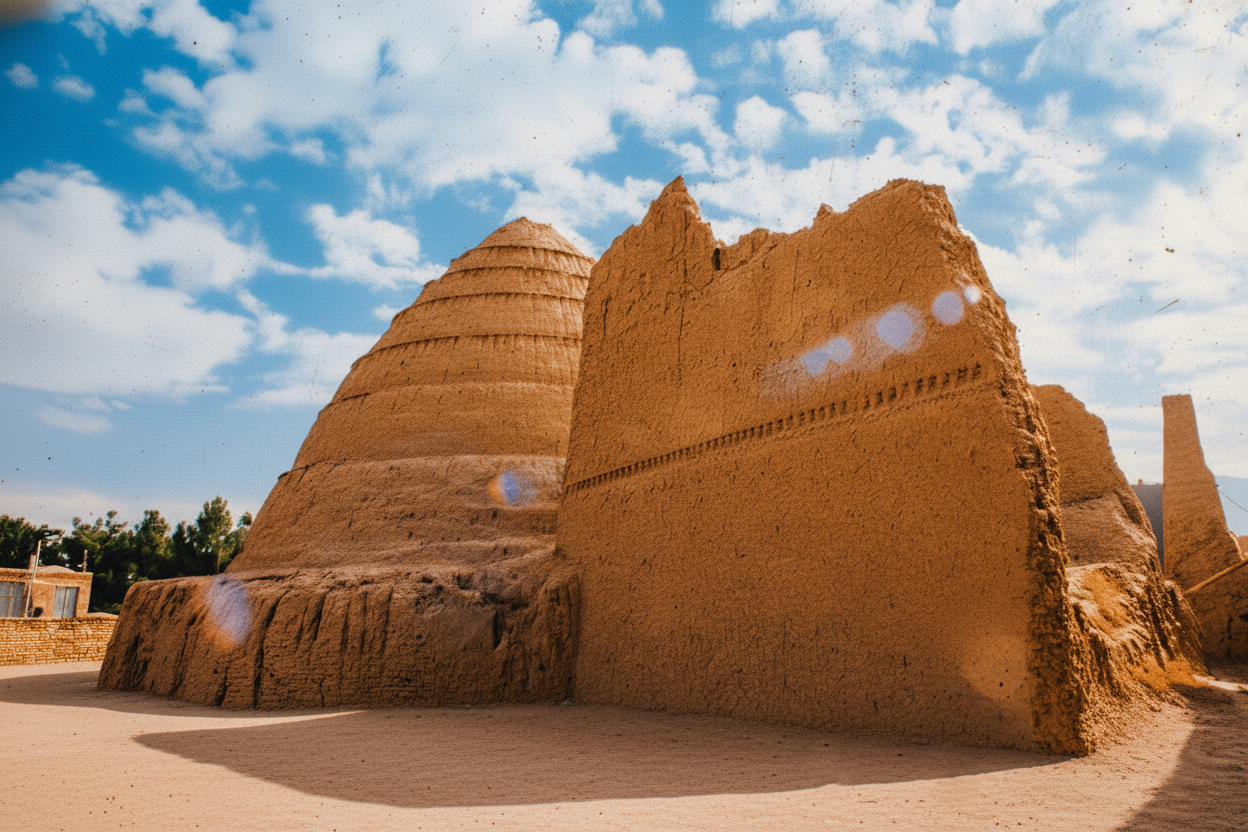
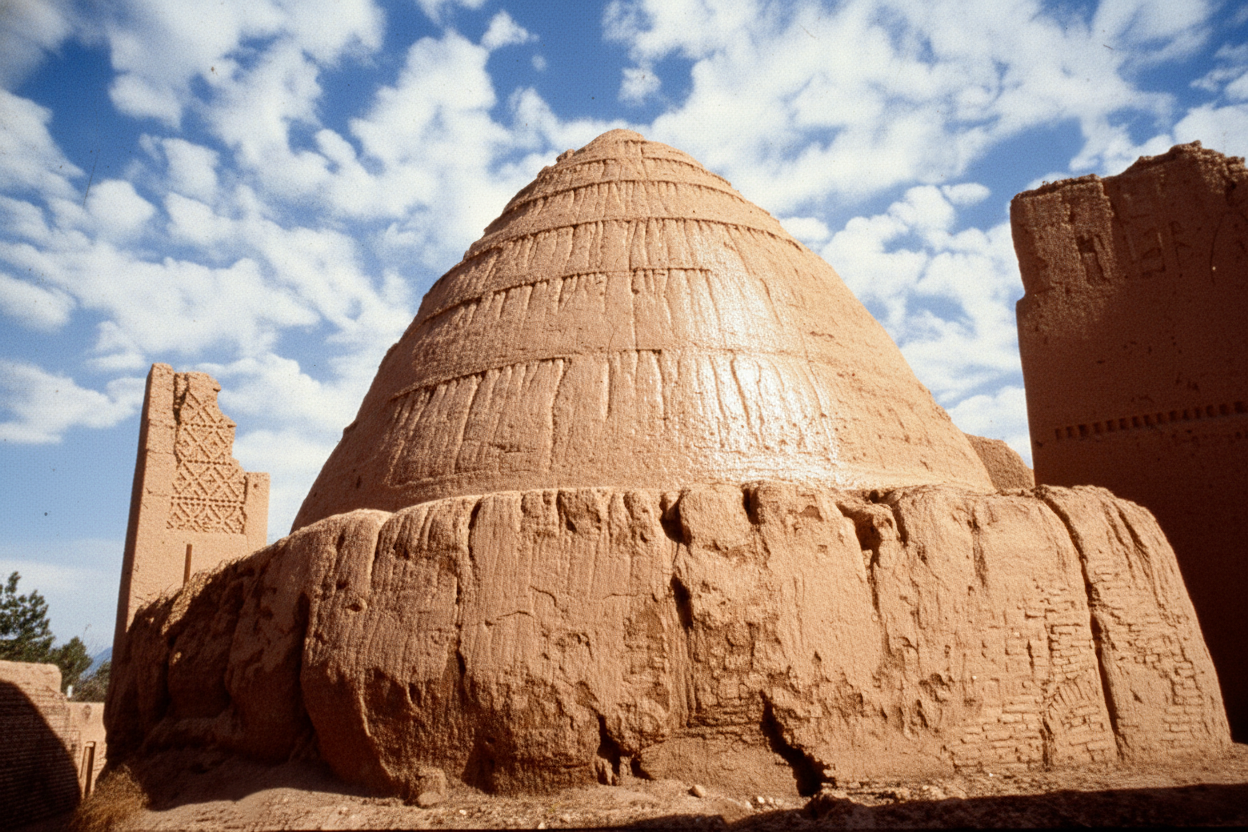
The Yakhchal of Kerman (یخچال), developed from a Persian technology dating to around the 5th century BCE, is a domed ice house built with sarooj (ساروج) mortar and thick adobe walls. Using shaded pools and desert night cooling, it produced and stored ice for summer use along the Silk Road (جاده ابریشم) near the Dasht-e Lut (دشت لوت).
-
The Yakhchal (یخچال)—literally “ice pit”—is an ingenious Persian invention for ice production and storage that first appeared in Iran around the 5th century BCE during the Achaemenid period, long before mechanical refrigeration. In Kerman, these monumental structures reached their architectural and technological peak during the Safavid and Qajar periods (16th–19th centuries), when they became an essential component of desert urban infrastructure along the Silk Road (جاده ابریشم).
Situated on the scorching margins of the Dasht-e Lut (دشت لوت), the Yakhchal of Kerman represents a remarkable synthesis of environmental knowledge and architectural engineering. Its distinctive adobe dome and thick walls, built with insulating sarooj (ساروج) mortar, protected deep subterranean storage chambers where ice could be preserved through the summer. The system relied entirely on passive climate techniques: tall shade walls and shallow freezing pools allowed water to freeze during cold desert nights, while the stepped dome released accumulated heat. Beyond its technical brilliance, the Yakhchal functioned as an important social and economic resource—supplying ice to residents, travelers, and caravans, and making cooling and food preservation accessible to the wider public in one of the harshest climates on Earth.
