Mahan (ماهان): A Sanctuary of Sufi Mysticism
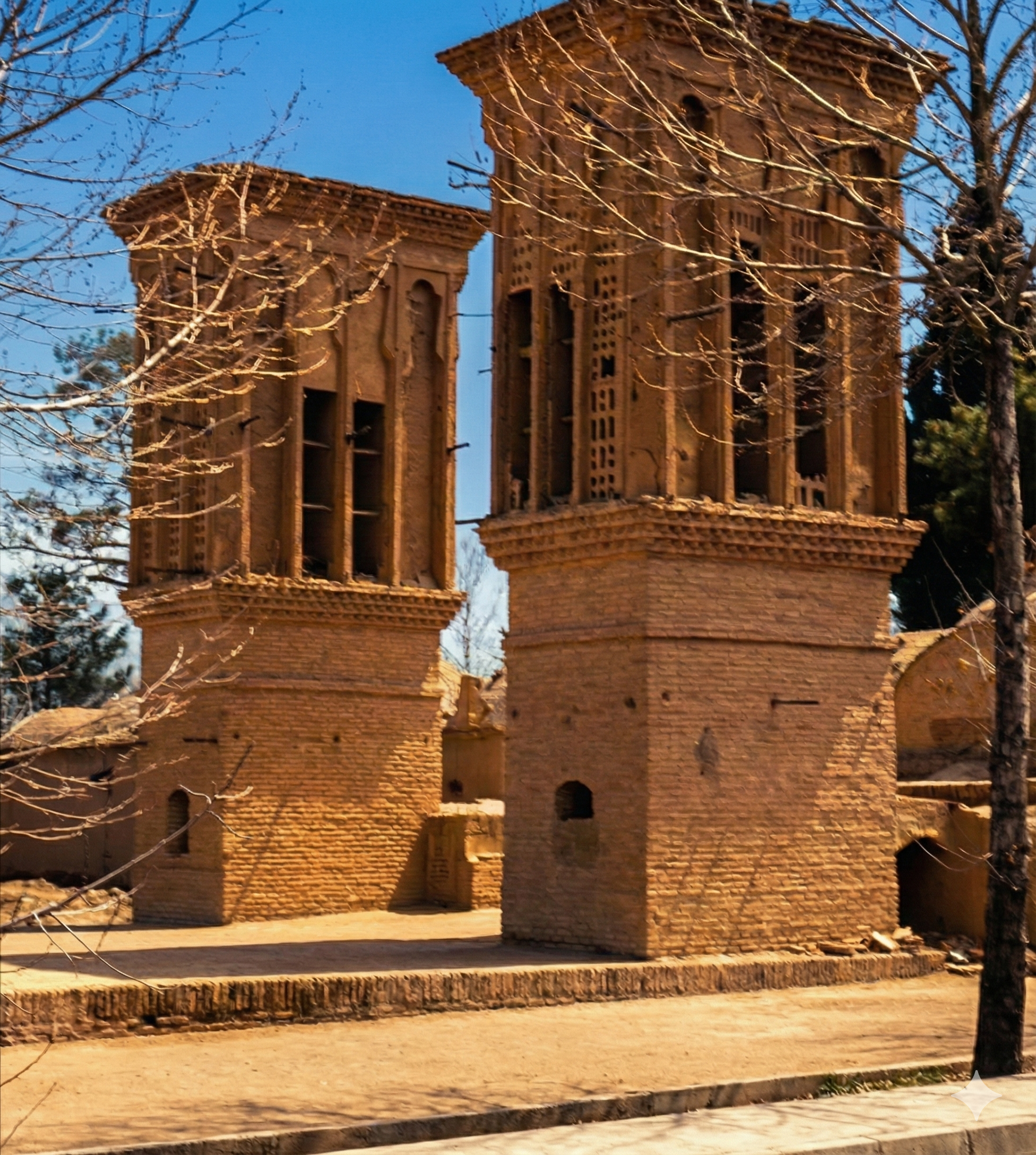
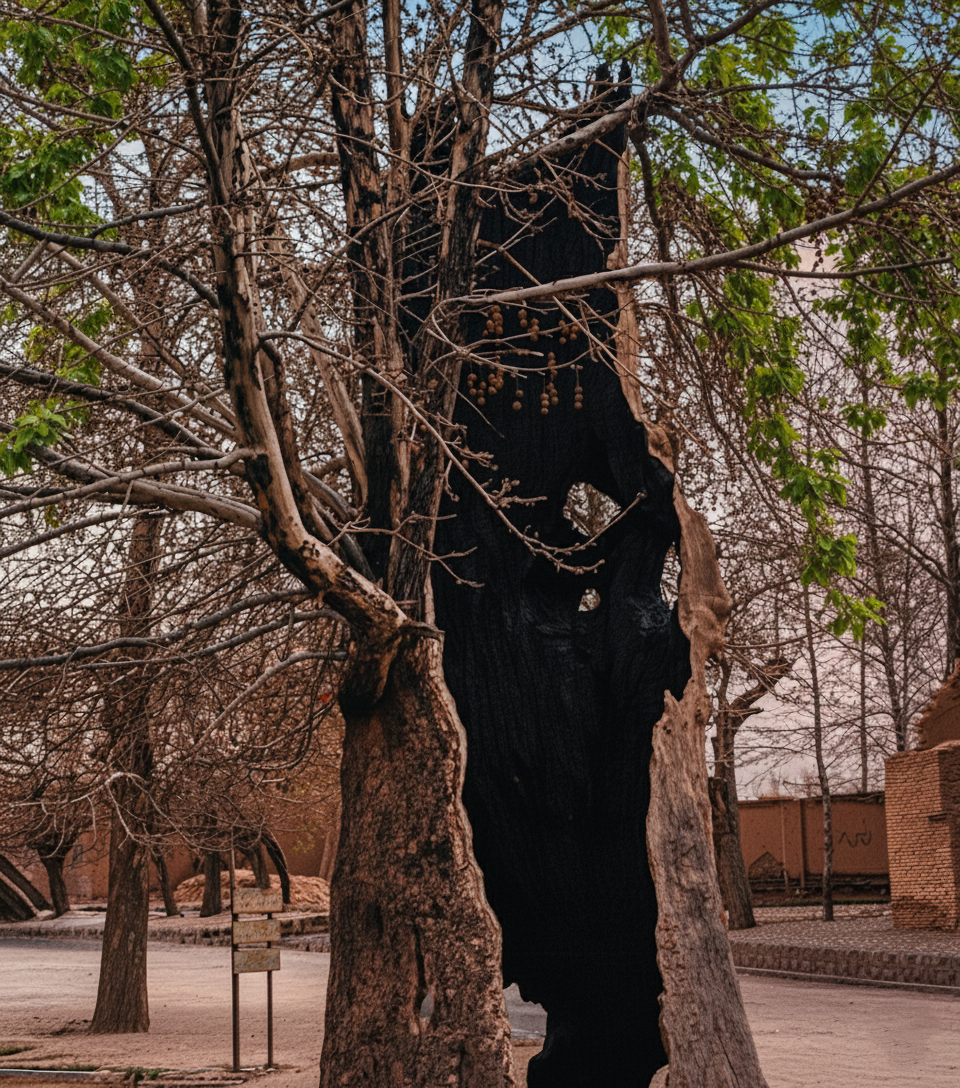
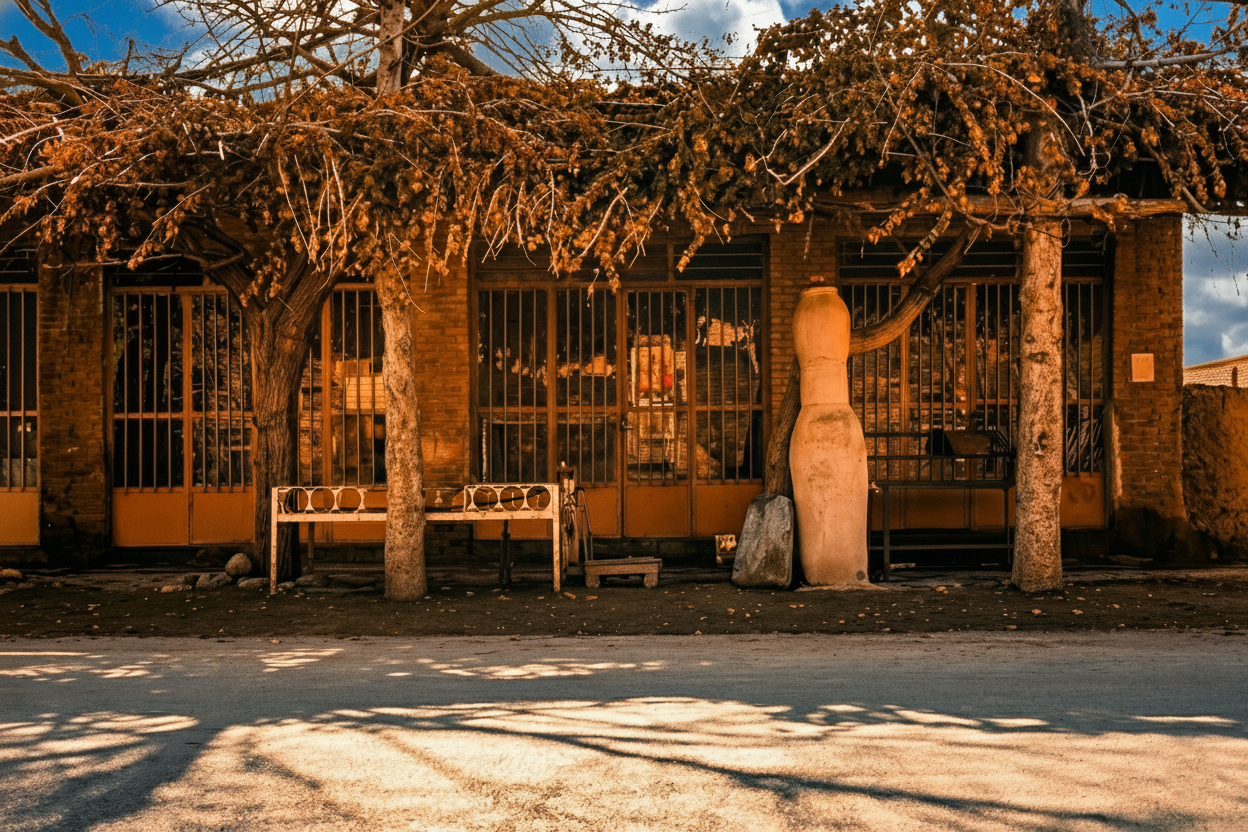
Mahan (ماهان), an oasis town near Kerman (کرمان) with roots in the 9th–10th centuries CE, is known for the Shrine of Shah Nematollah Vali (شاه نعمتالله ولی) (1436 CE) and the Bagh-e Shazdeh (باغ شاهزاده) (1850–1870 CE). Together they illustrate a synthesis of Sufi spirituality, Persian garden design, and desert environmental engineering near the Dasht-e Lut (دشت لوت).
-
Mahan (ماهان): A Sanctuary of Sufi Mysticism
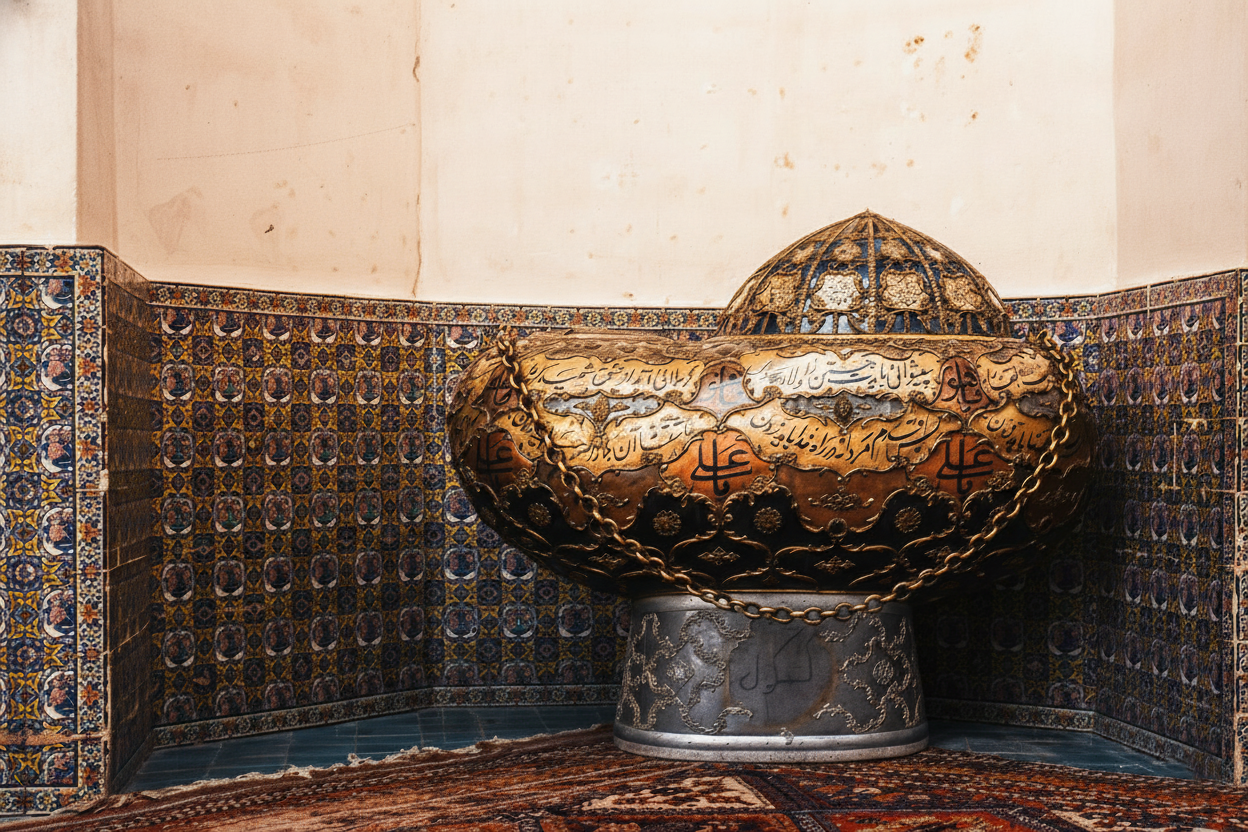
Mahan, an ancient oasis town near Kerman with settlement history extending back at least to the early Islamic period (9th–10th centuries CE), has long served as a spiritual and climatic refuge in the highlands bordering the Dasht-e Lut (دشت لوت). Situated in the foothills of the Joupar Mountains, the town's higher elevation and access to mountain water sources allowed it to flourish, in striking contrast to the nearby hyper-arid desert. The region became closely associated with Sufi mysticism through the Shrine of Shah Nematollah Vali (شاه نعمتالله ولی), the renowned Sufi master who died in 1431 CE. His shrine complex, initiated shortly after his death and notably expanded in 1436 CE during the Timurid period, later received additions from the Safavid and Qajar periods. Its turquoise dome—decorated with rare eleven-pointed star patterns (girih)—crowns a sanctuary that symbolizes the mystic’s philosophy of spiritual service rather than seclusion.
Equally emblematic of Mahan’s mastery over the desert environment is the Bagh-e Shazdeh (باغ شاهزاده), constructed between 1850 and 1870 CE during the Qajar era. This Persian Garden masterpiece demonstrates sophisticated hydraulic engineering: the Tigran qanat channels snowmelt from the Joupar Mountains through underground aqueducts, feeding terraced pools and cascading fountains powered solely by gravity along the garden’s natural 6.4% slope. Rows of plane trees and flowing water create a lush oasis that sharply contrasts with the surrounding desert landscape. Together, the shrine and garden embody Mahan’s unique synthesis of spirituality, landscape design, and environmental ingenuity—offering a serene counterpoint to the extreme climate of the nearby Lut Desert, whose wind-carved yardangs and record-breaking surface temperatures define one of the harshest environments on Earth.