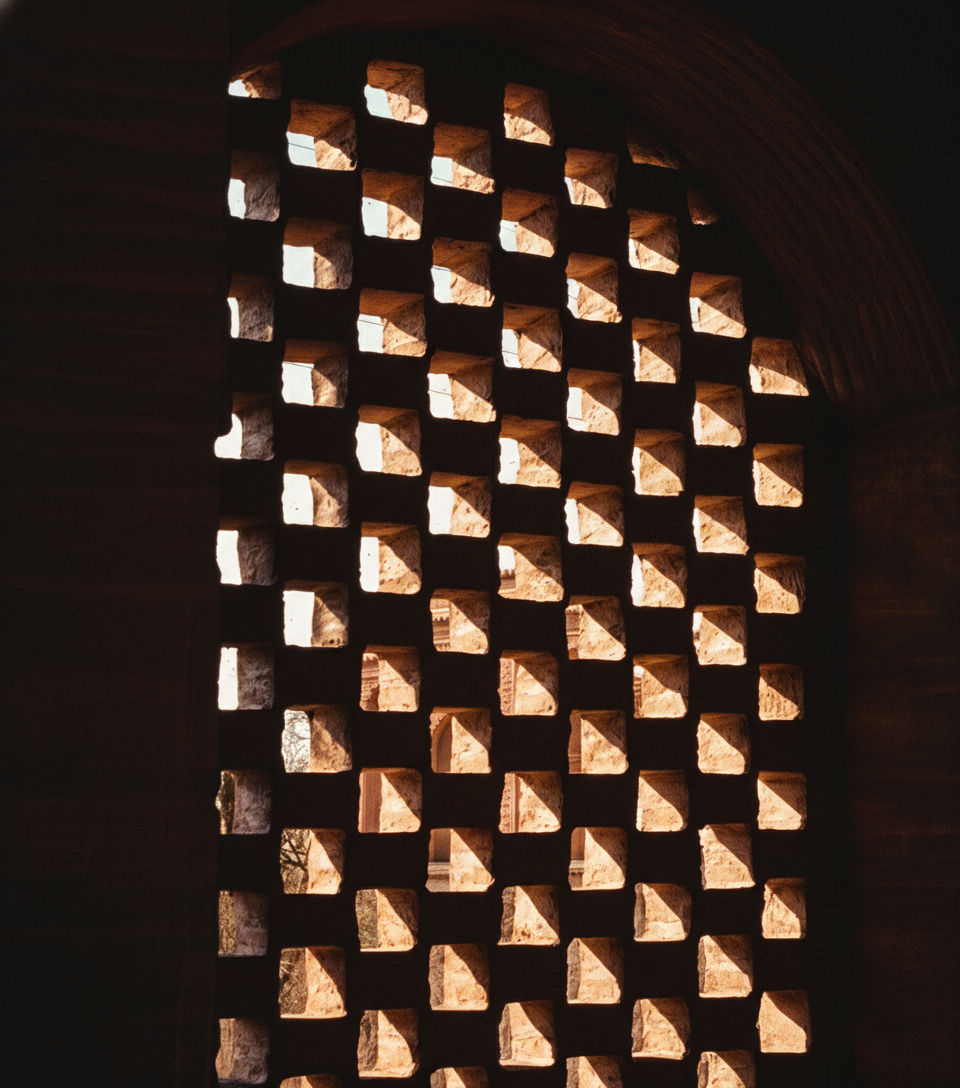
Shrine of Shah Nematollah Vali (شاه نعمتالله ولی)
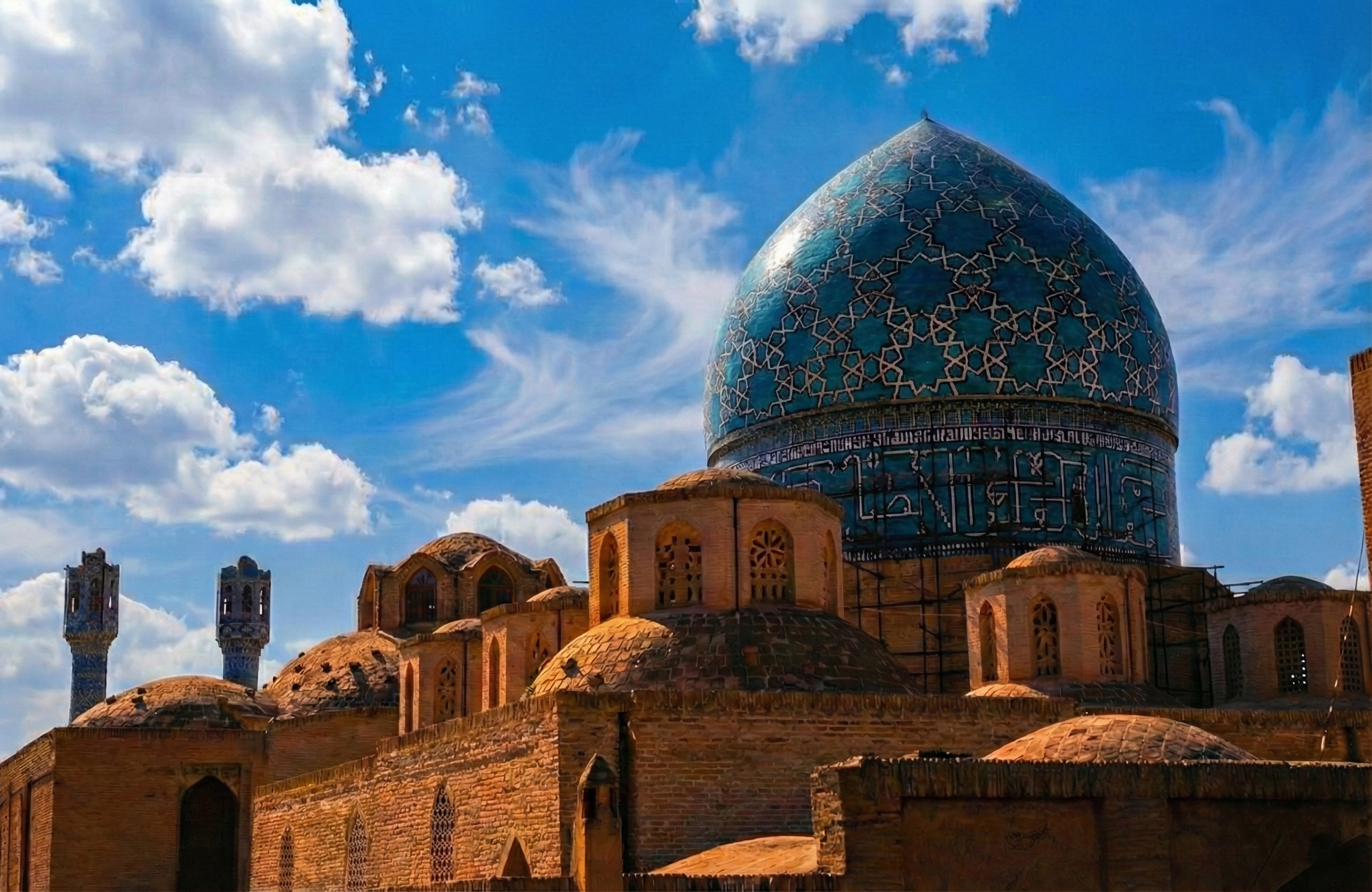
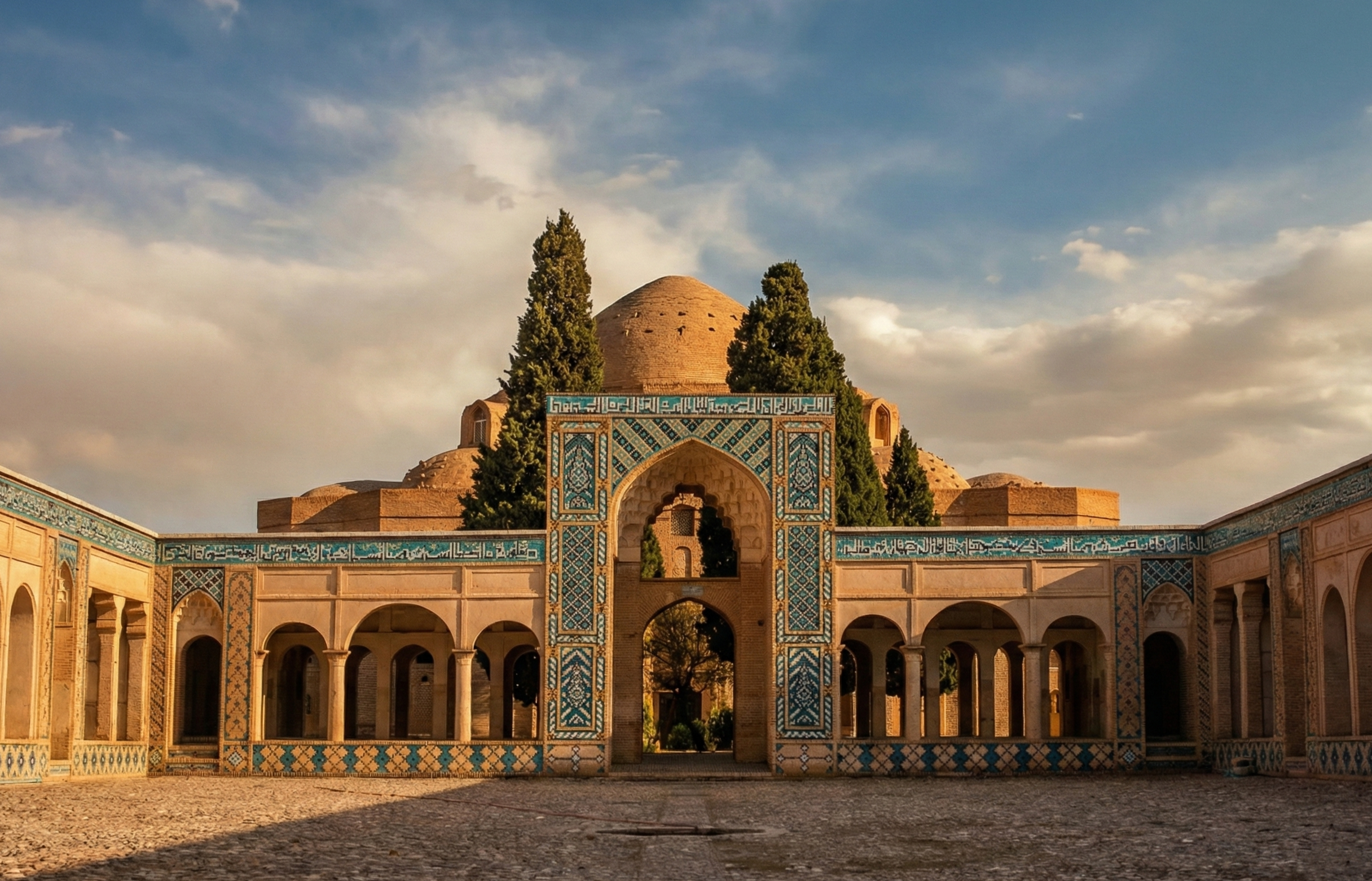
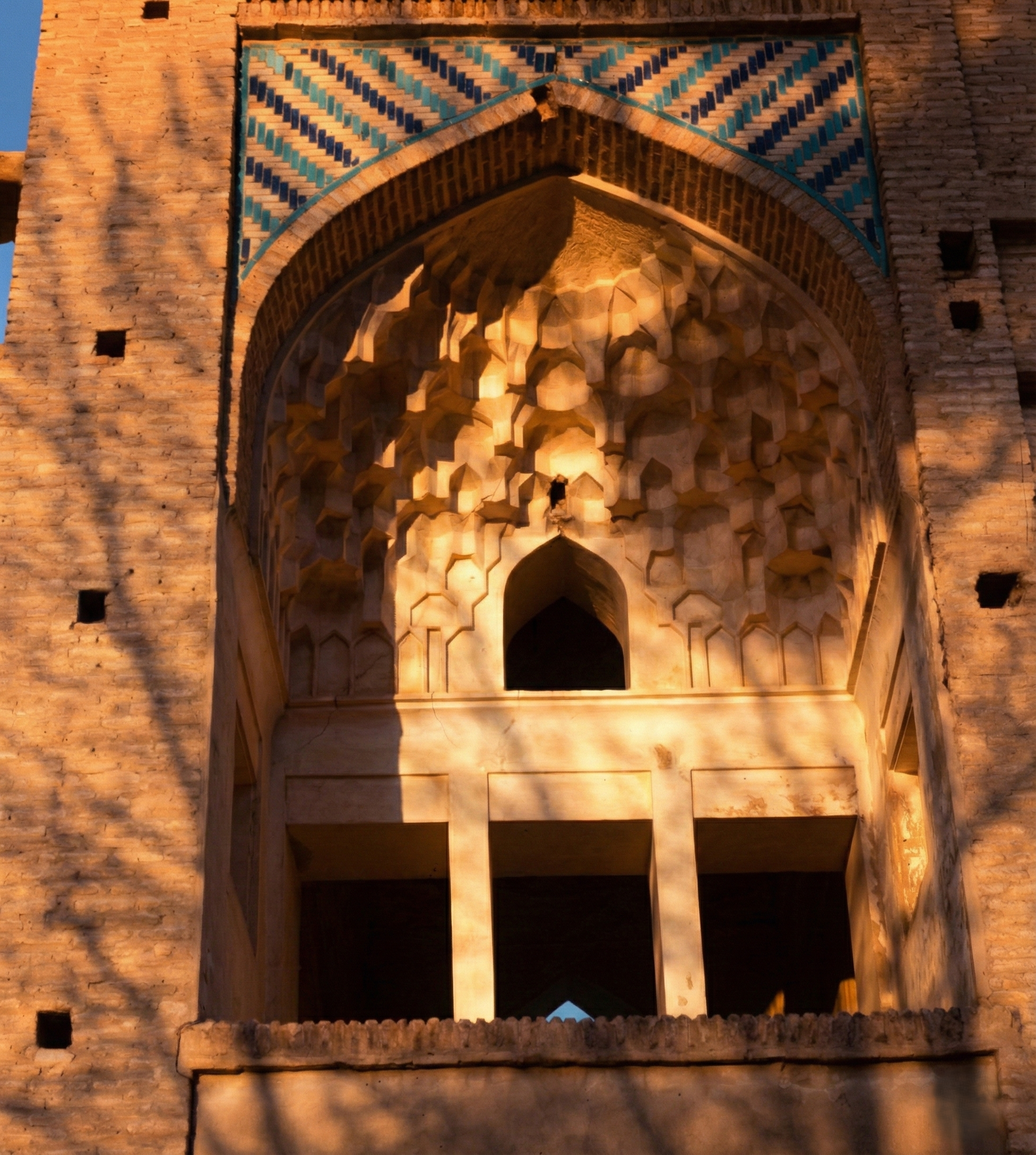
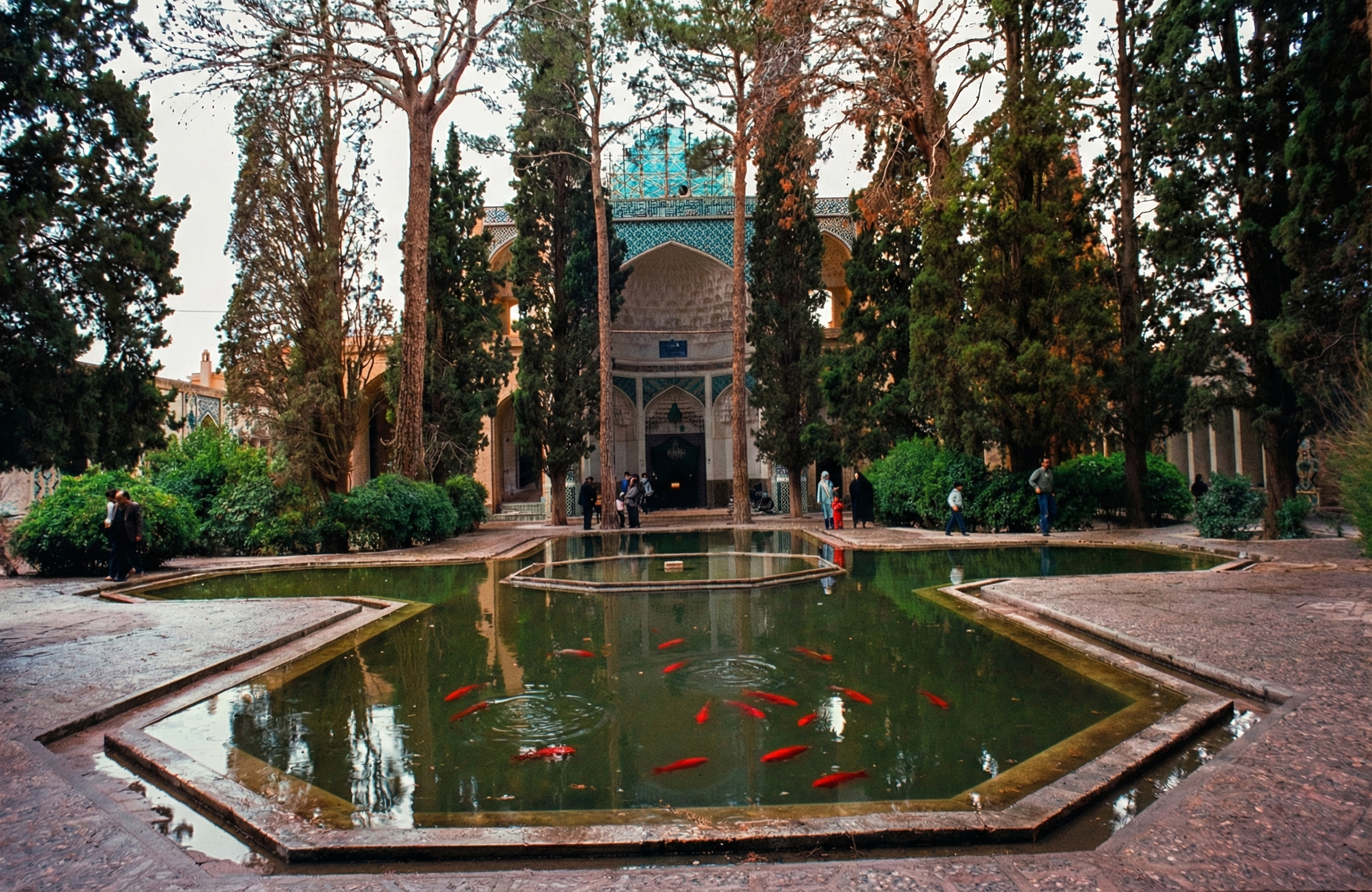
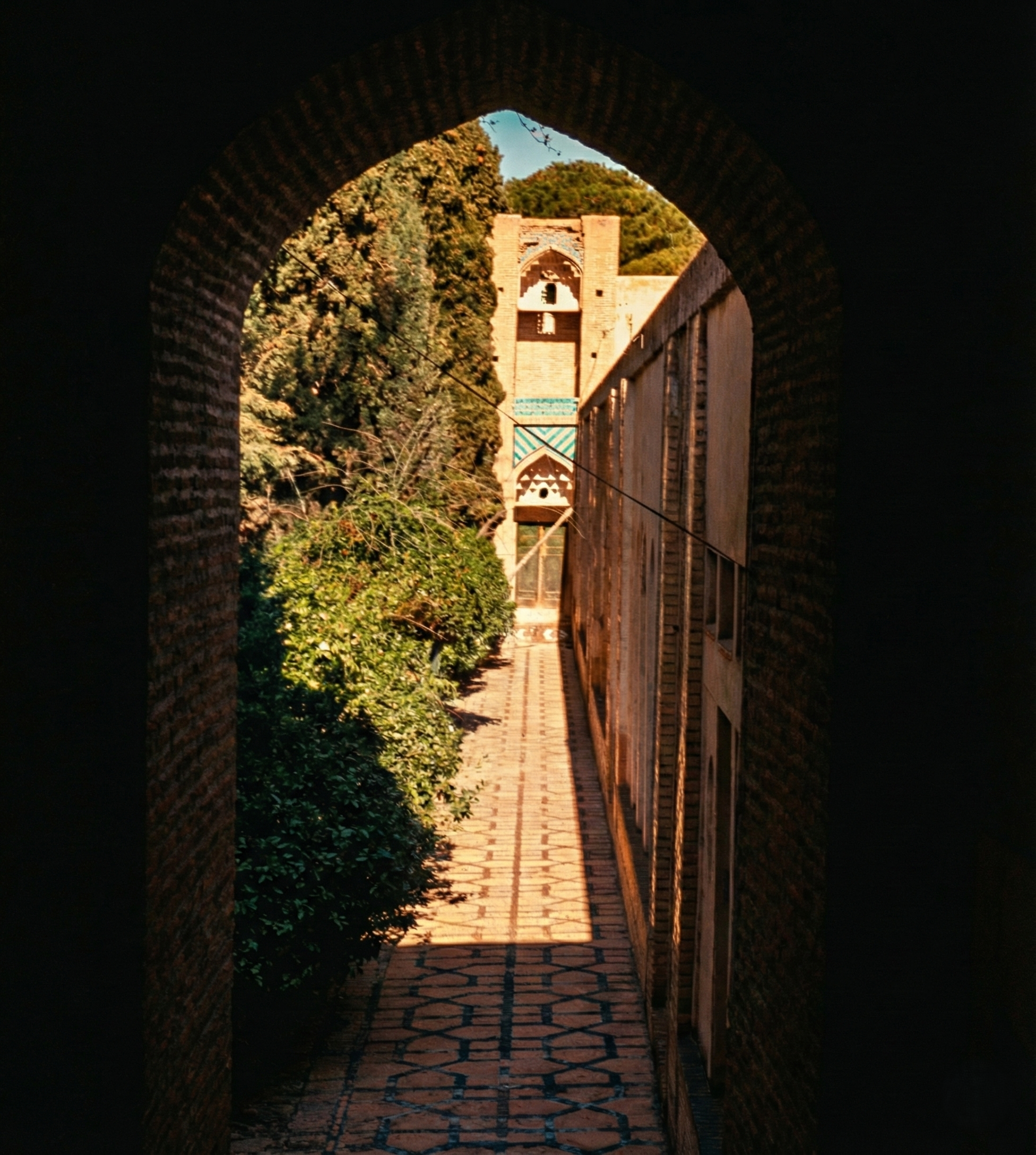
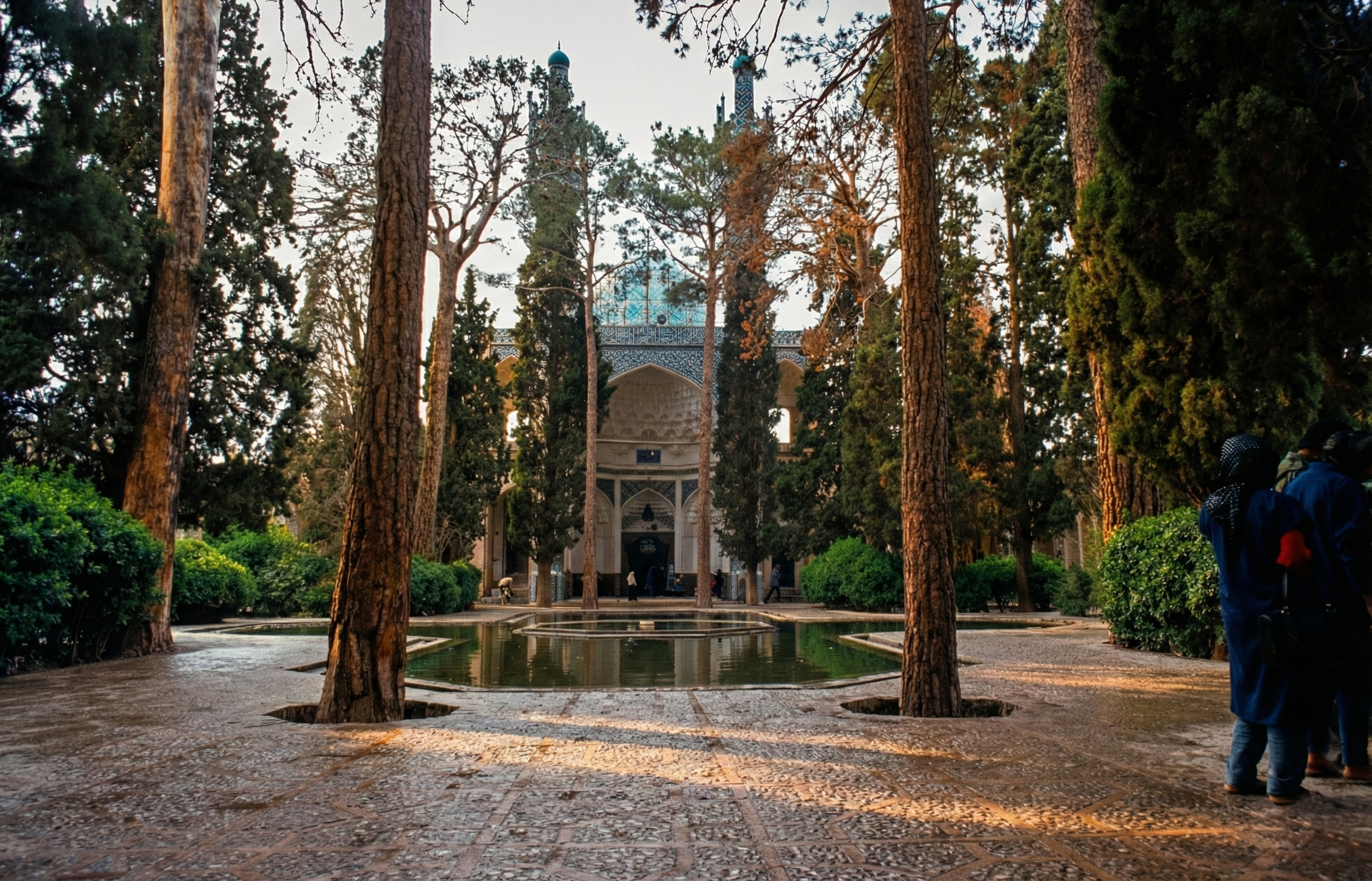
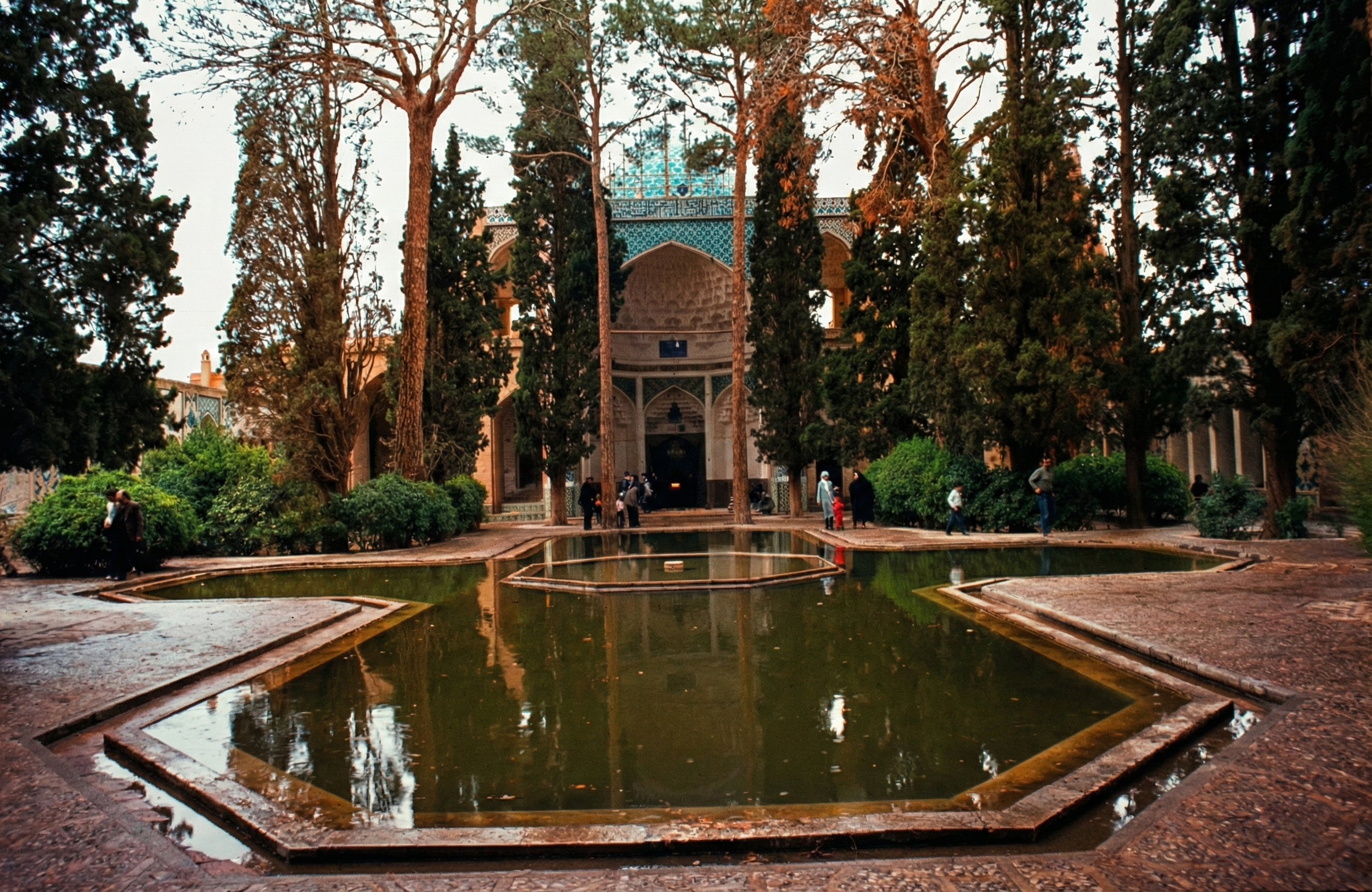
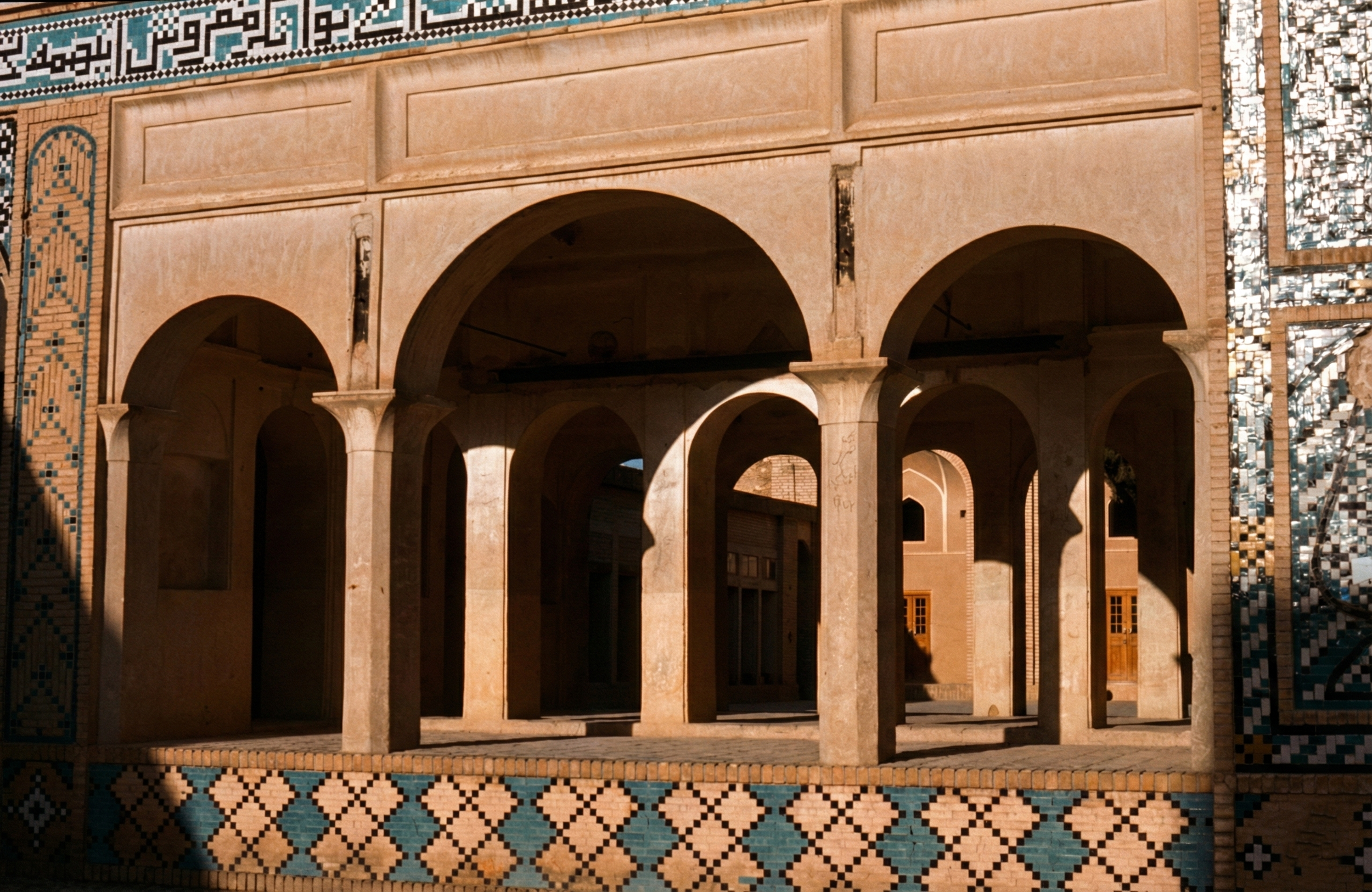
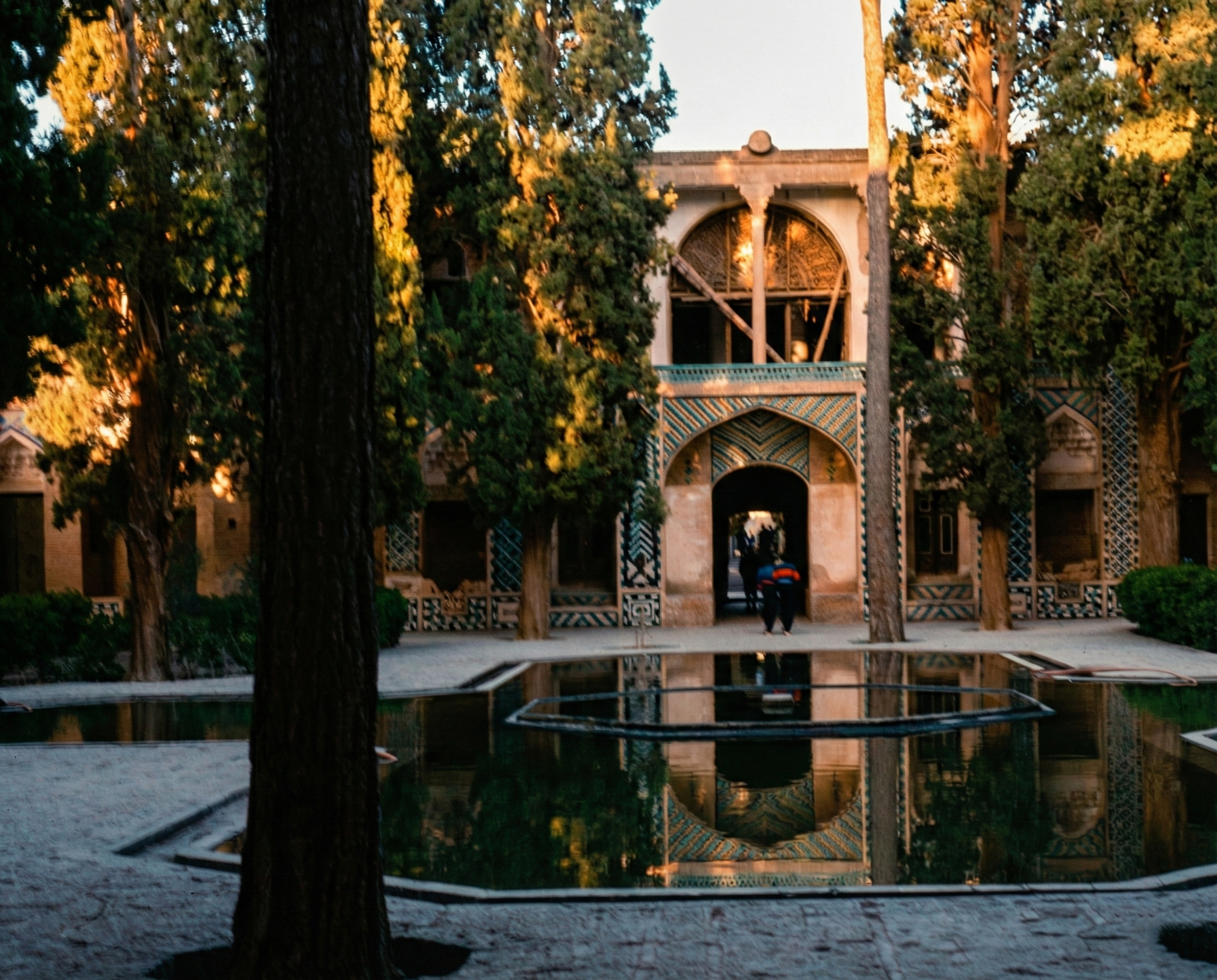
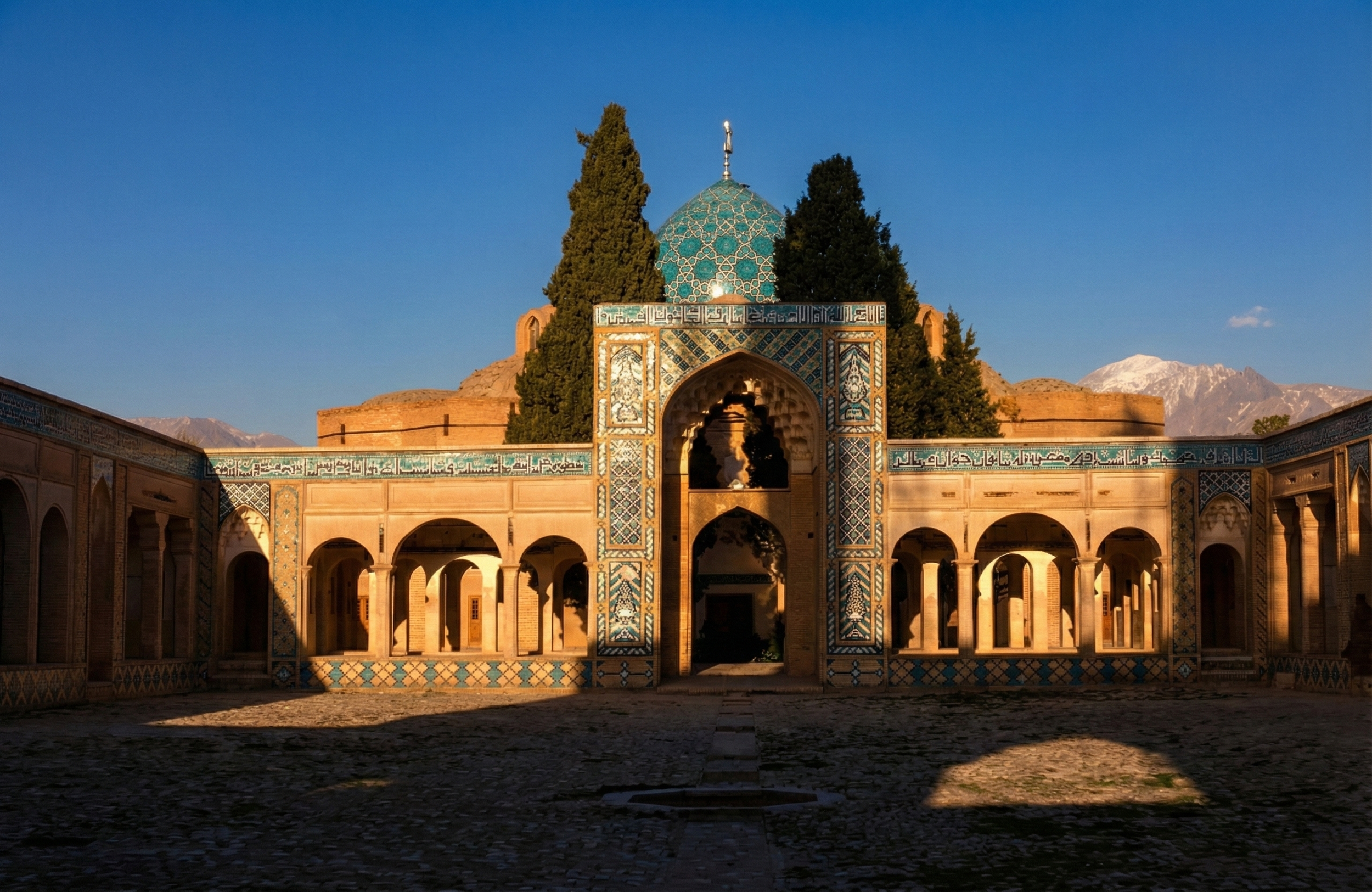
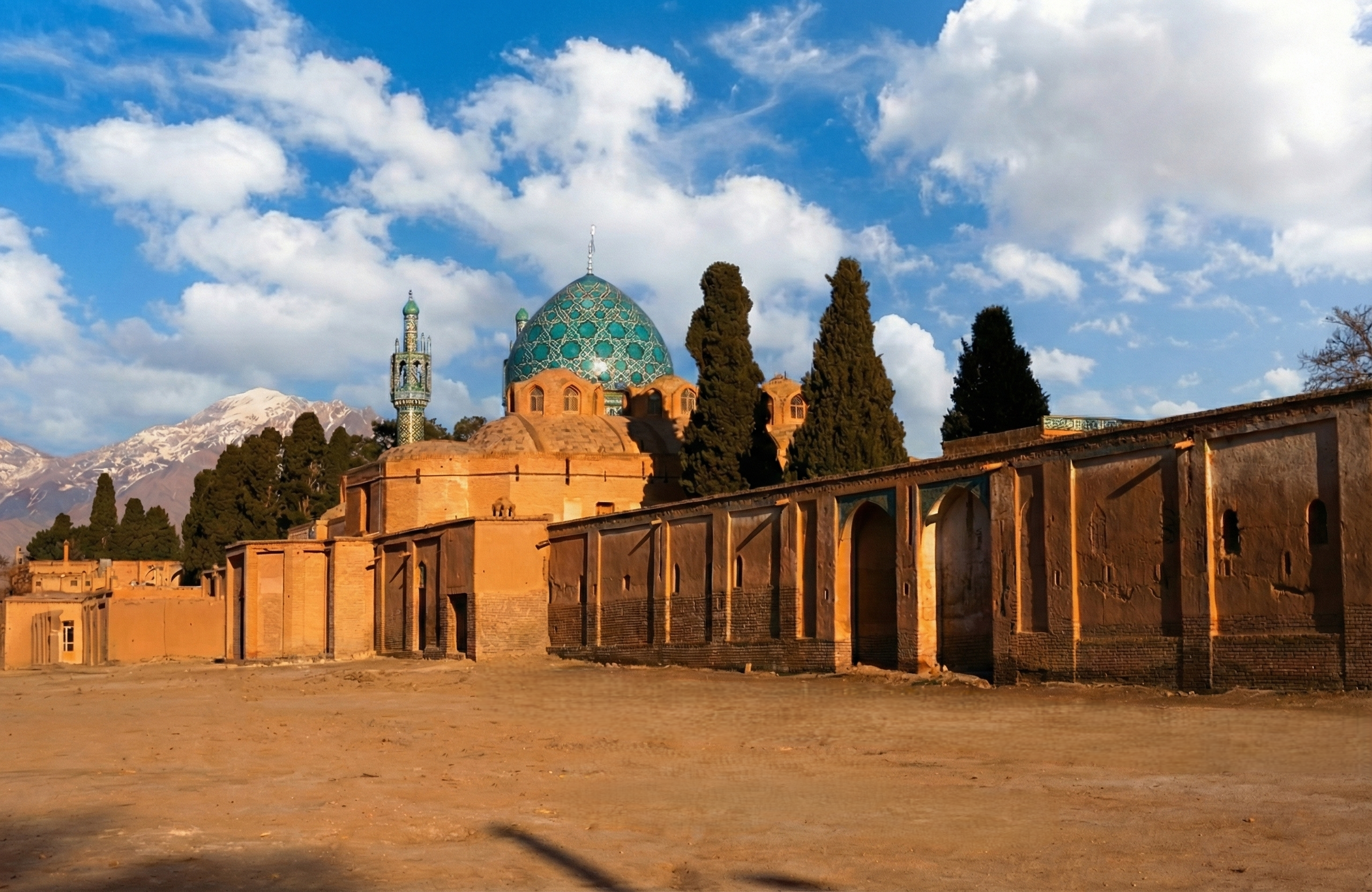
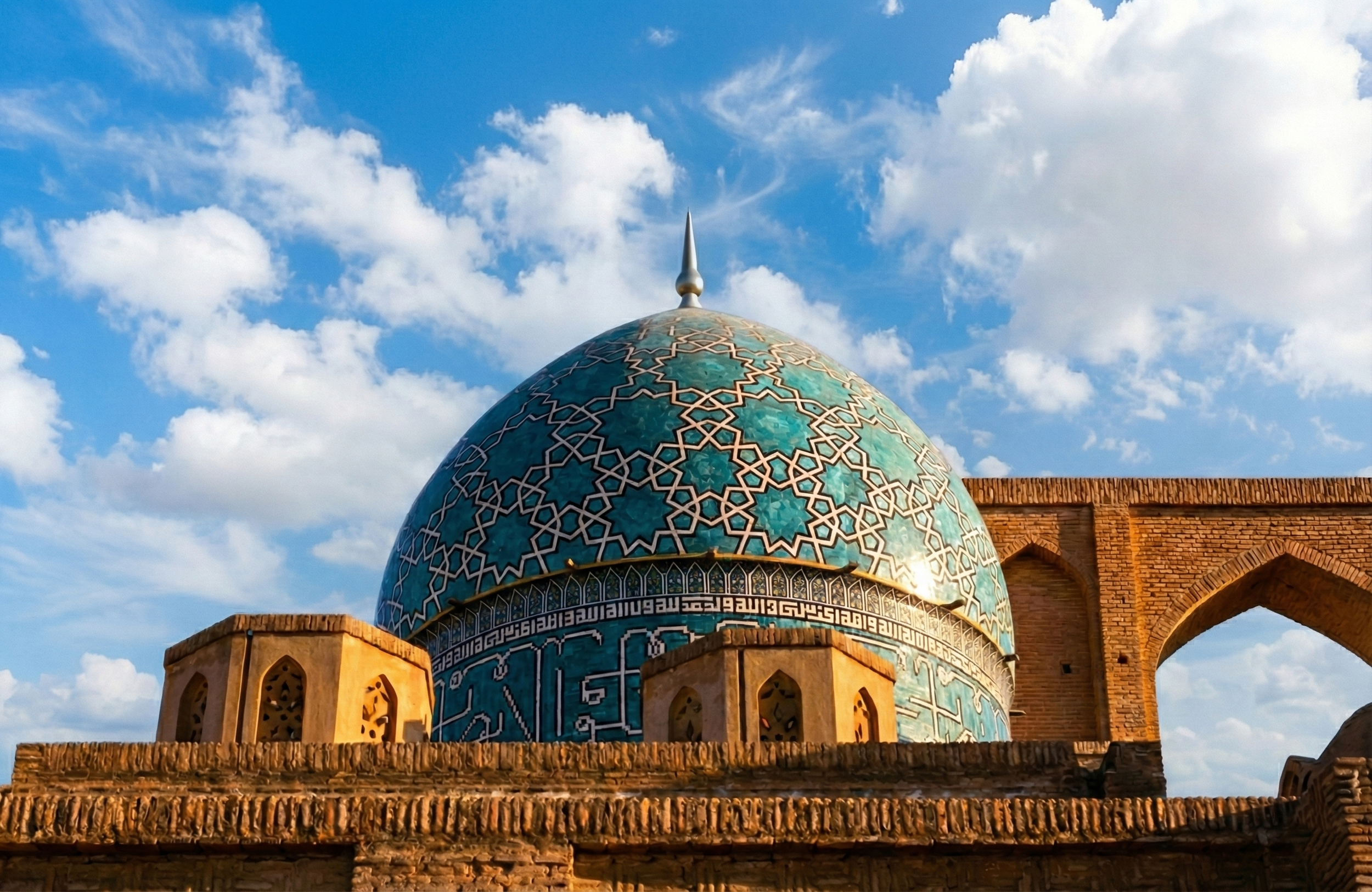
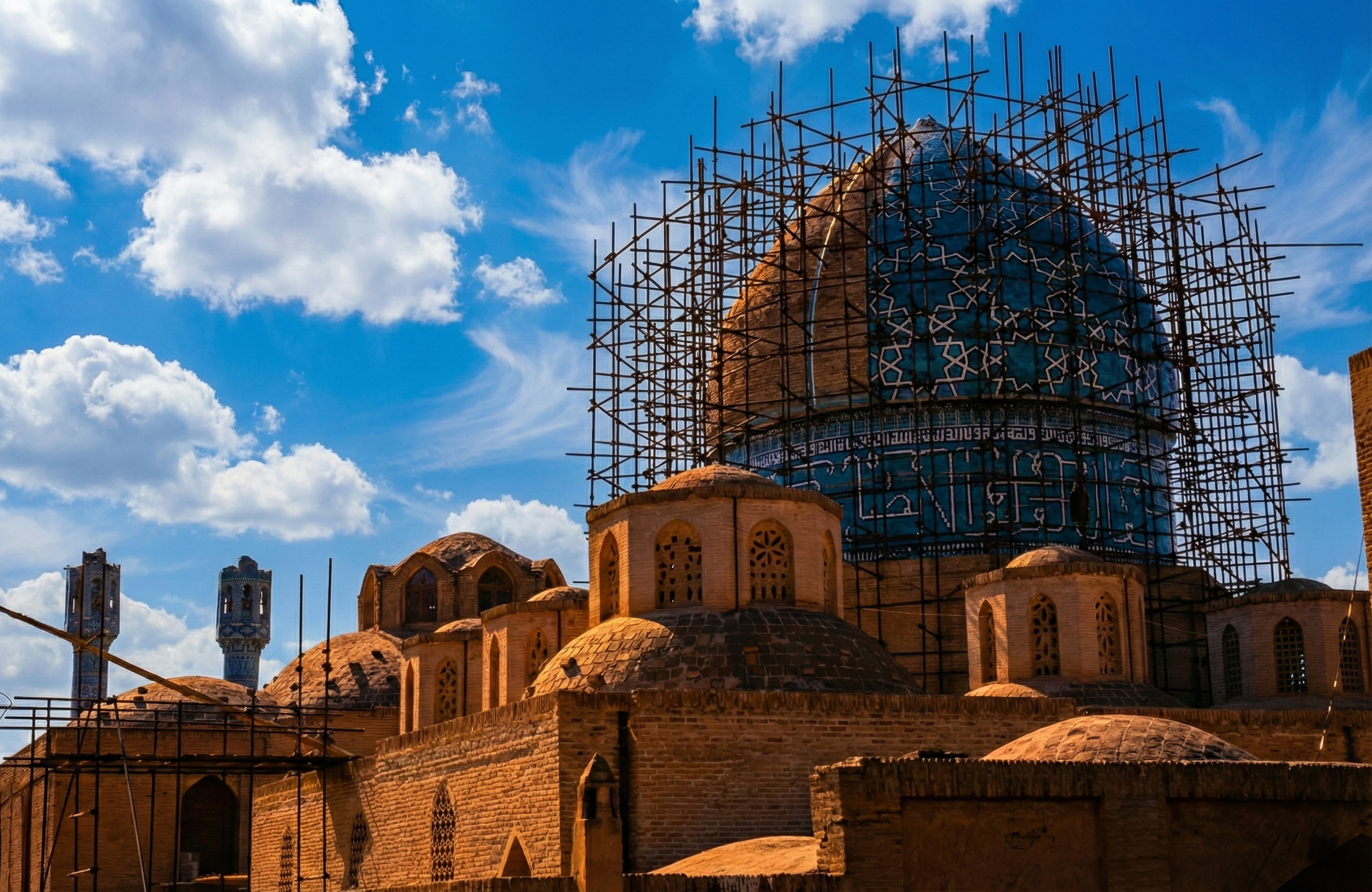
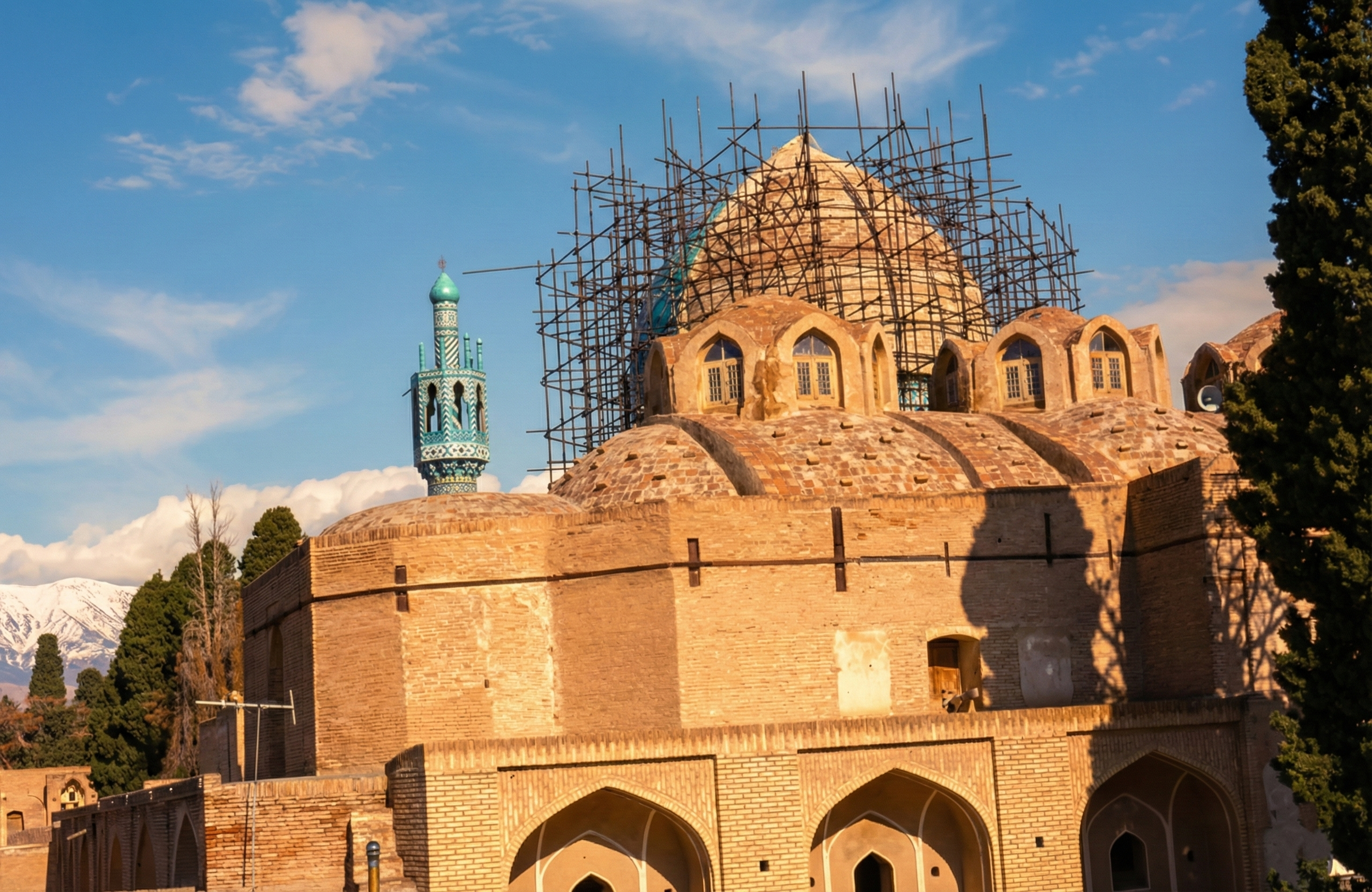
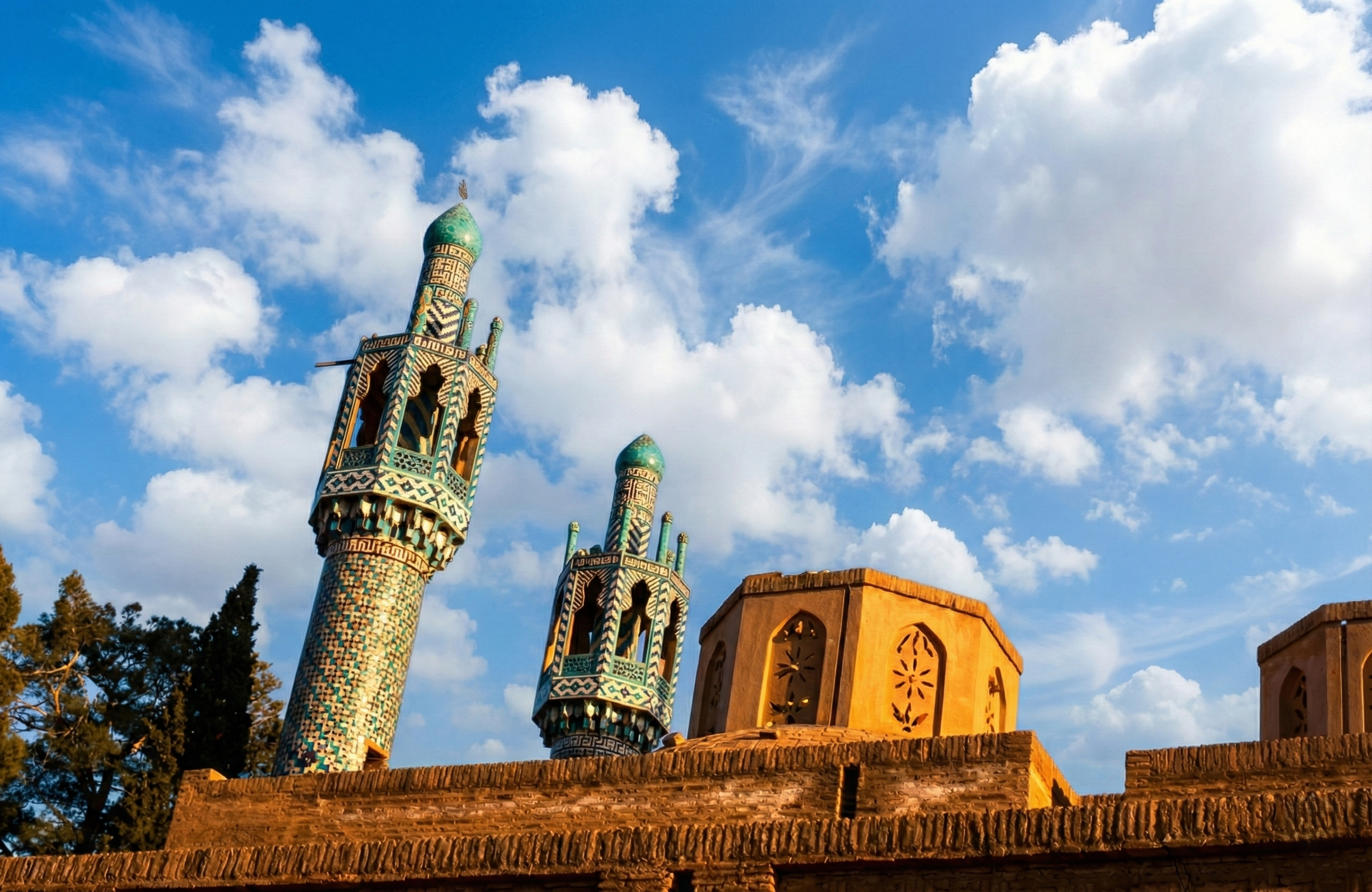
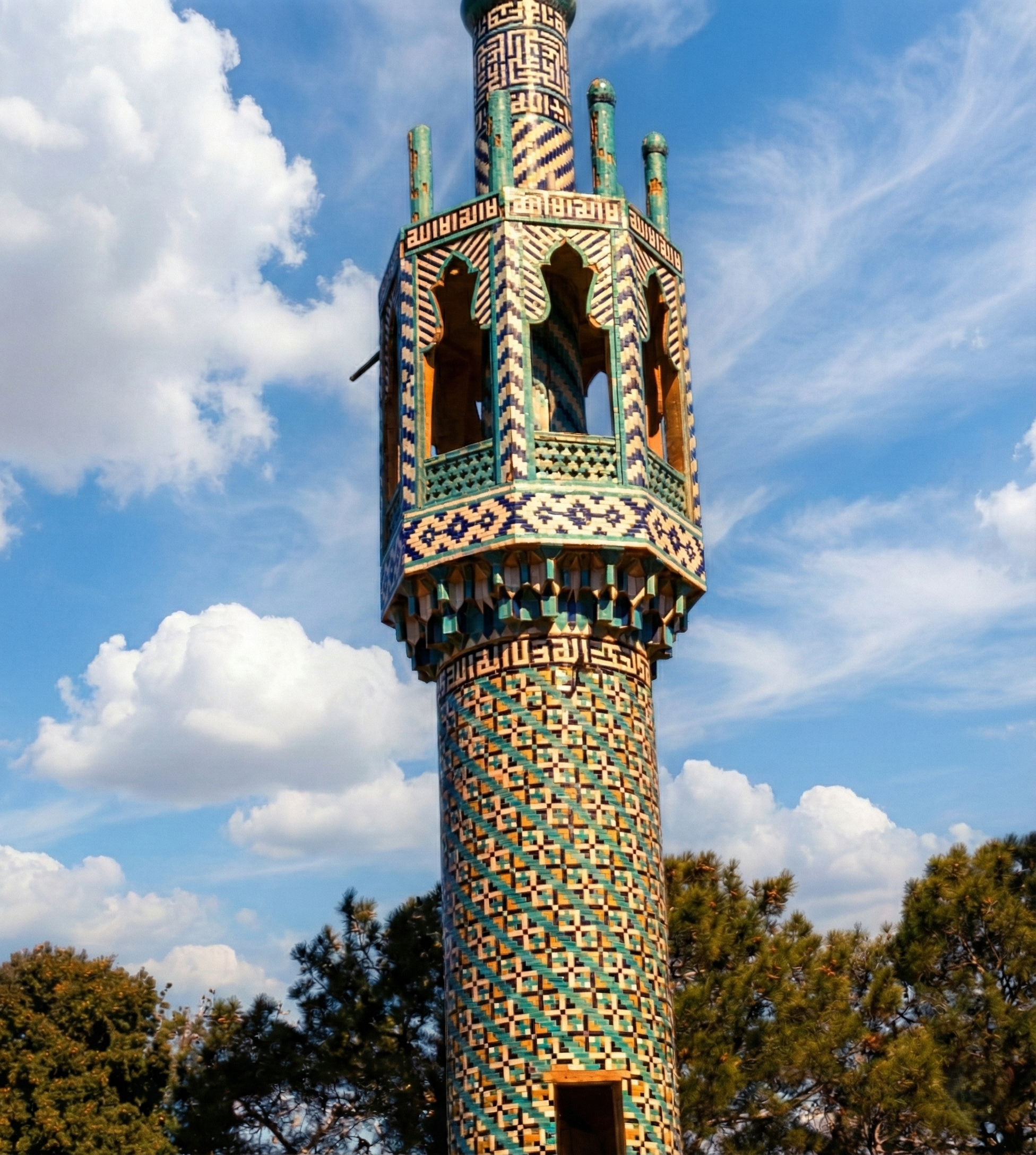
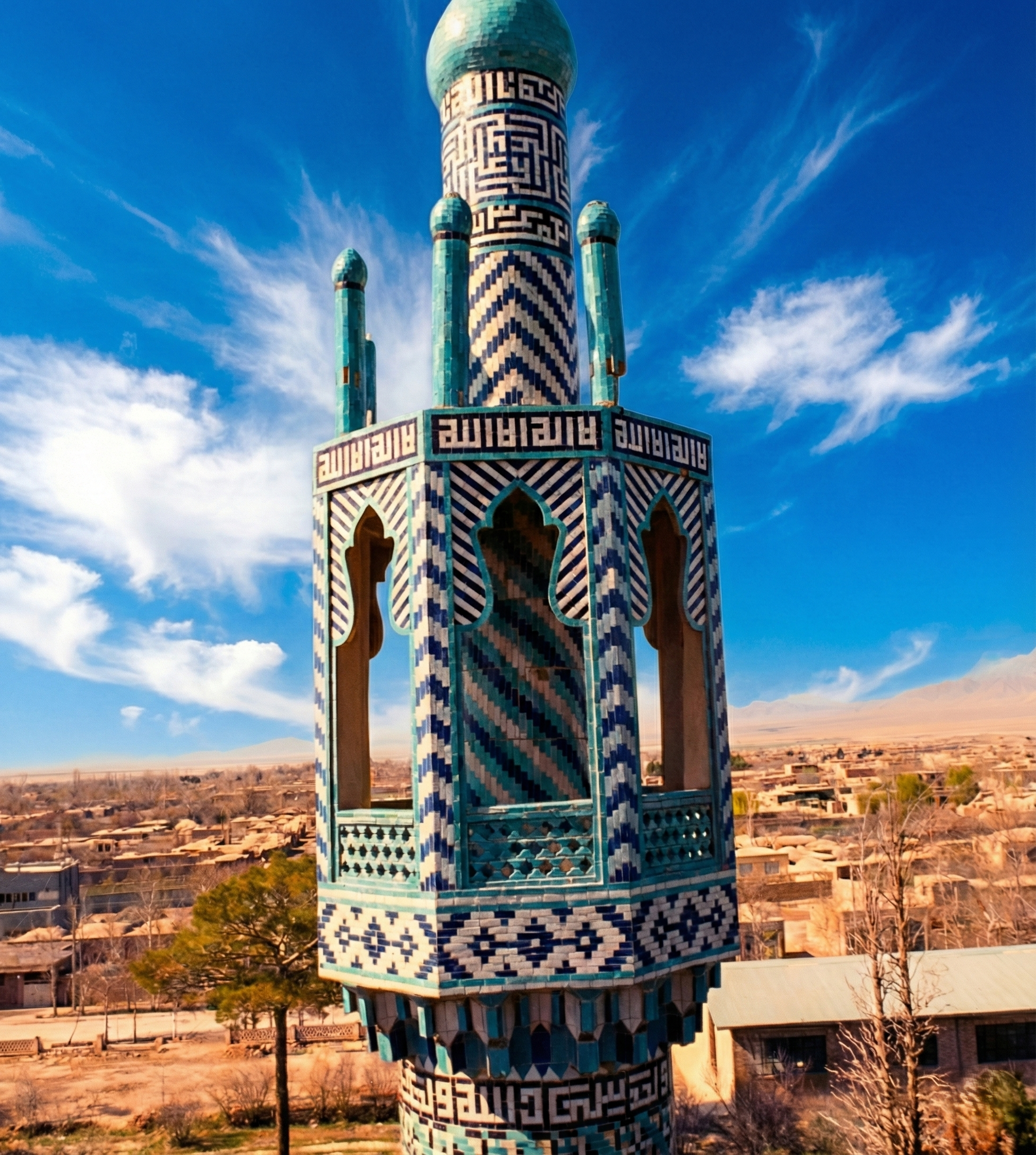
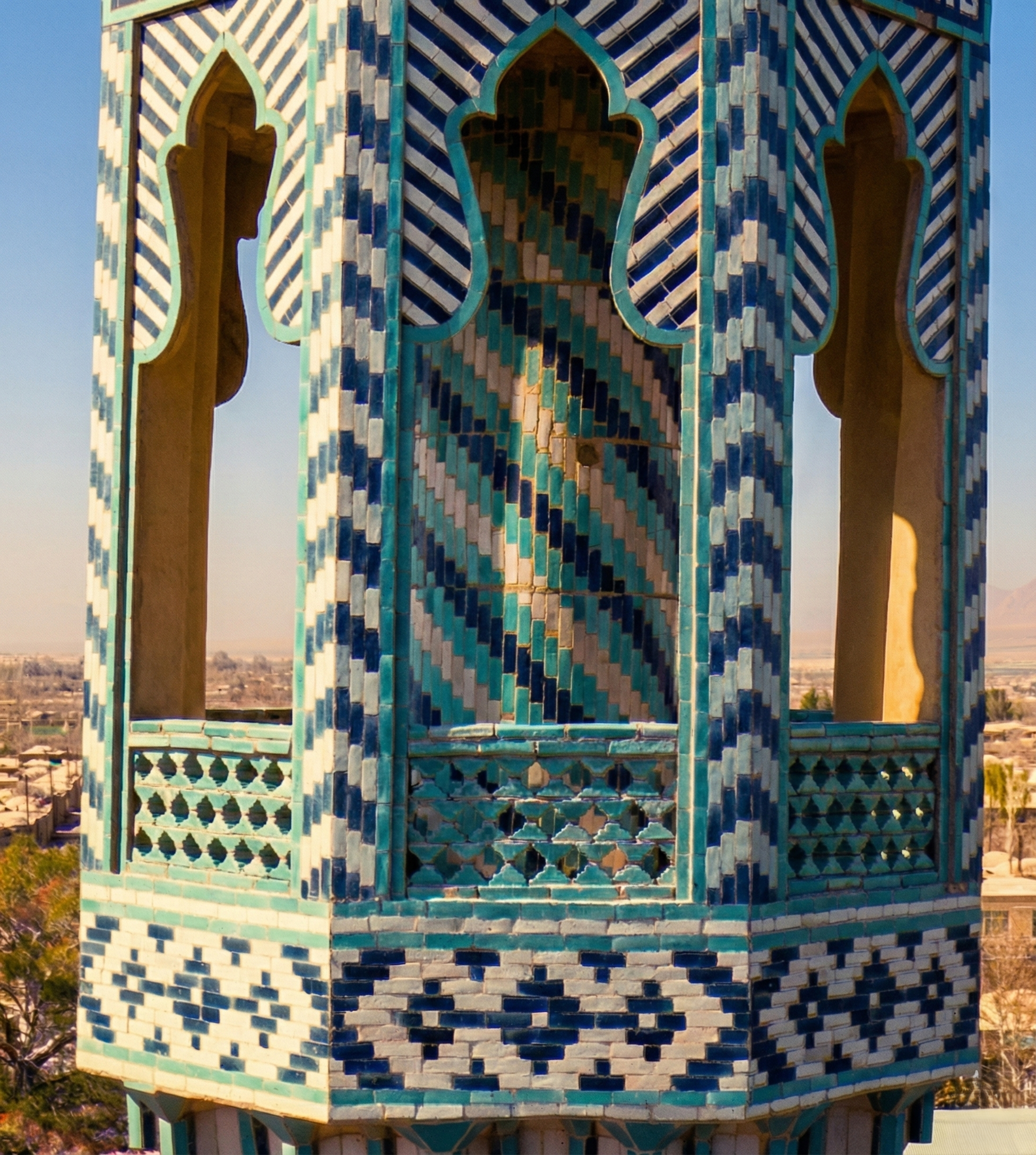
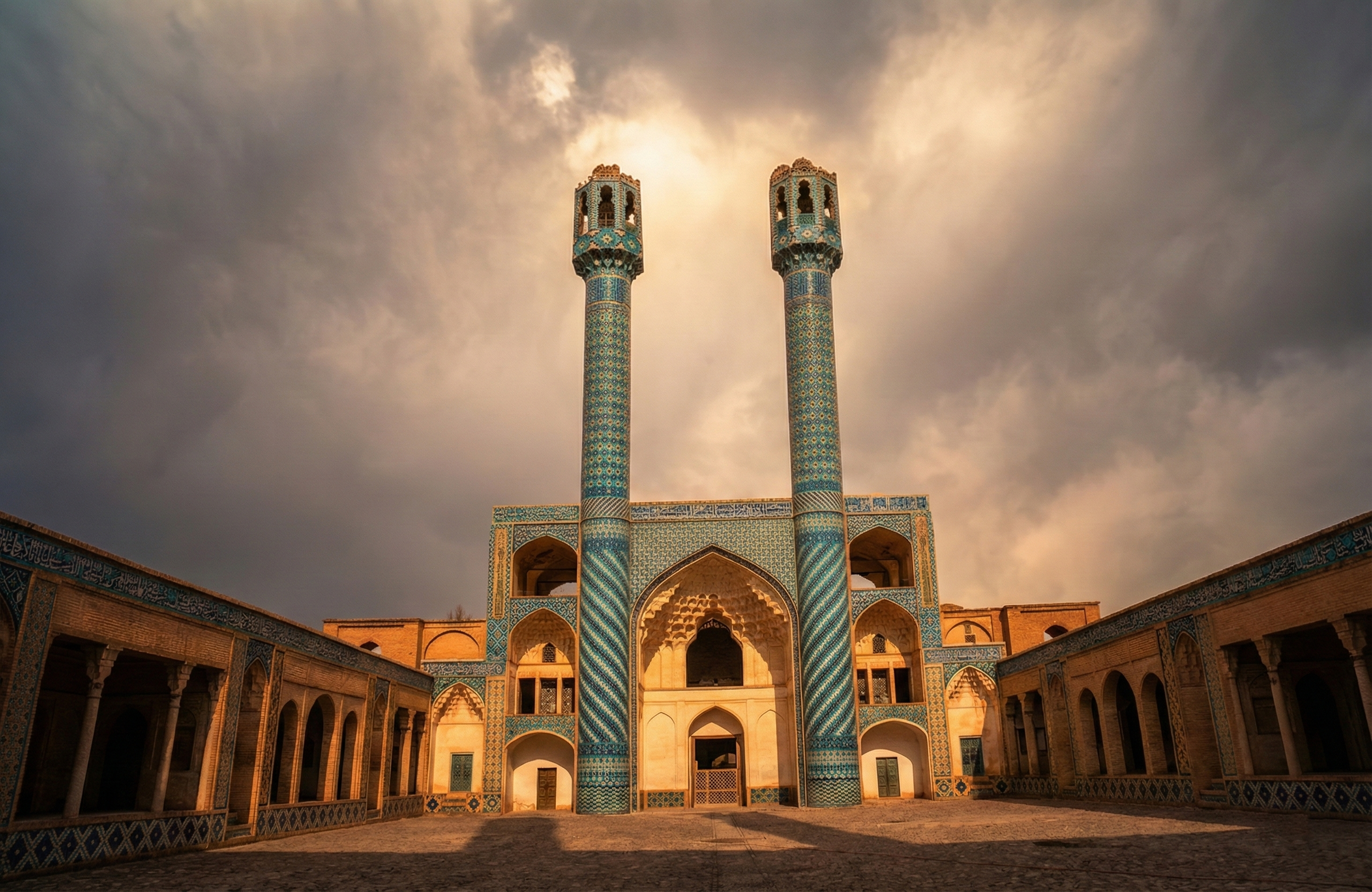
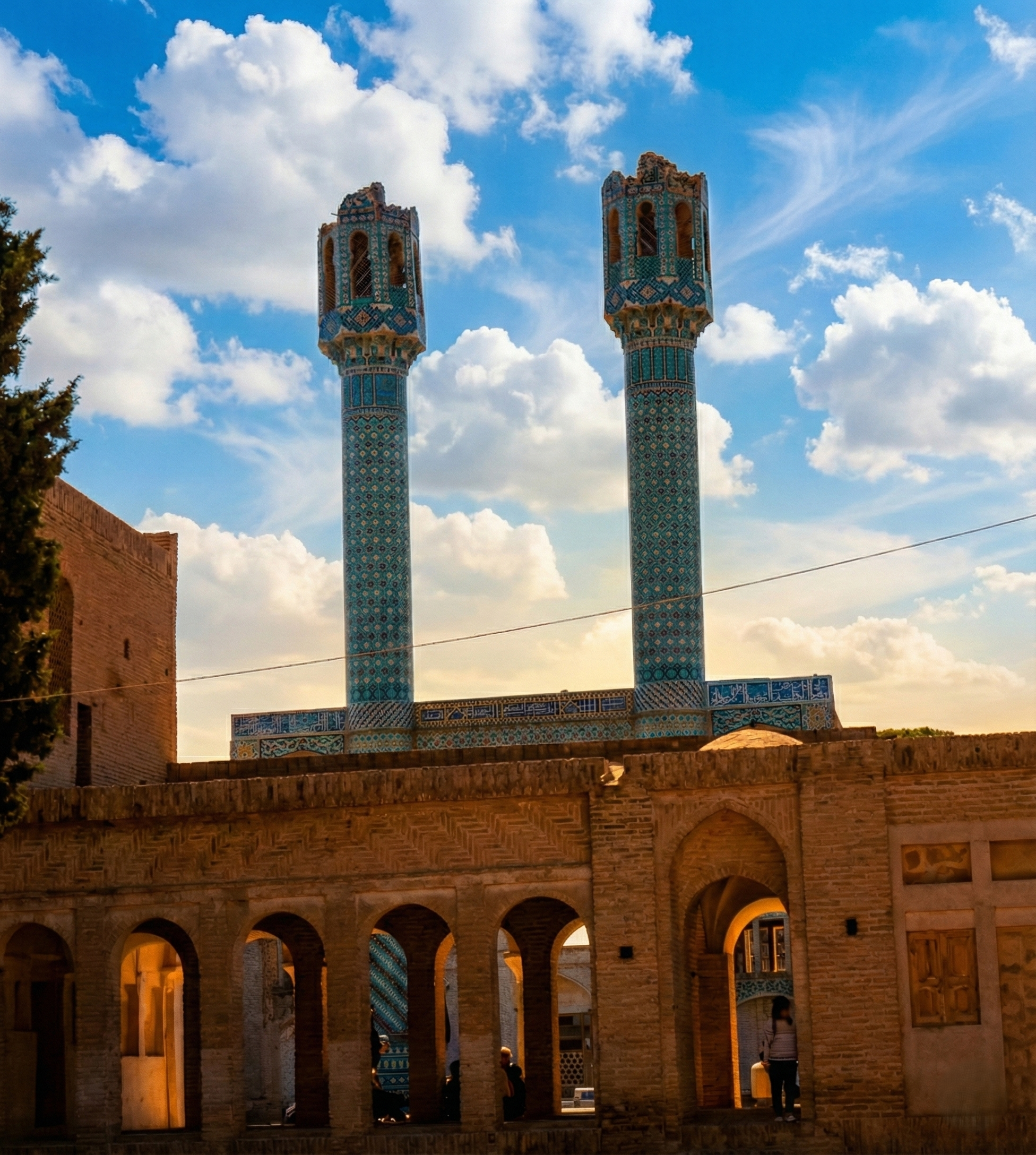
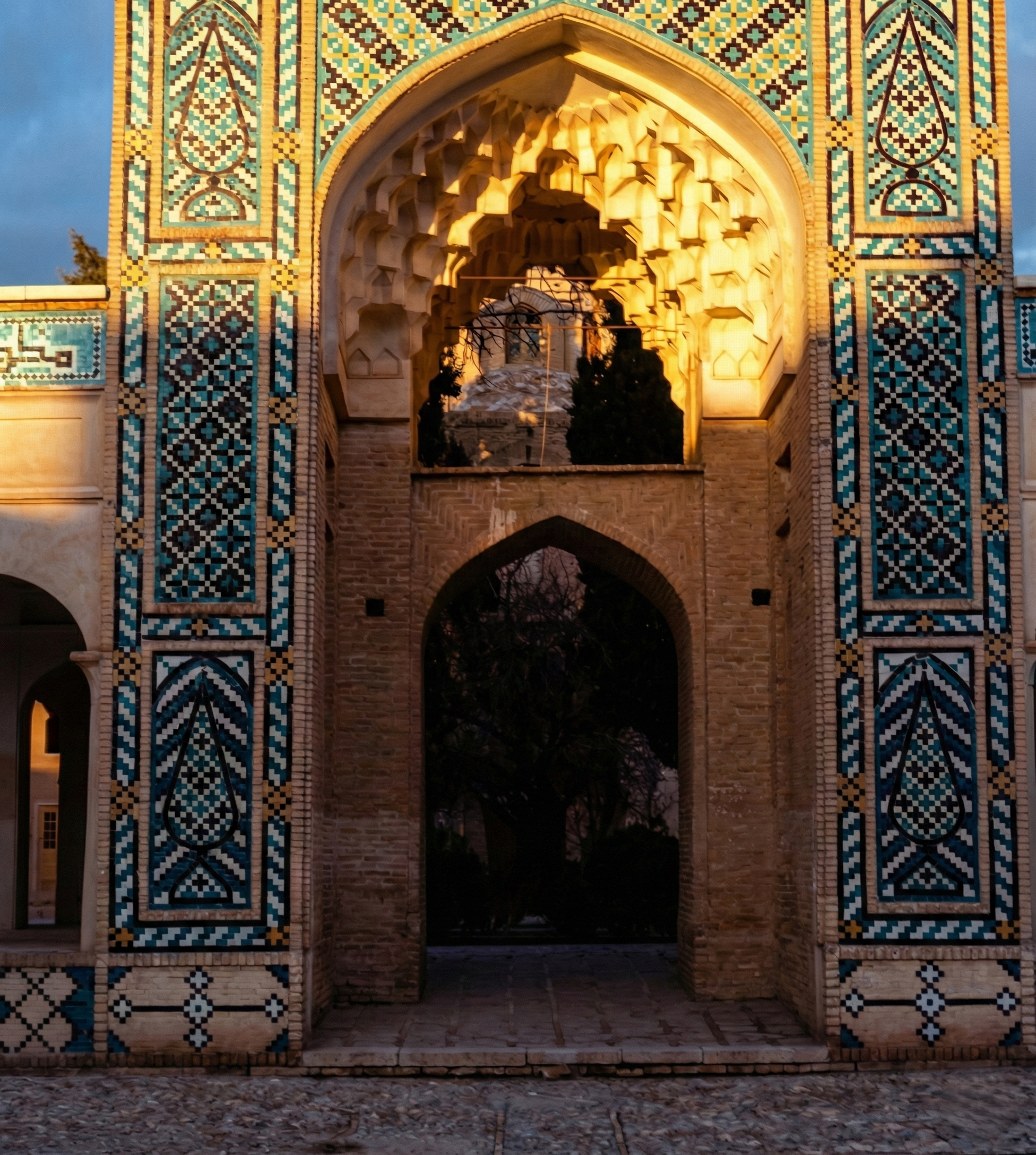
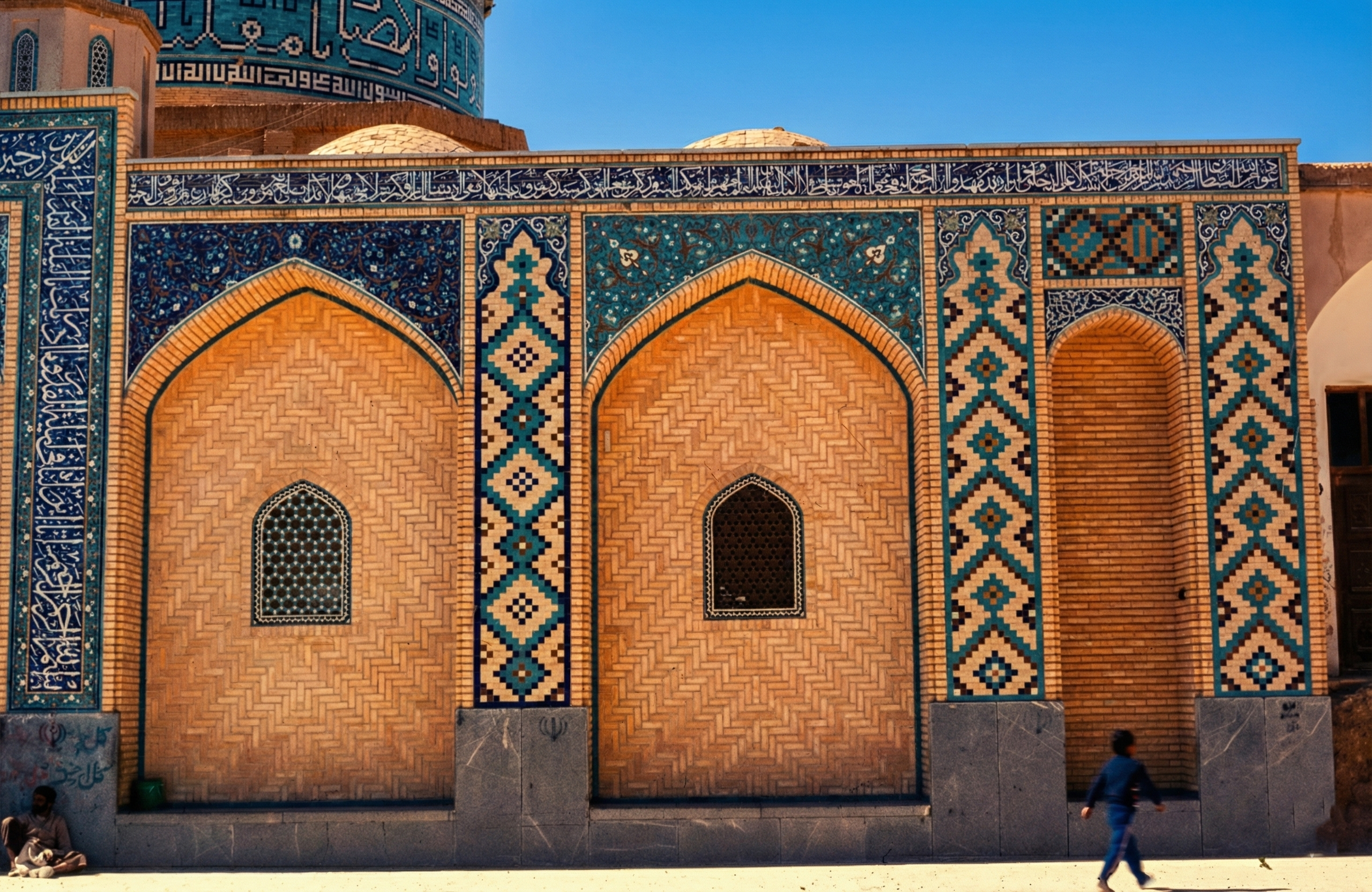
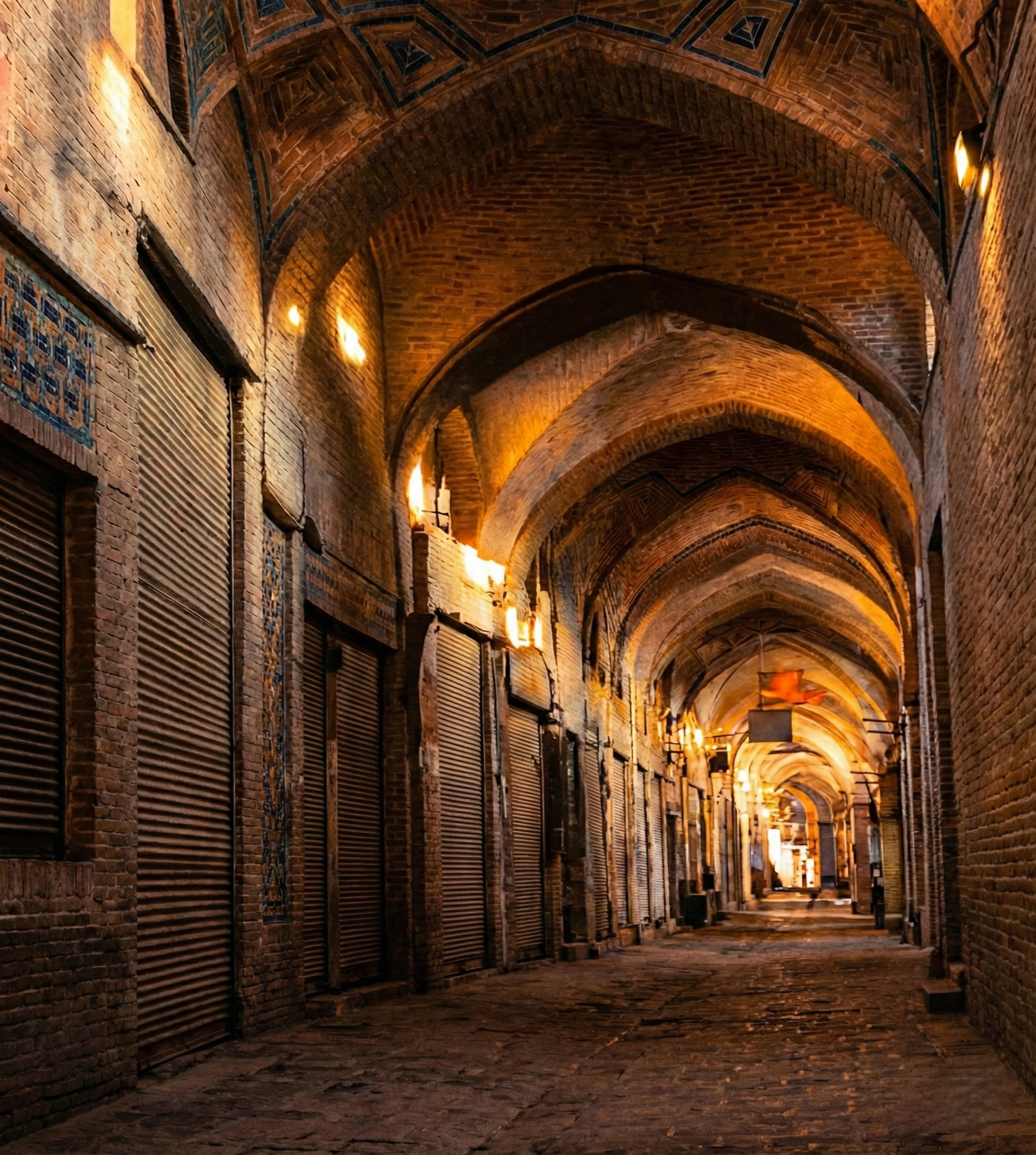
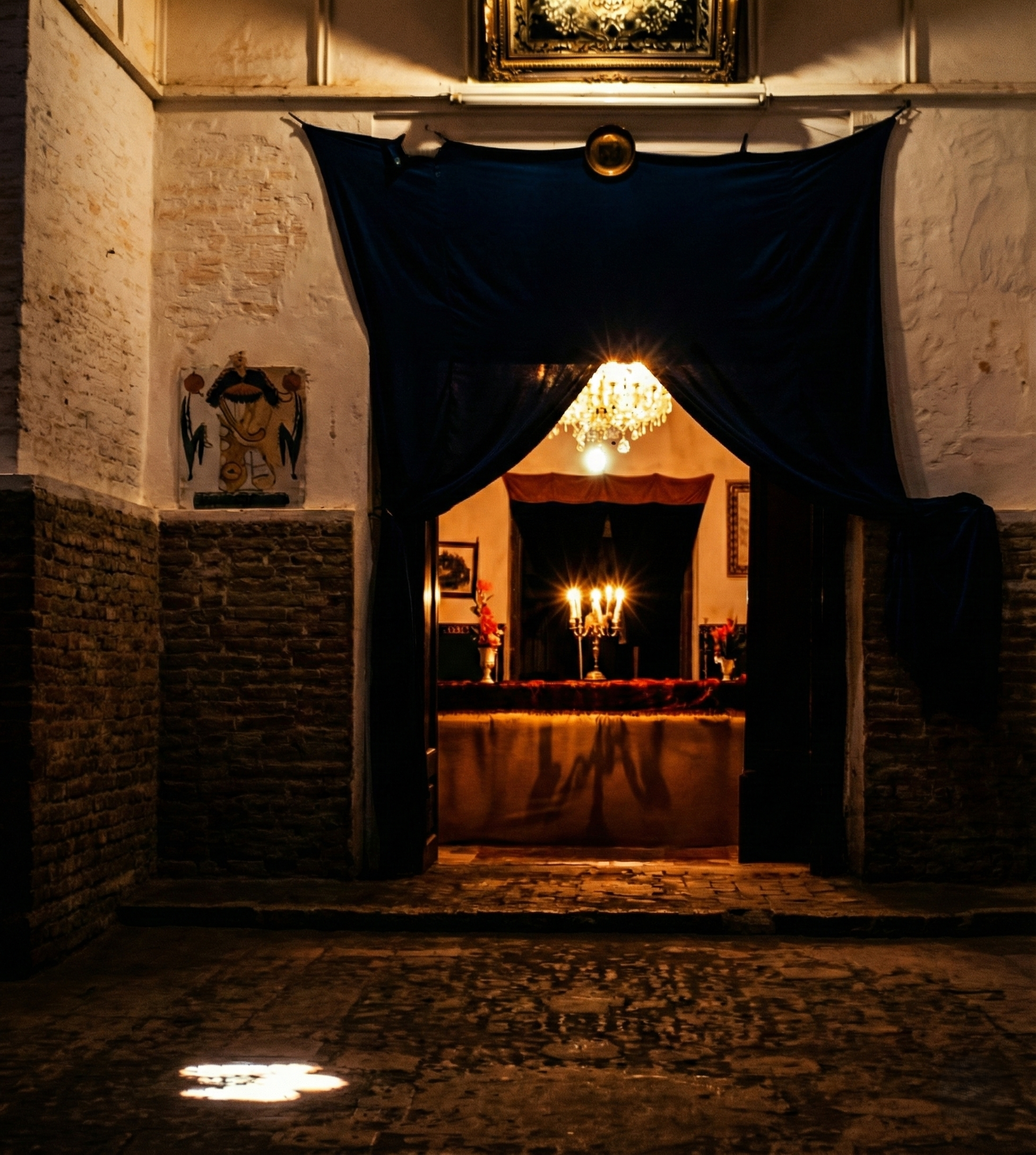
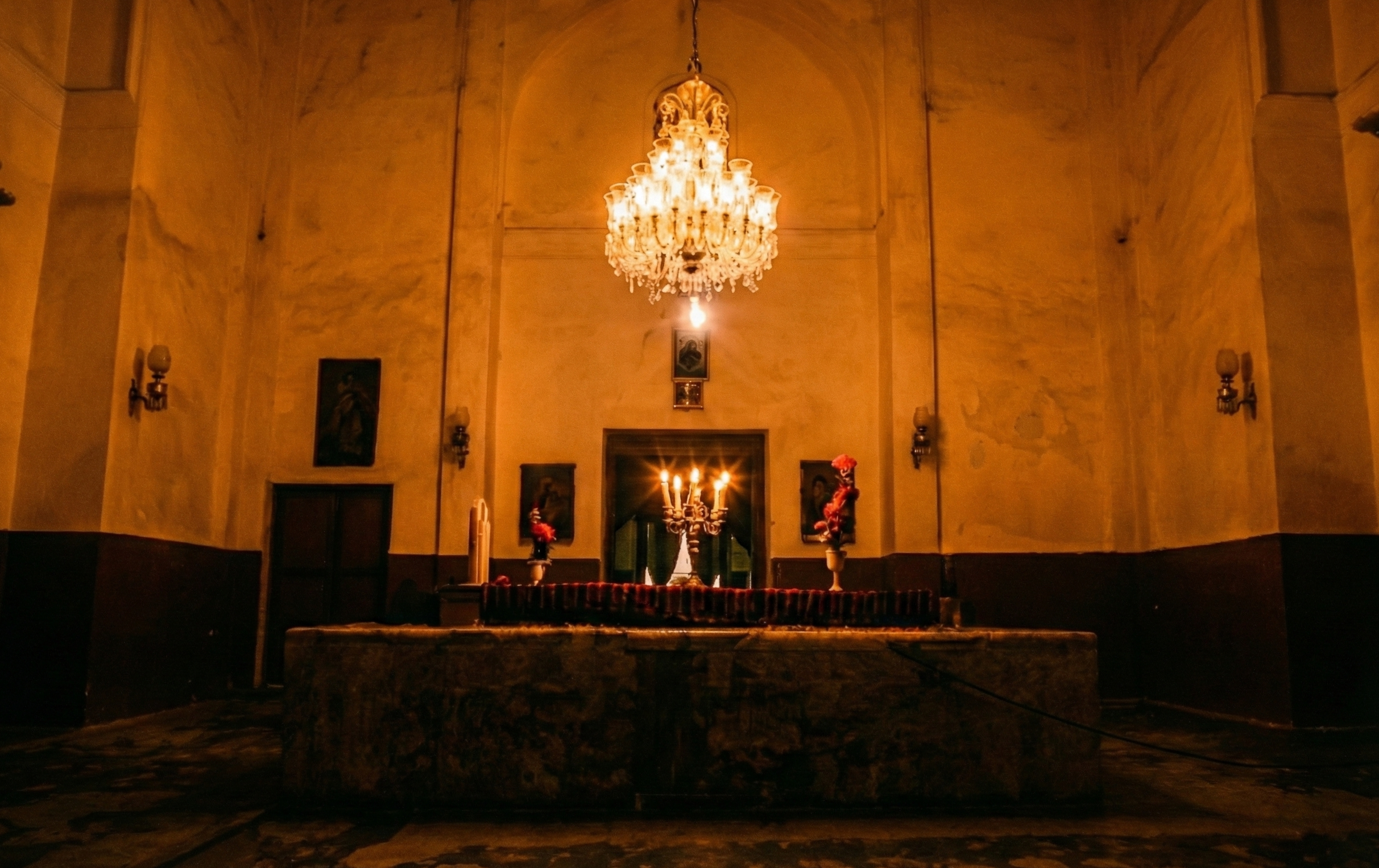
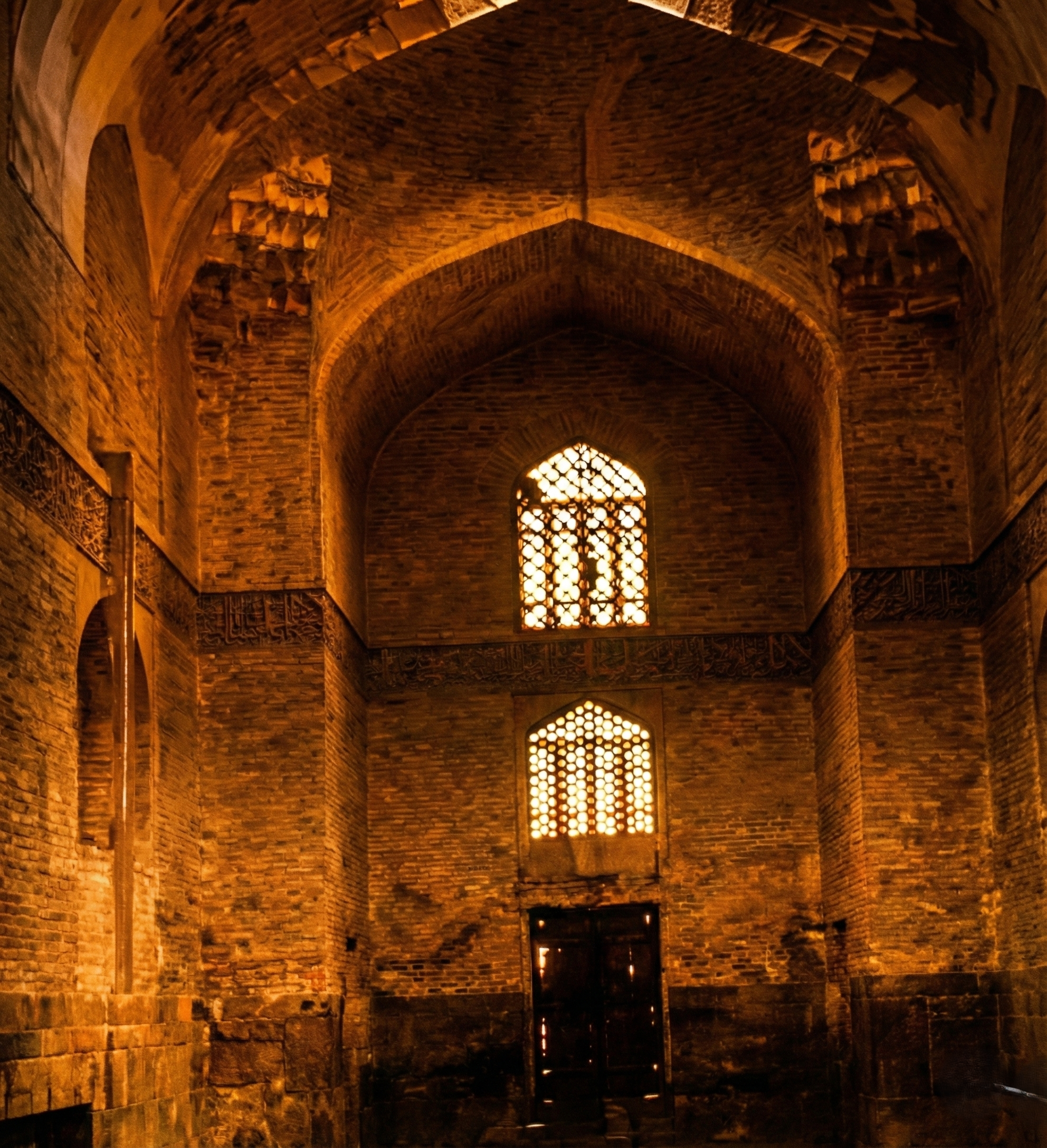
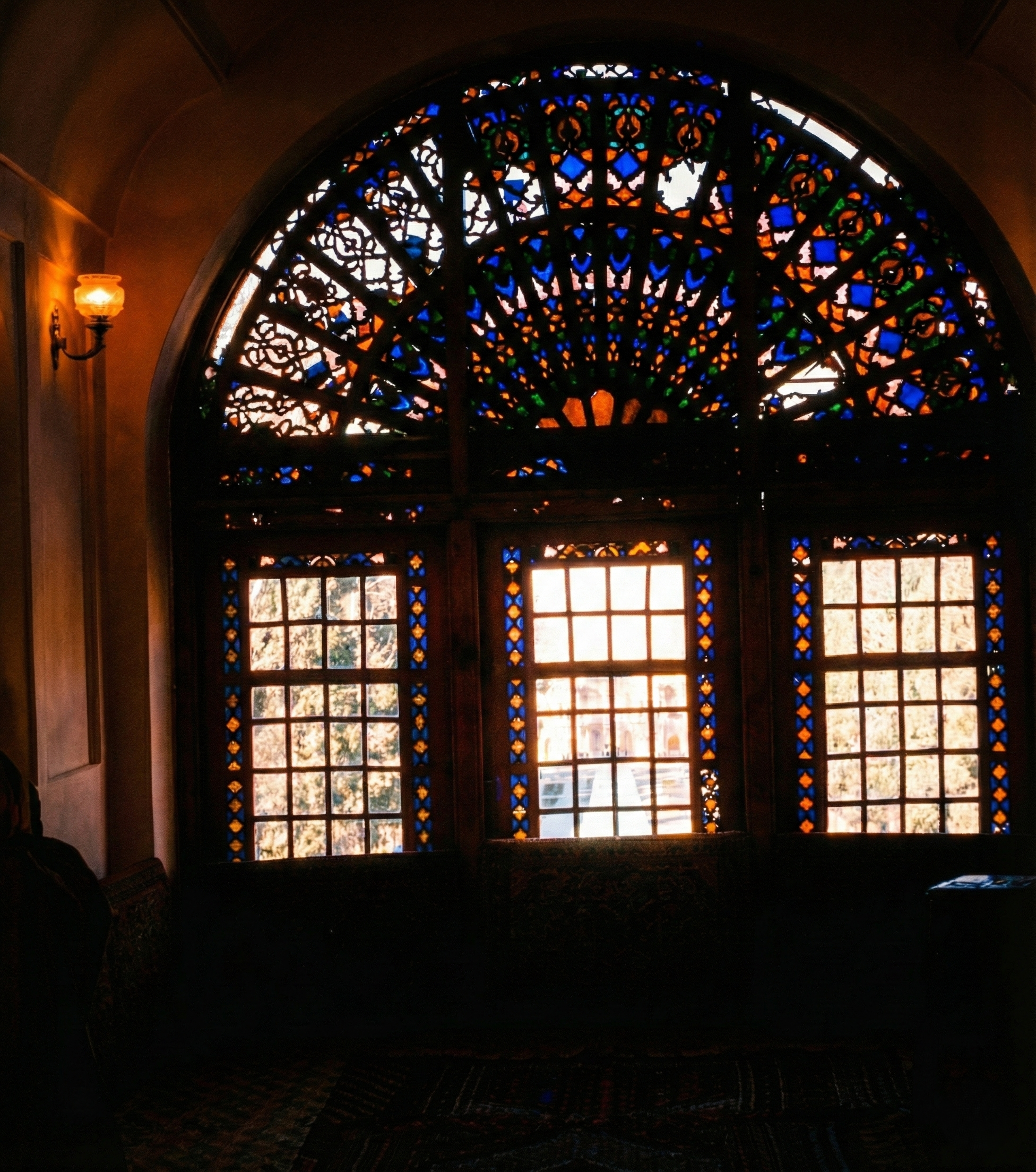
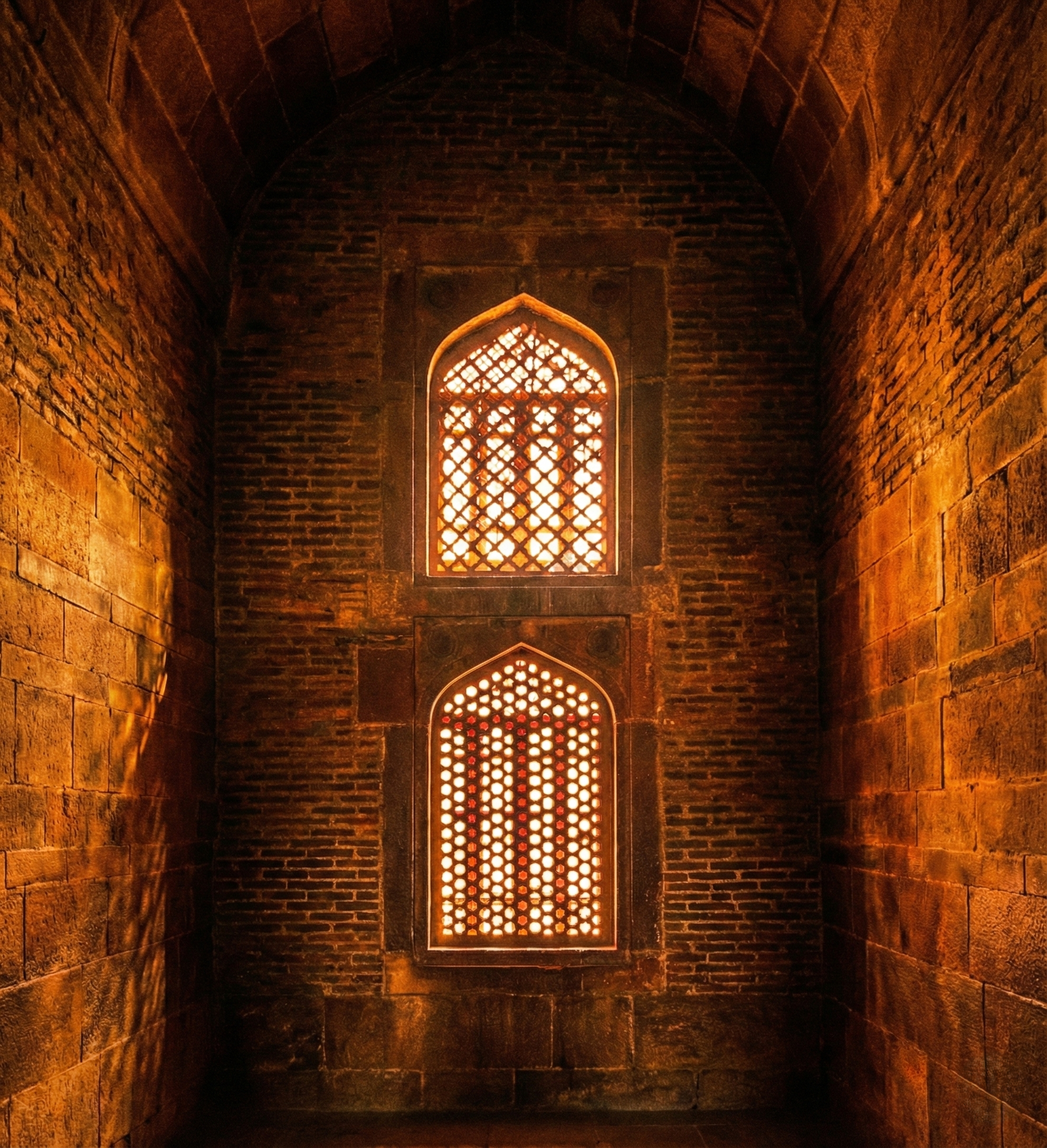
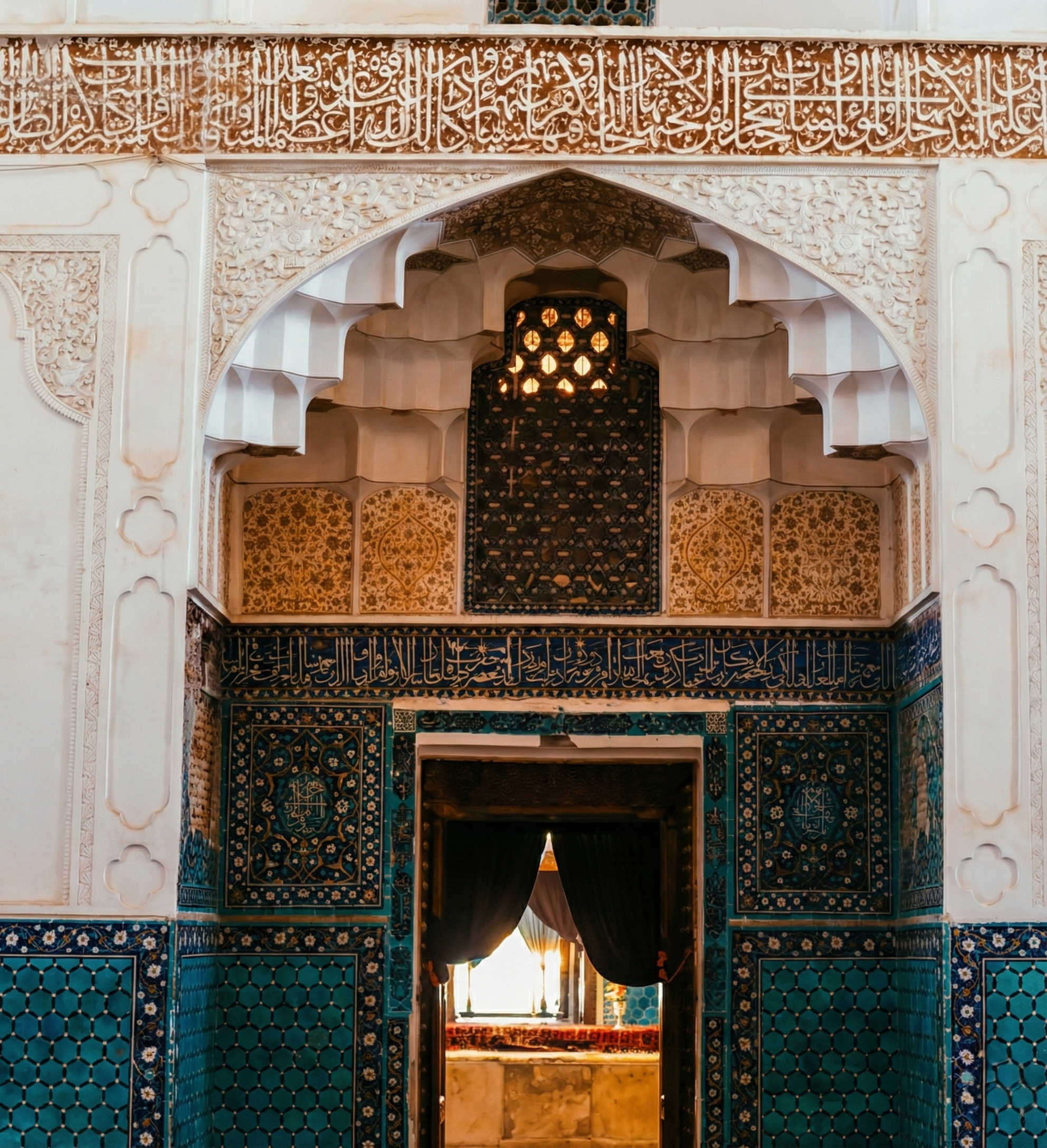
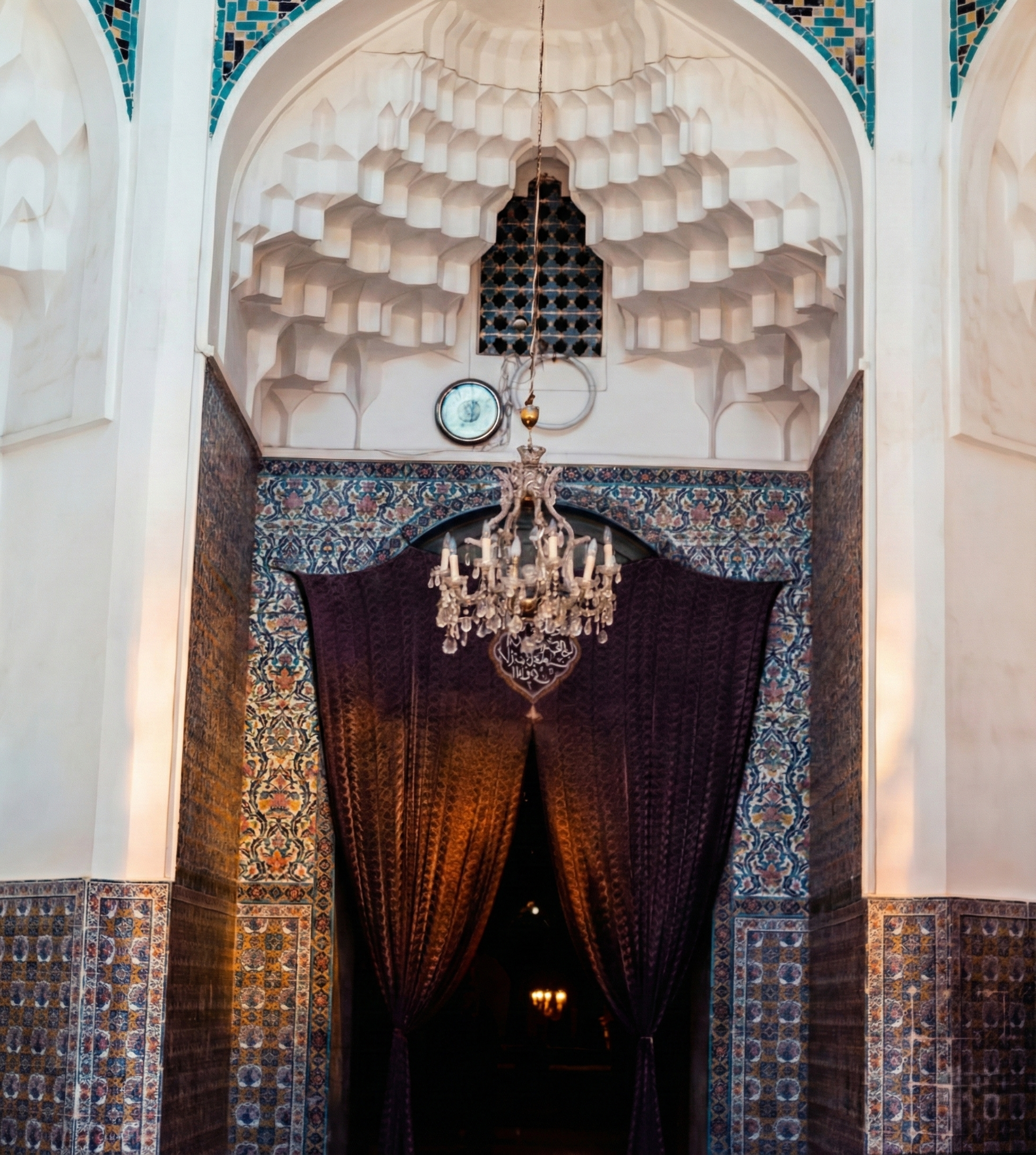
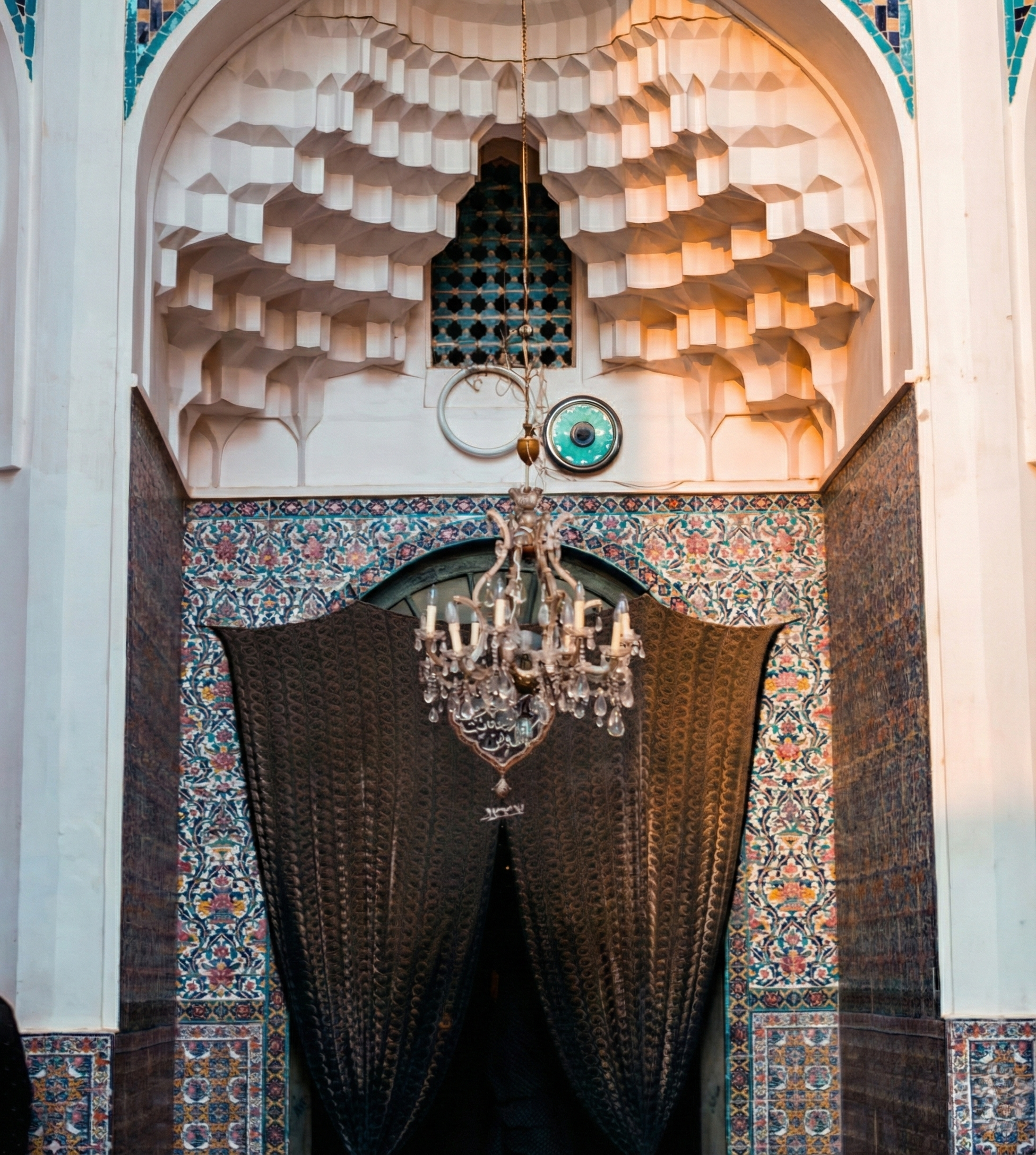
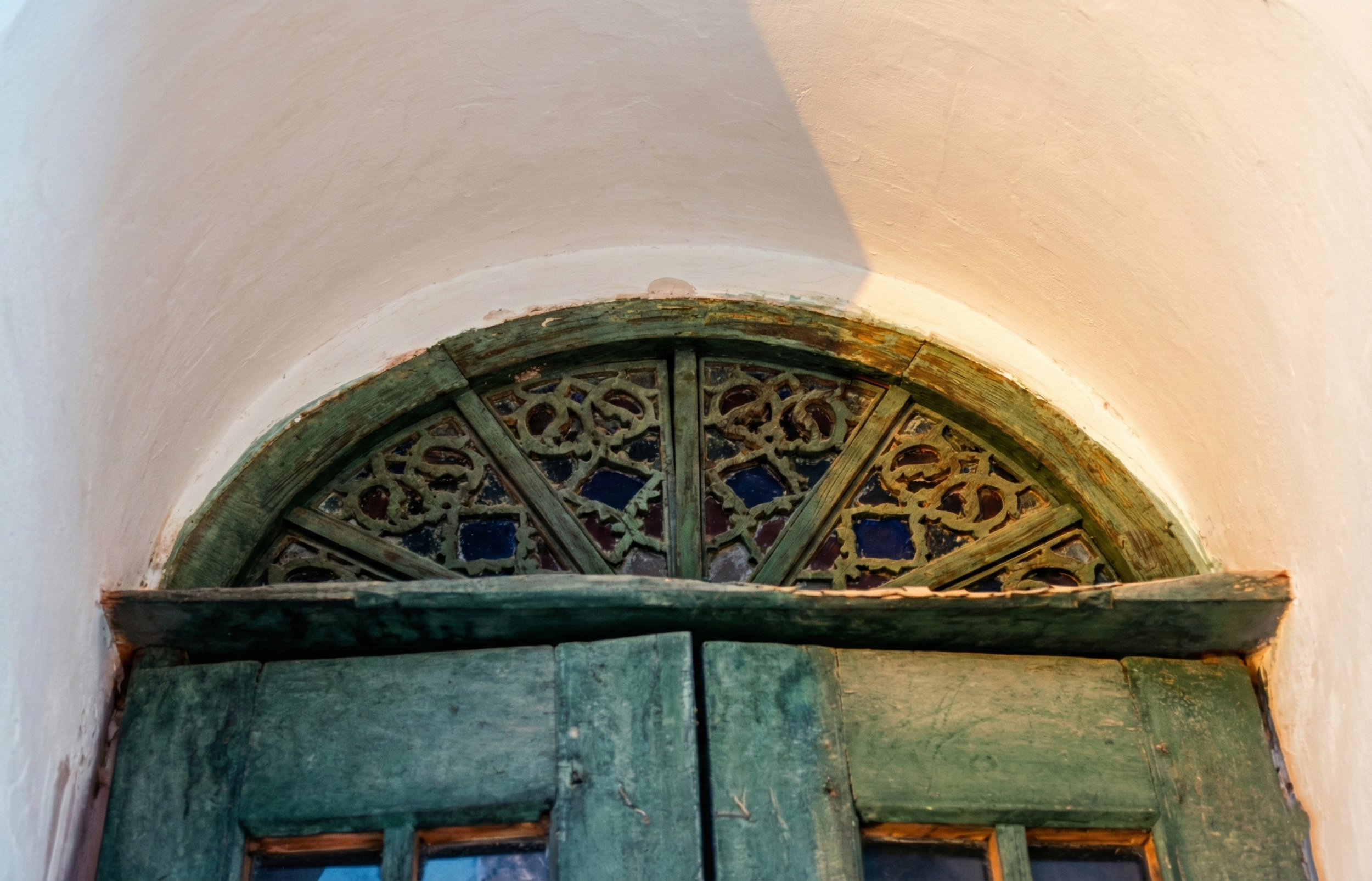
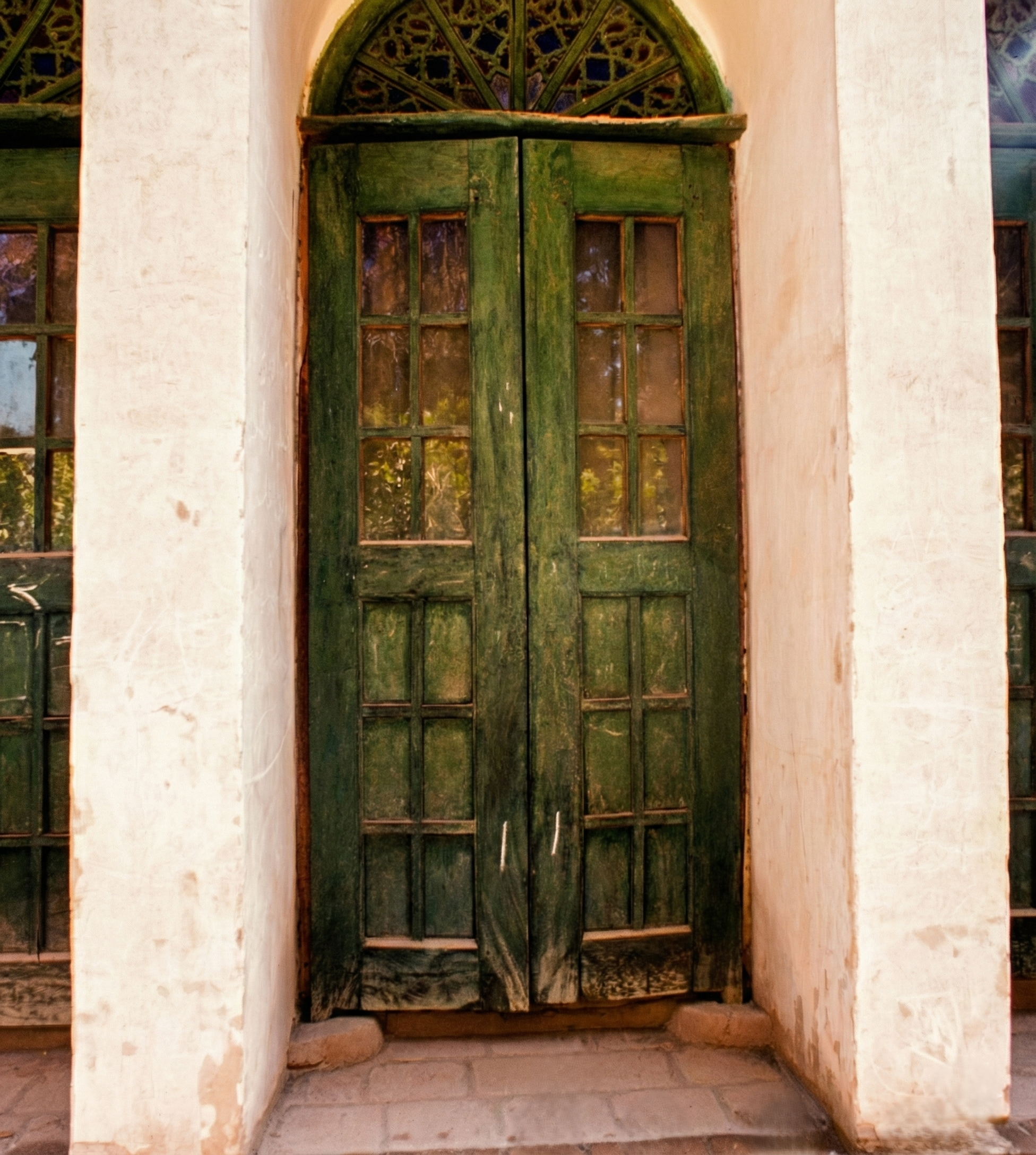
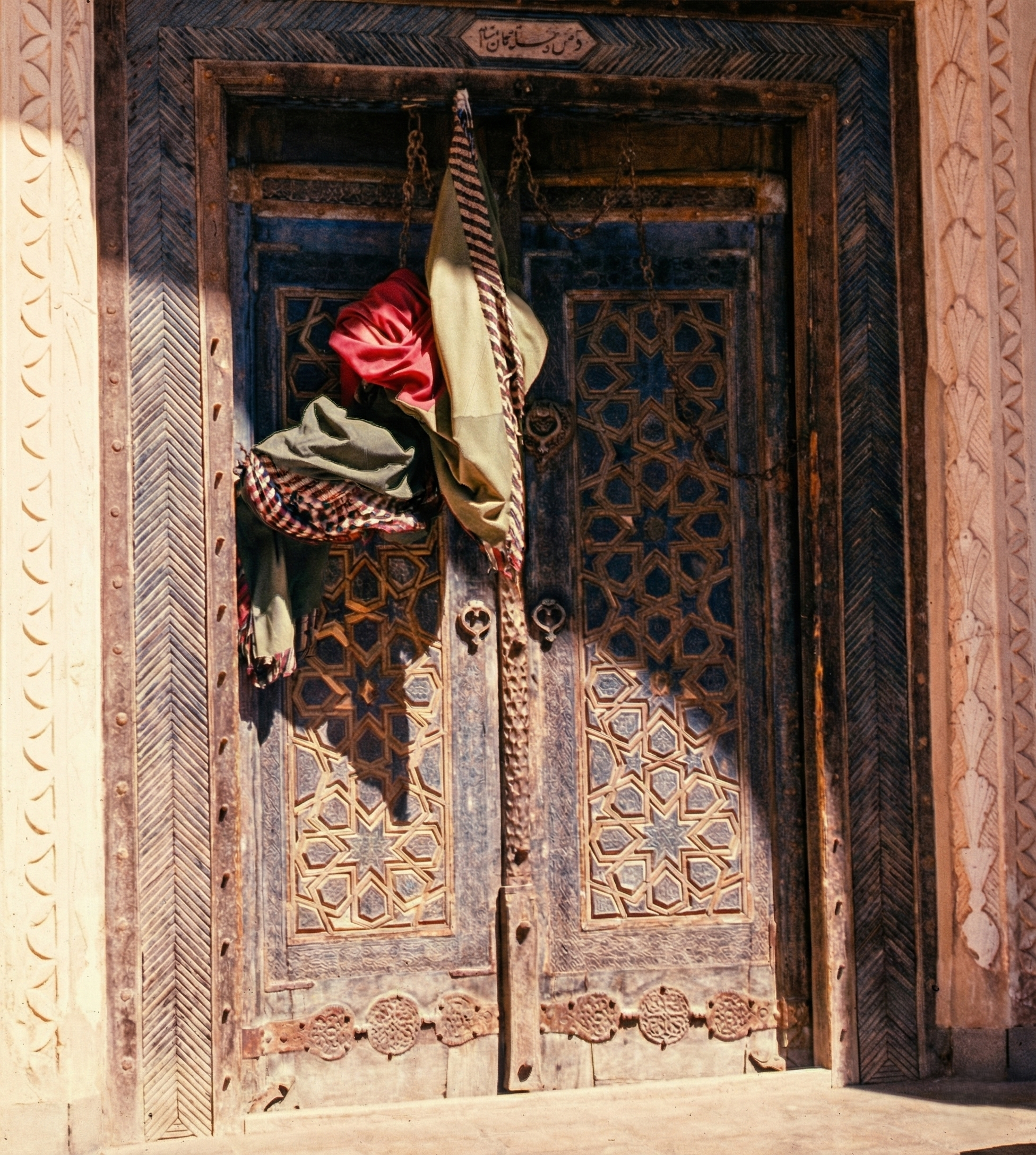
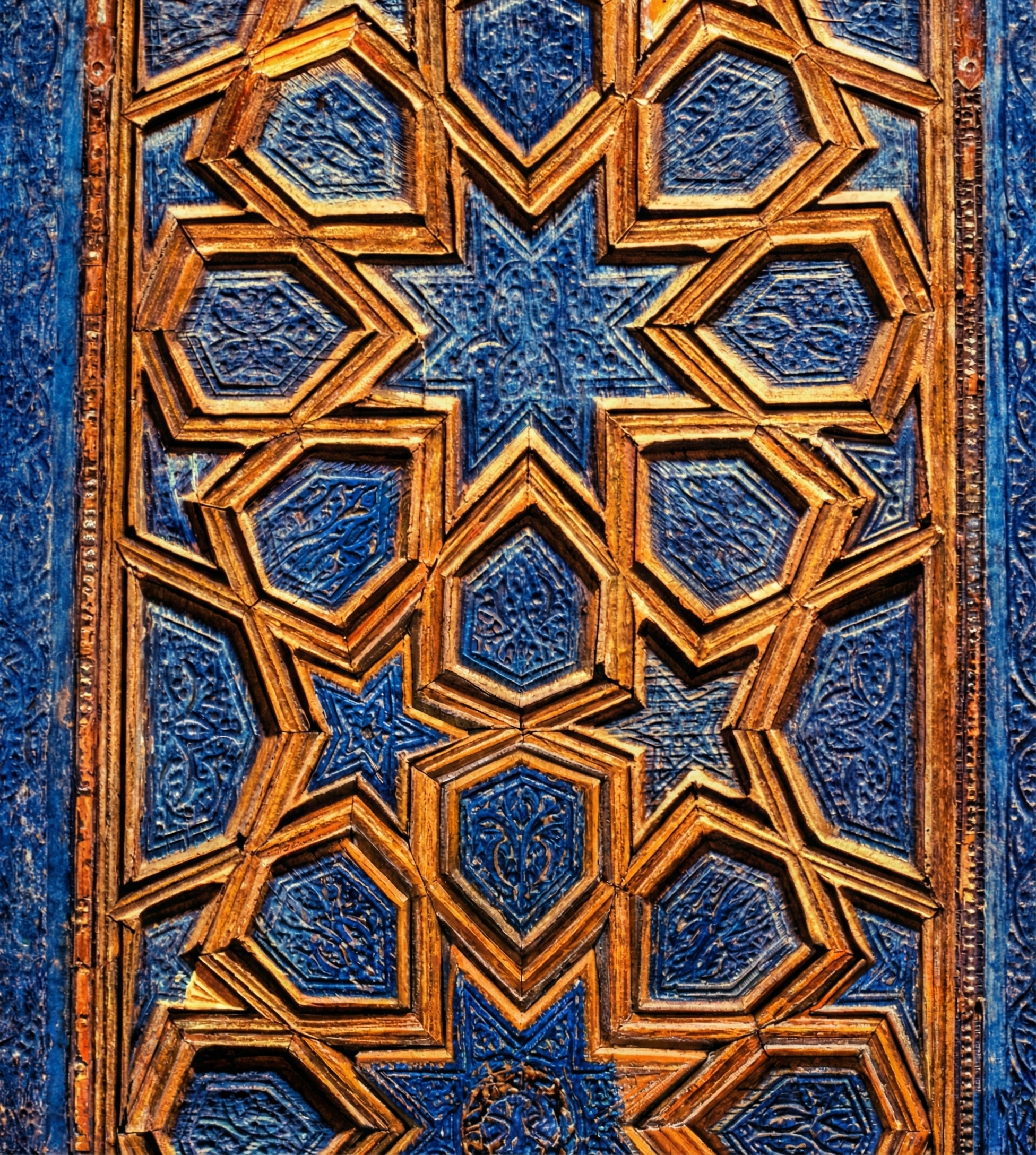
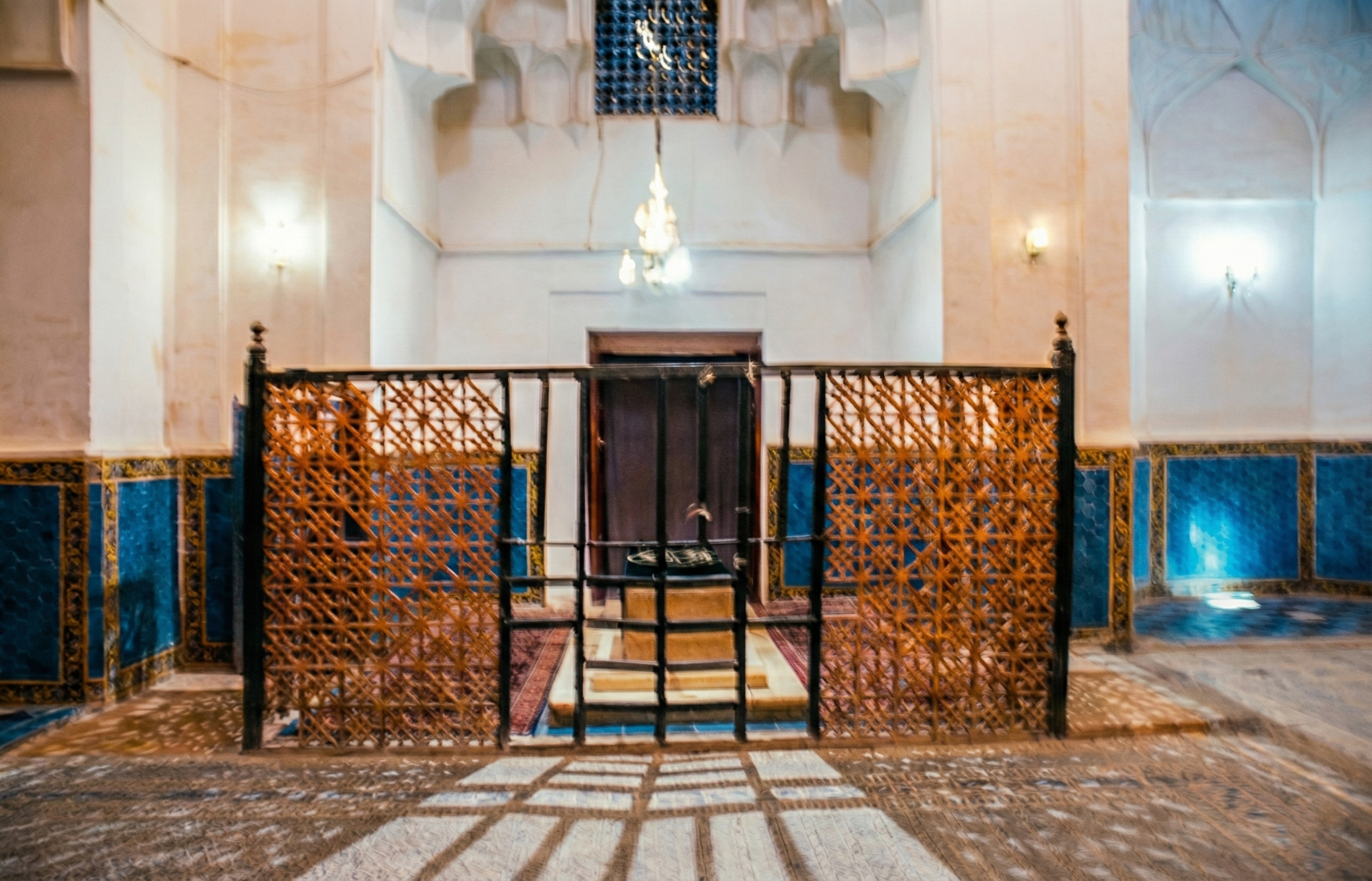
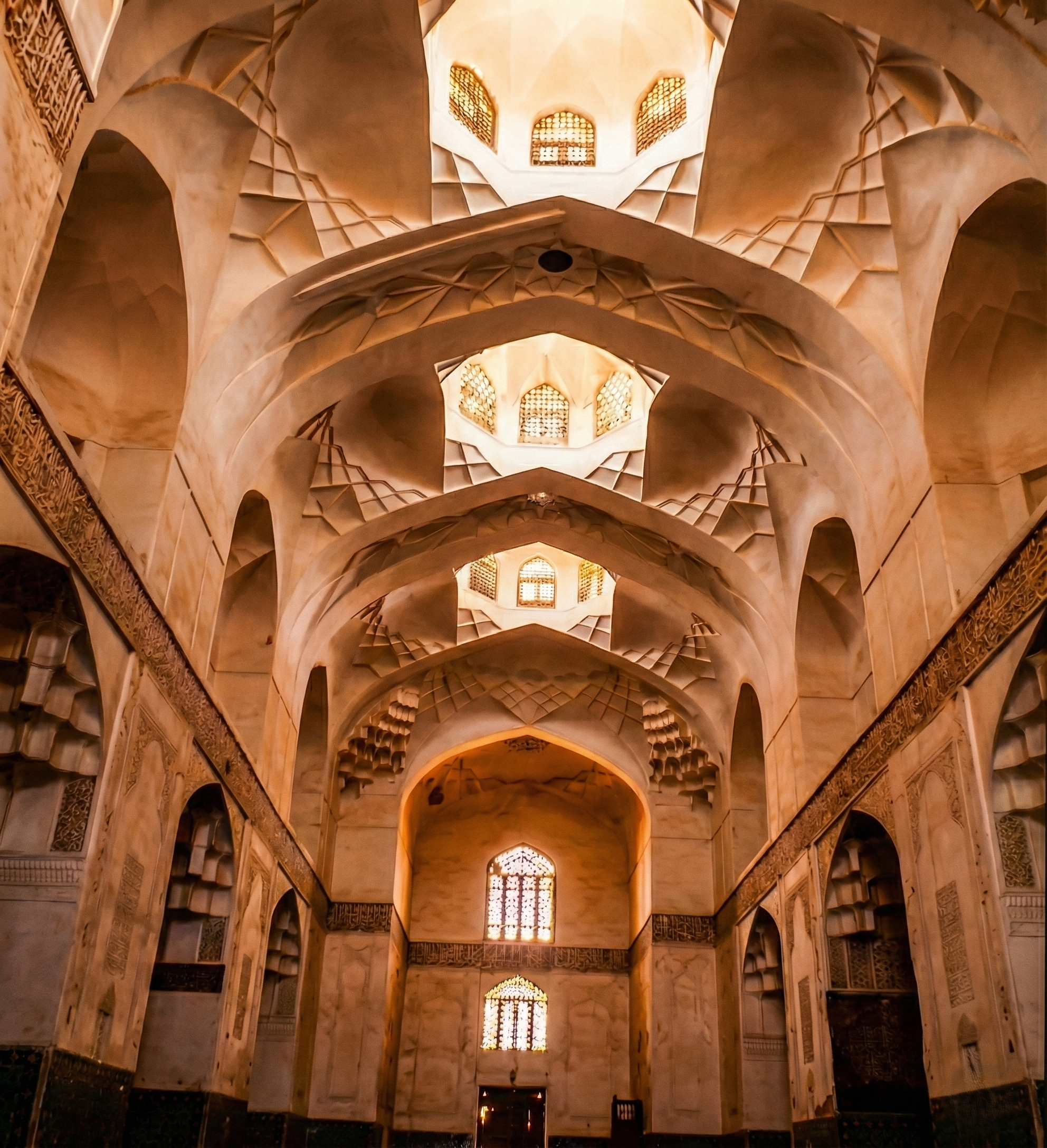
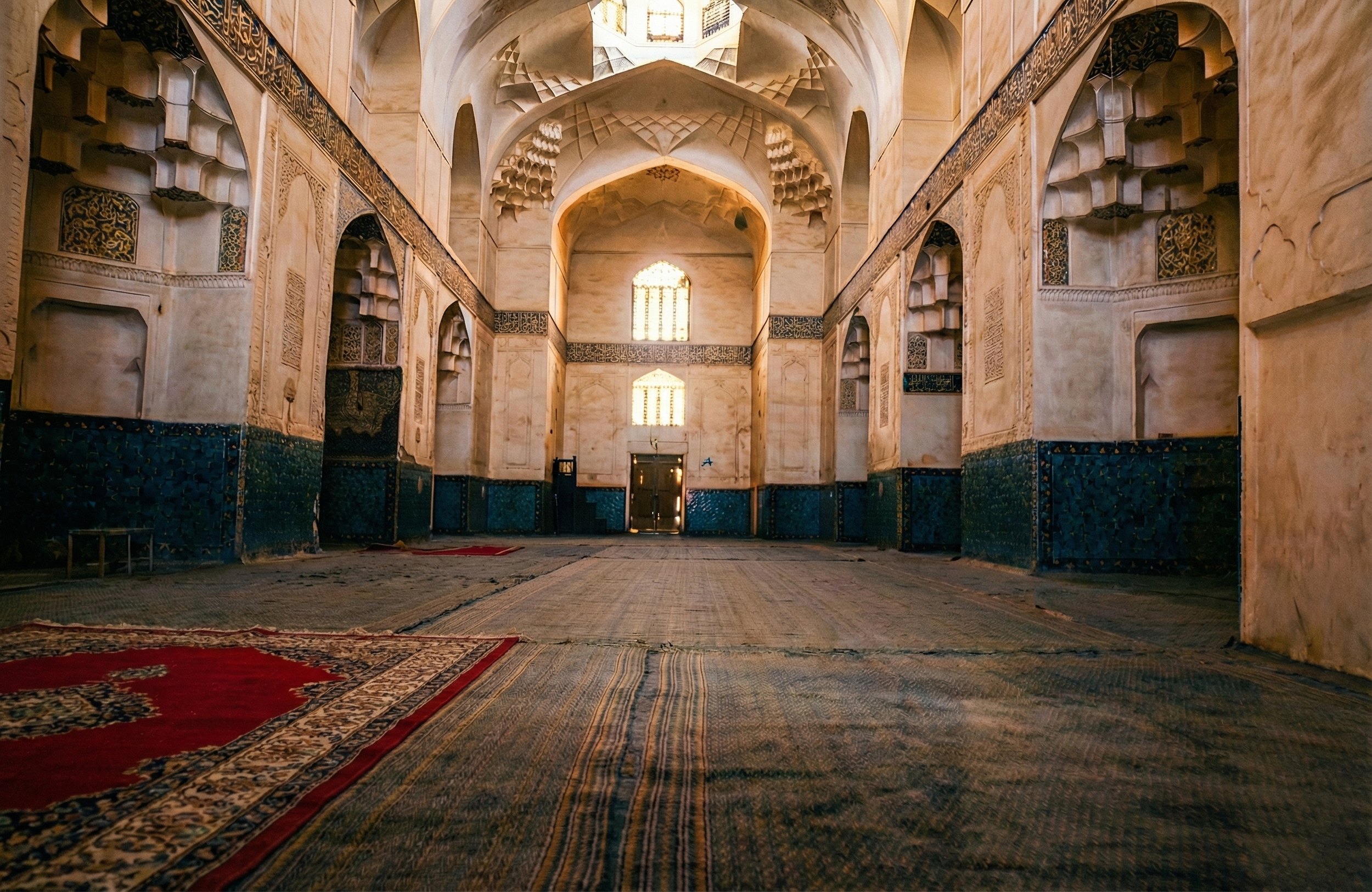
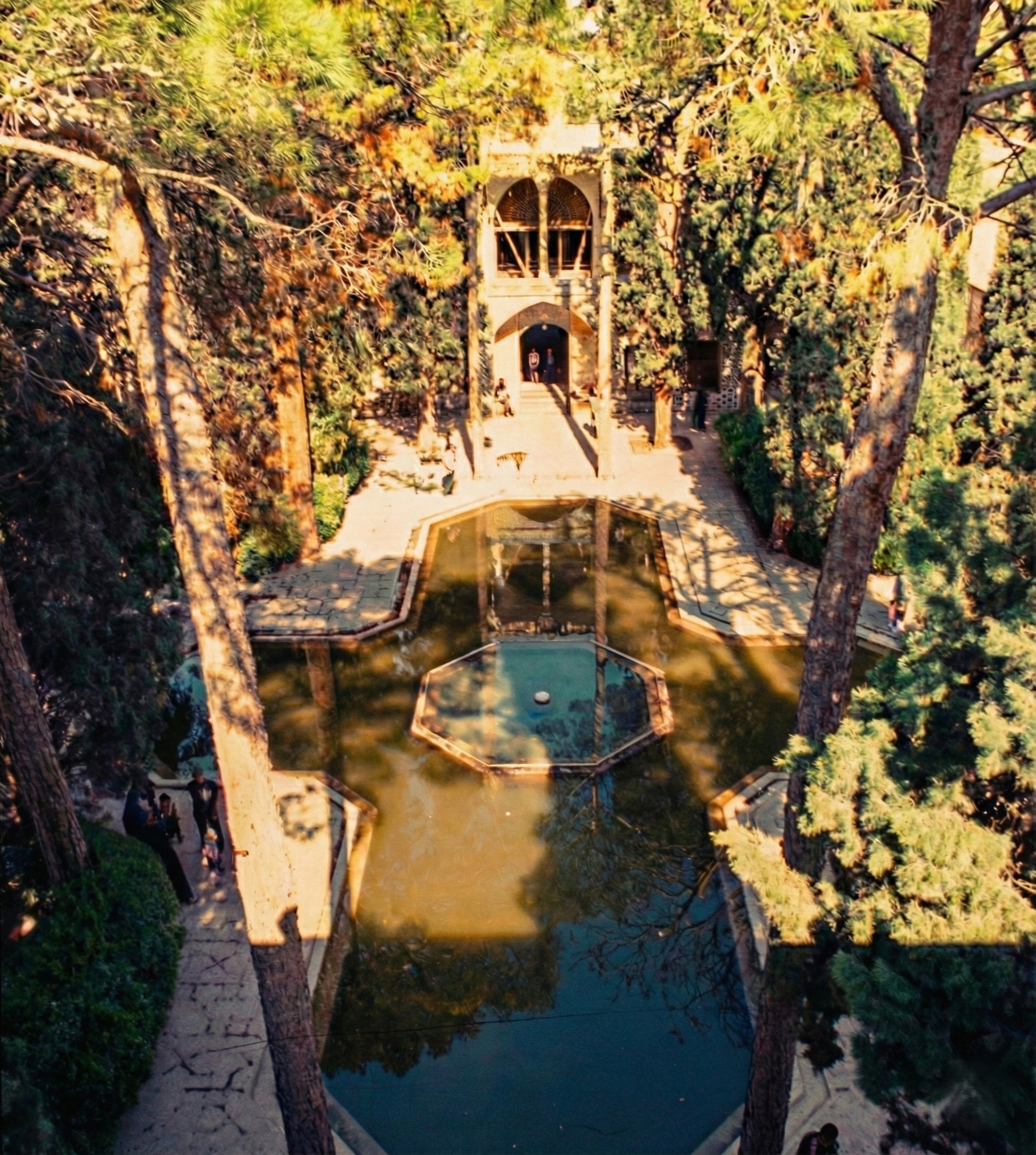
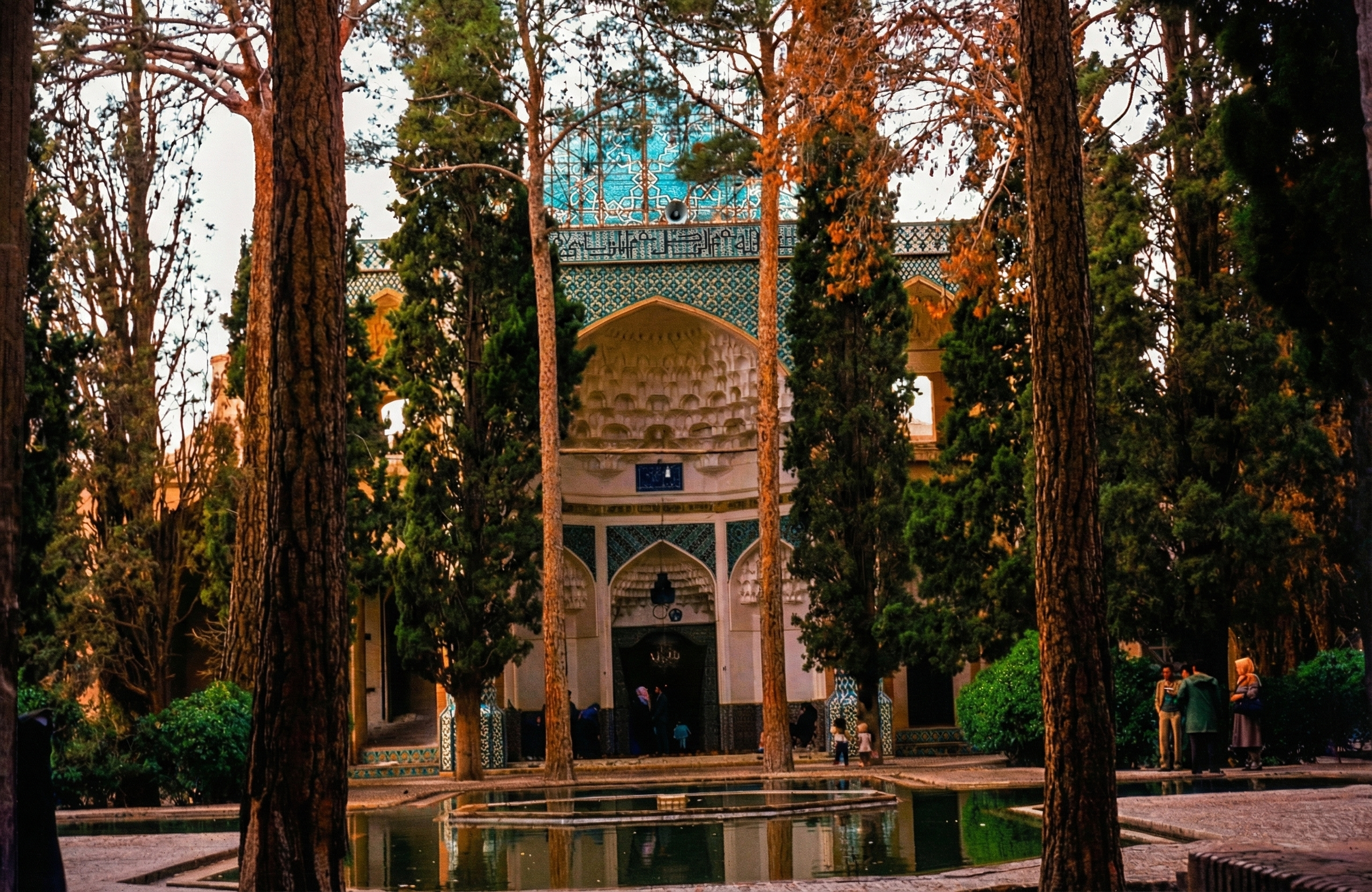
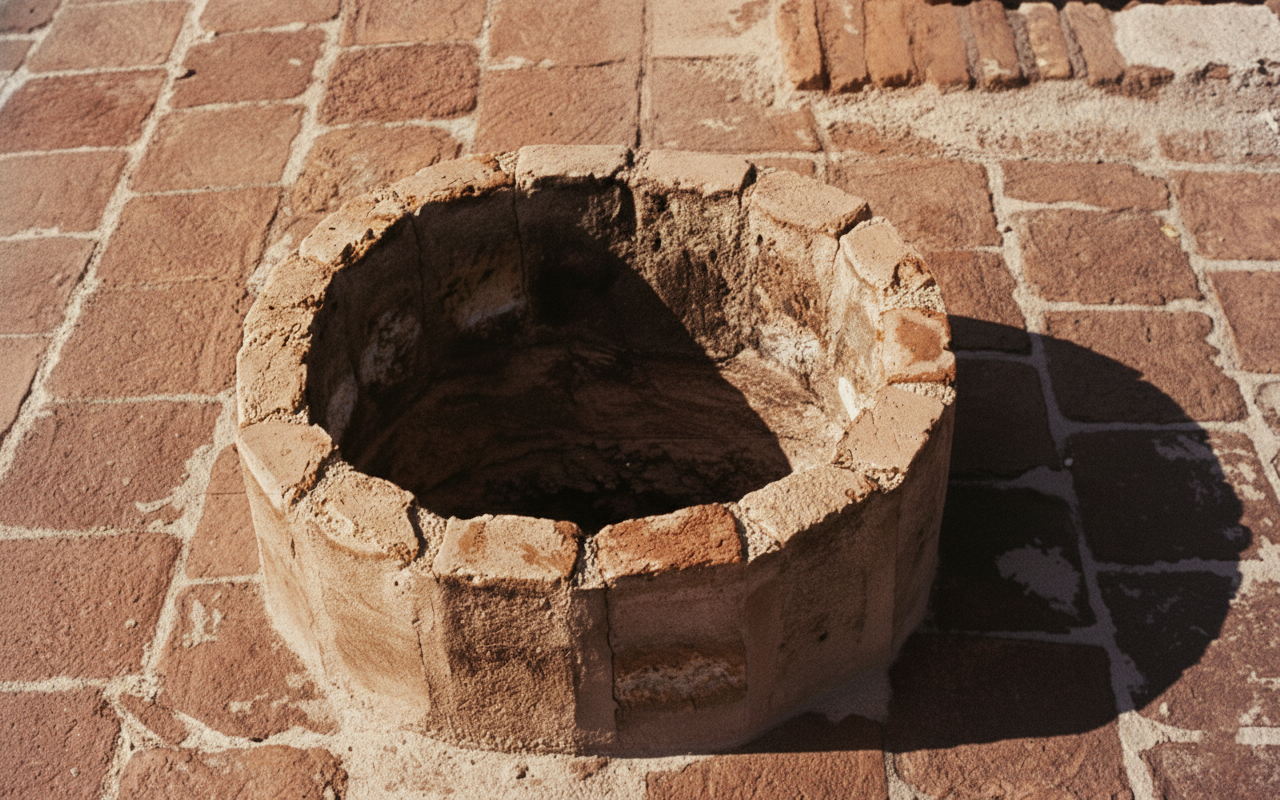
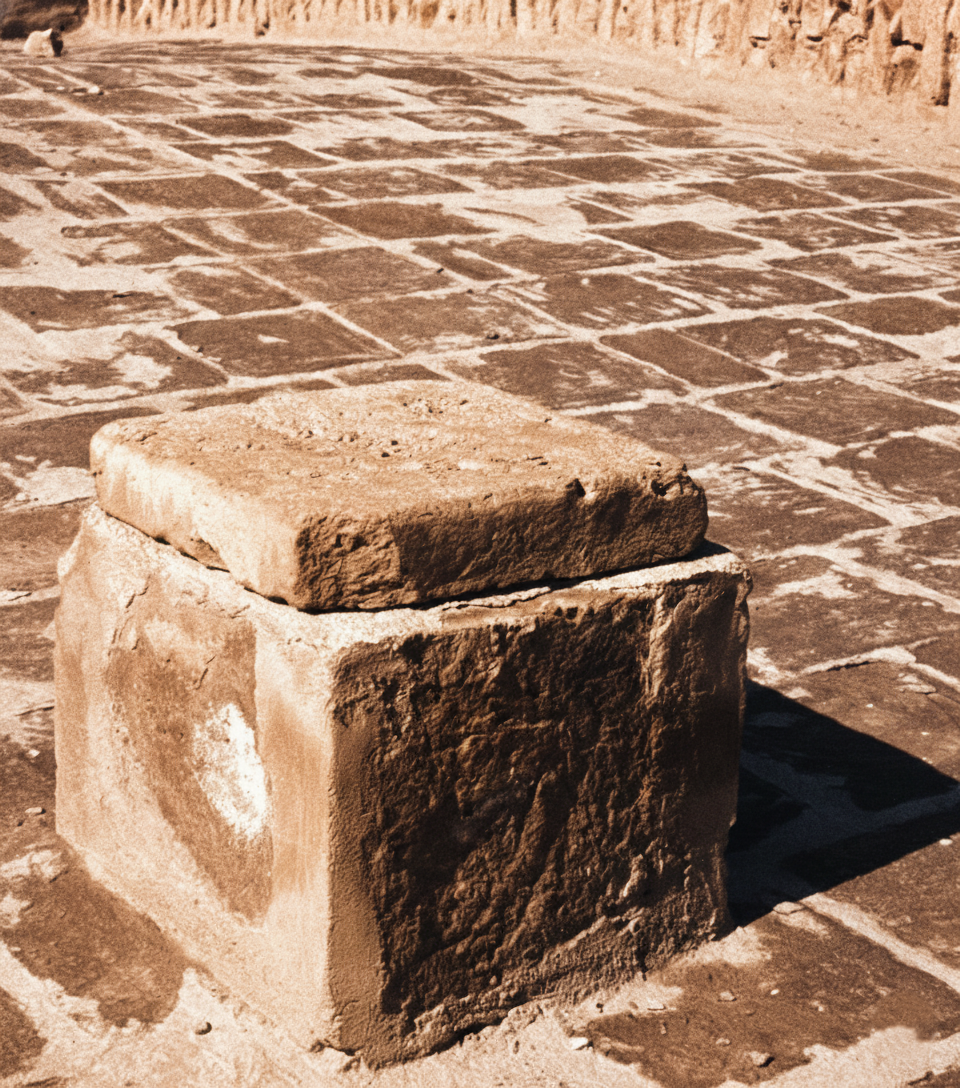
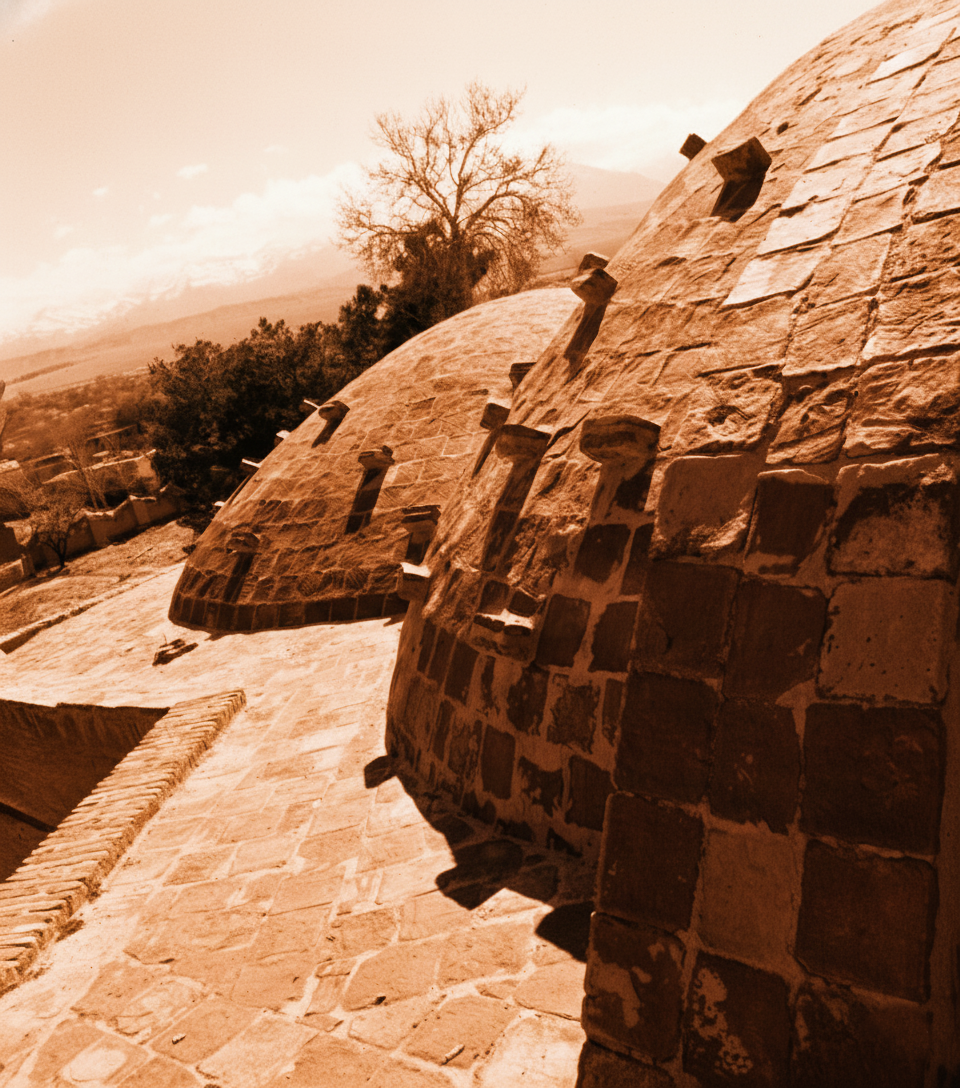
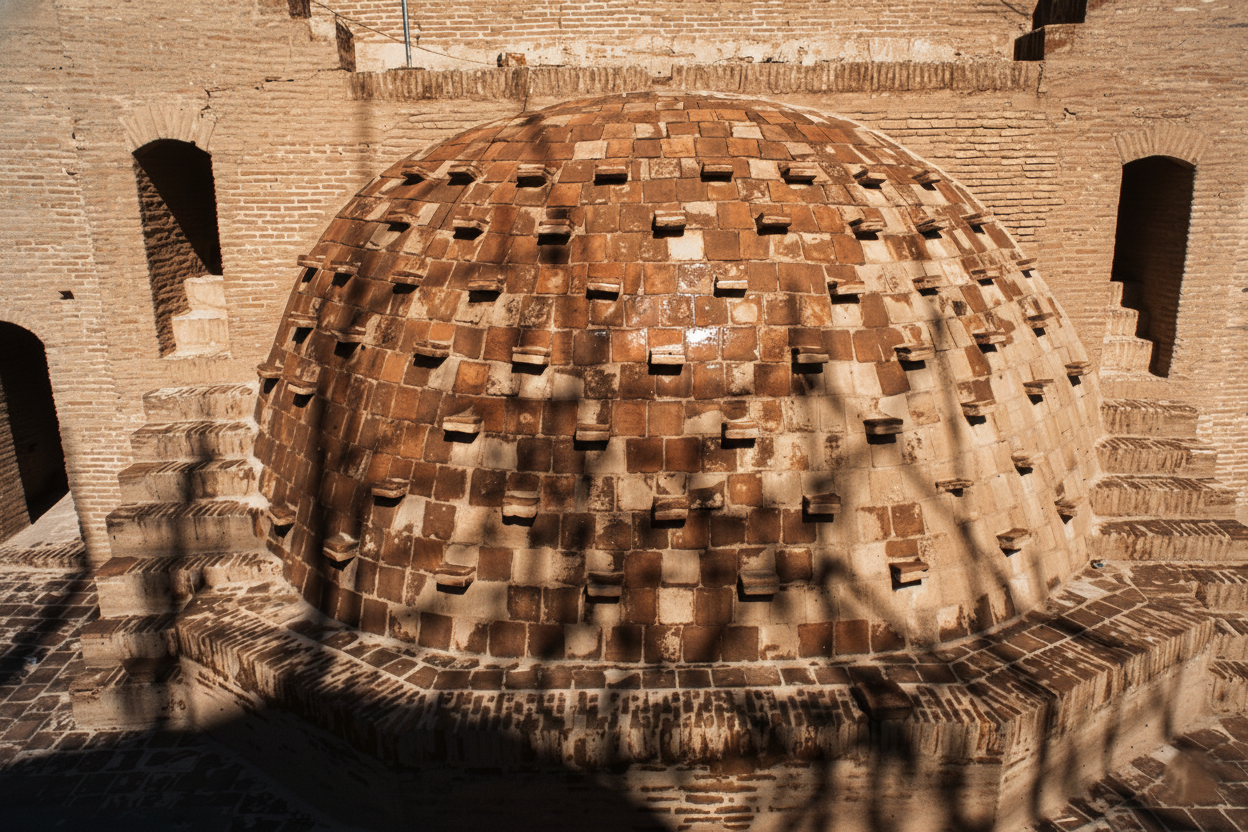
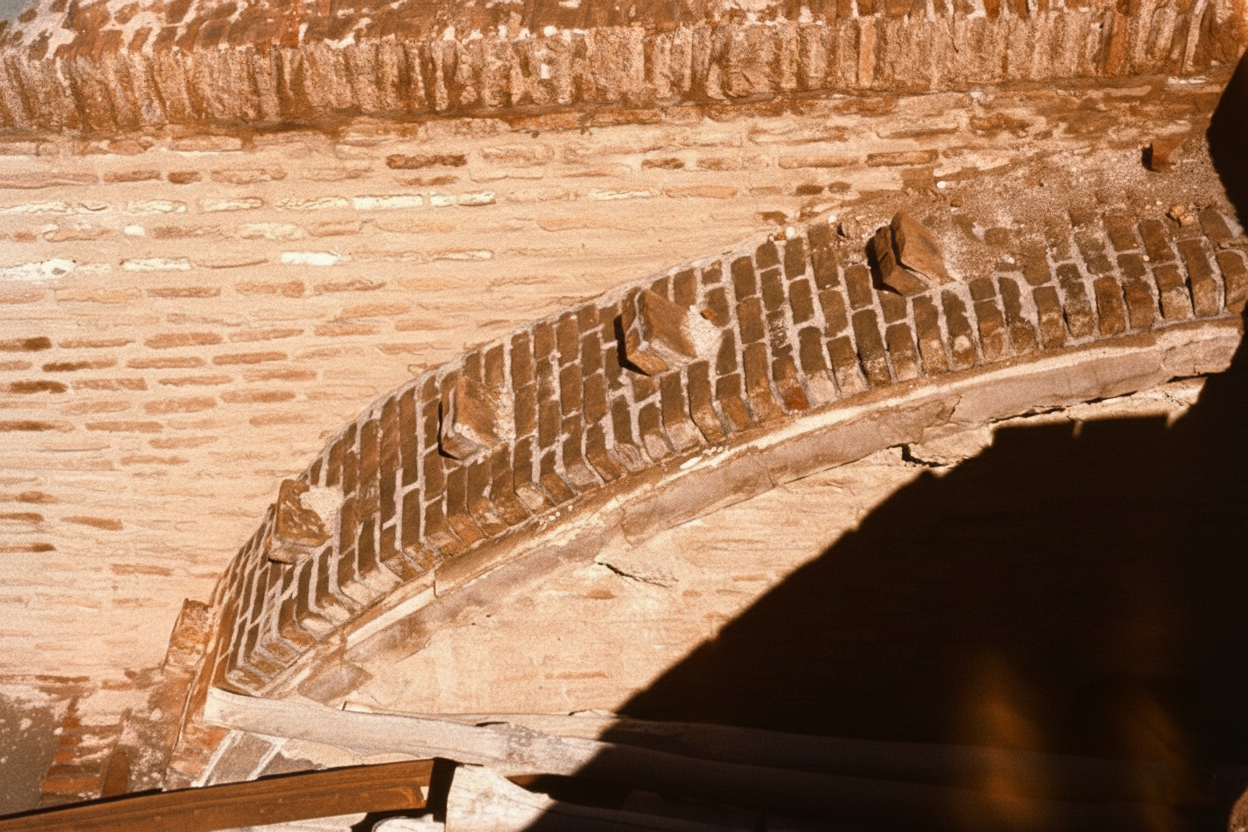
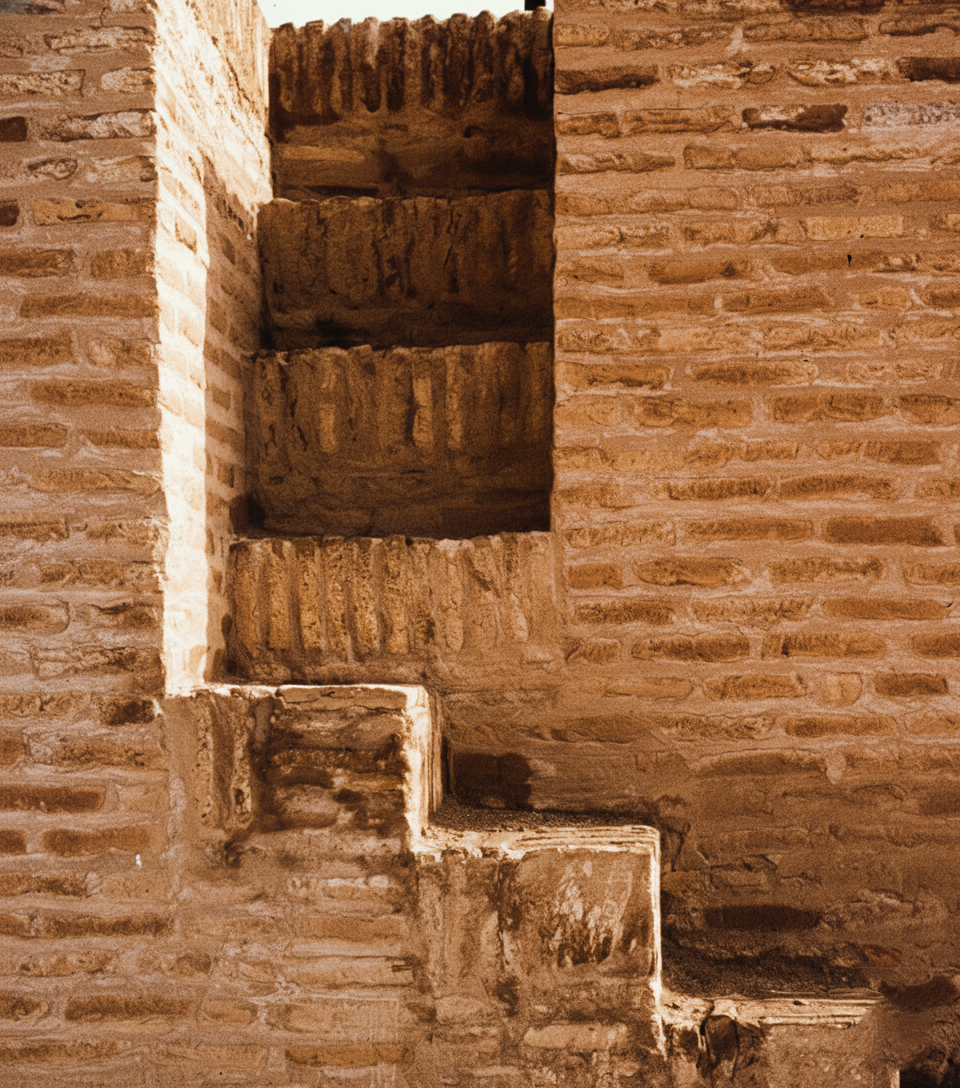
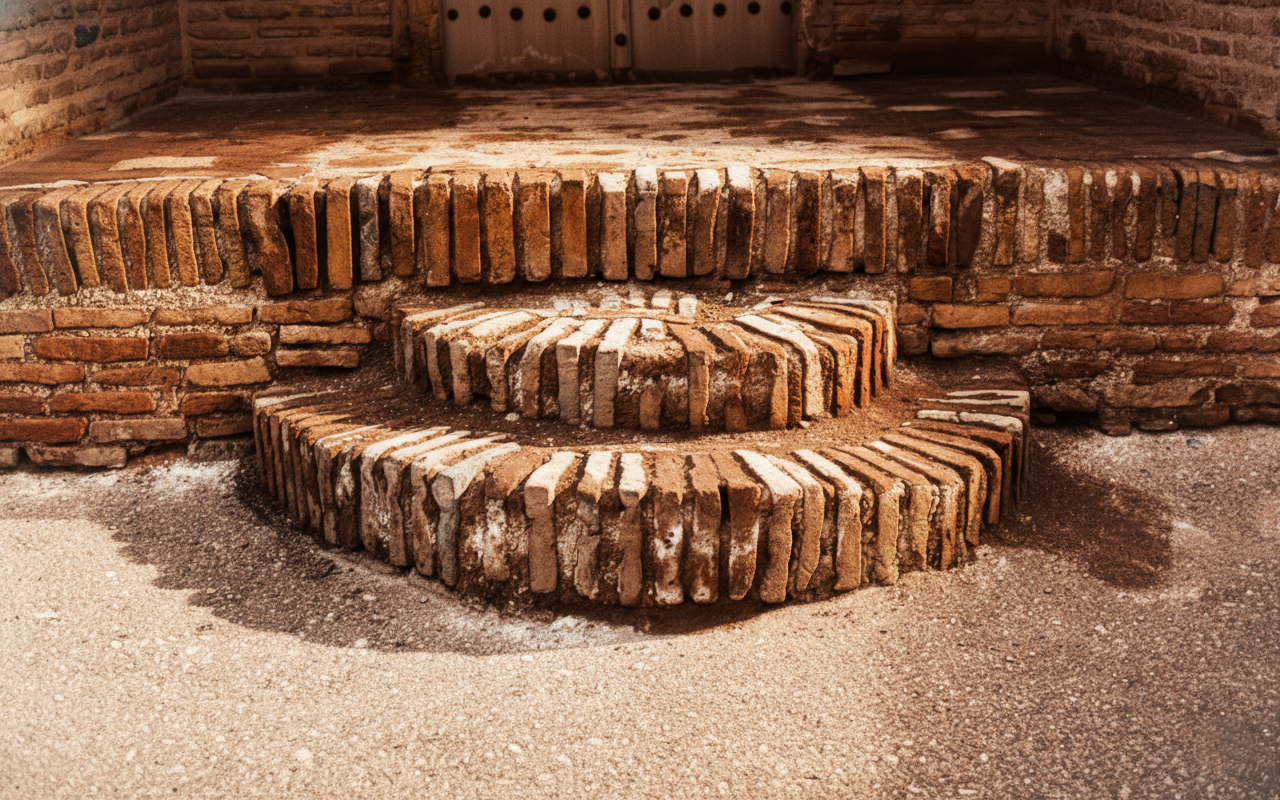
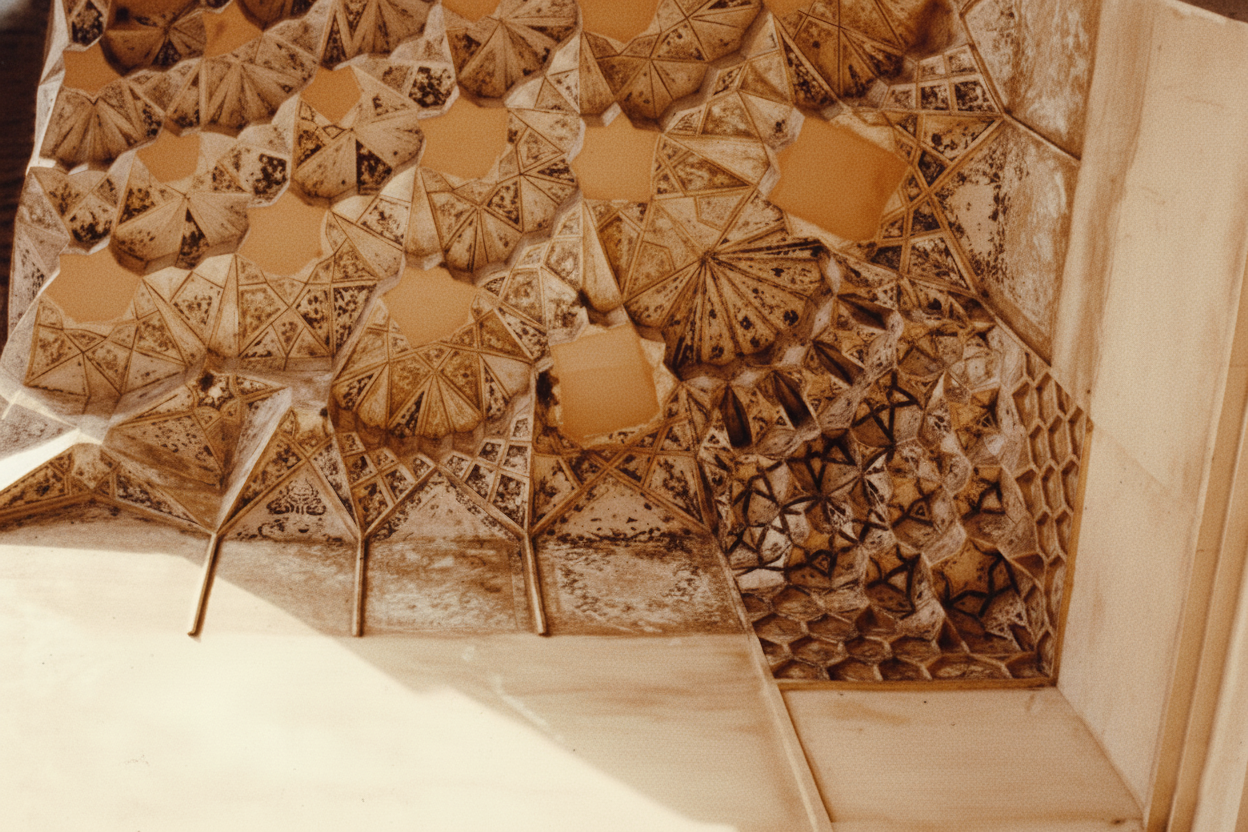
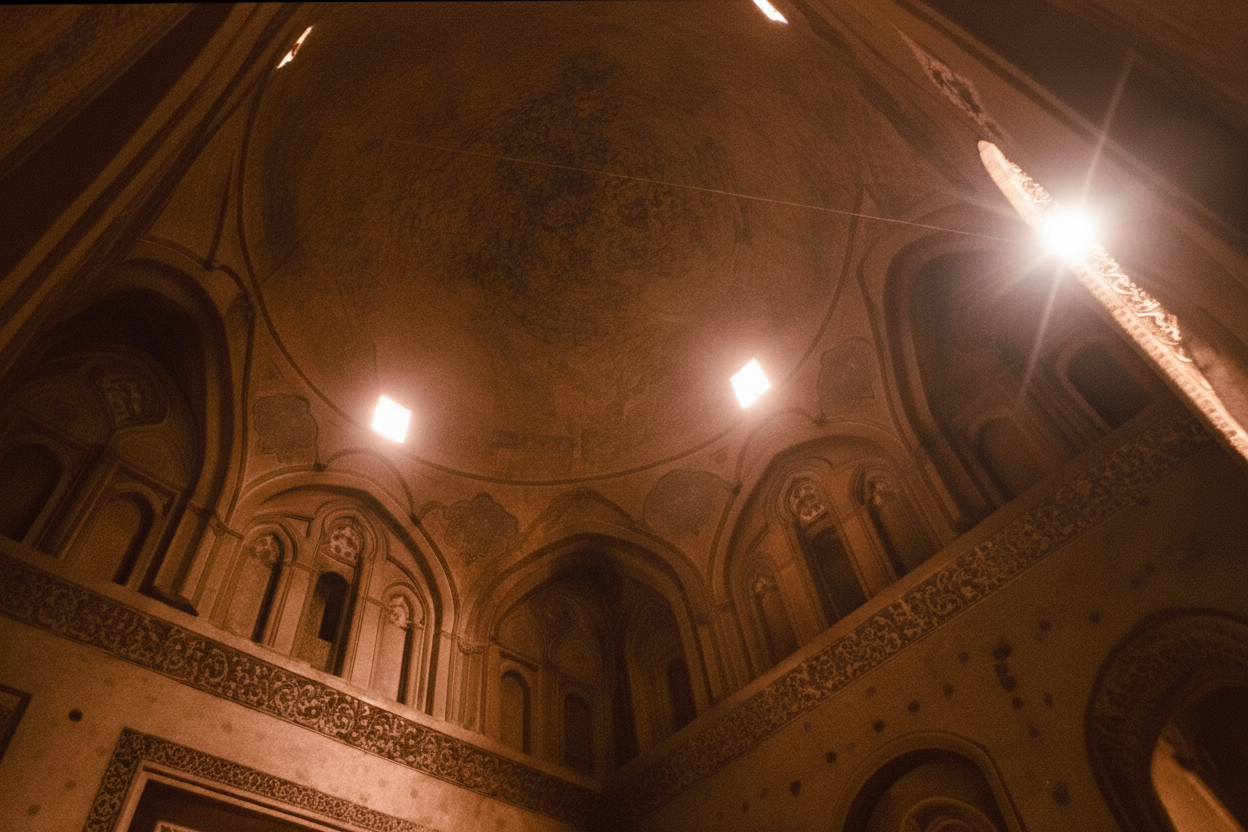
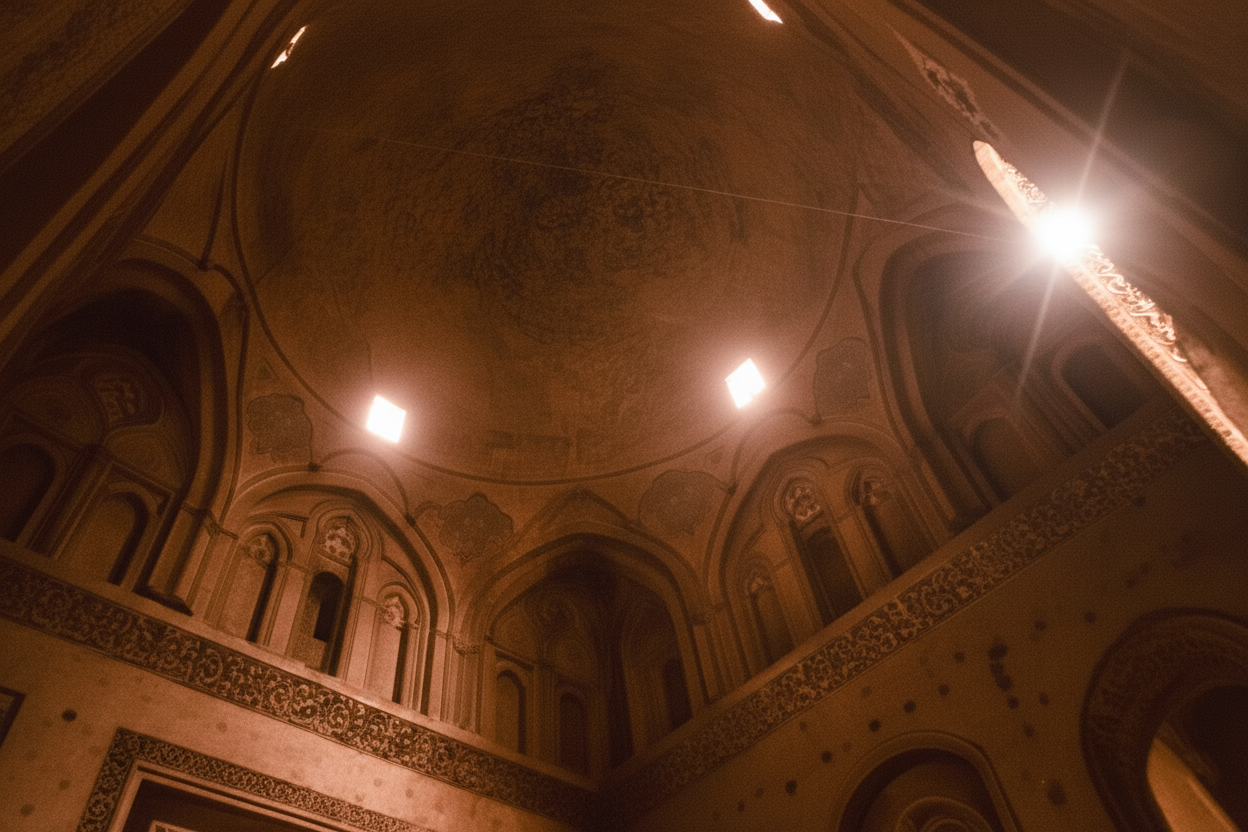
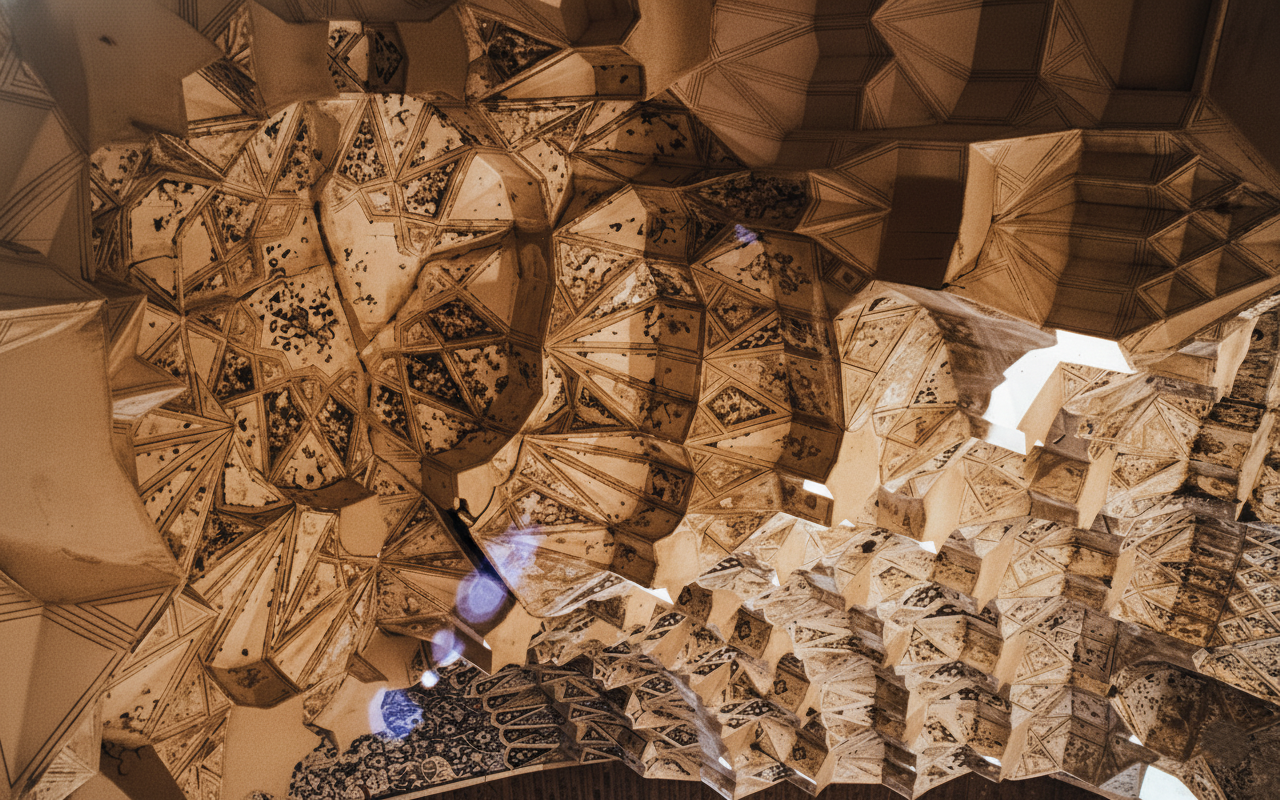
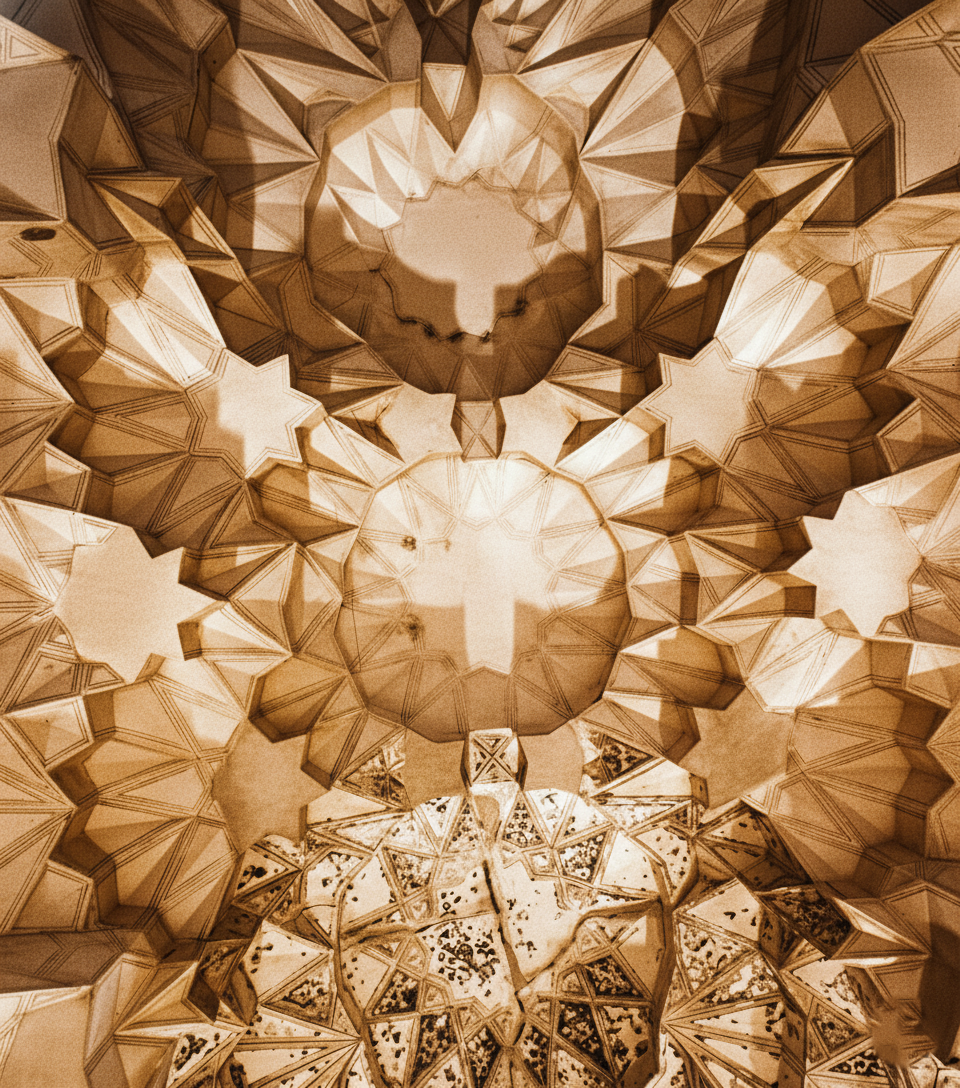
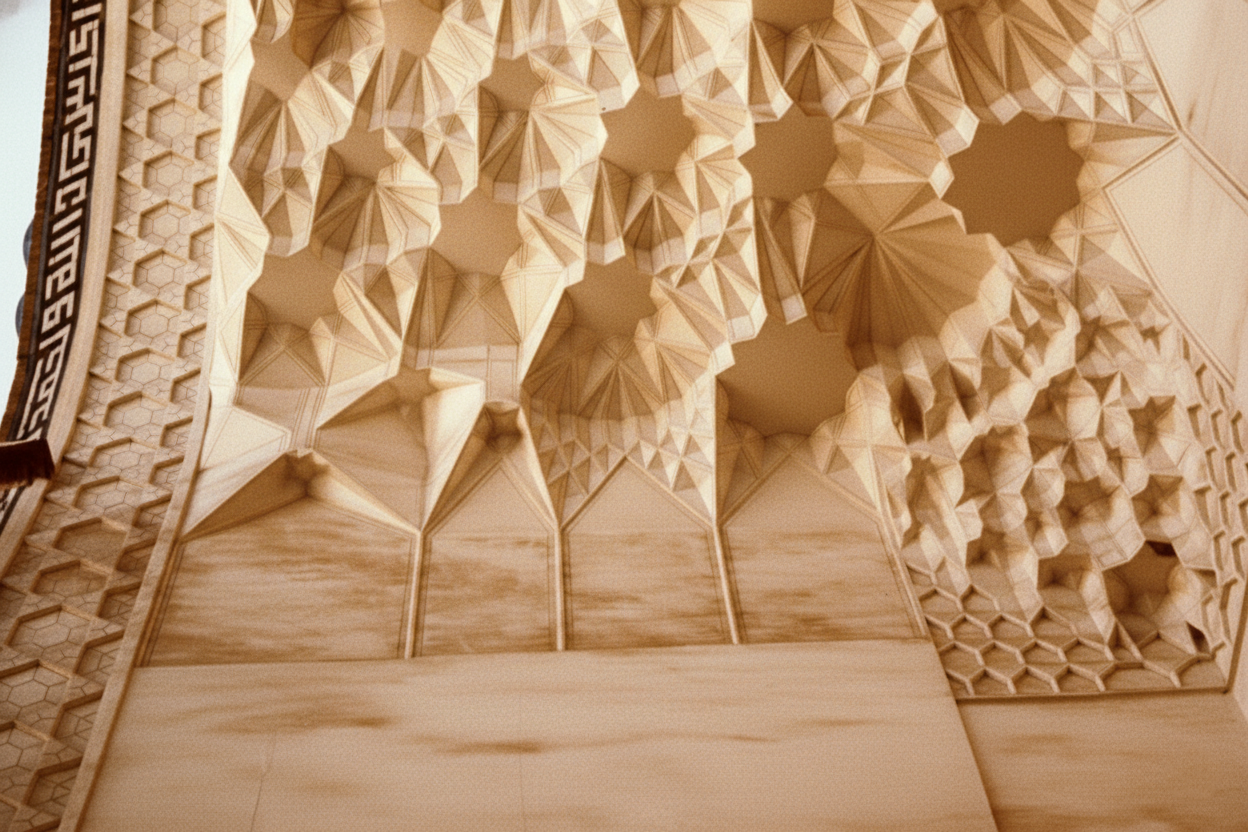
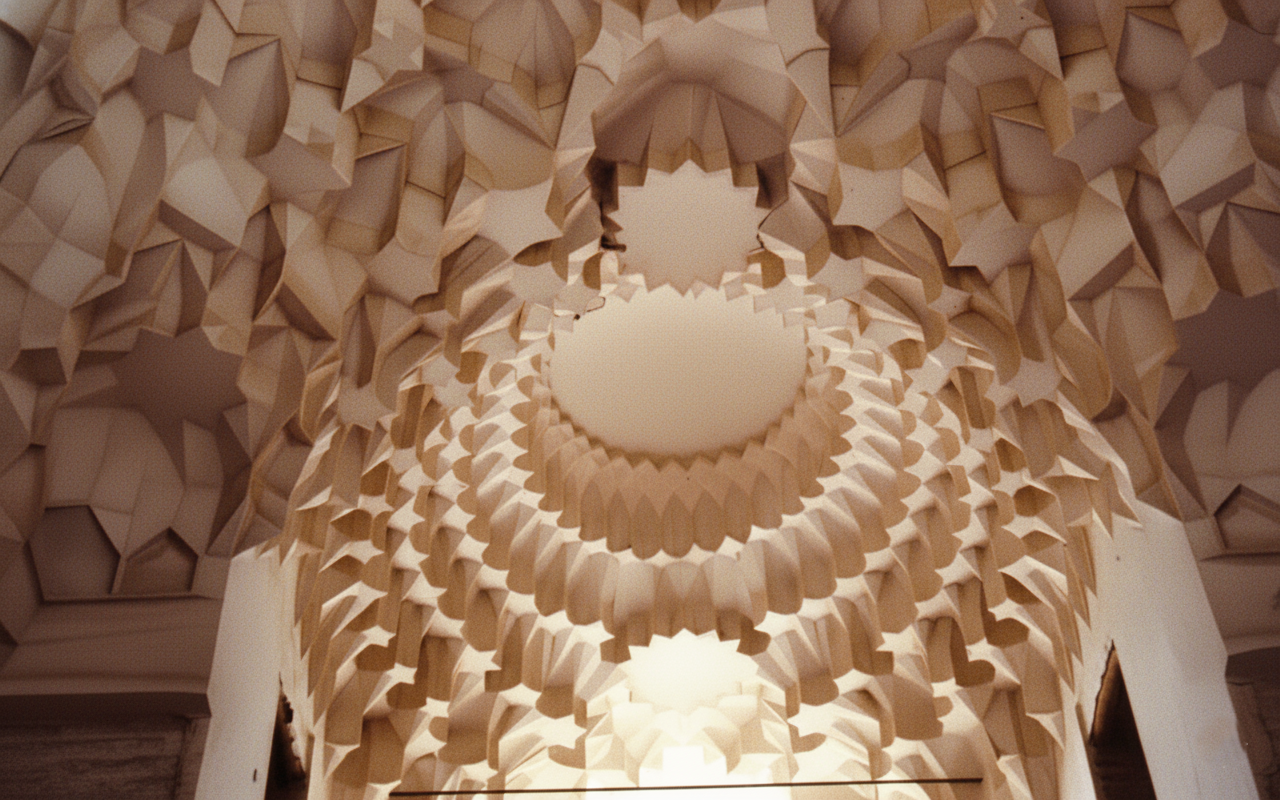
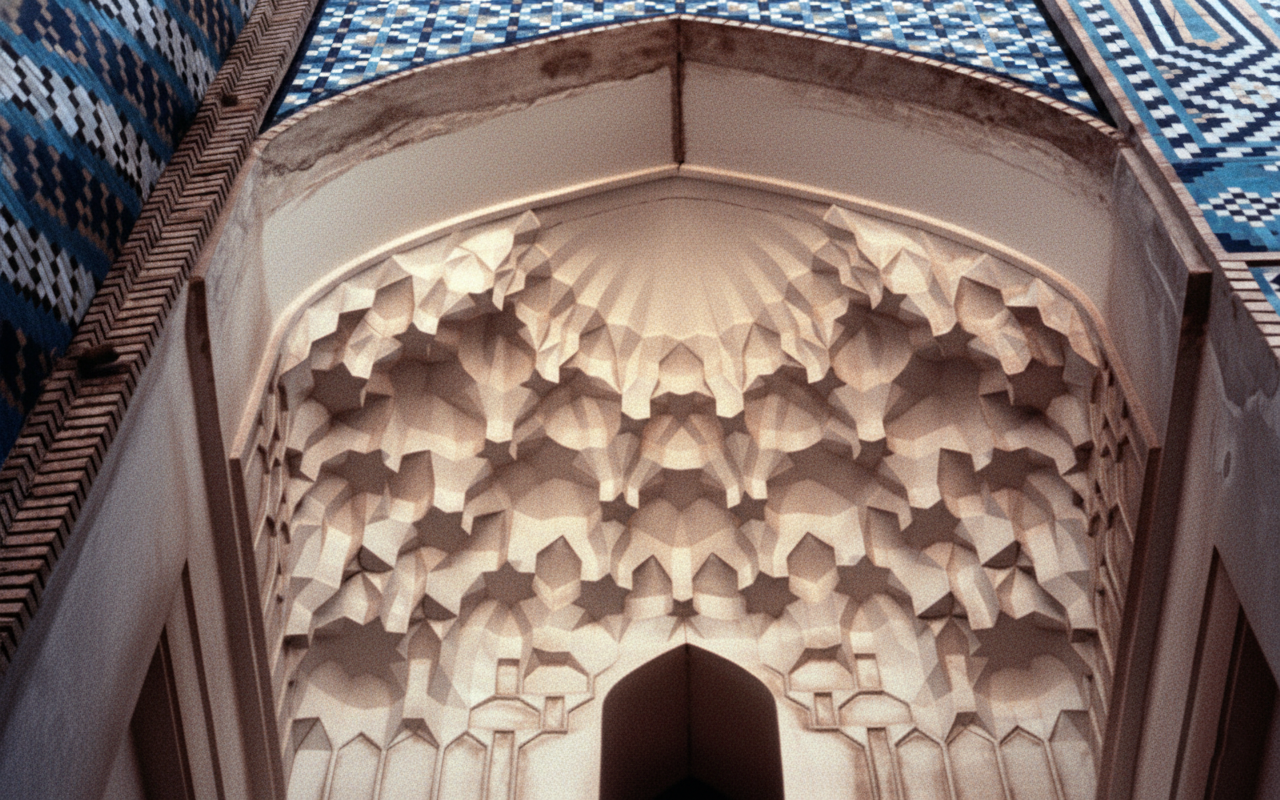
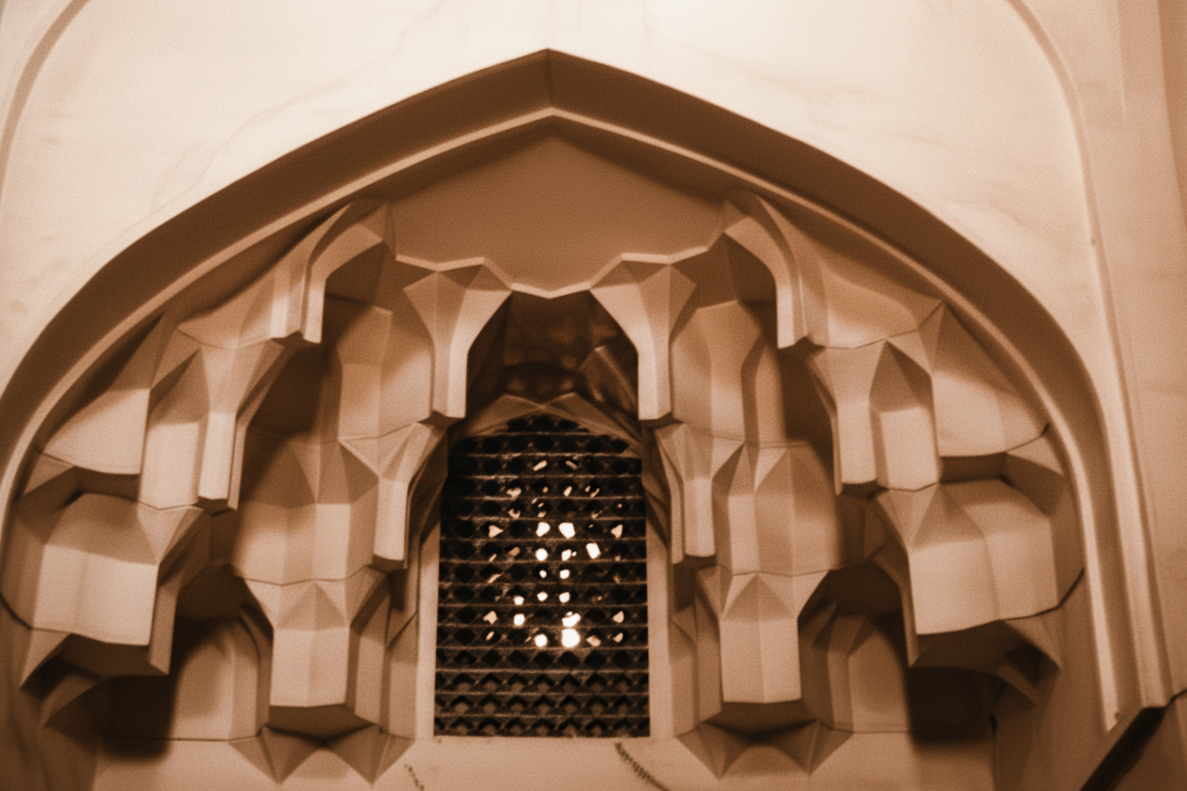
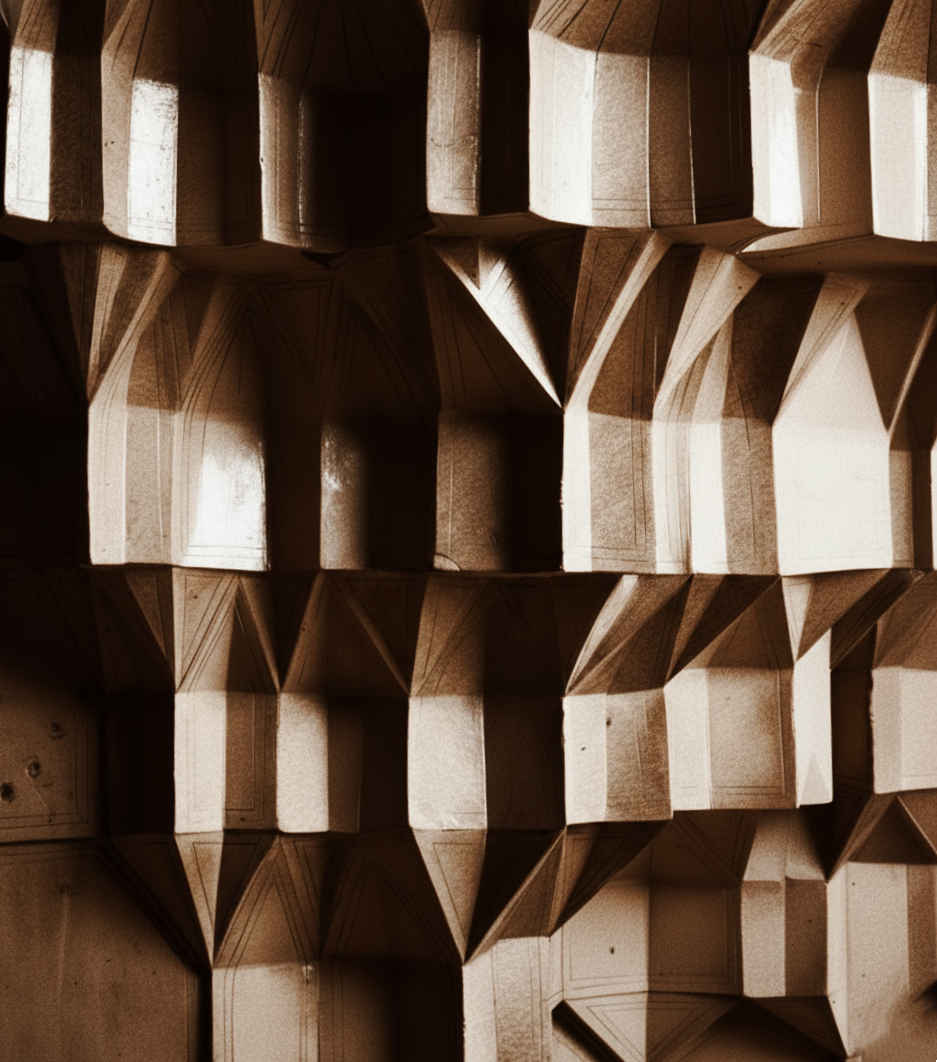
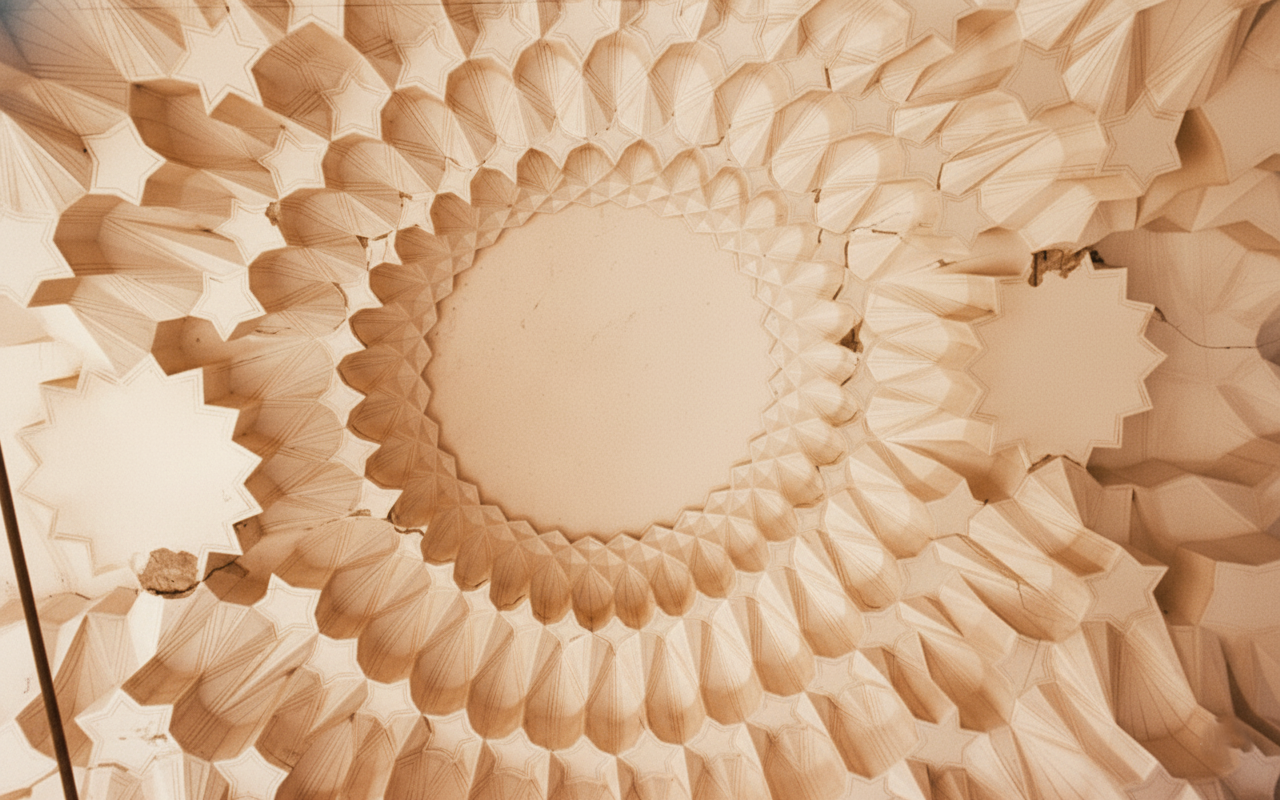
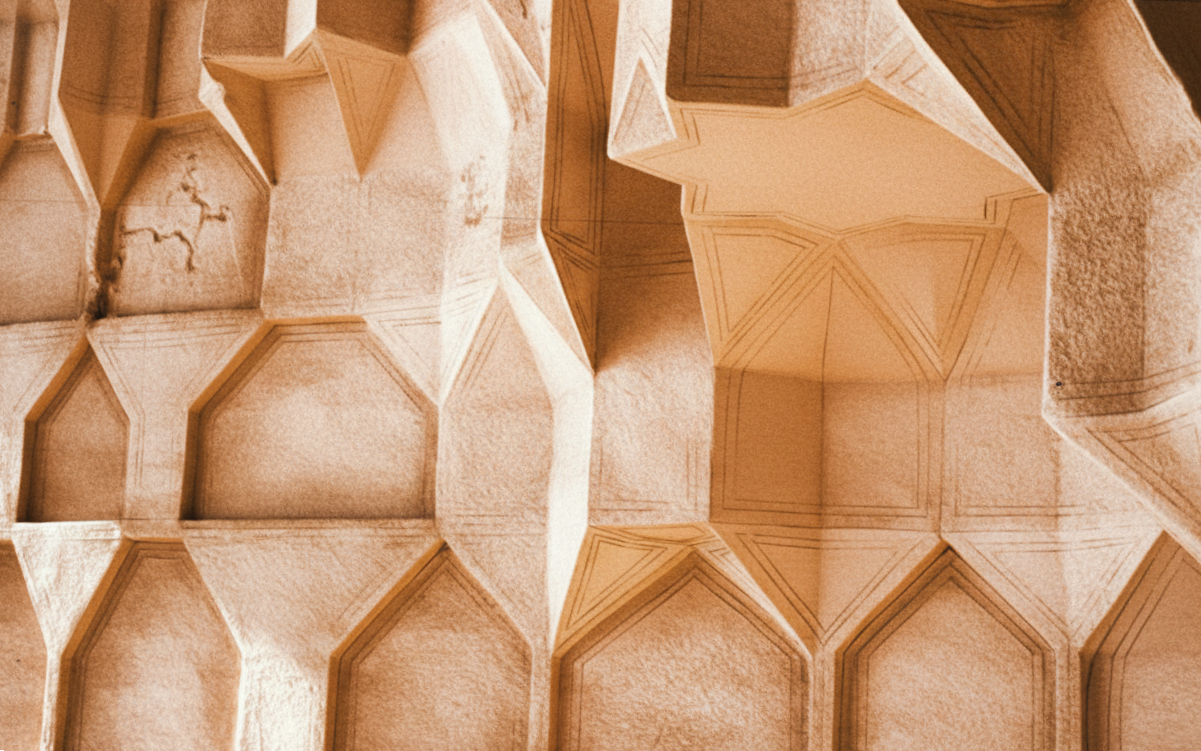
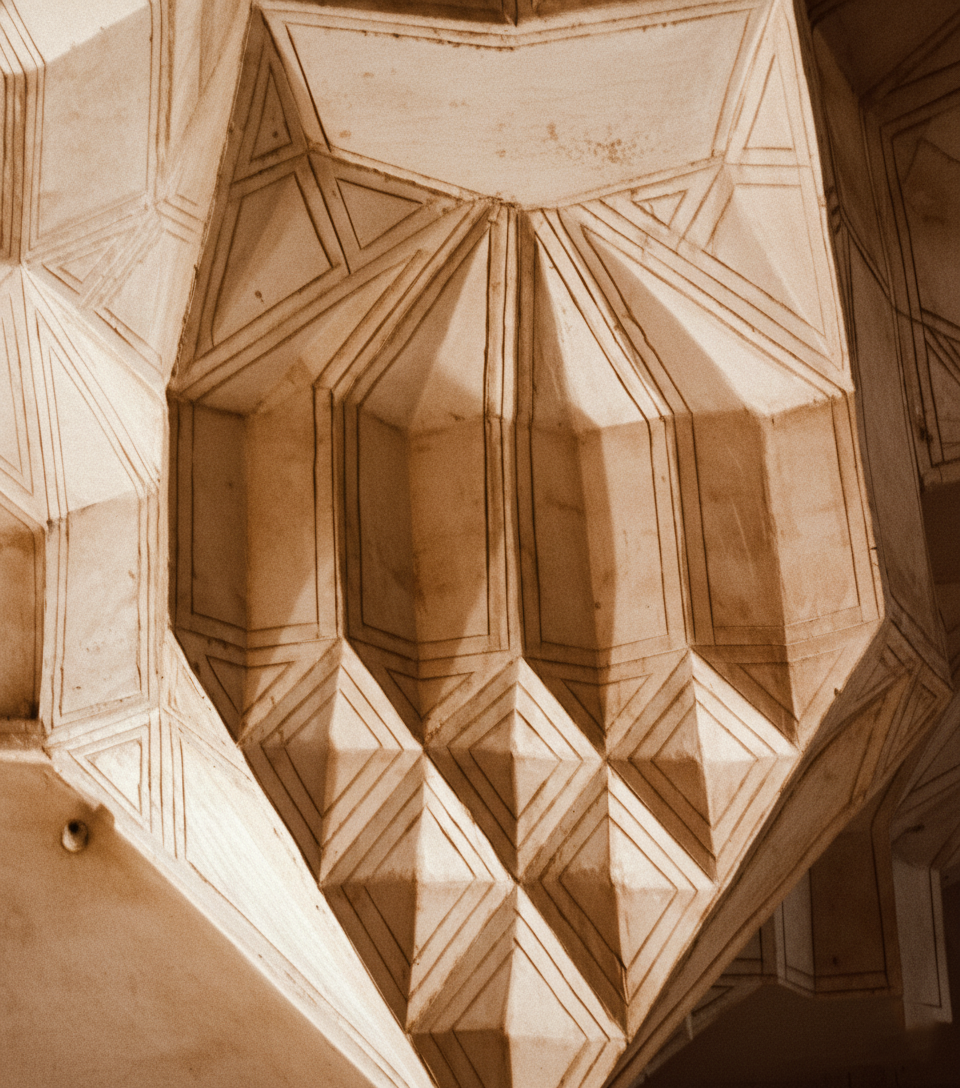
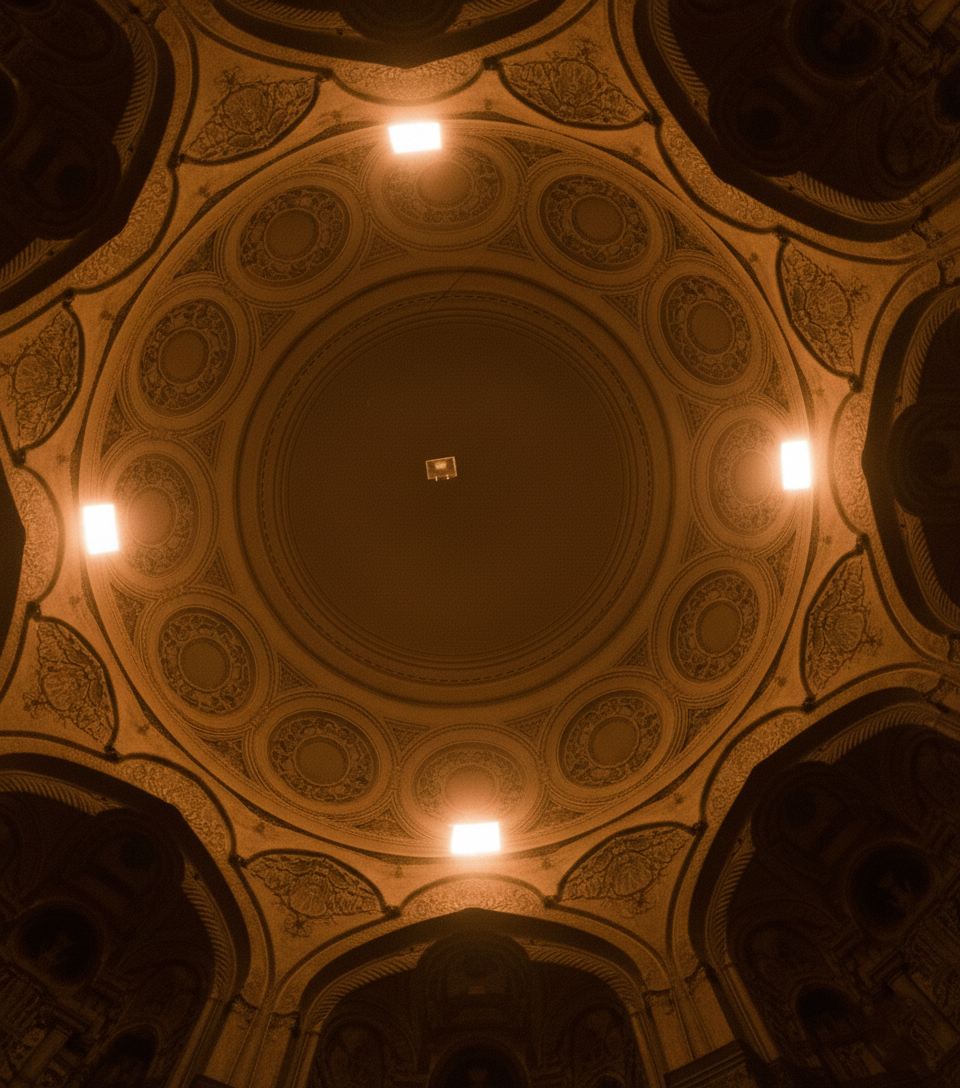
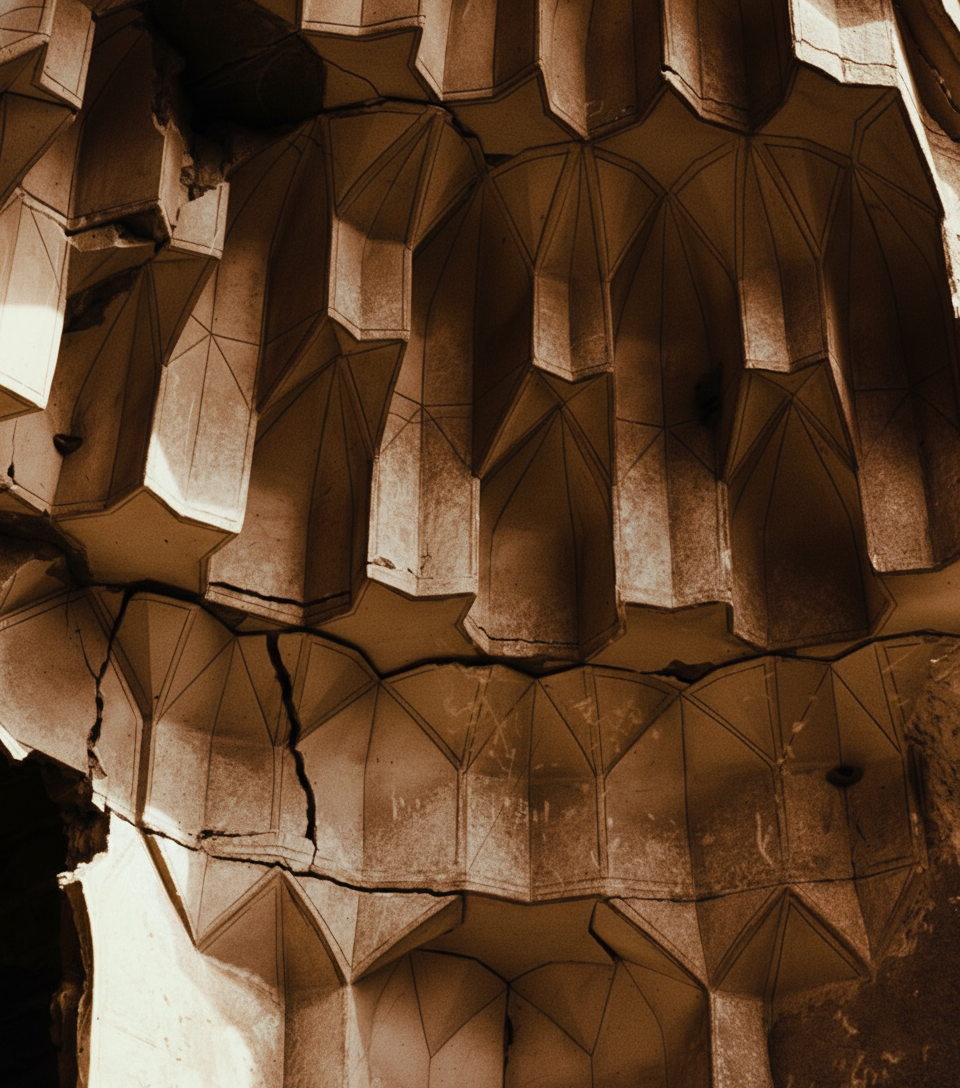
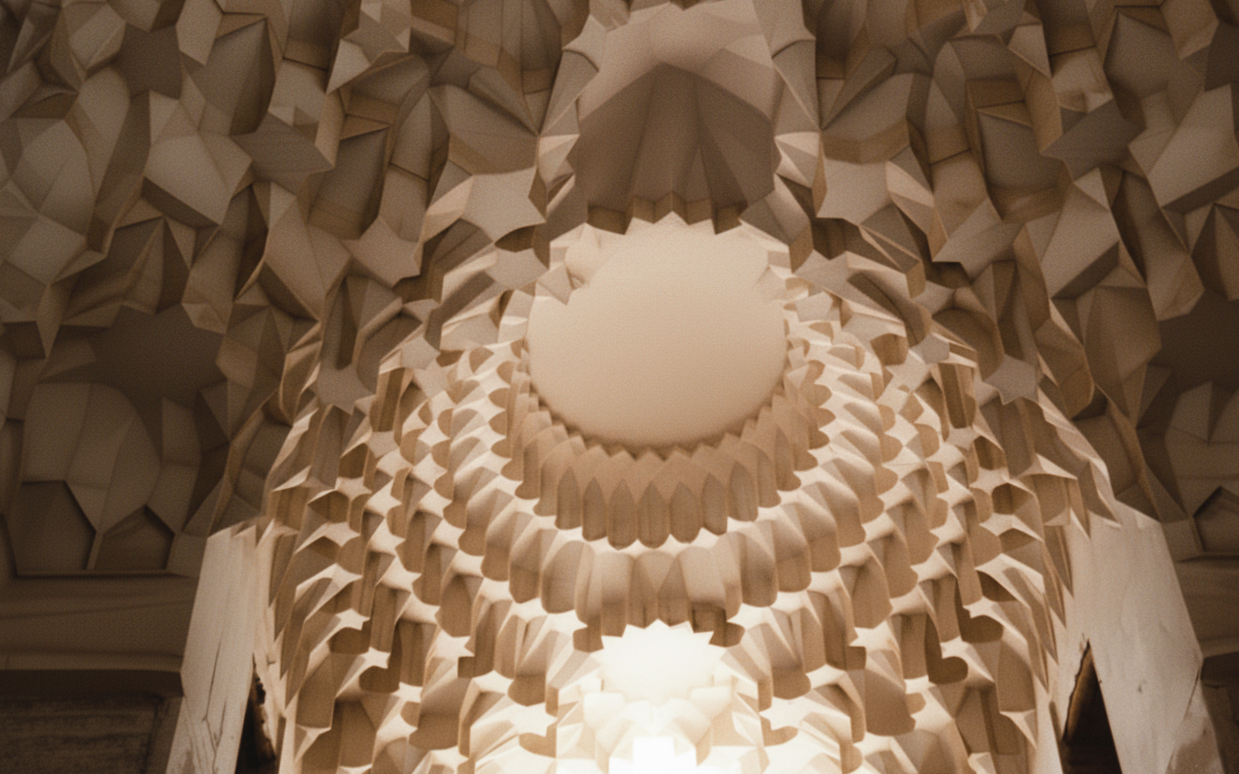
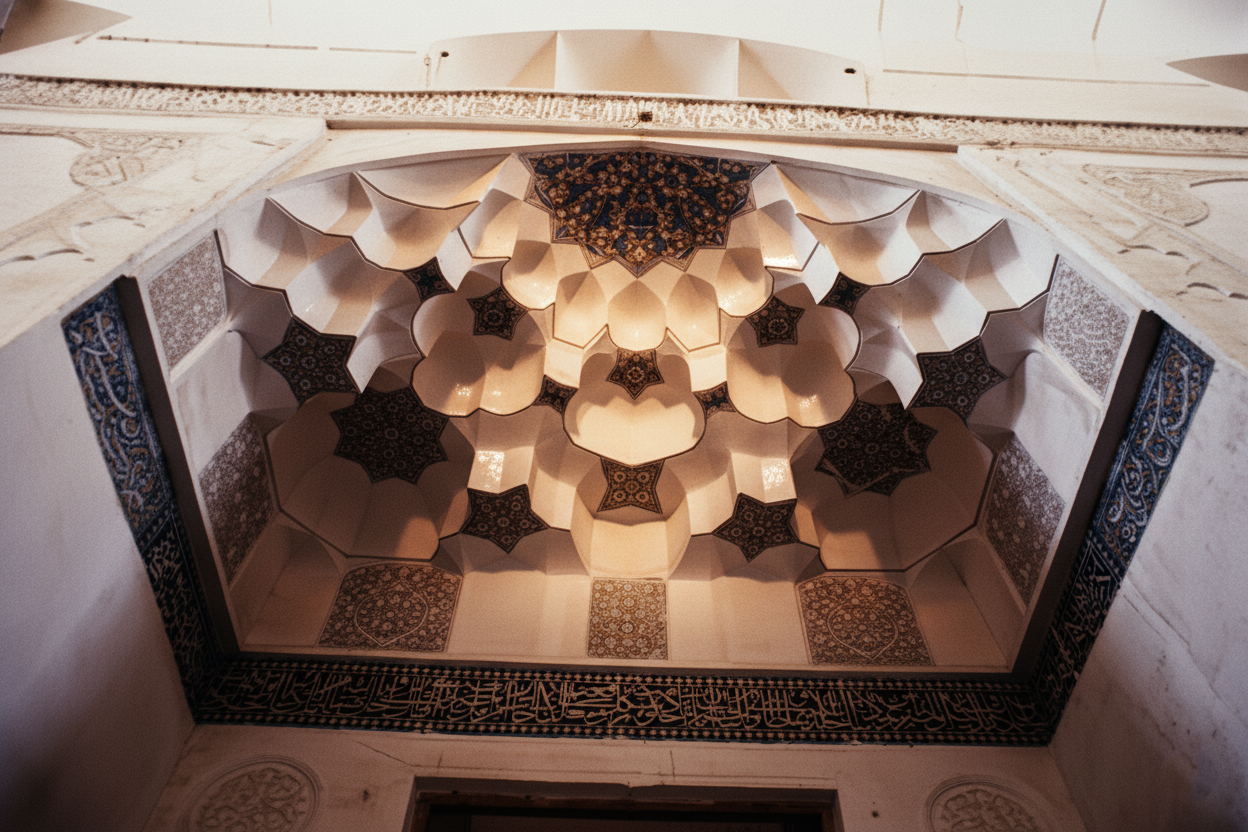
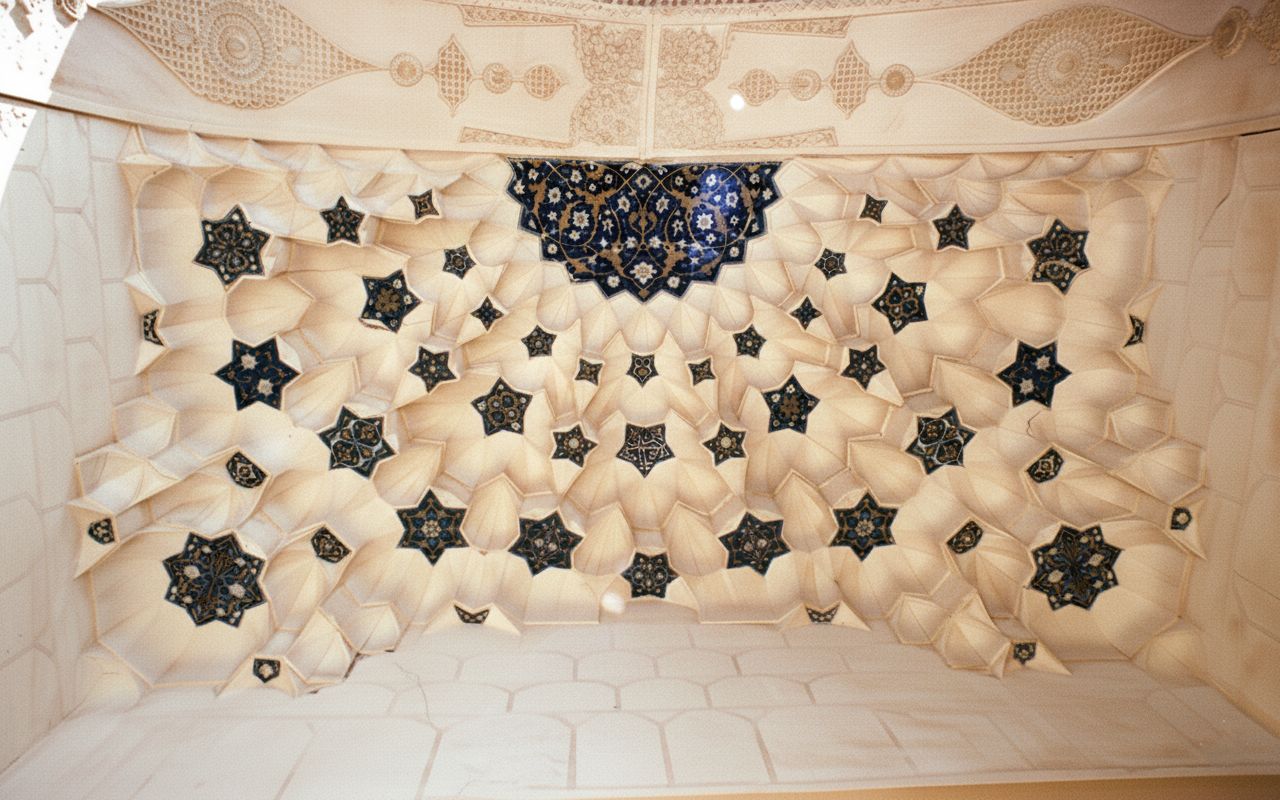
The Shrine of Shah Nematollah Vali (شاه نعمتالله ولی) in Mahan (ماهان) near Kerman (کرمان) commemorates the Sufi master Shah Nematollah Vali (1330–1431 CE) and founder of the Nimatullahi order (دراویش نعمتاللهی). Initiated in 1436 CE and expanded during the Safavid, Afsharid, and Qajar periods (16th–19th centuries), the complex features courtyards, a turquoise dome, gardens, and pilgrimage spaces.
-
Shrine of Shah Nematollah Vali (شاه نعمتالله ولی)
The Shrine of Shah Nematollah Vali (شاه نعمتالله ولی) in Mahan (ماهان) near Kerman is one of Iran’s most important Sufi sanctuaries, commemorating the revered mystic, poet, and founder of the Nimatullahi order (دراویش نعمتاللهی), Shah Nematollah Vali (1330–1431 CE). The shrine was initially commissioned in 1436 CE by Ahmad Shah Bahmani, ruler of the Bahmani Sultanate in the Deccan of India, as a tribute to the saint shortly after his death. Over the following centuries, the complex expanded under several dynasties—particularly the Safavid (16th–17th centuries), Afsharid (18th century), and Qajar (19th century)—resulting in a richly layered architectural ensemble that reflects more than six hundred years of Iranian artistic and spiritual development.
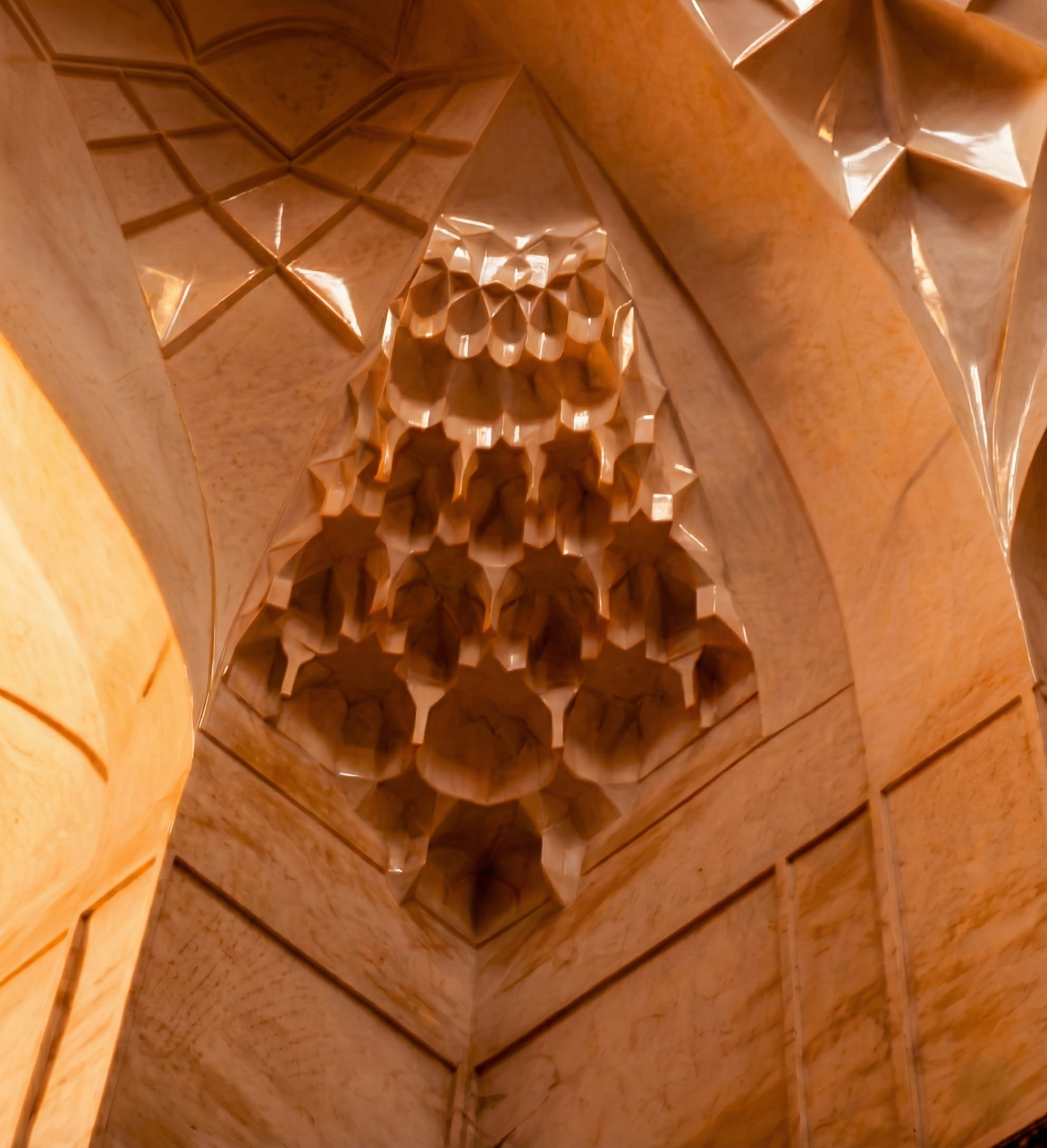
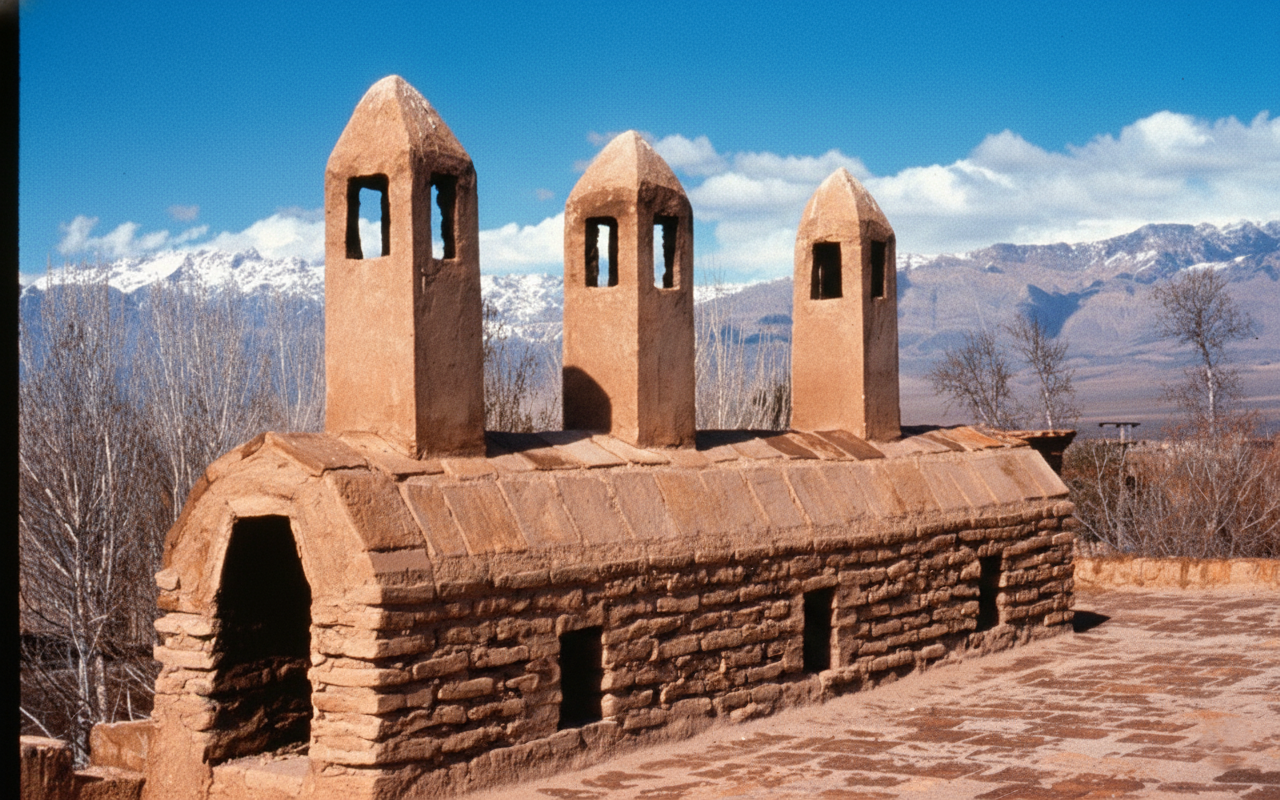
Covering roughly 32,000 square meters, the shrine is organized along a longitudinal axis with four courtyards, each representing a different historical phase: the Atigh Courtyard, the Bagh-e Mazar (باغ مزار) surrounding the tomb, the Mir Damad Courtyard associated with Safavid patronage, and the Vakil-ol-Molk Courtyard from the Qajar period. The visual centerpiece is the shrine’s turquoise dome, decorated with intricate tilework featuring geometric star patterns and Kufic inscriptions in shades of turquoise, azure, white, and gold. Its distinctive “shab-kolah” profile—resembling the traditional Sufi cap—symbolically connects the heavens with the mystic path. Flanking Qajar-era minarets accentuate the monument’s vertical presence while maintaining harmony with the expansive courtyards.
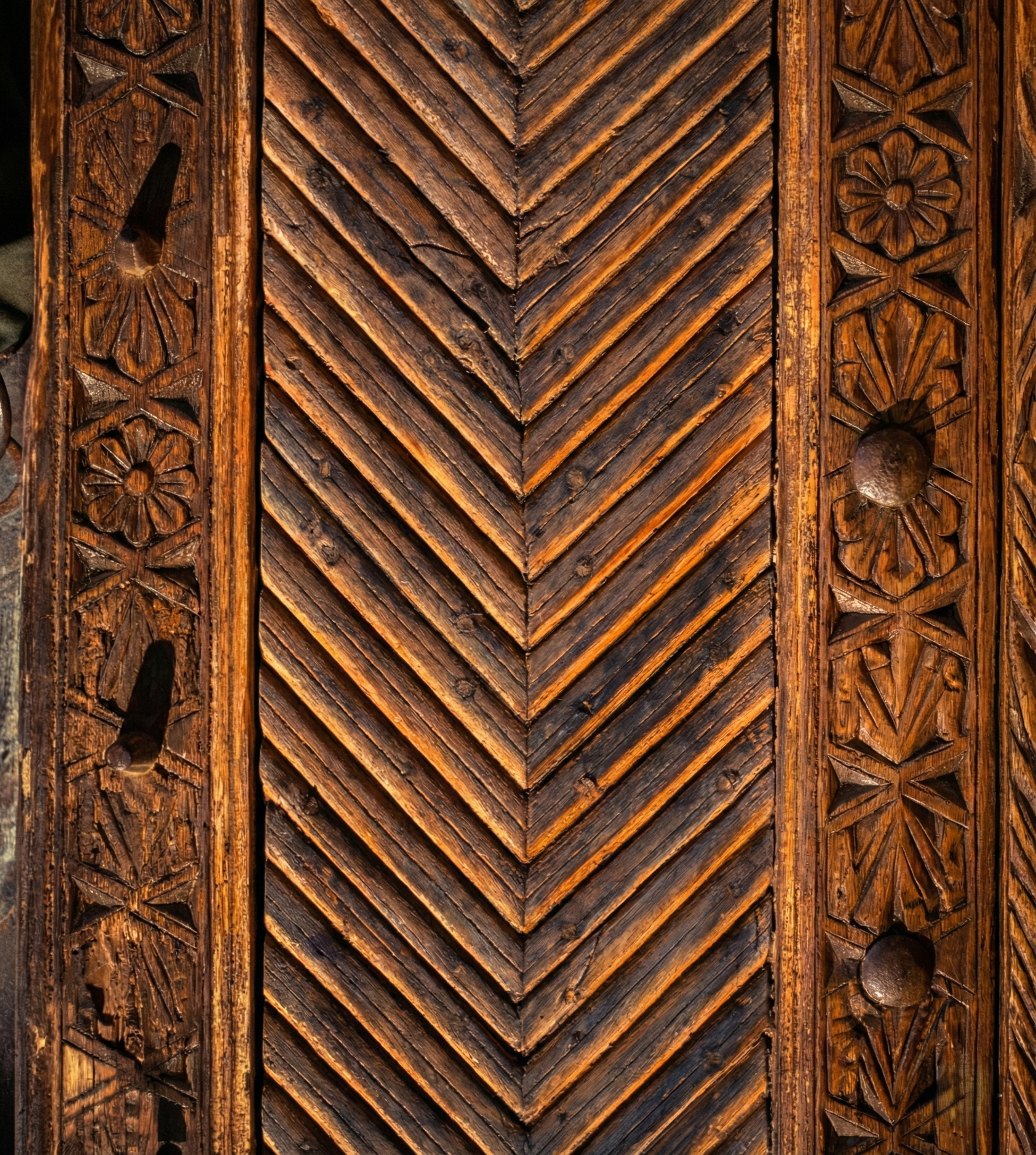
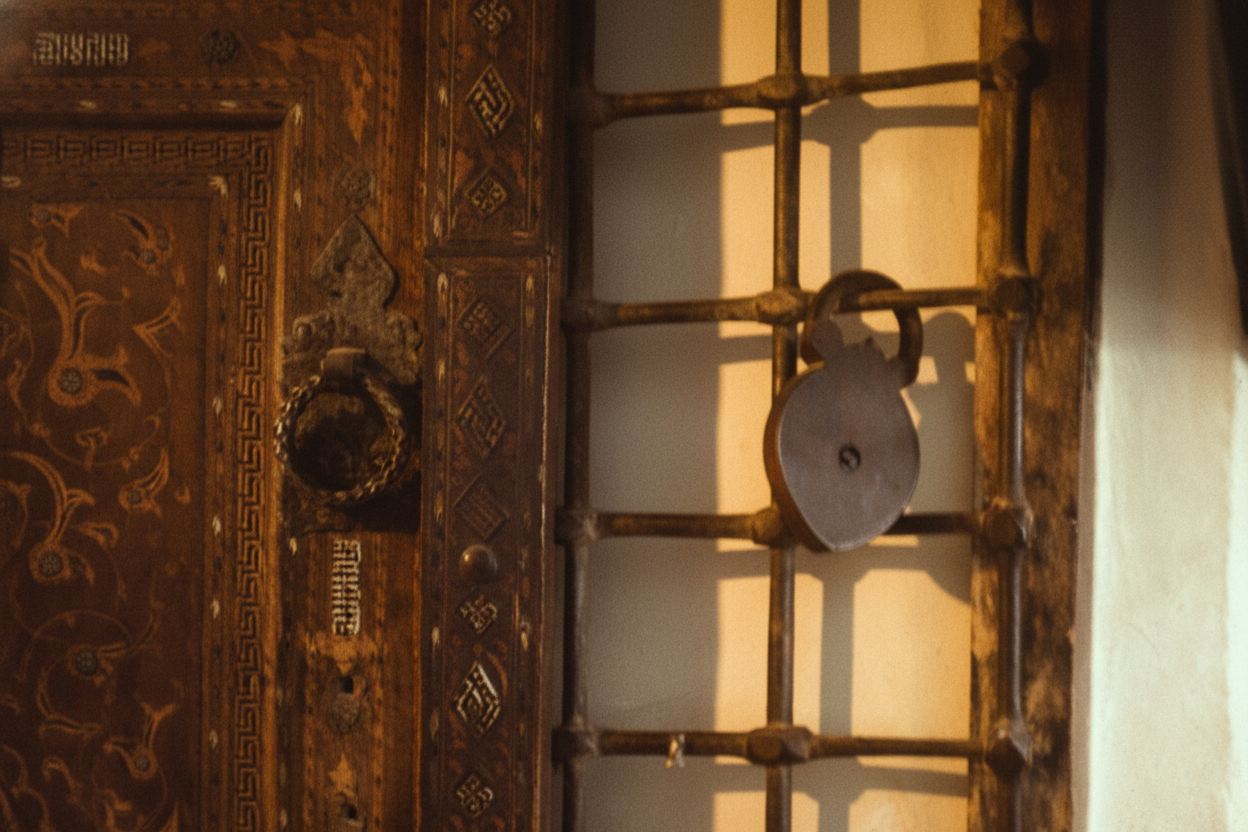
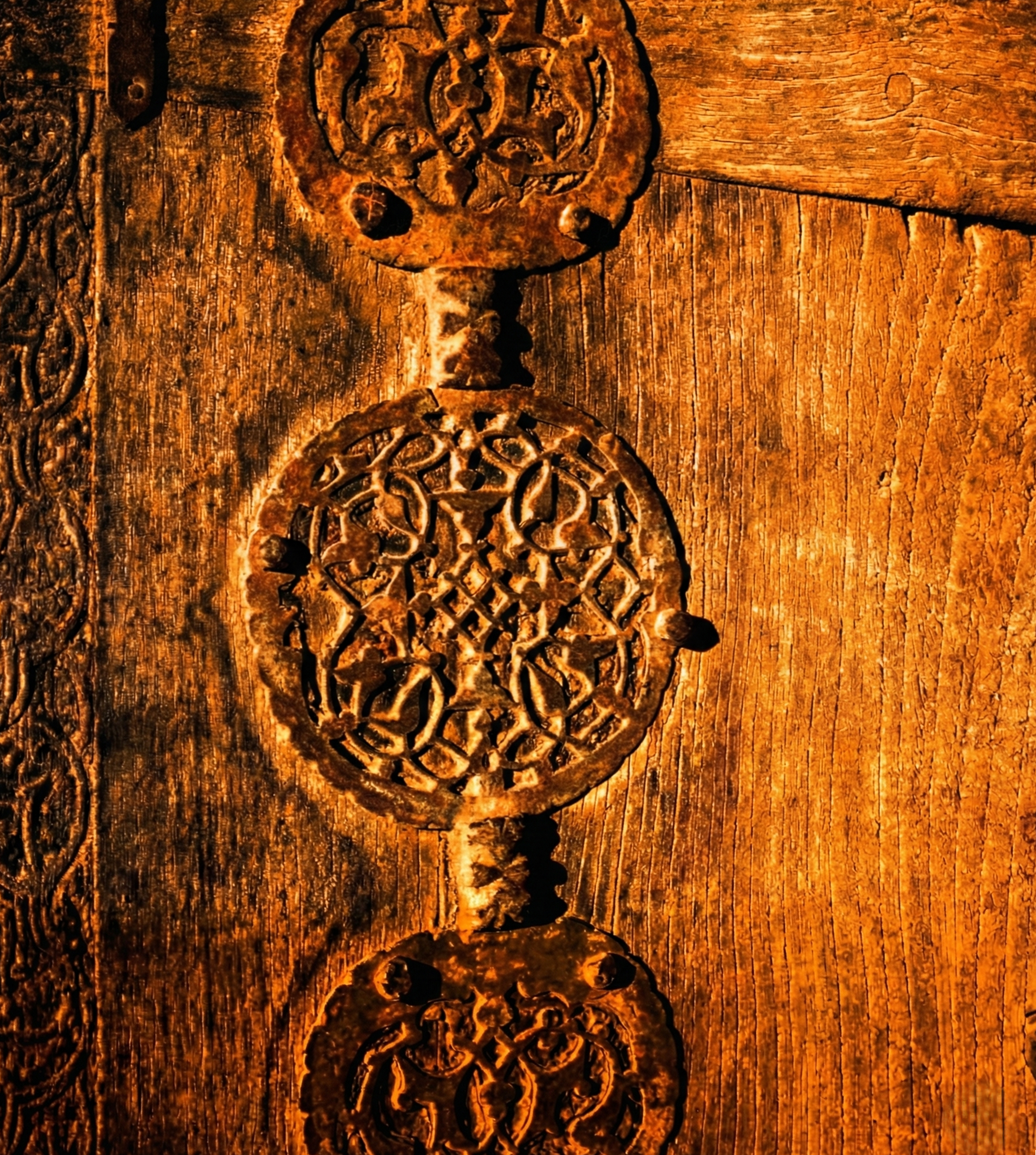
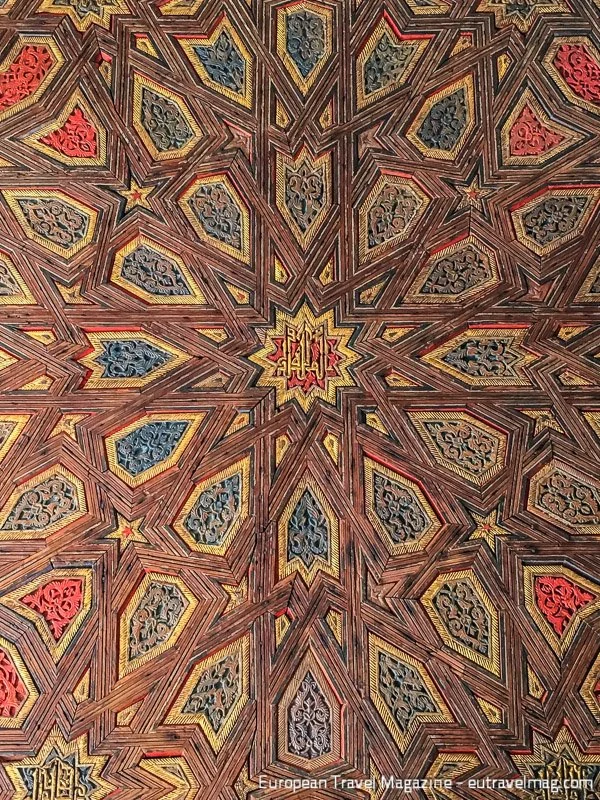
Landscape elements play a vital role in the complex's spiritual atmosphere. Cypress and pine trees line the courtyards, symbolizing endurance and freedom in Persian cultural symbolism, while reflective water pools—especially the large star-shaped basin in the central courtyard—cool the desert air and mirror the dome above. The shrine also contains auxiliary spaces serving pilgrims and dervishes, including the Cheleh Khaneh (چله خانه) used for Cheleh-neshini (چله نشینی), a forty-day spiritual retreat. Intricately carved wooden doors made from Indian cypress and inlaid with ivory and metal highlight the museum's complex craftsmanship, while the museum preserves manuscripts and Sufi artifacts such as kashkuls (کشکول).
Through its synthesis of architecture, landscape, and spirituality, the shrine of Shah Nematollah Vali stands as a living chronicle of devotion and artistic patronage—an oasis of contemplation and mysticism that continues to define the cultural and spiritual landscape of the Kerman region.