Fakhr-o-Madin (فخر و مدین)
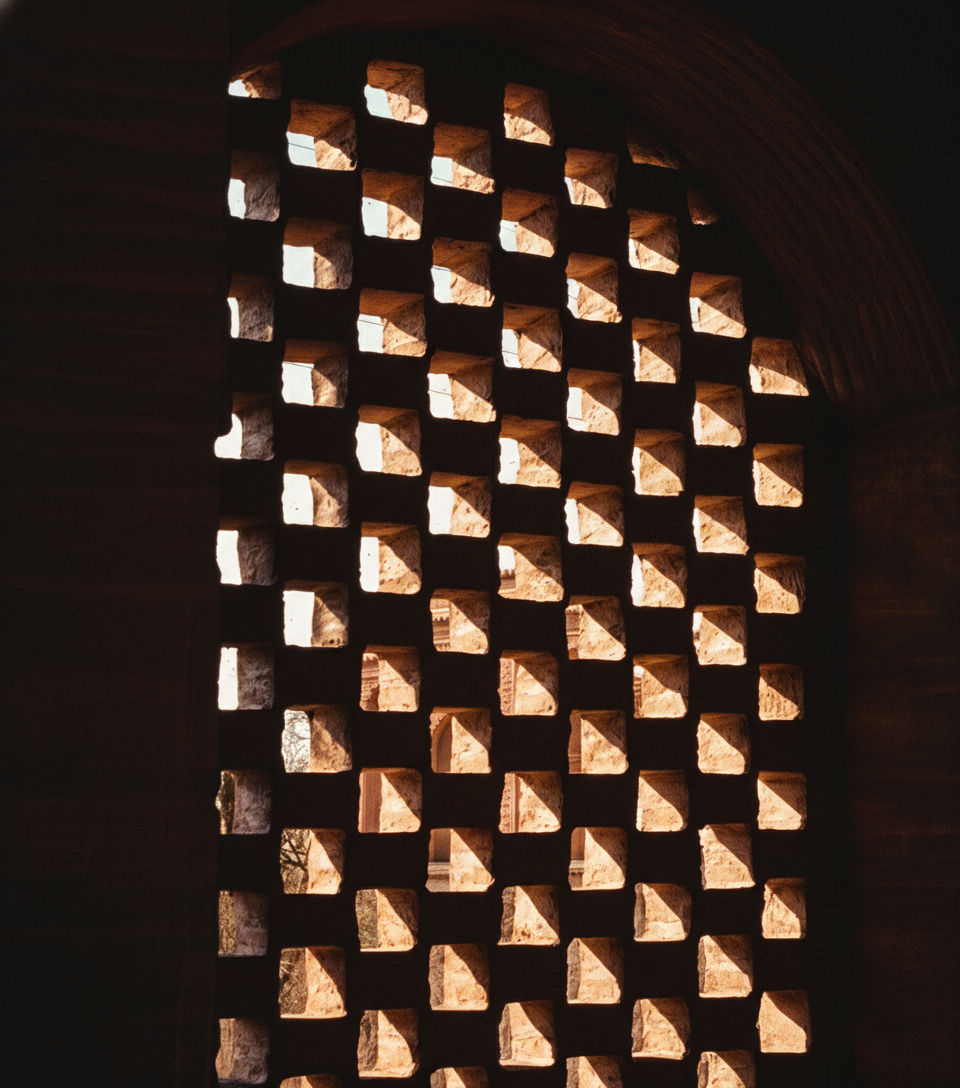
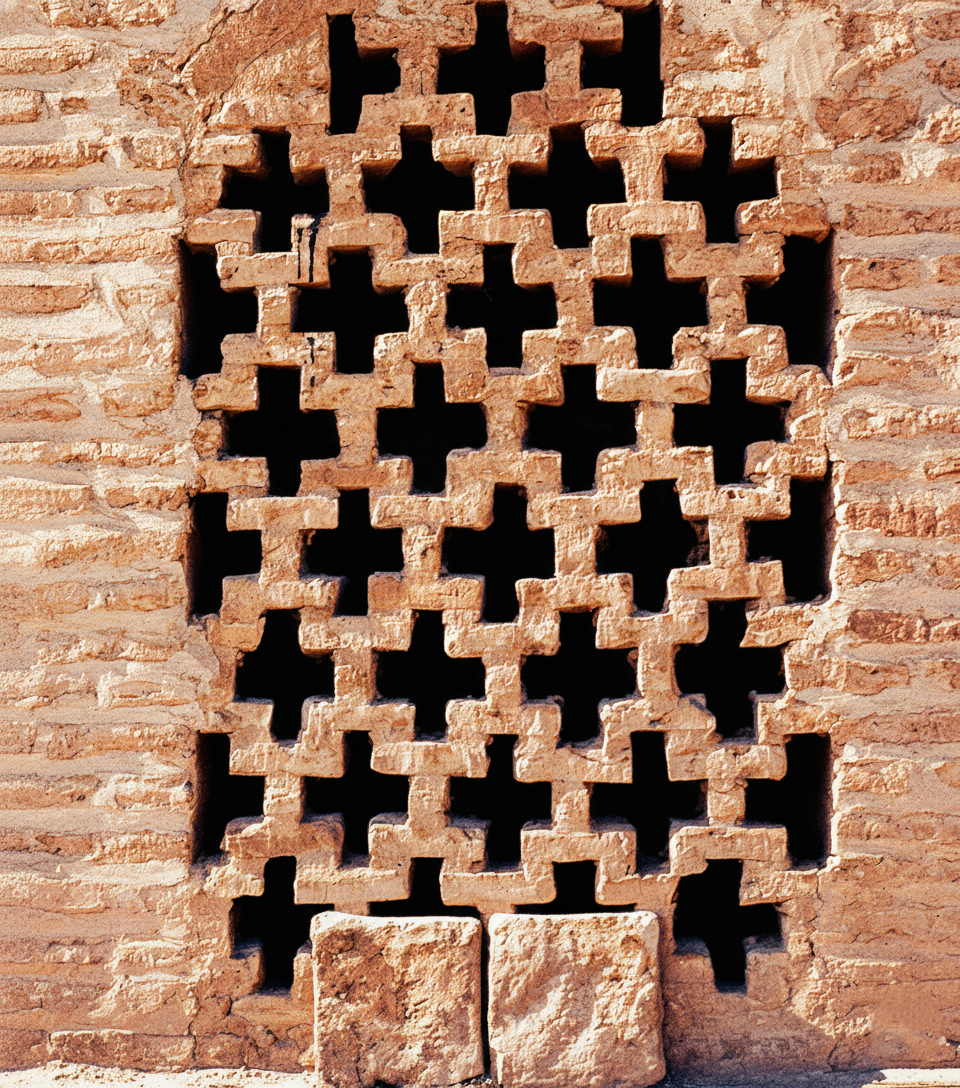
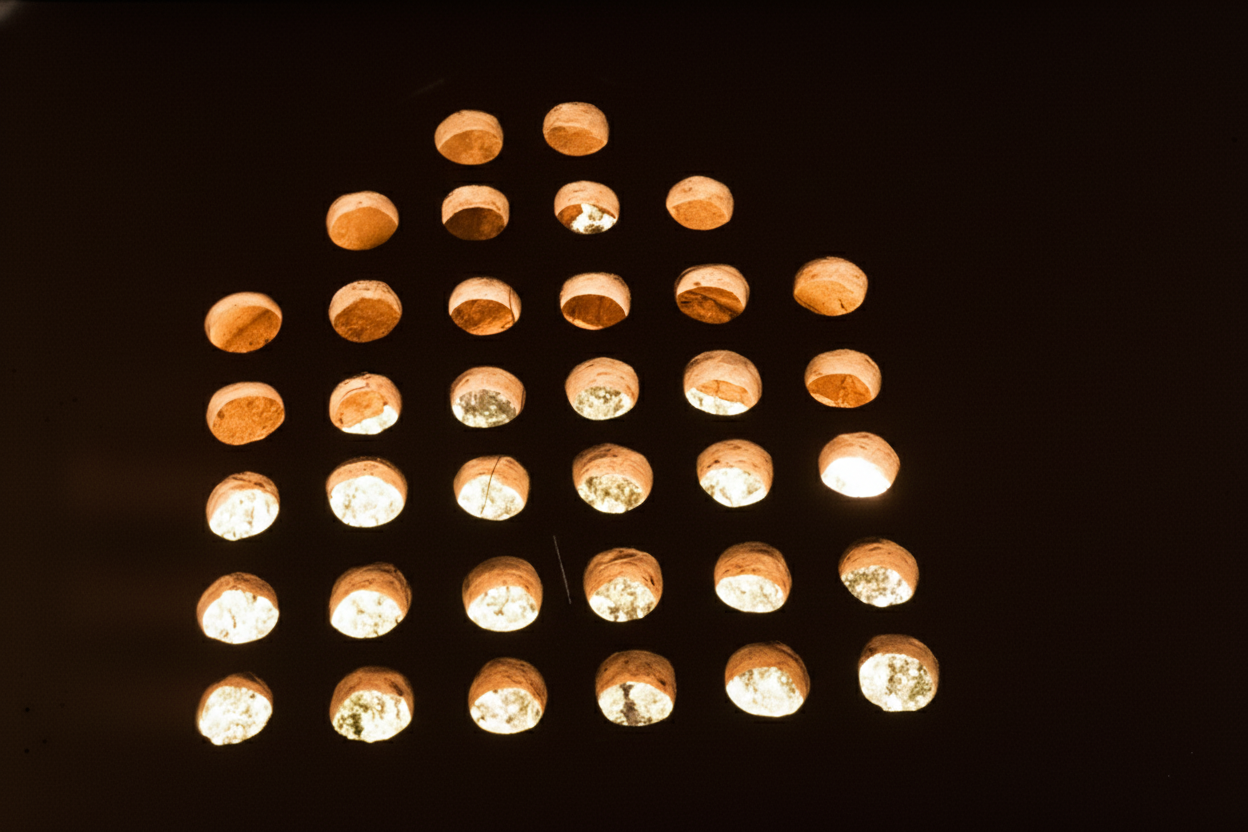
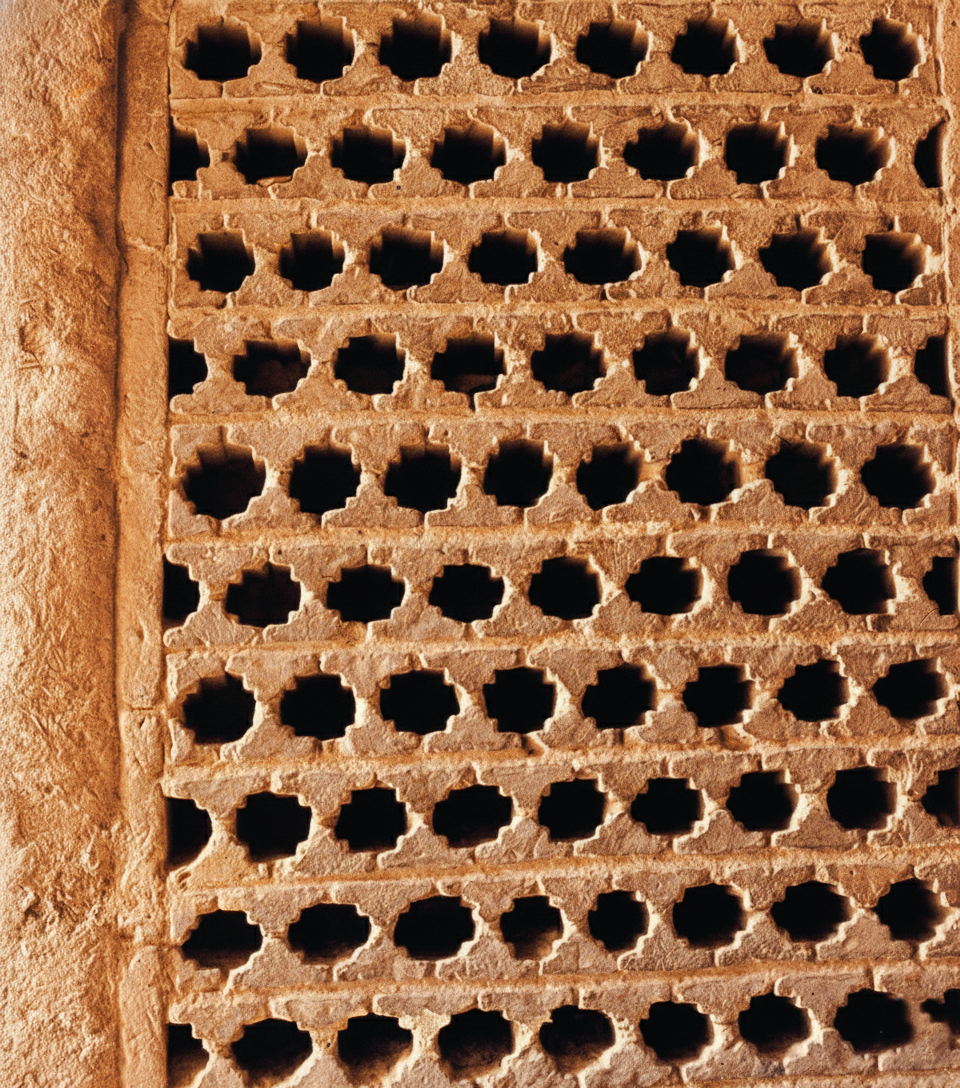
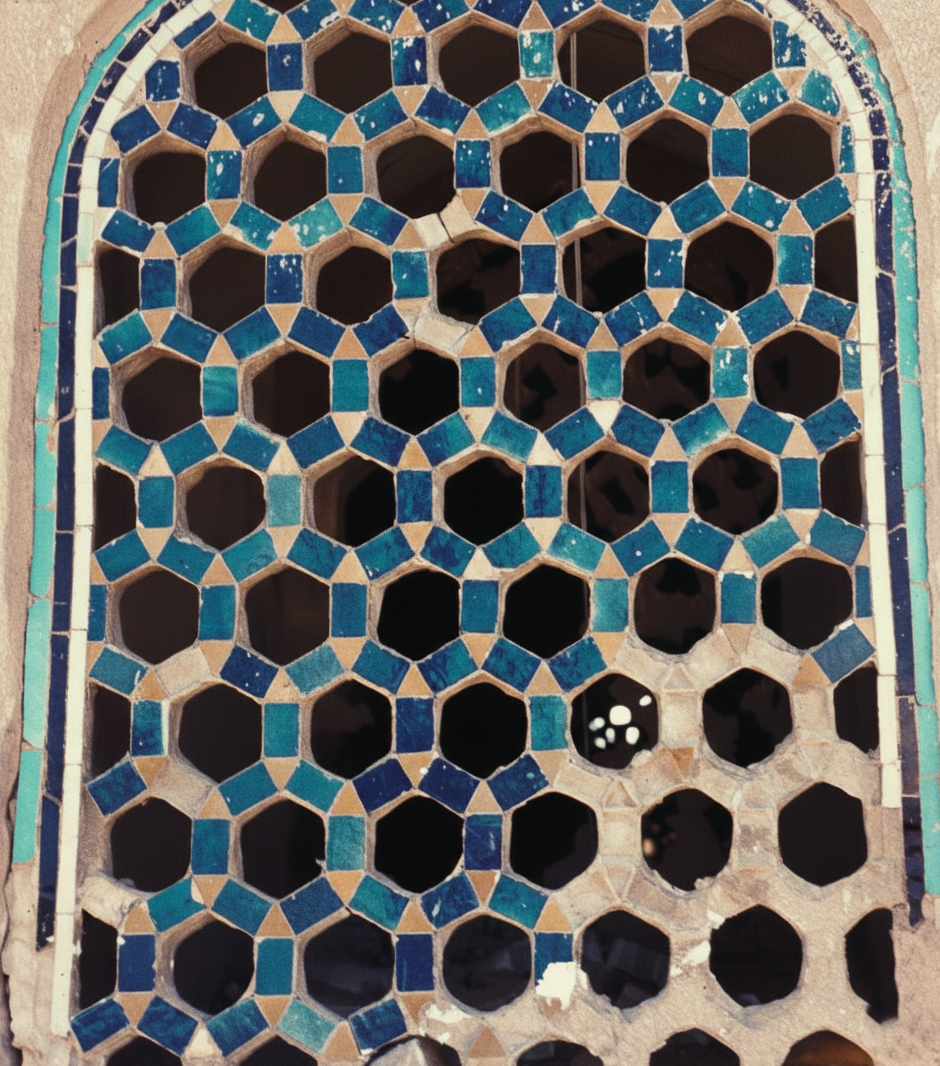
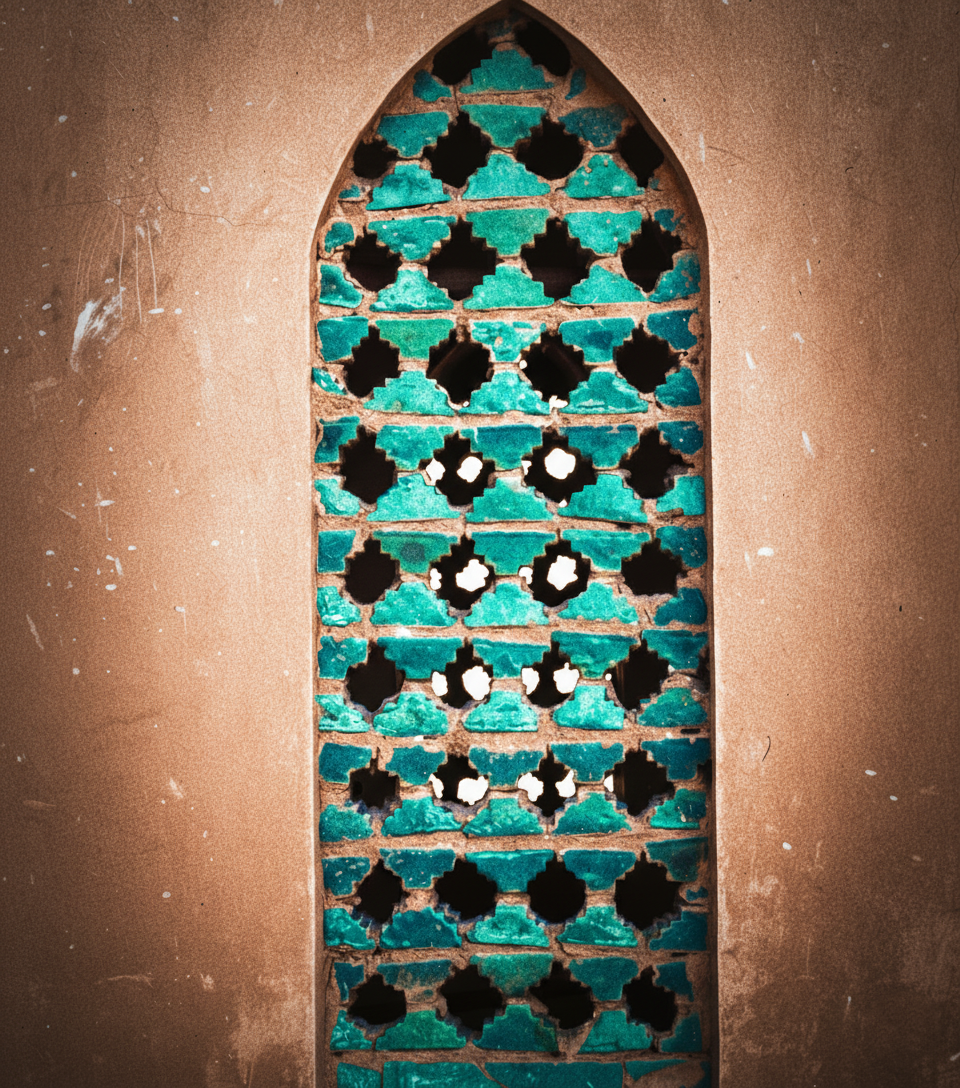
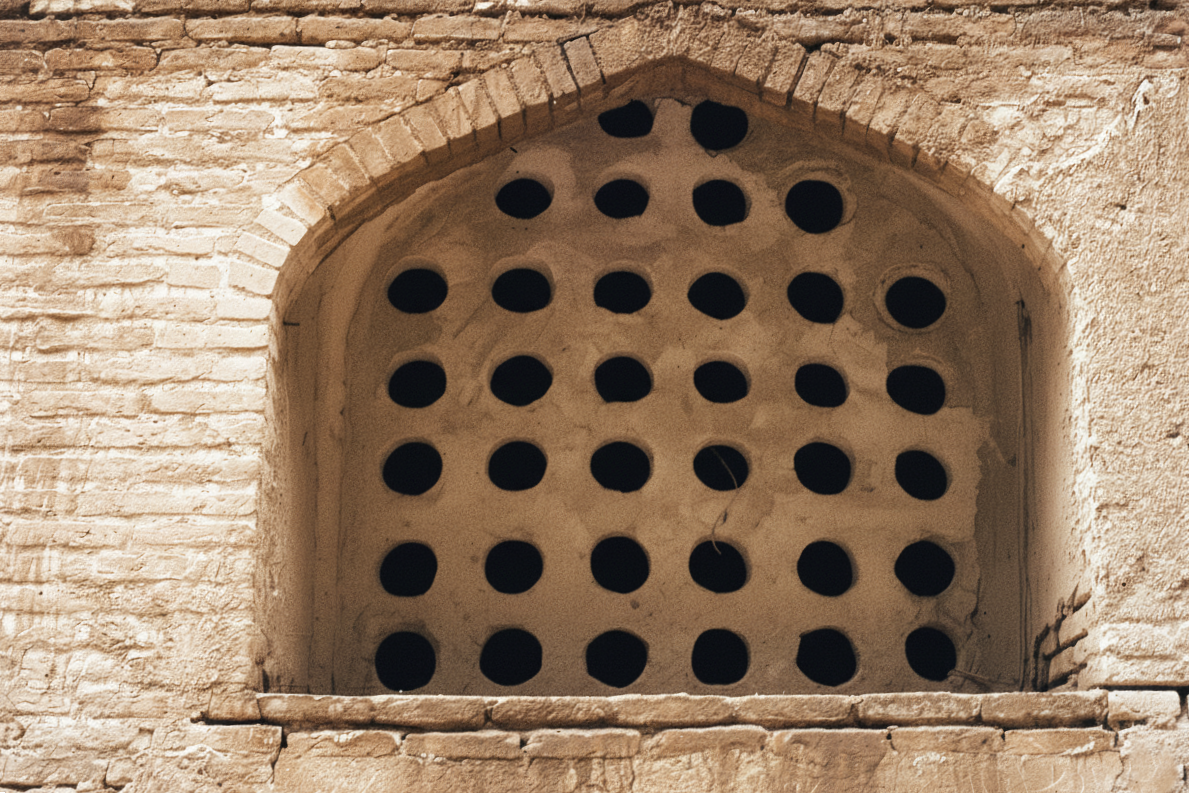
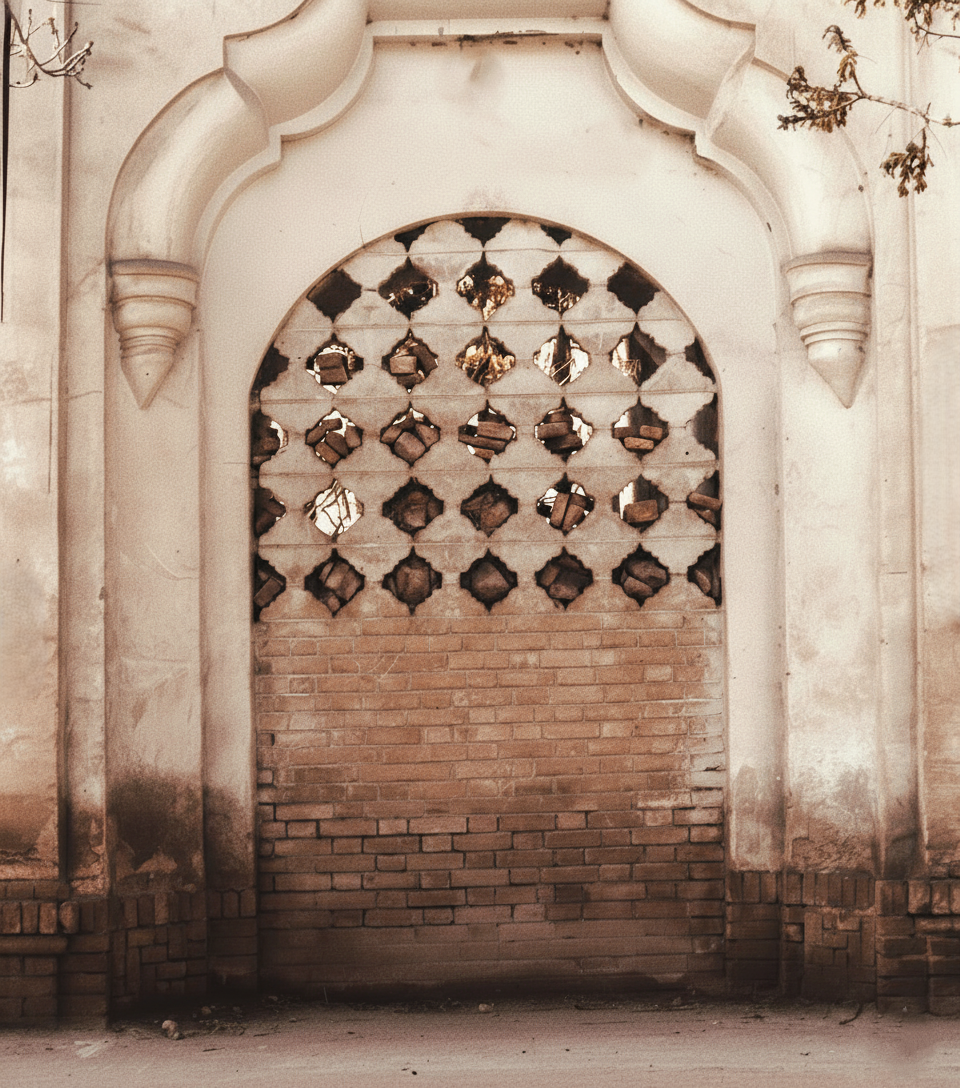
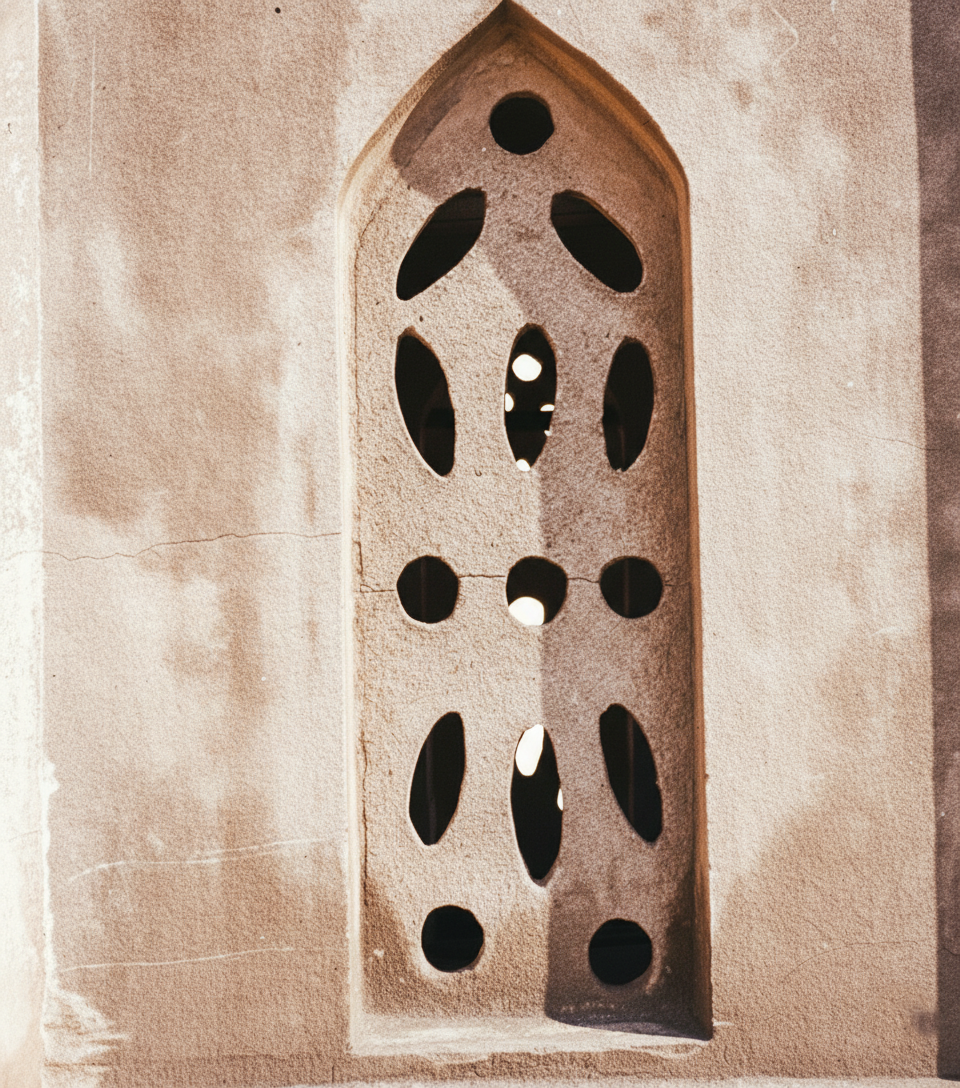
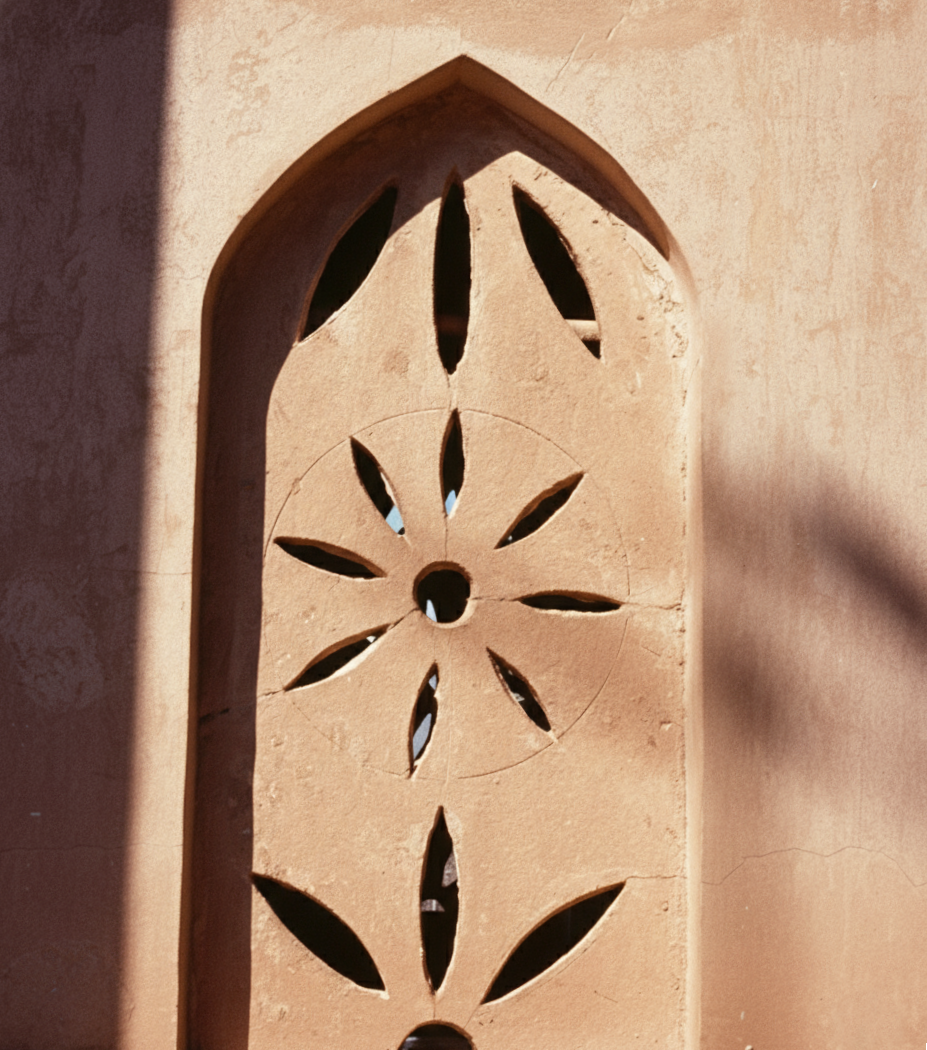
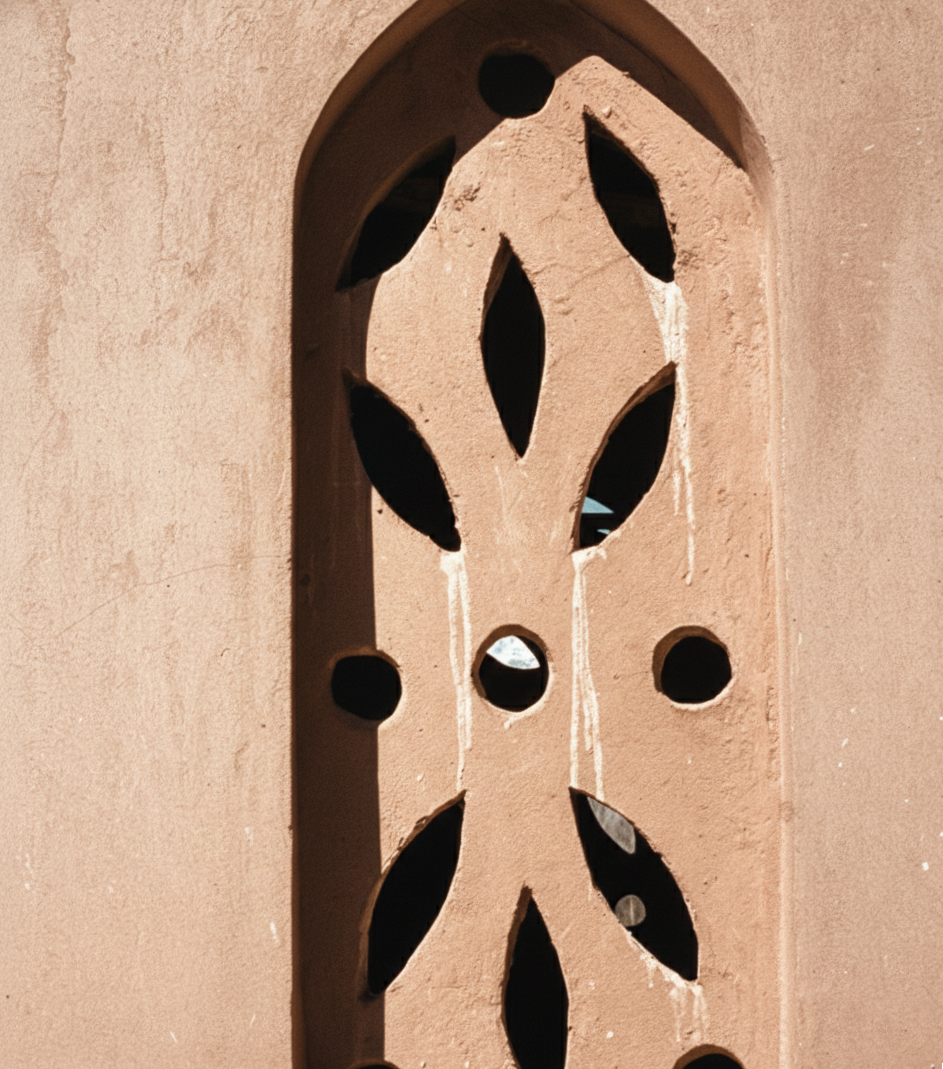
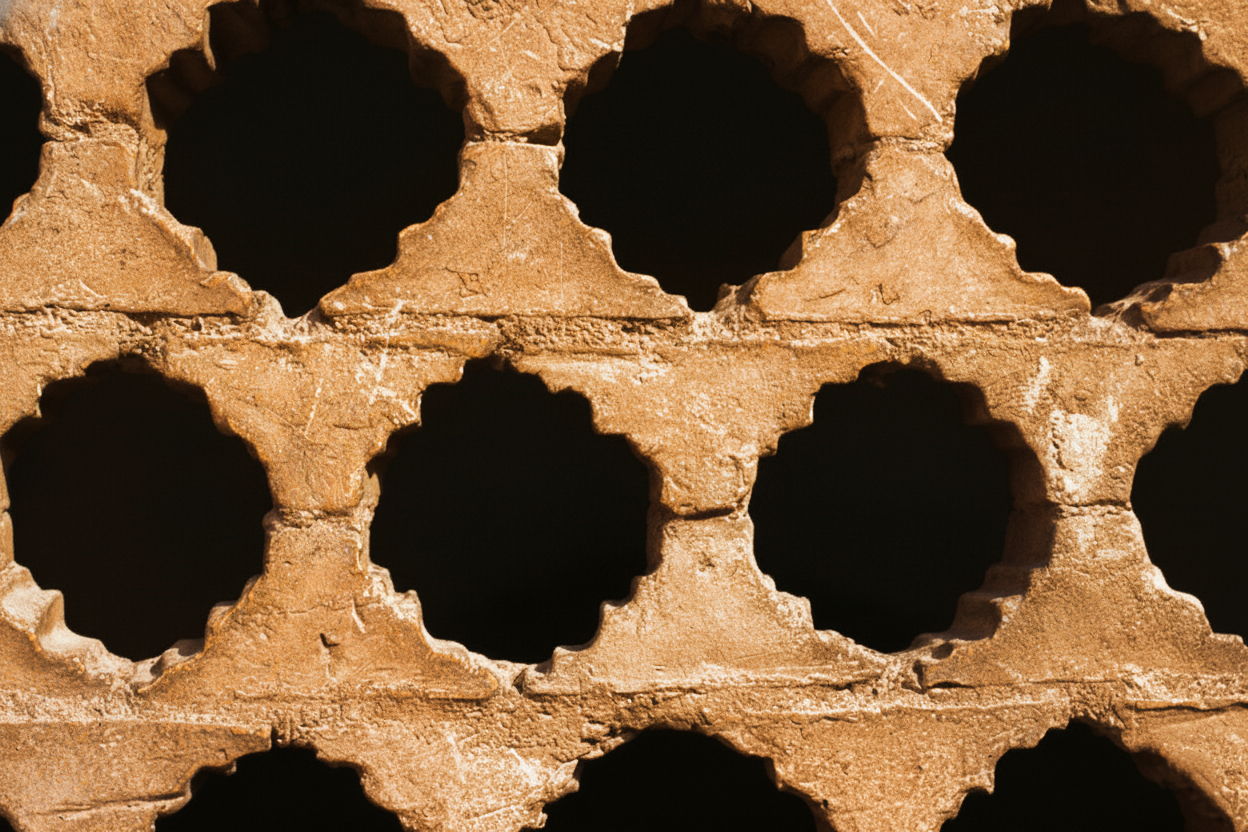
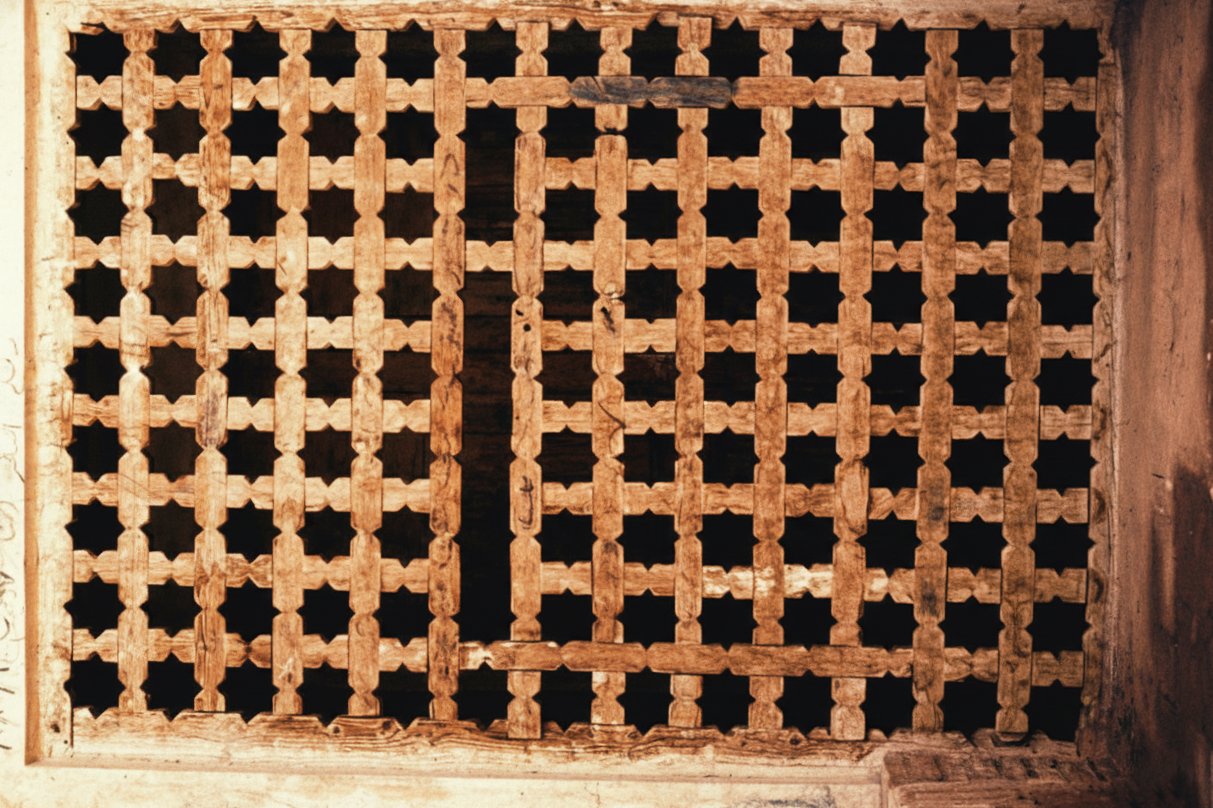
Fakhr-o-Madin (فخر و مدین) is a traditional technique of perforated brickwork used in Kerman’s architecture, including the Tomb of Shah Nematollah Vali (آرامگاه شاه نعمتالله ولی) and the Kerman Bazaar (بازار کرمان). Its geometric screens enhance ventilation, filter sunlight, reduce solar heat gain, and create diffused interior light suited to the region’s hot–arid climate.
-
Fakhr-o-Madin (فخر و مدین) represents a refined ornamental and environmental device in the traditional architecture of Kerman (کرمان), Iran. It is executed through articulated brickwork, plasterwork, and occasionally tilework, and is characterized by the deliberate arrangement of masonry units into perforated geometric compositions that form patterned screens within wall surfaces. In important historical complexes such as the Tomb of Shah Nematollah Vali (آرامگاه شاه نعمتالله ولی) and portions of the Kerman Bazaar (بازار کرمان), Fakhr-o-Madin functions beyond mere ornamentation, operating as a passive climatic mediator suited to the region’s hot–arid climate.
The porous geometric lattice permits controlled air permeability, facilitating natural ventilation, while simultaneously acting as a solar filter that reduces direct solar radiation. By fragmenting intense sunlight into soft, diffused illumination, the screen moderates interior thermal conditions and produces a dynamic interplay of light and shadow within interior spaces. Consequently, Fakhr-o-Madin exemplifies the integration of aesthetic articulation with environmental performance, reflecting the sophisticated climatic responsiveness embedded in the traditional architectural practices of Kerman (کرمان).
