Jabalieh Dome (گنبد جبلیه)
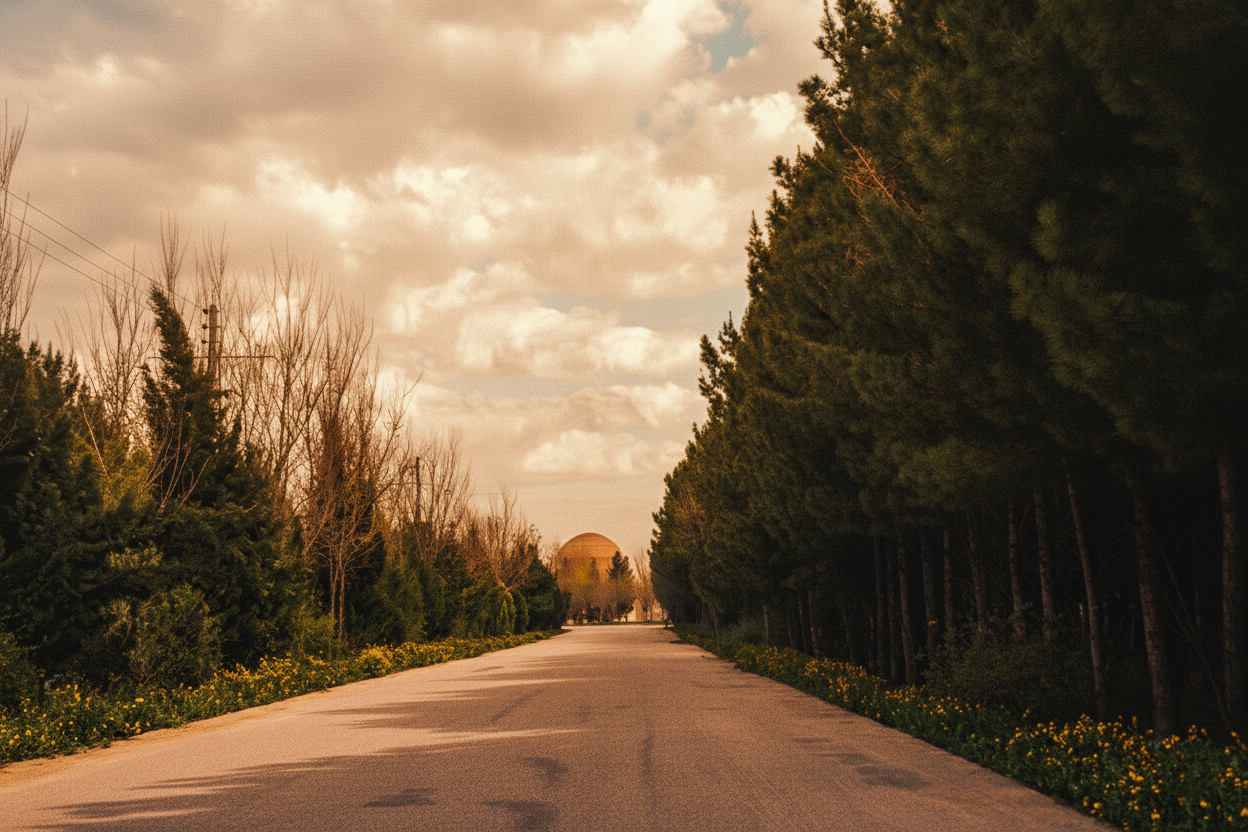
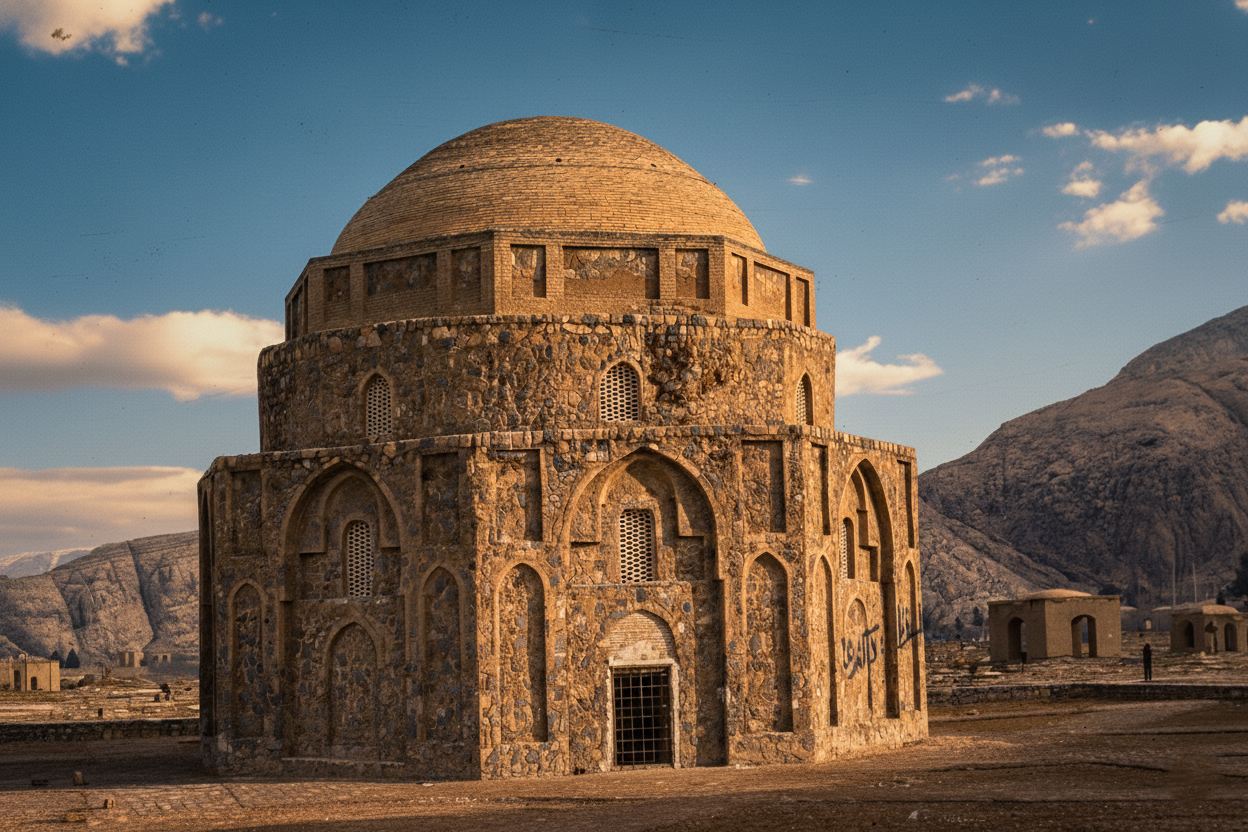
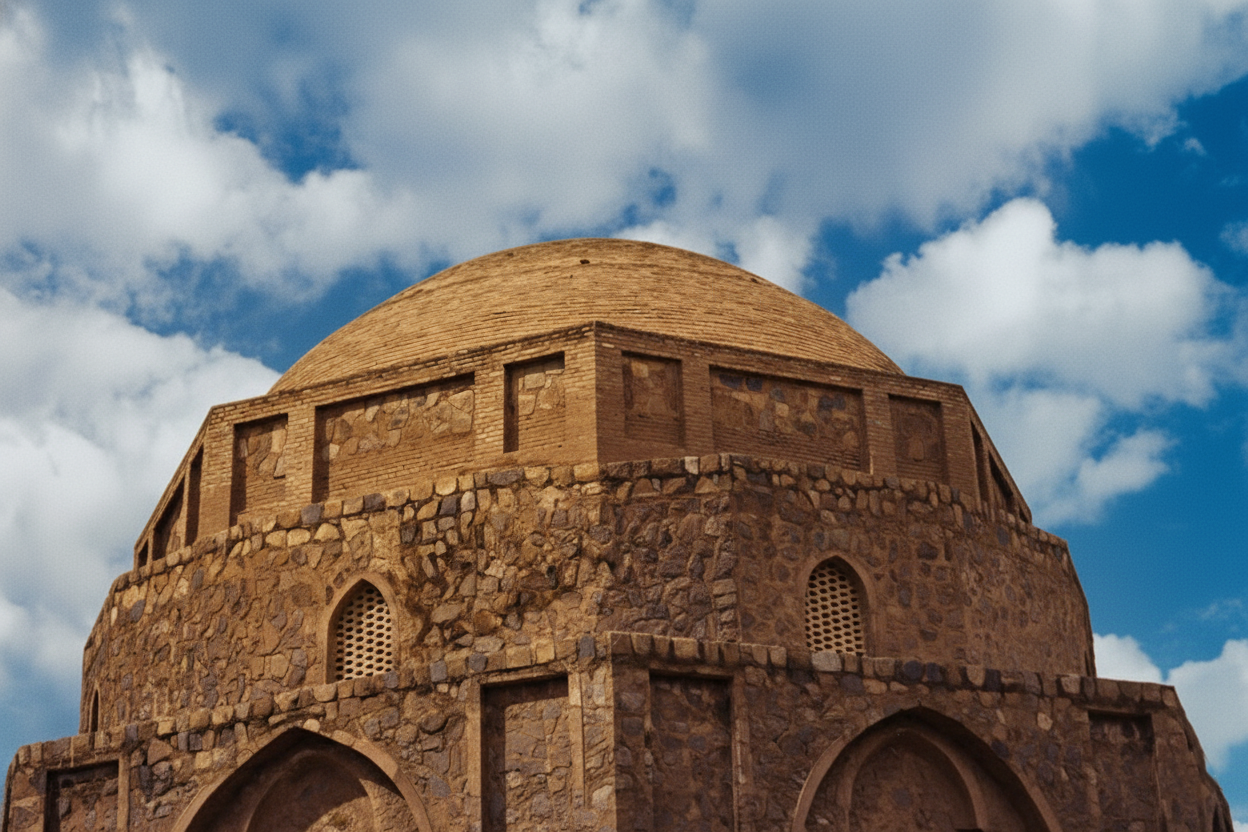
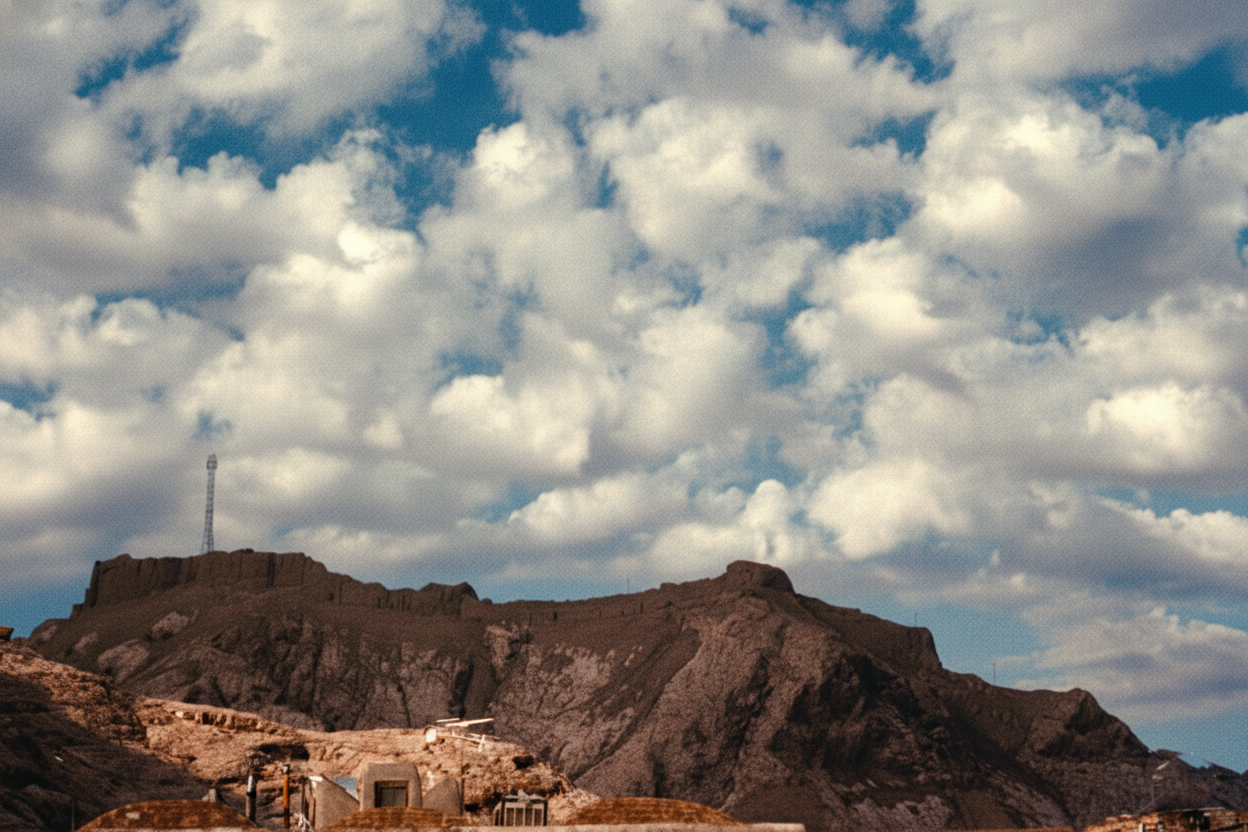
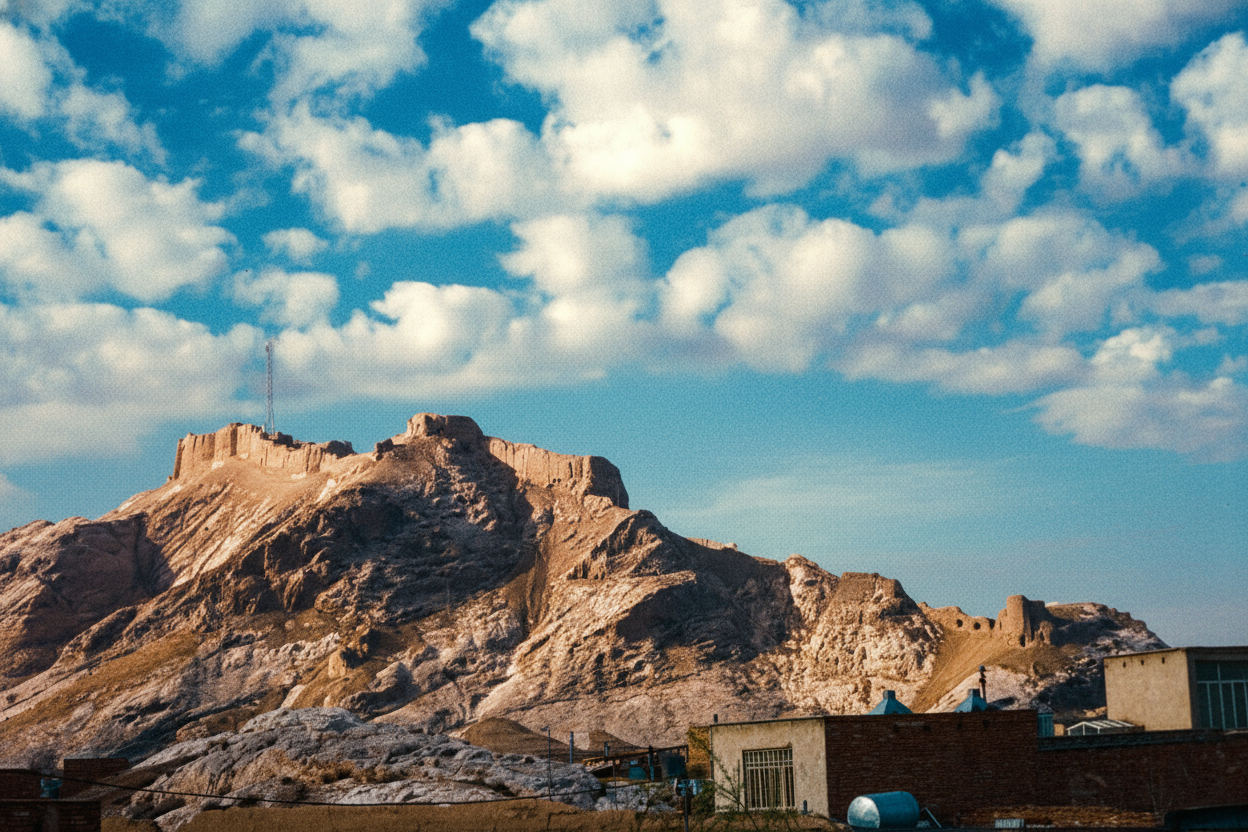
Jabalieh Dome (گنبد جبلیه). The Jabalieh Dome in Kerman is a unique octagonal stone monument likely dating to the late Sassanian period (6th–7th centuries). Built from massive stone blocks with gypsum mortar, it differs from typical adobe structures. Possibly once a fire temple or mausoleum, the building today functions as the Kerman Stone Museum, preserving historical artifacts.
-
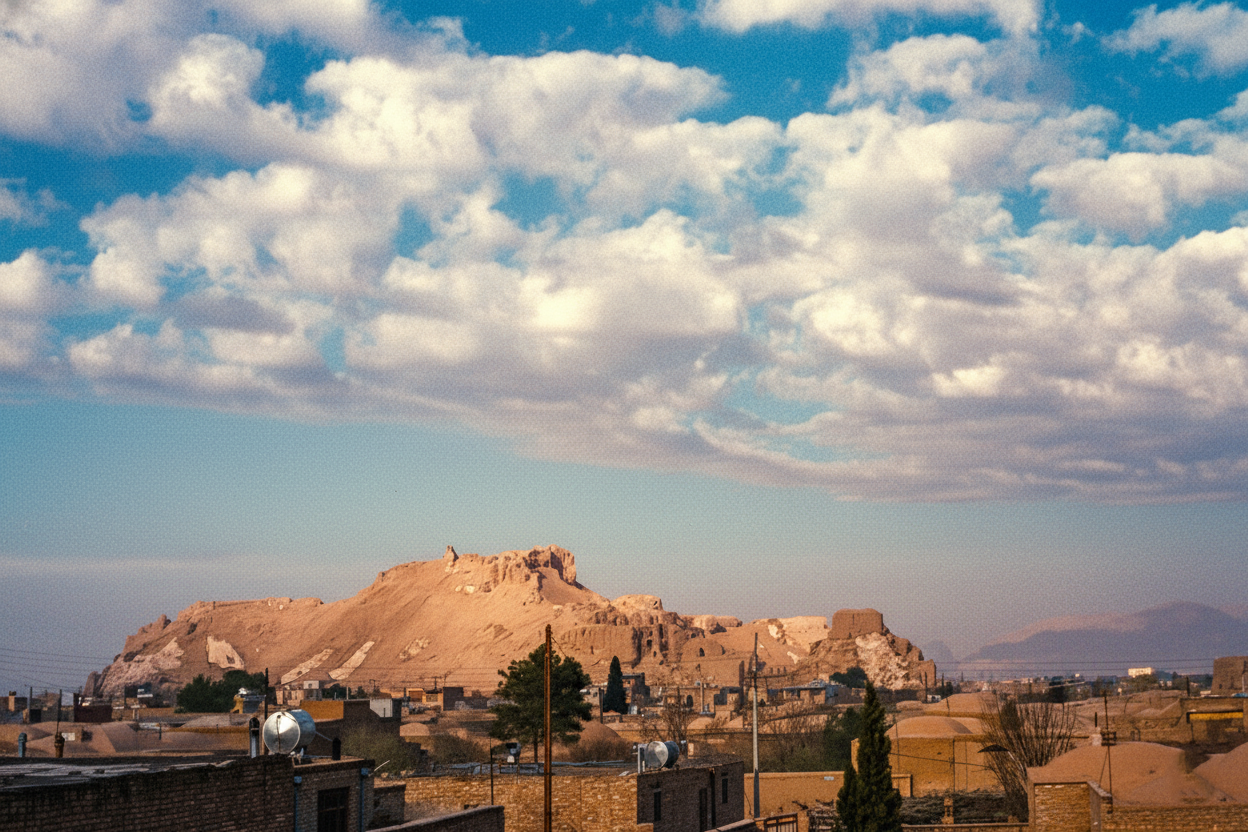
The Jabalieh Dome, also known as Gonbad-e Jabalieh (گنبد جبلیه), is a remarkable stone monument located on the eastern edge of Kerman near the slopes of the Saheb al-Zaman mountains. Most scholars date its original construction to the late Sassanian period (6th–7th centuries CE), although some elements may have been completed or modified during the early Islamic or Seljuk periods (11th–12th centuries). Unlike the region’s typical adobe architecture, this octagonal structure is built from massive stone blocks bonded with gypsum mortar, forming an unusually durable shell that has endured centuries of desert weather and historical upheavals.
Architecturally, the monument presents a striking geometric composition: an octagonal base rising to a sixteen-sided upper drum that once supported a brick double-shell dome. Because of its unusual stone construction and uncertain origin, the building was historically known as the “Gabri Dome”, suggesting a possible connection to pre-Islamic Zoroastrian traditions—perhaps as a fire temple or mausoleum. Over time the structure lost its original function and has been adapted as the Kerman Stone Museum, where its cool interior now houses ancient gravestones, millstones, and Kufic-inscribed artifacts dating back more than a millennium. Through this transformation, the Jabalieh Dome stands as both an architectural enigma and a monument preserving Kerman’s deep historical memory.
