Sanctuary of Jopar امامزاده جوپار
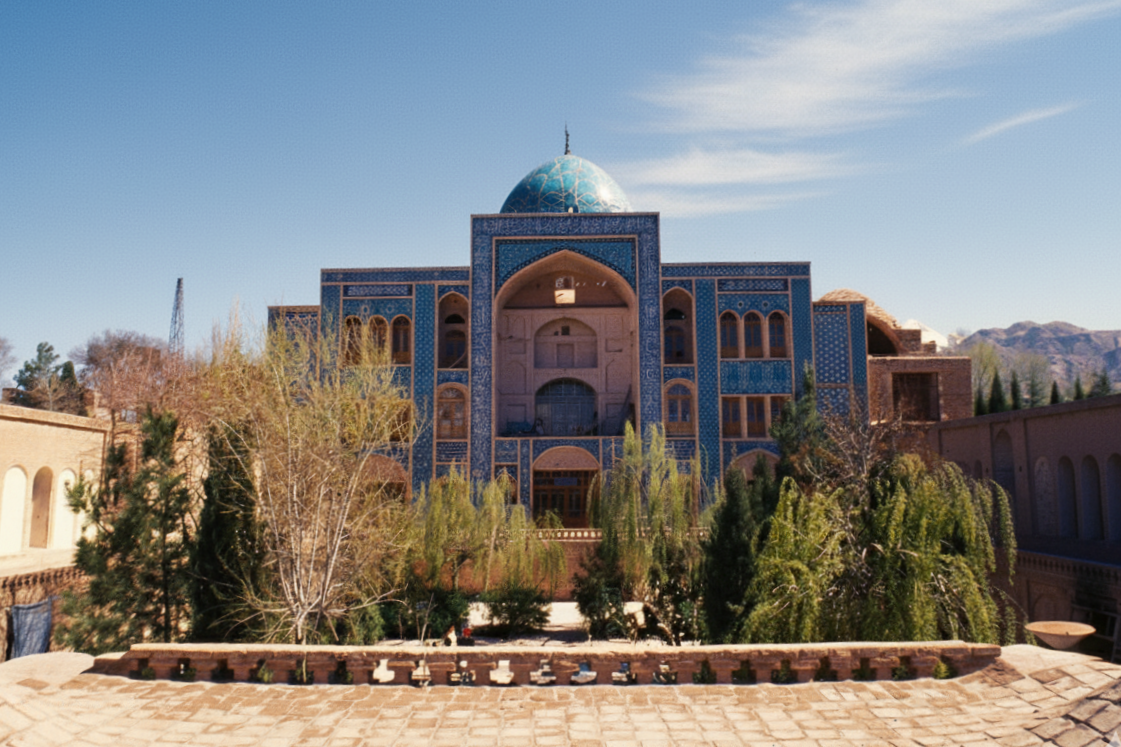
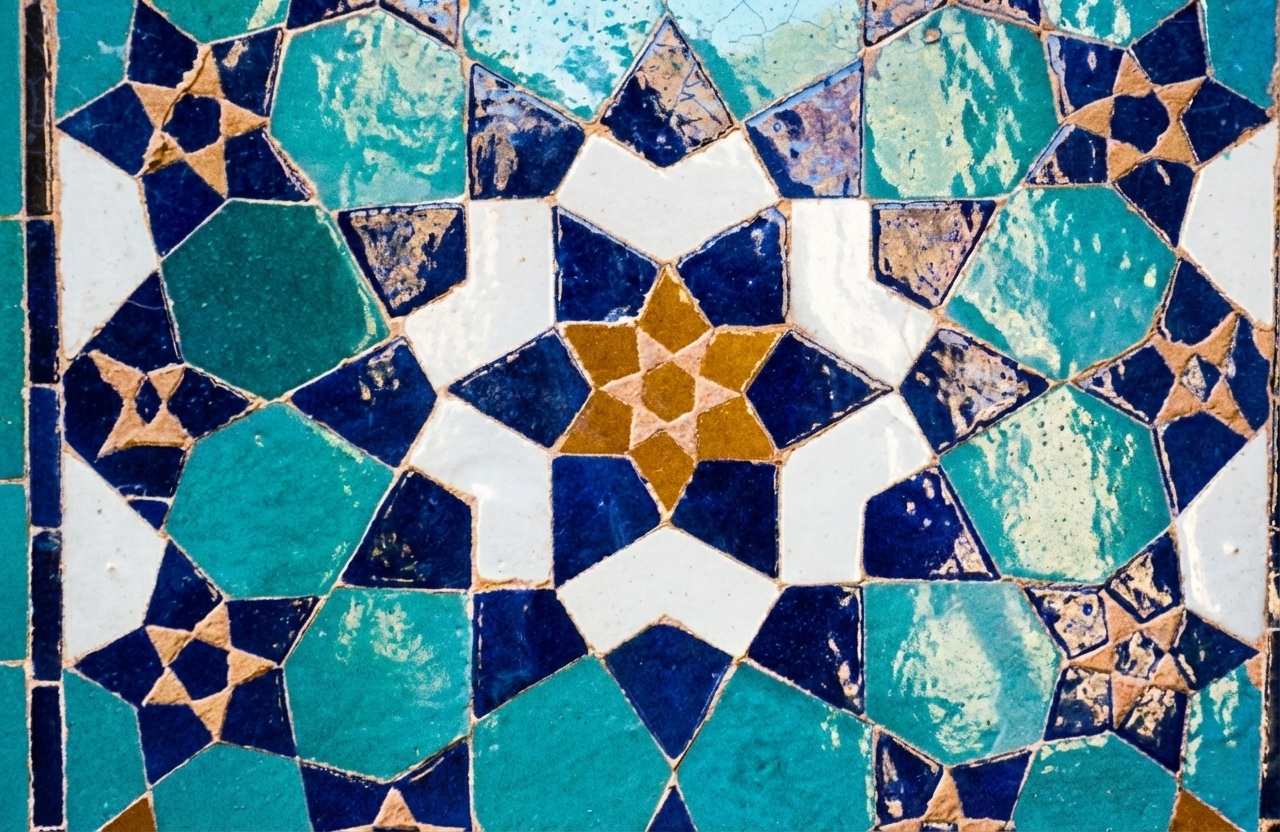
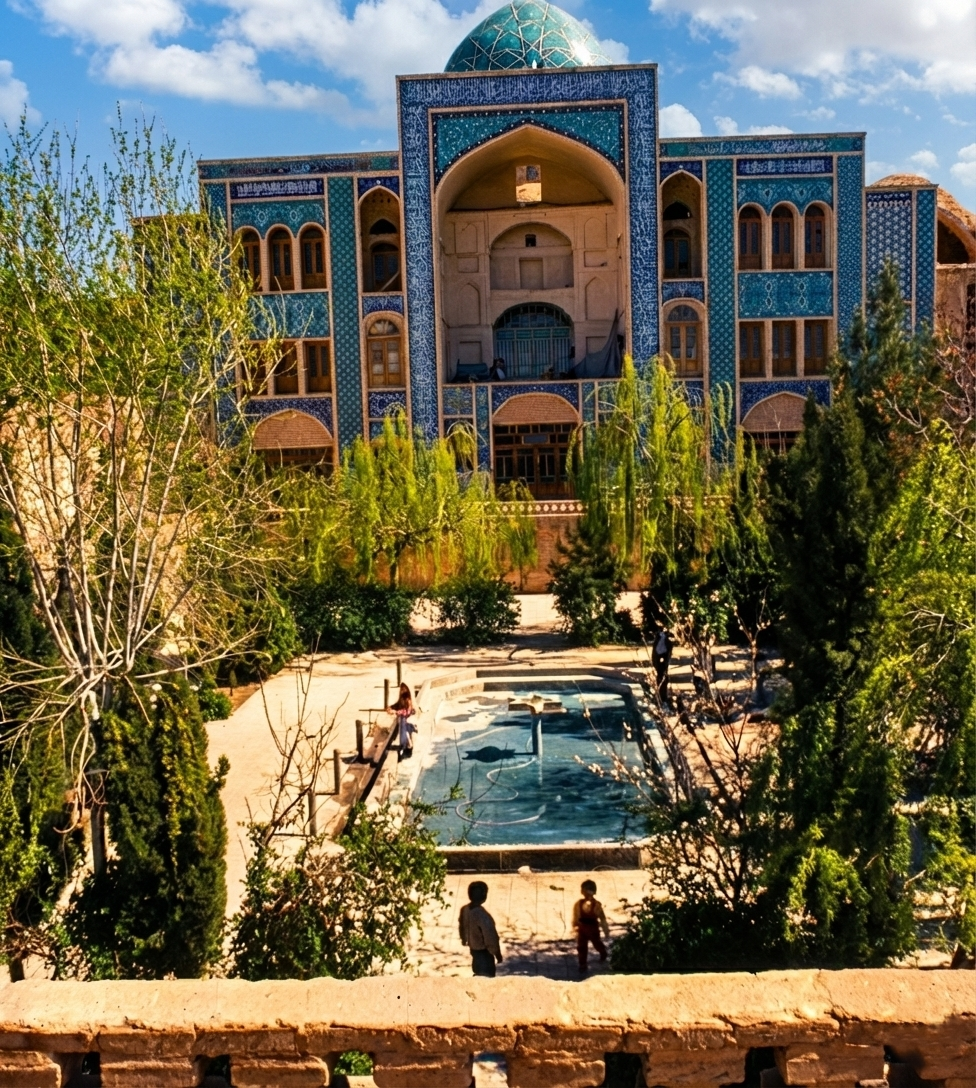
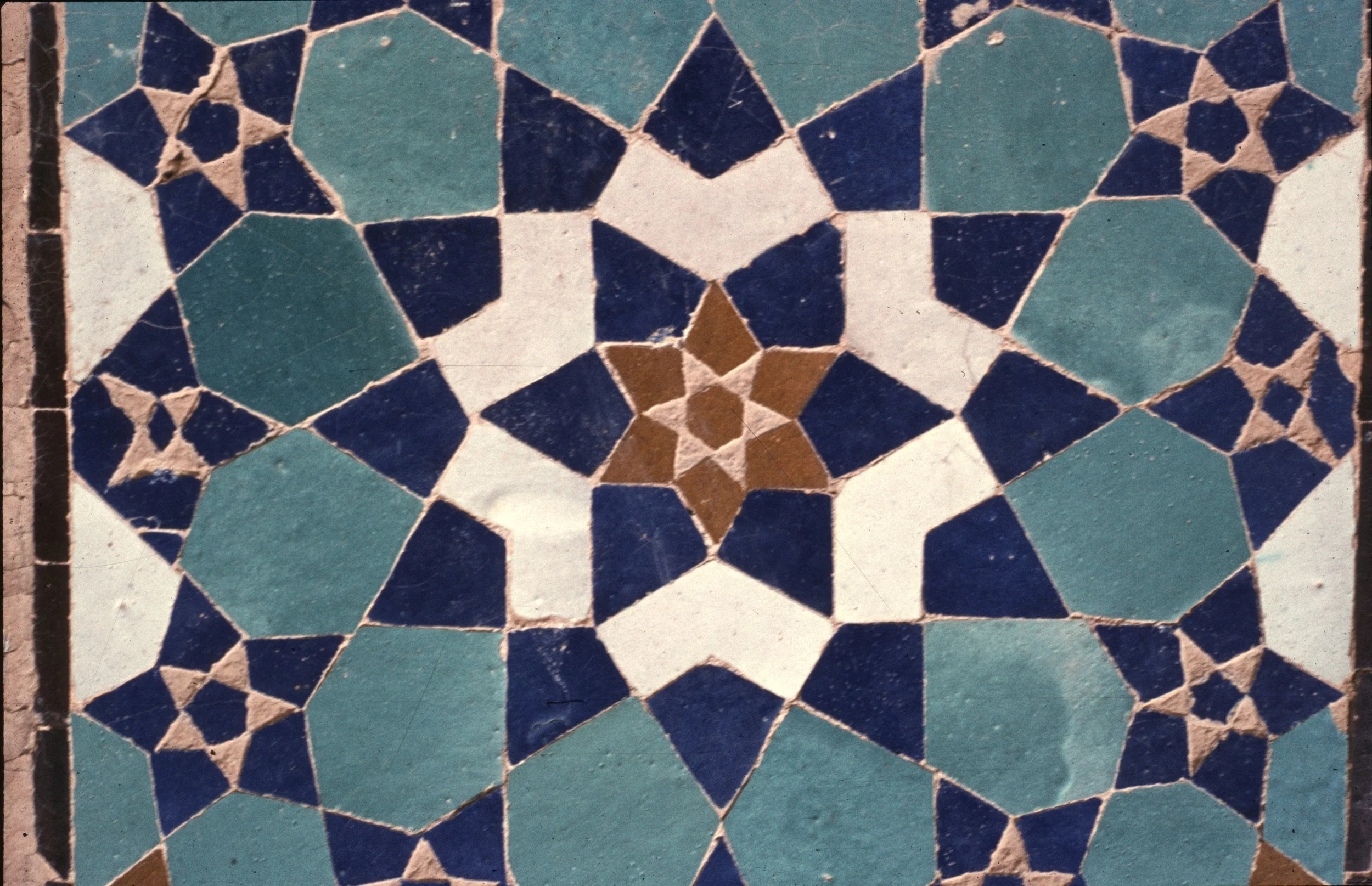
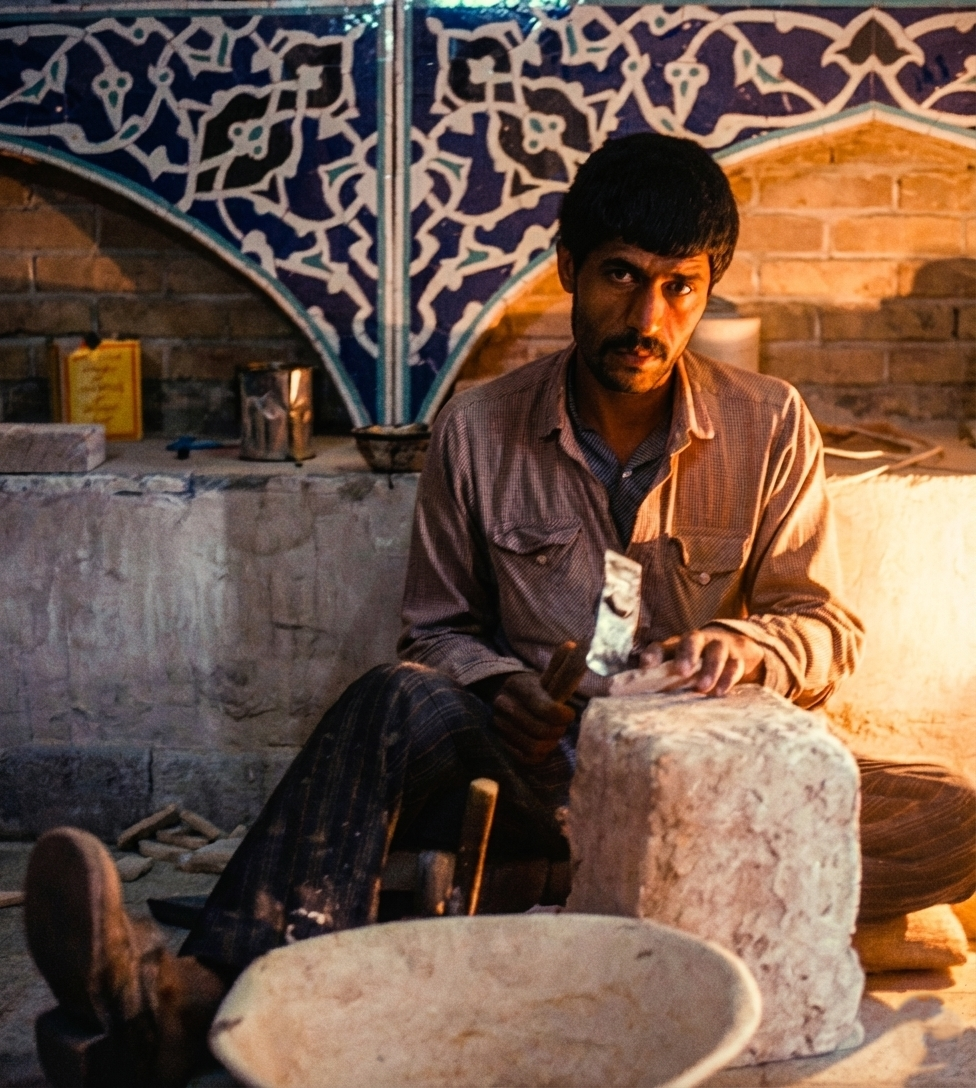
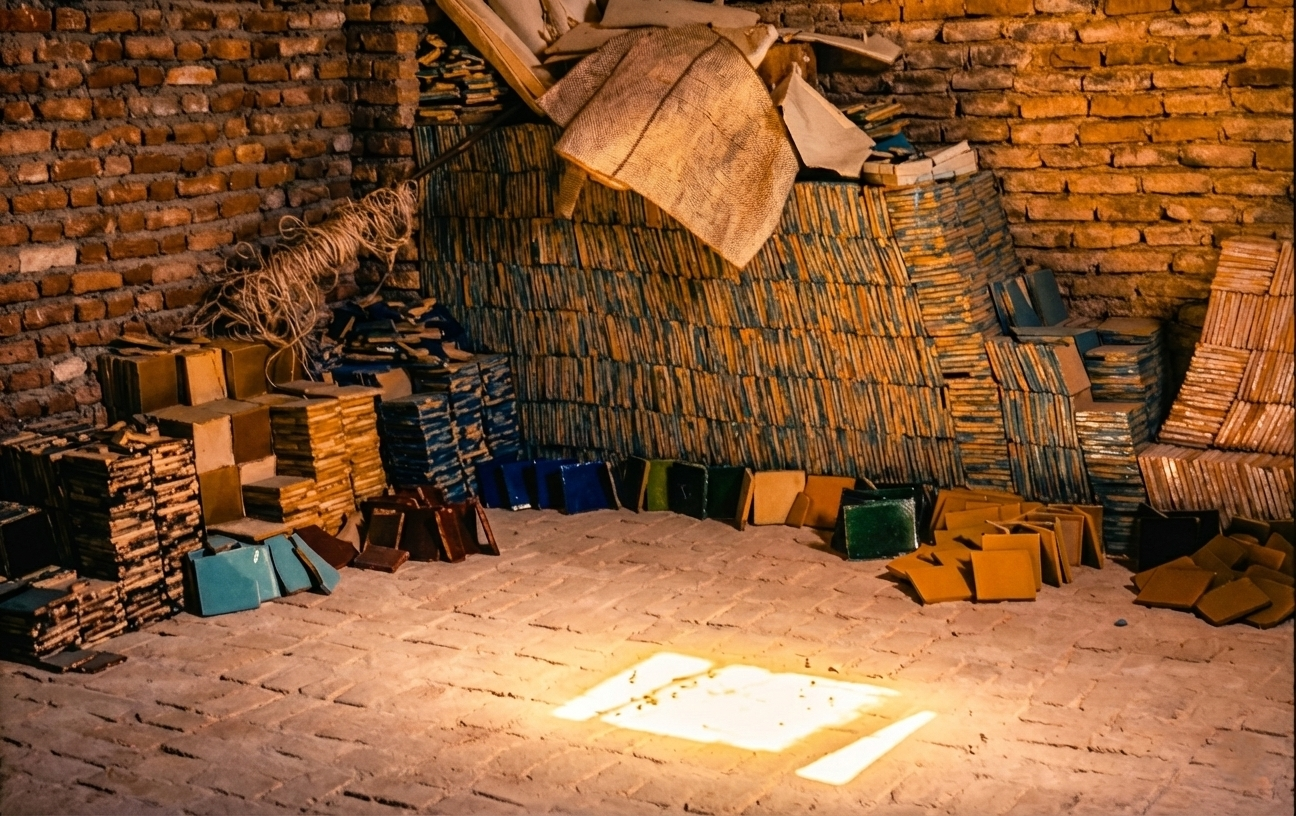
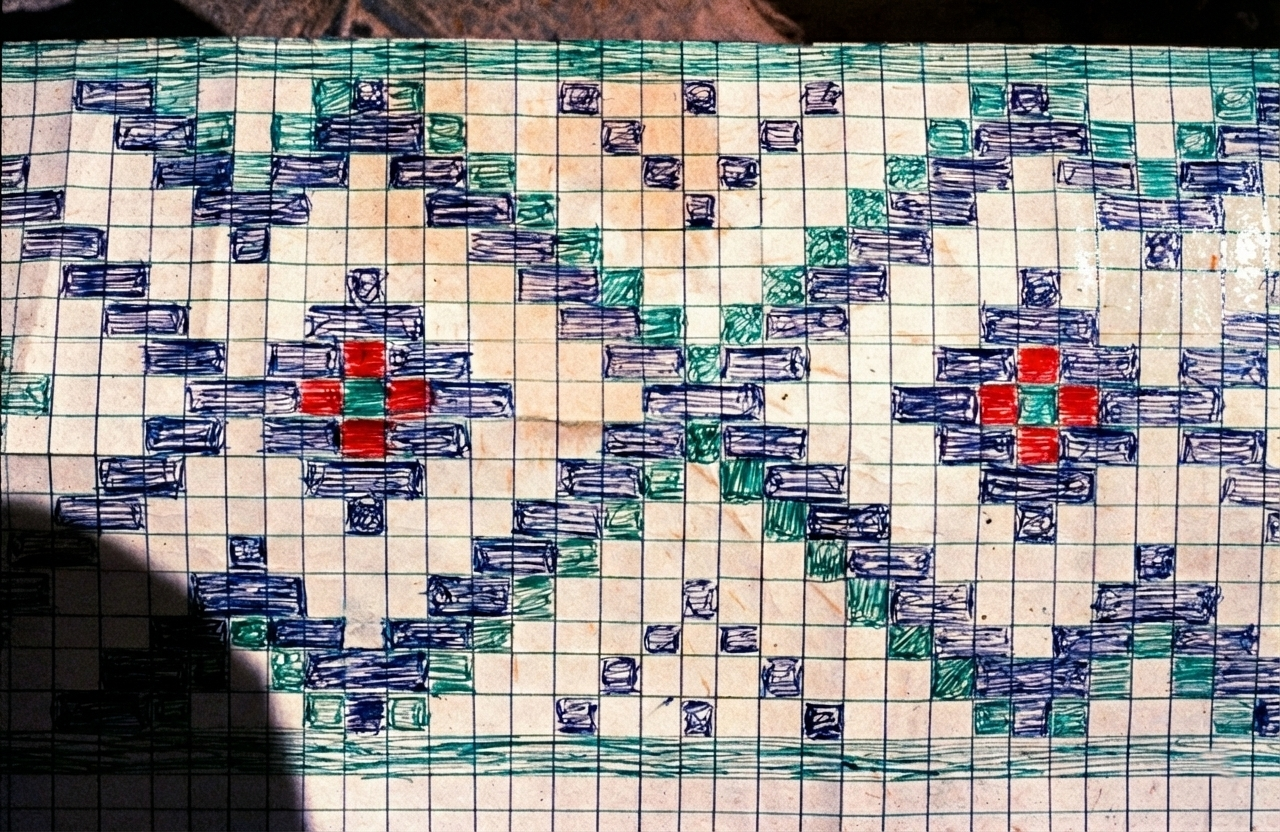
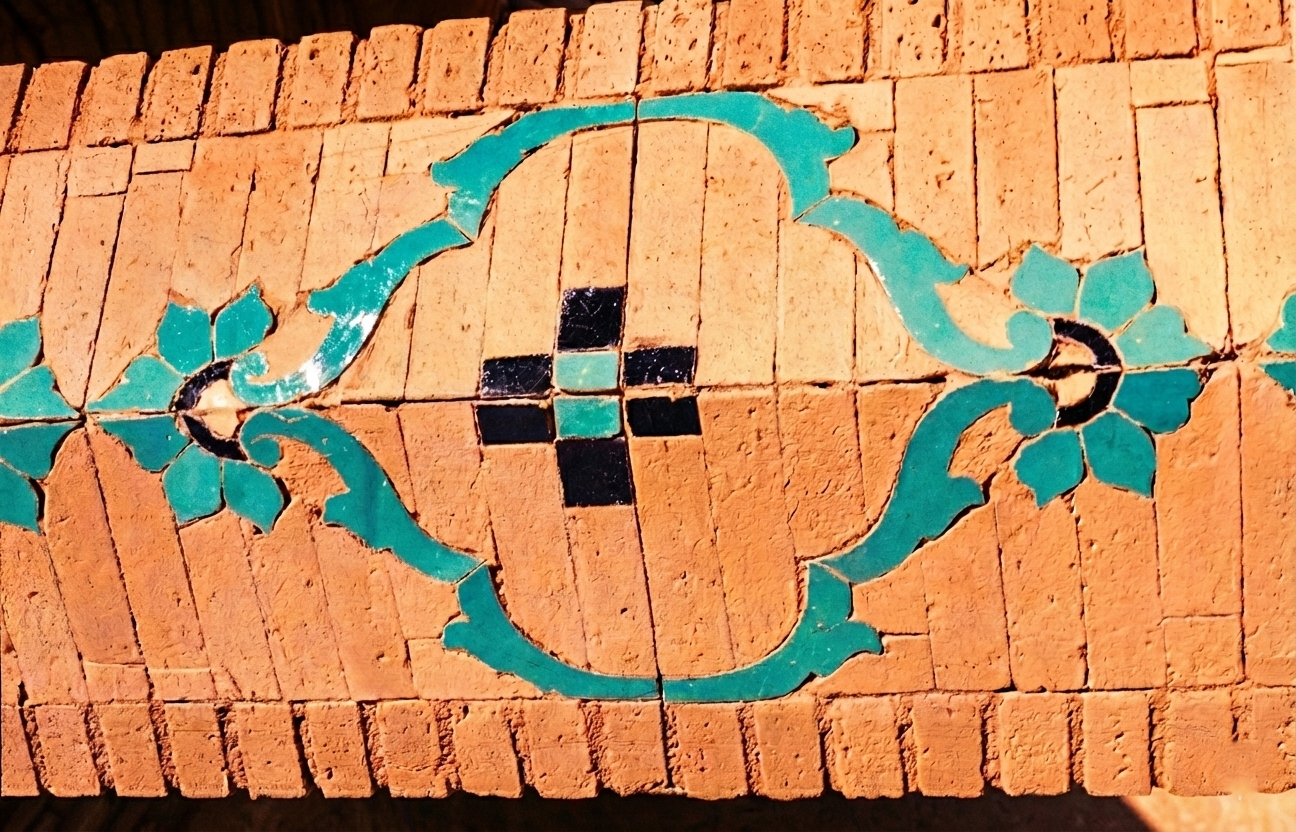
Prince Hossein Shrine (امامزاده جوپار). Located in Jopar near Kerman, the Prince Hossein Shrine is an important spiritual site with architectural elements from the Safavid and Qajar periods. Its turquoise-tiled dome dominates the skyline, while the interior mirrorwork (Aineh-kari) reflects light beautifully. The peaceful courtyard, with trees and a central water pool, creates a serene environment for prayer and reflection.
-
The White Sanctuary of Jopar: The Prince Hossein Shrine (Imamzadeh Hossein امامزاده جوپار)
Nestled in the tranquil town of Jopar, around 25 kilometers south of Kerman, the Shrine of Prince Hossein (Shahzadeh Hossein) stands as a significant spiritual hub for the region. While it may not bask in the same fame as the nearby attractions in Mahan, this shrine holds a special place in the hearts of pilgrims and serves as a monument to local heritage. The current structure, which showcases features from the Safavid period (1501–1736) alongside later additions from the Qajar dynasty, beautifully reflects the artistry and devotion of those who have contributed to its upkeep. Its stunning dome, echoing the grand domes of Isfahan, dominates the skyline, embellished with radiant turquoise and lapis lazuli tiles.
Inside, the remarkable mirrorwork, known as Aineh-kari (آینه کاری), creates a captivating interplay of light that symbolizes the divine's limitless essence. This intricate design not only enhances visitors' experiences but also transforms the shrine into a true spiritual haven.
The courtyard, designed as a peaceful oasis, welcomes visitors with a central water pool (Howz حوض) used for ritual ablutions (Wudu وظو). Surrounded by trees, this serene environment fosters a tranquil microclimate that encourages reflection and prayer.
In essence, this Shrine embodies the "architecture of pilgrimage," skillfully intertwining water, tile, and reflection to elevate the human spirit. It remains a cherished sanctuary, inspiring devotion while preserving the artistic legacy of the Safavid era for generations to come.
