Shazdeh Garden (Bagh-e Shazdeh باغ شاهزاده)
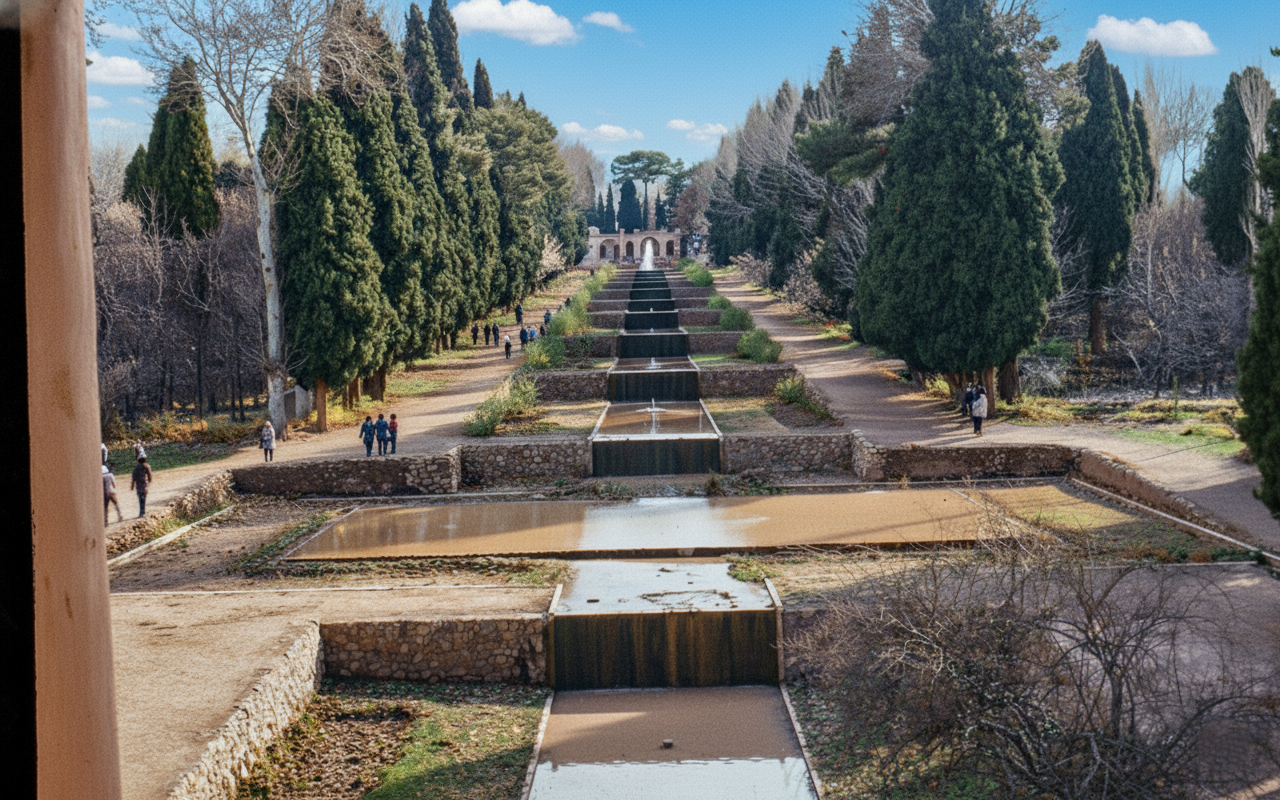
Shazdeh Garden (Bagh-e Shazdeh – باغ شاهزاده), built in the Qajar period (c. 1870s CE) near Mahan (ماهان), transforms the desert into a lush oasis. Fed by the Tigran Qanat (قنات تیگران), cascading water terraces and shaded trees create a cool microclimate. This UNESCO-listed garden exemplifies Persian landscape design, blending nature and architecture harmoniously.
-
The Green Miracle of the Desert, Shazdeh Garden باغ شاهزاده.
Located six kilometers from Mahan, Iran, and dramatically framed by the Tigran Mountains, Shazdeh Garden (the Prince’s Garden) stands as a testament to the ingenuity of traditional Persian landscape architecture. Designated a UNESCO World Heritage site, this masterpiece represents a profound dialogue between the harsh desert environment and human creativity, functioning as a lush, cooling oasis amidst the arid Kerman landscape.
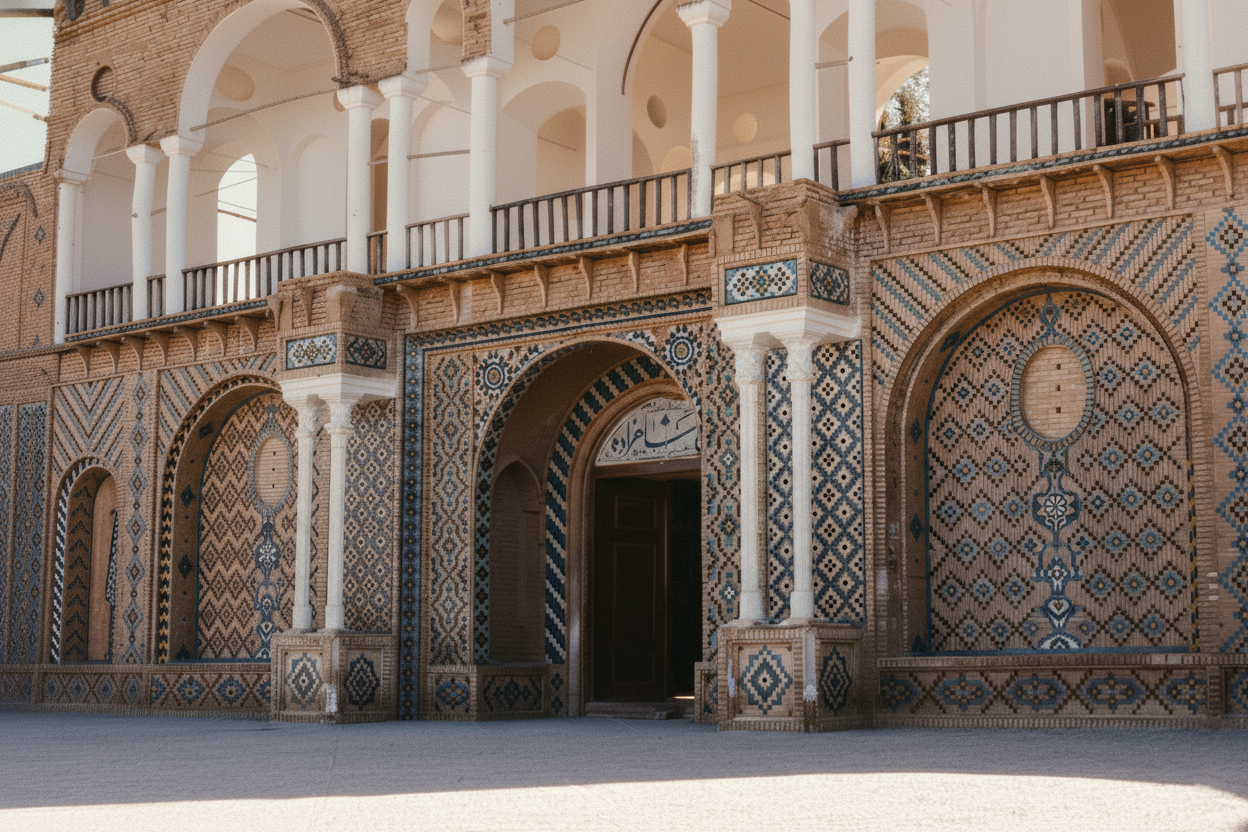
The garden’s history is rooted in the Qajar dynasty; it was originally initiated by Mohammad Shah Qajar and later substantially commissioned around 1873 by Abdolhamid Mirza Naserodolleh عبدولحمید میرزا ناصرالدوله, the governor of Kerman. The site’s construction bears the physical marks of a local legend: the entrance structure remains famously incomplete, a consequence of masons abruptly abandoning their work upon receiving news of the governor’s death.
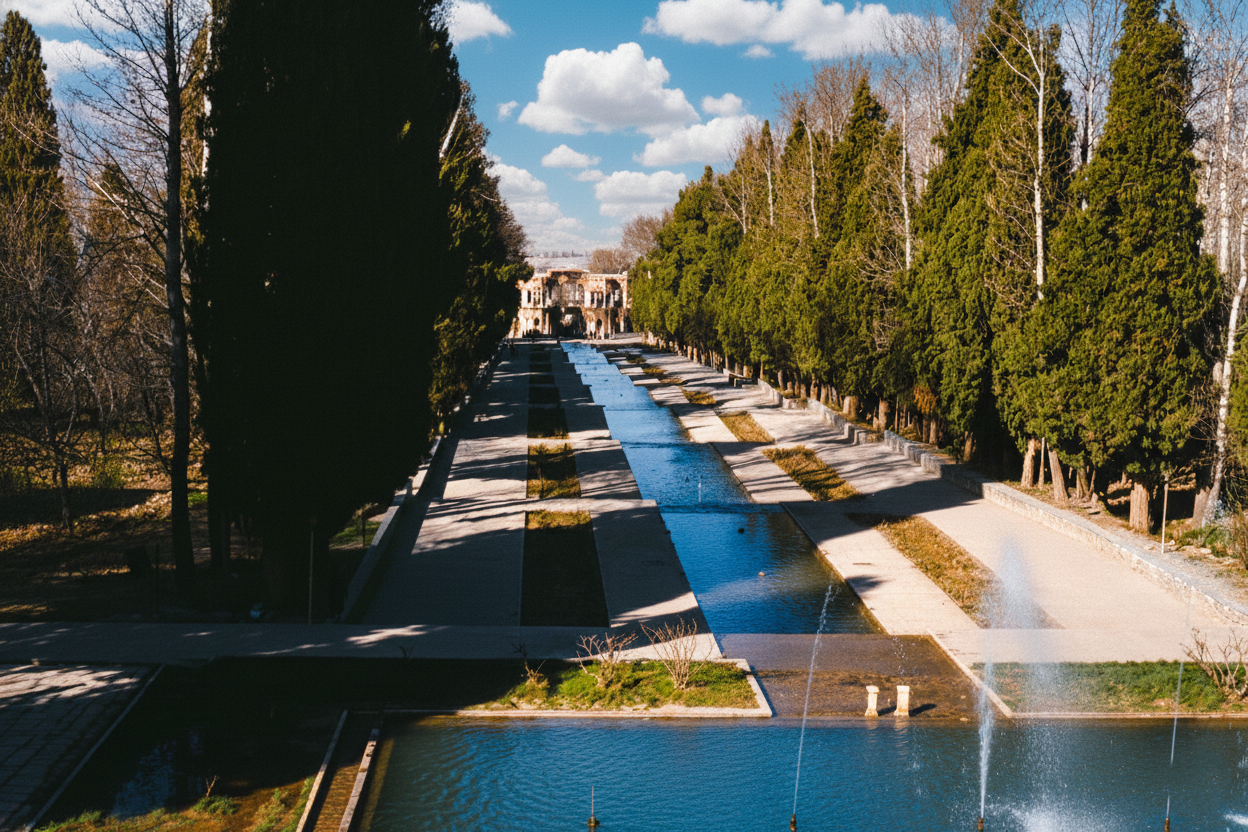
Structurally, Shazdeh Garden exemplifies the Bagh-e Takht باغِ تخت (Stepped Garden) style. The design masterfully exploits the mountains' natural inclination to power a sophisticated gravity-fed hydraulic system. Water drawn from the ancient Tigran Qanat قناتِ تیگران cascades down a central axis, powering nine waterfalls and numerous fountains without the use of mechanical pumps. This water system, combined with the shade of towering plane and pine trees, creates a distinct microclimate that significantly lowers the temperature relative to the surrounding desert.
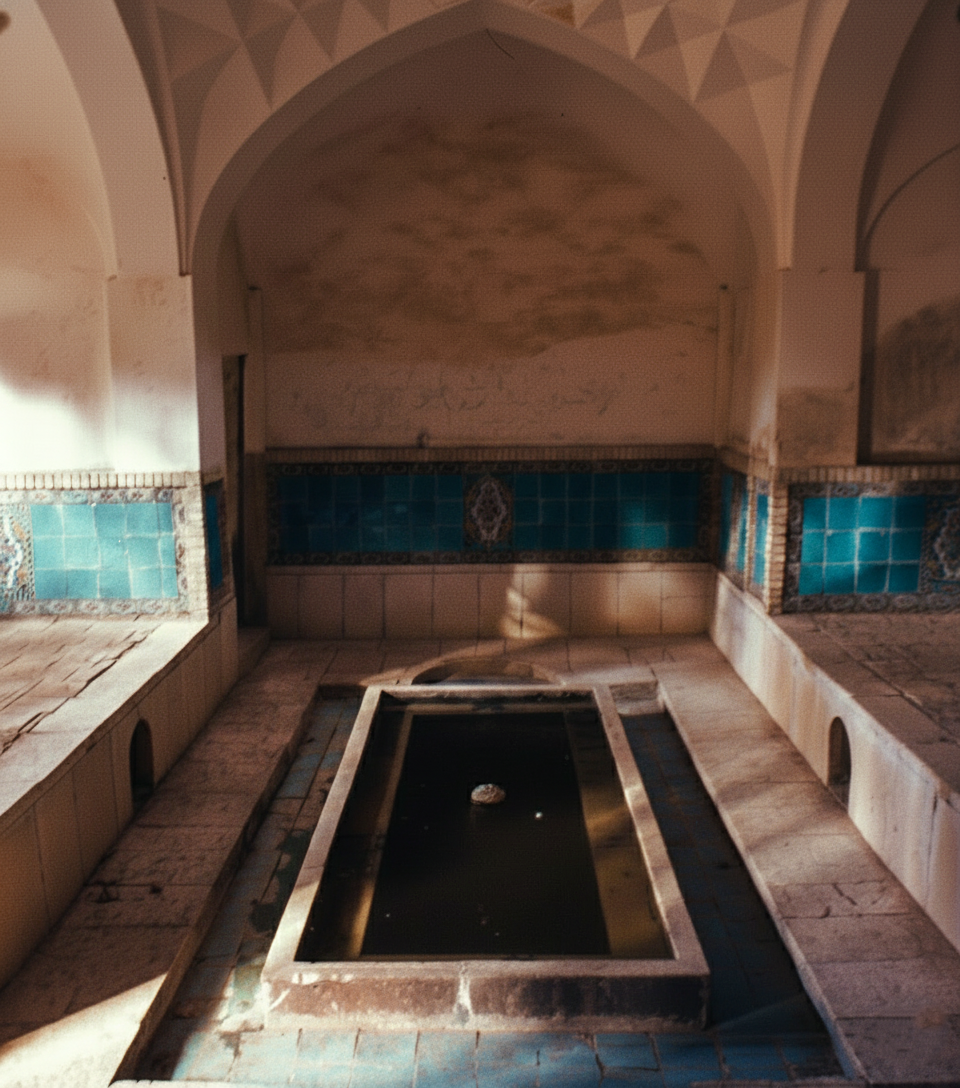
The architectural narrative follows a linear progression from the Sardarb-e Khaneh سردربِ خانه (entrance structure) at the base, which acts as a threshold separating the dry wilderness from the verdant interior, to the Koshk-e Asli کوشکِ اصلی (Main Pavilion) at the summit. The Main Pavilion served as the prince’s private residence, featuring an open design that maximized air circulation and offered commanding, panoramic views of the water features below. The complex is completed by essential accessory structures, including a traditional Hamam-حمام (private bathhouse) and service quarters, ensuring the functional elegance of this desert sanctuary.