Ganj Ali Khan Public Bath (حمام گنجعلی خان)
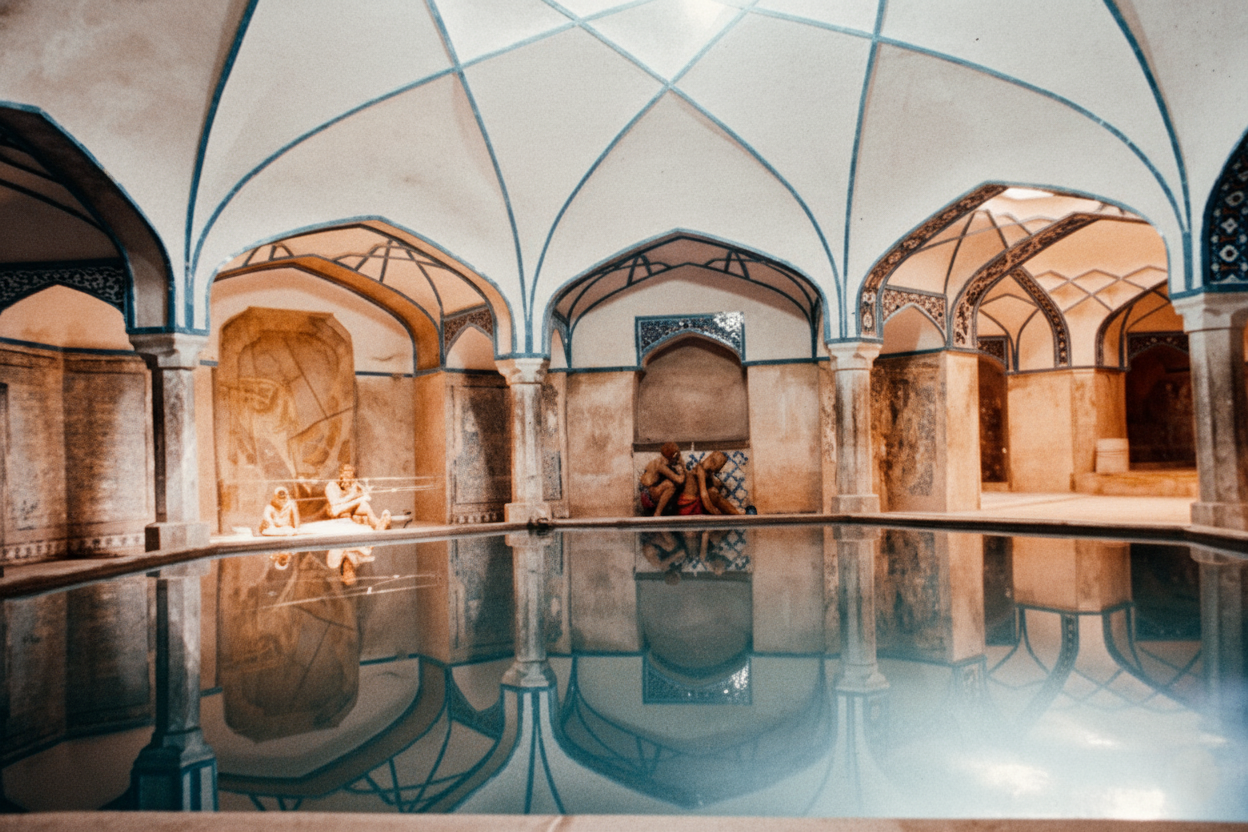
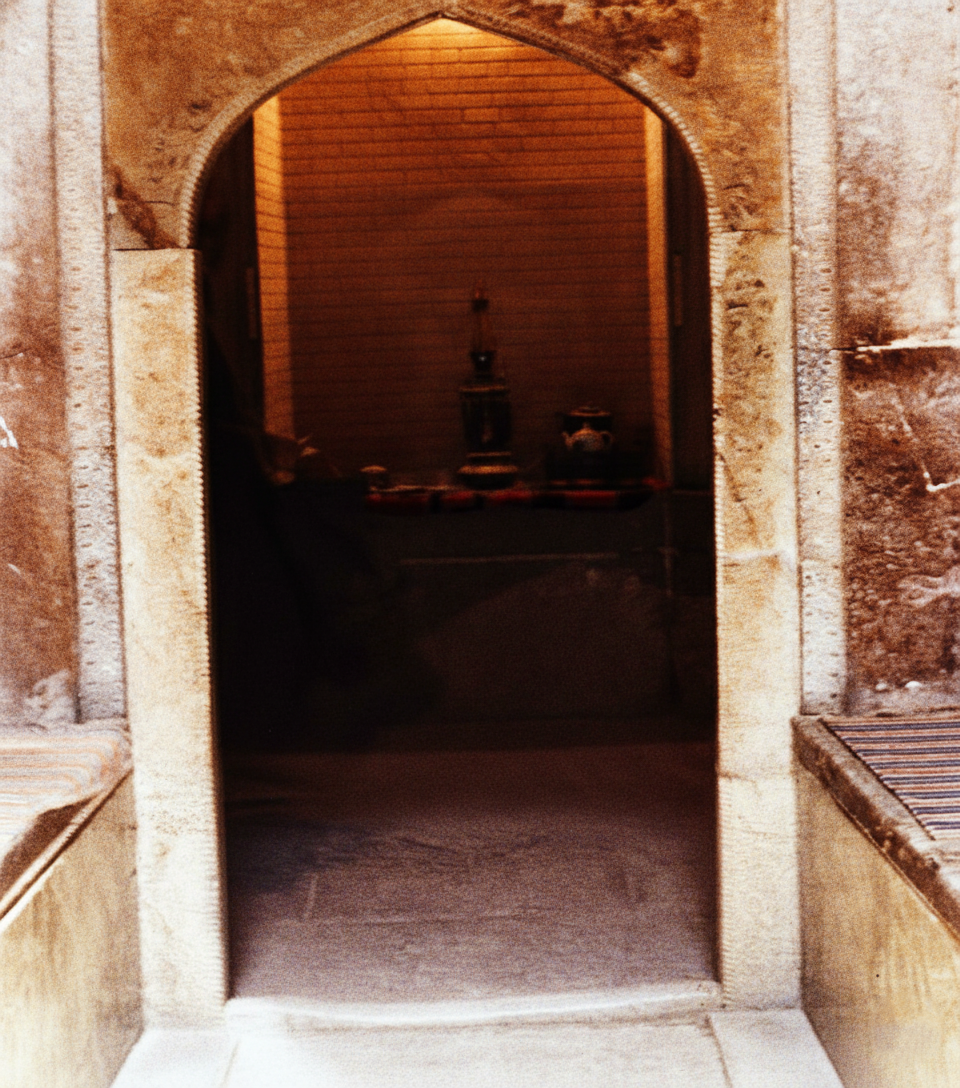
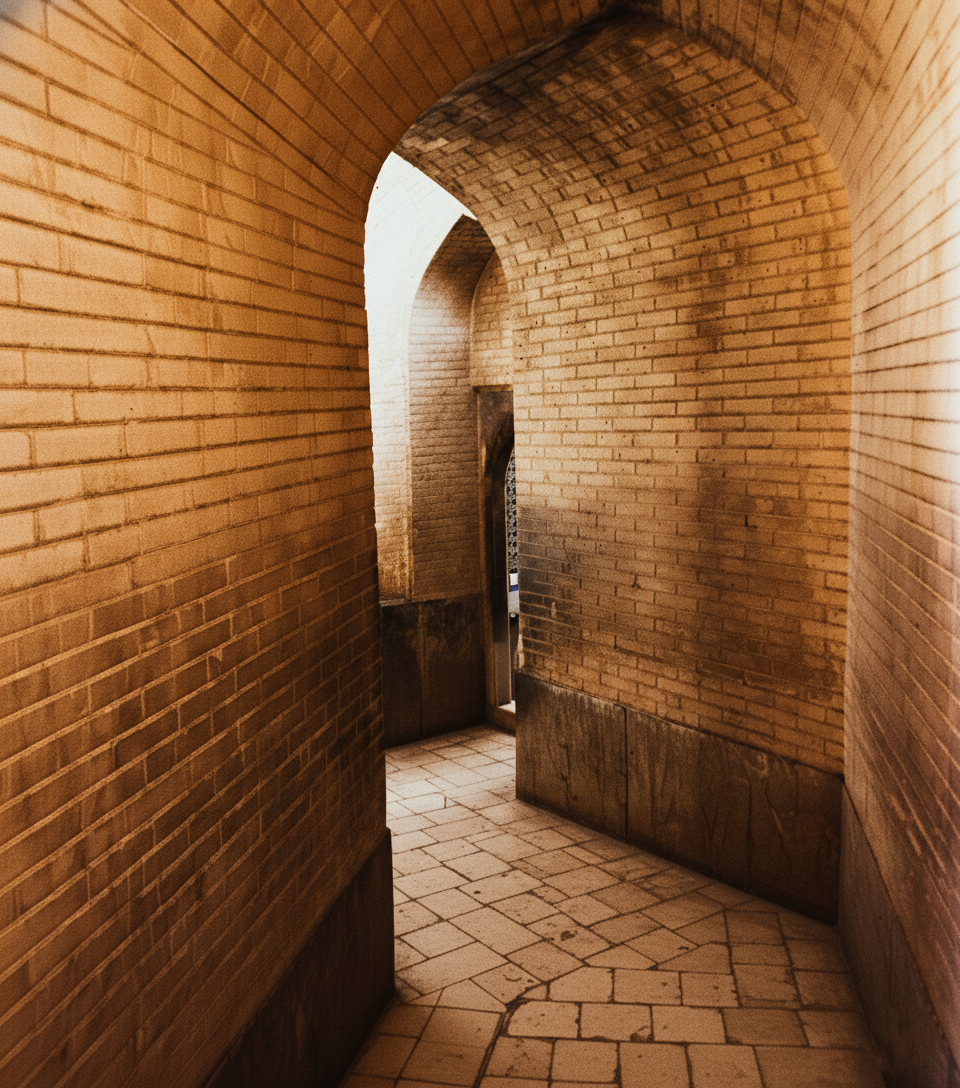
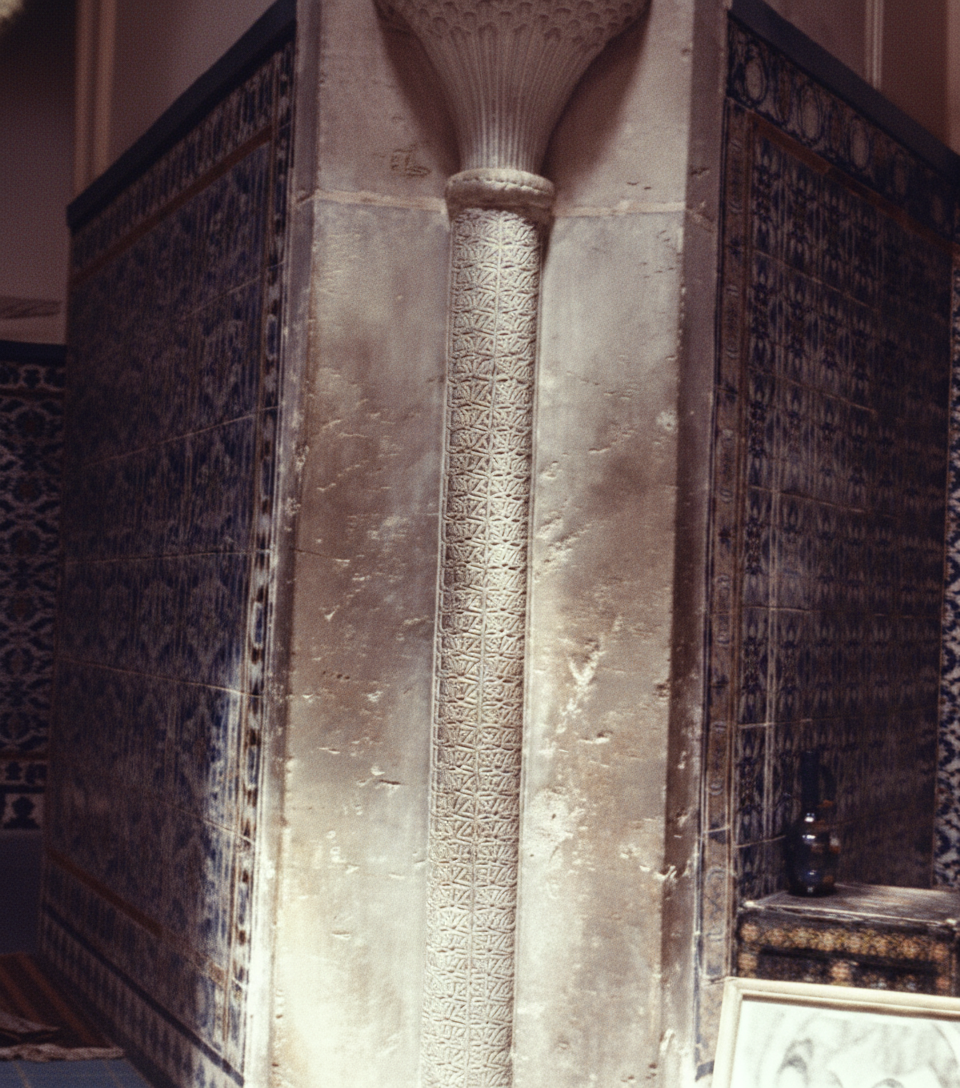
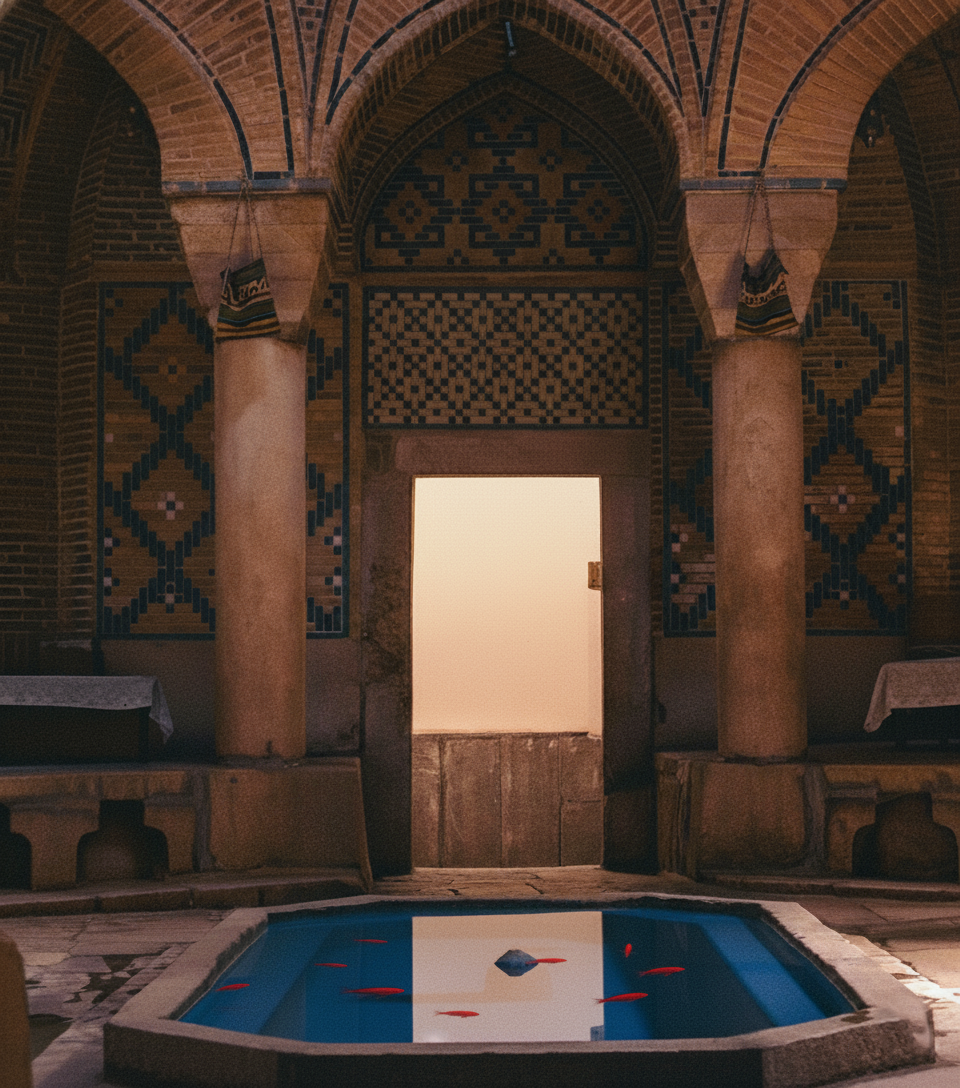
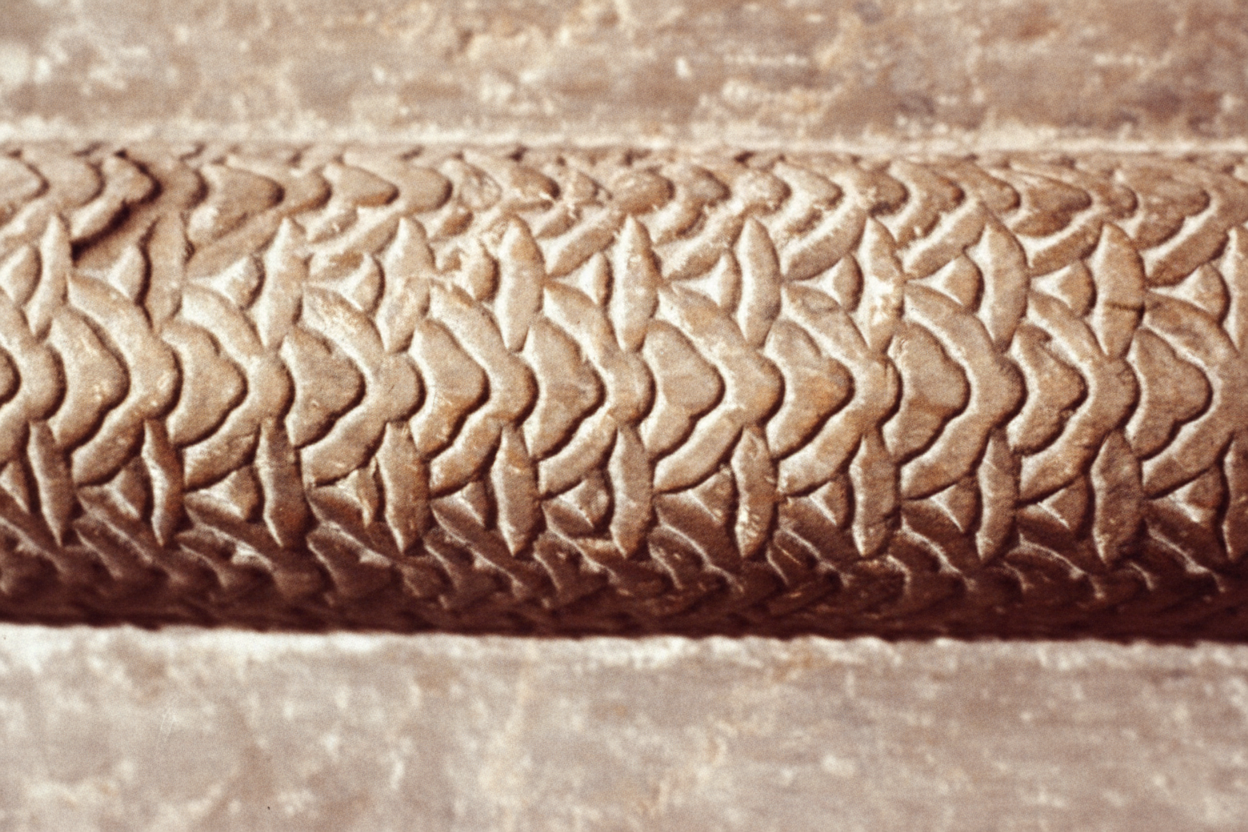
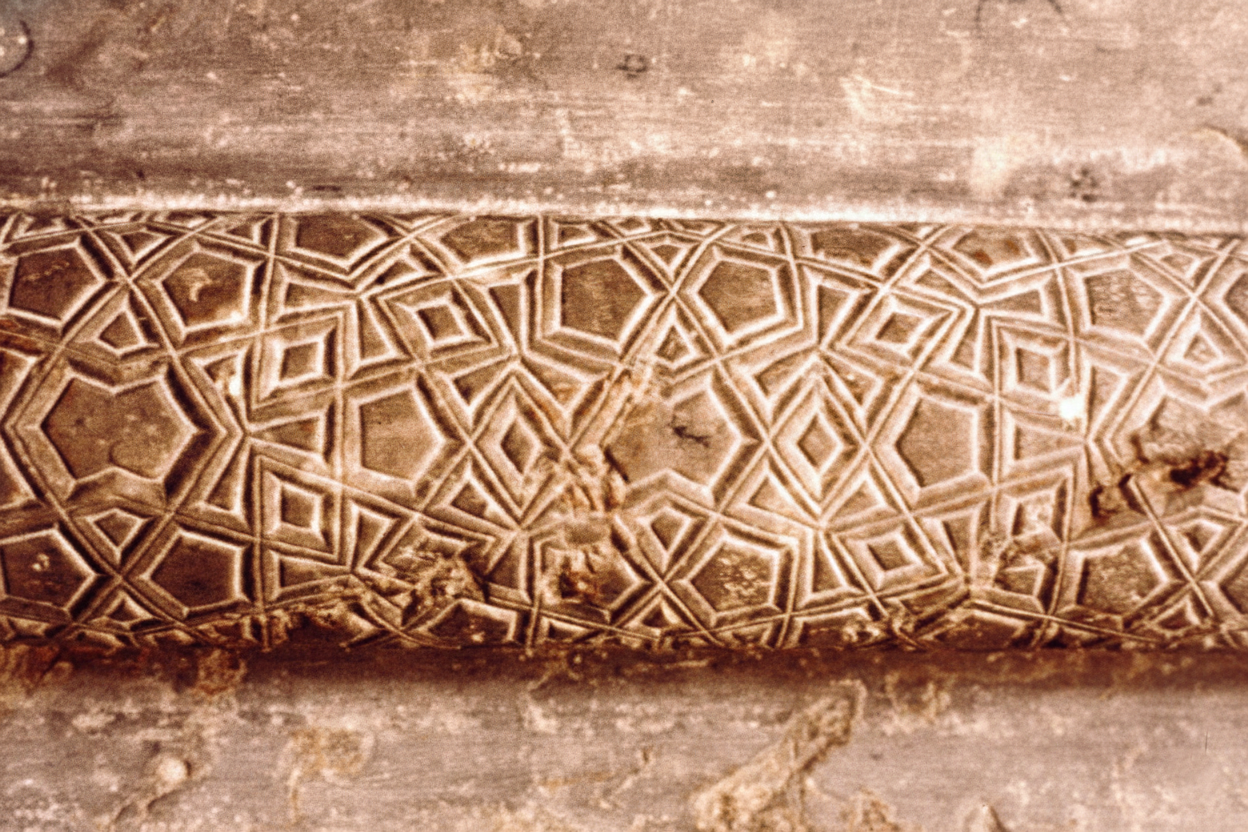
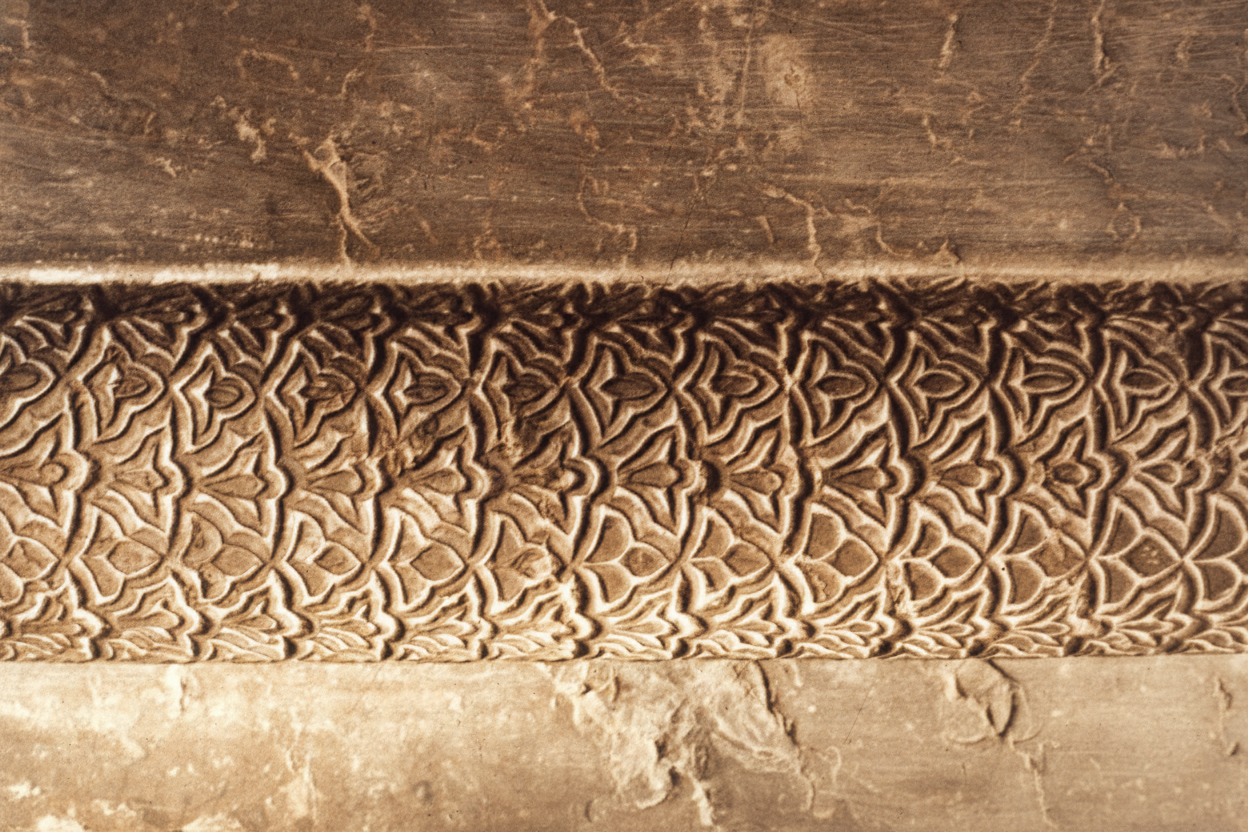
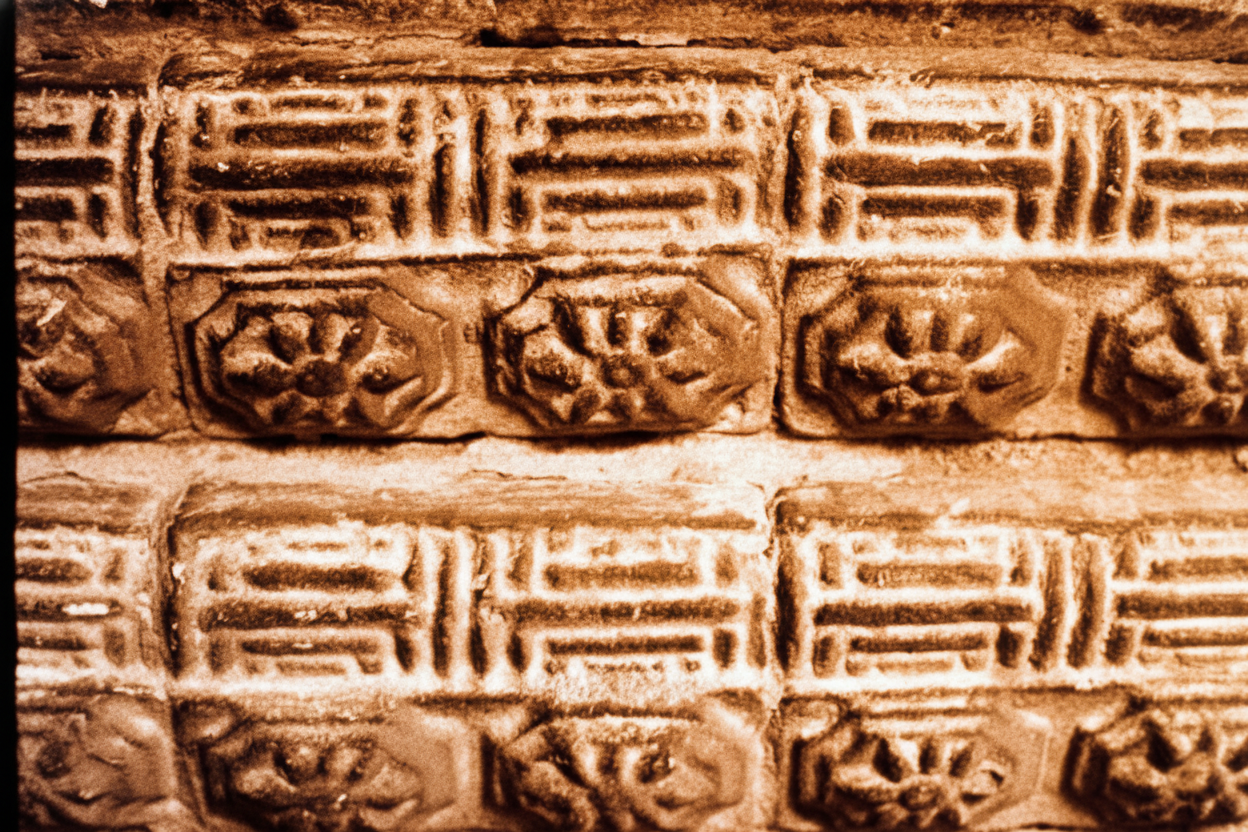
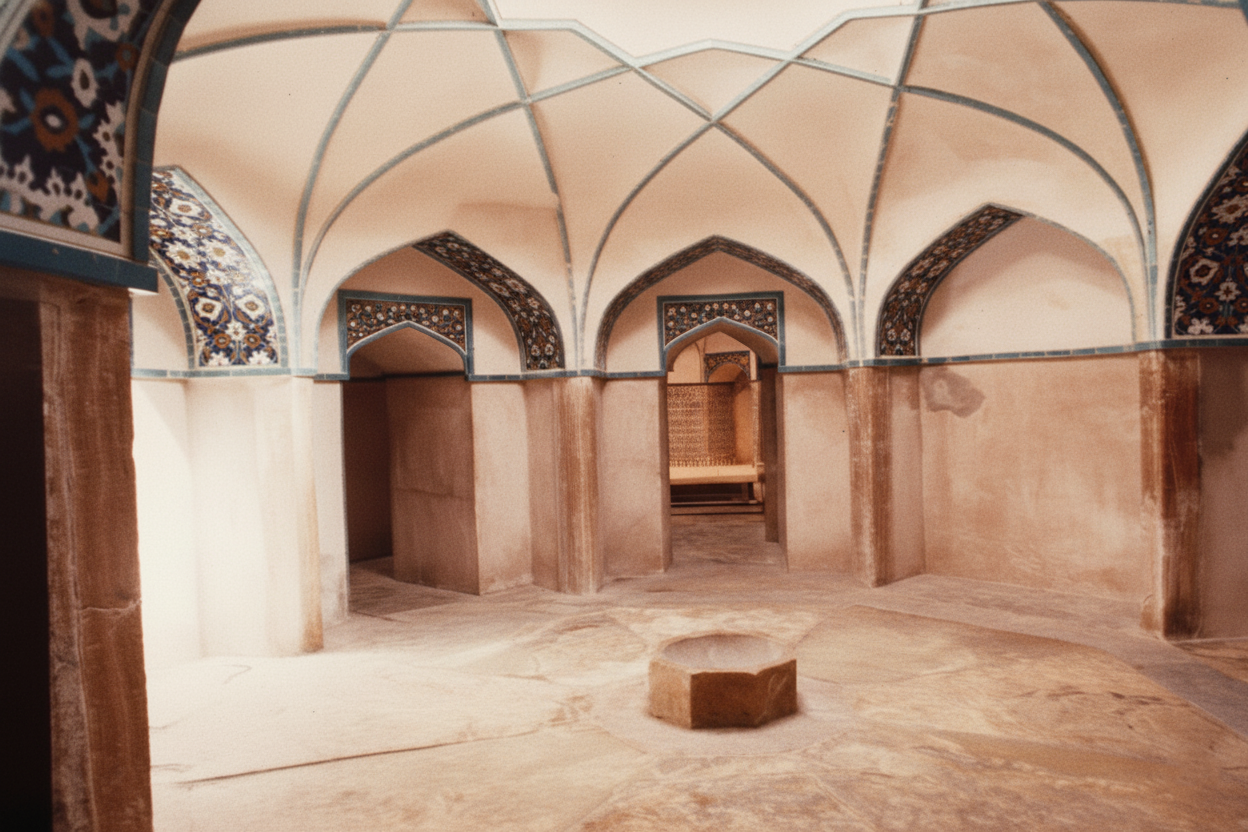
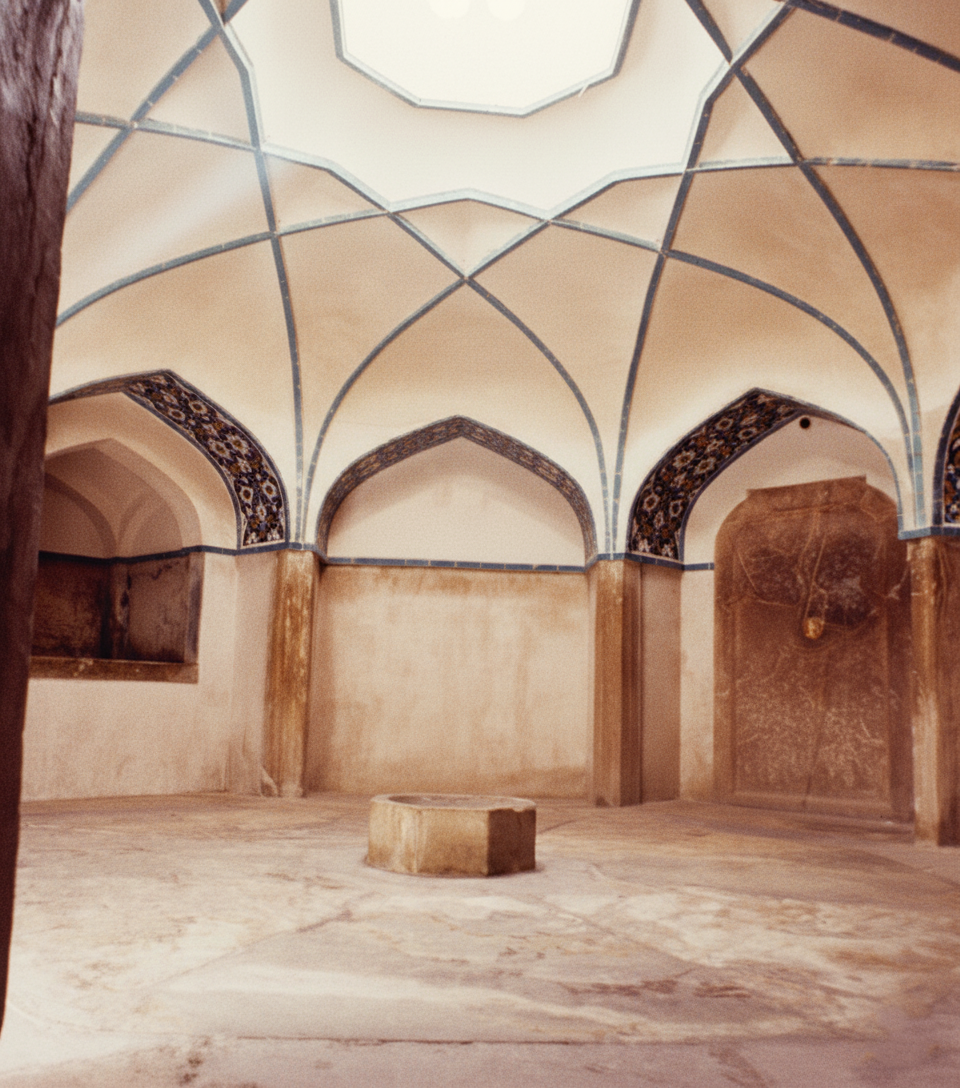
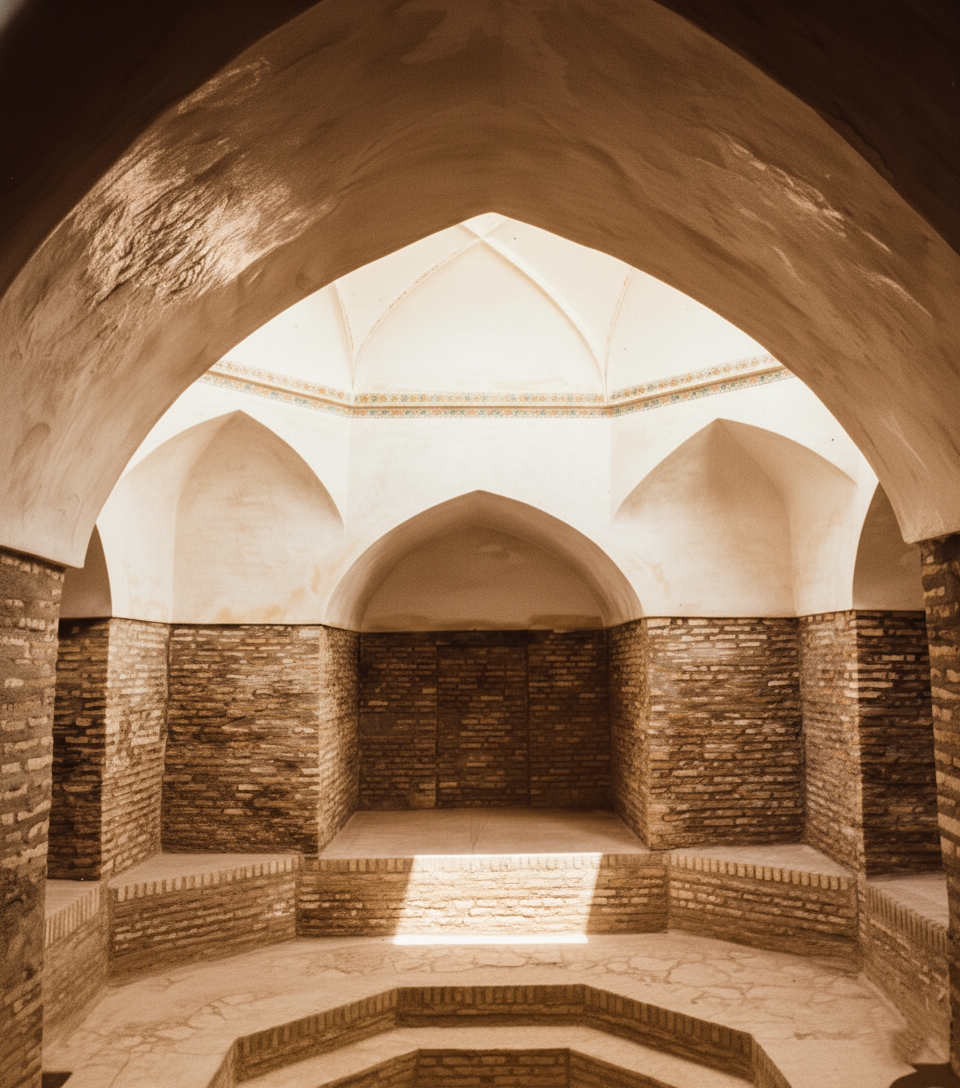
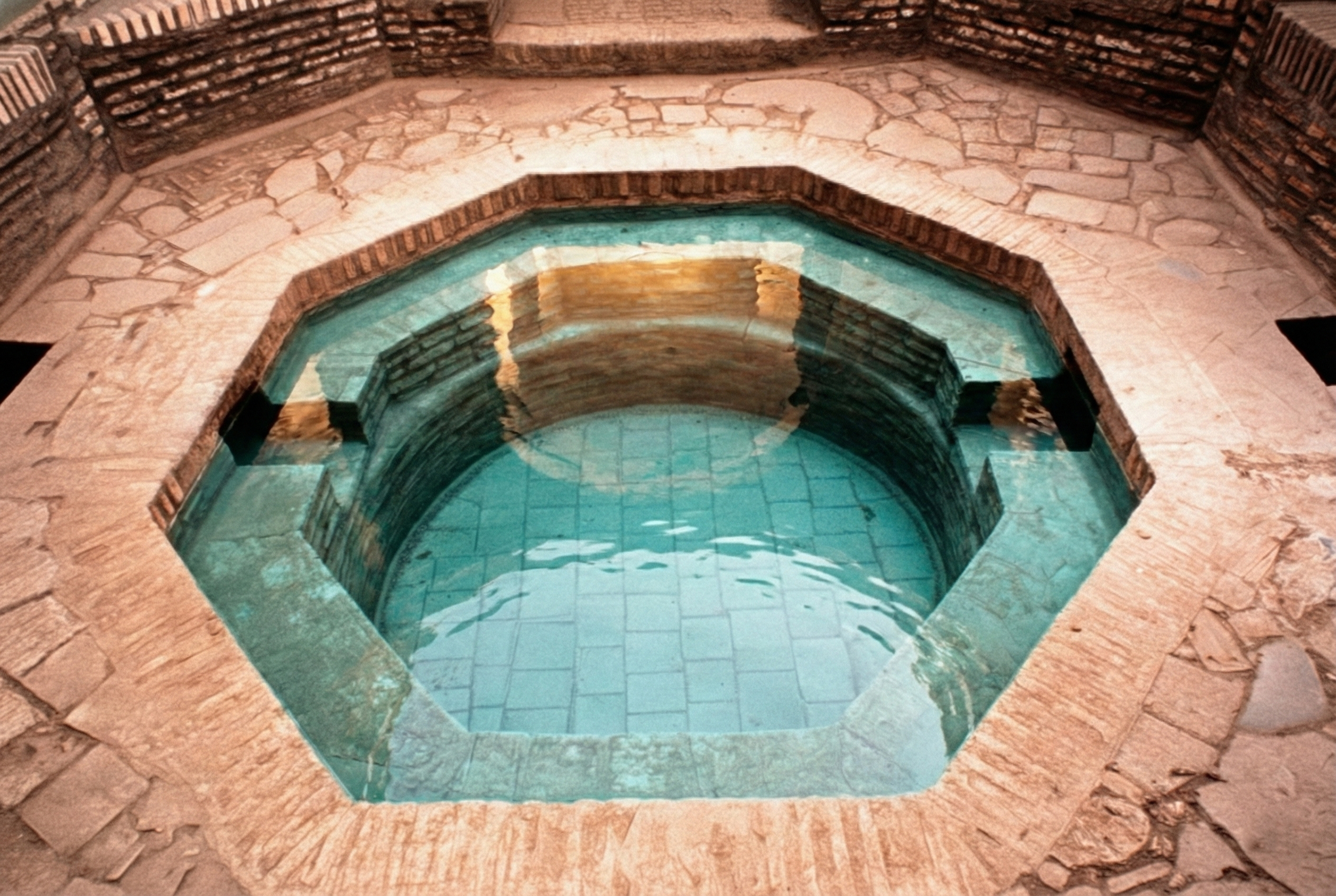
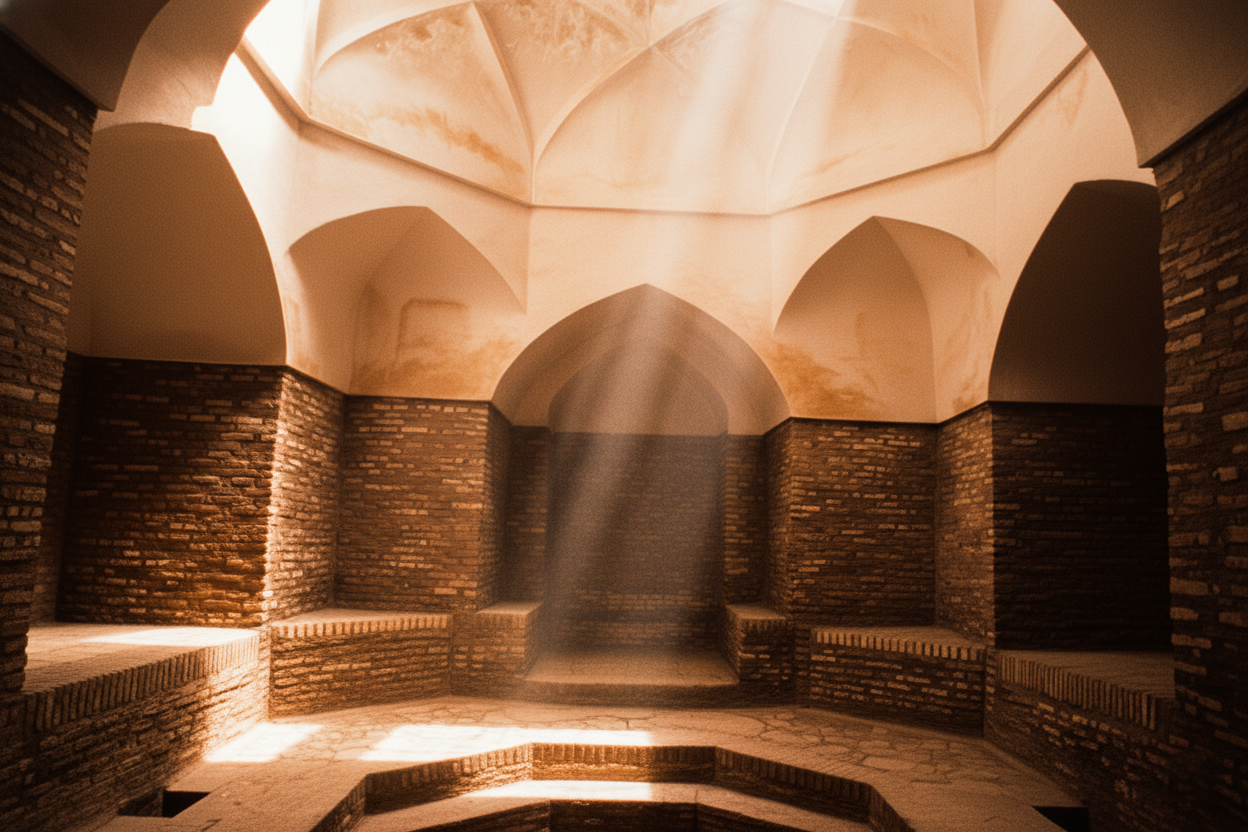
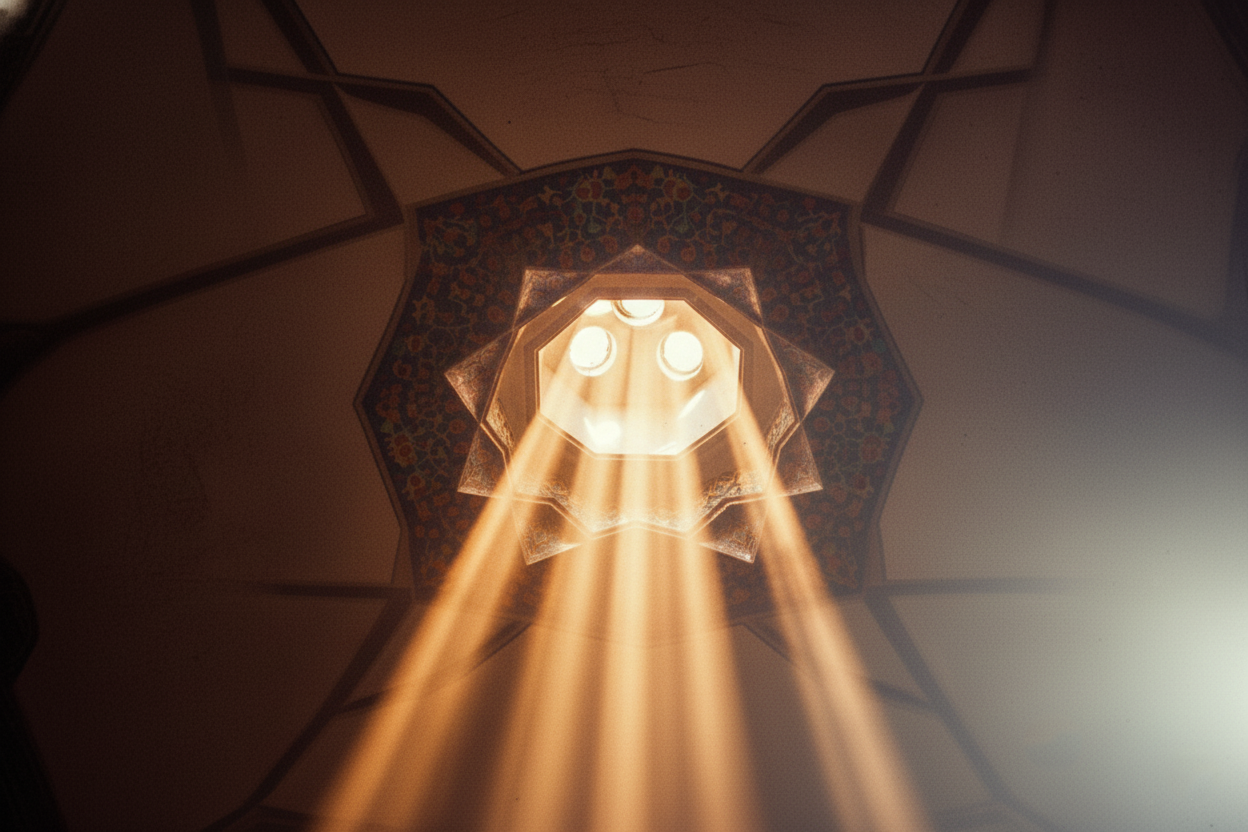
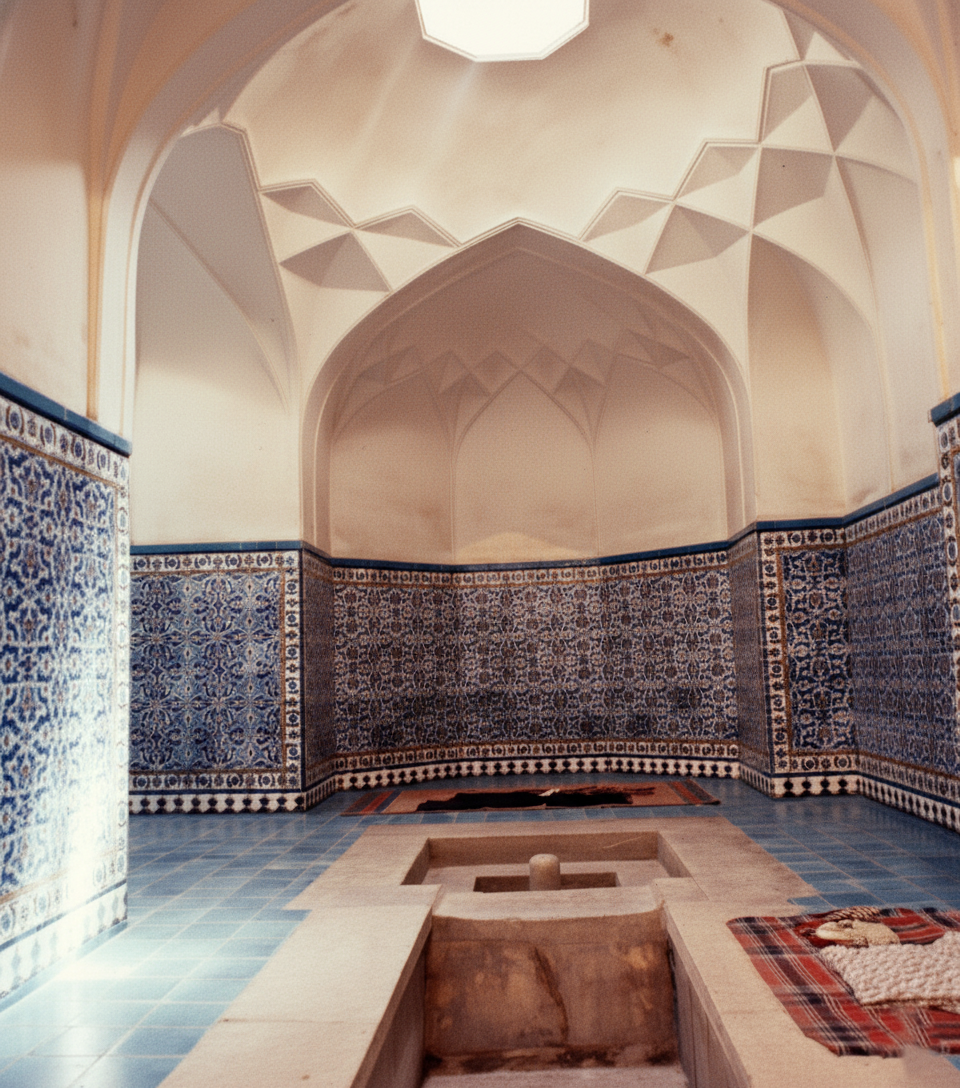
The Ganj Ali Khan Bathhouse (حمام گنجعلی خان) in Kerman (کرمان), built 1596–1621 CE, is a Safavid hammam (حمام) within the Ganj Ali Khan Complex (مجموعه گنجعلی خان). Featuring the Sarbineh (سربینه), Miandar (میاندر), and Garmkhaneh (گرمخانه), its domes, skylights, and hypocaust heating illustrate Persian bath architecture. Restored in 1971 CE, it now serves as an anthropological museum.
-
The Ganj Ali Khan Public Bath (حمام گنجعلی خان) in Kerman (کرمان) is one of the most notable examples of Safavid (صفوی) bath architecture in Iran. Built between 1596 and 1621 CE (1005–1029 AH), the bath forms part of the larger Ganj Ali Khan Complex (مجموعه گنجعلی خان) commissioned by the Safavid governor Ganjali Khan (گنجعلی خان) and designed by the architect Mohammad Soltani Yazdi (محمد سلطانی یزدی) during the reign of Shah Abbas I (شاه عباس اول) (1588–1629 CE). Located along the historic Bazaar of Kerman (بازار کرمان), the bath served both hygienic and social functions within the Safavid urban environment.
The architecture of the bath follows the traditional spatial sequence of Persian hammams (حمام). Visitors first entered the Sarbineh (سربینه), or dressing hall, a spacious octagonal chamber covered by a large dome punctuated with small skylights that filter soft daylight into the interior. This space functioned as a place where visitors rested, socialized, and prepared for bathing. From the sarbineh, bathers passed through the Miandar (میاندر), a narrow corridor designed to regulate temperature and prevent the escape of heat.
Beyond this passage lies the Garmkhaneh (گرمخانه), the main hot bathing chamber. Thick masonry walls, domed ceilings, and carefully placed light openings maintain a stable interior climate. The skylights are fitted with convex glass elements that allow natural light to enter while preserving privacy and reducing heat loss. Beneath the floors runs a traditional heating system that channels hot air from a furnace through underground passages to warm the bathing areas.
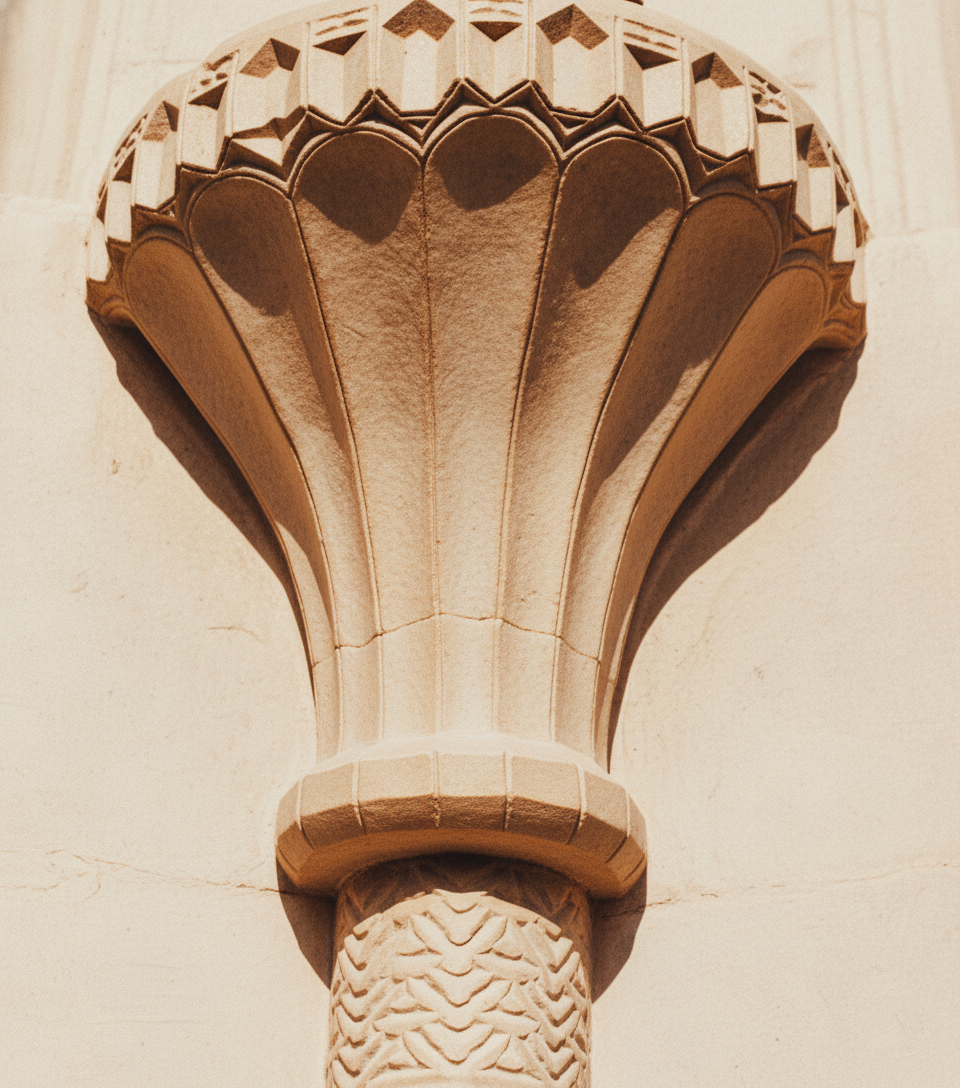
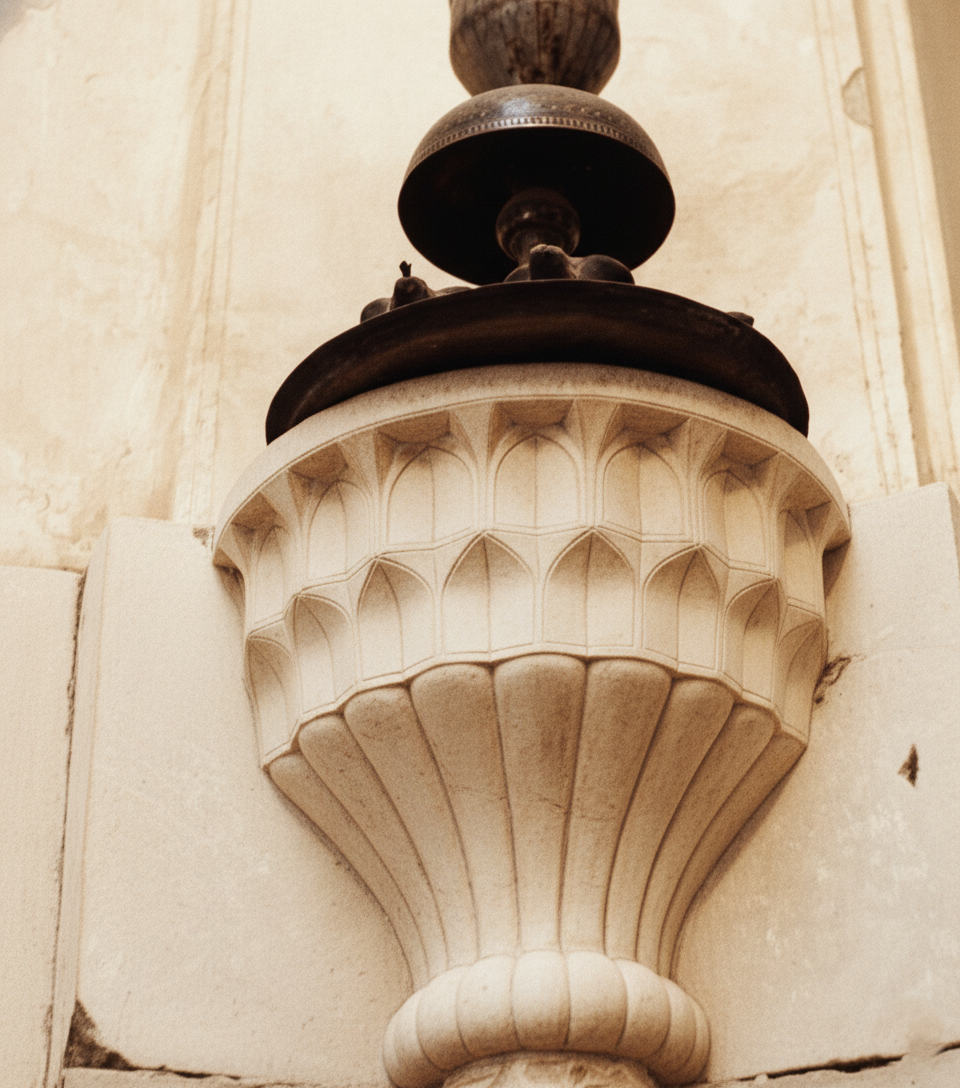
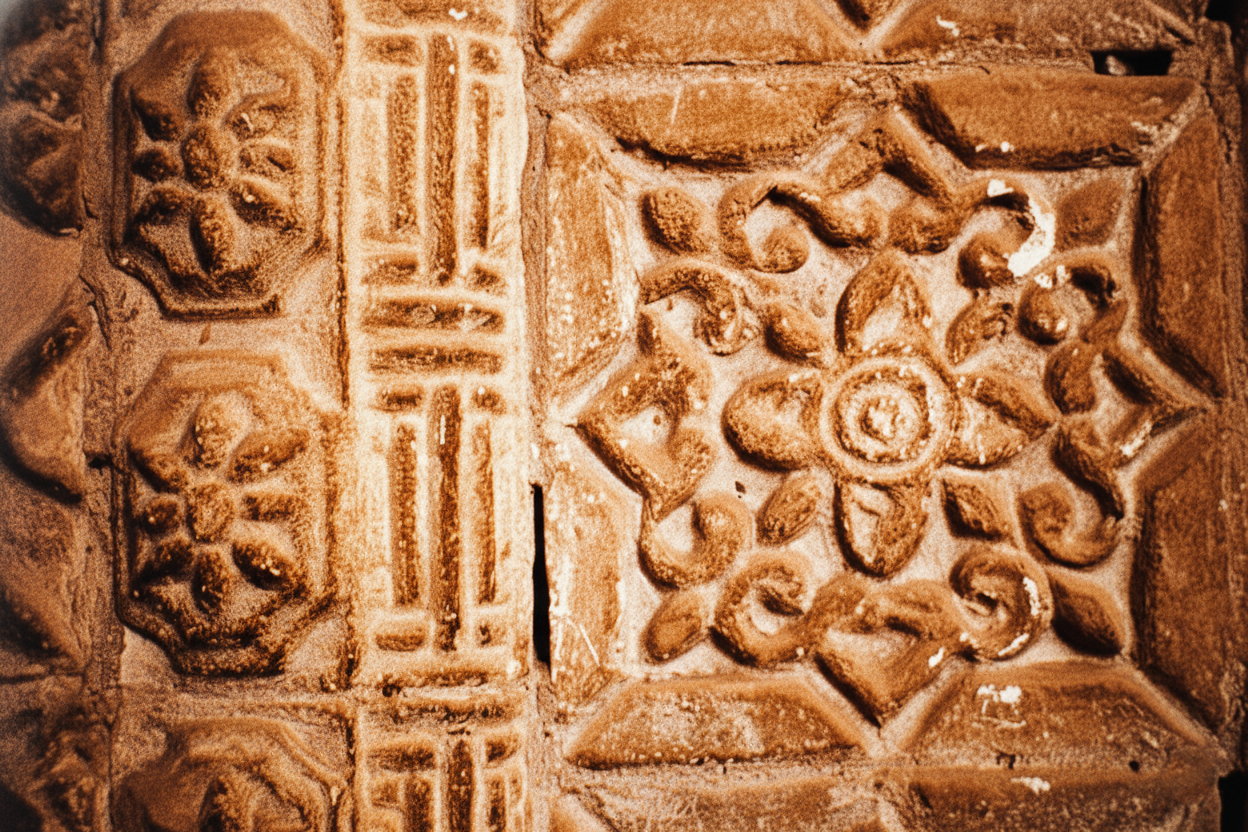
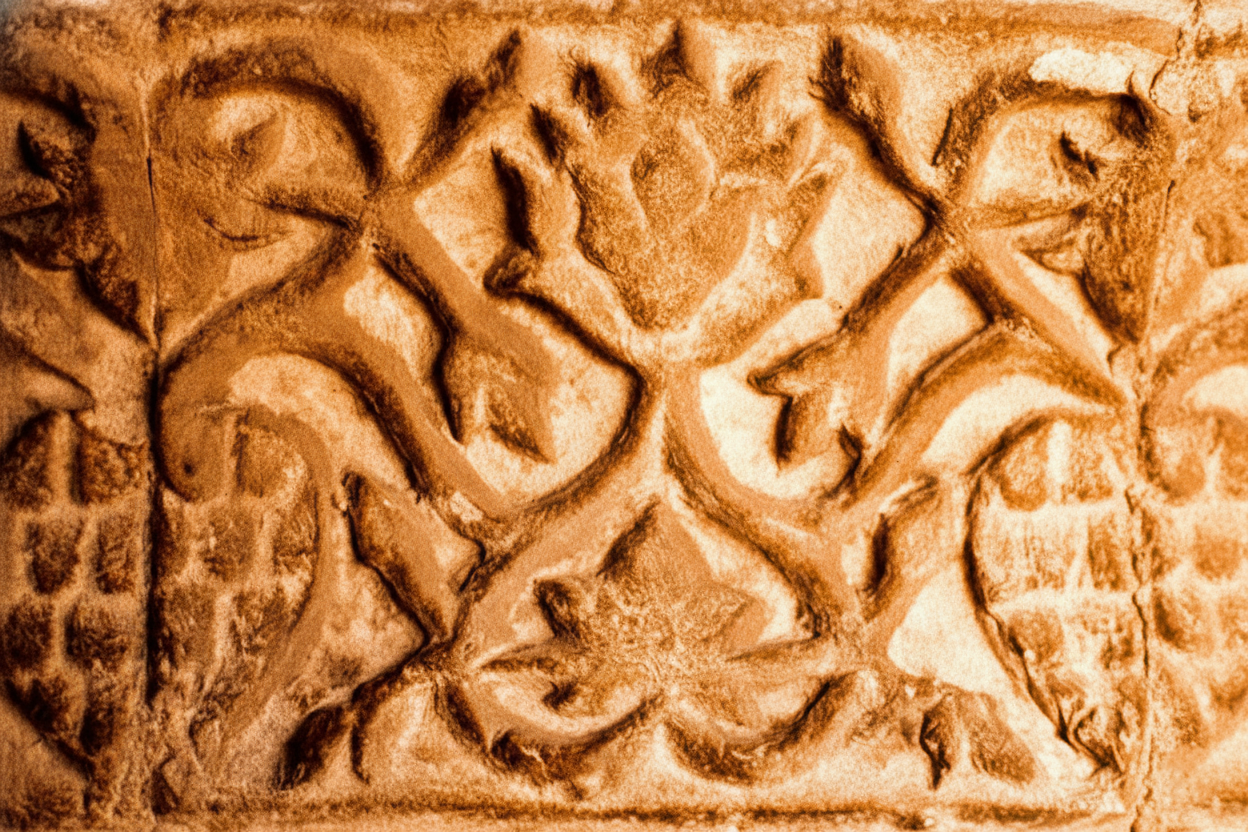
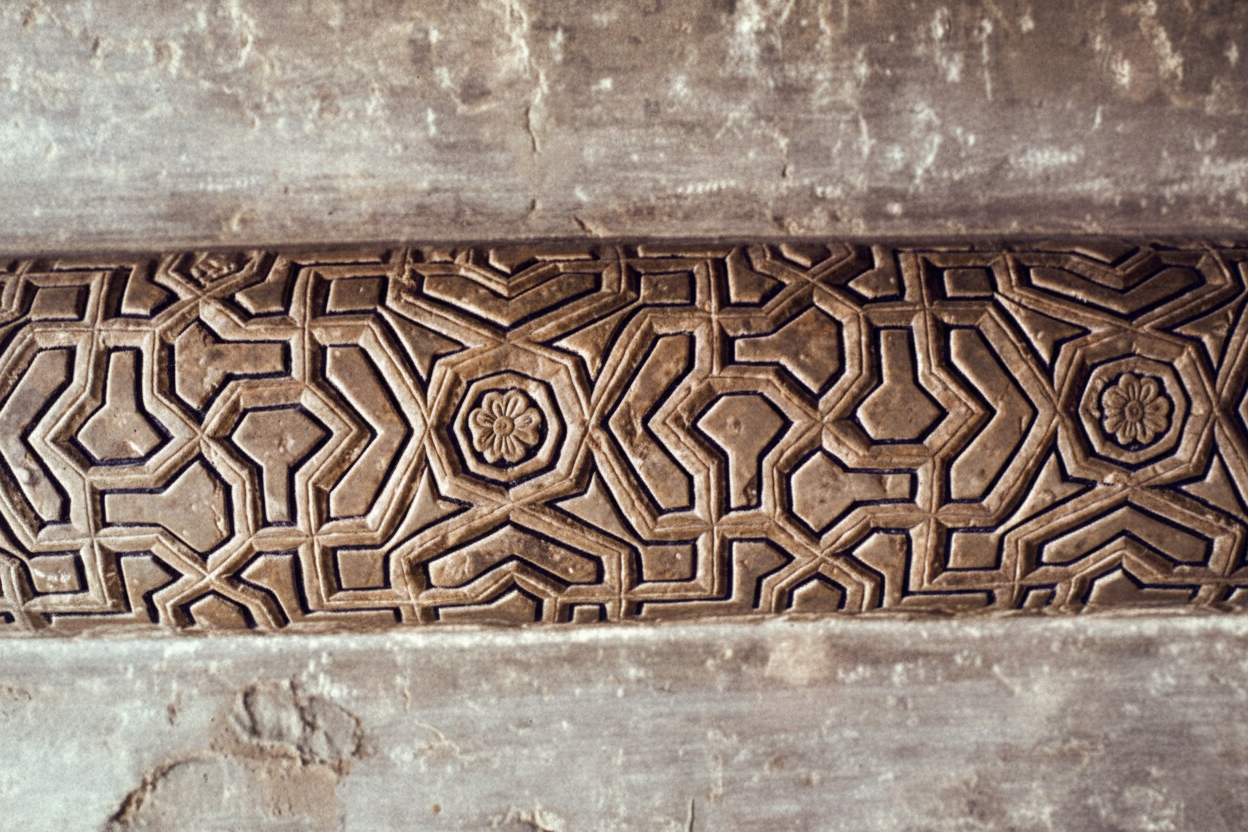
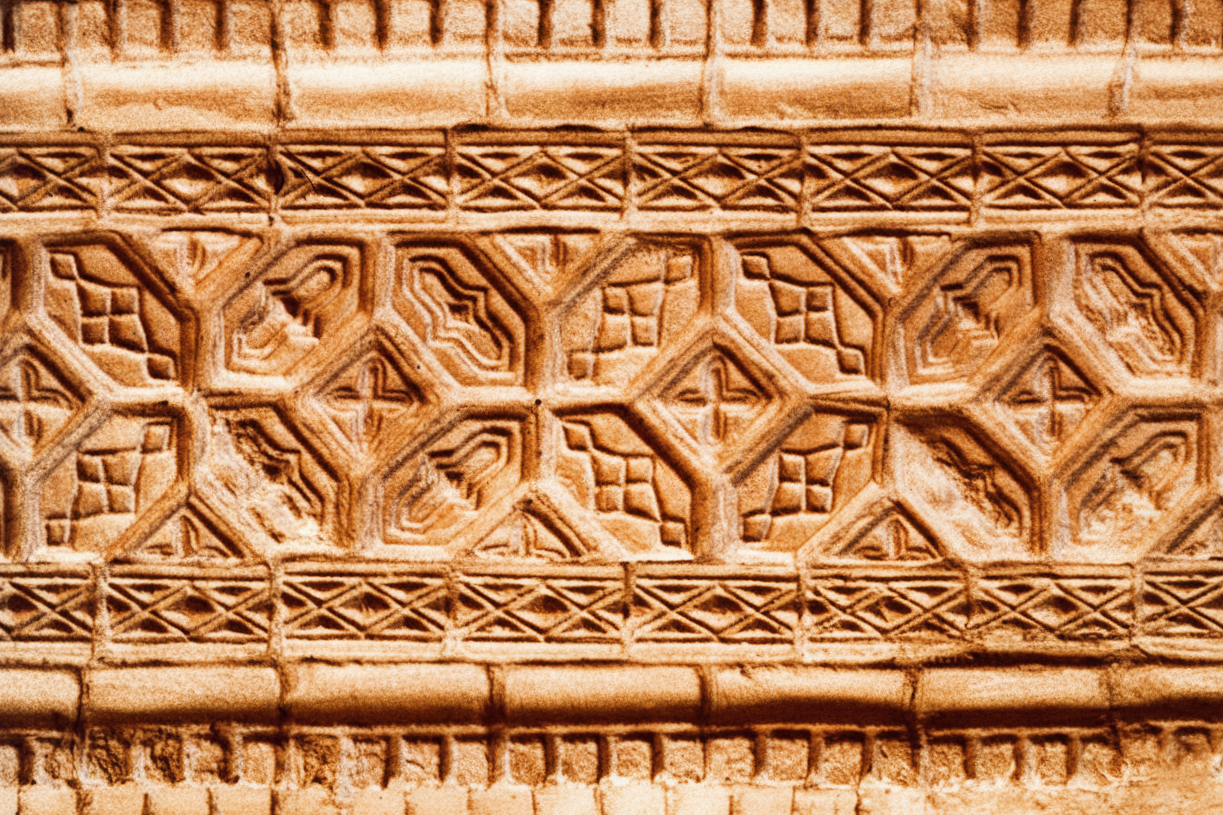
Decorative elements throughout the bath reflect the artistic culture of the Safavid period. Walls and domes are adorned with frescoes, tilework, and stucco ornamentation illustrating scenes of daily life and mythological themes, giving the bath both aesthetic and cultural significance.
In 1971 CE, the Ganj Ali Khan Bathhouse (حمام گنجعلی خان) was restored and converted into an anthropological museum. Today it remains one of the most important historical monuments of Kerman (کرمان), preserving the architectural ingenuity and social traditions of Safavid urban life.
