Ganj Ali Khan Complex
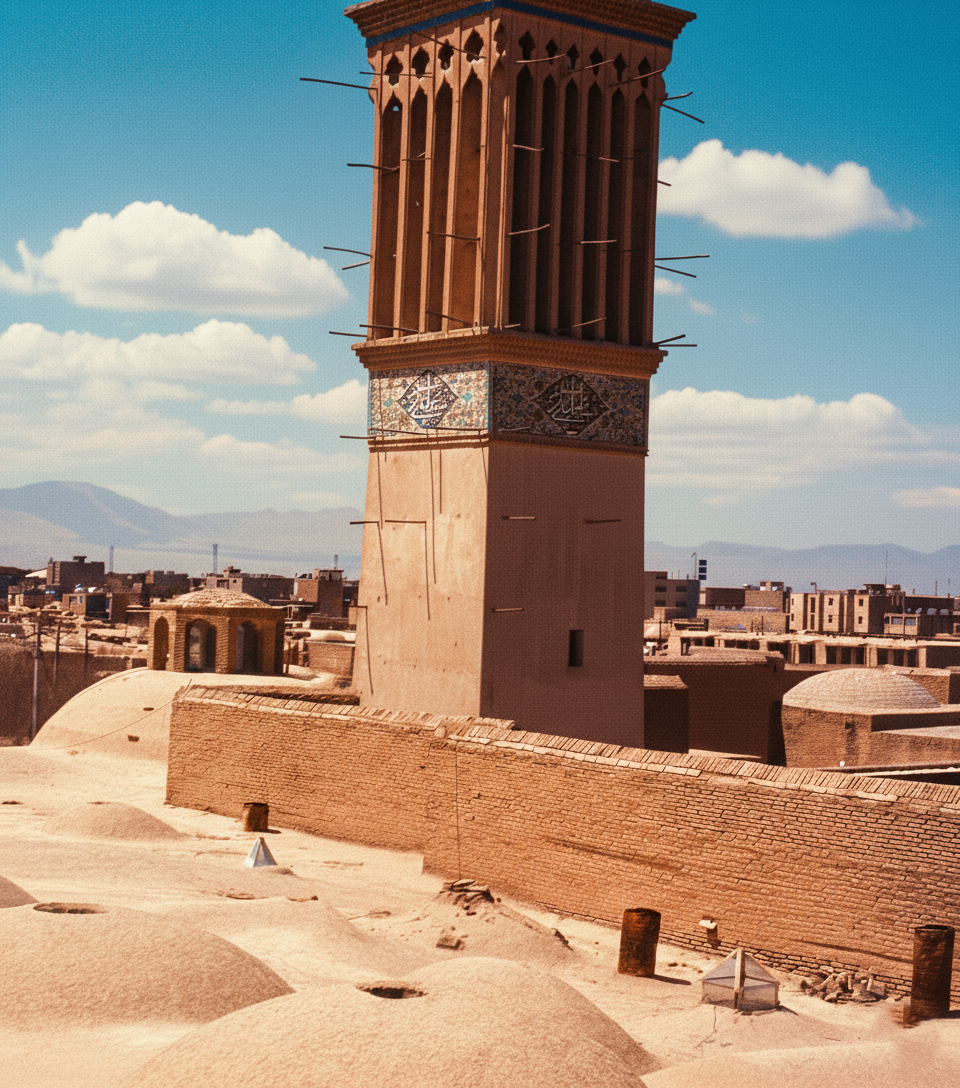
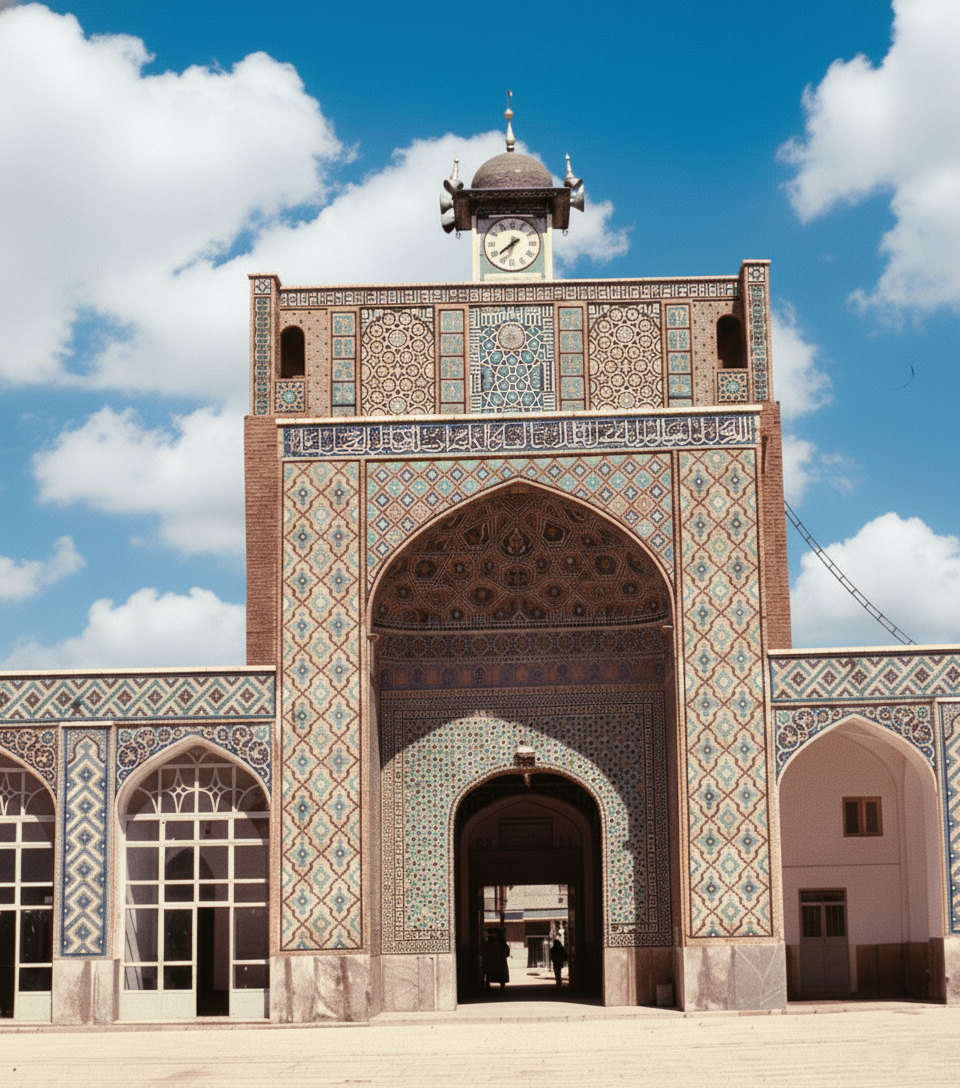
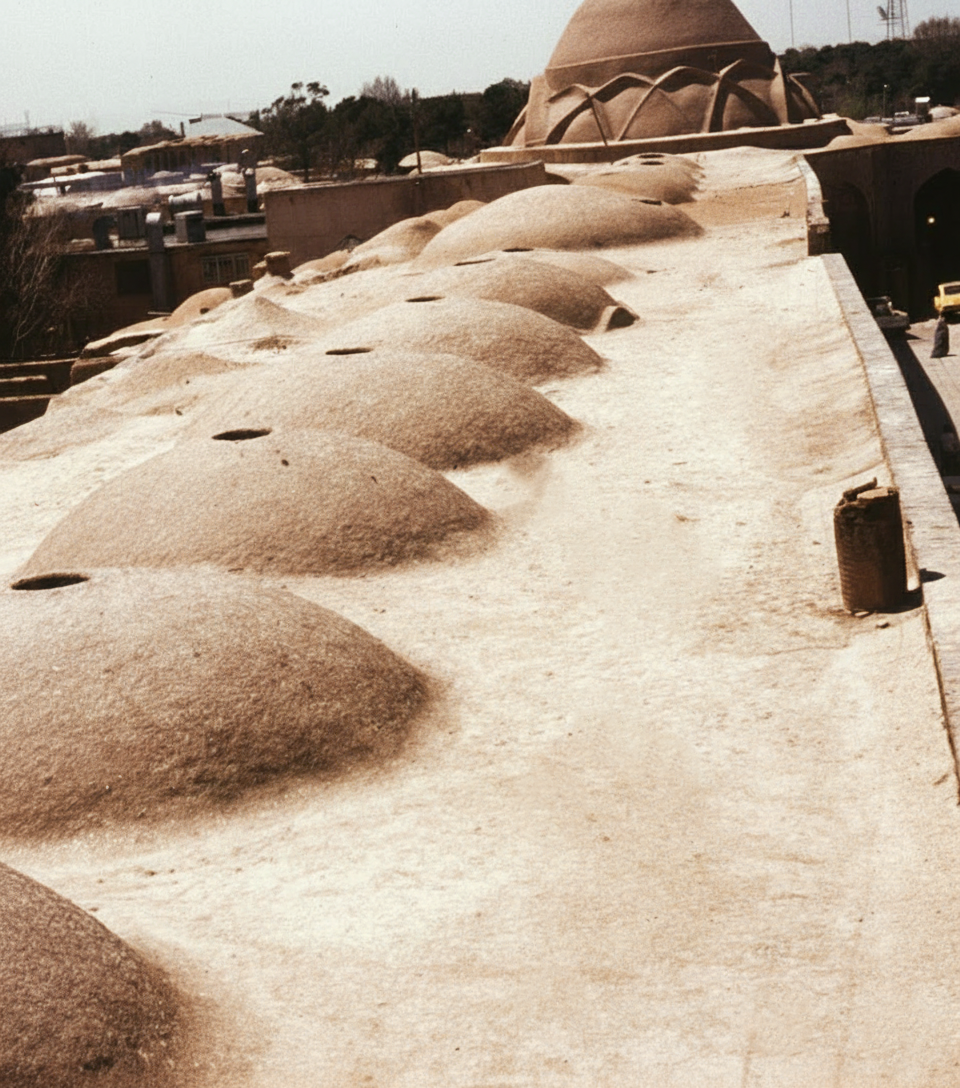
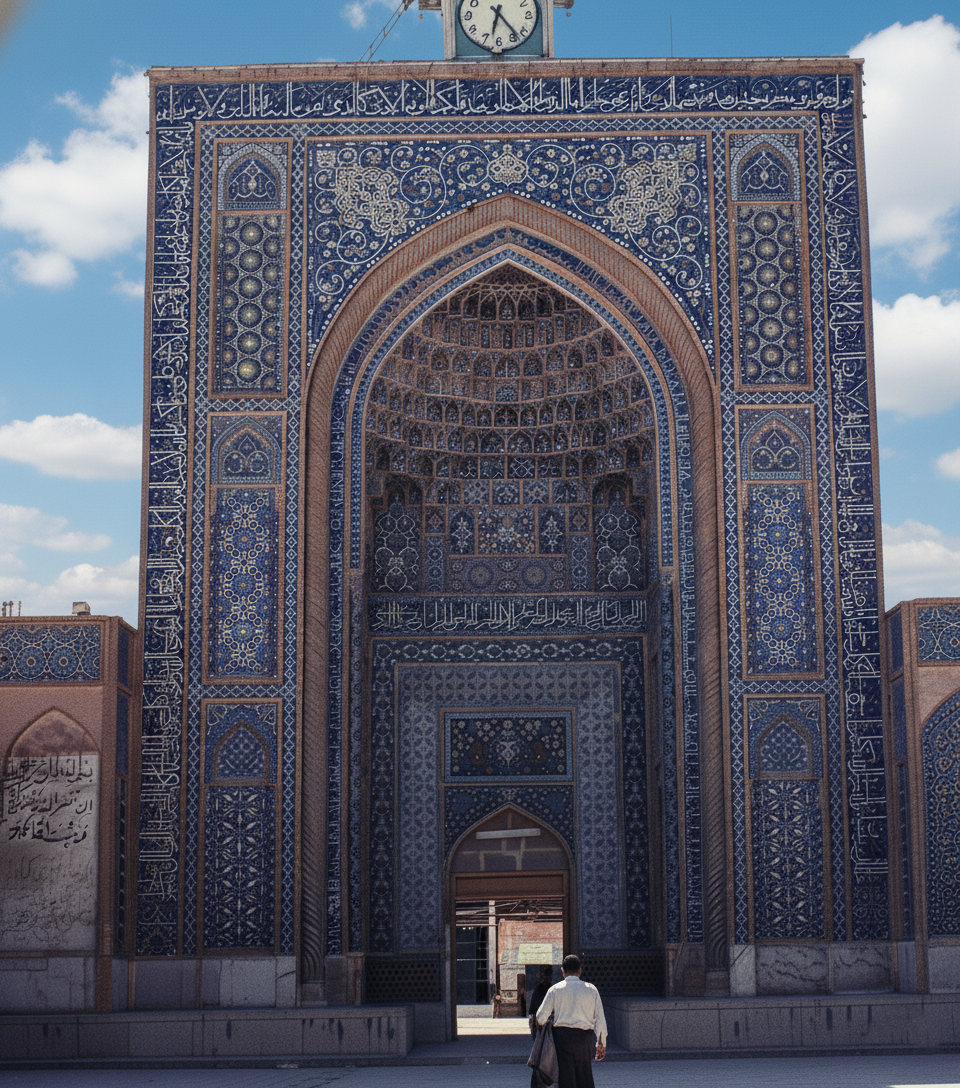
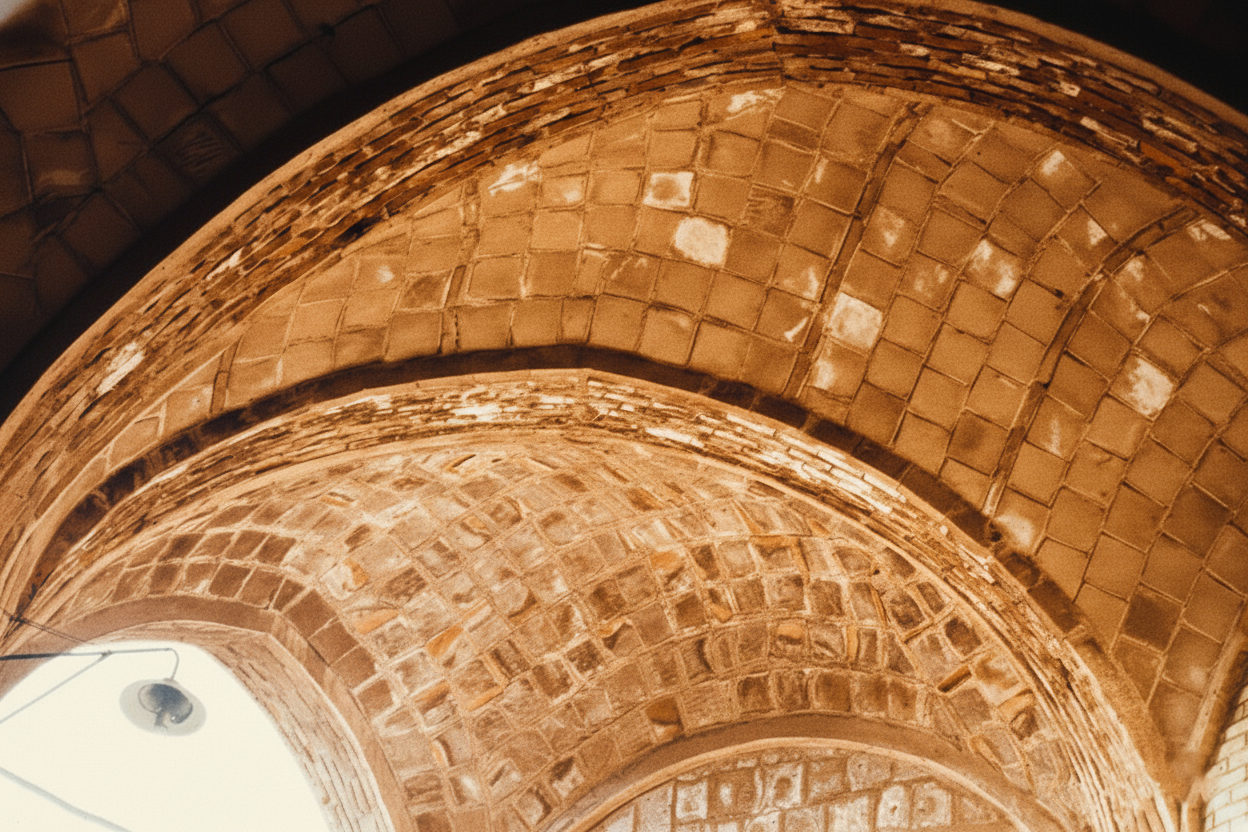
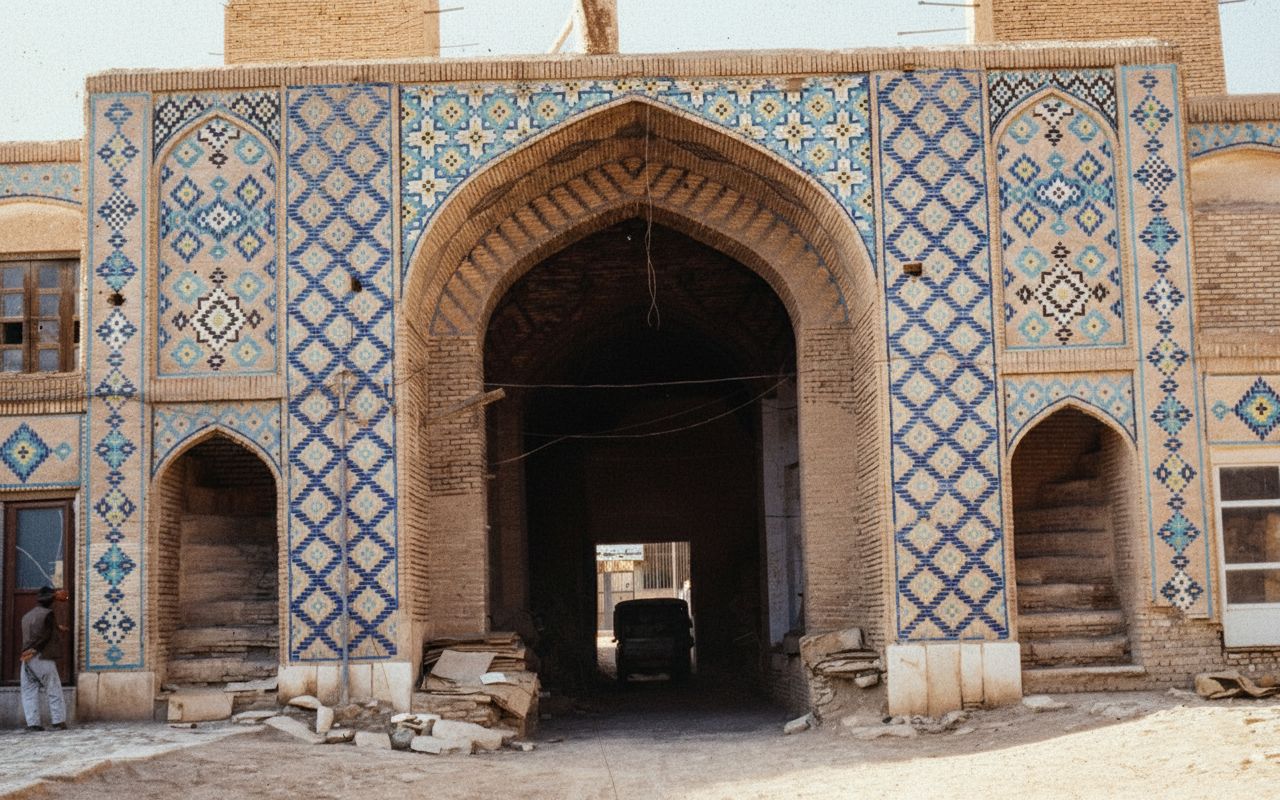
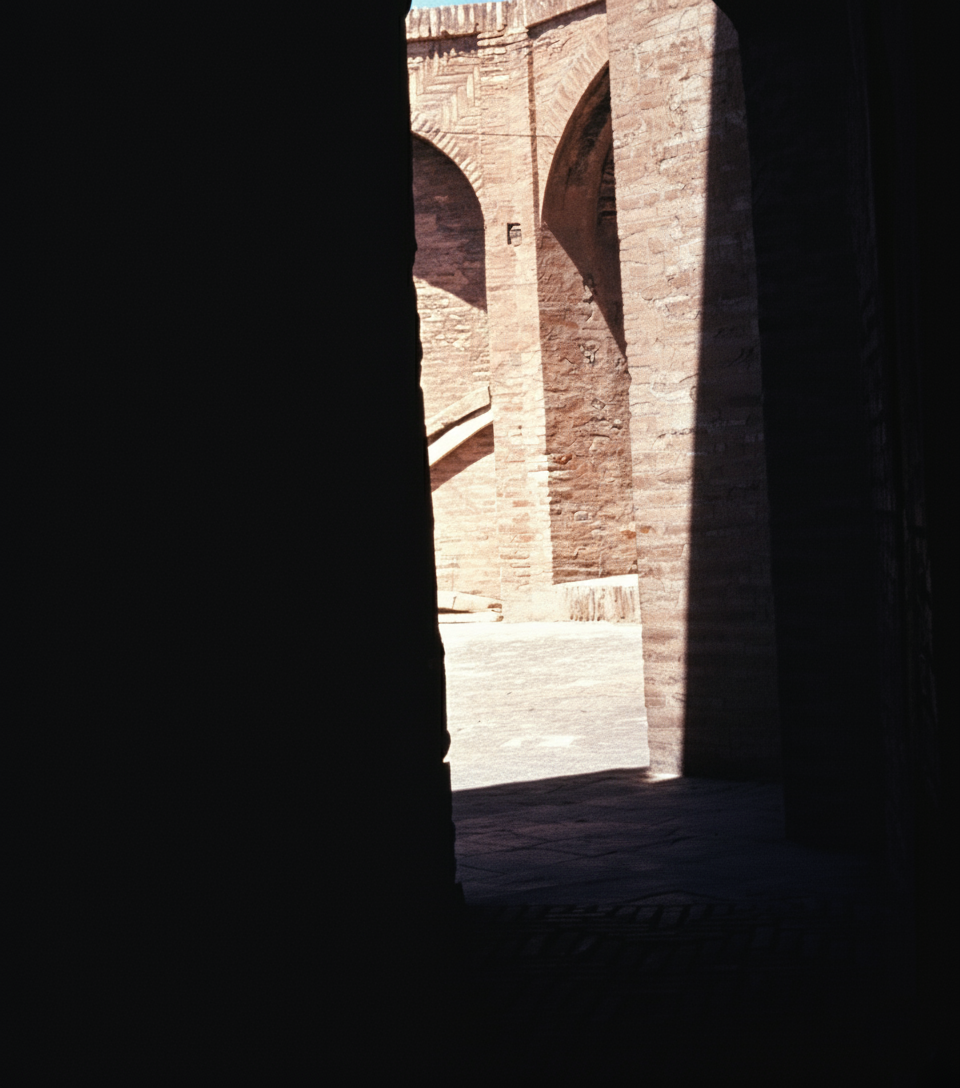
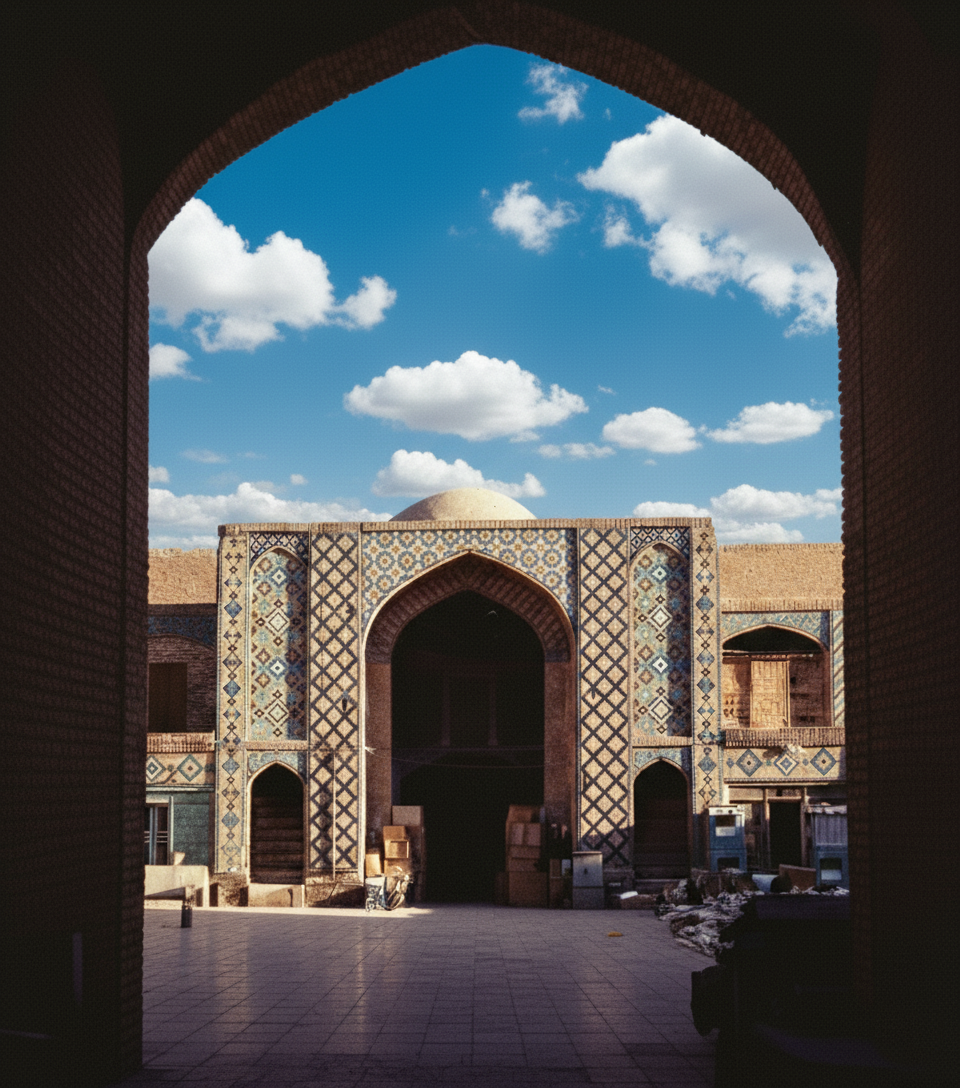
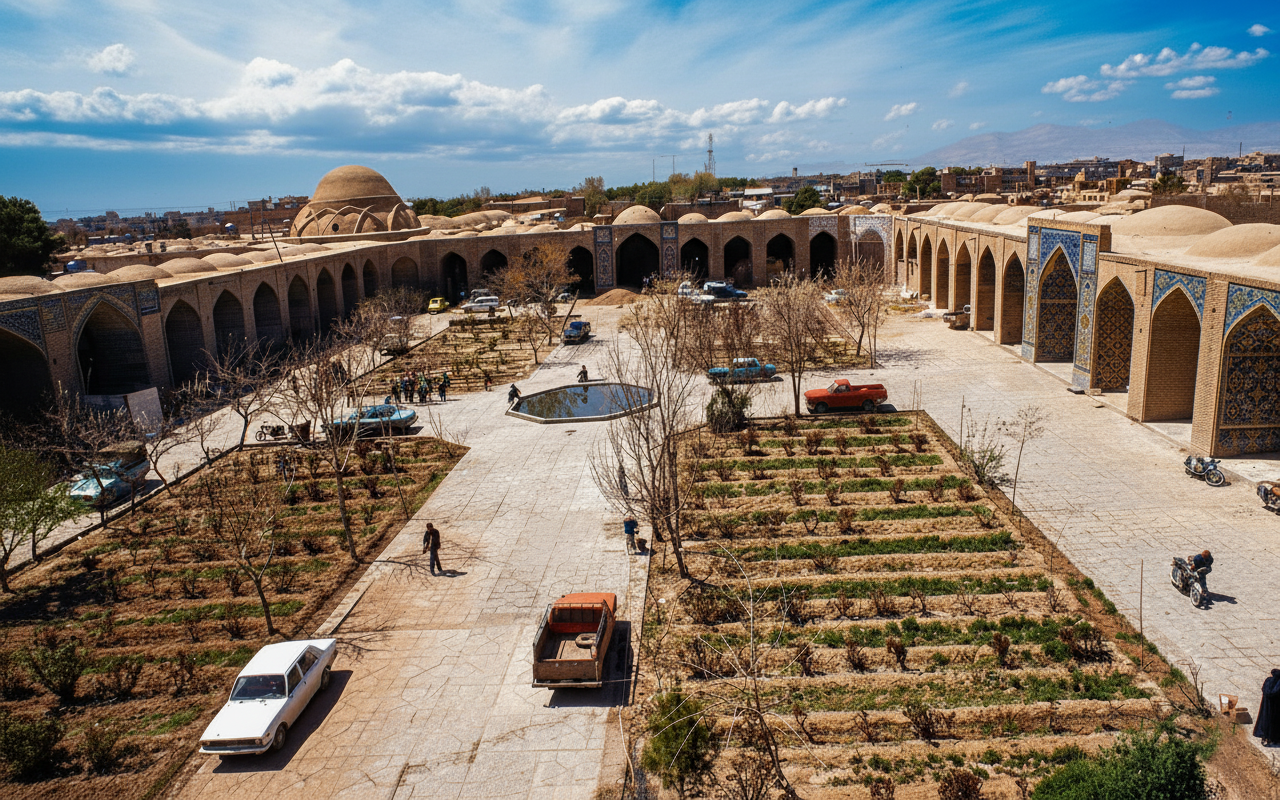
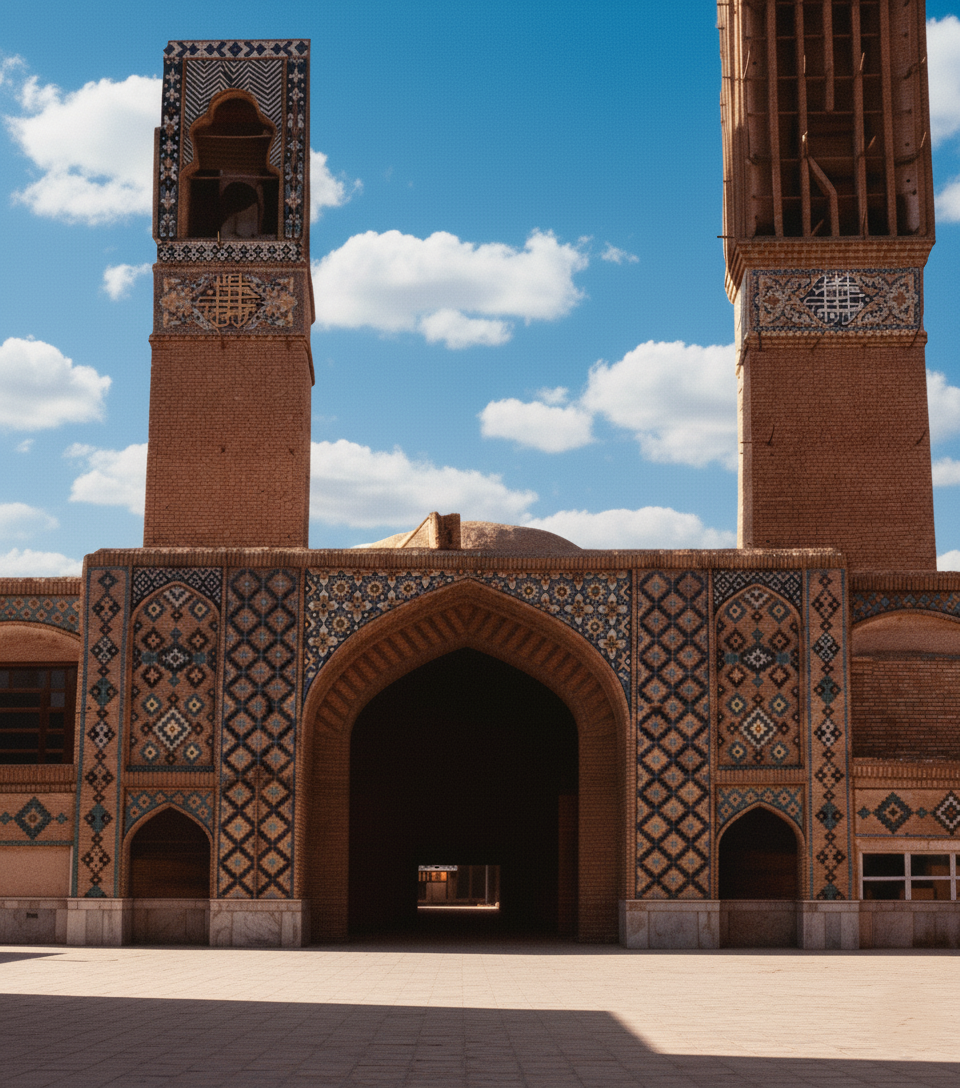
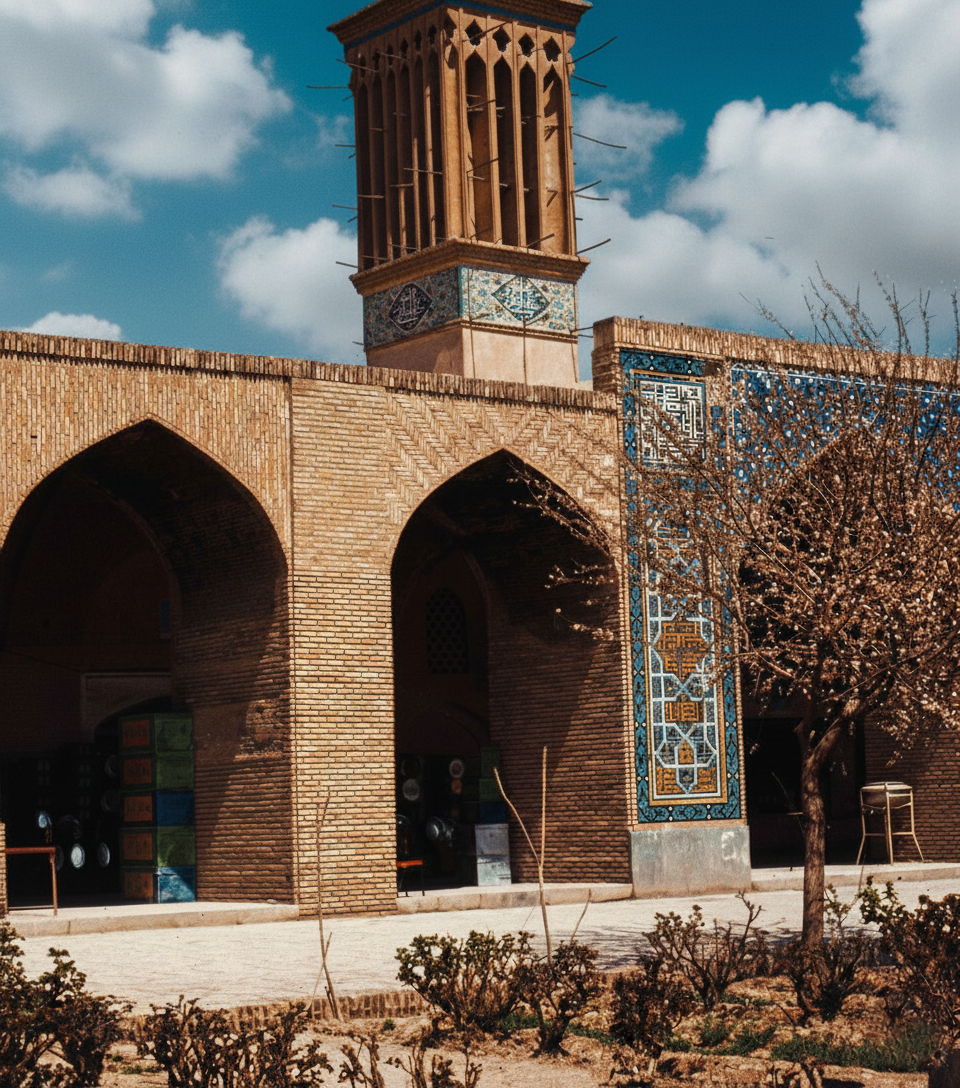
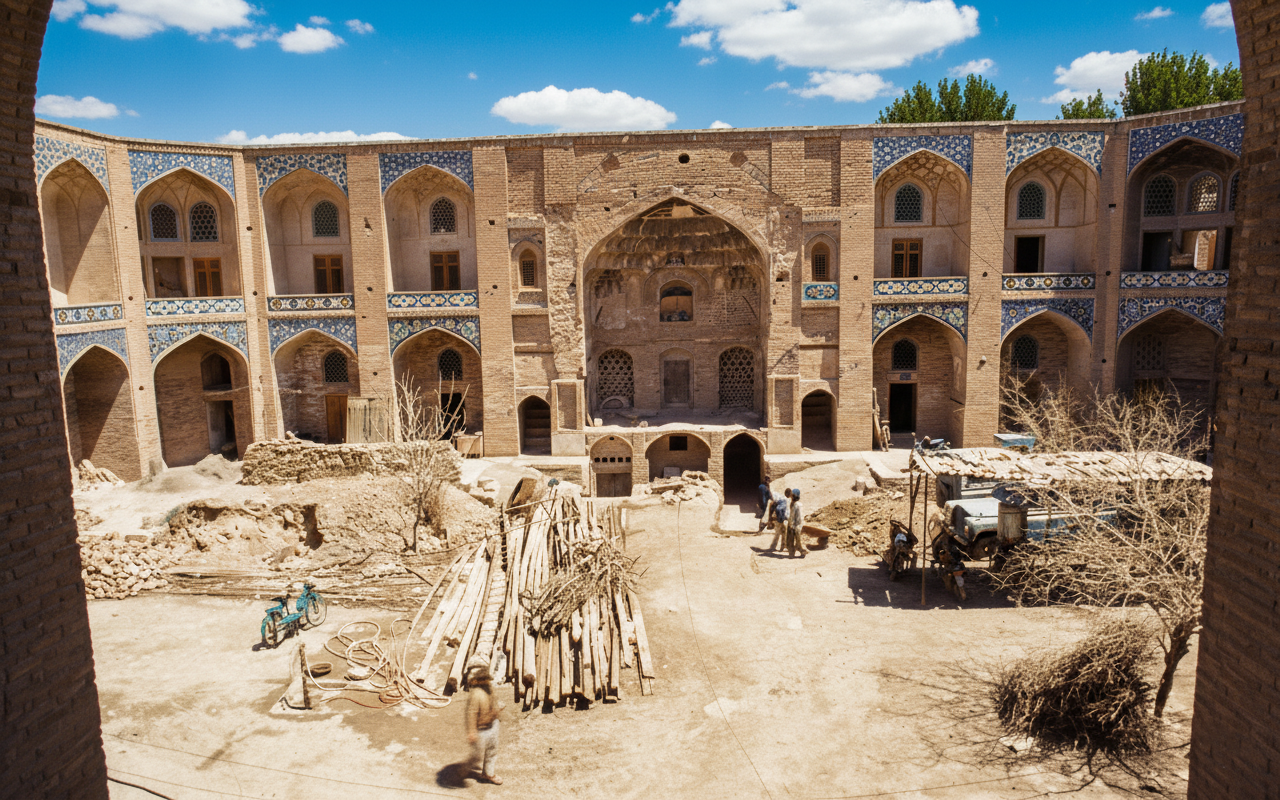
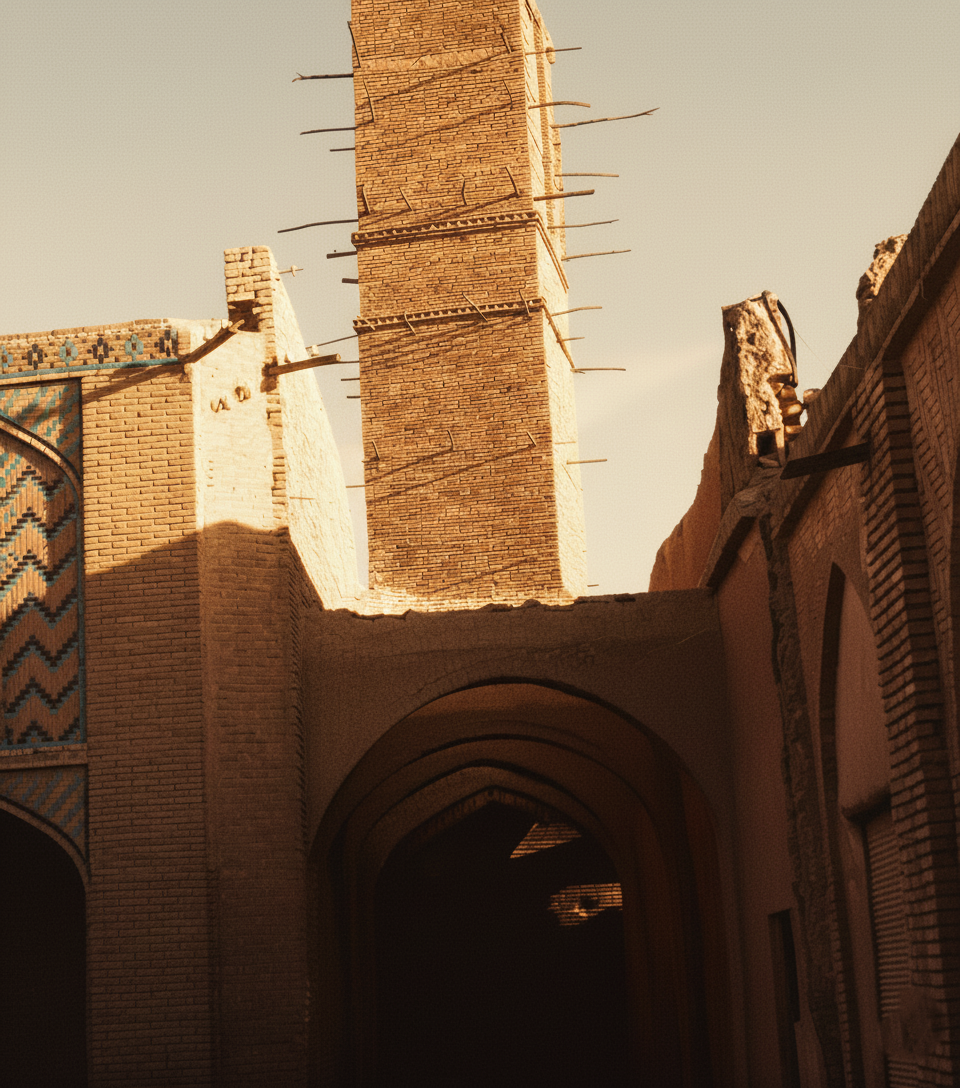
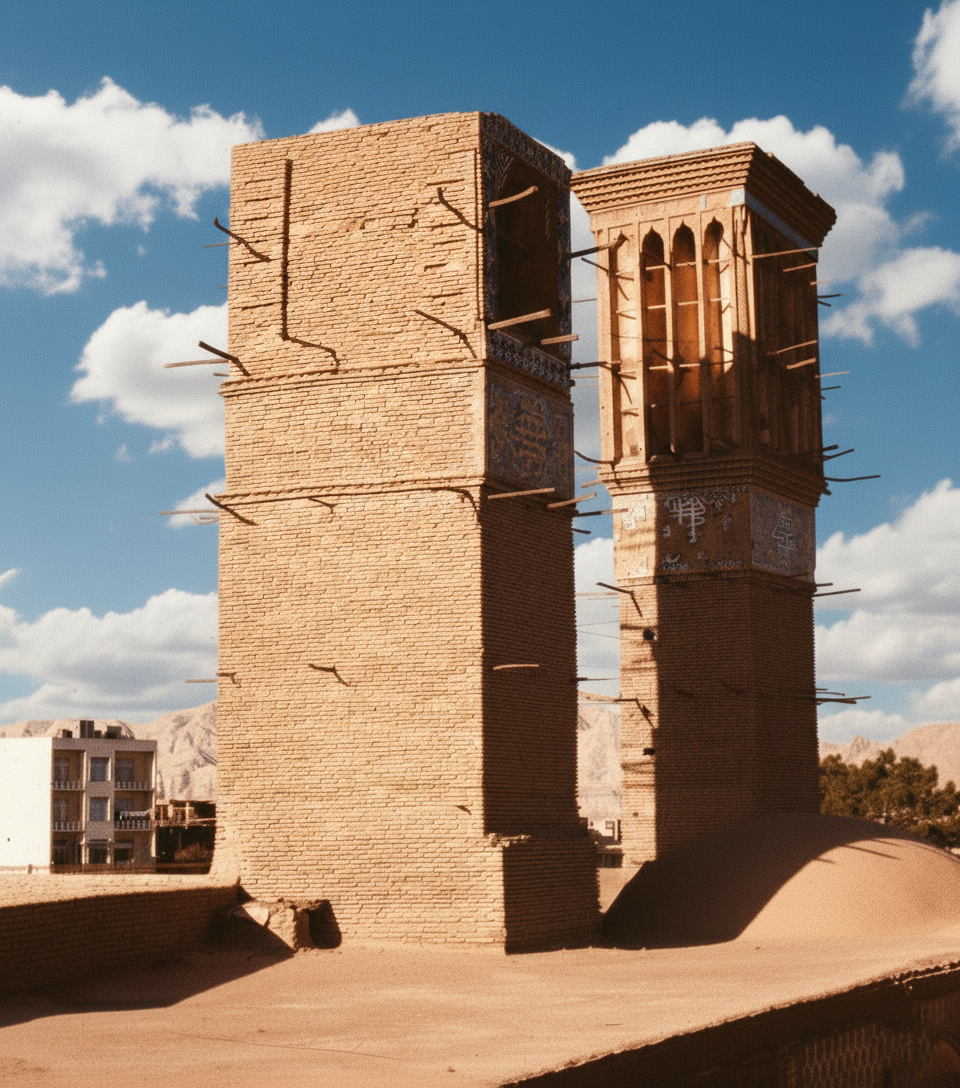
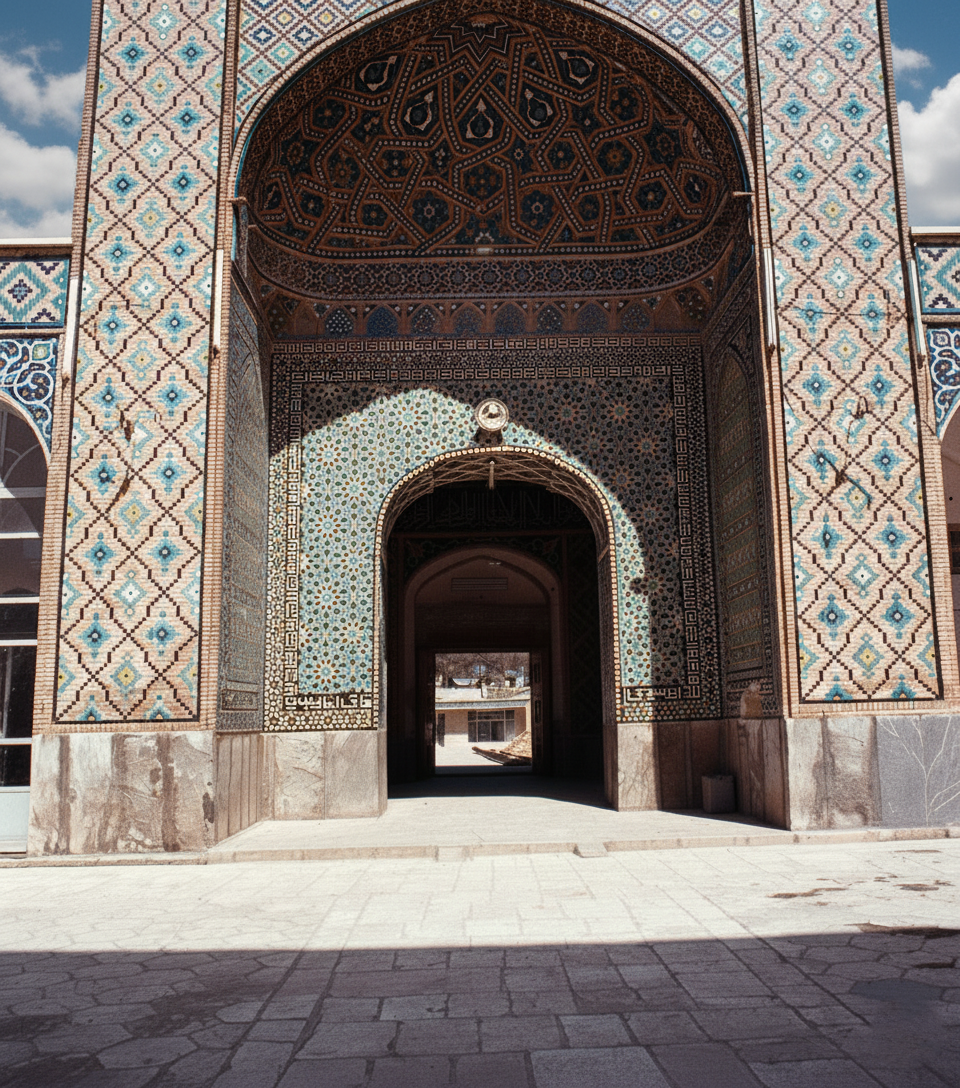
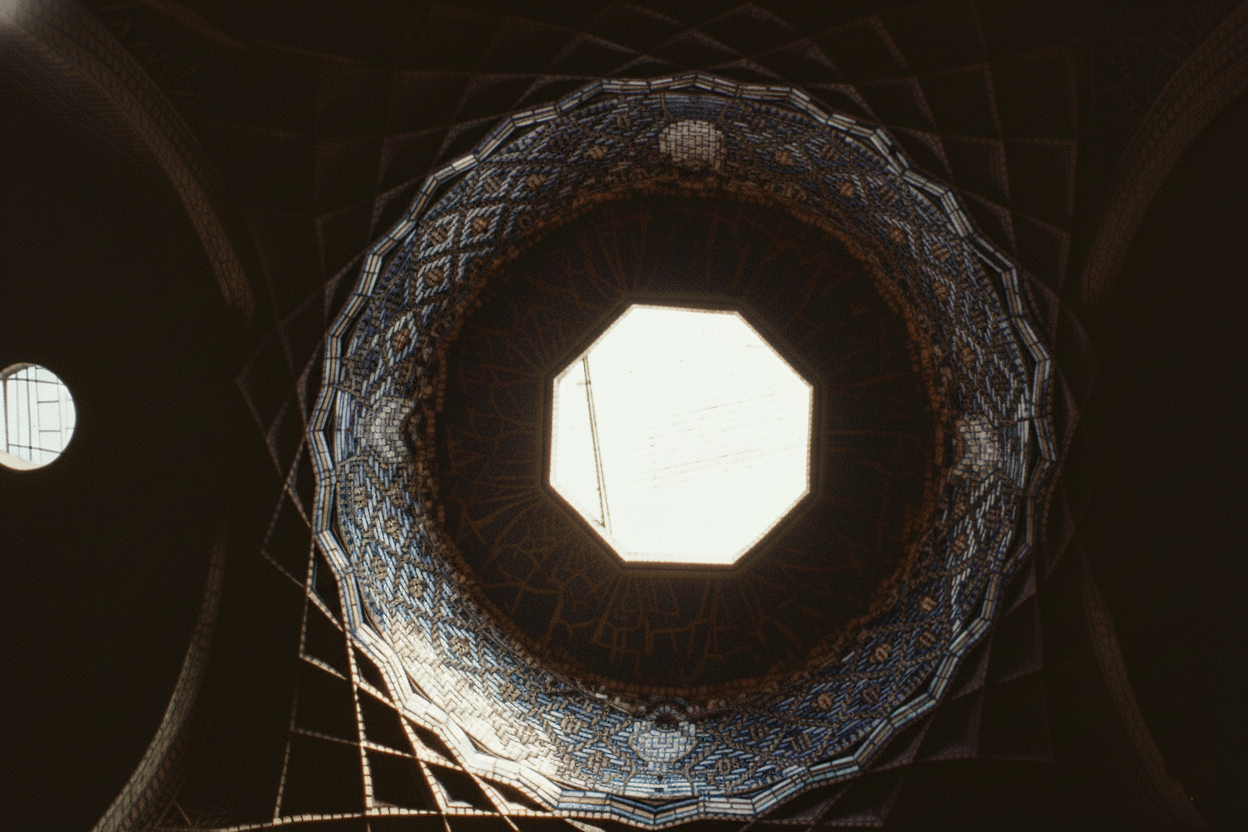
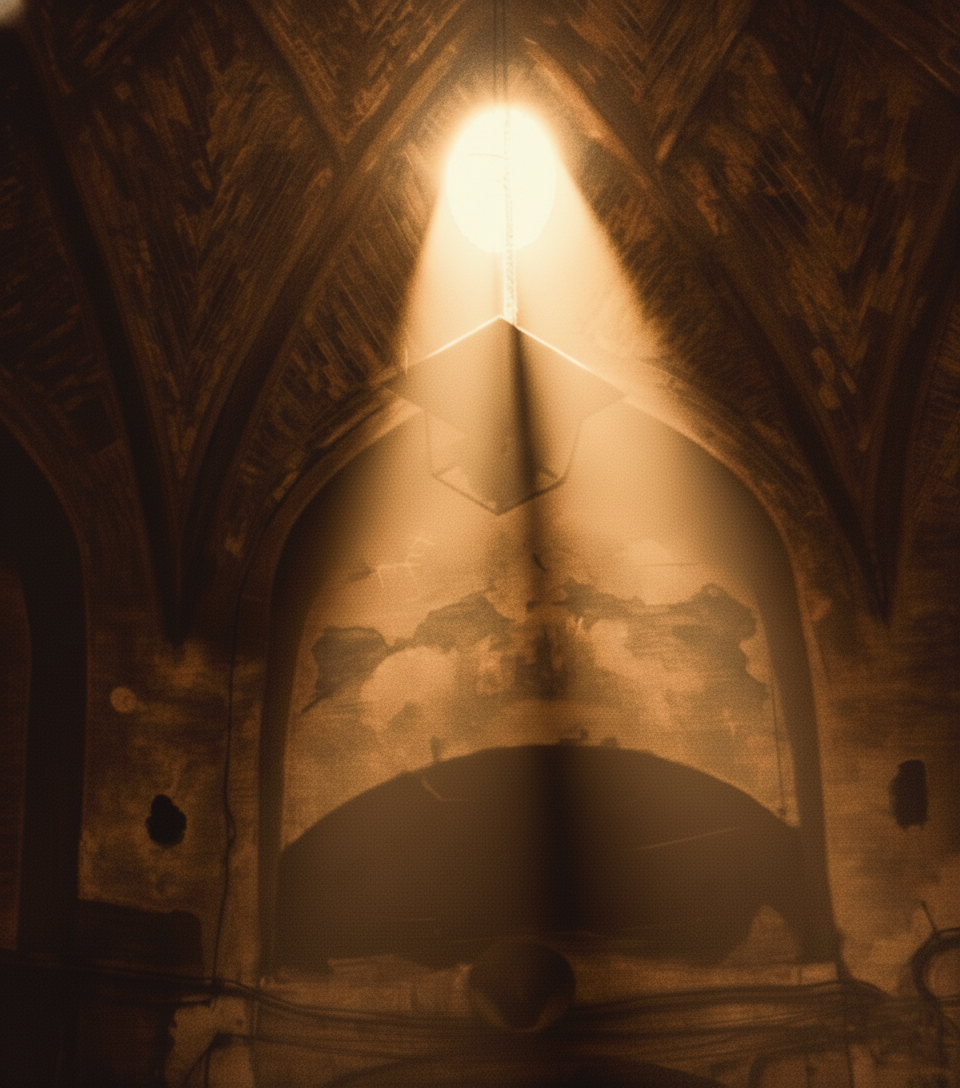
The Ganjali Khan Complex (مجموعه گنجعلی خان) (1596–1621 CE), designed by Mohammad Soltani Yazdi (محمد سلطانی یزدی) under Ganjali Khan (گنجعلی خان), forms Kerman’s Safavid civic center. Organized around a central square, it integrates the Ganjali Khan Bazaar, the domed Chahar-Suq (چهارسوق), a bathhouse, mosque, caravanserai, Zarrabkhaneh (ضرابخانه) mint, and Ab-anbar (آبانبار) cistern into a unified urban ensemble.
-
Ganjali Khan Complex: The Safavid Civic Masterpiece
The Ganjali Khan Complex, a monumental "city within a city" constructed between 1596 and 1621 (1005–1029 AH) under the enlightened patronage of Governor Ganjali Khan and the architectural mastery of Mohammad Soltani Yazdi, stands as the crowning jewel of Safavid urbanism in Kerman, transforming the arid heart of the city into a thriving socio-economic nexus that mirrors the grandeur of Isfahan’s Naqsh-e Jahan Square but on a more intimate, human scale.
Anchored by a vast rectangular square (99 by 54 meters) that functions as a minimalist void organizing the surrounding density, the complex is a triumph of the Isfahani style, seamlessly integrating the spiritual, the commercial, and the communal into a cohesive whole; its economic spine is the L-shaped Ganjali Khan Bazaar, which culminates in the magnificent Chahar-Suq (four-way intersection), where a soaring dome adorned with exquisite murals and muqarnas serves as a beacon for caravans arriving from the Silk Road.
Surrounding this central plaza are the specialized organs of this urban body: the Ganjali Khan Bathhouse offers a sanctuary of hygiene and socialization with its frescoes and cooling pools, while the Caravanserai—a four-iwan structure later serving as a seminary and now an academic center—provided rest for weary travelers, its facade inscribed by the renowned calligrapher Alireza Abbasi; adjacent lies the exquisite Ganjali Khan Mosque, a private chapel of spiritual solitude contrasting with the bustle outside, and the Zarrabkhaneh (Mint), an octagonal drum of commerce where the empire’s currency was struck, symbolizing Kerman’s economic vitality.
Completing this ecosystem of self-sufficiency is the massive Ab-anbar (Cistern), a subterranean reservoir named after Ganjali Khan’s son, Ali Mardan Khan, which ensured the complex’s survival against the desert’s thirst; together, these structures do not merely form a marketplace but represent a sophisticated civic philosophy, where the harshness of the Kerman desert was tamed by the order of geometry, the flow of water, and the warmth of human exchange.
The Bazaar of Kerman (بازار کرمان)
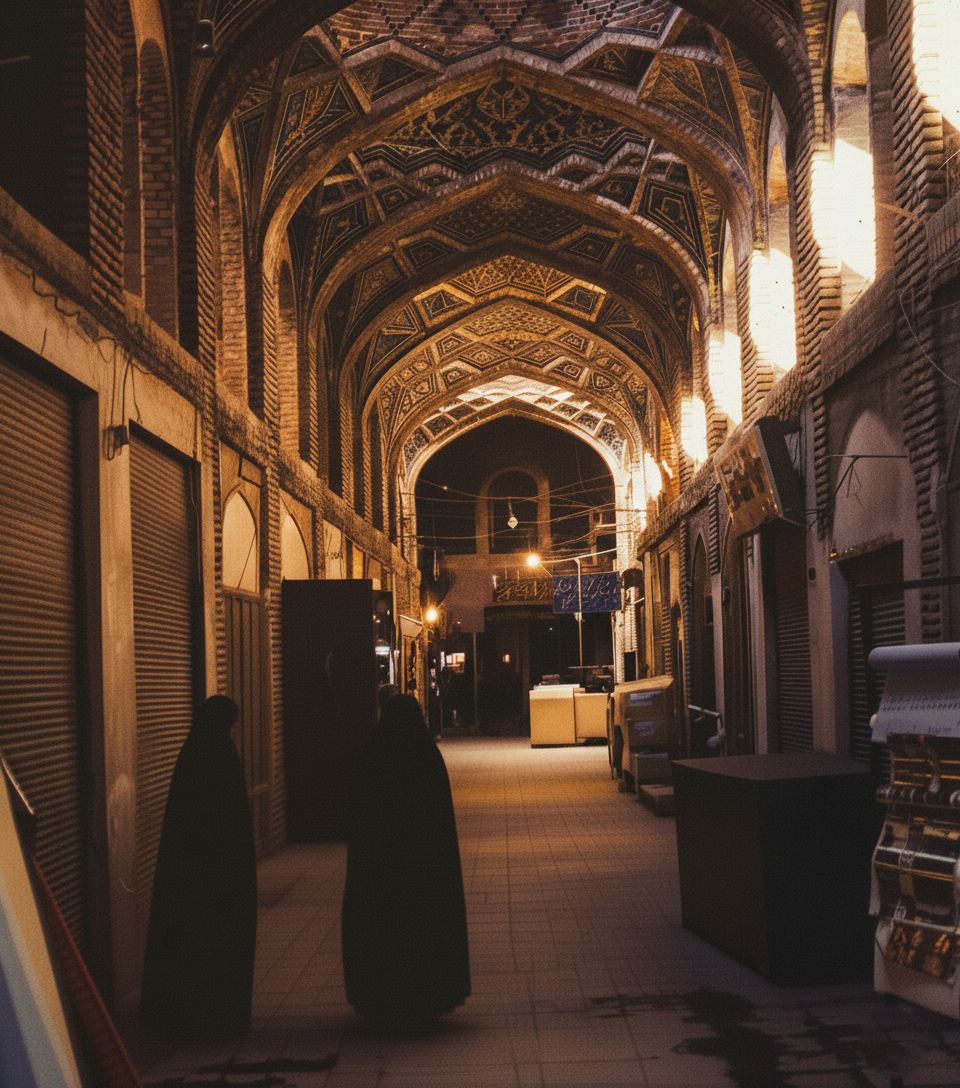
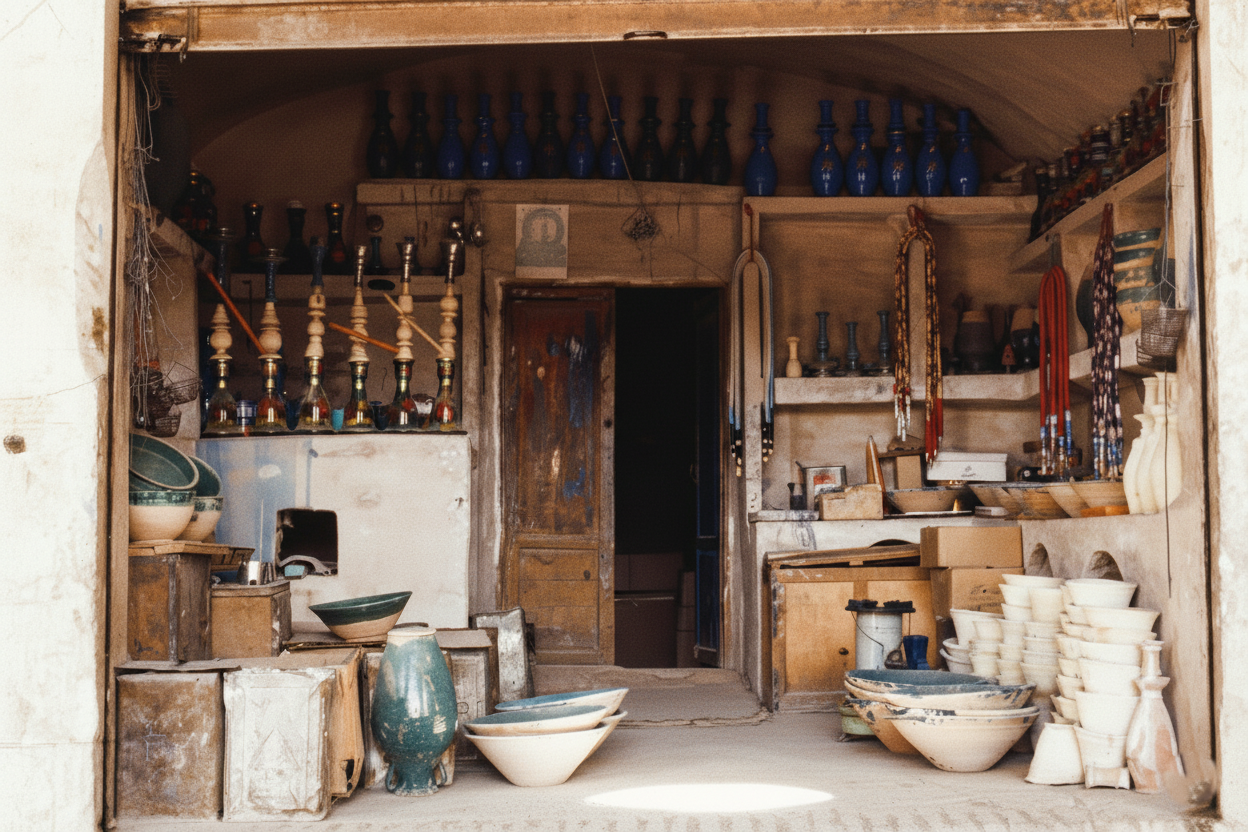
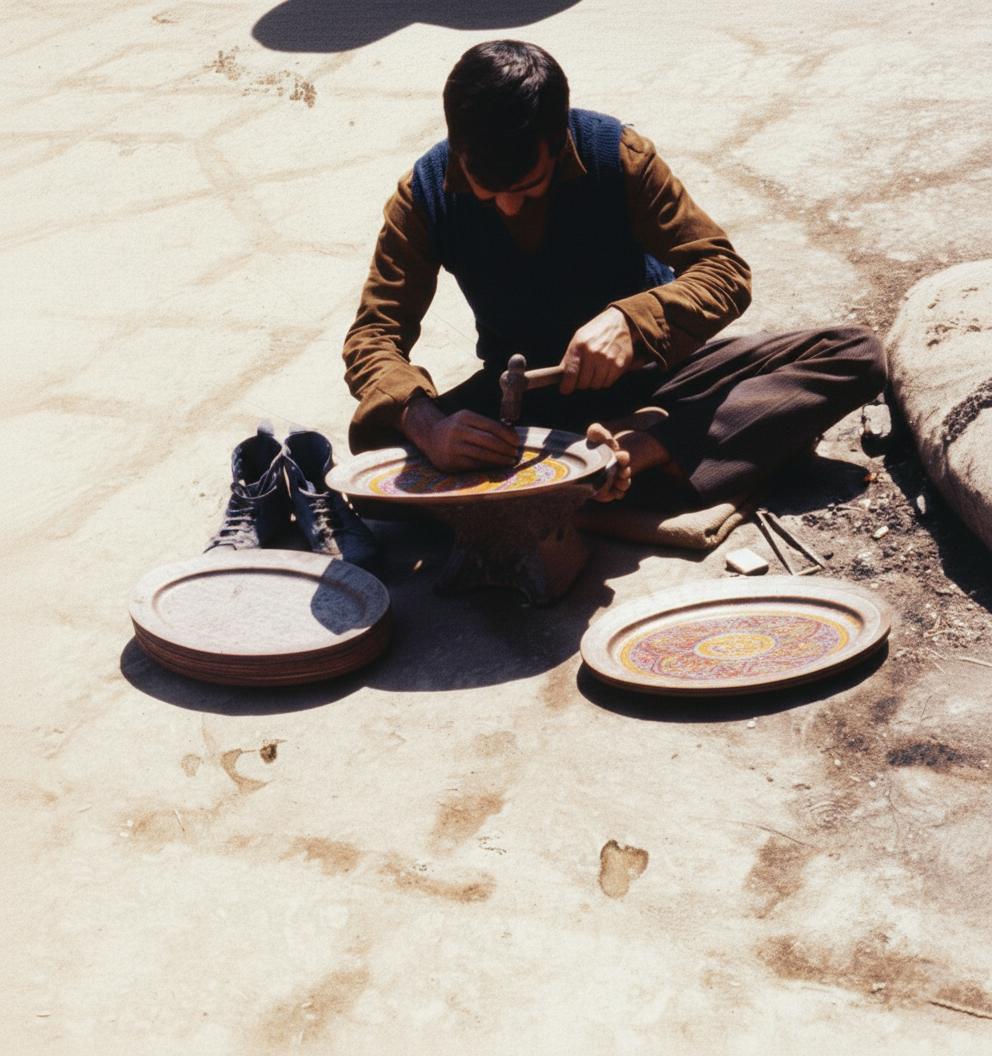
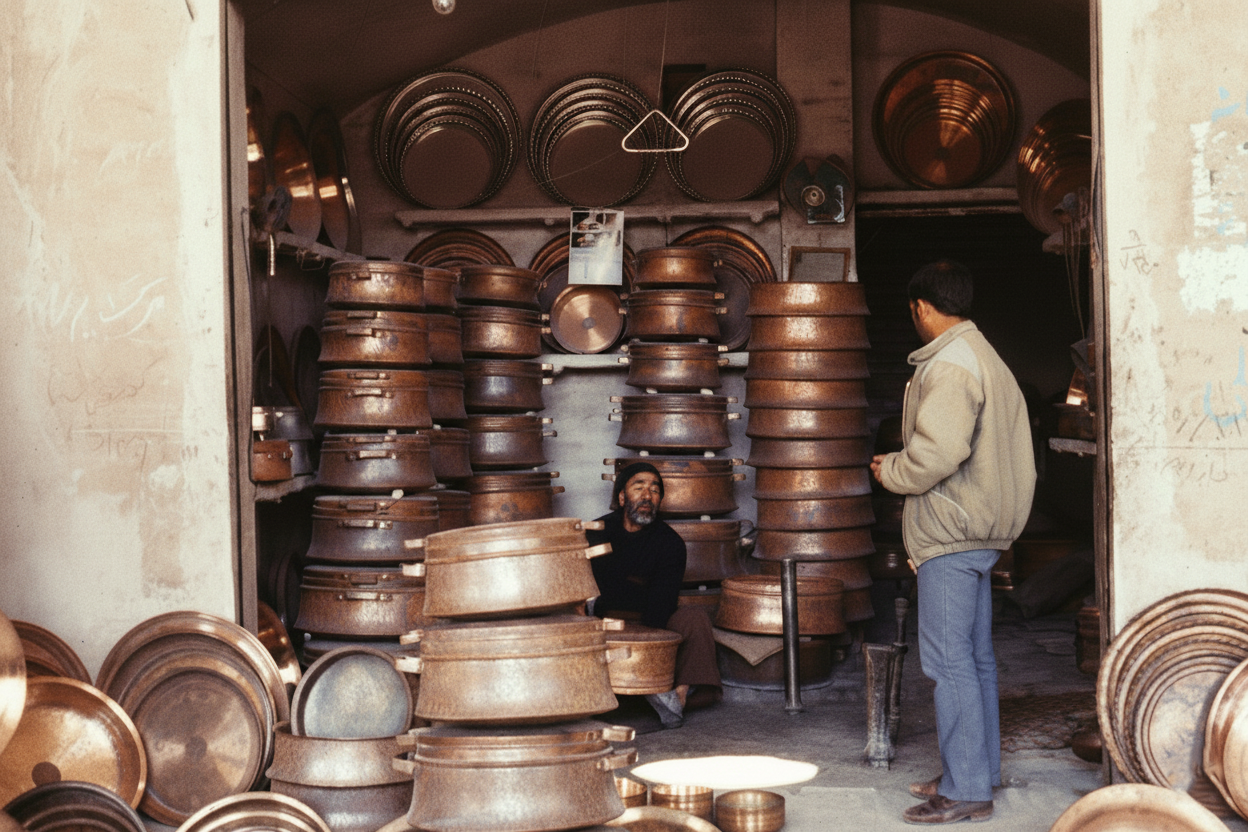
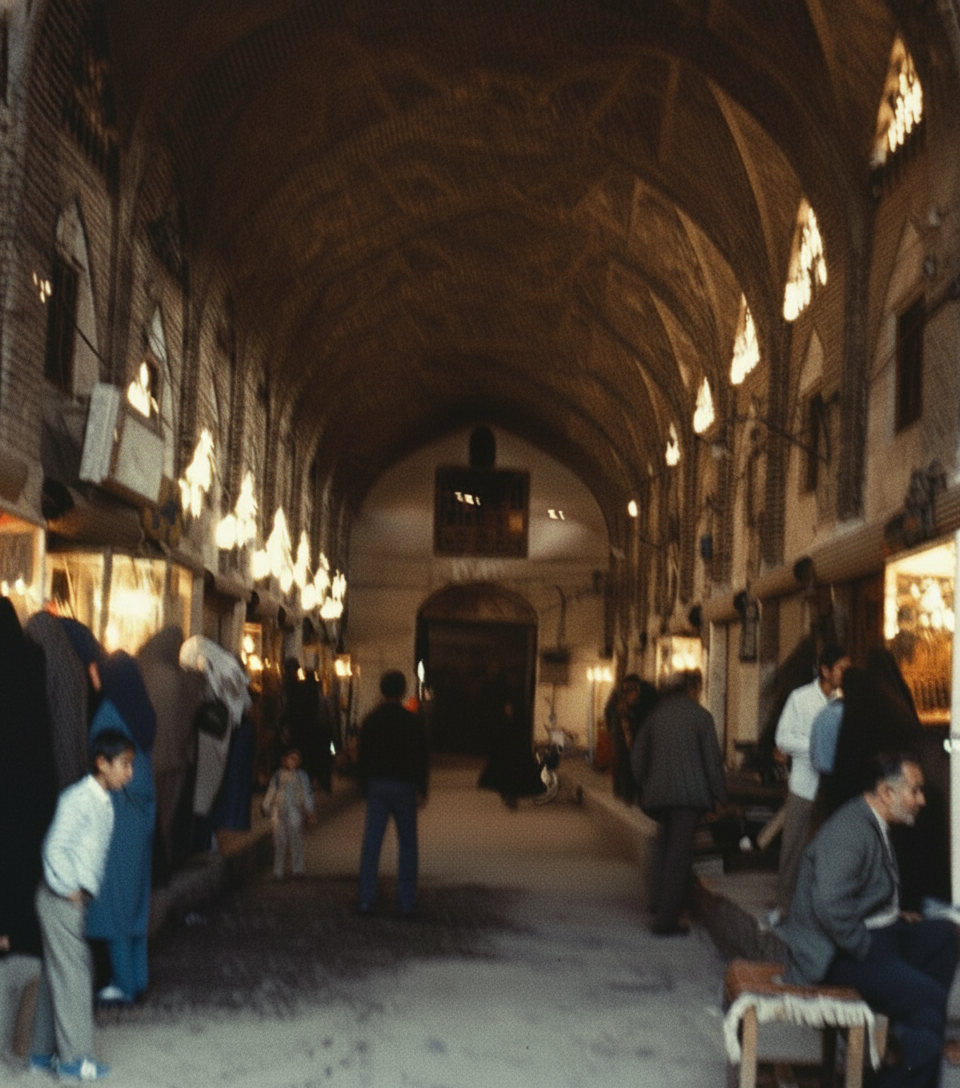
The Bazaar of Kerman (بازار کرمان), dating back to the 13th century CE, is one of Iran’s longest covered markets and the historic commercial spine of Kerman (کرمان). Its vaulted corridors, Chahar-Suq (چهارسوق) domed intersections, and caravanserais supported Silk Road trade, particularly in Kerman carpets, textiles, spices, and copperware.
-
The Bazaar of Kerman (بازار کرمان) is one of Iran’s most historic and extensive traditional marketplaces, forming the commercial heart of Kerman (کرمان) for centuries. Stretching roughly 1,200 meters from Arg Square to Moshtaqiyeh Square, it is considered the longest covered bazaar in Iran and has functioned as a key trade center for more than 600 years, particularly along historic Silk Road routes.
The bazaar developed gradually from the 13th century onward, with different sections built during various dynasties, including the Safavid and Qajar periods. This layered construction created a diverse architectural landscape combining vaulted corridors, domed intersections known as Chahar-Suq (چهارسوق), caravanserais, bathhouses, and mosques connected through a continuous commercial spine.
Architecturally, the bazaar reflects traditional Iranian desert urbanism. High vaulted ceilings, brick arches, and narrow covered passageways regulate light and airflow, helping maintain cooler interior temperatures in the hot desert climate. Specialized spaces such as Timcheh (تیمچه)—domed trading halls—served merchants dealing in valuable goods, while long corridors known as Sera (سرا) housed rows of shops and workshops.
The Bazaar of Kerman historically supported a vibrant trade network exporting local products such as Kerman carpets, copperware, spices, and textiles to markets across Central Asia, India, and beyond. Today, the bazaar remains a lively cultural and economic center, preserving centuries of architectural heritage while continuing its traditional role as the social and commercial core of the city.
Overall, the Kerman Bazaar represents not only a marketplace but also a historical urban structure that reflects the city’s long-standing relationship with trade, craftsmanship, and desert architecture.
