Bam (بم): The Edge of the Arid Mystery
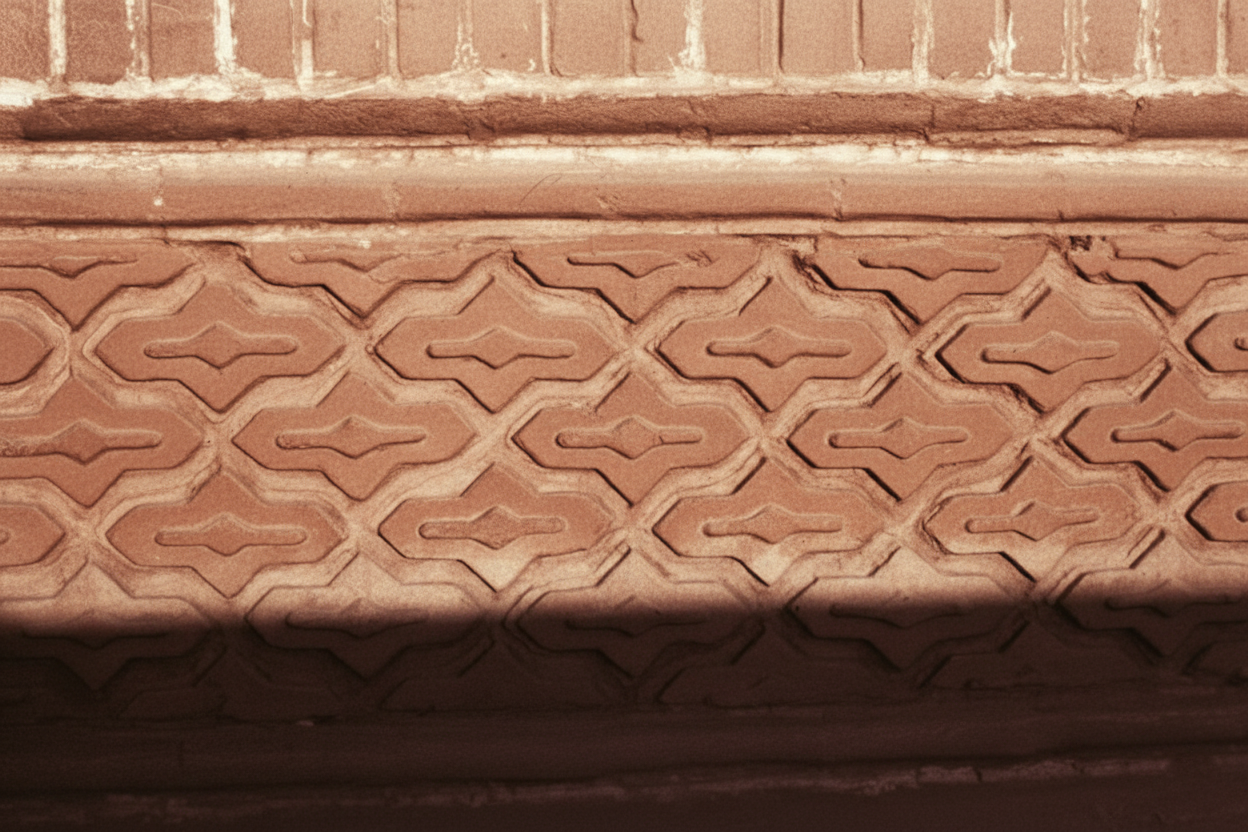
Bam (بم), near the Dasht-e Lut (دشت لوت), flourished between the 7th and 11th centuries CE as a Silk Road oasis. Its citadel, Arg-e Bam (ارگ بم) (6th century BCE–11th century CE), built of khesht (خشت) and chineh (چینه), used qanats (قنات) and badgirs (بادگیر) to adapt architecture to the harsh desert climate.
-
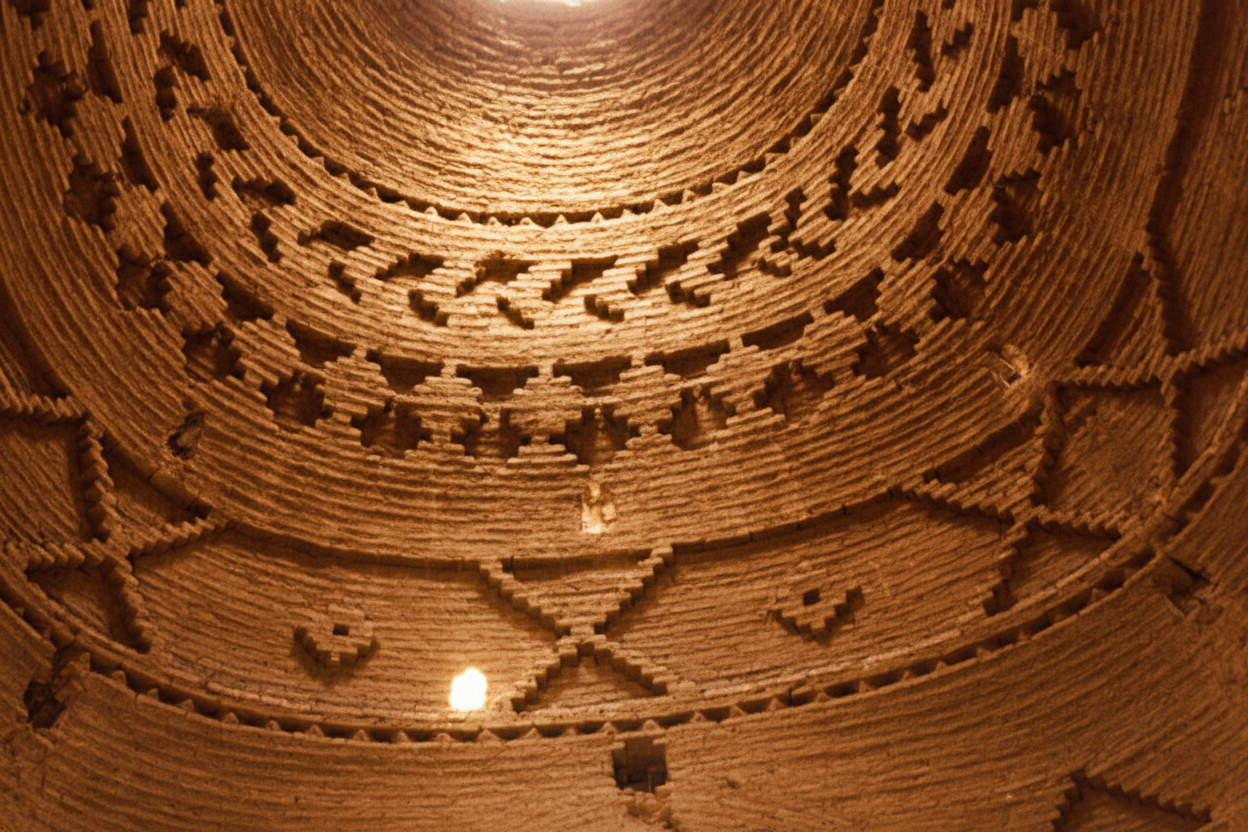
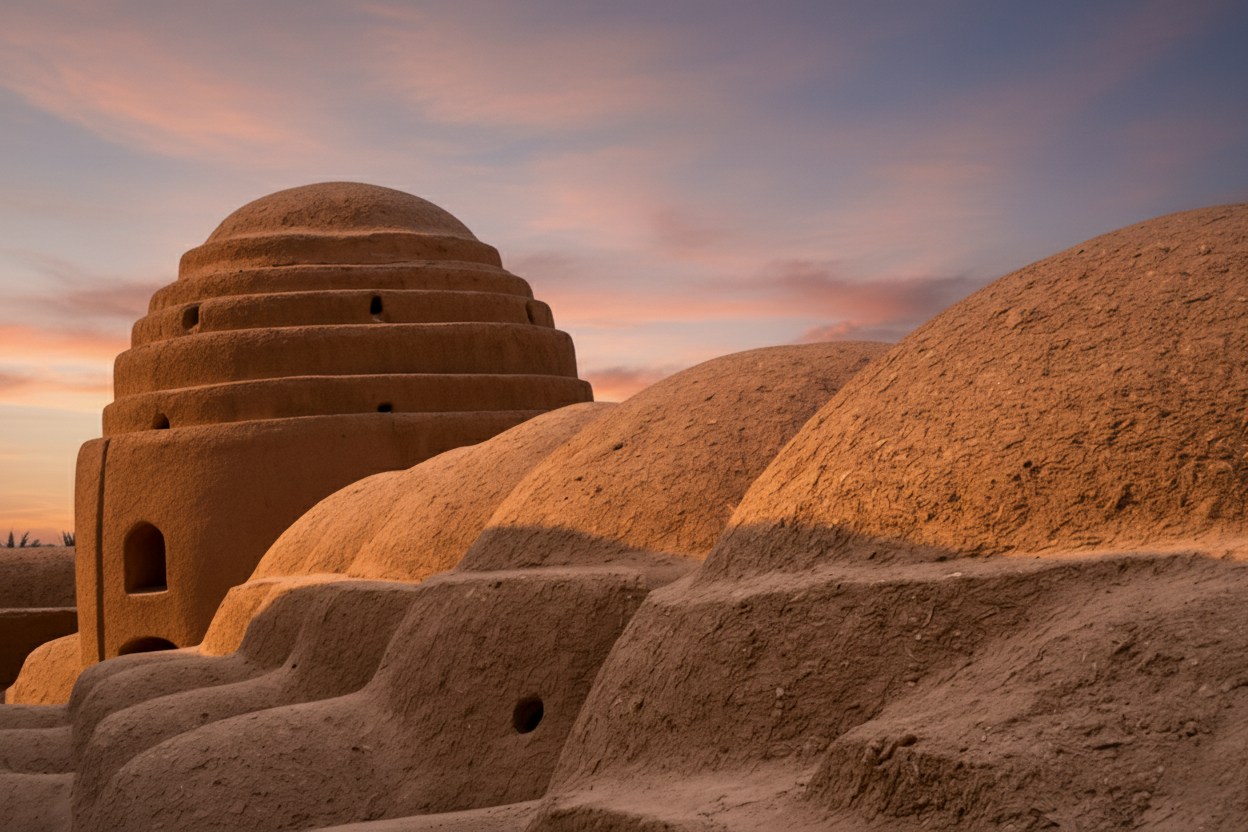
Bam (بم) stands as a stunning example of vernacular architecture, emerging organically from the desert floor like a crafted mountain. This intricate sanctuary, made from sun-dried clay, boasts ochre walls that glow beautifully at sunset, creating a striking contrast with the surrounding lush palm groves. Situated on the southeastern edge of the Iranian Plateau near the vast expanse of the Dasht-e Lut (دشت لوت), Bam has long served as a historic guardian over the desert landscape. Historically significant as a sentinel on the Silk Road, the city functioned for centuries as a strategic oasis along caravan routes linking the Iranian Plateau with Central Asia, India, and the Persian Gulf. Originating in the Achaemenid era (6th century BCE) and flourishing particularly between the 7th and 11th centuries CE, Bam became a thriving commercial center and a crucial gateway along the Silk Road. Once a bustling hub for the silk and cotton trade, Bam’s economy flourished around a vibrant bazaar located within its fortified citadel, fostering a rich exchange of goods and culture.
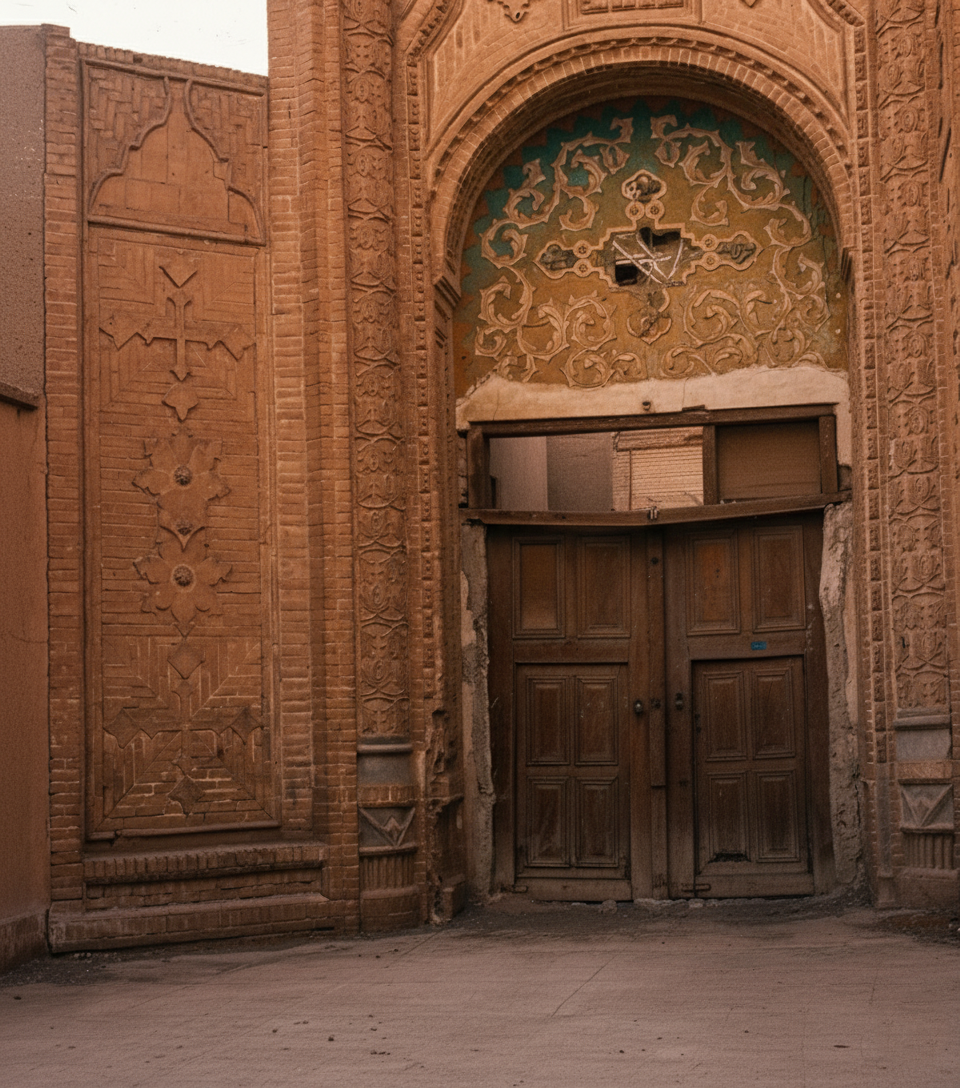
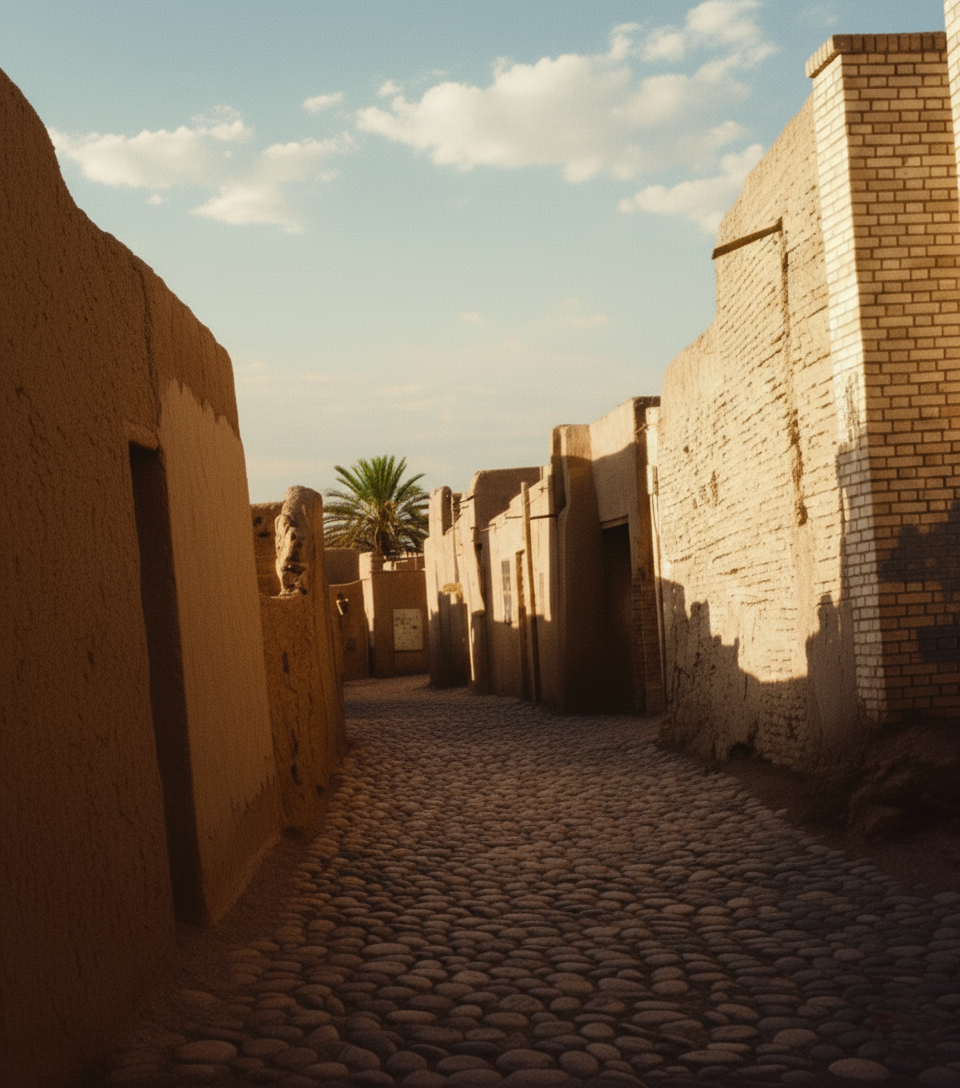
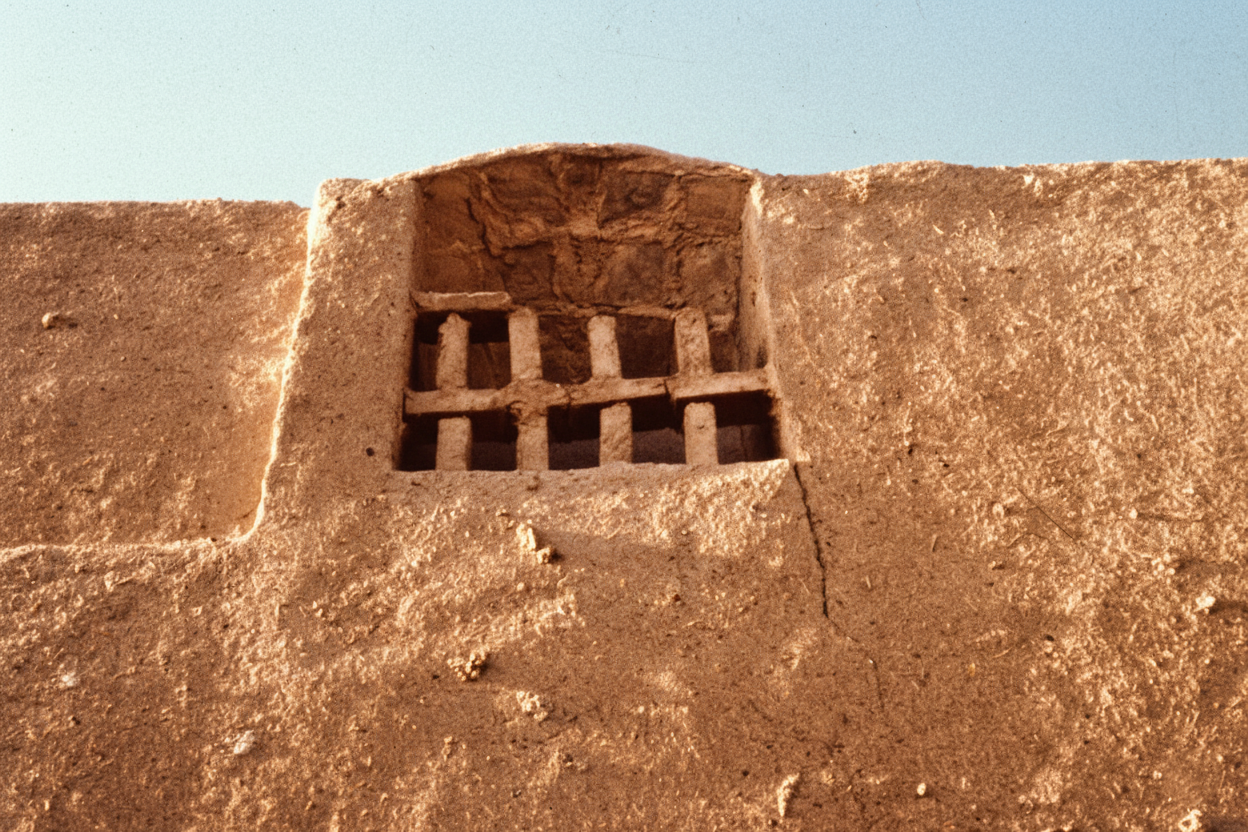
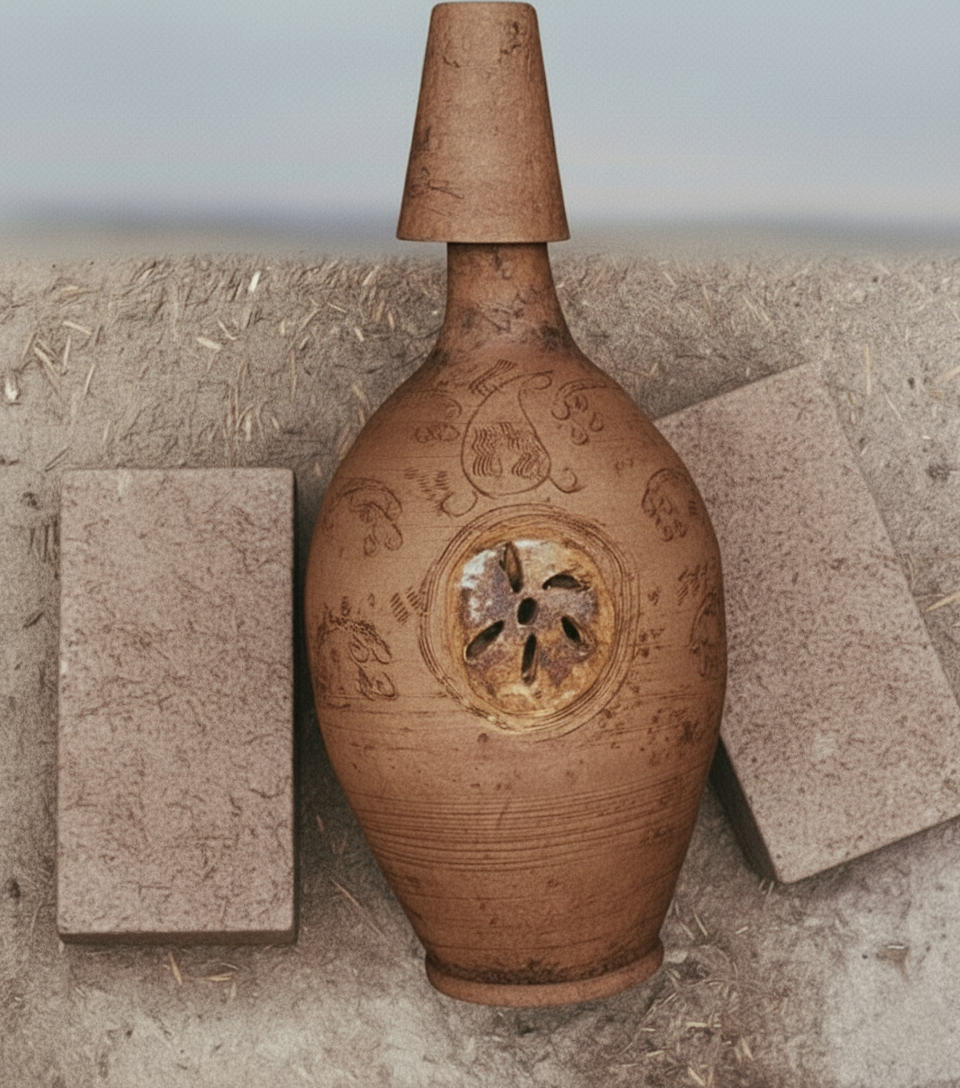
At the heart of the settlement rises the Citadel of Bam, known as Arg-e Bam (ارگ بم) (6th century BCE–11th century CE), recognized as the world’s largest adobe structure. Covering approximately 180,000 square meters, the fortified complex developed gradually from the Achaemenid period and evolved into a monumental terraced city that rises naturally from the desert landscape. Built primarily of sun-dried mud brick known as khesht (خشت) and compacted-earth walls called chineh (چینه), the citadel forms a vast architectural composition made from clay, water, and straw. Surrounded by towering defensive walls and thirty-eight watchtowers, the complex once protected a dense urban environment containing residential quarters, bazaars, mosques, schools, and public baths.
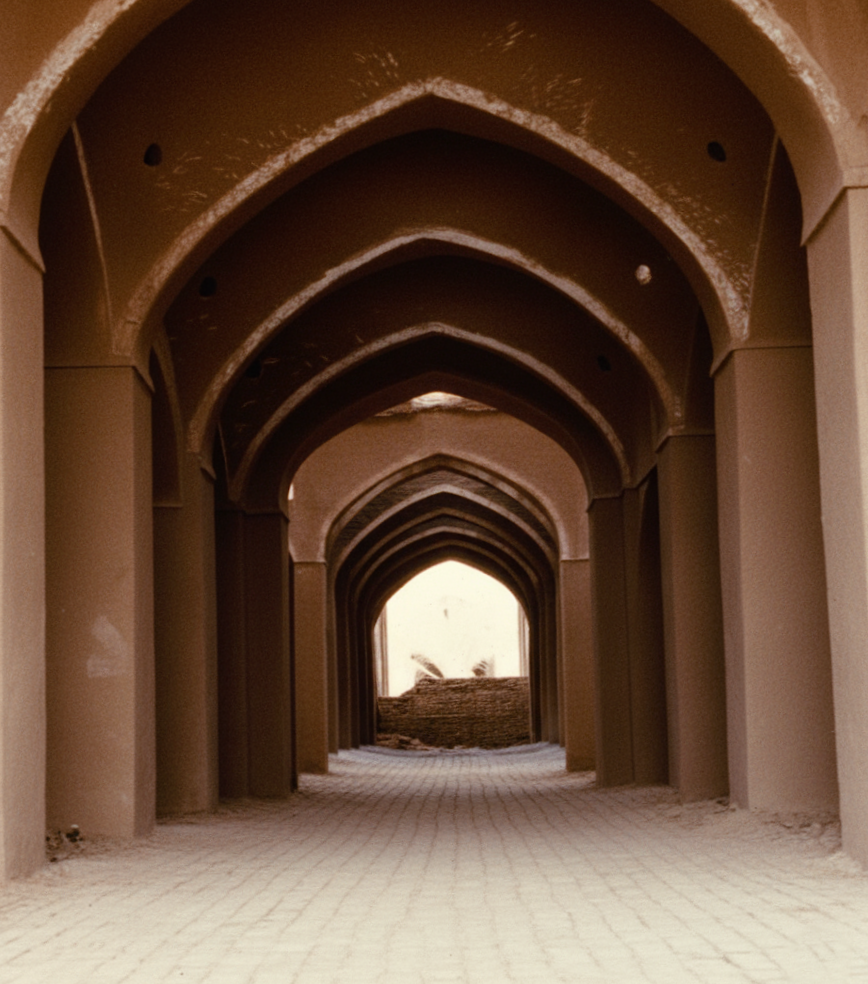
The urban structure reveals a clear social hierarchy. At the highest point stands the governor’s residence and military stronghold, while residential districts cascade downward through a network of narrow shaded alleys and passageways. These winding corridors connected mosques, homes, and marketplaces while simultaneously reducing heat and protecting inhabitants from the harsh desert winds.
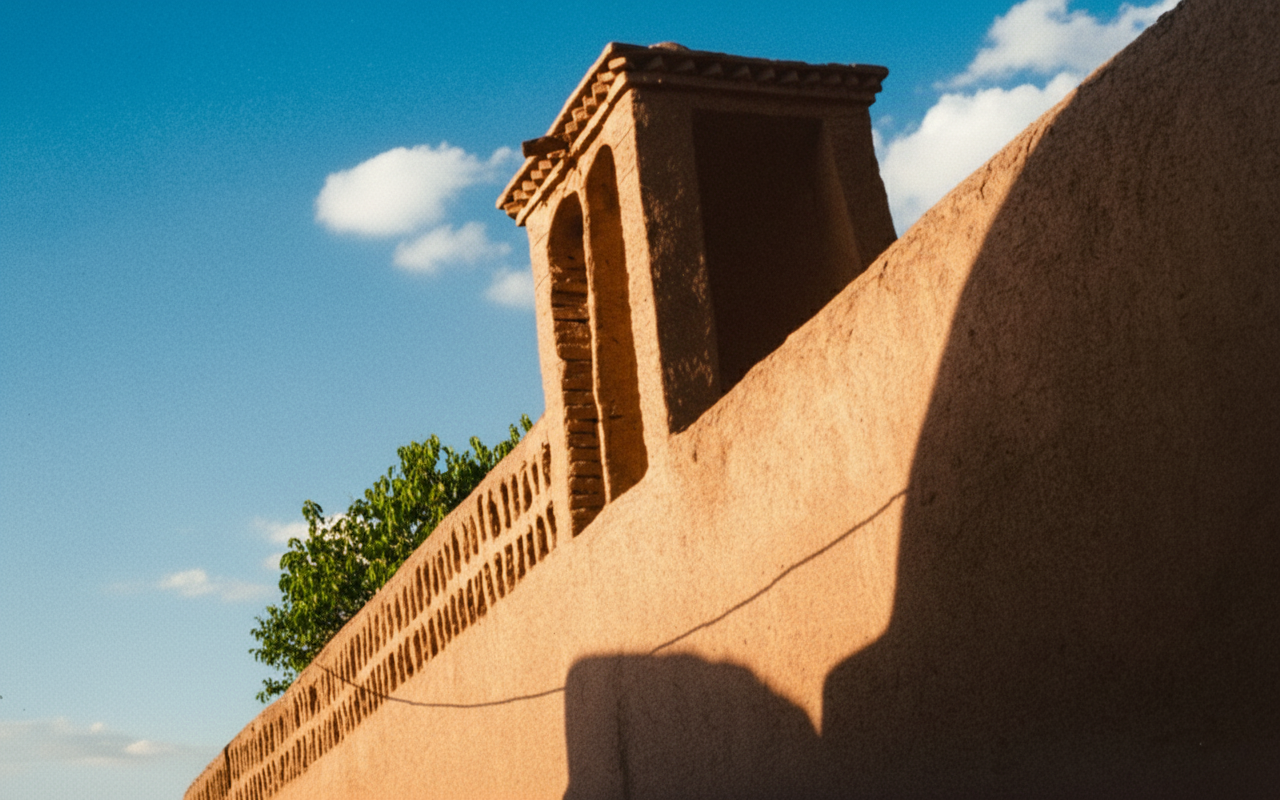
Bam’s ability to endure its severe climate represents a remarkable feat of environmental adaptation. Life within the city depended on qanat water systems (قنات), ancient underground aqueducts that transported groundwater from distant mountain aquifers into the oasis. These channels supplied water to homes and courtyards while irrigating extensive date palm groves and minimizing evaporation in the desert heat. Architectural strategies such as thick thermal-mass earthen walls, domed roofs, and windcatchers known as badgirs (بادگیر) helped regulate interior temperatures by directing cooling airflow through buildings.
Although the citadel suffered extensive damage during the devastating earthquake of December 2003, international restoration efforts since 2003 have sought to preserve this extraordinary example of desert urbanism. Today, Arg-e Bam (ارگ بم) remains a powerful testament to the ingenuity of desert settlement and to humanity’s enduring capacity not only to survive but to flourish in harmony with the stark beauty of the Dasht-e Lut (دشت لوت).