The Citadel of Bam (Arg-e Bam ارگ بم)
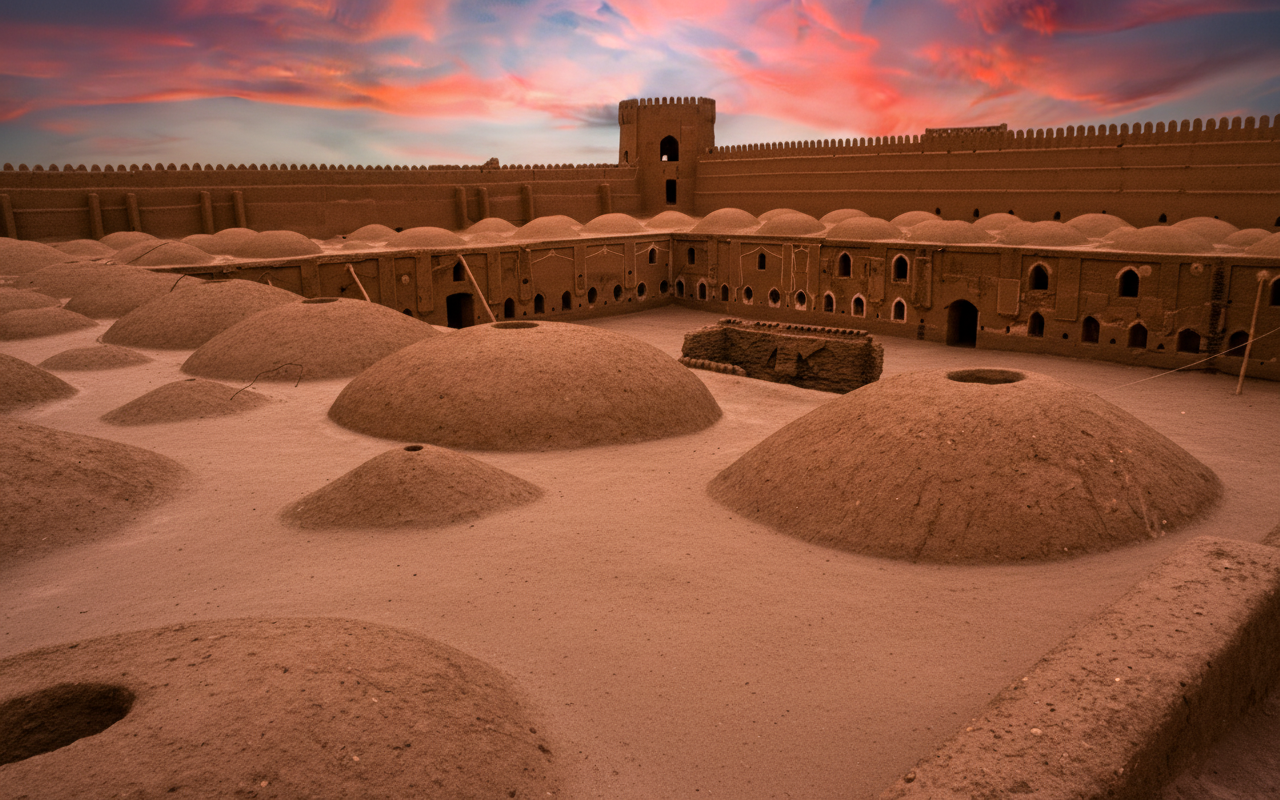
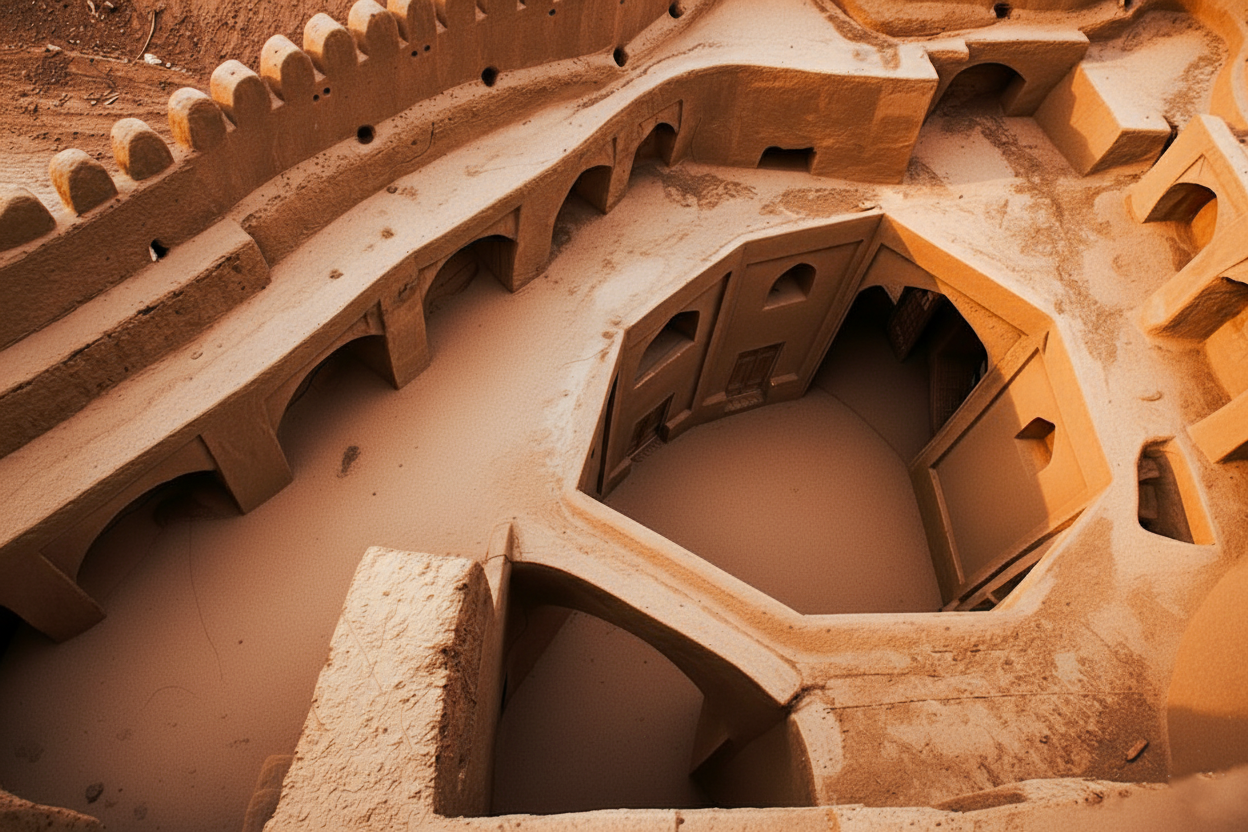
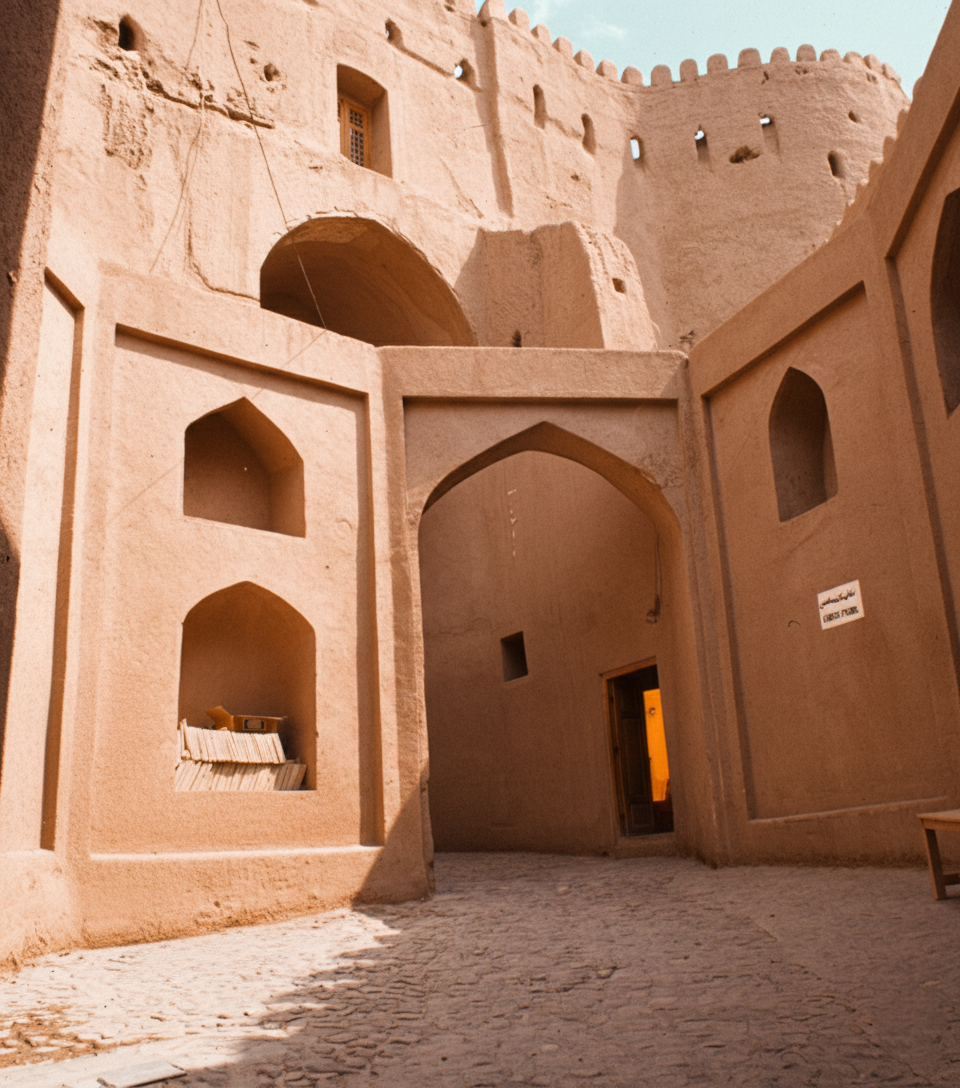
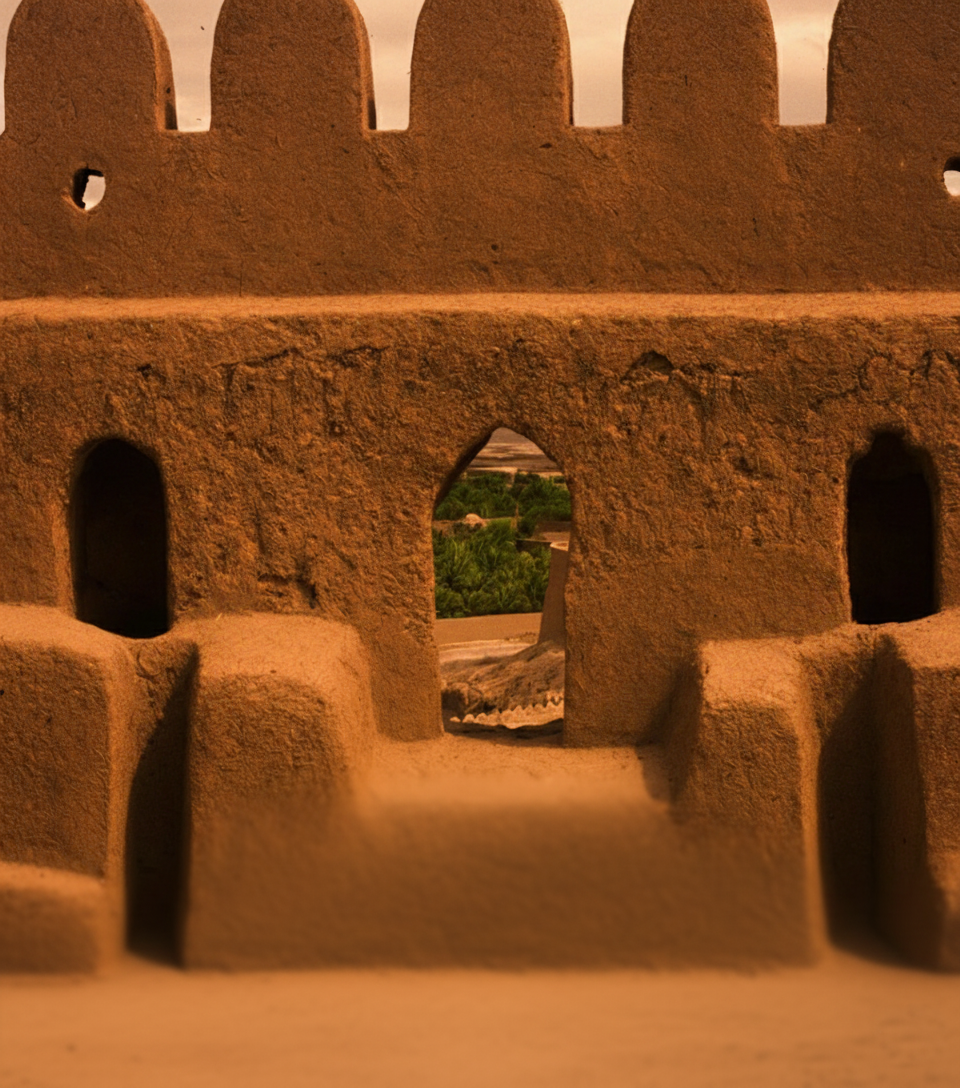
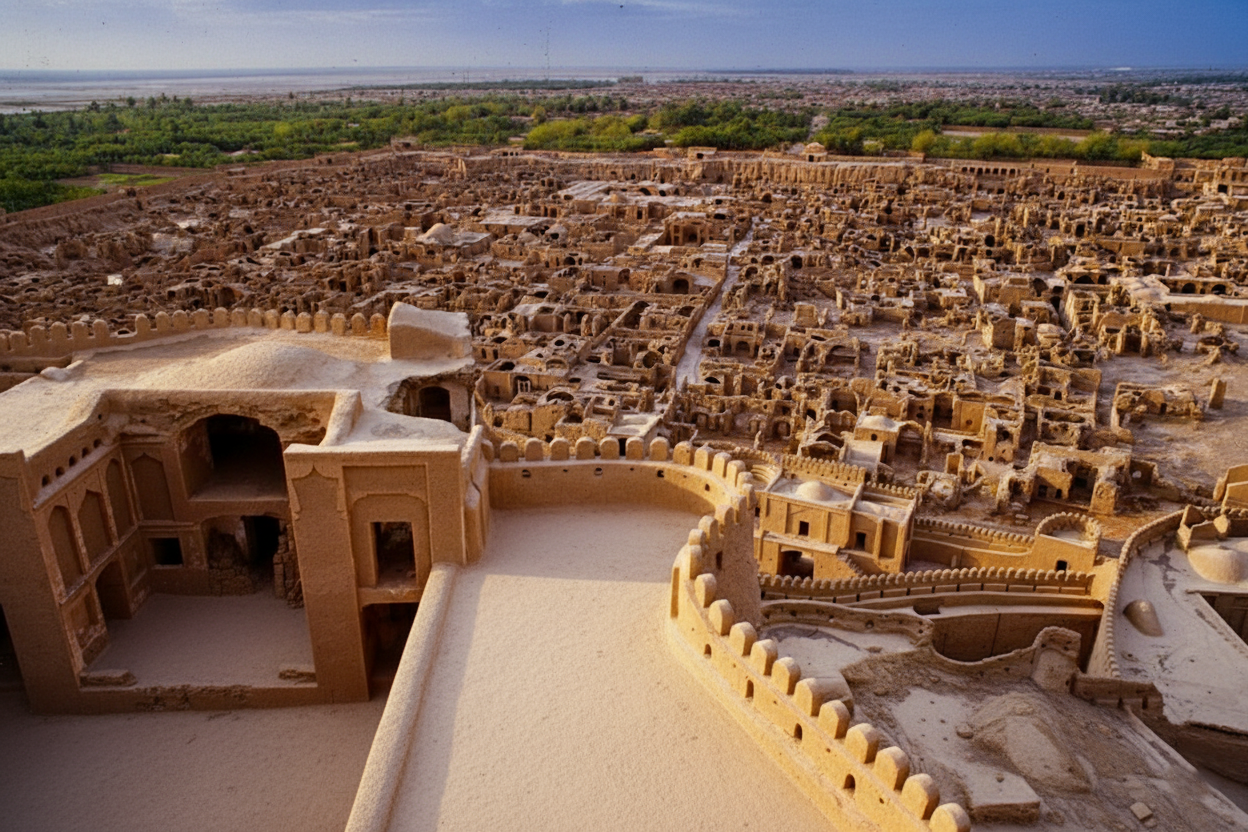
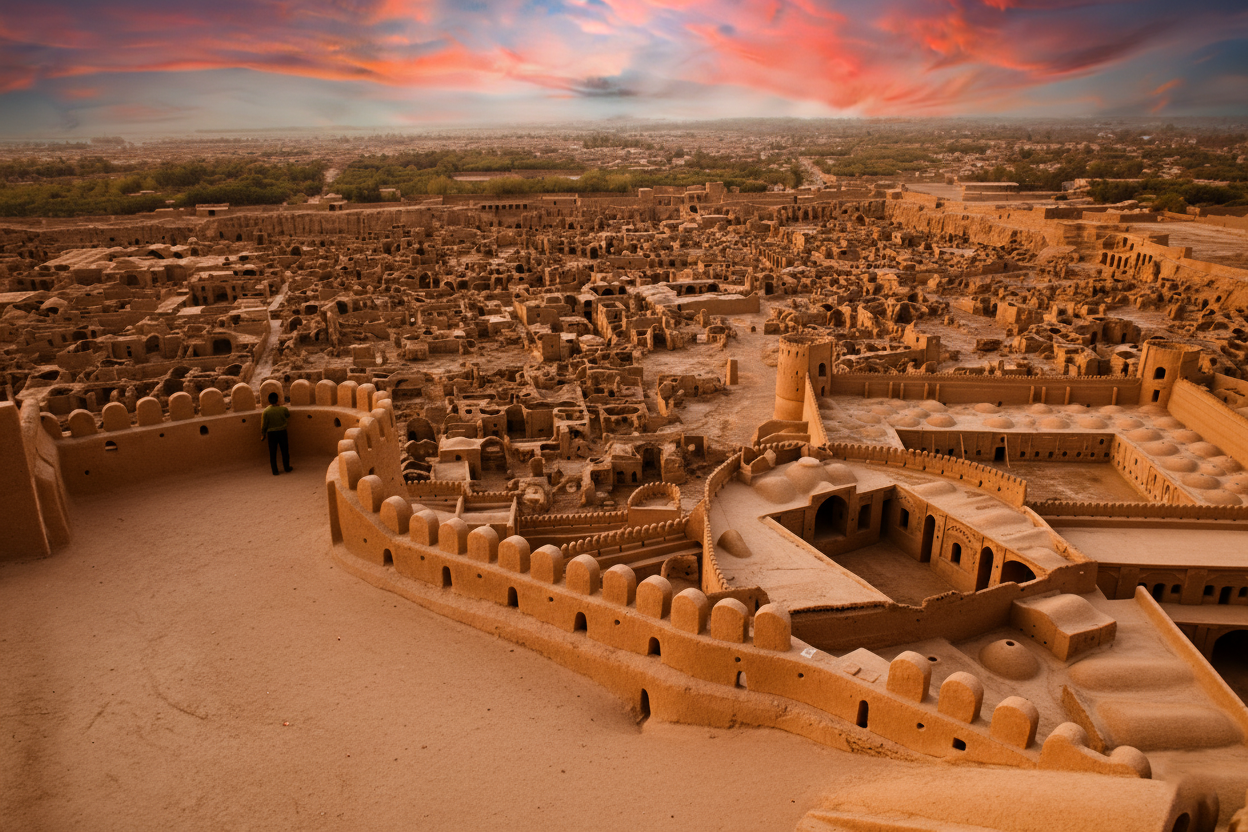
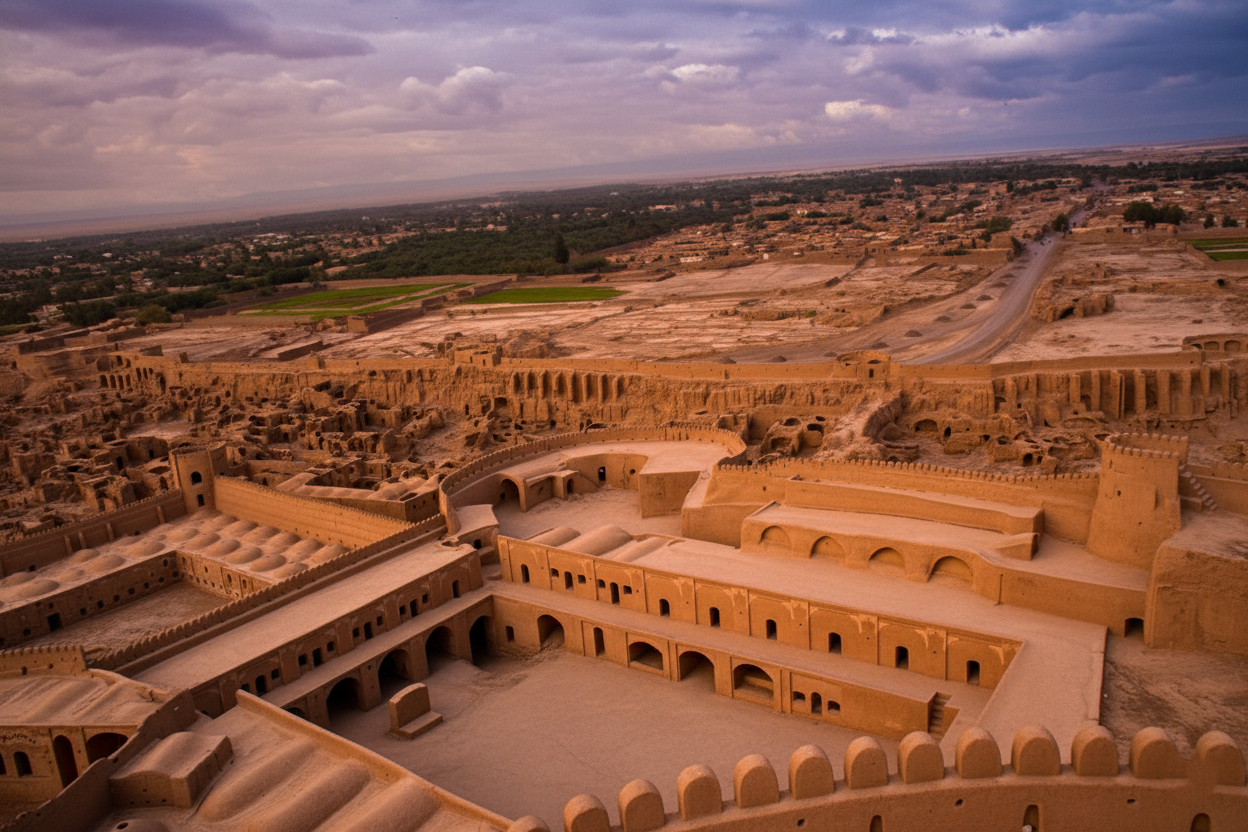
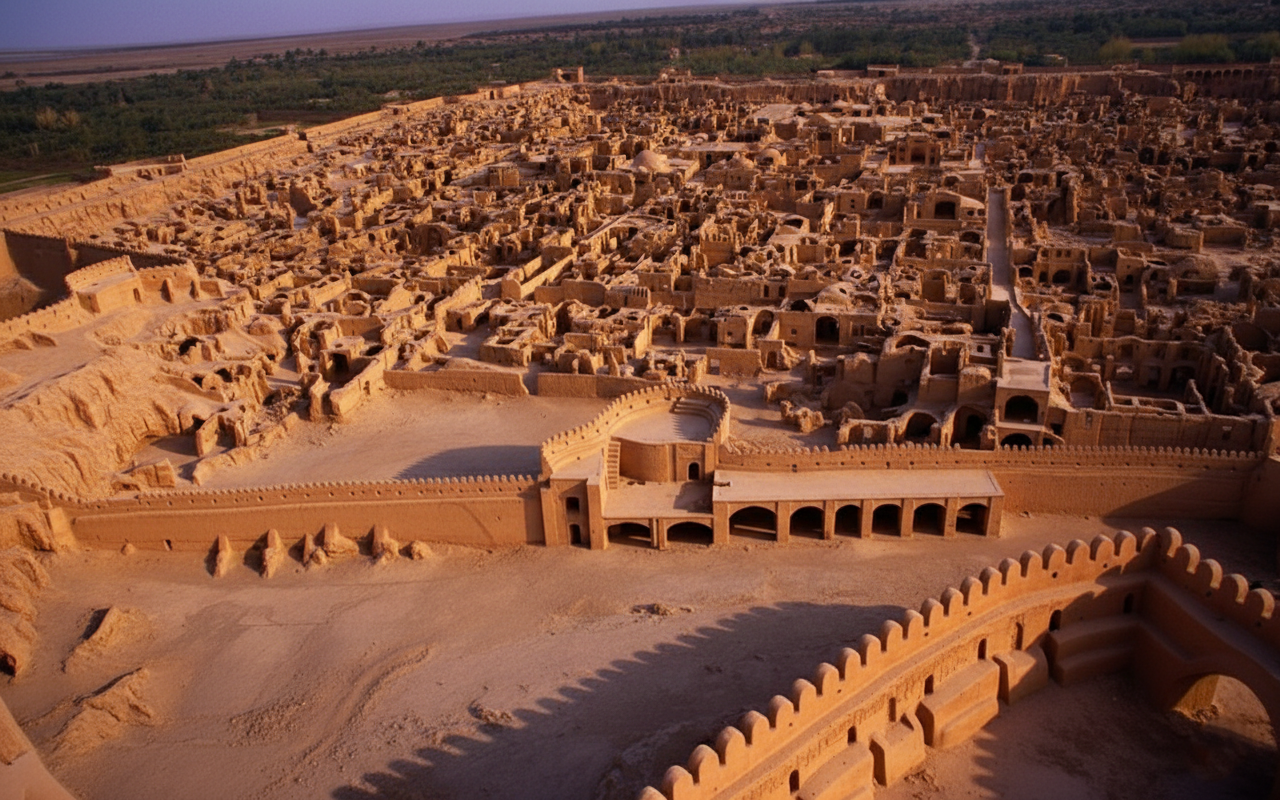
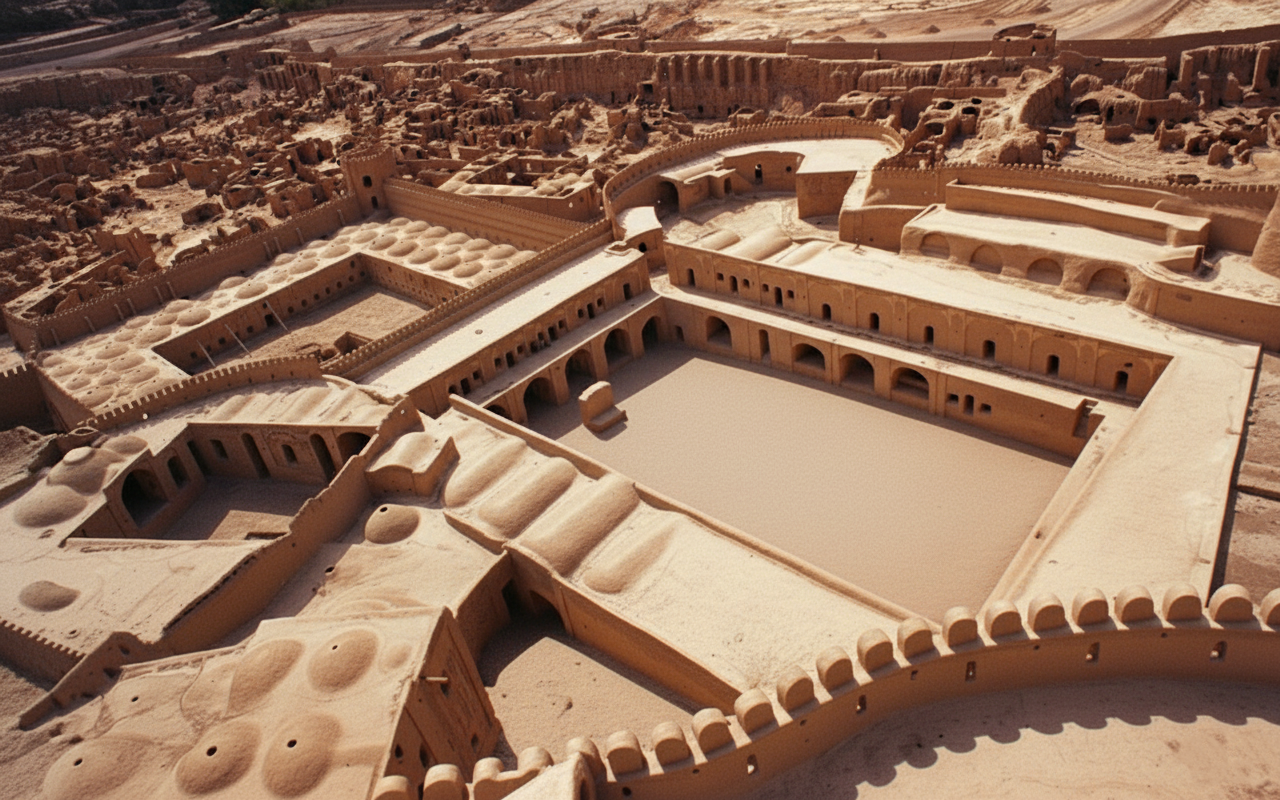
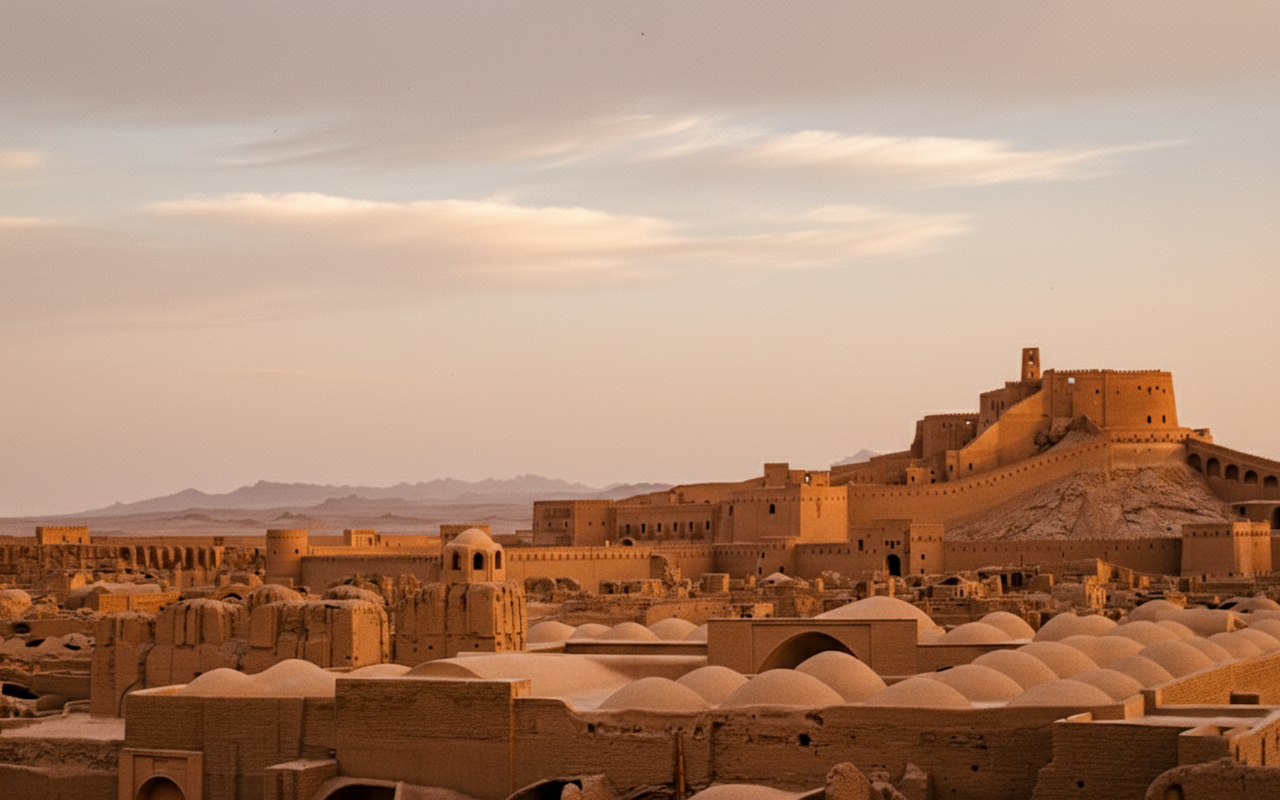
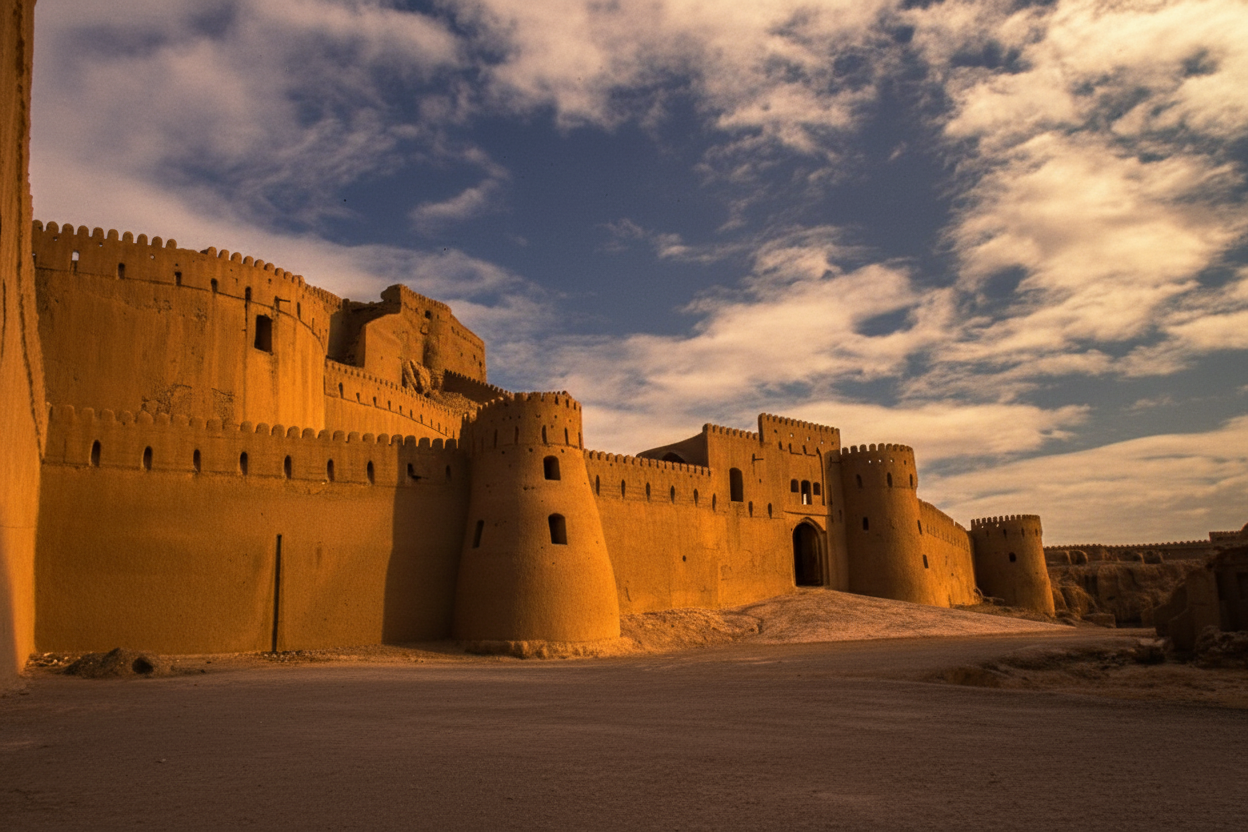
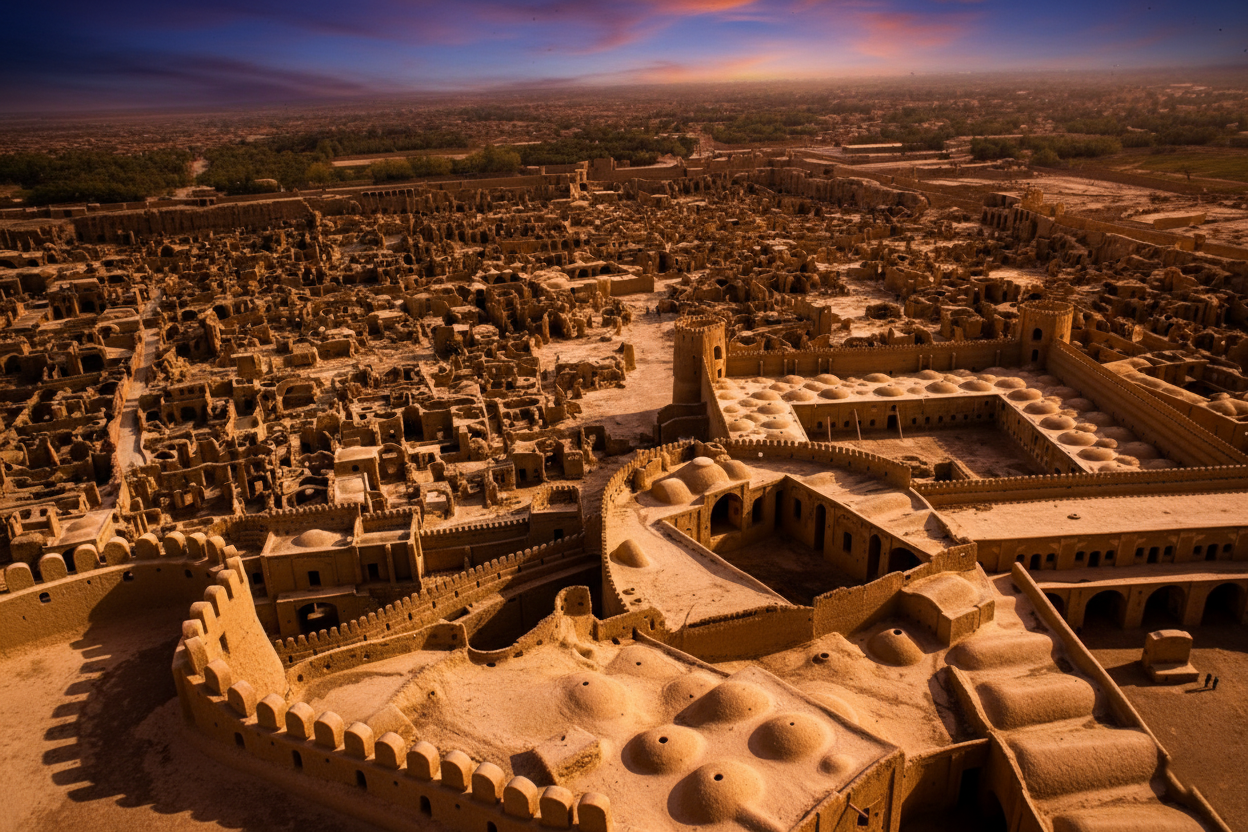
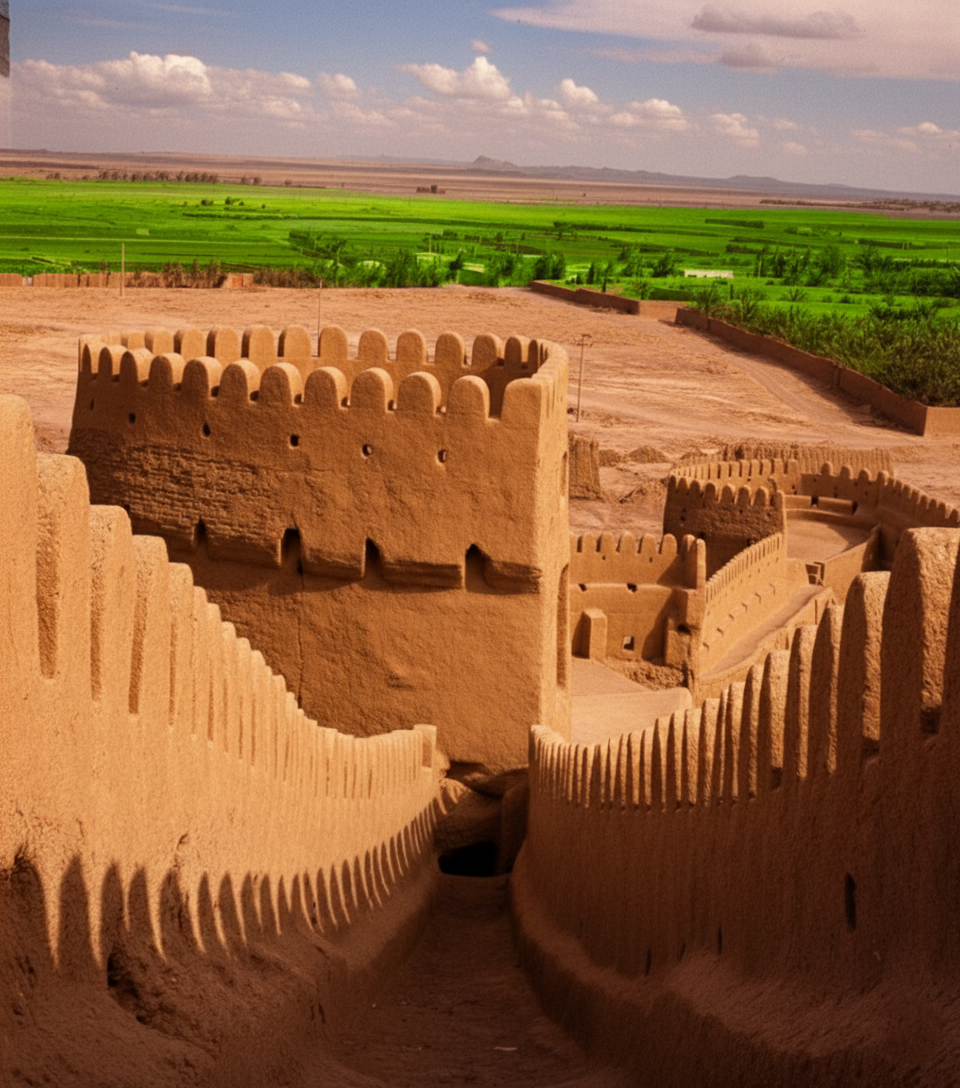
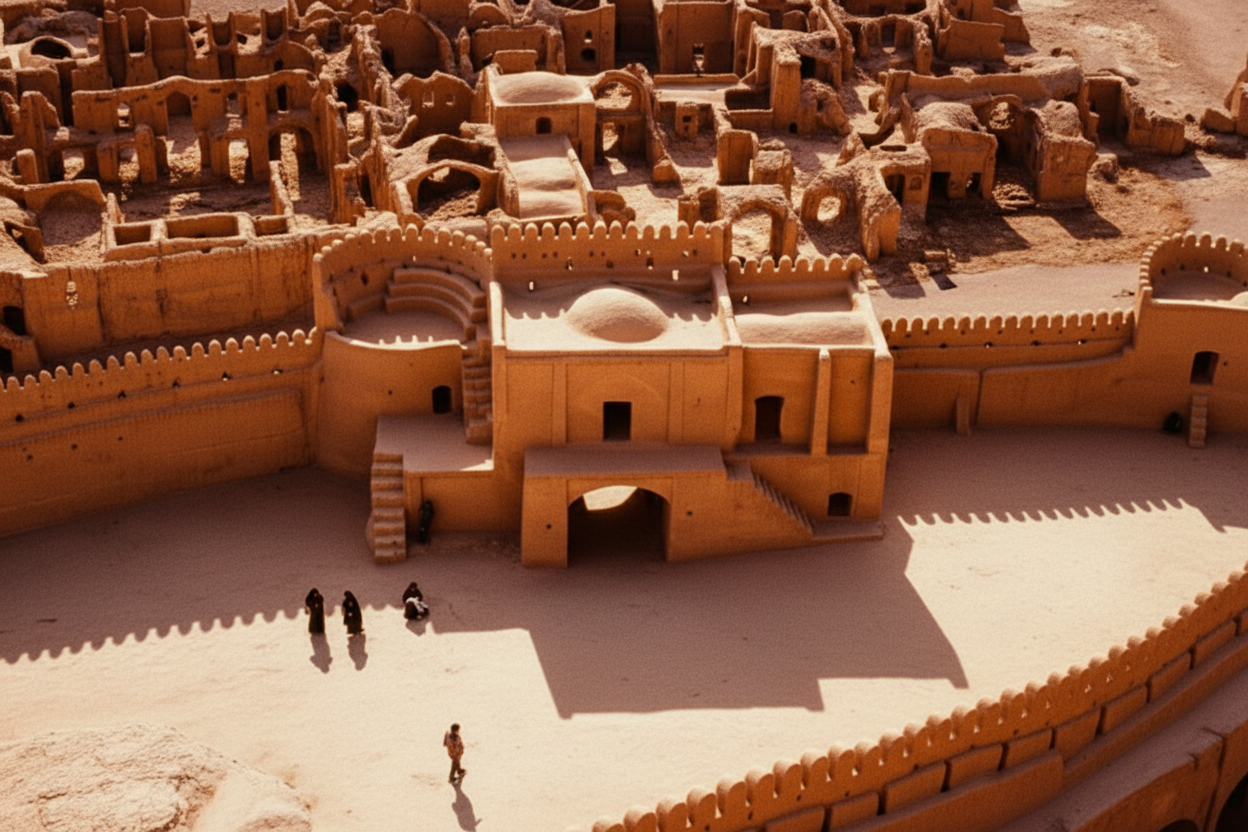
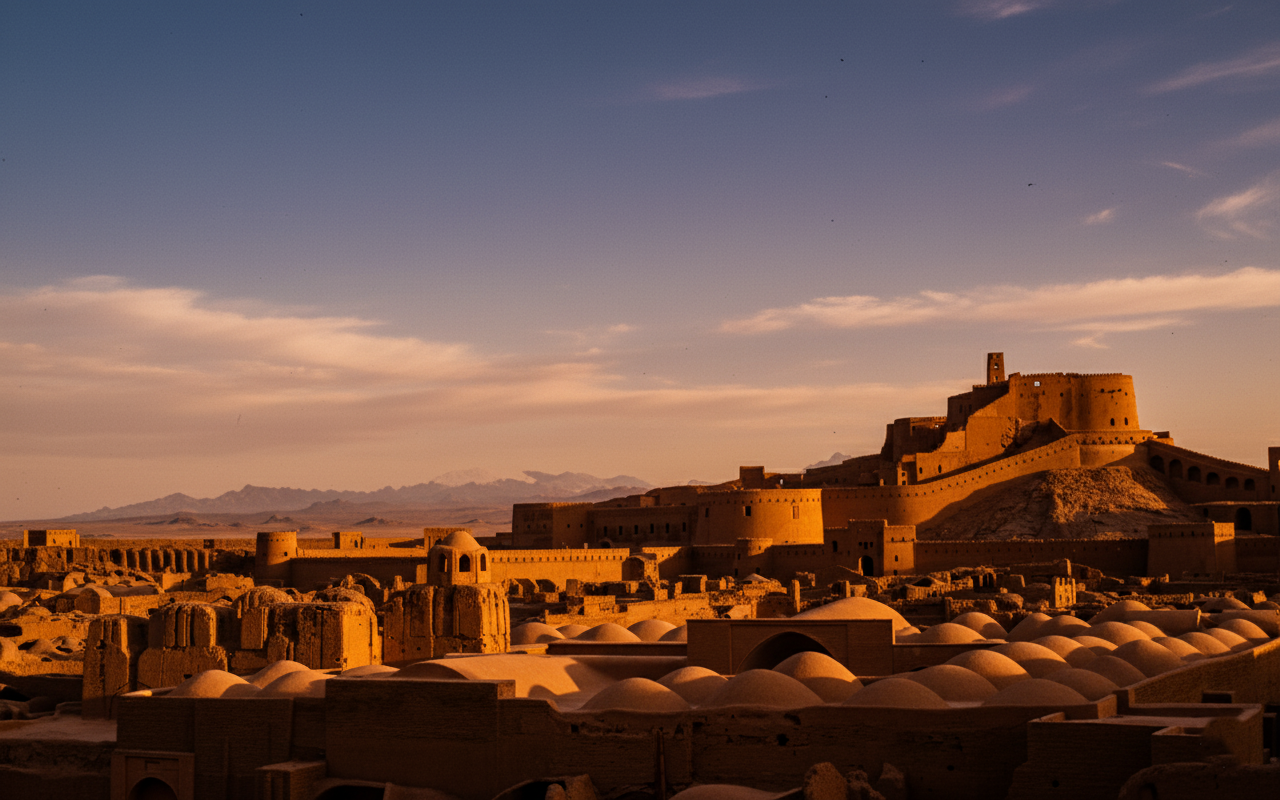
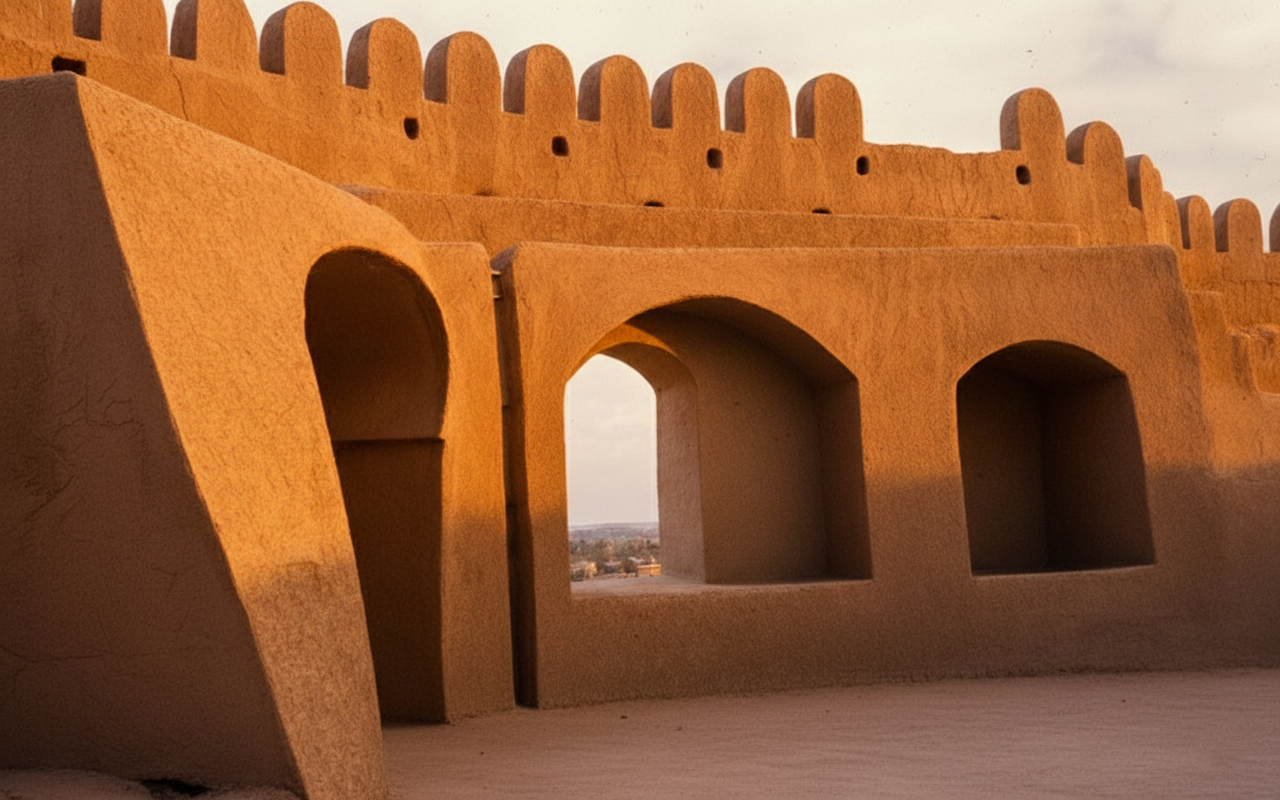
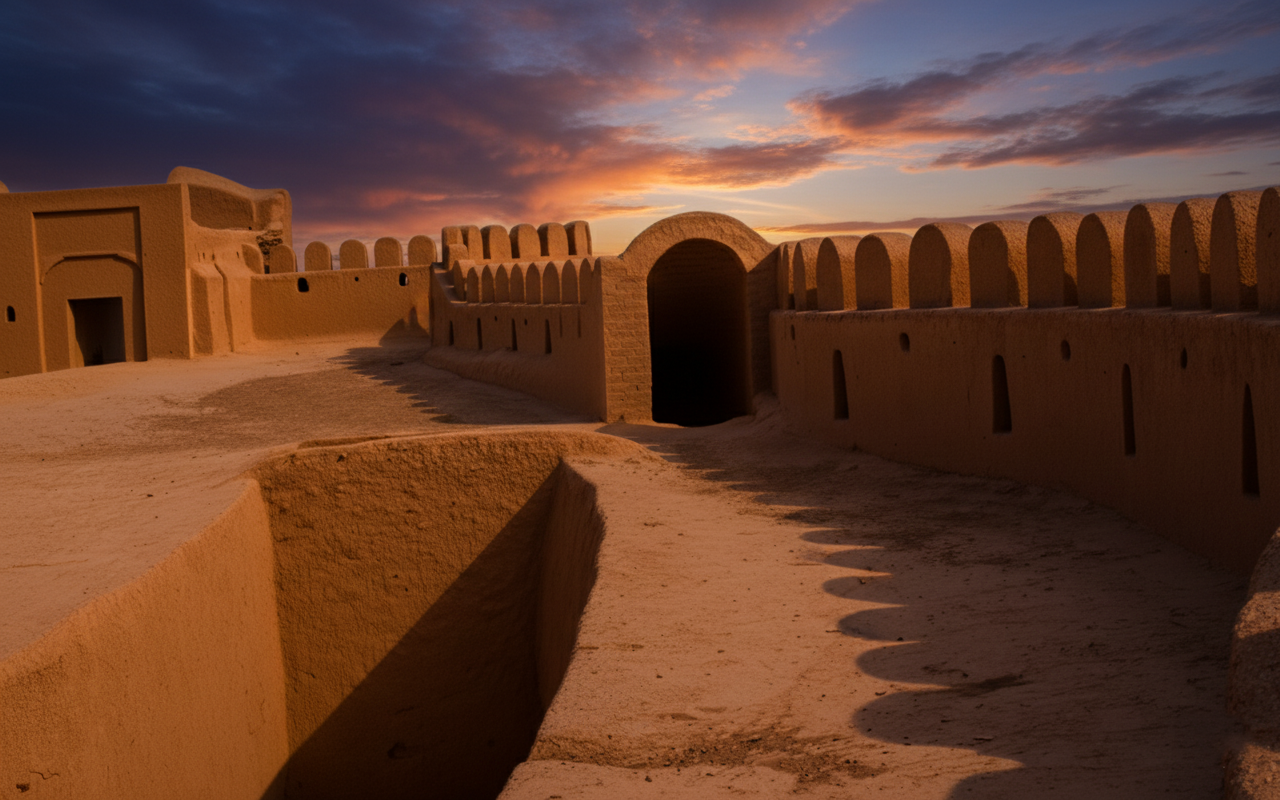
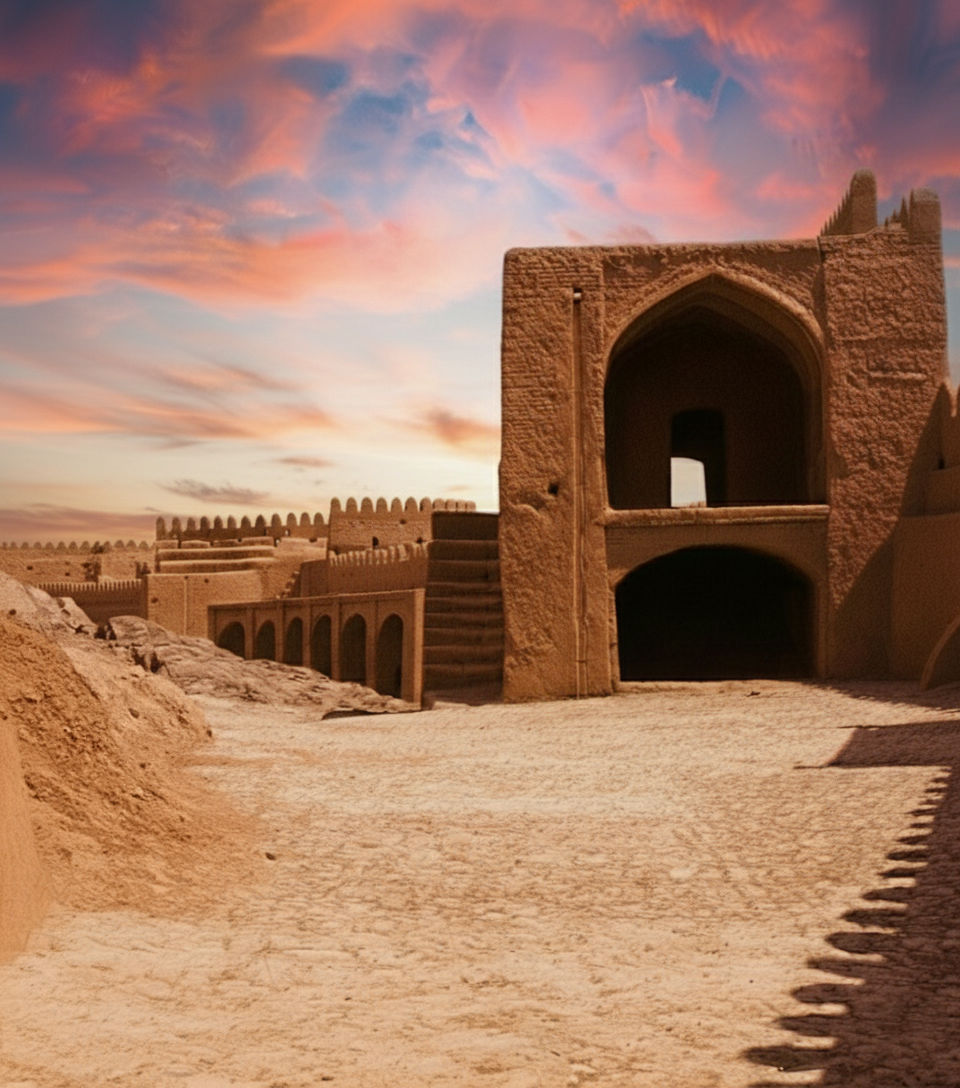
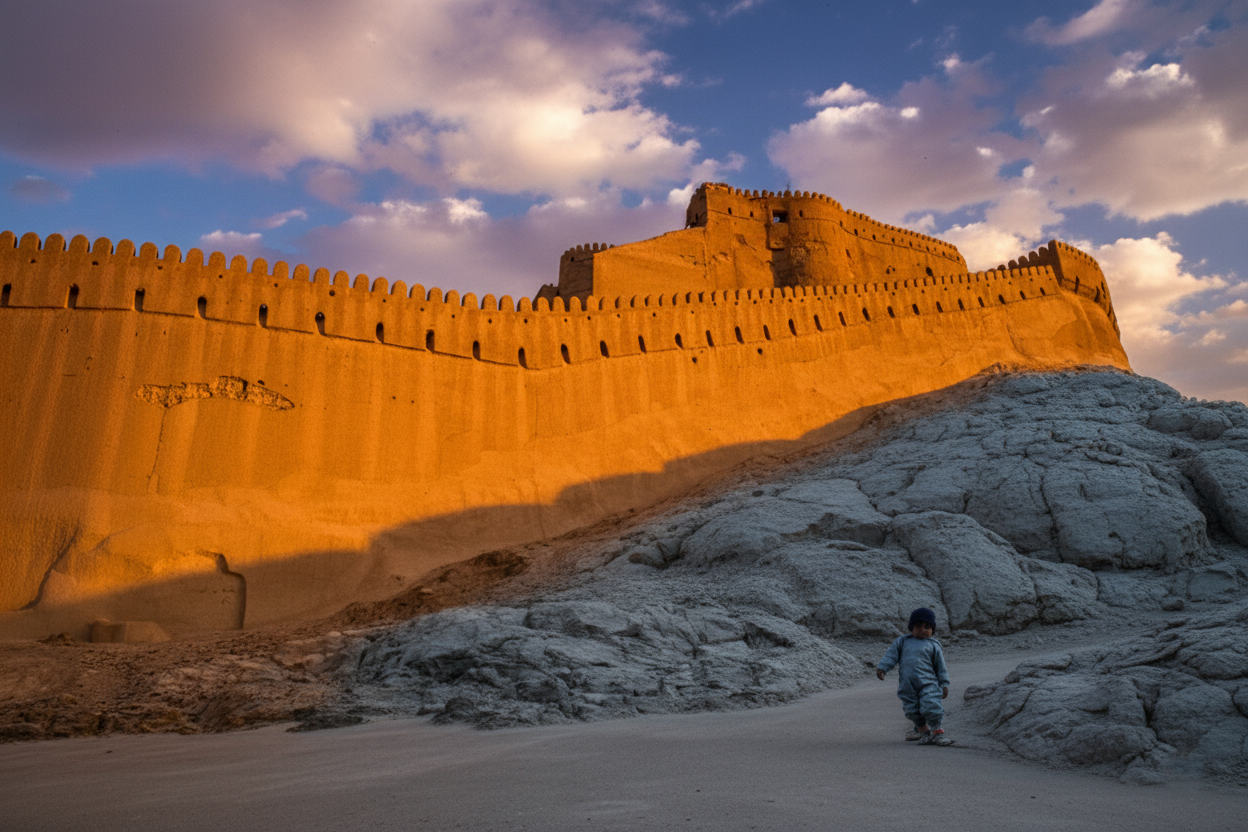
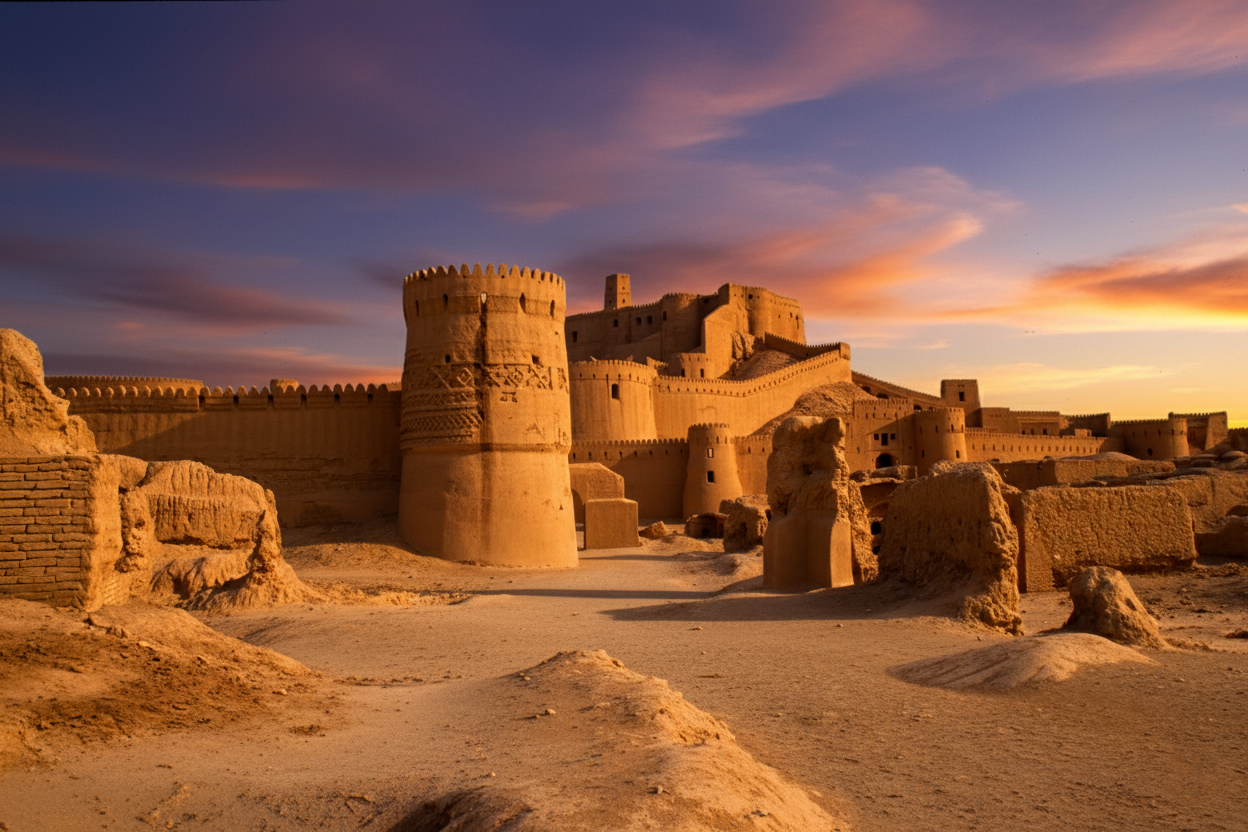
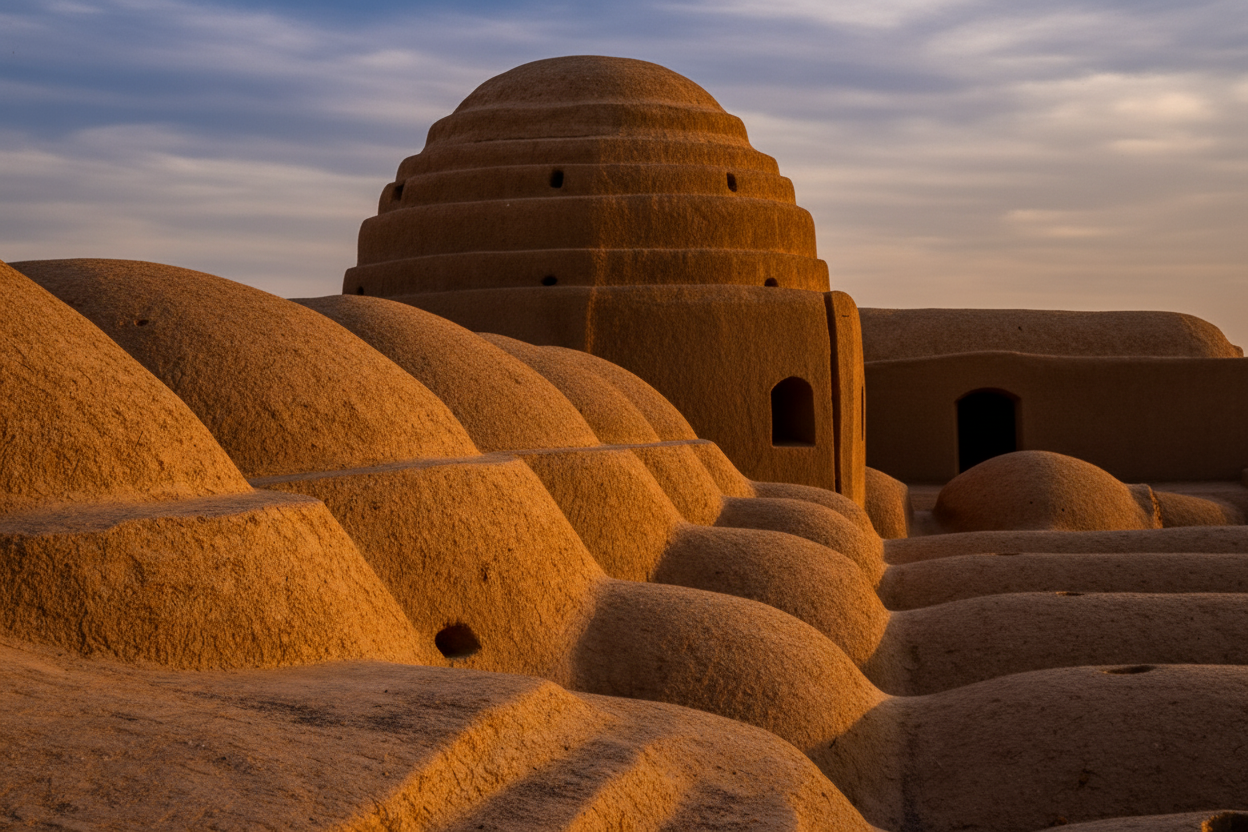
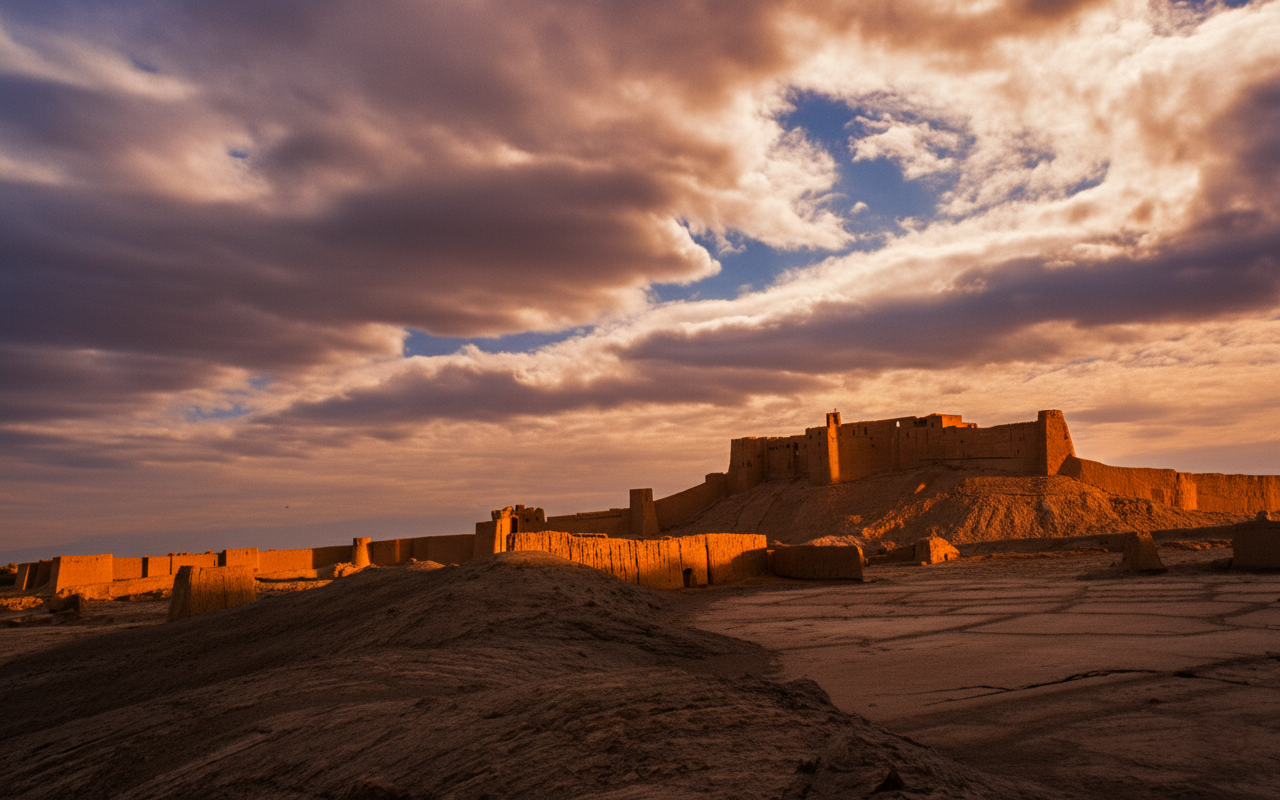
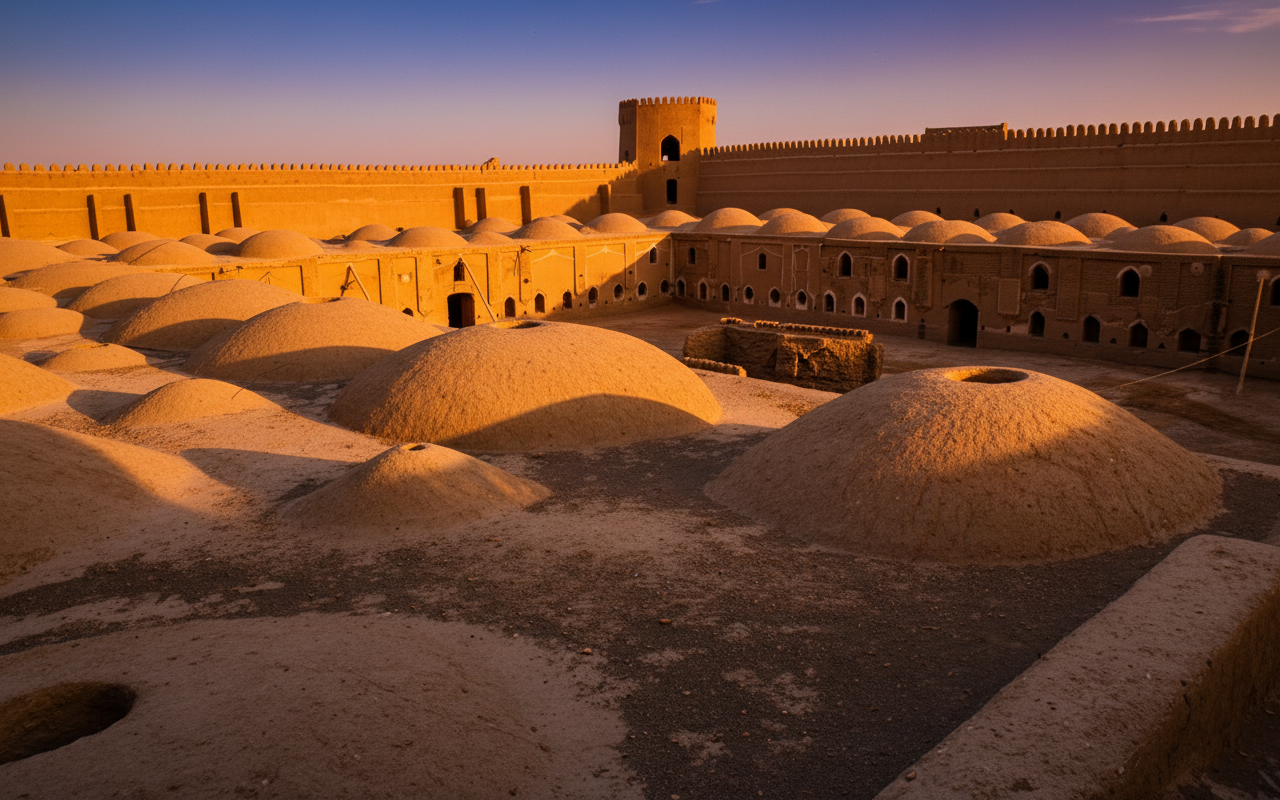
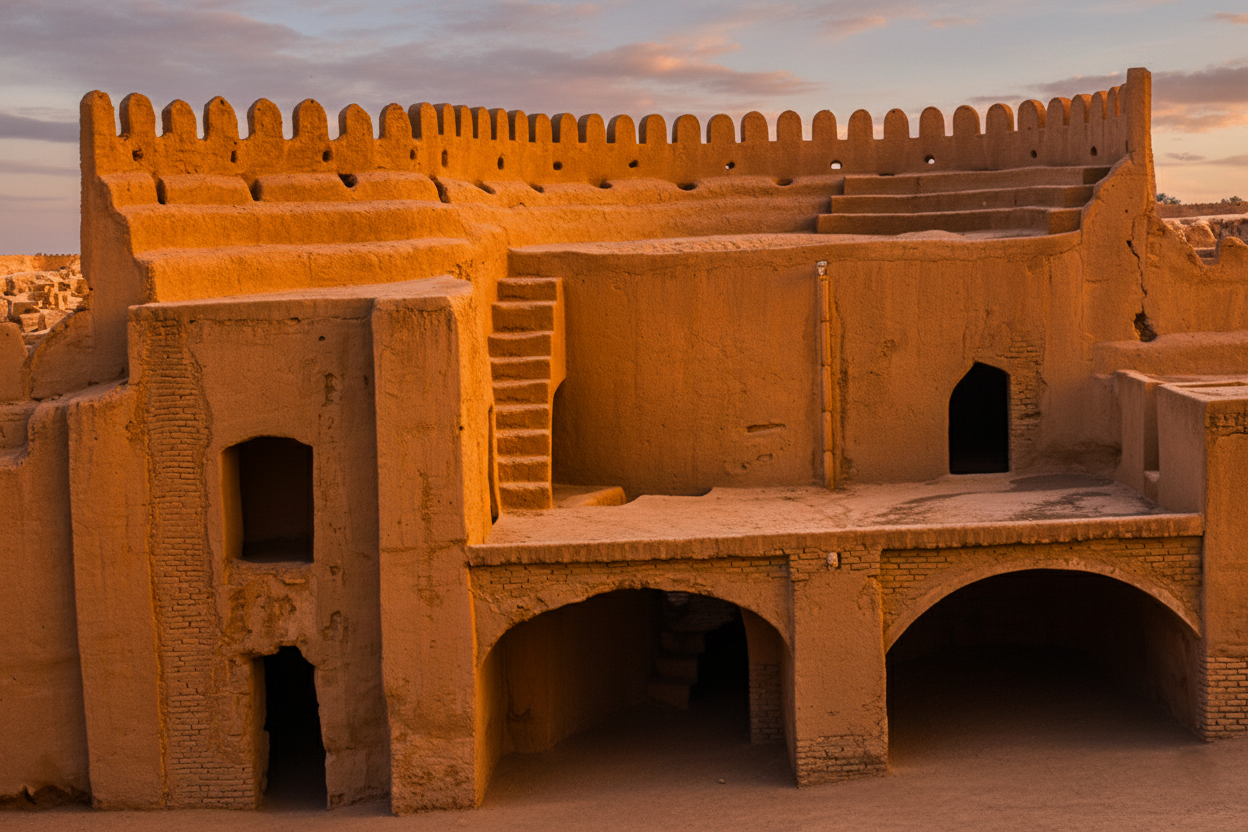
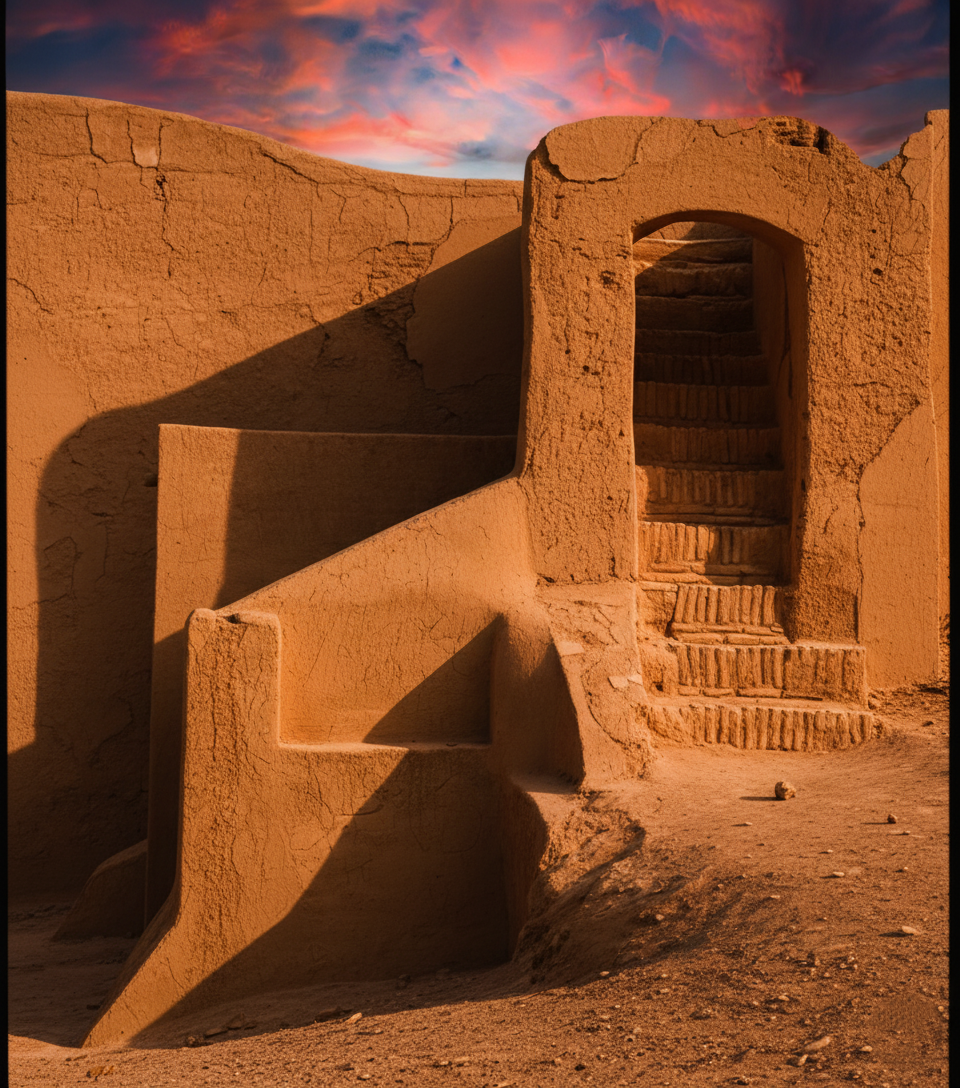
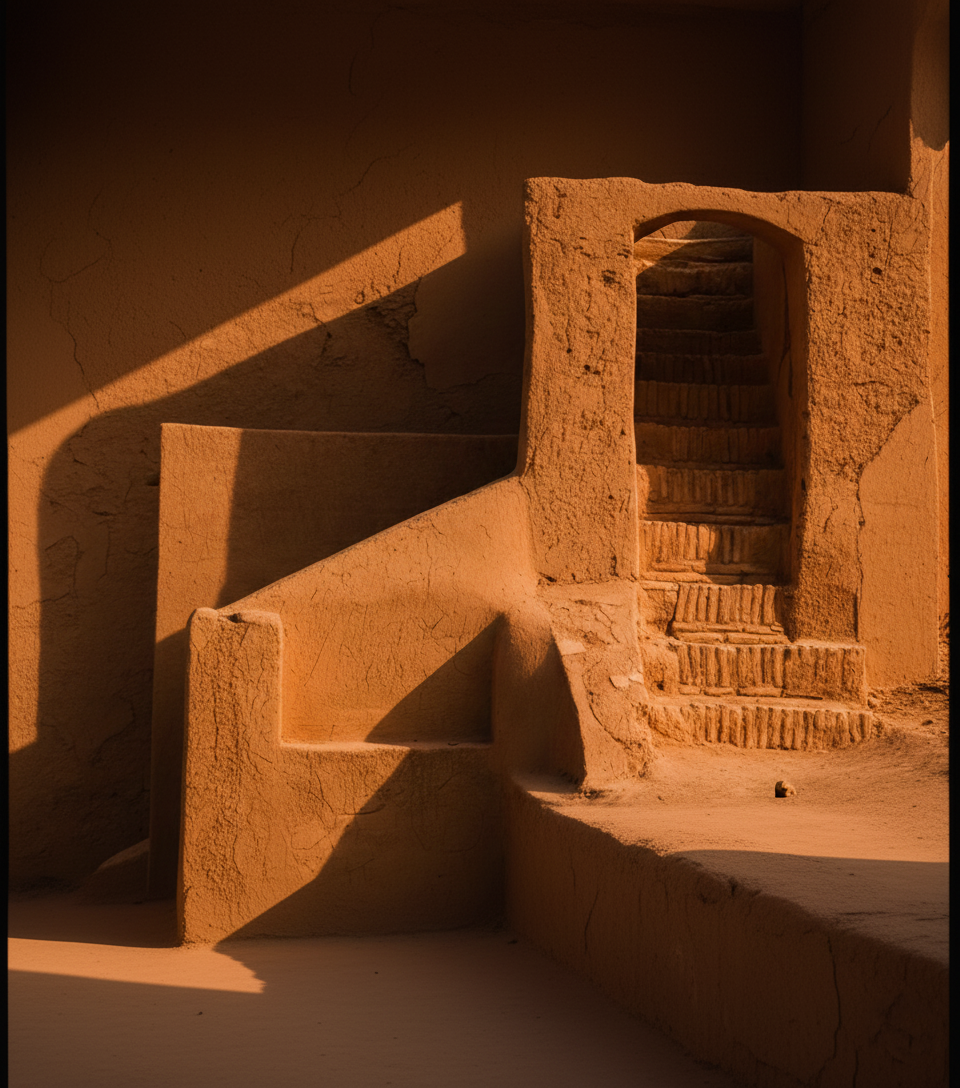
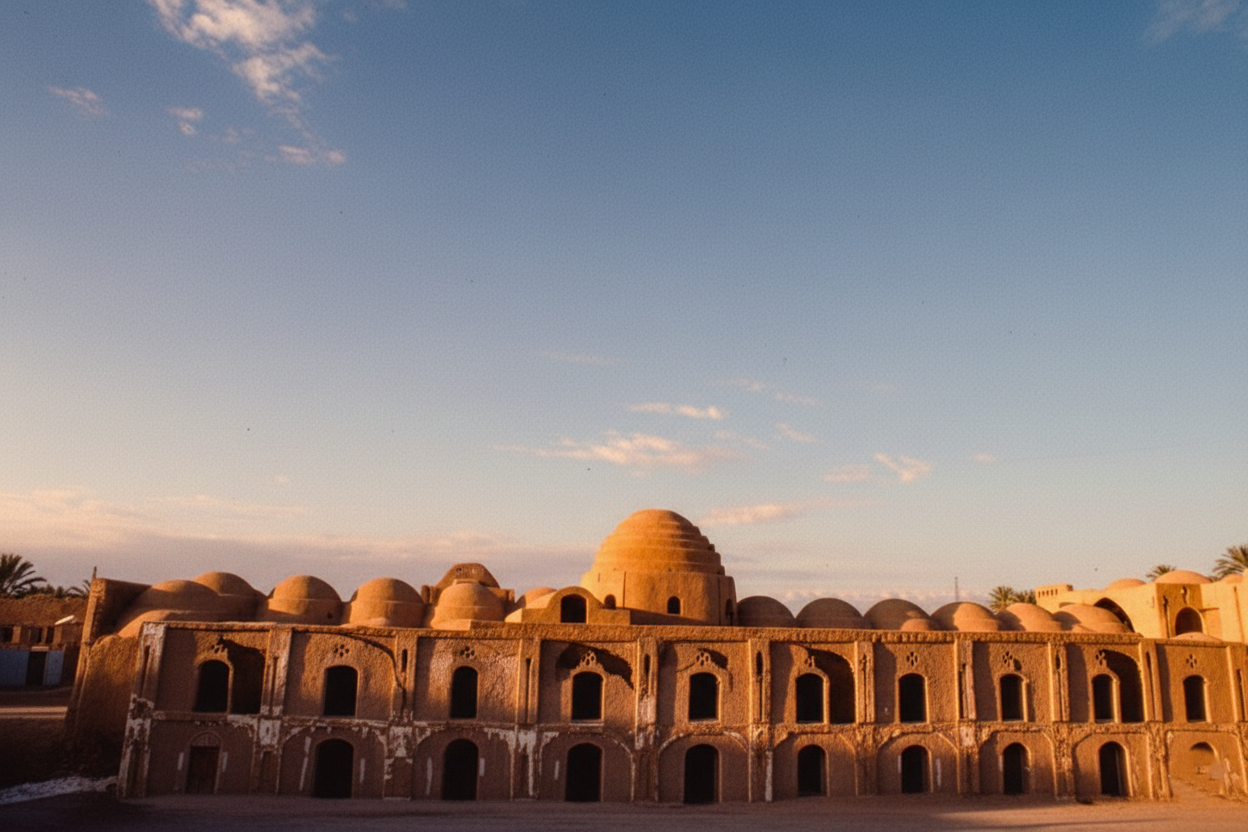
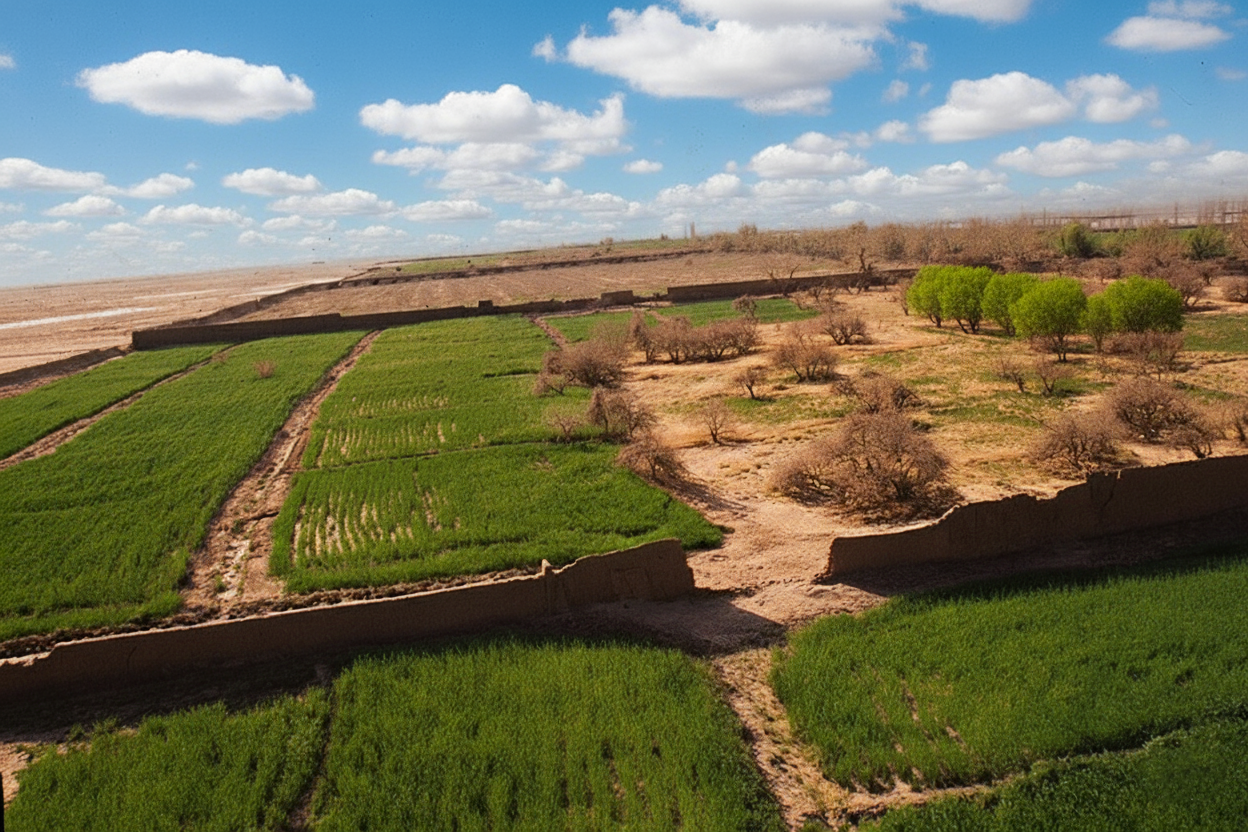
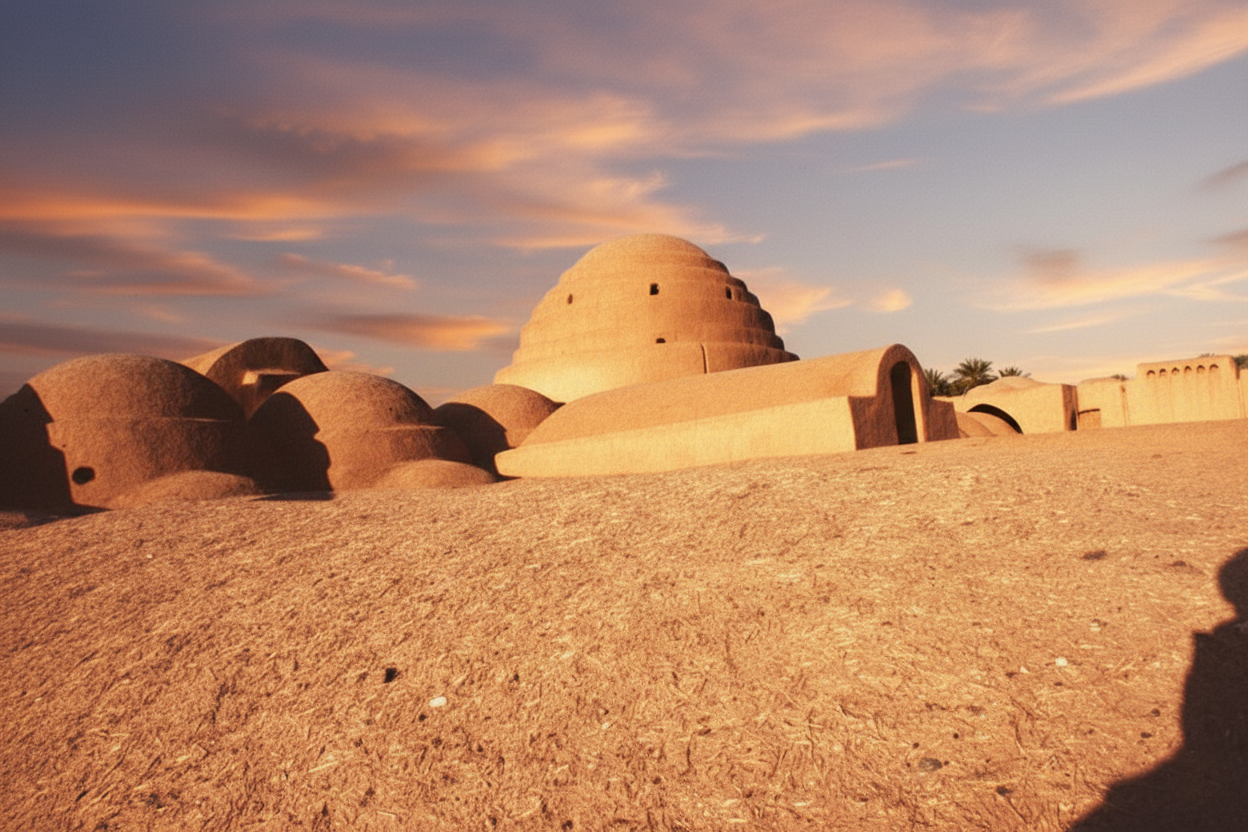
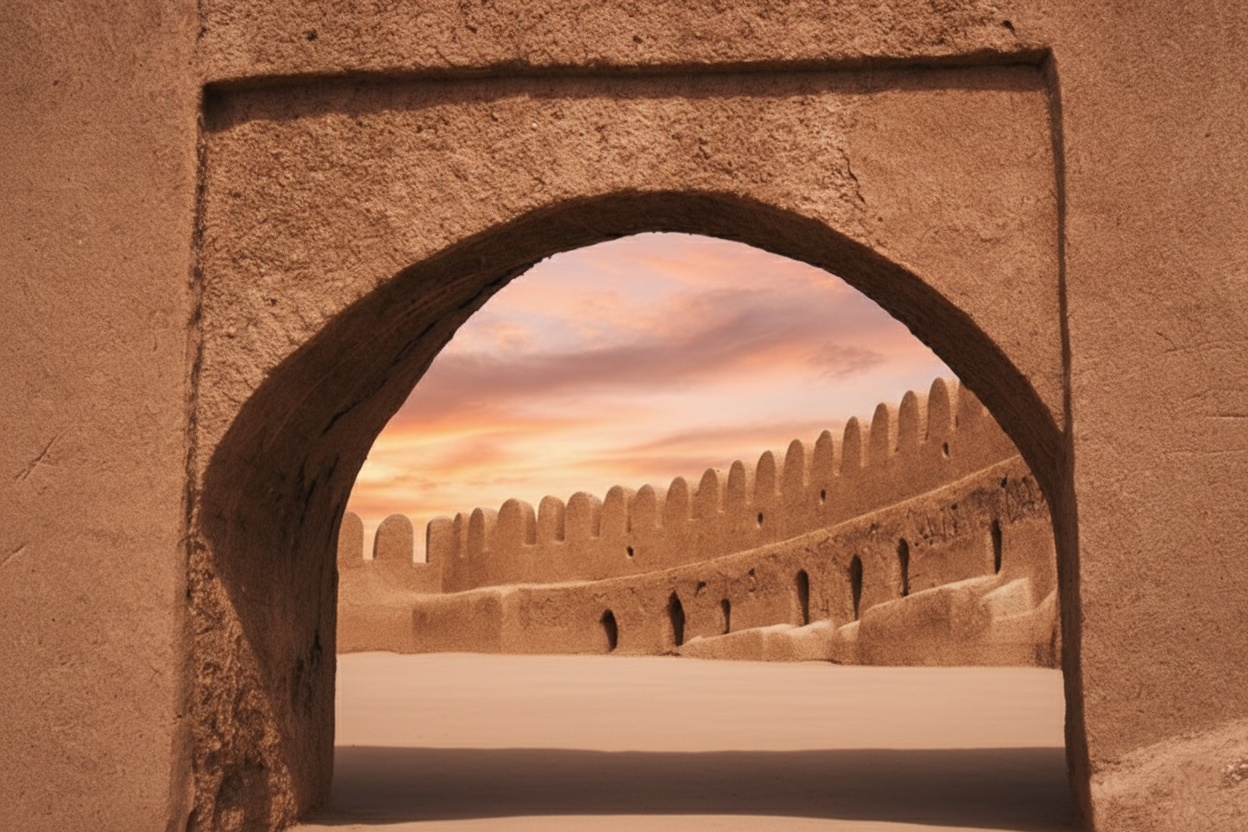
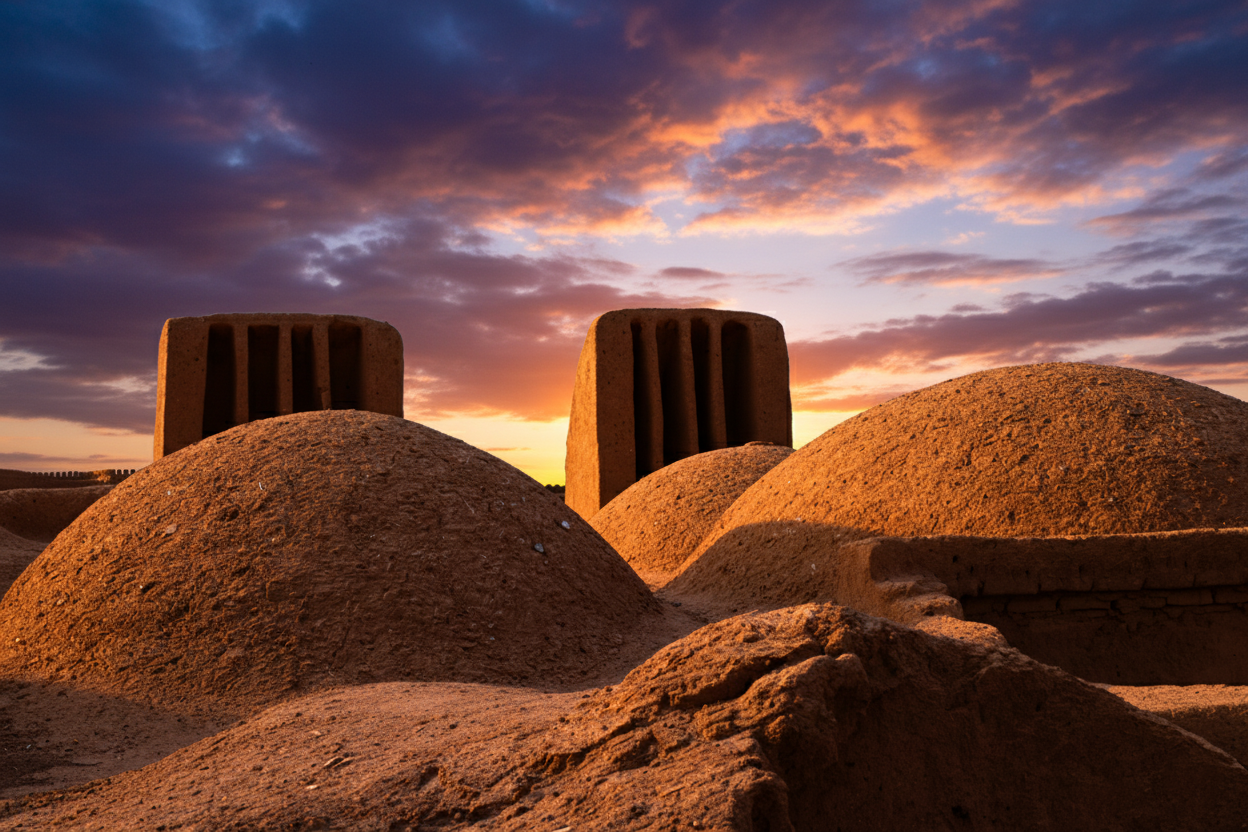
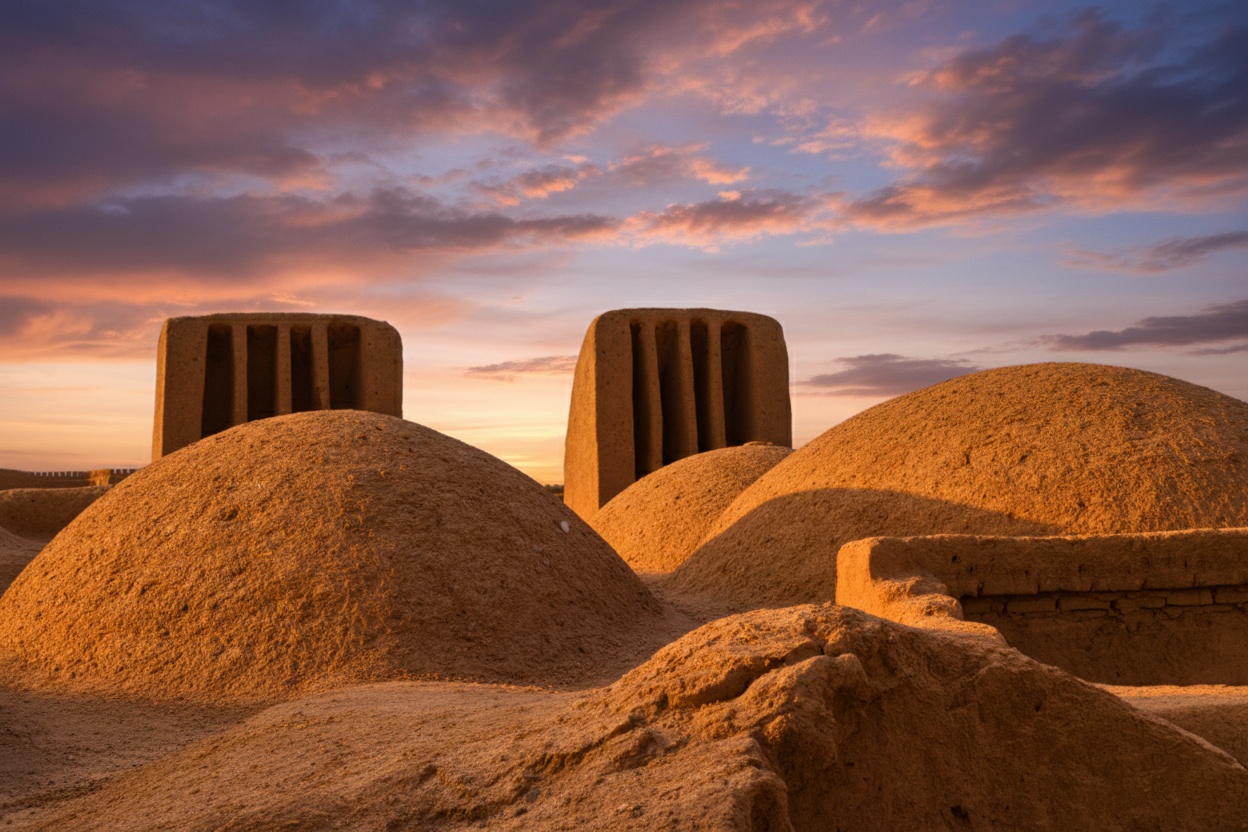
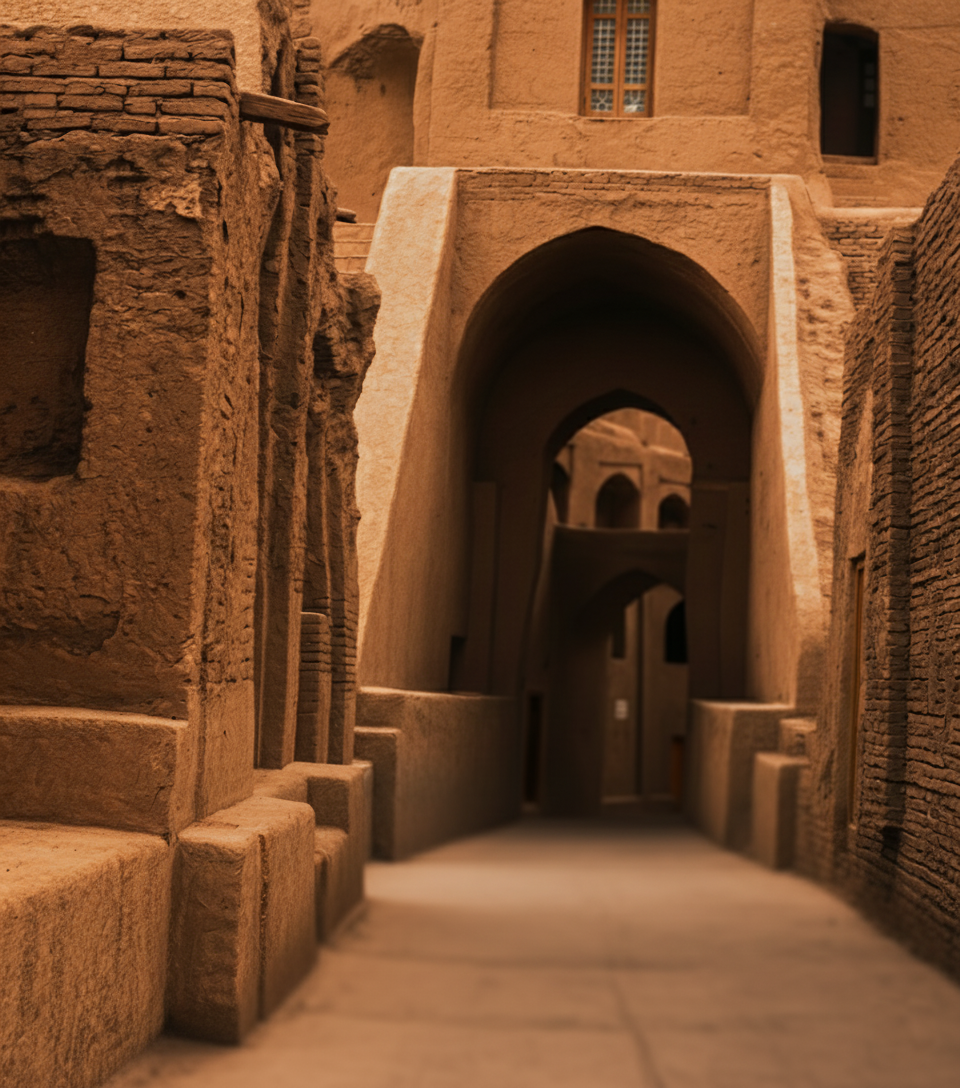
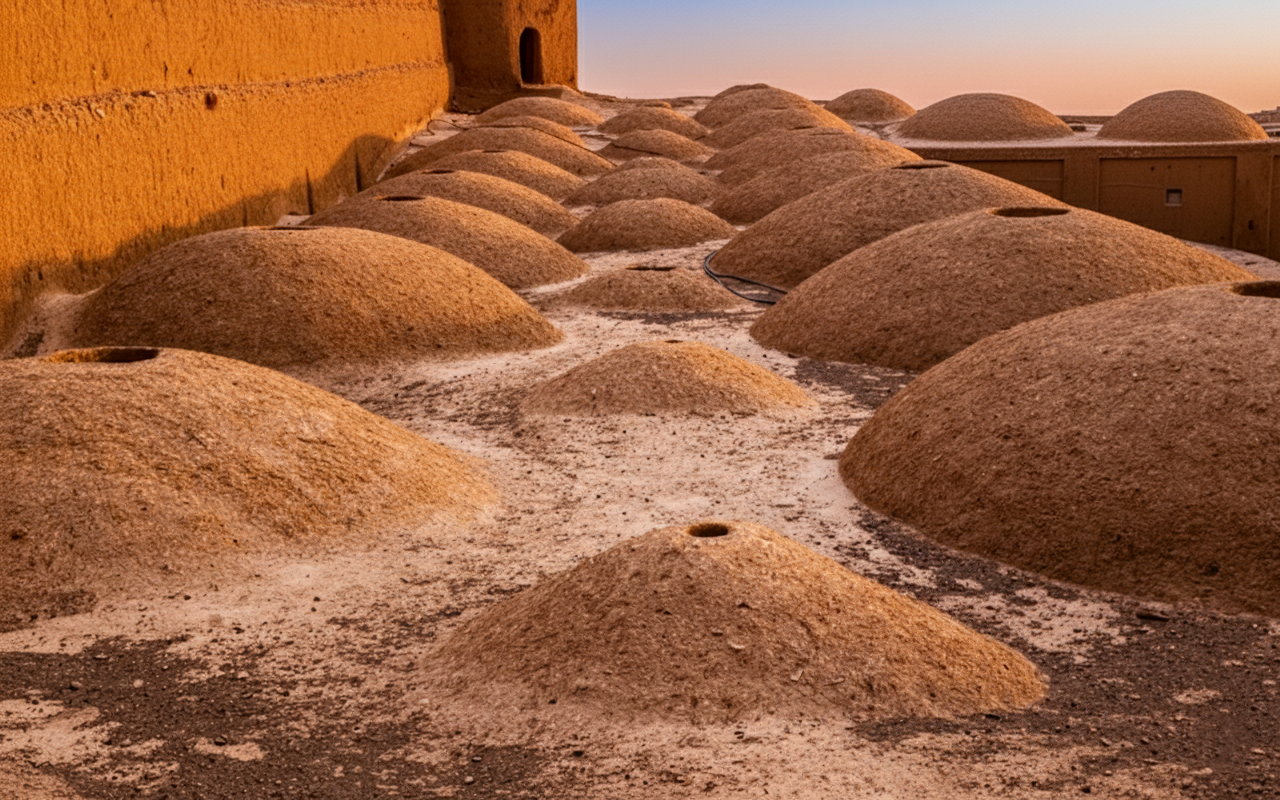
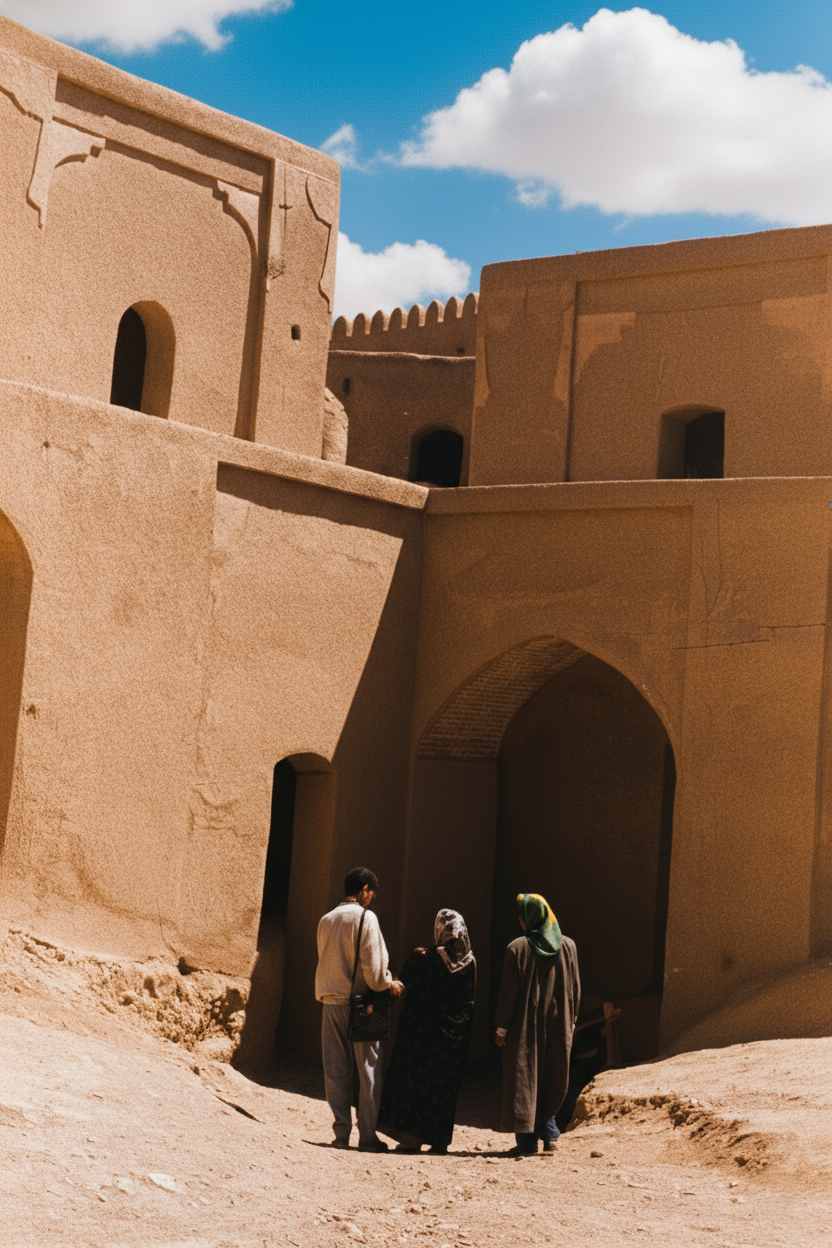
Arg-e Bam (ارگ بم), the world’s largest adobe citadel, functioned as a fortified Silk Road city from the 6th century BCE to 1850 CE. Built with khesht (خشت) and chineh (چینه), it used qanats (قنات) and badgirs (بادگیر) to adapt to the desert. A 2003 earthquake caused major damage; restoration followed UNESCO listing in 2004.
-
The Citadel of Bam (Arg-e Bam ارگِ بم) in Iran is the largest adobe structure in the world and serves as a prime example of monolithic, vernacular architecture designed for desert conditions. Covering approximately 180,000 square meters, this UNESCO World Heritage site served as a fortified city along the Silk Road from the Achaemenid period in the 6th century BC until its abandonment in 1850 AD.
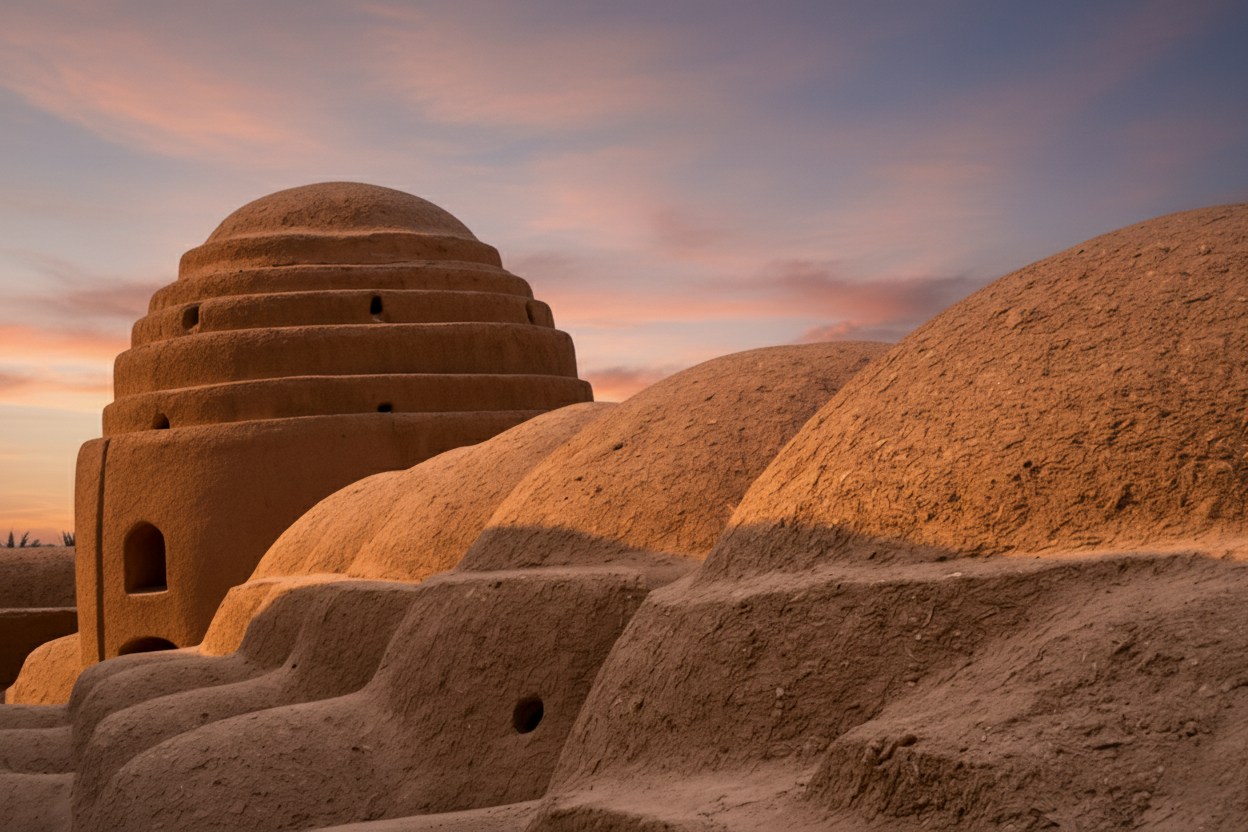
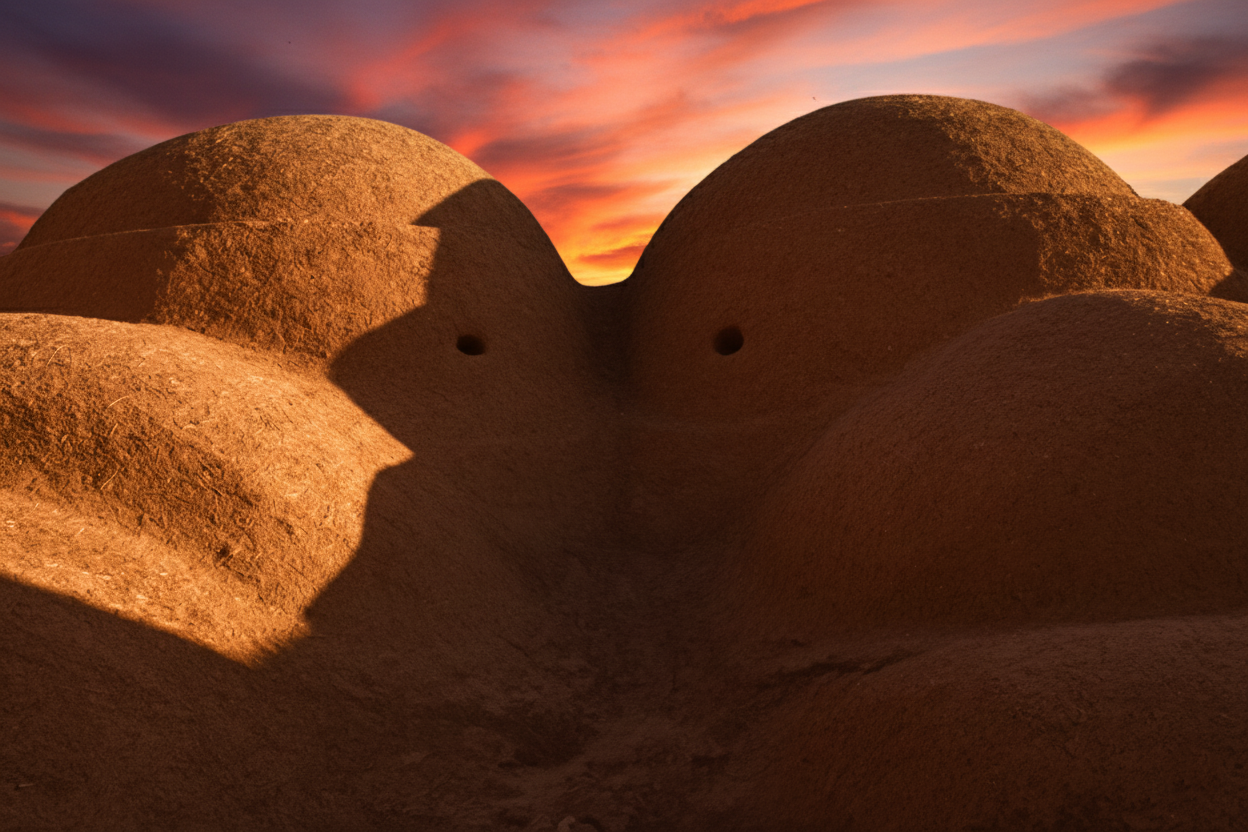
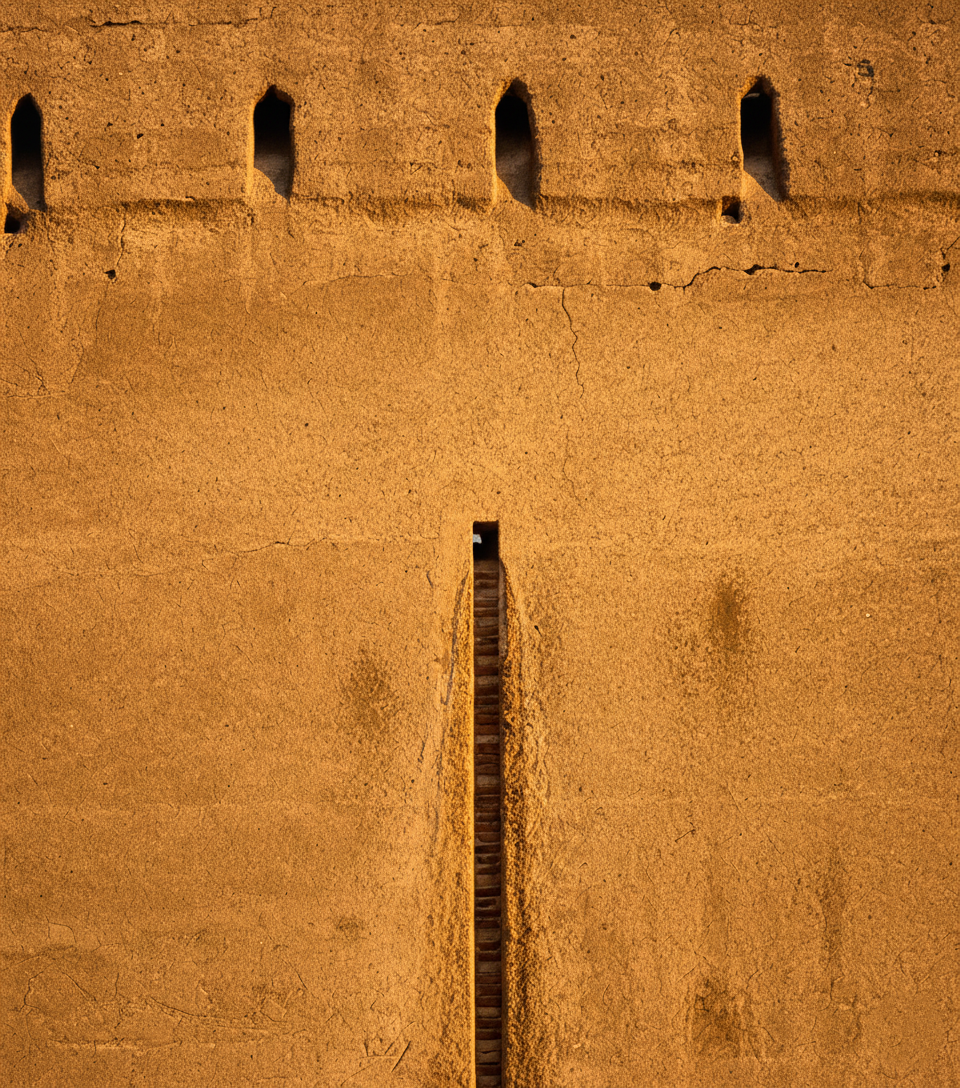
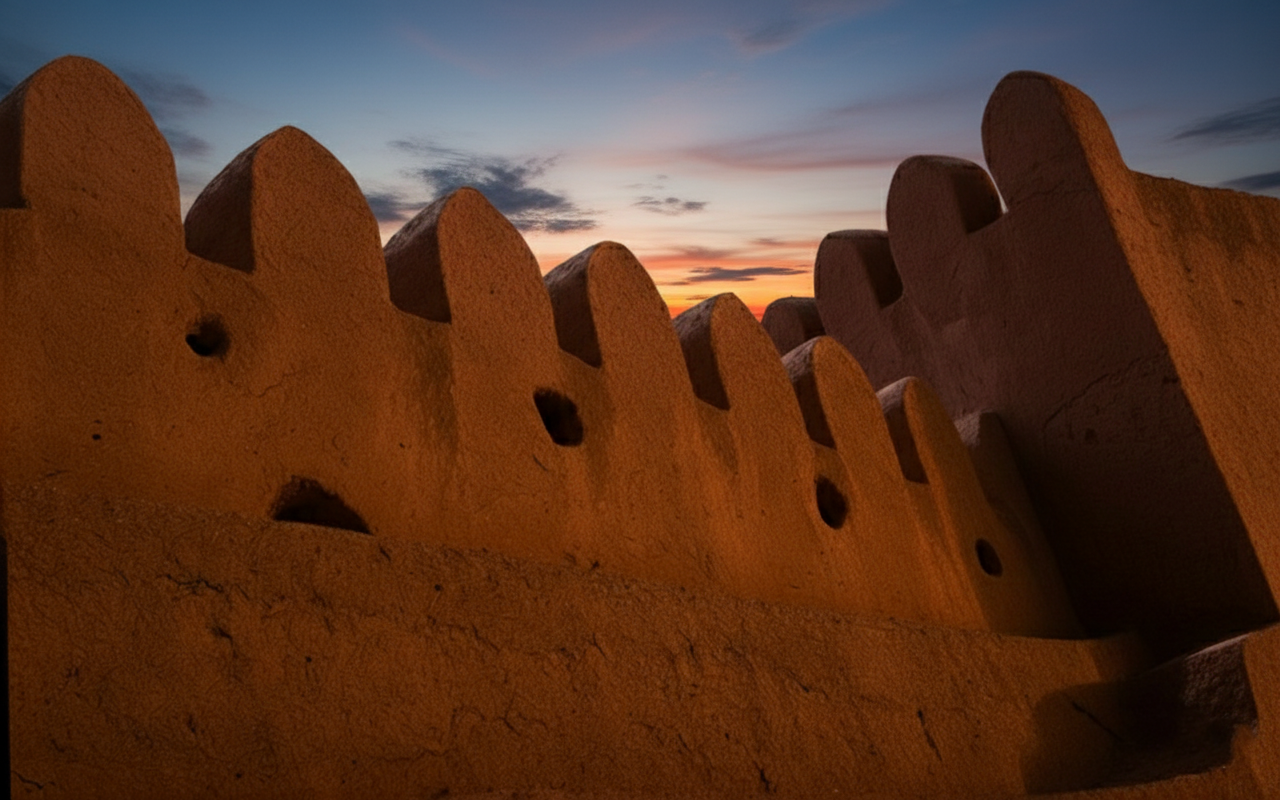
Key architectural features include the use of monolithic materials: the entire city—encompassing a 1,815-meter-long perimeter wall, 67 watchtowers, and various internal structures such as homes, bazaars, and mosques—was constructed from earth, mud-brick (known as khesht خشت), and layered mud (referred to as chineh چینه). The design employs vernacular techniques well-suited to the dry climate, featuring thick walls that provide thermal insulation, wind towers (badgirs) for cooling, and domes that enhance structural integrity.
Additionally, the citadel’s sustainability was supported by an advanced underground water supply system known as qanāts (قنات), with some of the oldest examples found in Bam. Site selection was primarily driven by the landscape's geography, which features a flat desert plain terminating in a substantial rock formation. The urban layout utilizes this topography to distinguish the residential 'lower city' from the 'higher city.' Consequently, the elevated ground is reserved for the governmental quarter, housing the governor’s residence and key towers.
Historically, Bam was a significant trade hub between the 7th and 11th centuries, known for high-quality silk and cotton garments. It was more than just a fortress; the Arg-e Bam functioned as a fully developed urban center, complete with stables, schools, and public baths.
Tragically, on December 26, 2003, a devastating 6.6 magnitude earthquake damaged nearly 80% of the citadel. Since then, extensive international collaboration—featuring contributions from Japan, Italy, and France—has aimed to restore the site using traditional materials and techniques. In recognition of its cultural and historical significance, "Bam and its Cultural Landscape" was inscribed as a World Heritage Site in 2004. The site stands as an outstanding example of an ancient fortified settlement, showcasing its resilience and enduring cultural importance despite the challenges posed by natural disasters.
