The Hidden Foundations of Iranian Architecture
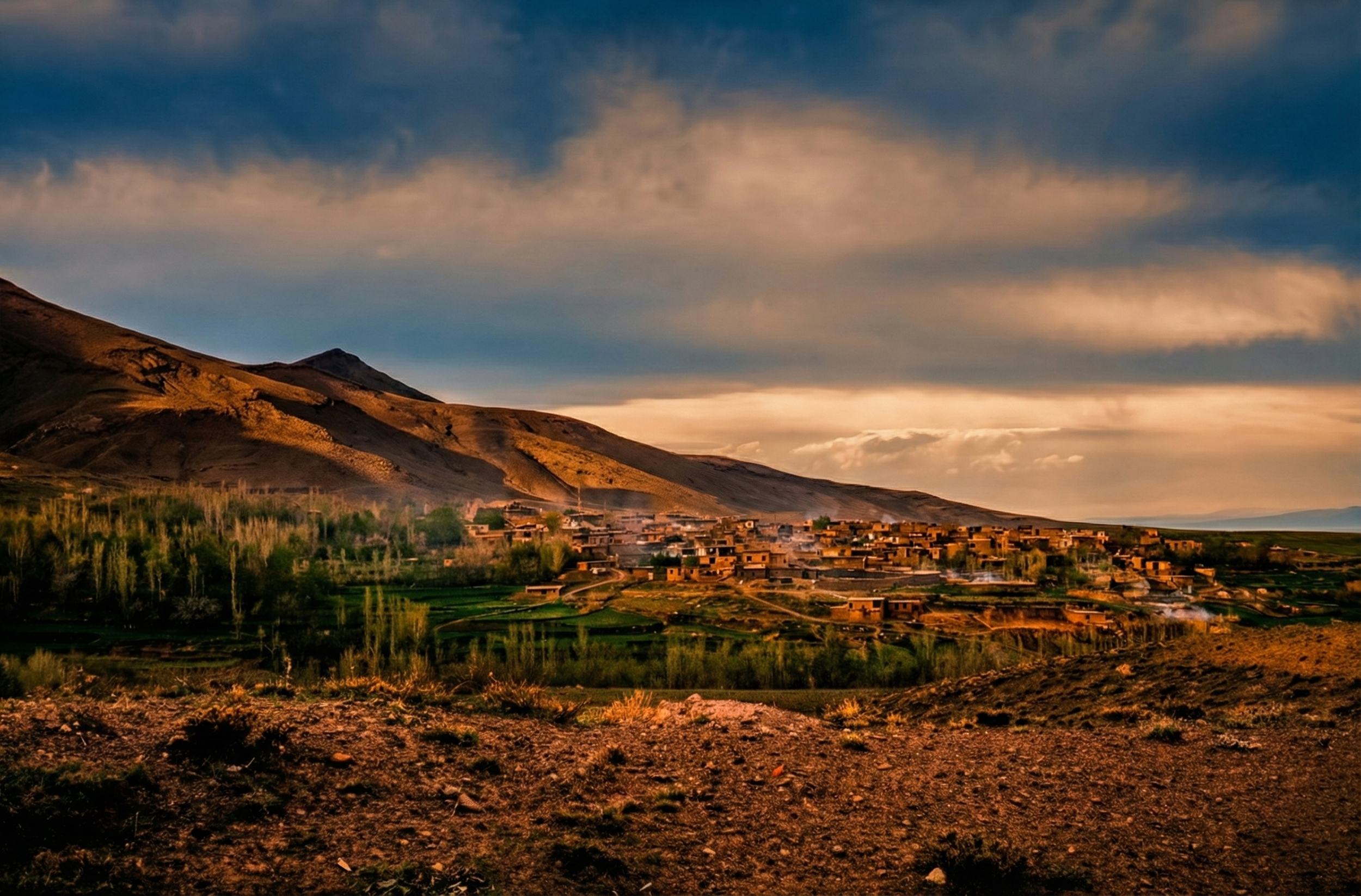
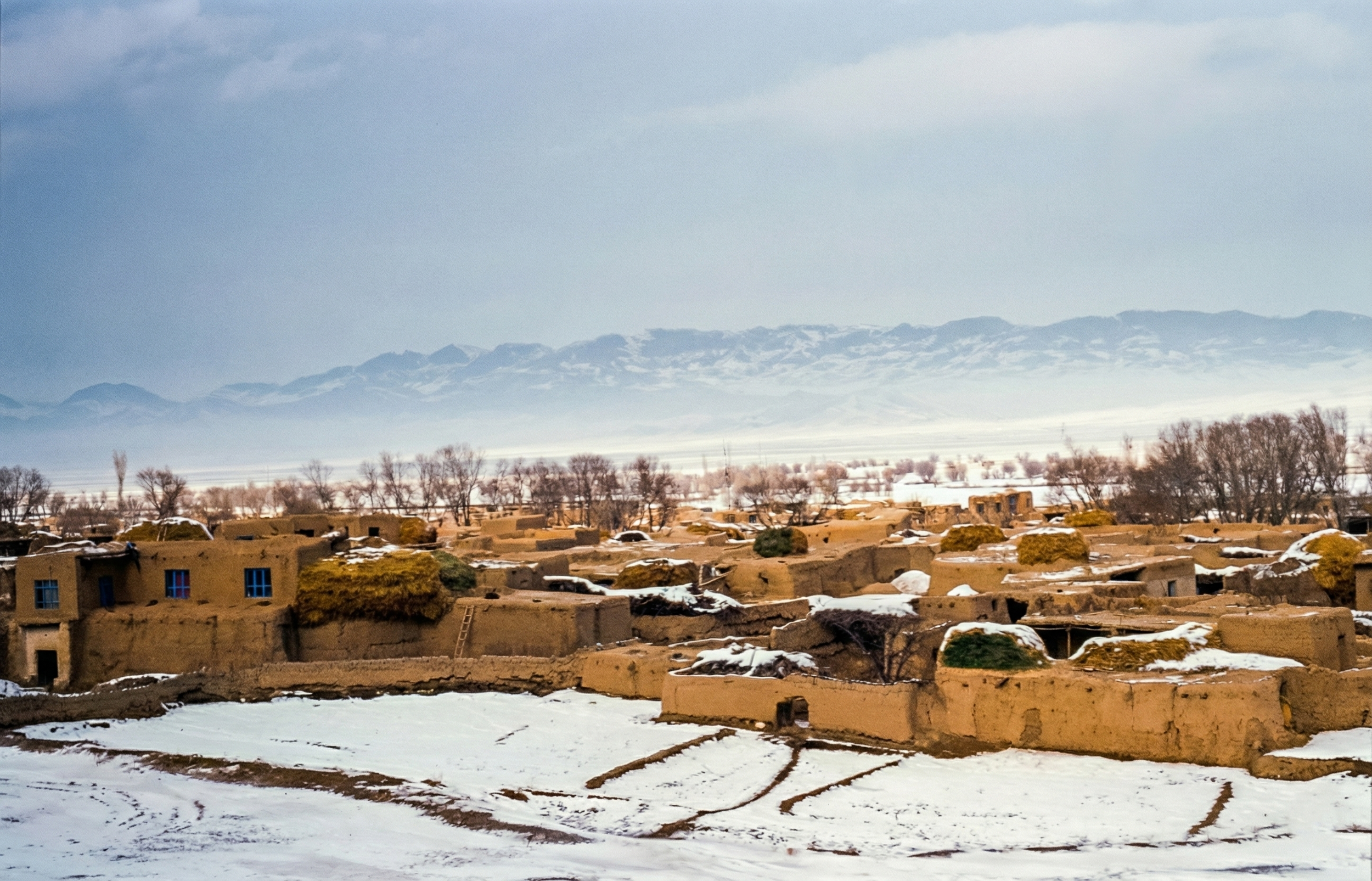
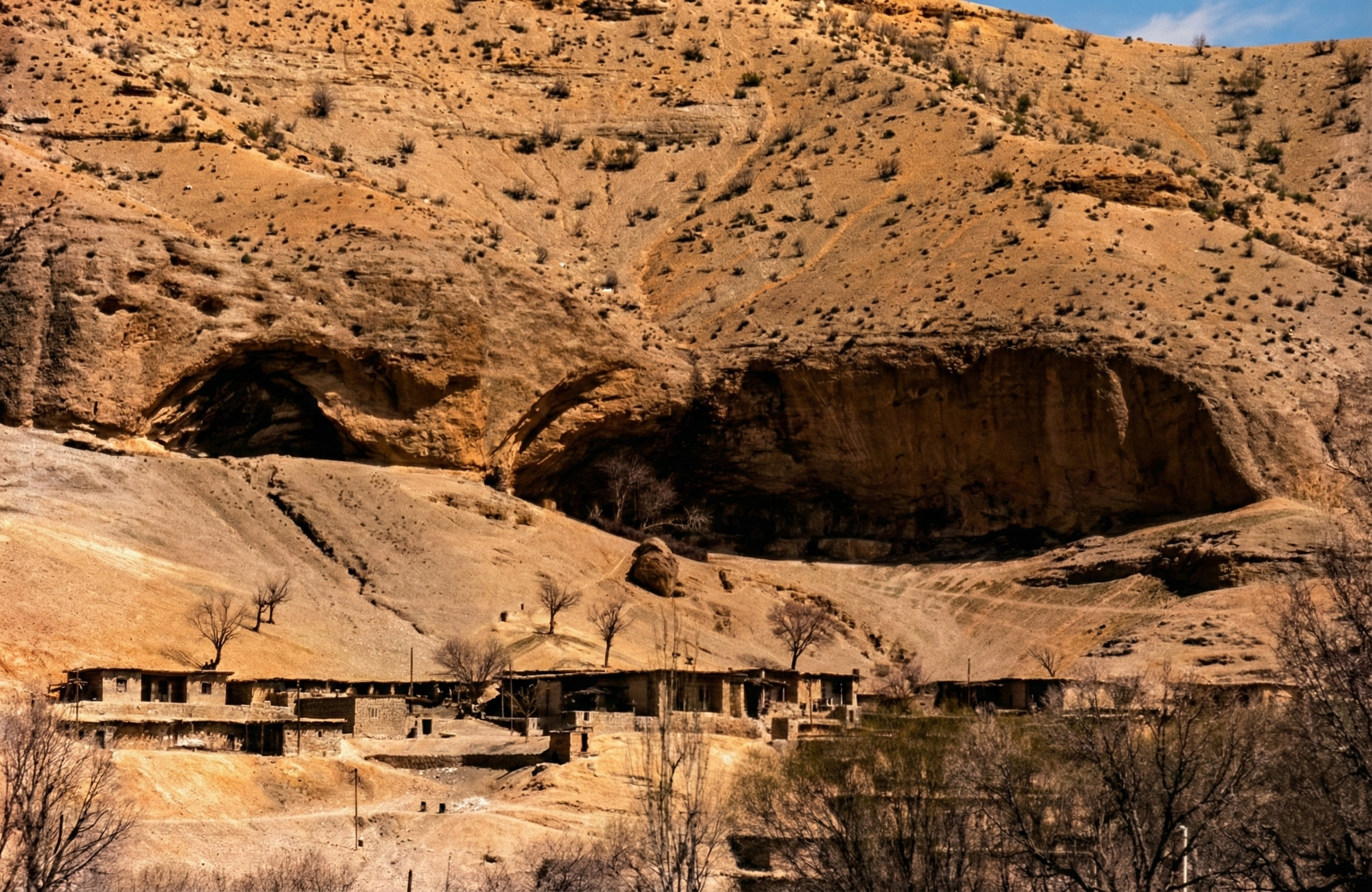
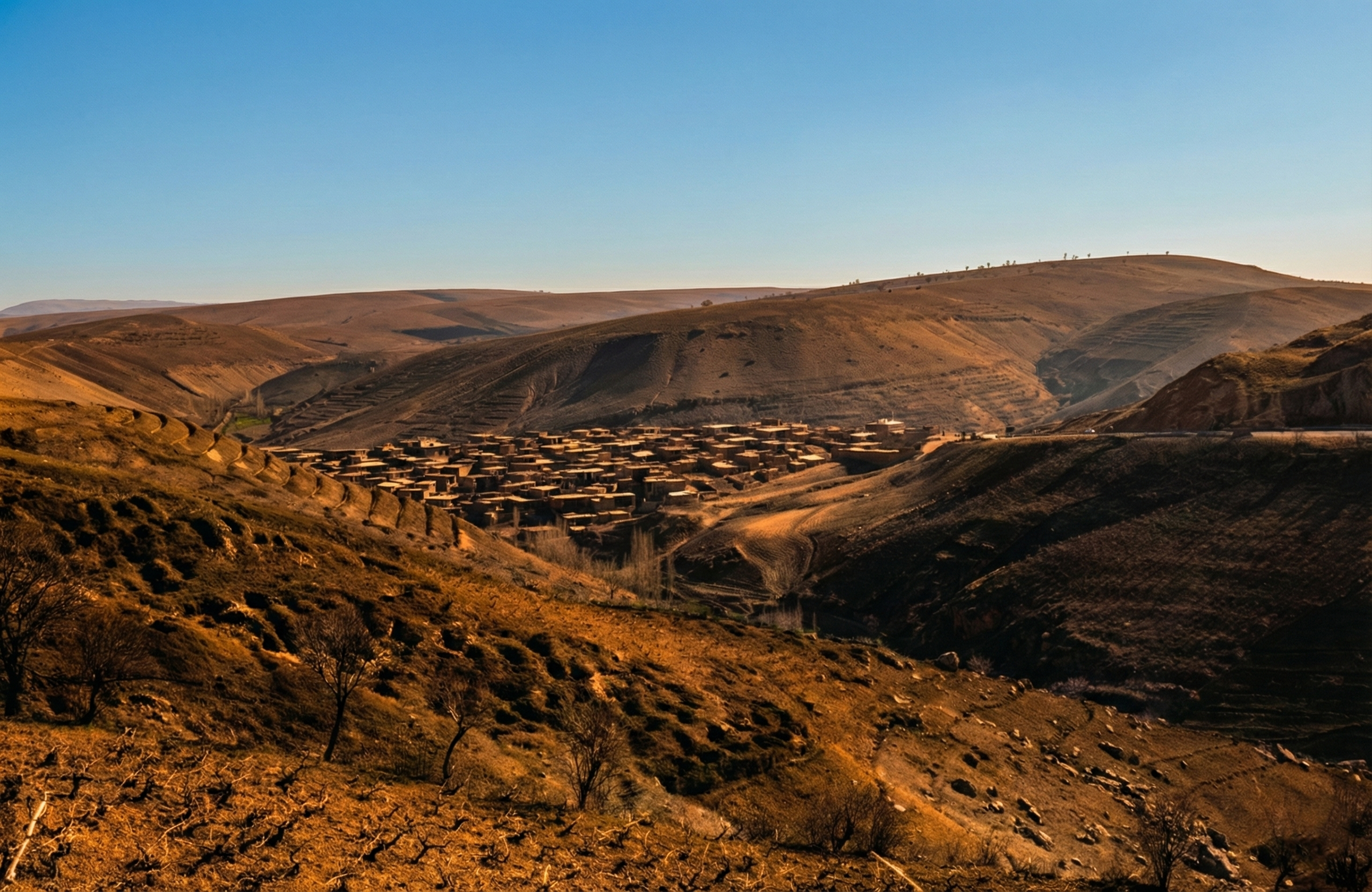
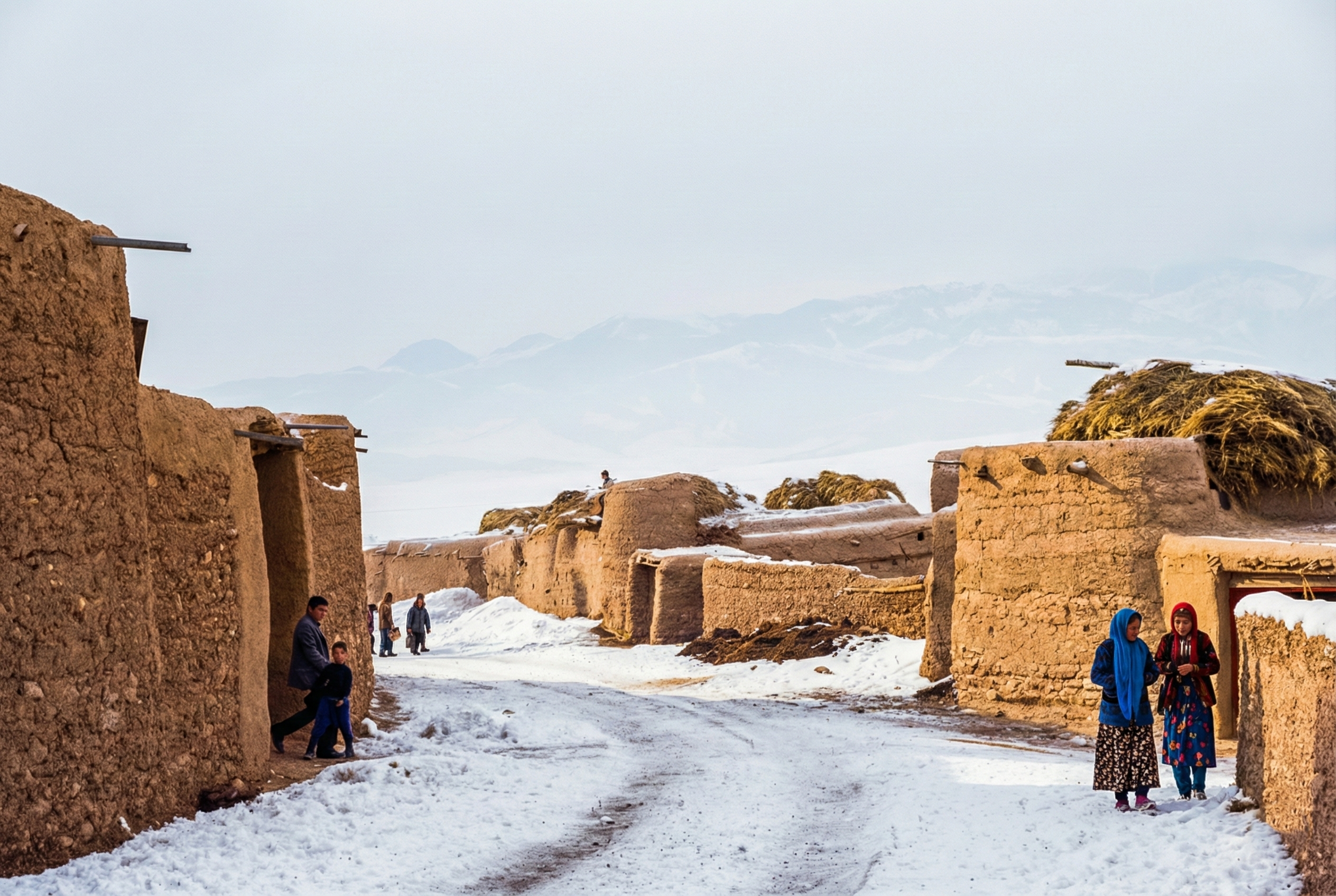
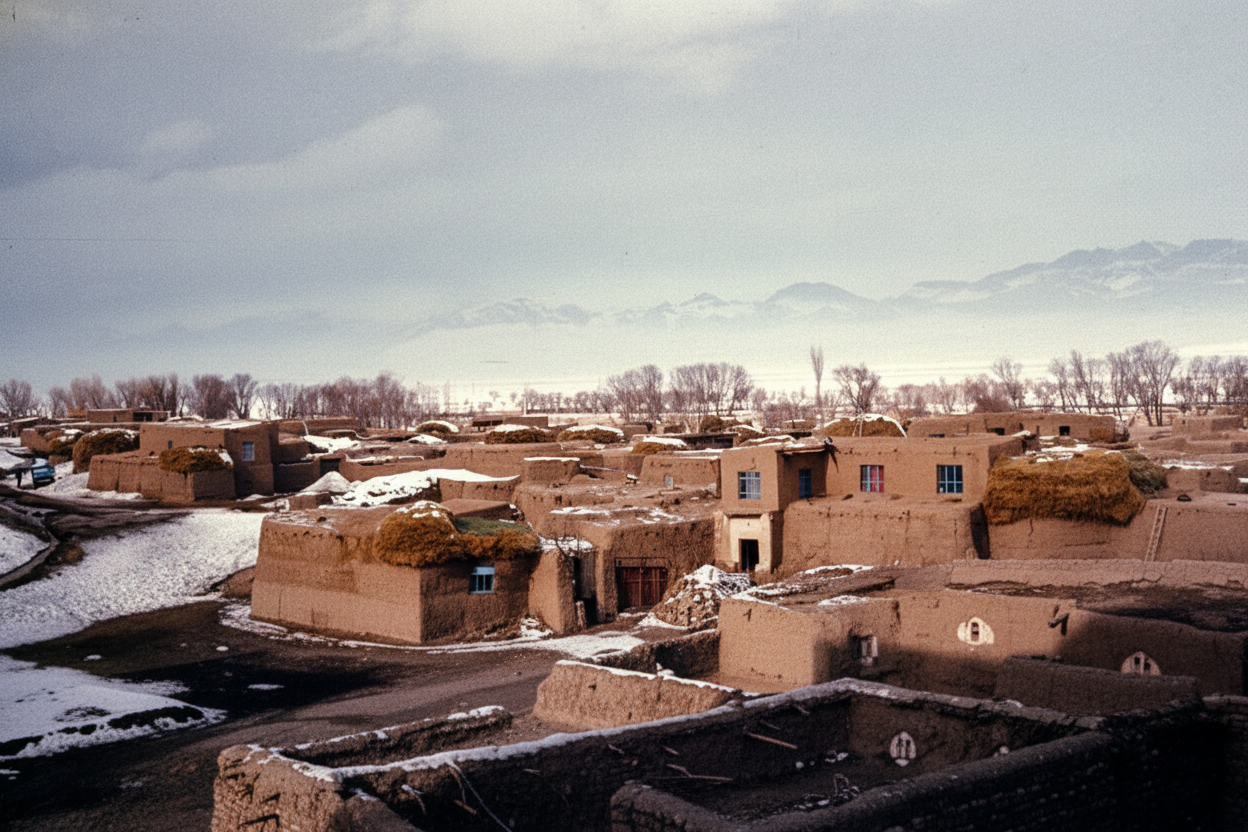
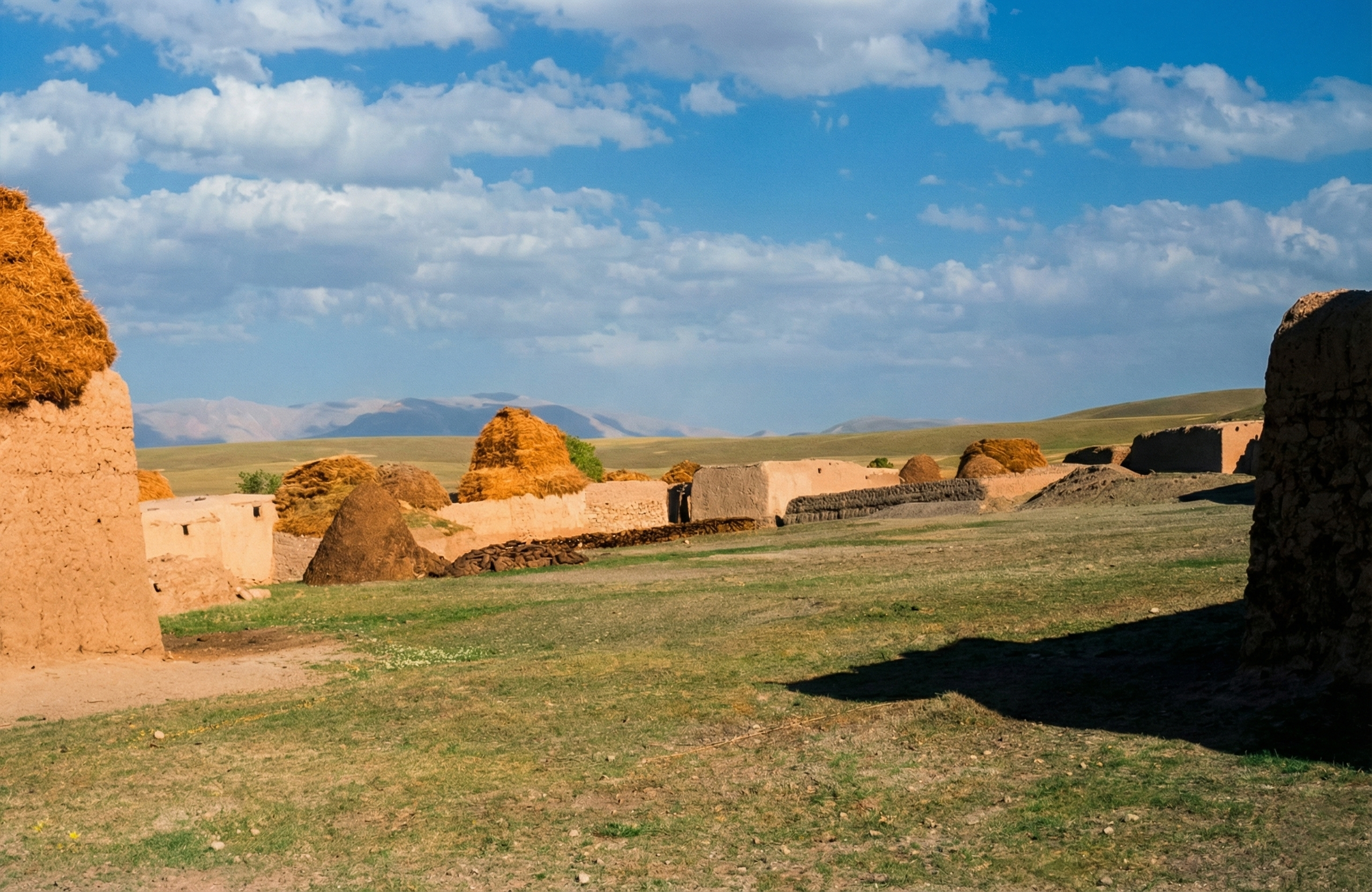
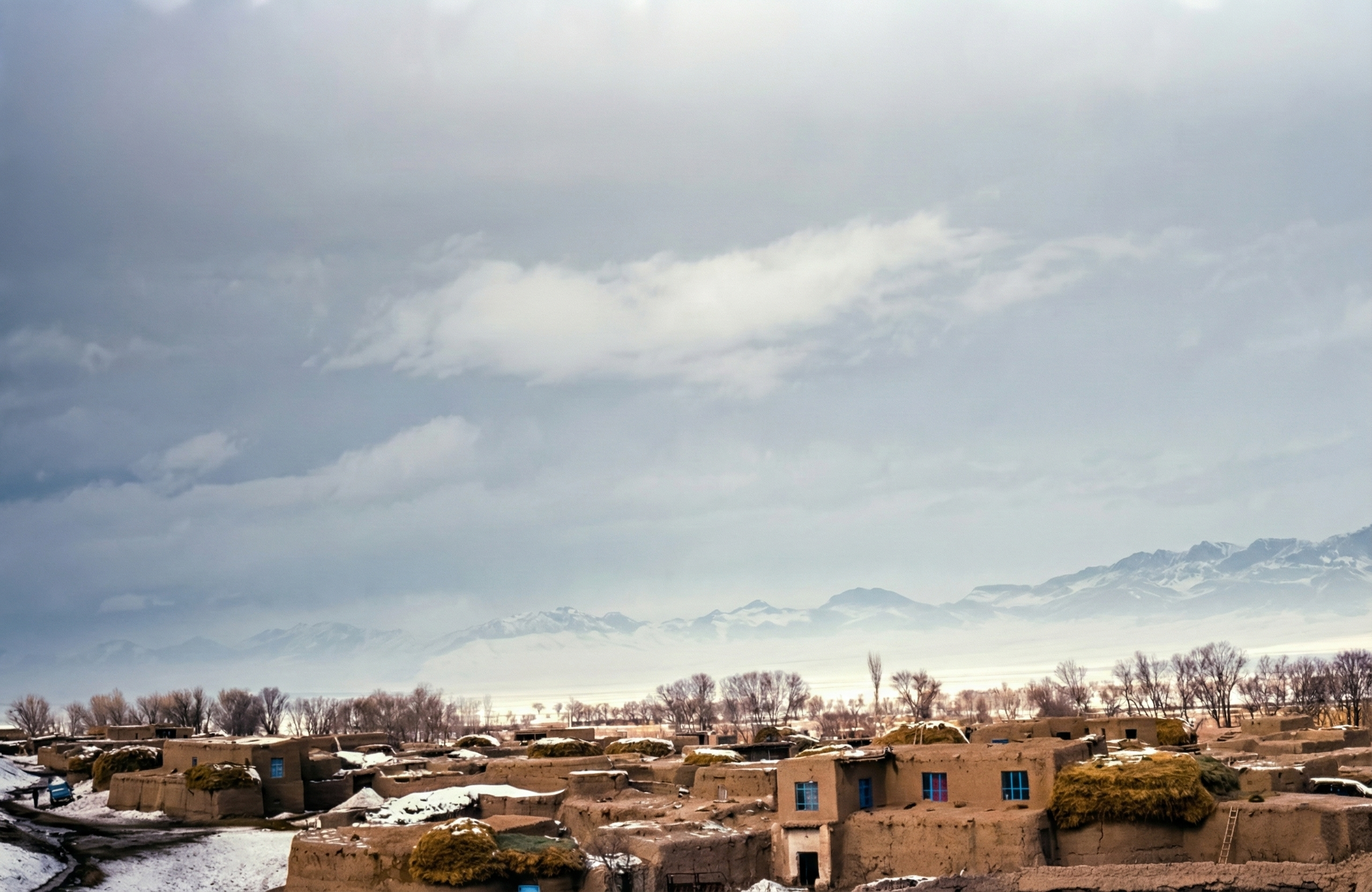
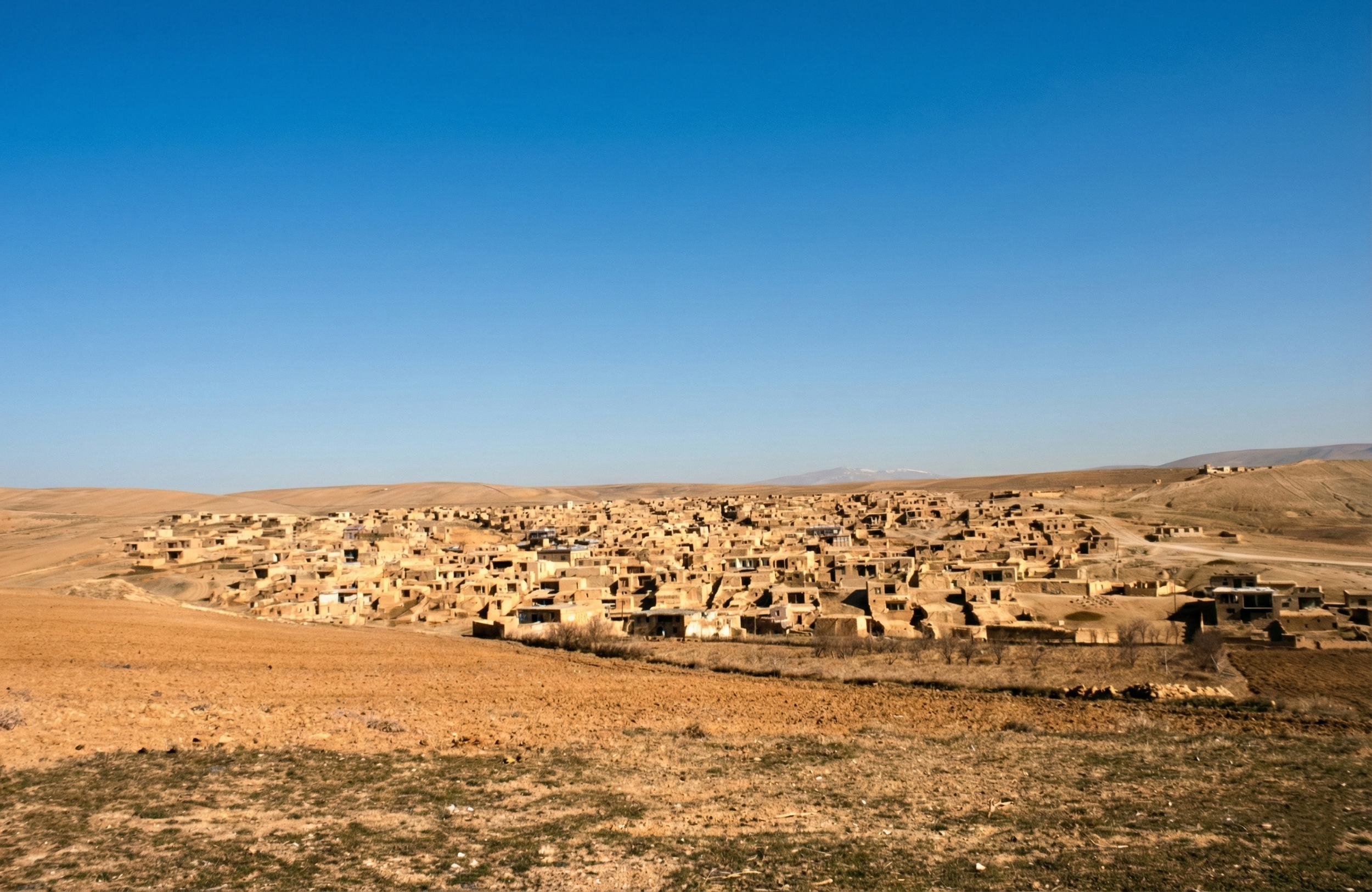
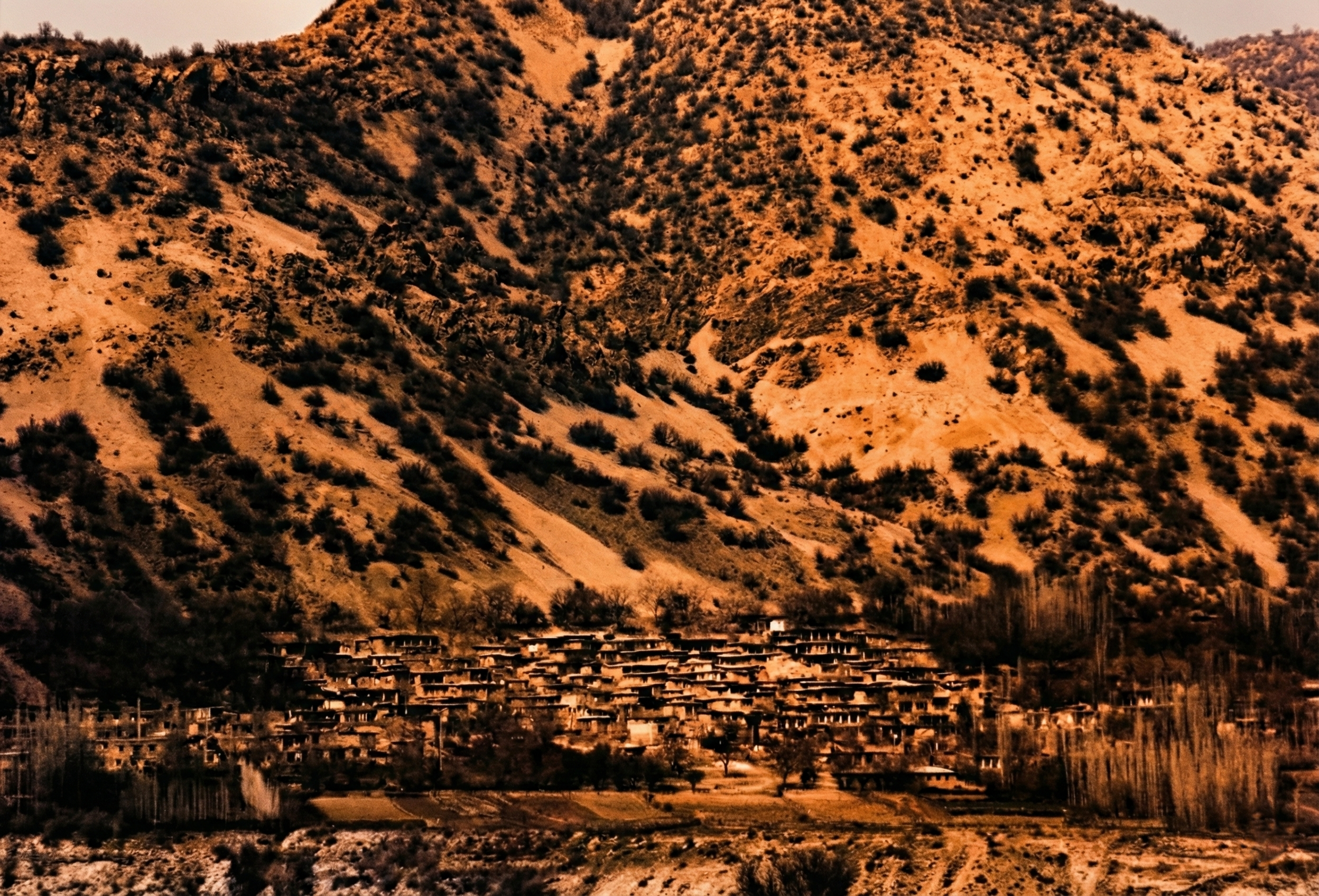
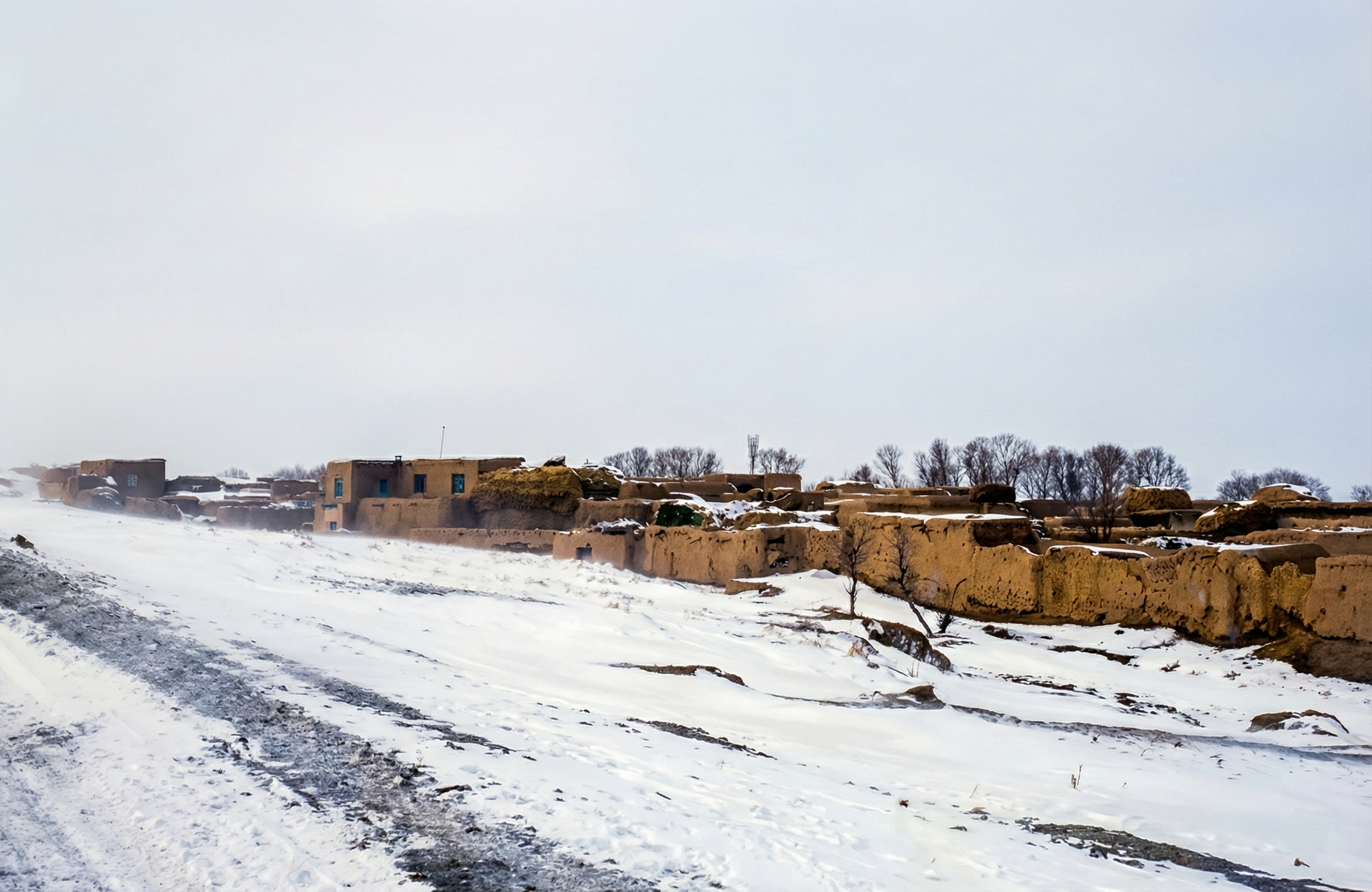
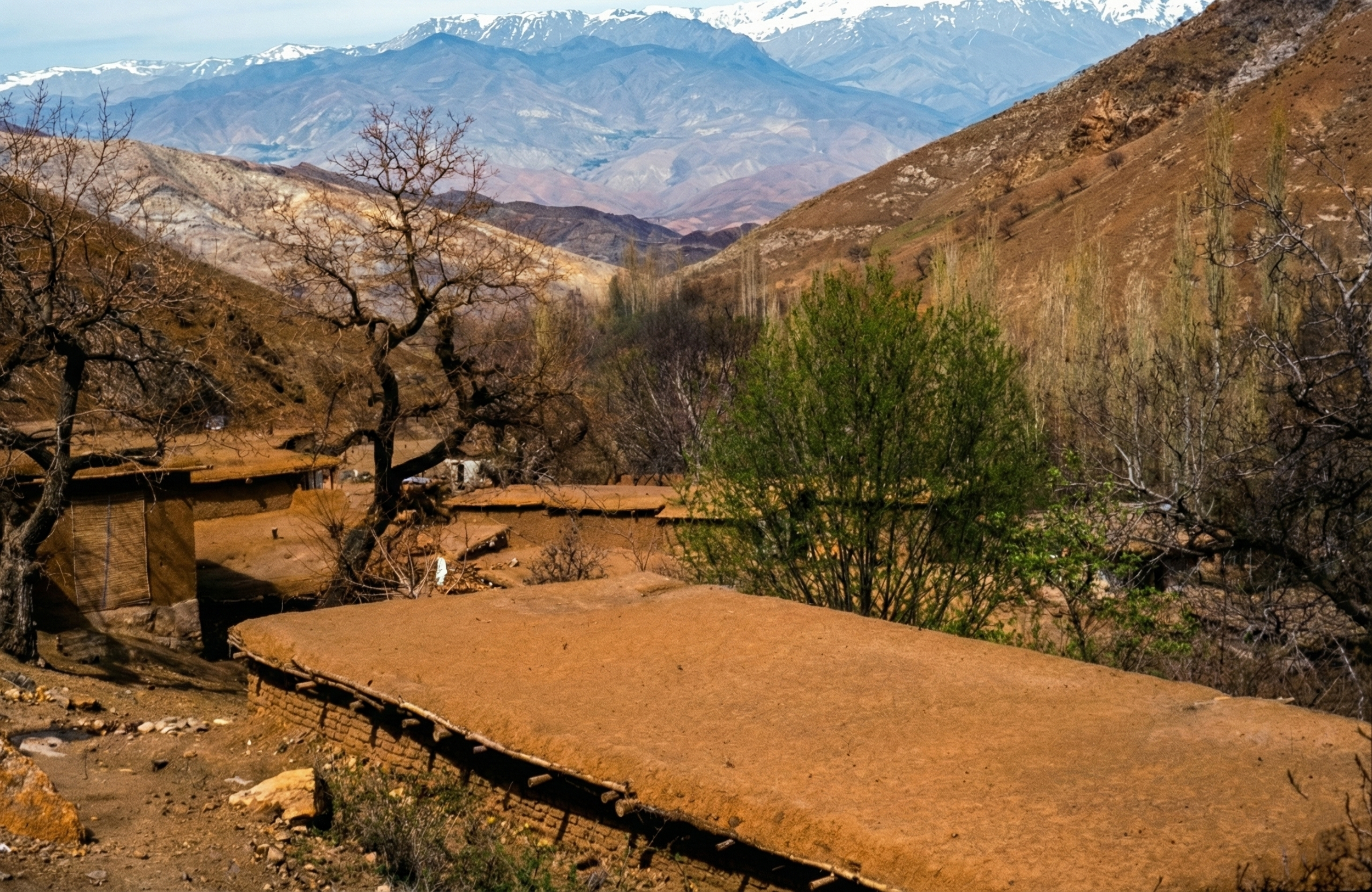
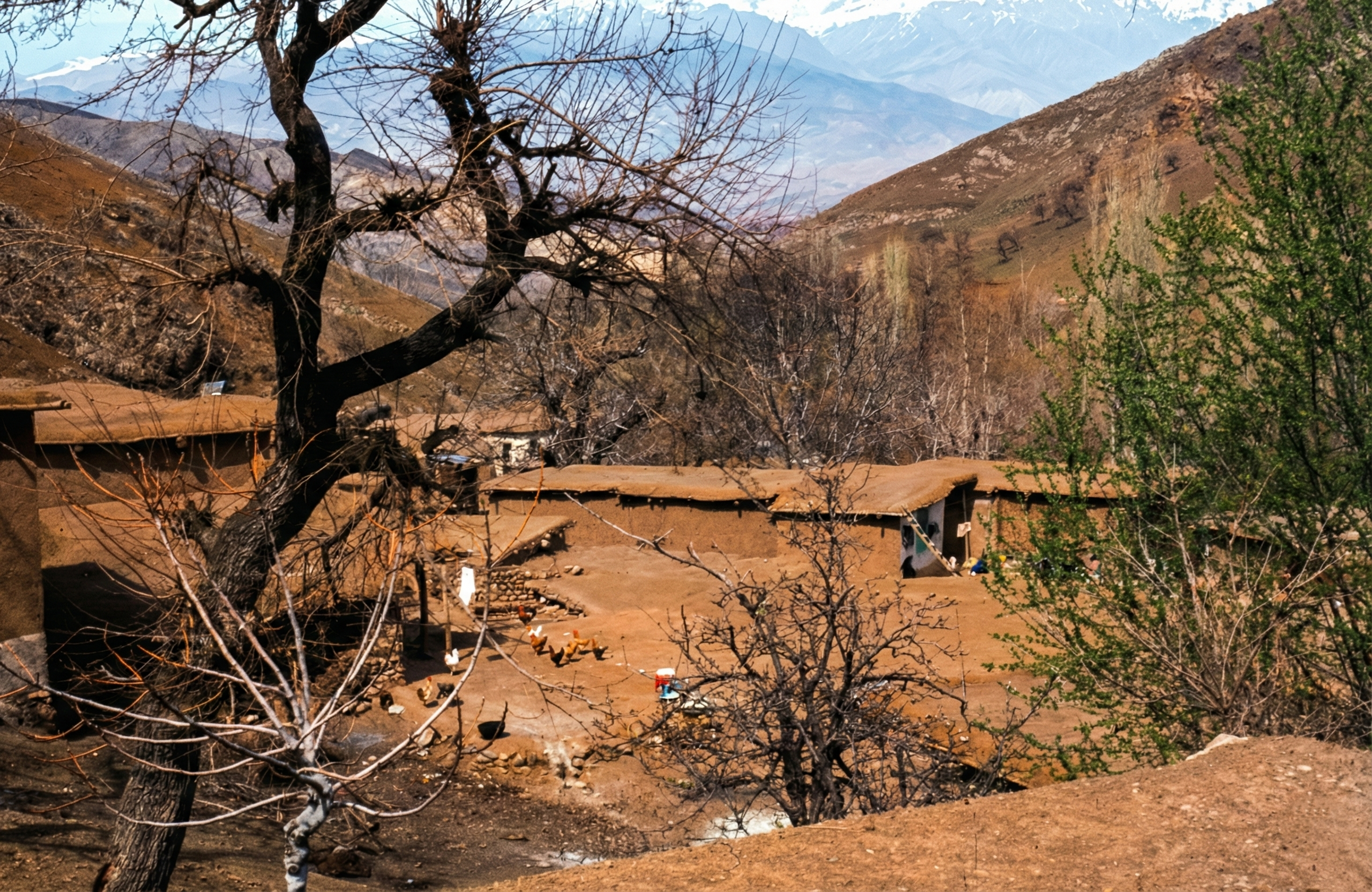
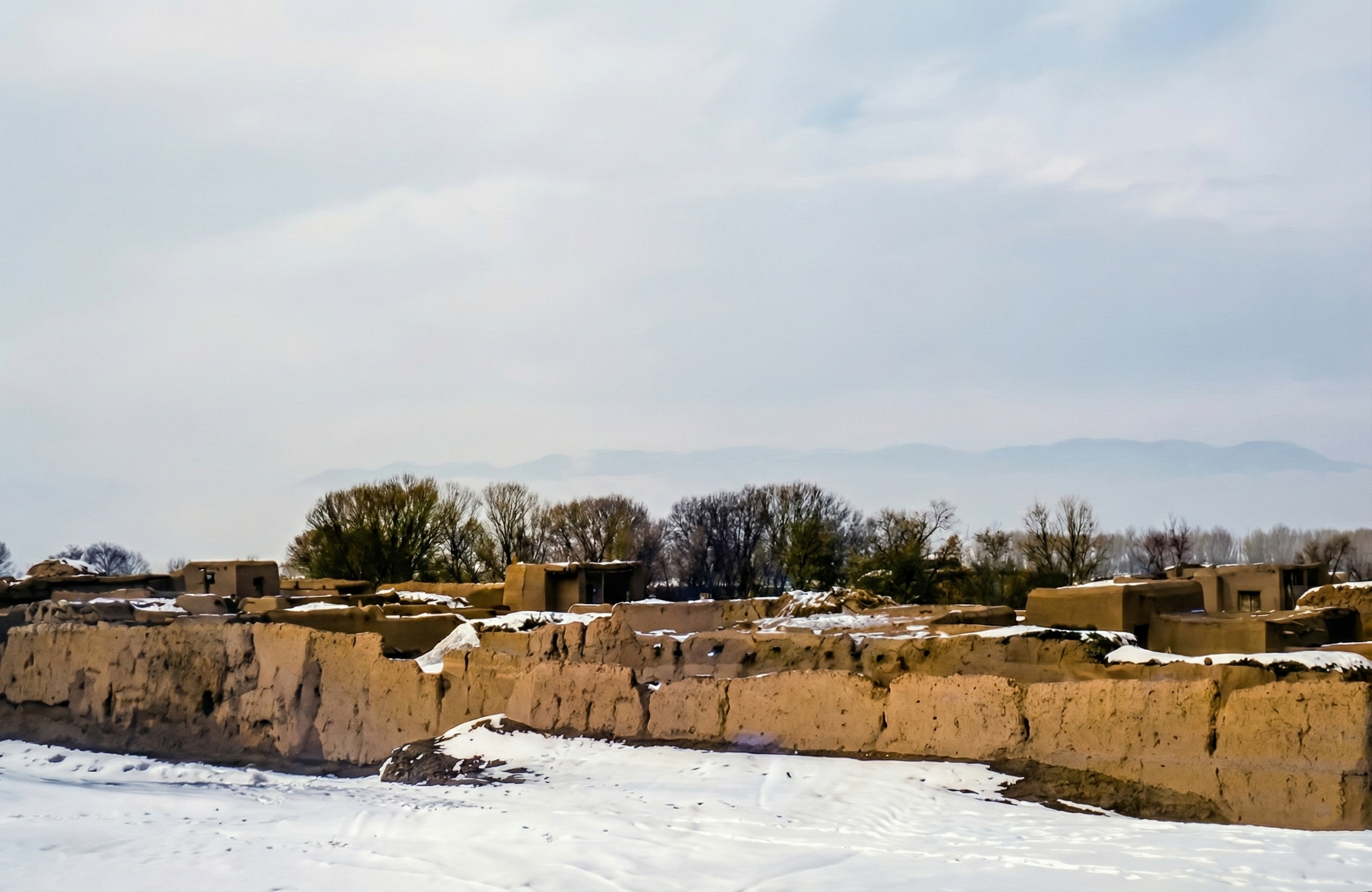
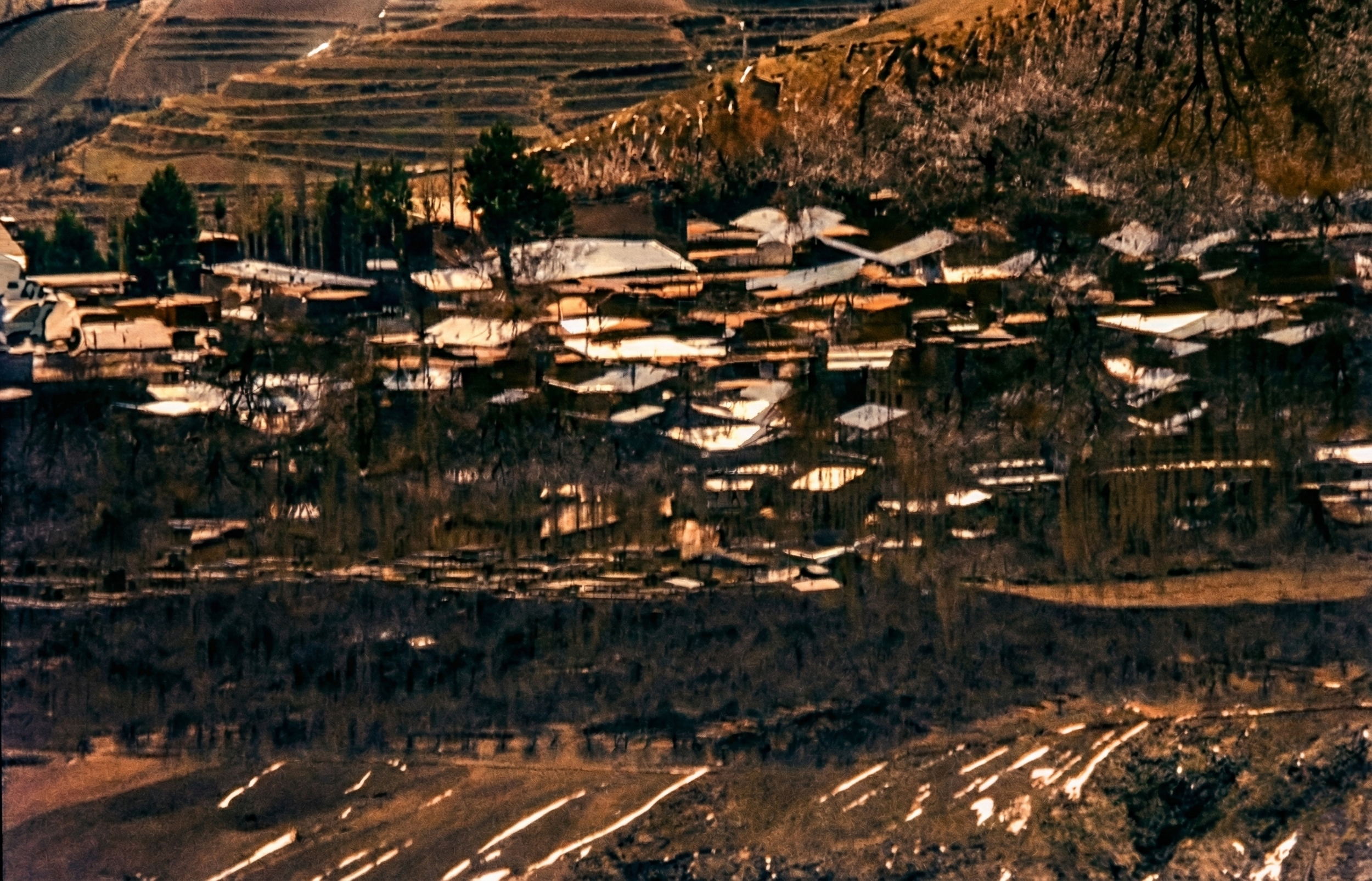
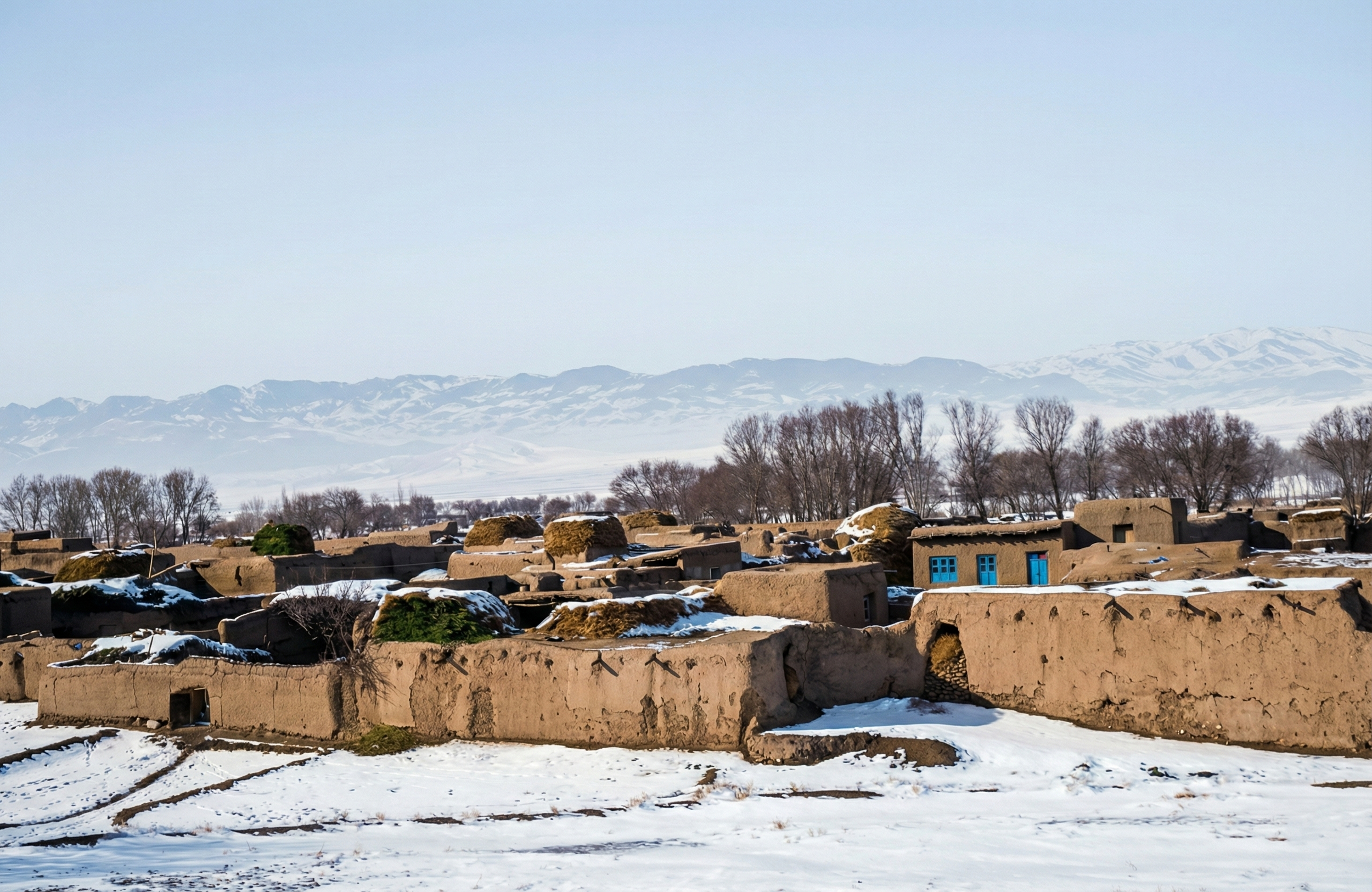
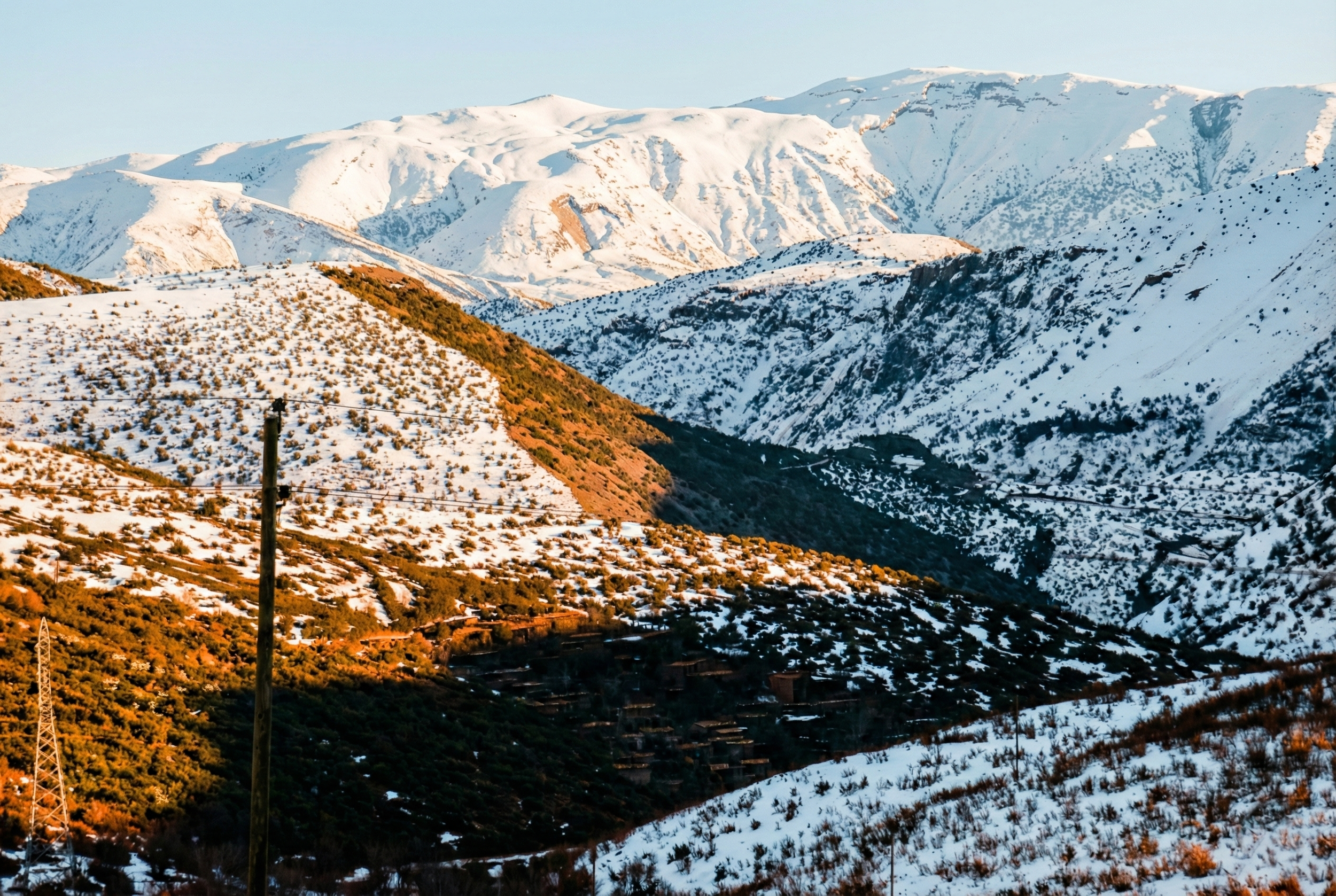
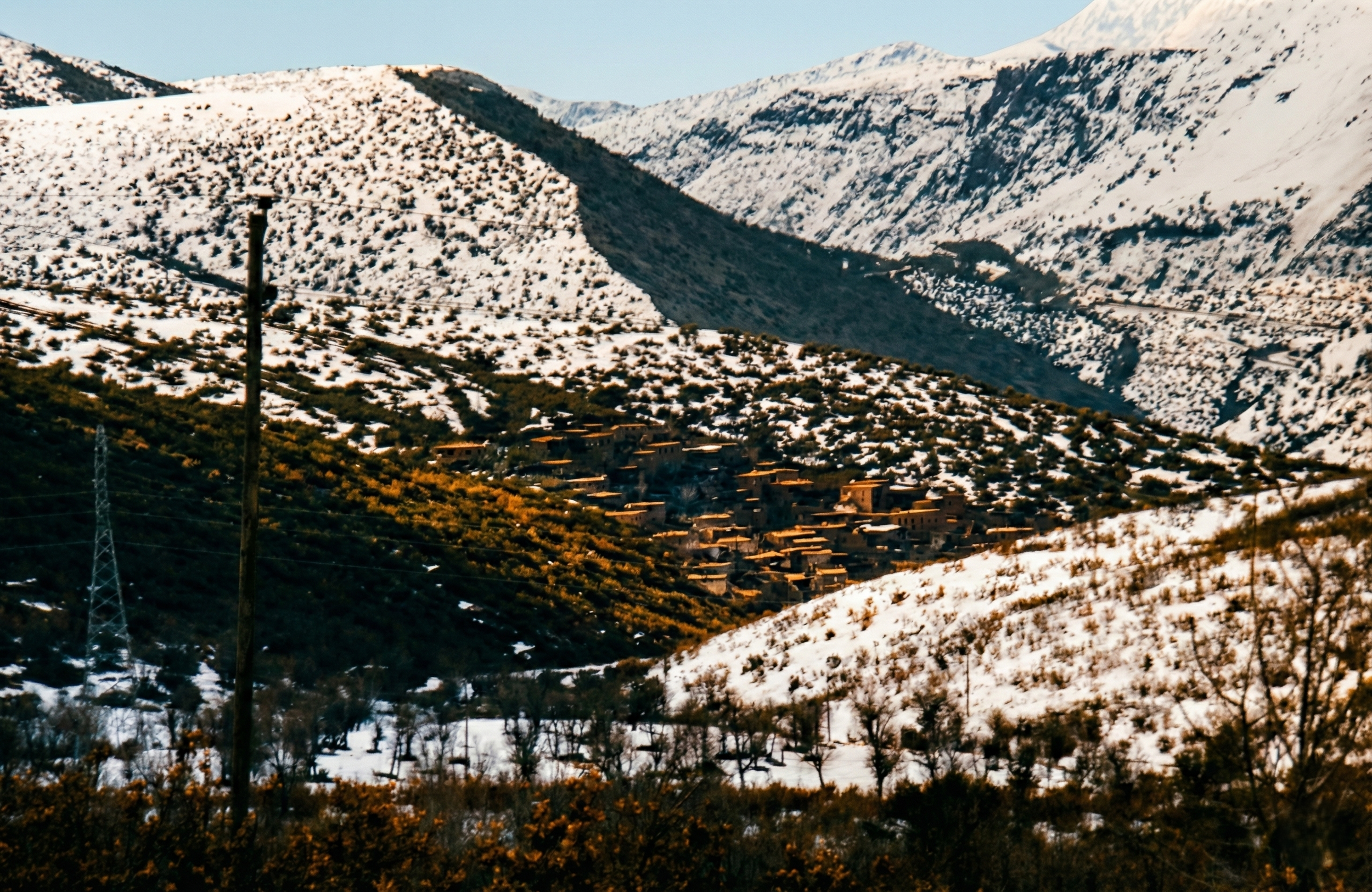
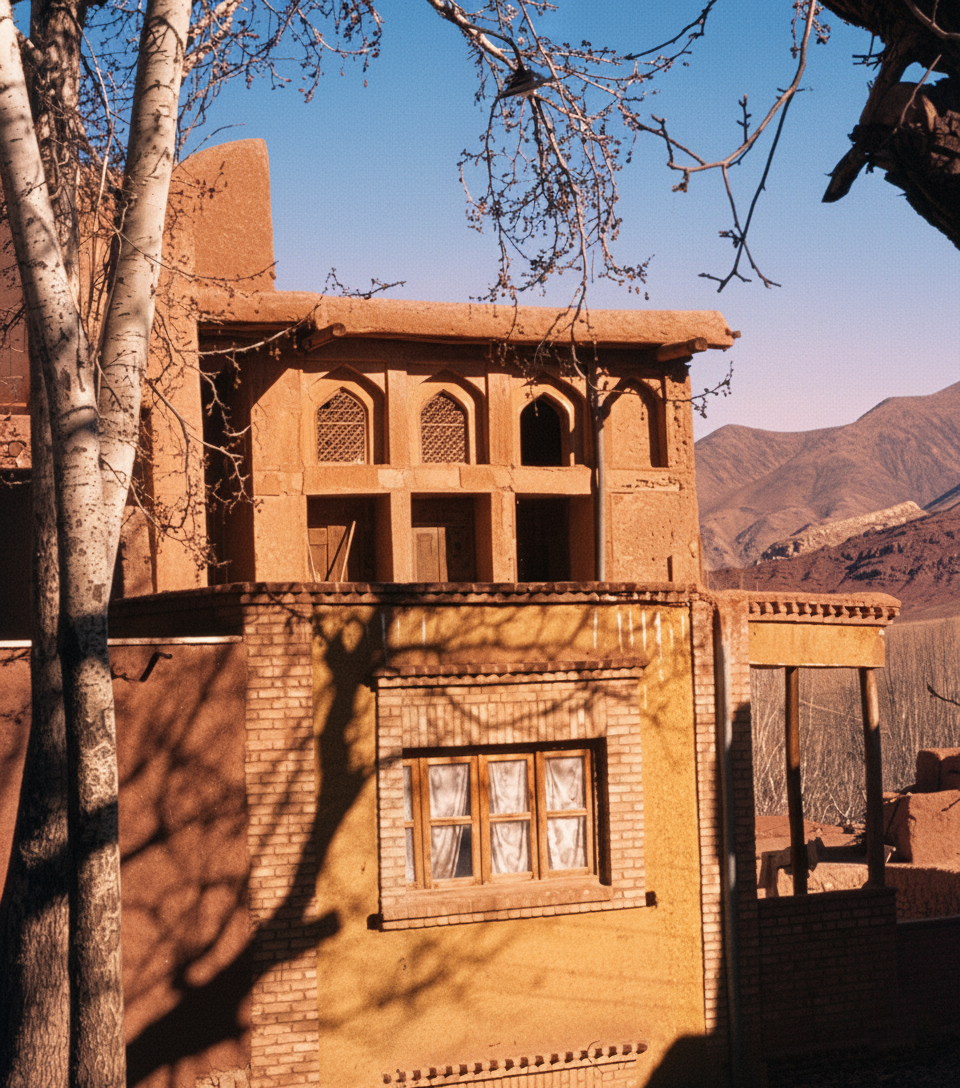
The architecture and spatial organization of Iran’s villages form the often-overlooked foundation of the country’s broader architectural tradition. Their enduring value lies in a deeply rooted, generational intelligence—one that reconciles extreme topography (توپوگرافی), collective living (زندگی جمعی), and material efficiency (کارایی مصالح) with remarkable precision. In stepped settlements such as Masuleh (ماسوله), Abyaneh (ابیانه), and Sar Agha Seyyed (سرآقاسید), this logic becomes explicitly structural: the roof of one dwelling (خانه) becomes the path (مسیر), courtyard (حیاط), or communal platform (فضای جمعی) for the next, creating a continuous, interdependent fabric that maximizes scarce mountainous terrain (زمین کوهستانی).
-
The story of Iranian traditional architecture begins far from its celebrated cities. Long before Susa, Persepolis, Yazd, Isfahan, and Shiraz rose to prominence, the Iranian plateau was shaped by countless small settlements—spread across deserts, mountains, and coastal edges of the Caspian Sea, the Persian Gulf, and the Arabian Sea. These communities did not disappear with the rise of cities; they sustained them. Villages, tribes, and nomadic groups provided food, materials, craftsmanship, and labor, forming the essential foundation upon which urban life was built. In times of uncertainty and invasion, they also stood as the first line of defense, preserving cultural traditions, rituals, and knowledge across generations. These quieter landscapes, still inhabited today, hold the enduring spirit of Iranian life.
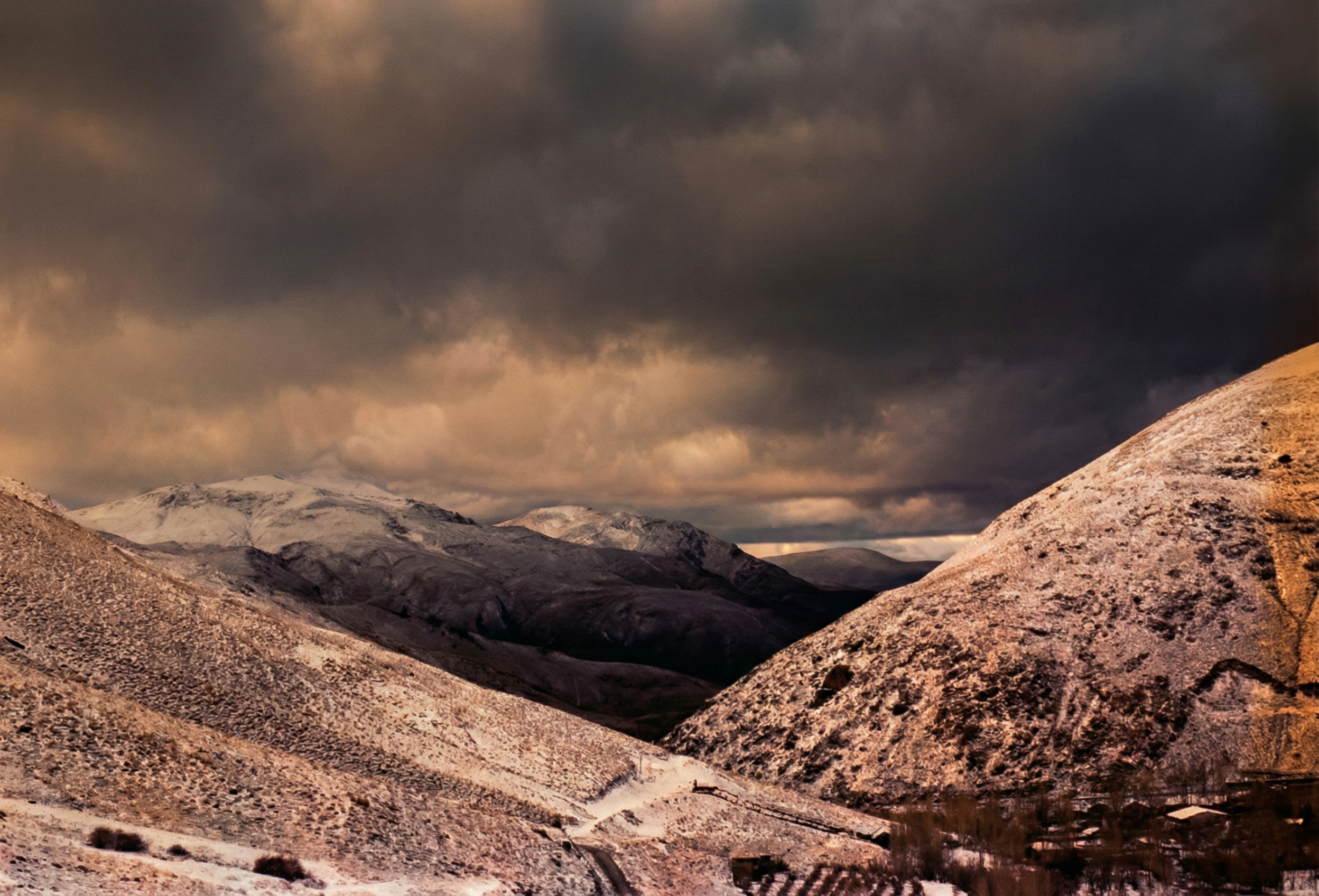
During my journey through these regions, I encountered villages nestled within vast plains and along the slopes of hills and mountains—settlements shaped by both necessity and wisdom. A defining characteristic is their deliberate choice of terrain. Rather than occupying fertile flatlands near water sources, which are reserved for agriculture and livestock, these communities settled on more rugged ground. This decision reflects a deep understanding of the land and a careful prioritization of sustenance over convenience. From this logic emerged a distinctive architectural response: stepped settlements that follow the contours of the terrain. Homes are layered into the slope, often with the roof of one serving as the courtyard or pathway for another, ensuring light, ventilation, and expansive views while preserving valuable farmland.
In other regions, where proximity to trade routes shaped settlement patterns, a different form of ingenuity emerged. Communities positioned themselves along the margins of deserts, where east–west caravan routes connected distant lands. Here, survival depended not on proximity to water, but on the ability to bring water to the settlement. The result was the invention of the qanat—an extraordinary engineering system that channels groundwater from distant mountains to arid plains through gently sloping underground tunnels. Some qanats reached remarkable scales in both length and complexity. The Zarch Qanat in Yazd province, among the oldest and longest in the world, extends between 80 and 120 kilometers and dates back nearly 3,000 years. Recognized as a UNESCO World Heritage Site, it comprises more than 2,000 vertical shafts stretching from the Zarch region to the city of Yazd.
Together, these settlement strategies—whether embedded in mountain slopes or sustained through hidden waterways—reveal a profound dialogue between architecture, landscape, and survival. They reflect not only technical ingenuity but a cultural ethos rooted in adaptation, restraint, and a deep respect for the natural world.