Reading Architecture Through Land

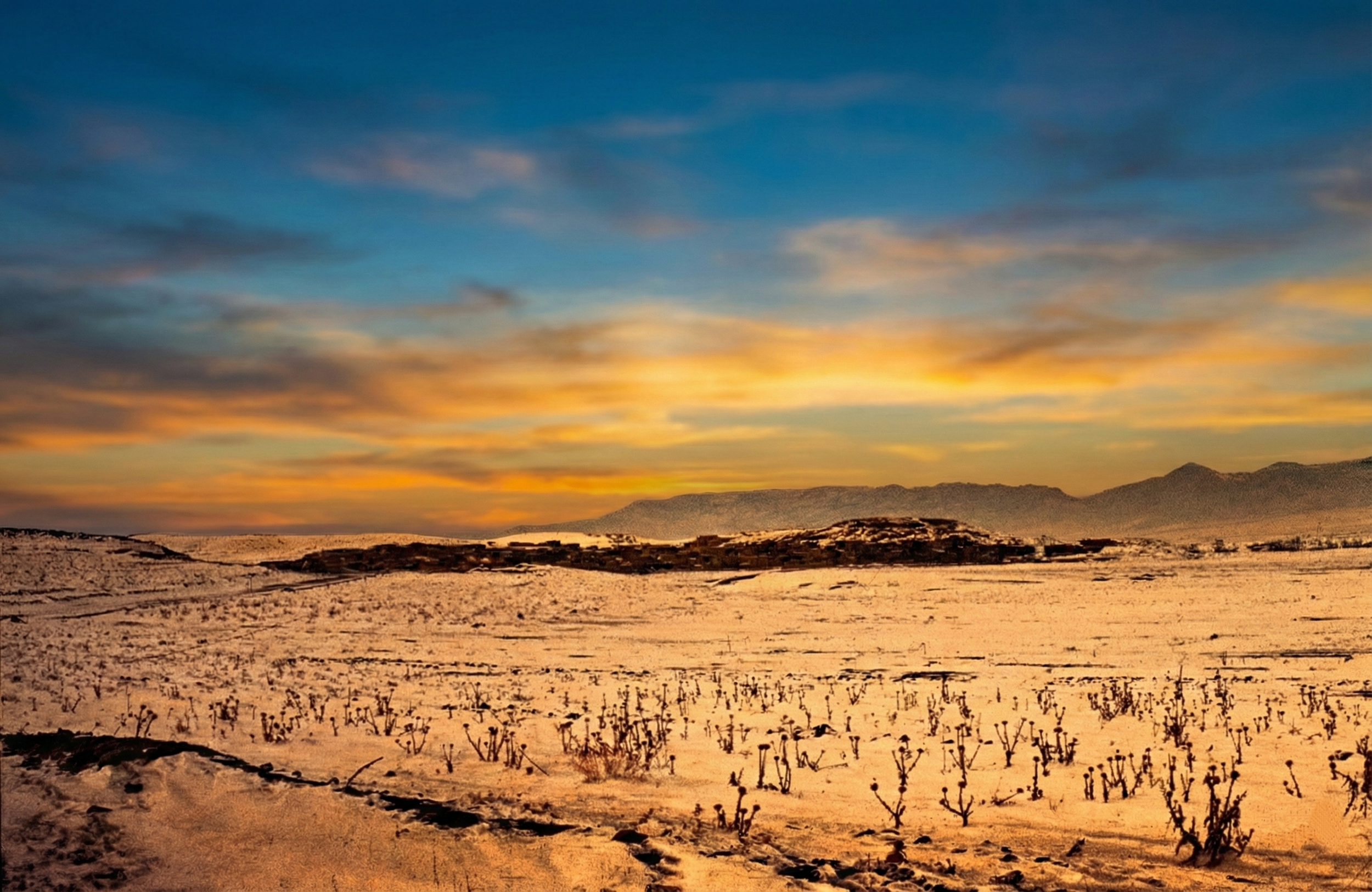
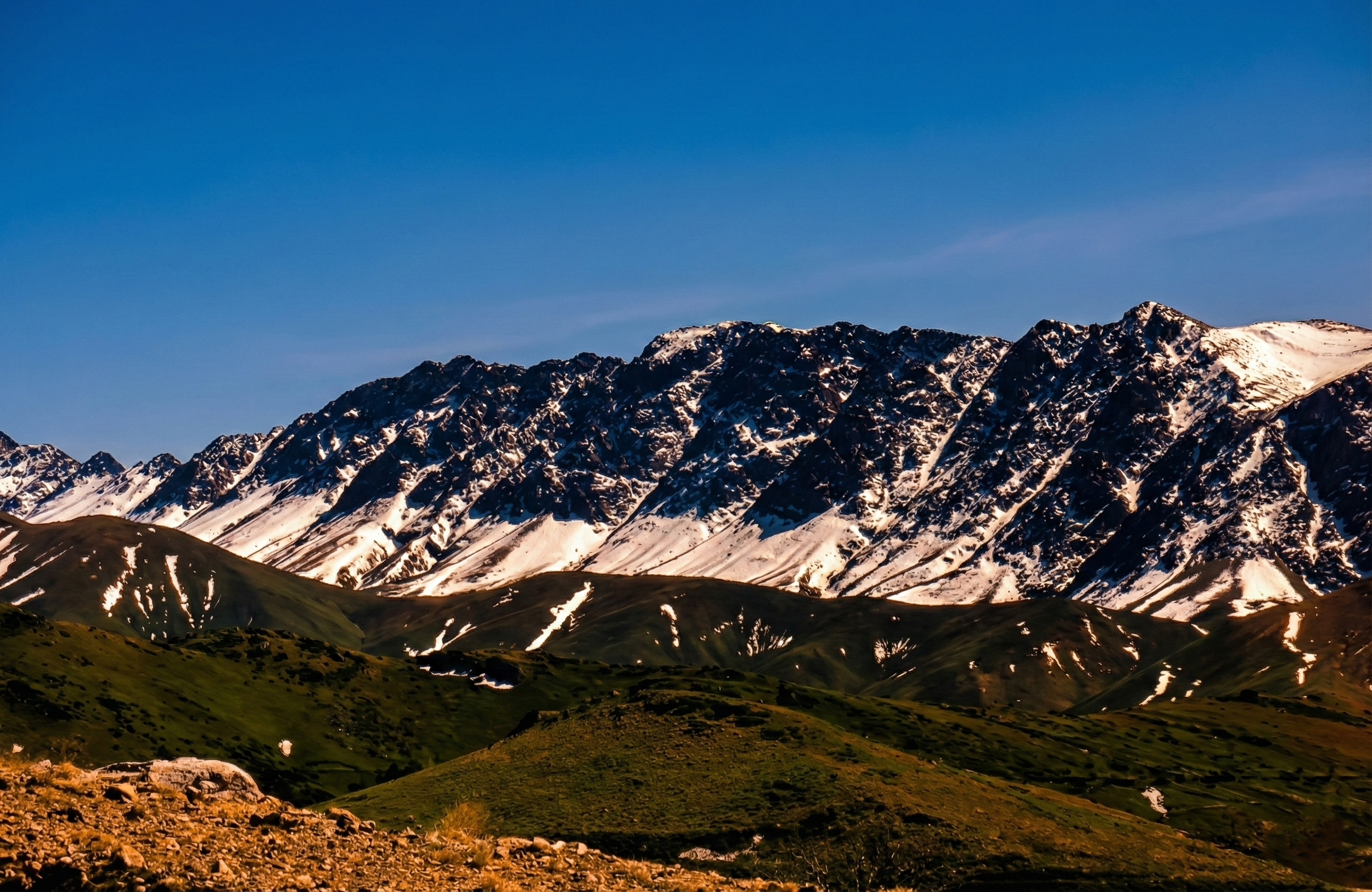
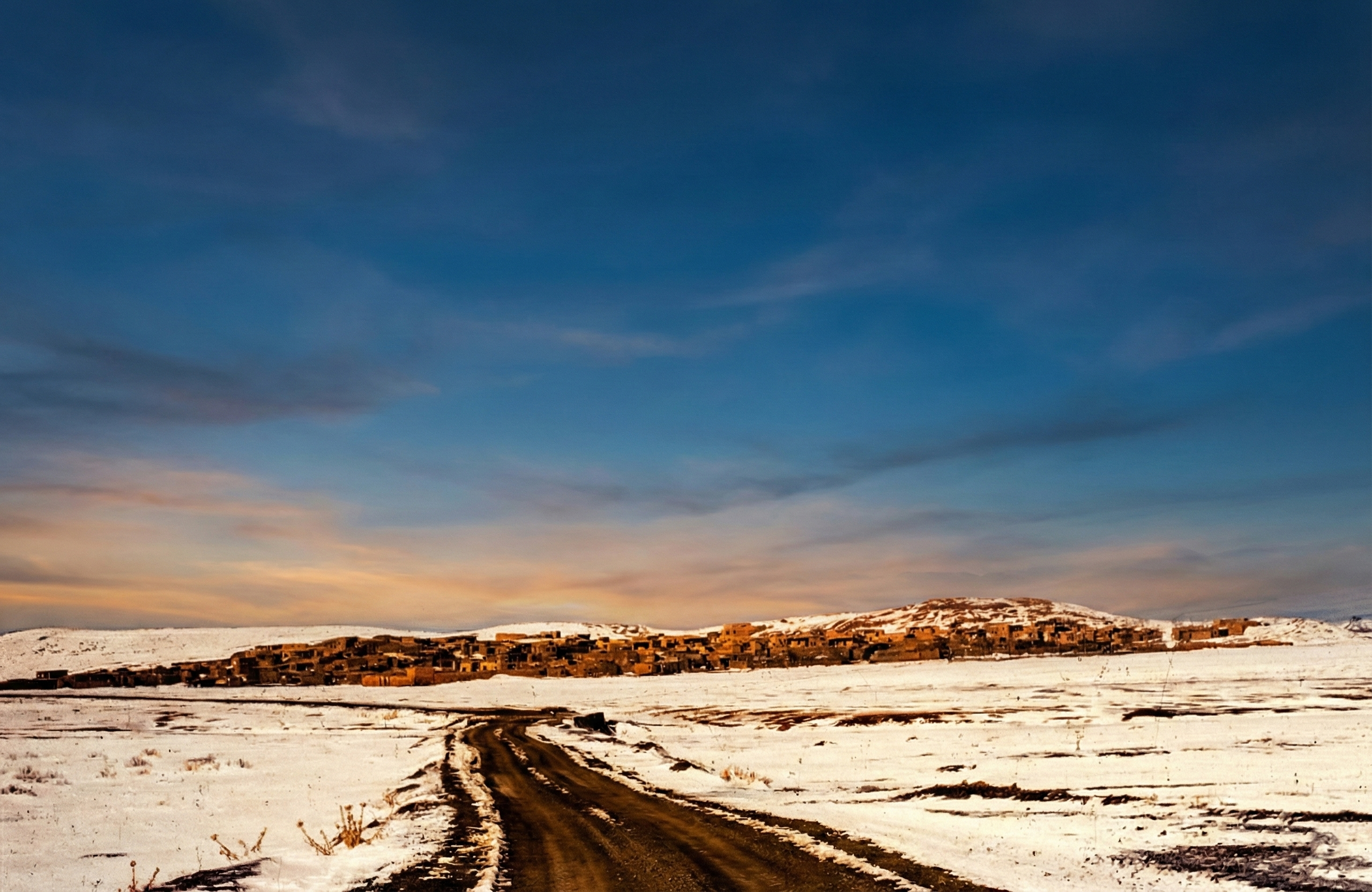
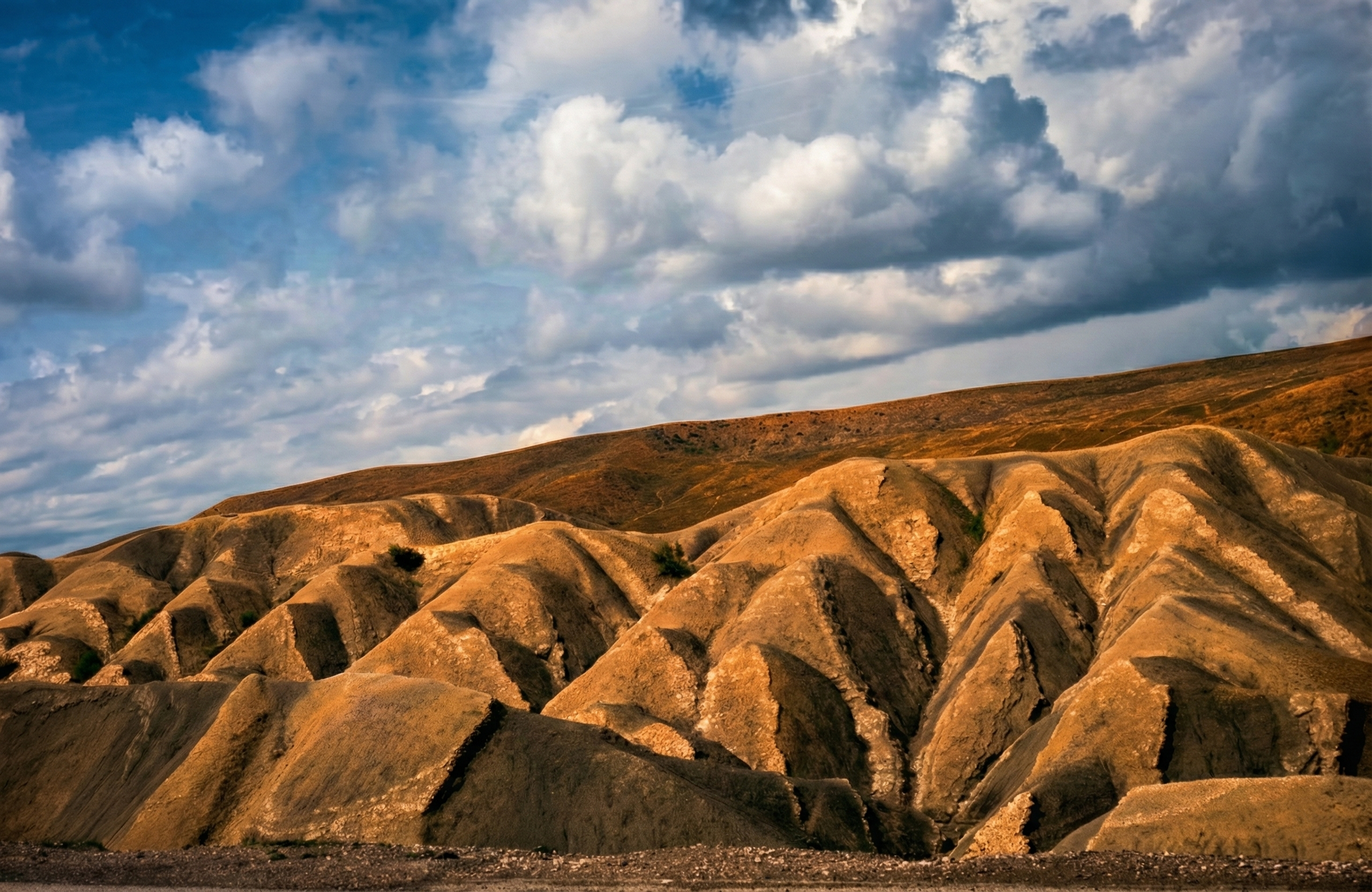
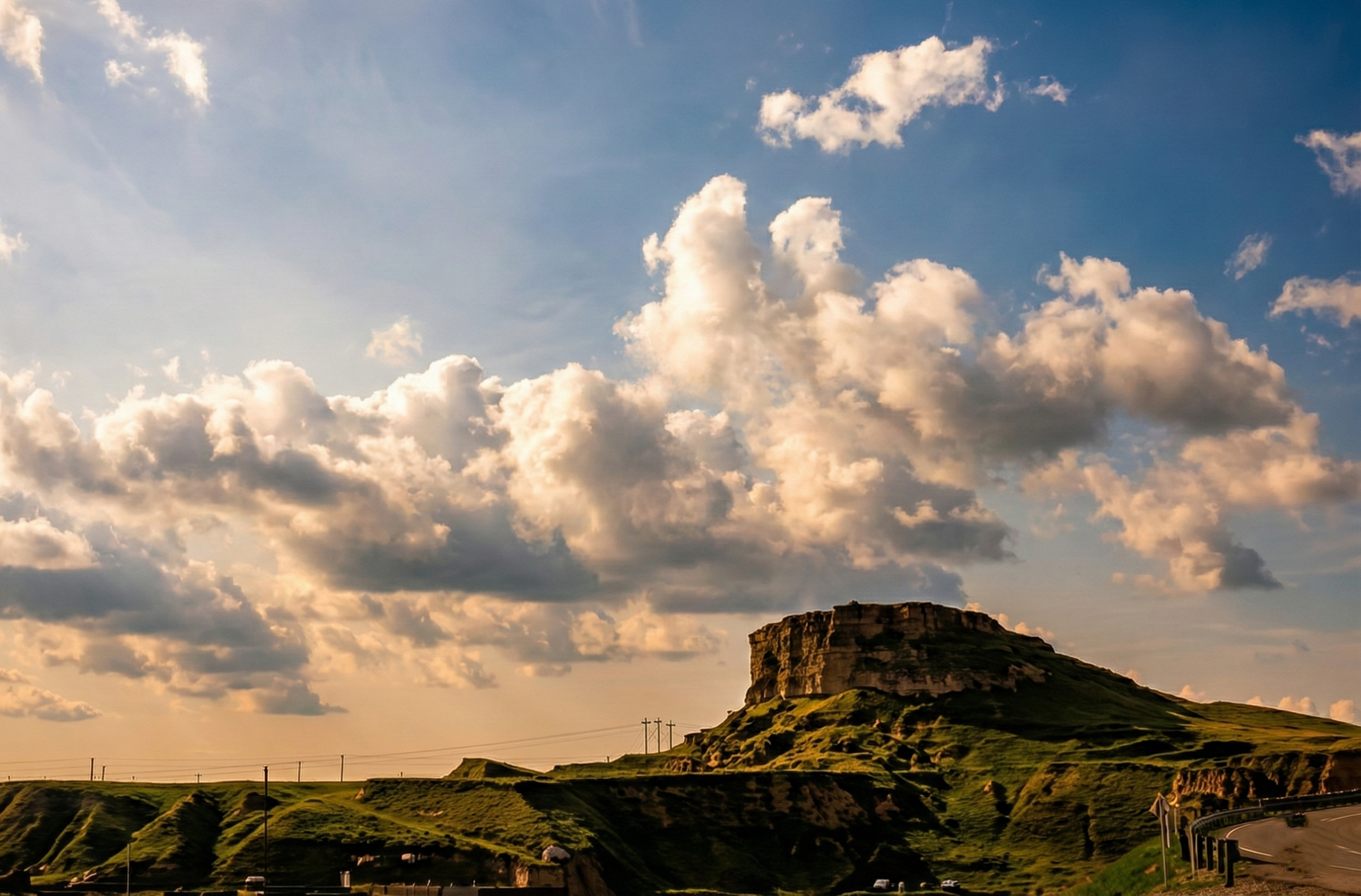
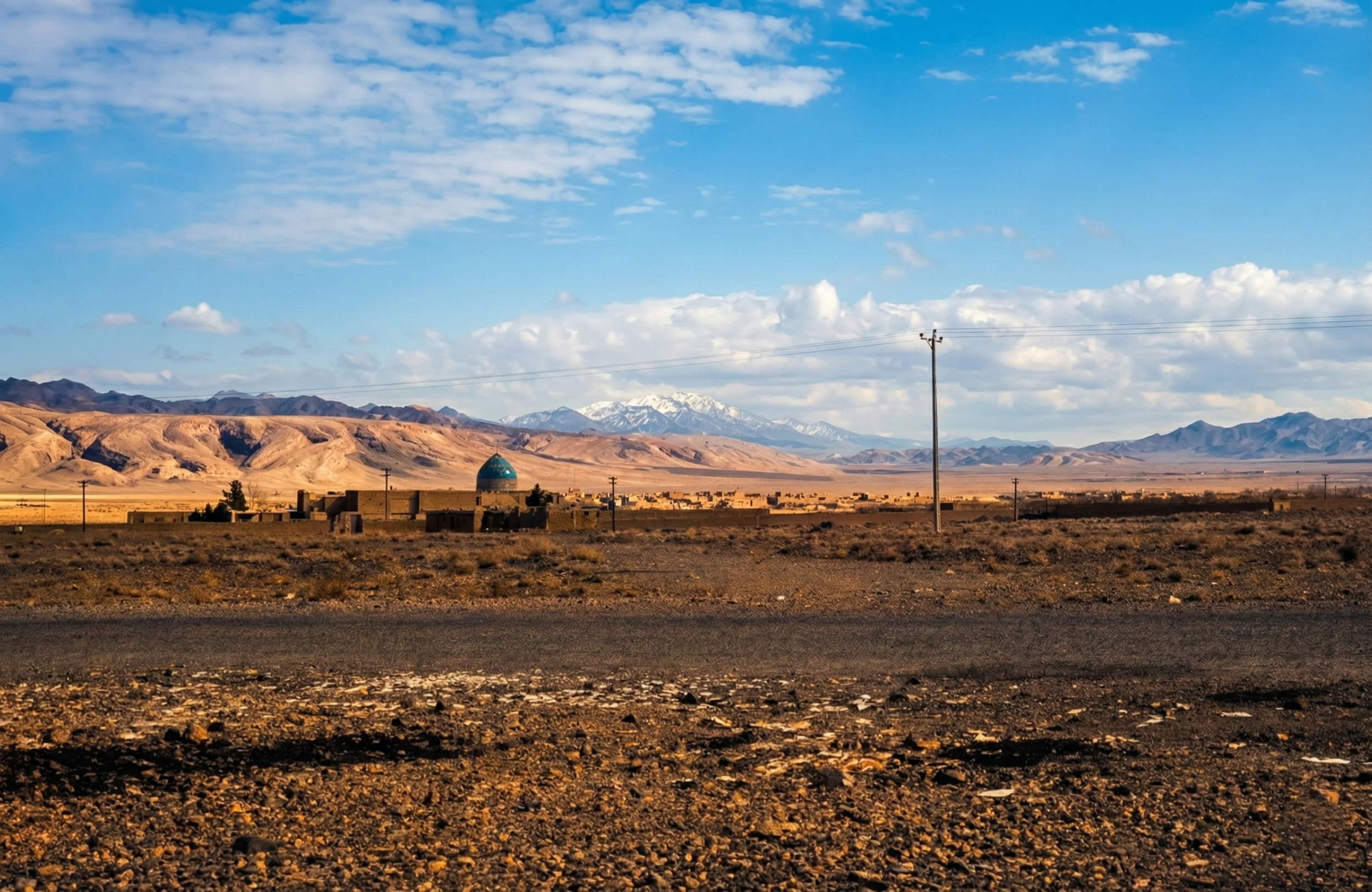
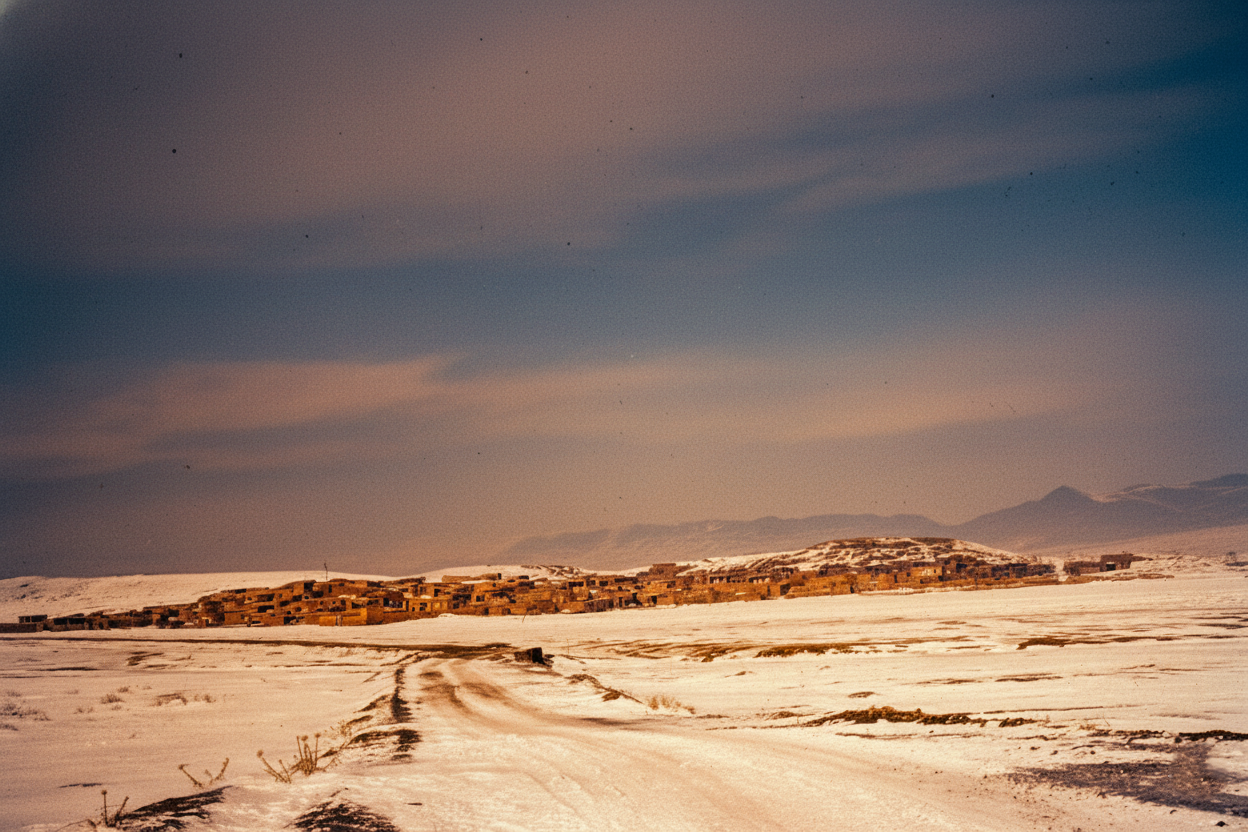
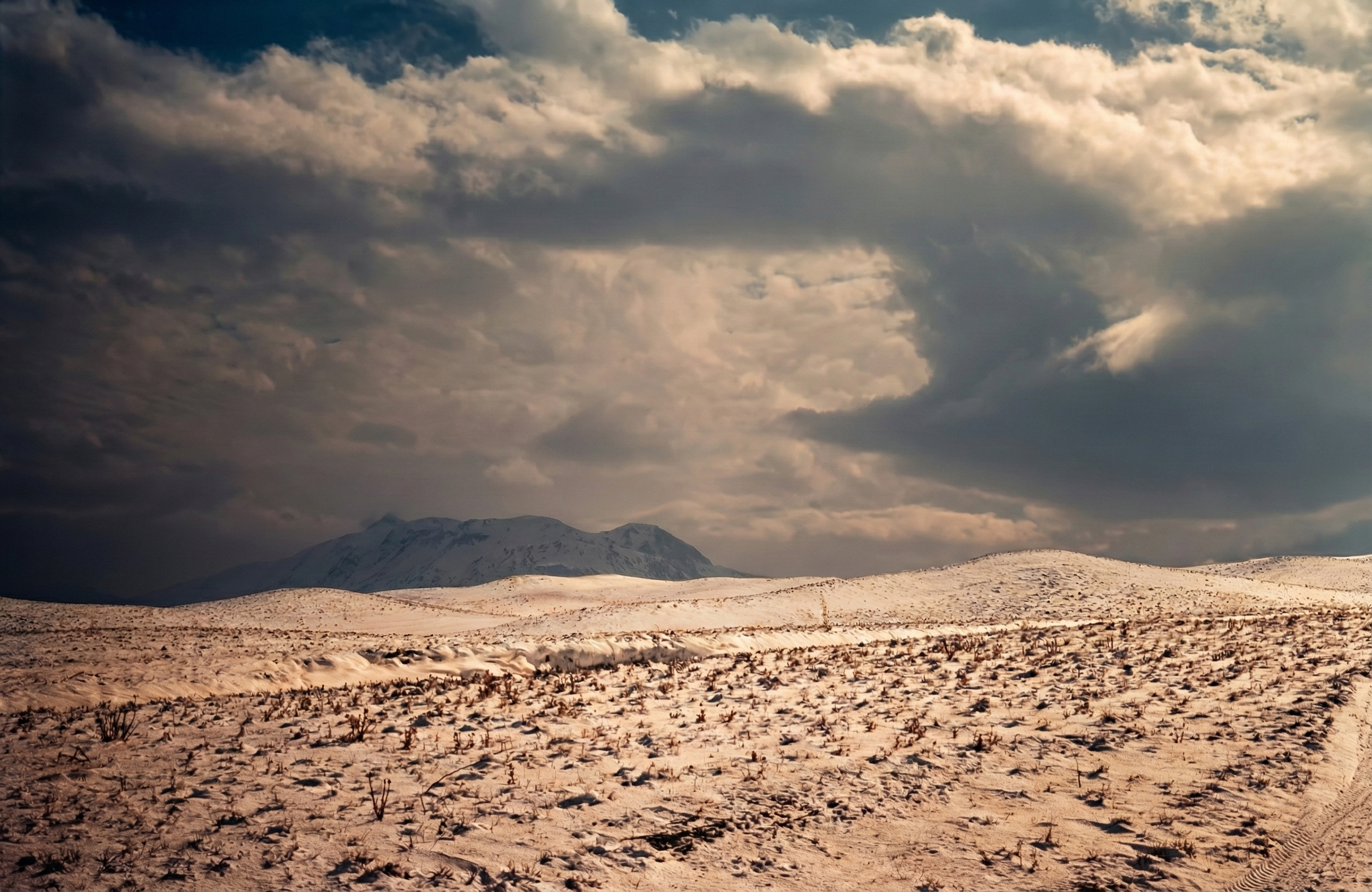
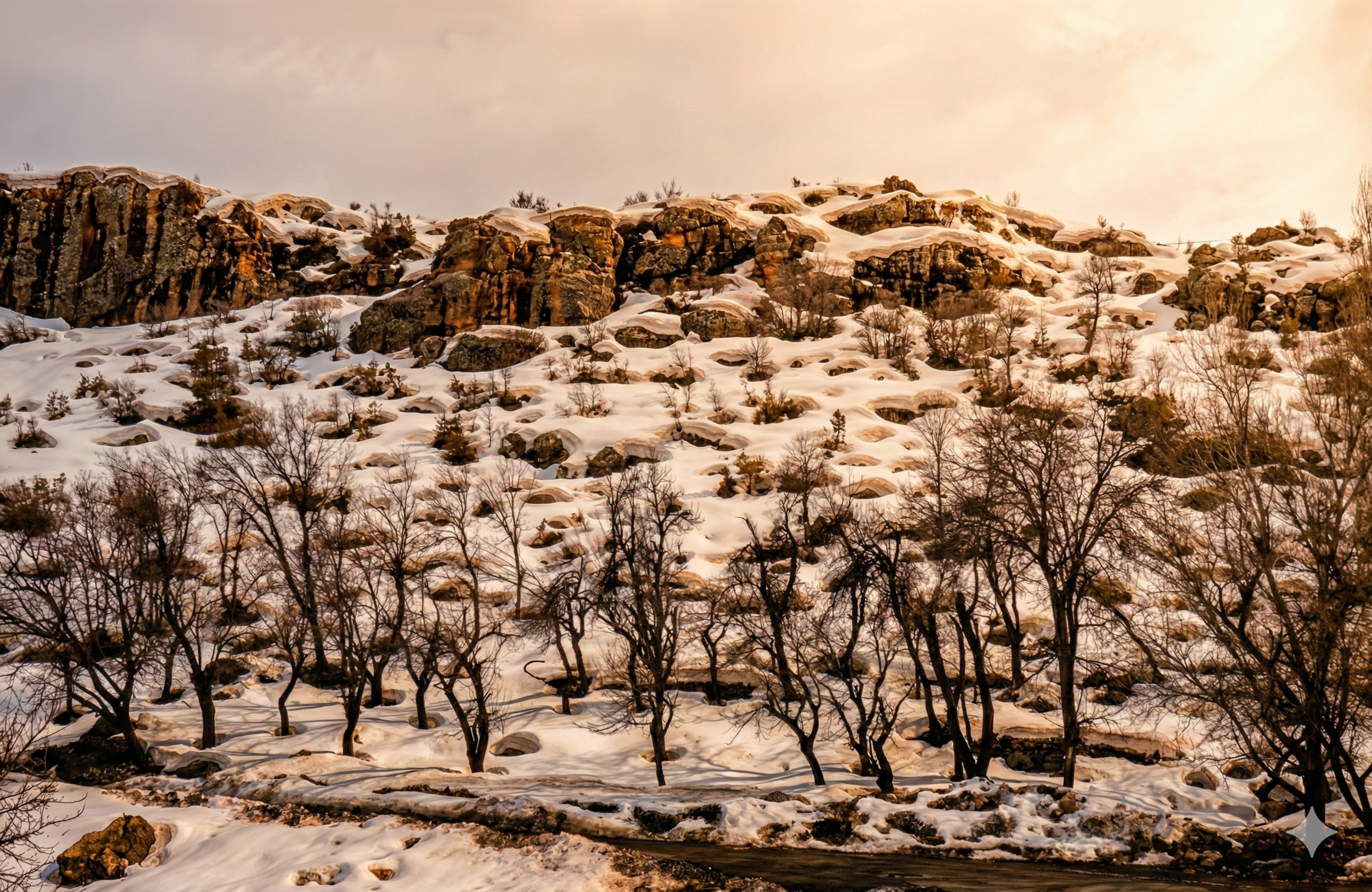
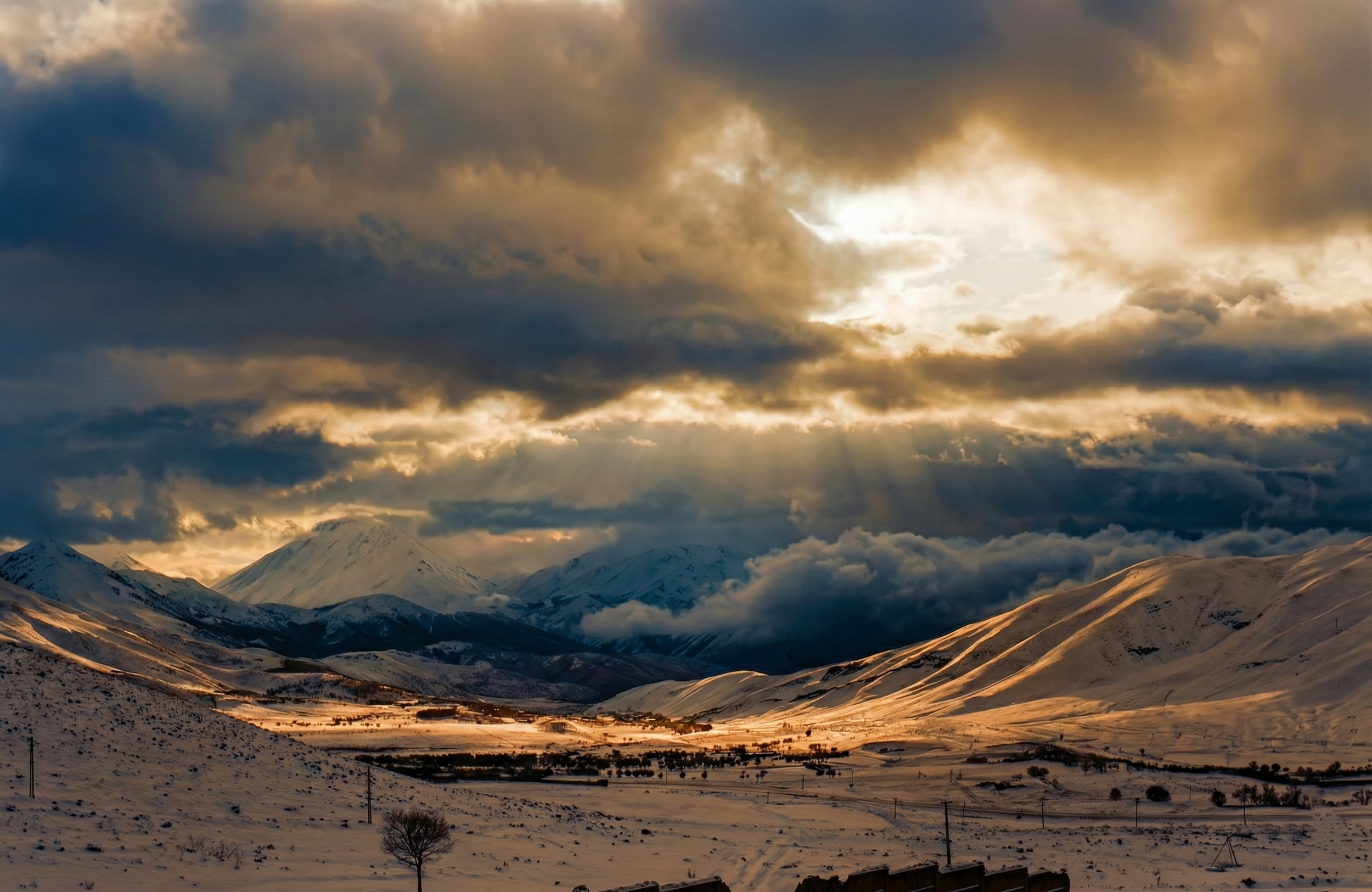
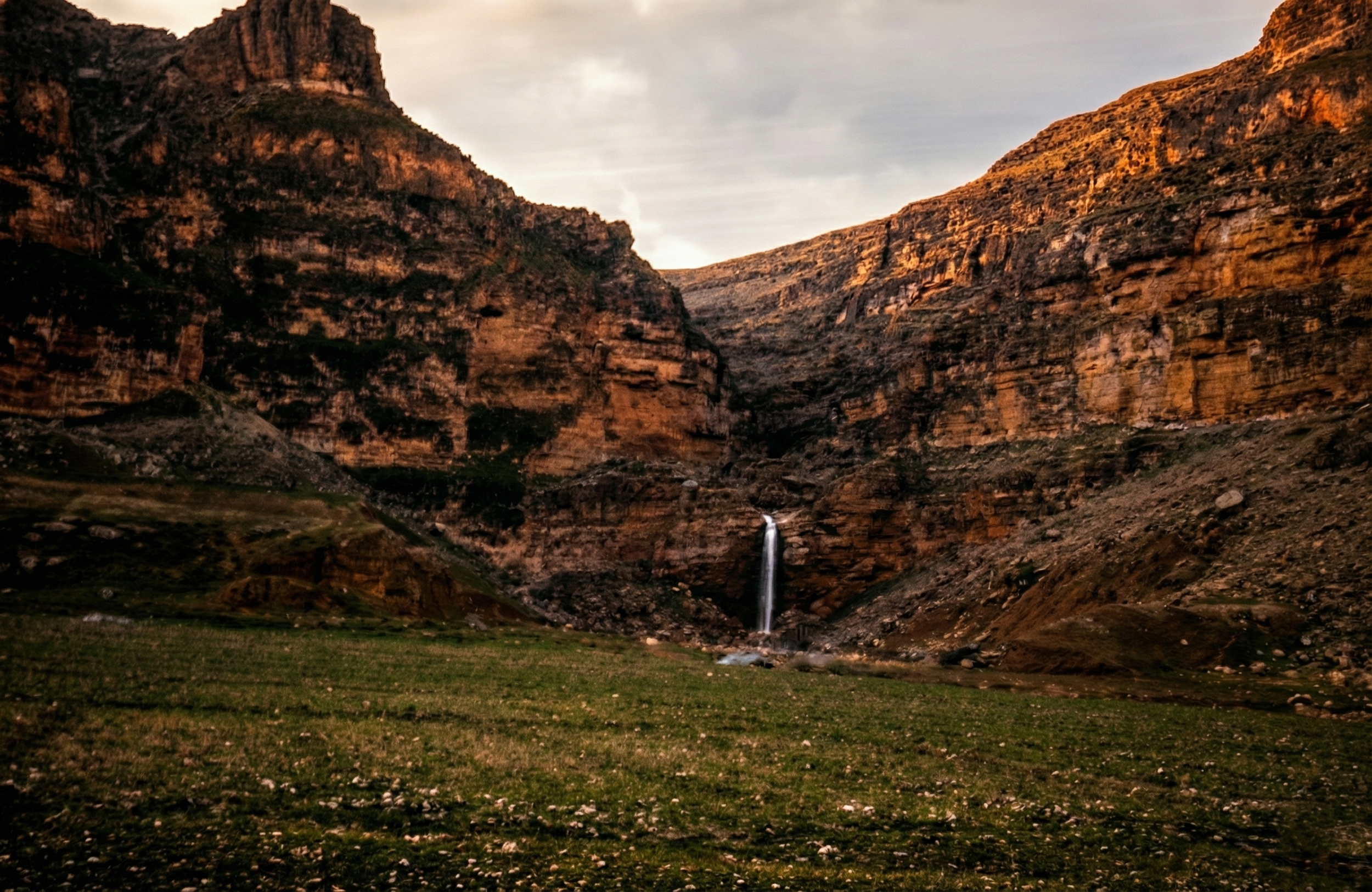
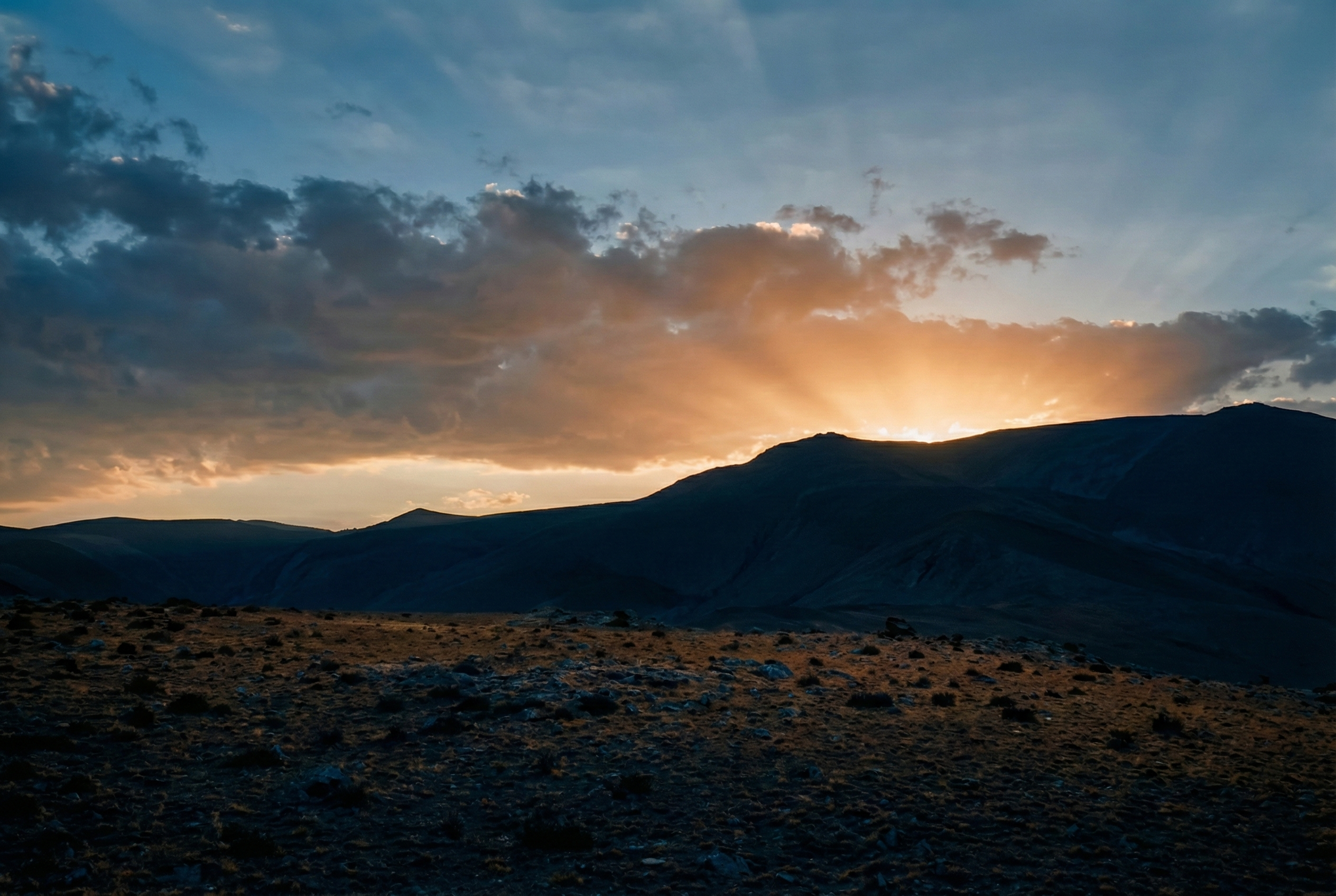
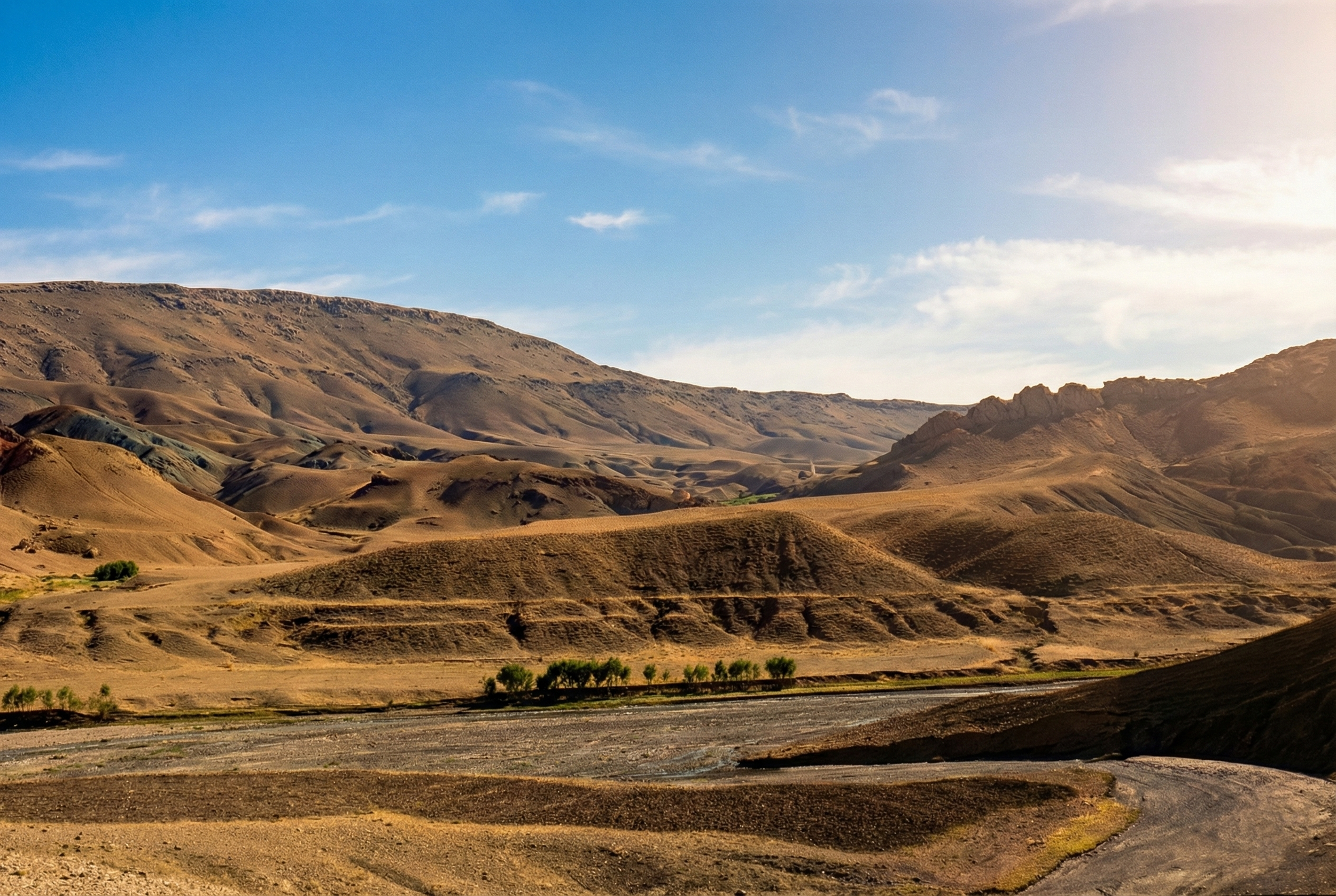
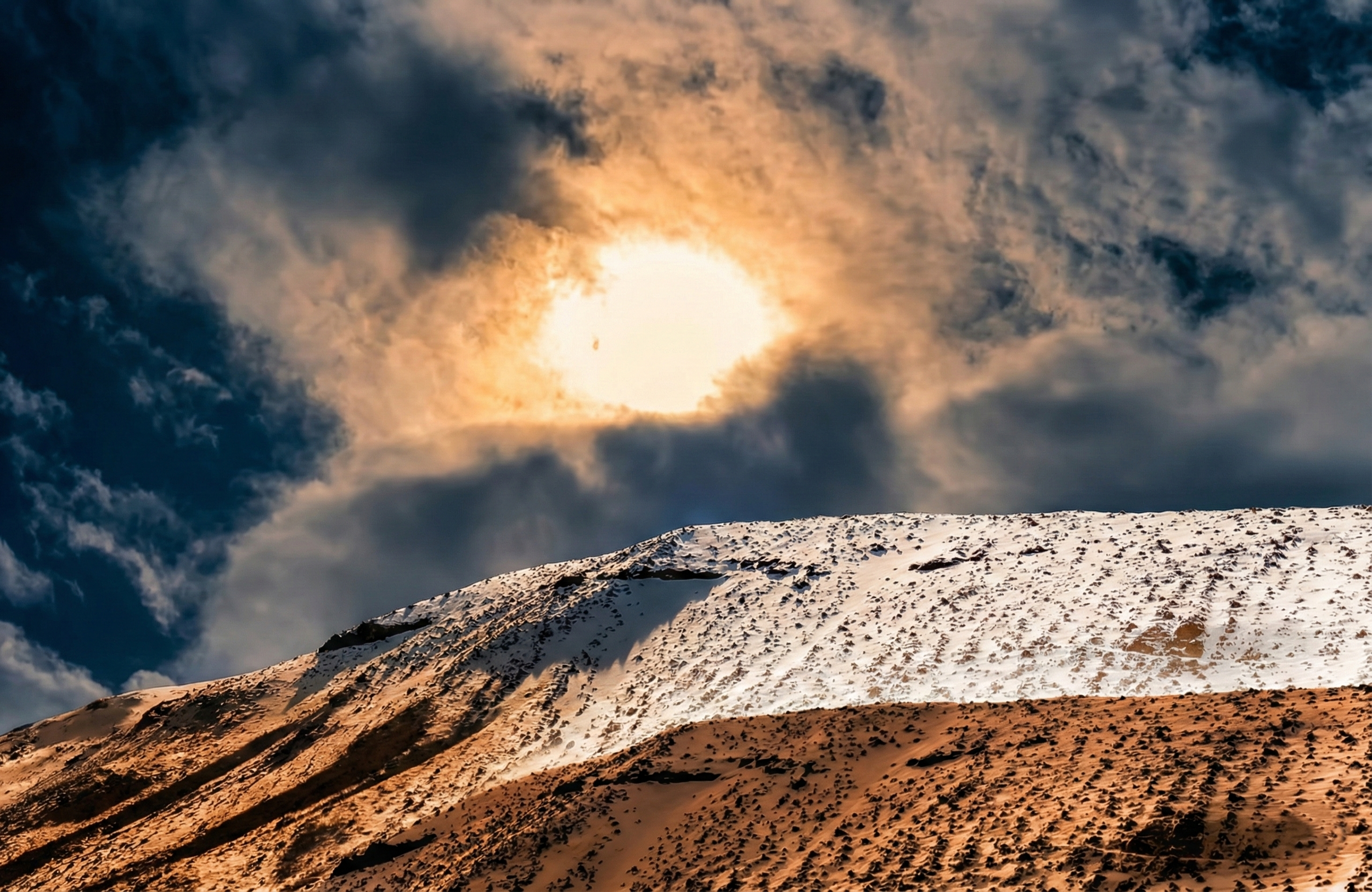
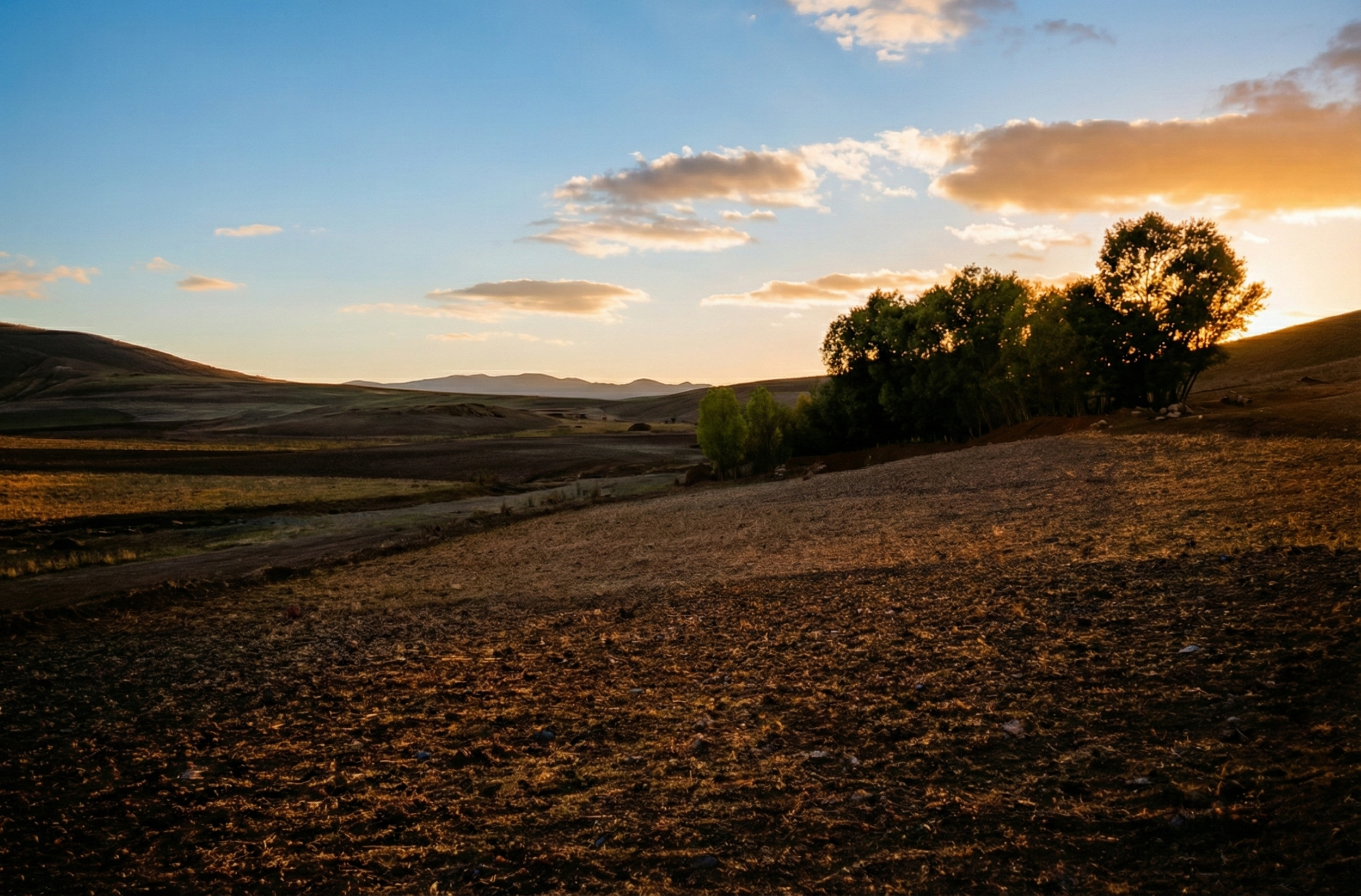
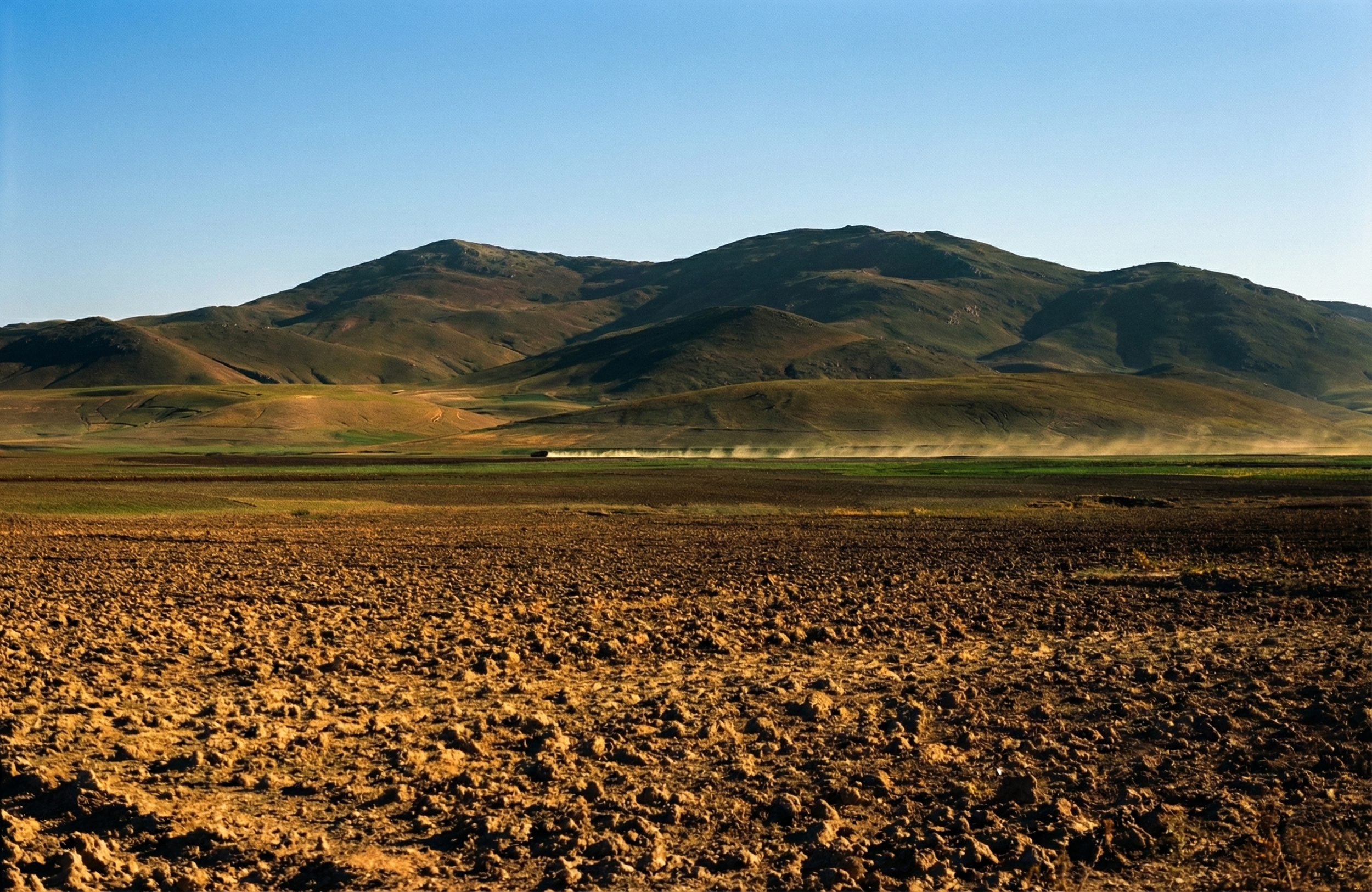
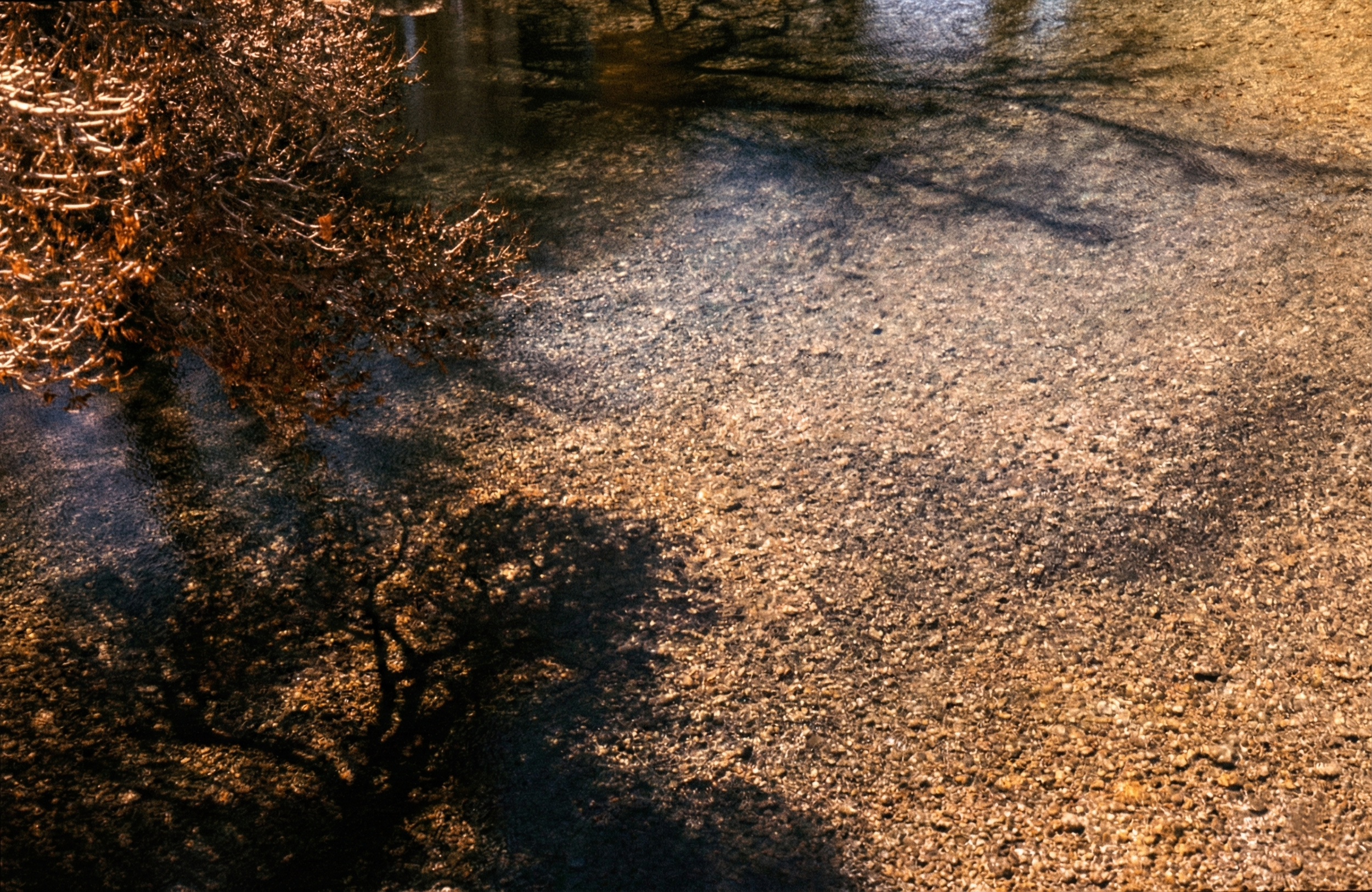
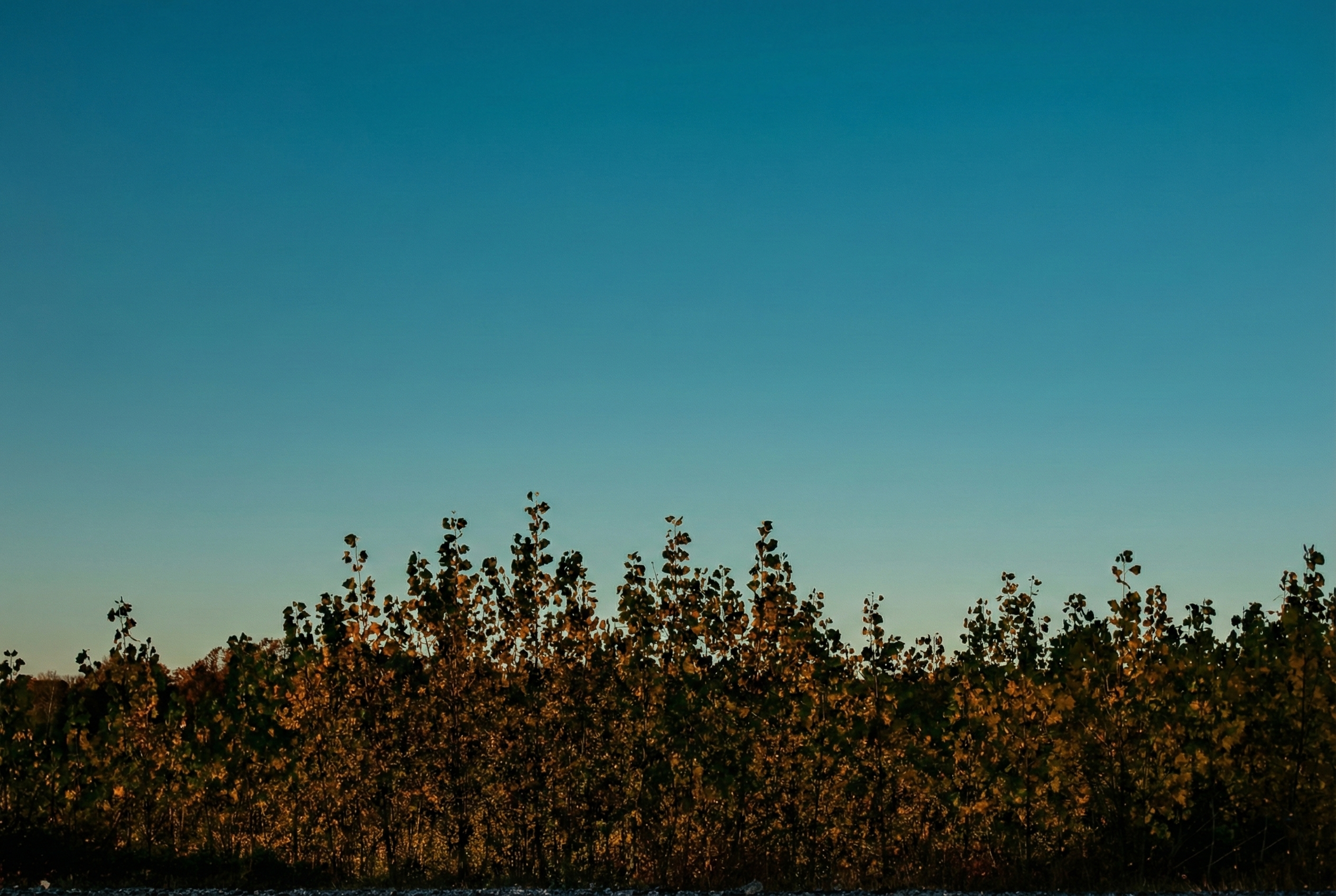
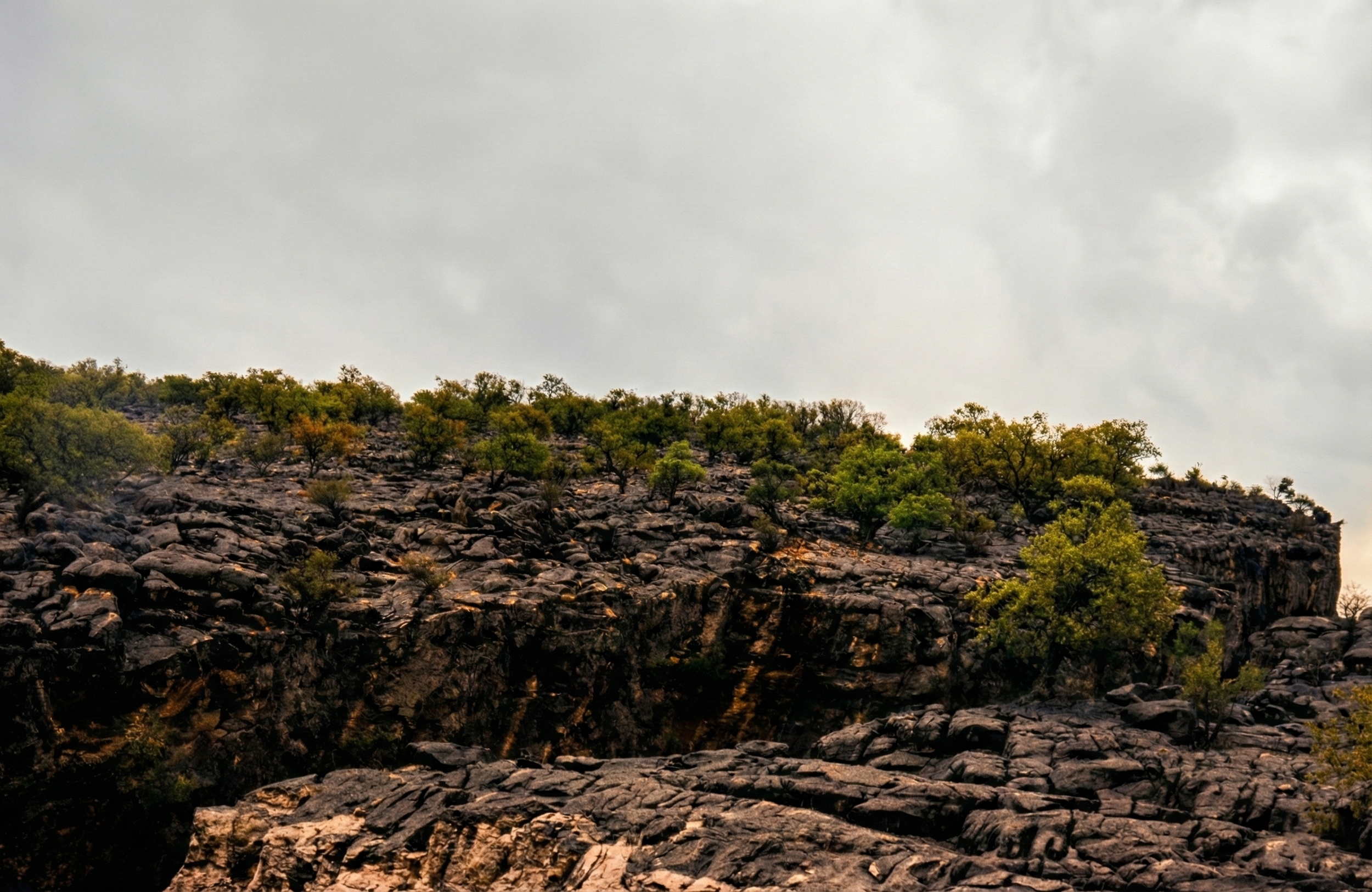
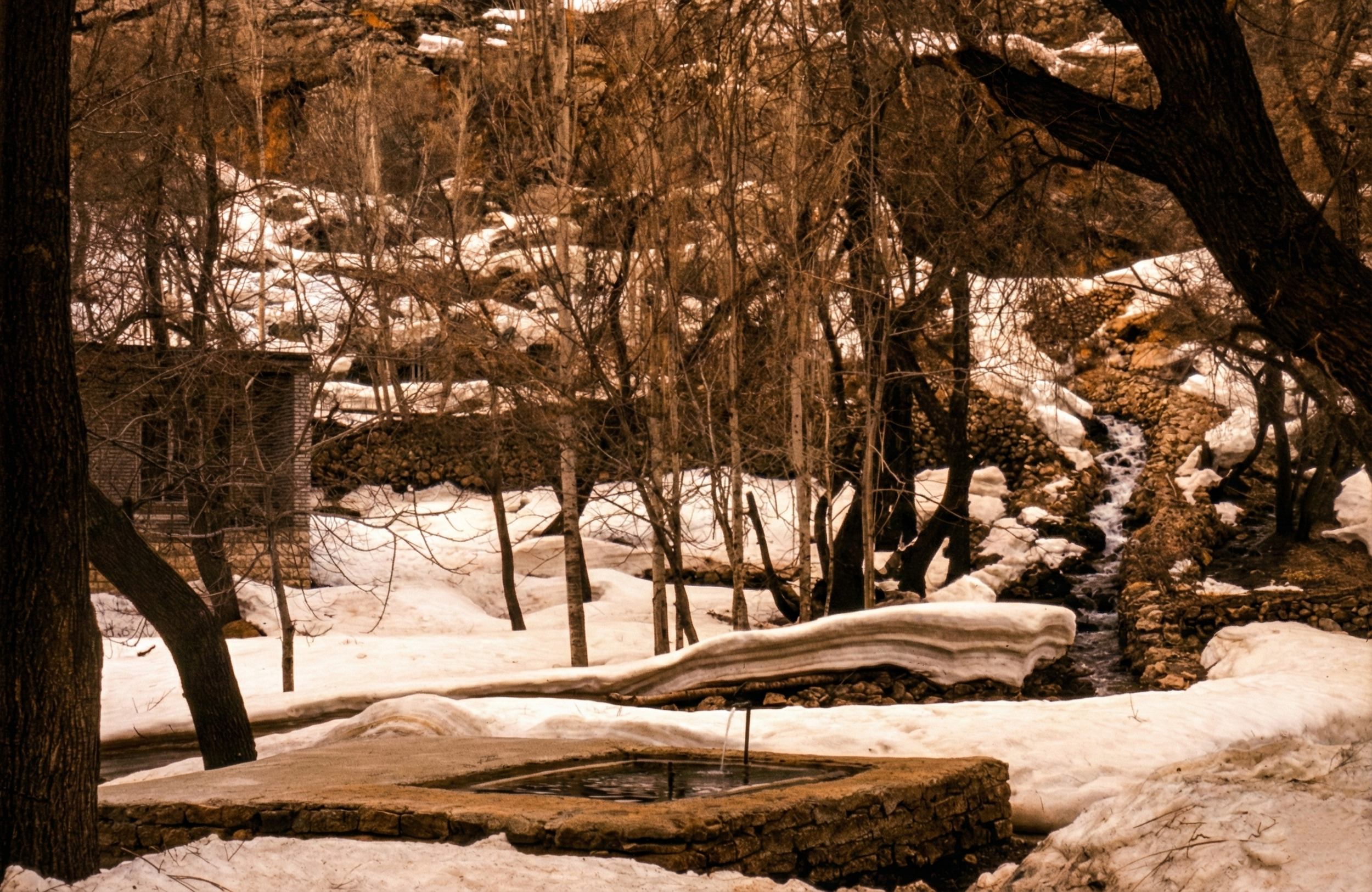

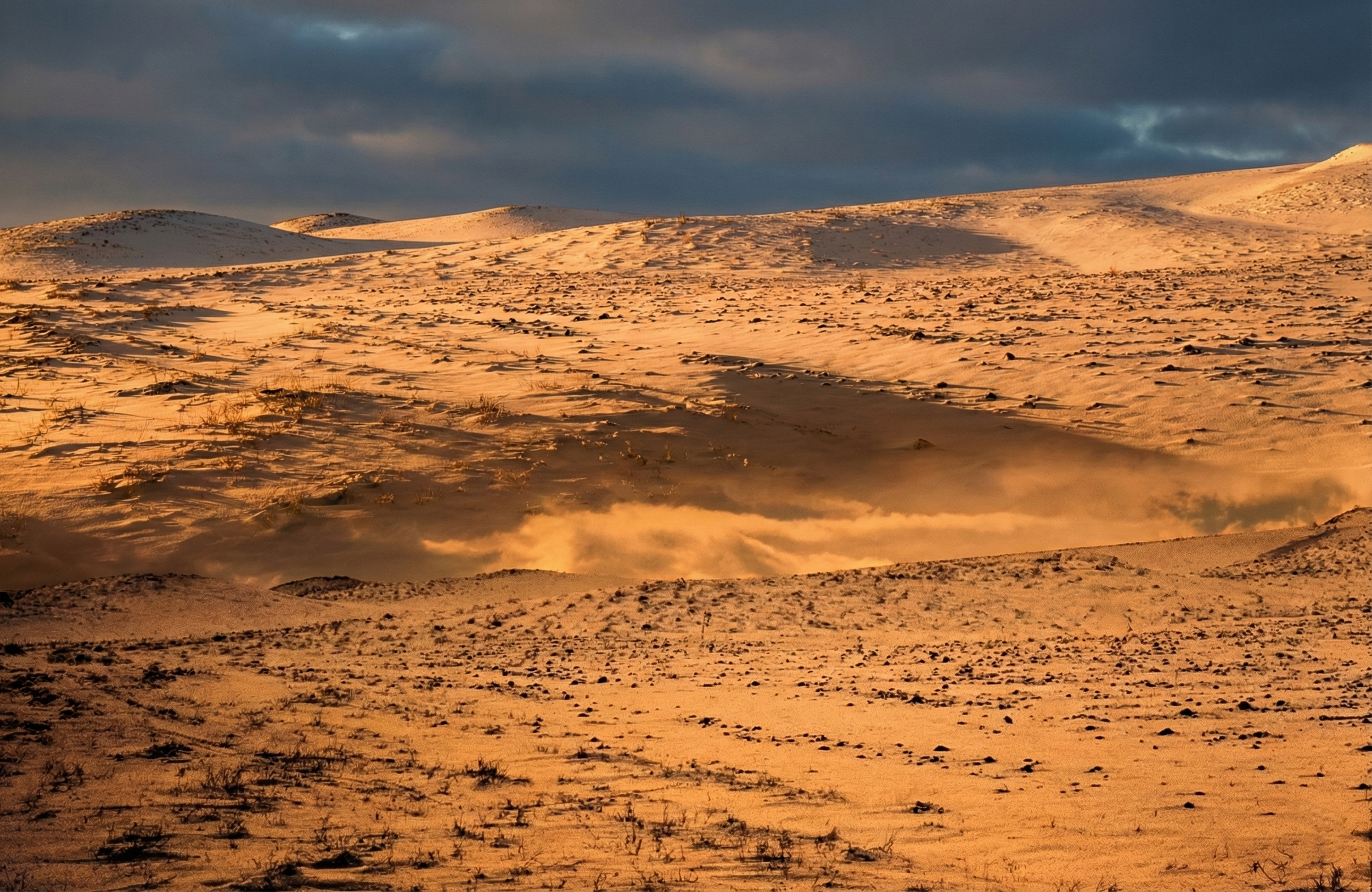
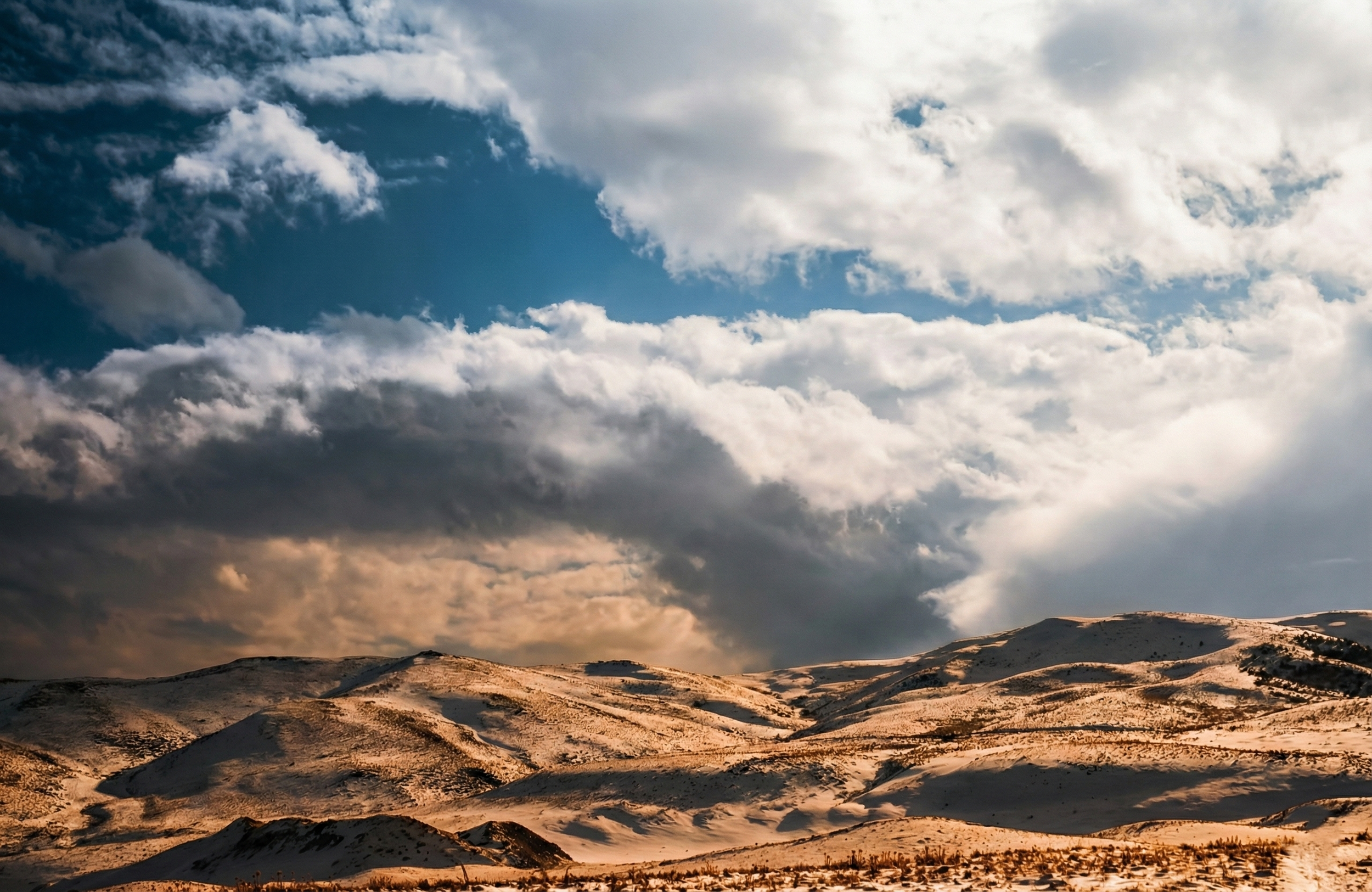
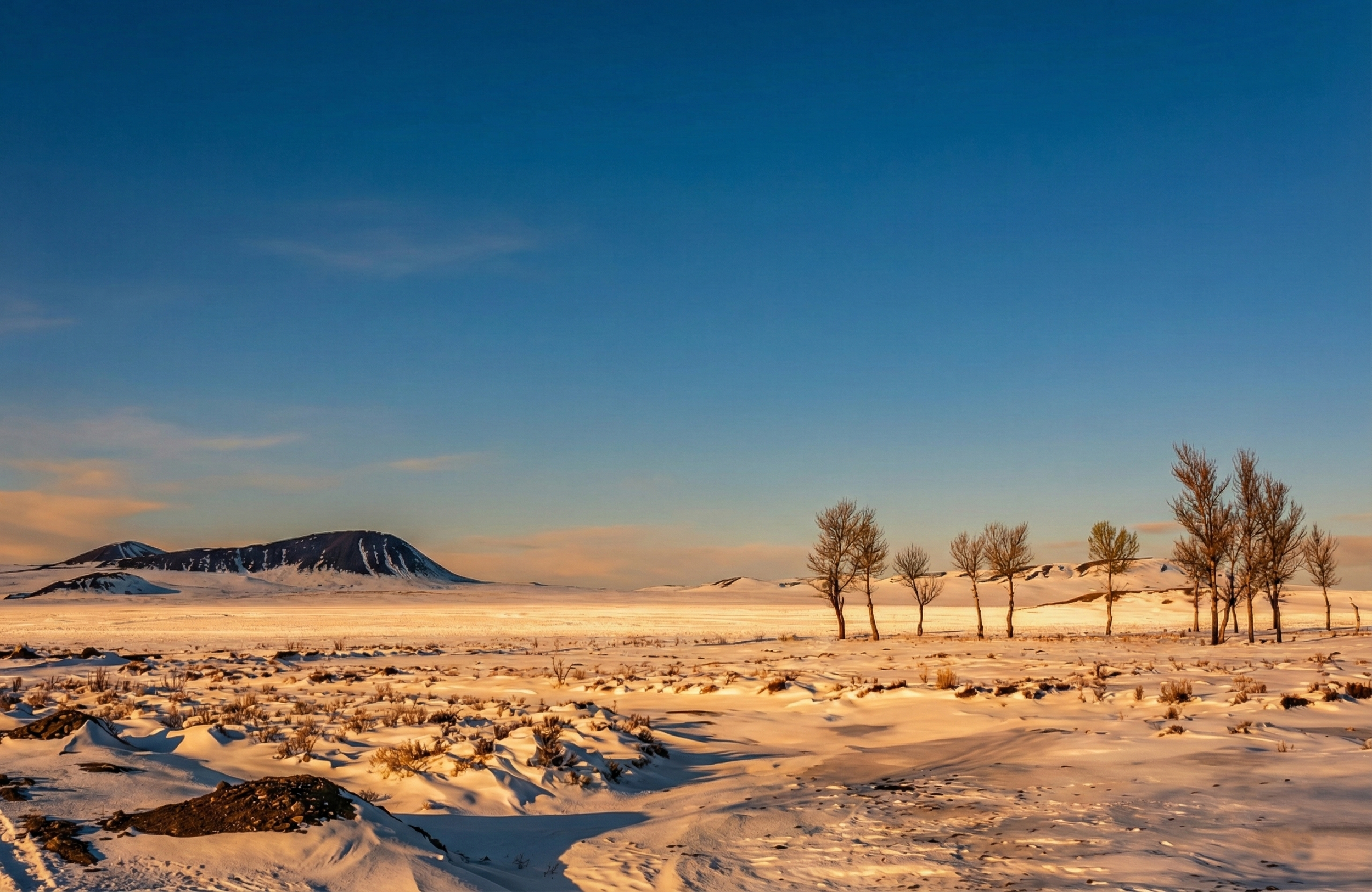
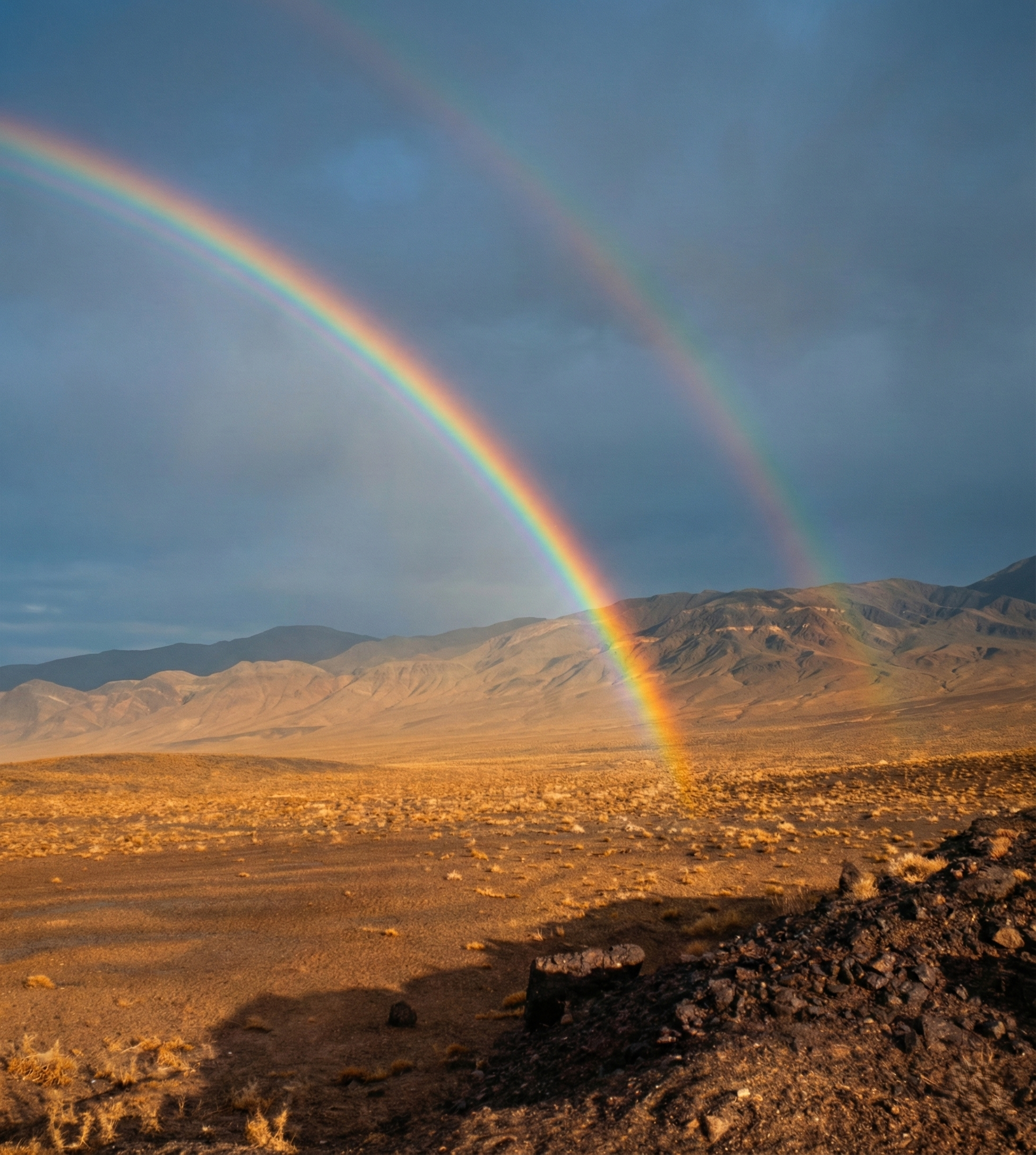
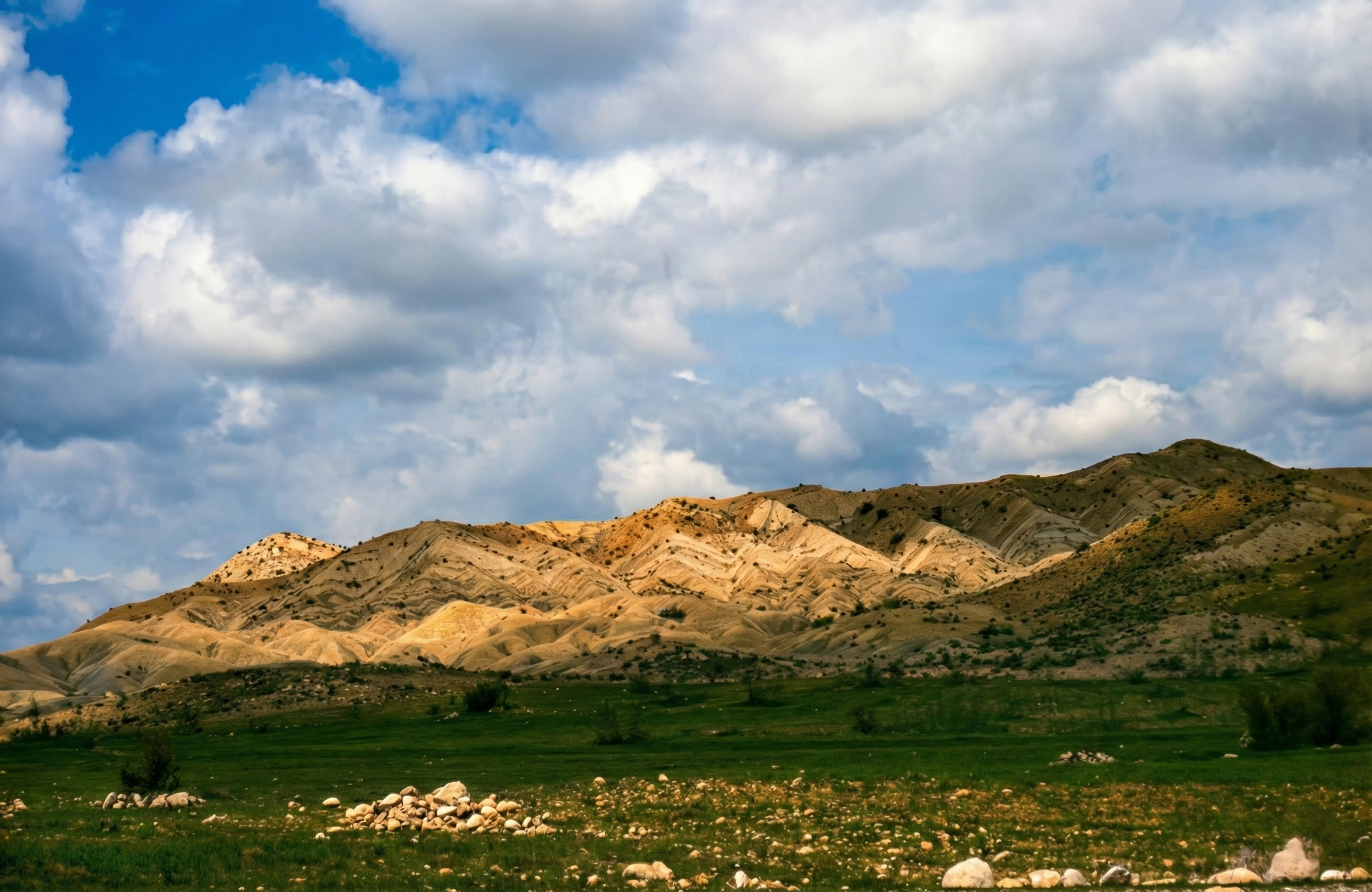
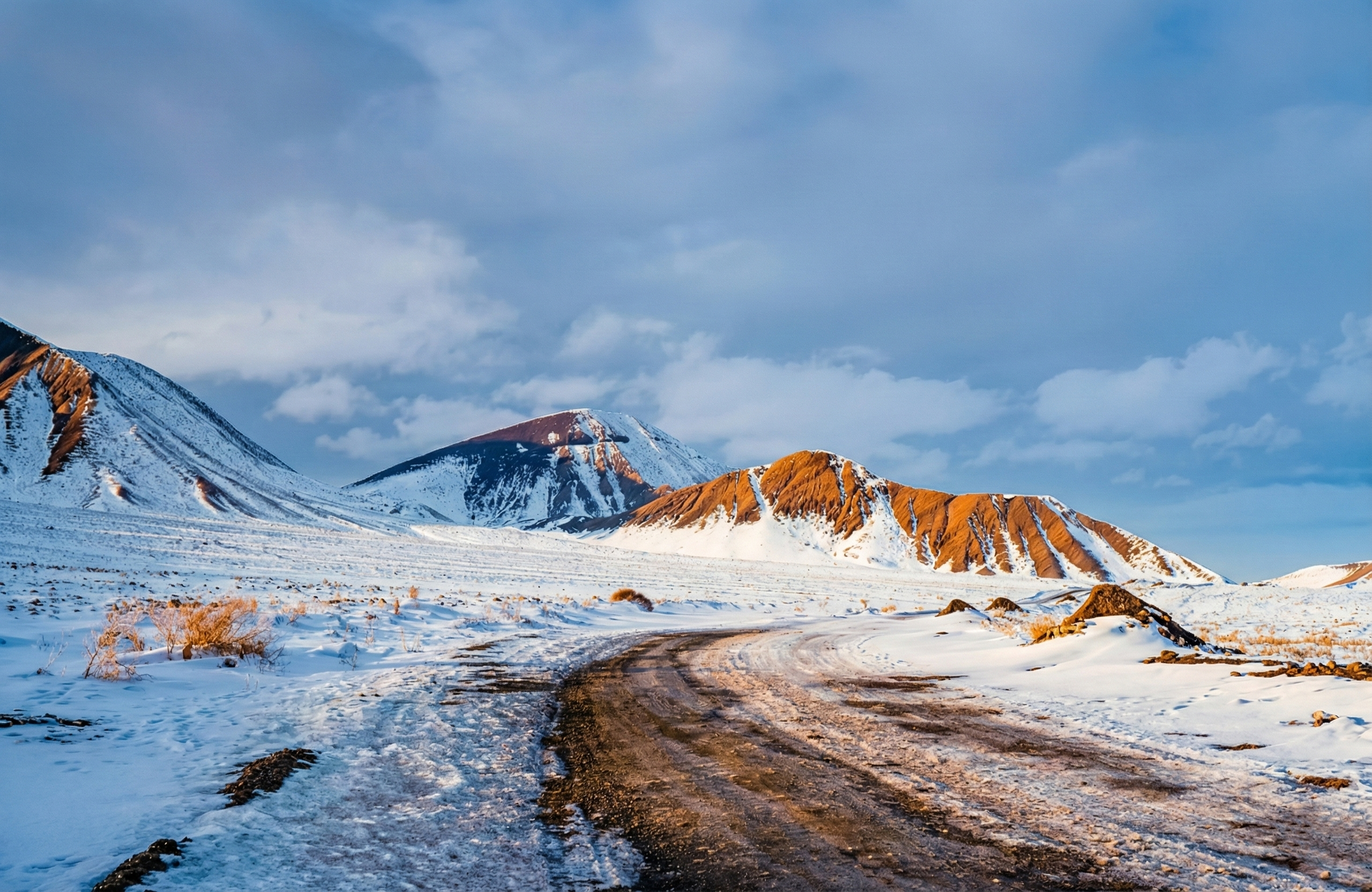
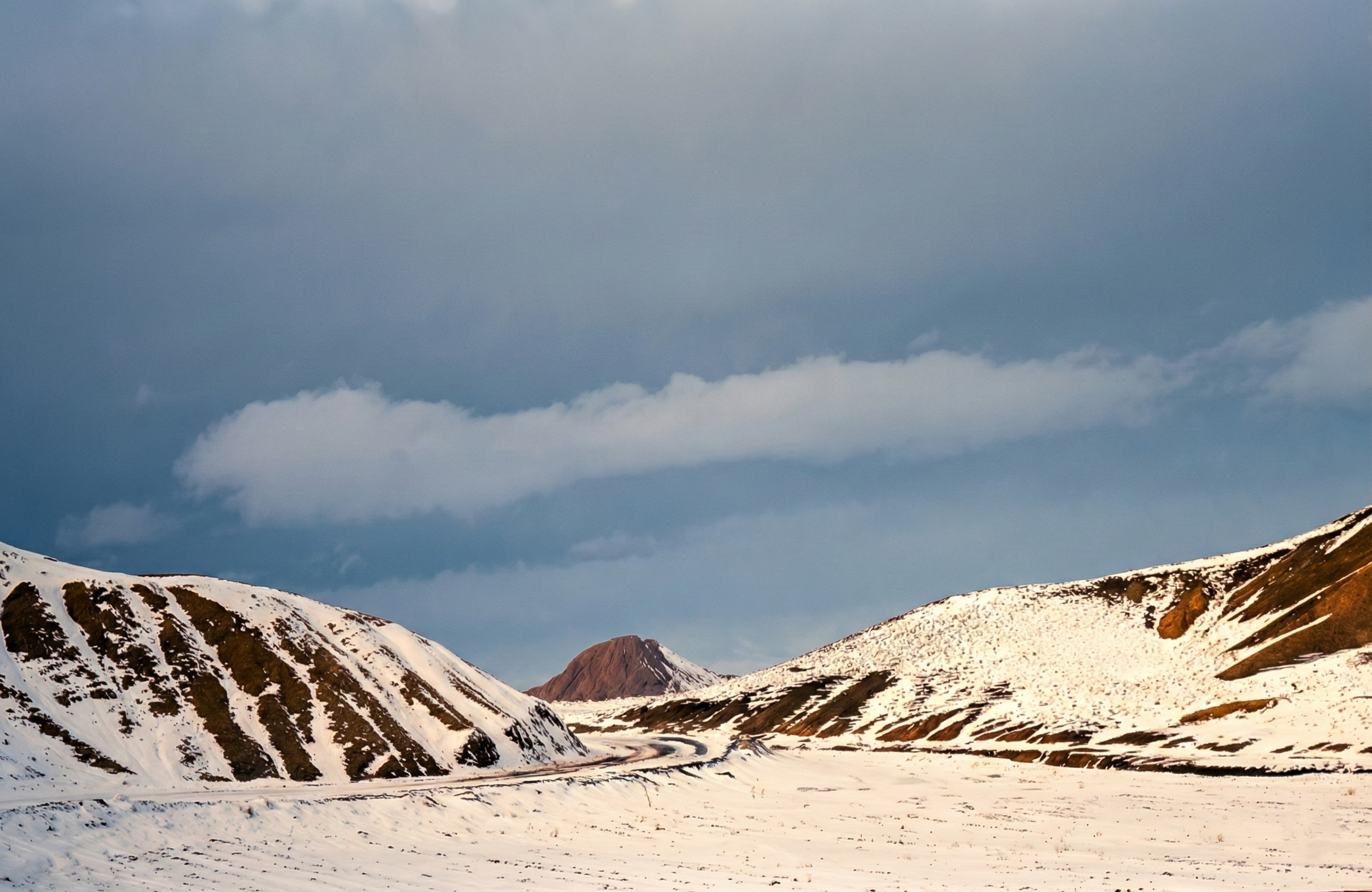
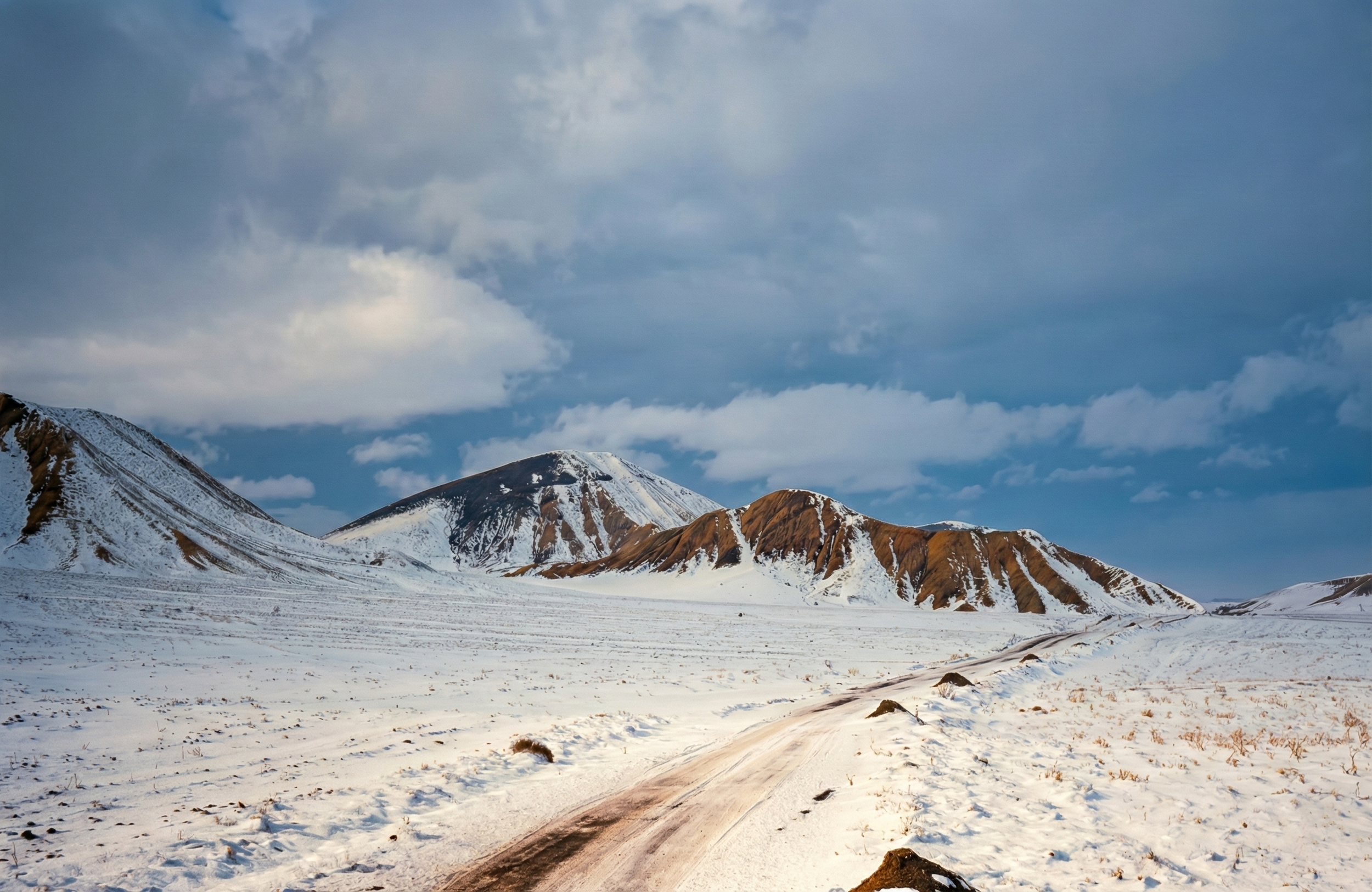
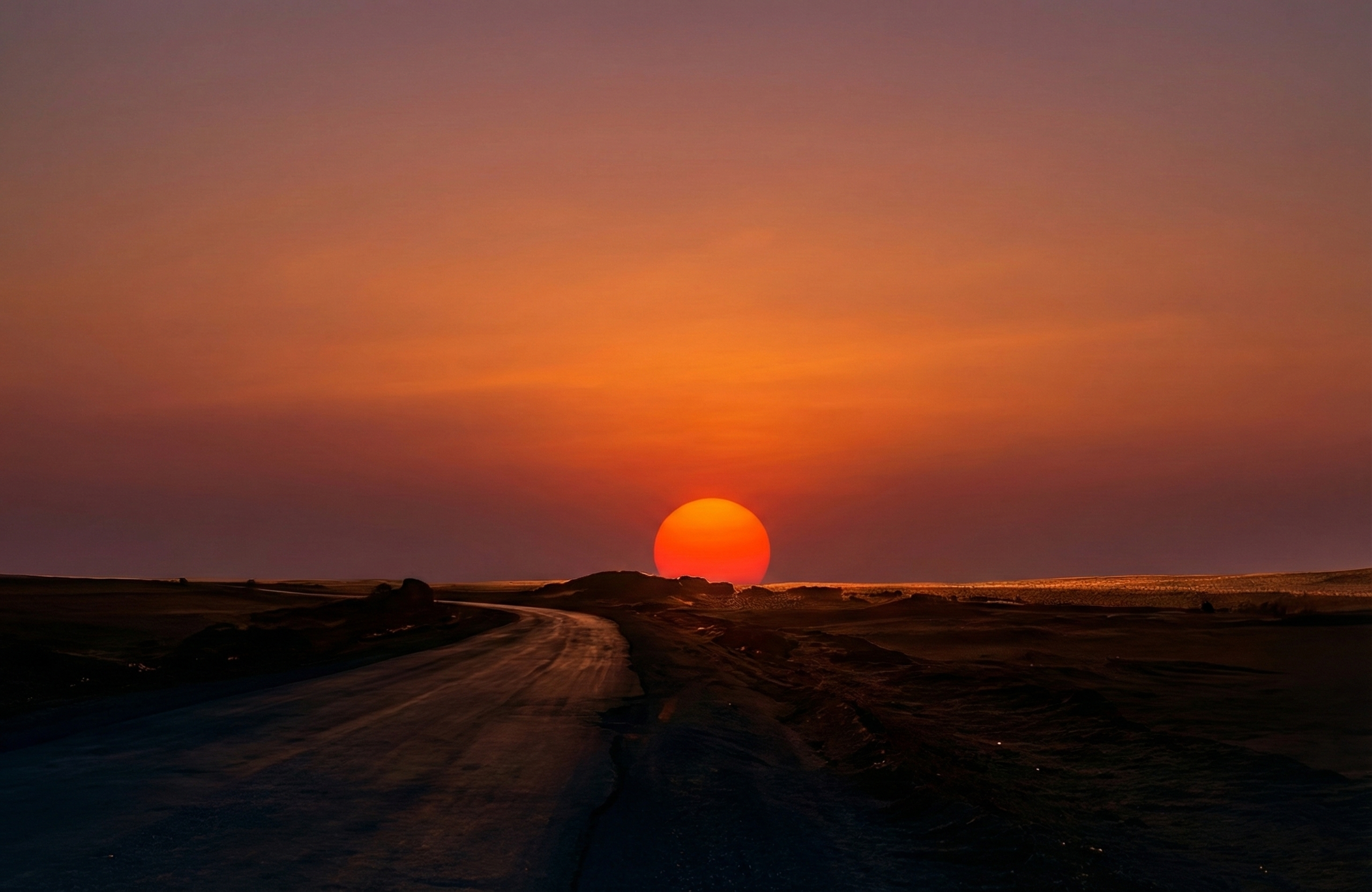
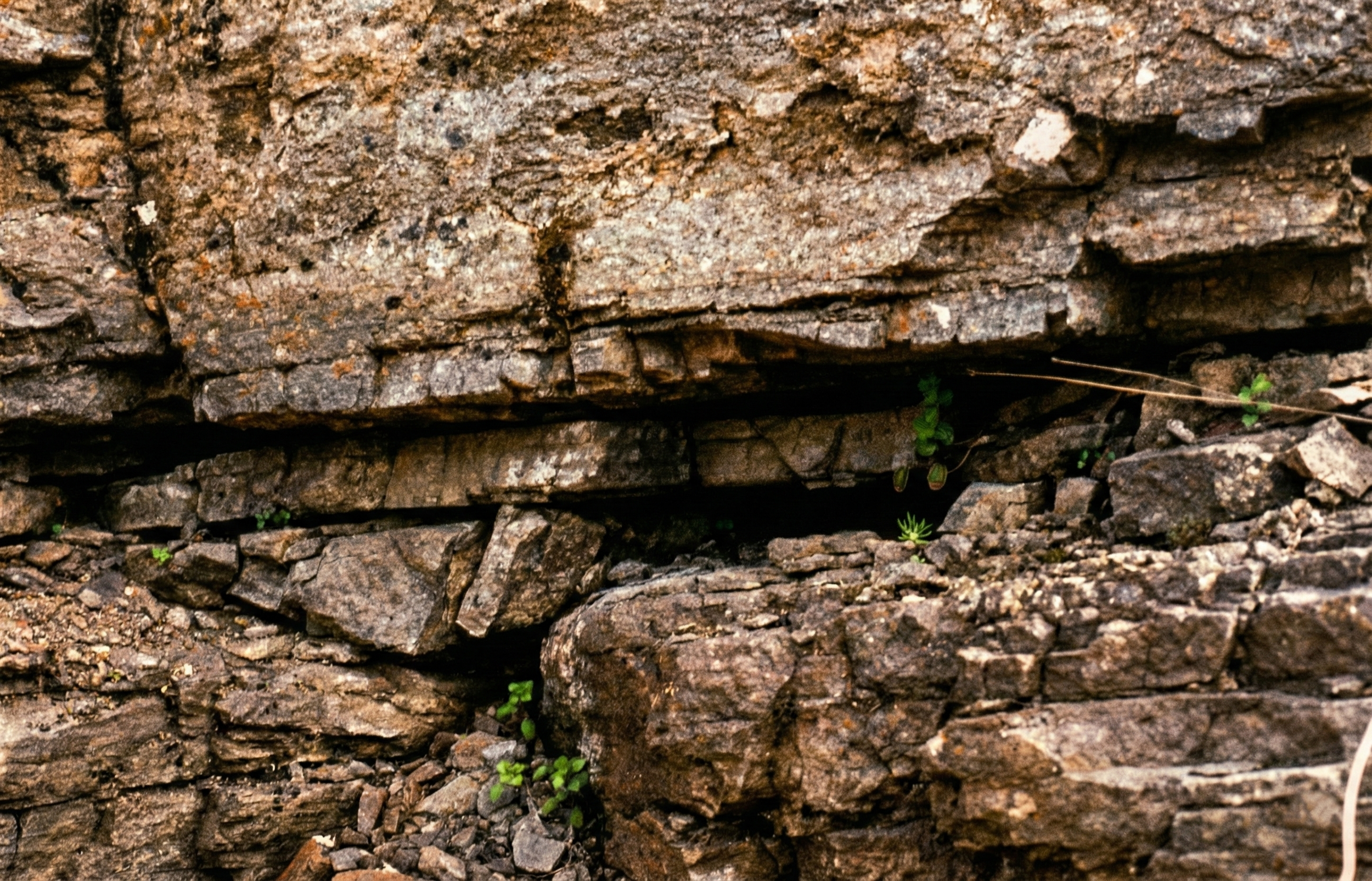
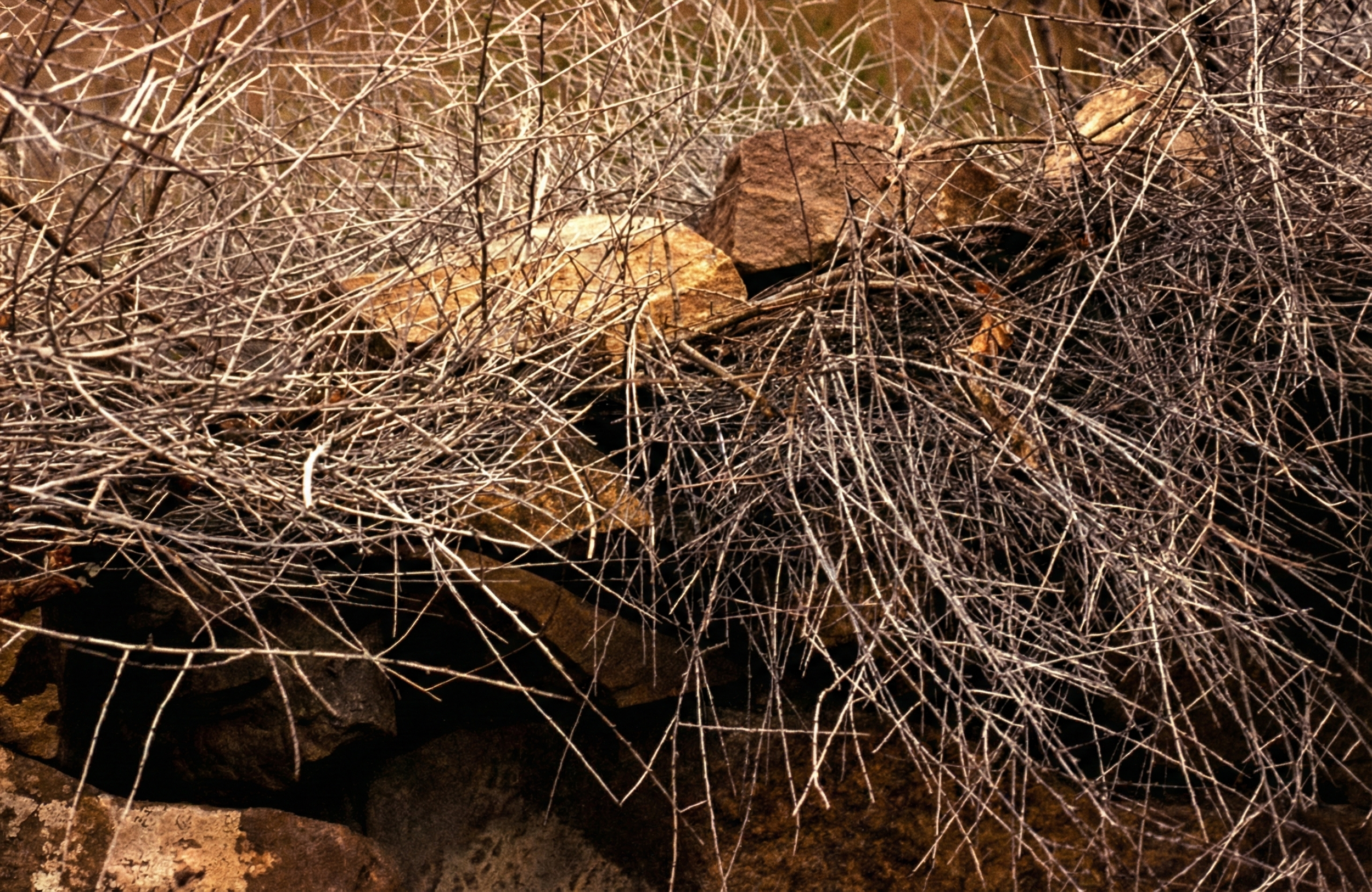
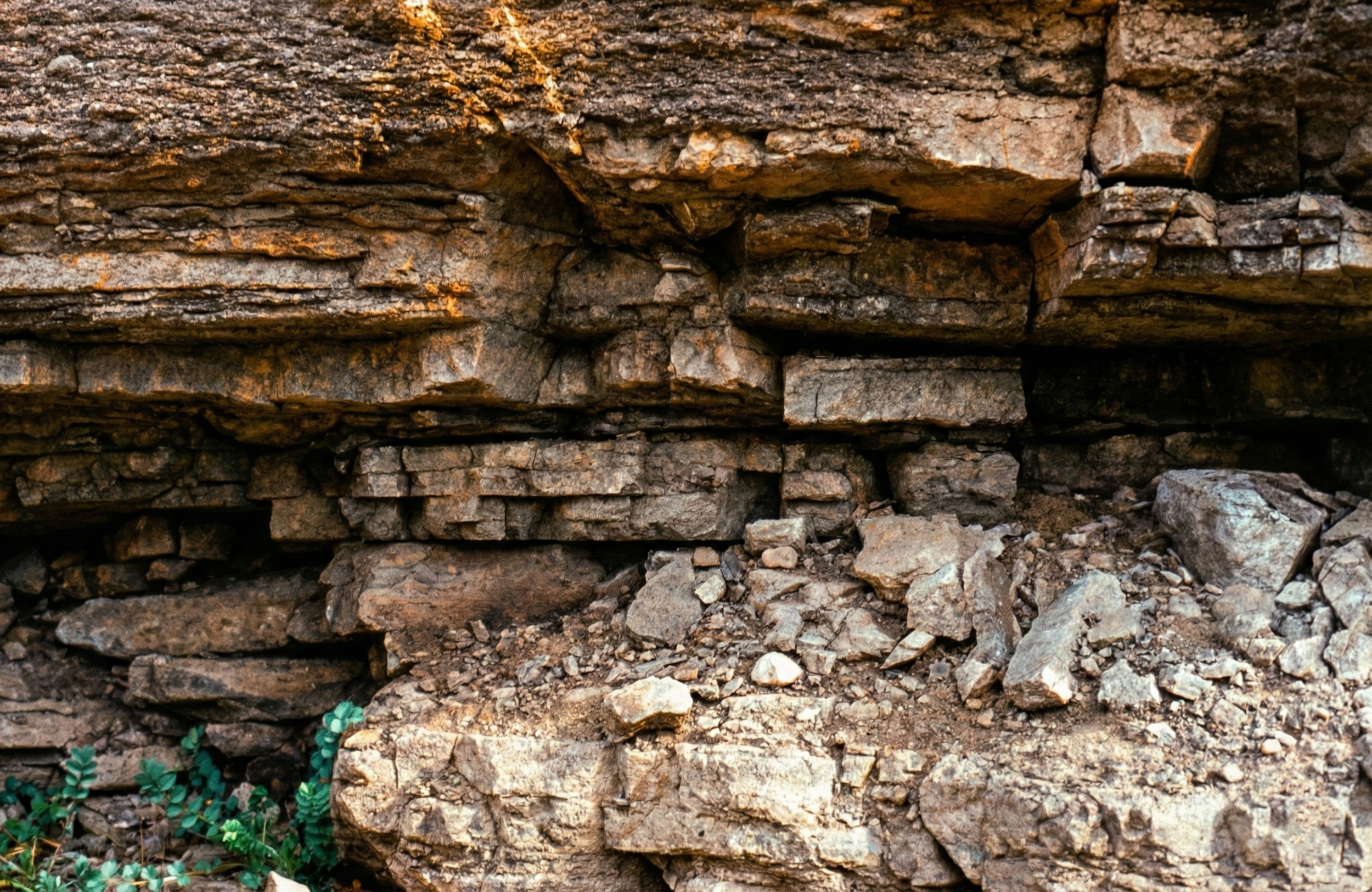
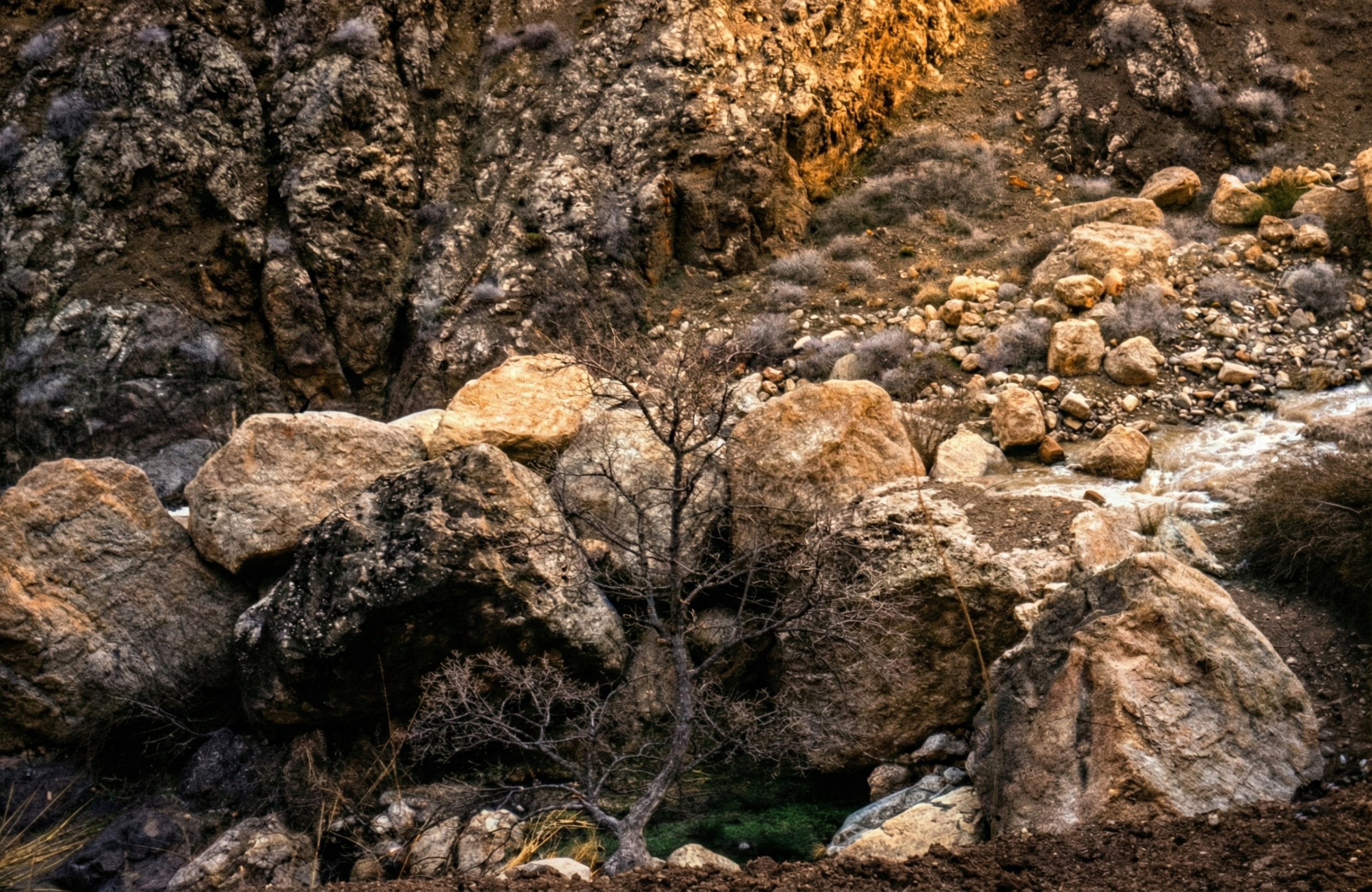
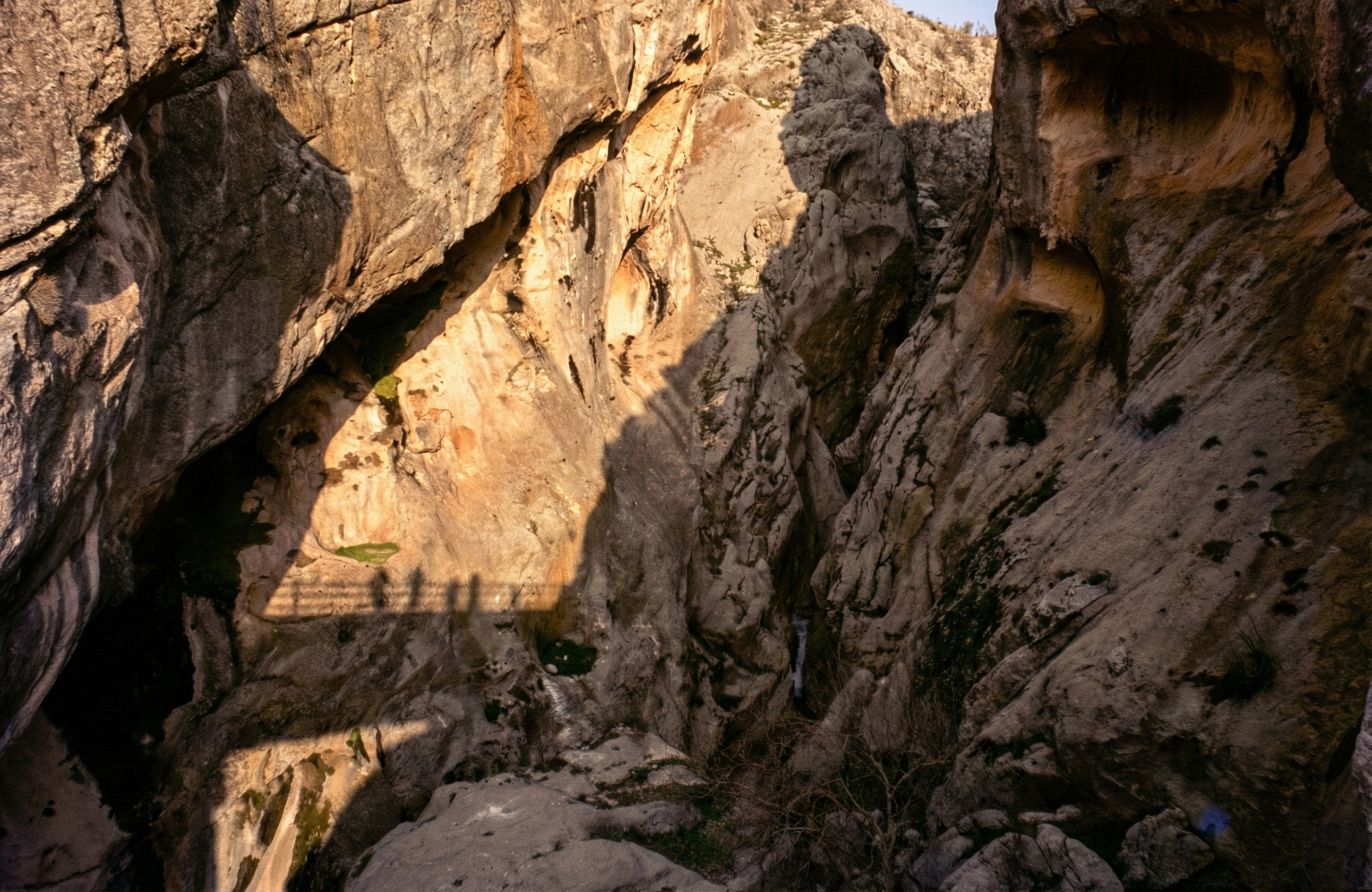
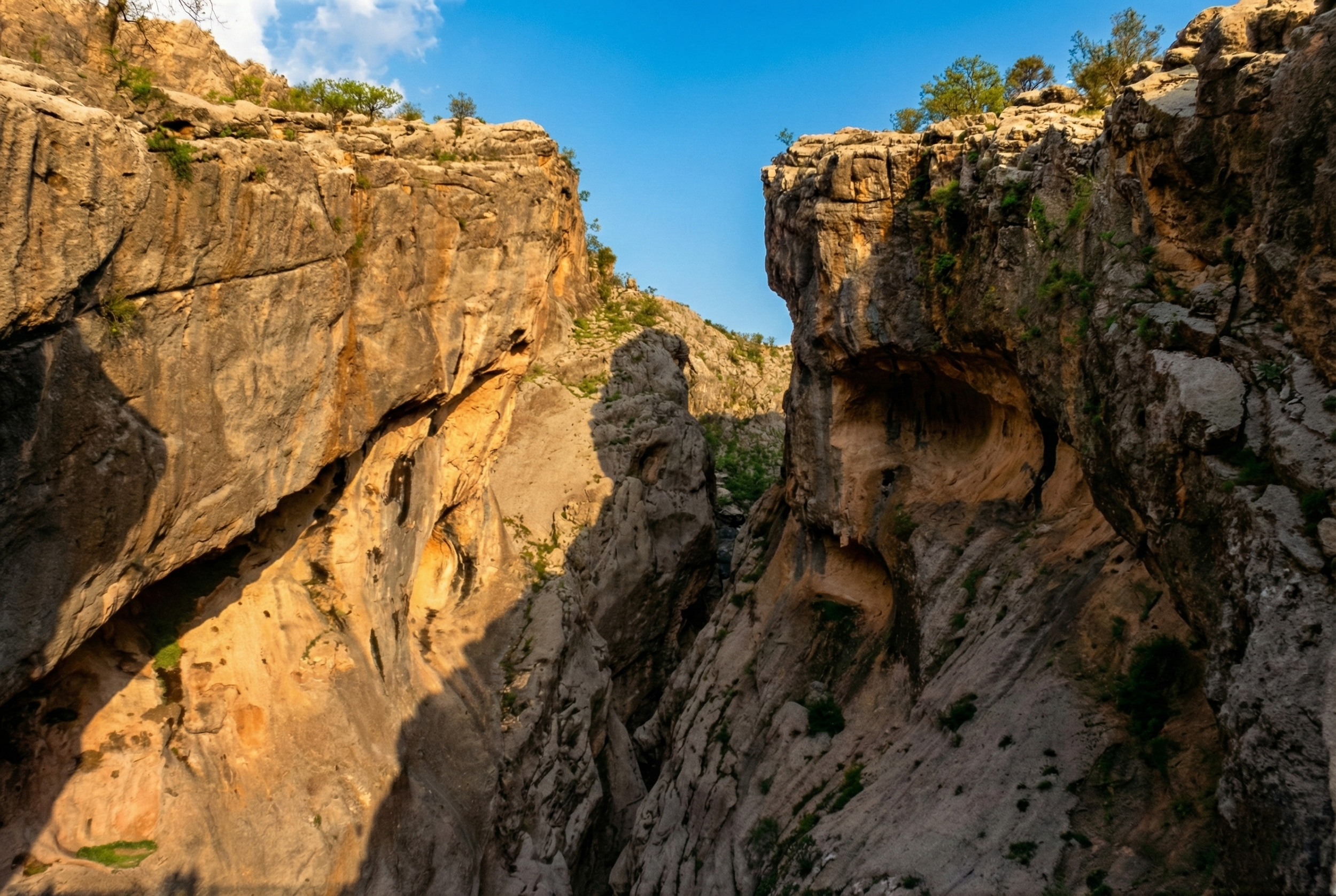
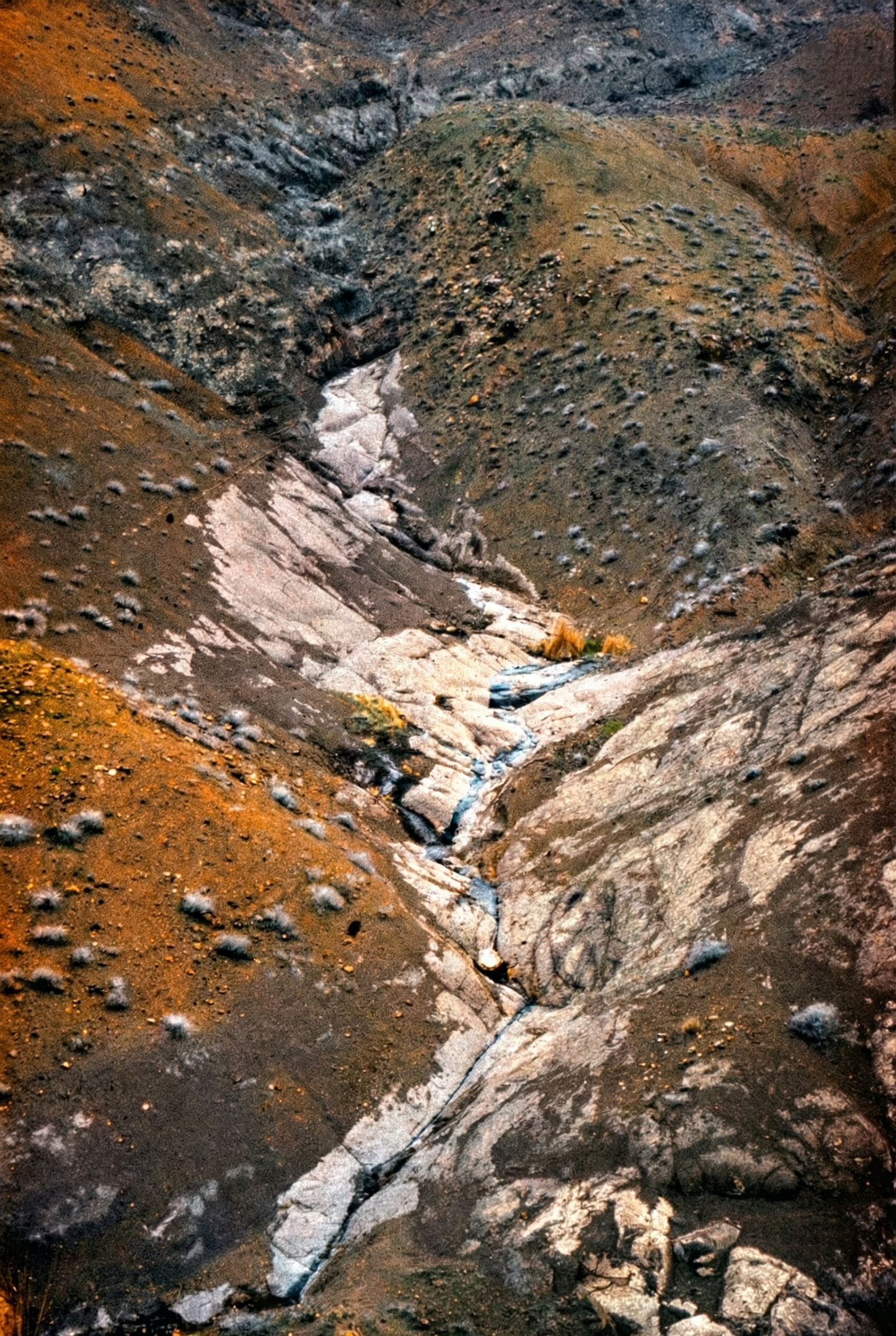
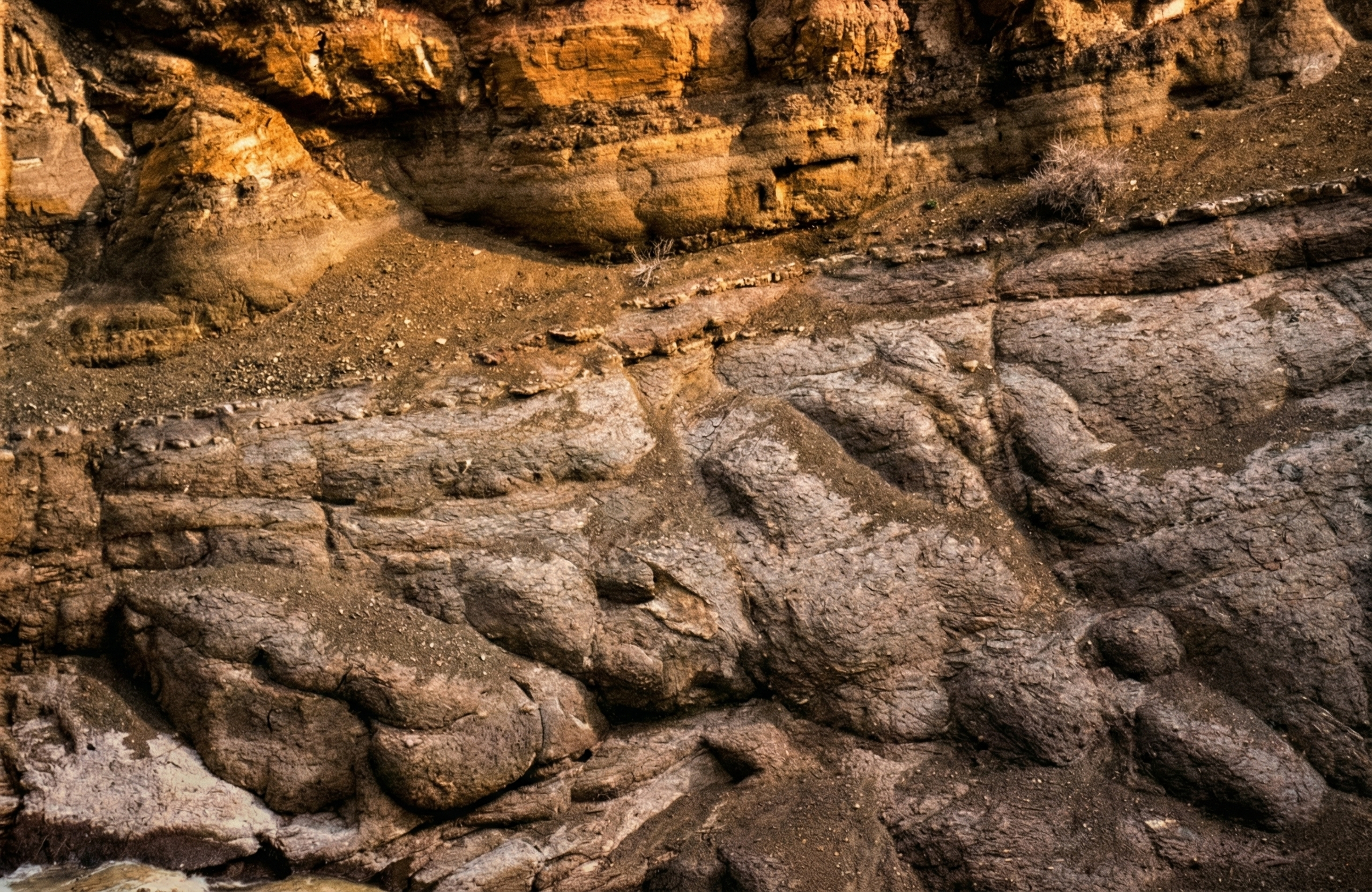
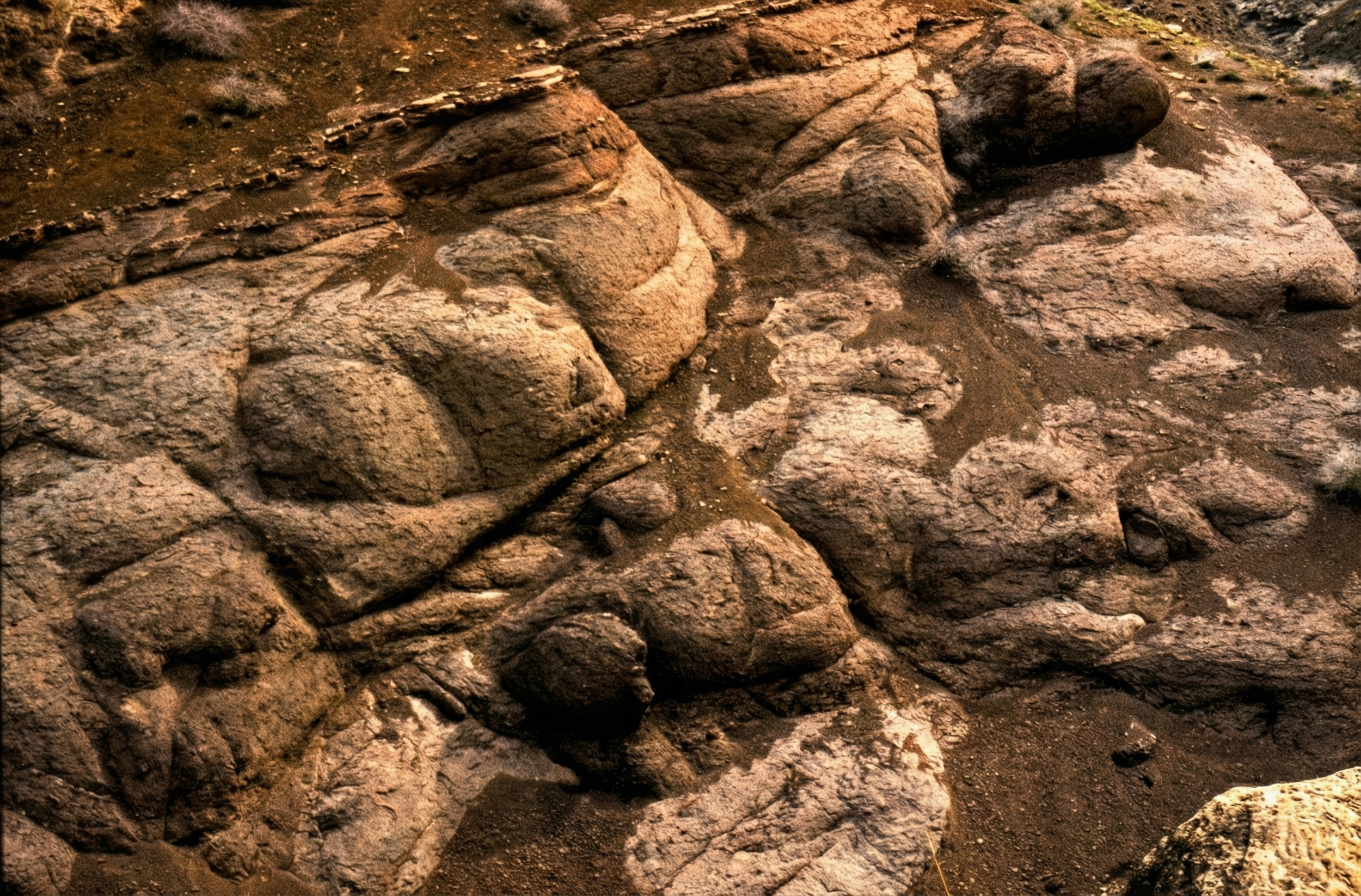
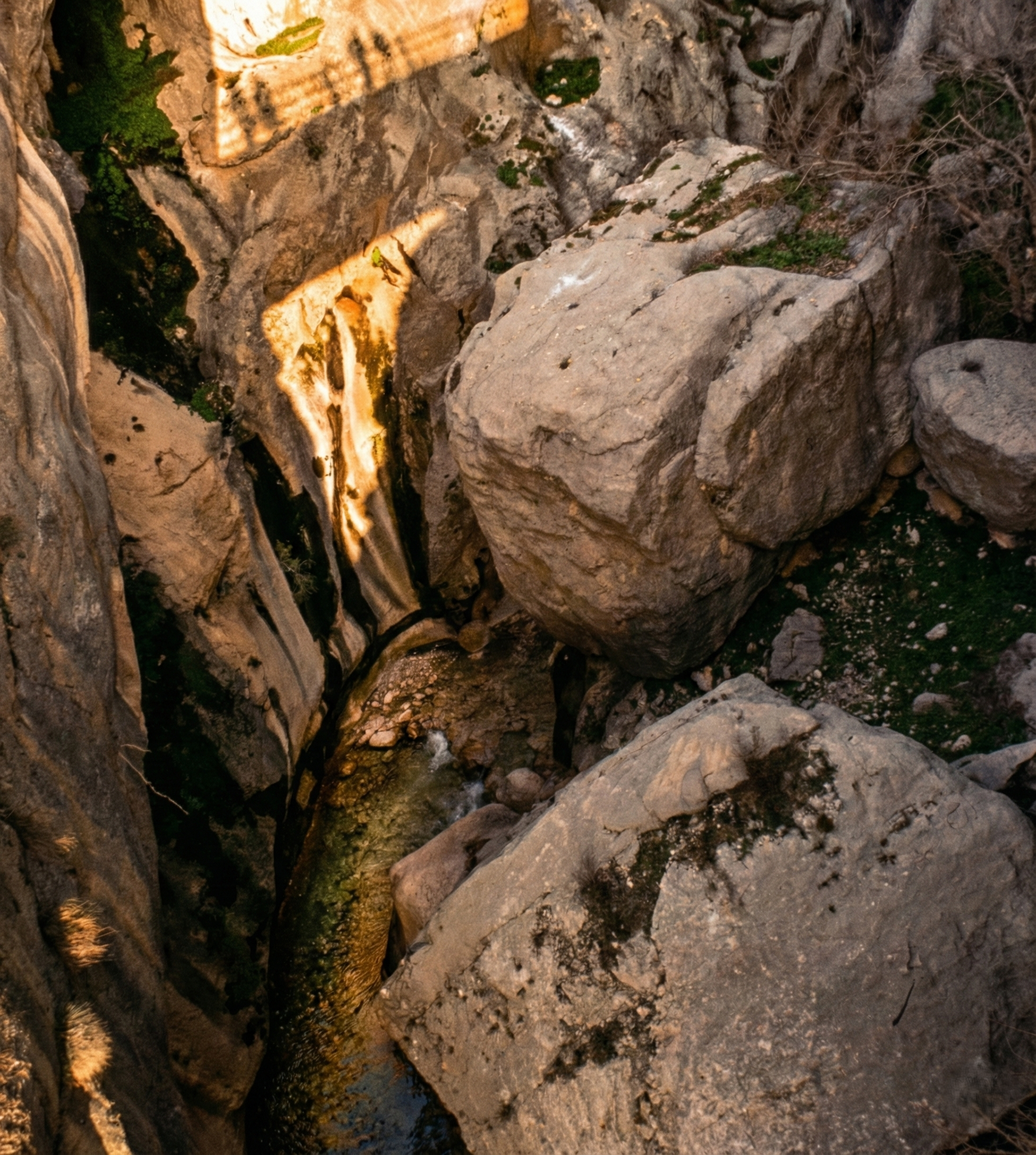
Reading Architecture Through Land reveals Iran beyond the desert myth—a terrain of mountains, rivers, coasts, and shifting climates. From the lush Caspian north to the sunlit southern shores, diverse landscapes shape distinct architectural responses. Here, architecture emerges from the land itself, expressing survival, adaptation, and a deep connection between environment and form.
-
Reading Architecture Through Land: Iranian architecture cannot be understood without first seeing the land that gives rise to it. Too often, Iran is imagined as a vast, unbroken desert—a simplification shaped by its central plateaus. Yet this perception obscures a far richer reality. Iran is a terrain of dramatic contrasts, where mountains rise abruptly from plains, rivers carve through valleys, and climates shift within short distances.
To the north, the lush, mist-covered landscapes along the Caspian Sea unfold in deep greens, while to the south, the expansive shores of the Persian Gulf and Arabian Sea stretch into light and heat. Between these edges lies a complex mosaic of environments—each demanding a different architectural response.
These photographs invite a closer reading of the land itself—not as a passive setting, but as a generative force. Here, architecture emerges as a direct expression of terrain, climate, and survival, revealing a built tradition inseparable from the landscapes that shape it.
