Calligraphy _The Spirit
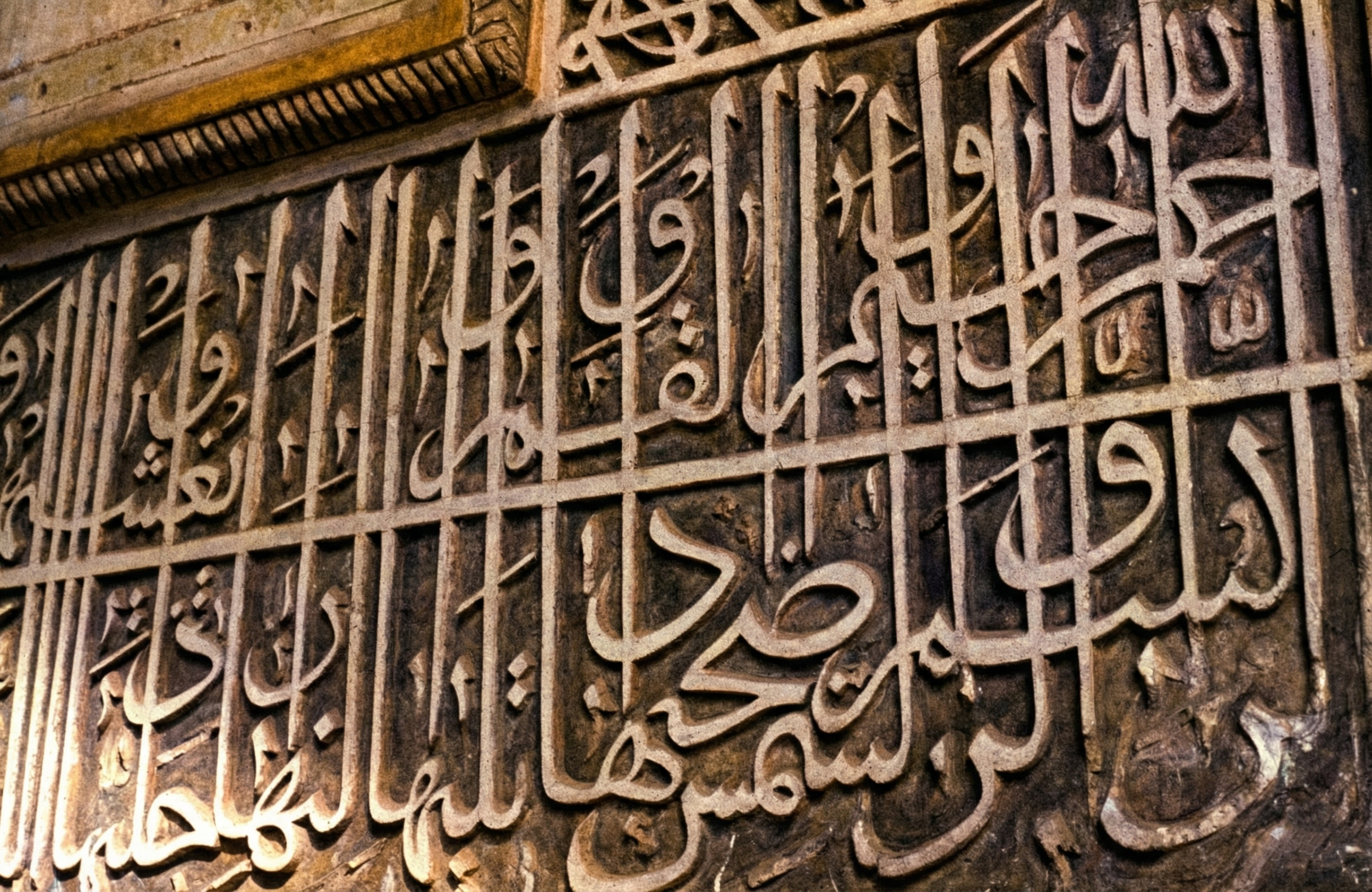
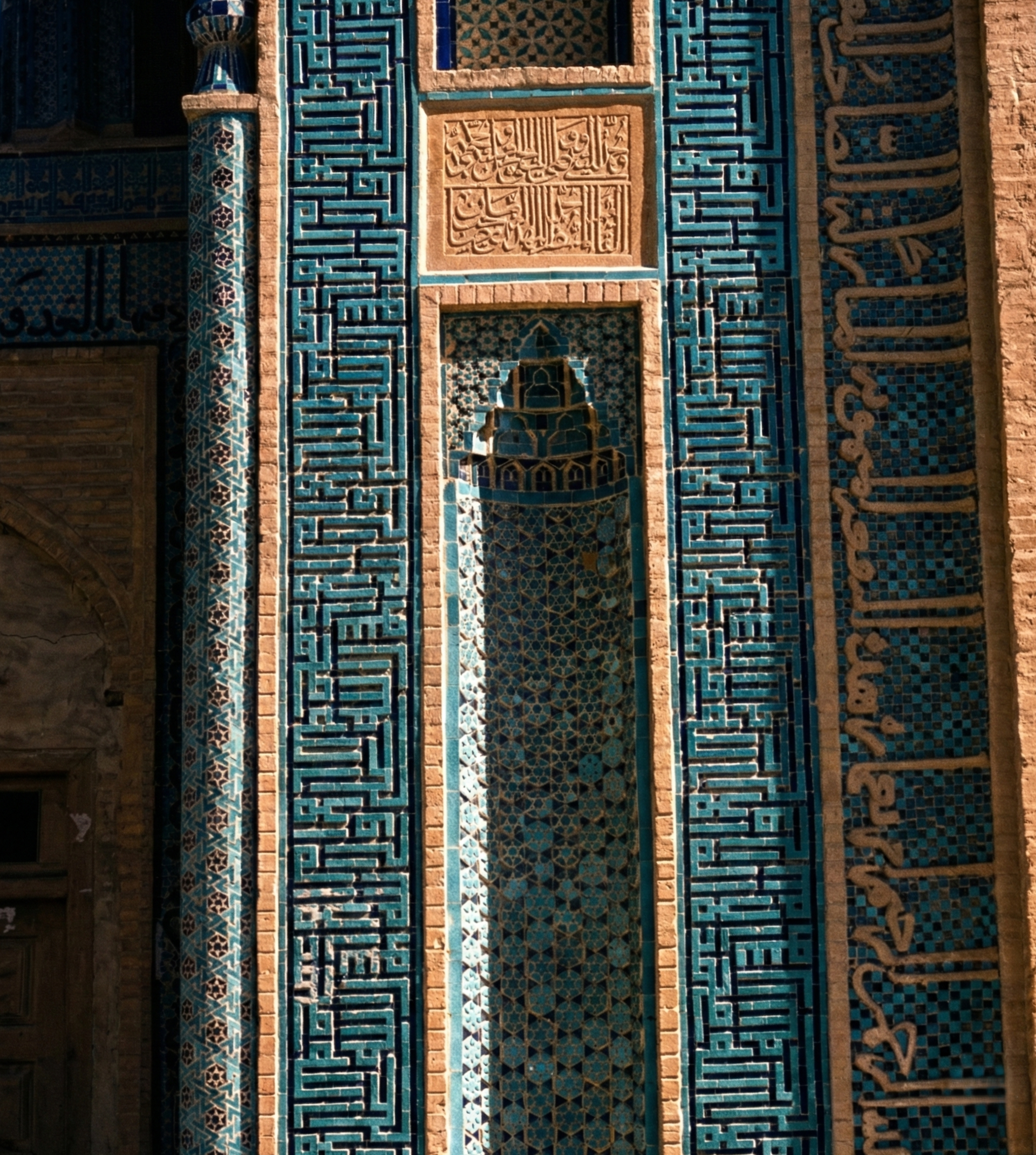
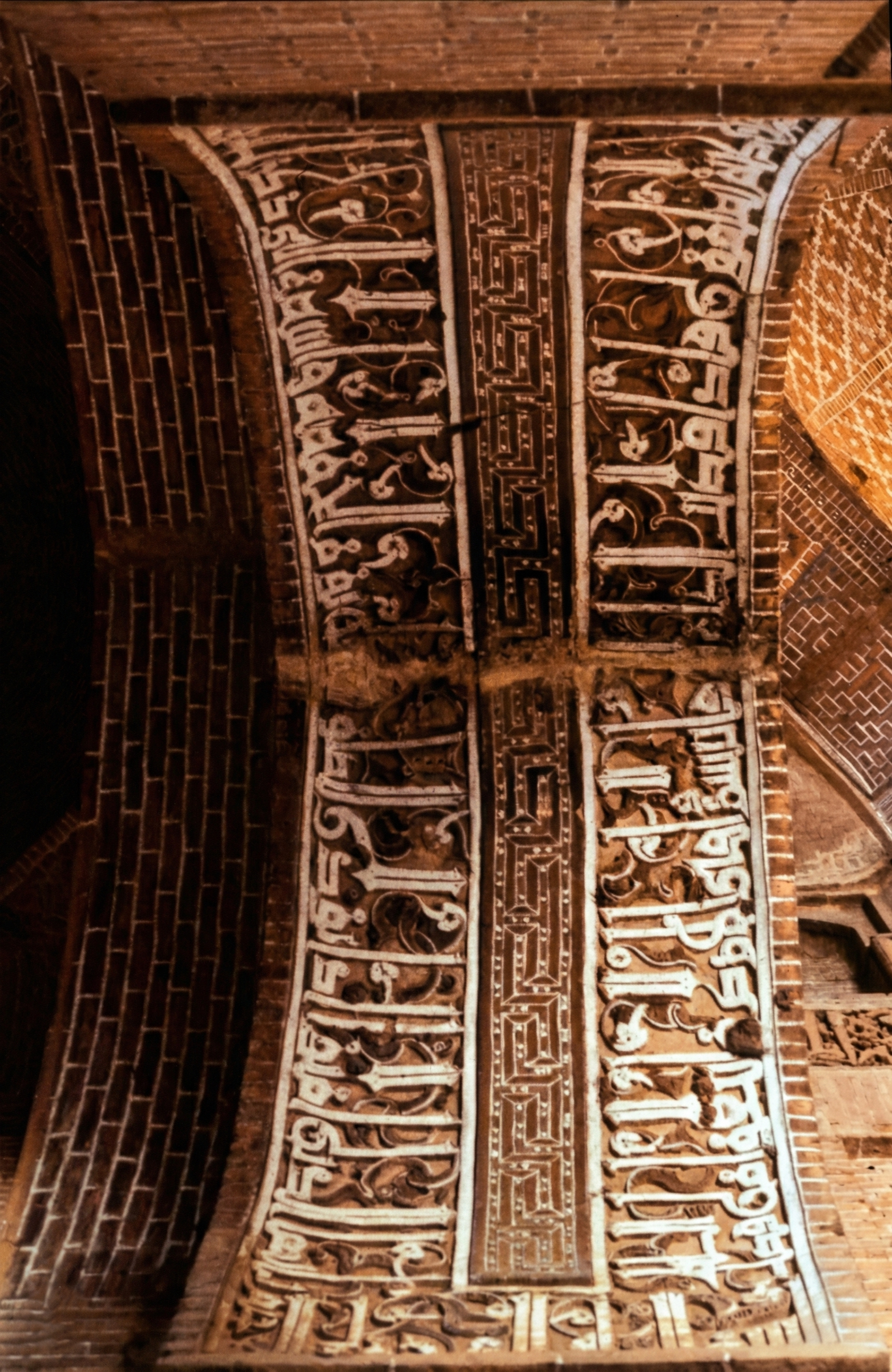
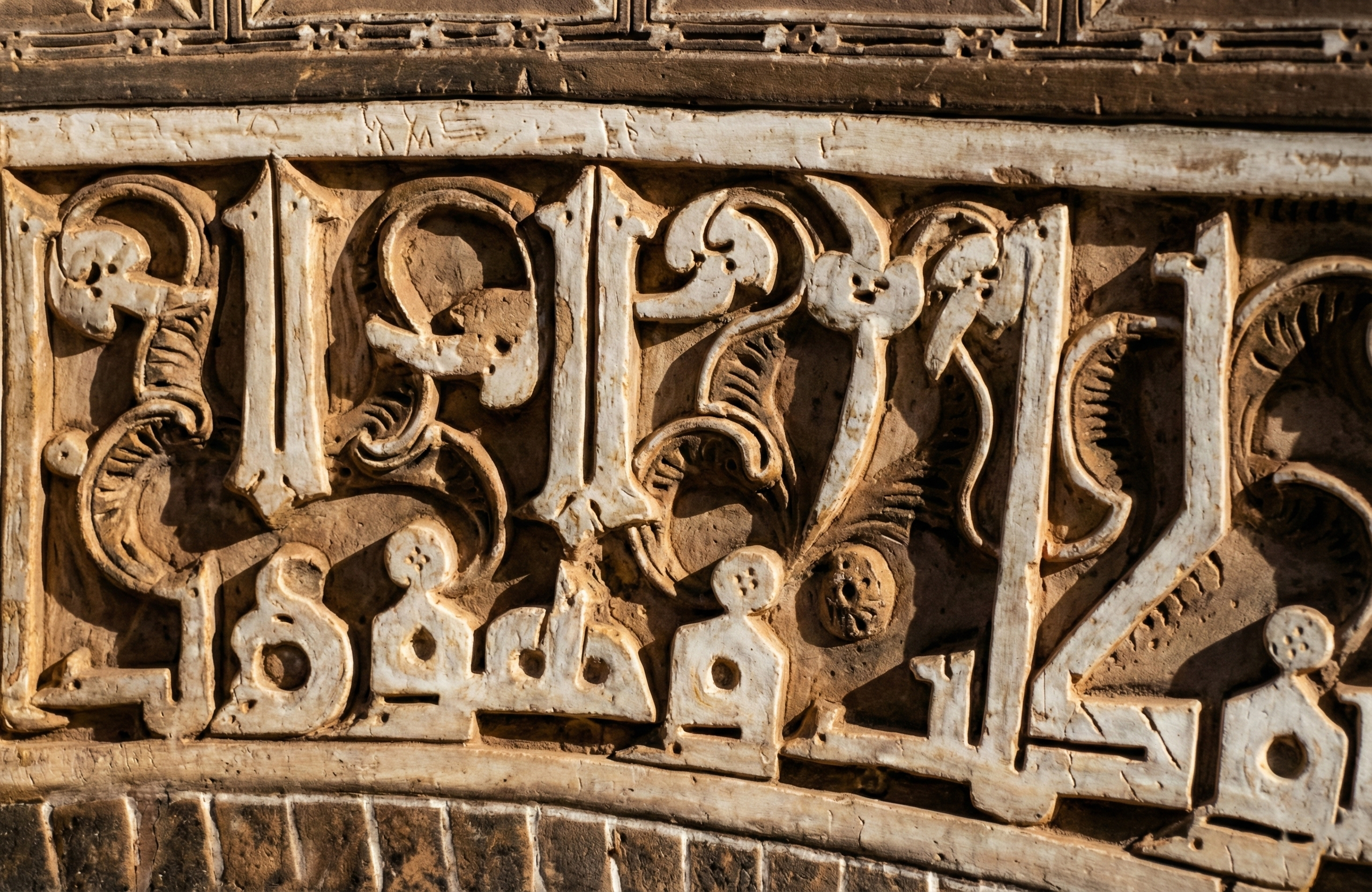
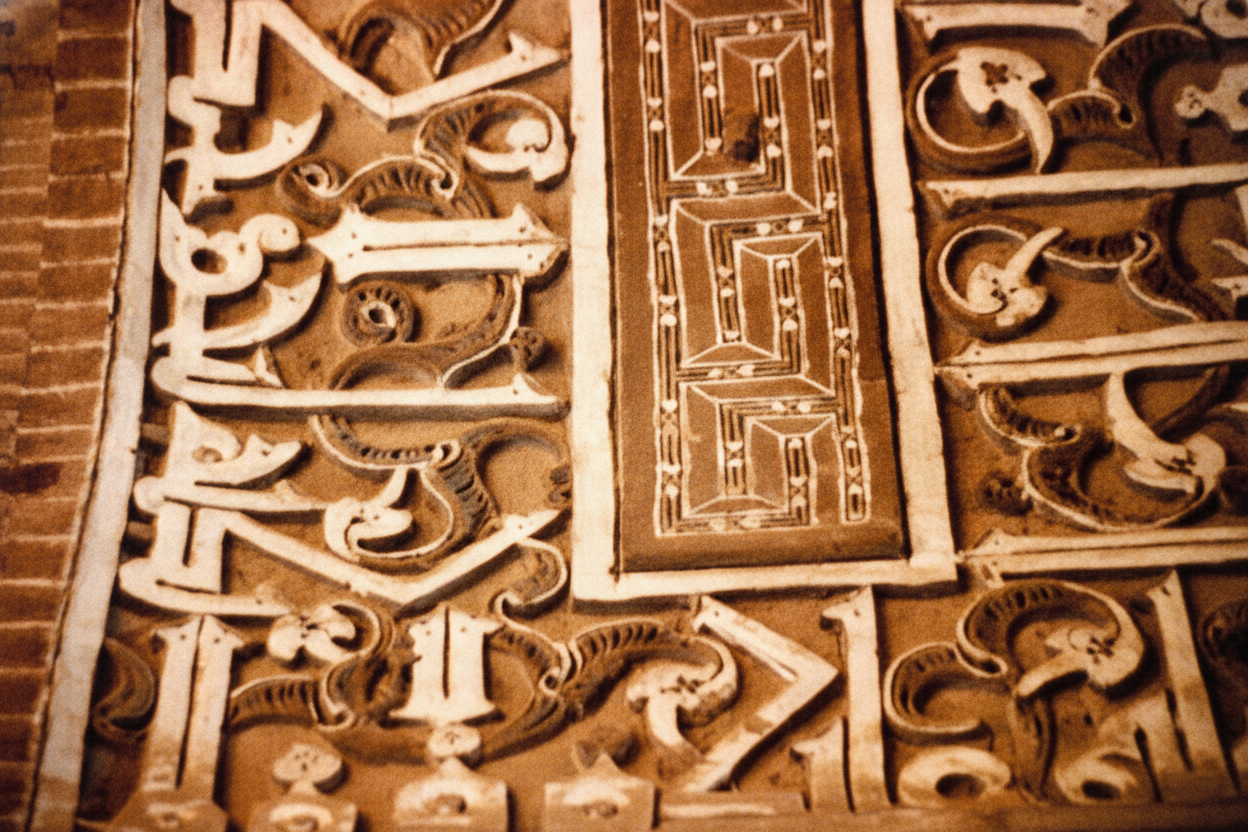
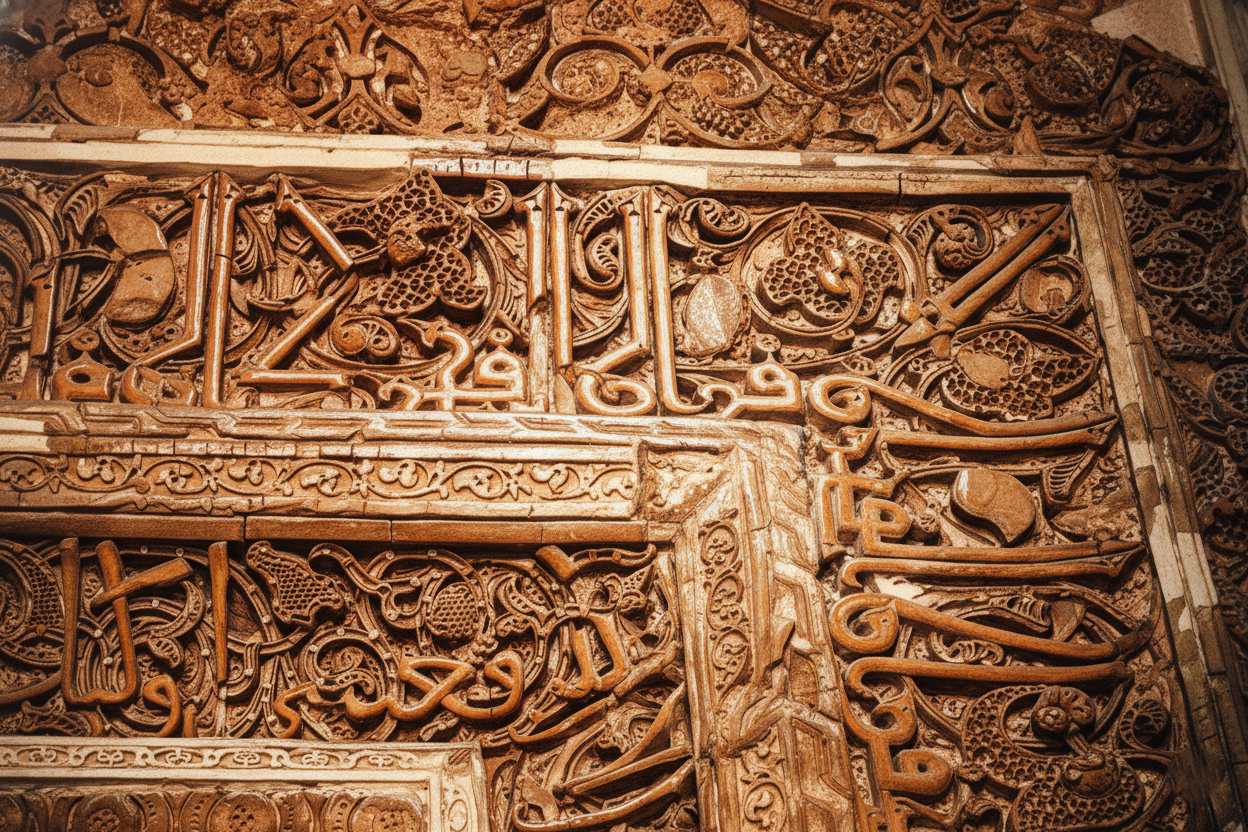
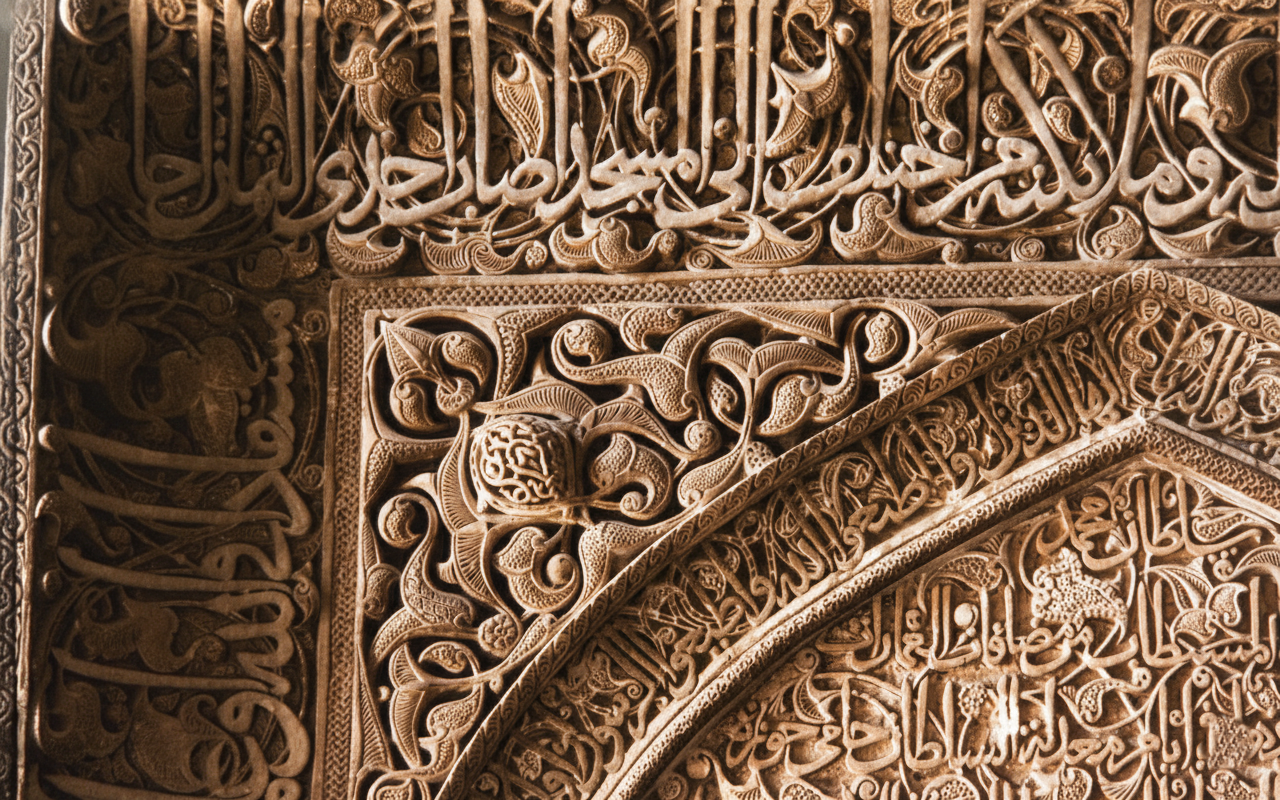
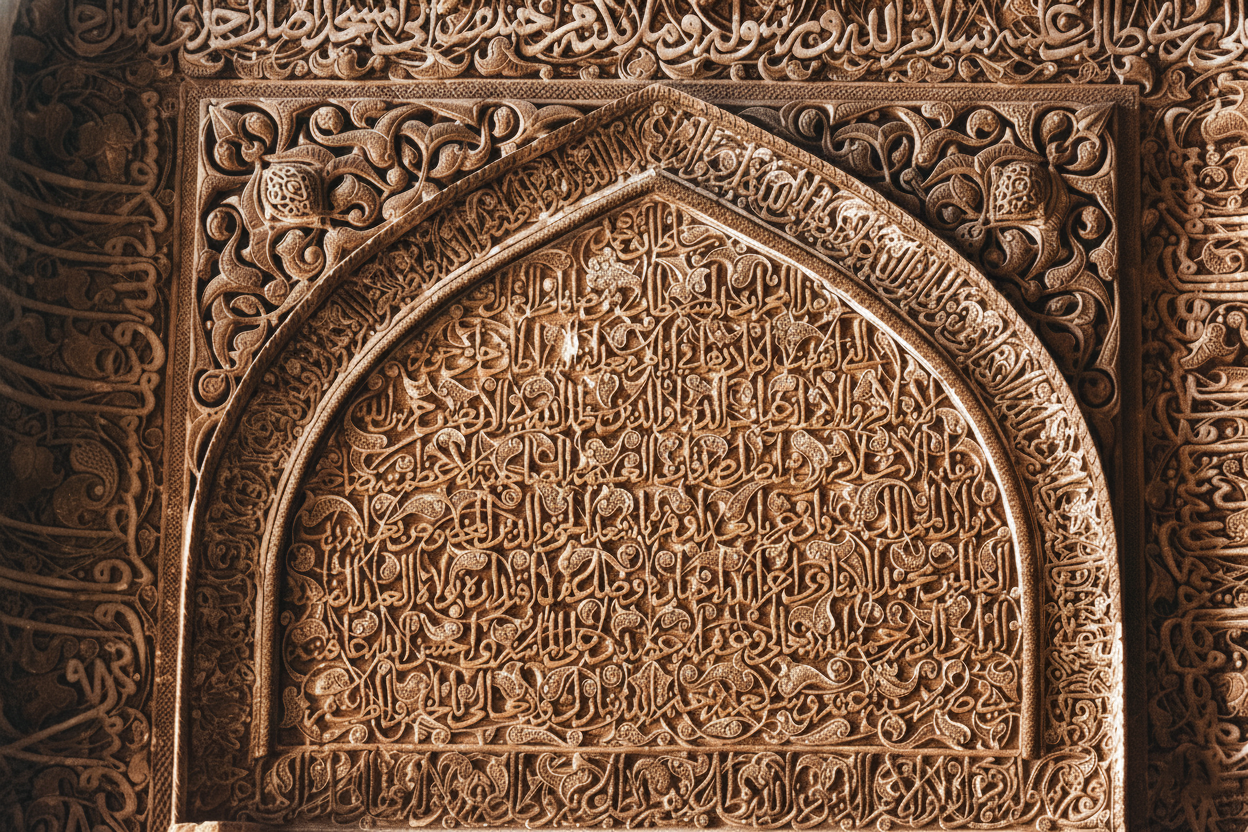
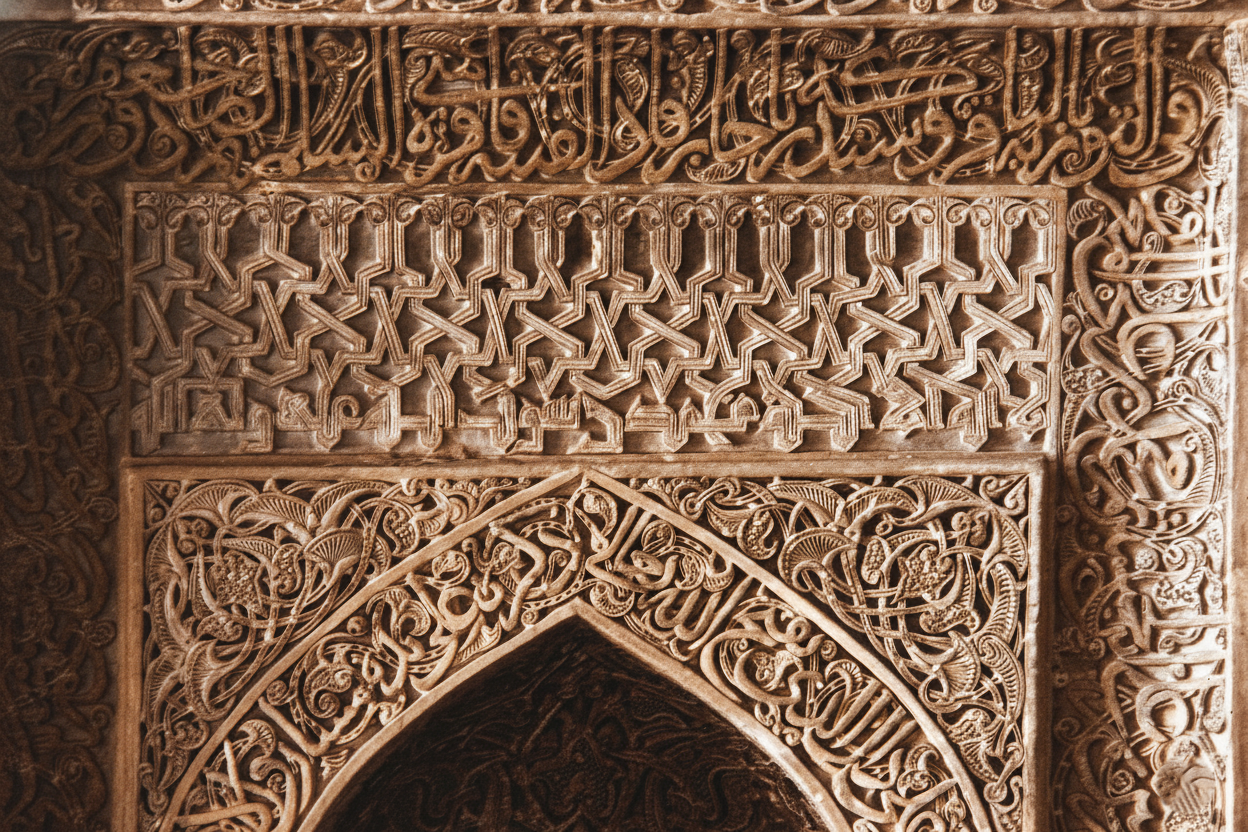
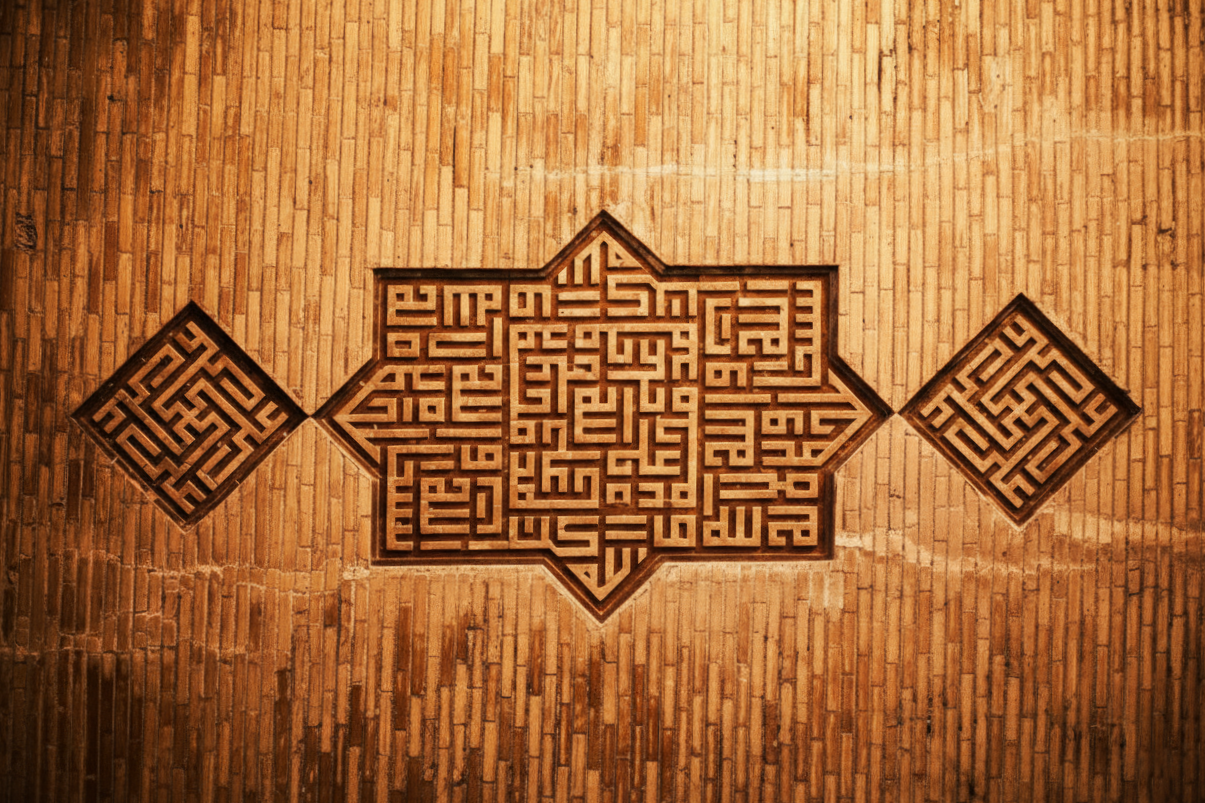
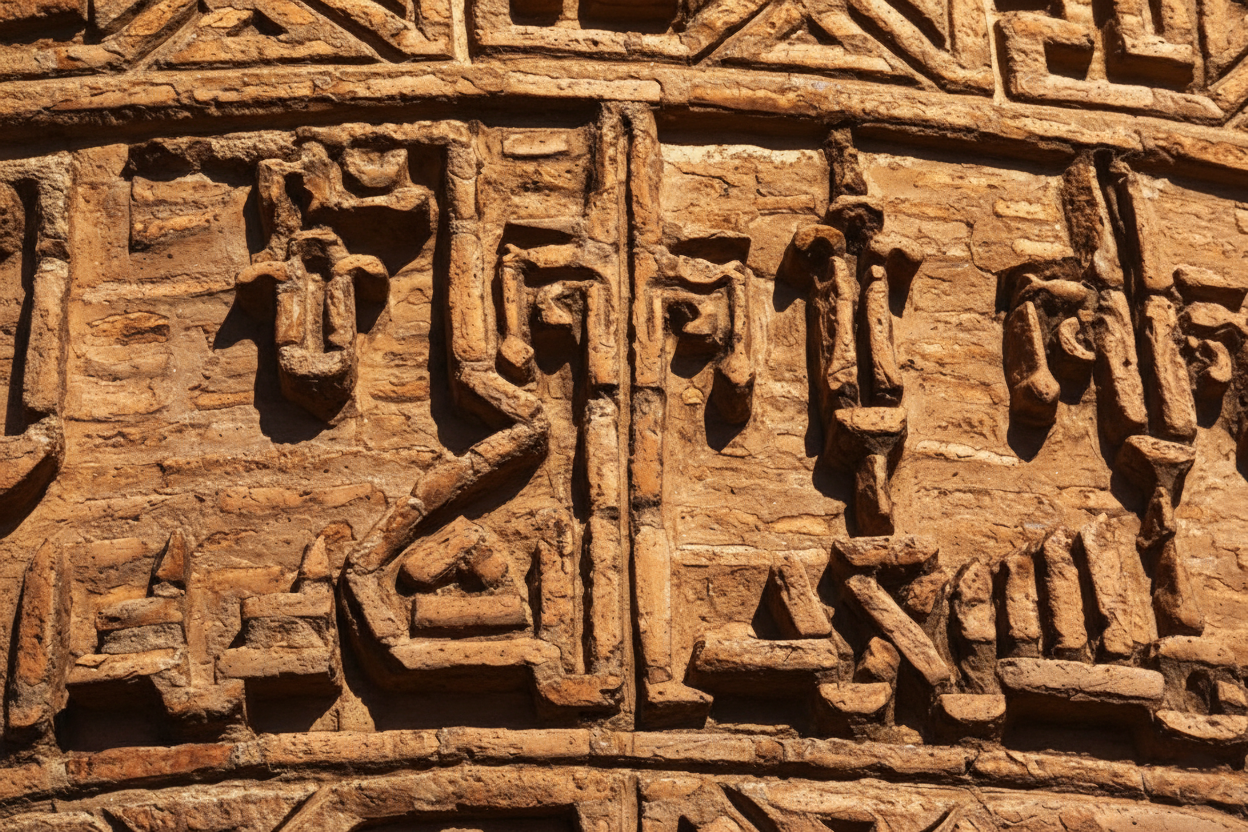
As the soul of The Enigma, calligraphy gives architecture voice and memory. Evolving from rigid inscriptions into fluid, expressive scripts, it transforms text into movement and meaning. Interwoven with geometry and pattern, it animates space—elevating structure and ornament into a living language that is seen, felt, and understood.
-
As the third dimension of The Enigma, calligraphy assumes the role of the soul—introducing voice, memory, and meaning into the architectural whole. Where geometry provides order and pattern transforms perception, calligraphy gives architecture its narrative and emotional resonance.
Long before the Islamic era, inscriptions in Iran served as instruments of authority and permanence, carved into stone to declare power and record history. These early forms were monumental and static, anchoring architecture in time. With the advent of Islam, however, calligraphy underwent a profound transformation. It became fluid, expressive, and deeply human—capable of conveying not only sacred texts, but also poetry, devotion, and emotion.
Scripts such as Nastaliq and Persian Kufic redefined writing as movement. Letters began to flow, interlace, and expand across surfaces, merging seamlessly with geometry and pattern. Text was no longer simply read—it was experienced. It animated walls, domes, and portals, turning architecture into a living field of language where meaning unfolds visually as much as it does linguistically.
Within The Enigma, calligraphy completes the composition. It elevates structure and ornament into expression, giving voice to the space and anchoring it in cultural memory. Together with geometry and pattern, it forms an inseparable triad—body, garment, and soul—guiding the viewer beyond the visible into a realm where architecture is not only seen, but understood and felt.
