Pattern The Garment
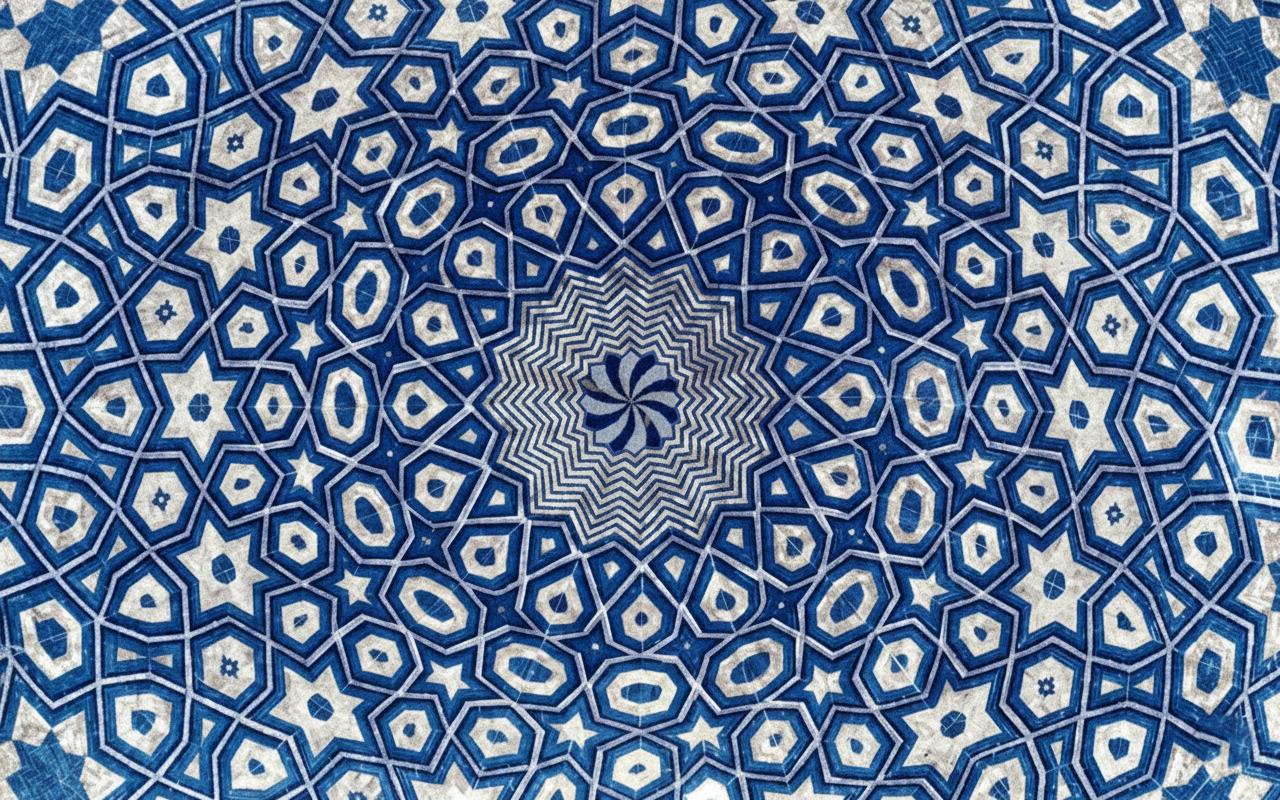
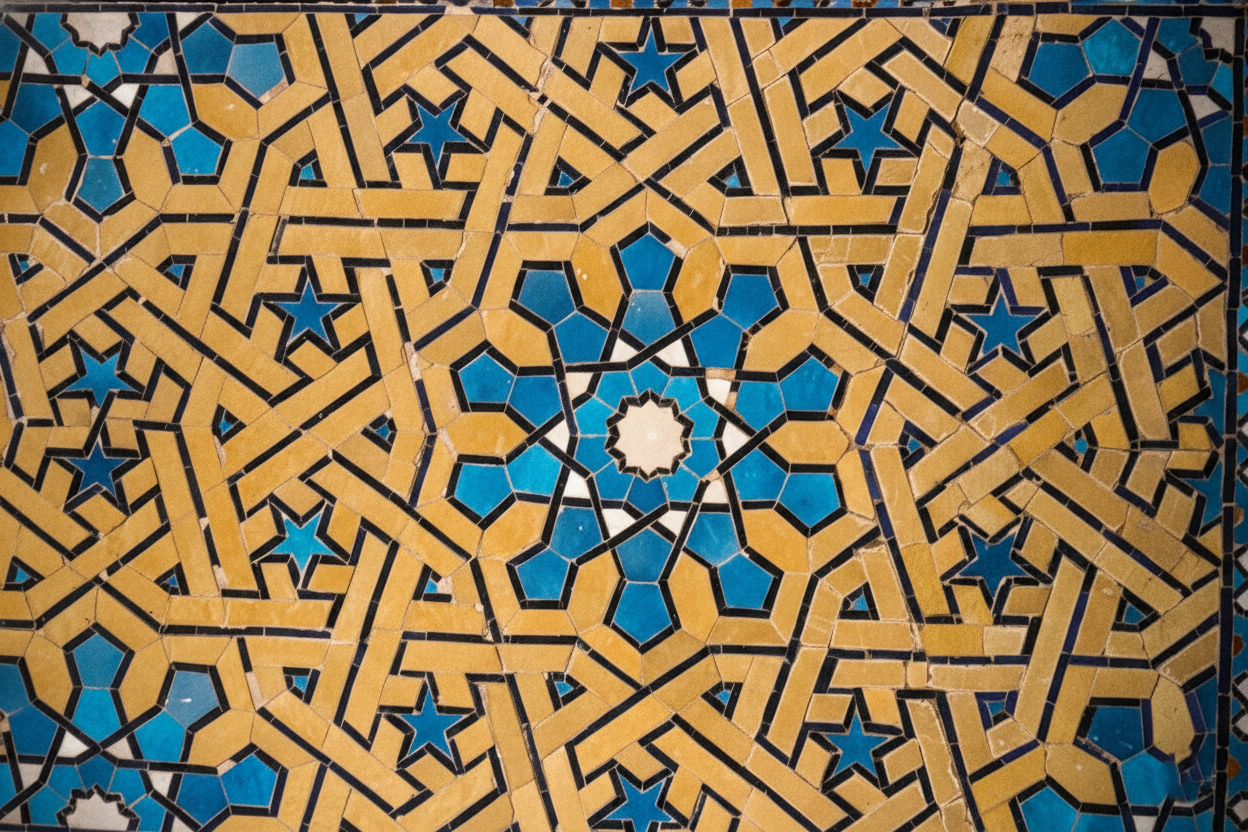
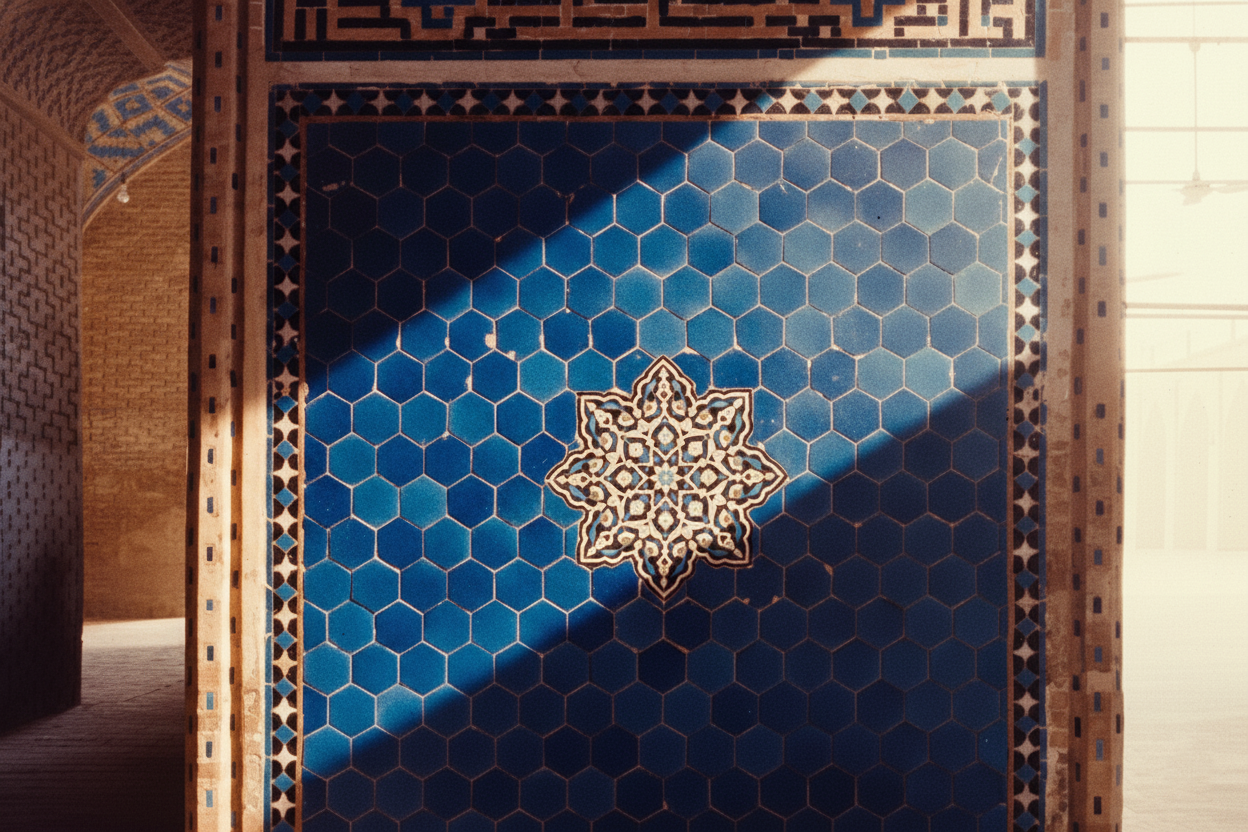
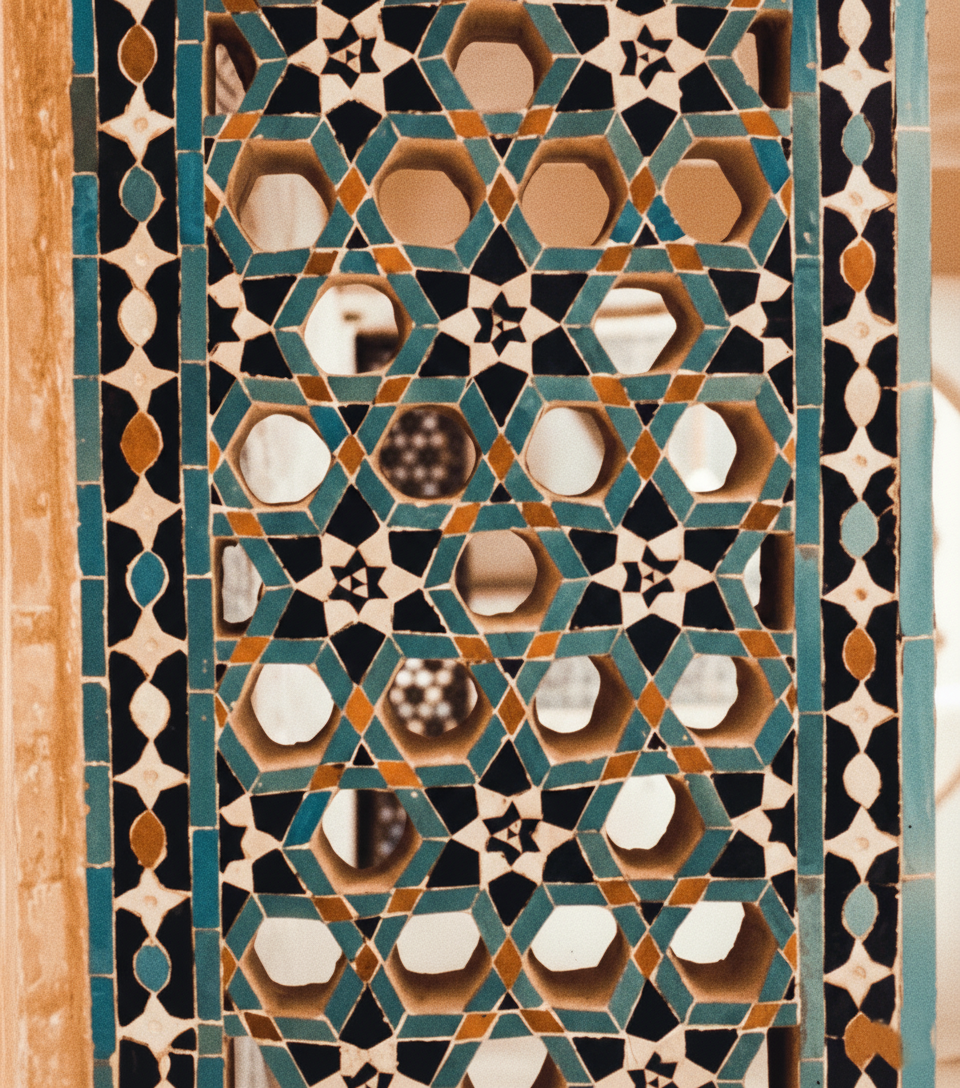
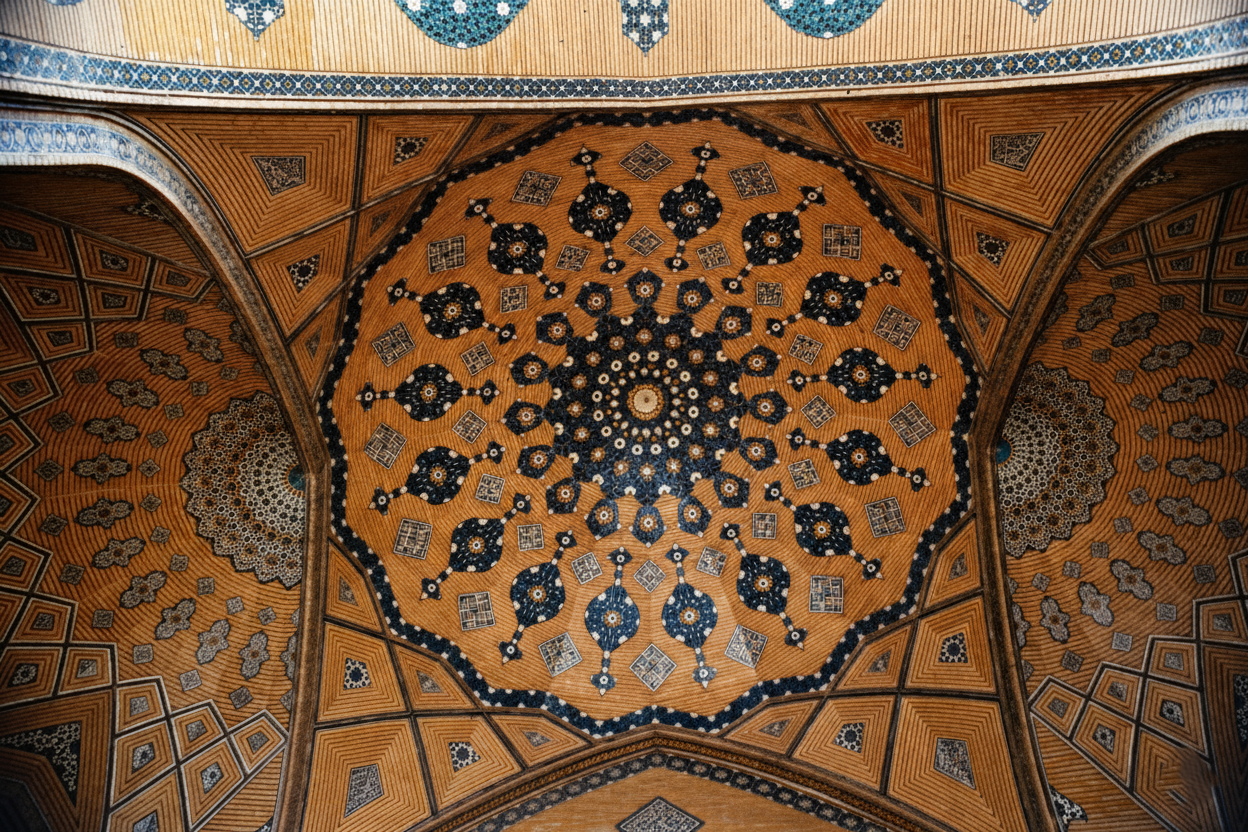
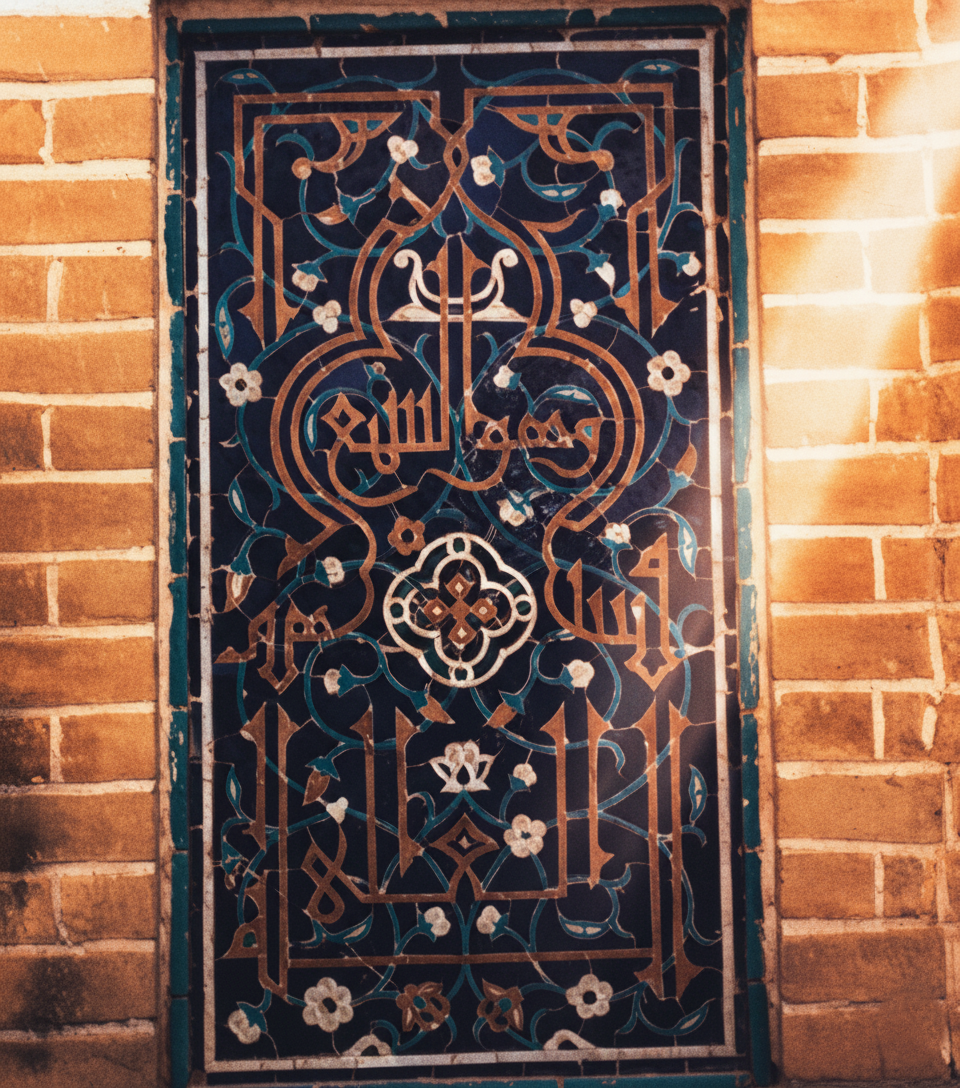
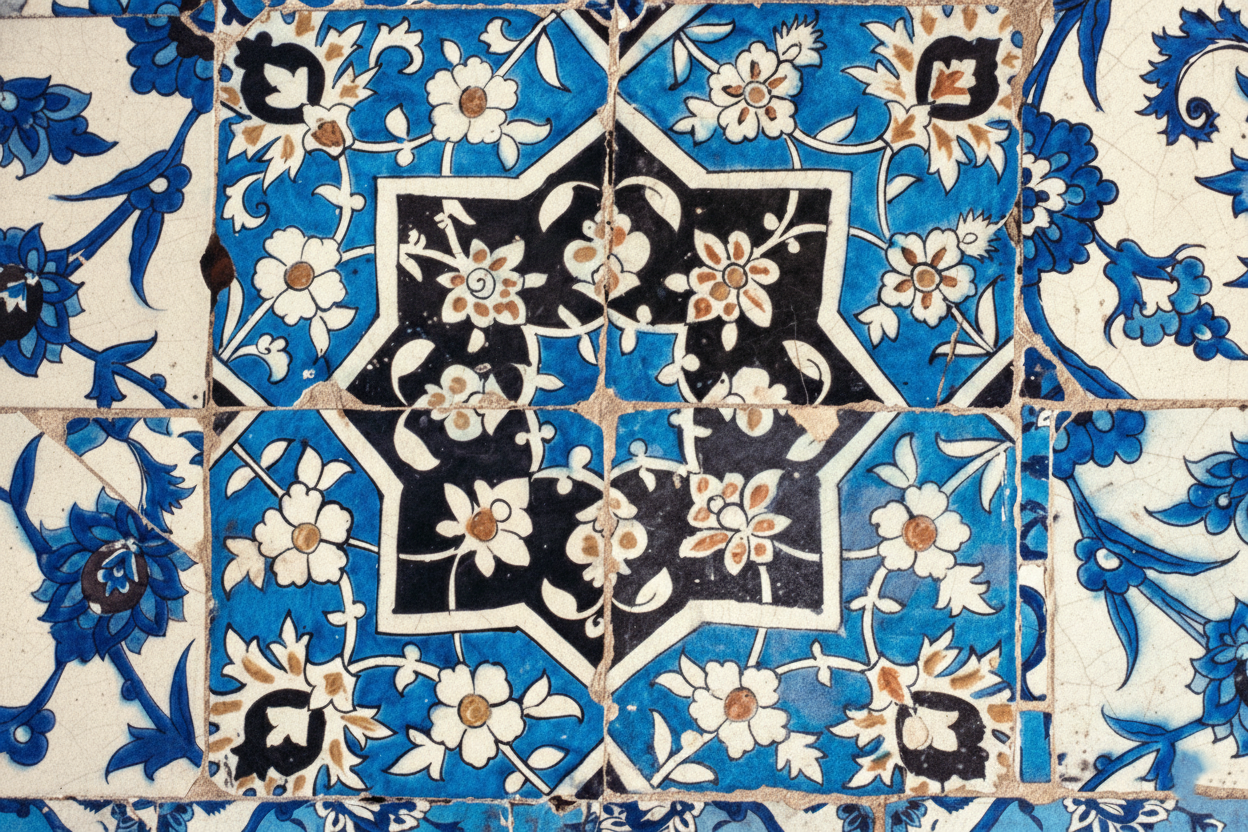
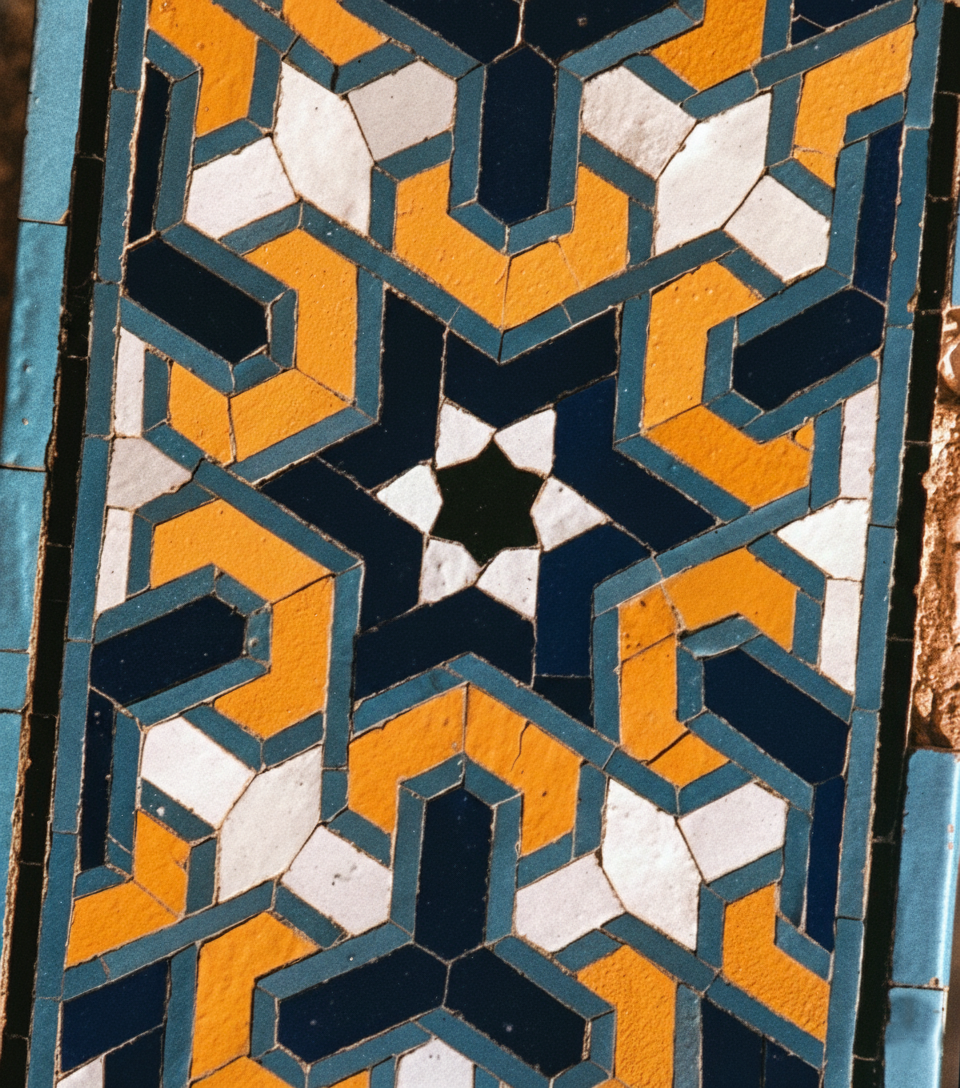
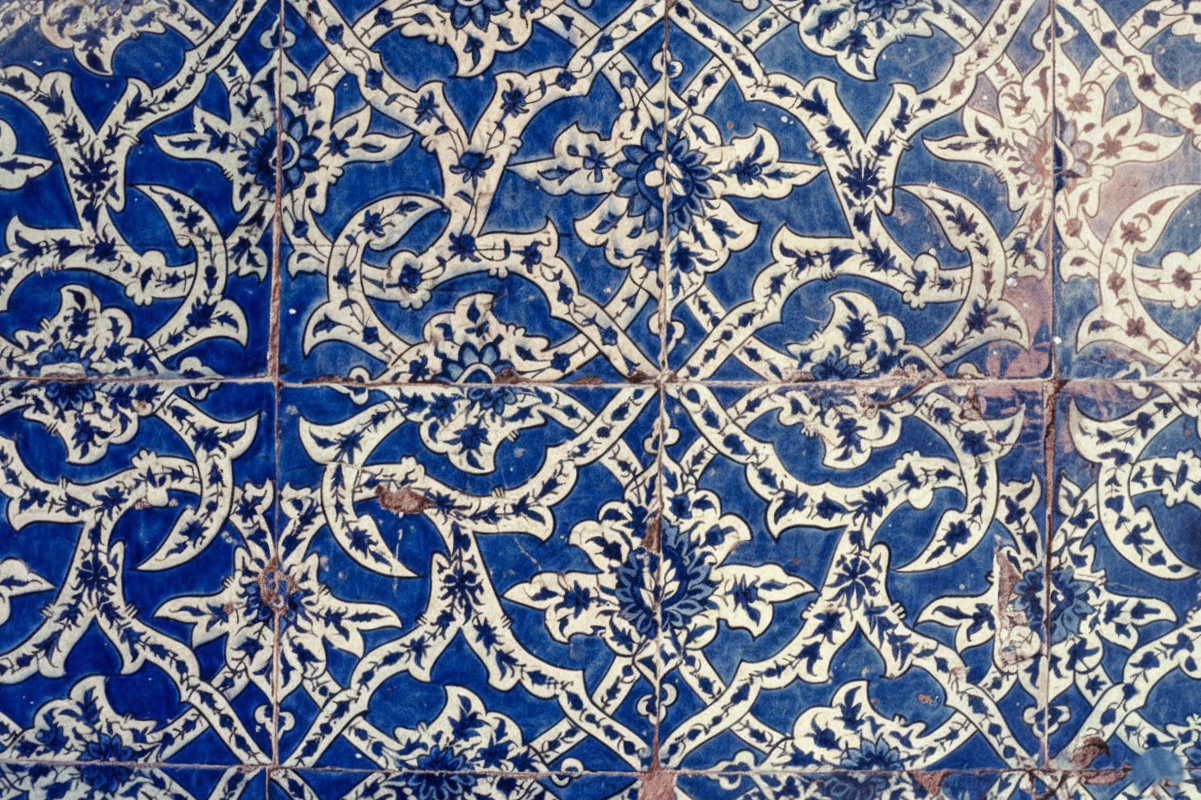
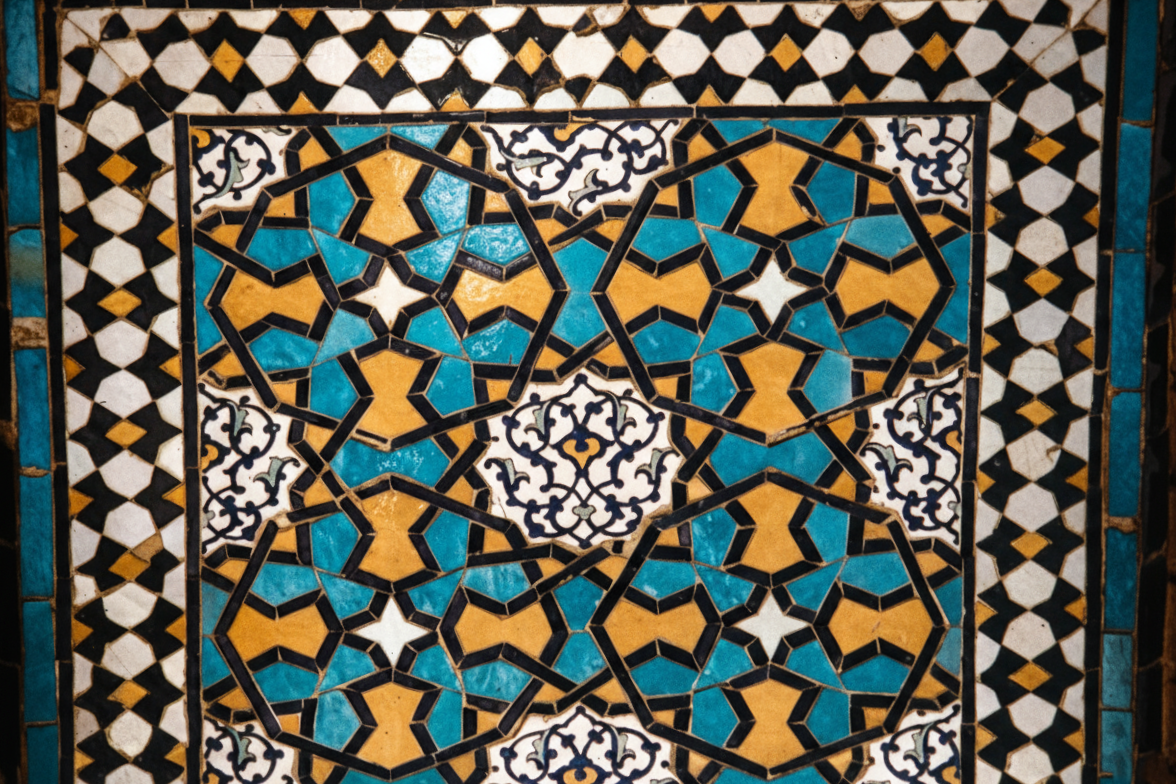
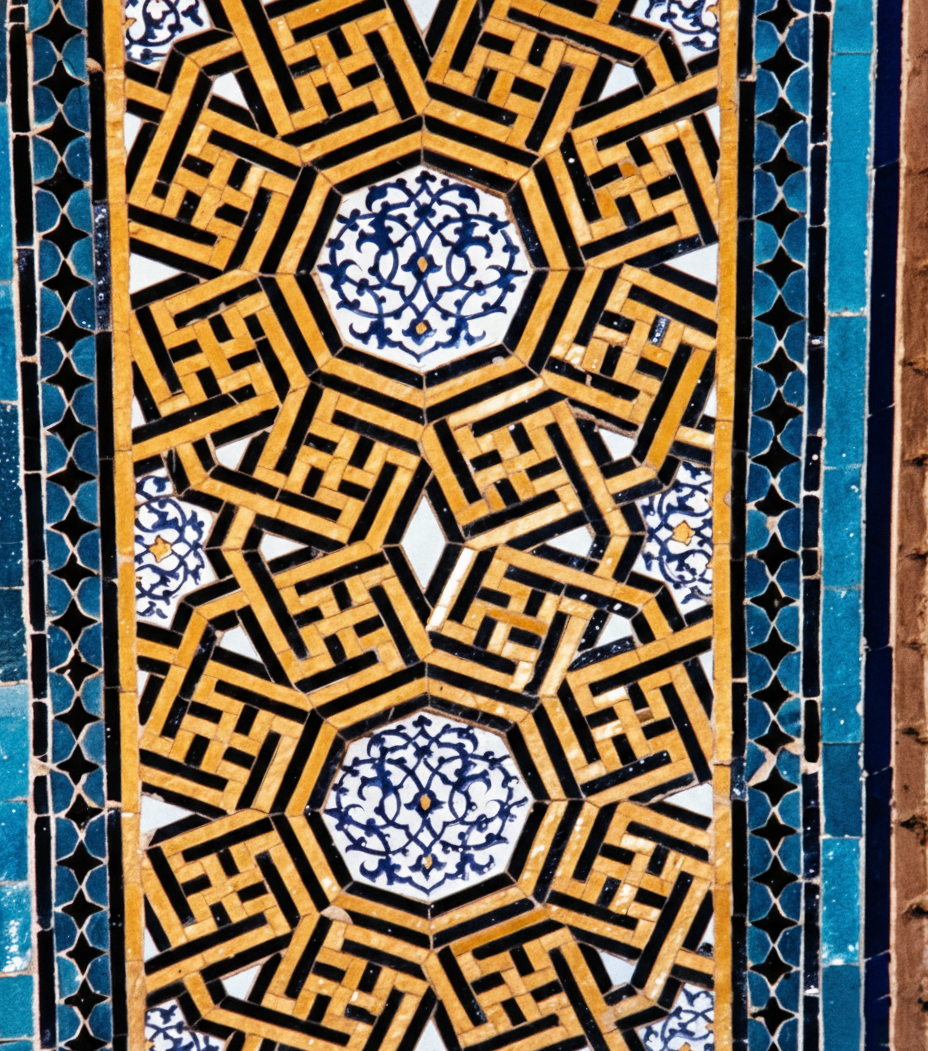
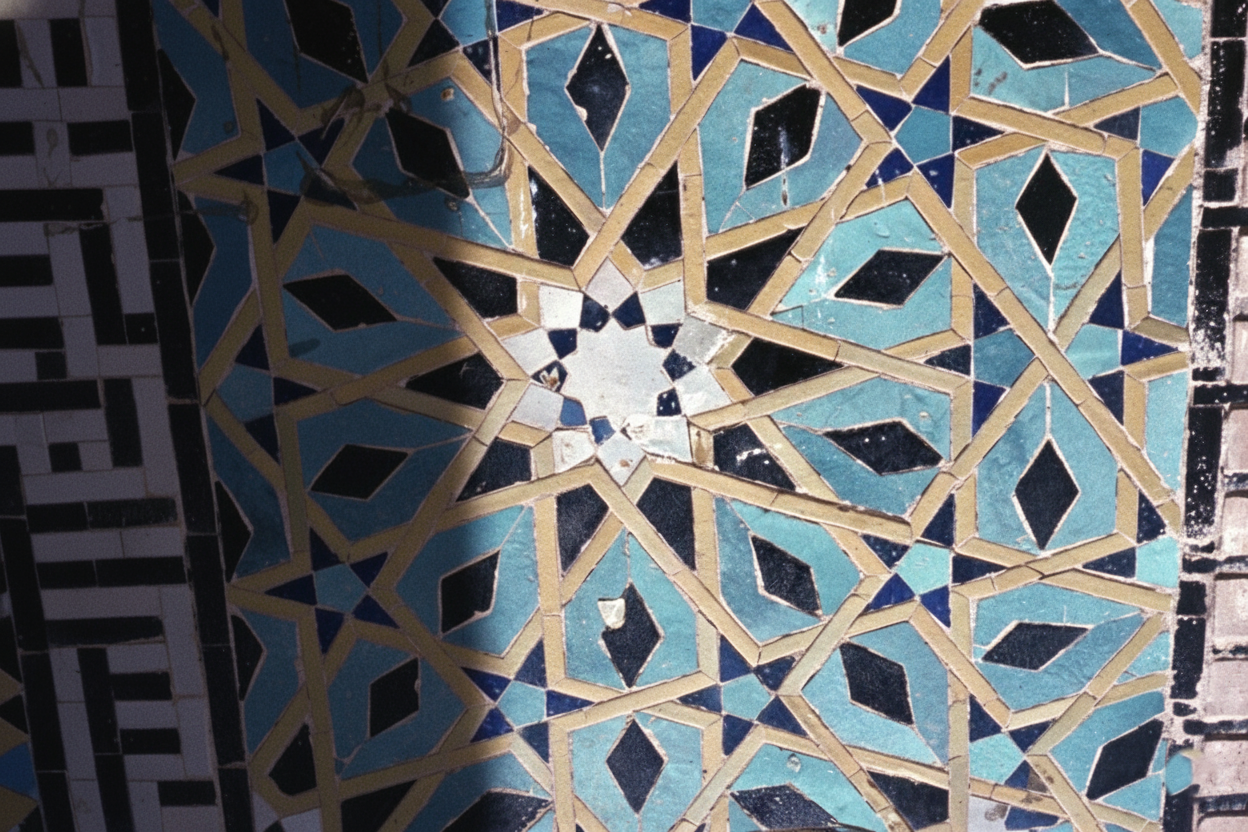
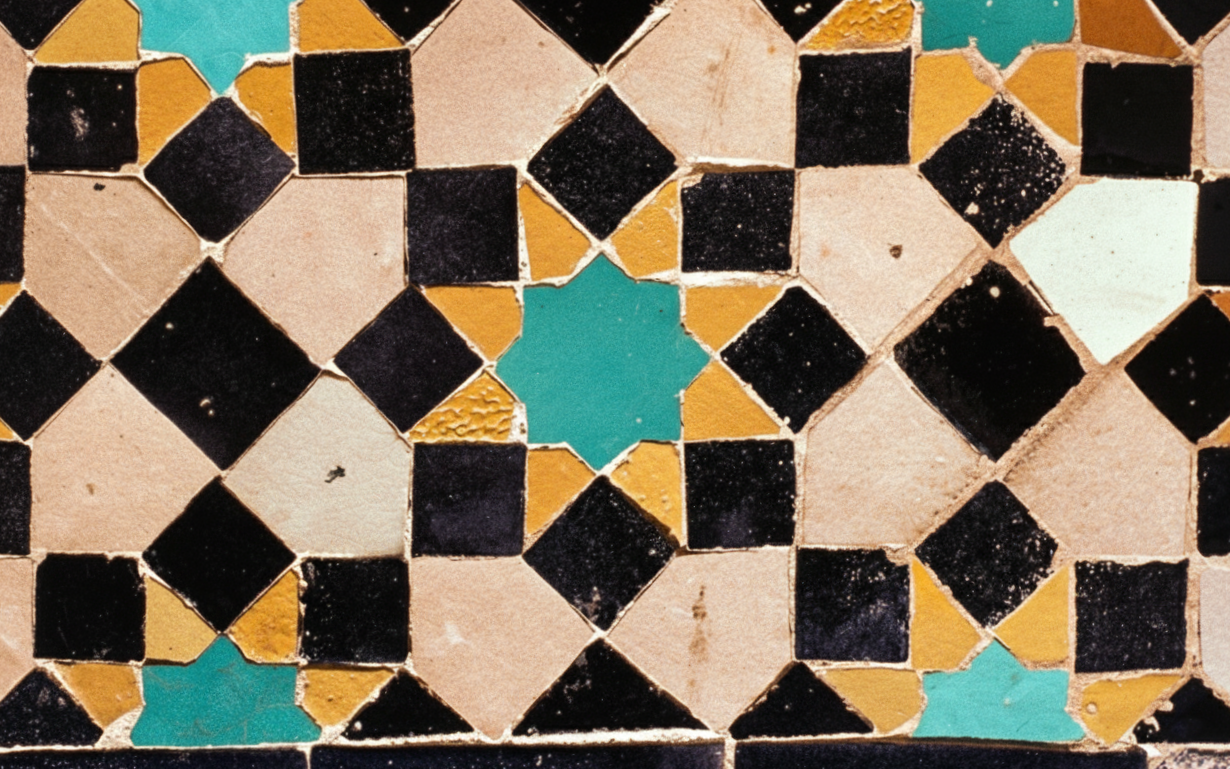
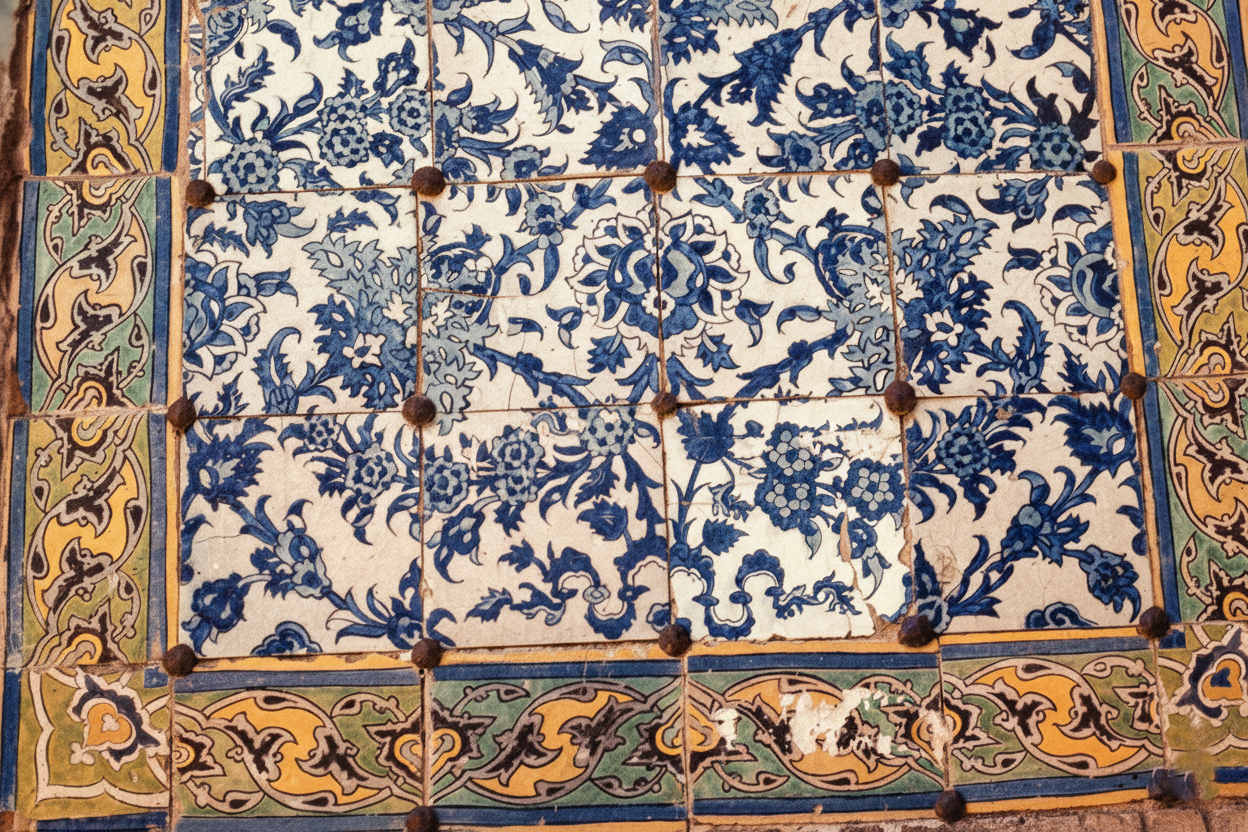

Pattern, as the second layer of The Enigma, acts as the garment that dematerializes architecture. It transforms solid structure into light and rhythm, mediating between outer form and inner essence. Through this veil, material dissolves into perception, guiding the viewer from physical presence toward a more luminous, contemplative experience of space.
-
As the second dimension of The Enigma, pattern assumes the role of the garment—an essential layer that transforms the rigid body of geometry into a perceptual and spiritual experience. If geometry establishes order and structure, pattern reinterprets that order through light, color, and rhythm, softening its physical presence.
In this role, pattern operates through visual dematerialization: a deliberate philosophical act that diminishes the perceived weight of materials. Brick, earth, and stone—fundamentally heavy and grounded—are veiled by intricate surfaces of tile, stucco, and brickwork, dissolving mass into a luminous, shifting skin. This transformation is not decorative excess but conceptual refinement; it recasts architecture from something constructed into something perceived.
Within The Enigma, pattern mediates between the visible and the invisible. Through the dynamic interplay of zāher (outer form) and bāten (inner essence), it guides the viewer beyond the immediacy of material reality toward a more contemplative reading of space. The surface becomes an instrument of transcendence, suggesting that what is seen is only a threshold to what is understood.
This role is most fully realized in spaces like the Sheikh Lotfollah Mosque, where pattern dissolves structure into a radiant field of light, completing the second movement of The Enigma—from body to garment, from substance to perception.
