The Village
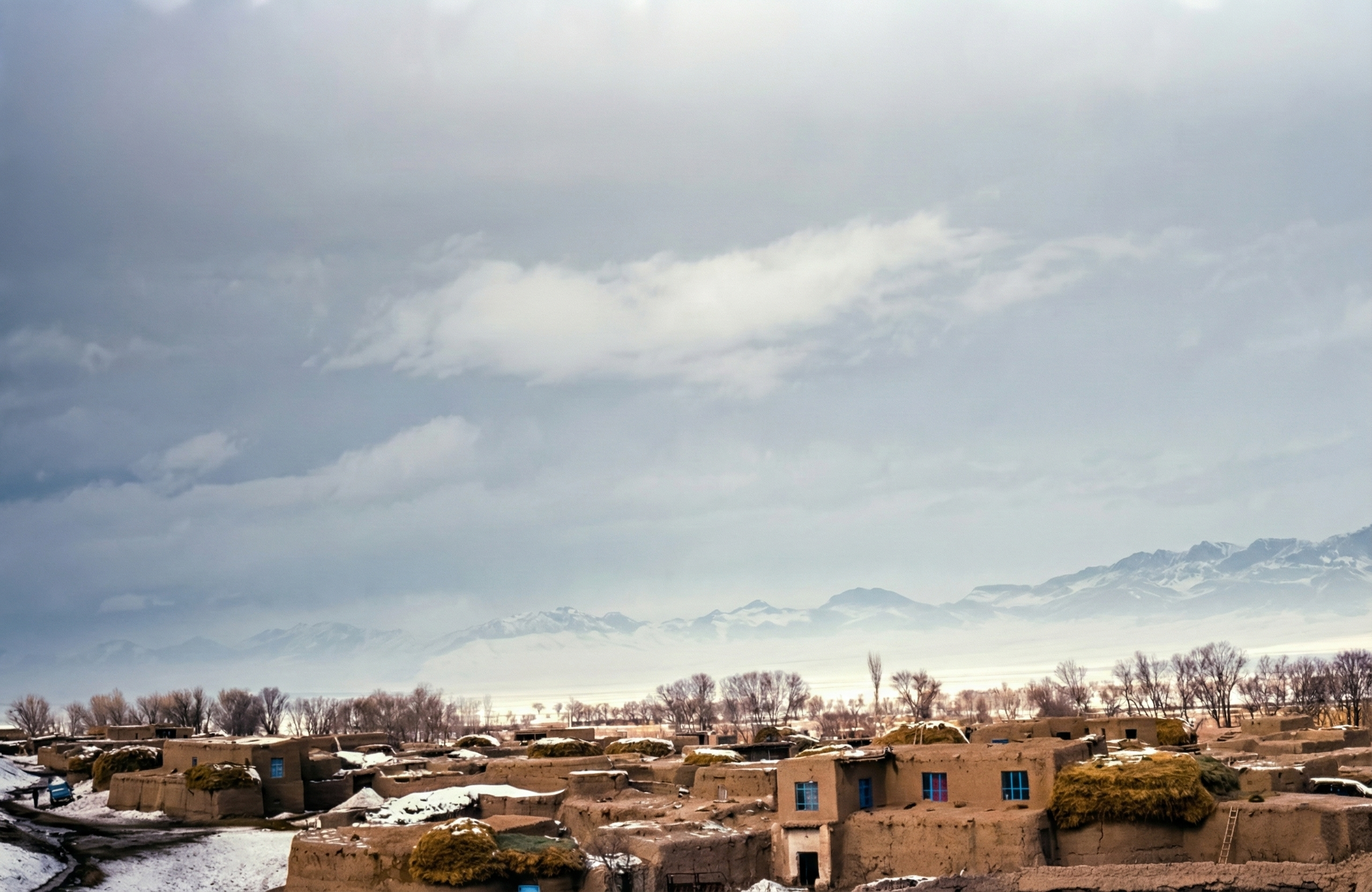
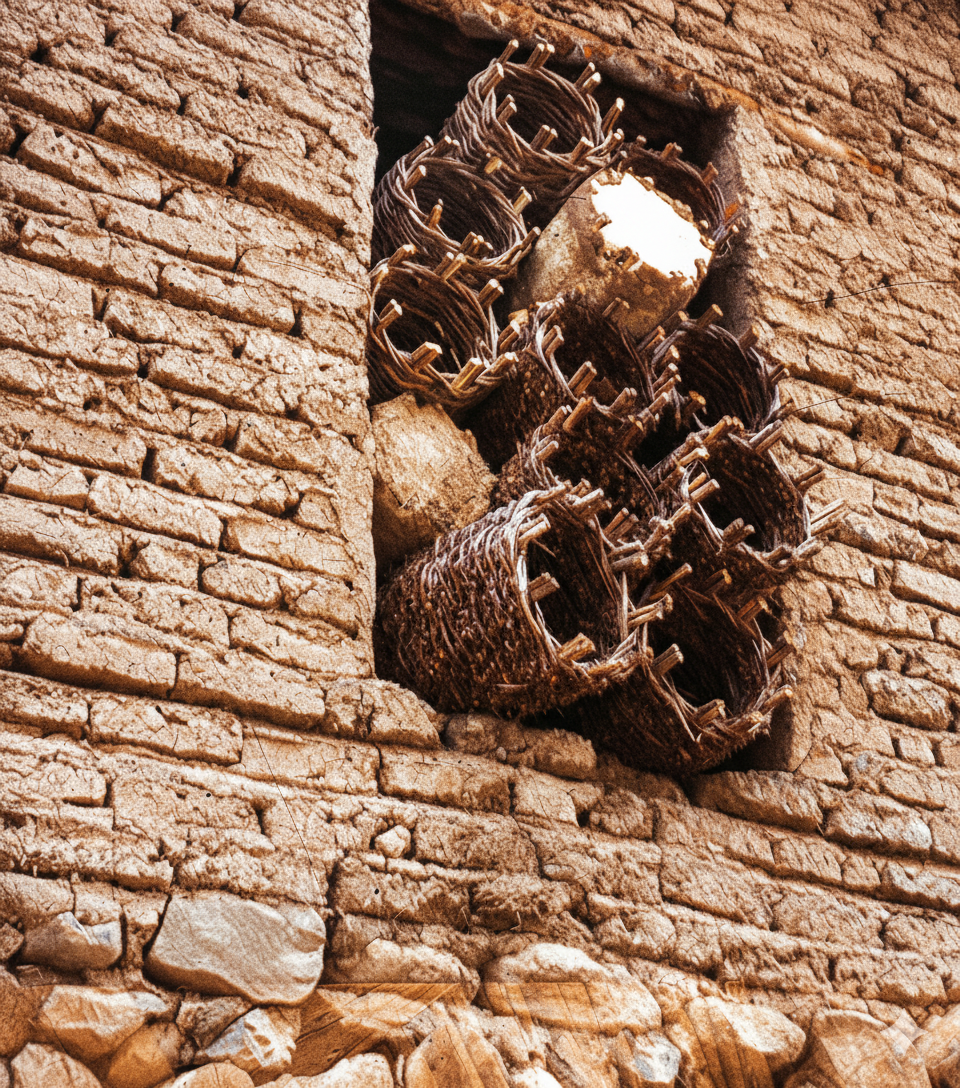
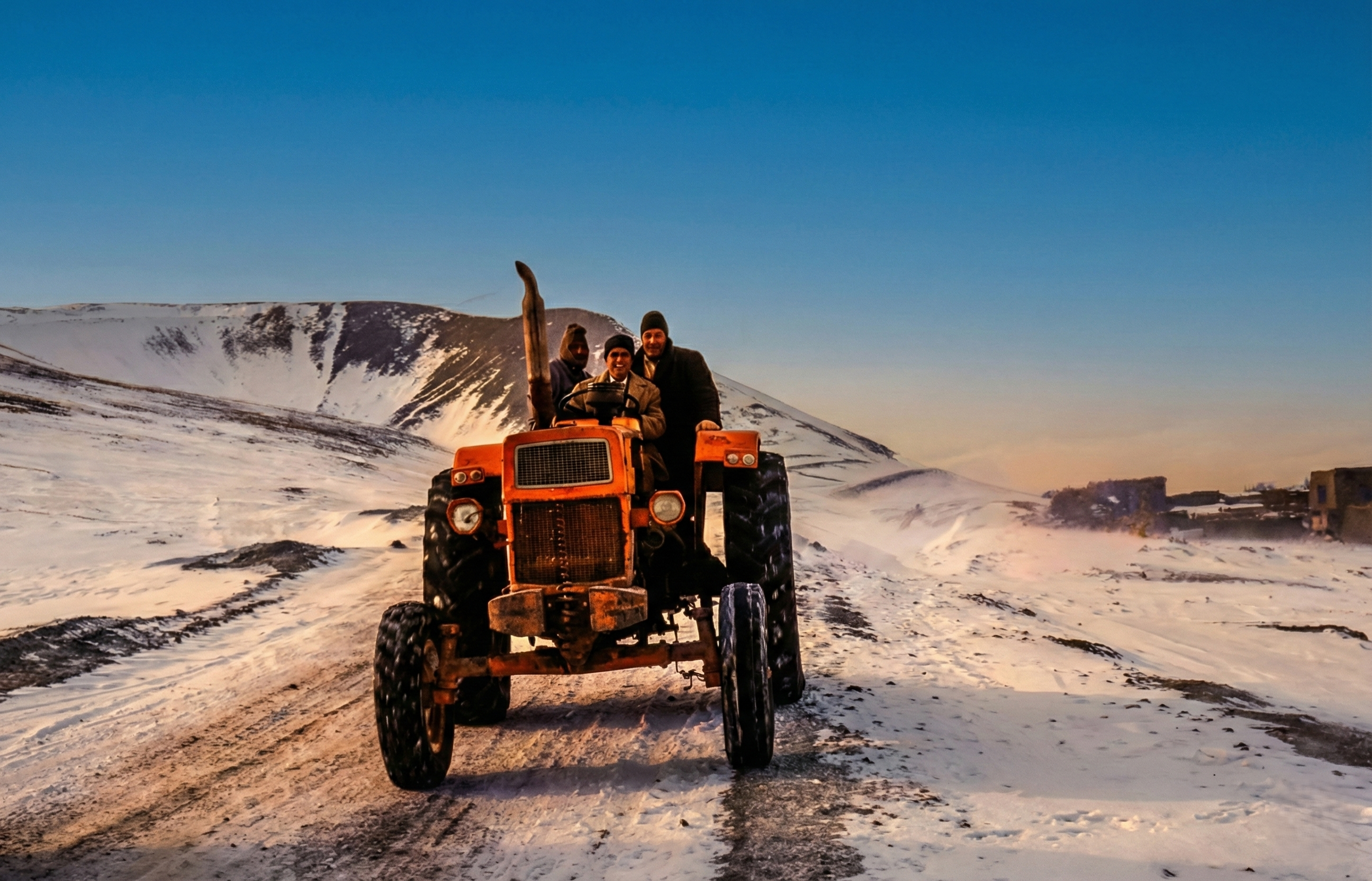
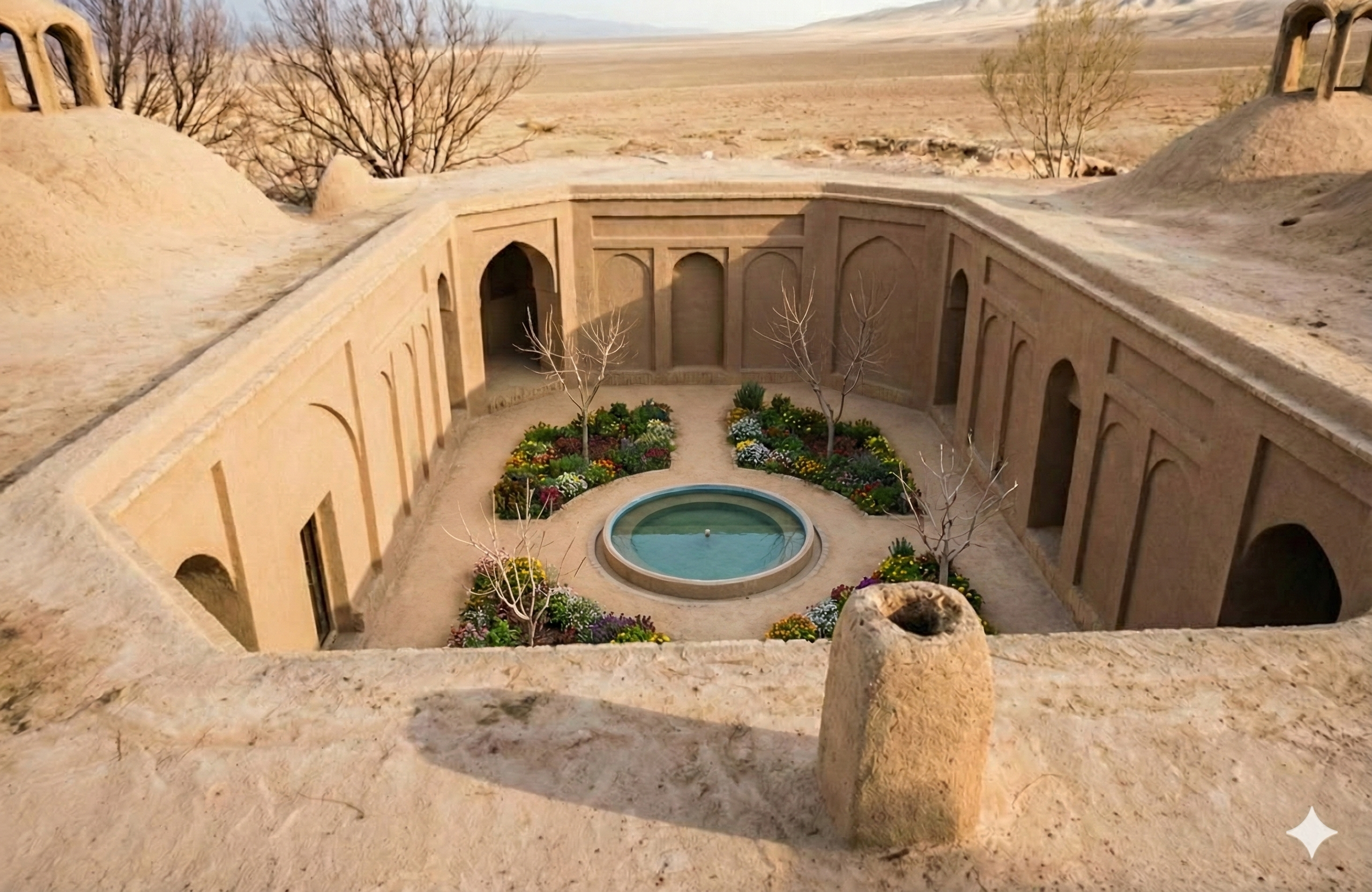
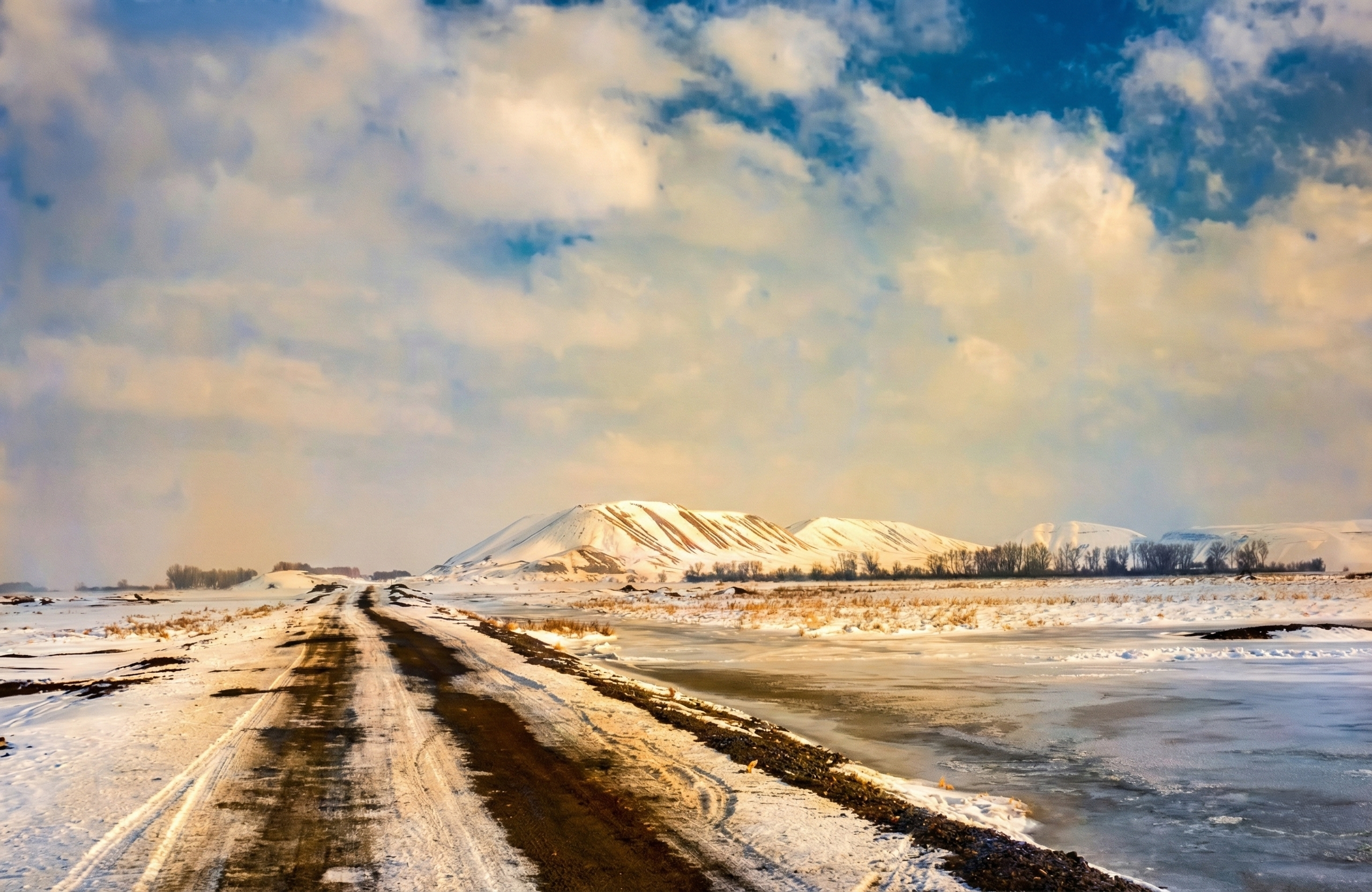
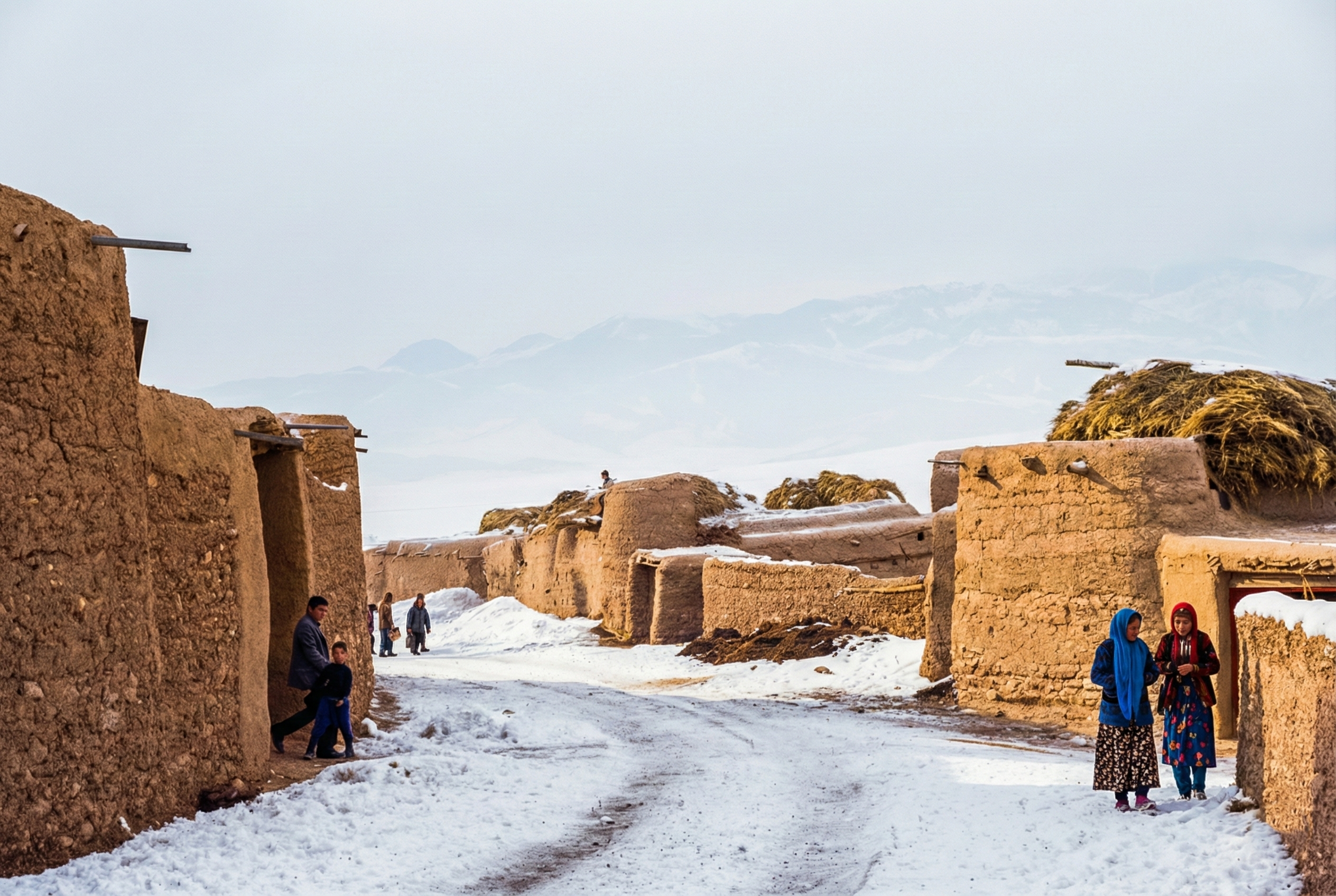

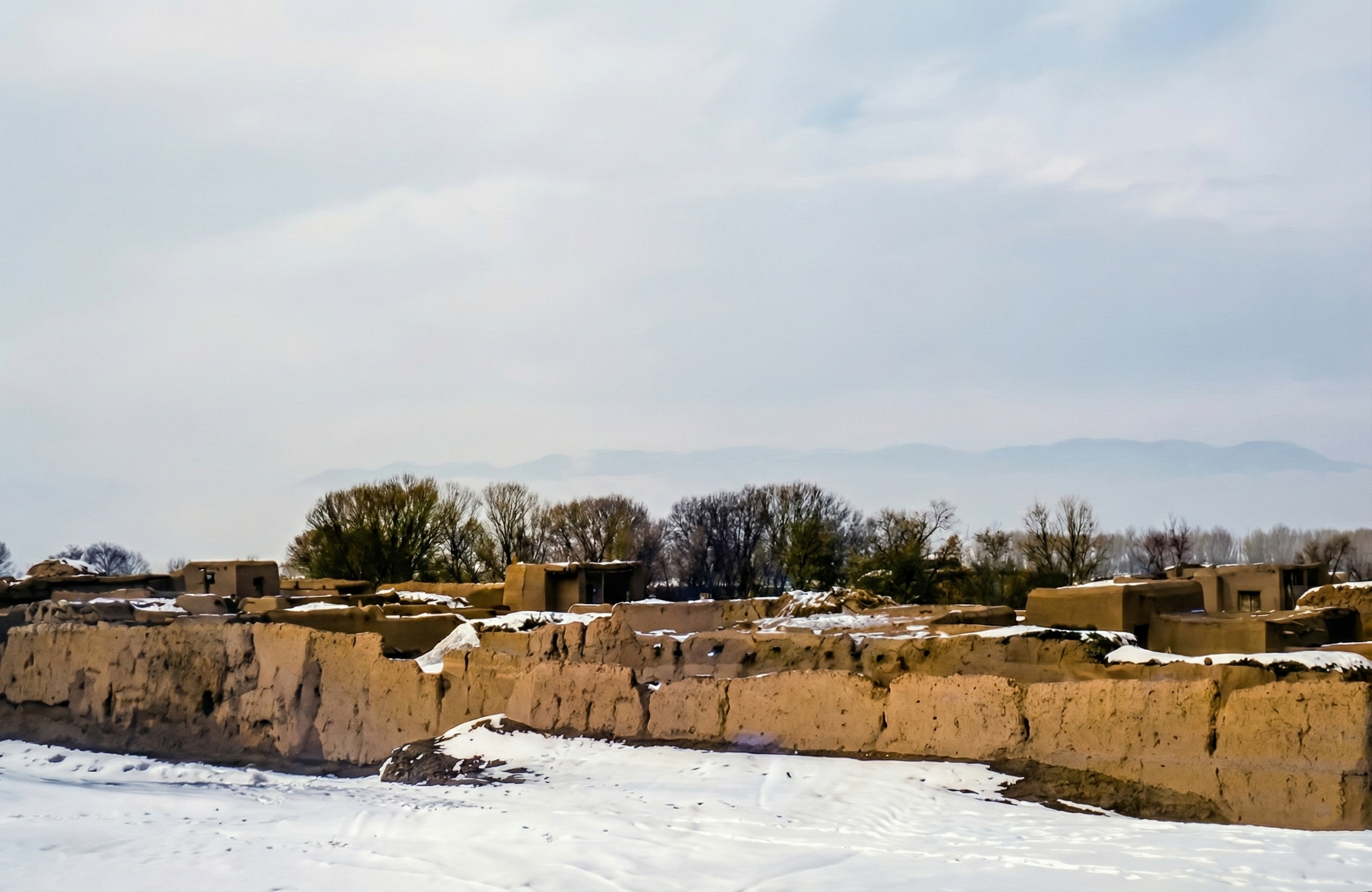
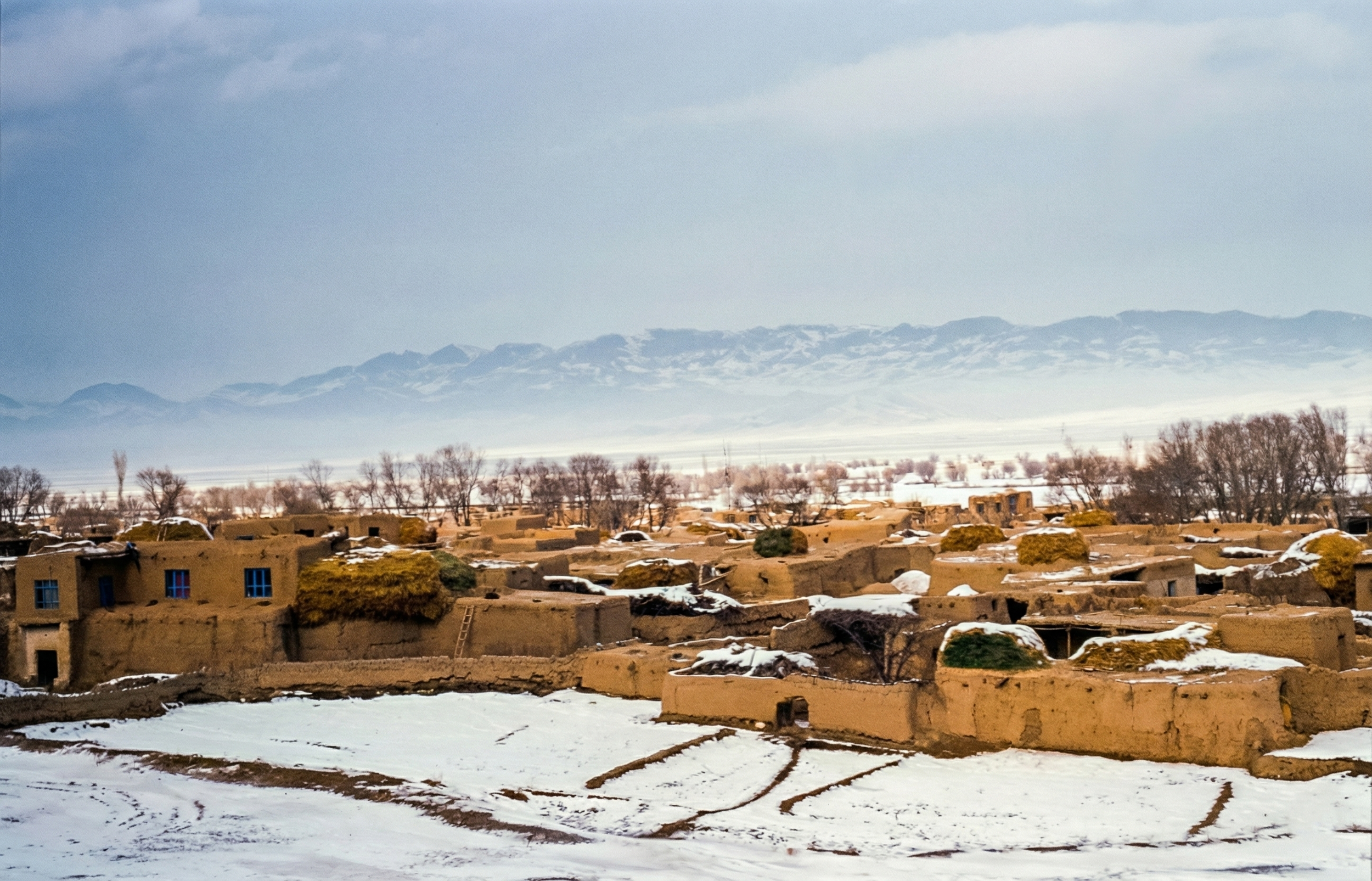
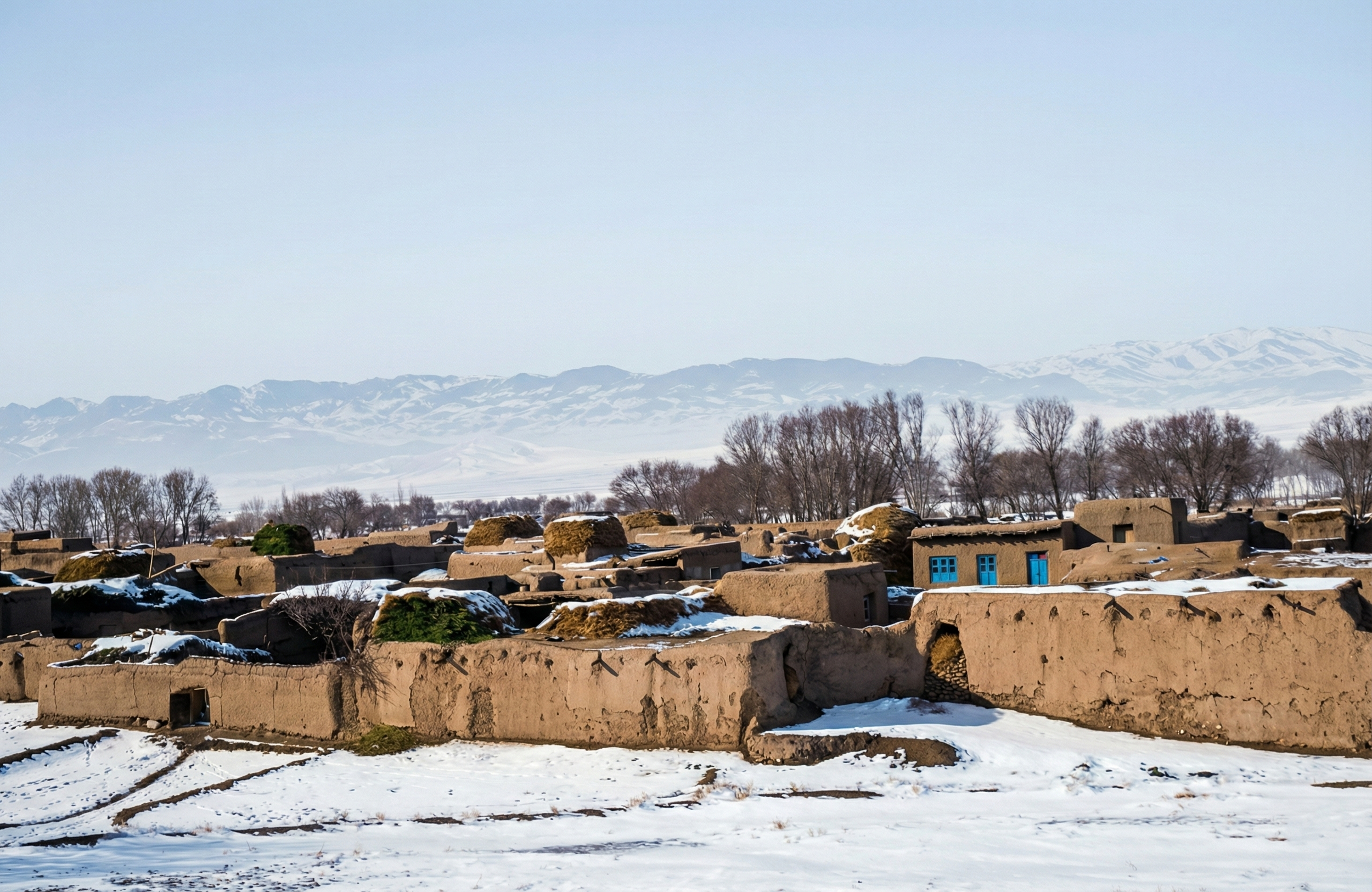
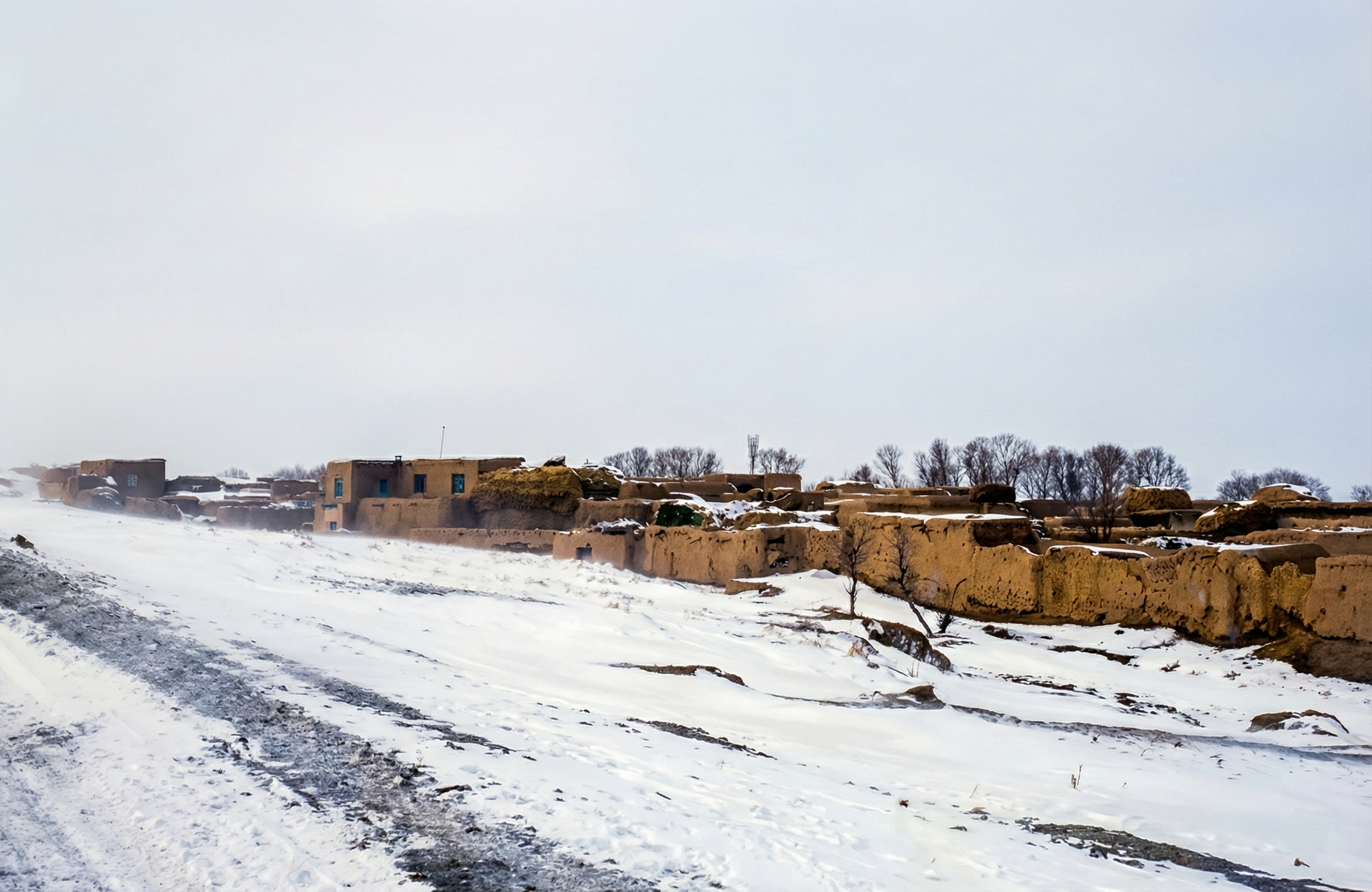
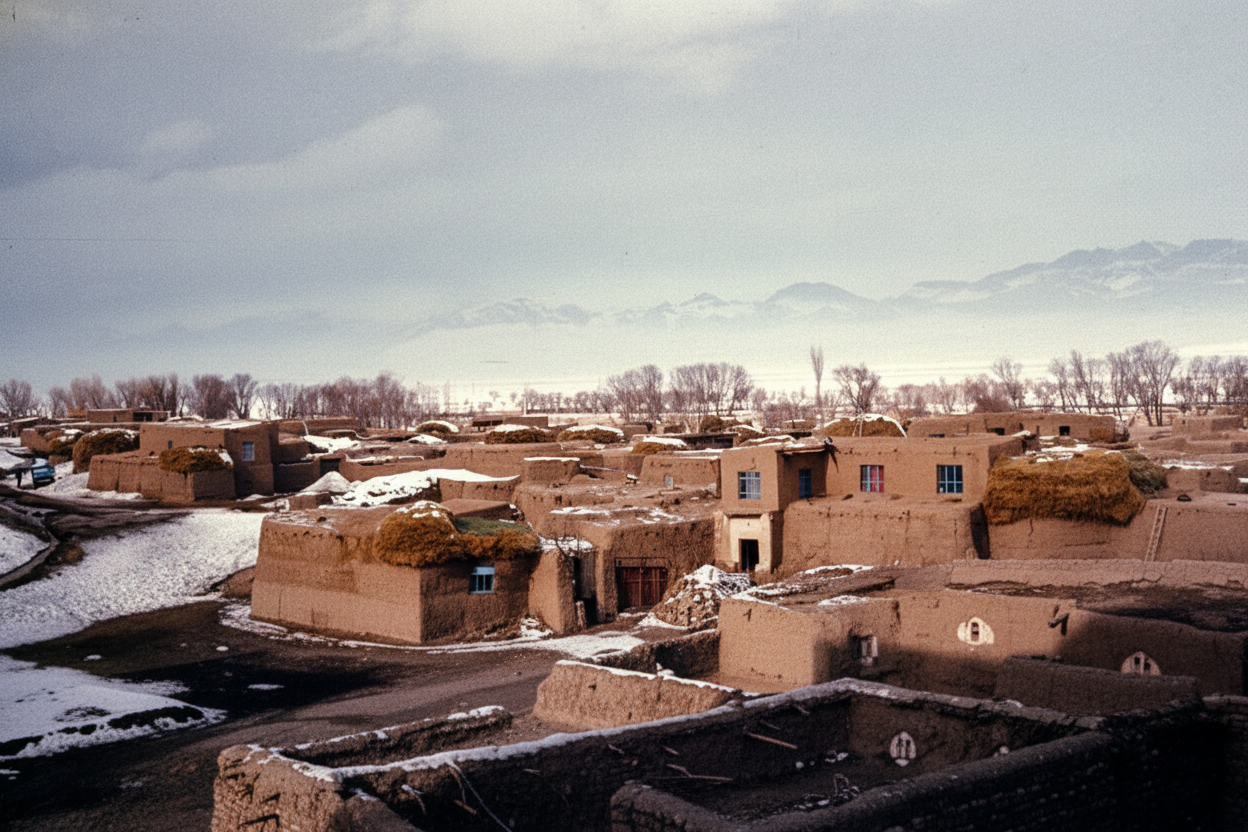
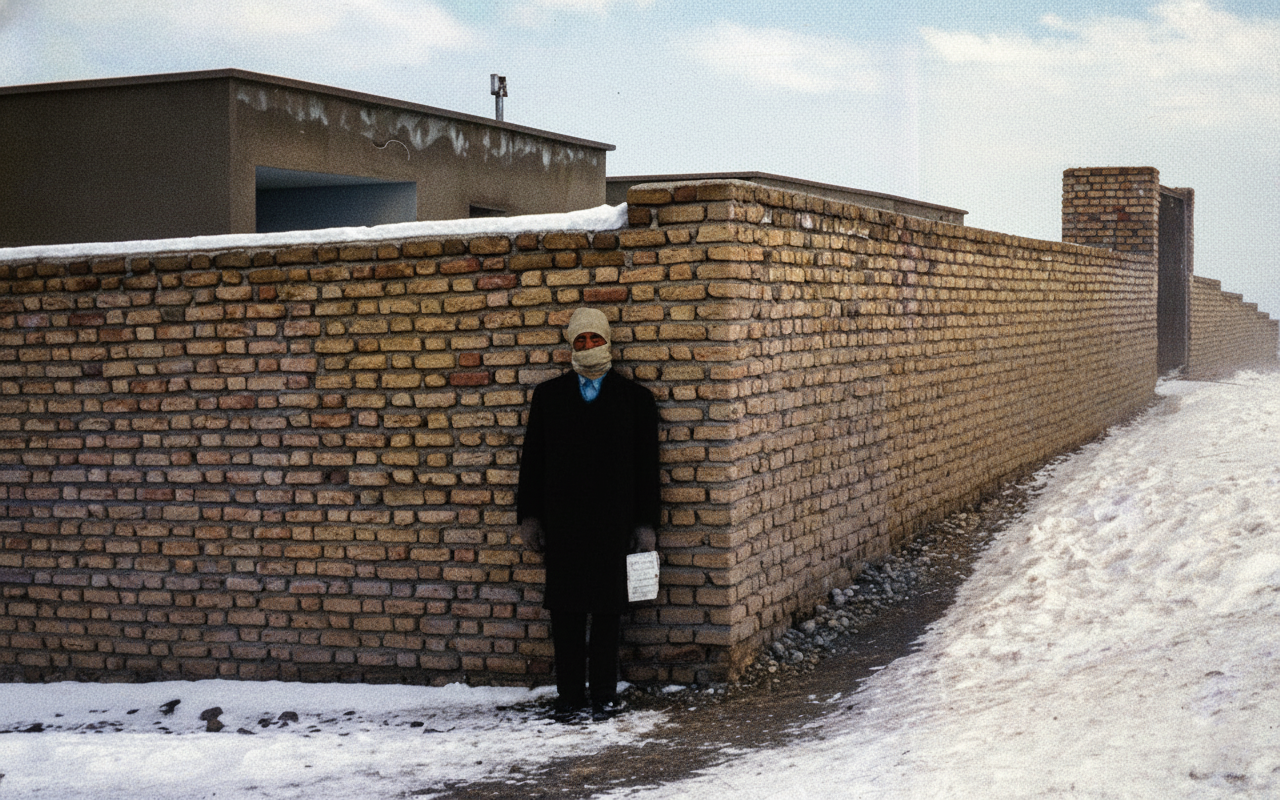
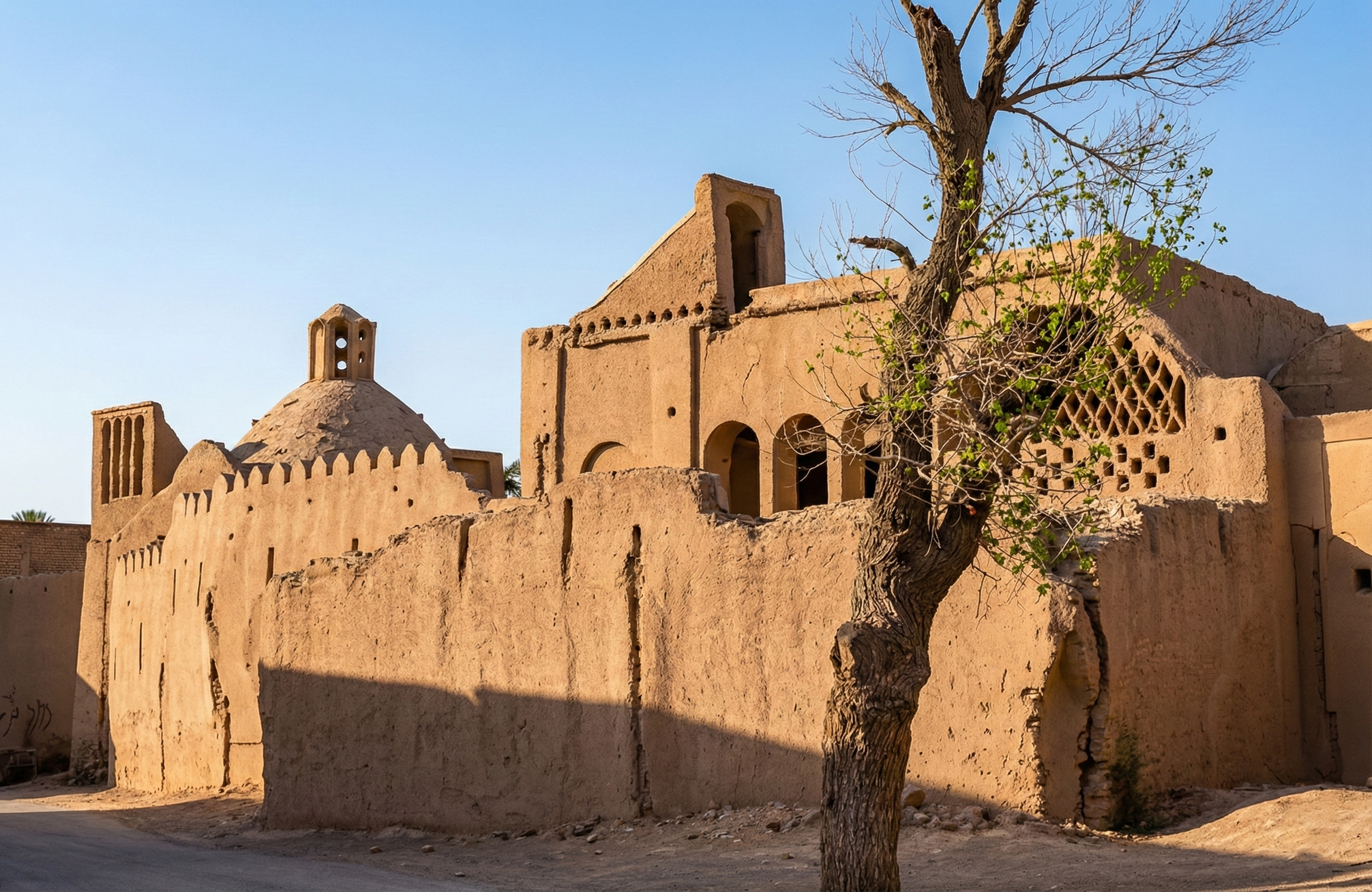
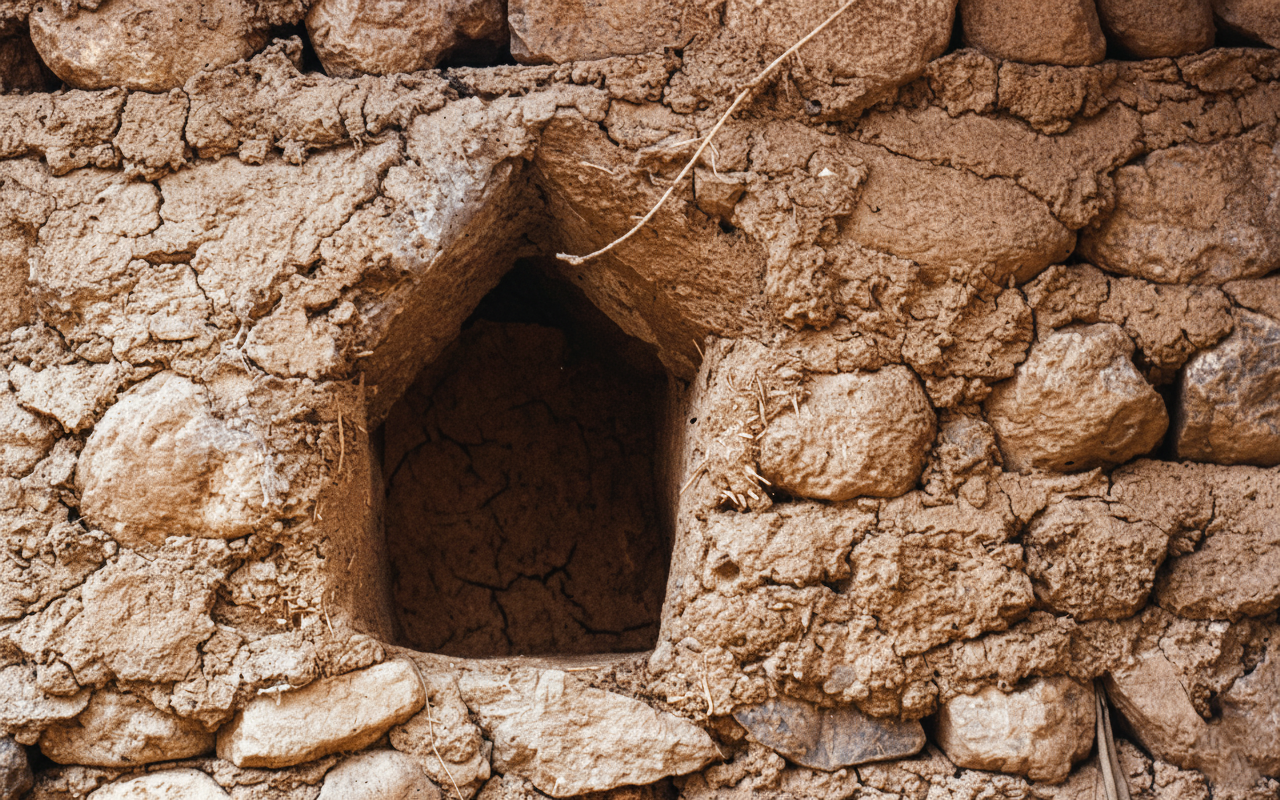
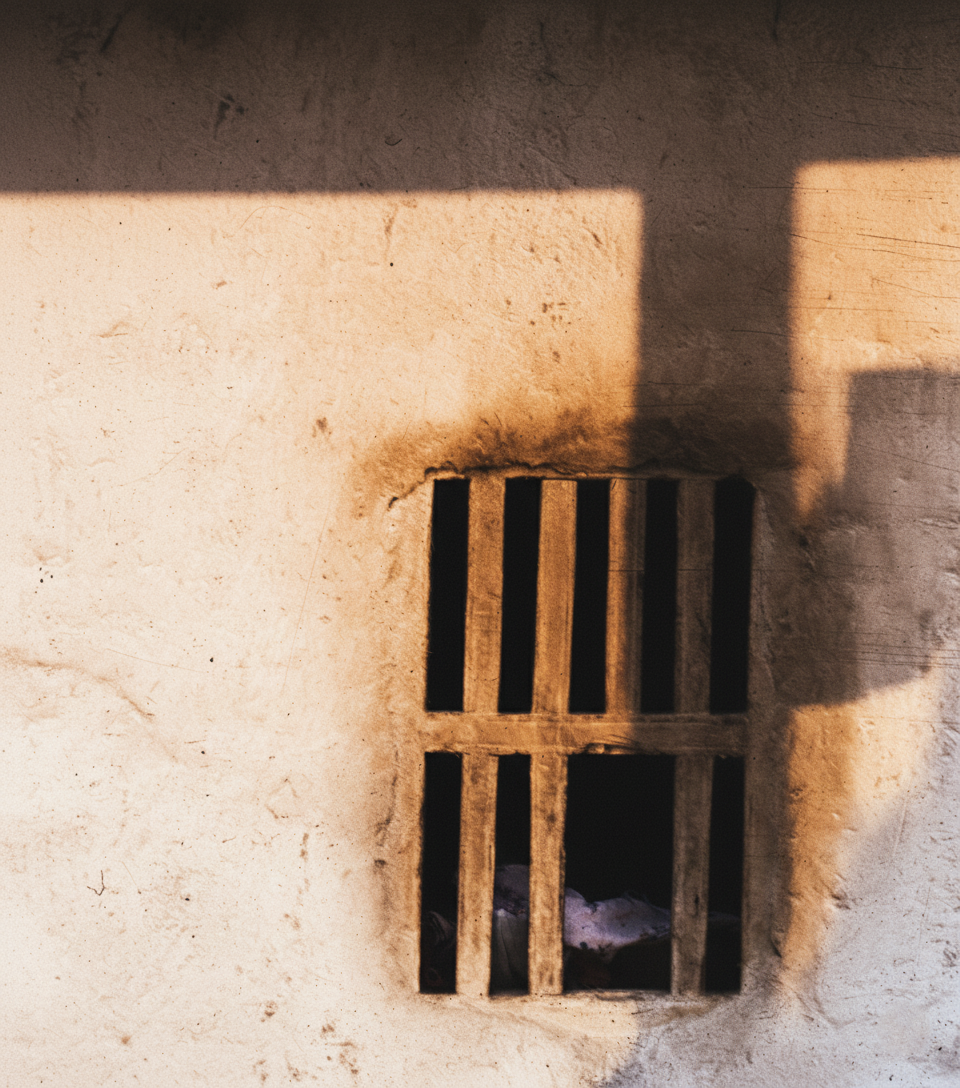
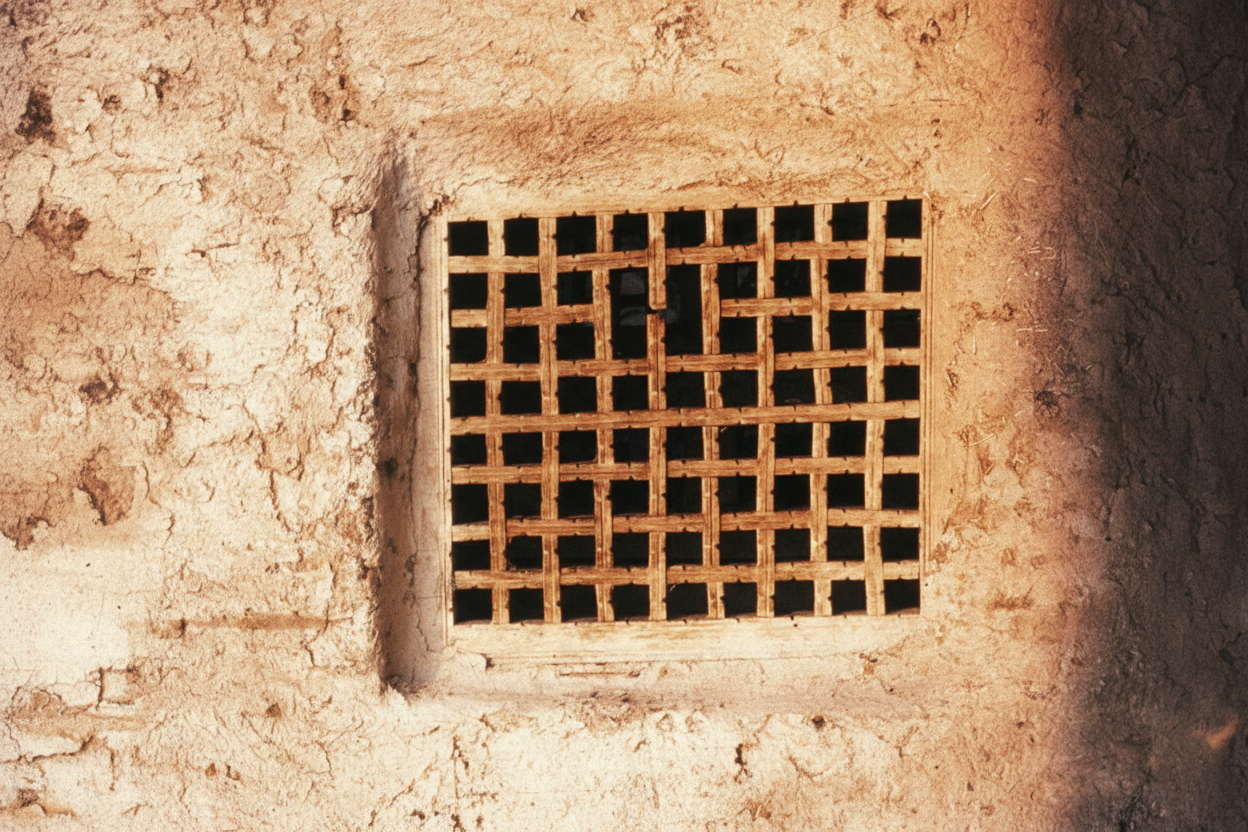
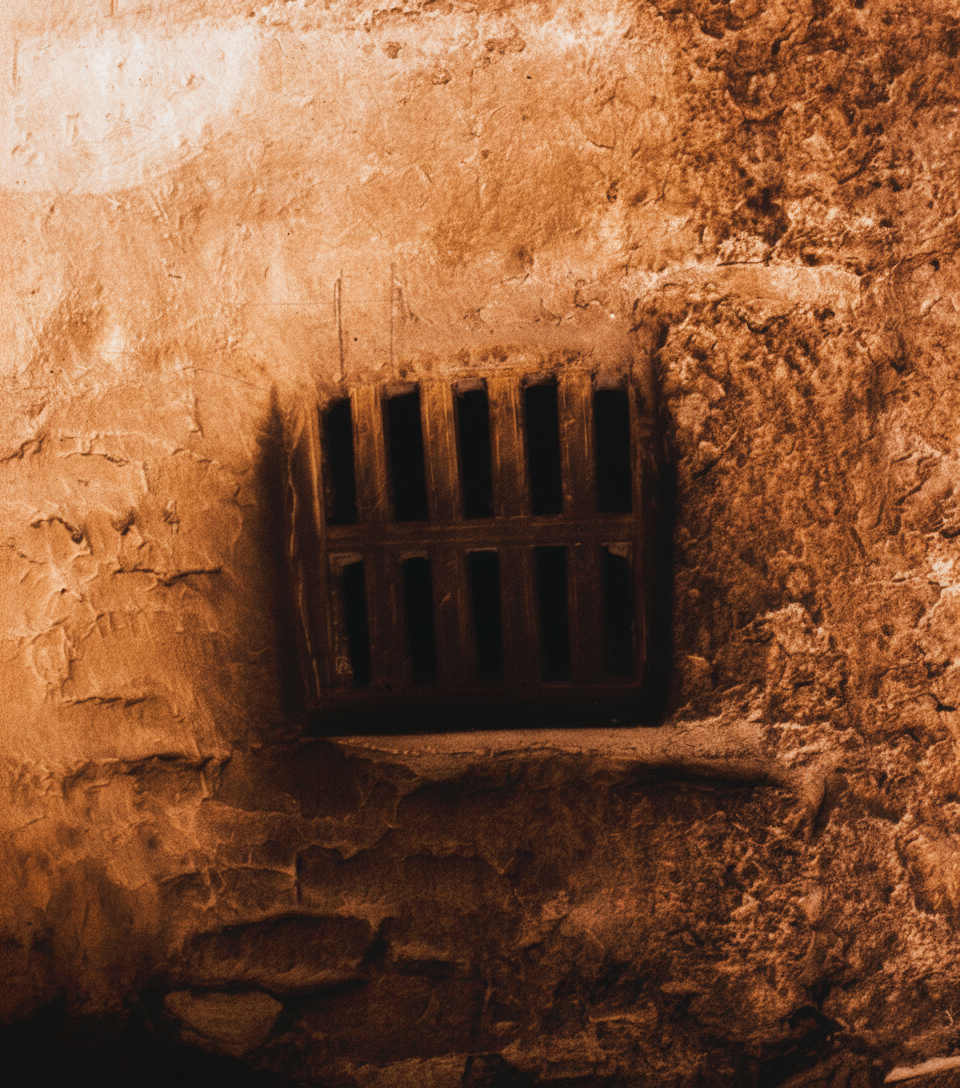
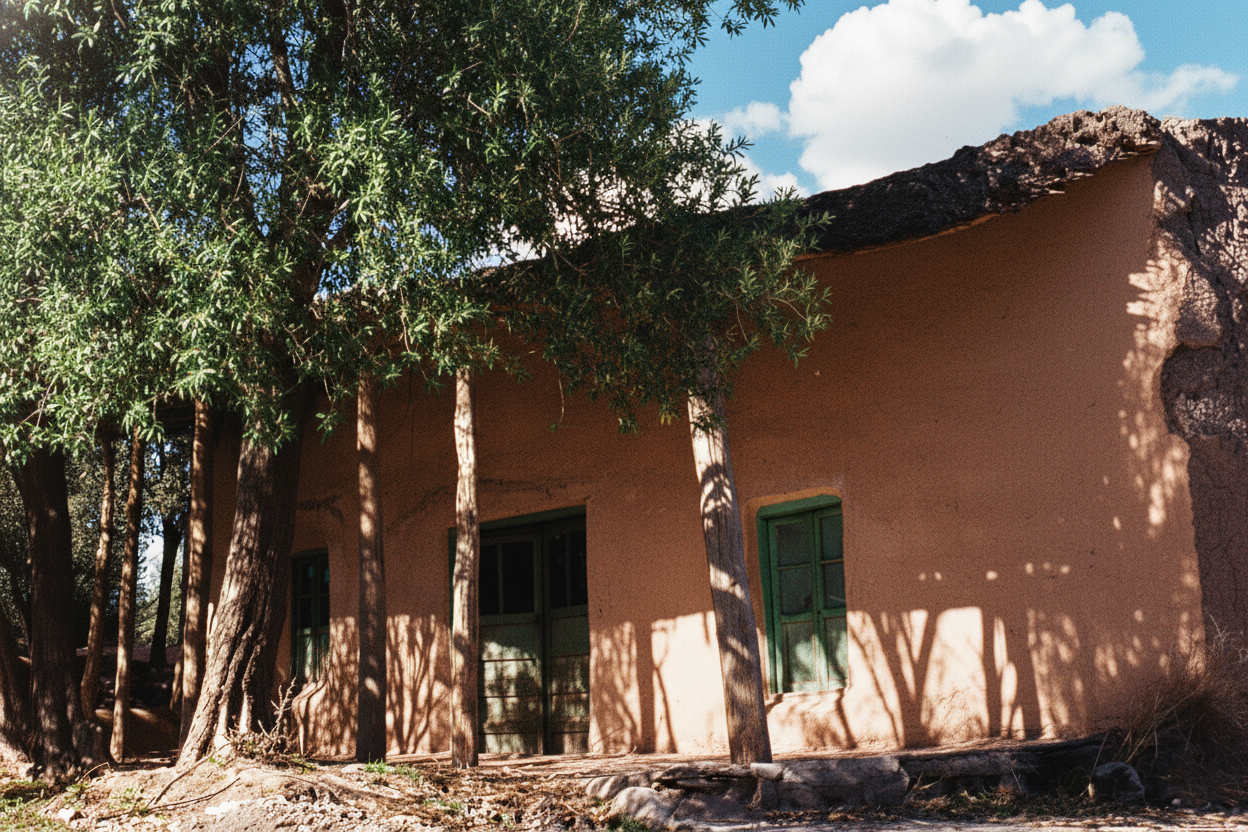
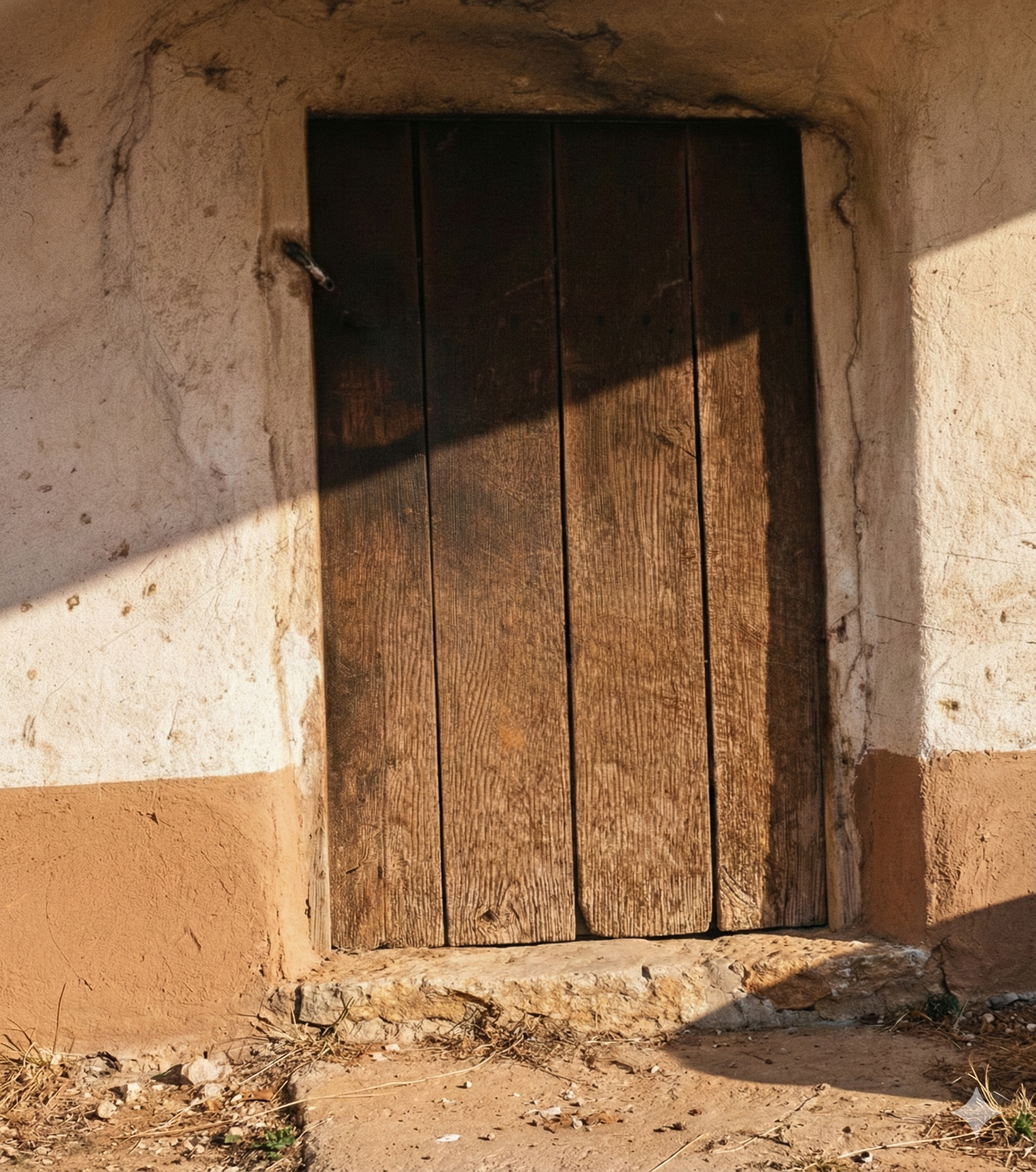
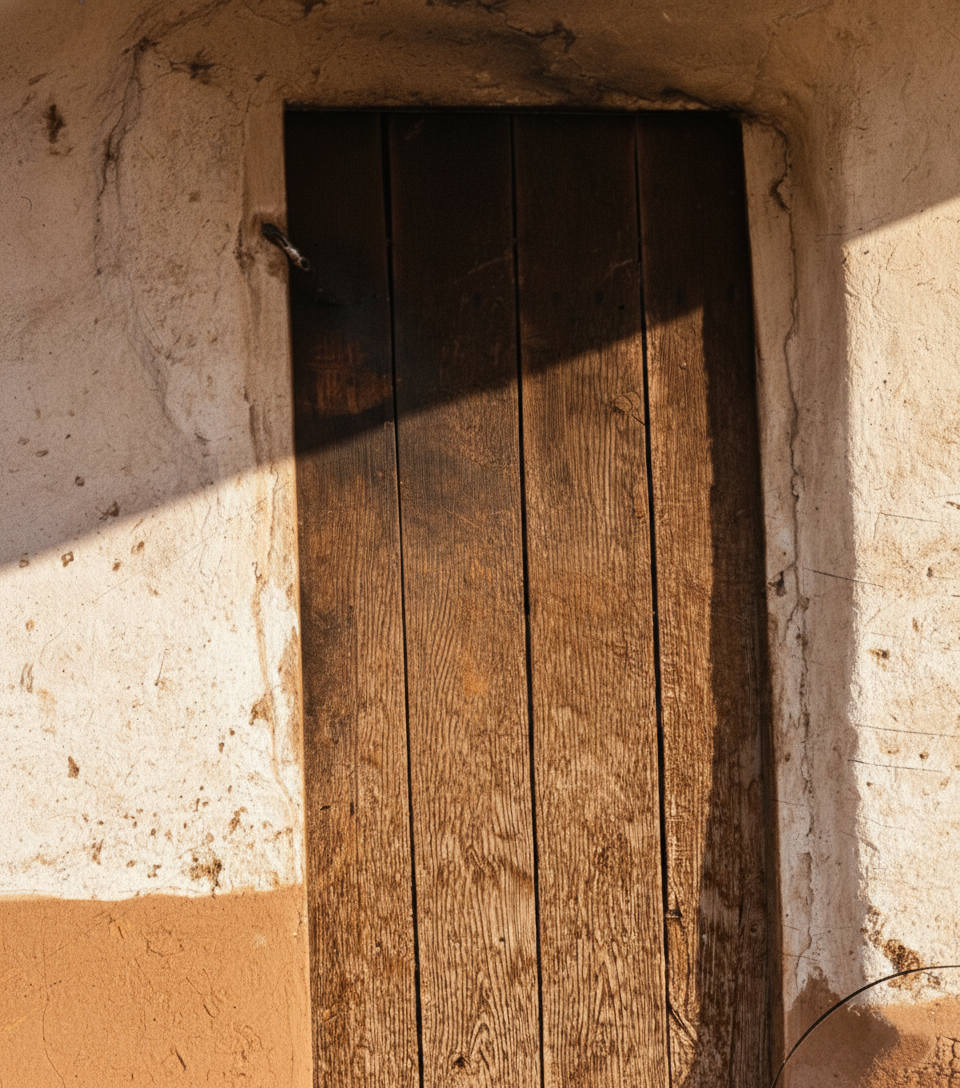
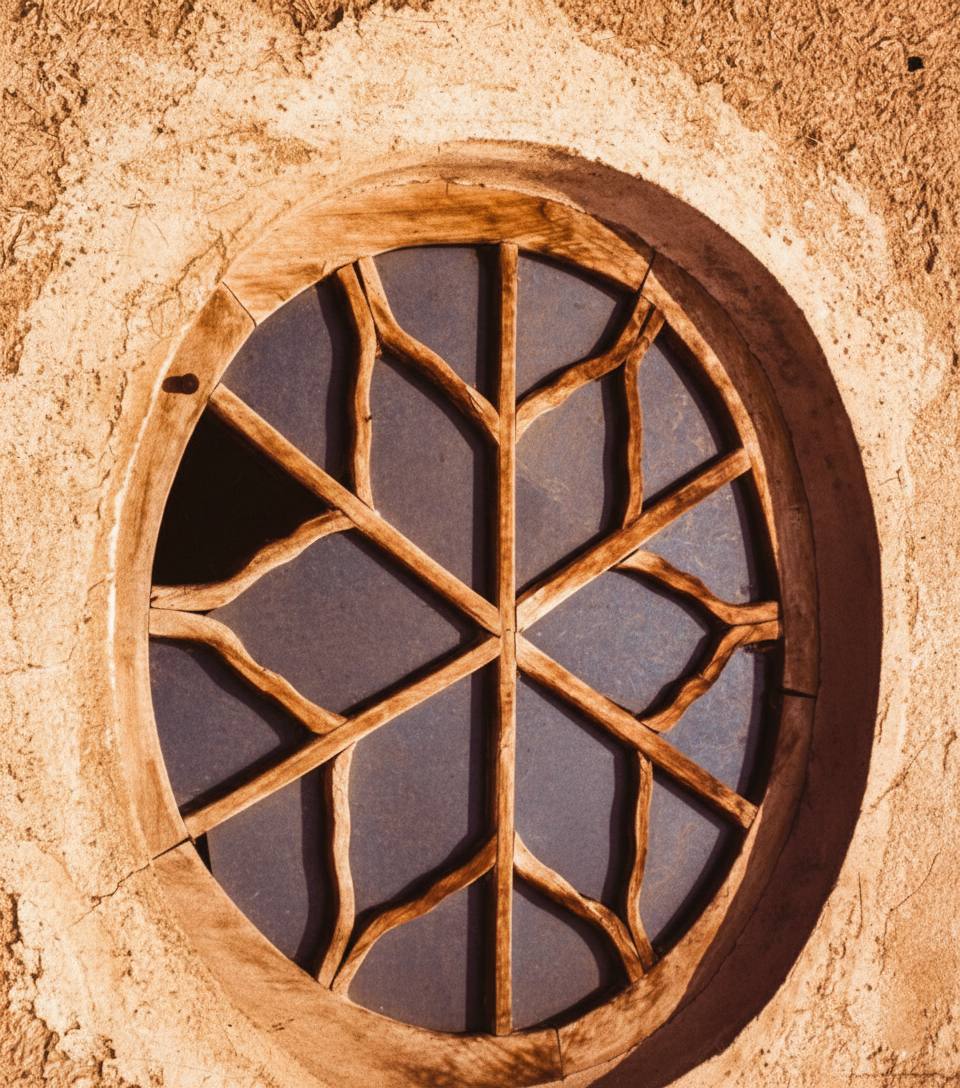
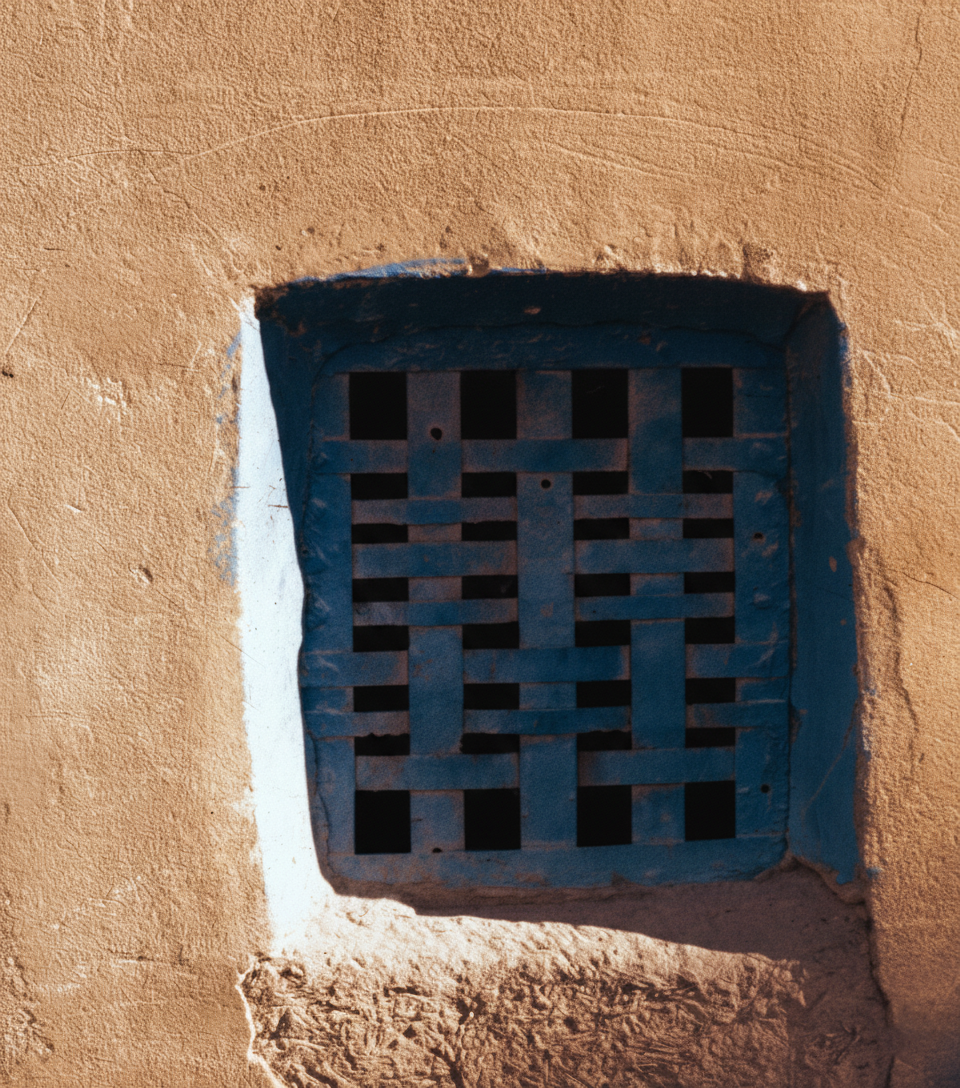
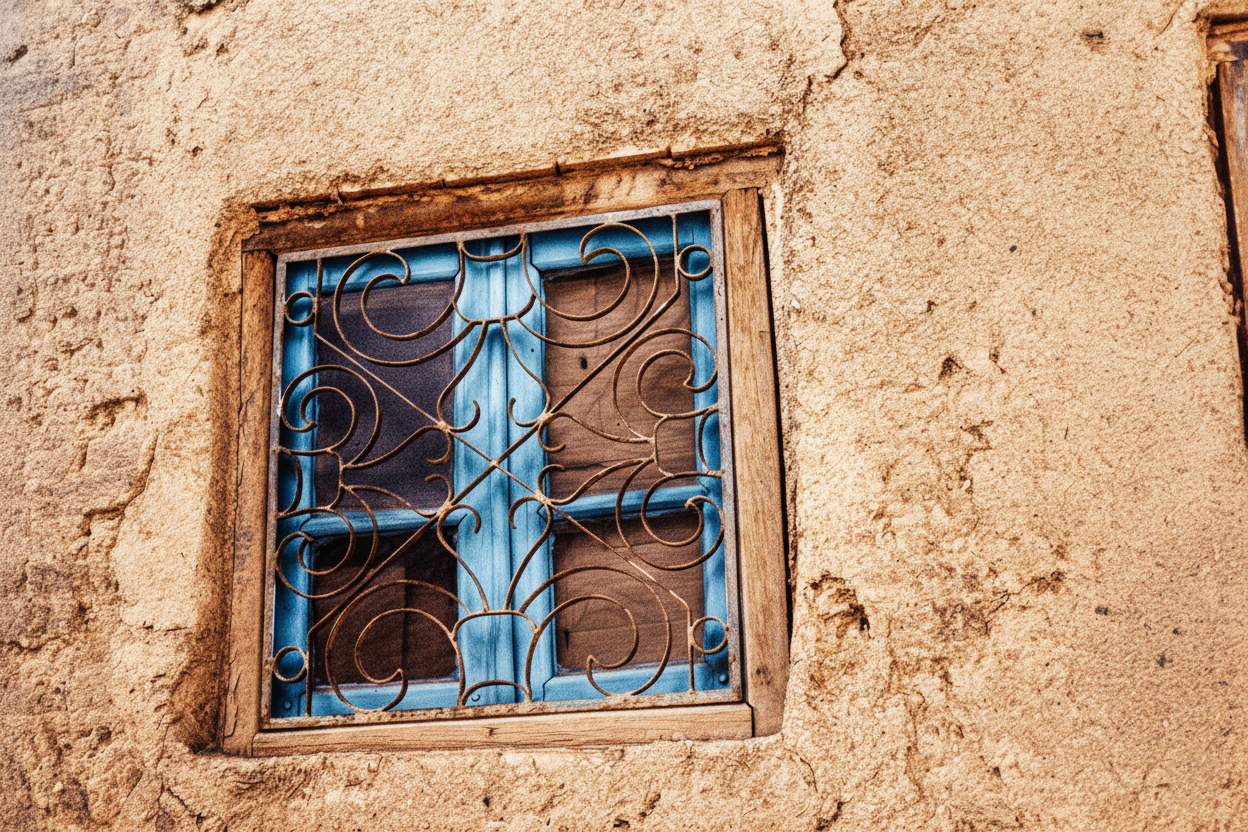
Hesar Valiasr (حصار ولیعصر), the village closest to the Kharaghan Towers (برجهای خرقان), lies within the same historic rural landscape where the Seljuk monuments were built in the 11th century. While the modern village likely developed later, the surrounding area was probably inhabited by small pastoral communities connected to the region’s medieval cultural landscape.
-
The village of Hesar-e Valiasr (حصار ولیعصر) lies very close to the Kharaghan Towers (برجهای خرقان) in the rural landscape of Avaj County in Qazvin Province. Today it is a small settlement with a population of fewer than one thousand residents and serves as the administrative center of the Hesar-e Valiasr Rural District.
The Seljuk-era Kharaghan Towers, built in 1067–1068 and 1093 CE, stand within this same area, indicating that the site of the monuments was historically connected to the surrounding rural territory that later became the village. However, historical documentation about the early settlement itself is limited. The modern administrative village name “Hesar-e Valiasr” is relatively recent, and it is unclear whether the exact village existed under this name during the 11th century when the towers were constructed.
Archaeological and historical interpretations suggest that the area was not empty at the time. The region likely consisted of small pastoral settlements or seasonal encampments, possibly connected to Seljuk-period Turkic tribes who used the surrounding plains for grazing. Some scholars propose that the towers functioned as mausoleums for local tribal leaders or notable figures associated with these communities.
The name “Hesar” (حصار) itself means fortified place or enclosure in Persian, which hints that there may once have been a defensive settlement or small fortified community in the vicinity, although clear archaeological evidence has not yet confirmed the exact location of such a structure.
In this sense, the relationship between the Kharaghan Towers and Hesar-e Valiasr is primarily geographical and cultural. The towers were monumental funerary structures built within a rural Seljuk landscape that was likely inhabited by small communities, herding groups, or local elites. The present-day village probably developed later around this historical landscape, preserving the memory of the site while becoming the nearest settlement to these remarkable monuments.
If you want, I can also write a shorter, gallery-style version (120–150 words) that fits the tone of the other texts you are preparing for your photo website.
