The interior of the Kharaghan Towers
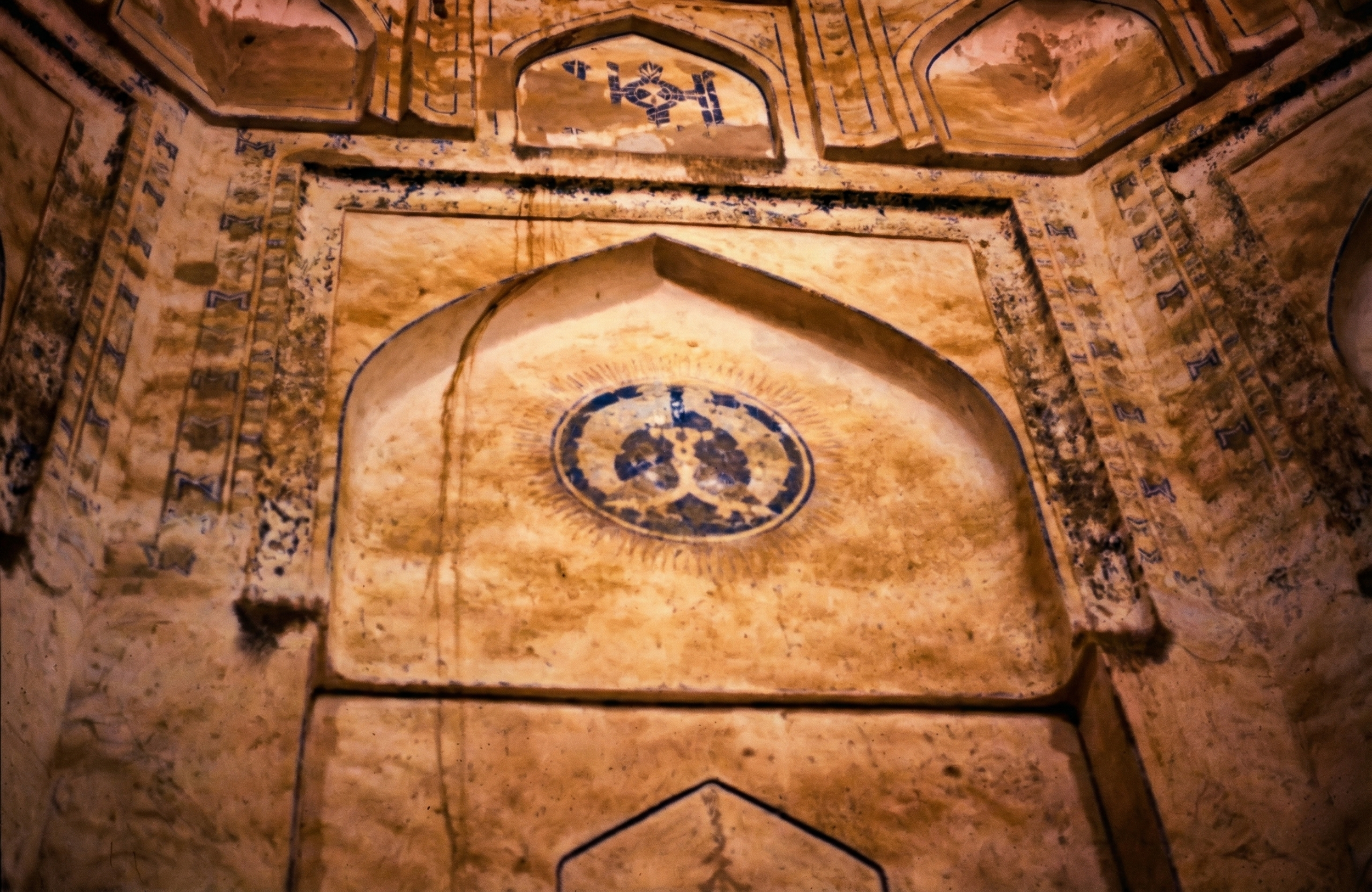
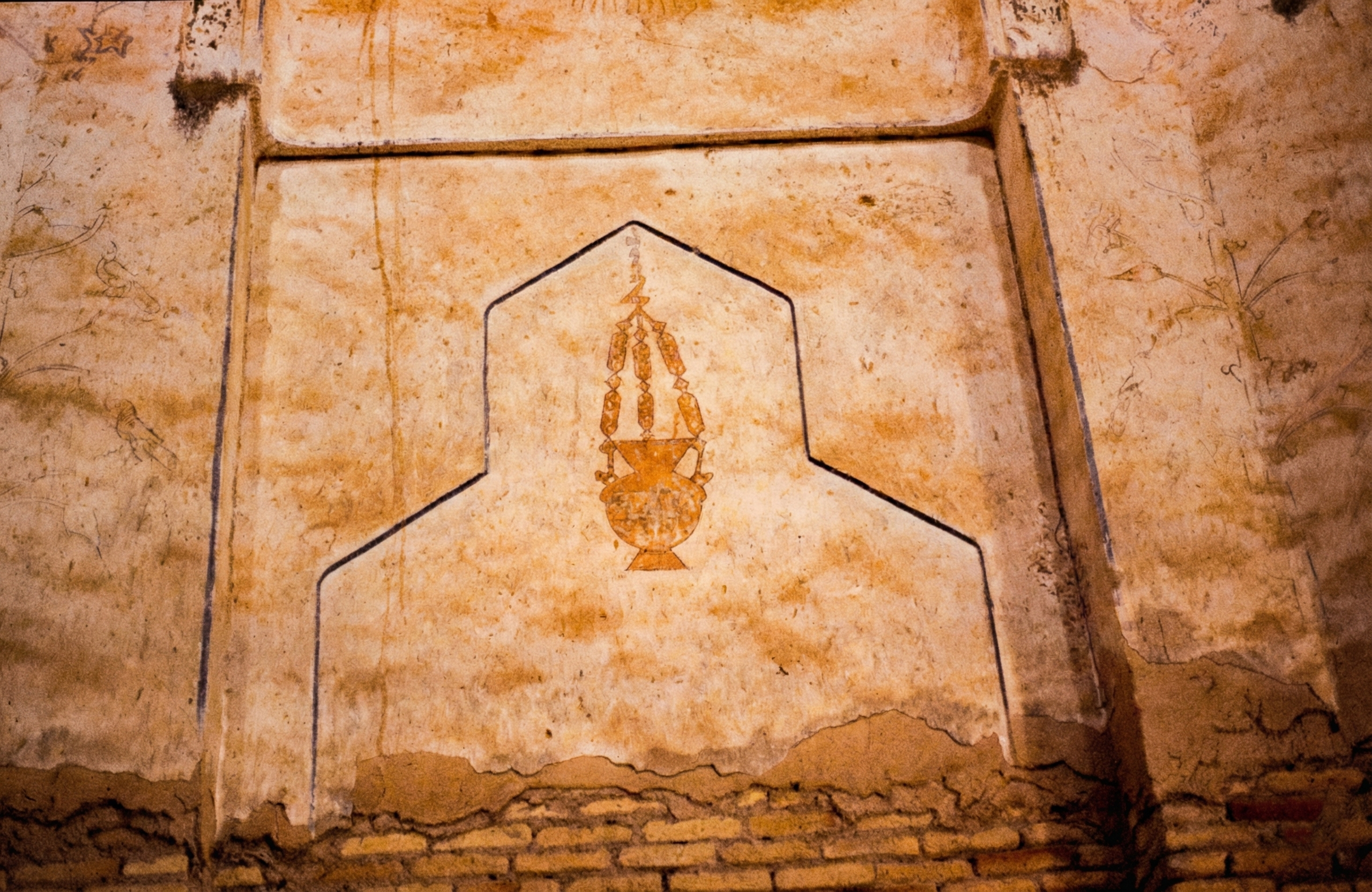
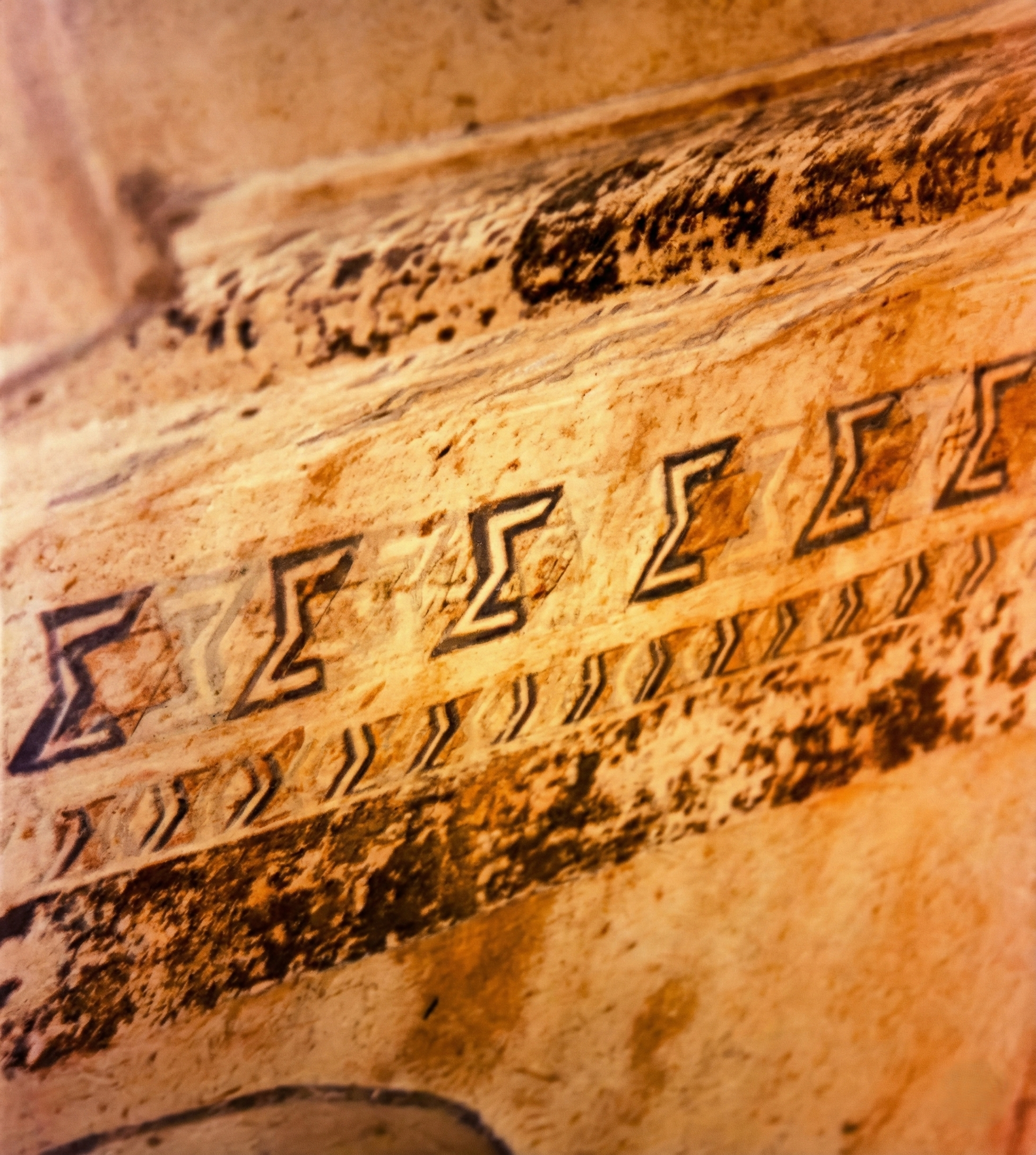
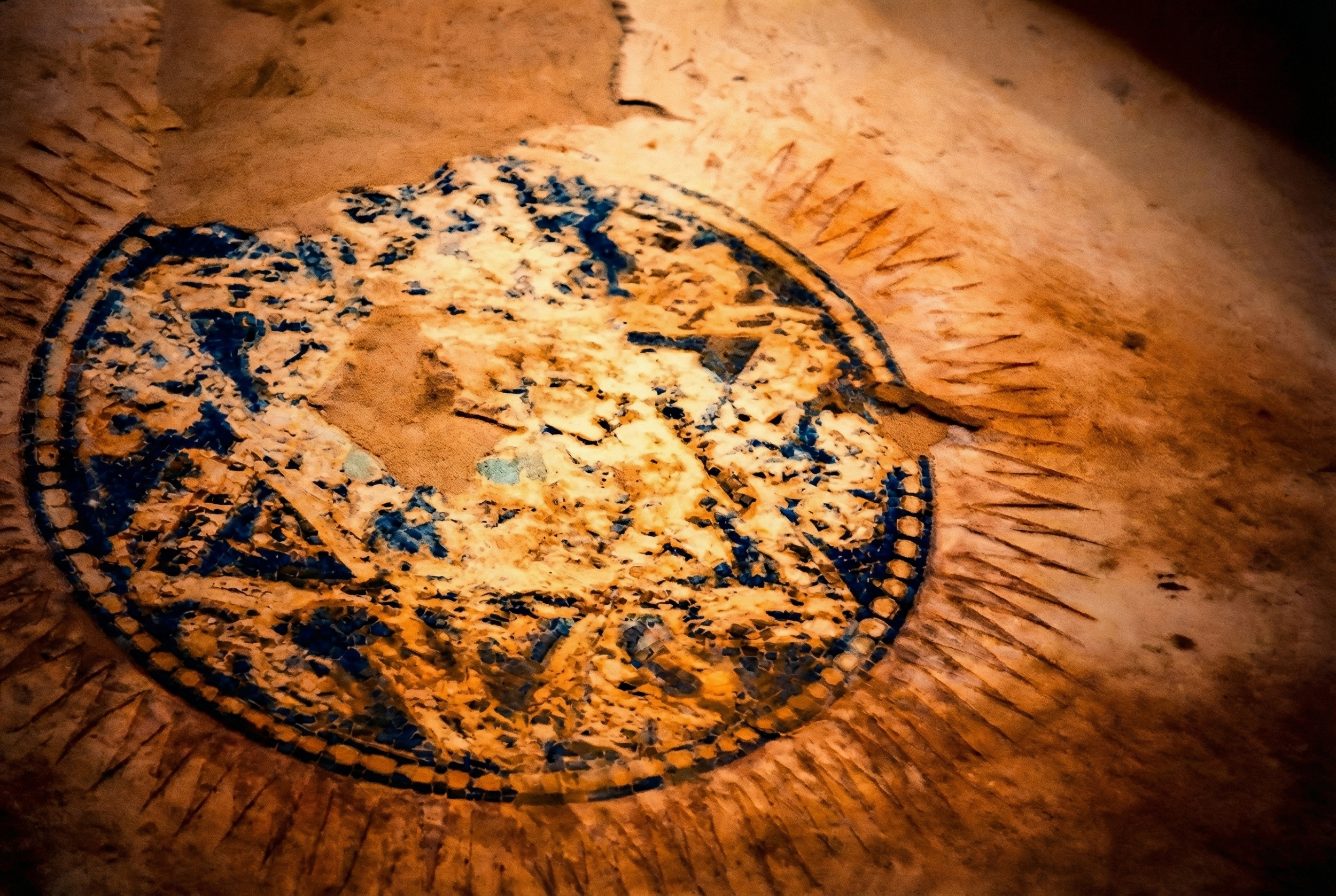
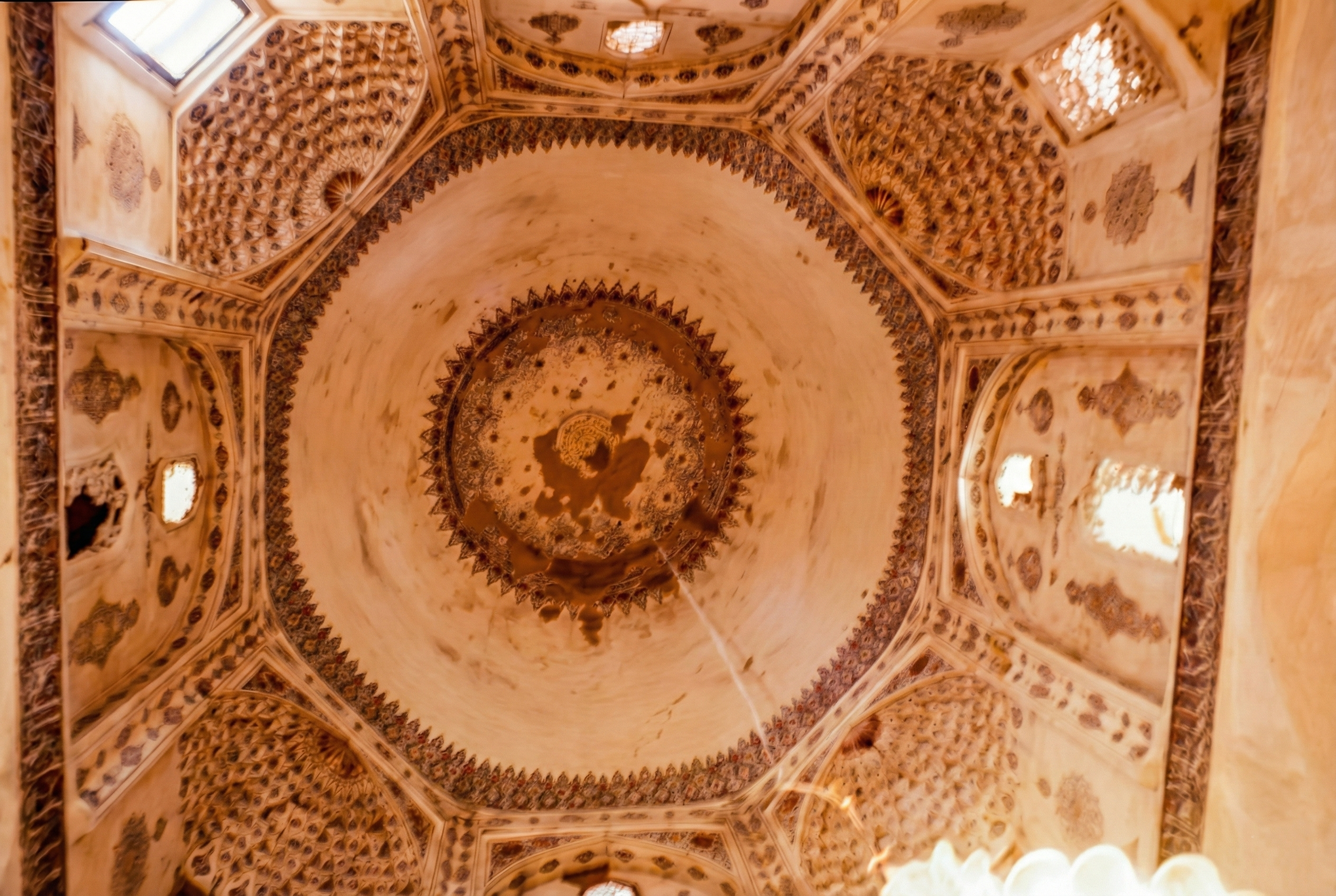
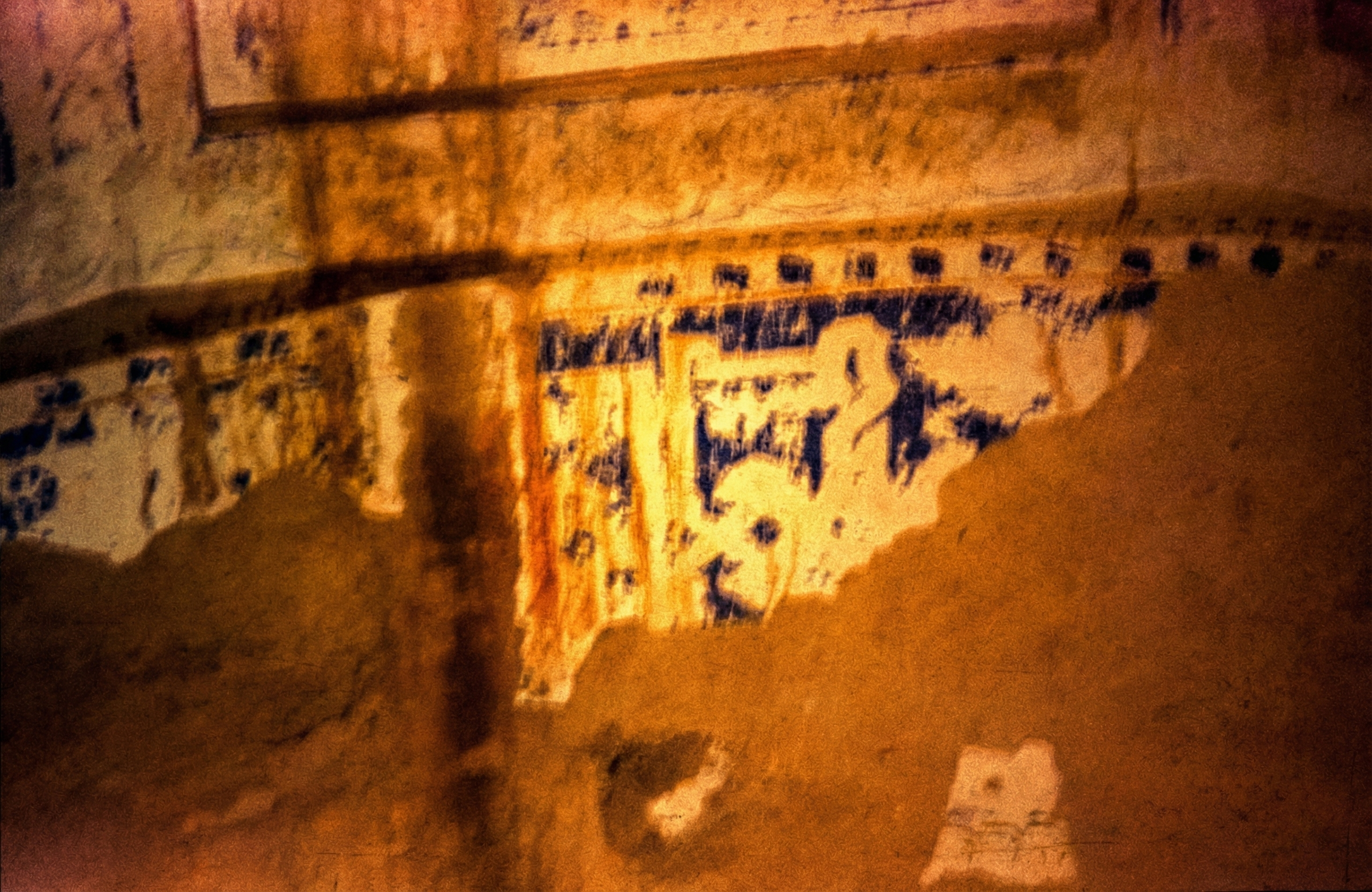
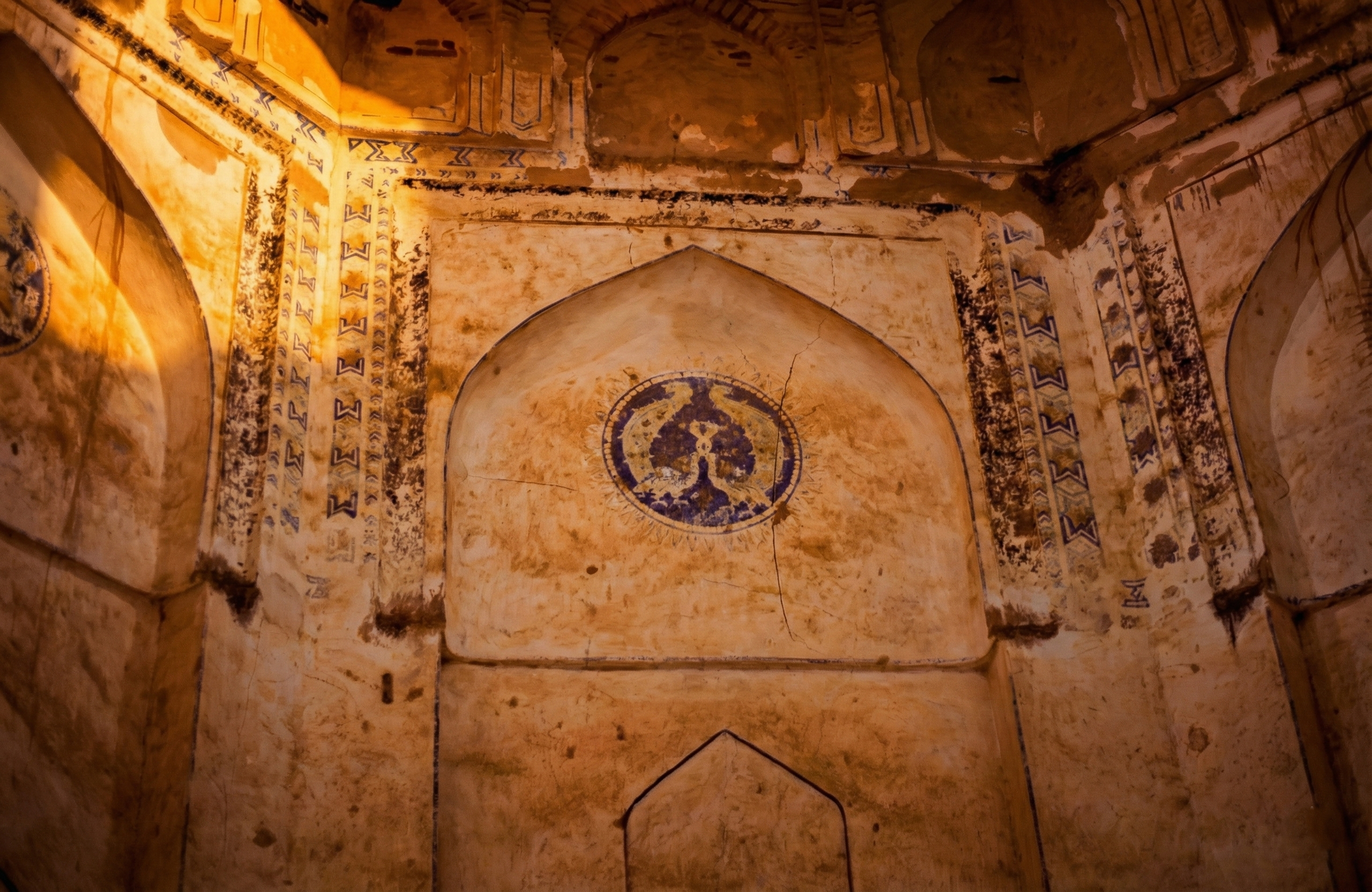
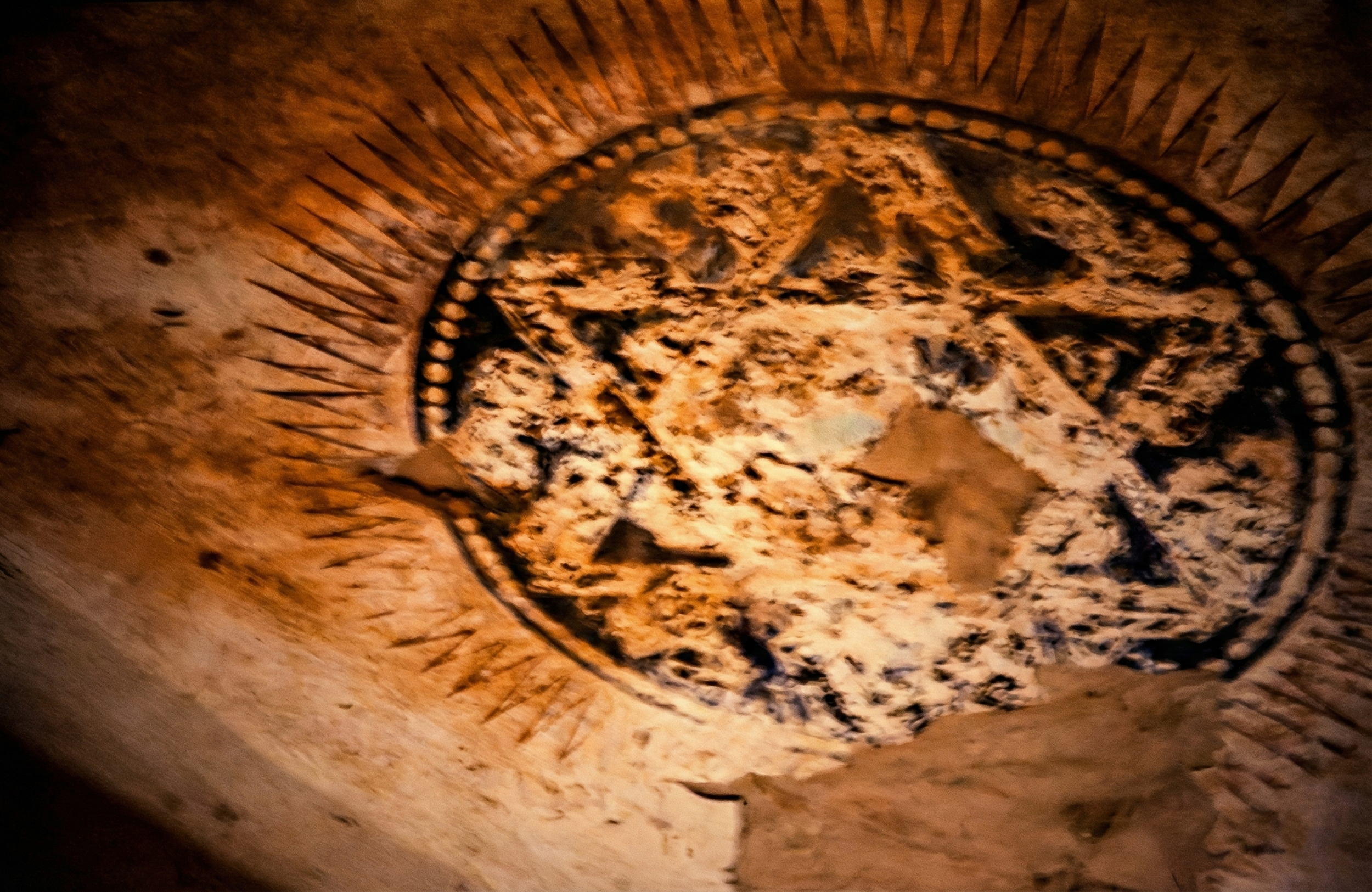
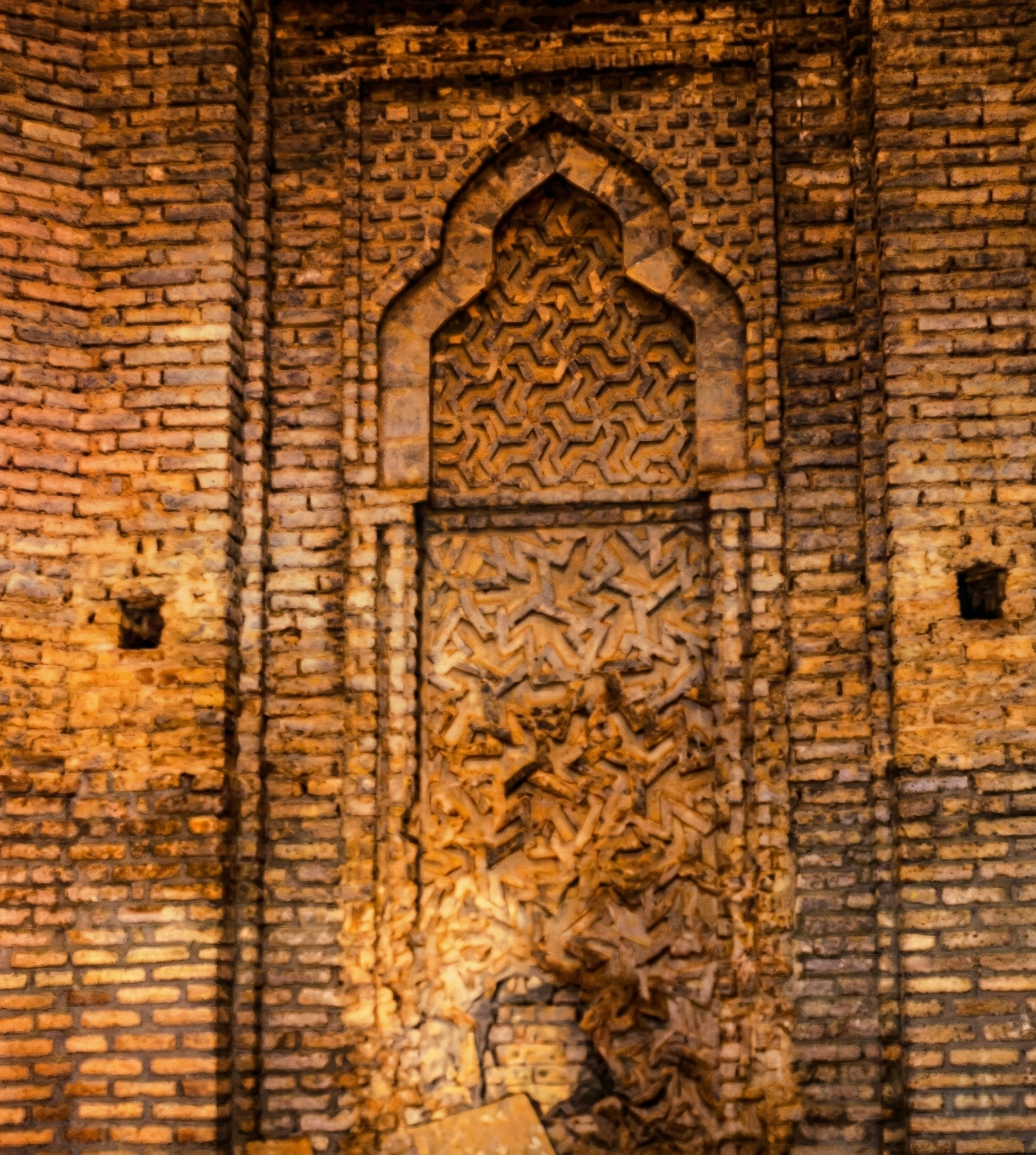
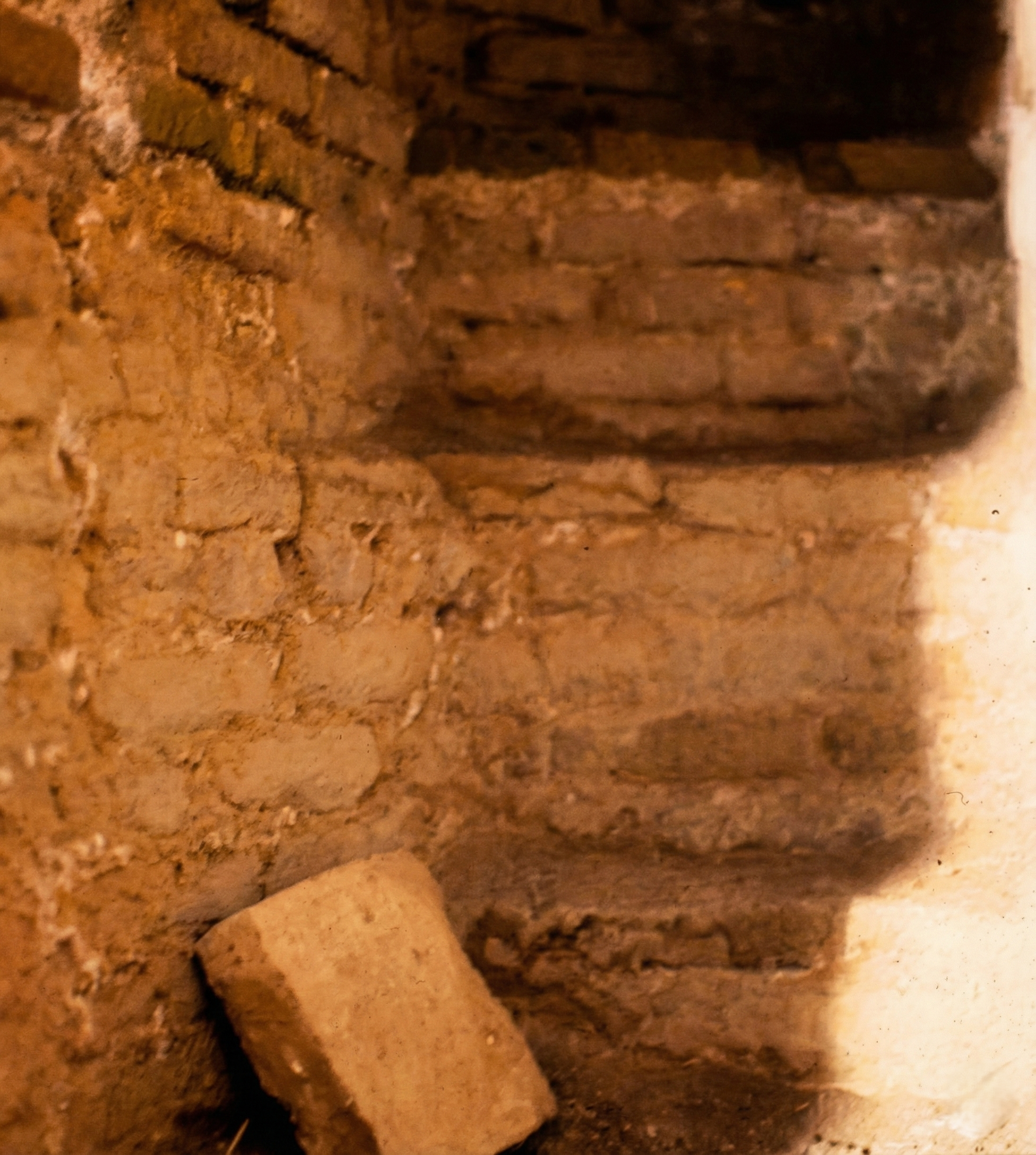
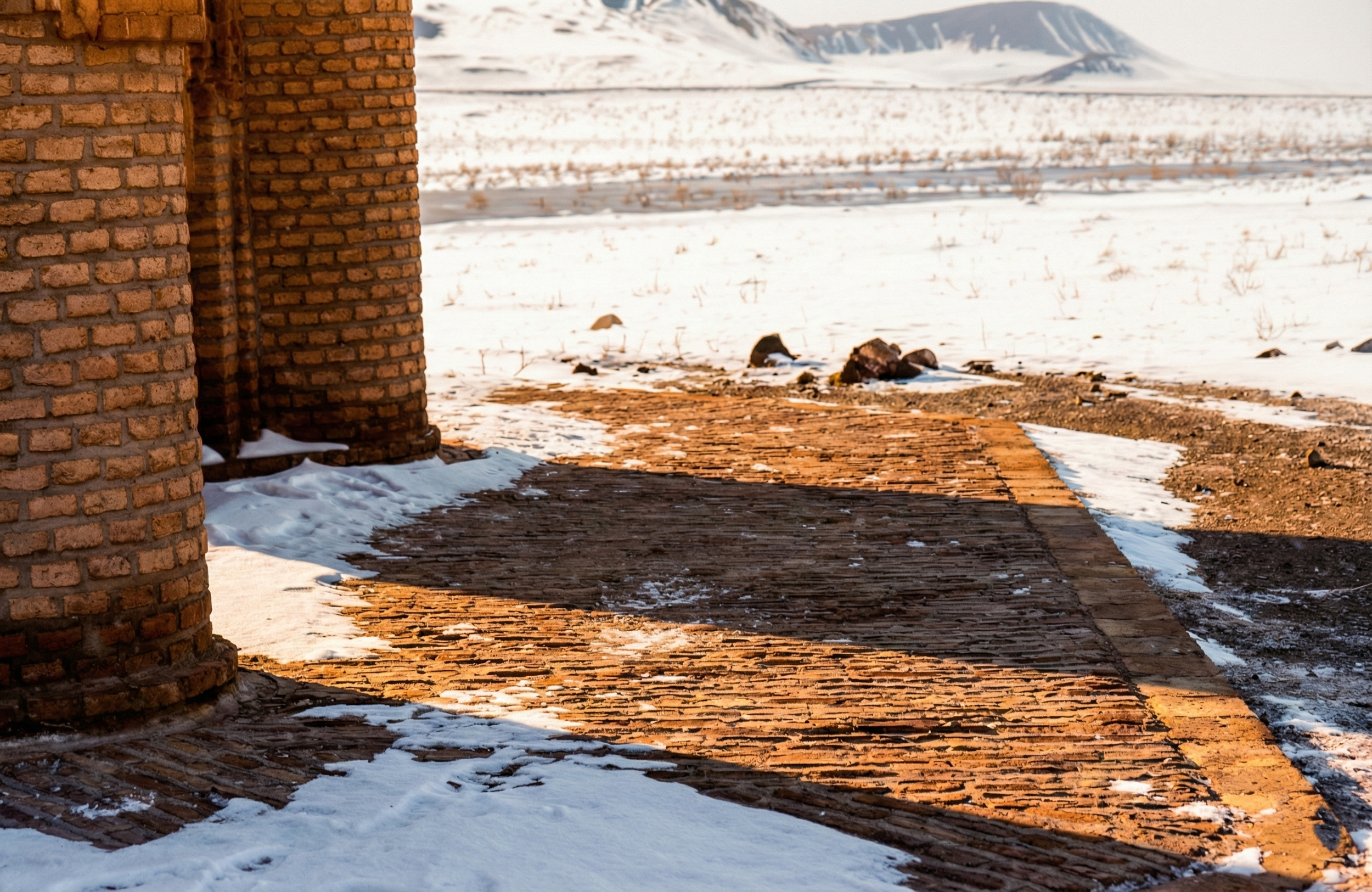
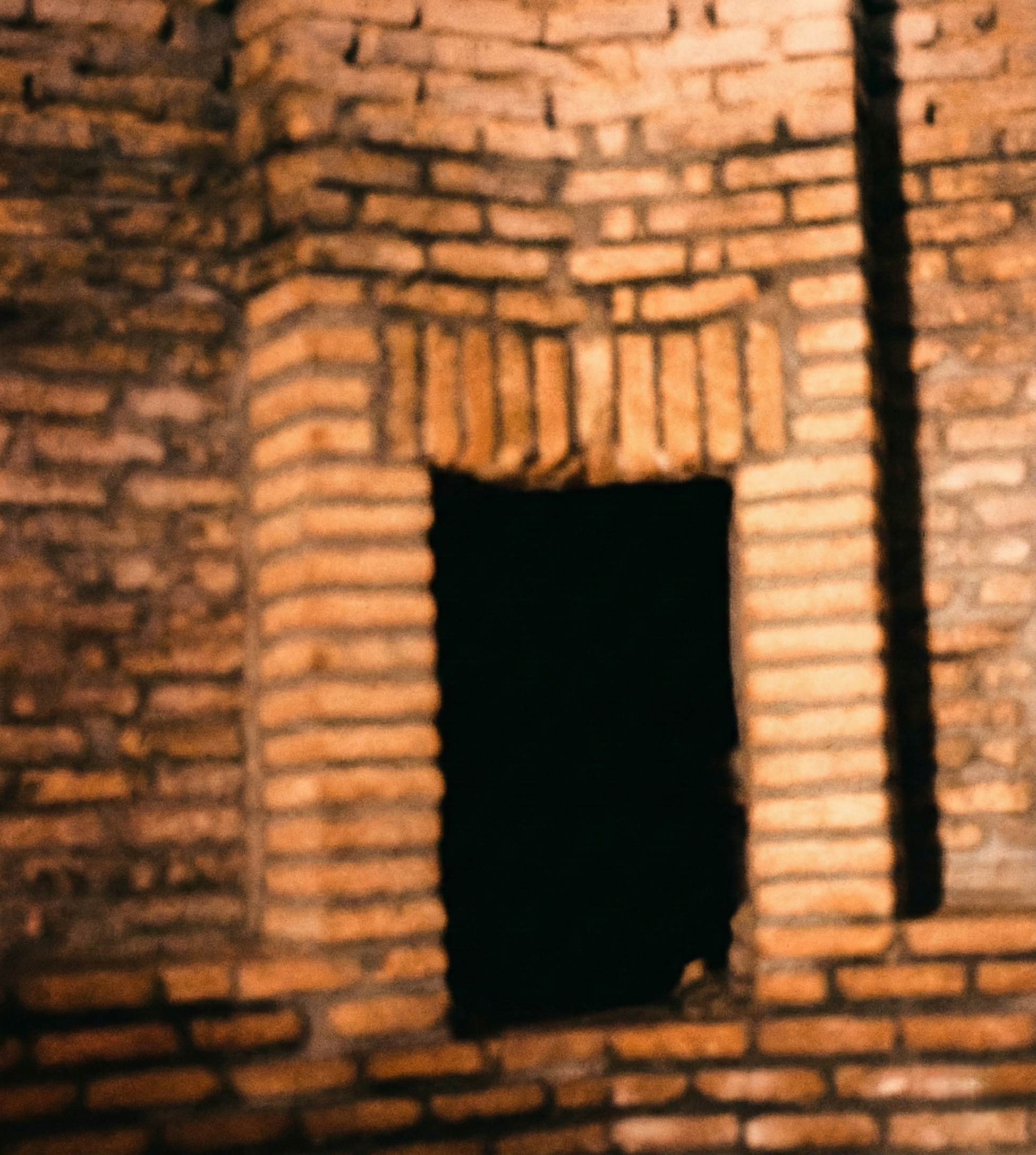
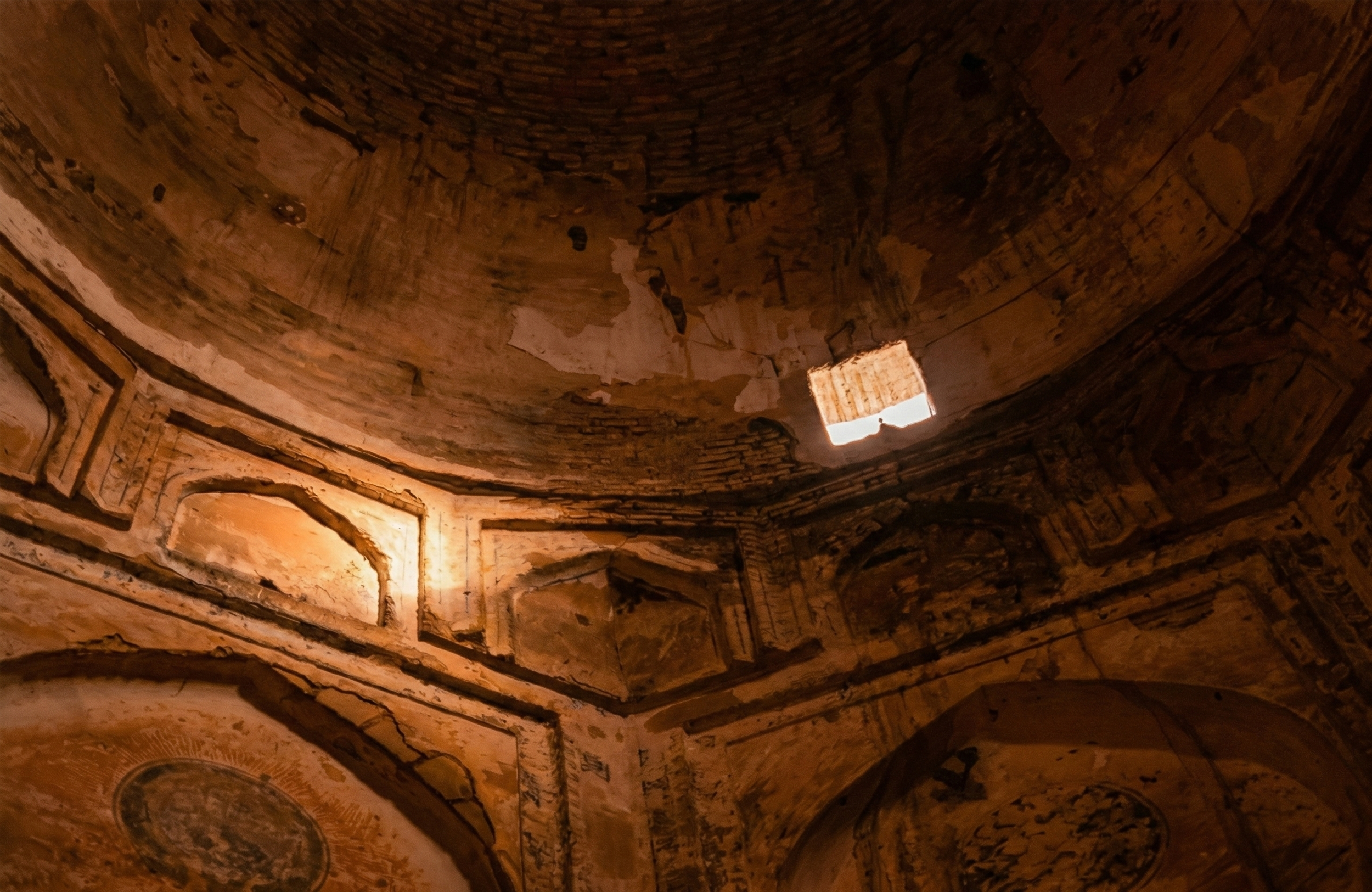
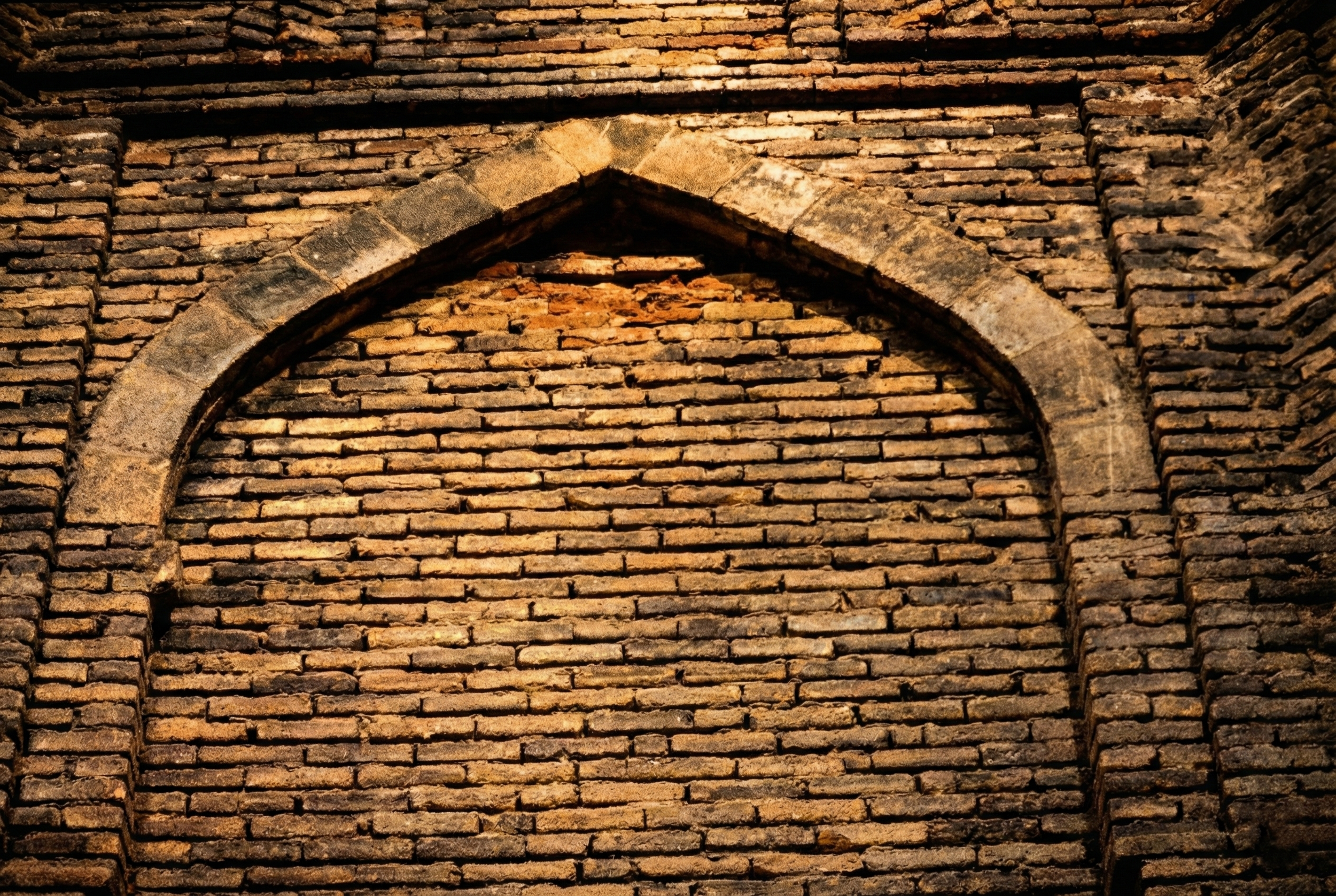
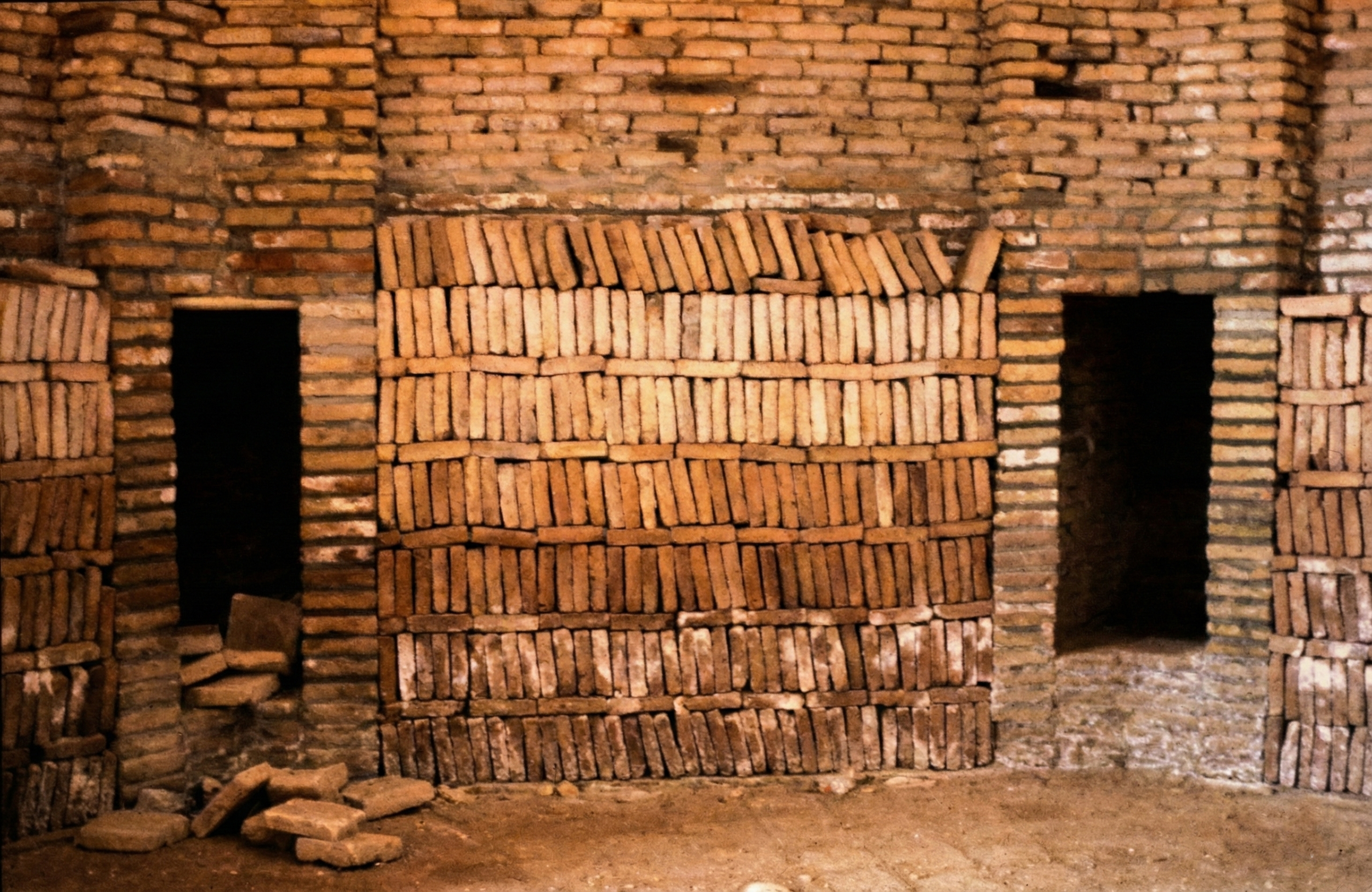
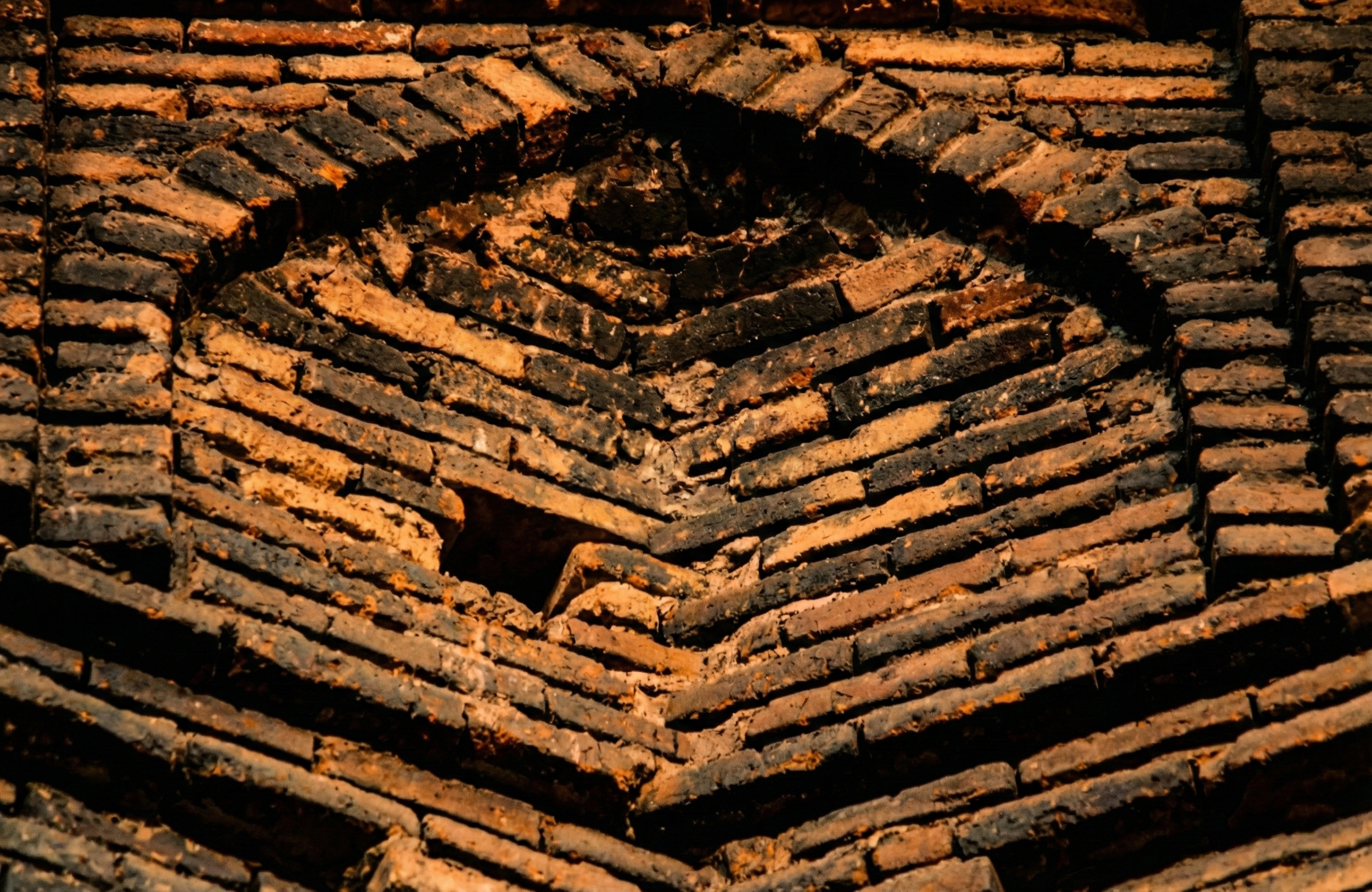
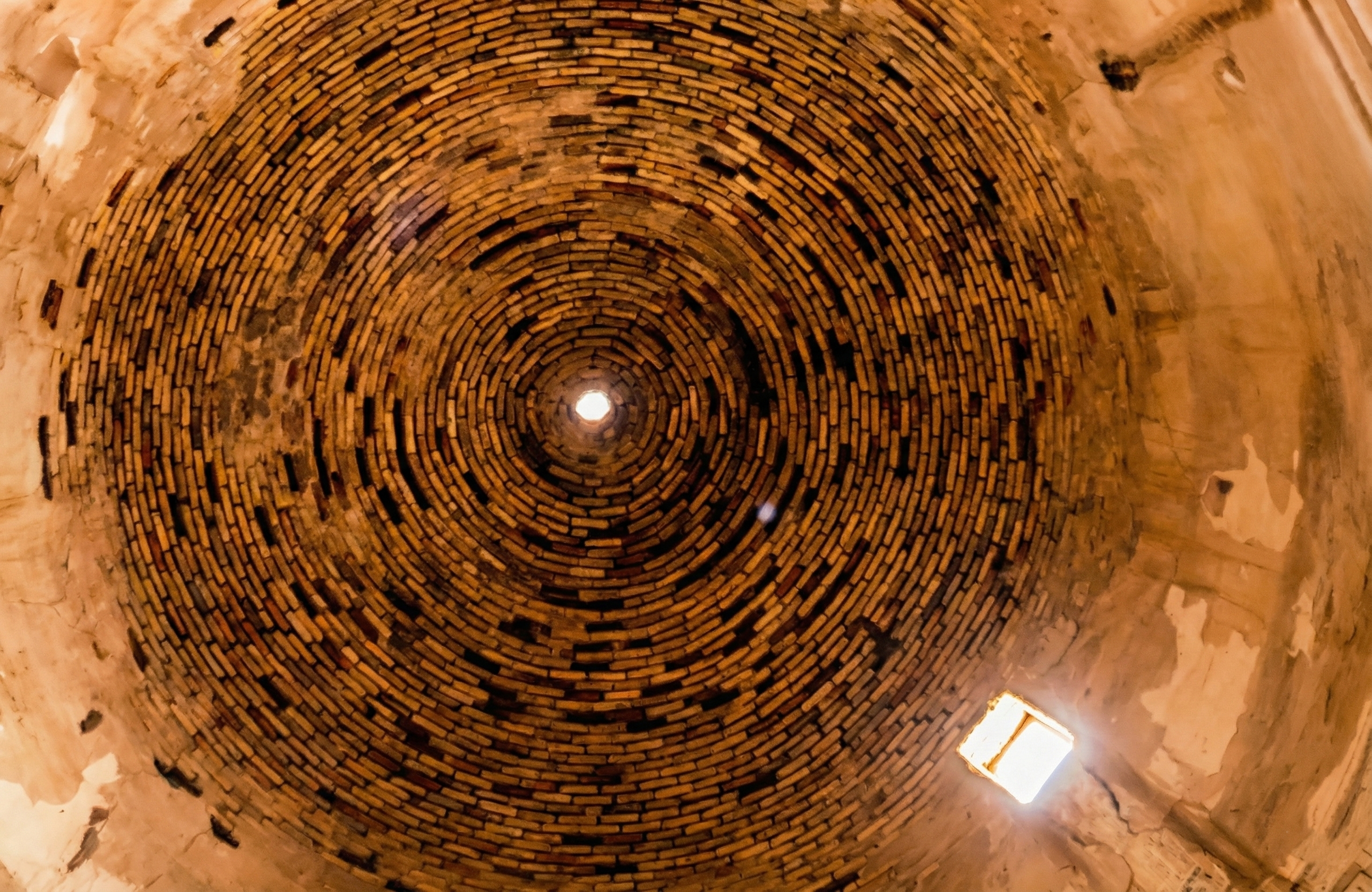
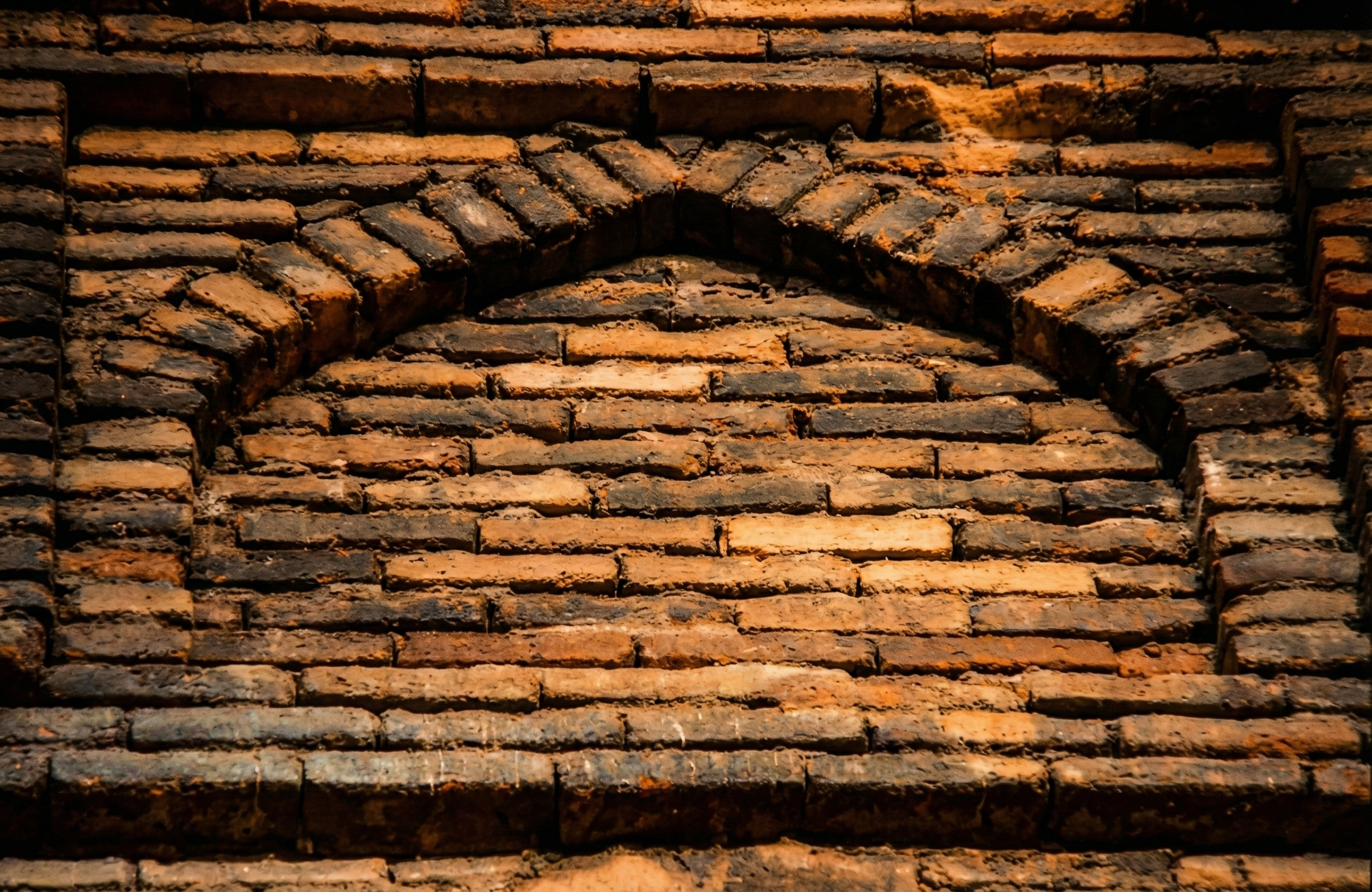
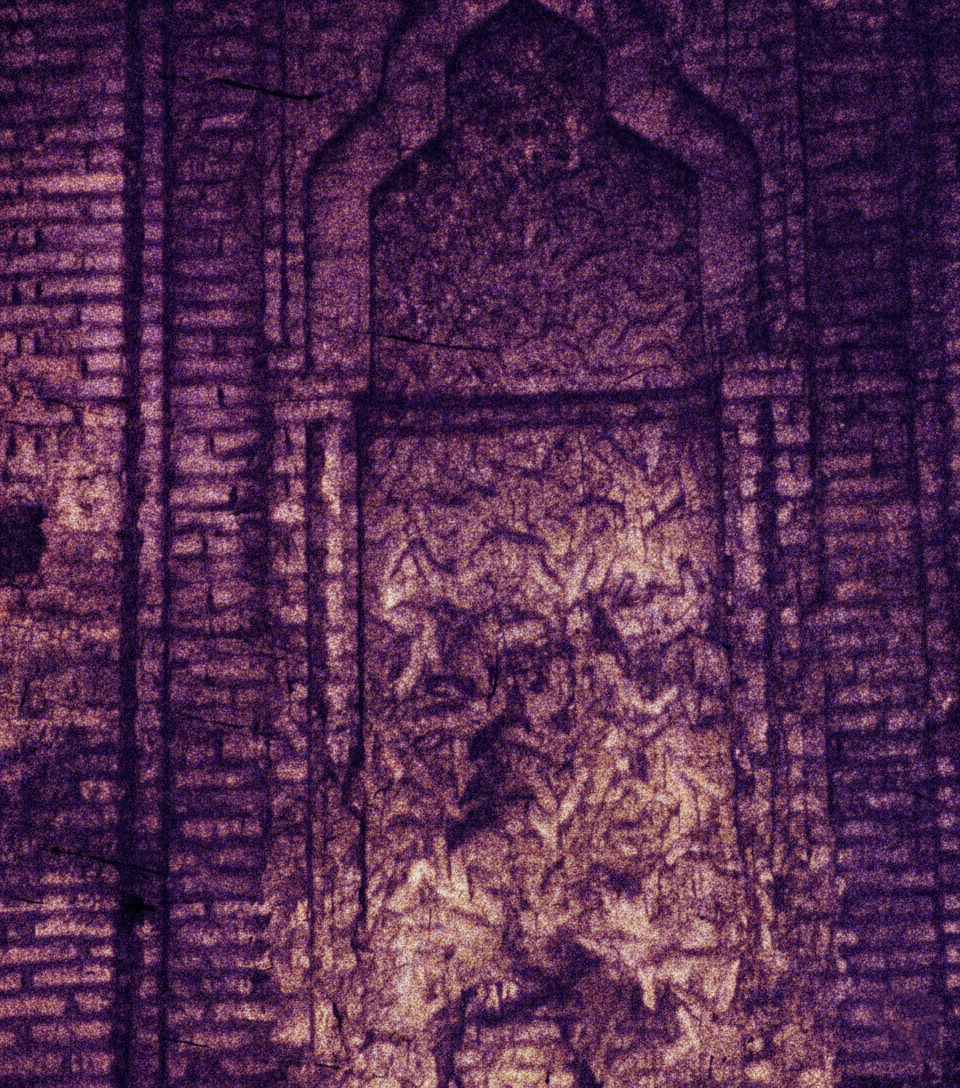
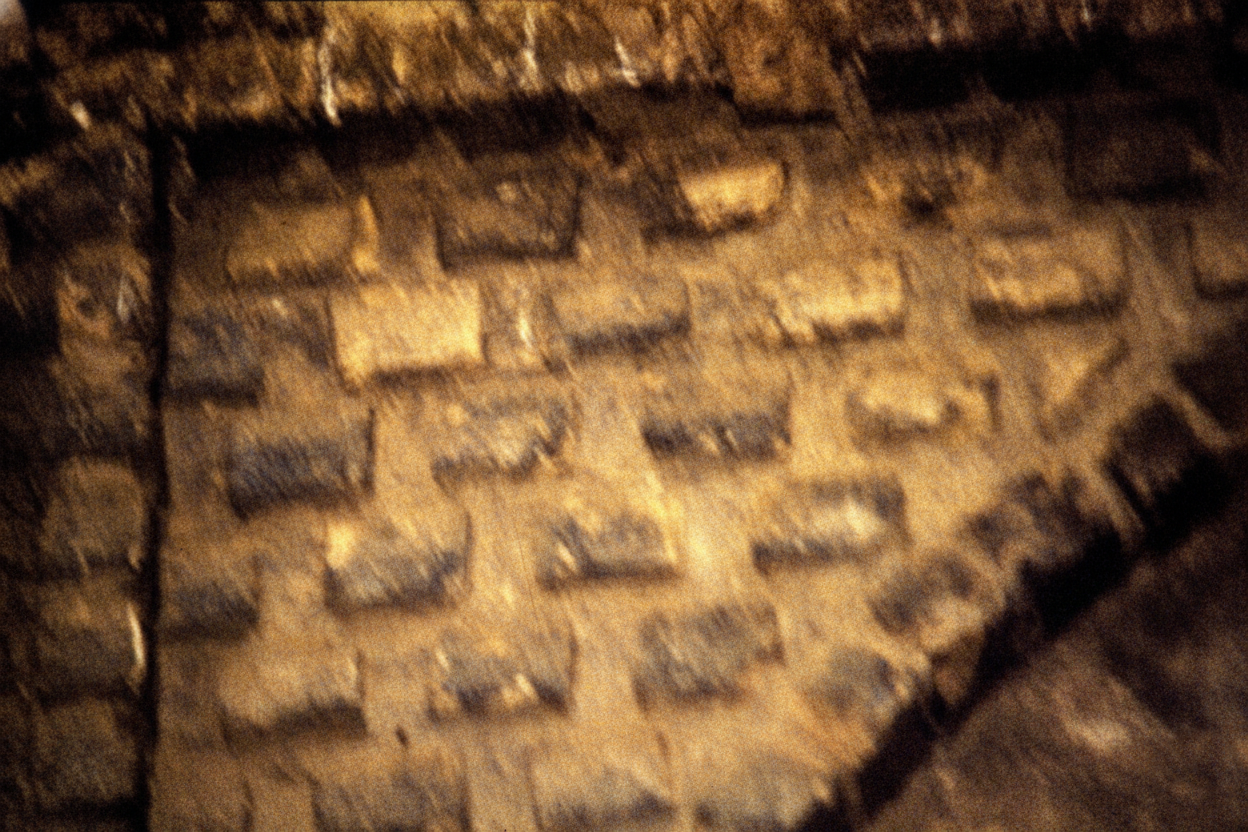
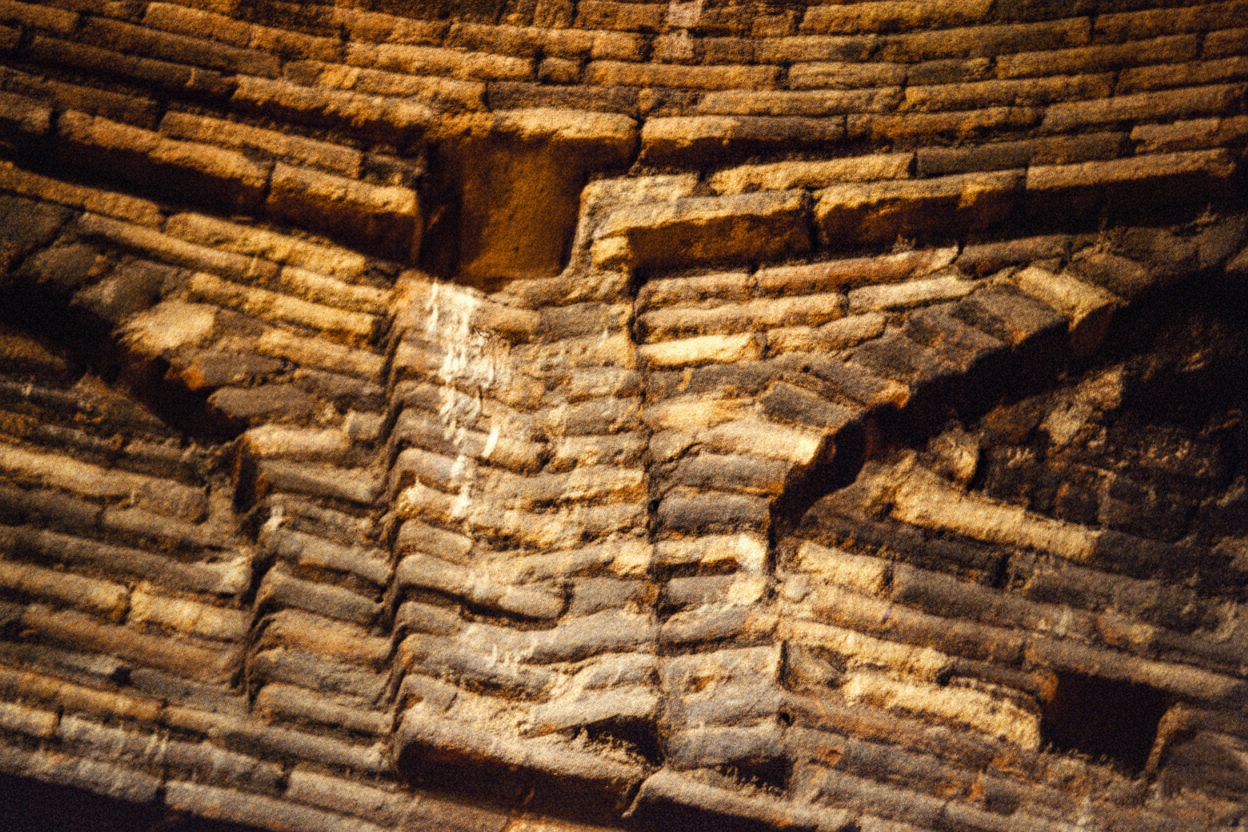
The interiors of the Kharaghan Towers were once adorned with symbolic plasterwork and painted decoration that transformed the domed chamber into a contemplative space. Through rhythmic patterns, color, and ornament, the decoration evoked cosmic order and spiritual transcendence, reflecting the mystical worldview embedded in Seljuk funerary architecture and Persian artistic tradition.
-
The interior of the Kharaghan Towers (برجهای خرقان) once featured elaborate plasterwork and painted decoration that added a symbolic and spiritual dimension to the architecture. Unlike the geometric rigor of the exterior brick façades, the interior surfaces were covered with delicately molded stucco and painted ornament, transforming the domed chamber into a contemplative and ceremonial space. These decorations were not merely aesthetic; they reflected the metaphysical ideas embedded in medieval Persian and Islamic architectural traditions.
The plasterwork likely included vegetal arabesques, geometric compositions, and possibly calligraphic elements, all arranged in rhythmic patterns that guided the viewer’s gaze upward toward the dome. In the symbolic language of Islamic architecture, such patterns represent the concept of cosmic order and the infinite nature of divine creation. The repetition and interlacing of forms create a sense of boundlessness, echoing mystical ideas associated with unity and transcendence.
The painted surfaces further enhanced this spiritual atmosphere. Color and pattern would have animated the interior, softening the solid brick structure and creating a luminous environment appropriate for a commemorative tomb. Within the context of mystic architecture, the interior chamber can be understood as a symbolic space between earth and heaven: the tomb below representing the mortal world, and the rising dome above evoking the celestial sphere.
Through its plaster ornament and painted decoration, the interior of the Kharaghan Towers transformed a funerary monument into a meditative architectural setting. The interplay of geometry, color, and symbolic pattern reflects the broader mystical worldview of the Seljuk period, where architecture served not only as a physical structure but also as a medium for expressing spiritual order and cosmic harmony.
