Semnan (سمنان)
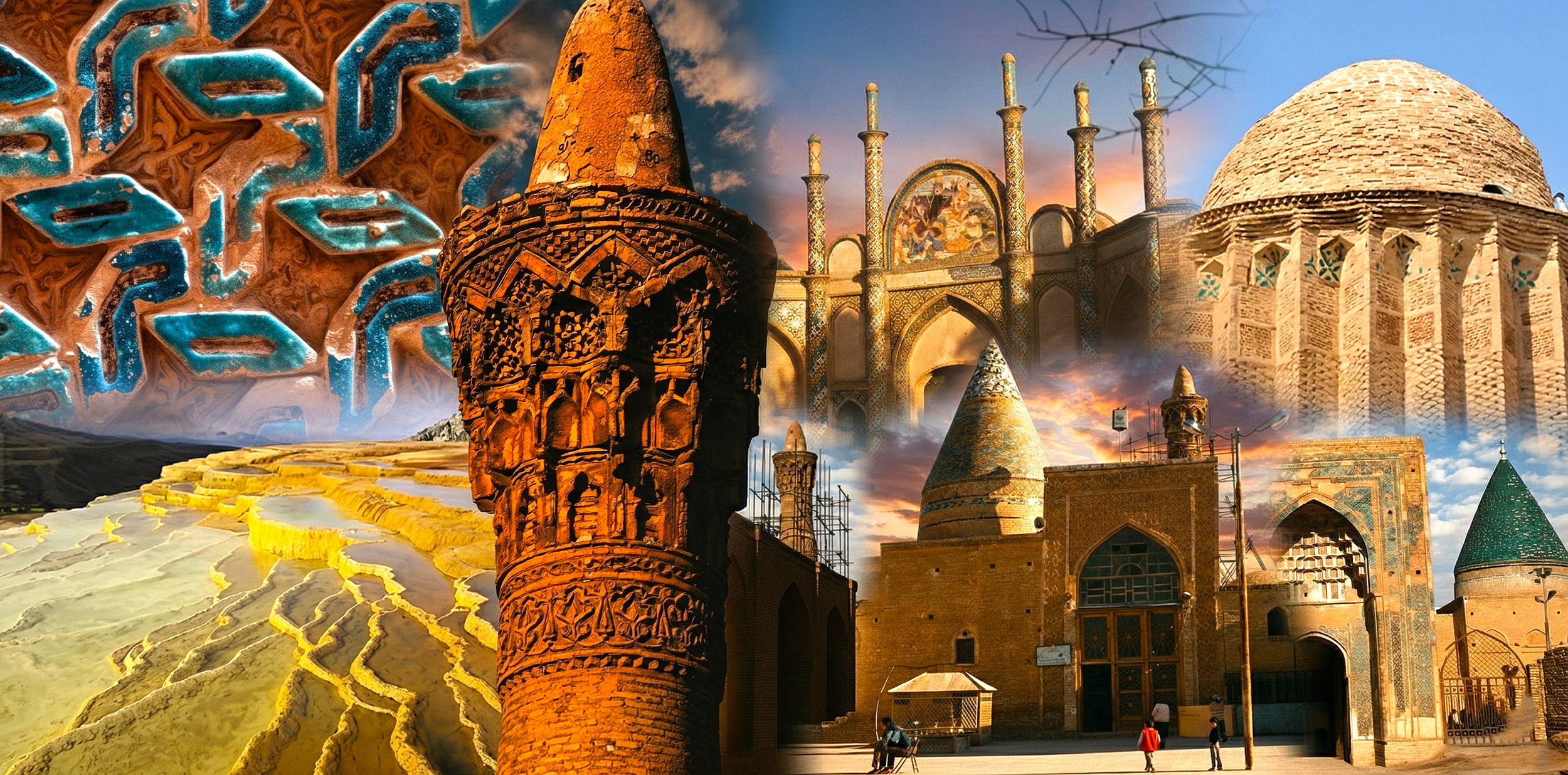
Semnan (سمنان), an ancient city with roots in the Avestan and Achaemenid eras, developed along the Silk Road (جاده ابریشم) as a key caravan stop. Its adobe architecture (خشت و گل), windcatchers (بادگیر), Jameh Mosque (مسجد جامع سمنان), Arg Gate (دروازه ارگ), and traditional bazaar (بازار سمنان) reflect centuries of desert urbanism and trade.
-
Semnan (سمنان), with origins traceable to the Avestan era (ca. 1500–500 BCE) and the Achaemenid Empire (550–330 BCE), is an ancient desert city shaped by its strategic position along the Silk Road (جاده ابریشم) on the southern edge of the Alborz Mountains (البرز). Located along this historic trade corridor, the city developed as an important stopping point for caravans traveling between eastern Iran and the western provinces of successive empires. Flourishing particularly during the Seljuk period (11th–12th centuries CE), Ilkhanid period (13th–14th centuries CE), Safavid period (16th–17th centuries CE), and Qajar period (19th century CE), Semnan evolved into a regional administrative and commercial center with an organic urban fabric composed of compact neighborhoods (محلهها), narrow alleys (کوچههای باریک), bazaars (بازار), mosques, caravanserais, and water infrastructures.
Built primarily in adobe (خشت و گل), the city presents a continuous earth-toned cityscape of low-rise volumes, domes (گنبد), and windcatchers (بادگیر) that visually merge with the surrounding desert terrain. Passive climate strategies—including badgirs (بادگیر) for natural ventilation and yakhchals (یخچال) for ice storage—demonstrate a sophisticated architectural adaptation to the region’s arid environment.
The city’s narrow alleys perform both climatic and social functions. Their high adobe walls provide shade, reduce solar gain, and channel cooling breezes, while their intimate scale fosters daily encounters within each mahalla (محله). This urban structure illustrates the human-scaled planning typical of historic Iranian desert cities.
Semnan’s historical evolution is visible in several architectural landmarks within its historic urban core. Among the most prominent is the Jameh Mosque of Semnan (مسجد جامع سمنان), whose origins date to the Seljuk period (11th–12th centuries CE). The mosque was built upon the remains of an earlier fire temple and is distinguished by its tall brick minaret decorated with Kufic inscriptions (خط کوفی) and intricate geometric brickwork, which remains one of the defining features of the city’s skyline.
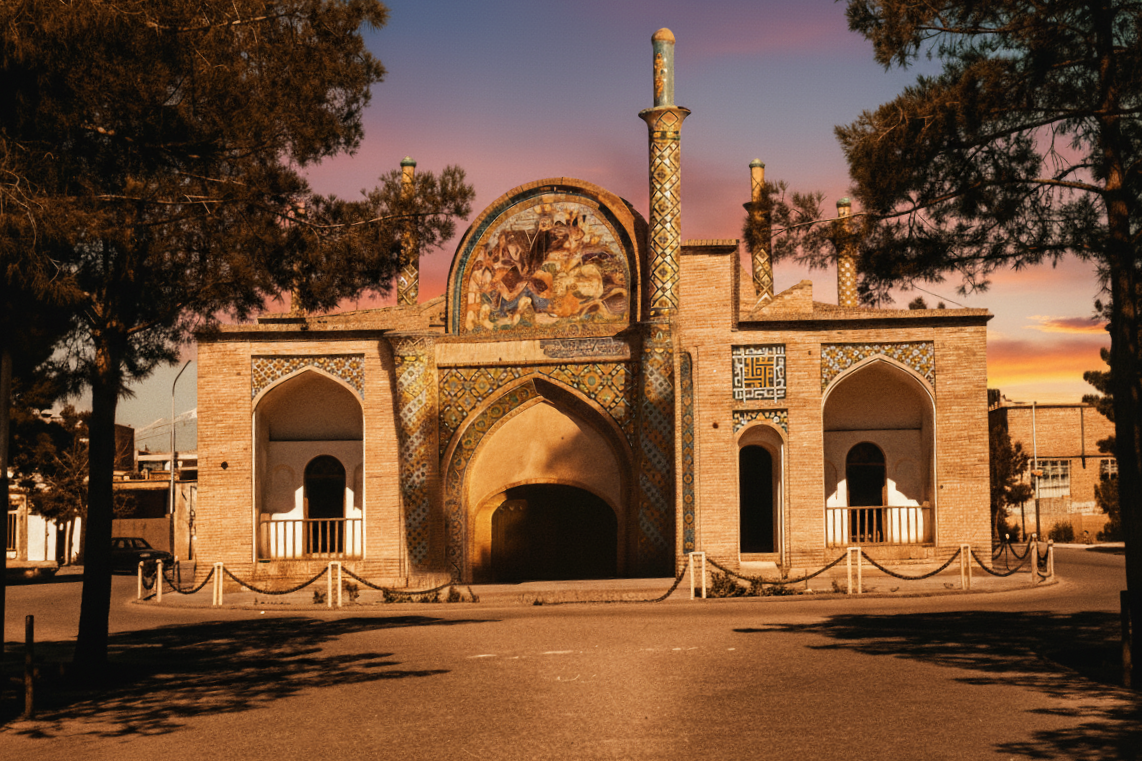
Another notable monument is the Arg Square Gate (دروازه ارگ), constructed during the Qajar period (19th century CE). This monumental gateway, decorated with colorful tilework depicting historical and mythological scenes, once marked the ceremonial entrance to the city’s governmental complex.
The traditional bazaar of Semnan (بازار سمنان) also played an essential role in the city’s urban life. Like many bazaars throughout Iran, it consists of covered brick corridors punctuated by domed intersections that provide light and ventilation while protecting merchants and customers from the harsh desert climate.
Nearby, the tomb complex of Bayezid Bastami (بایزید بسطامی)—originally associated with the 9th century CE Sufi mystic and expanded in later periods—reflects the spiritual and cultural depth embedded in the architectural landscape of the region.
Through its mosques, gateways, bazaars, and traditional neighborhoods, Semnan reflects the architectural continuity of Iranian cities that developed along the great trade routes of Central Asia. The city stands as a resilient model of desert urbanism, where trade, faith, climate intelligence, and earthen construction converge to form a human-scaled and organically evolved urban environment.