Bayazid of Bastam
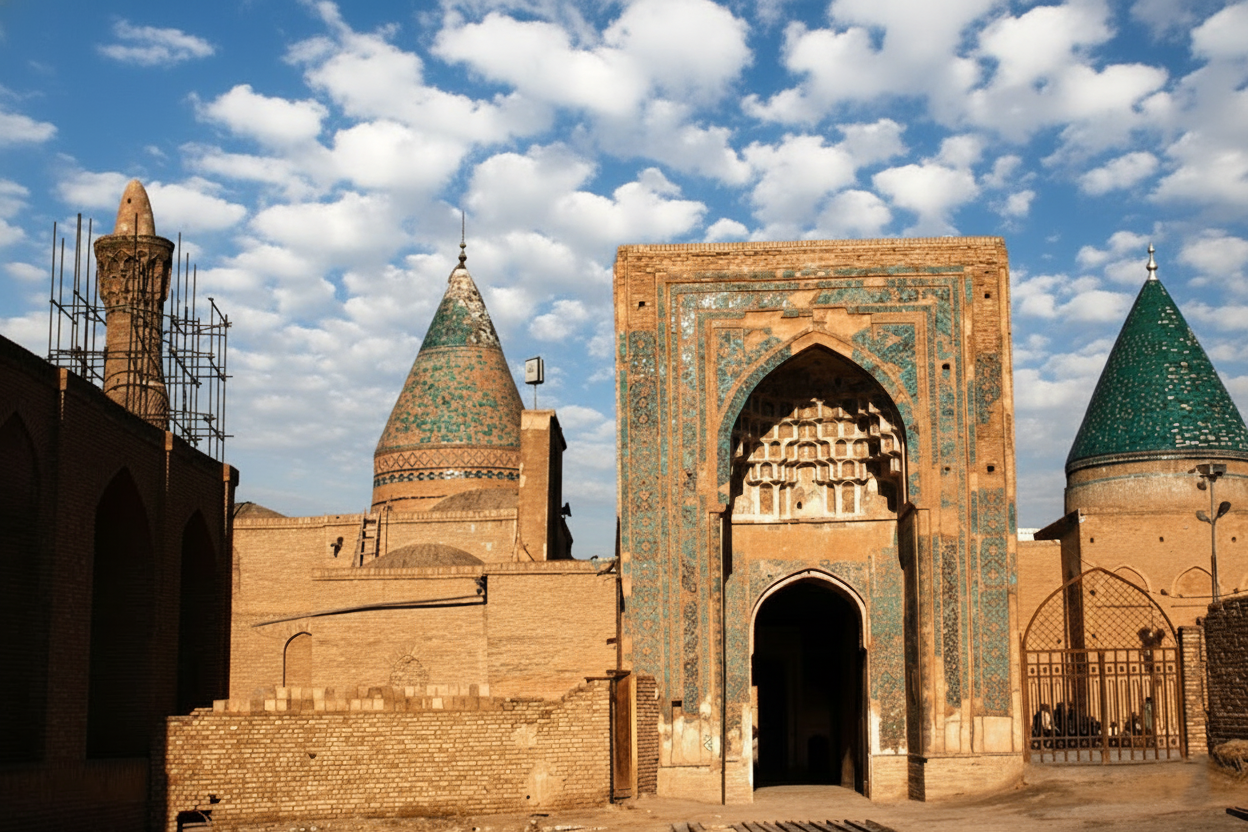
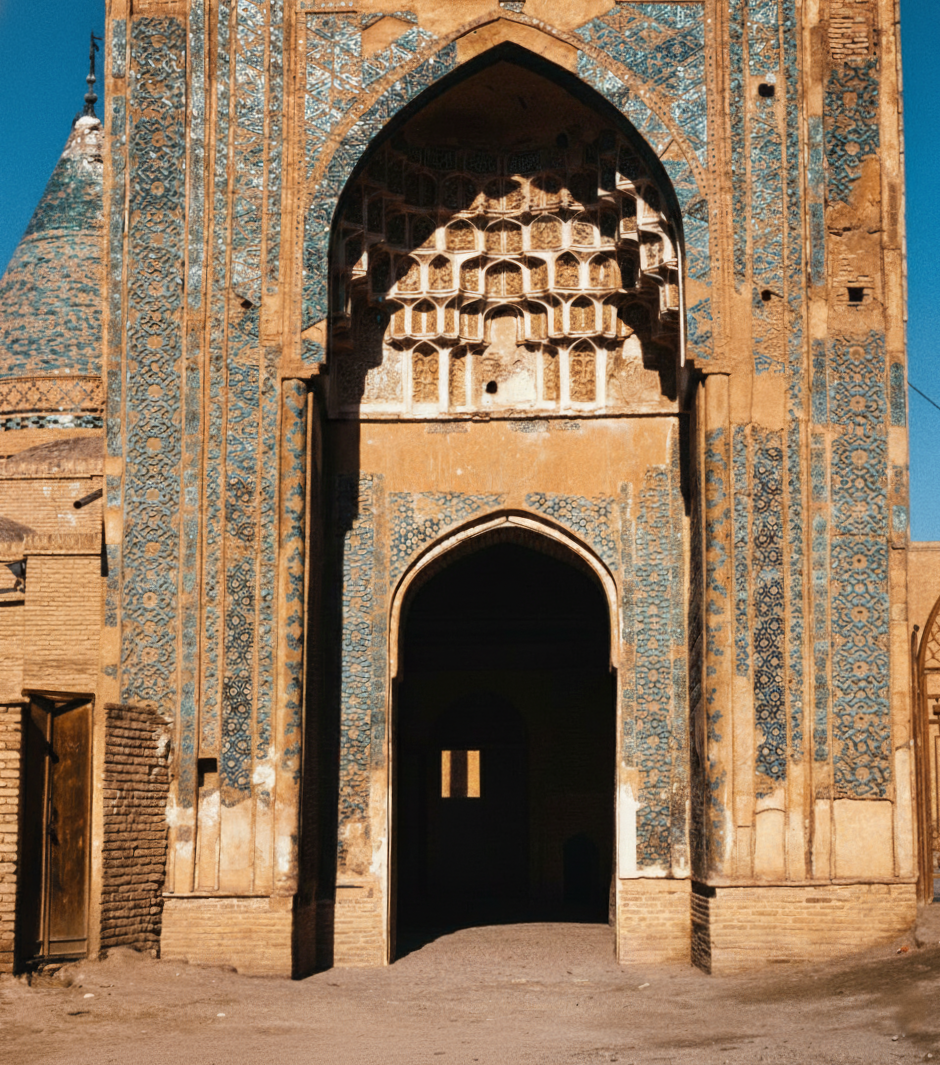
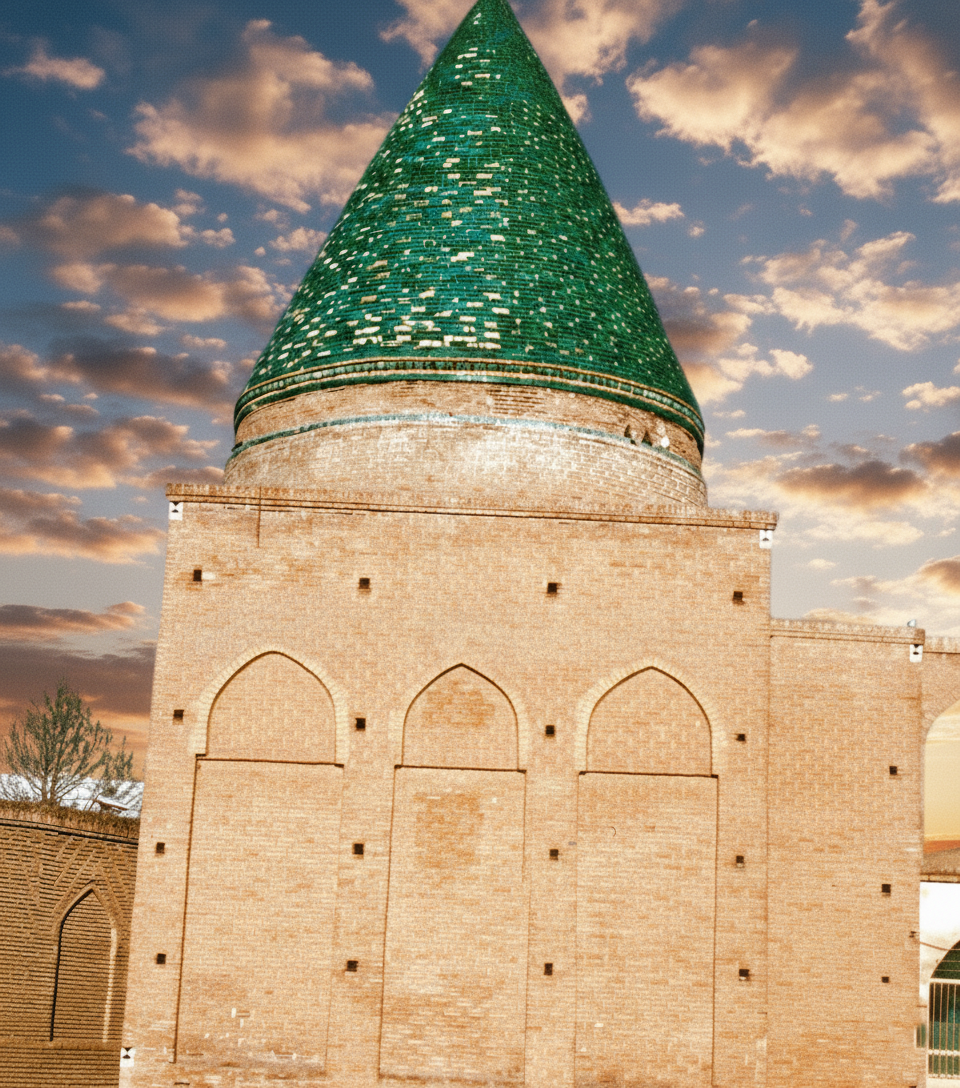
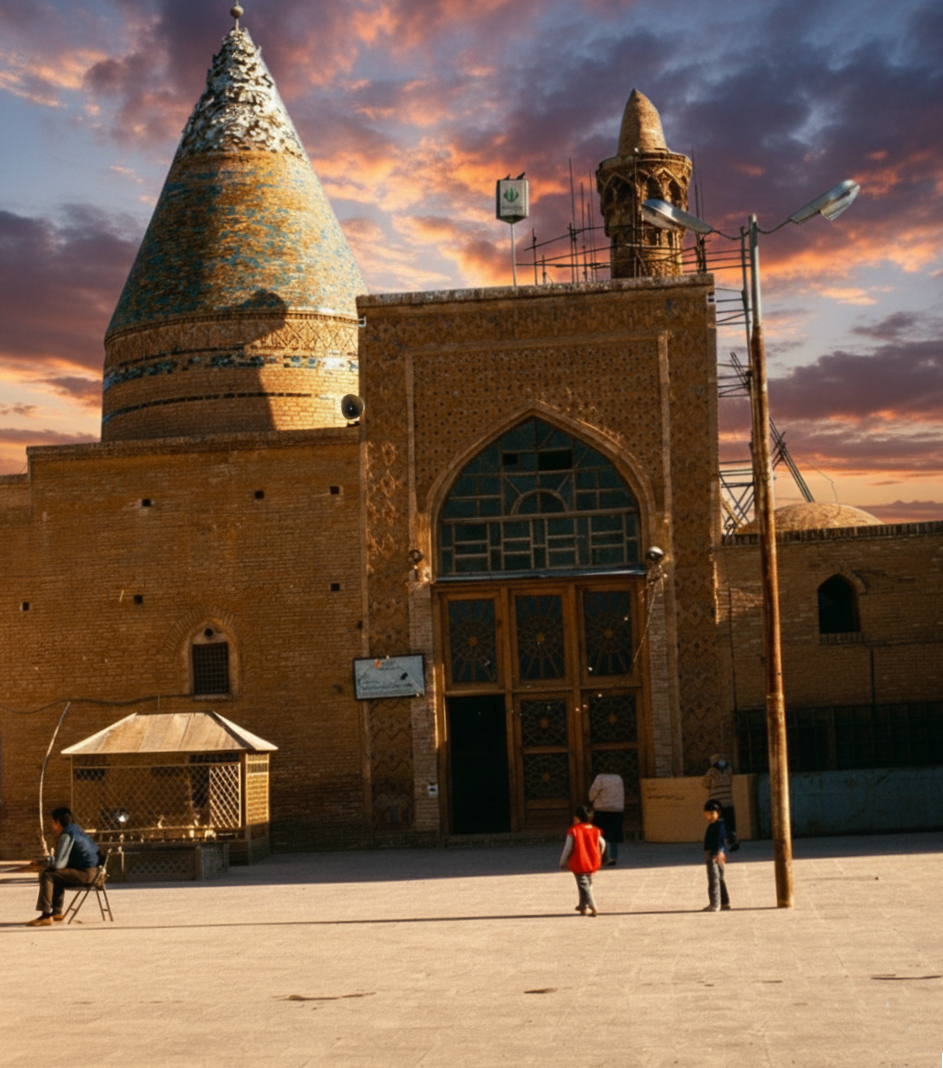

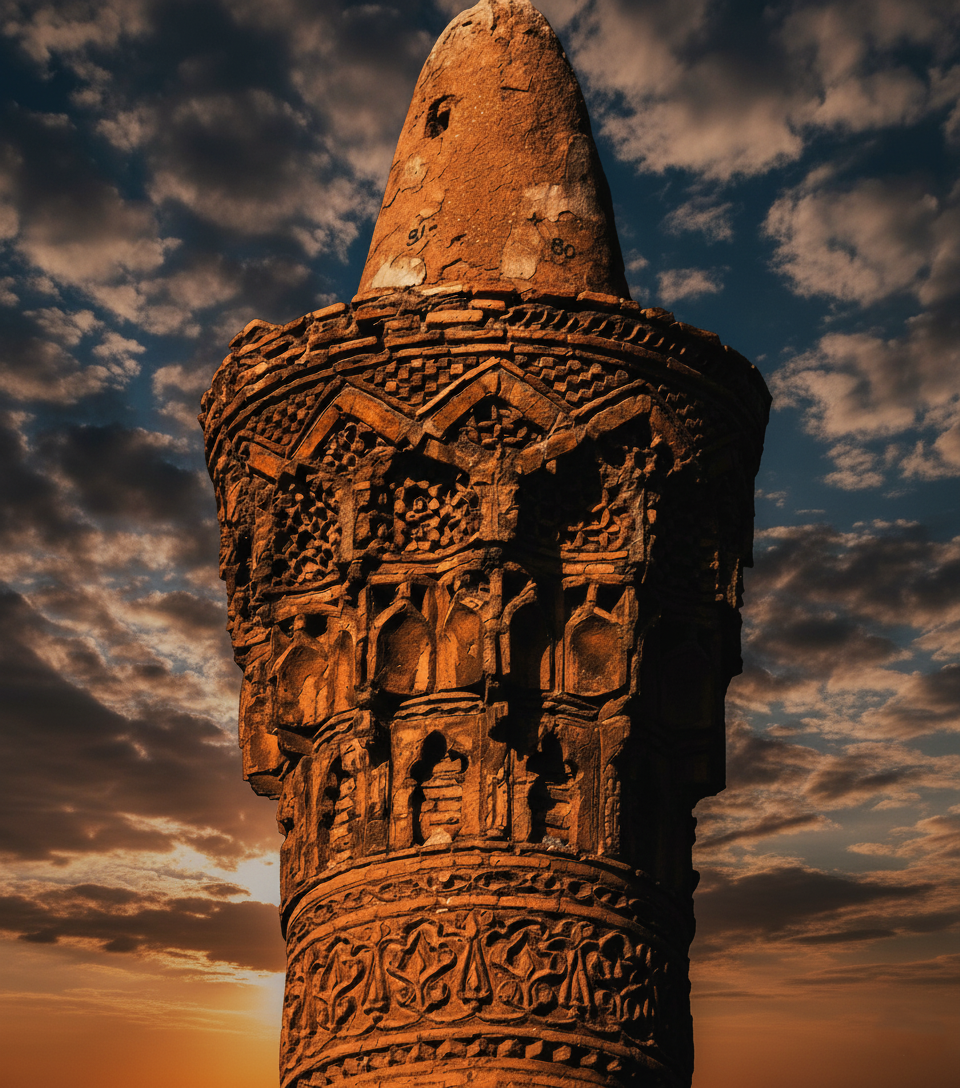
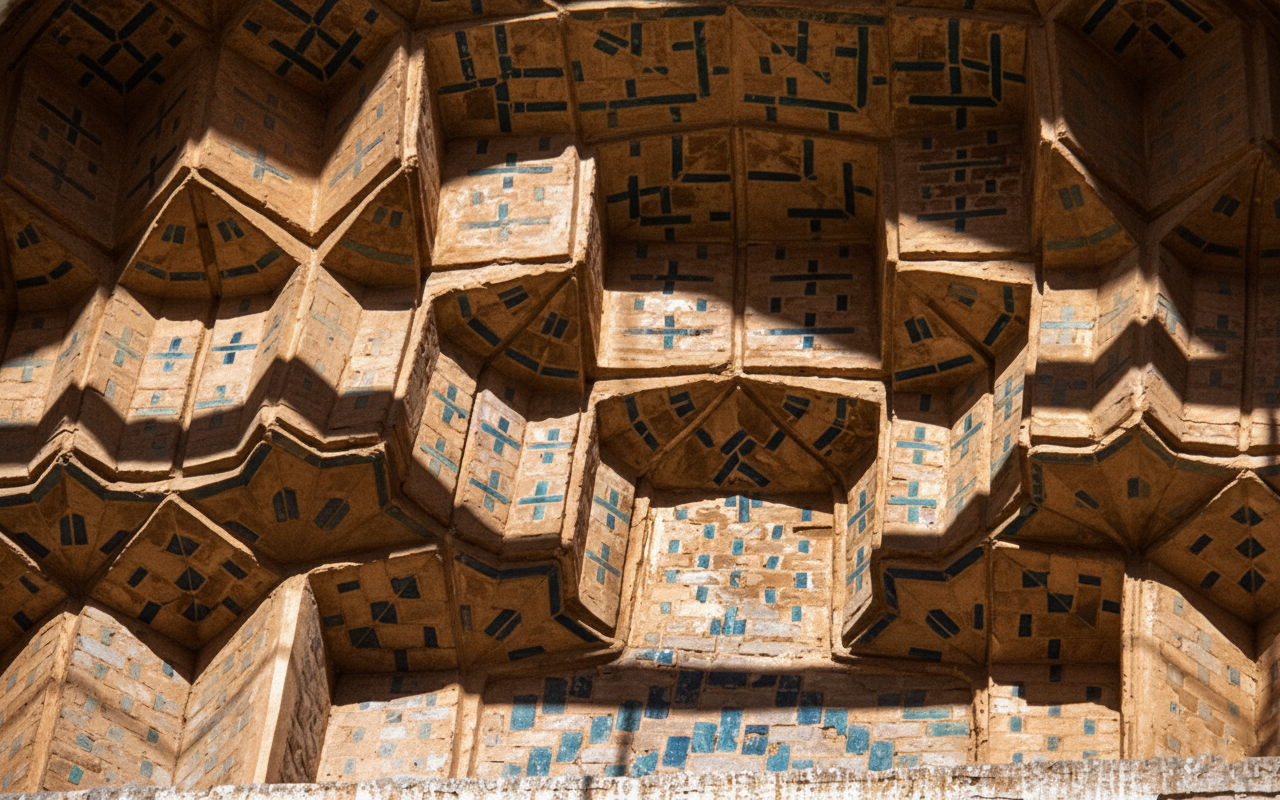
The Bayezid Bastami complex (بایزید بسطامی) in Bastam (بسطام), developed between the Seljuk (11th–12th c.) and Ilkhanid (13th–14th c.) periods, combines brick tomb chambers, iwans (ایوان), courtyards, and a minaret (مناره). Its domes (گنبد) and restrained masonry create a contemplative architectural setting reflecting the spiritual legacy of the 9th-century Sufi mystic.
-
The tomb complex of Bayezid Bastami (بایزید بسطامی), the renowned 9th-century Persian Sufi mystic (d. 874–875 CE), is one of the most significant spiritual and architectural sites in Bastam (بسطام) near Semnan (سمنان) in northern Iran. Bayezid—also known as Abu Yazid Tayfur ibn ʿIsa al-Bastami (ابویزید طیفور بن عیسی بسطامی)—is among the earliest and most influential figures in the development of Sufism (تصوف), remembered for his teachings on spiritual transformation and the mystical experience of divine unity. Although the mystic himself lived in the 9th century, the architectural complex associated with his burial place developed gradually over several centuries, particularly during the Seljuk period (11th–12th centuries CE), the Ilkhanid period (13th–14th centuries CE), and later Safavid and Qajar restorations.
The resulting ensemble forms a layered architectural complex composed of tomb chambers, courtyards, iwans (ایوان), and a distinctive brick minaret (مناره) rising above the complex. The architecture reflects the broader evolution of Iranian Islamic architecture (معماری اسلامی ایران), where modest construction techniques—primarily brick masonry—are combined with refined proportions and carefully organized spatial sequences. The tomb structures themselves are often crowned by domes (گنبد), whose simple yet powerful forms emphasize vertical ascent and spiritual symbolism, a characteristic feature of many Iranian funerary monuments.
Architecturally, the complex demonstrates the Seljuk mastery of brick construction and spatial composition. Walls of carefully laid brickwork create rhythmic surfaces that are occasionally enriched with subtle geometric patterns or inscriptions, while the minaret, likely dating to the Ilkhanid period (13th–14th centuries CE), serves both as a visual landmark and as a symbolic axis linking the earthly realm with the spiritual domain. The courtyard spaces (حیاط) and transitional iwans organize movement through the complex, guiding visitors from the exterior world into progressively quieter and more contemplative interior spaces.
This inward spatial progression reflects a key principle of Persian sacred architecture, where architecture serves not only functional and aesthetic purposes but also spiritual ones. The restrained material palette—primarily brick and plaster—creates a calm architectural language in which light, shadow, and proportion shape the experience of the space. The domed chambers of the shrine create an intimate and meditative atmosphere appropriate to a site associated with mystical reflection and devotion.
Beyond its architectural form, the complex has long functioned as a pilgrimage and gathering site. Over centuries, it shaped the surrounding settlement of Bastam both spiritually and socially, attracting scholars, travelers, and followers of Sufi traditions. The restrained brickwork and harmonious spatial organization express a synthesis of monumentality and humility, aligning with the spiritual ideals associated with Bayezid Bastami’s teachings.
As both a sacred landmark and an integral part of the regional urban landscape, the Bayezid Bastami complex represents a profound intersection of faith, craftsmanship, and place. Through its layered architectural development and its enduring spiritual significance, the site illustrates how Iranian architecture transforms simple materials and forms into spaces of contemplation, memory, and collective cultural identity.
