Section VIII — Imperial Urban Planning
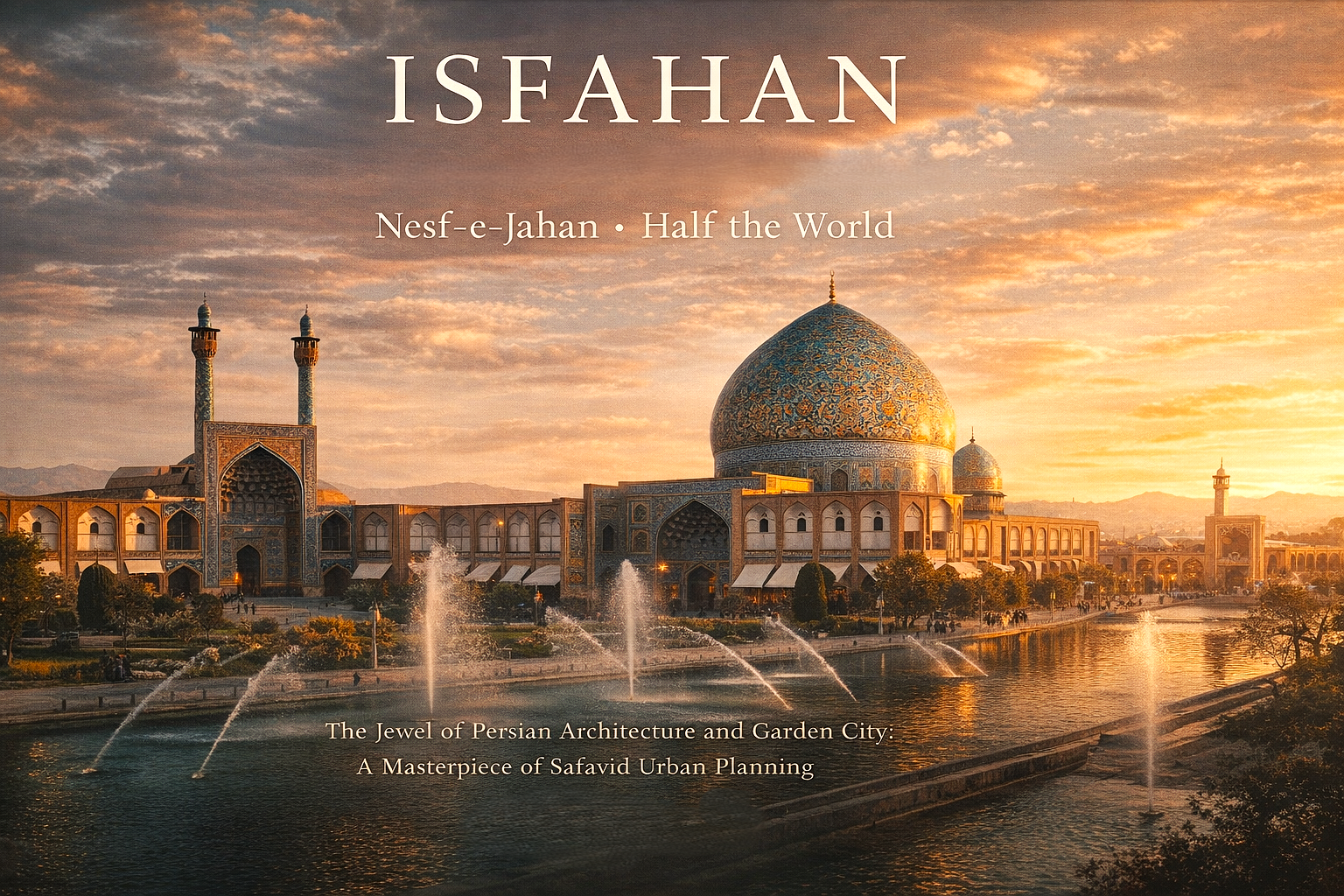
Isfahan (اصفهان) became the Safavid imperial capital in 1598 under Shah Abbas I (شاه عباس اول), transforming into a model of Persian urban planning. Centered on Naqsh-e Jahan Square (میدان نقش جهان, 1598–1629), the city integrated mosques, palaces, bazaars, gardens, and boulevards into a unified imperial landscape.
-
Section VIII — Imperial Urban Planning
Isfahan (اصفهان / اسپهان)
Isfahan (اصفهان یا اسپهان), located at the heart of the Iranian plateau along the banks of the Zayandeh Rud (زایندهرود), represents one of the most celebrated achievements of Persian urban planning. With origins dating back to the Achaemenid period (6th century BCE) and earlier settlements, the city evolved into a major political and commercial center along the Silk Road (جاده ابریشم) linking East and West. Its most transformative period occurred during the Safavid dynasty (16th–17th centuries CE), when Shah Abbas I (شاه عباس اول) established Isfahan as the imperial capital in 1598. During this period the city reached its zenith and earned the title Nesf-e-Jahan (نصف جهان, “Half the World”).
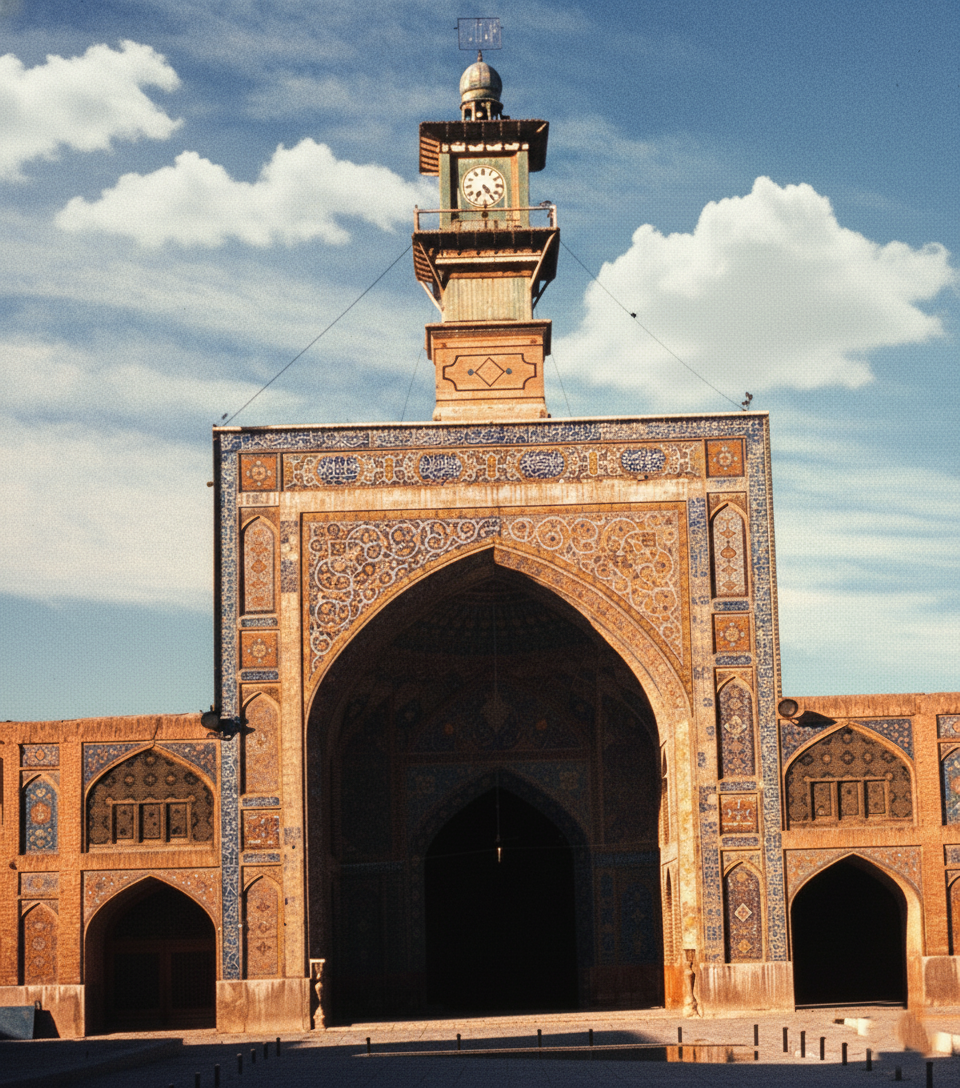
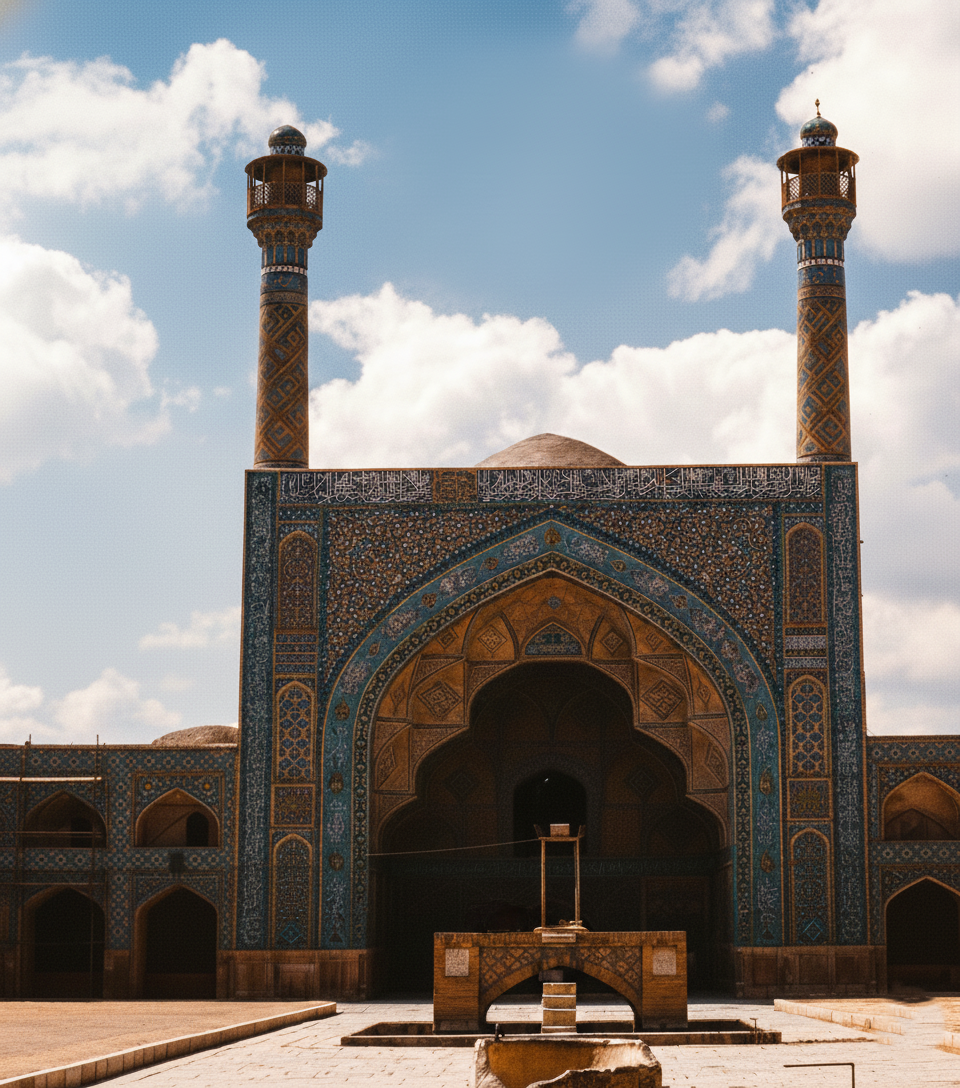
Isfahan’s urban form reflects a synthesis of earlier Seljuk (سلجوقی) development and Safavid master planning. The Seljuk period shaped the dense fabric of narrow streets and expanded the Jameh Mosque of Isfahan (مسجد جامع اصفهان, originally 8th century CE; major Seljuk expansions 11th–12th centuries CE), while Safavid planners reoriented the city toward the Zayandeh Rud (زایندهرود) through a grand axial vision.
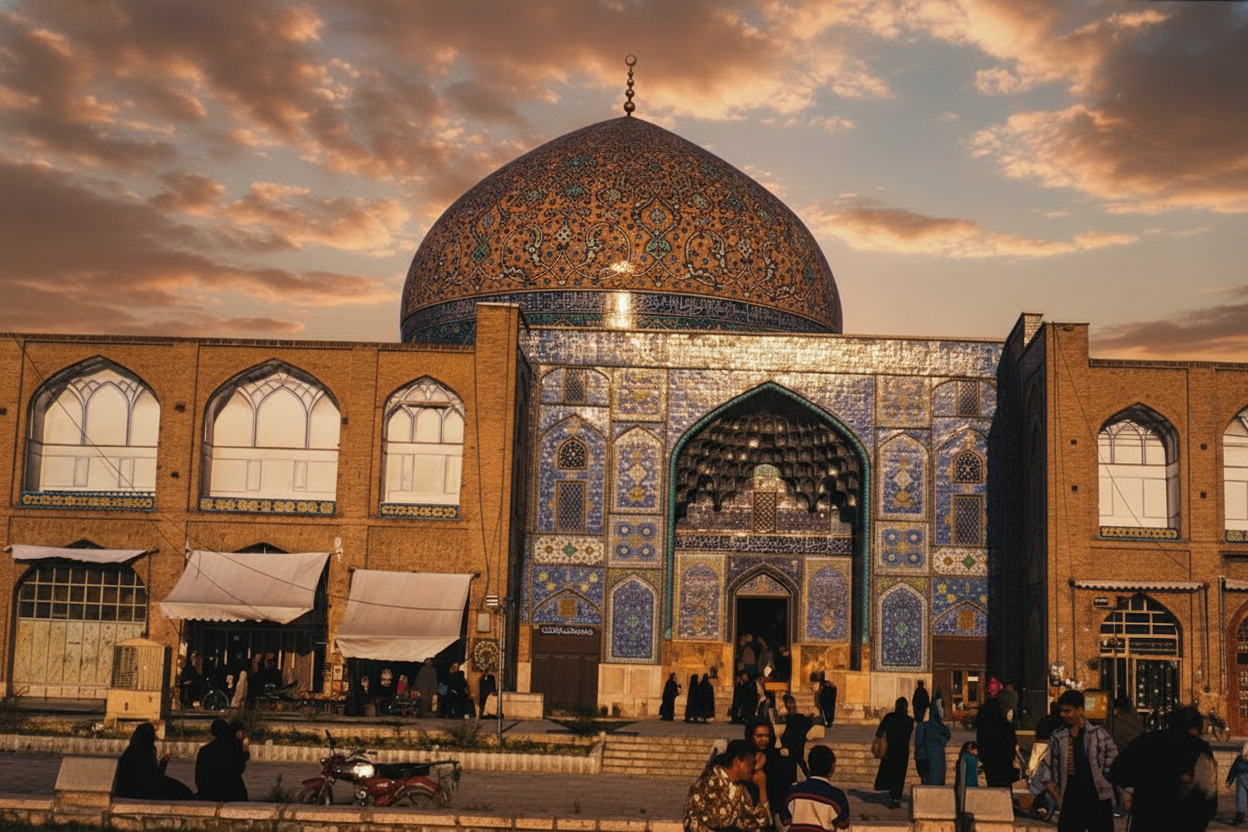
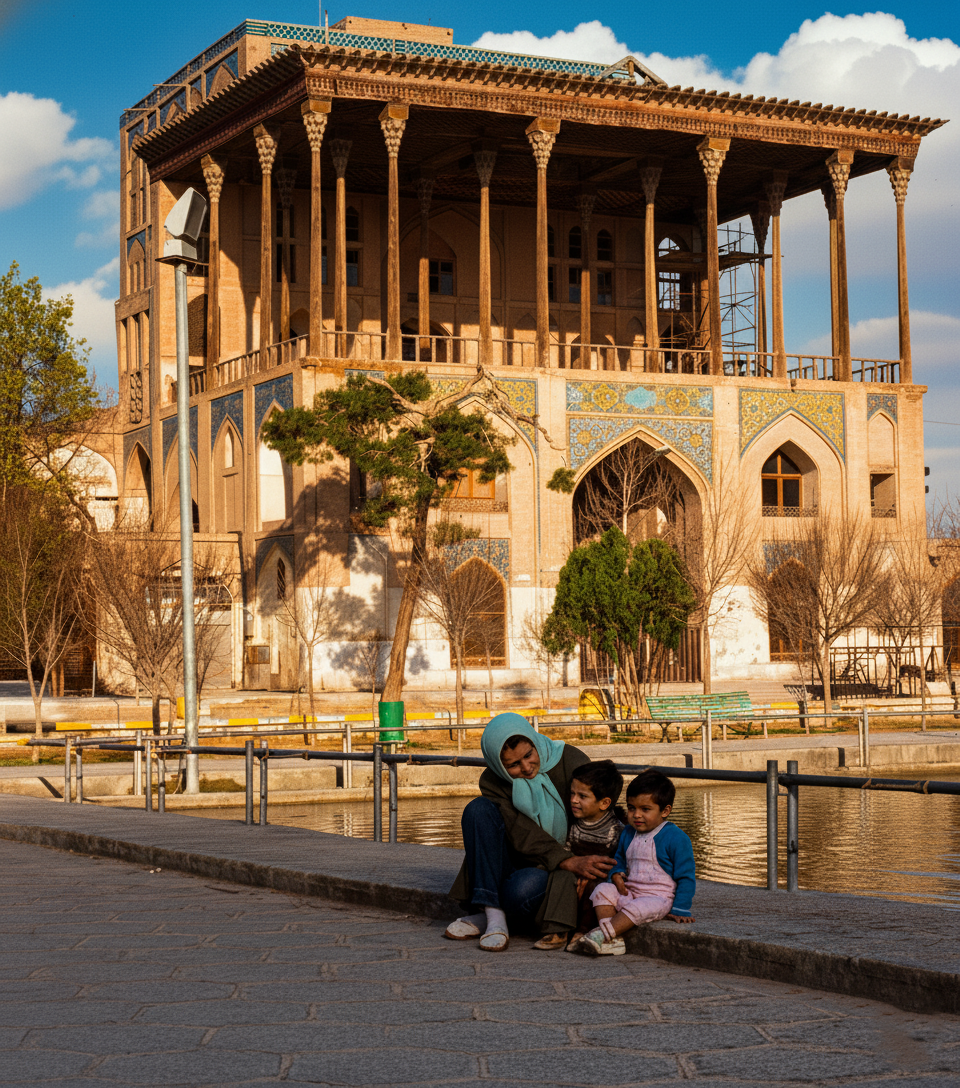
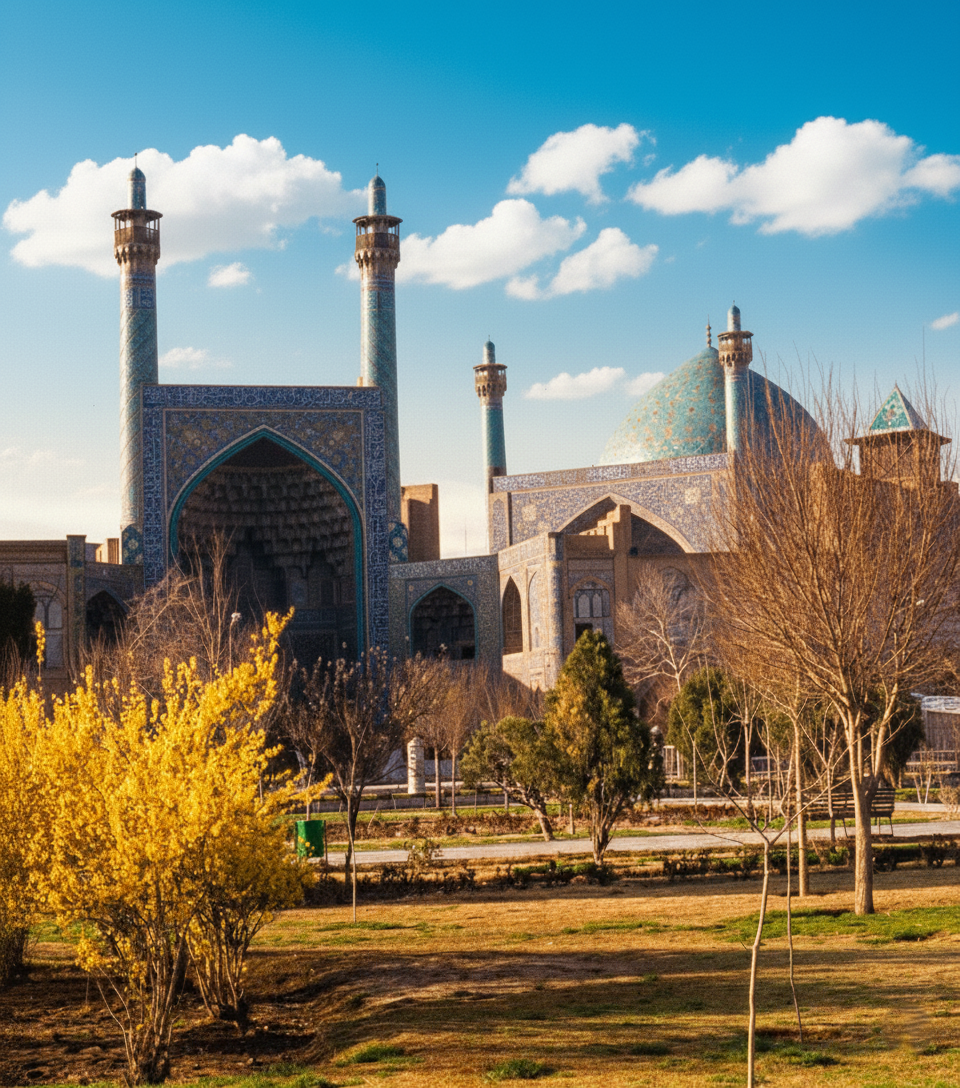
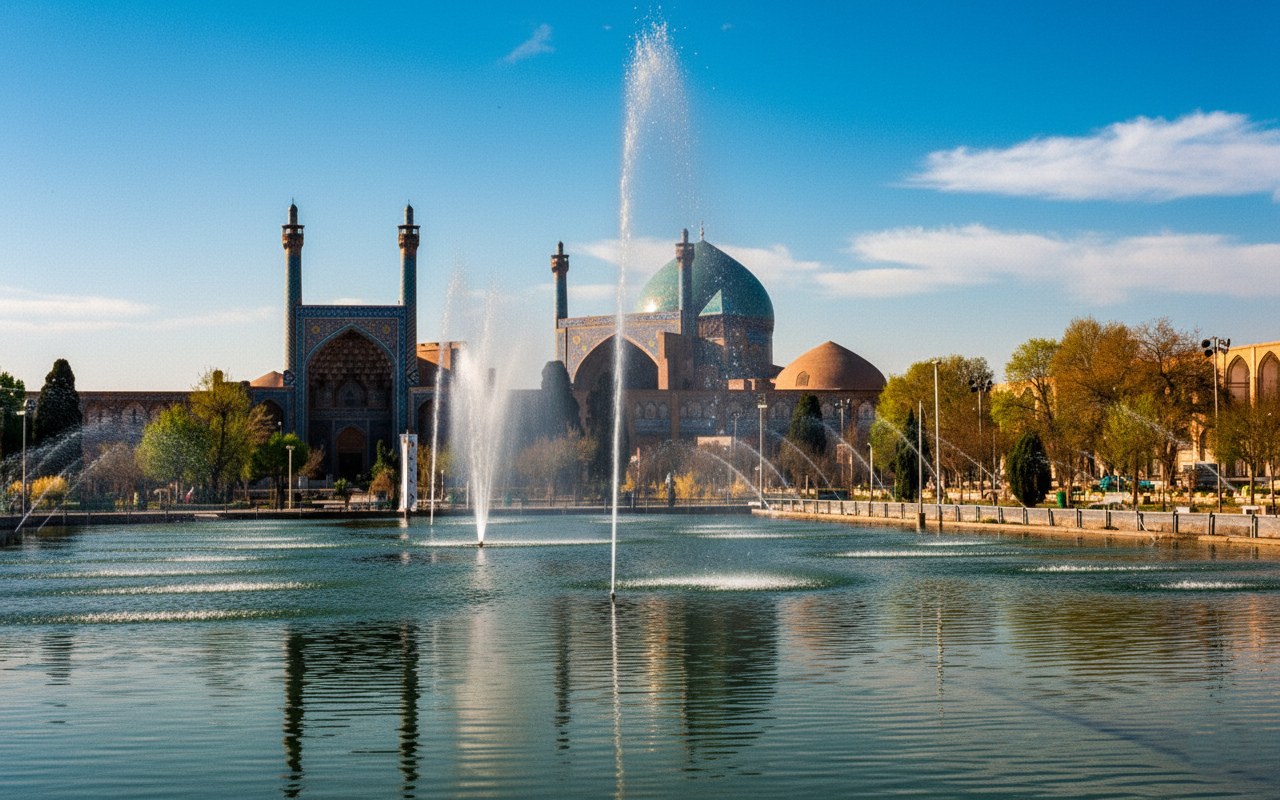
At the center of this transformation was Naqsh-e Jahan Square (میدان نقش جهان, constructed 1598–1629 CE), one of the largest public squares in the world. The monumental plaza integrated architecture, commerce, governance, and religion within a unified urban composition. Framing the square stand four major monuments: the Shah Mosque (مسجد شاه / مسجد امام, construction begun 1611 CE) to the south, the Sheikh Lotfollah Mosque (مسجد شیخ لطفالله, completed 1619 CE) to the east, the Ali Qapu Palace (کاخ عالیقاپو, early 17th century CE) to the west, and the gateway to the Isfahan Bazaar (بازار اصفهان) to the north. Together these structures embodied the Safavid vision of a harmonious imperial order.
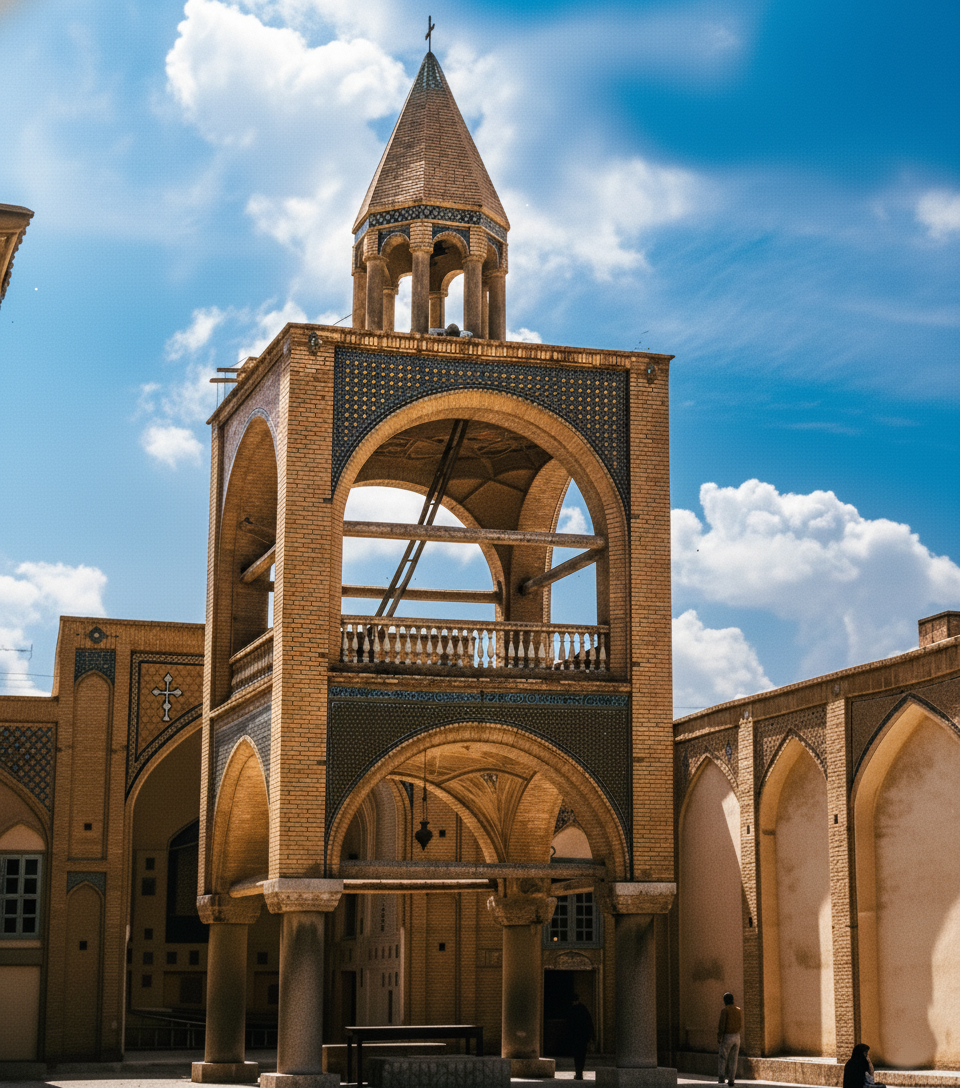
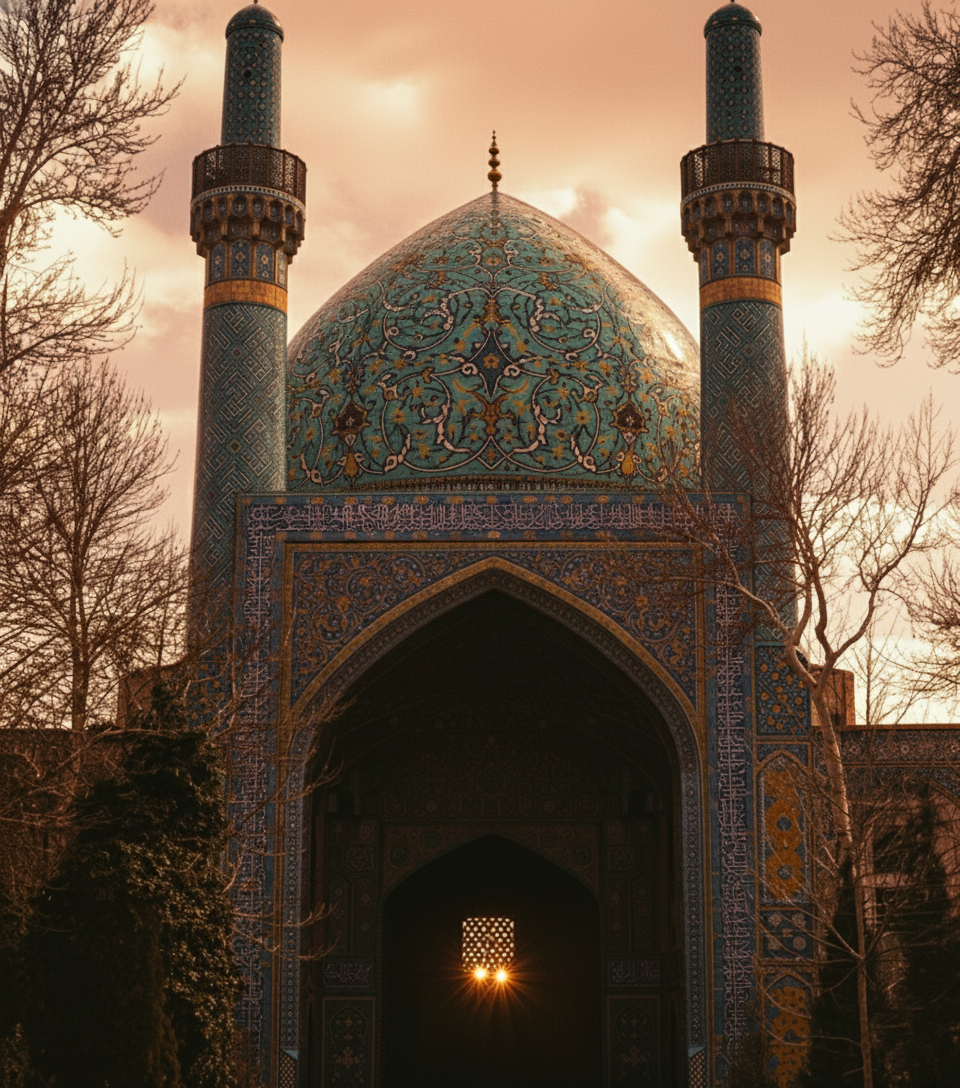
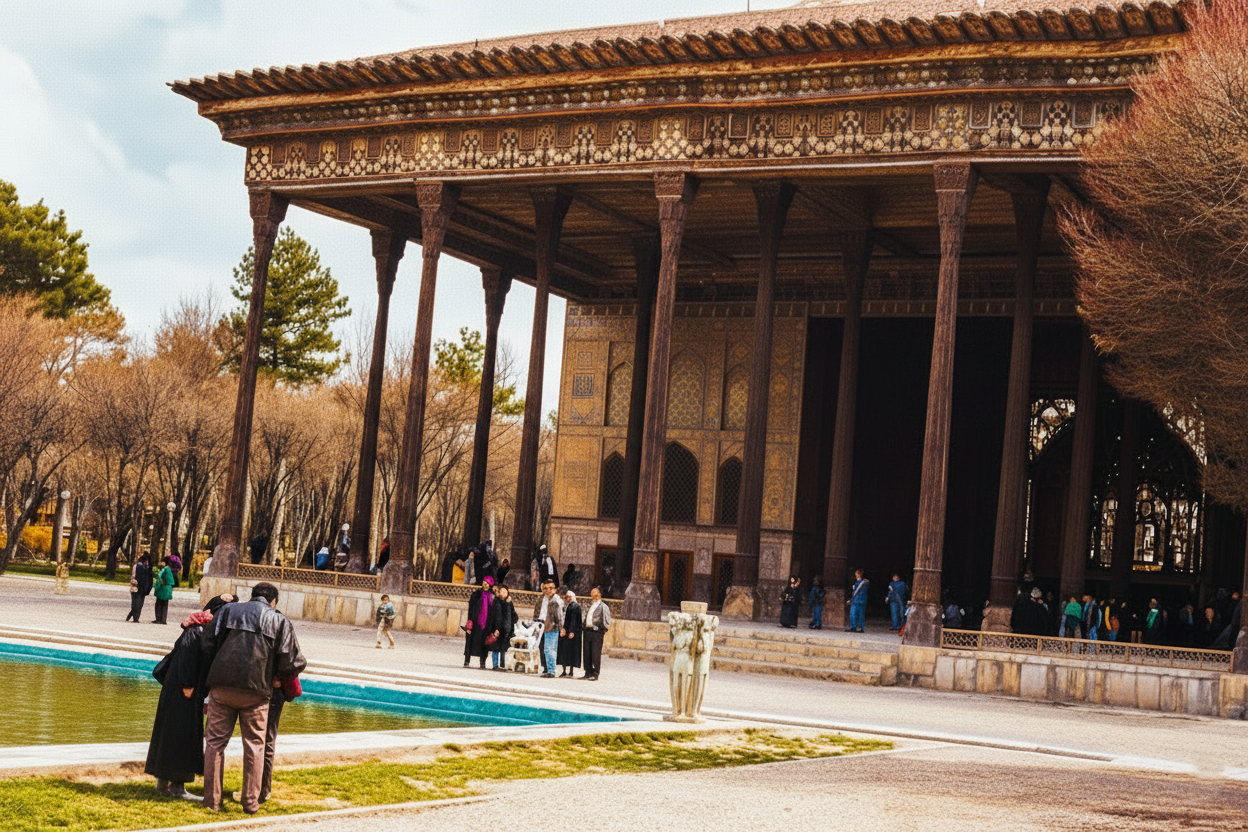
The Safavid plan extended beyond the square through grand urban axes such as Chahar Bagh Boulevard (خیابان چهارباغ, early 17th century CE), a tree-lined avenue connecting royal gardens, palaces such as Chehel Sotoun (کاخ چهل ستون, mid-17th century CE), and educational institutions including the Chahar Bagh School (مدرسه چهارباغ, early 18th century CE). Bridges spanning the Zayandeh Rud (زایندهرود) created new urban connections between neighborhoods, while cultural sites such as Isfahan Tohidkhaneh (توحیدخانه), the Seiyed Mosque (مسجد سید, 19th century CE), and the Armenian Vank Cathedral (کلیسای وانک, completed 1664 CE) in New Julfa (جلفای نو) reflected the city’s cosmopolitan character.
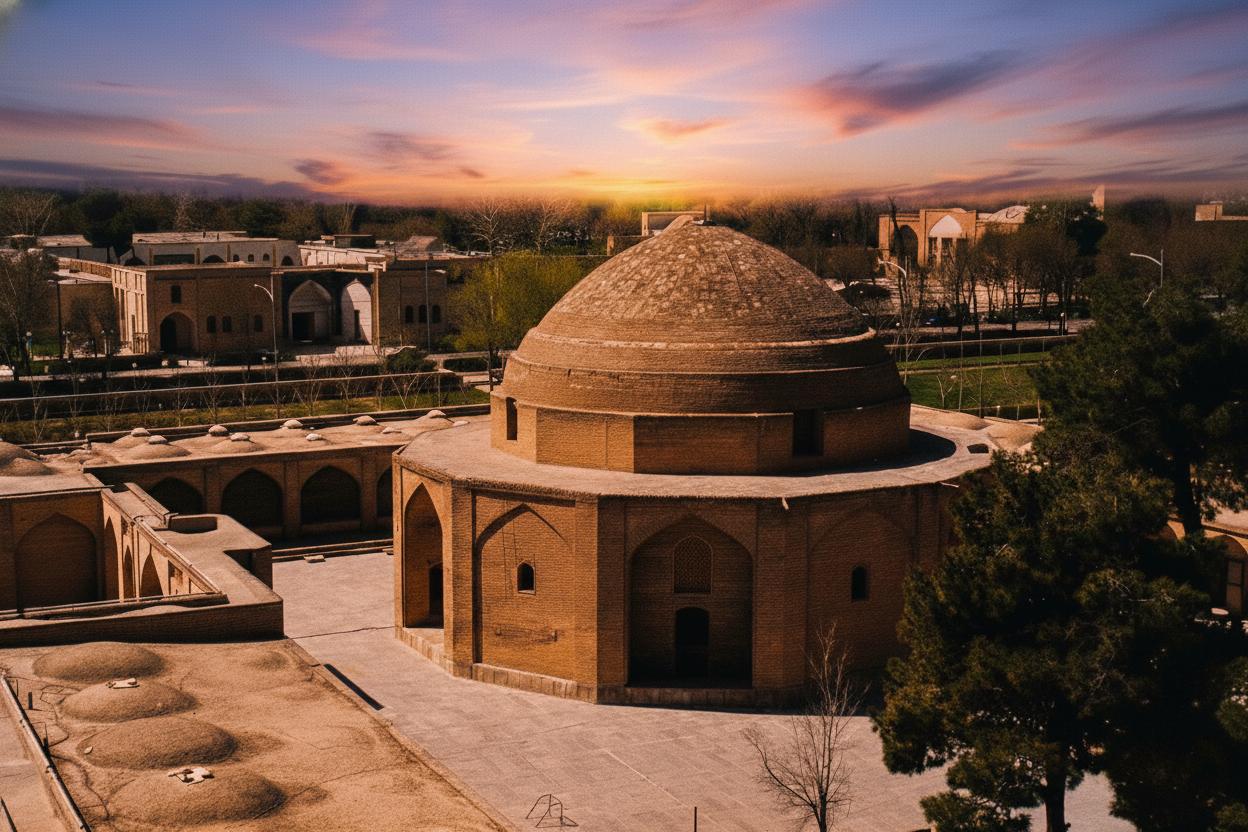
Beyond its monumental ensemble, Isfahan’s residential quarters developed organically as compact mahallas (محلهها) composed of narrow alleys (کوچههای باریک), courtyard houses, and adobe structures (خشت و گل) adapted to the arid plateau climate. Thick earthen walls, domes (گنبد), windcatchers (بادگیر), canals, and bridges formed an integrated system of climate moderation and water management. Shaded alleys reduced solar gain and encouraged airflow while fostering daily social interaction within each neighborhood.
Architectural ingenuity is exemplified in the Sheikh Lotfollah Mosque (مسجد شیخ لطفالله, completed 1619 CE), where a subtle 45-degree orientation toward the Qibla (قبله) is concealed behind a gently turning entrance corridor, culminating in a luminous dome that shifts color with changing sunlight.
By the 17th century, Isfahan had become one of the largest and most prosperous cities in the world. Through the integration of geometry and organic growth, landscape and architecture, spirituality and trade, the city stands as one of the most sophisticated models of imperial urbanism—where climate intelligence, craftsmanship, and Safavid vision converge into a unified and enduring cityscape.