Naqsh-e Jahan Square (میدان نقش جهان)
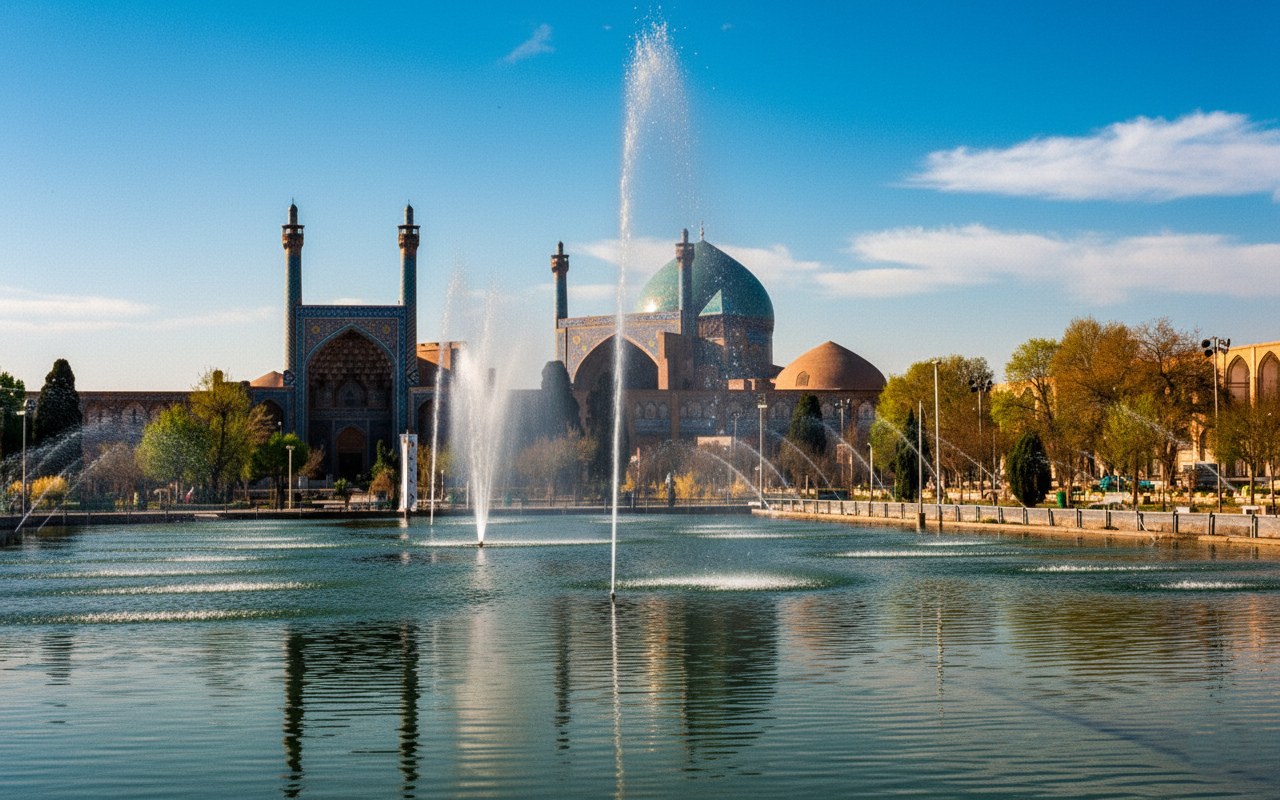
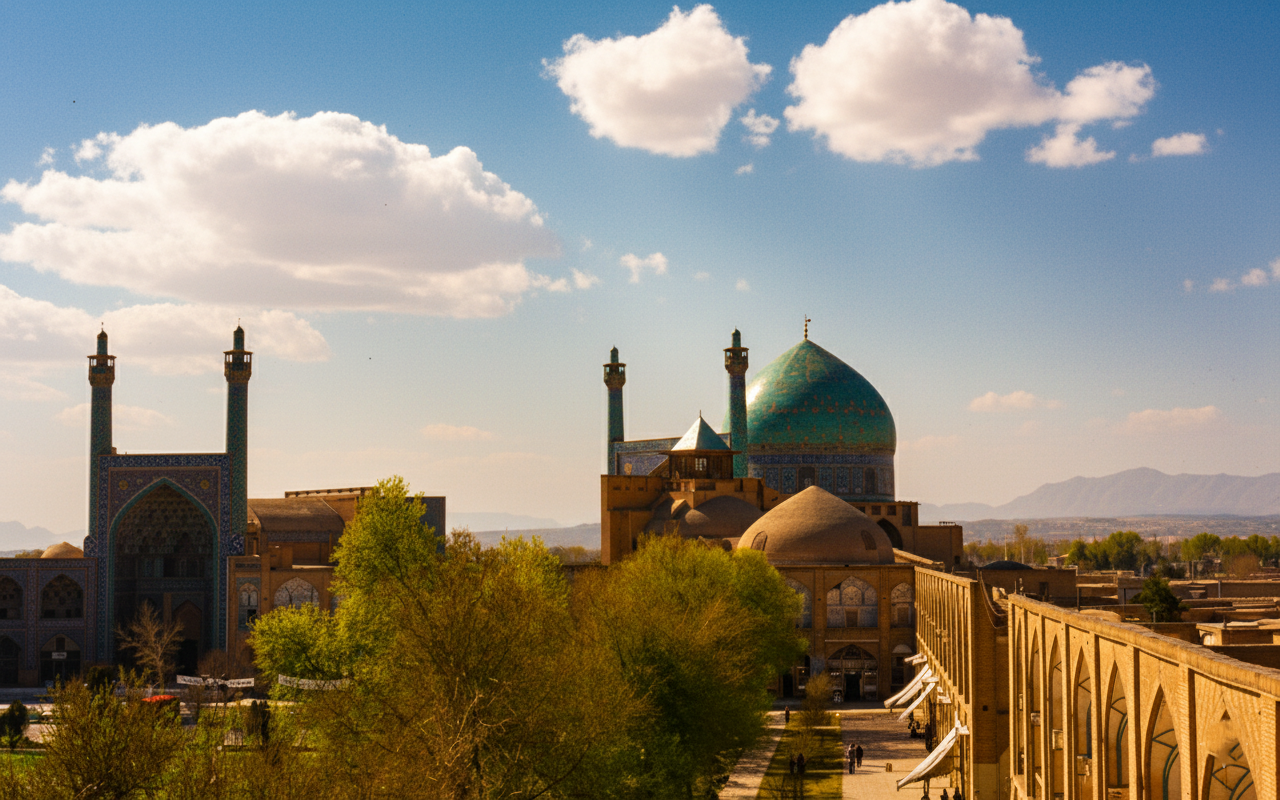
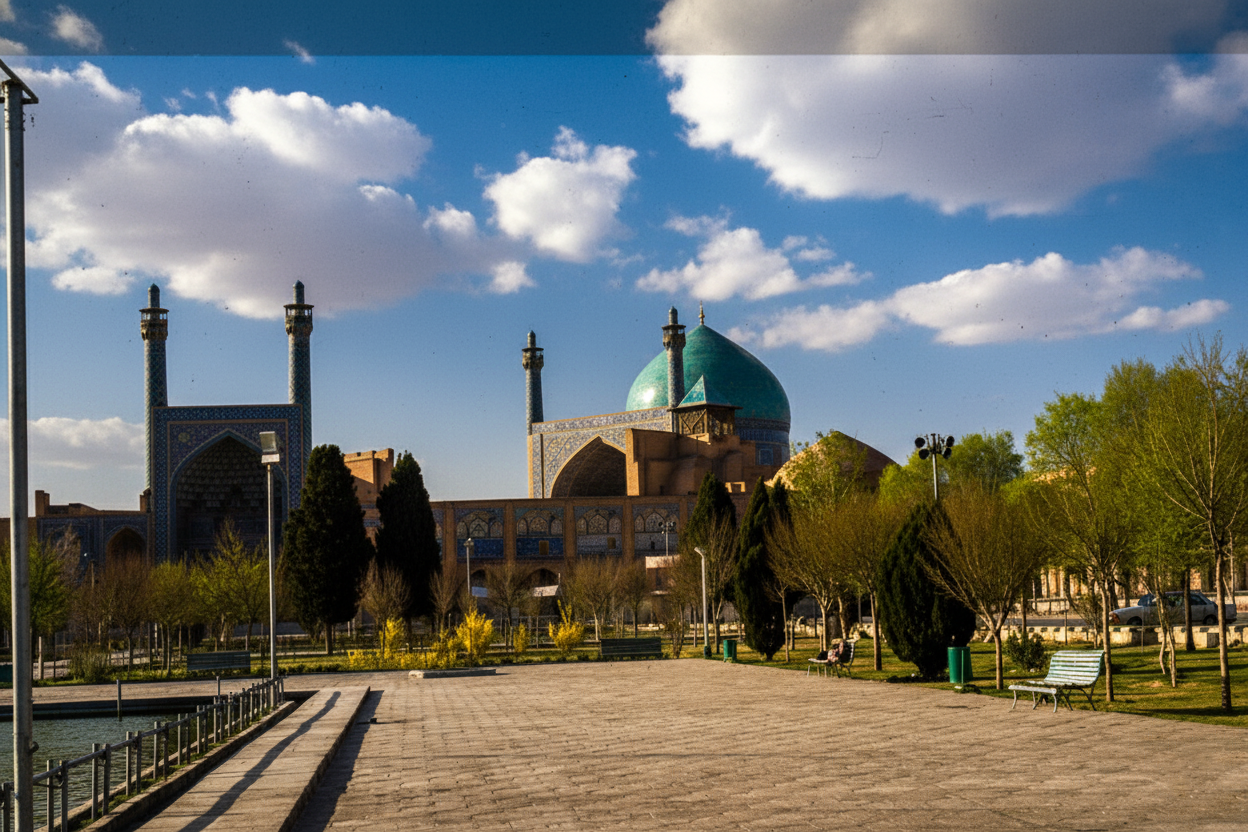
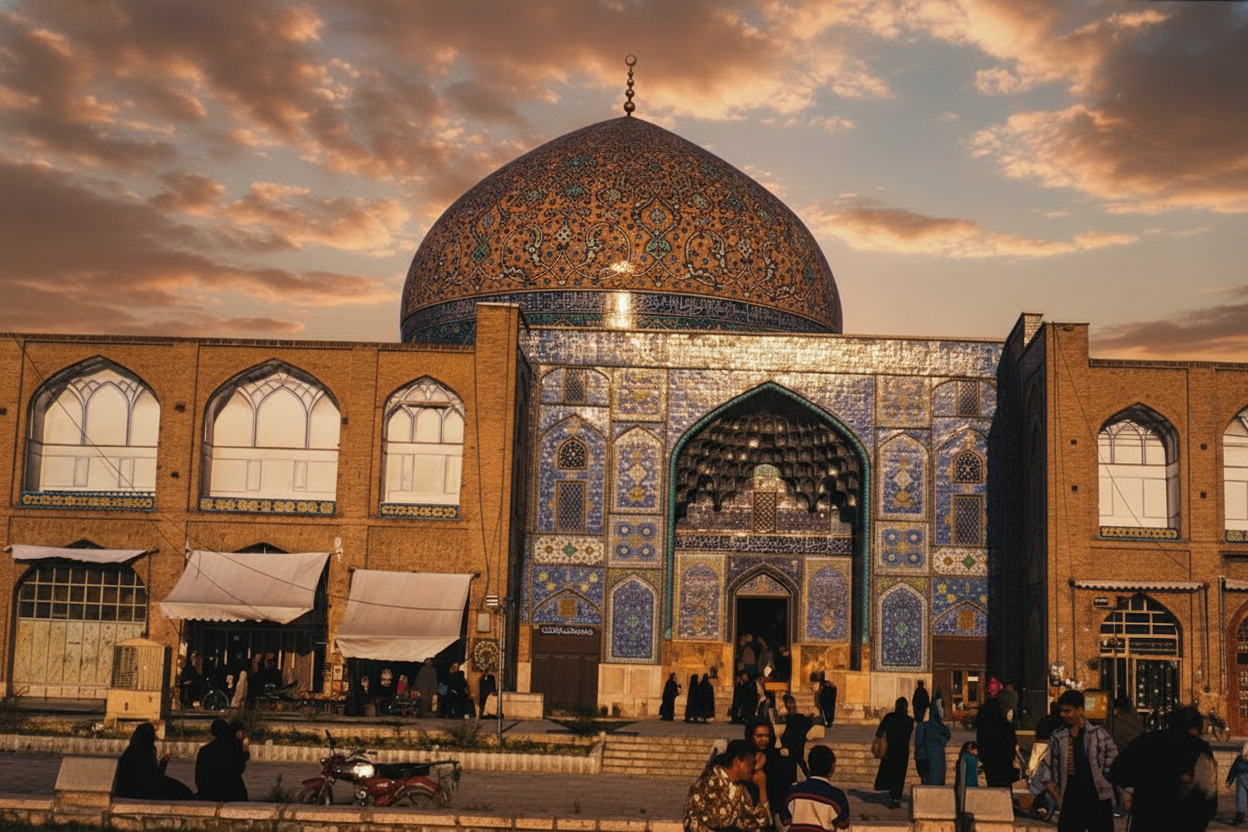
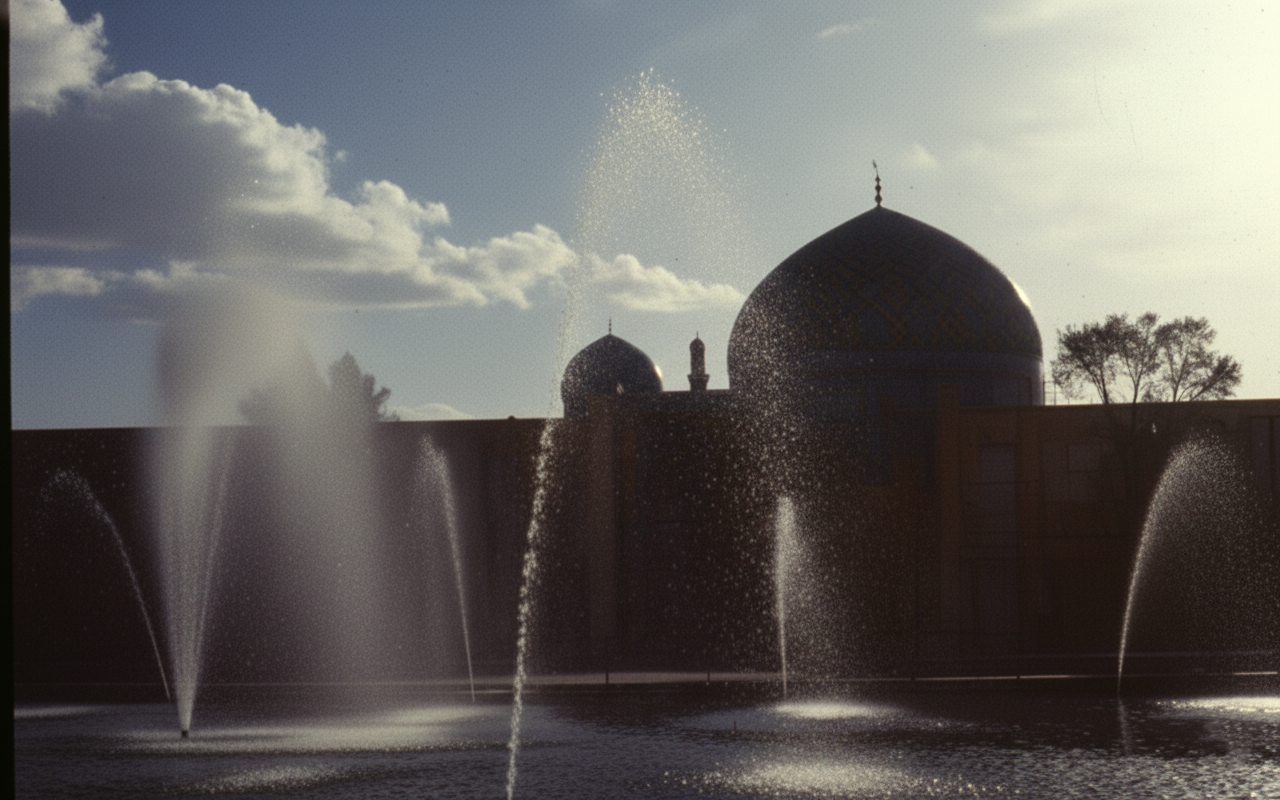
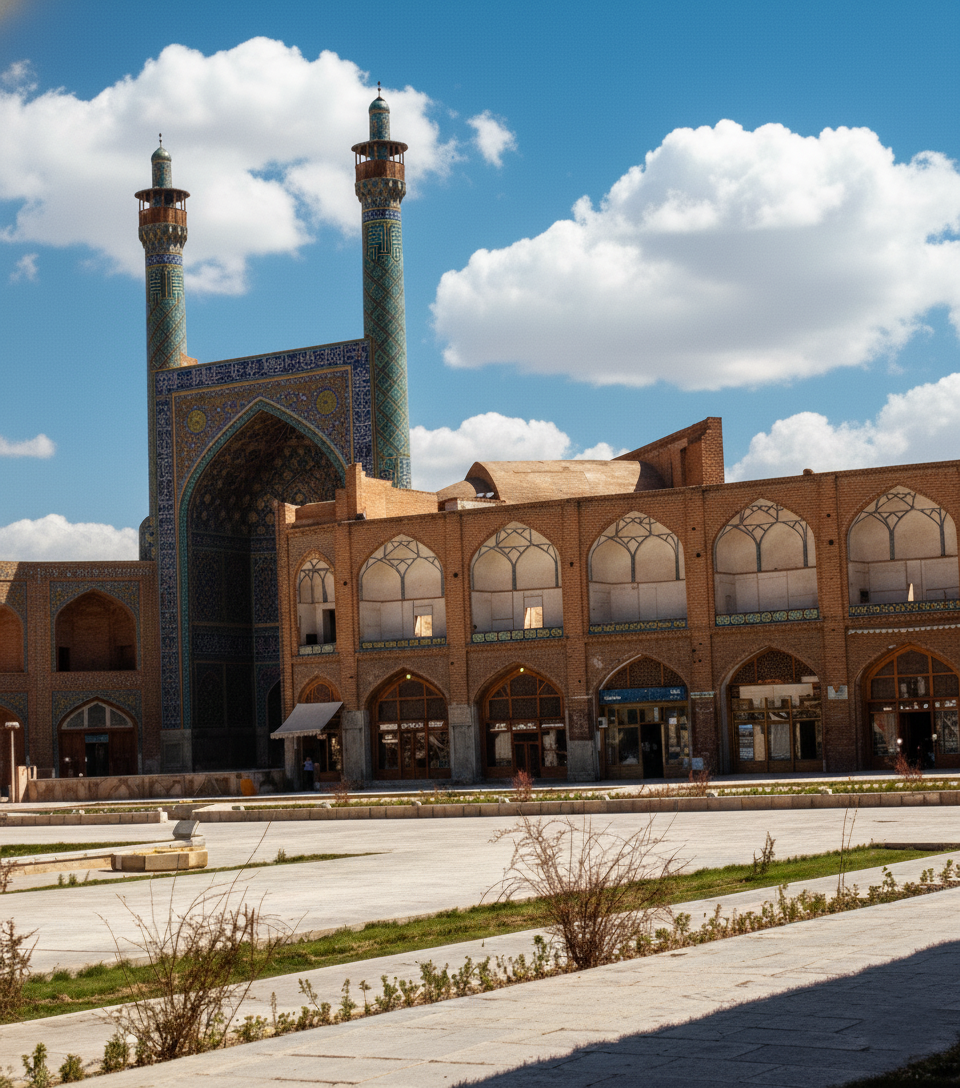
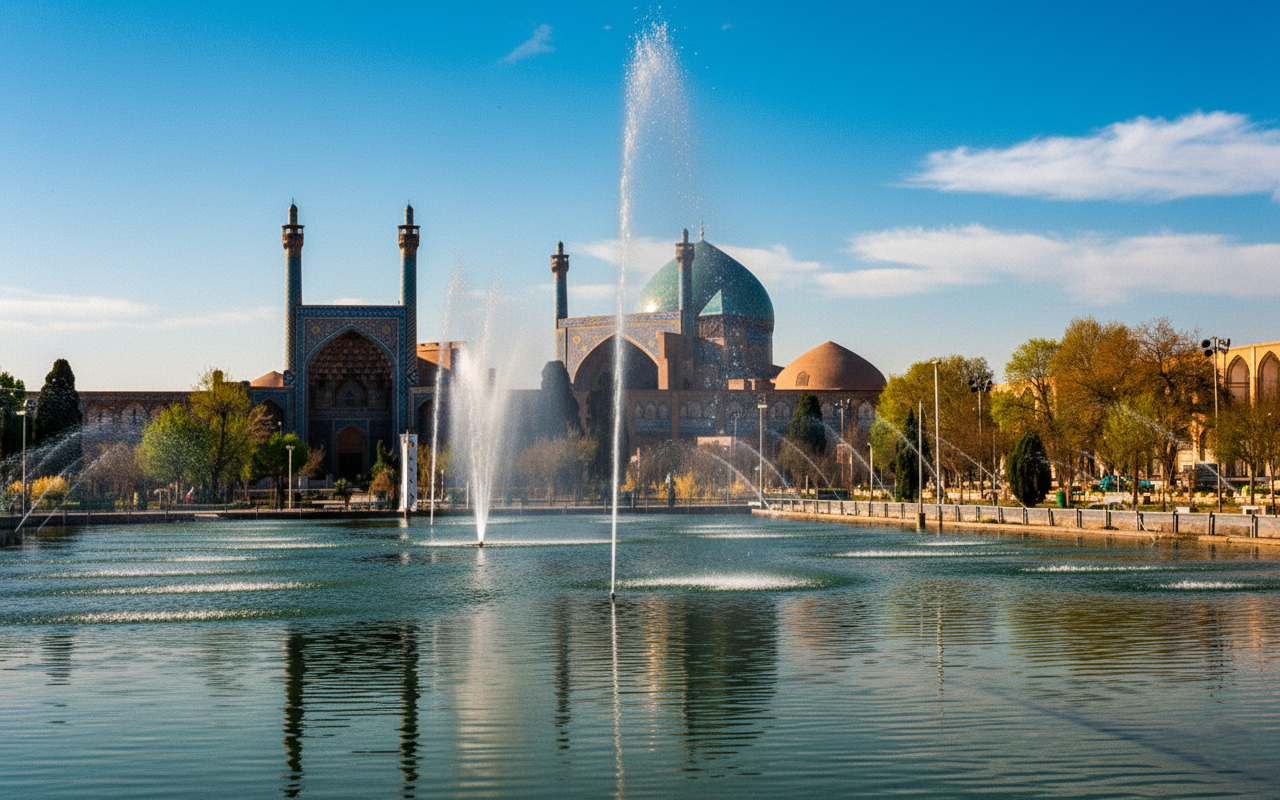
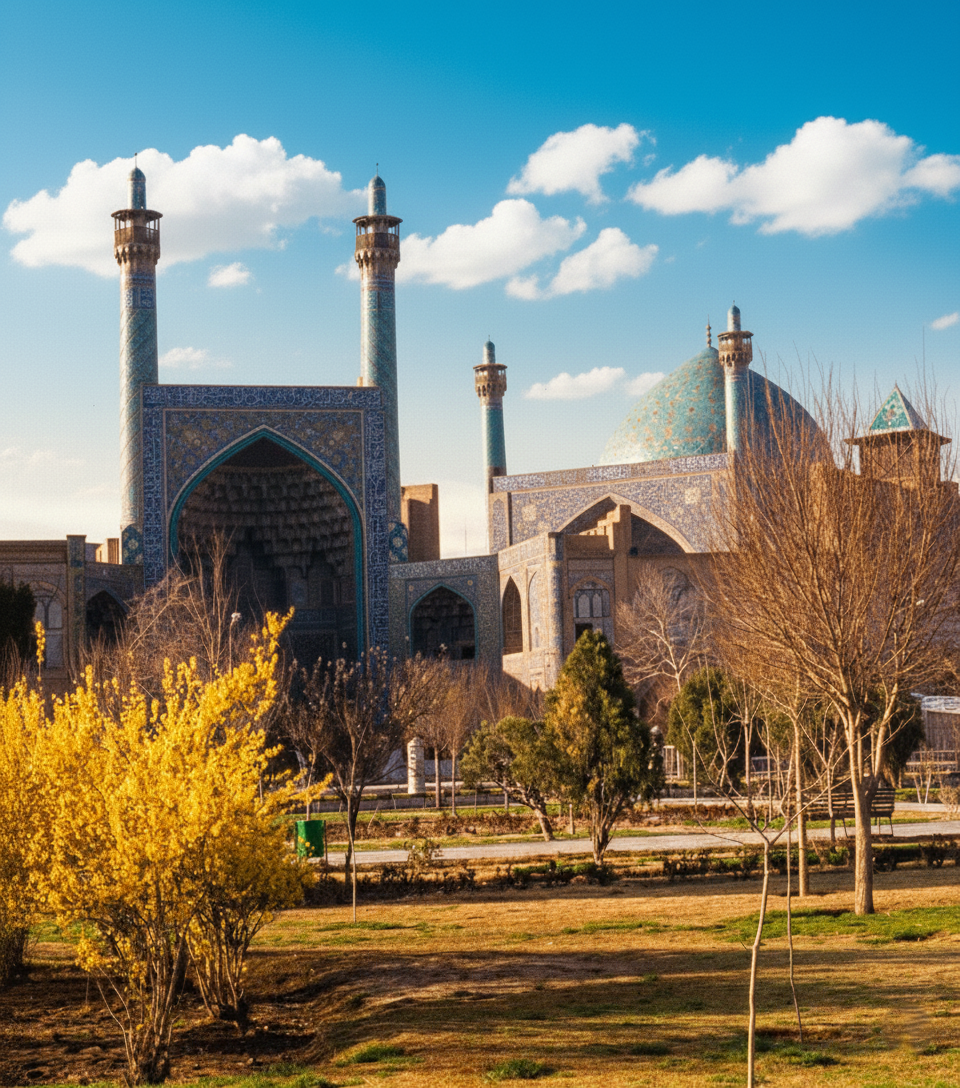
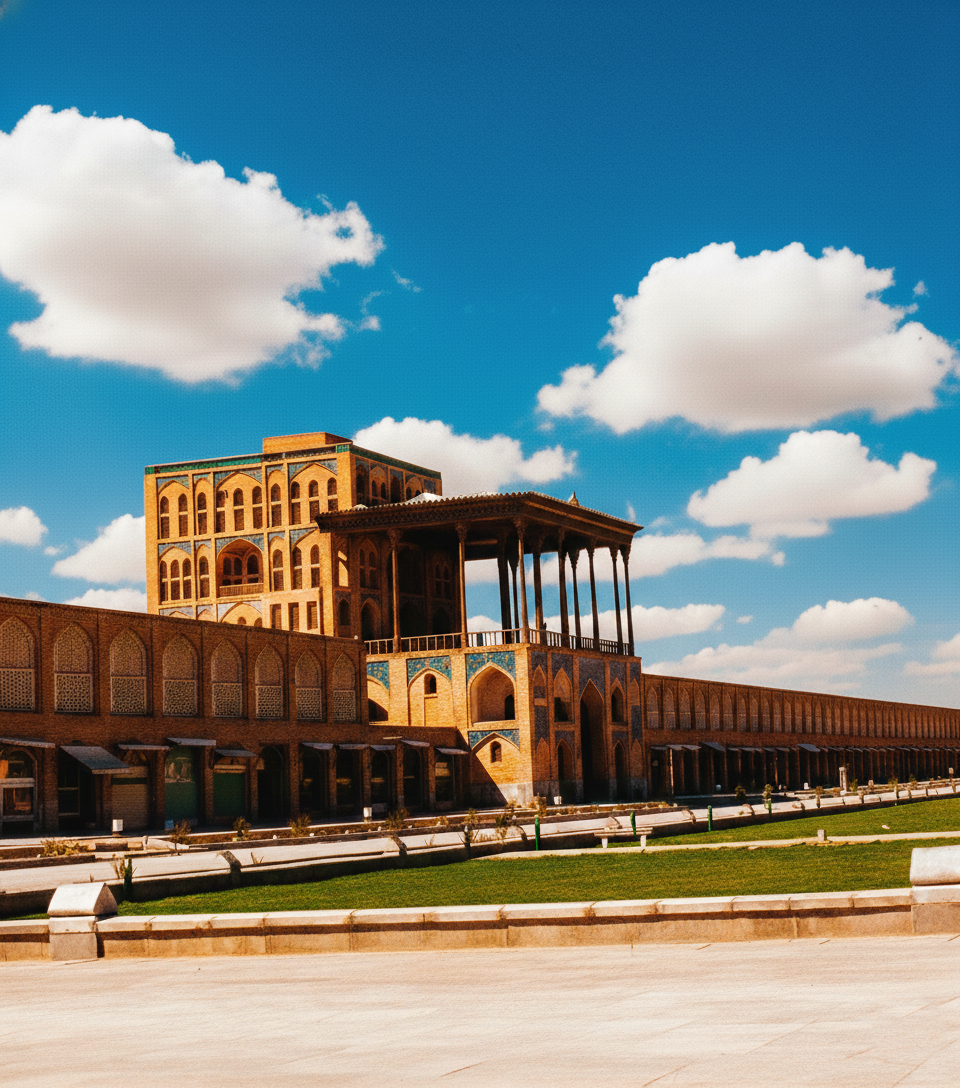
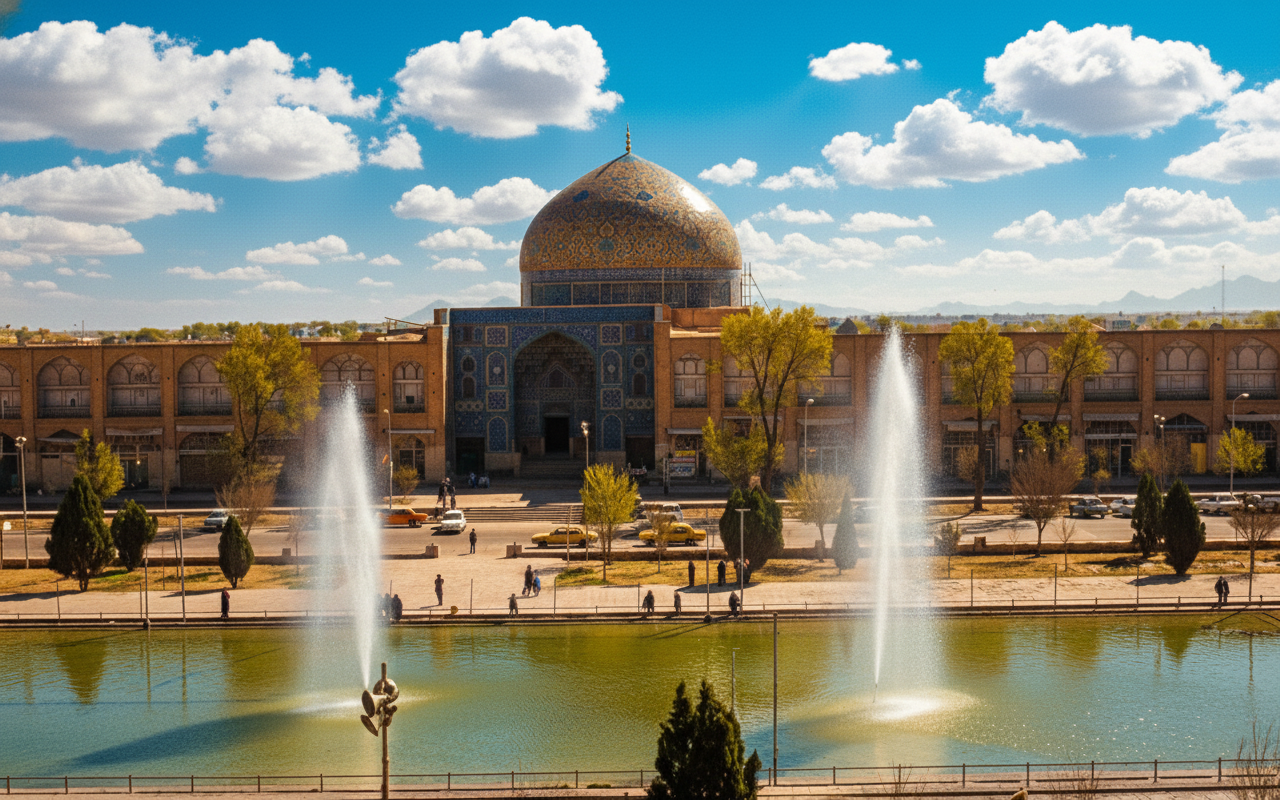
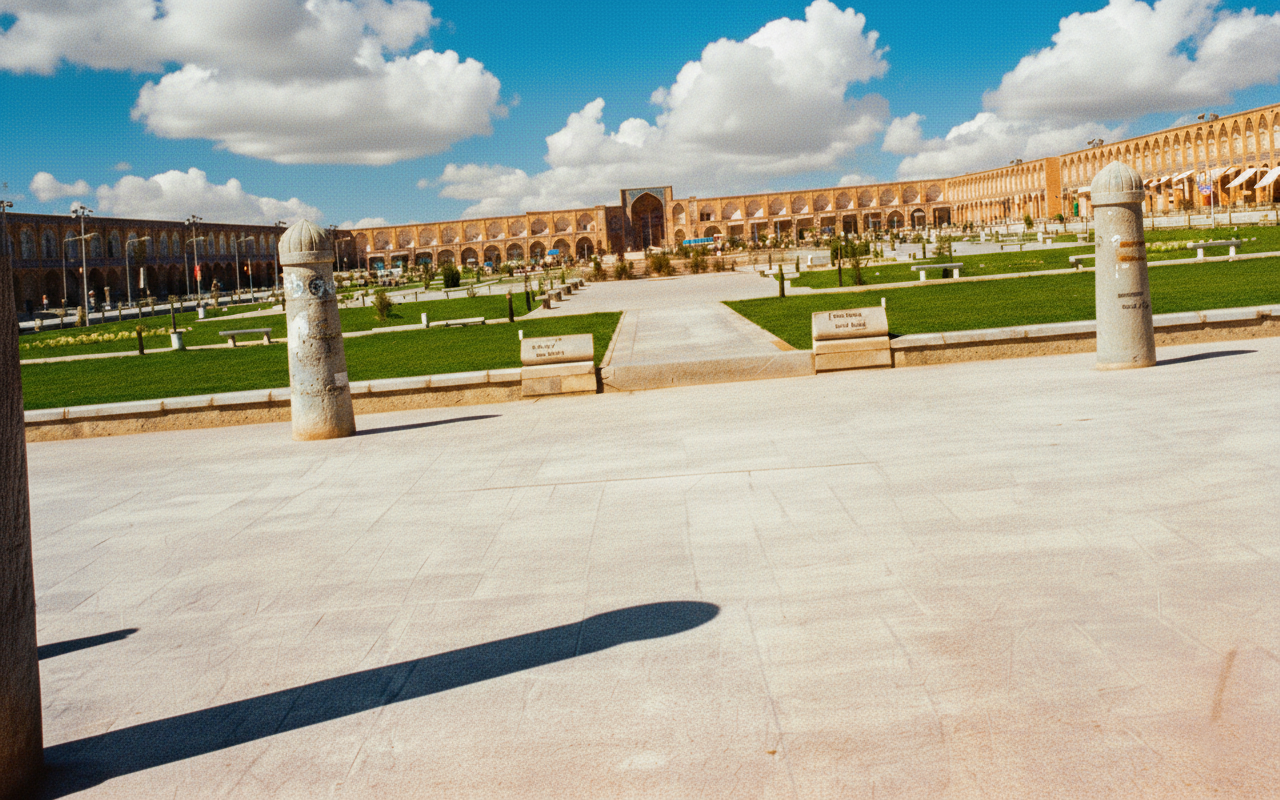
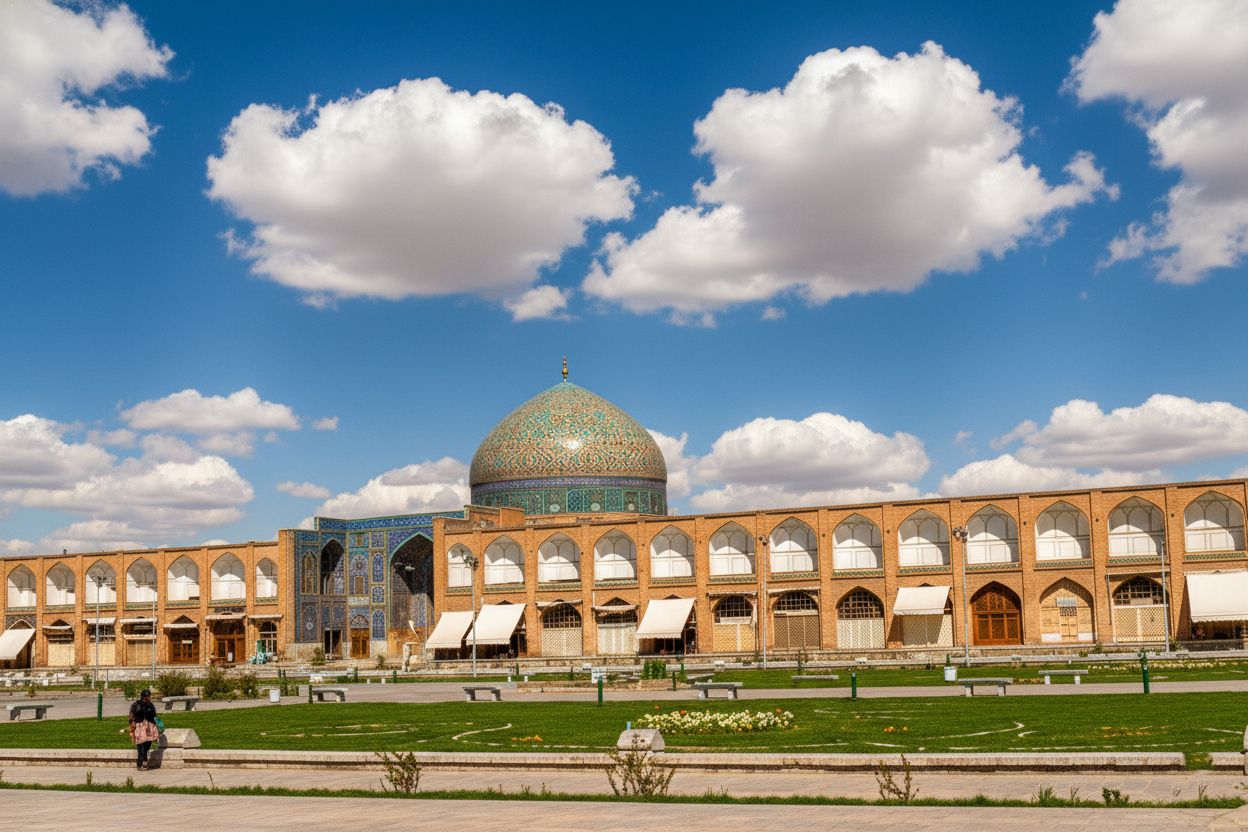
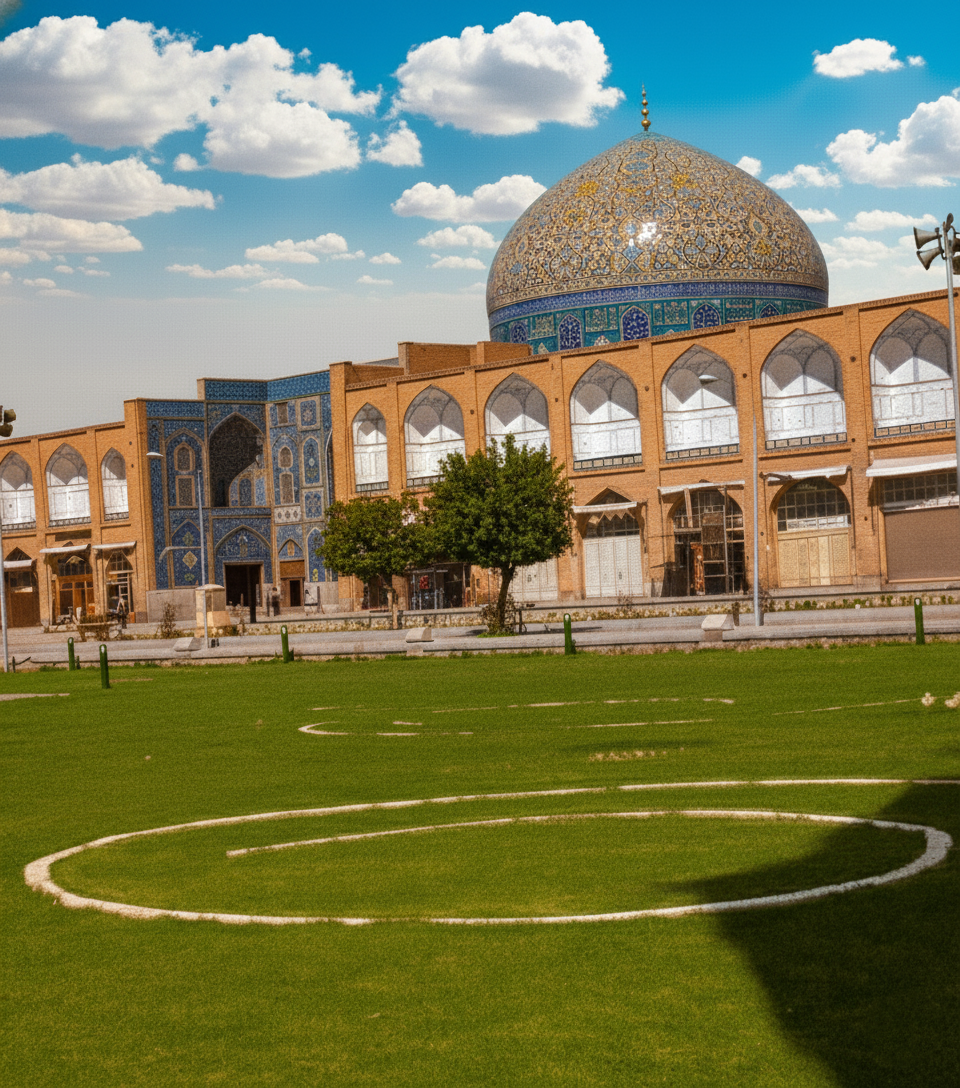
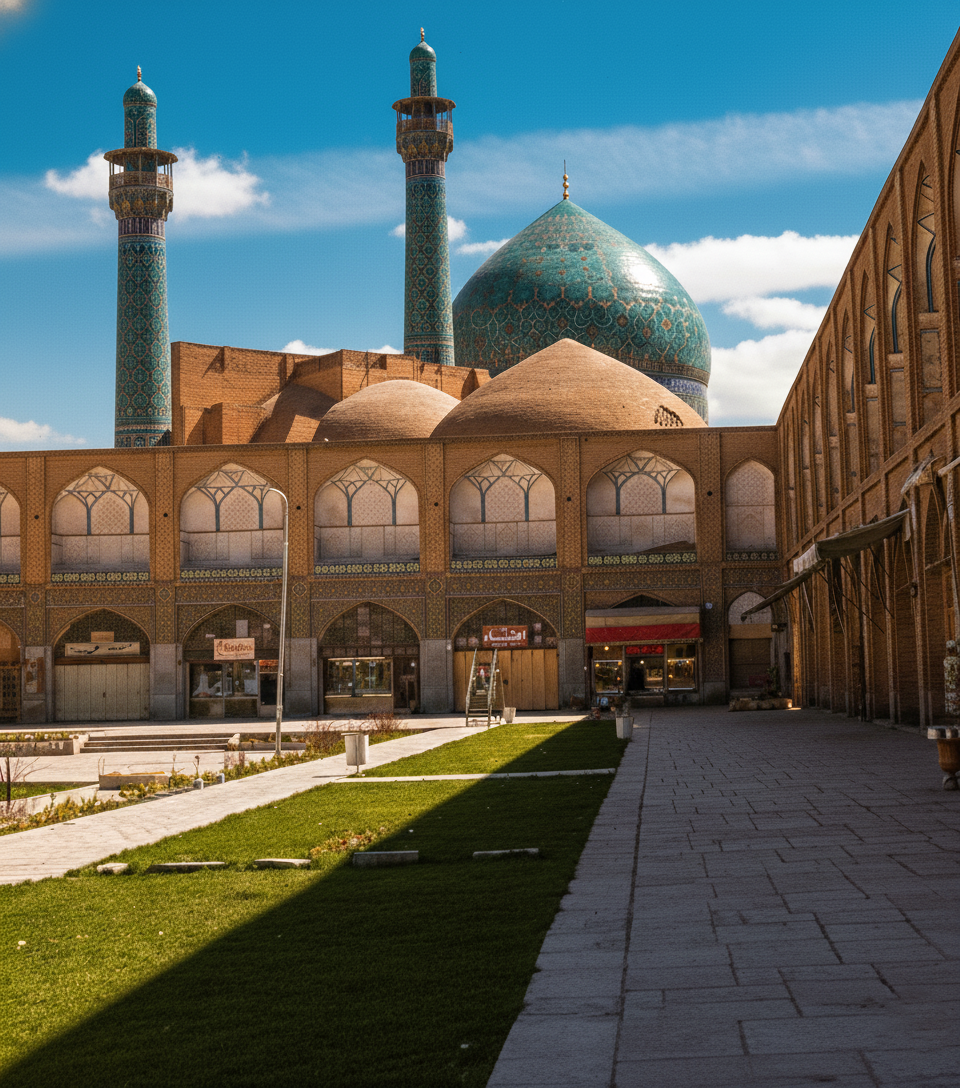
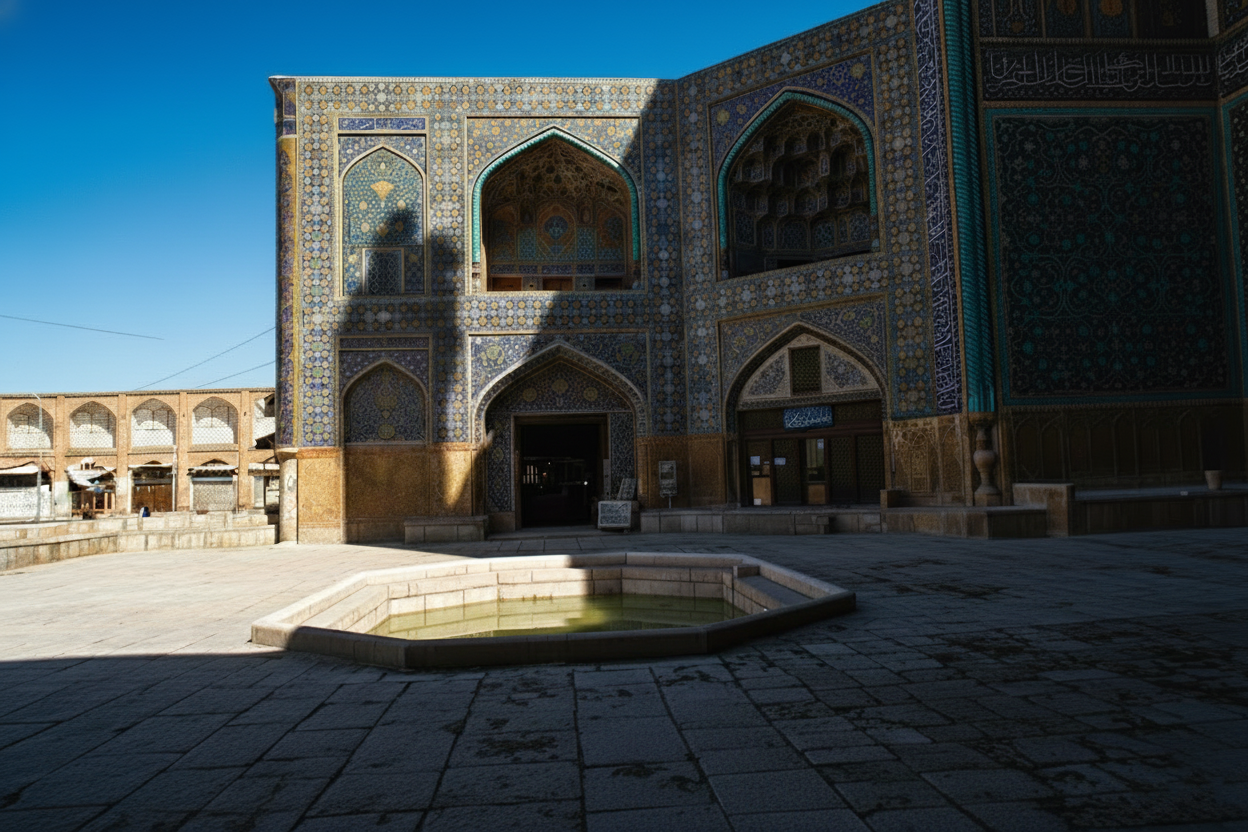
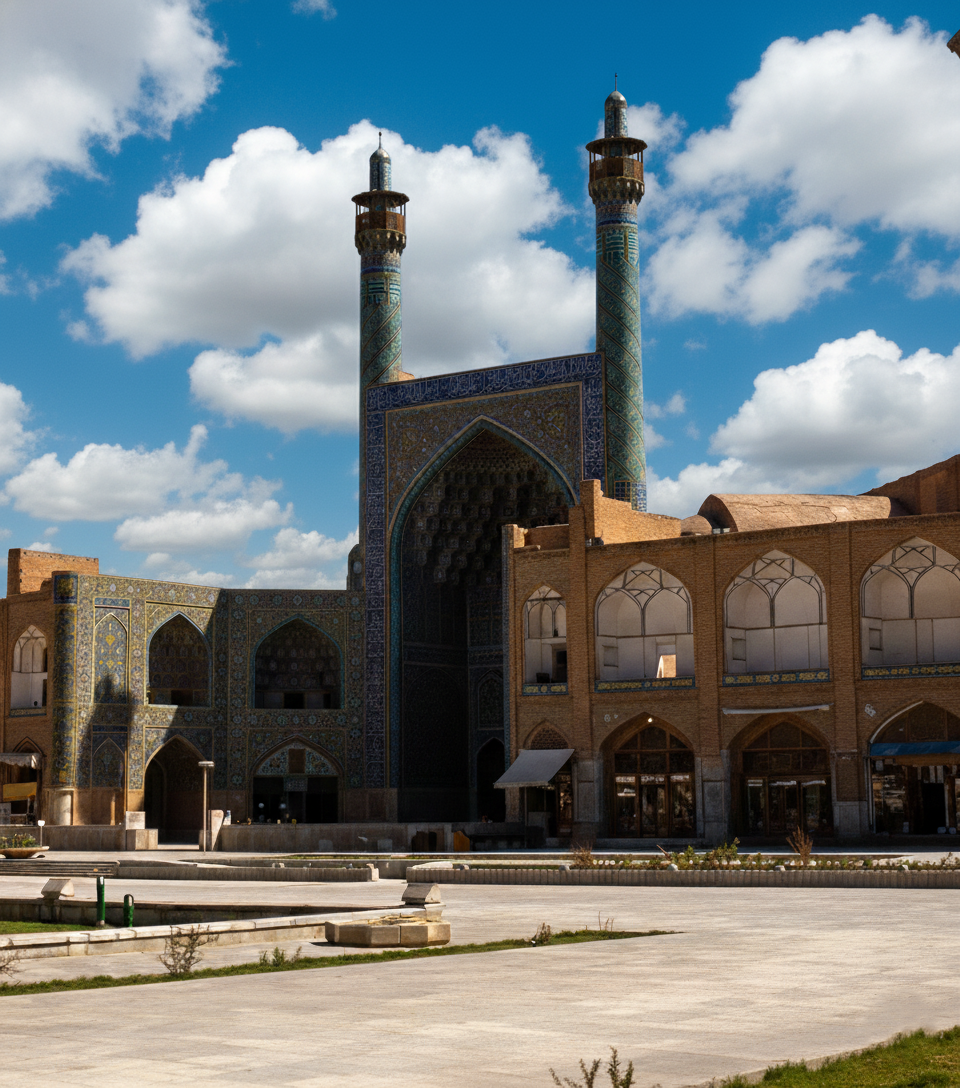
Naqsh-e Jahan Square (میدان نقش جهان), built 1598–1629 under Shah Abbas I (شاه عباس اول), formed the ceremonial center of Safavid Isfahan (اصفهان). Meaning “Image of the World,” the square integrated monarchy, religion, and commerce through the Shah Mosque (مسجد شاه), Sheikh Lotfollah Mosque (مسجد شیخ لطفالله), Ali Qapu Palace (کاخ عالیقاپو), and the Isfahan Bazaar (بازار اصفهان).
-
The English interpretation of Naqsh-e Jahan Square (میدان نقش جهان) means “Image of the World” or “Pattern of the World.” The city of Isfahan (اصفهان), where the square is located, was famously described by the Persian saying “Esfahān nesf-e-jahān ast” (اصفهان نصف جهان است)—“Isfahan is half of the world”—a phrase that reflects the city’s grandeur and global reputation during the Safavid period (16th–17th centuries CE). The name Naqsh-e Jahan therefore suggests that the square symbolically represented the world itself, gathering diverse peoples, institutions, and activities within a single monumental space.
Within the framework of imperial urban planning, Naqsh-e Jahan Square functioned as the ceremonial and administrative heart of Safavid Isfahan. Constructed between 1598 and 1629 under Shah Abbas I (شاه عباس اول), the vast rectangular plaza organized the city’s political, religious, and economic life into a unified spatial composition. Four major architectural monuments framed the square: the Shah Mosque (مسجد شاه / مسجد امام) representing religious authority, the Sheikh Lotfollah Mosque (مسجد شیخ لطفالله) serving the royal court, the Ali Qapu Palace (کاخ عالیقاپو) embodying royal governance, and the entrance to the Isfahan Bazaar (بازار اصفهان) symbolizing commerce. Through this carefully orchestrated arrangement, the Safavid state physically expressed the balance between monarchy, faith, and trade.
The square also reflected the cosmopolitan character of Safavid Isfahan. The city hosted substantial communities of Armenians, Jews, Georgians, and Central Asian merchants, whose presence contributed to its economic vitality and cultural diversity. Policies of relative tolerance under rulers such as Shah Abbas I encouraged the participation of these groups in international trade and craftsmanship, strengthening Isfahan’s role as a global commercial center along the Silk Road (جاده ابریشم).
In this sense, Naqsh-e Jahan Square was not merely a public space but the spatial expression of Safavid imperial ideology. It unified architecture, governance, religion, and commerce into a single urban composition, projecting the image of Isfahan as a cosmopolitan capital whose influence extended across the known world.
