Shah Mosque (Masjid-e Shah – مسجد شاه اصفهان )
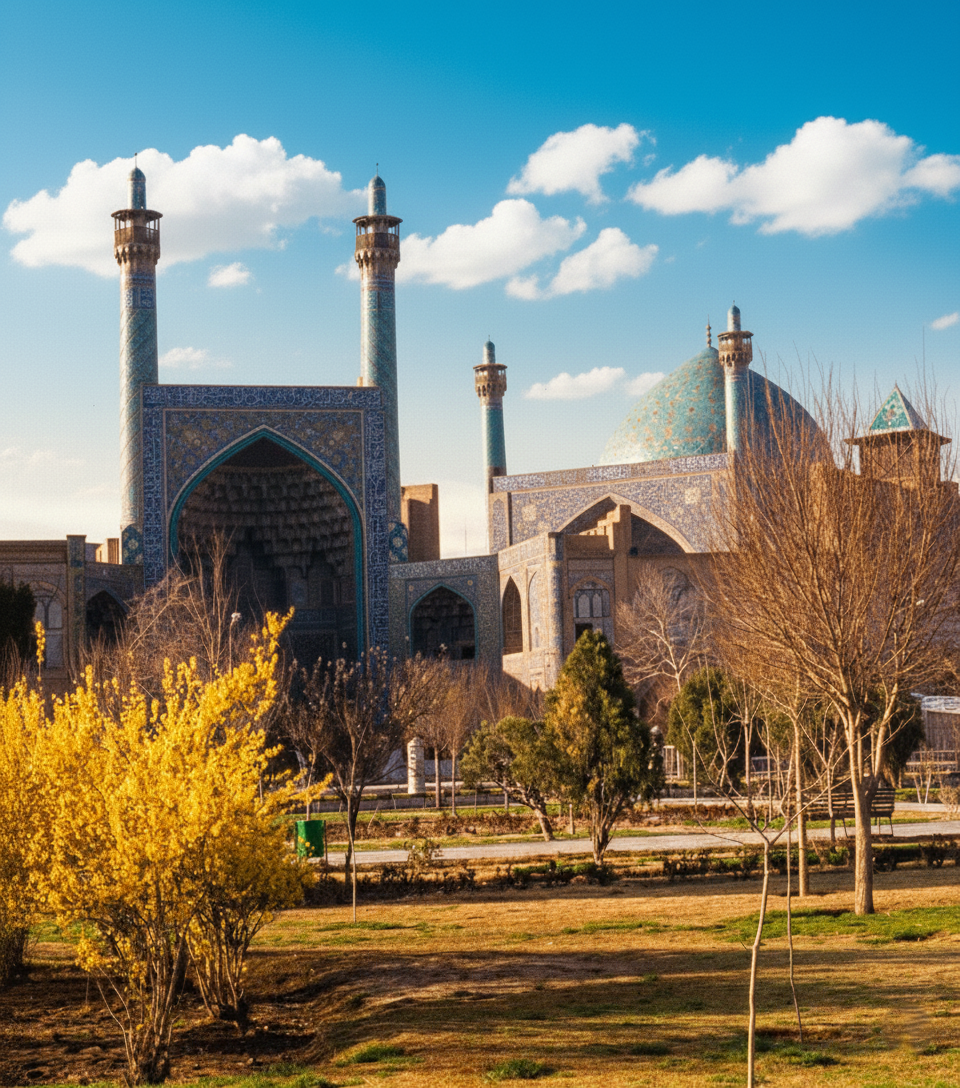
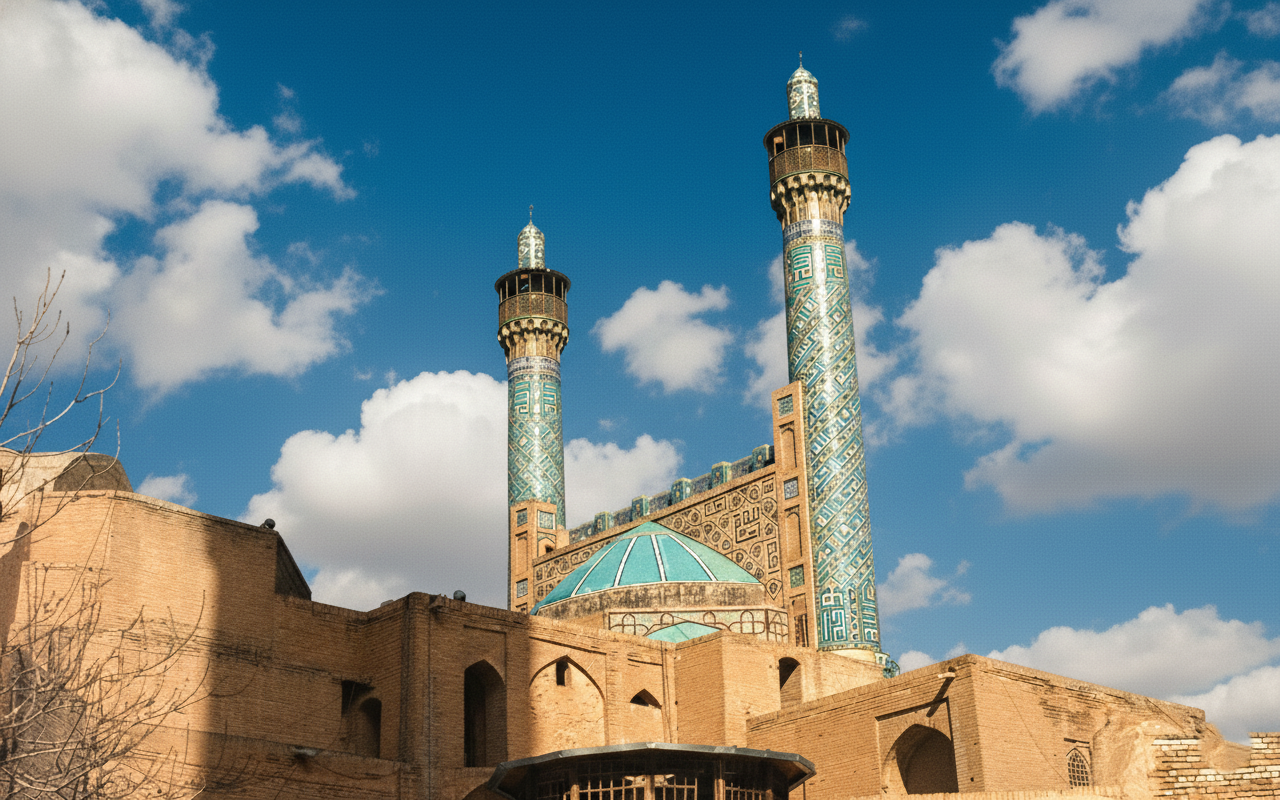
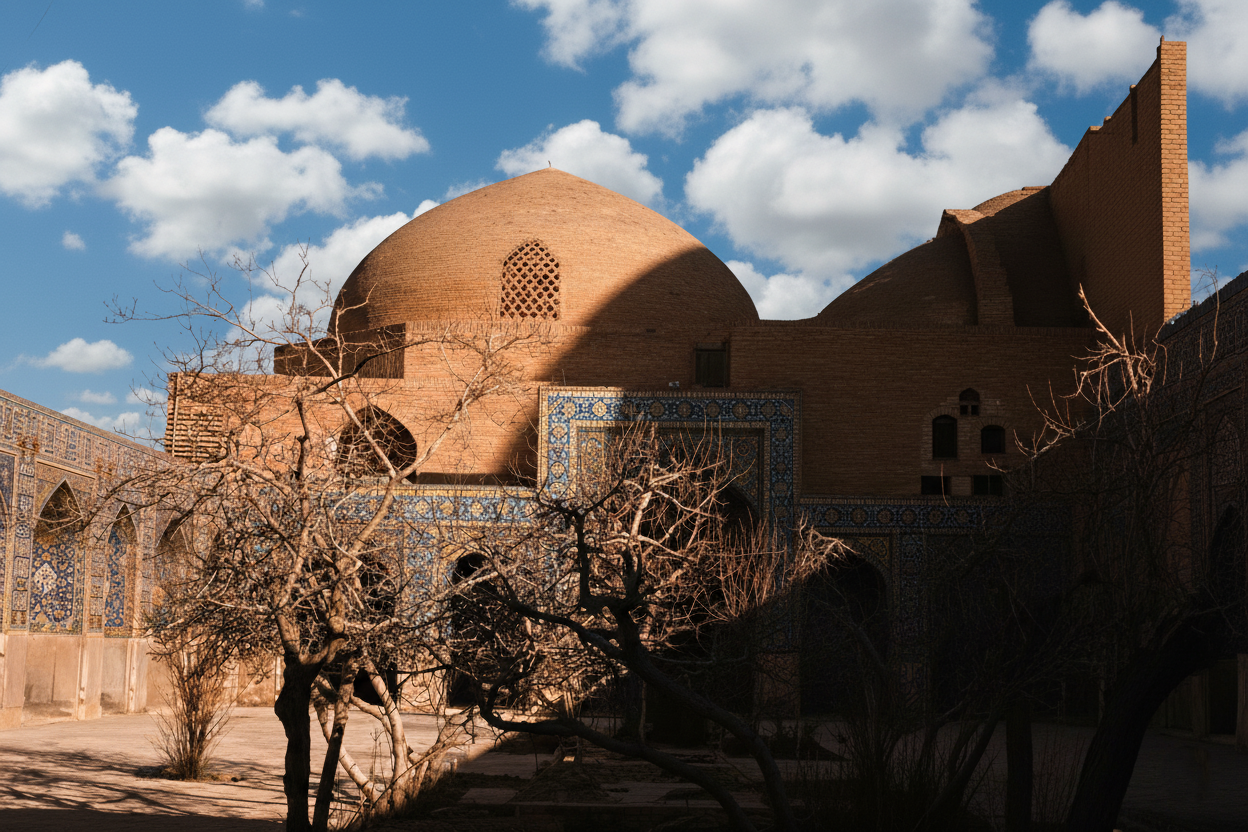
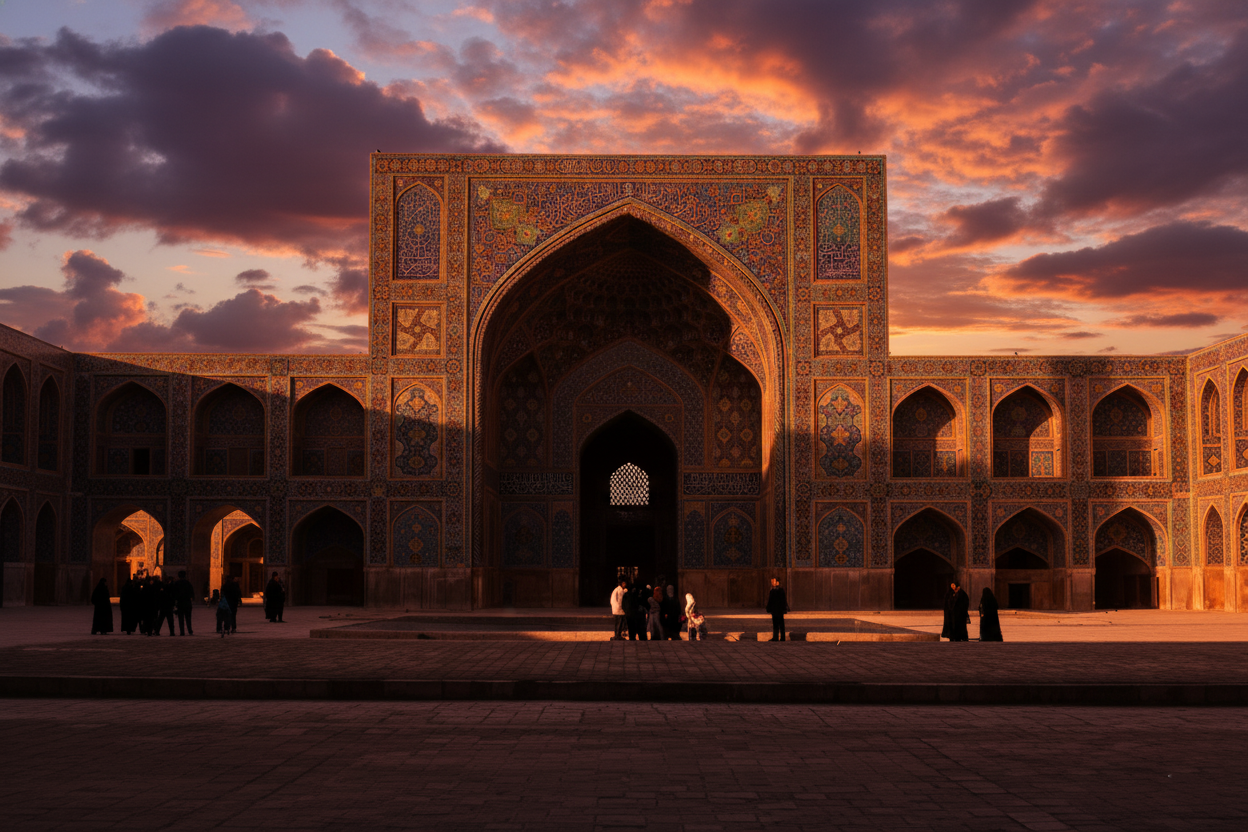
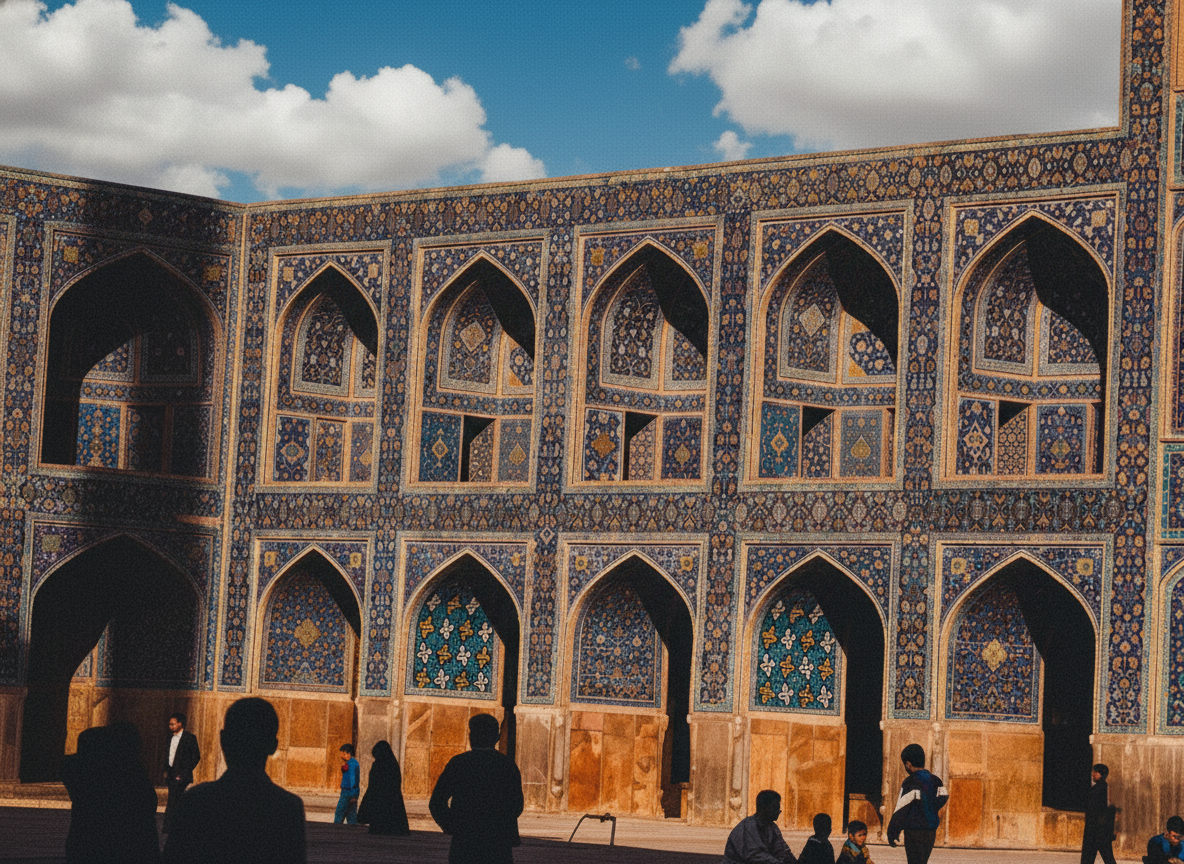
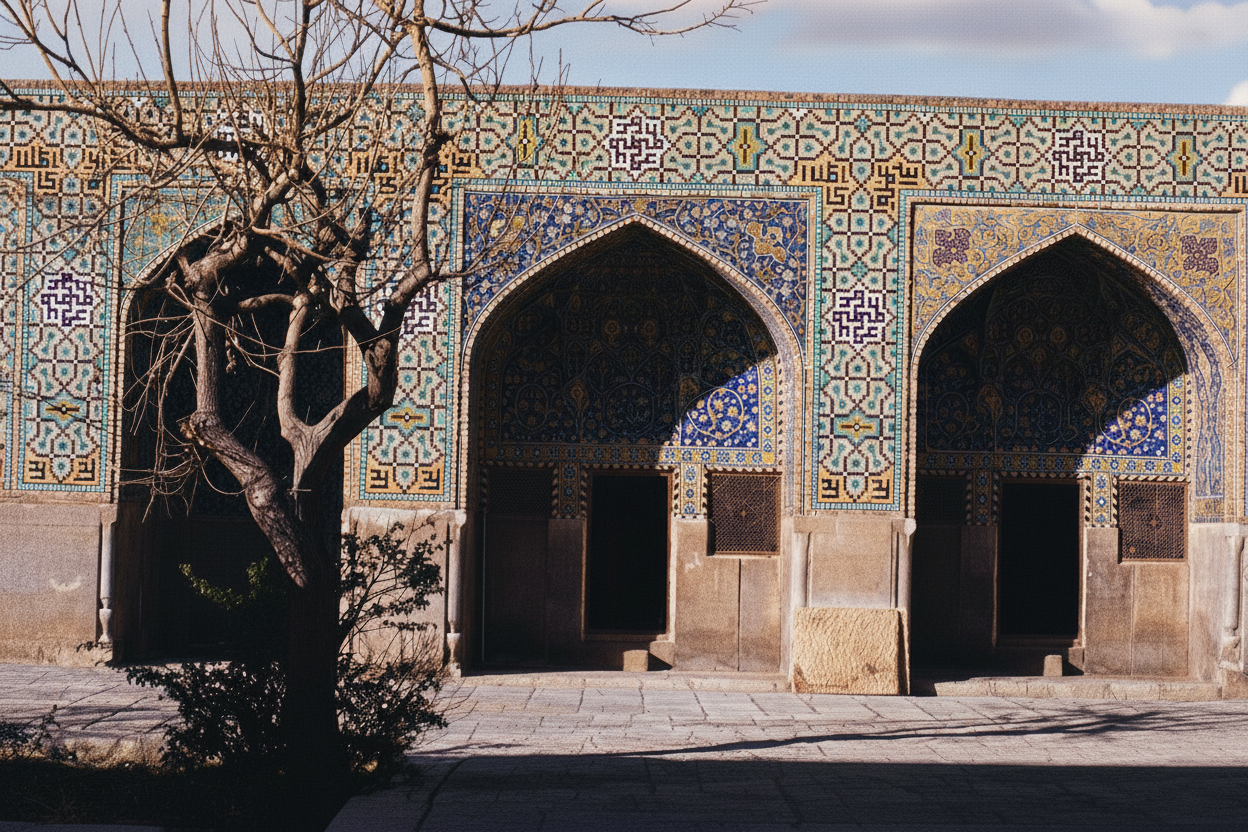
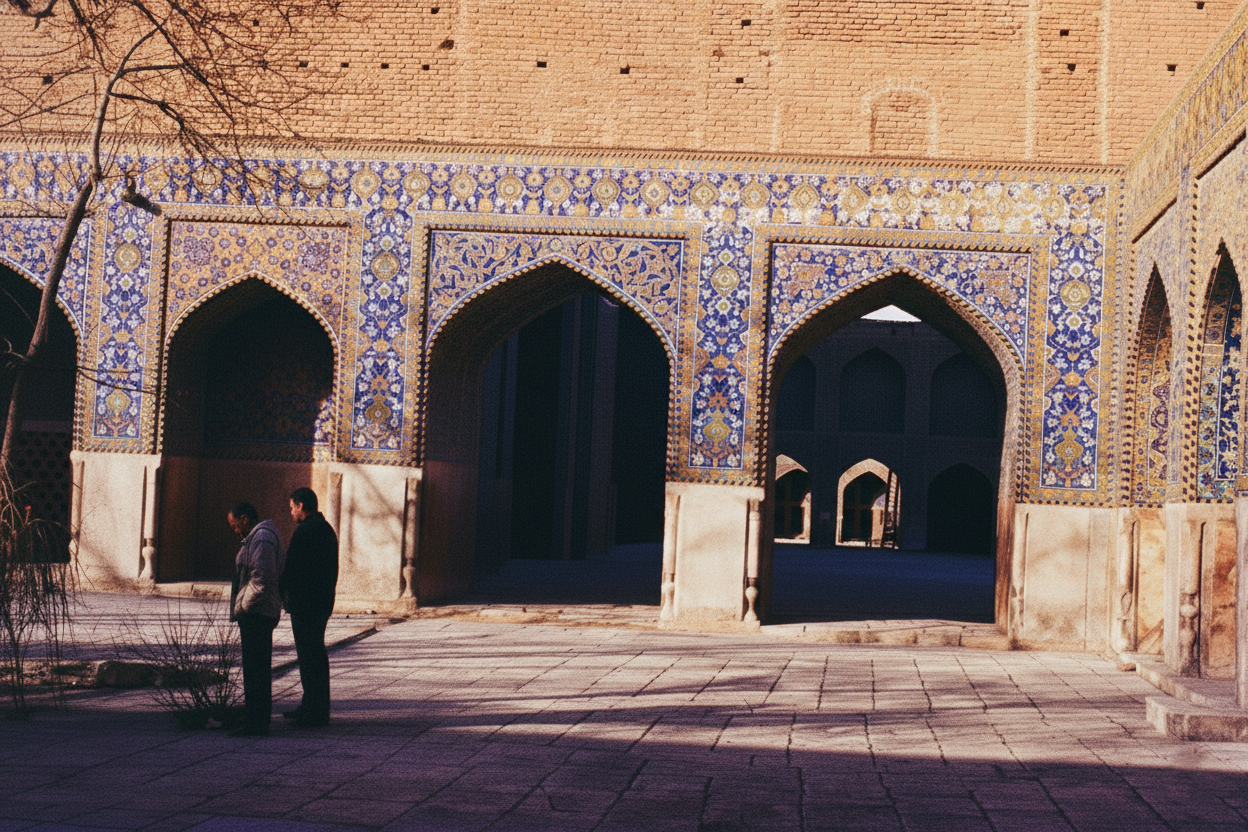
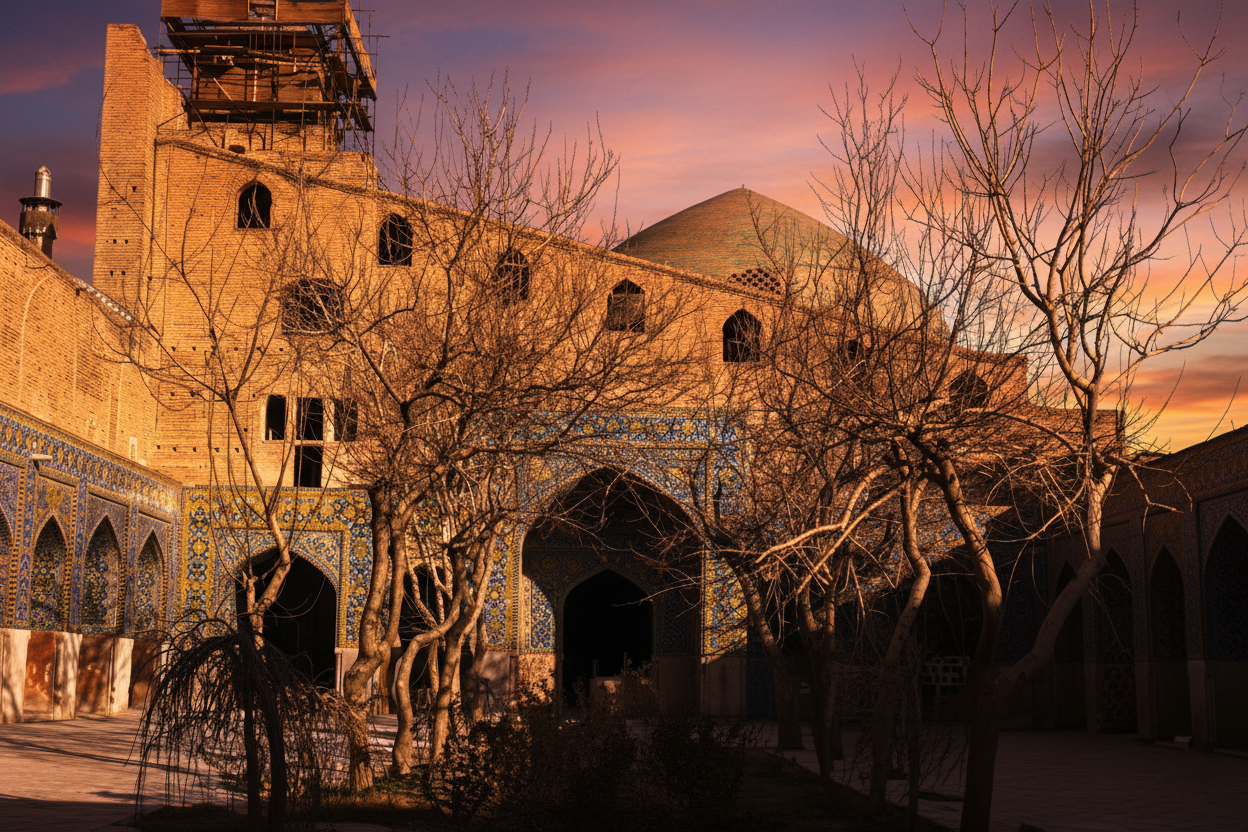
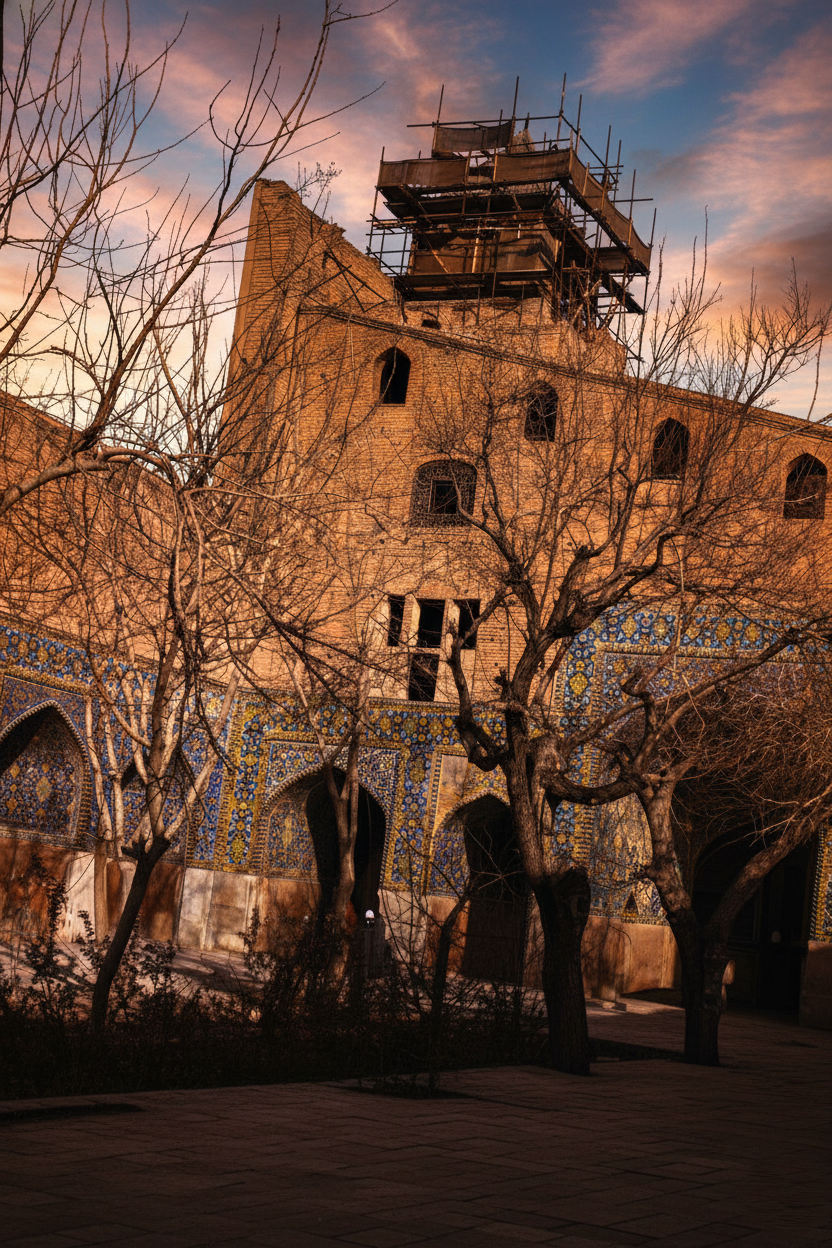
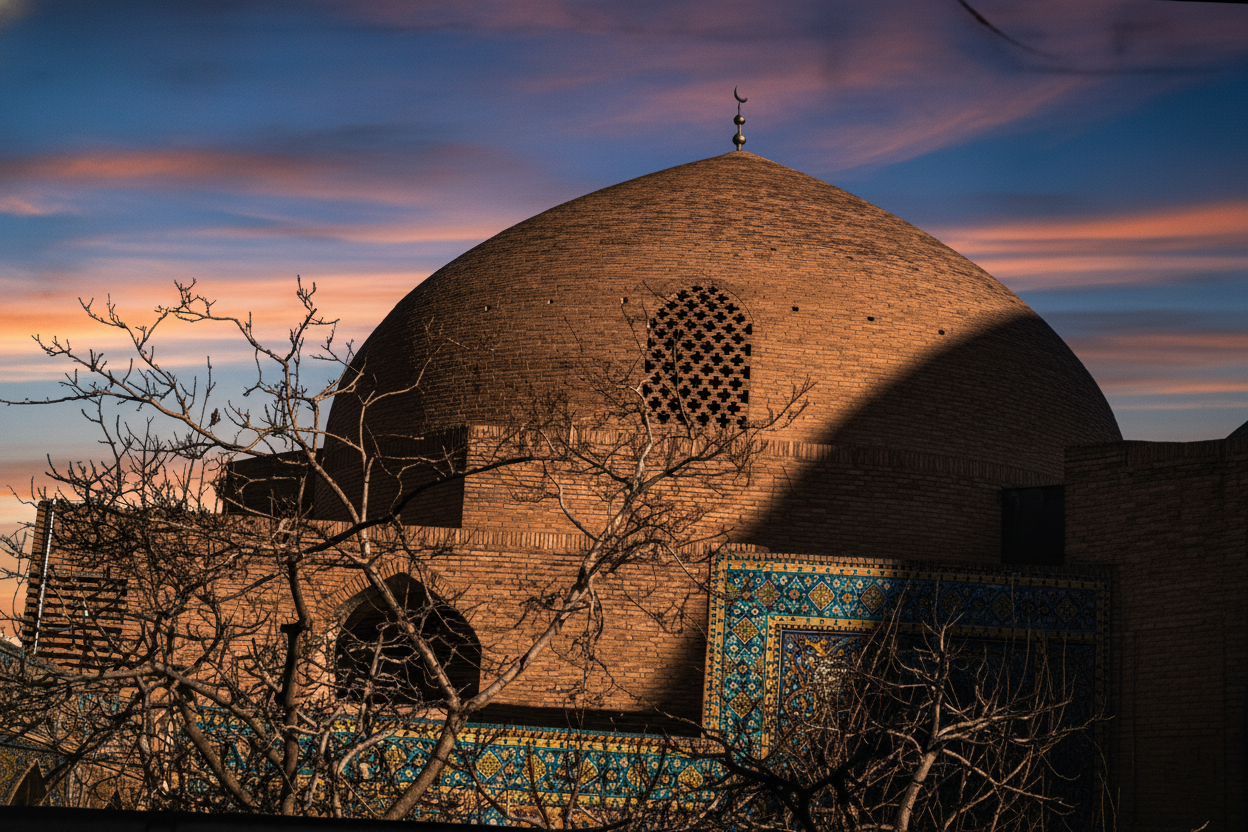
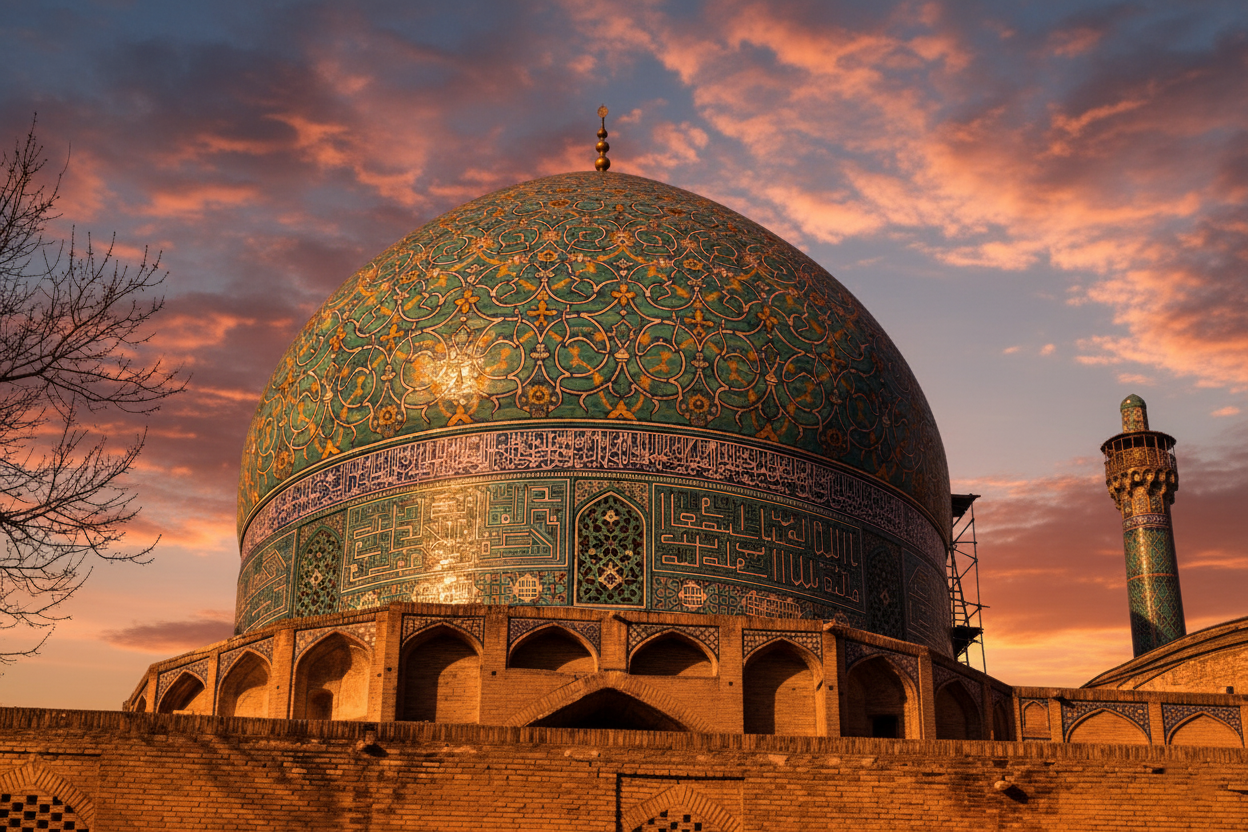
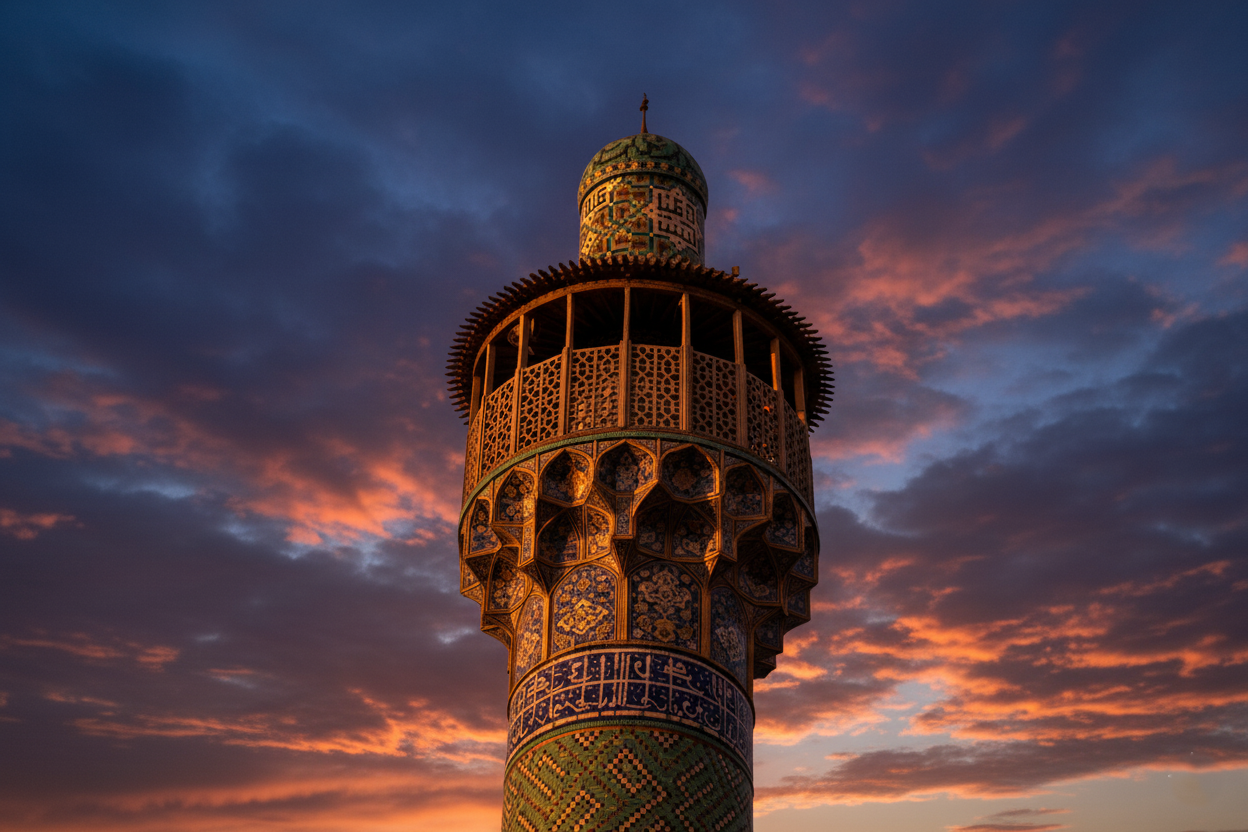
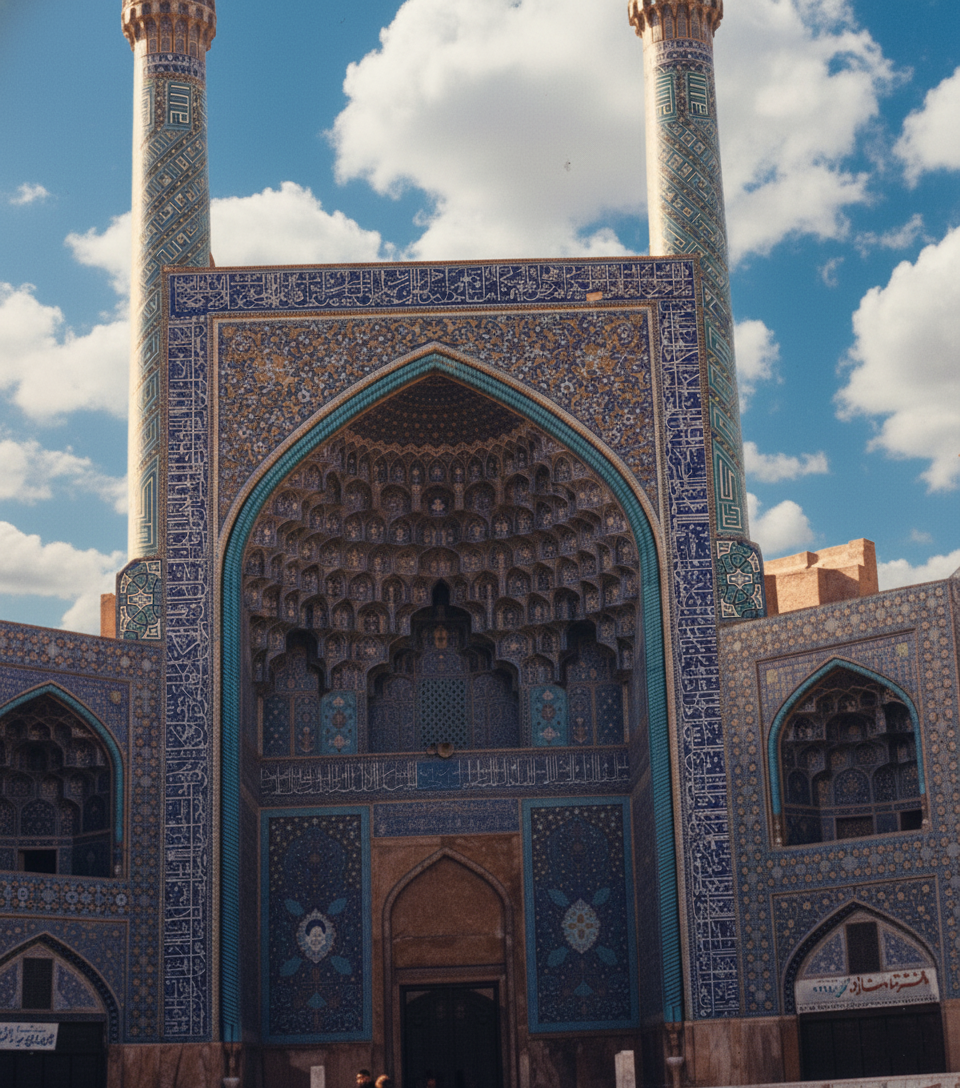
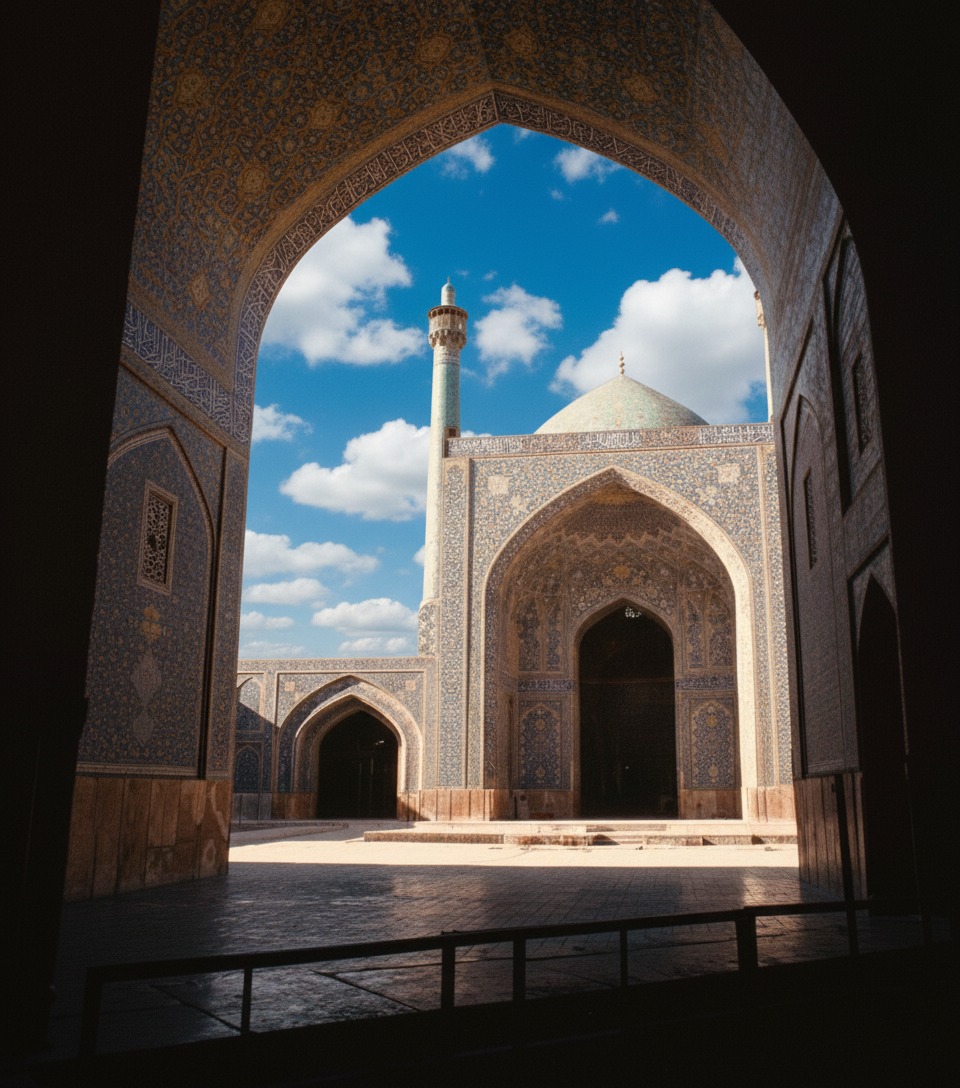
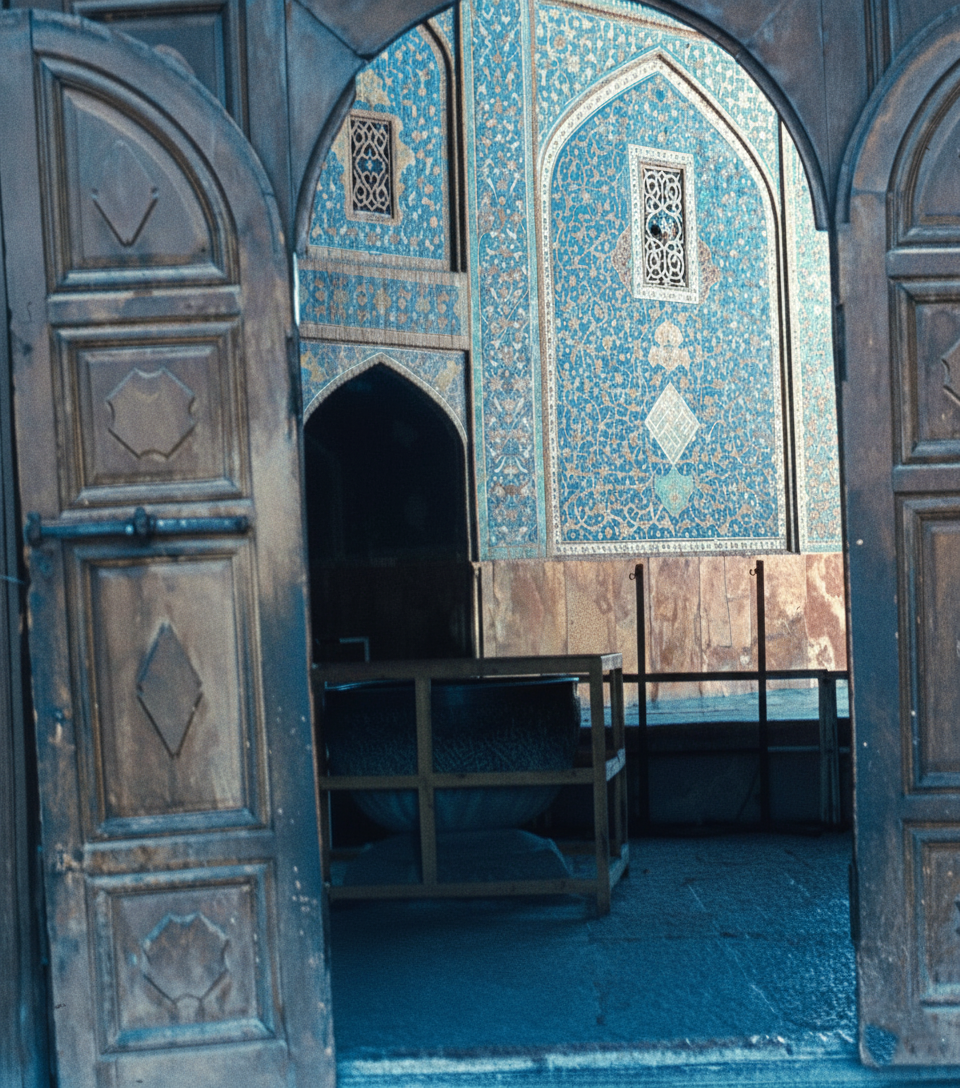
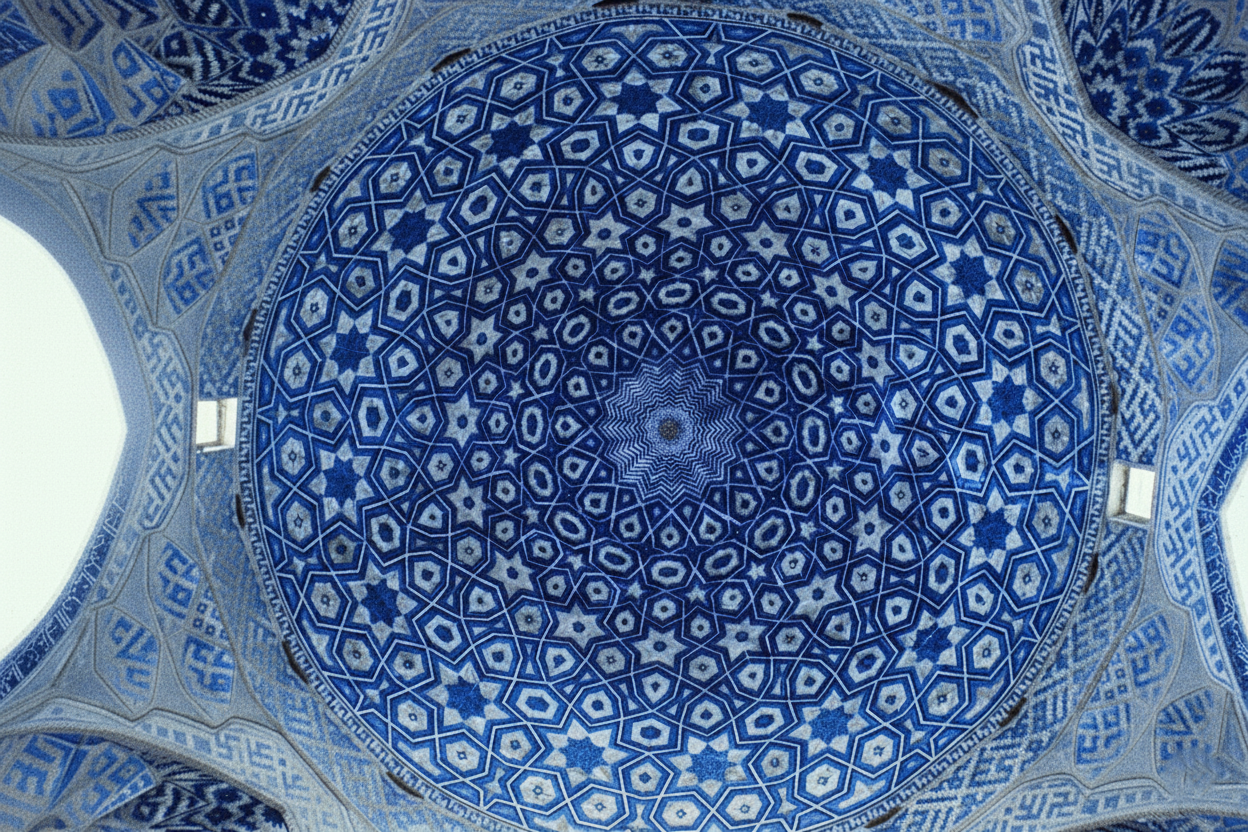
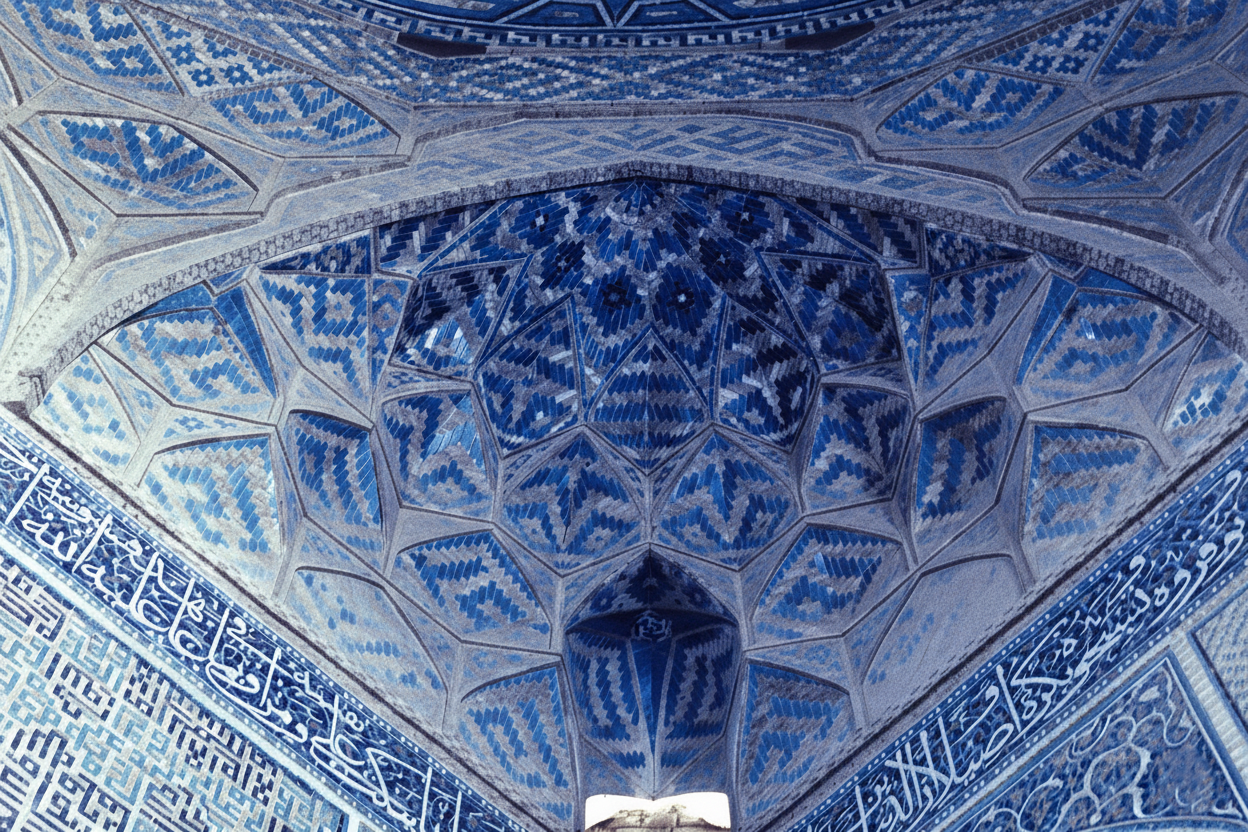
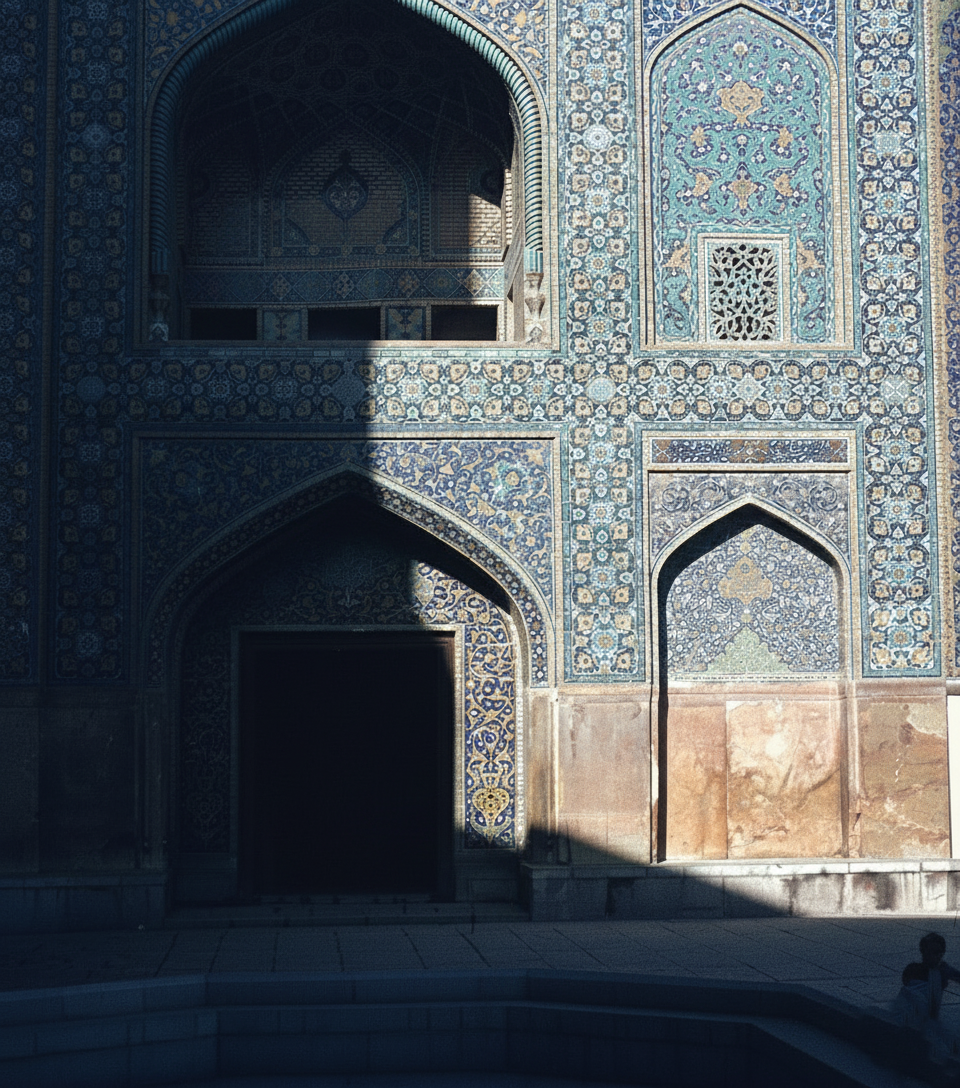
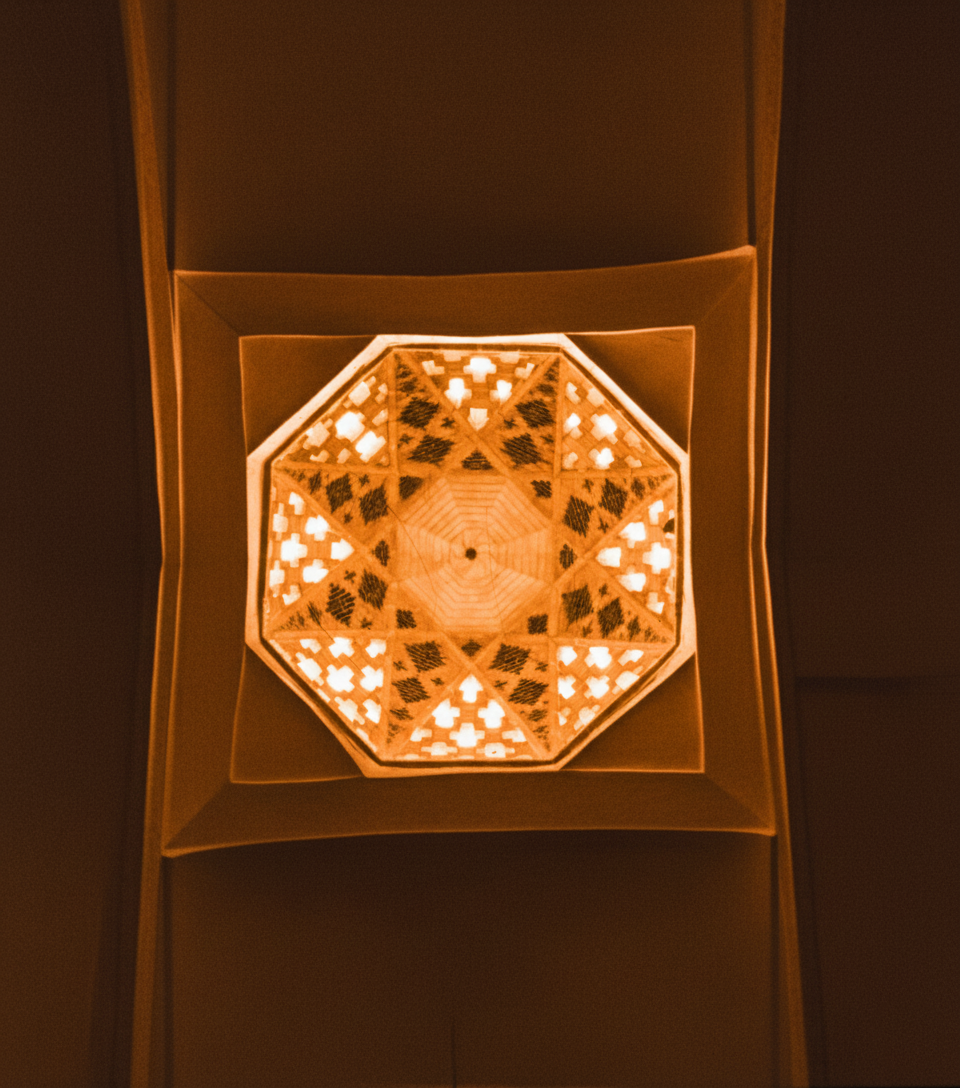
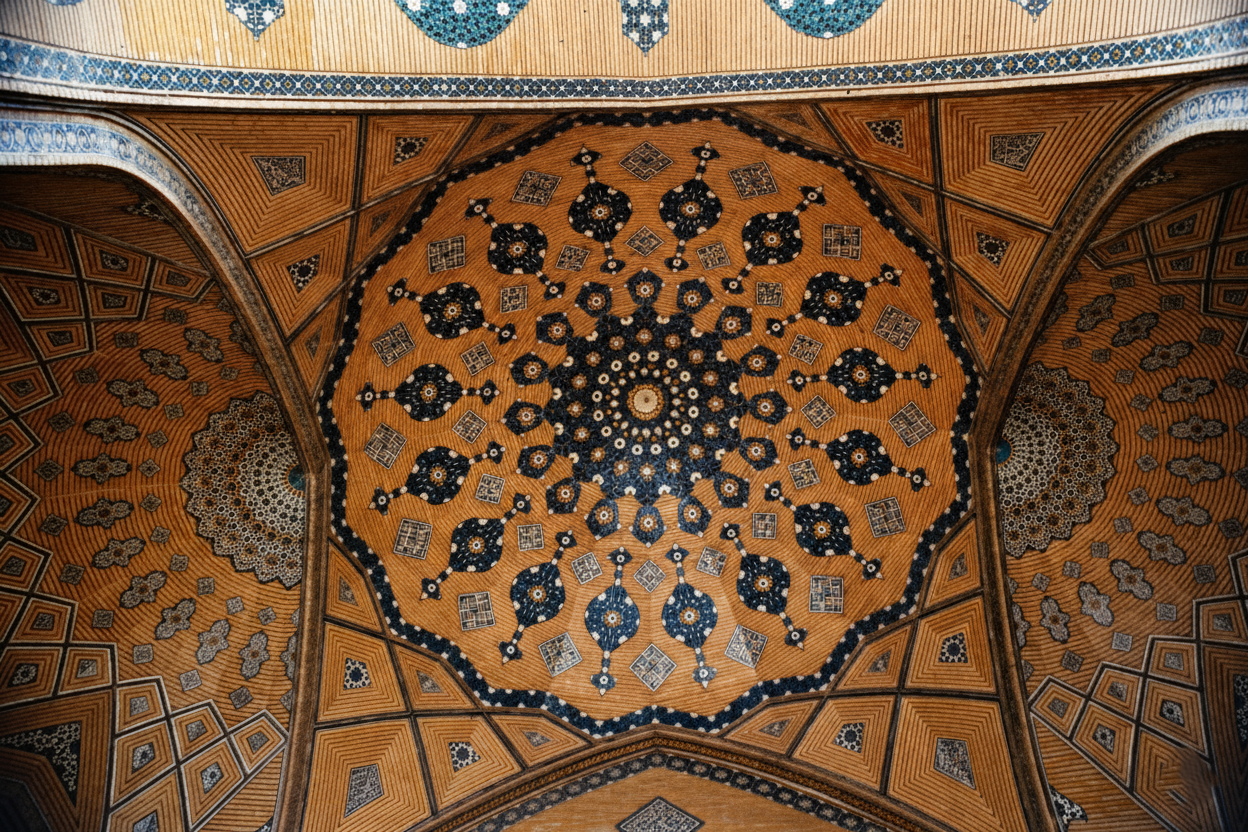
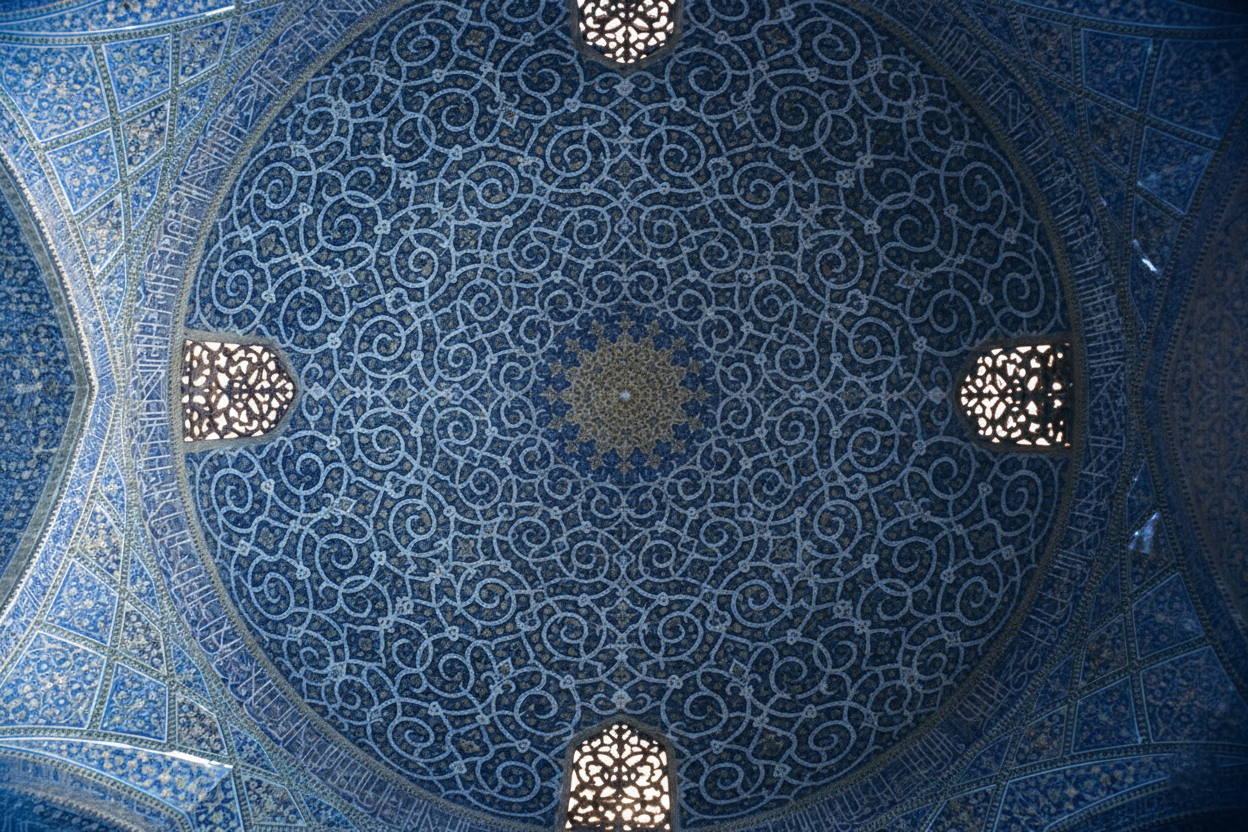
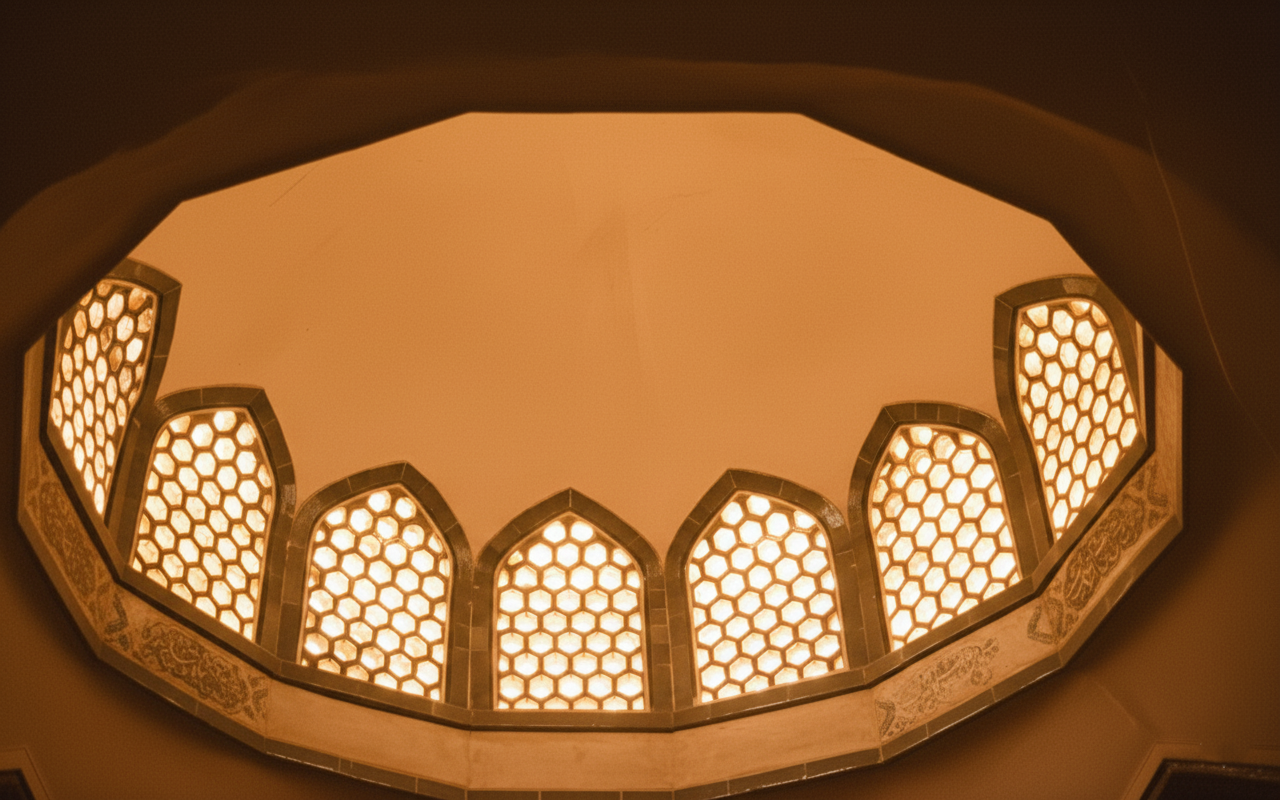
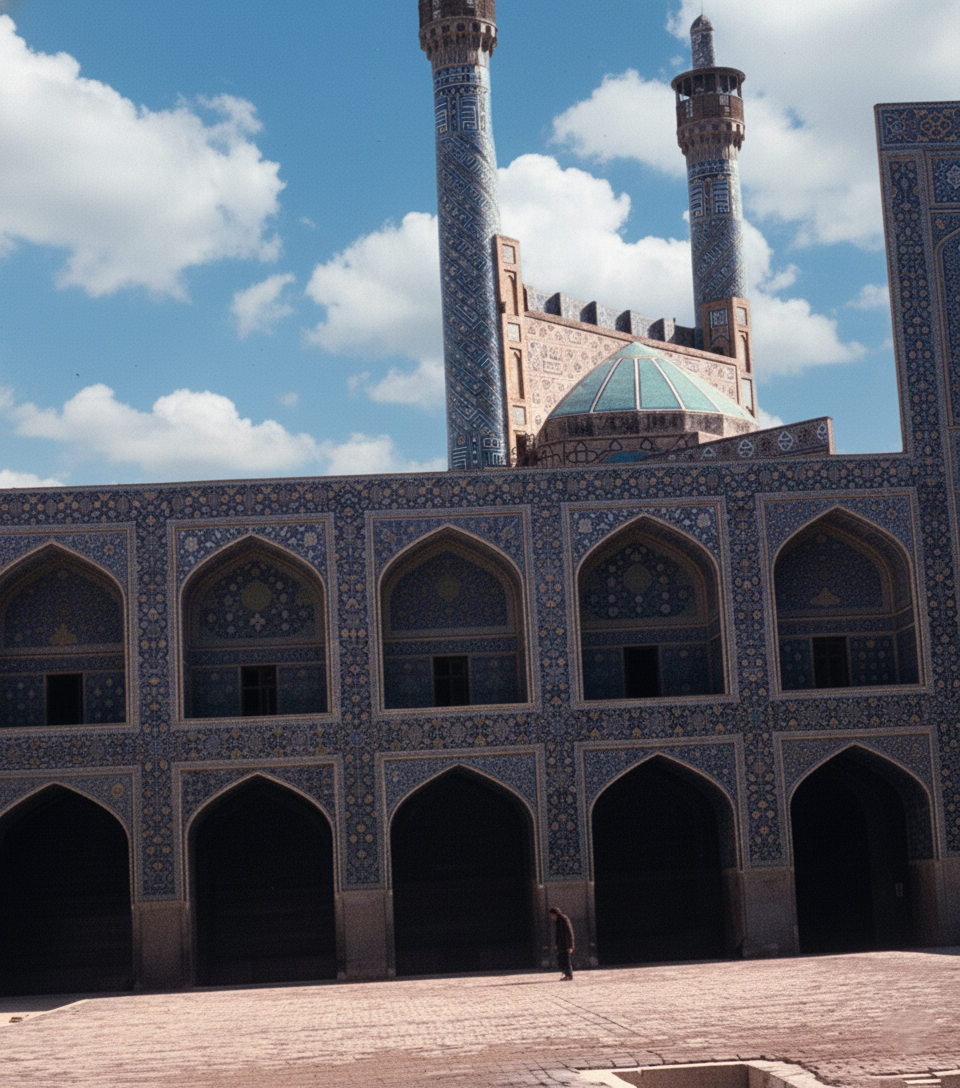
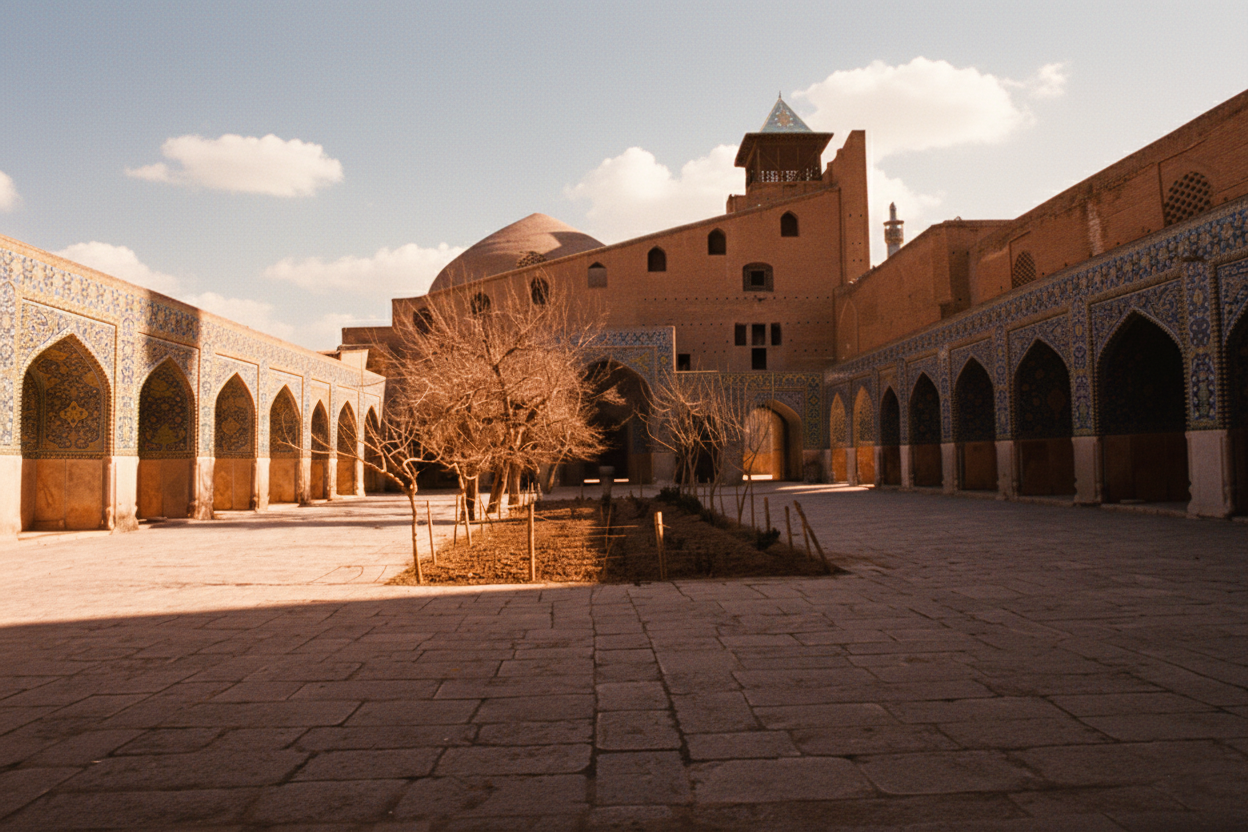
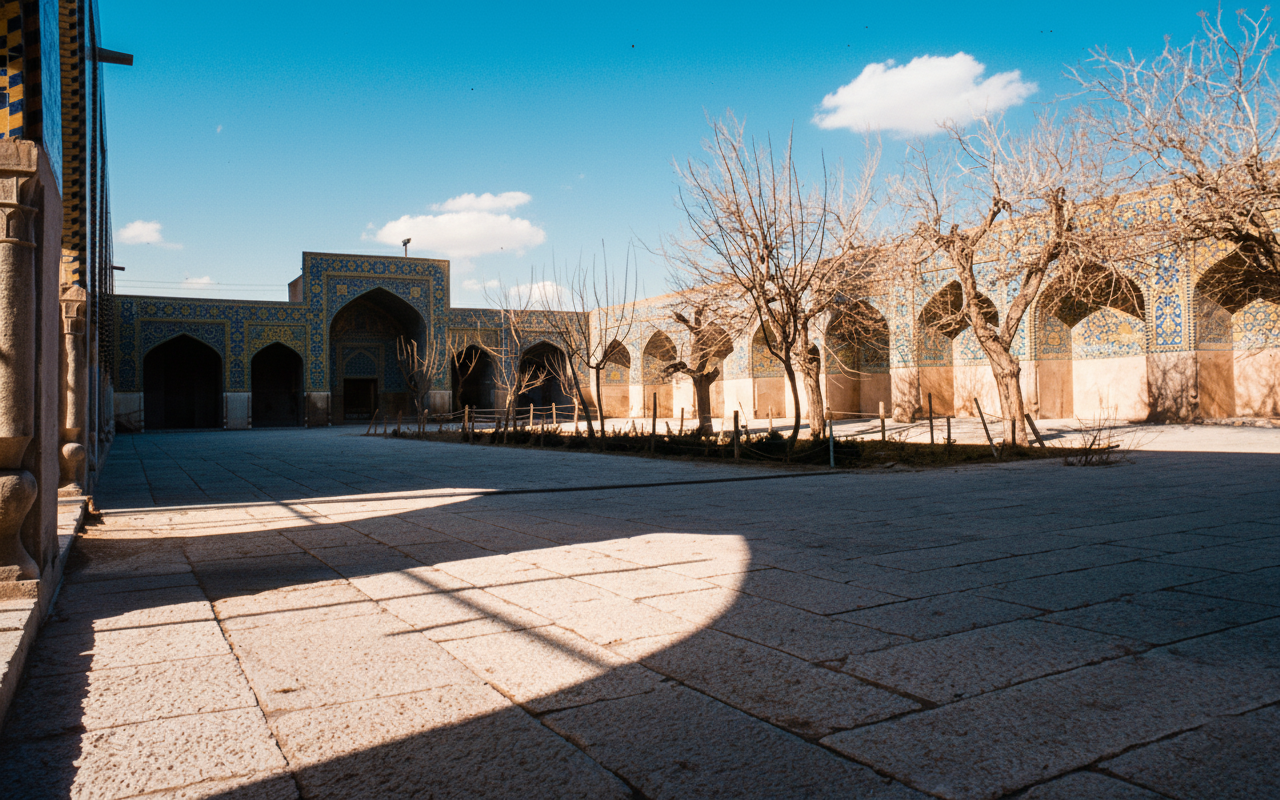
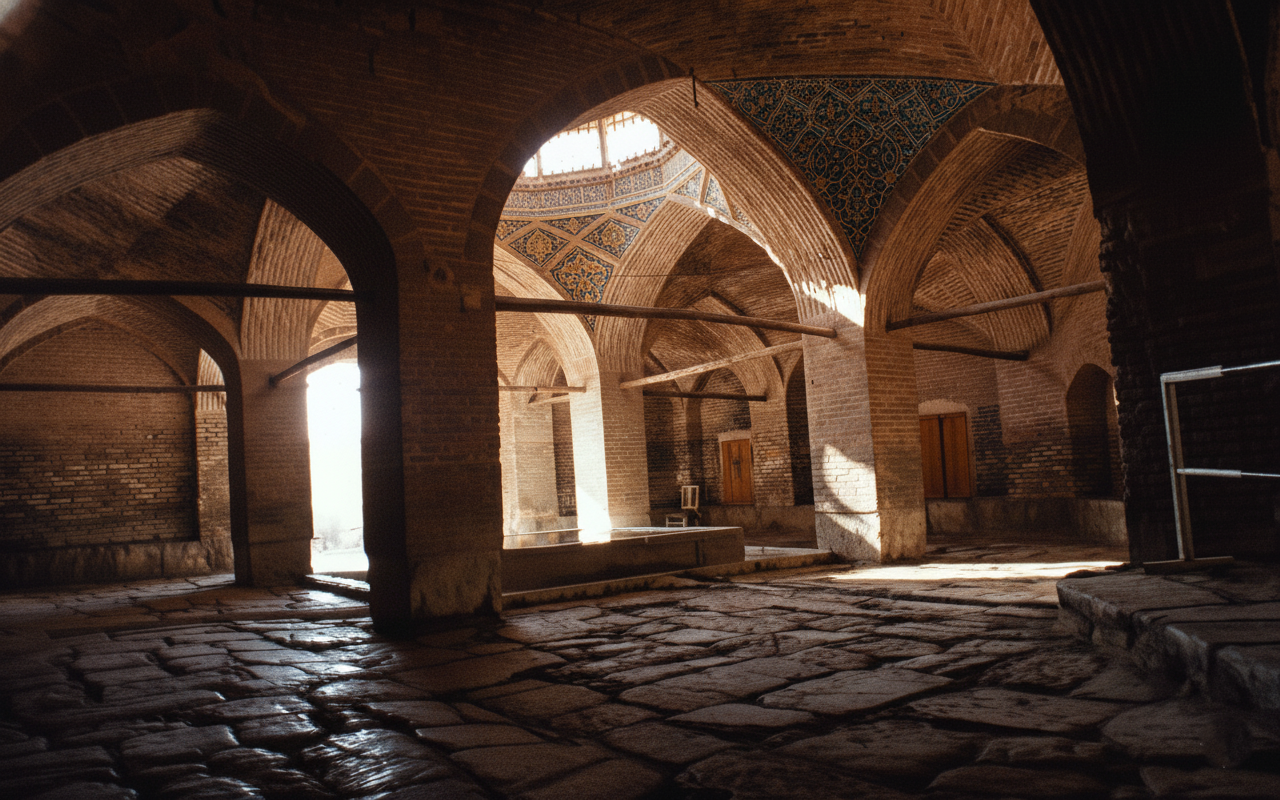
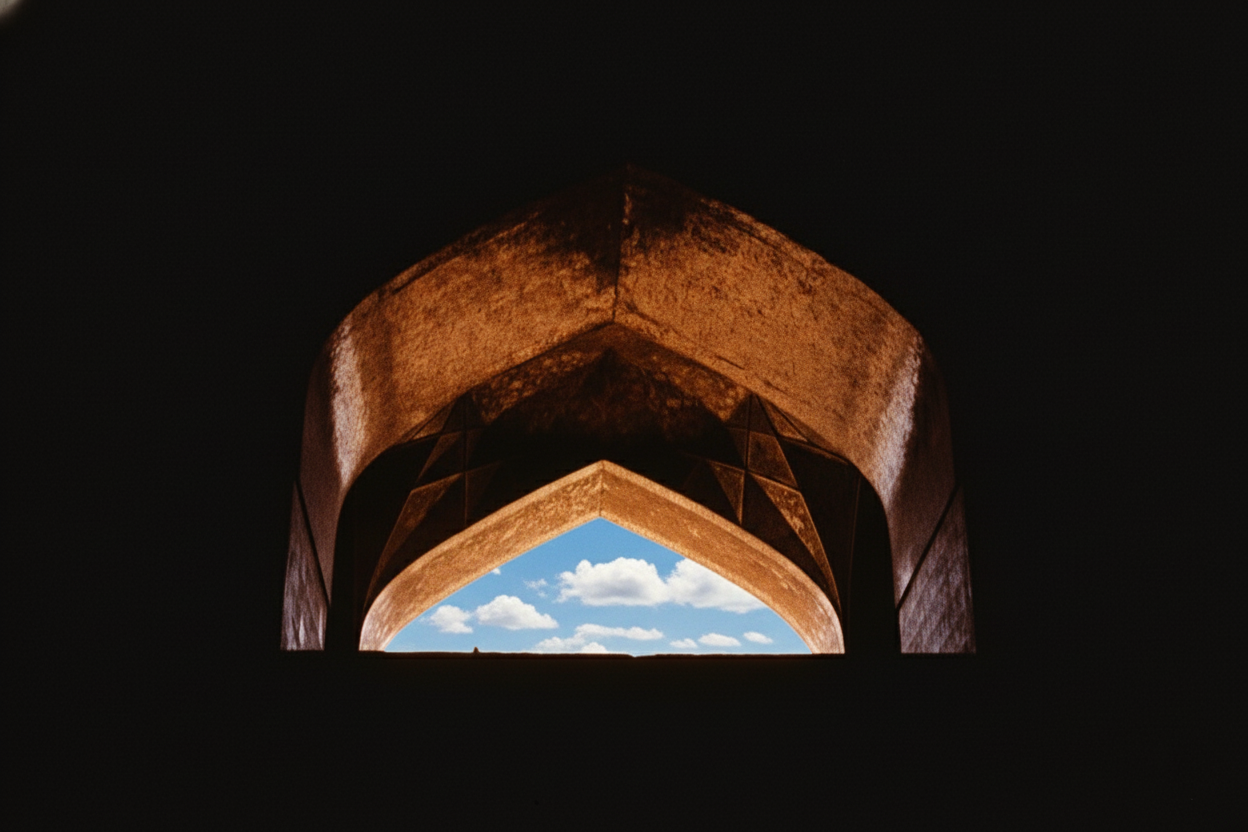
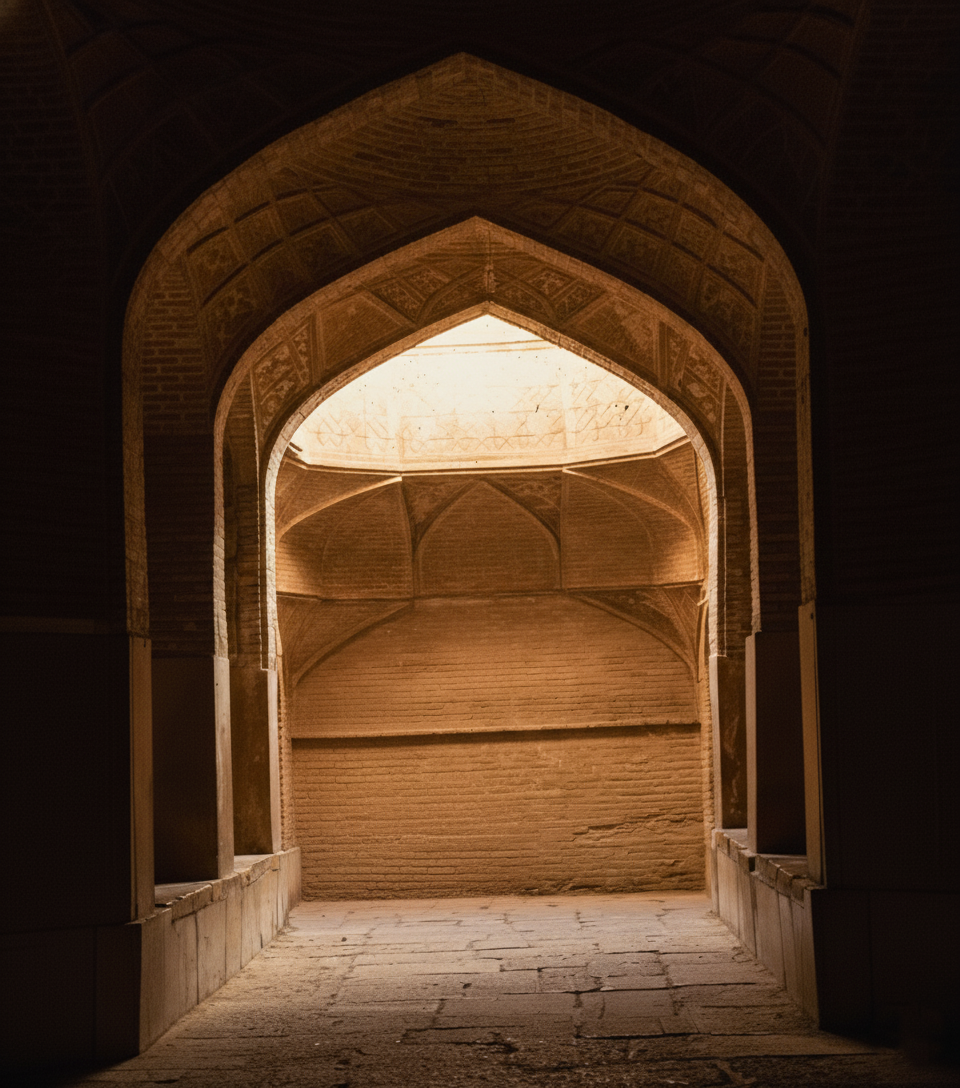
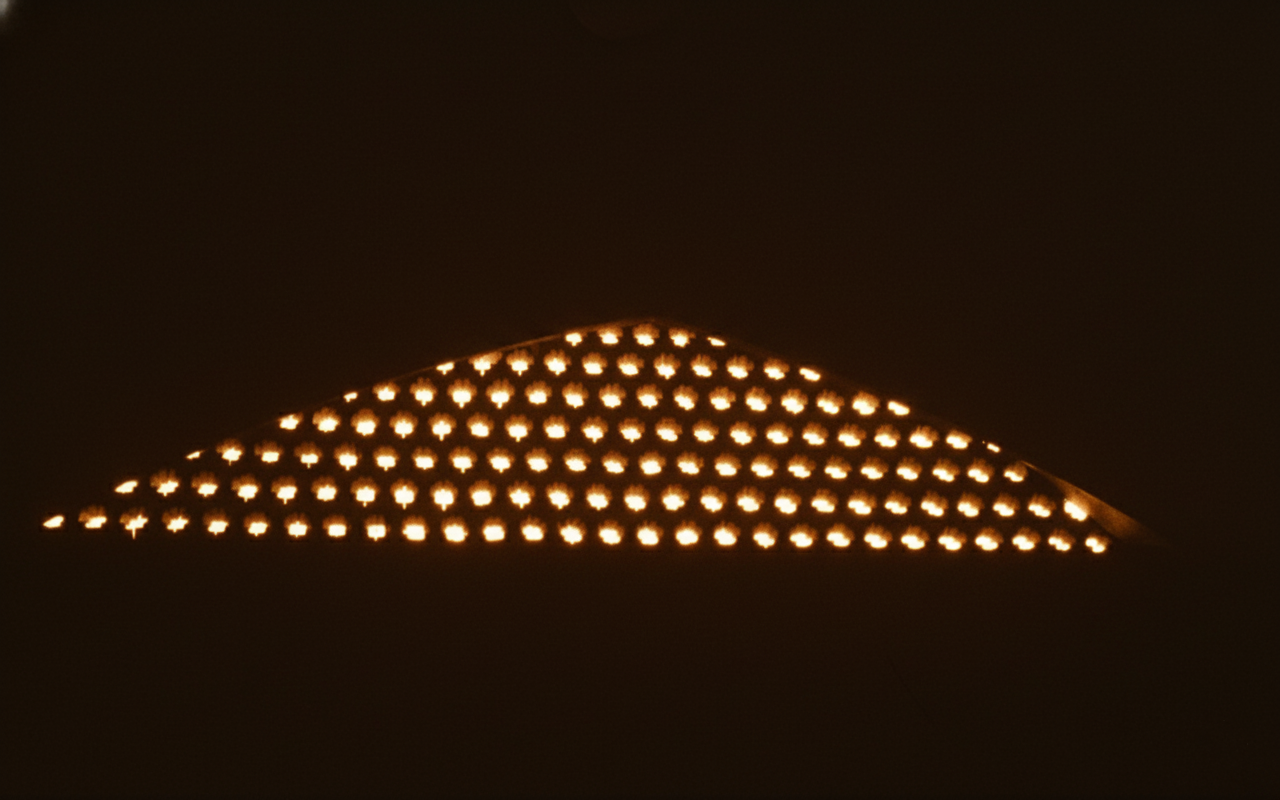
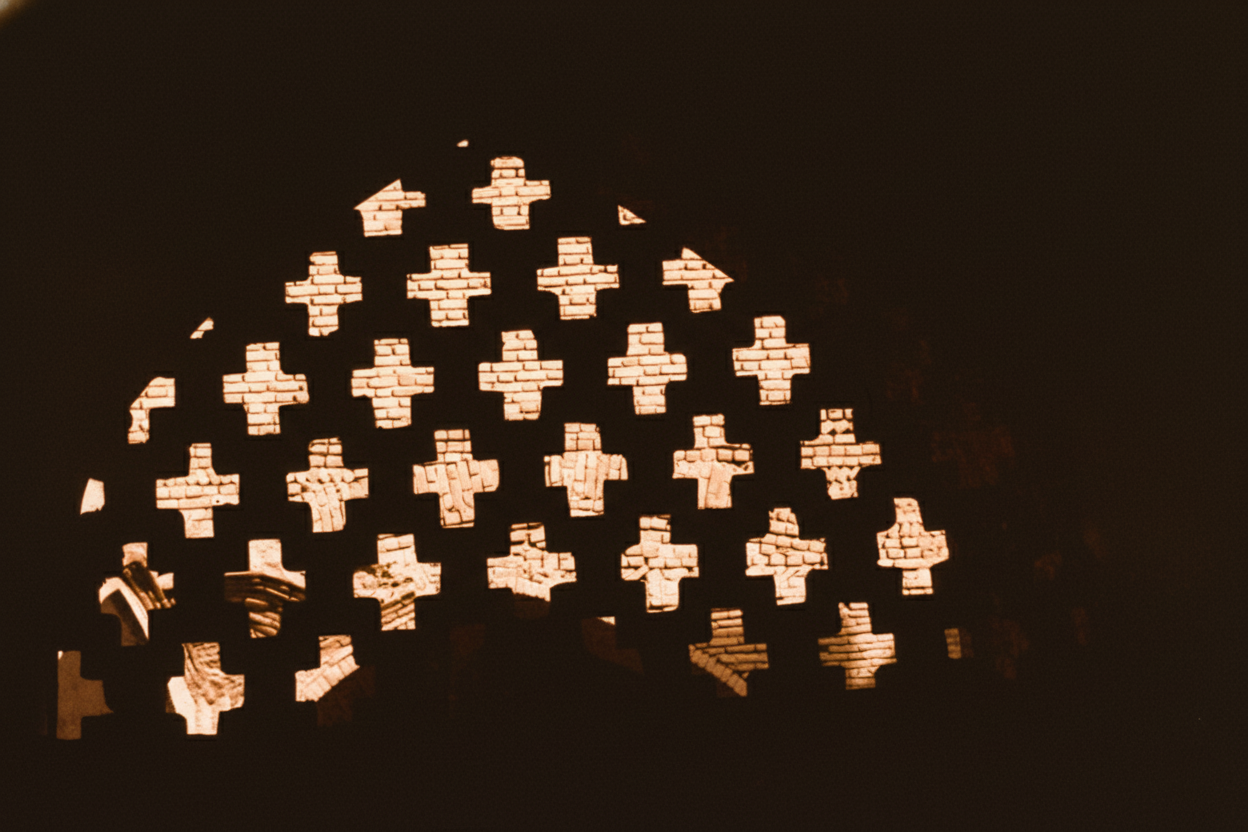
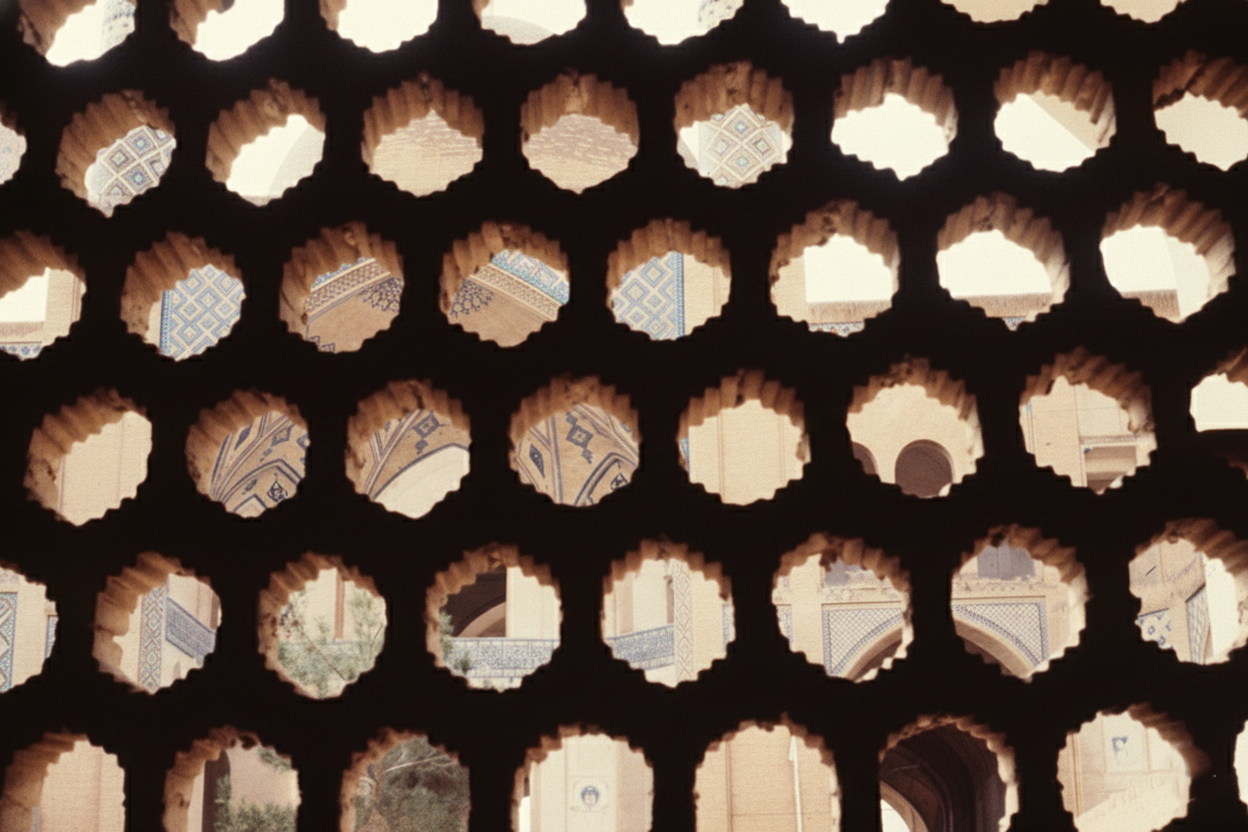
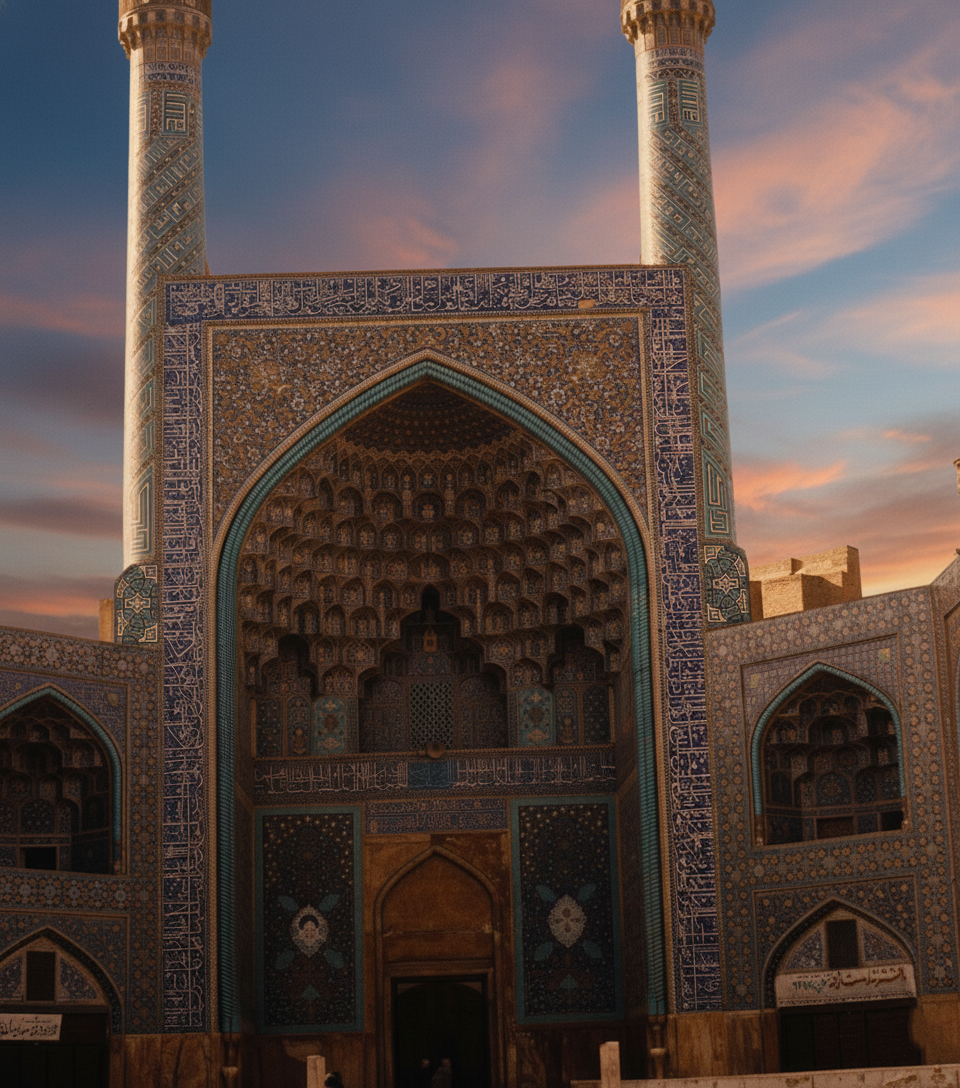

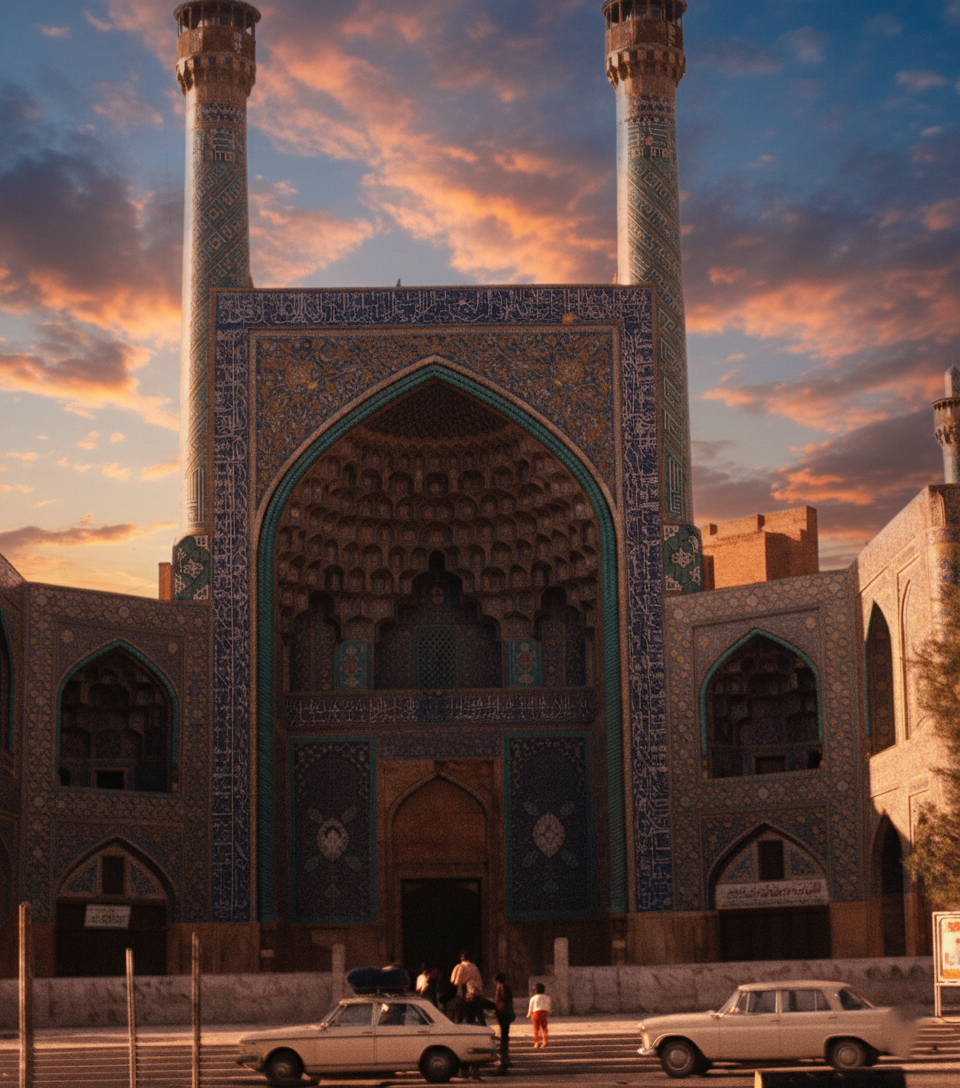
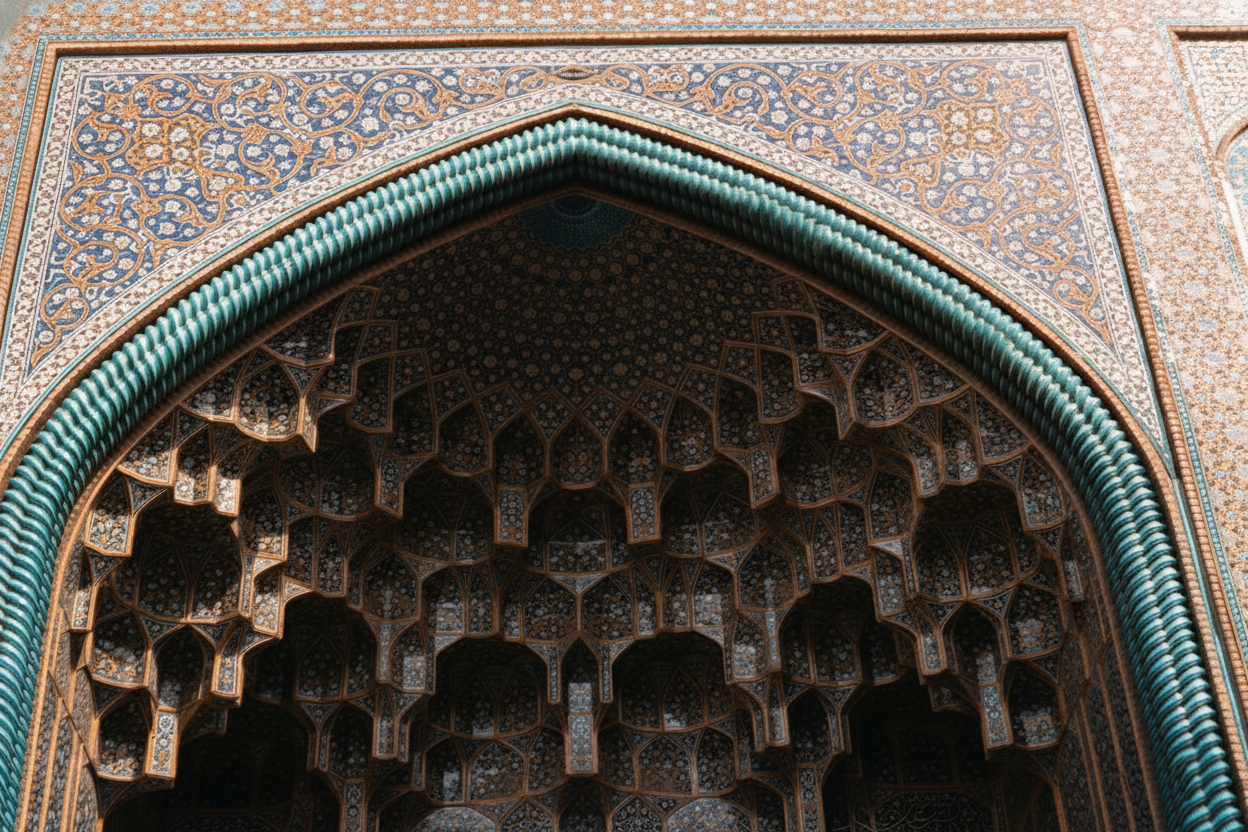
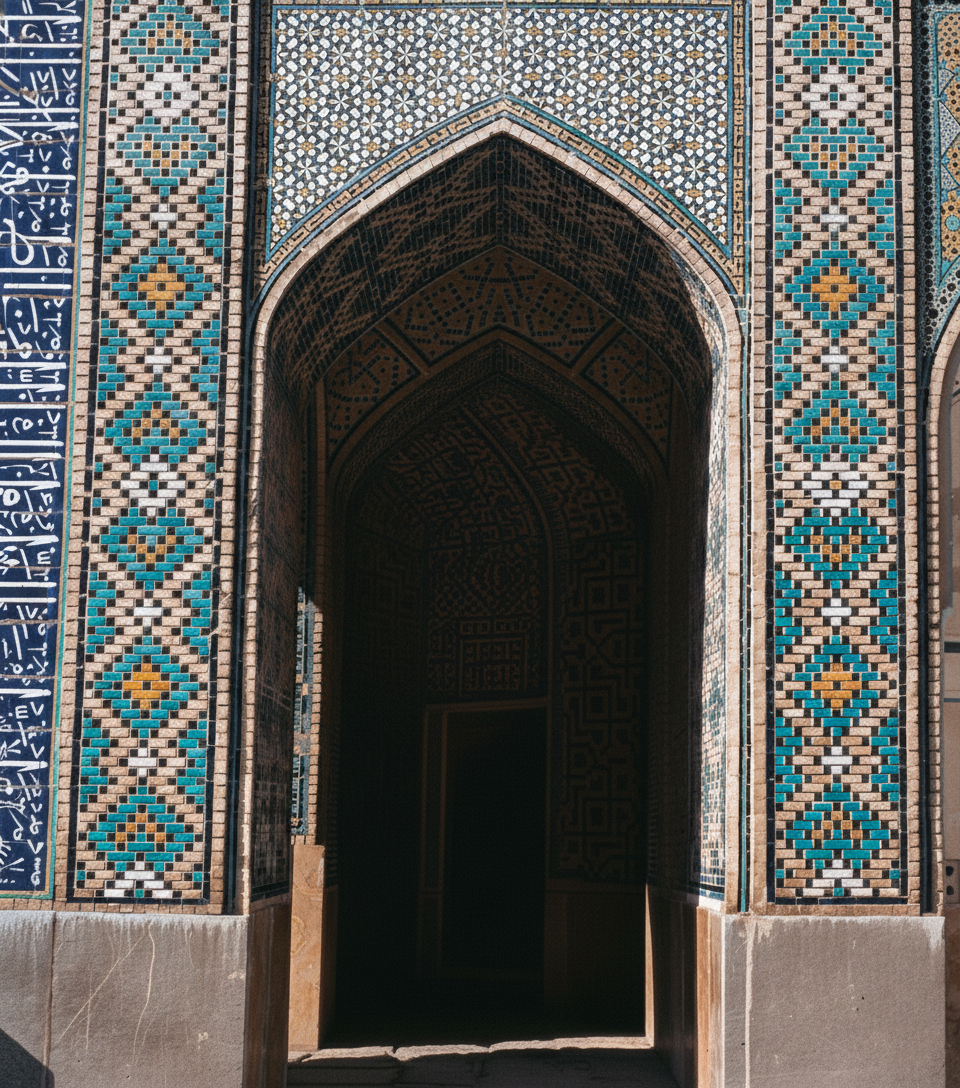
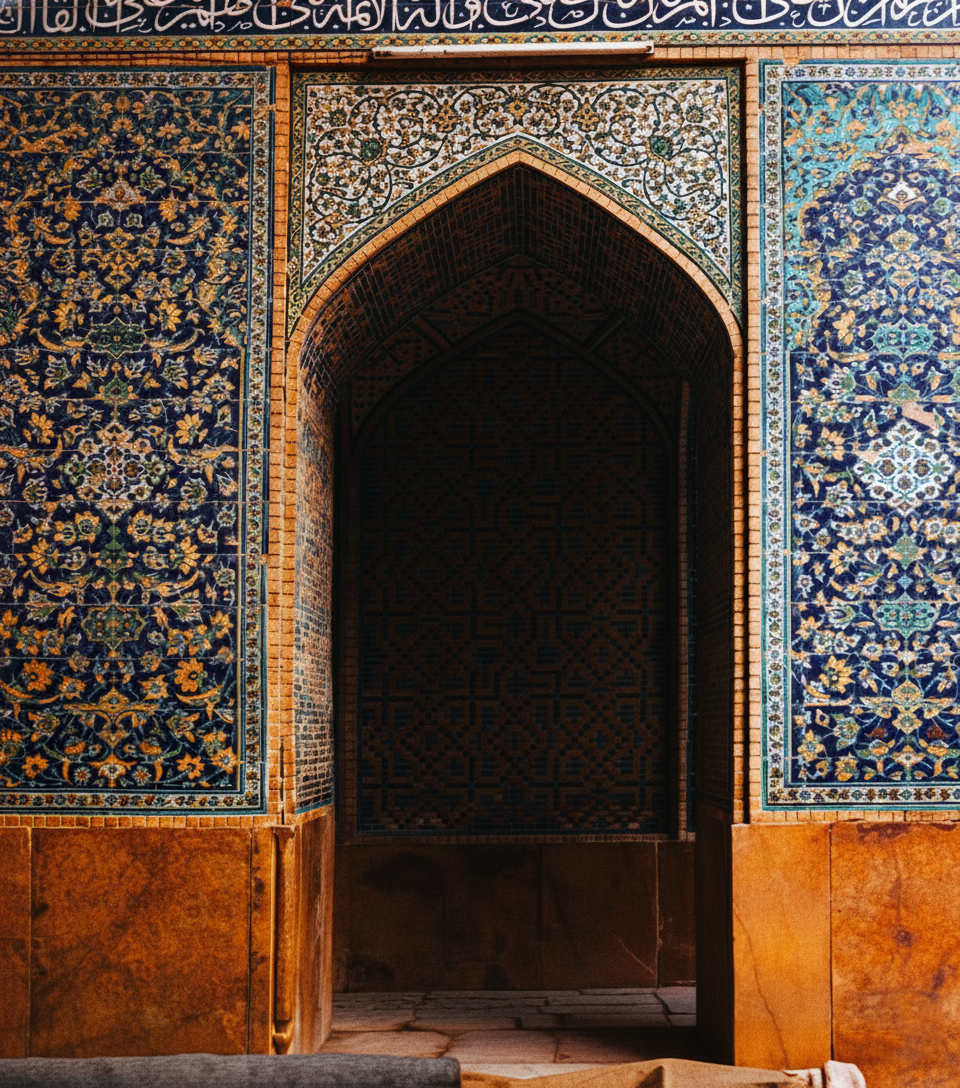
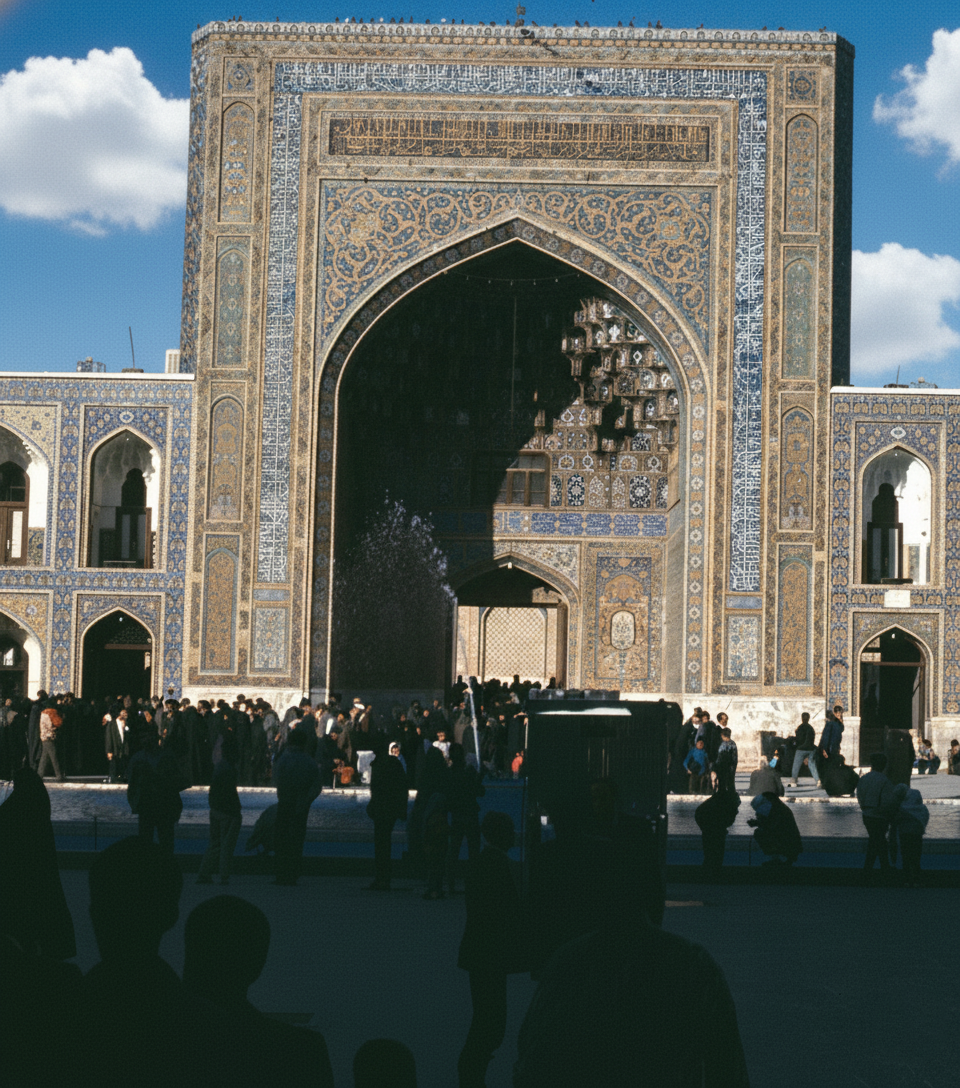
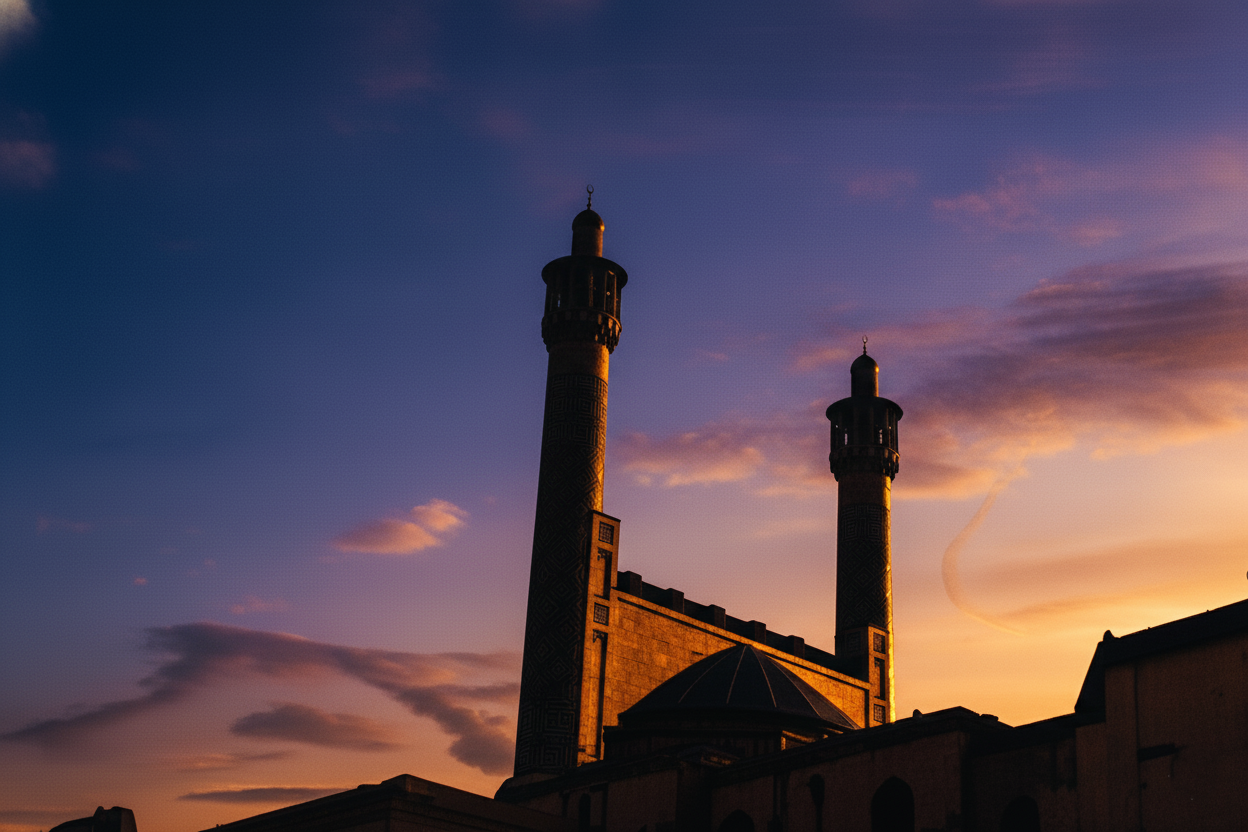
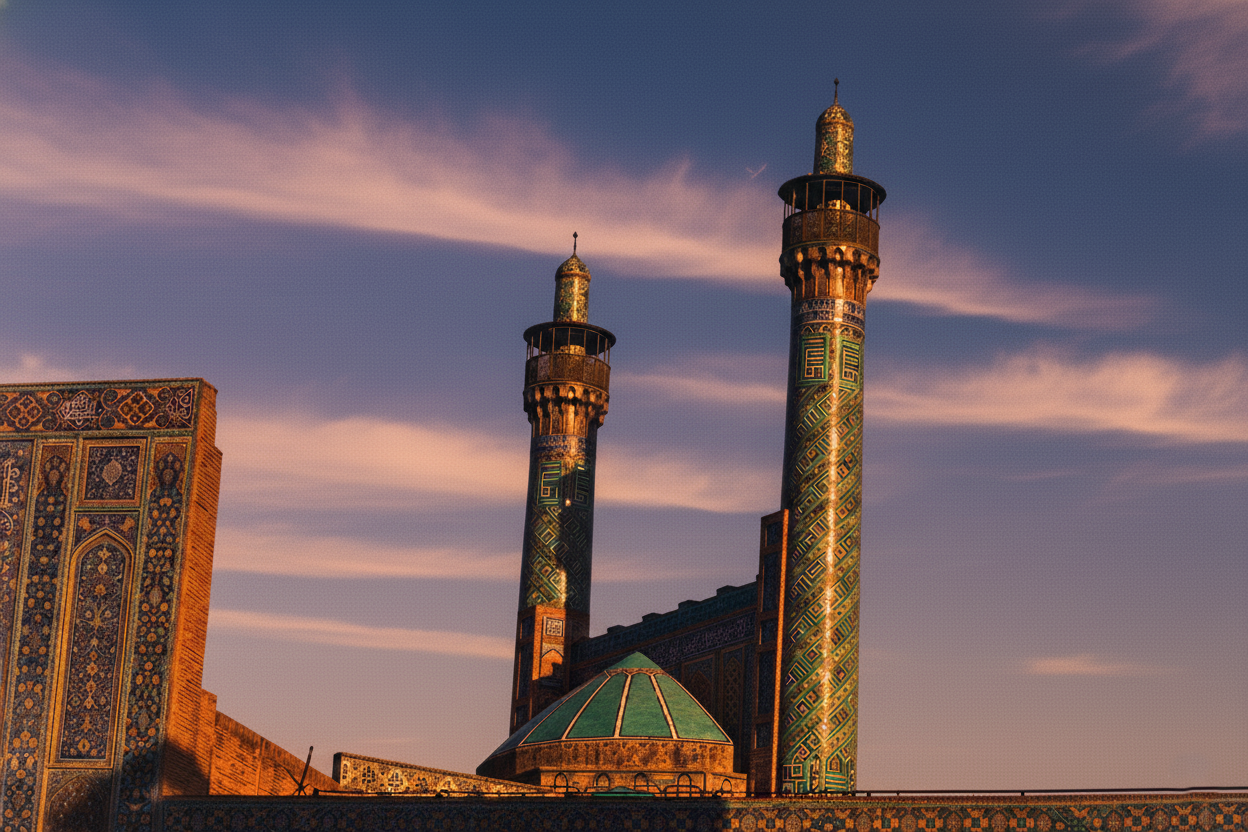
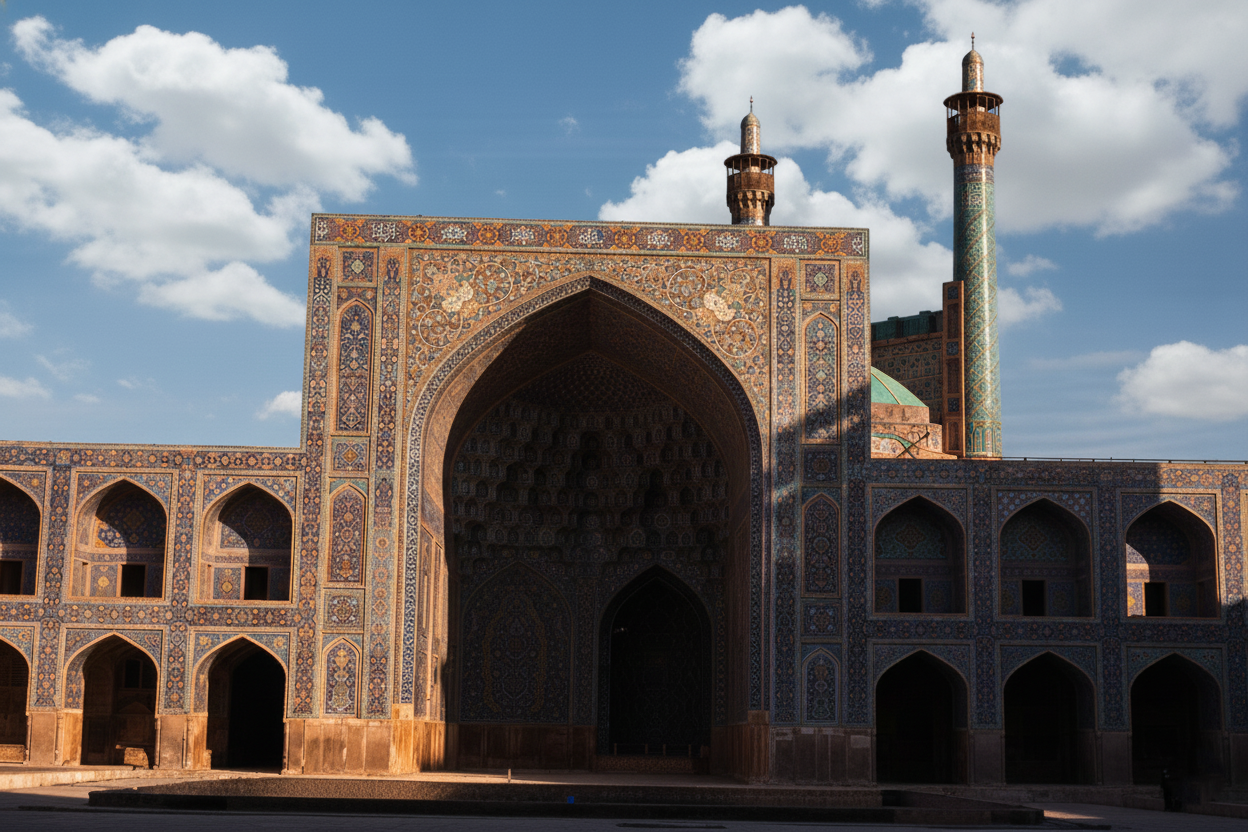
The Shah Mosque (مسجد شاه اصفهان), begun in 1611 under Shah Abbas I, anchors the southern edge of Naqsh-e Jahan Square (میدان نقش جهان). Its bent vestibule aligns the mosque with the Qibla (قبله) while preserving the square’s symmetry. Together with the palace and bazaar, it embodies Safavid imperial urban planning.
-
Shah Mosque (Masjid-e Shah – مسجد شاه اصفهان / مسجد امام)
Commissioned by Shah Abbas I (شاه عباس اول) in 1611 and largely completed under his successor Shah Safi (شاه صفی) around 1630, the Shah Mosque (مسجد شاه اصفهان) stands on the southern side of Naqsh-e Jahan Square (میدان نقش جهان) as one of the most significant monuments of Safavid architecture. Designed by the architect Ali Akbar Isfahani (علی اکبر اصفهانی), the mosque functioned as the principal congregational mosque of the Safavid capital and symbolized the alliance between Safavid political authority and Twelver Shiʿa religious power.
The mosque also demonstrates a remarkable architectural solution to a complex urban problem. The monumental entrance portal was aligned with Naqsh-e Jahan Square, preserving the visual symmetry of the imperial plaza. However, the mosque’s prayer hall had to face the Qibla (قبله) toward Mecca, which lies approximately 45 degrees off the axis of the square. To resolve this conflict, the architect introduced a bent vestibule behind the entrance portal, allowing visitors to gradually rotate toward the correct orientation without disturbing the geometric order of the square.
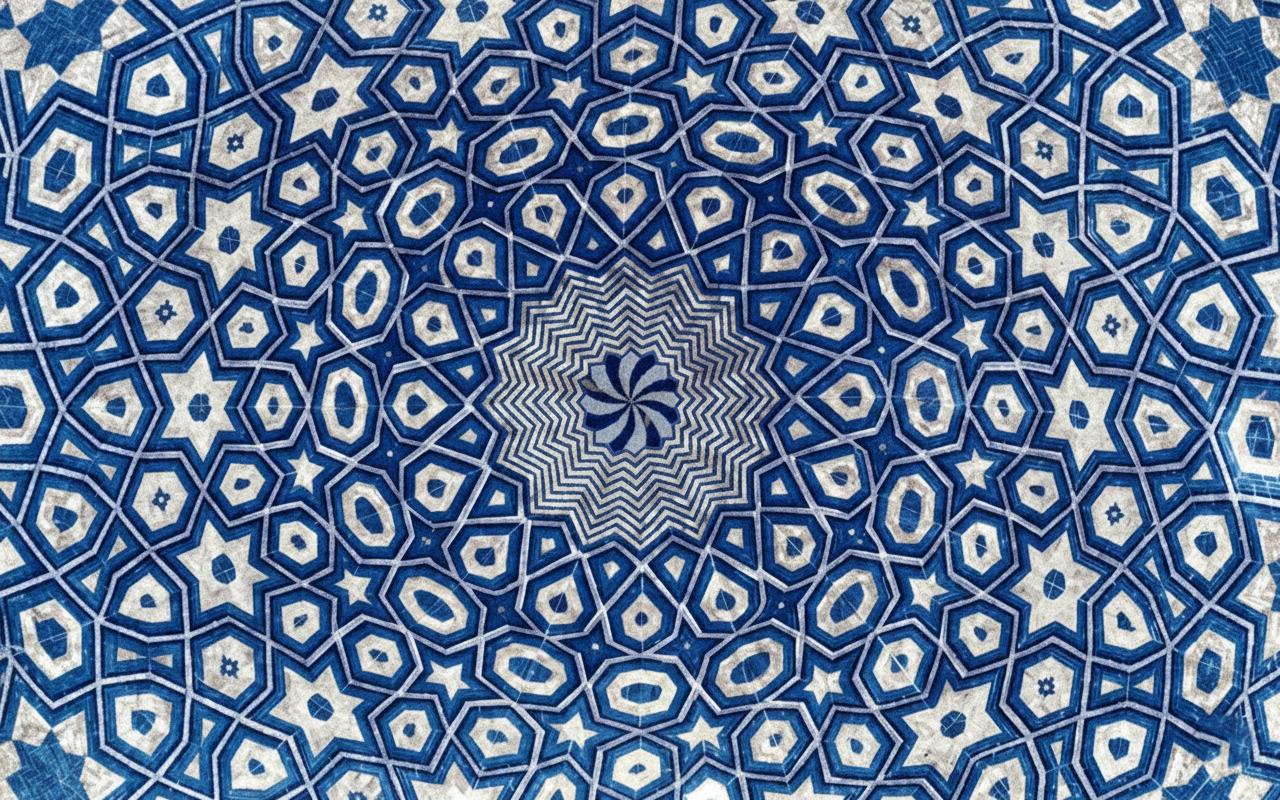
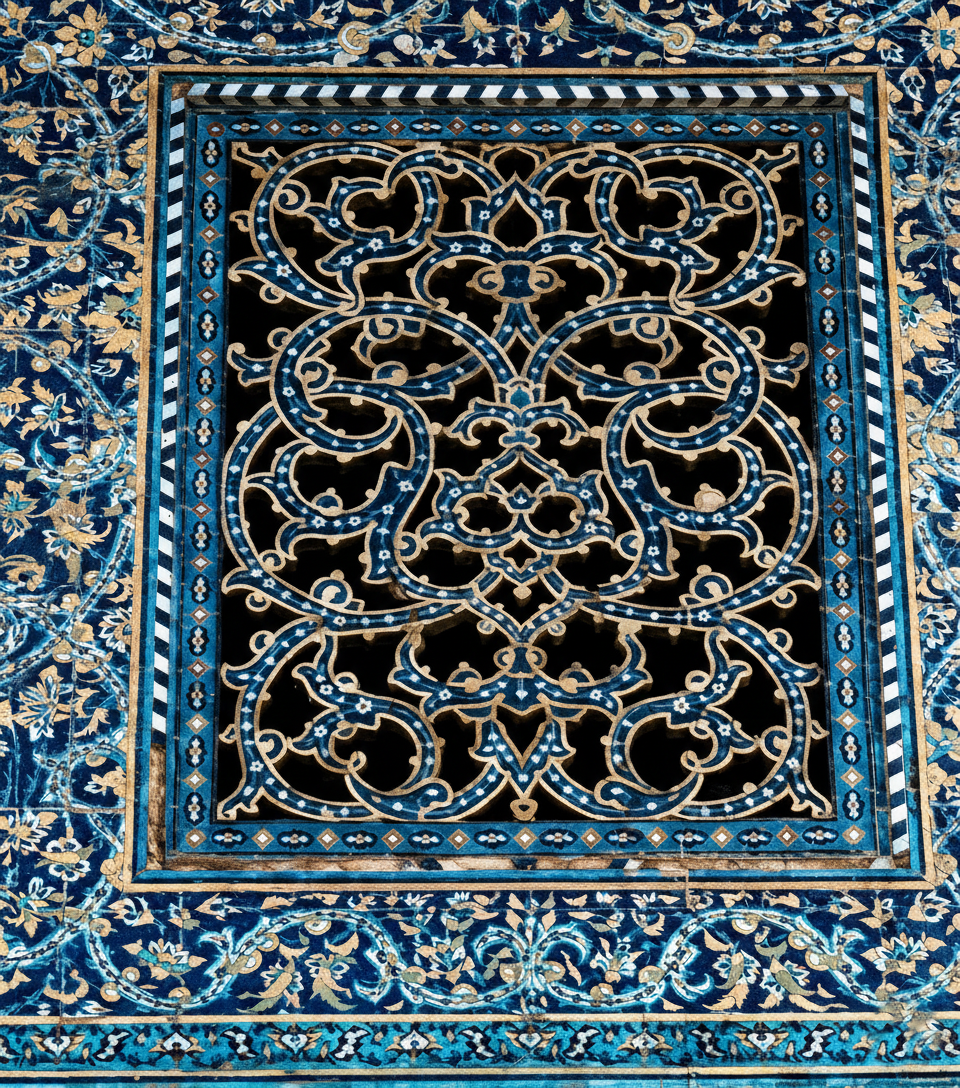
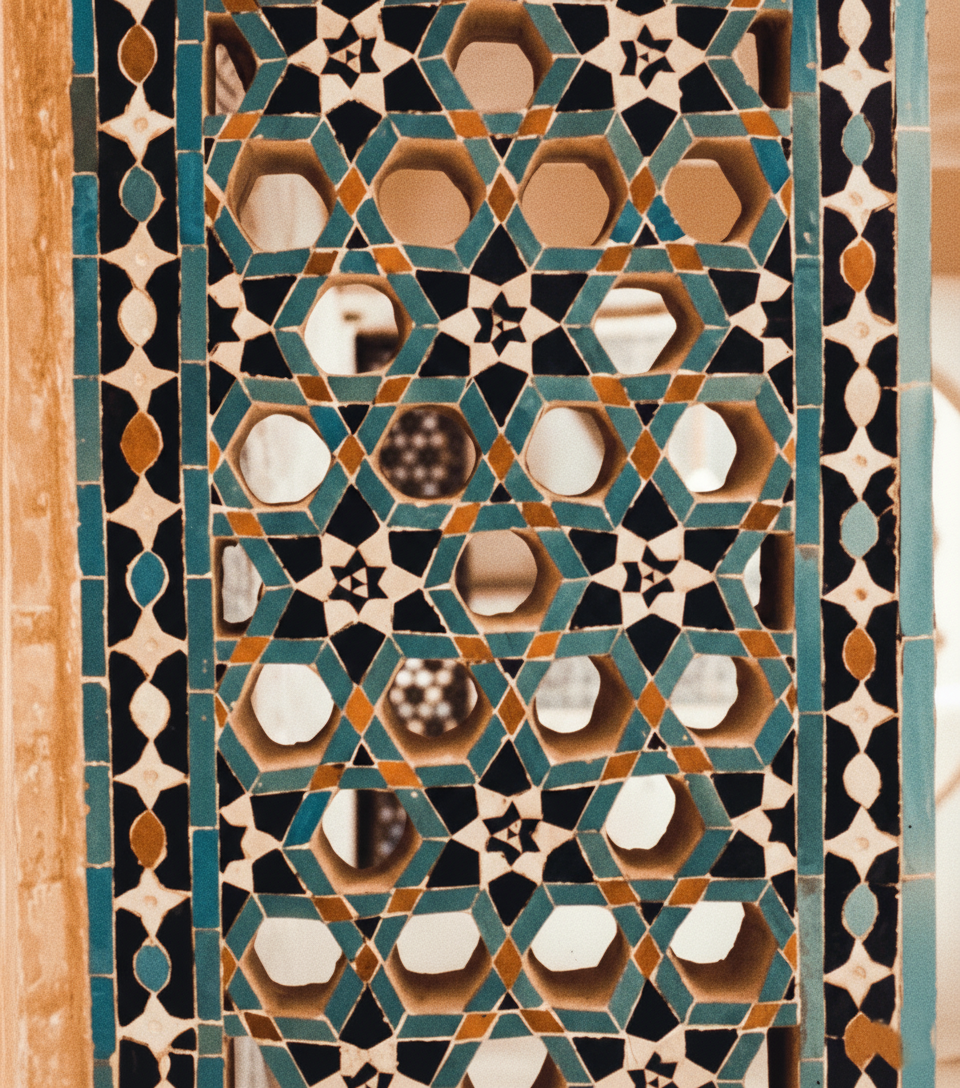
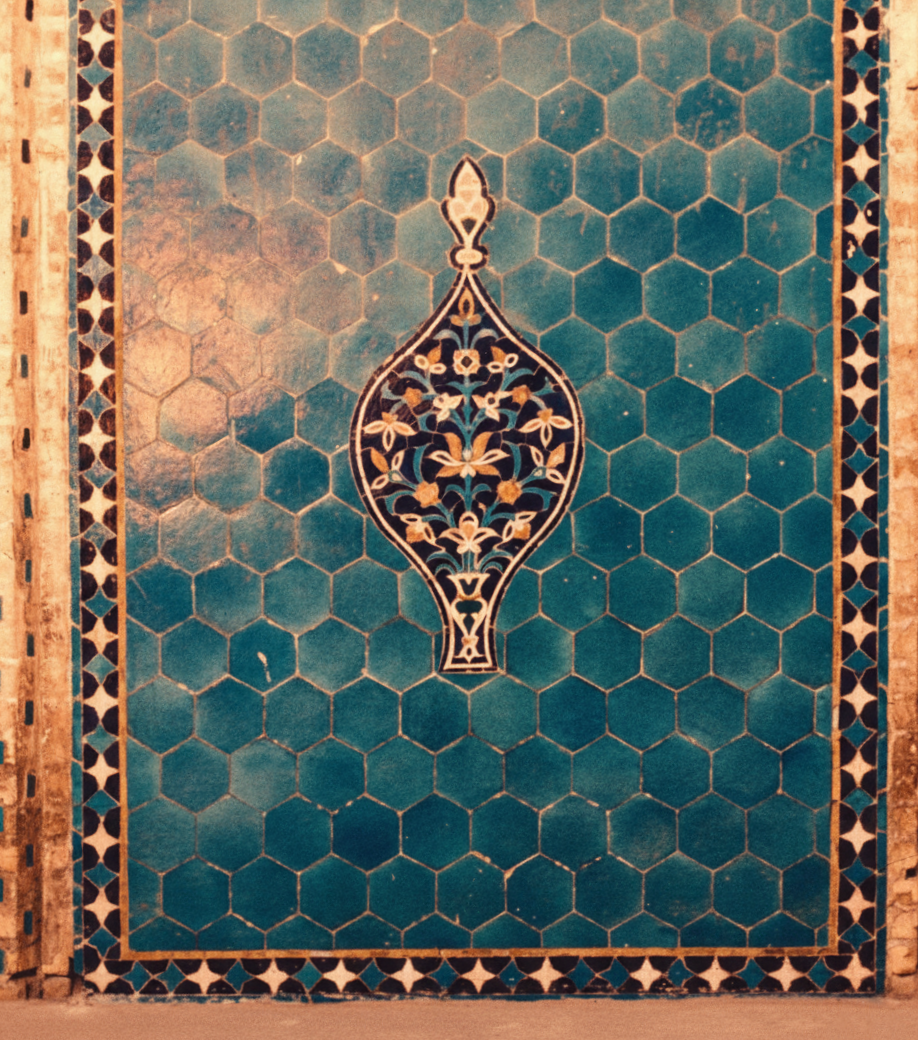
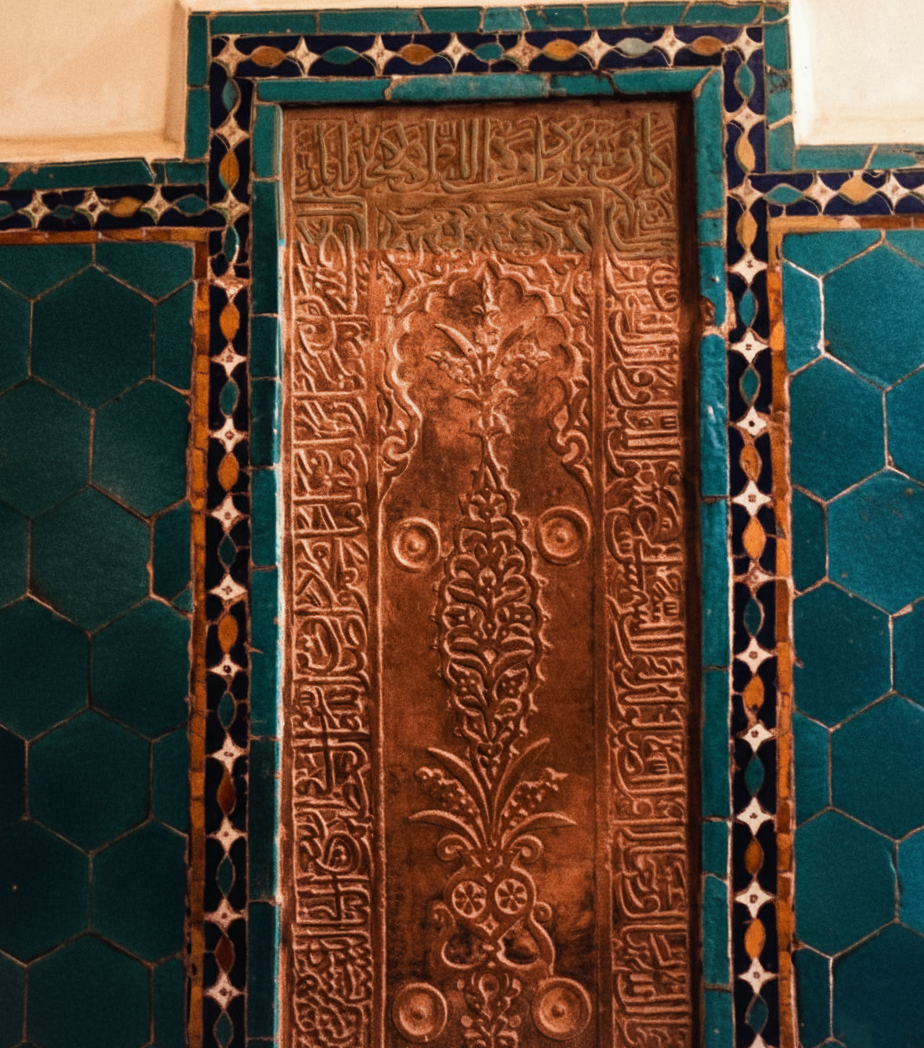
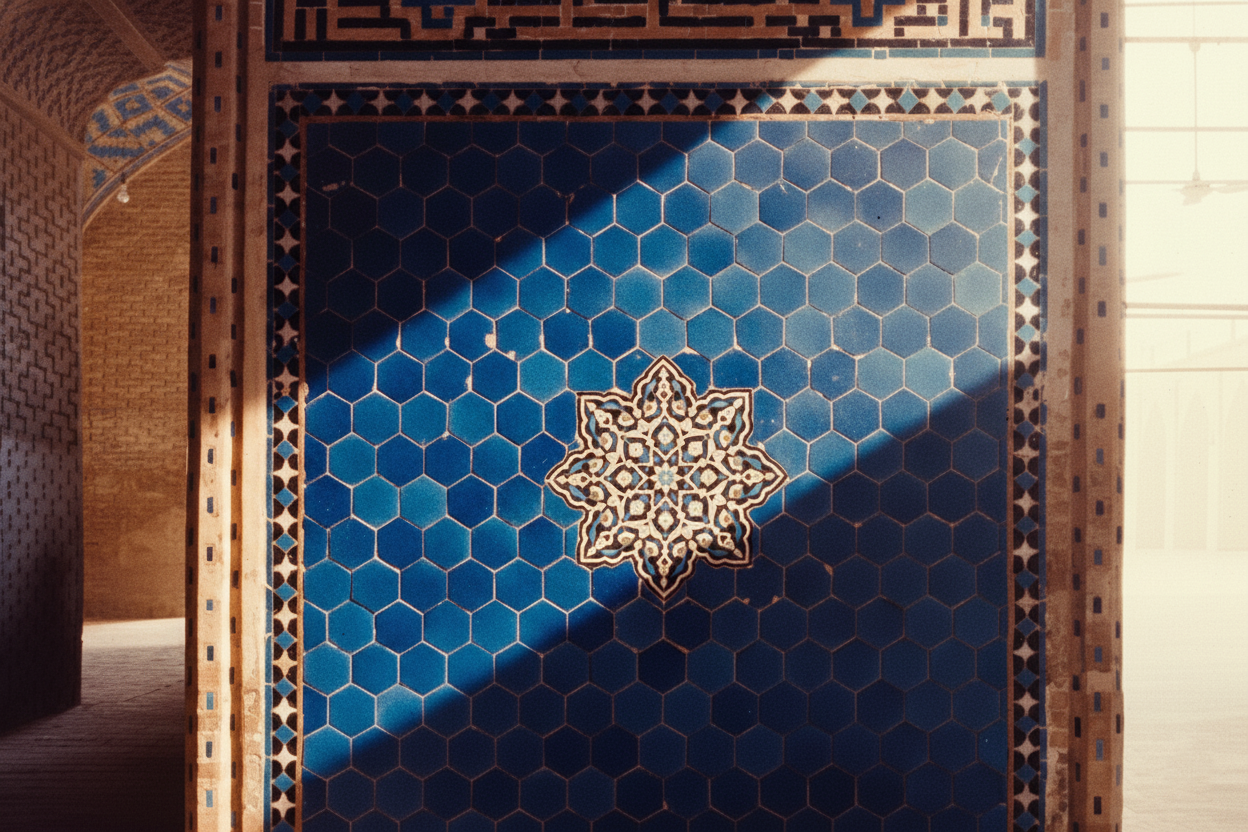
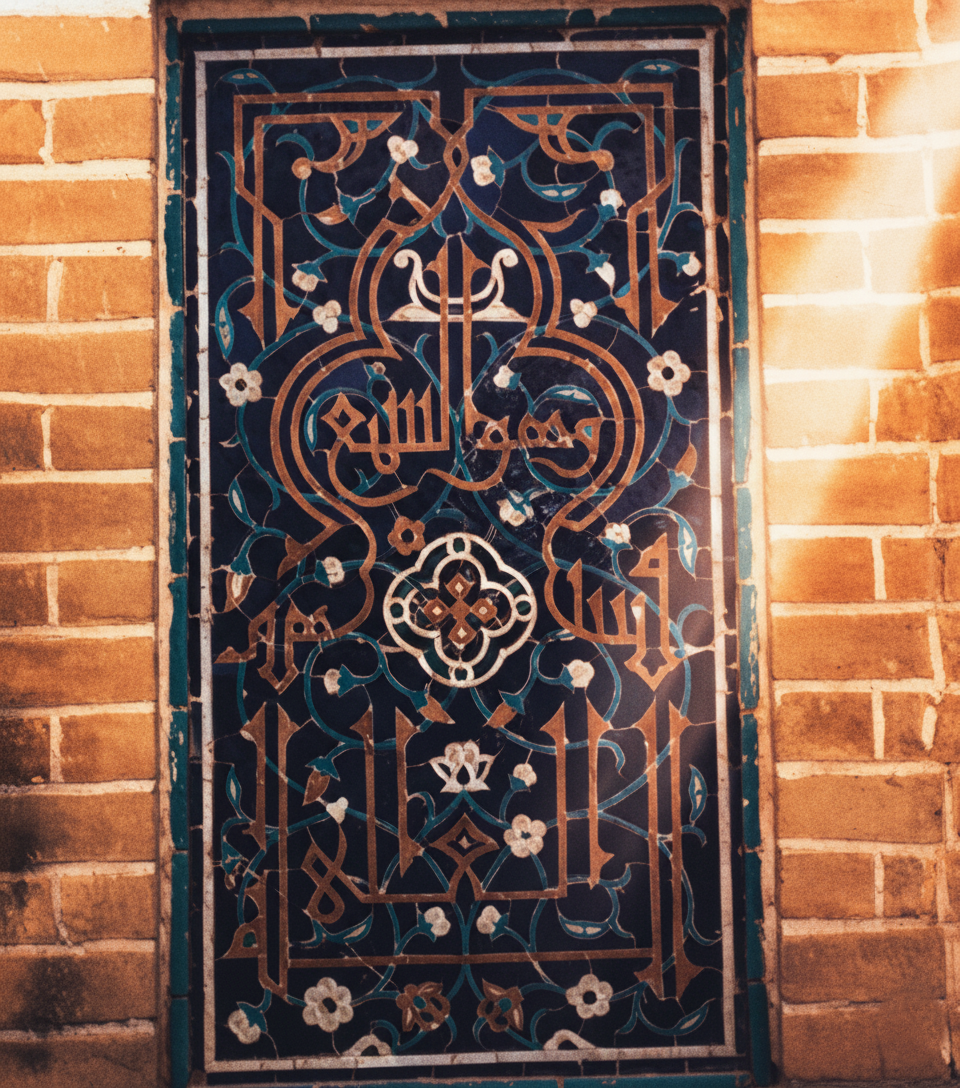
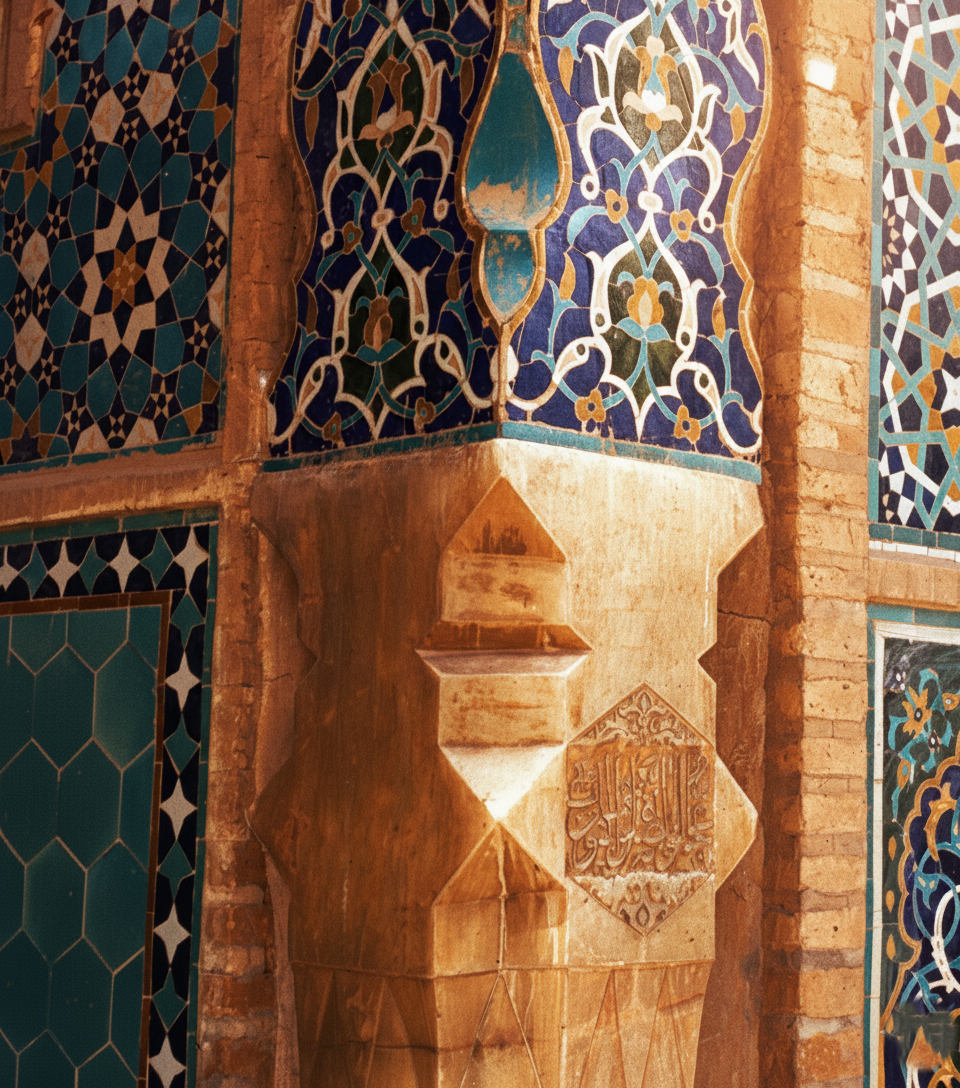
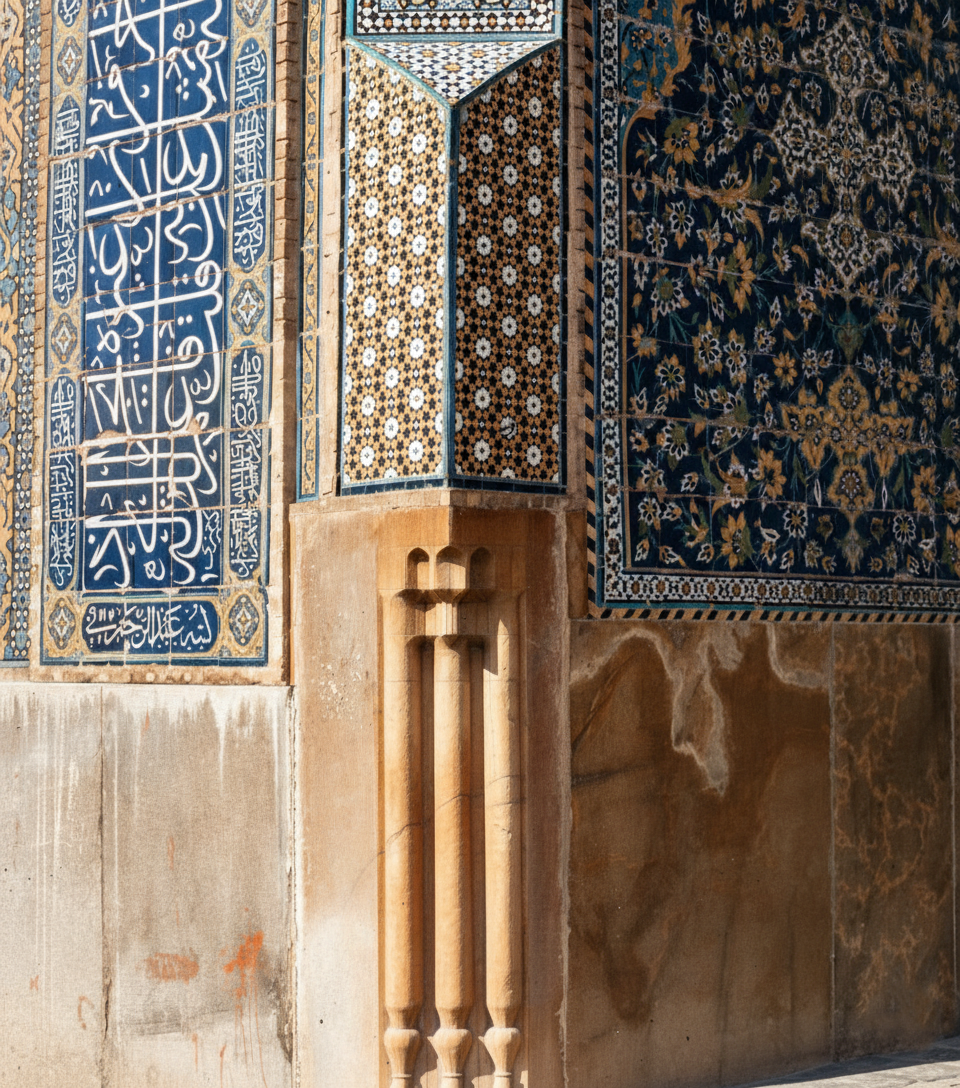
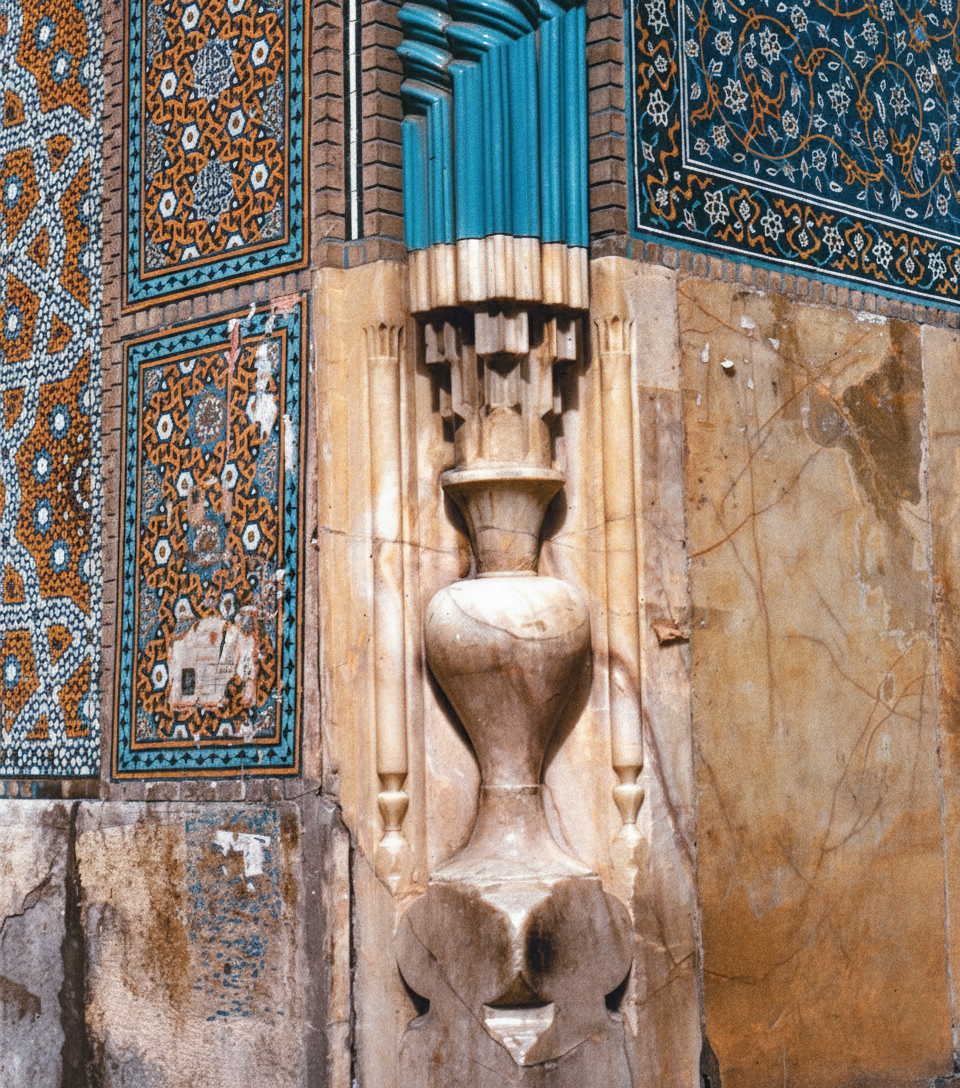
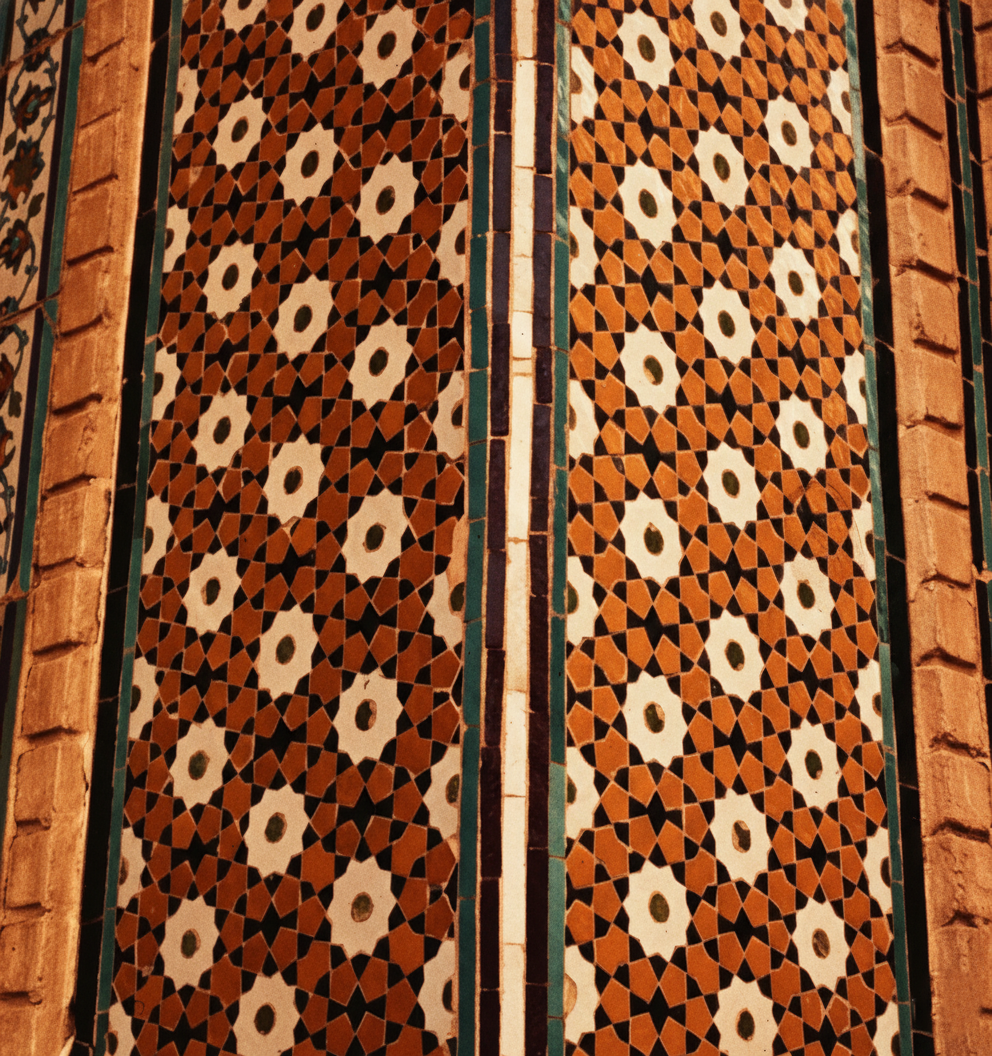
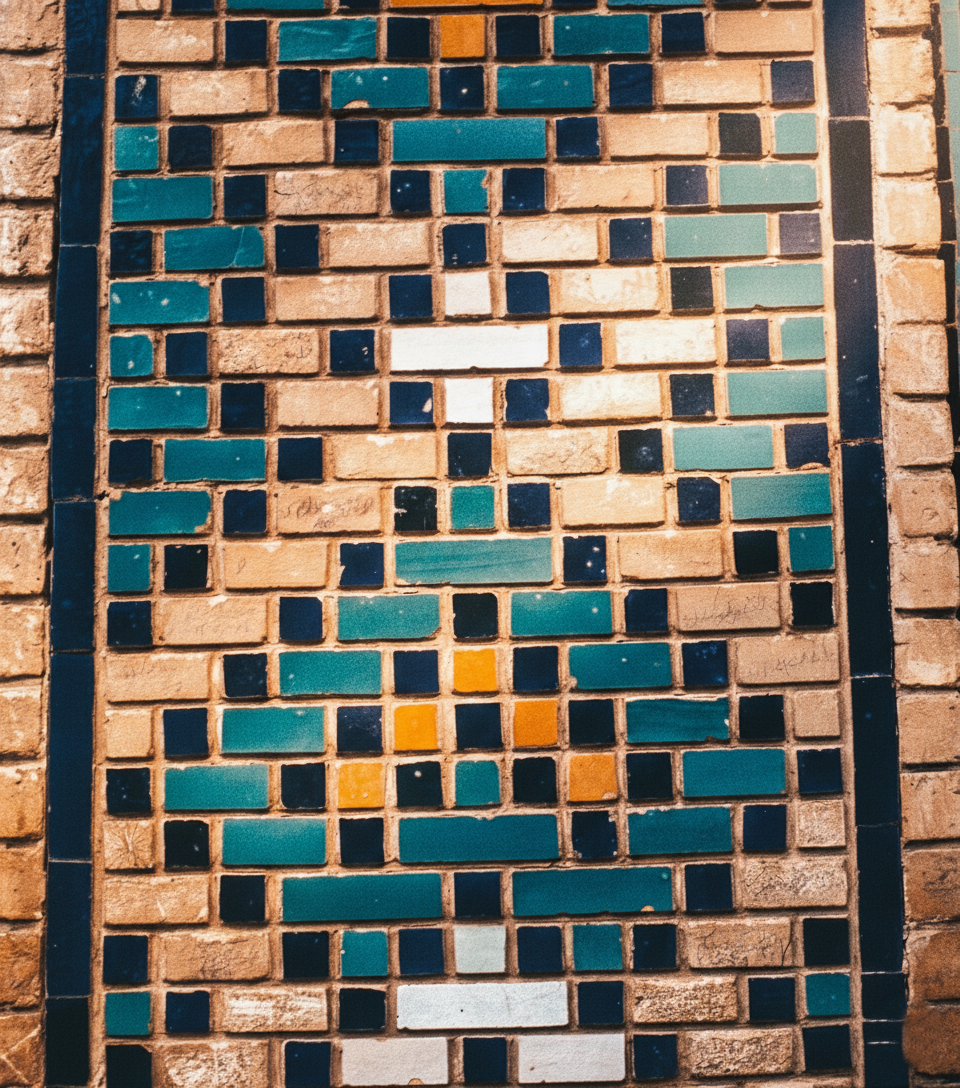
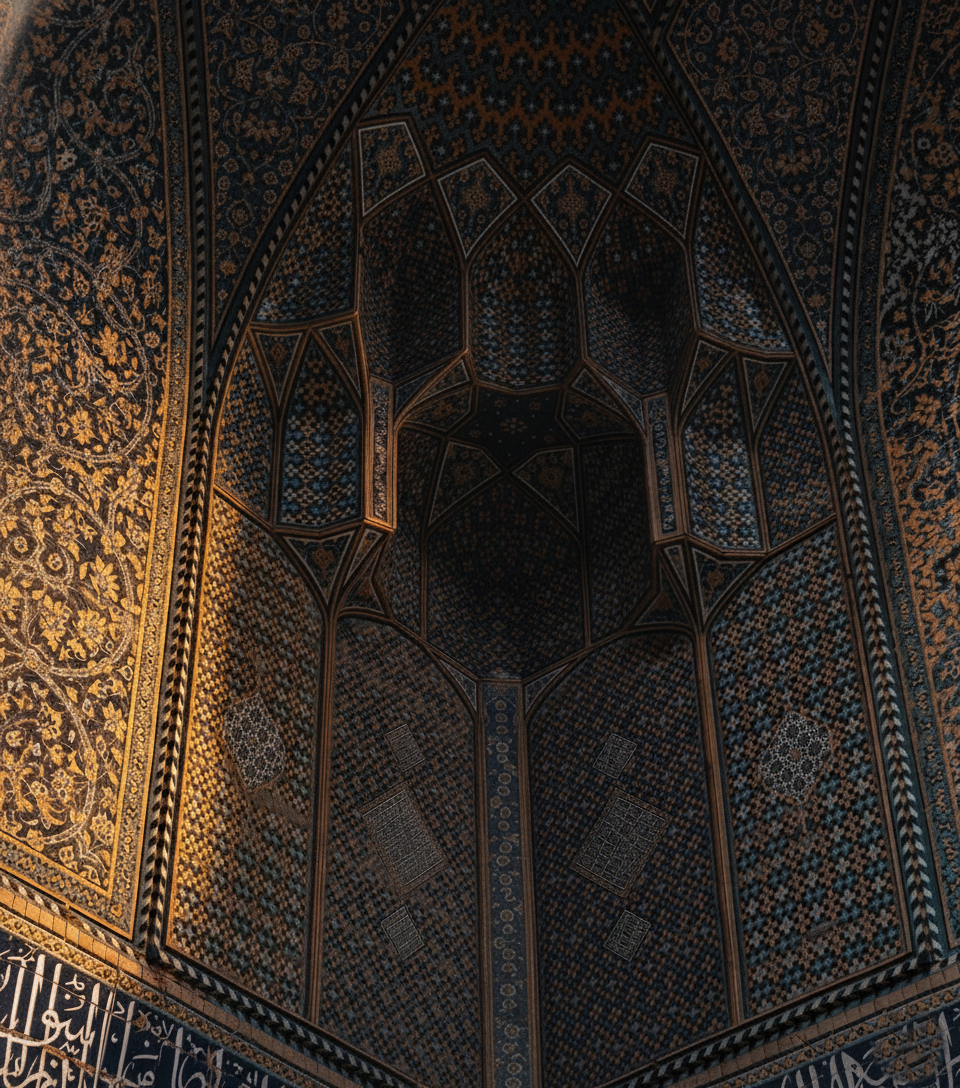
The mosque was constructed using the haft-rangi tile technique (کاشی هفترنگ), which allowed complex decorative patterns to be produced more efficiently while covering vast architectural surfaces with vibrant turquoise, cobalt blue, and white tilework.
Within the framework of Safavid imperial urban planning, the mosque played a crucial symbolic and spatial role. Positioned at the southern edge of Naqsh-e Jahan Square, it formed one of the four major monuments defining the plaza, alongside Ali Qapu Palace (کاخ عالیقاپو), Sheikh Lotfollah Mosque (مسجد شیخ لطفالله), and the entrance to the Isfahan Bazaar (بازار اصفهان). Through this carefully orchestrated arrangement, Shah Abbas physically united the three pillars of Safavid society: the clergy (represented by the mosque), the monarchy (represented by the palace), and the merchant class (represented by the bazaar). The square thus functioned as the ceremonial heart of the empire, where architecture expressed the political, religious, and economic order of Safavid rule.
