Jameh Mosque of Isfahan - (مسجد جامع اسپهان)
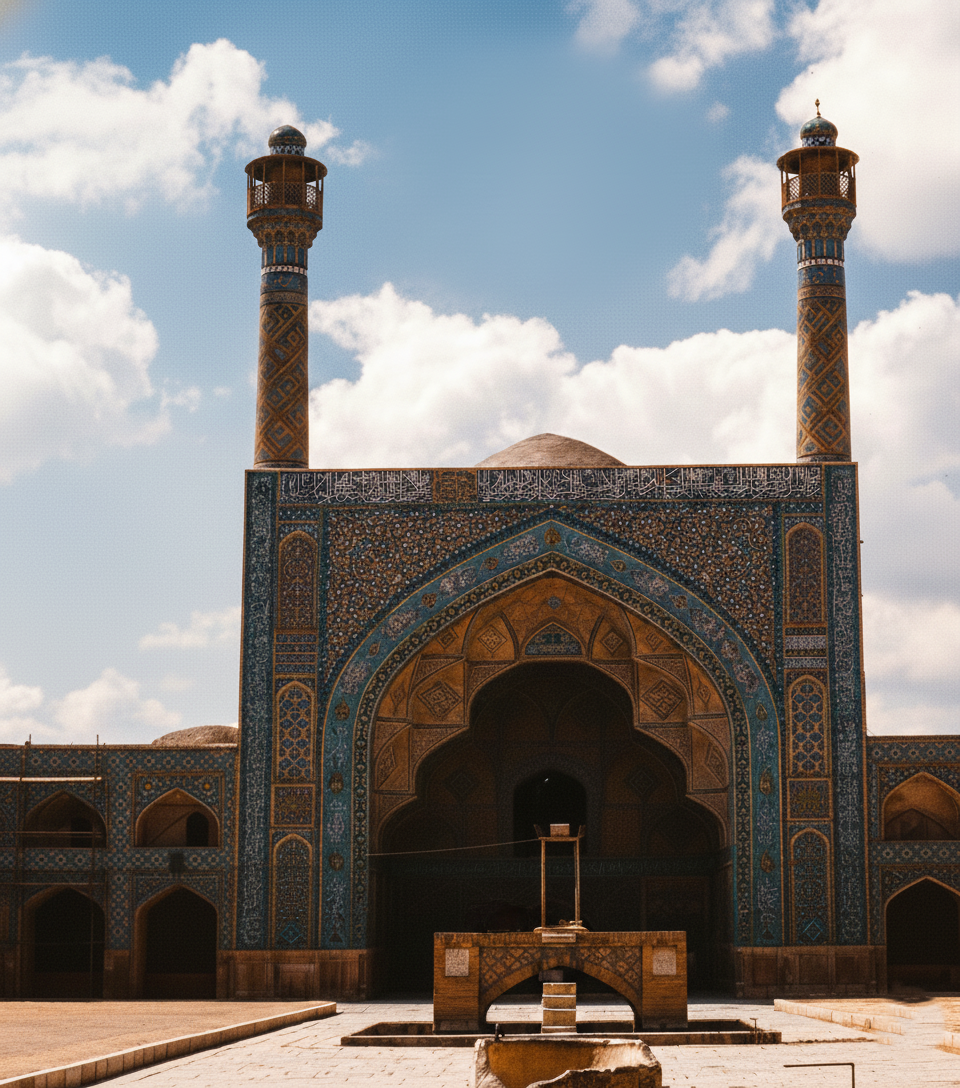
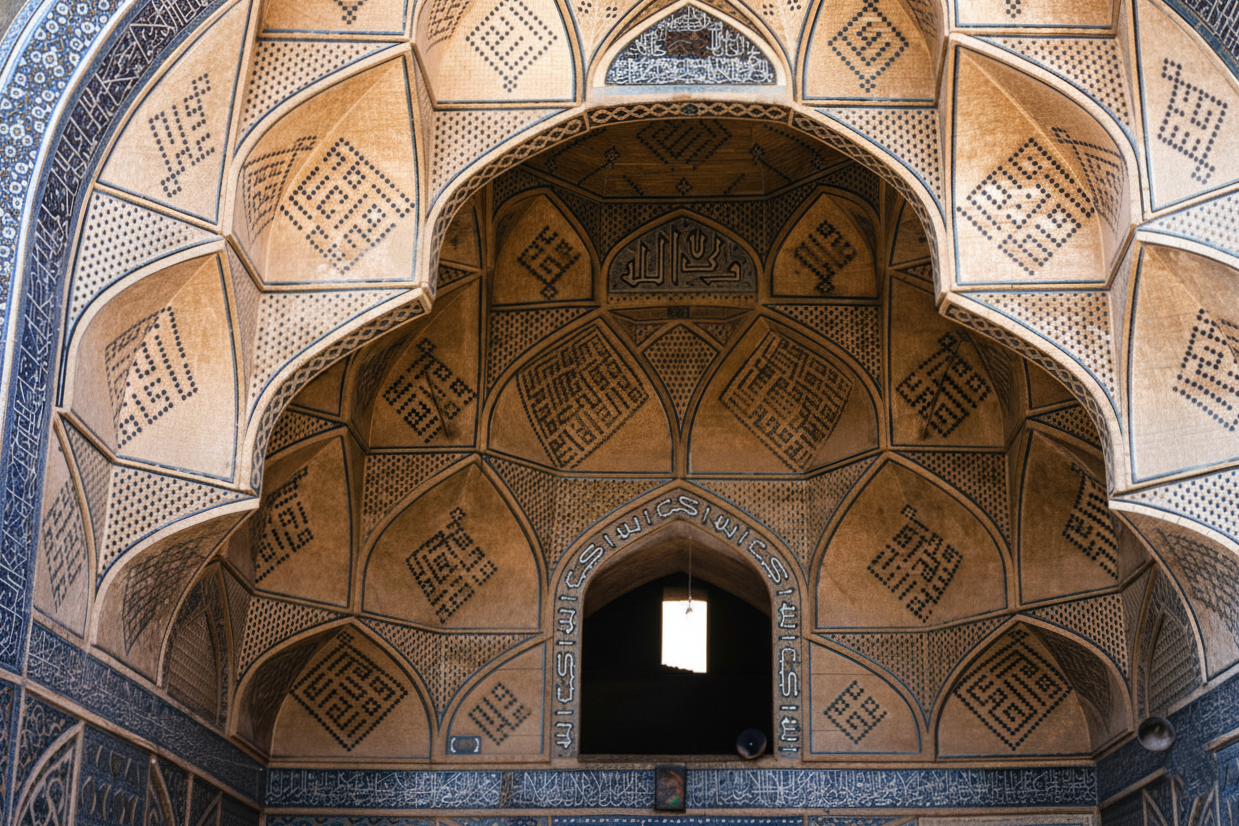
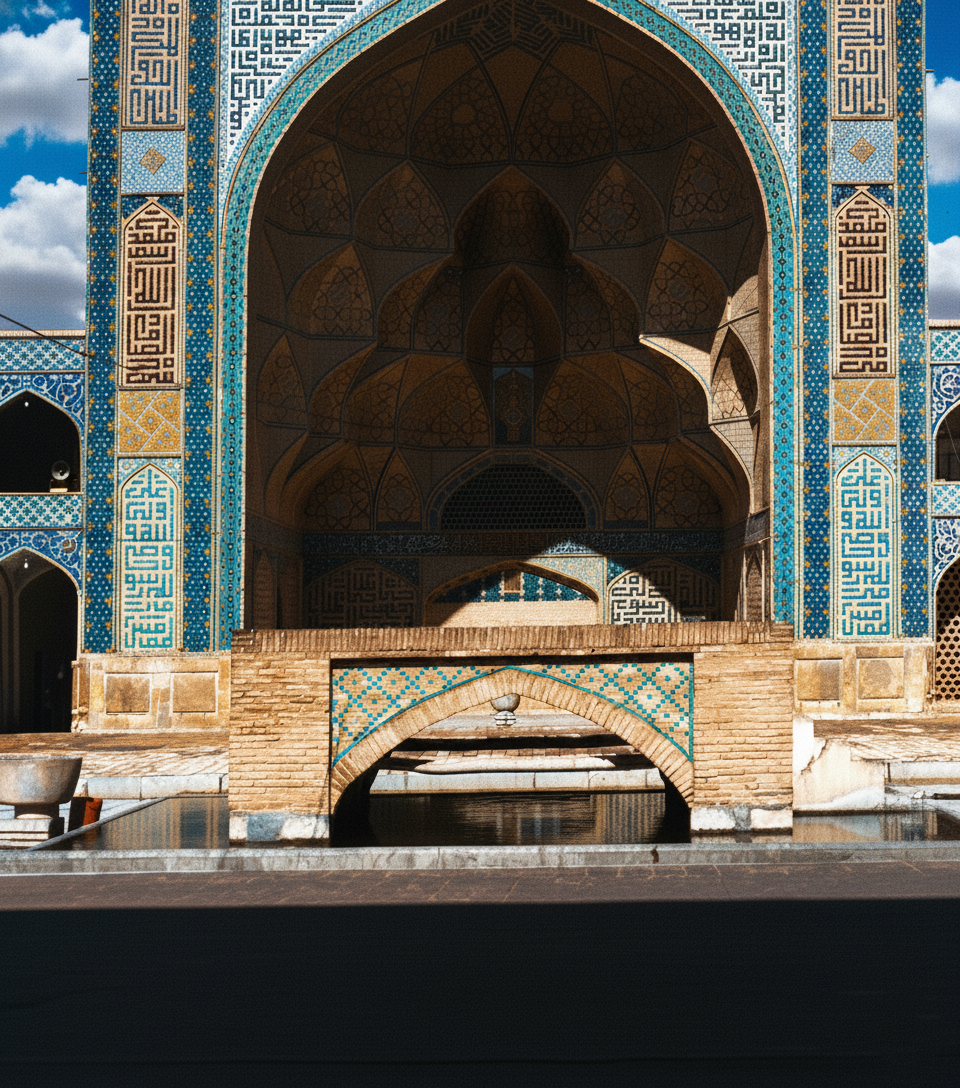
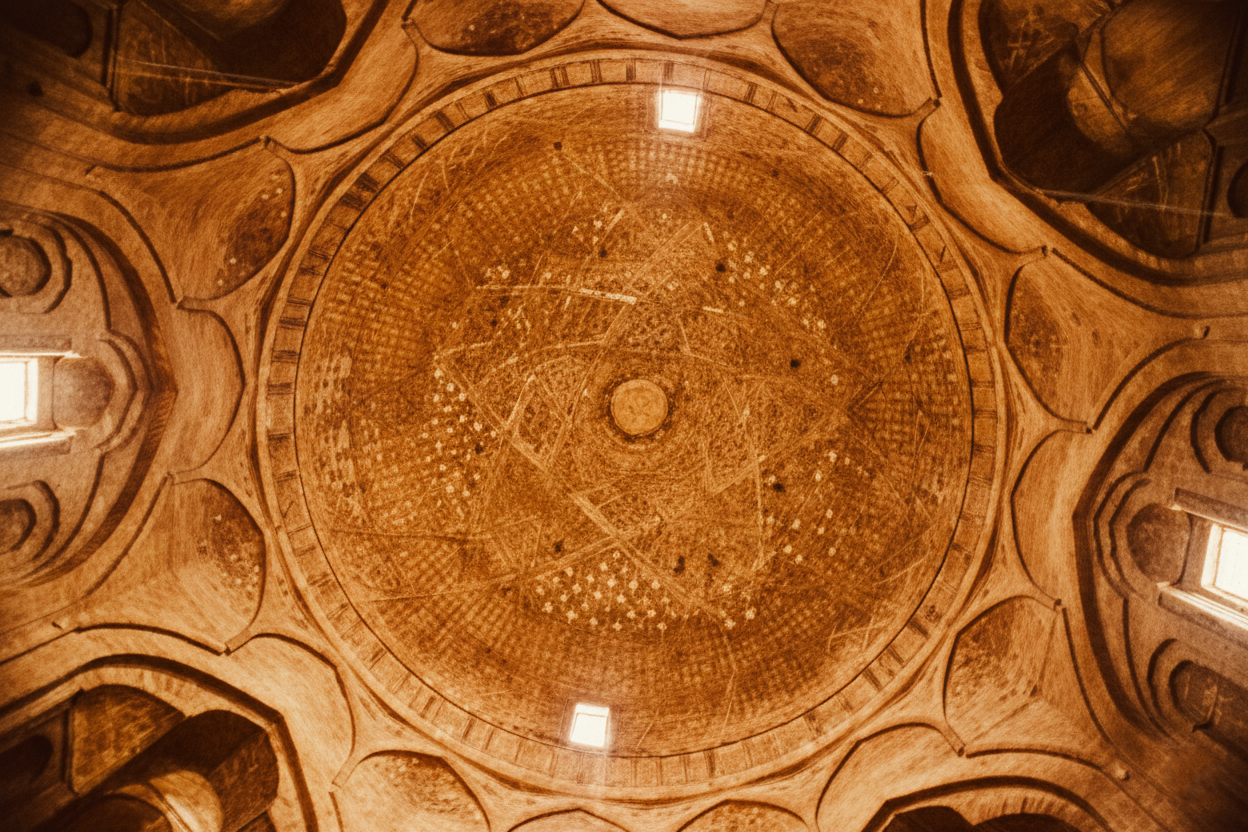
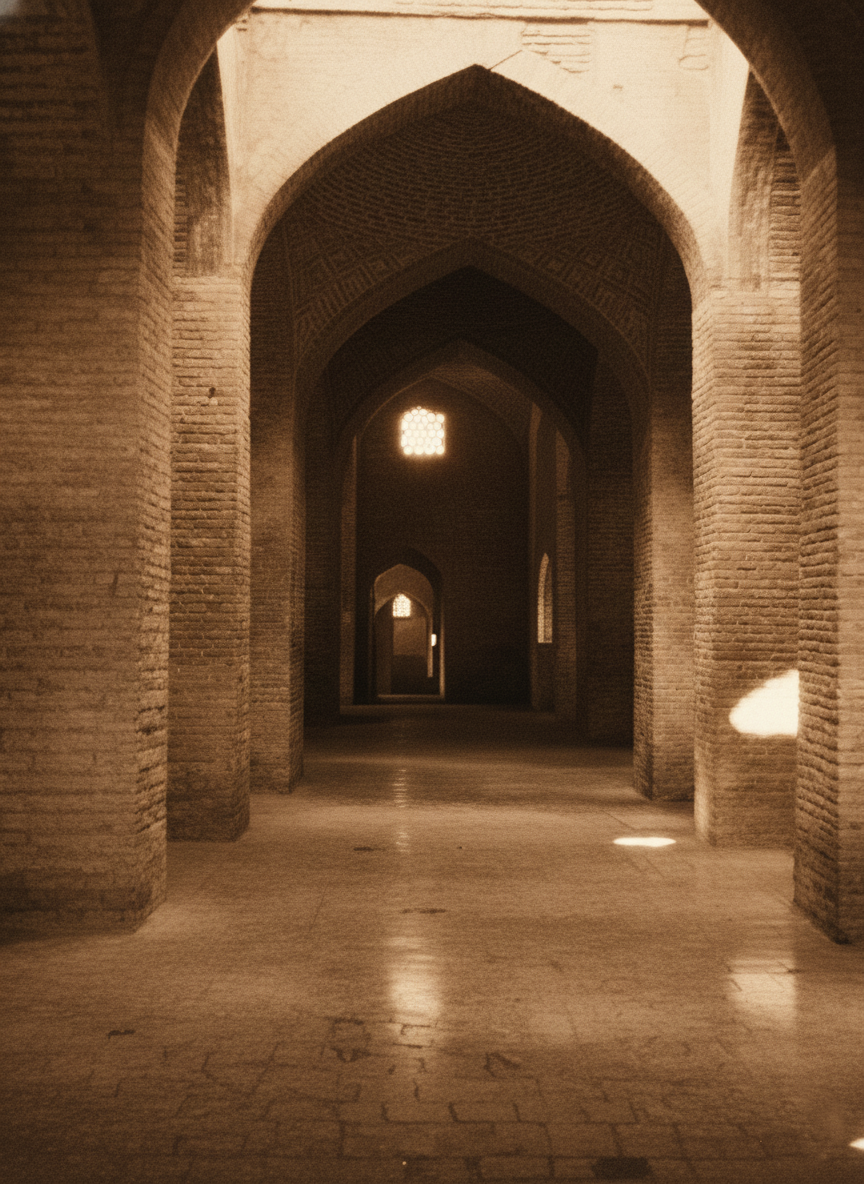
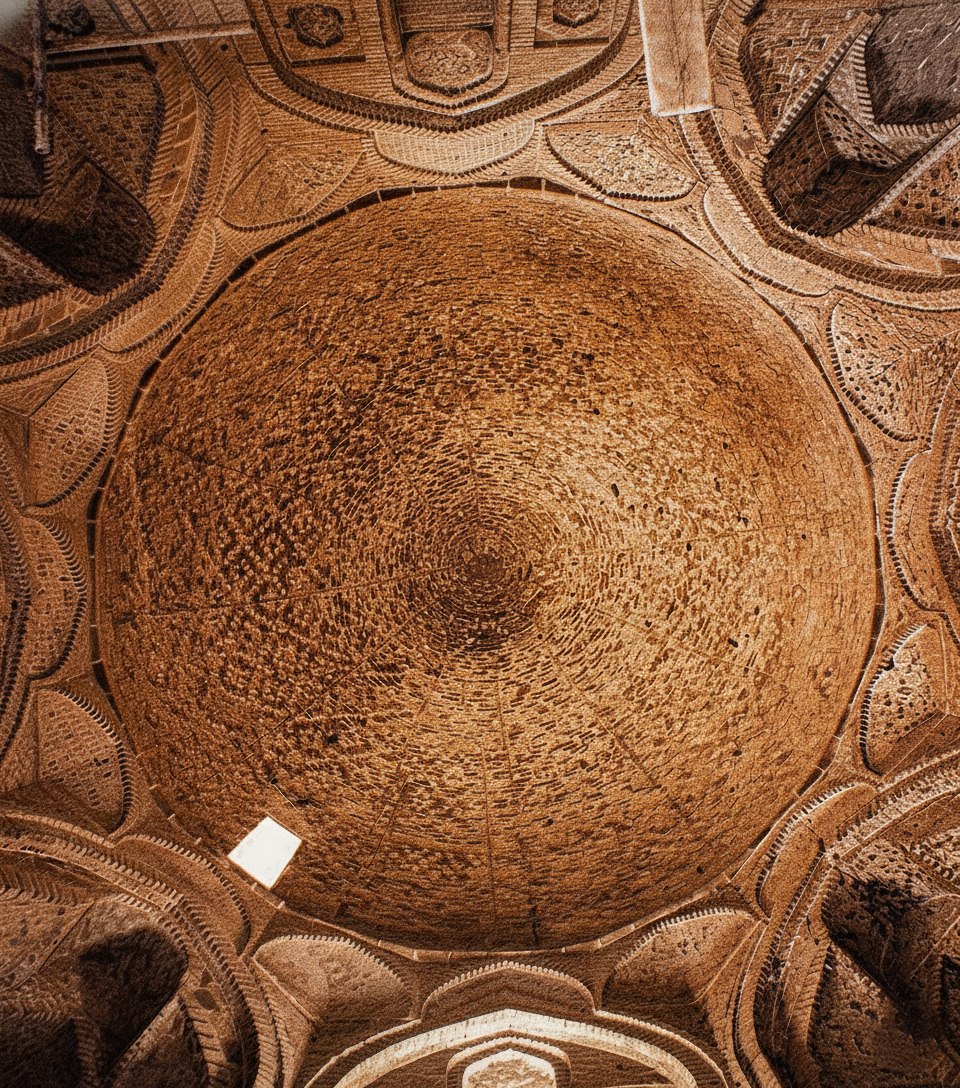
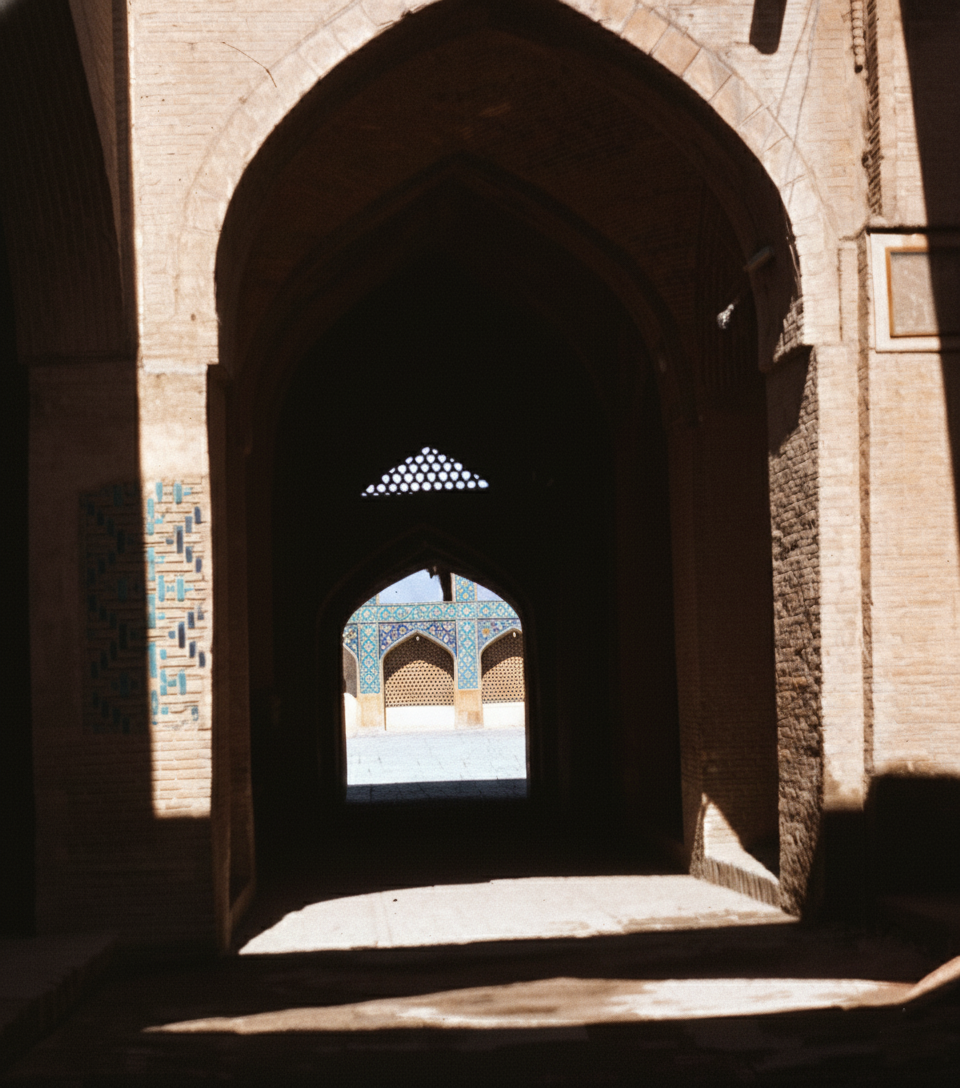
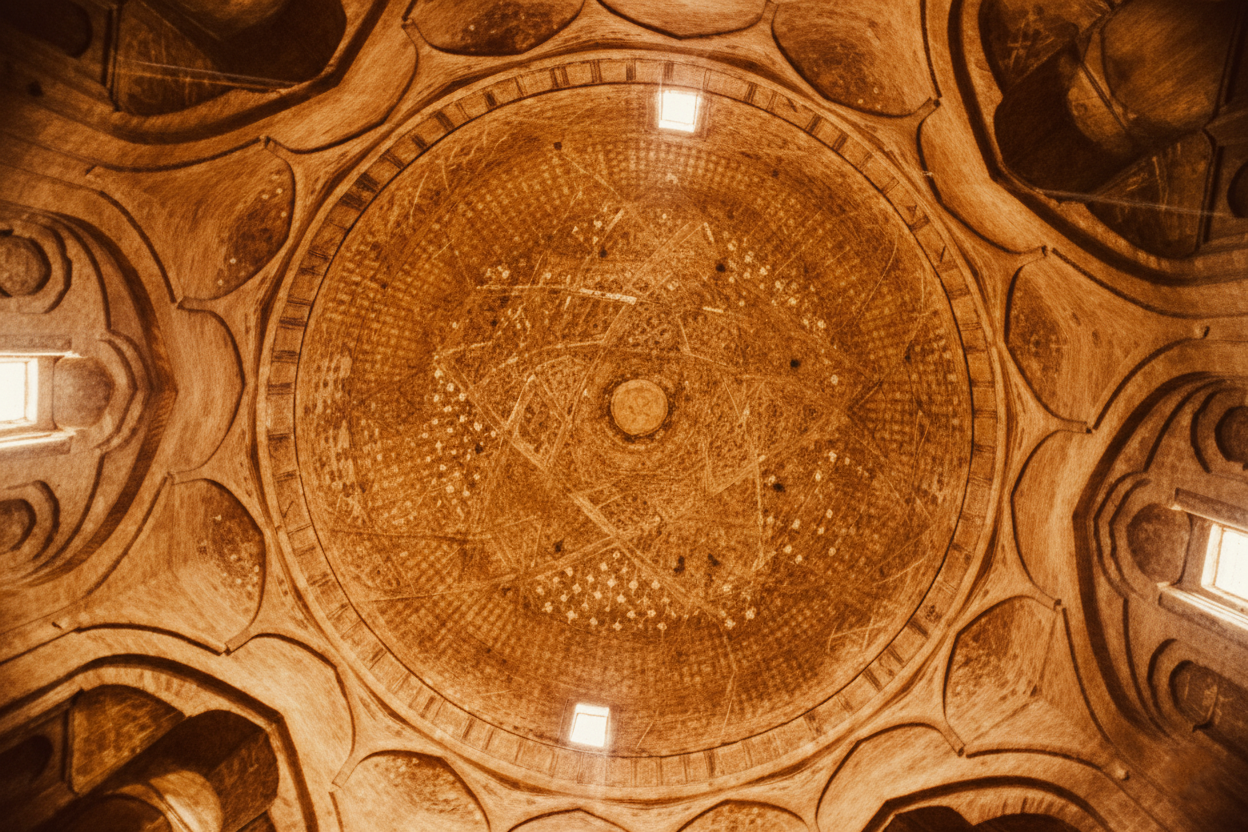
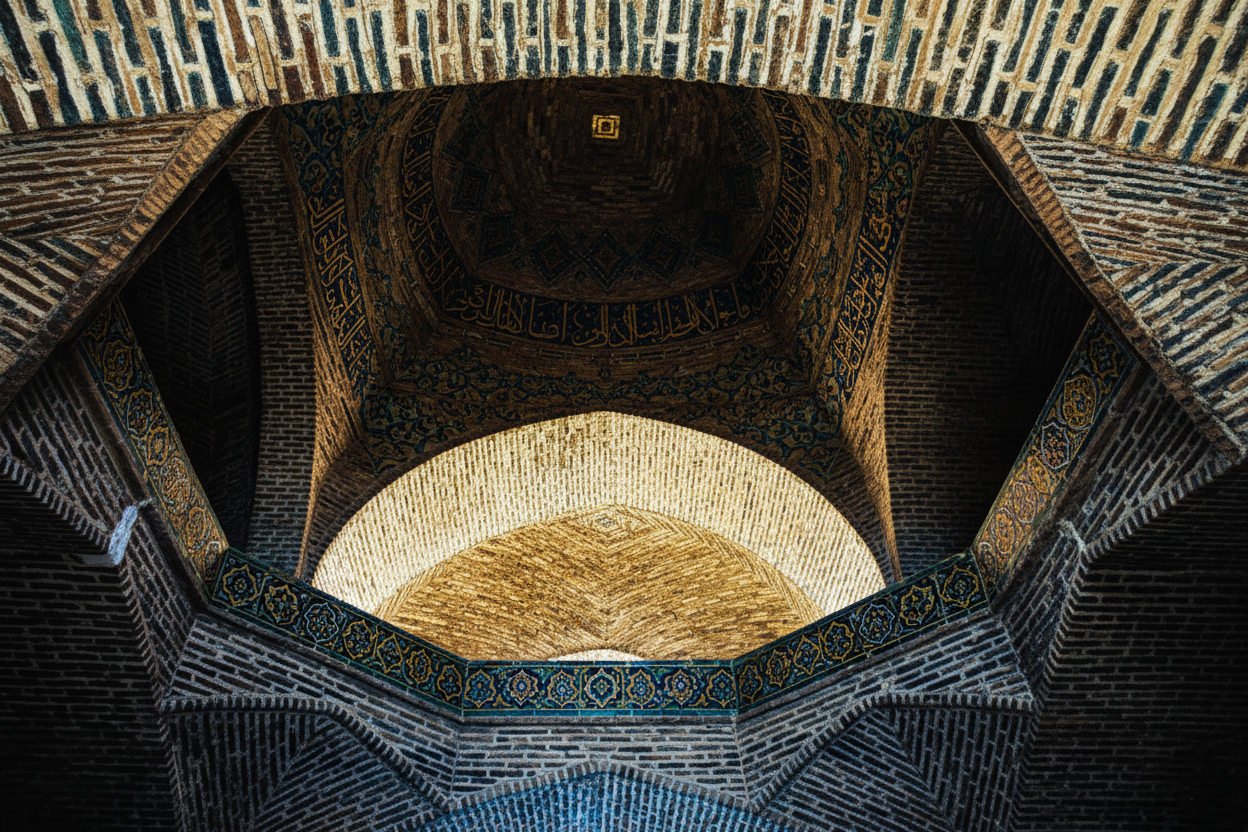
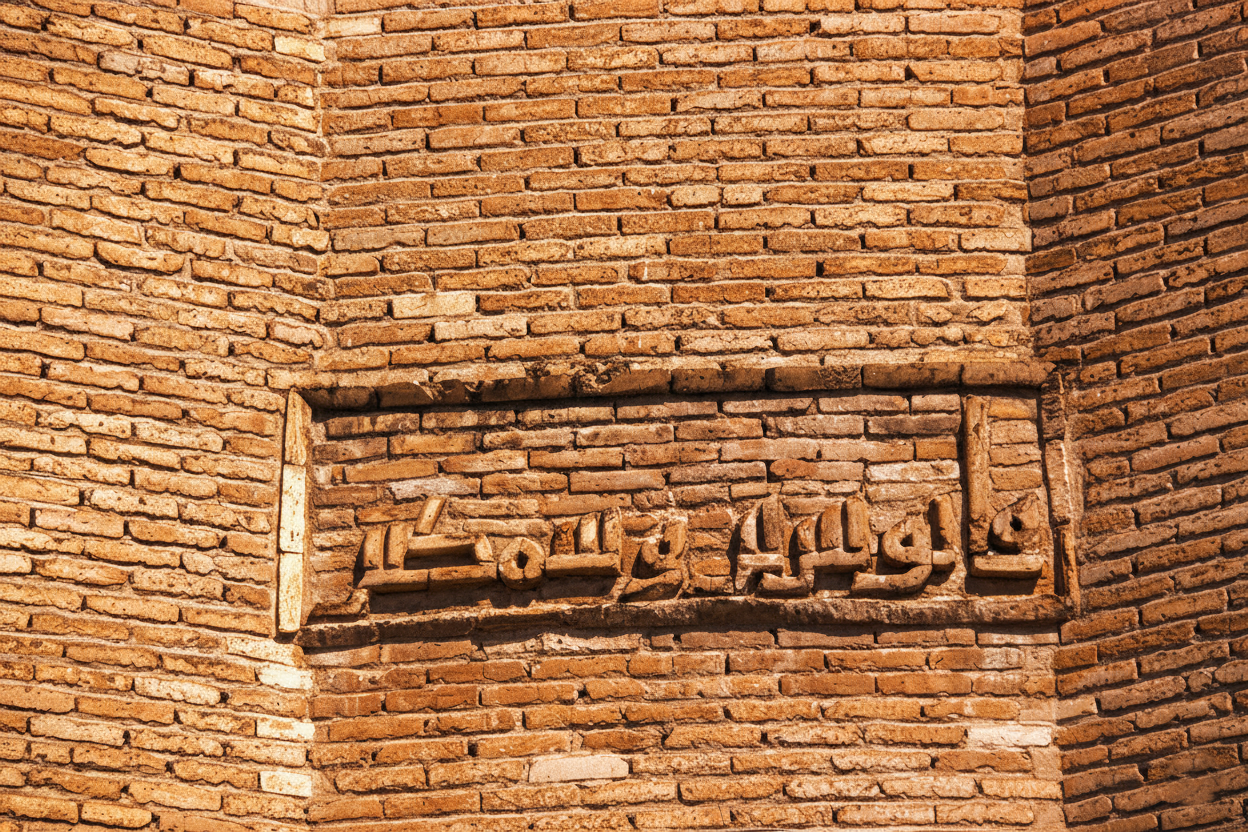
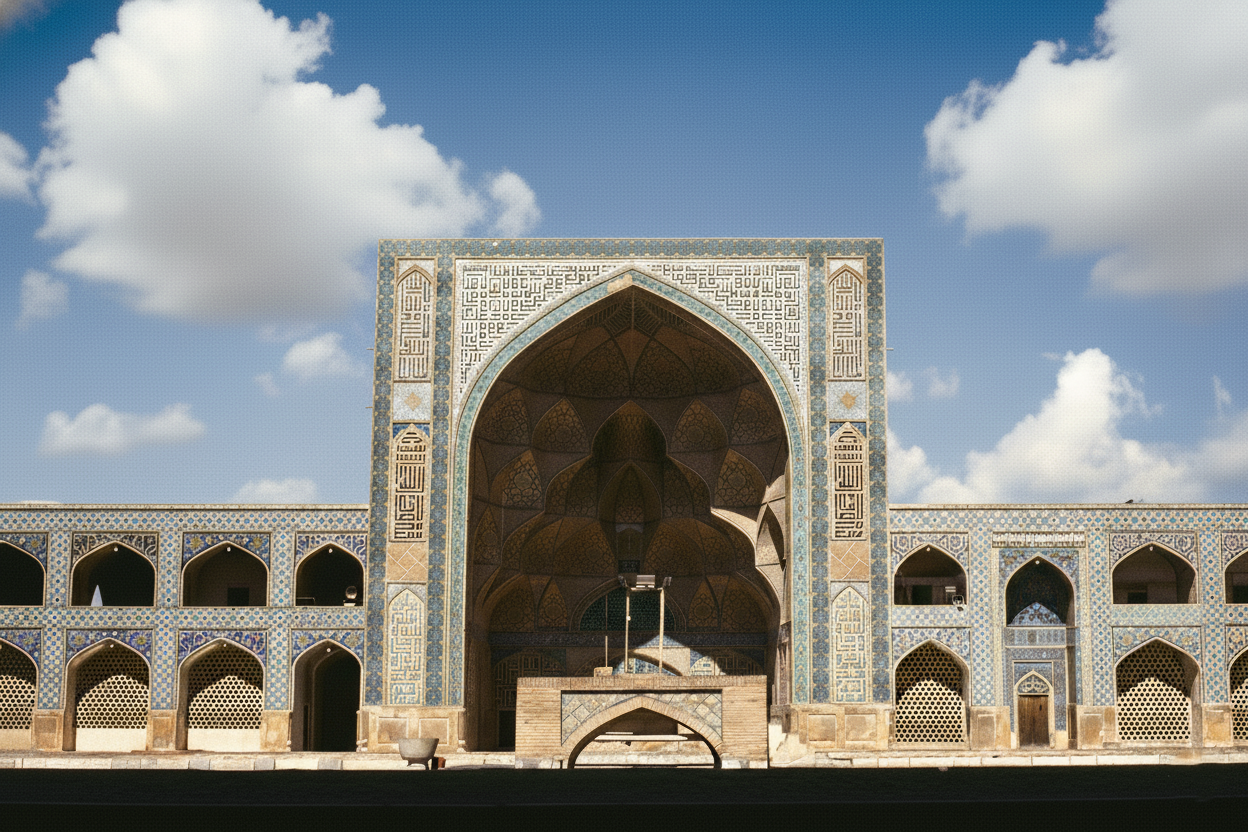
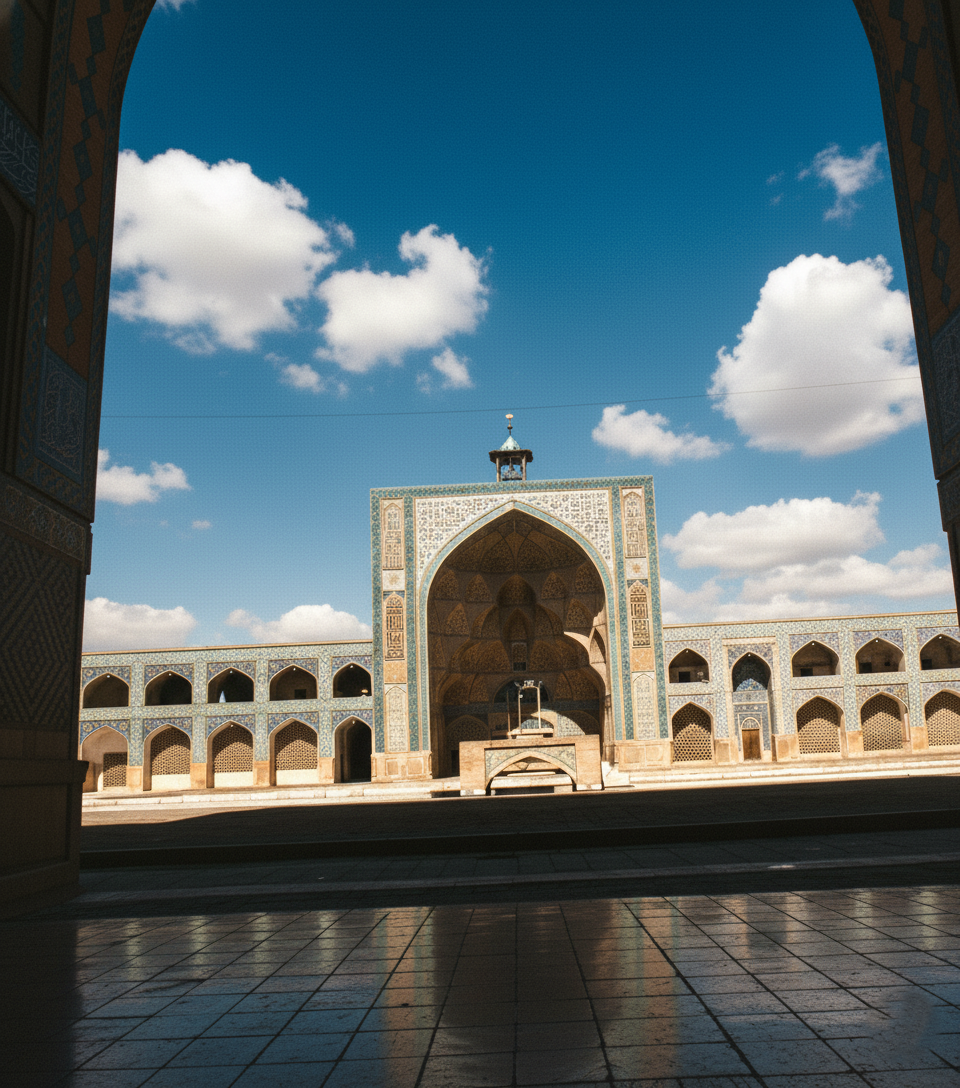
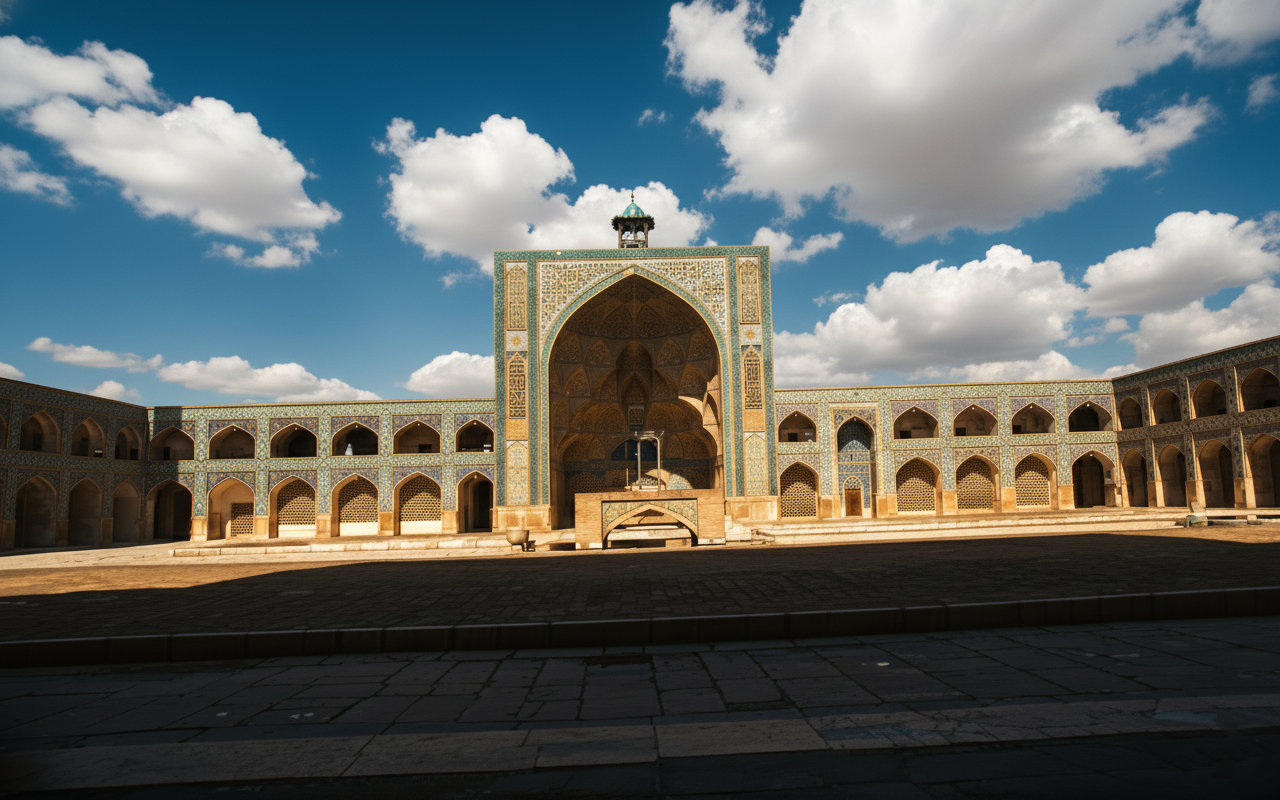
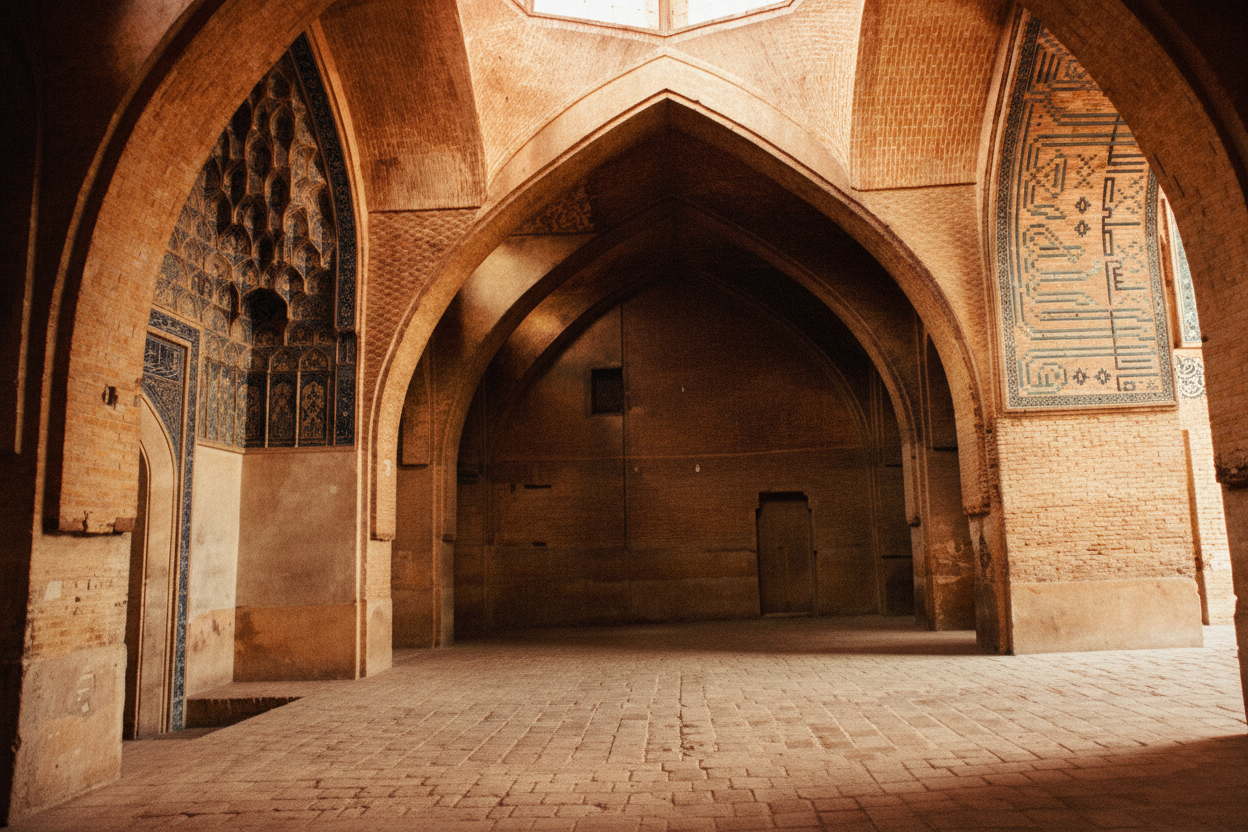
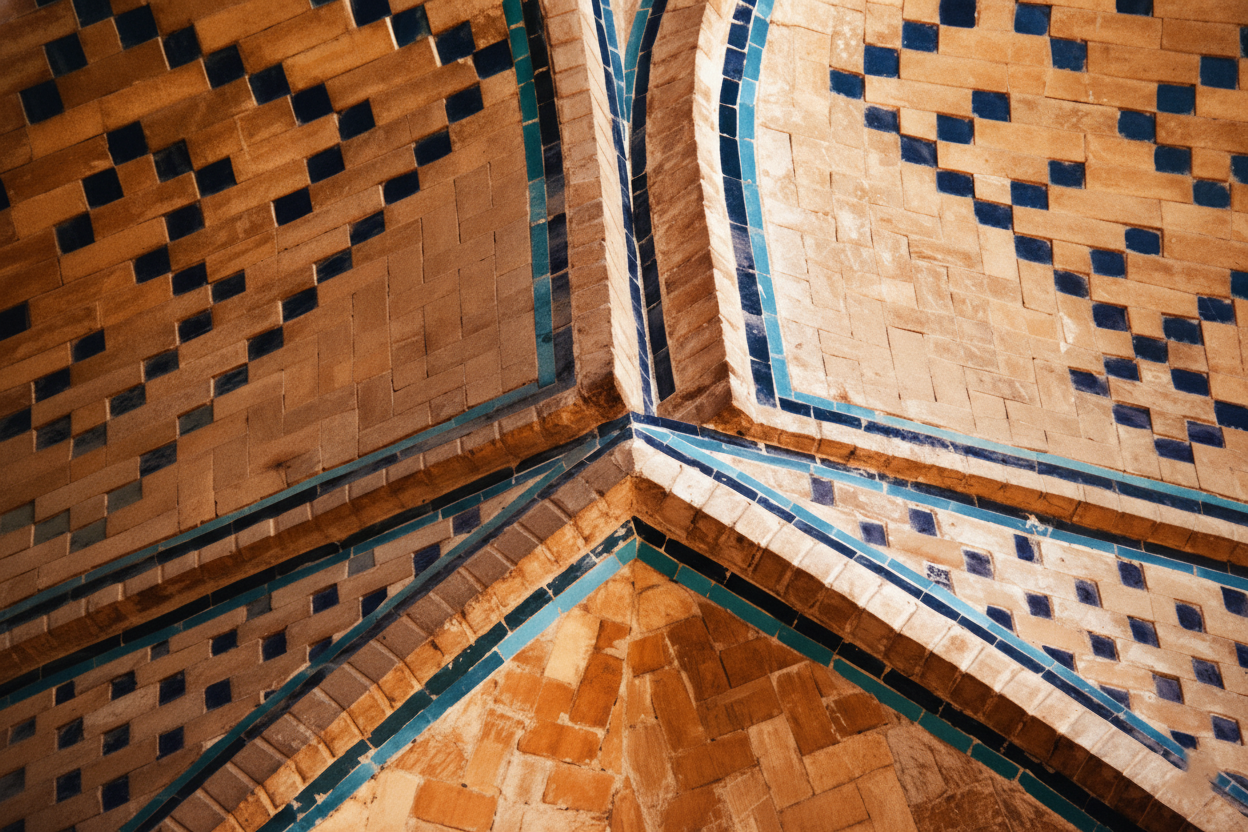
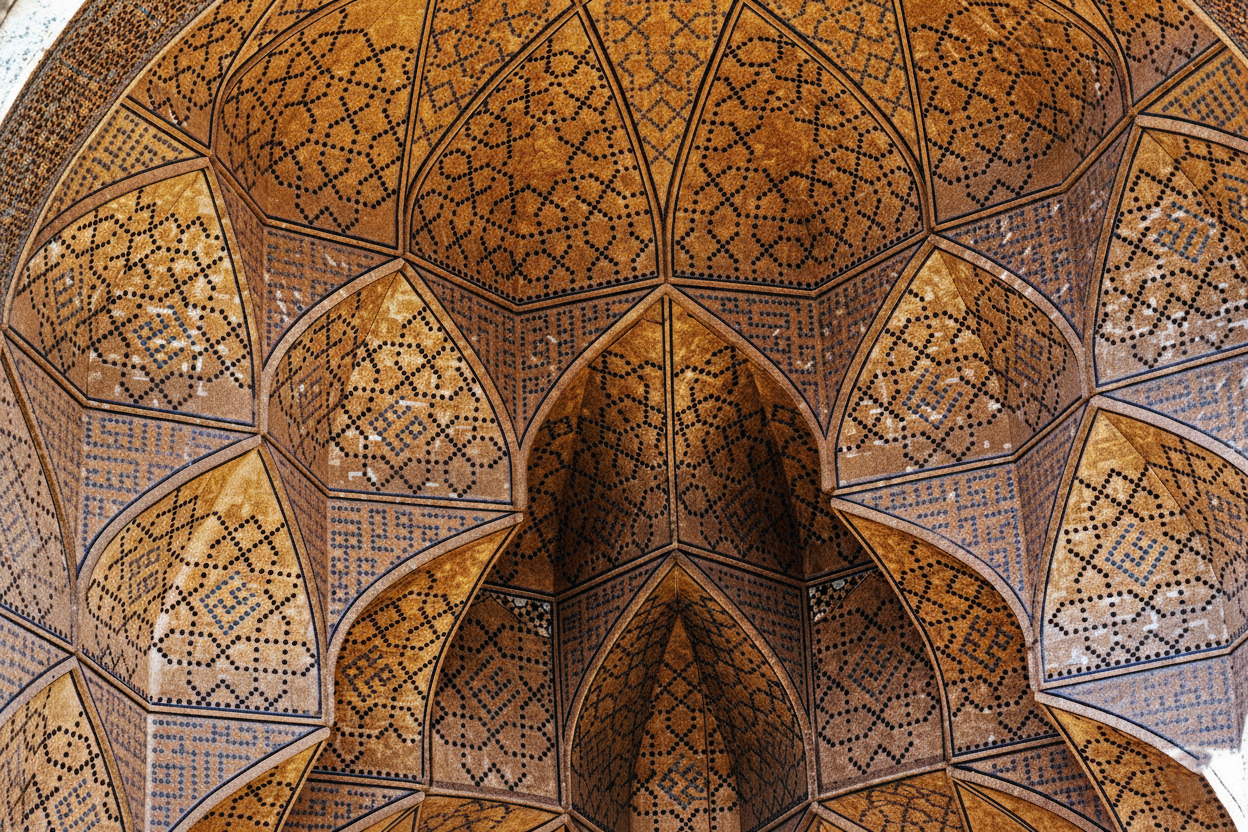
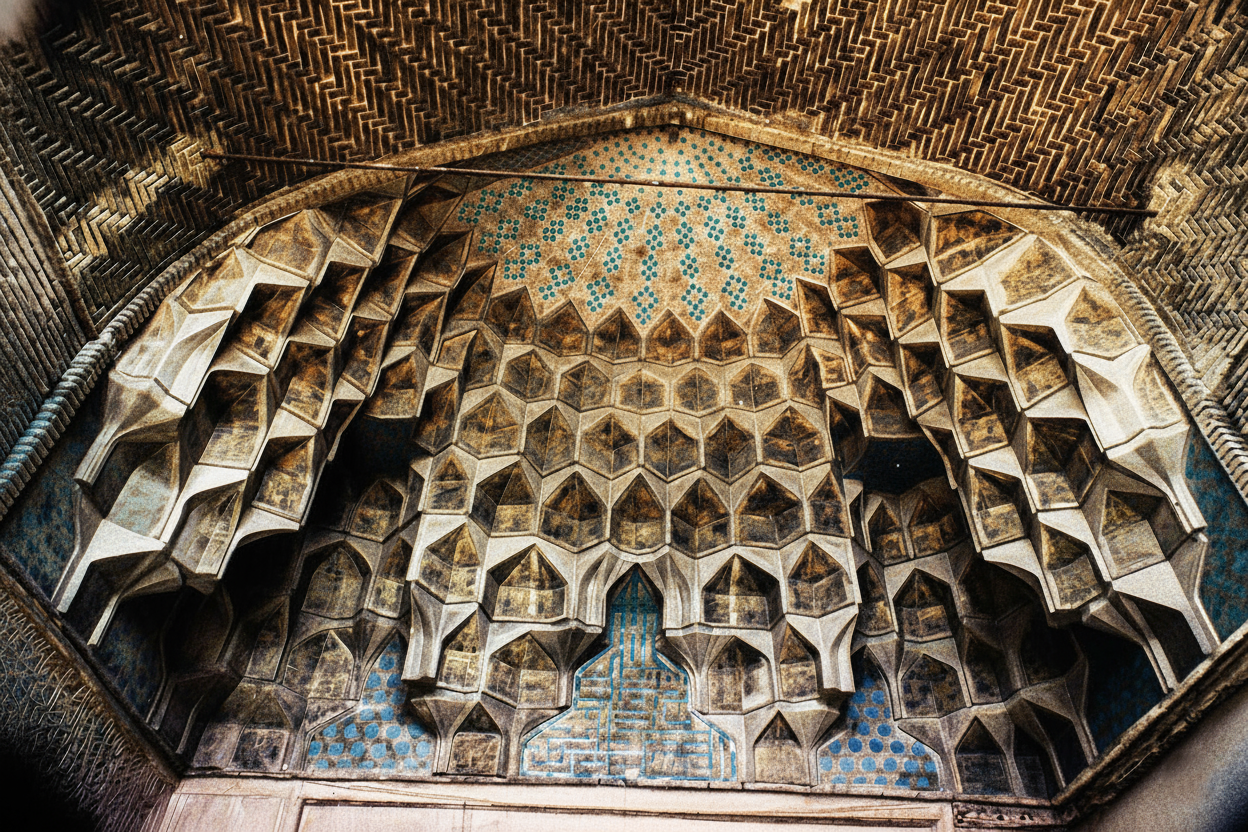
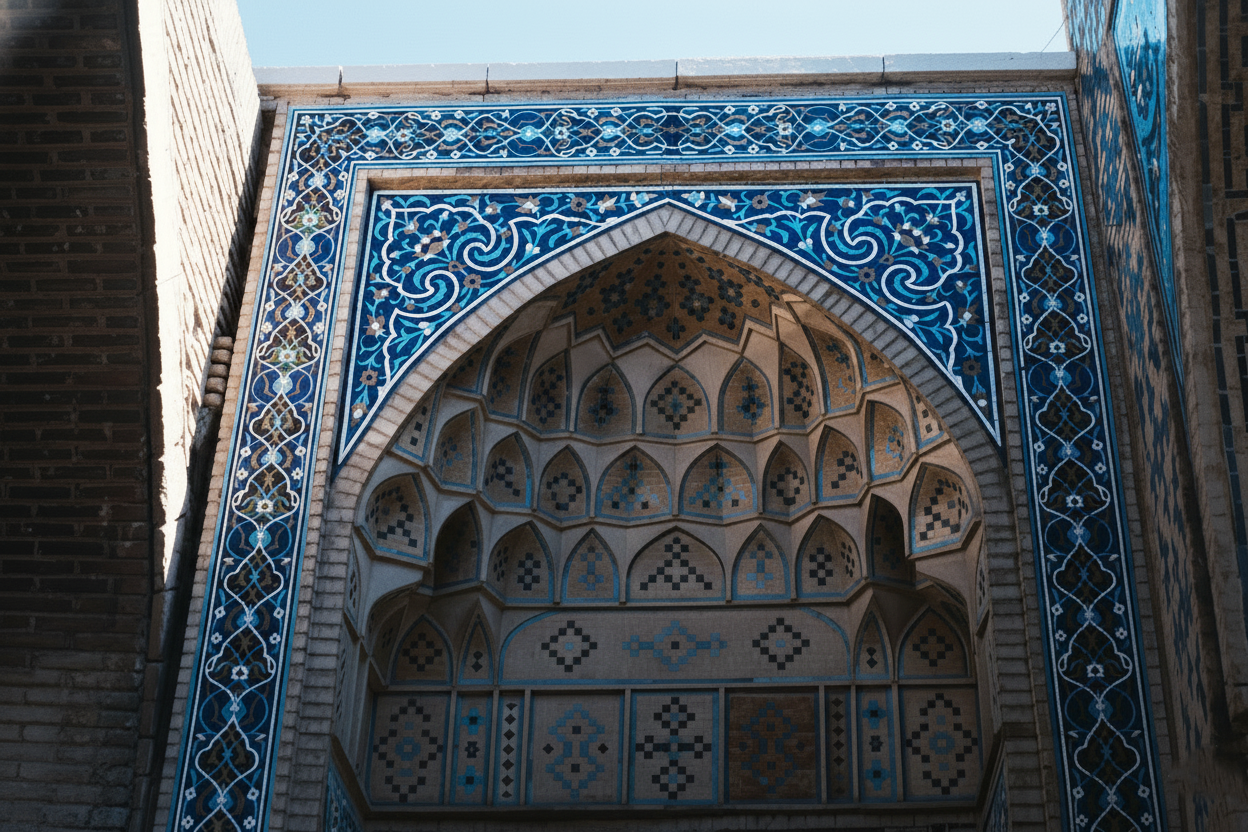
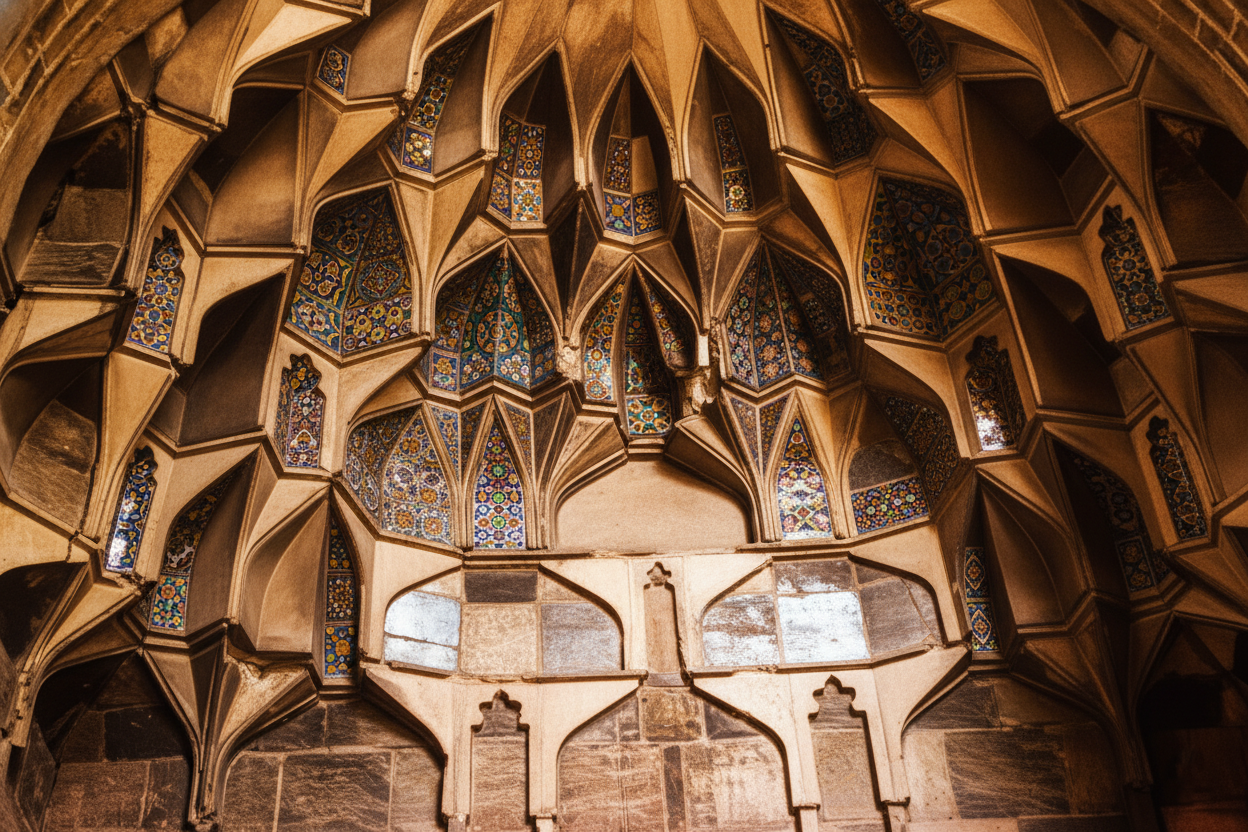
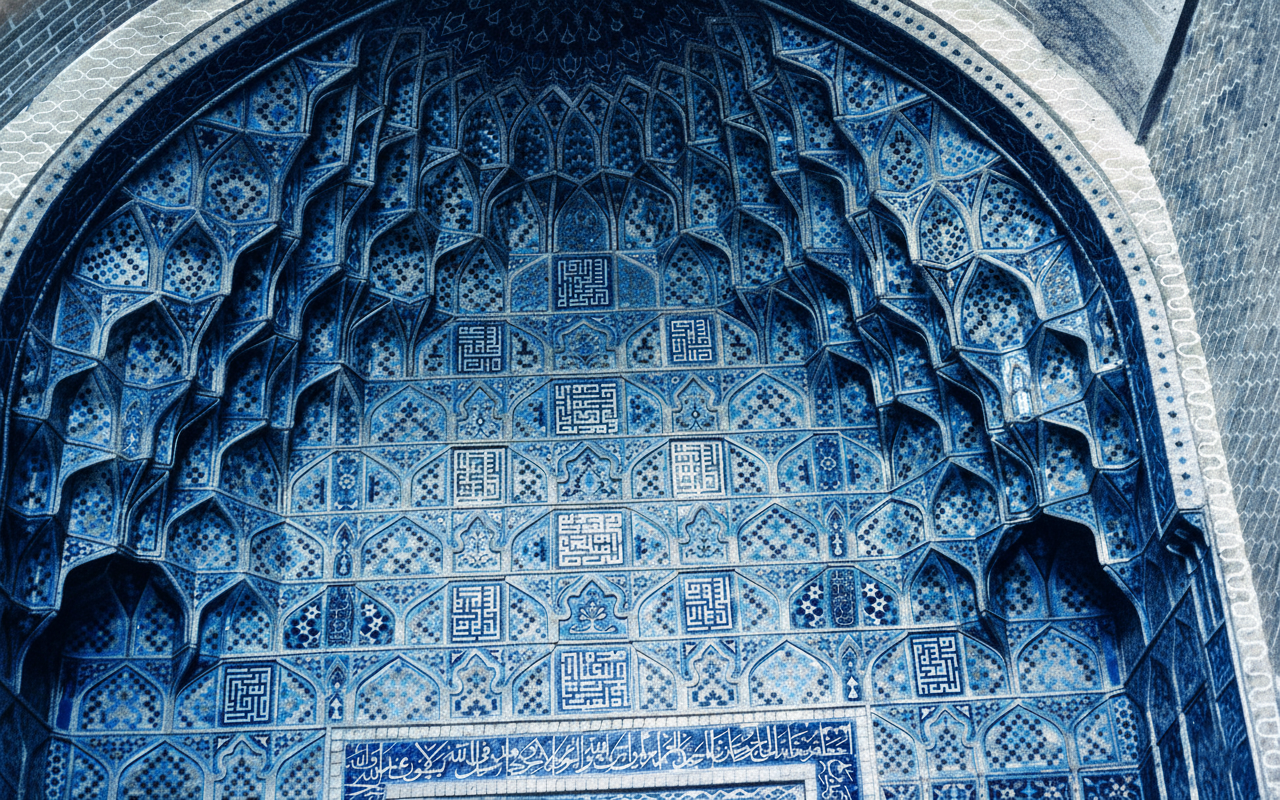
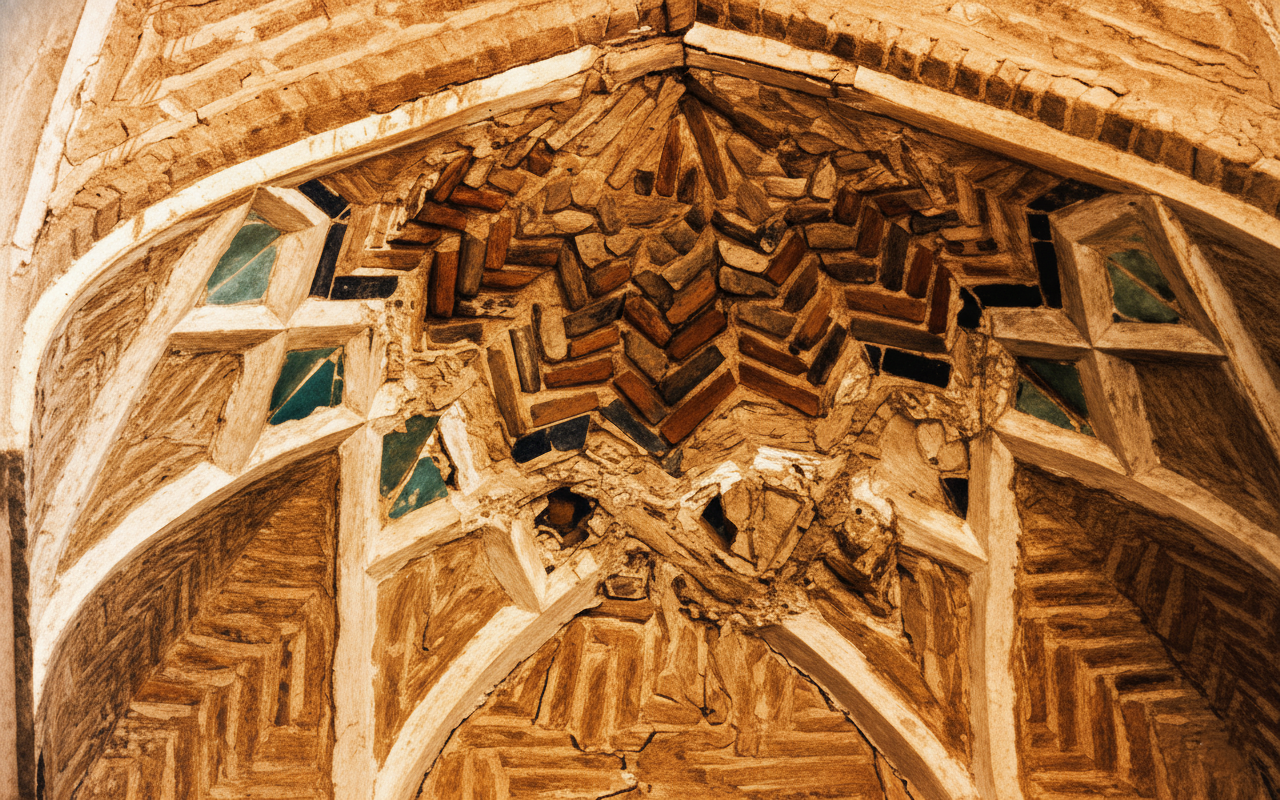
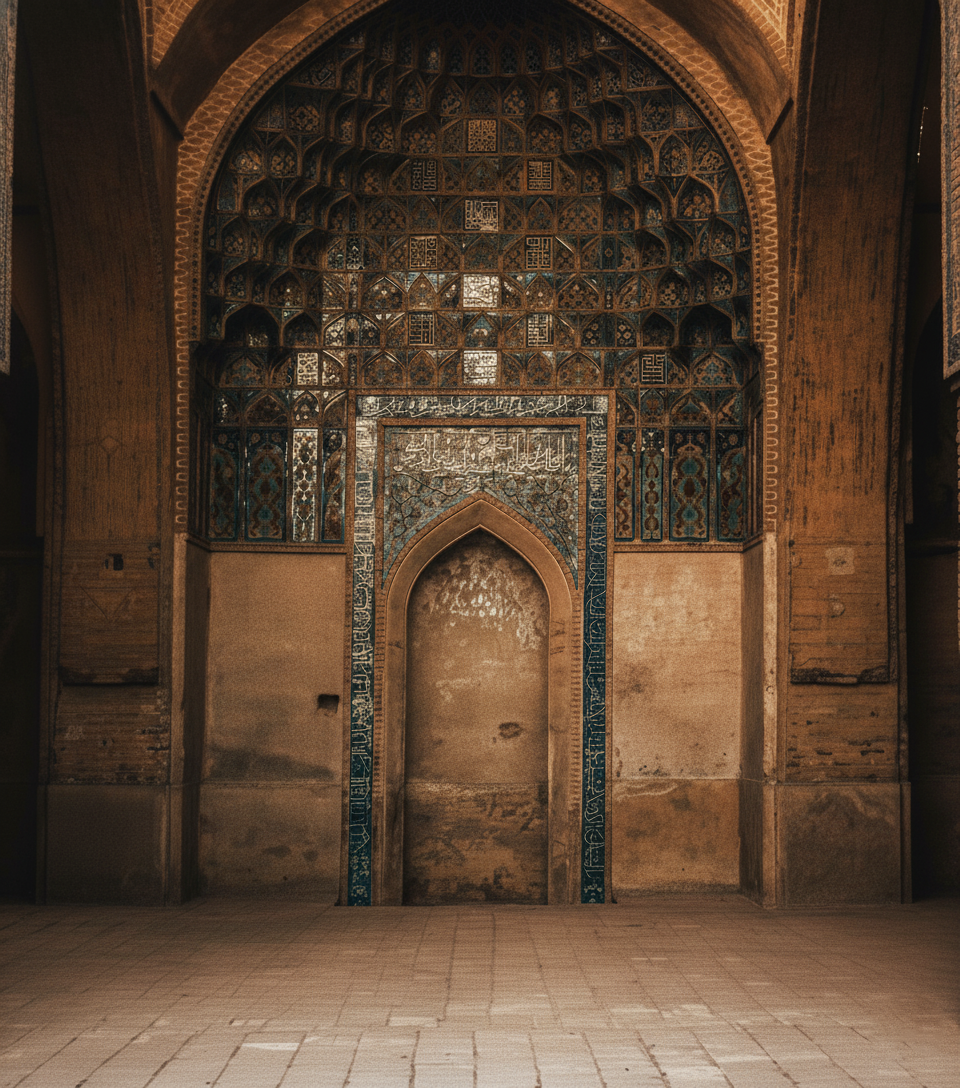
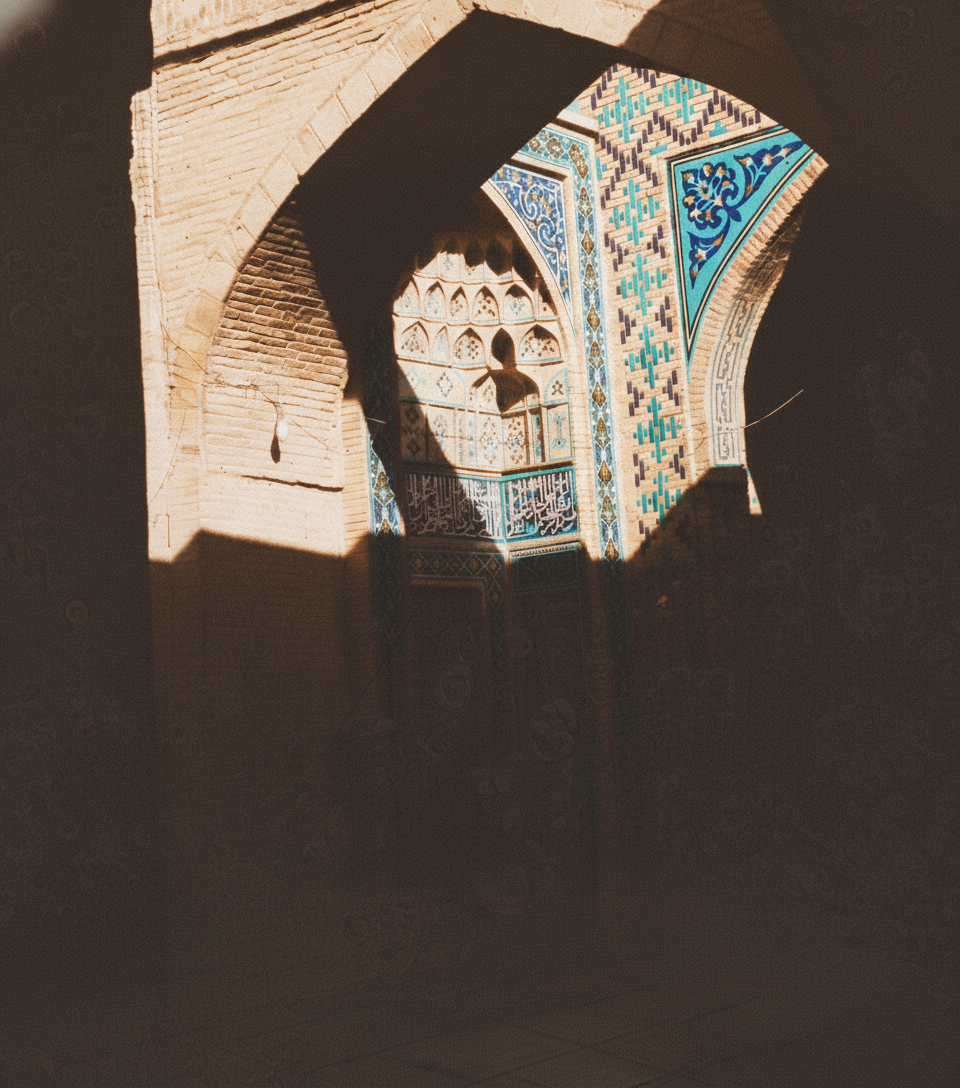
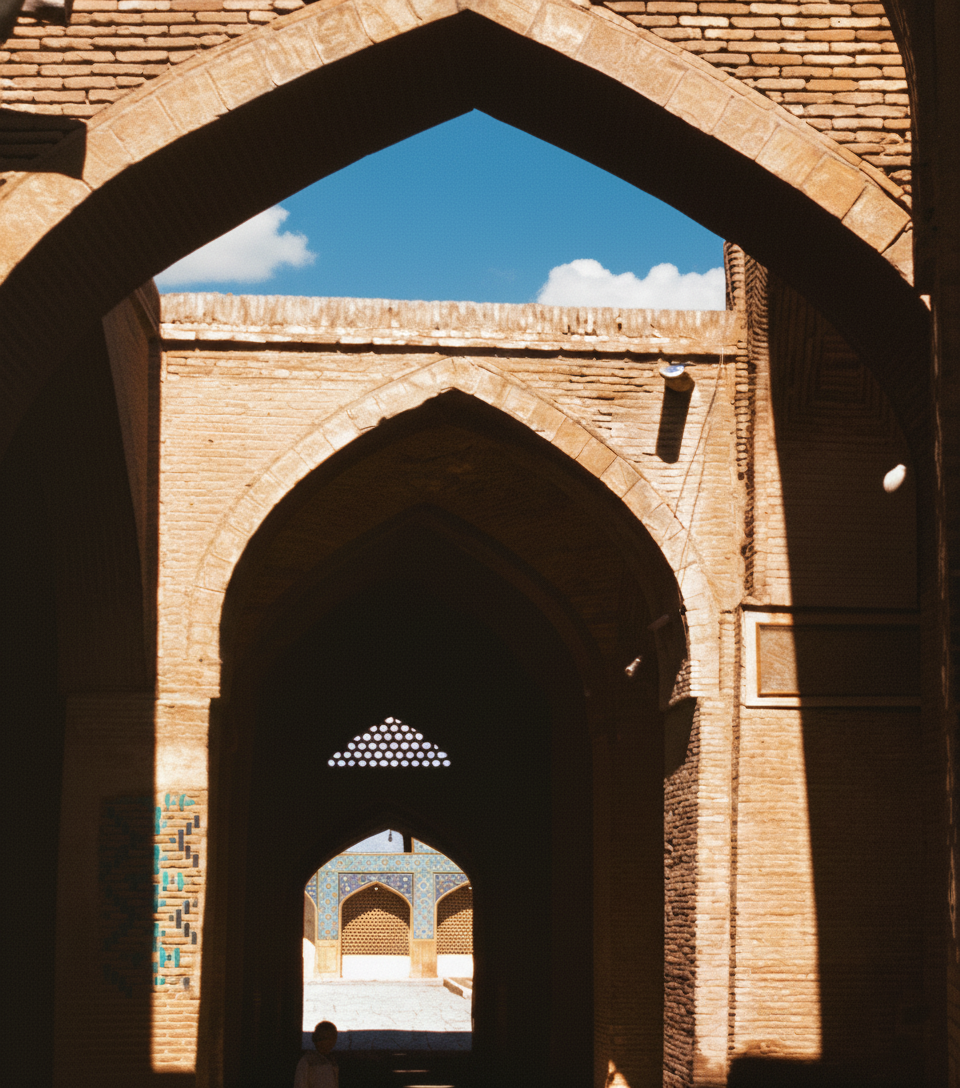
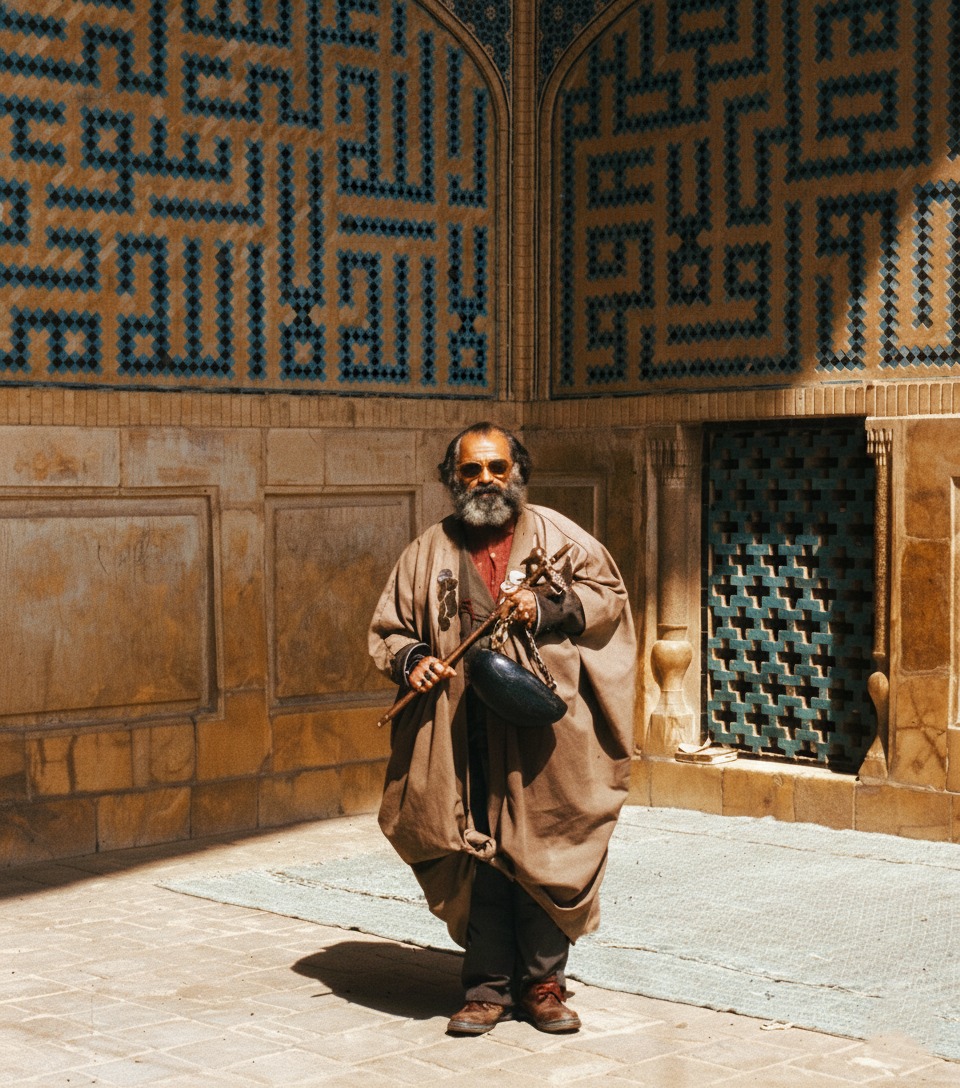
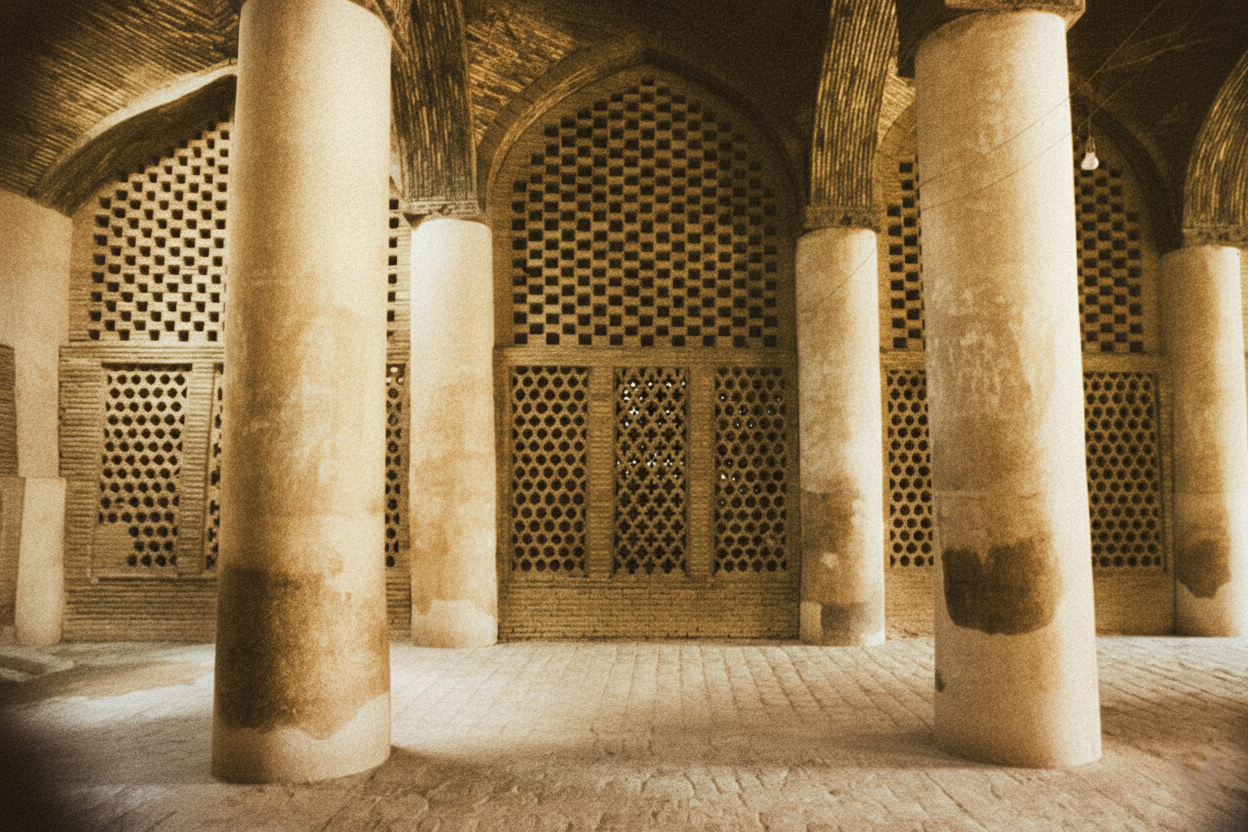
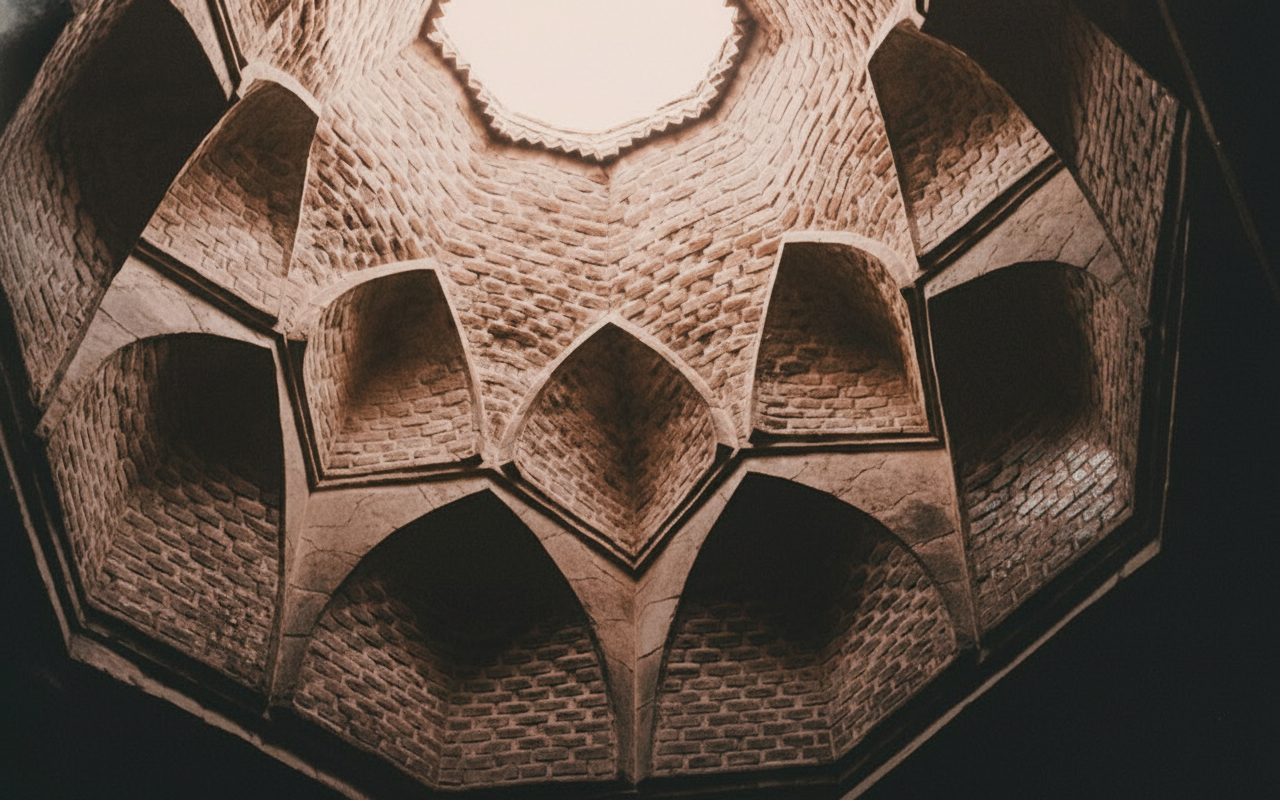
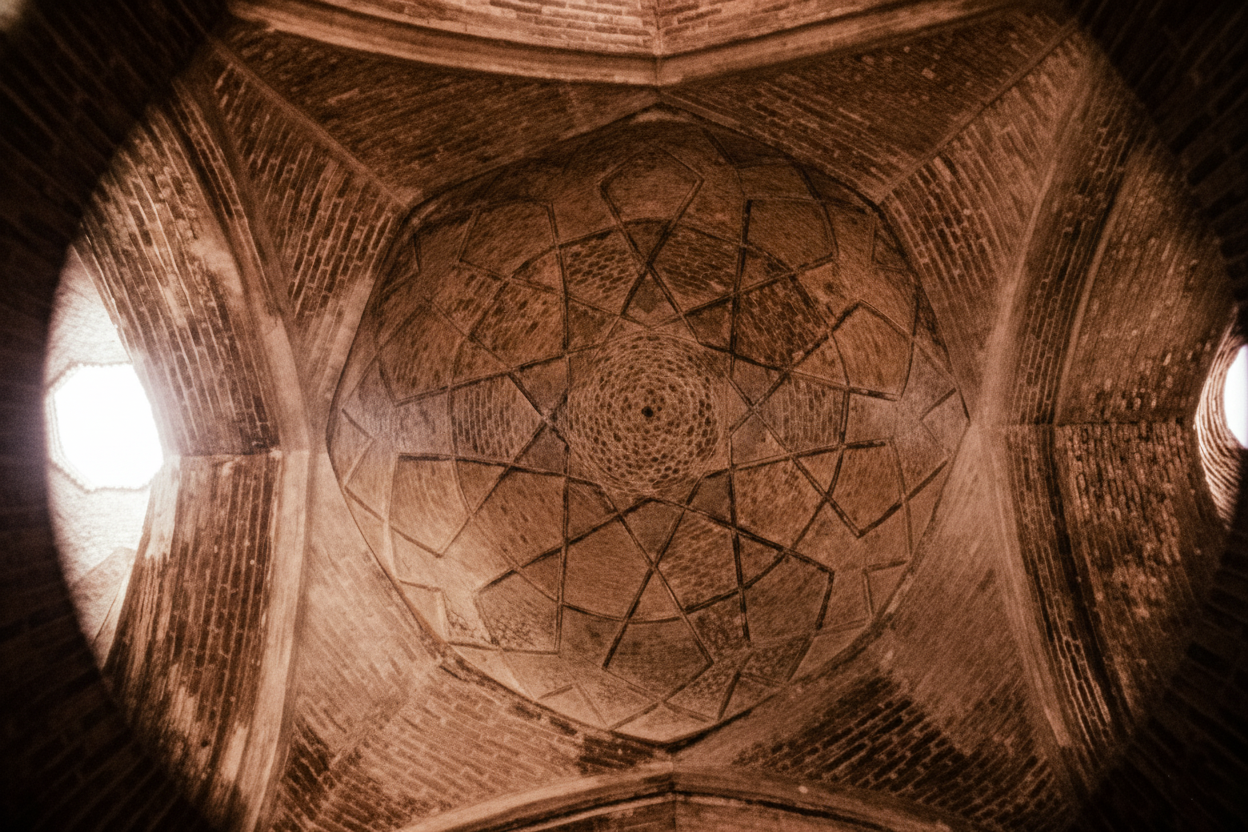
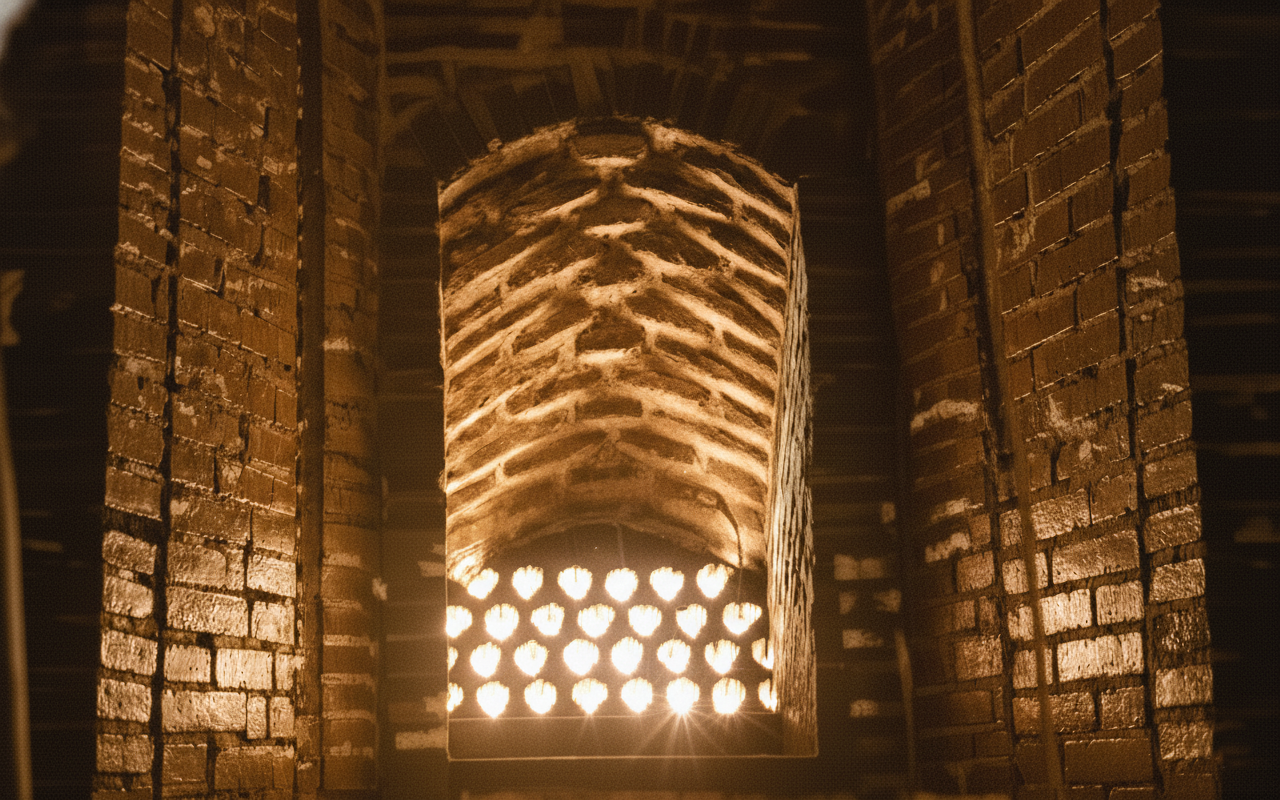
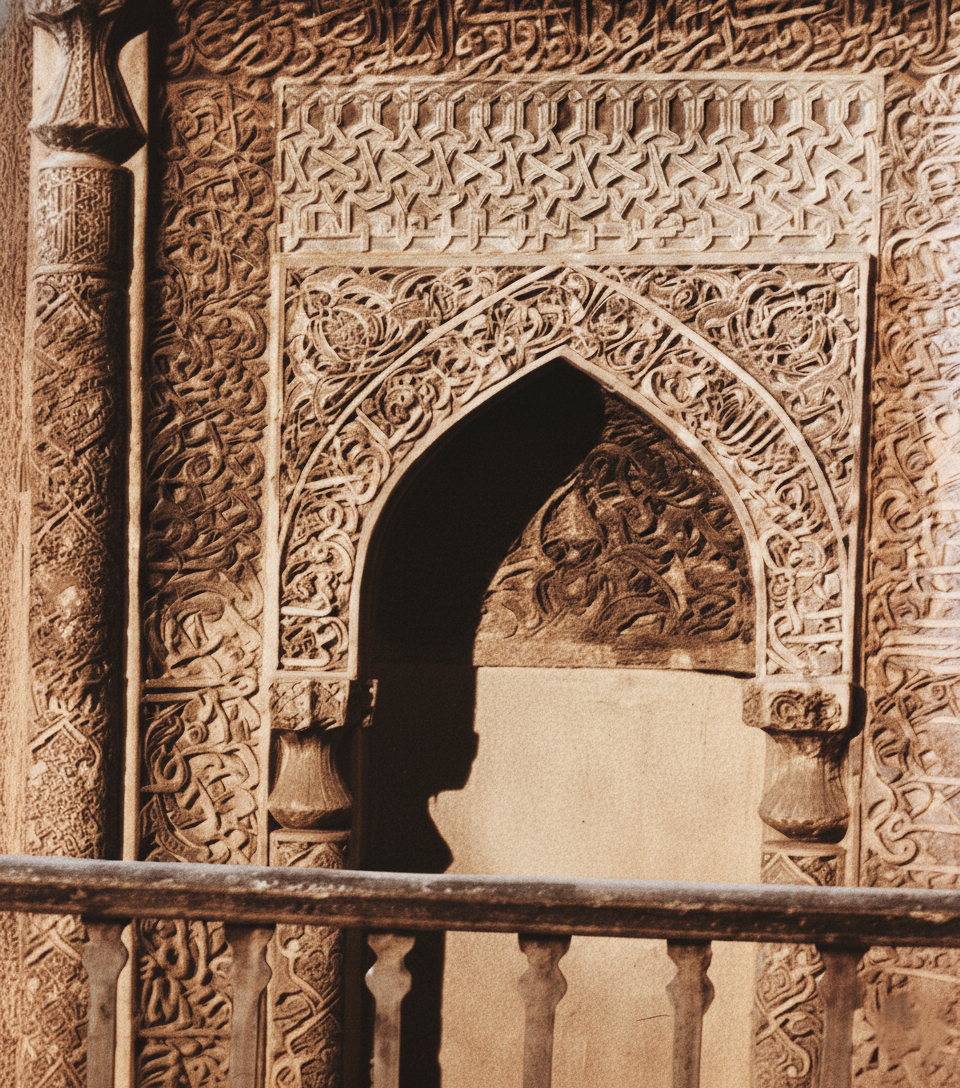
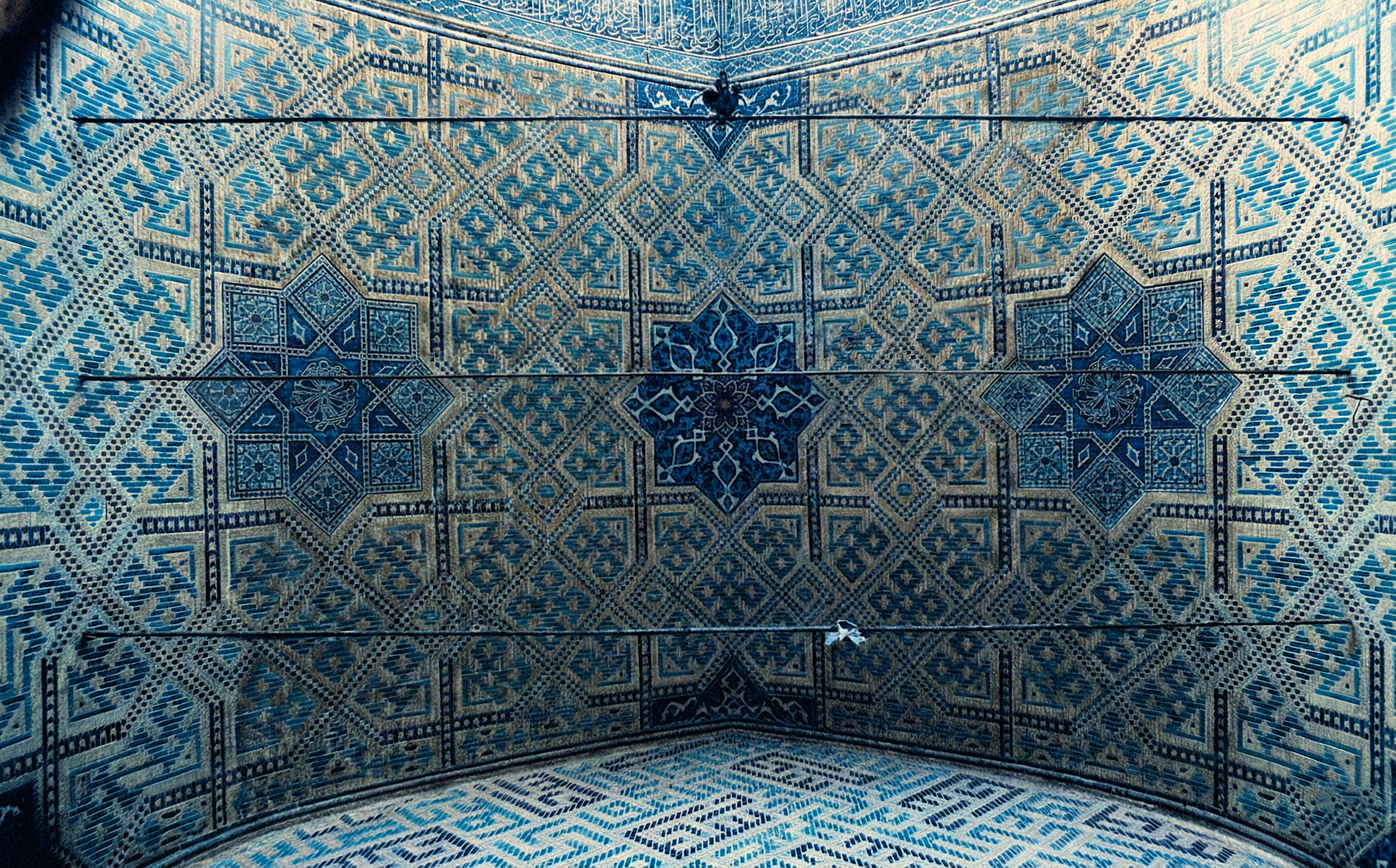
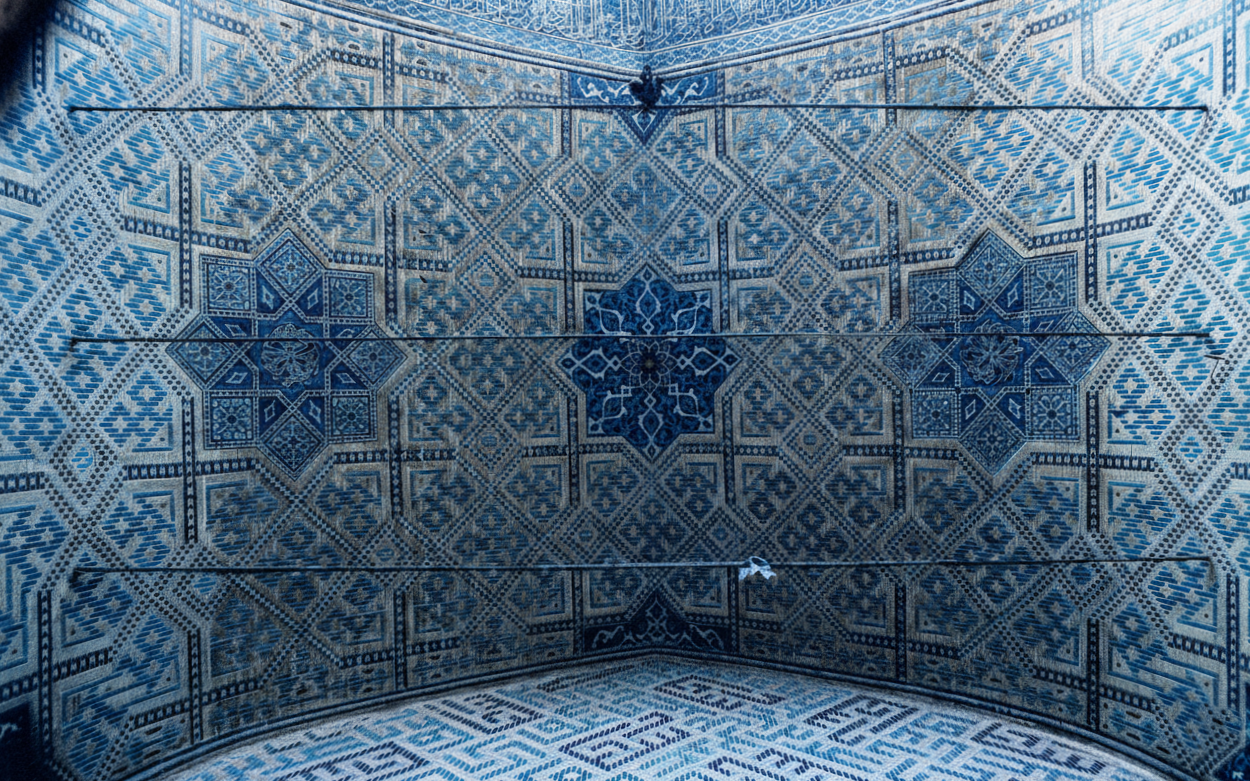
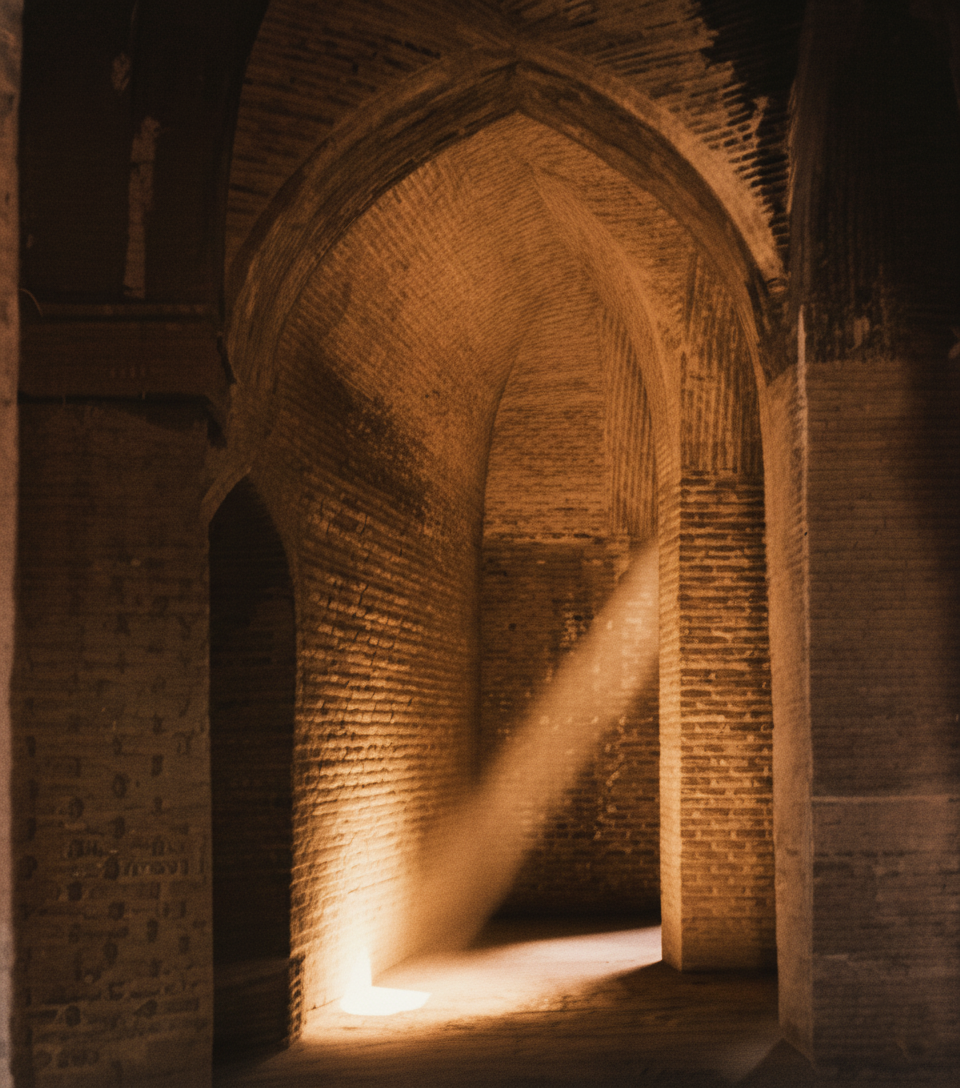
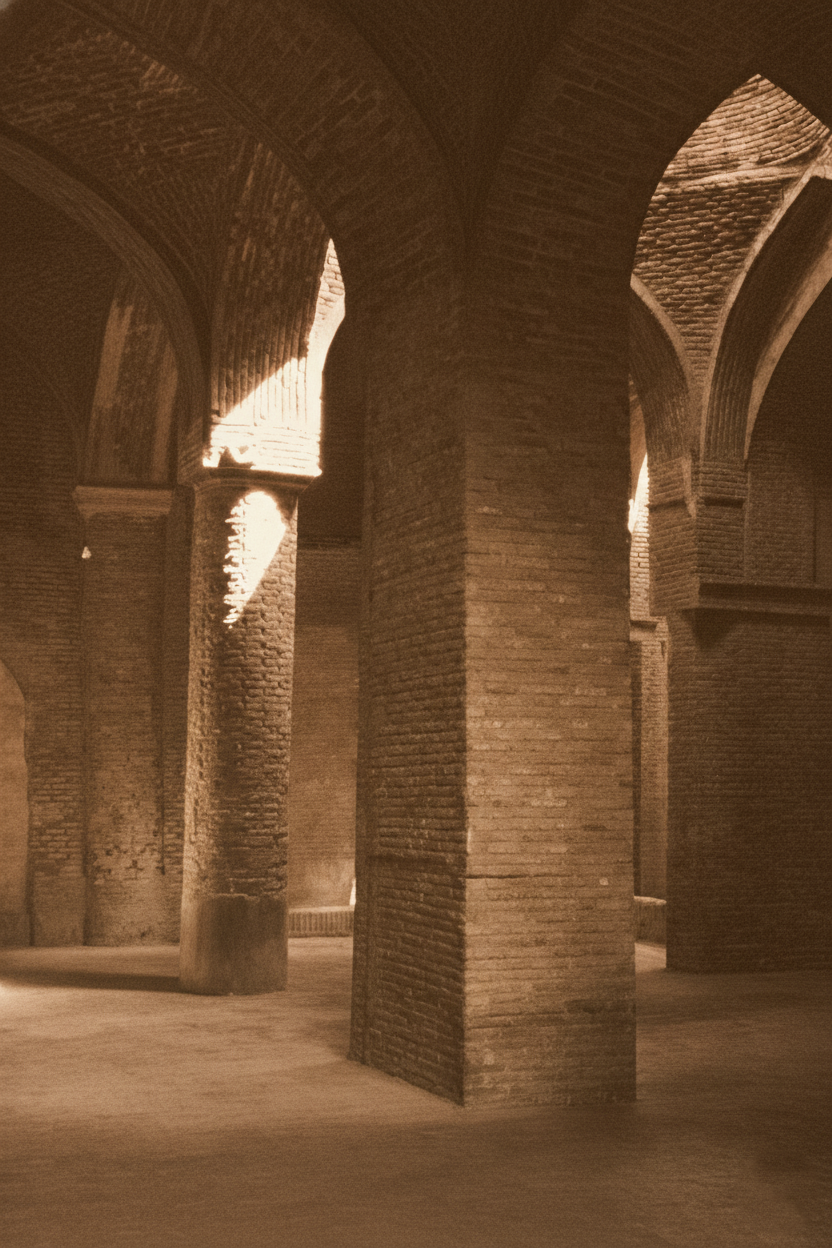
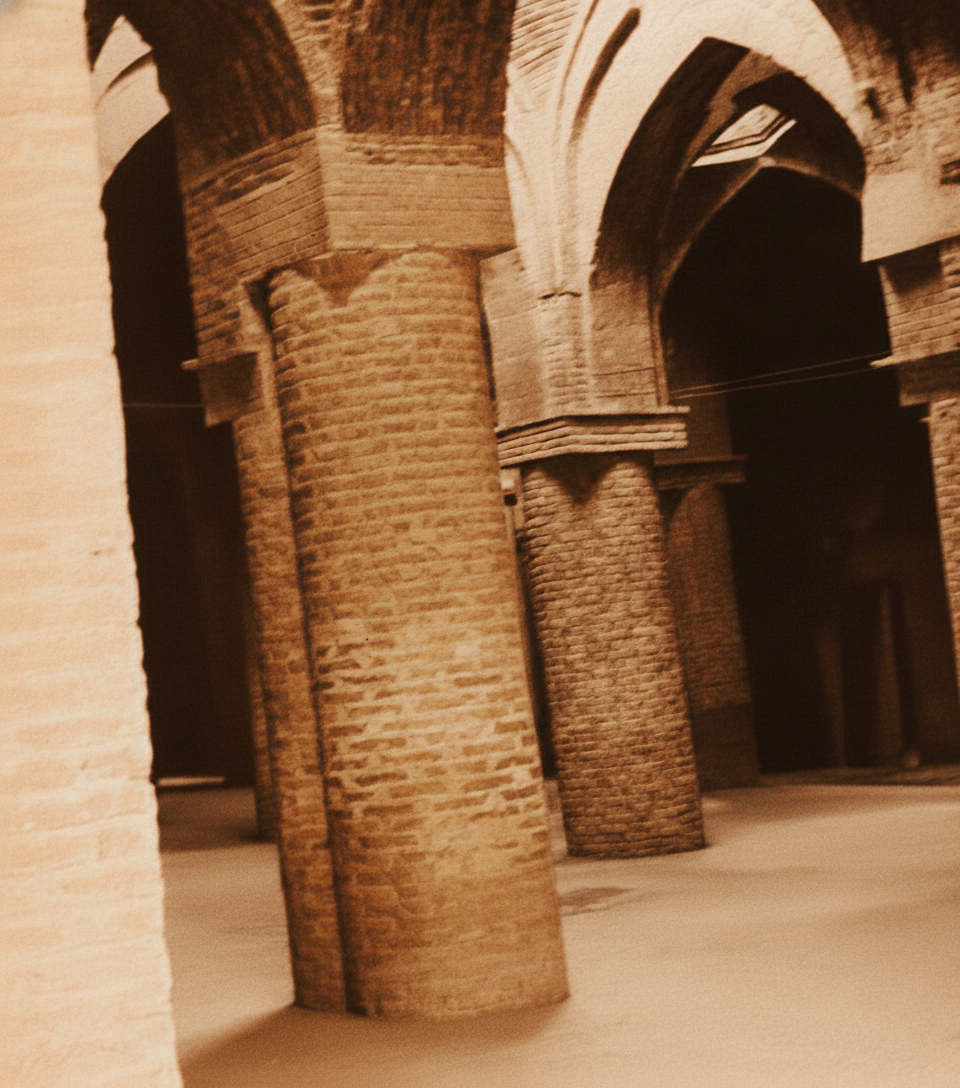
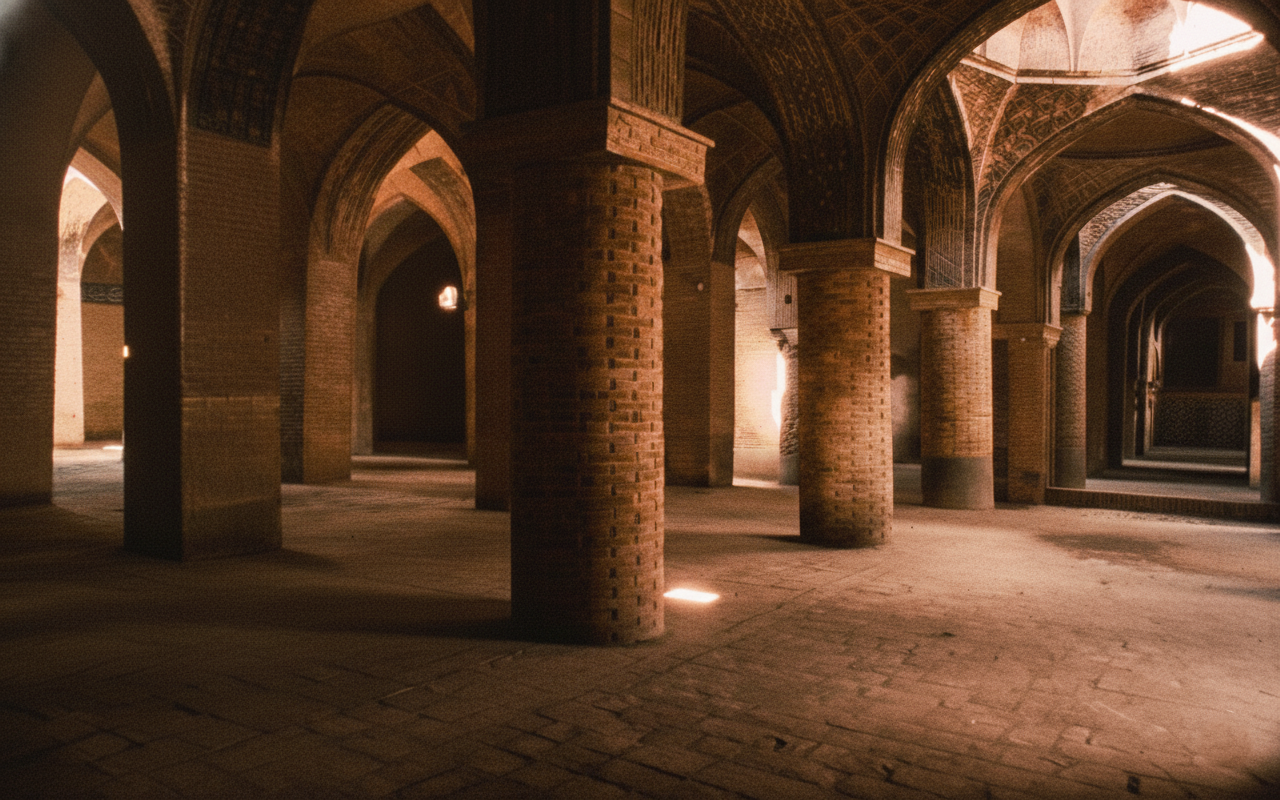
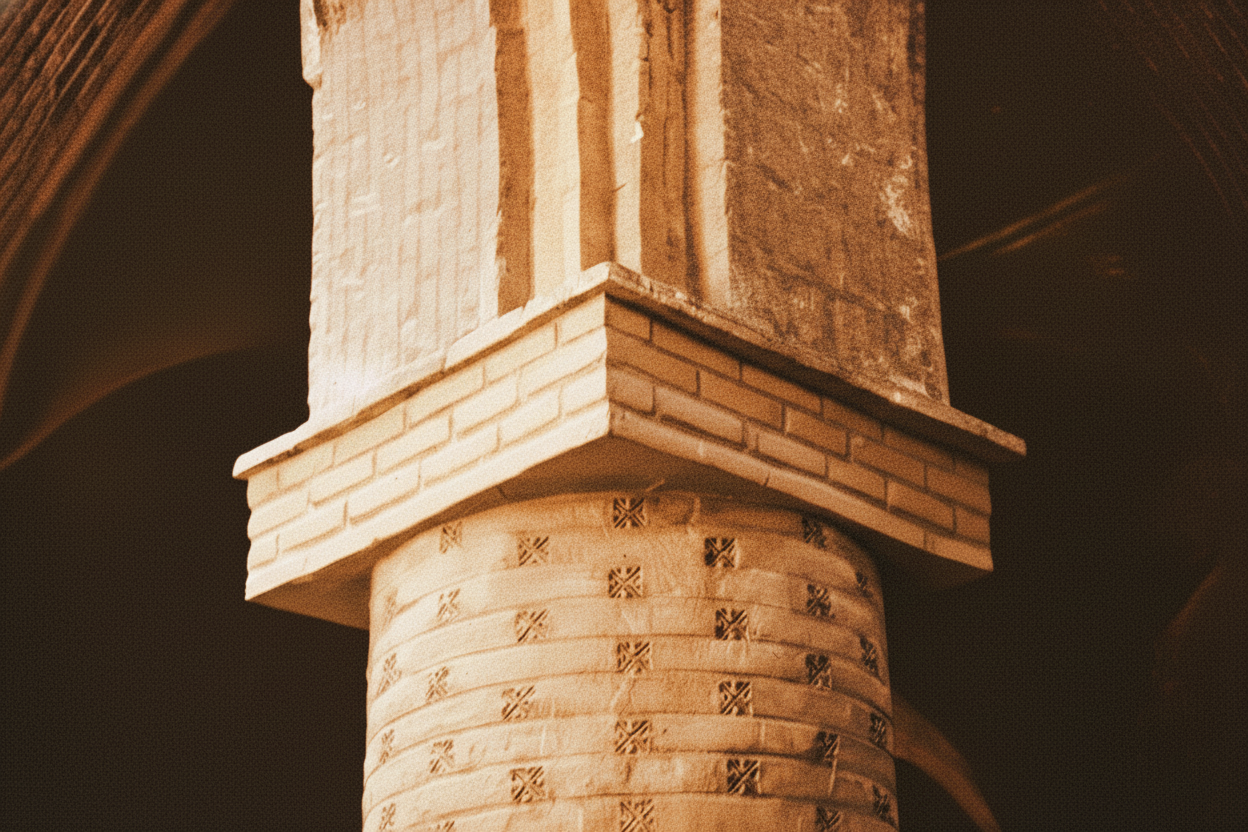
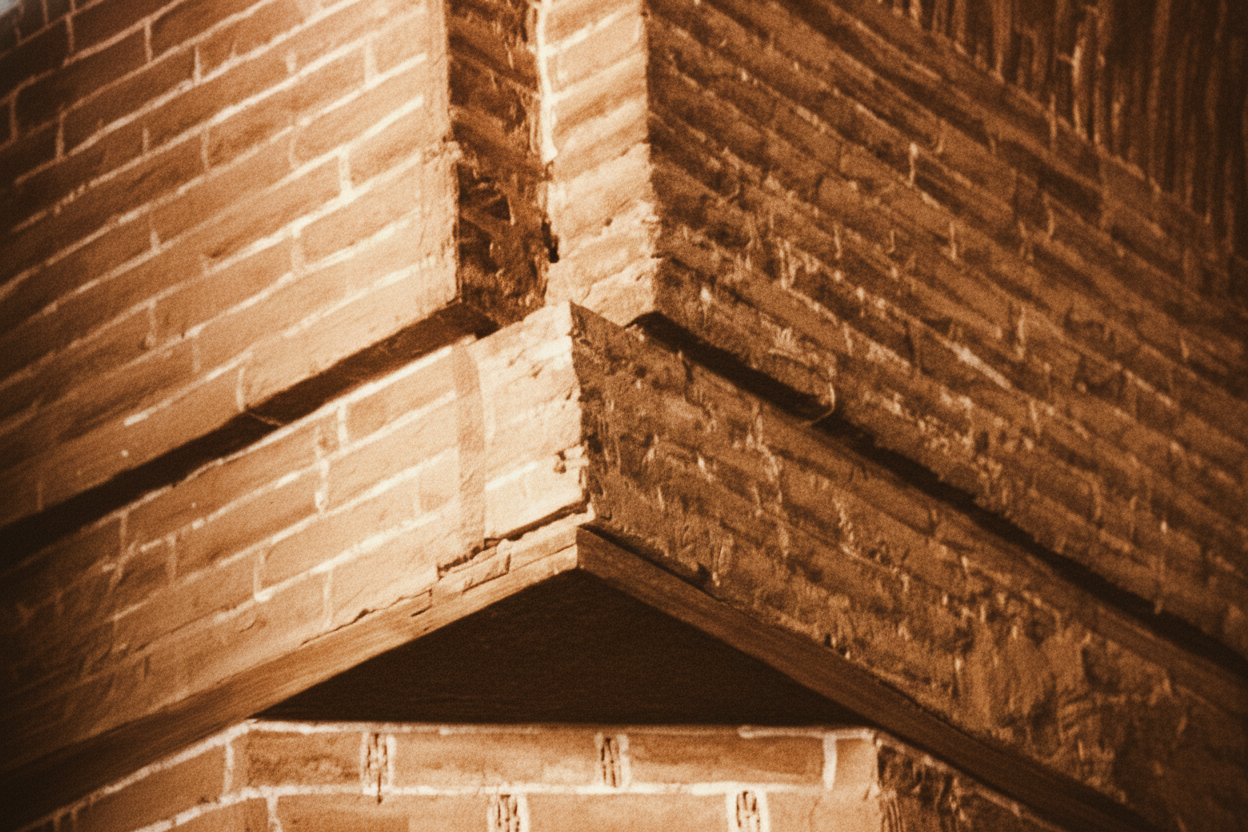
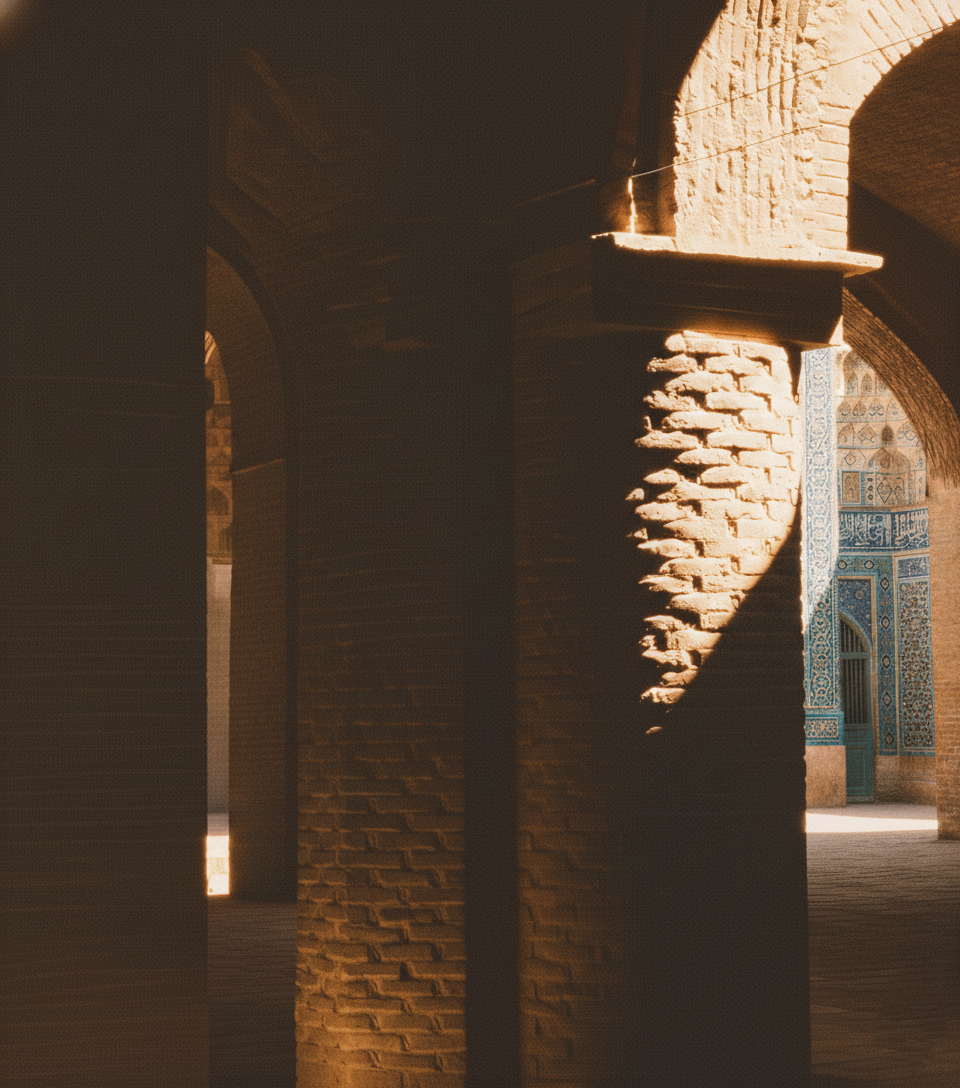
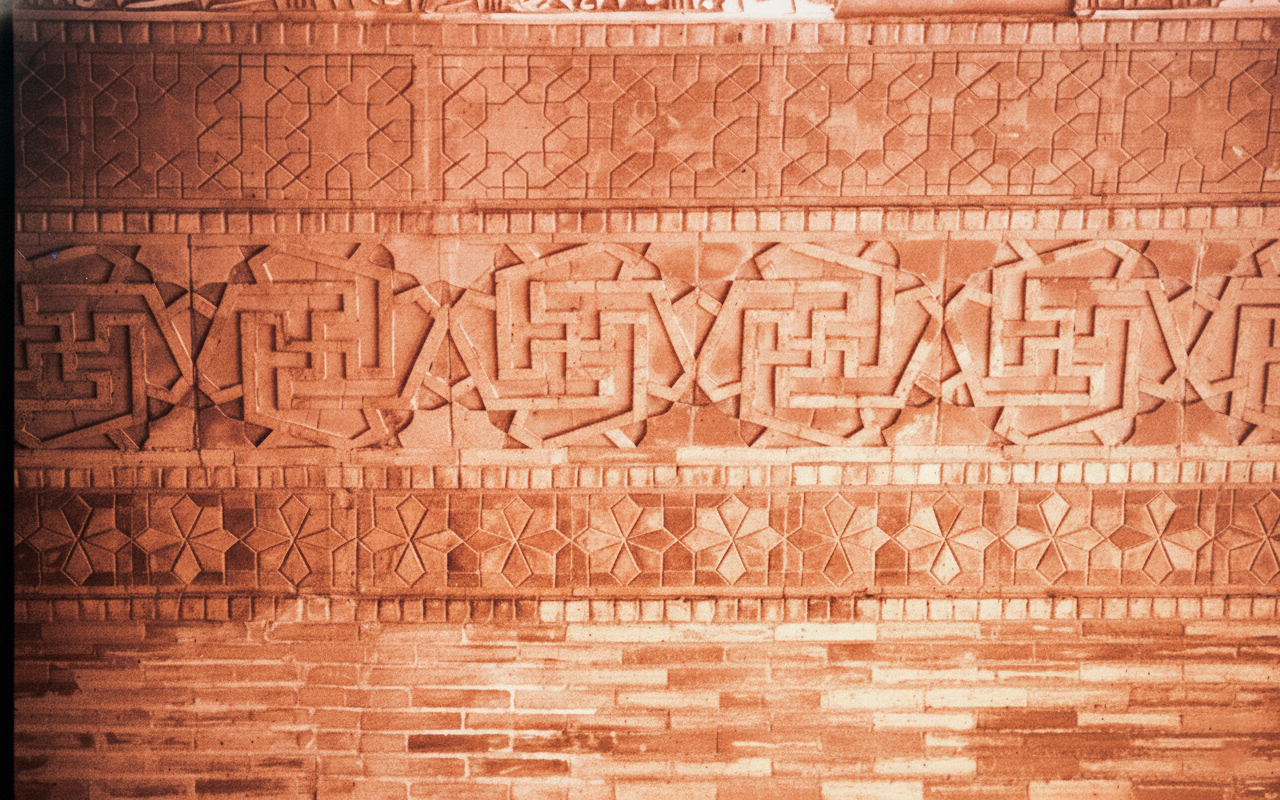
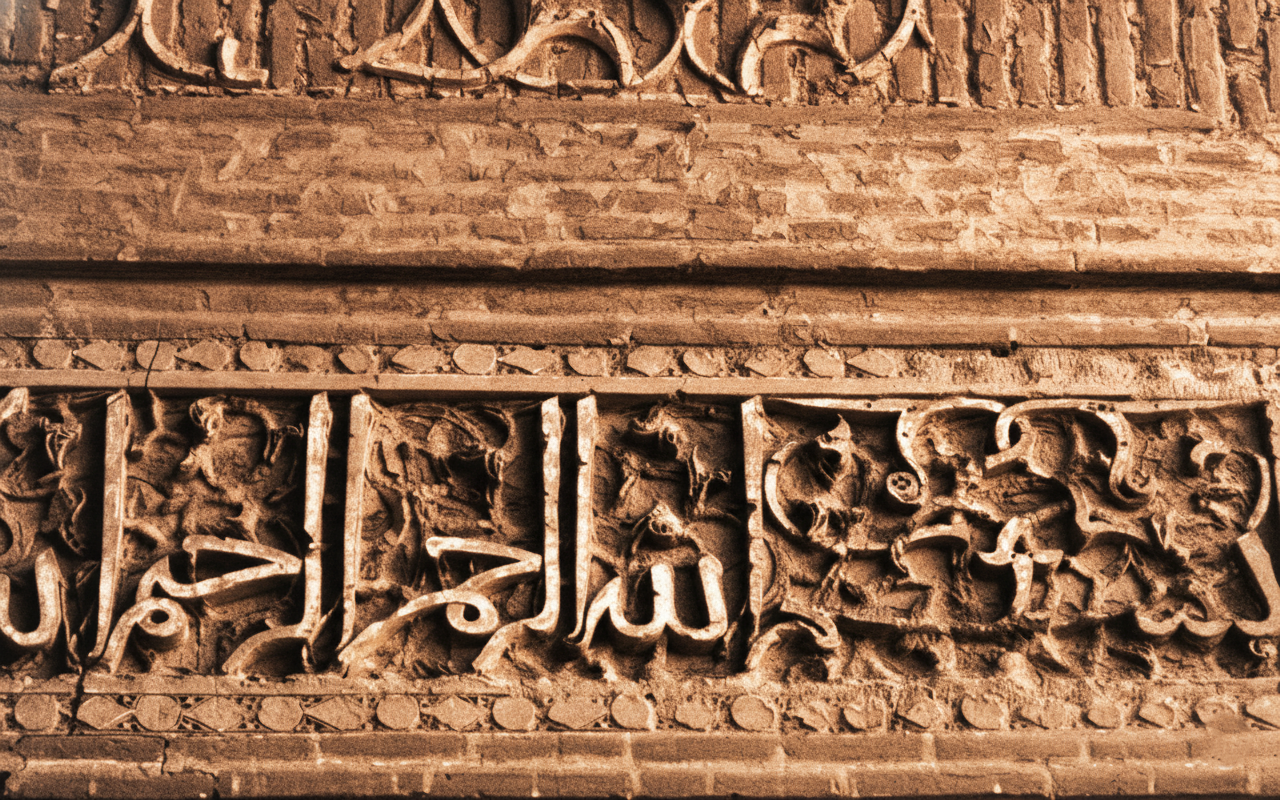
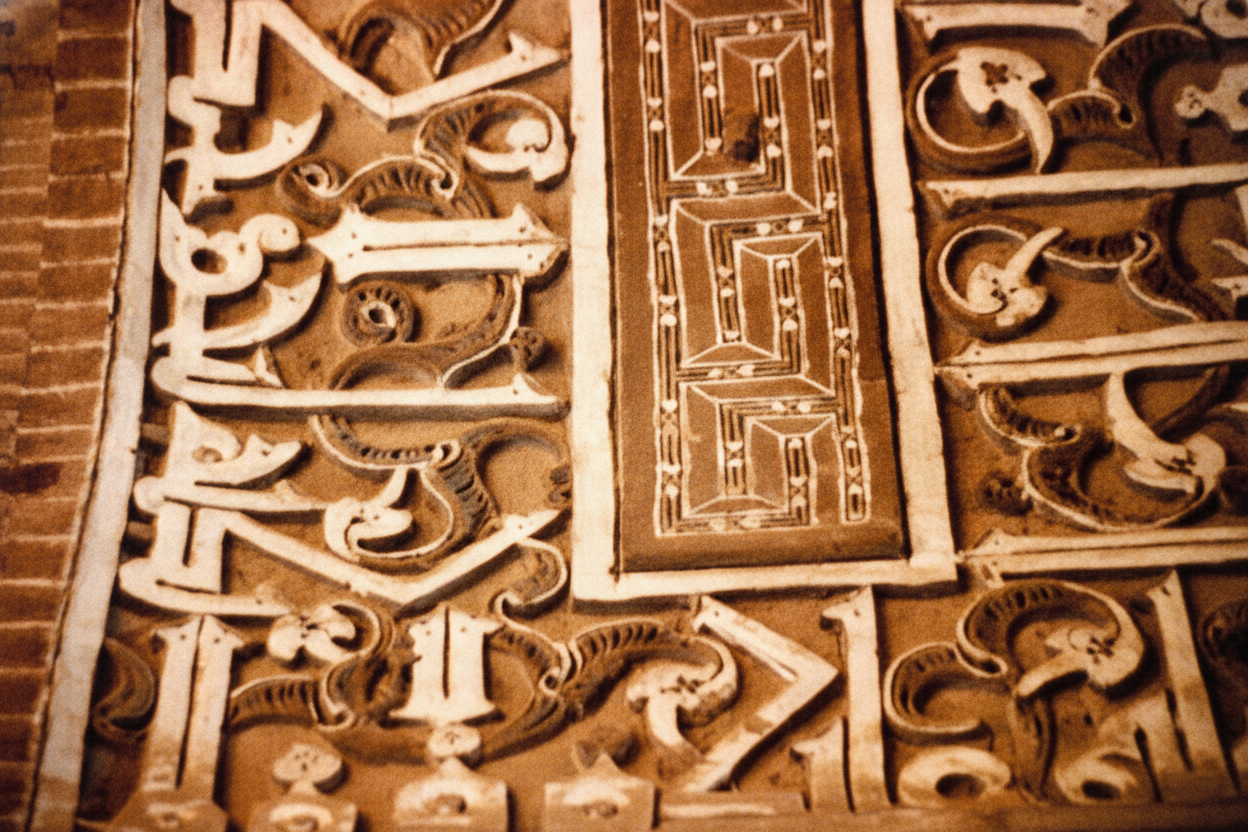
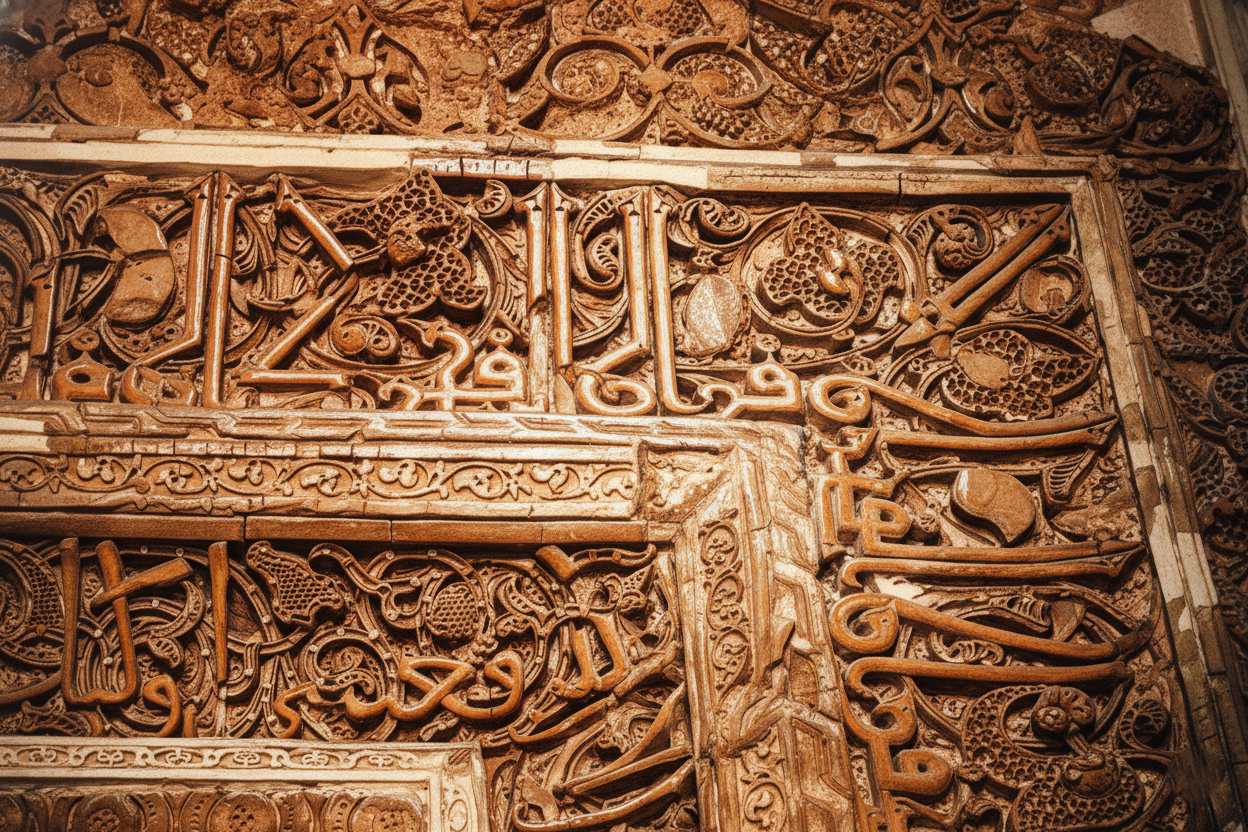
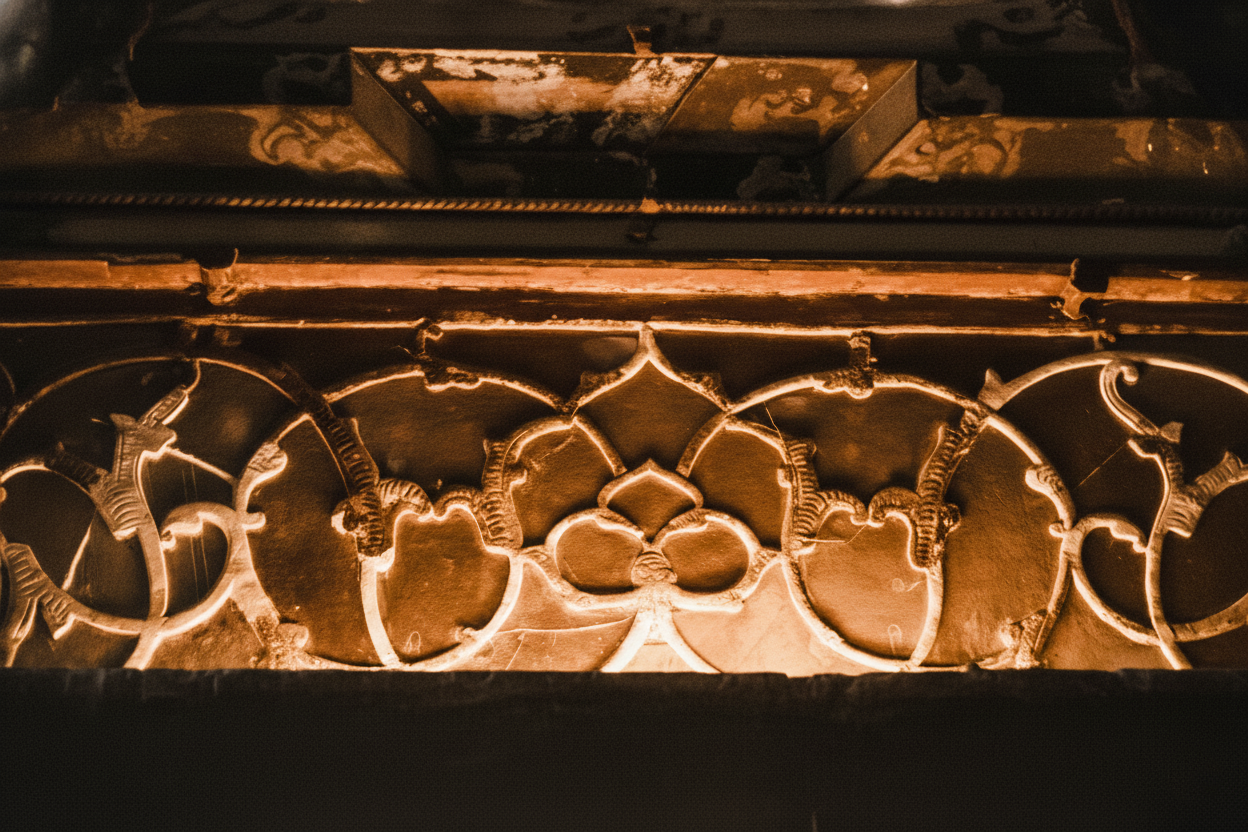
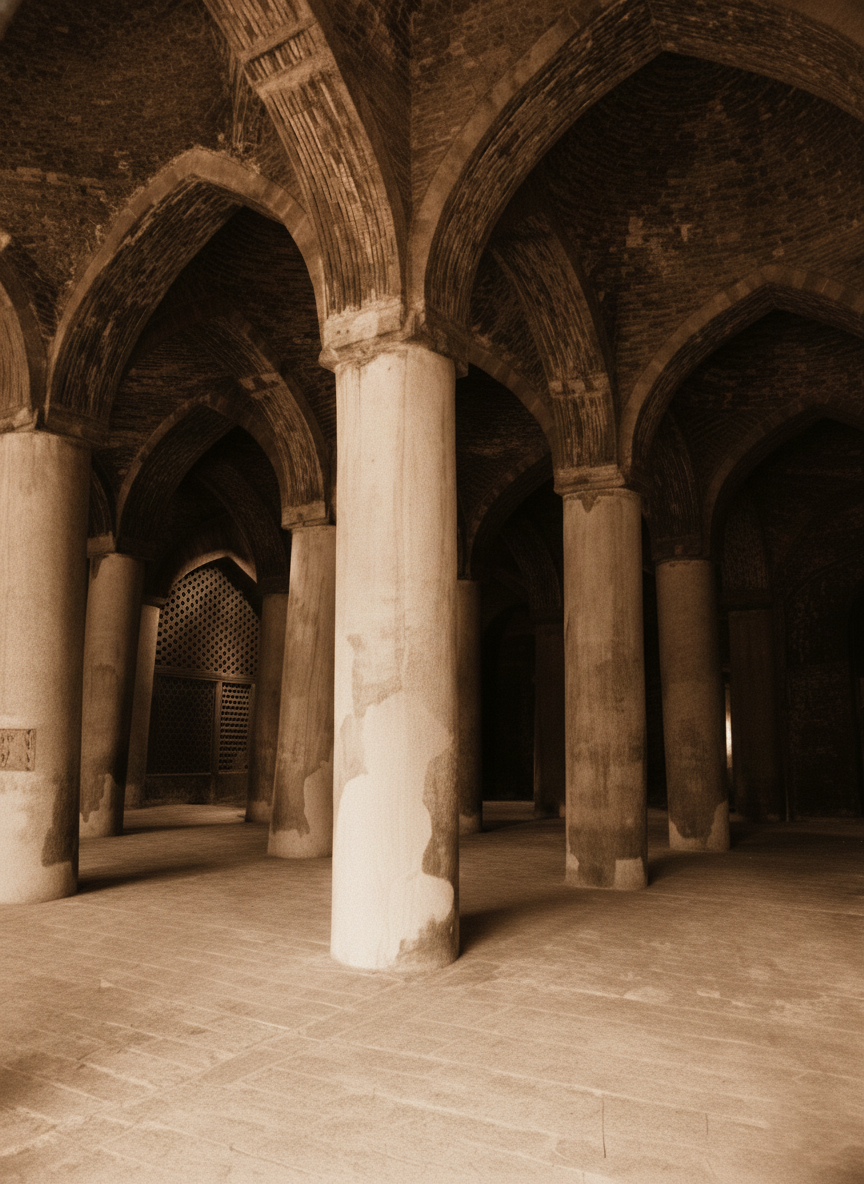
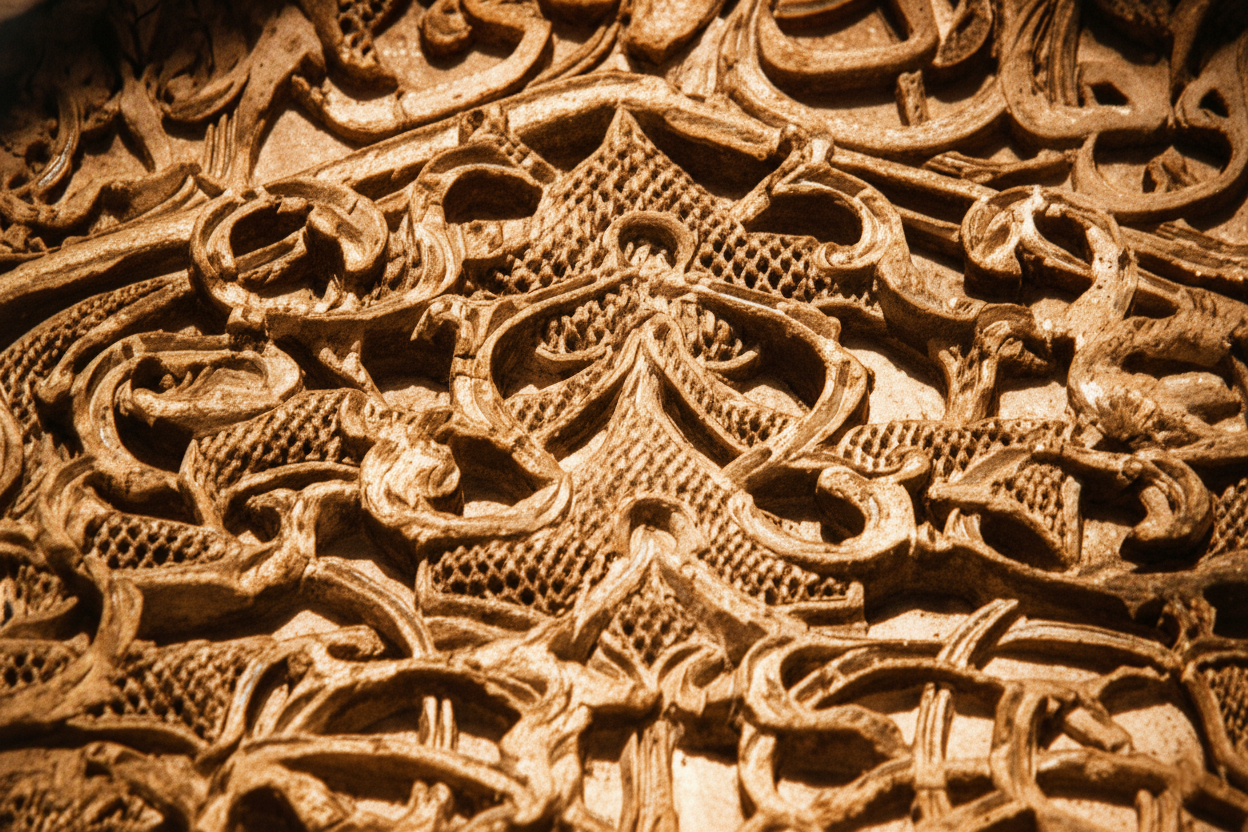
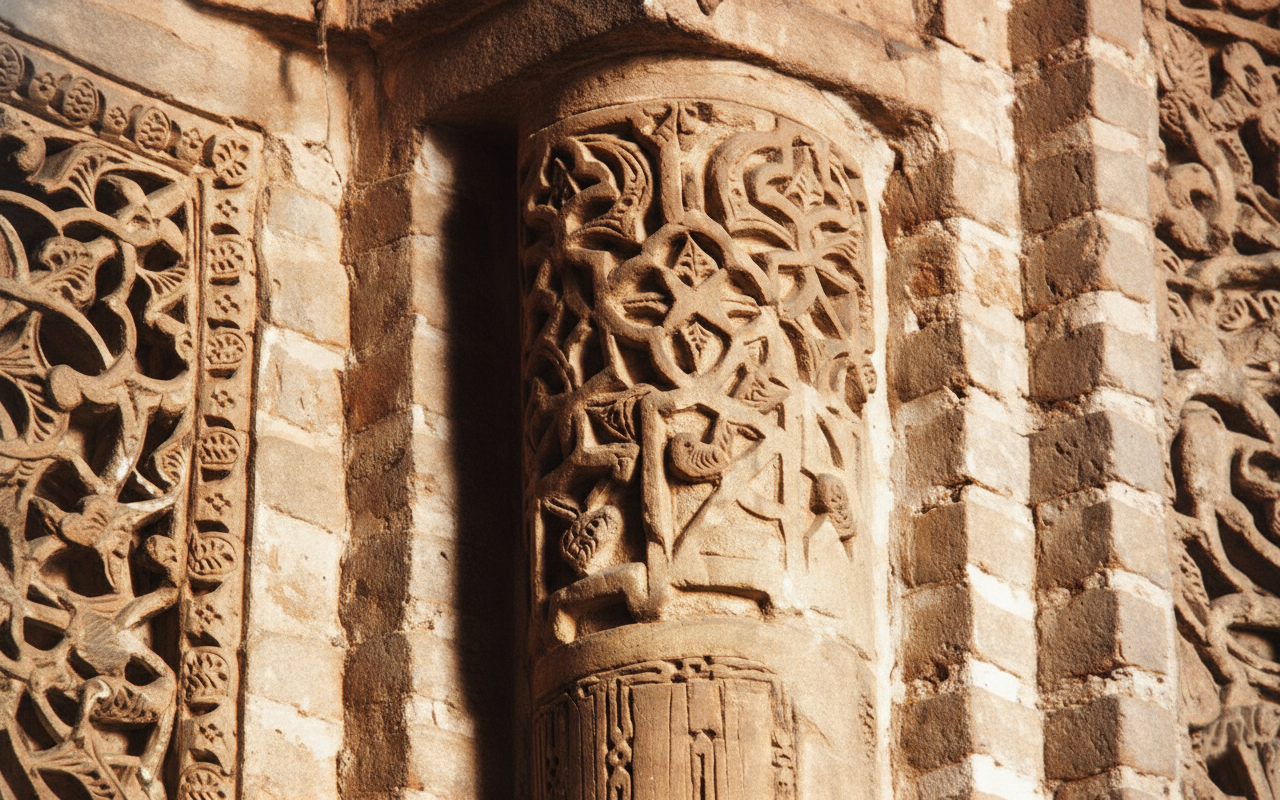
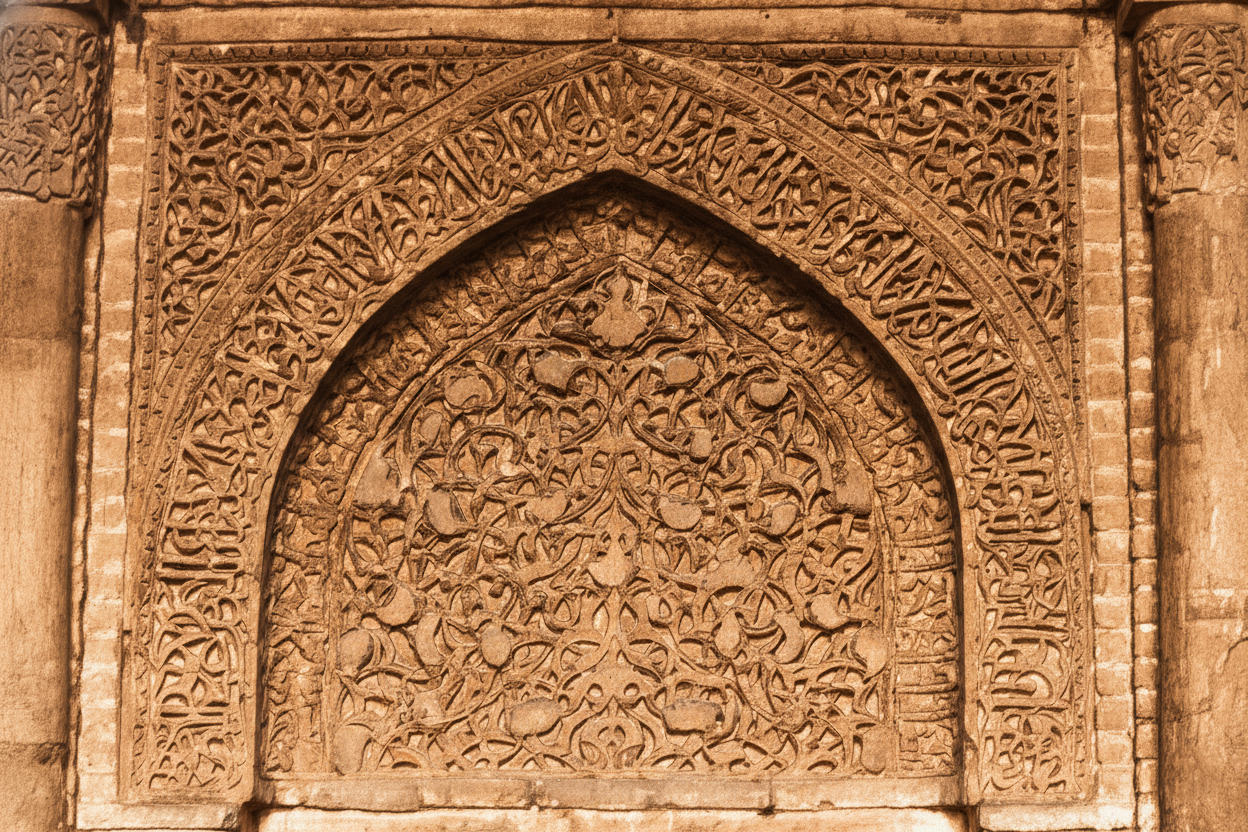
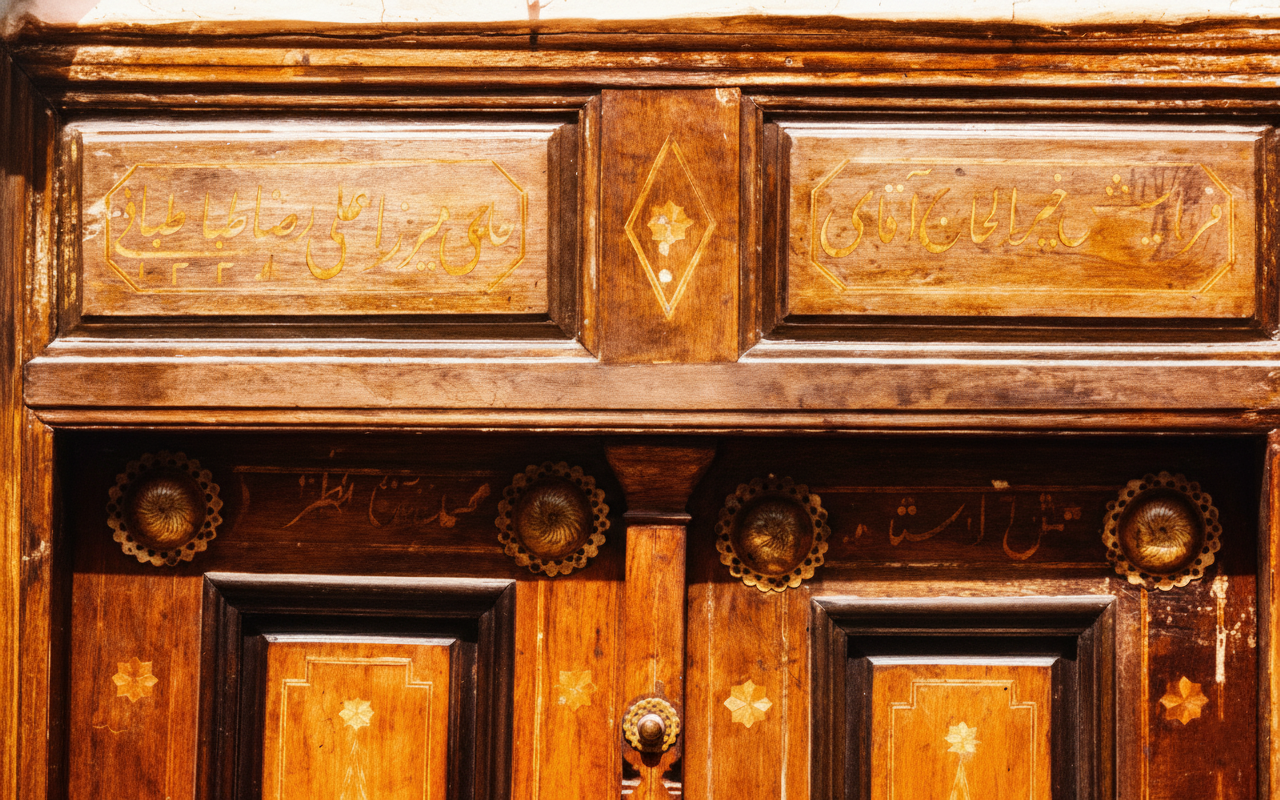
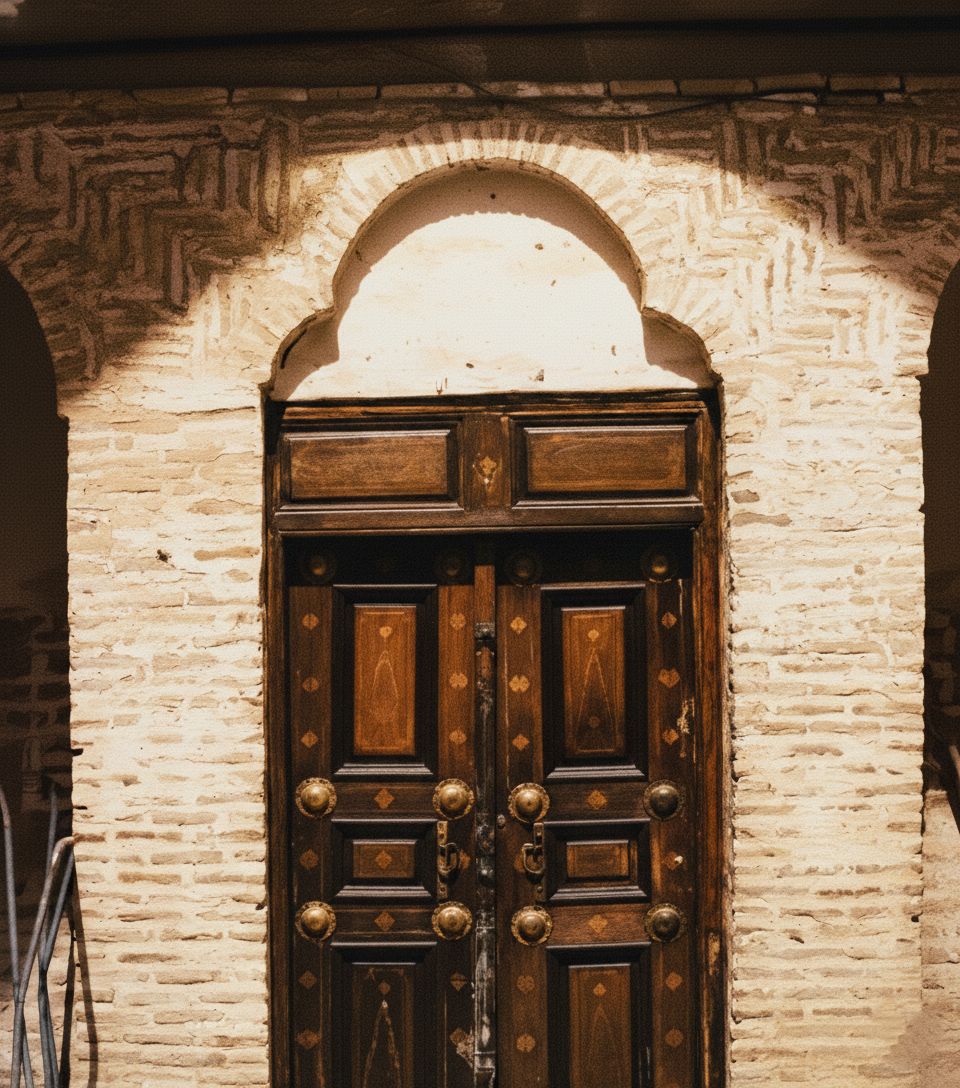
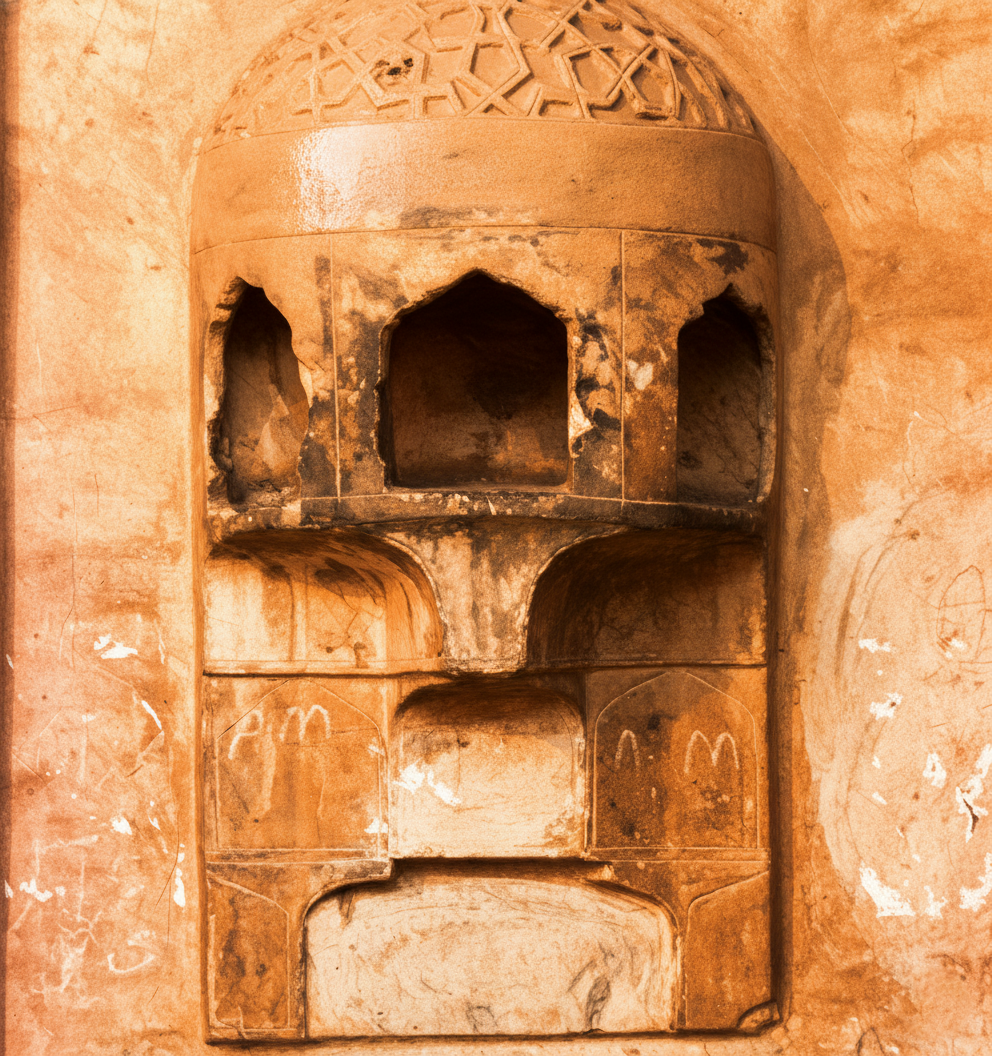
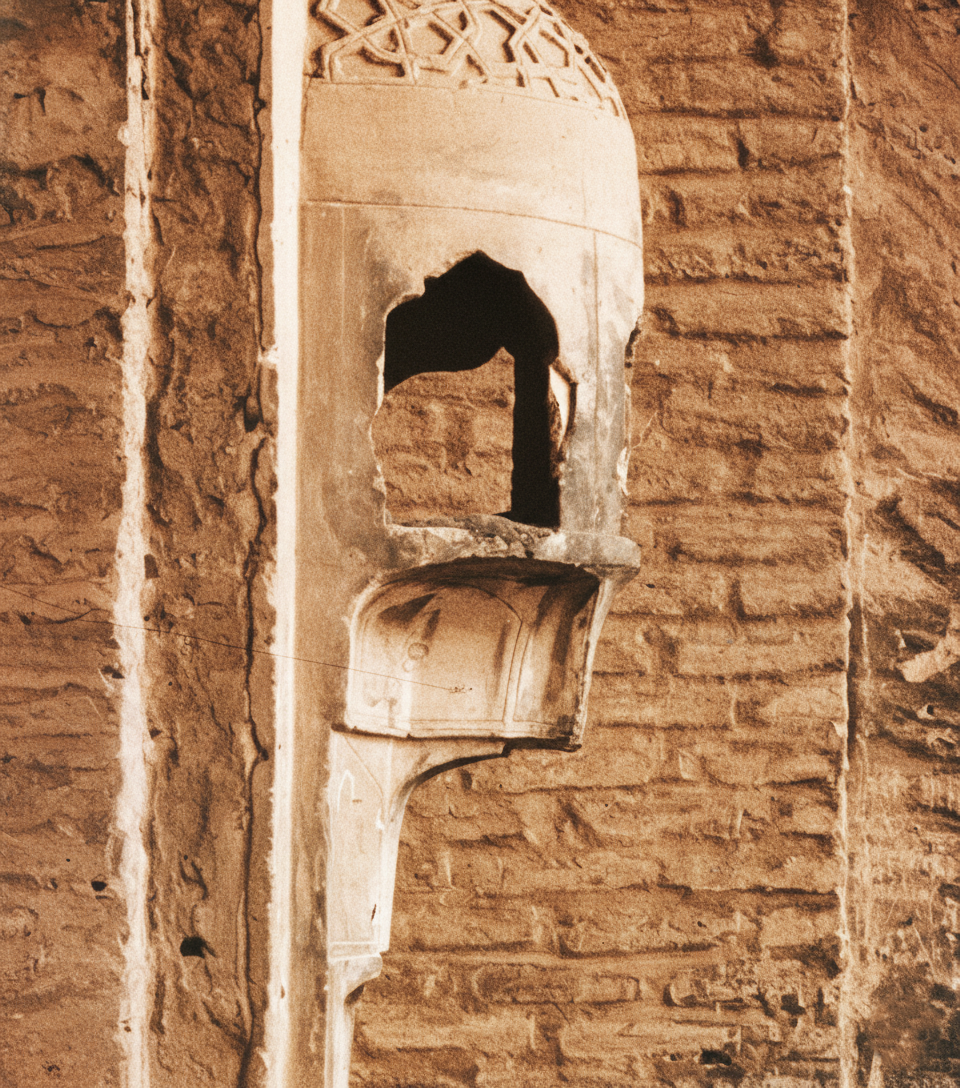
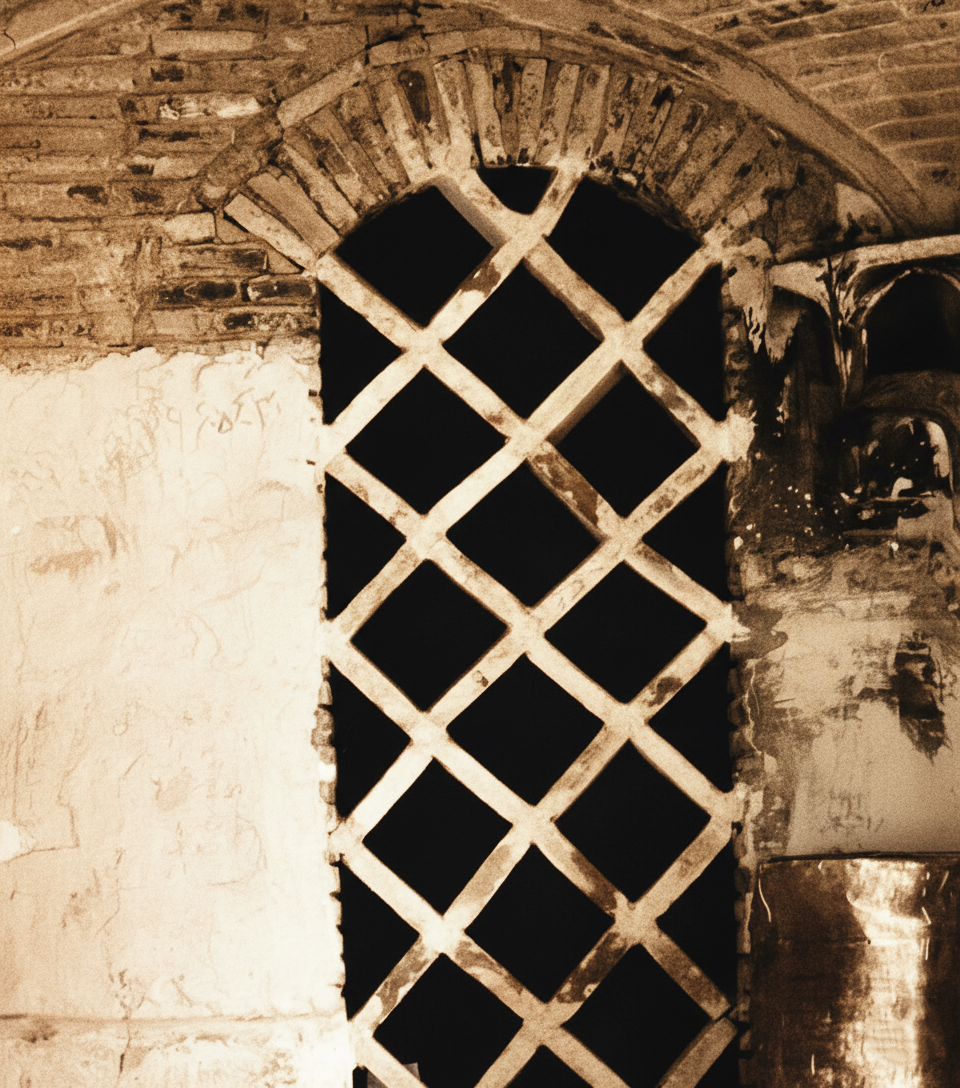
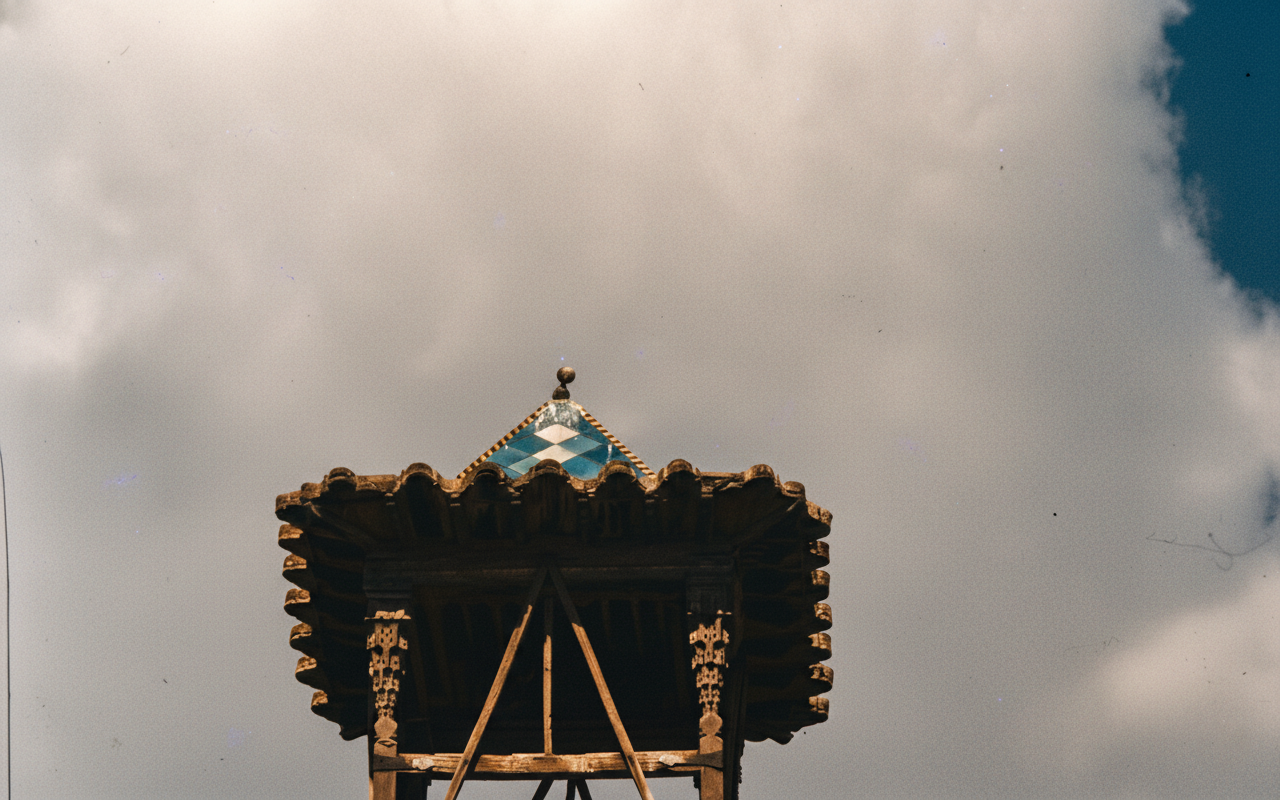
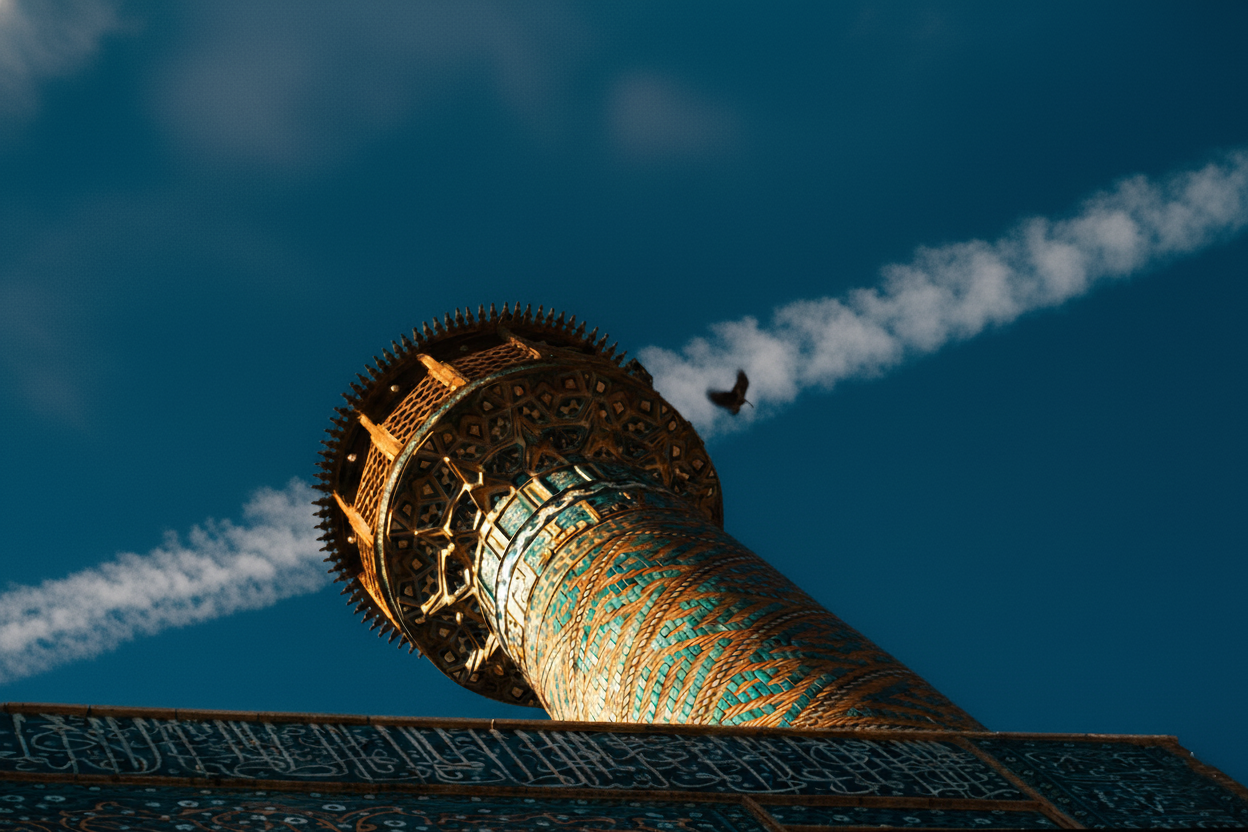
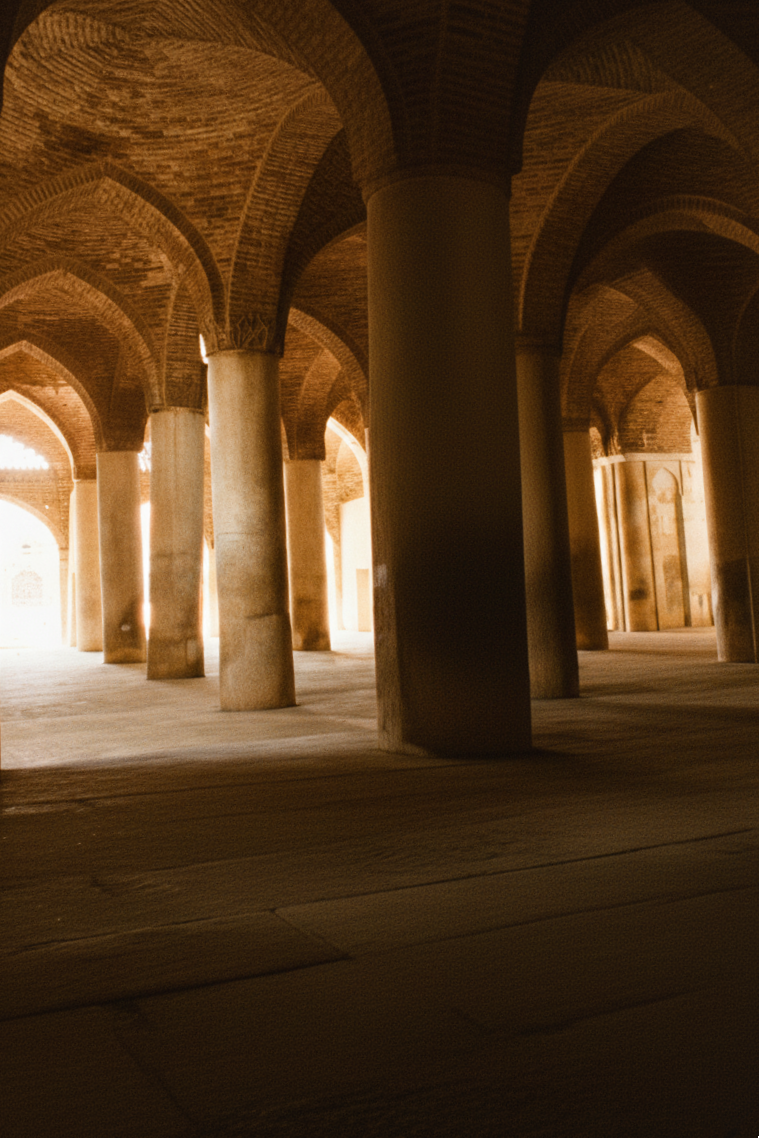
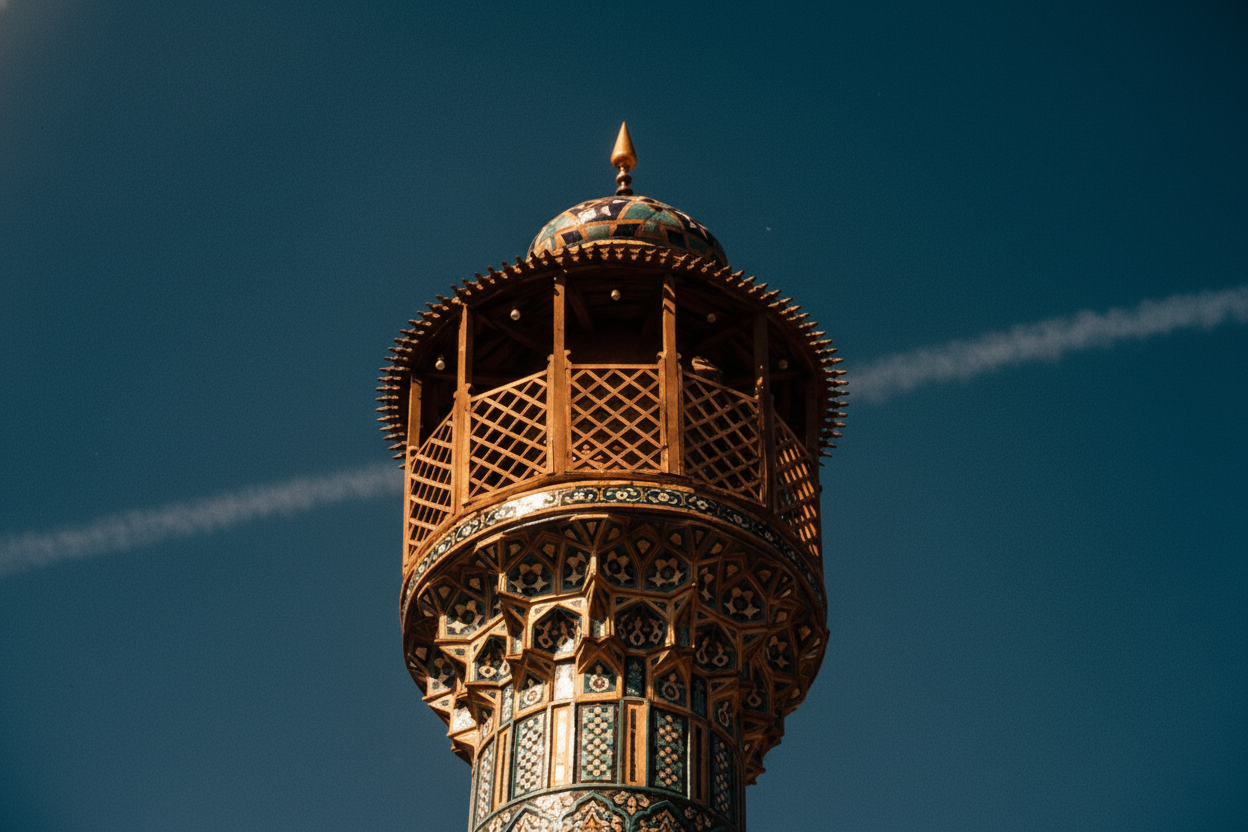
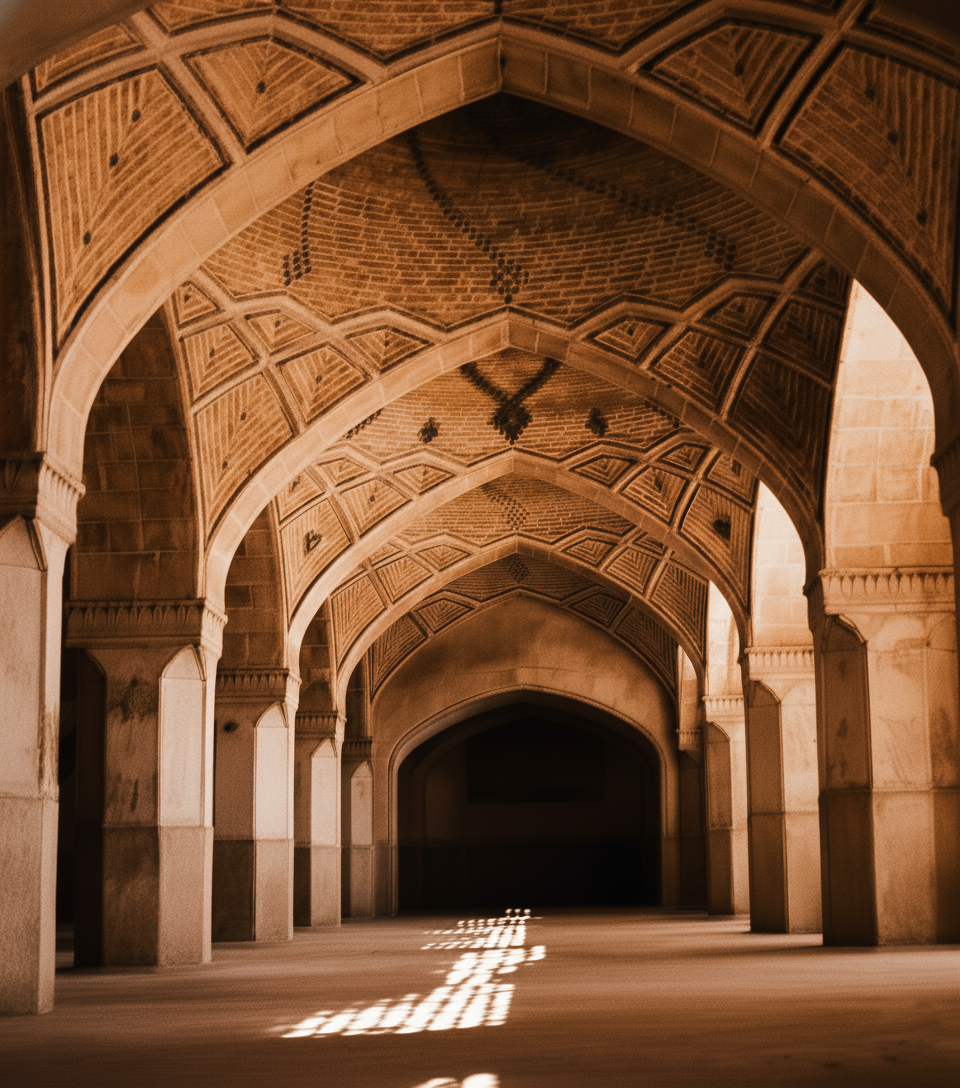
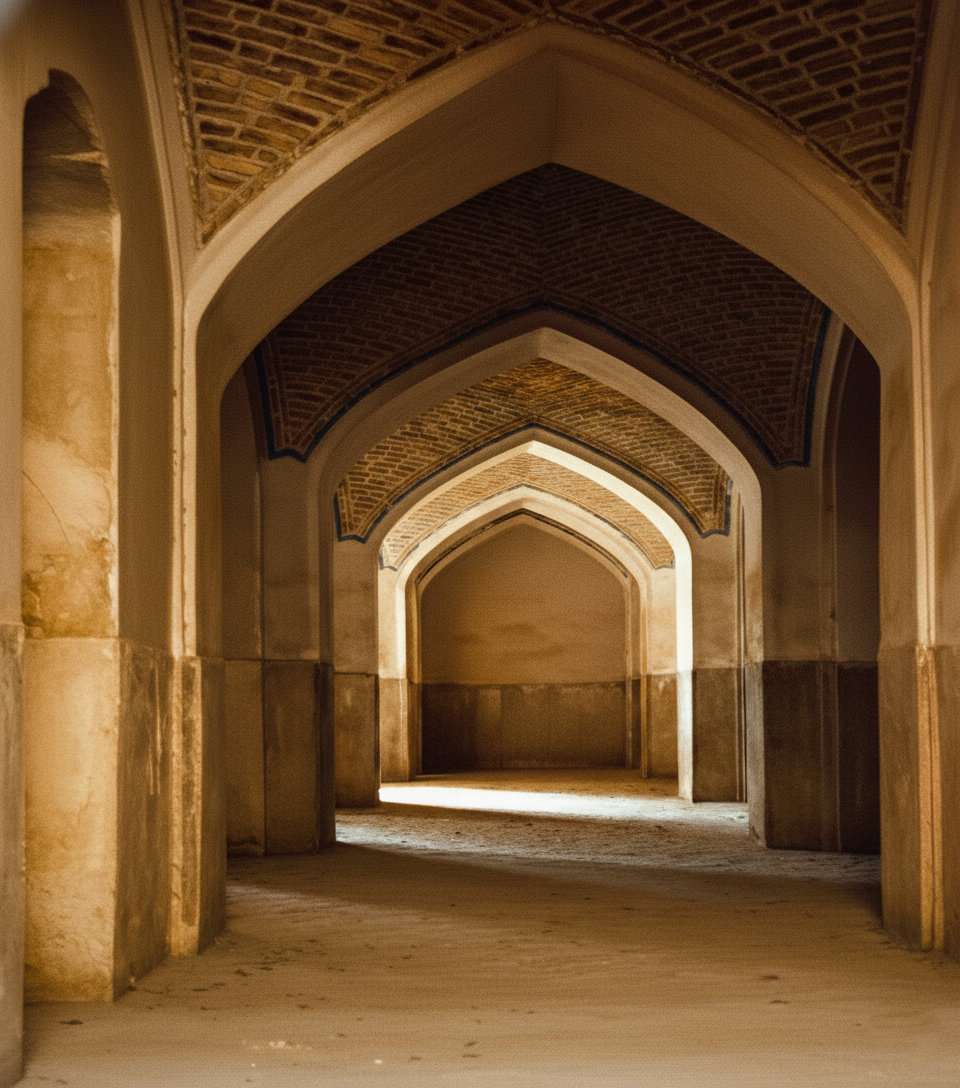
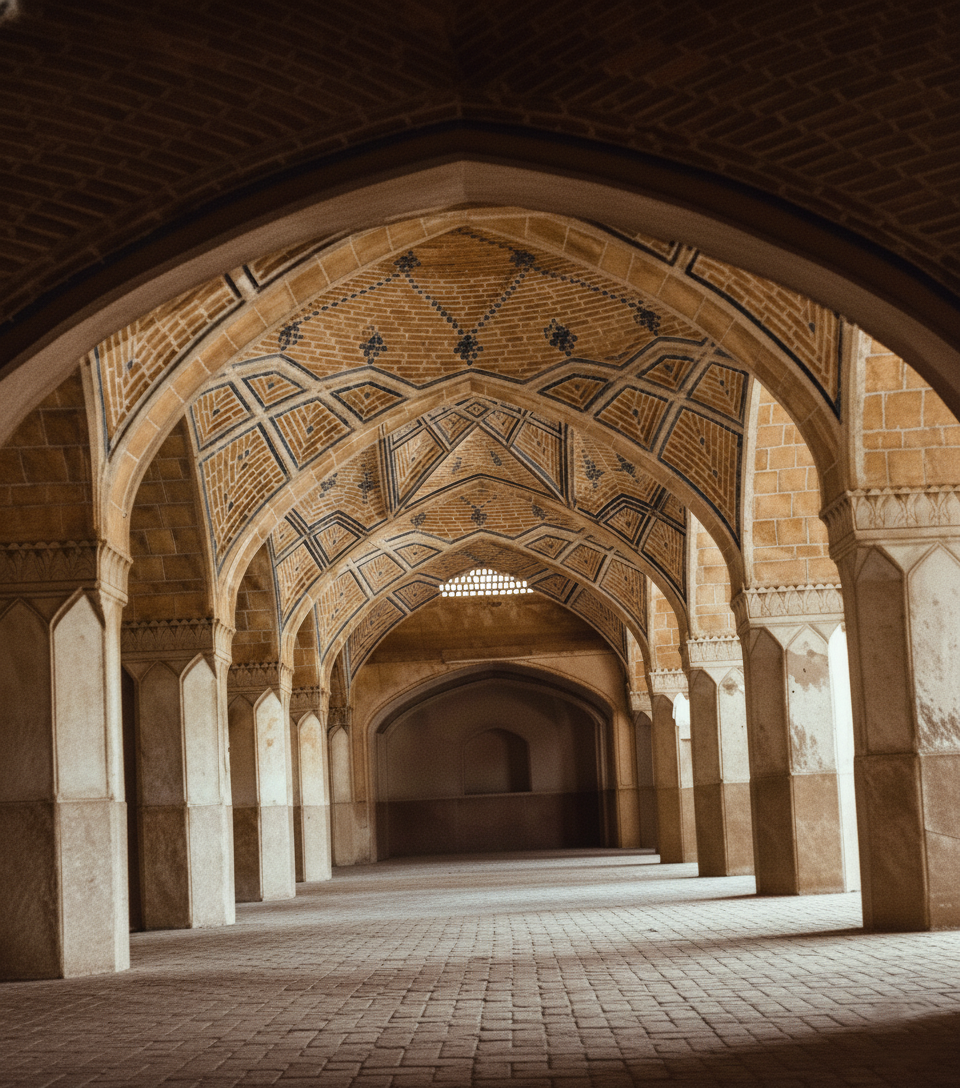
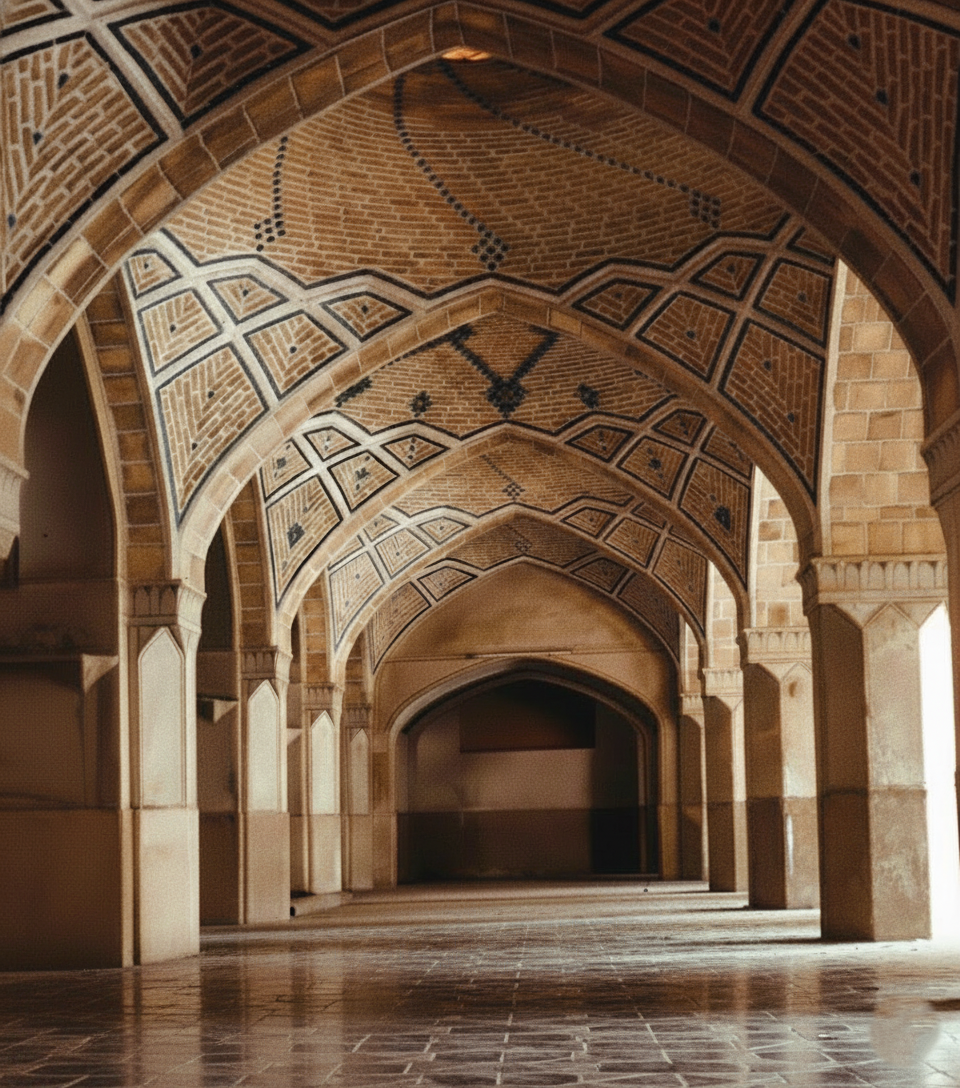
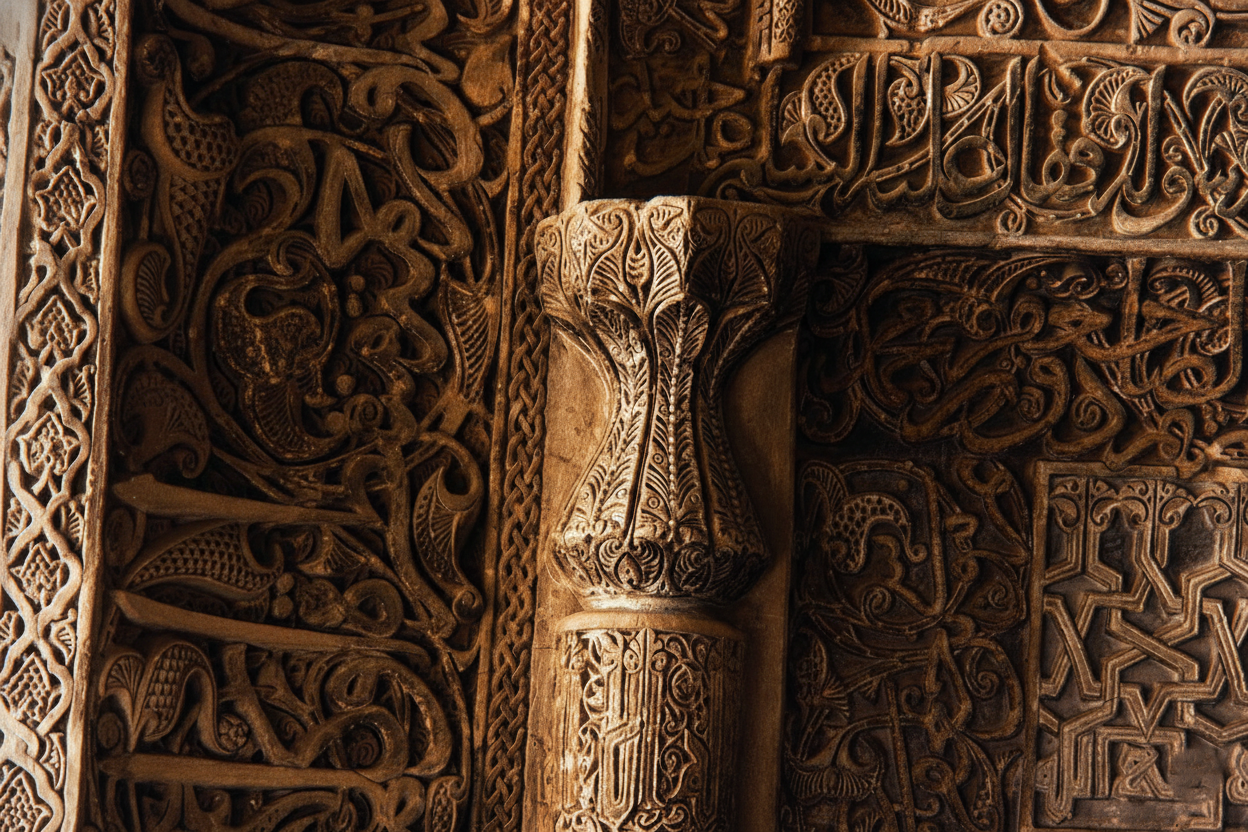
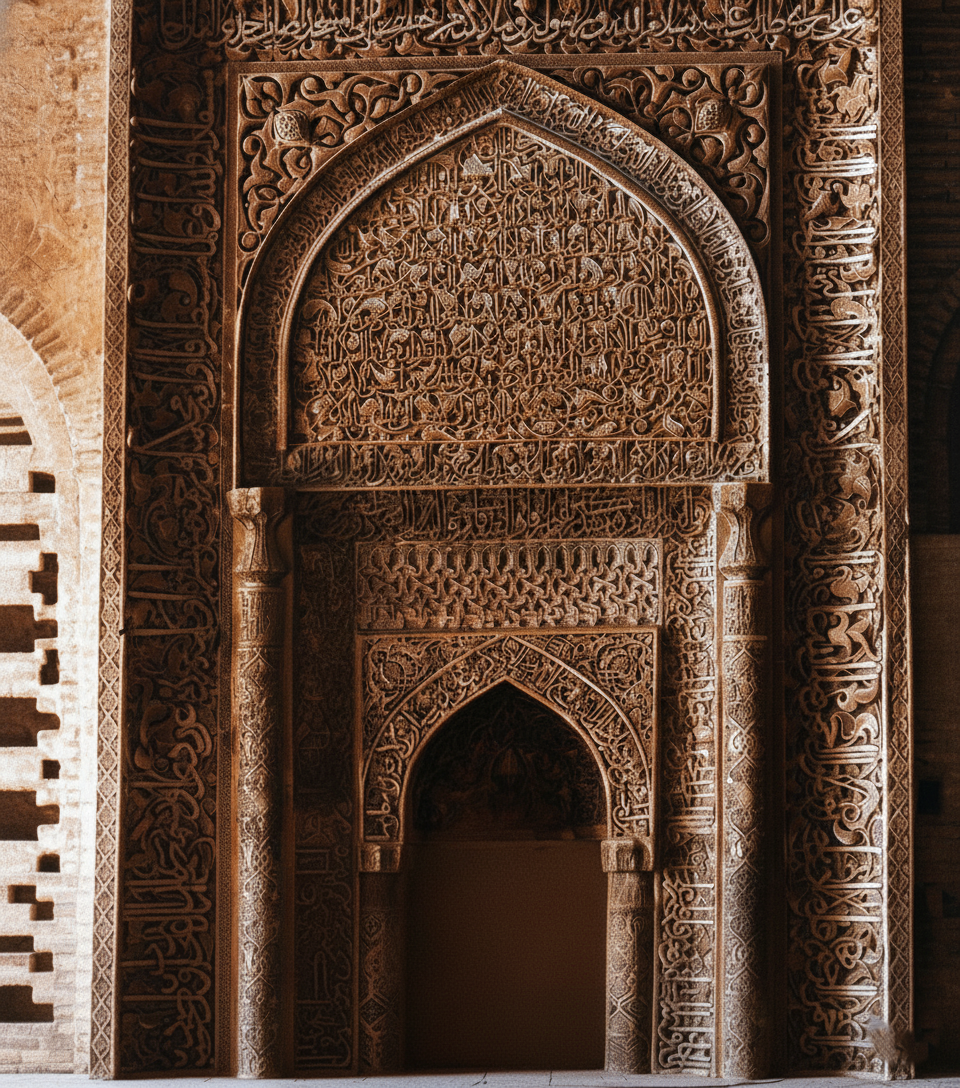
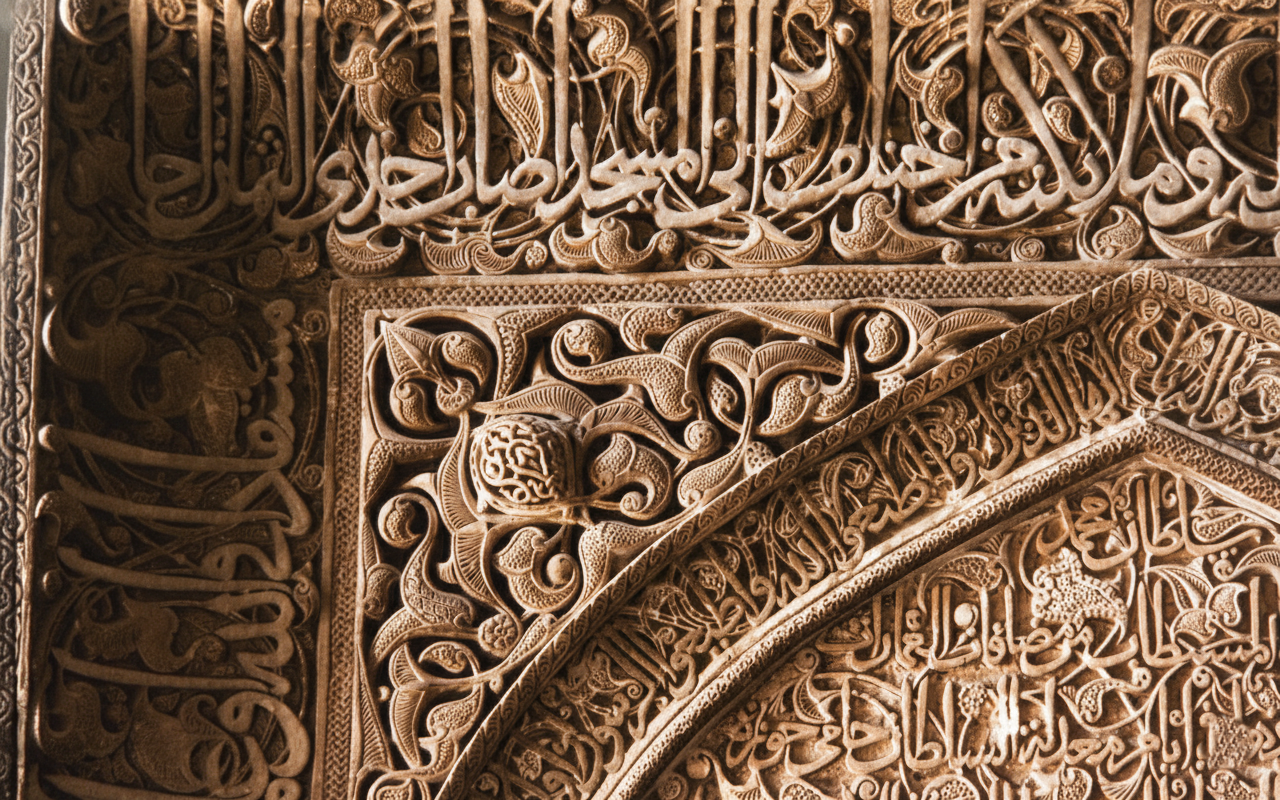
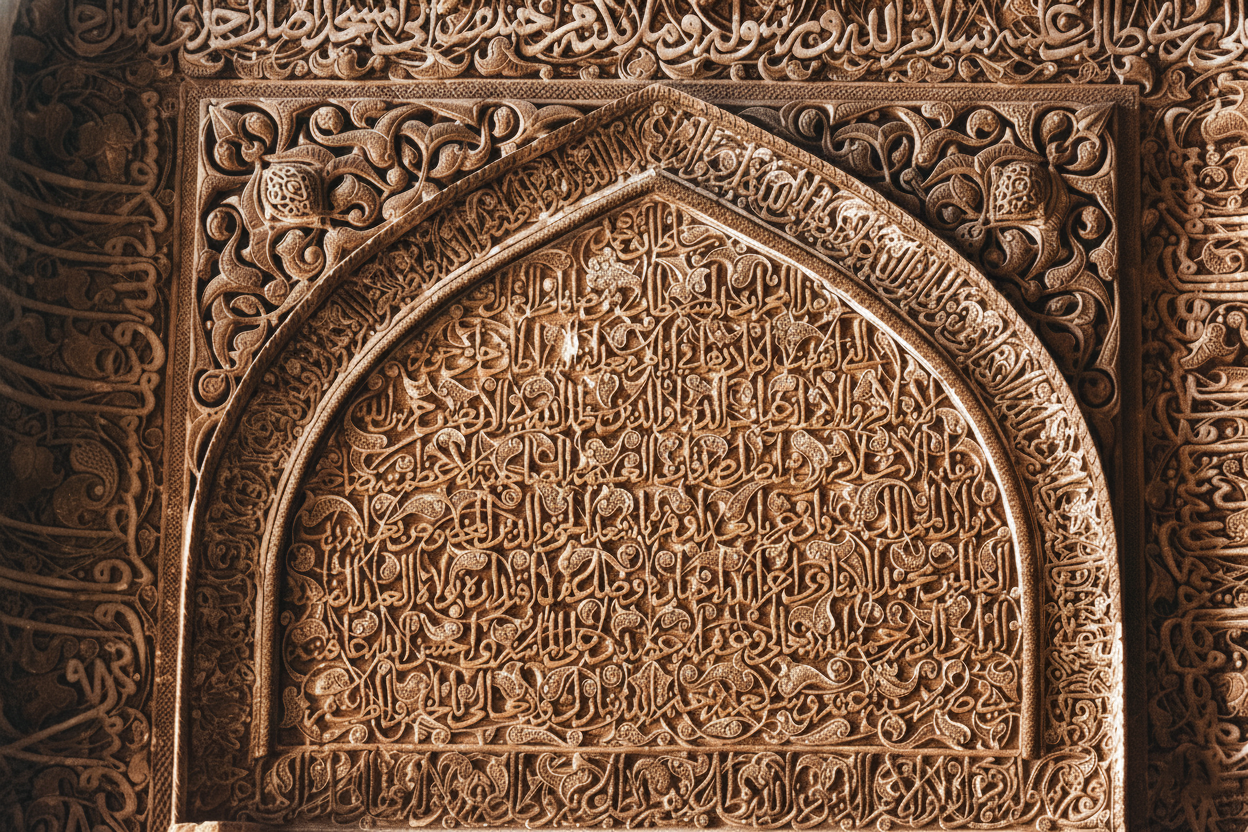
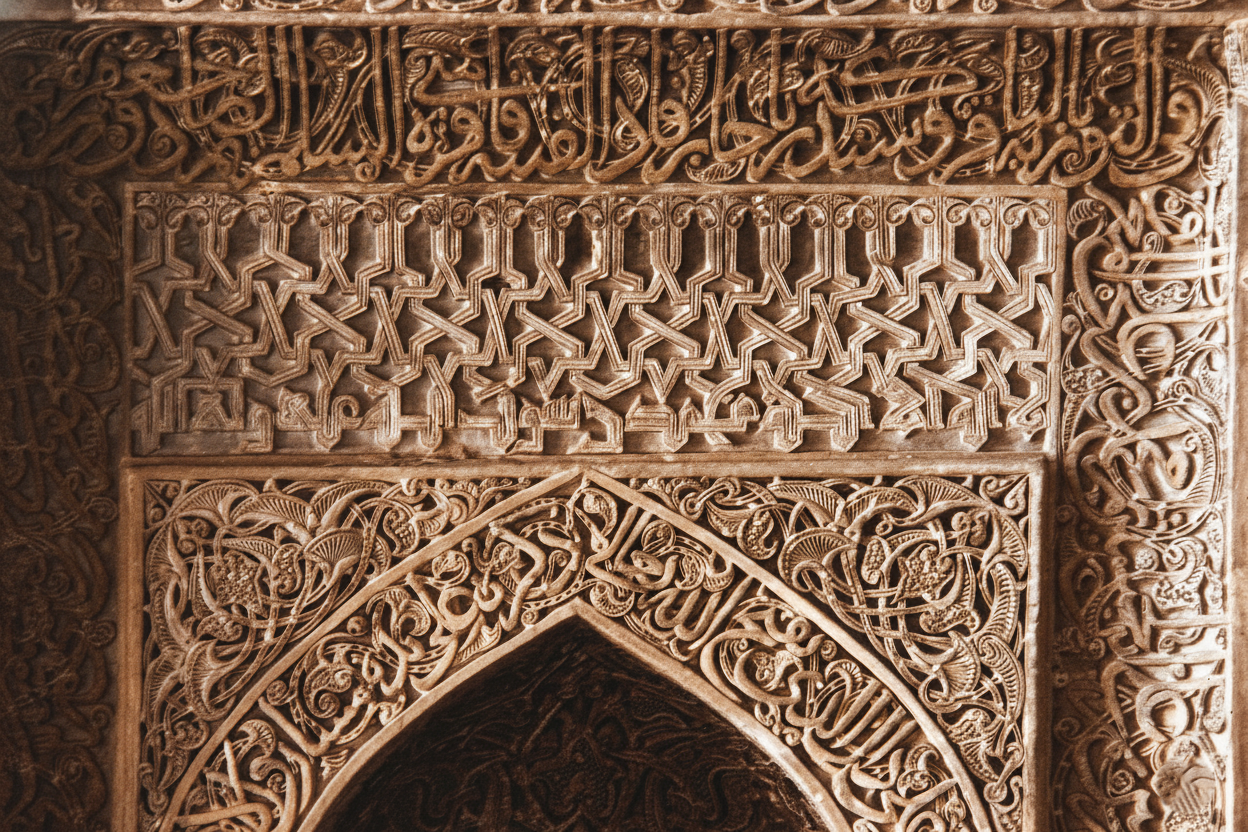
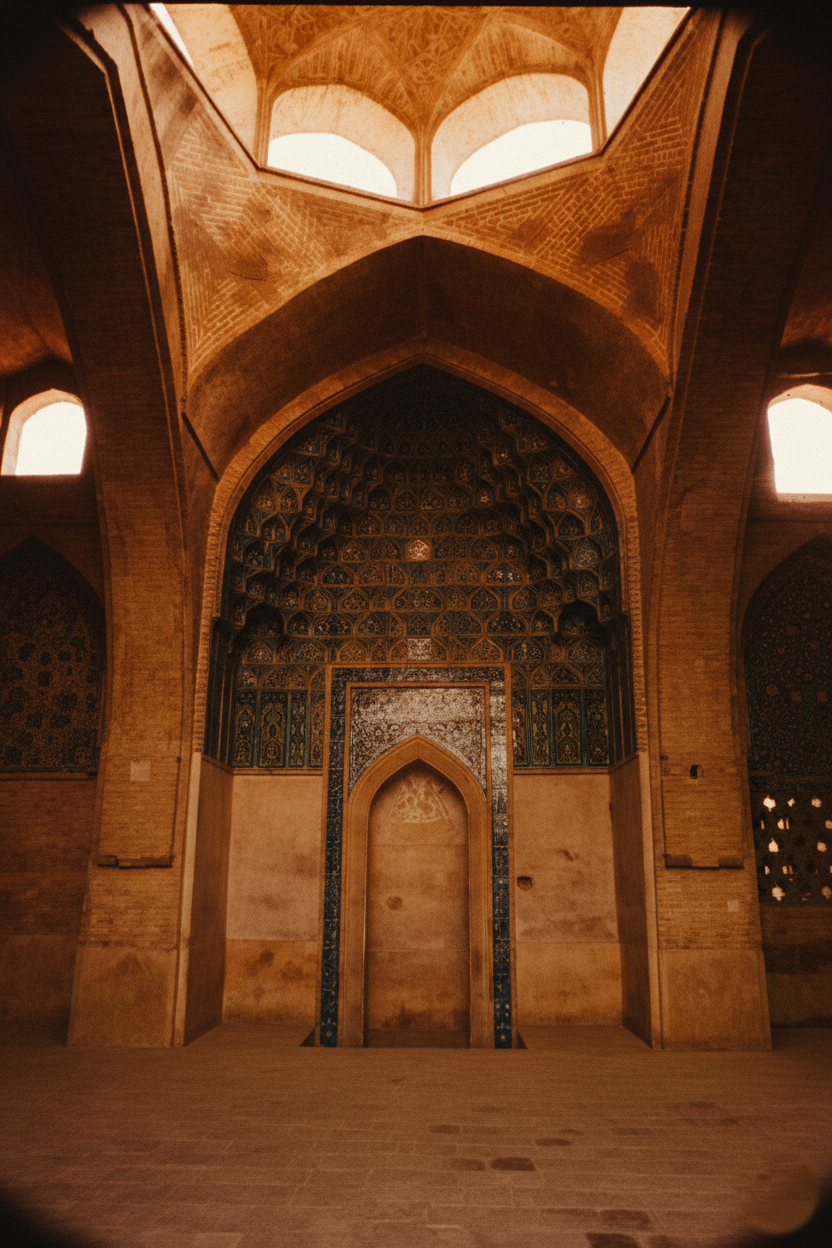
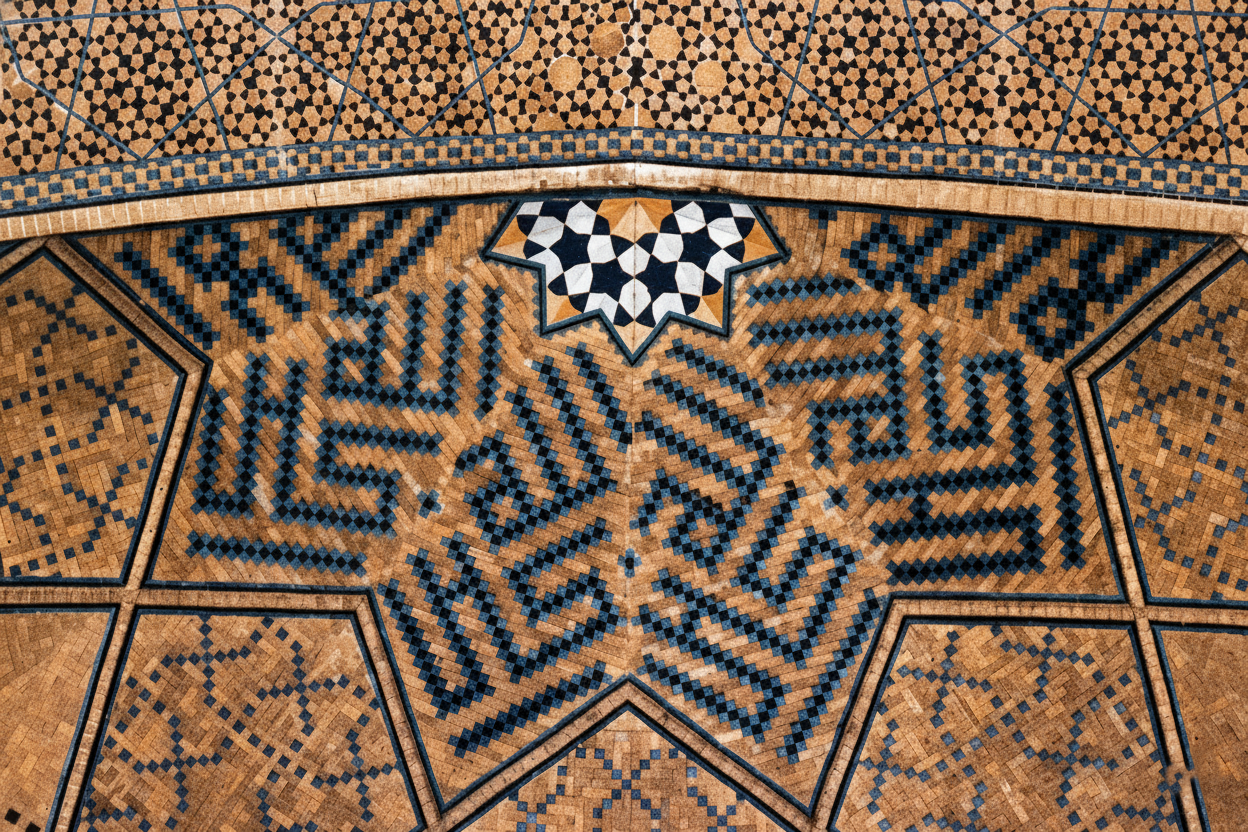
The Jameh Mosque of Isfahan (مسجد جامع اصفهان), known as the “Encyclopedia of Iranian Architecture,” preserves over 1,200 years of architectural history. Embedded within the Isfahan Bazaar (بازار اصفهان), it represents the city’s medieval urban core, in contrast to the Safavid imperial planning centered on Naqsh-e Jahan Square.
-
Jameh Mosque of Isfahan — “Encyclopedia of Iranian Architecture”
The Jameh Mosque of Isfahan (مسجد جامع اصفهان) is often described as the “Encyclopedia of Iranian Architecture” because it preserves more than 1,200 years of architectural development, reflecting successive dynasties from the early Islamic period through the Seljuk (11th–12th centuries), Ilkhanid (13th–14th centuries), Safavid (16th–17th centuries), and later eras. Built on the site of an earlier Sassanian (ساسانی) fire temple (before 651 CE), the mosque embodies the continuity of religious practice and architectural experimentation in Iran.
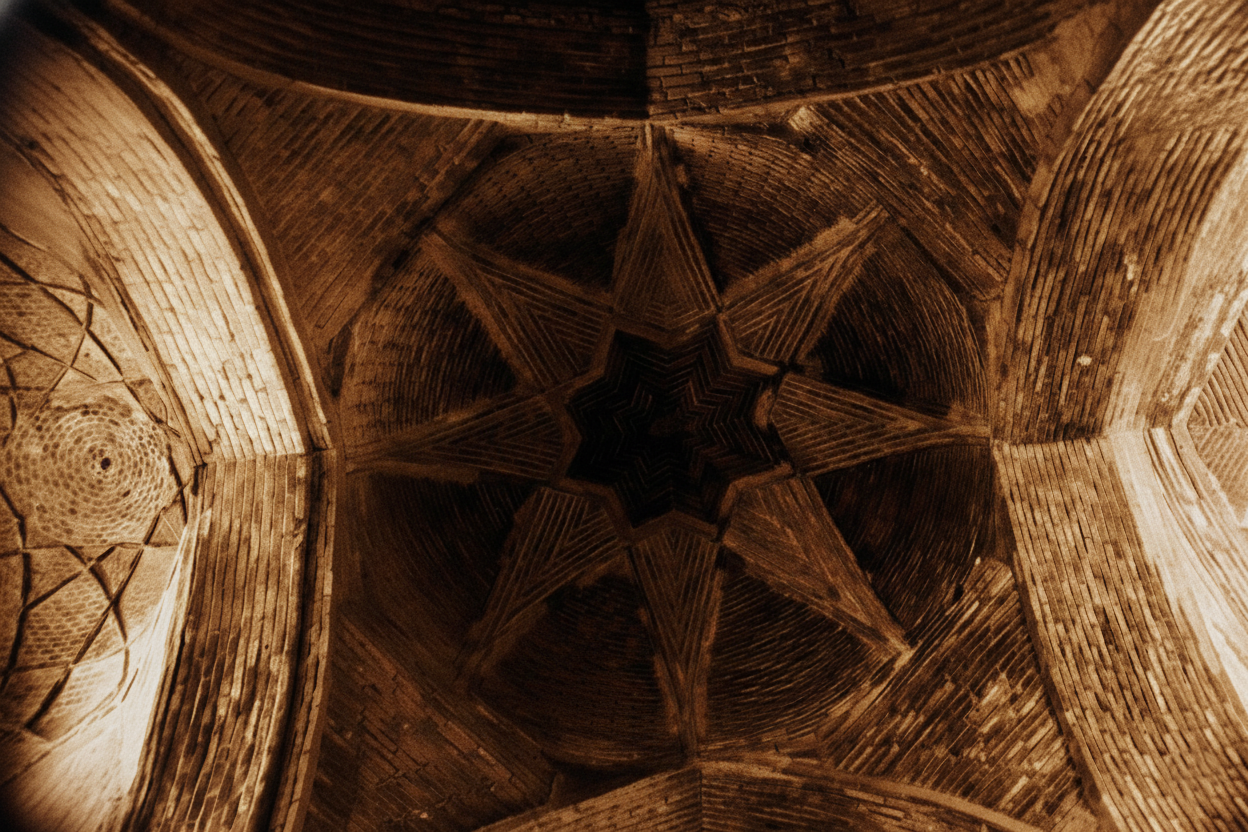
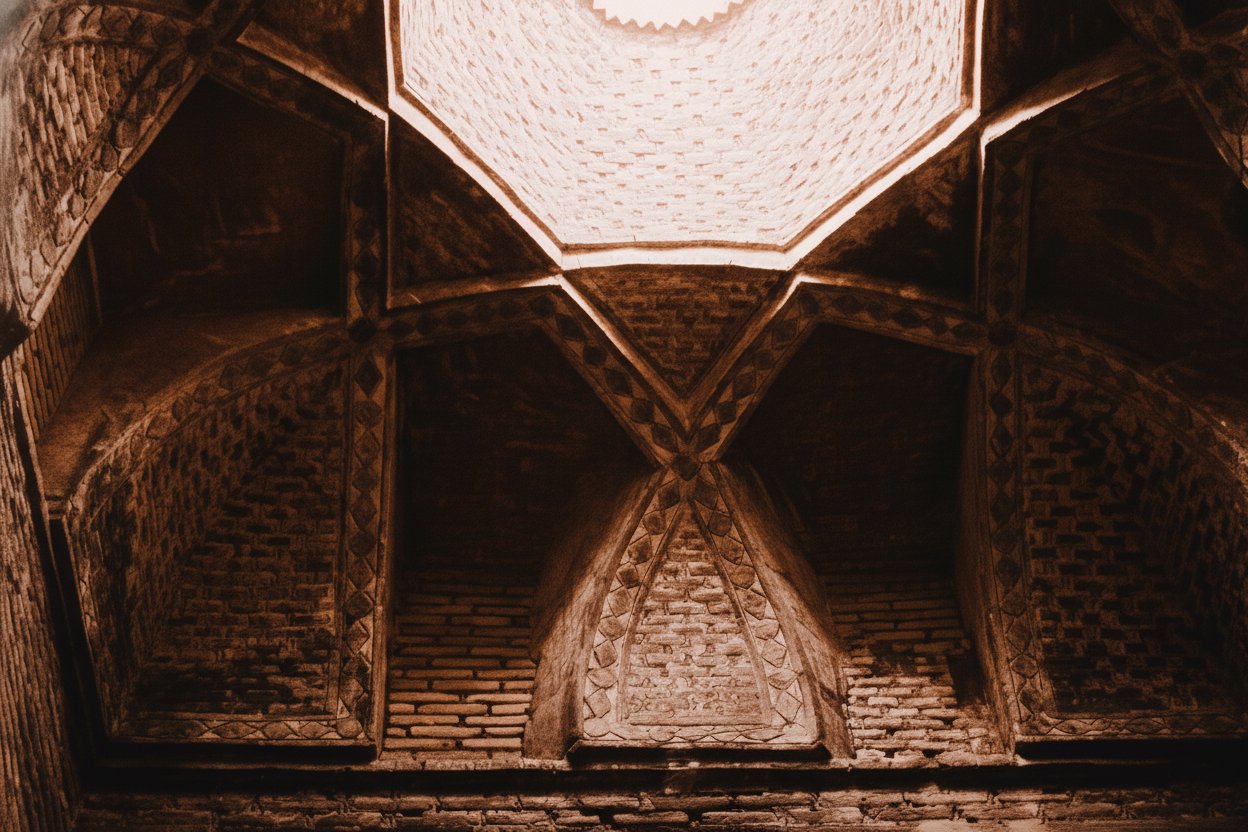
During the Seljuk period, the mosque underwent its most transformative phase when the four-iwan plan (چهارایوانی) was introduced. This innovation, together with the construction of the monumental brick domes commissioned by Nizam al-Mulk (نظامالملک) and Taj al-Mulk (تاجالملک) in the late 11th century, established a spatial model that would become the dominant typology for mosques across Iran and Central Asia.
Unlike later Safavid monuments organized around Naqsh-e Jahan Square (میدان نقش جهان), the Jameh Mosque developed within the organic urban fabric of the Isfahan Grand Bazaar (بازار بزرگ اصفهان). Located at the northern end of the bazaar, it functioned as the religious and civic nucleus of the pre-Safavid city, where commerce, scholarship, and daily religious life intersected. Its close integration with the market reflects the medieval Islamic model of urban organization in which the congregational mosque, bazaar, and civic institutions formed the core of the city.
Within the broader narrative of imperial urban planning, the Jameh Mosque represents the earlier urban order that Safavid planners inherited and later restructured. When Shah Abbas I (شاه عباس اول) established Isfahan as the imperial capital in 1598, the Safavid state shifted the ceremonial and political center southward toward Naqsh-e Jahan Square, where the Shah Mosque (مسجد شاه / مسجد امام) served as the new imperial congregational mosque. In contrast to the monumental blue-tiled spectacle of the Safavid mosque, the Jameh Mosque remained deeply embedded in the brick architecture and labyrinthine passages of the bazaar.
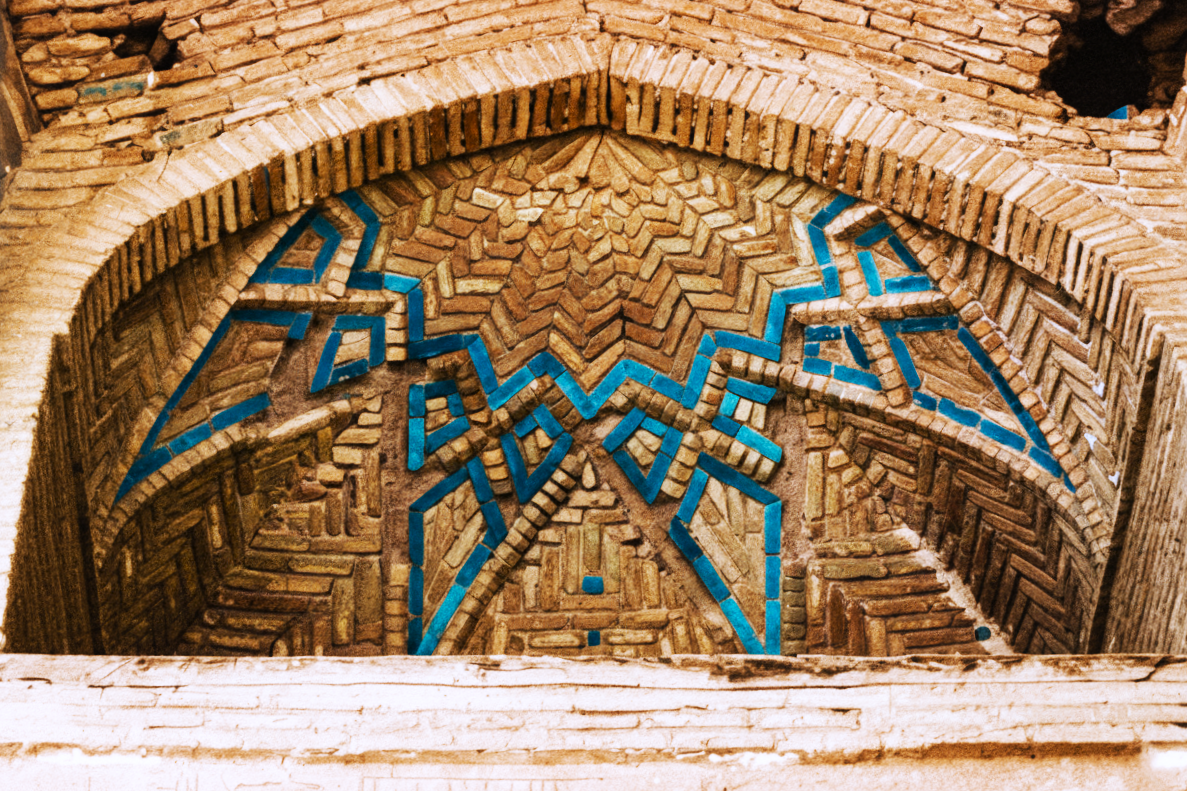
This contrast is often described as “Jameh vs. Shah (Brick vs. Blue)”. The Jameh Mosque expresses the structural honesty and tectonic clarity of brick architecture, particularly in the Seljuk domes, while the Shah Mosque presents a luminous surface of turquoise tile that dissolves structure into light. In this sense, the Jameh Mosque can be understood as the “people’s mosque,” rooted in the everyday urban life of the bazaar, while the Shah Mosque functioned as the “king’s mosque,” projecting Safavid imperial authority within the grand stage of Naqsh-e Jahan Square.
Together, these two monuments illustrate the transformation of Isfahan’s urban structure: from a medieval bazaar-centered city to a carefully planned Safavid imperial capital, and eventually to a layered urban landscape where multiple historical periods coexist within the city’s architectural fabric.
