The Seiyed (سید) Mosque
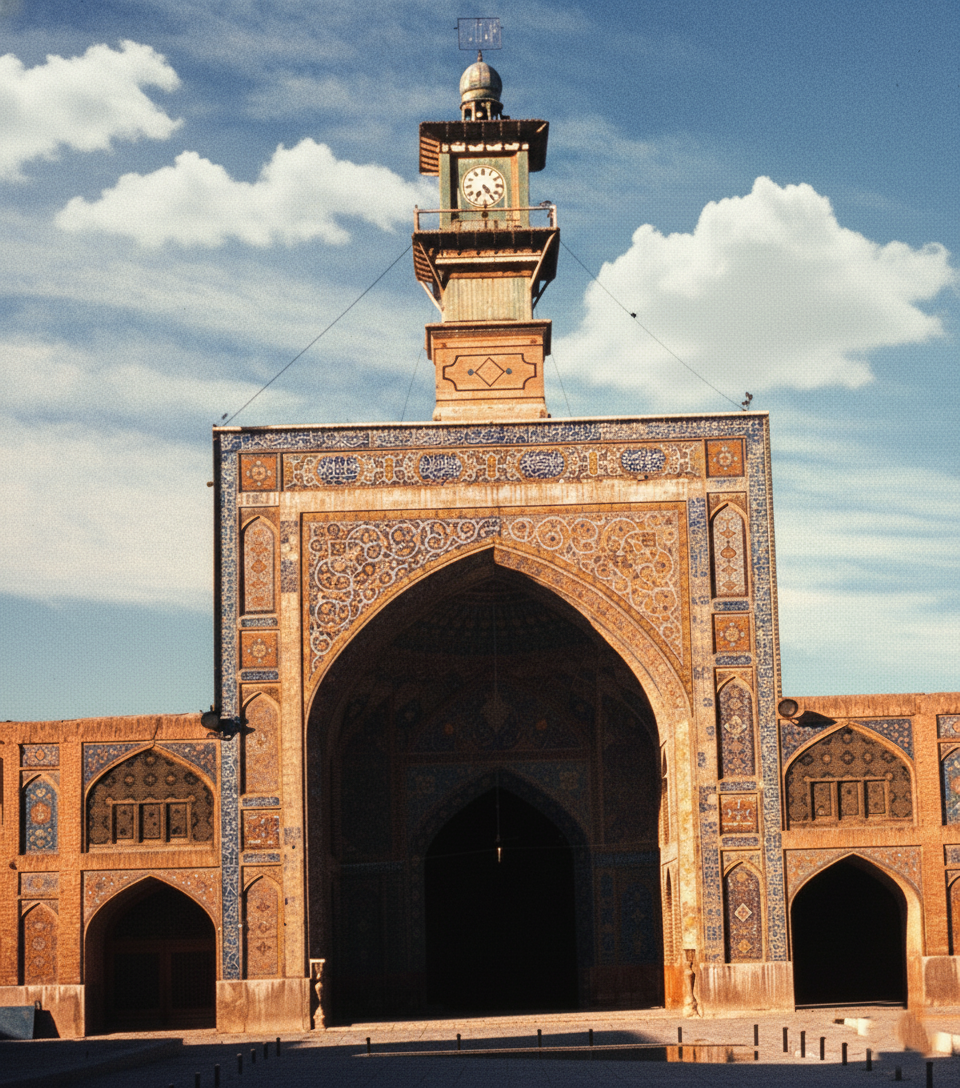
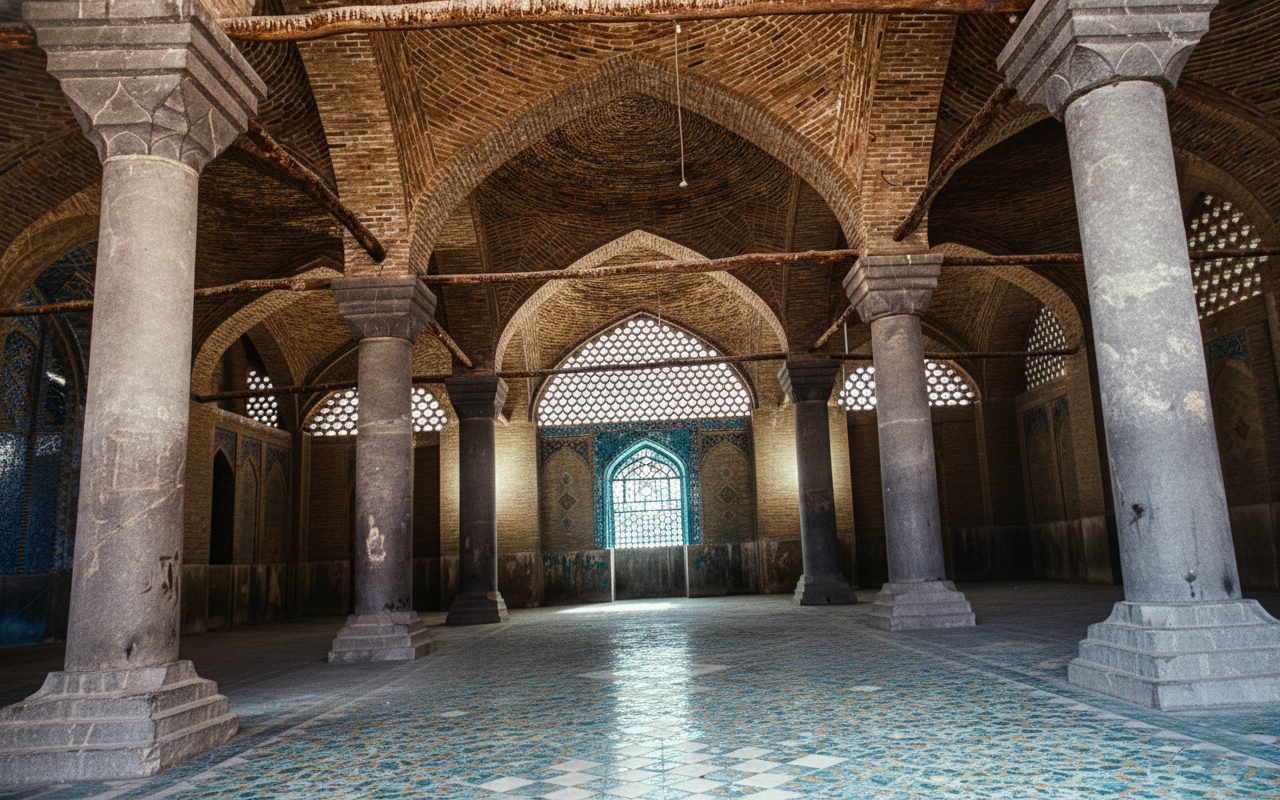
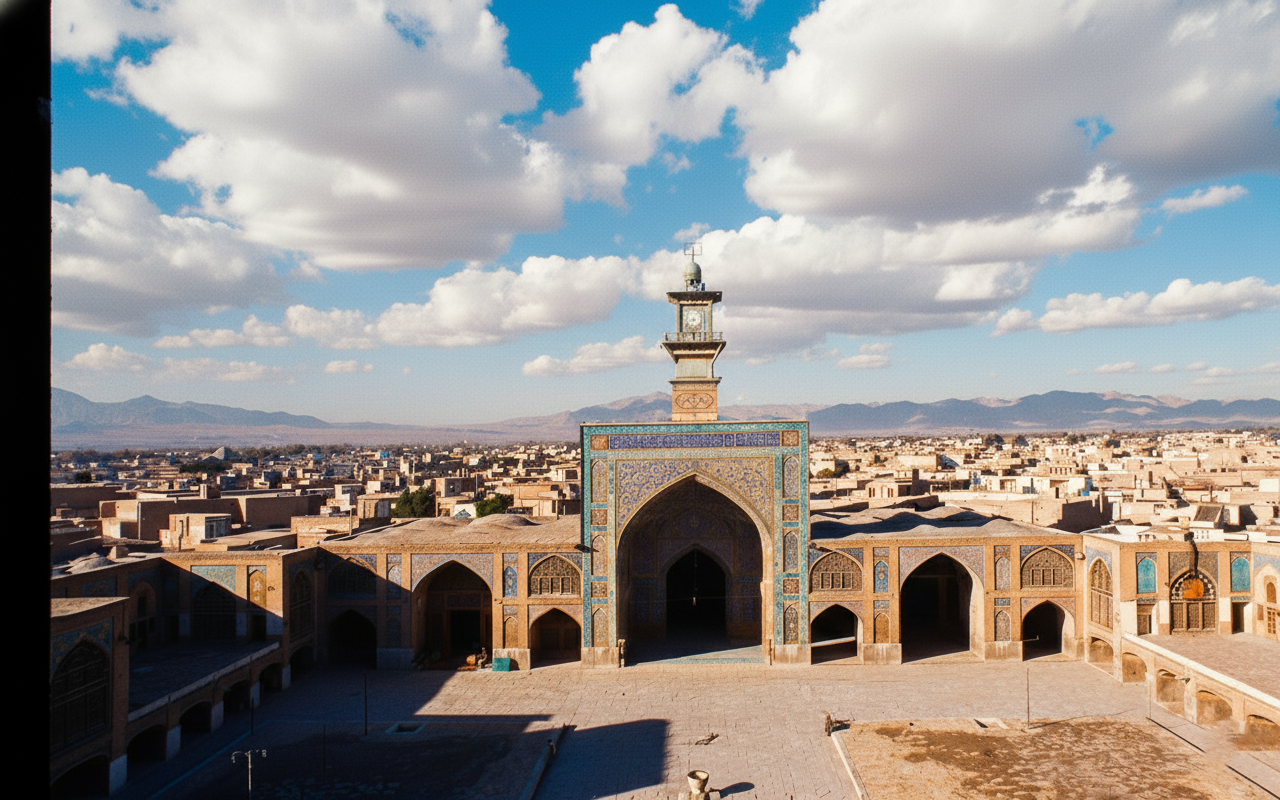
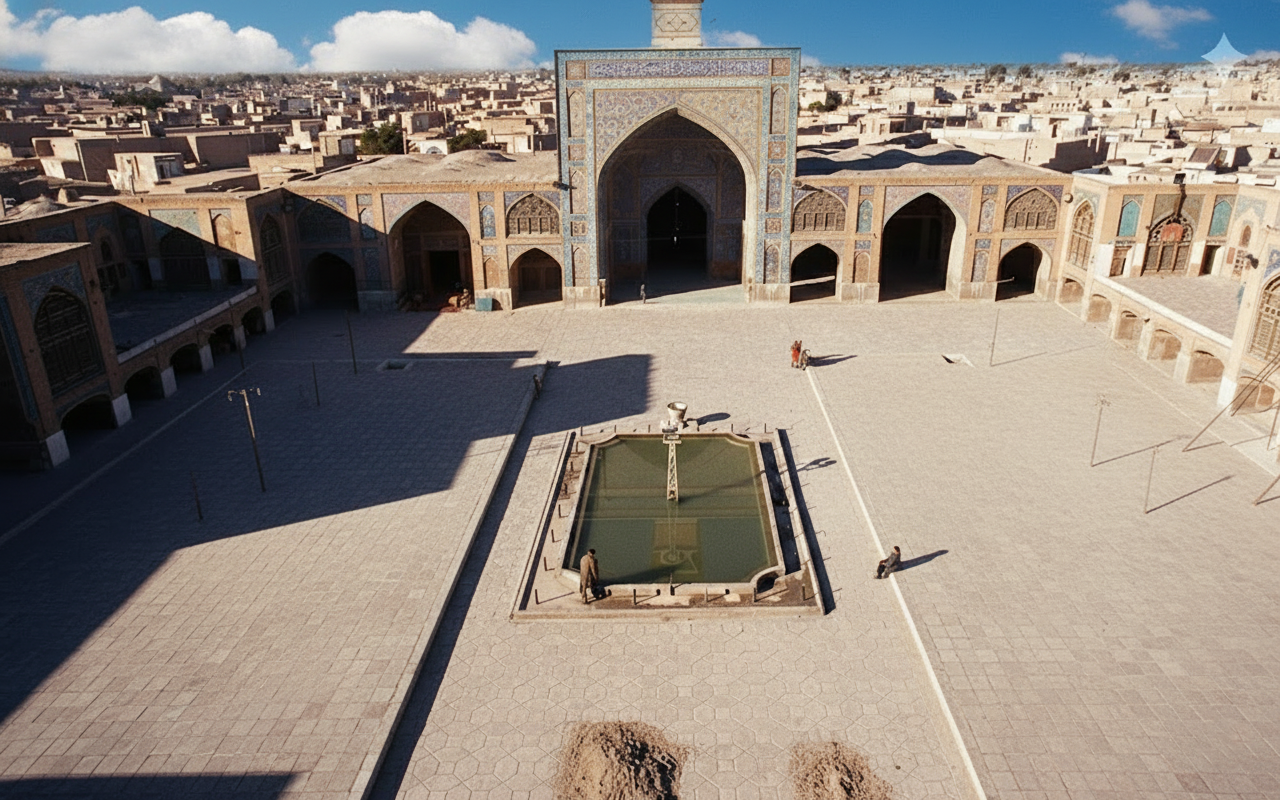
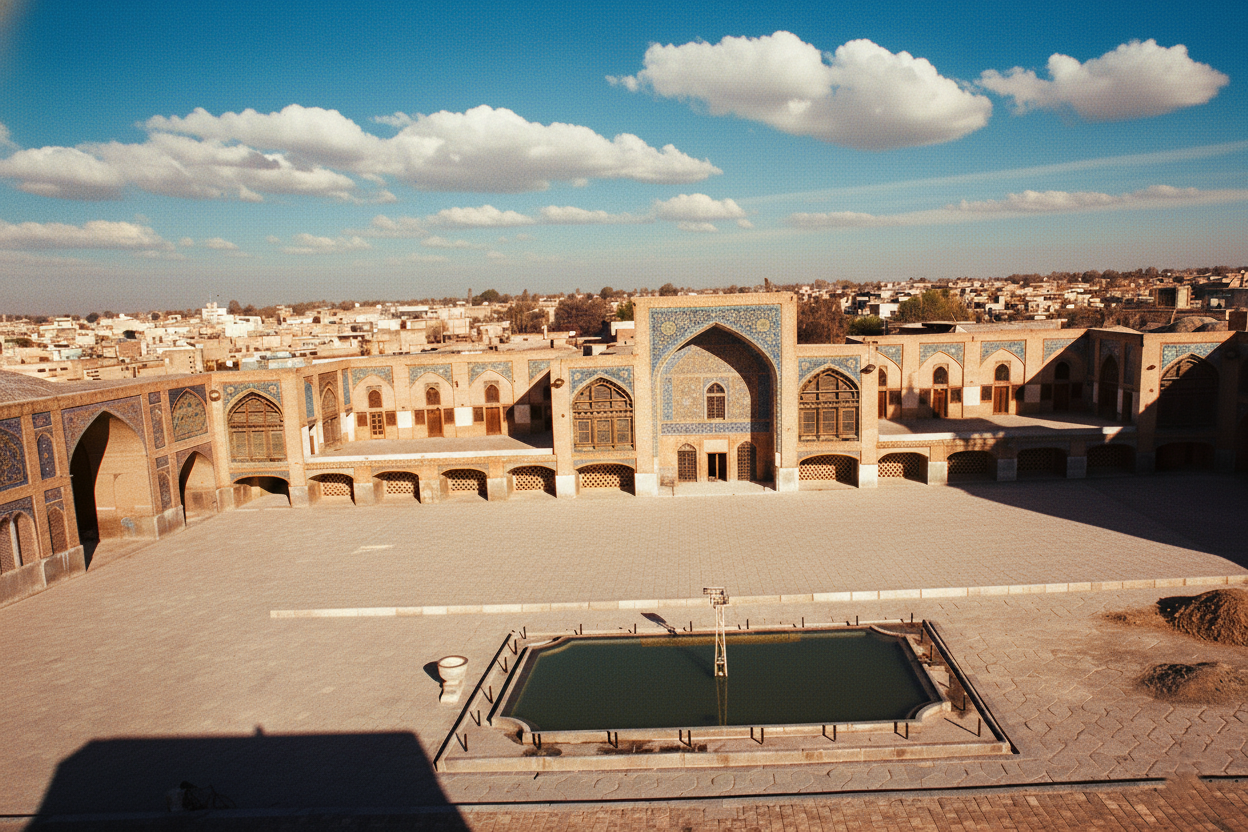
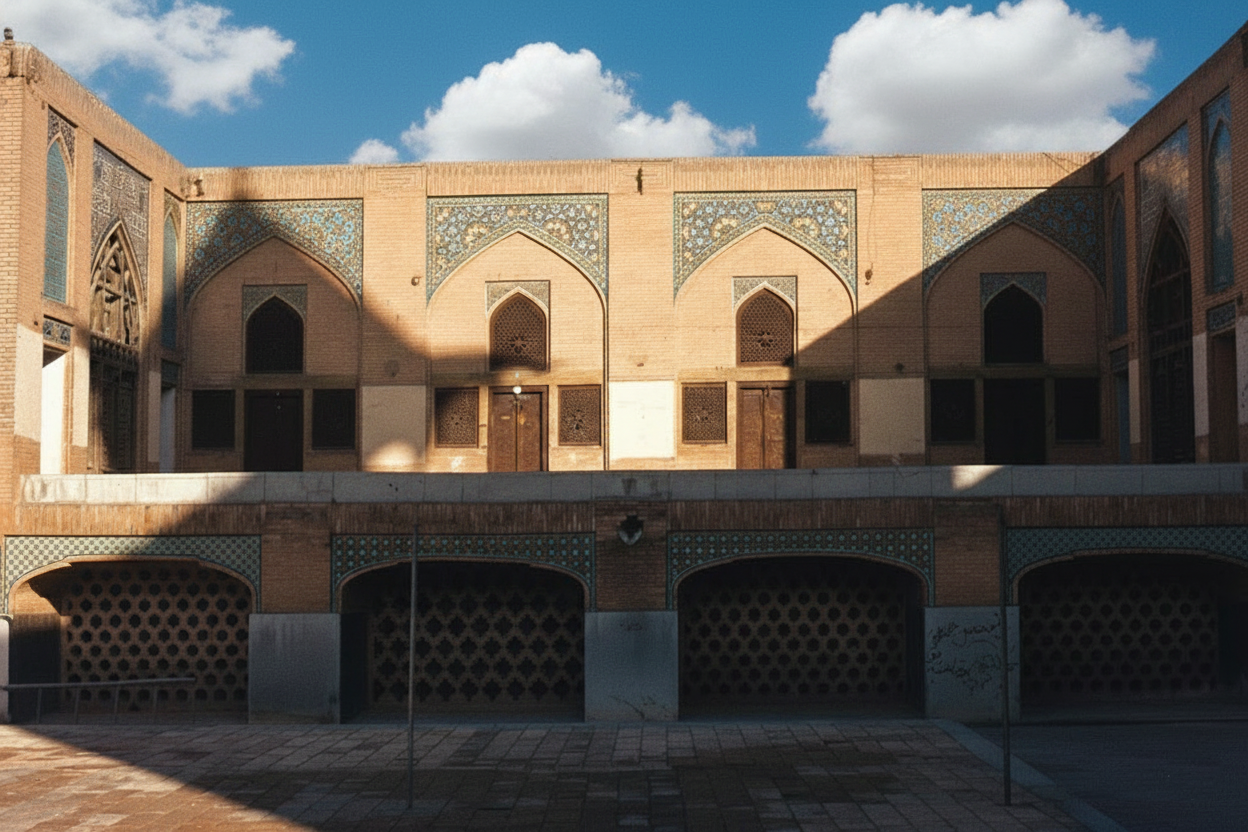
The Seiyed Mosque (مسجد سید), begun around 1825 CE under Seyyed Mohammad Bagher Shafti, is the largest Qajar-period mosque in Isfahan (اصفهان). Designed as both a mosque and a madrasa, its four-iwan courtyard, domes, and vibrant Qajar tilework extend Safavid architectural traditions within the city's evolving urban fabric.
-
The Seiyed Mosque (مسجد سید) in Isfahan (اصفهان) is one of the most important religious monuments of the Qajar period (19th century CE). Construction began around 1825 CE under the patronage of the prominent Shiʿite cleric Seyyed Mohammad Bagher Shafti (سید محمدباقر شفتی) and continued throughout much of the century. The complex was conceived as both a mosque and a madrasa, reflecting the Qajar emphasis on combining religious worship with theological education.
Architecturally, the mosque follows the classical four-iwan plan (چهارایوانی) characteristic of Persian mosque design. Its large courtyard is framed by monumental iwans (ایوان), domed prayer halls (گنبد), and surrounding student chambers arranged along arcaded corridors. Although parts of the structure remained unfinished, the mosque is distinguished by its Qajar tilework (کاشیکاری), which features vibrant floral patterns and calligraphic decoration typical of 19th-century Iranian architecture.
Within the broader history of imperial urban planning in Isfahan, the Seiyed Mosque represents the continuation and adaptation of earlier Safavid urban structures. While the Safavid dynasty organized the imperial capital around Naqsh-e Jahan Square (میدان نقش جهان) in the early 17th century, later Qajar developments expanded the city’s religious and educational institutions into surrounding neighborhoods. The Seiyed Mosque emerged as an important religious and scholarly center within this evolving urban fabric, serving local communities while maintaining the architectural traditions established during the Safavid period.
In this sense, the mosque illustrates how Isfahan’s imperial urban framework continued to evolve after the Safavid era, with new monuments reinforcing the city’s role as a major center of Shiʿite scholarship, religious life, and civic identity.
