The Grand Bazaar of Isfahan (بازار بزرگ اصفهان)
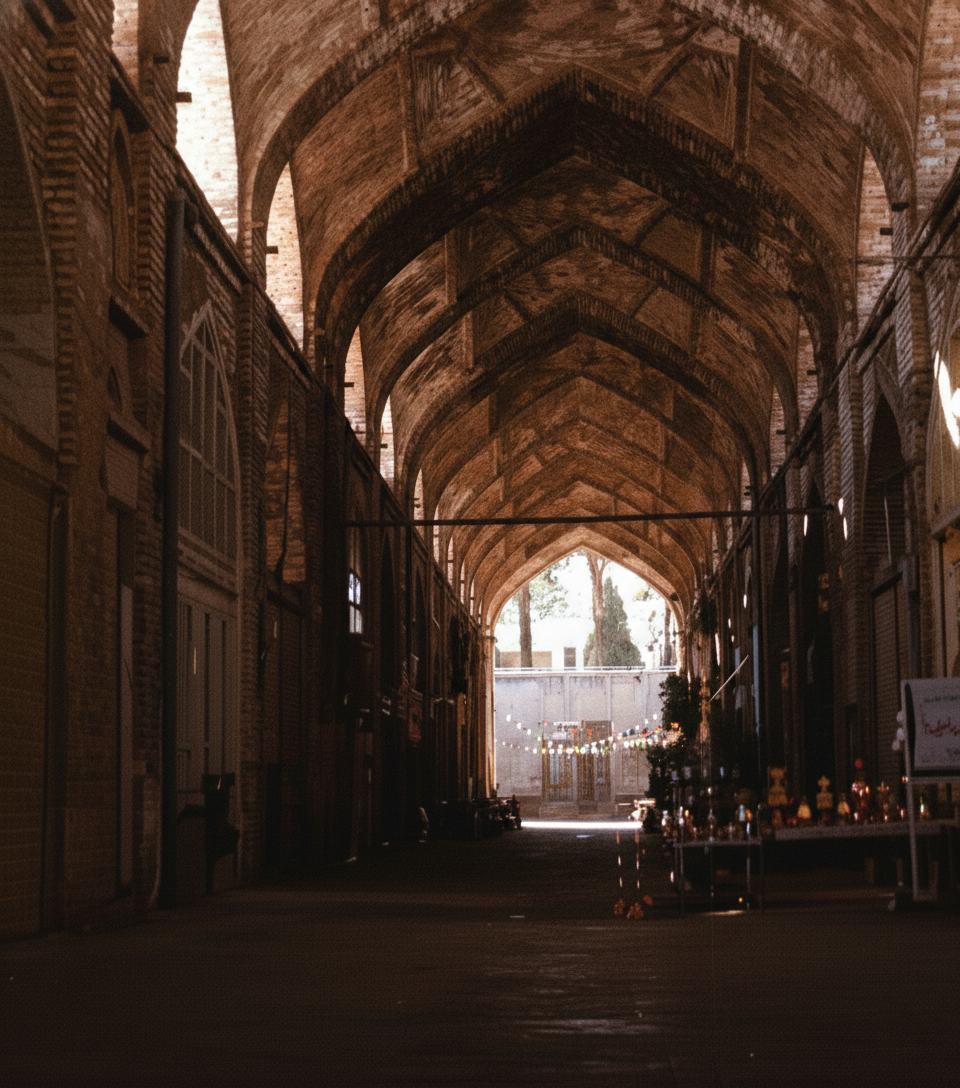
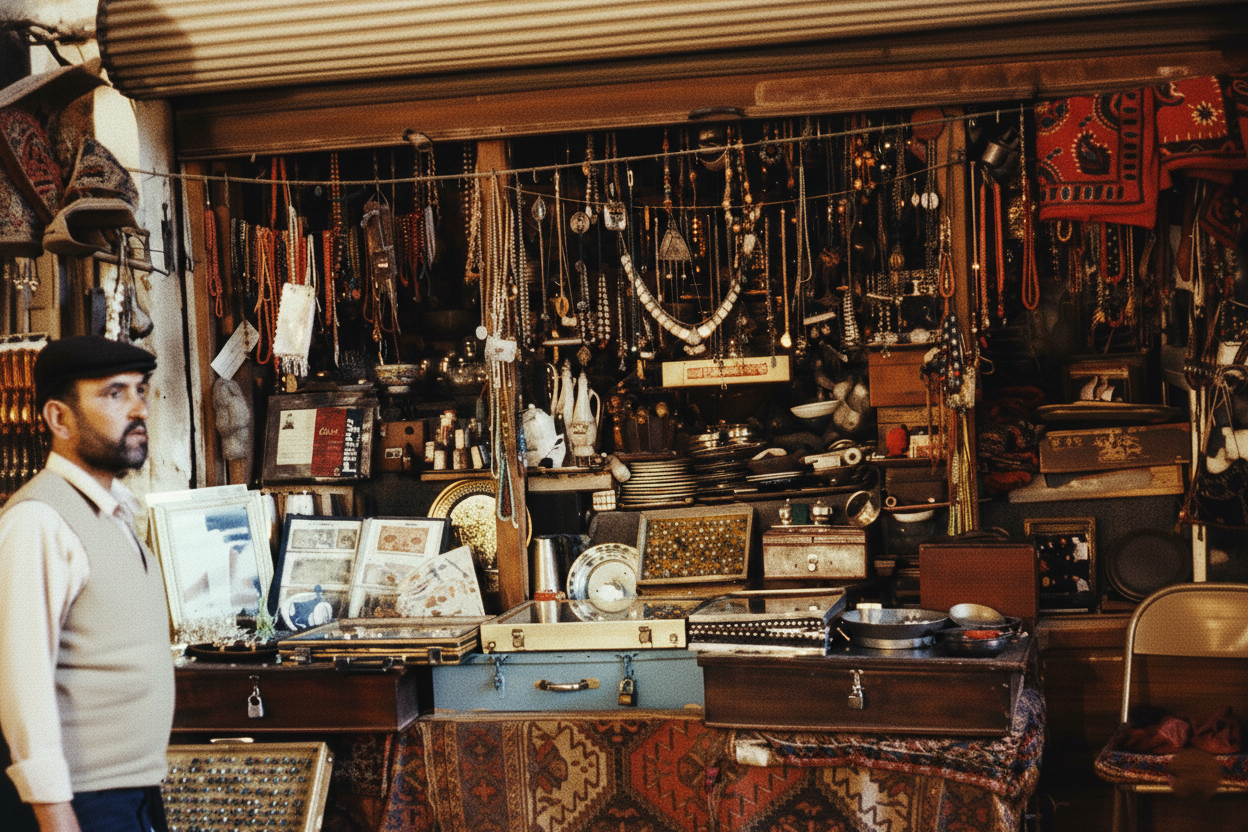
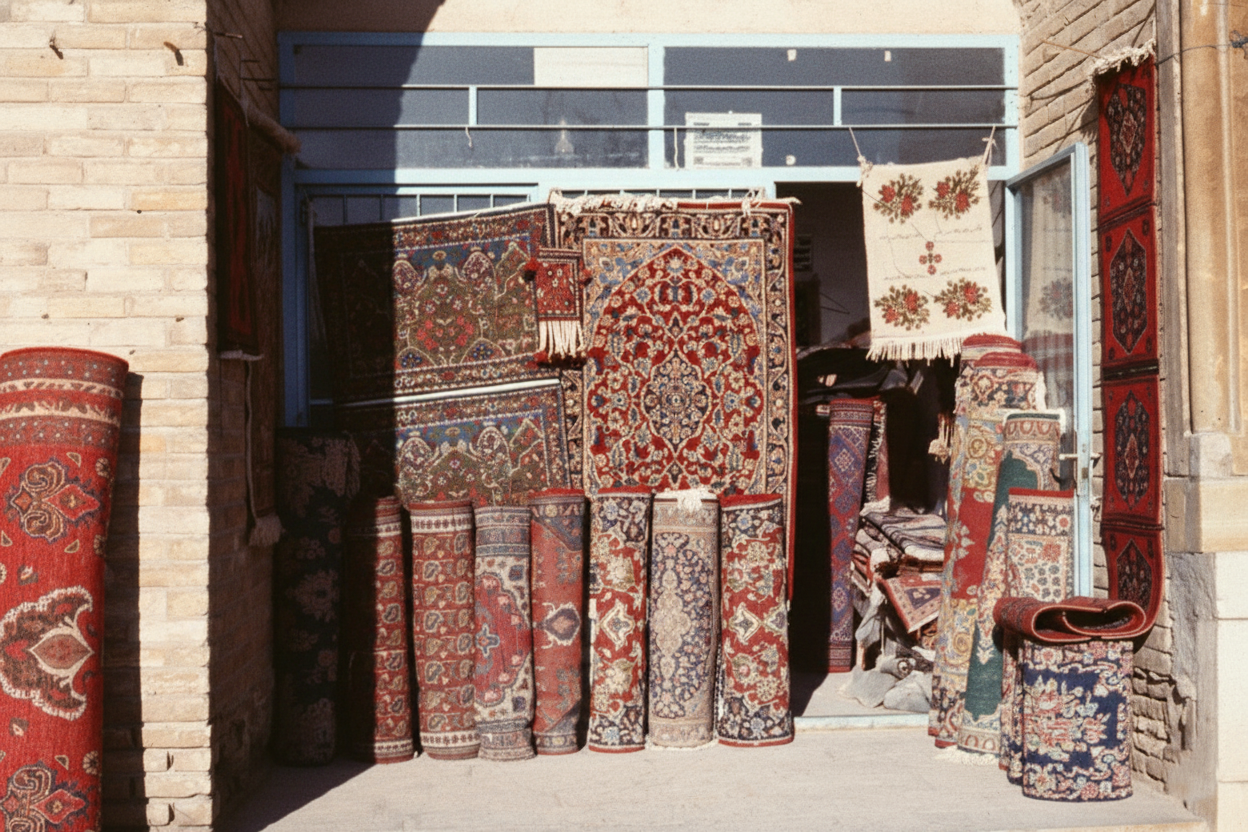
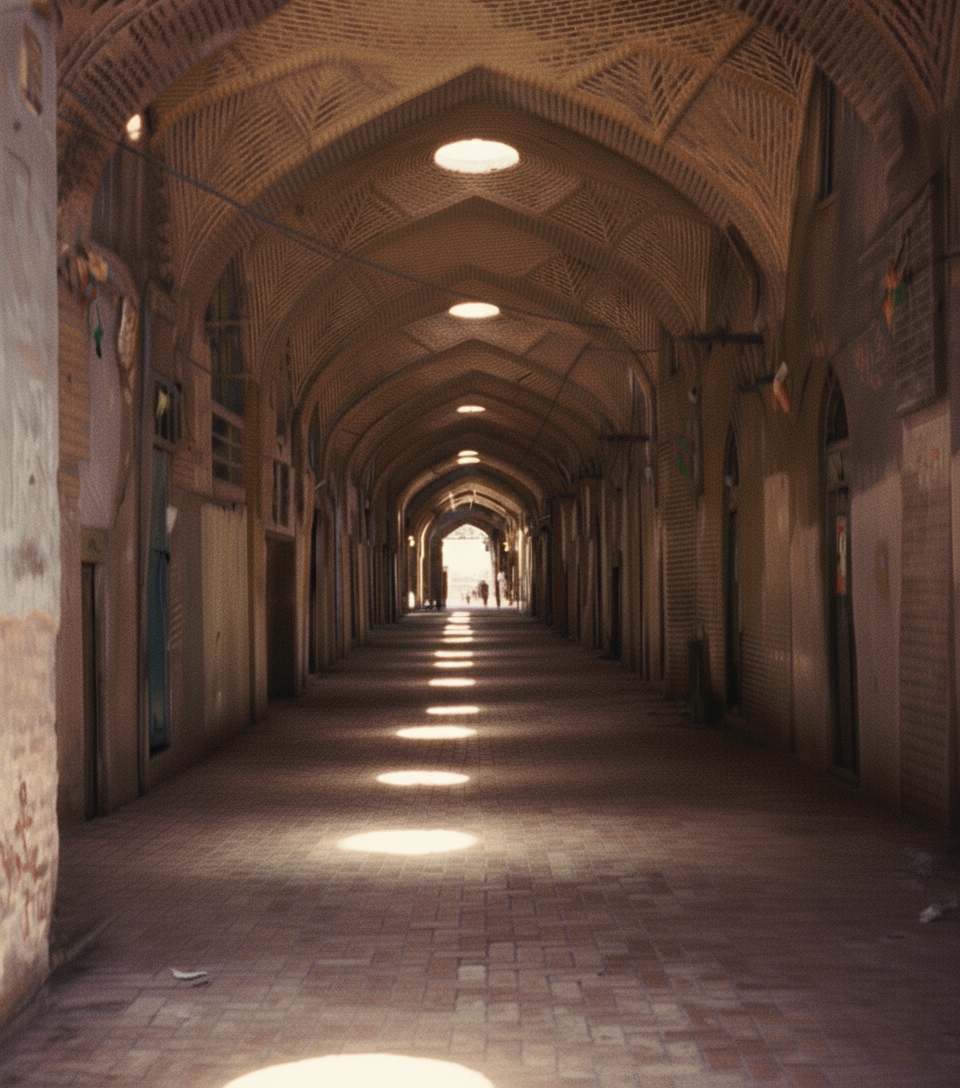
The Grand Bazaar of Isfahan (بازار بزرگ اصفهان), dating back to the 11th century and expanded during the Safavid era, forms a two-kilometer-long commercial corridor linking Naqsh-e Jahan Square with the Jameh Mosque. Through the Qeysarieh Gate, it connected the imperial square to the city’s economic network, anchoring commerce within Safavid urban planning.
-
The Grand Bazaar of Isfahan (بازار بزرگ اصفهان)—also known as the Qeysarieh Bazaar (بازار قیصریه) or Soltani Bazaar—is one of the oldest and most architecturally significant traditional markets in Iran. Its origins date to the Seljuk period (11th century CE), while major construction and expansion occurred during the Safavid era (early 17th century CE) when Isfahan (اصفهان) became the imperial capital under Shah Abbas I (شاه عباس اول).
Extending for approximately two kilometers, the bazaar forms a continuous vaulted commercial corridor linking Naqsh-e Jahan Square (میدان نقش جهان) with the Jameh Mosque of Isfahan (مسجد جامع اصفهان) and the older northern districts of the city. Through this connection, the Safavid planners physically tied the new imperial center to the historic medieval core of Isfahan. The market’s arched passages, sarāy (سرا) caravanserai courtyards, timcha (تیمچه) vaulted market halls, and domed crossroads (چهارسوق) create a carefully structured spatial sequence that regulates light, airflow, and temperature, forming a climate-responsive commercial environment suited to the region’s heat.
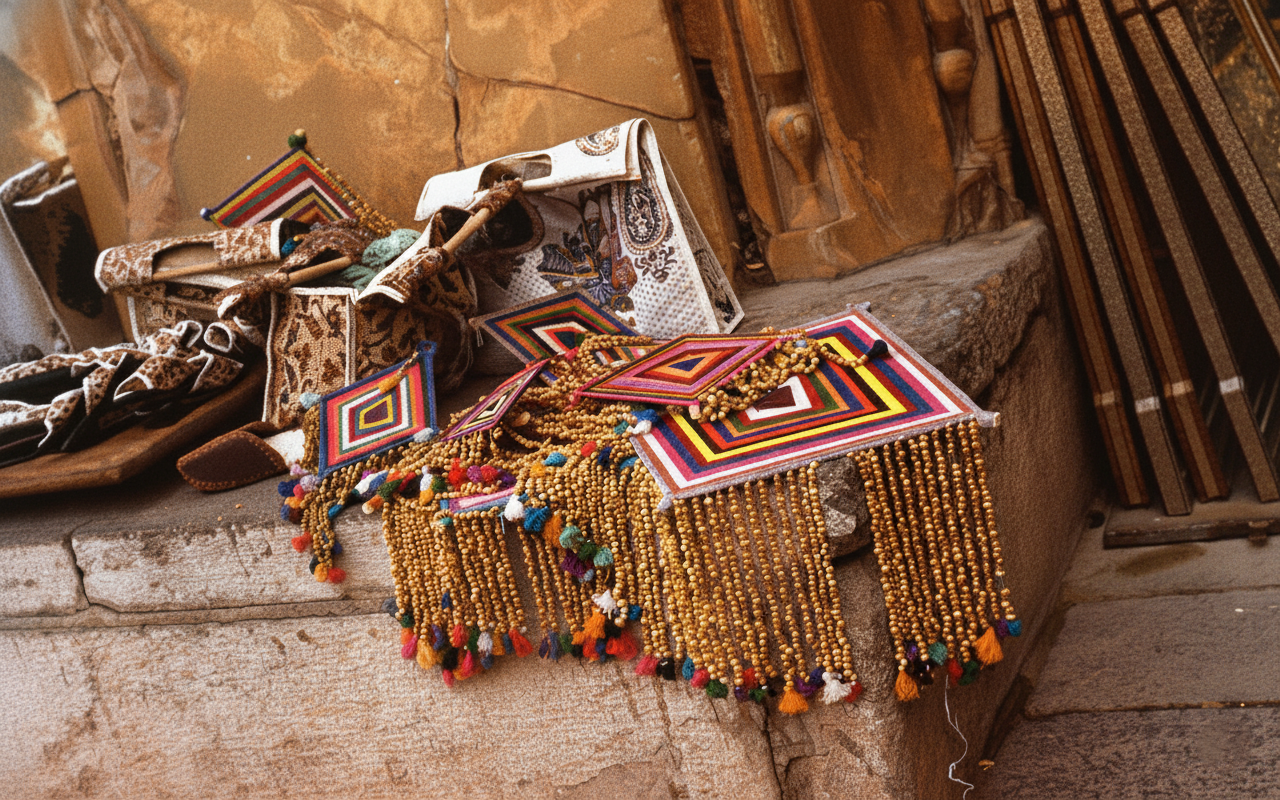
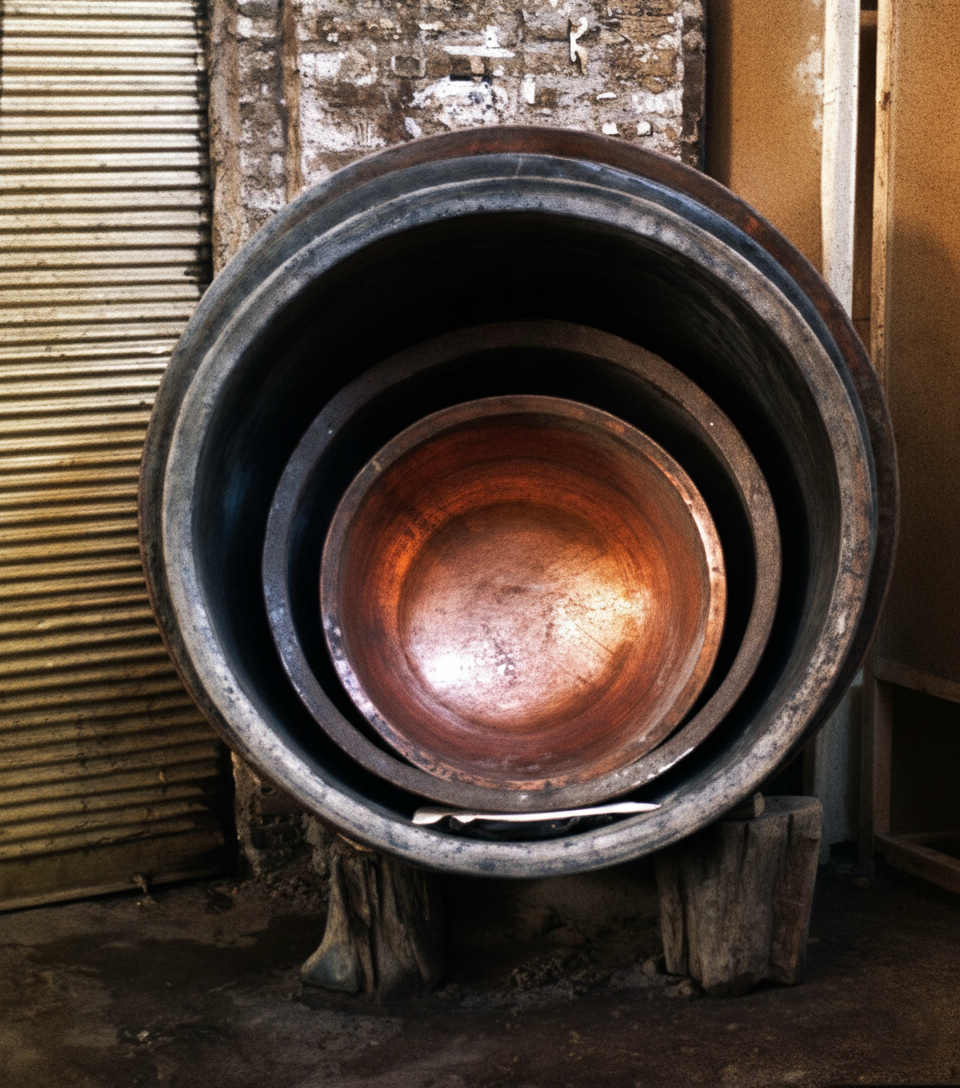
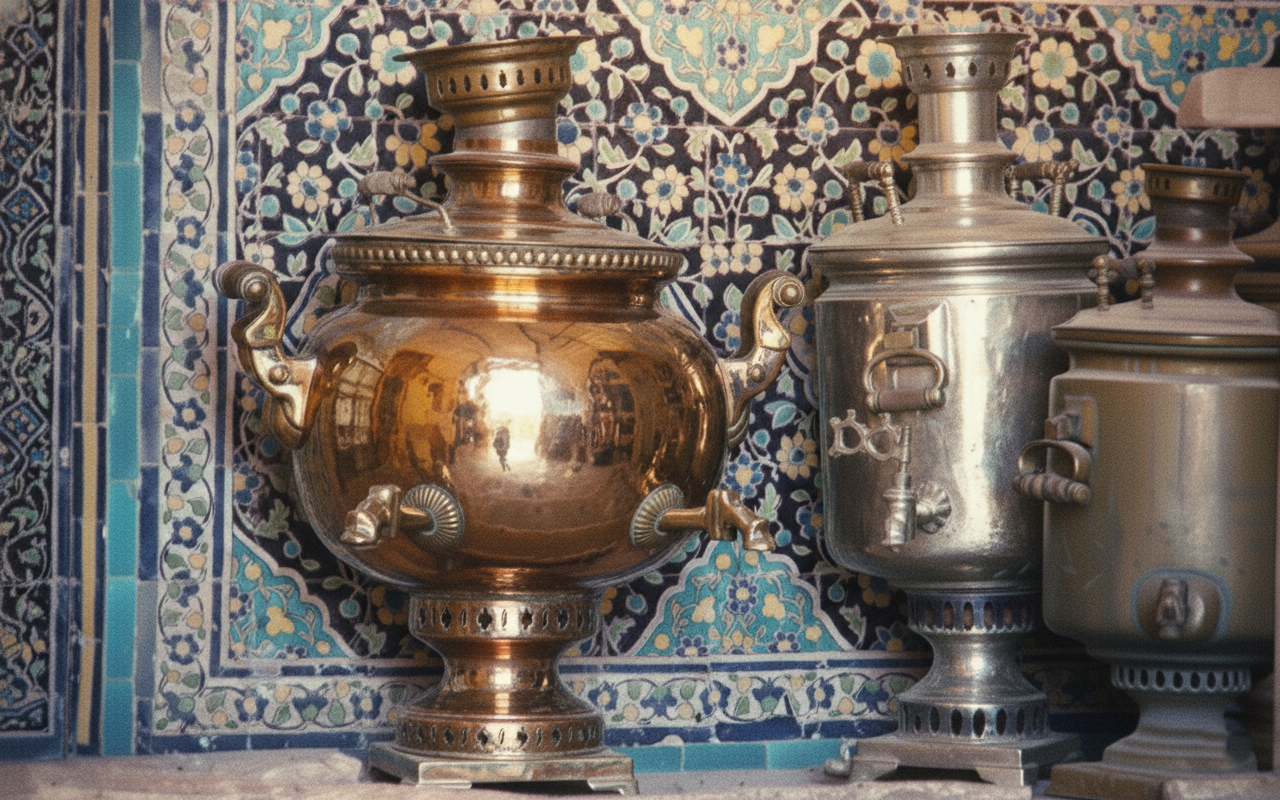
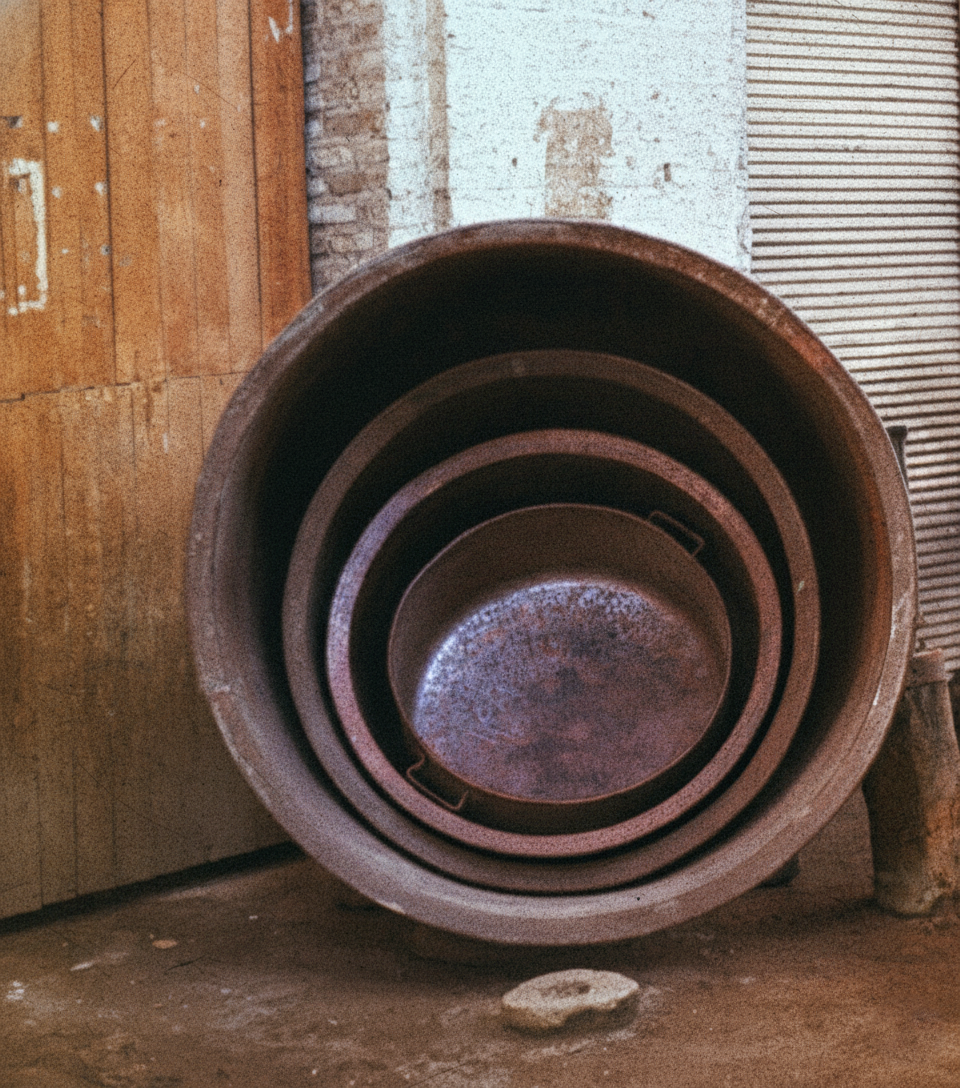
As a multifunctional urban space, the bazaar served not only as a center of commerce—specializing in textiles, carpets, spices, metalwork, and crafts—but also as a social, religious, and cultural hub. Mosques, bathhouses (حمام), teahouses (چایخانه), and schools were integrated into its fabric, making the bazaar a central place of daily urban life.
Within the framework of Safavid imperial urban planning, the Grand Bazaar played a critical organizing role. The monumental Qeysarieh Gate (دروازه قیصریه) forms the northern entrance to Naqsh-e Jahan Square, linking the ceremonial heart of the Safavid capital to the broader commercial and residential network of the city. Through this connection, the bazaar represented the economic pillar of the Safavid state, complementing the political authority of Ali Qapu Palace (کاخ عالیقاپو) and the religious institutions of the Shah Mosque (مسجد شاه / مسجد امام) and Sheikh Lotfollah Mosque (مسجد شیخ لطفالله) surrounding the square.
Thus, the Grand Bazaar functioned not merely as a marketplace but as the economic infrastructure of Safavid imperial planning, integrating commerce, urban circulation, and social life into the spatial structure of the capital.
