The Sheikh Lotfollah (شیخ لطف الله) Mosque
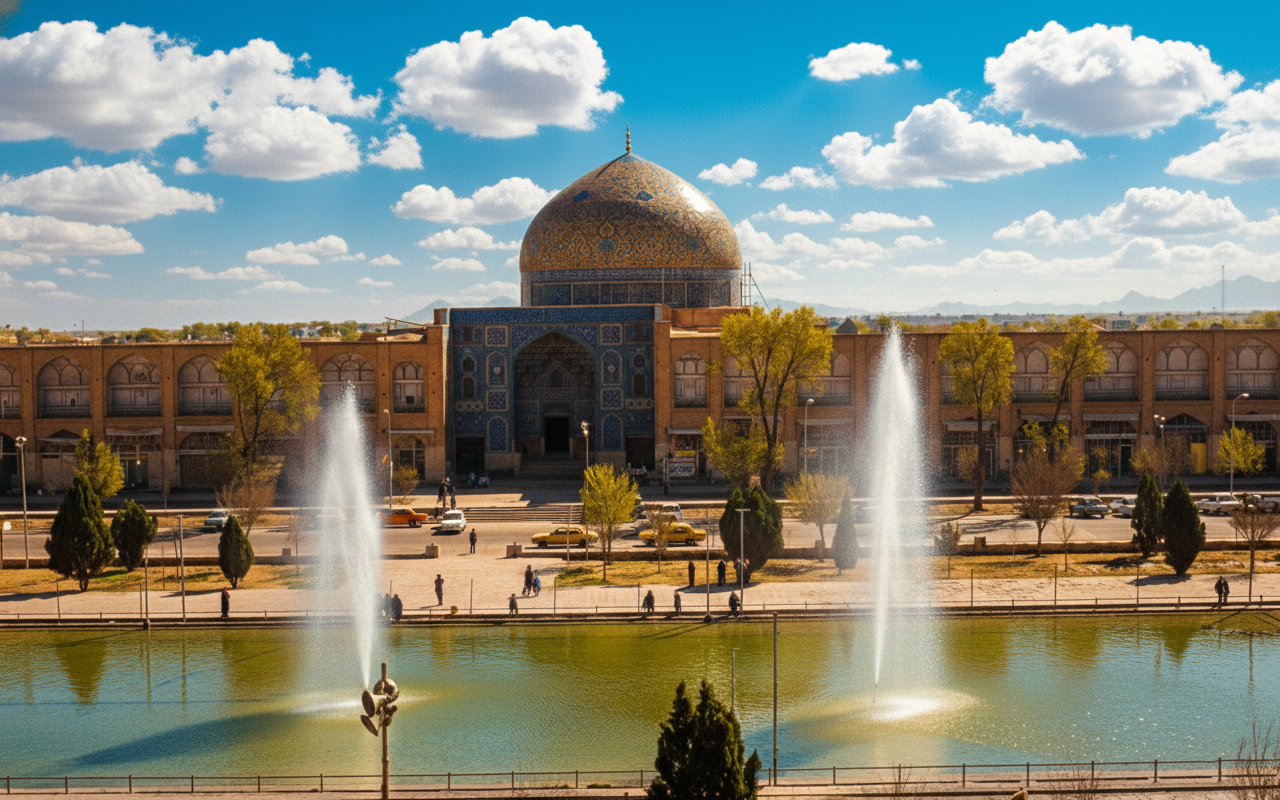
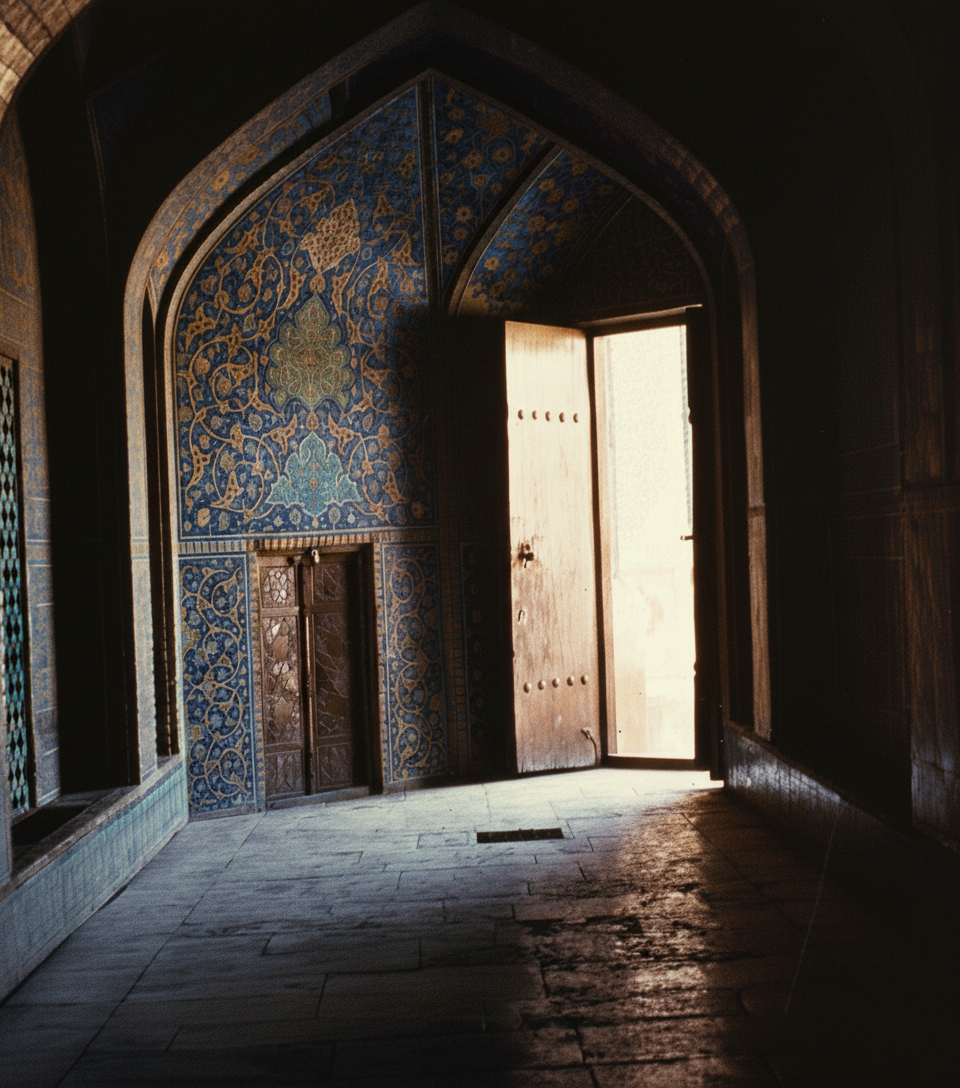
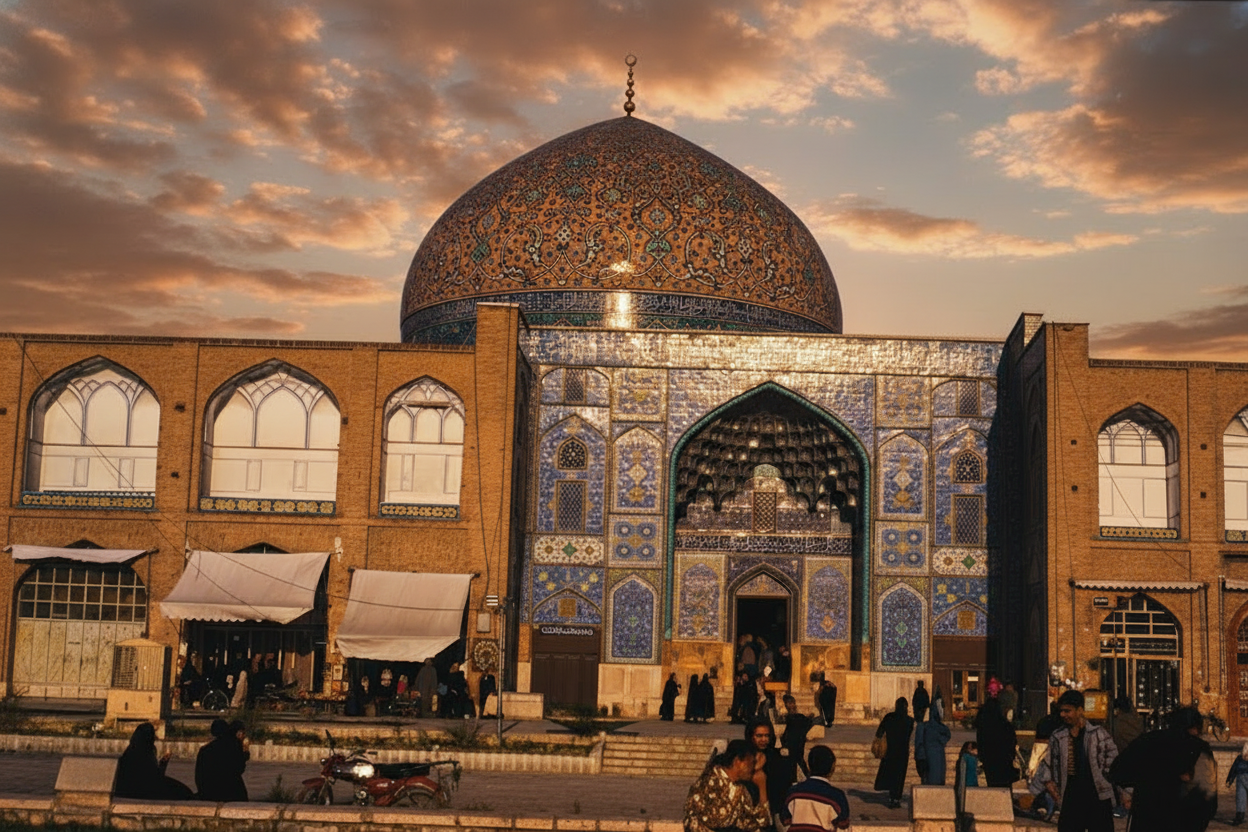
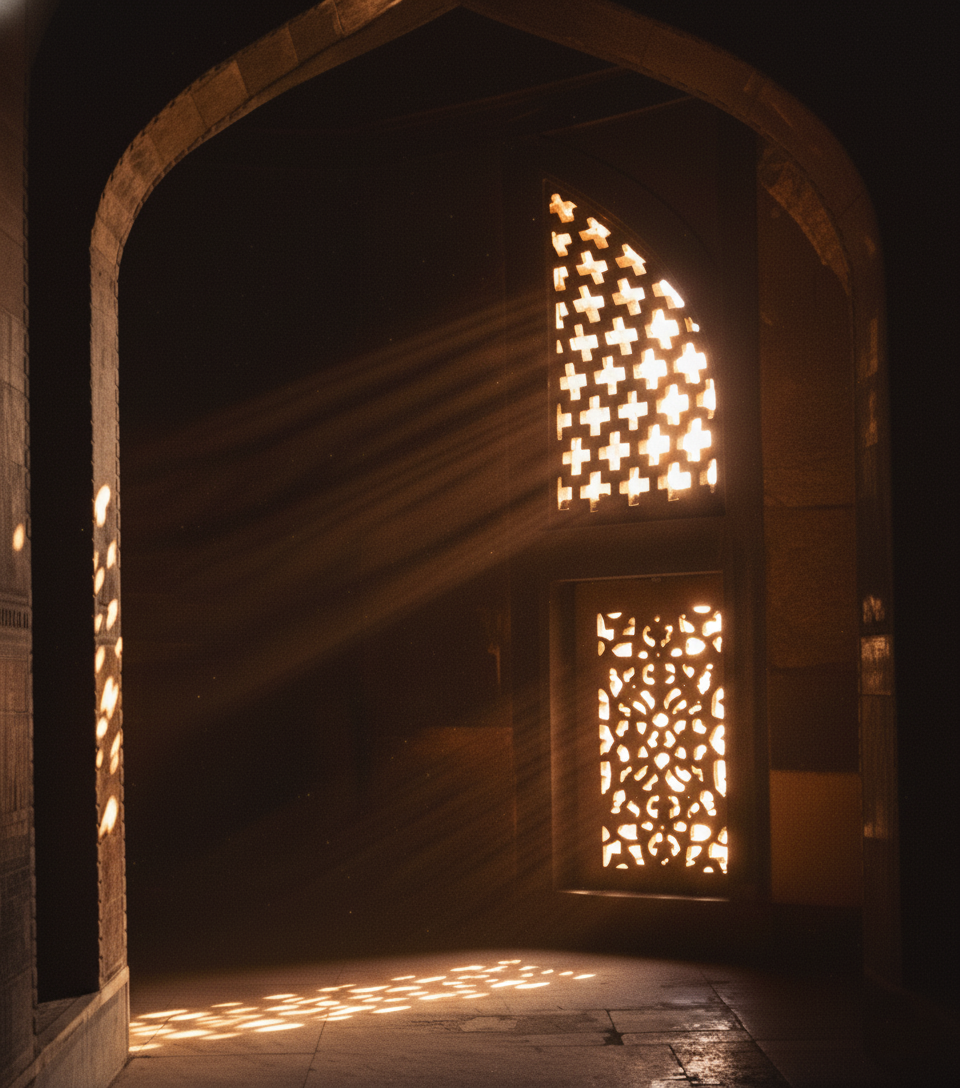
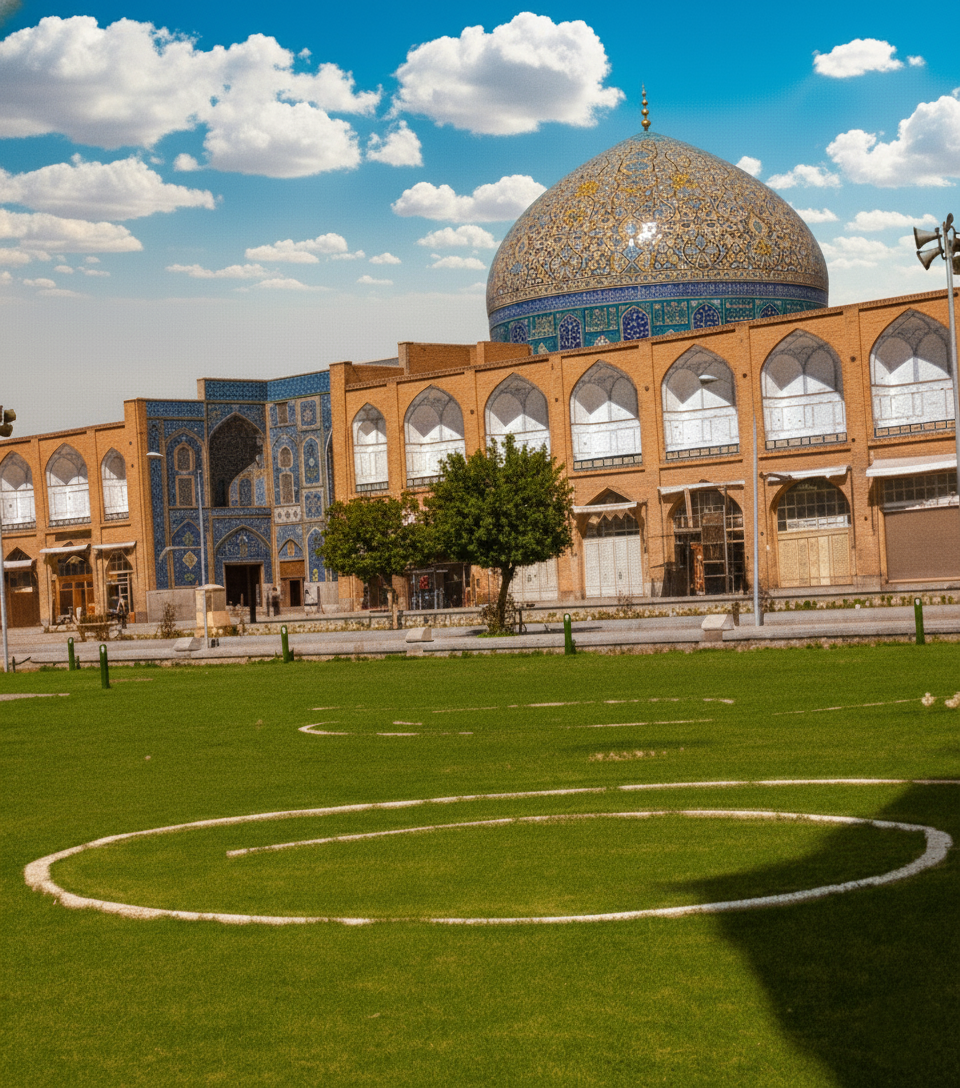
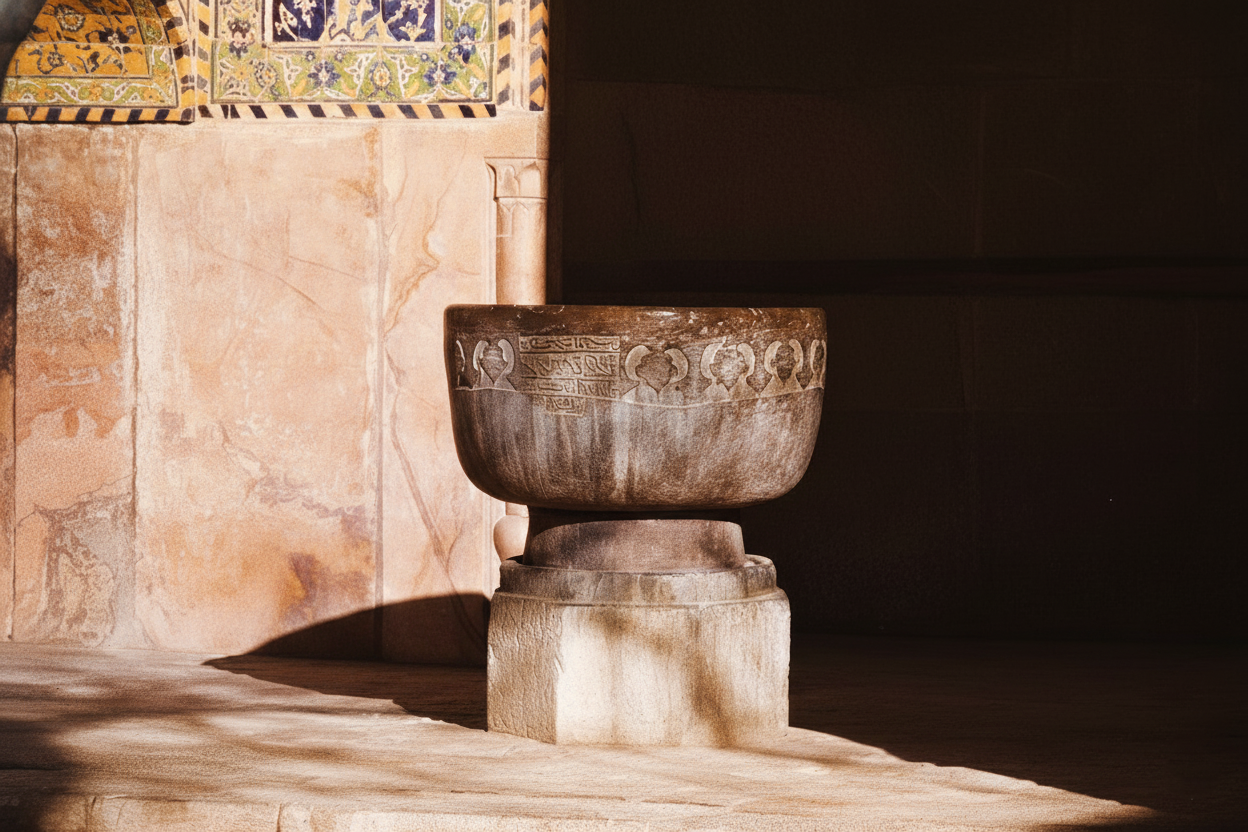
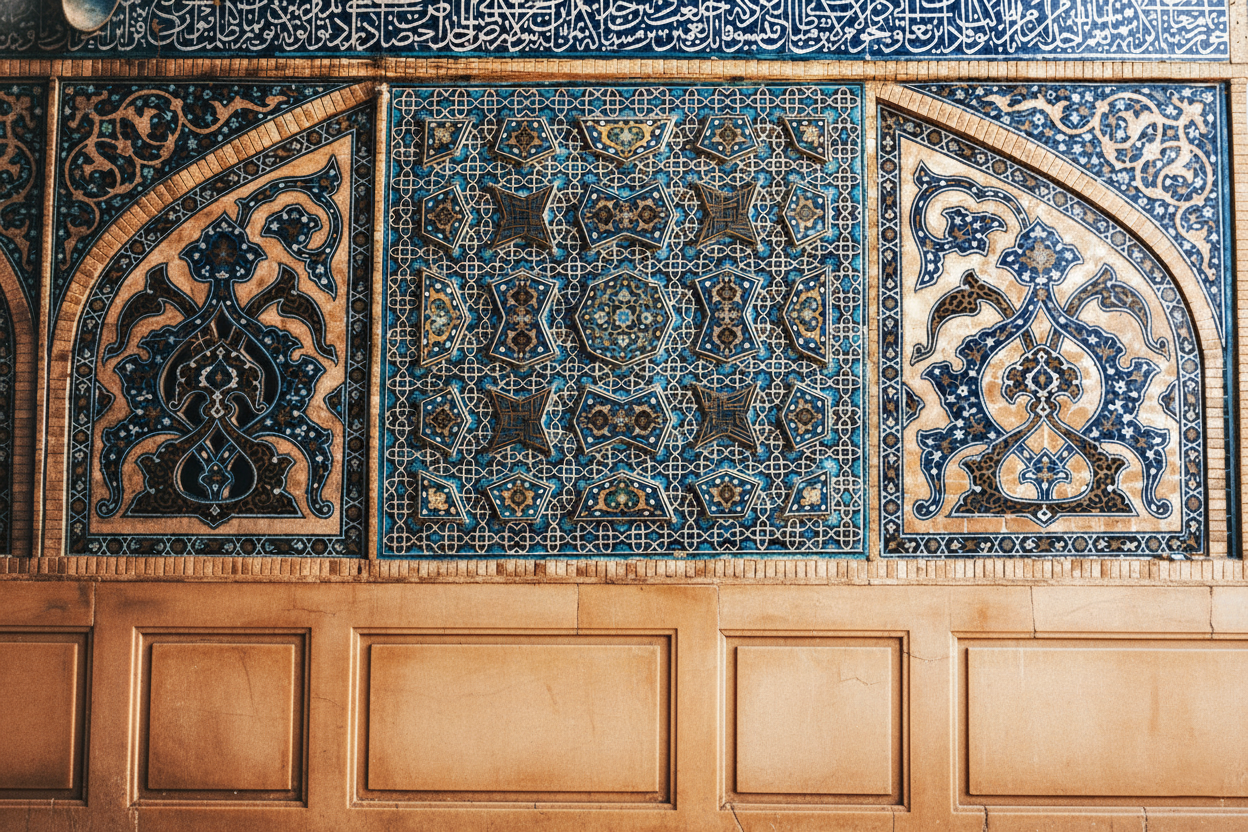
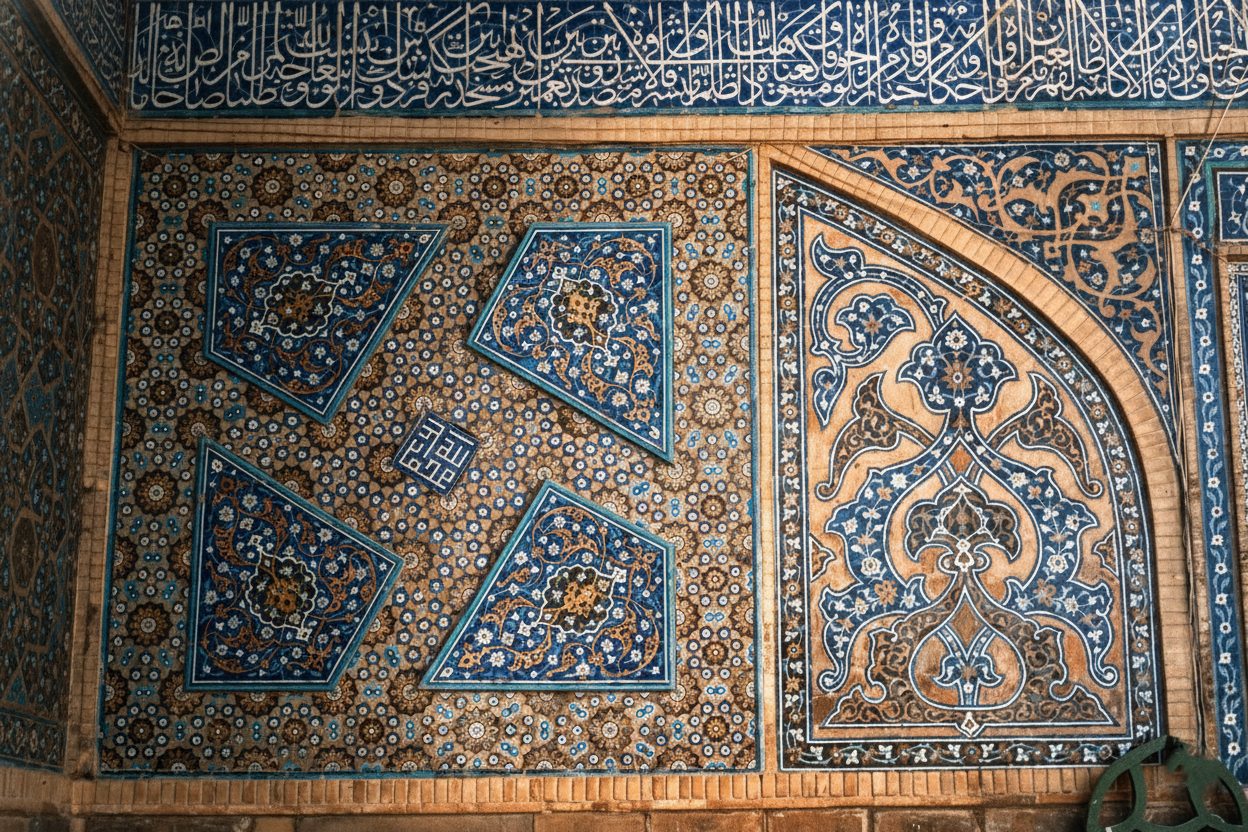
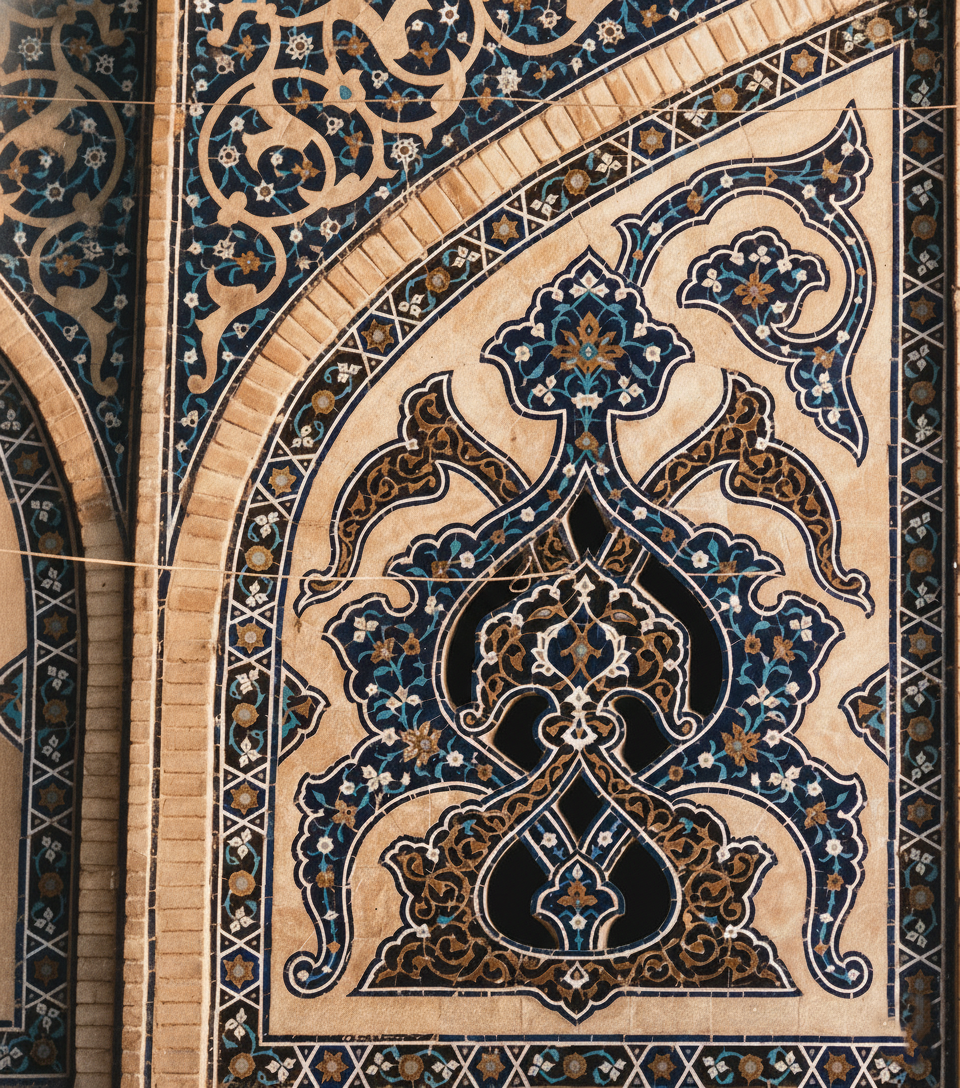
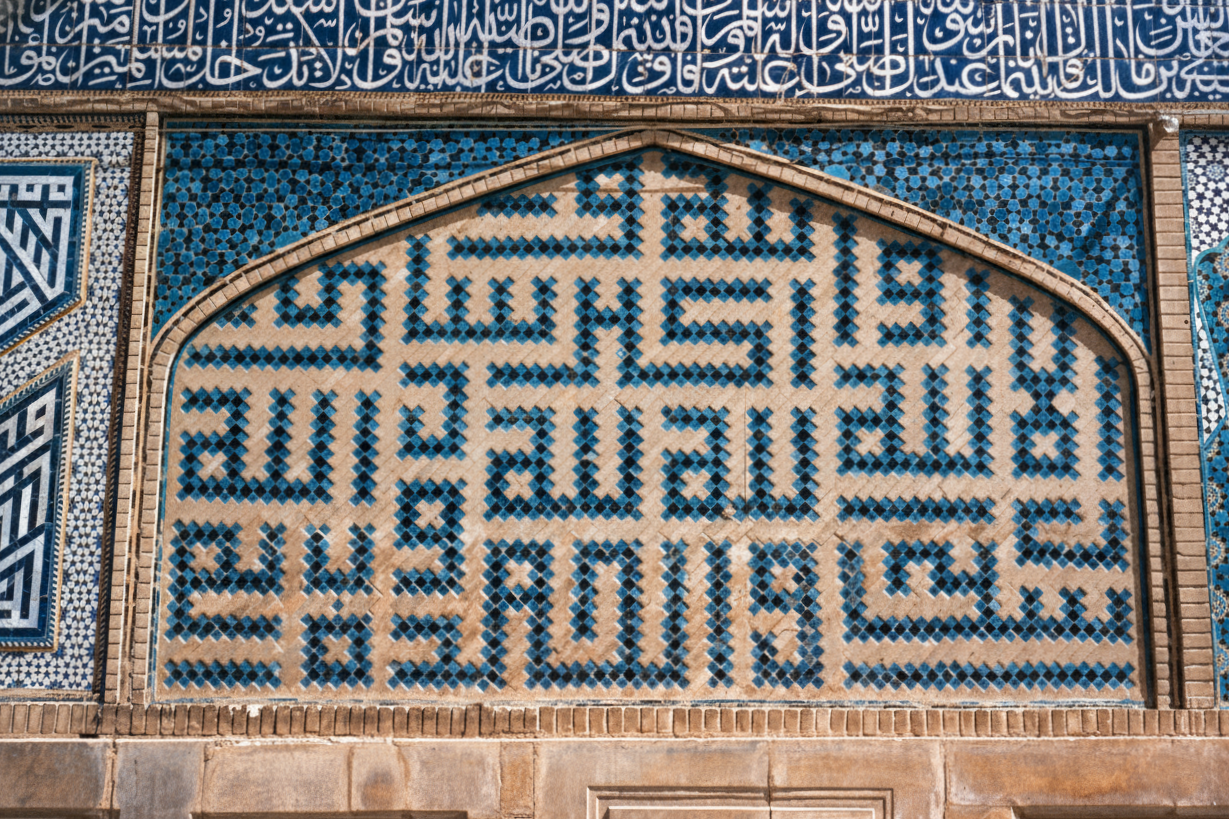
The Sheikh Lotfollah Mosque (مسجد شیخ لطفالله, 1603–1619) stands on the eastern side of Naqsh-e Jahan Square as the private royal mosque of Shah Abbas I. Its curved entrance aligns the building with the Qibla, while its position opposite Ali Qapu Palace expresses the union of royal authority and faith in Safavid imperial planning.
-
The Sheikh Lotfollah Mosque (مسجد شیخ لطفالله), constructed between 1603 and 1619 during the reign of Shah Abbas I (شاه عباس اول), is one of the most refined masterpieces of Safavid architecture in Isfahan (اصفهان / اسپهان). Situated on the eastern side of Naqsh-e Jahan Square (میدان نقش جهان), the mosque was designed as a private royal place of worship for the Safavid court rather than a congregational mosque. This function explains several of its unusual architectural features, including the absence of minarets and a courtyard, which distinguishes it from most Iranian mosques. Instead, the building is defined by its carefully proportioned dome (گنبد) and its extraordinary Safavid tilework.
Architecturally, the mosque demonstrates a sophisticated spatial and geometric solution. While the monumental entrance portal aligns with the orthogonal geometry of Naqsh-e Jahan Square, the mosque itself must face the Qibla (قبله) toward Mecca. To resolve this discrepancy, the architect introduced a curving entrance corridor, gradually rotating visitors toward the correct orientation before they enter the prayer chamber. This subtle transition transforms the approach into a ceremonial and spiritual passage.
The interior dome is renowned for its luminous cream-colored tilework decorated with intricate arabesque patterns that change tone throughout the day as sunlight moves across the surface. At the apex of the dome, the radiating motif is often compared to the spread of a peacock’s tail, symbolizing both harmony and divine order.
Within the framework of Safavid imperial urban planning, the Sheikh Lotfollah Mosque played a carefully calibrated role in the composition of Naqsh-e Jahan Square. The plaza was organized around four institutions of Safavid society: royal authority represented by Ali Qapu Palace (کاخ عالیقاپو), religious authority represented by the Shah Mosque (مسجد شاه / مسجد امام), commerce represented by the Isfahan Bazaar (بازار اصفهان), and royal devotion embodied in the Sheikh Lotfollah Mosque. Positioned directly opposite Ali Qapu Palace, the mosque created a symbolic dialogue between the private religious life of the Safavid court and the political authority of the monarchy.
Through this precise spatial arrangement, the mosque became an integral component of Safavid imperial planning, contributing to the transformation of Isfahan into a monumental capital where architecture, governance, religion, and commerce were unified within a single urban composition.
