Chahar Bagh School (Madrasah-ye Chahār Bāgh - مدرسه چهار باغ)
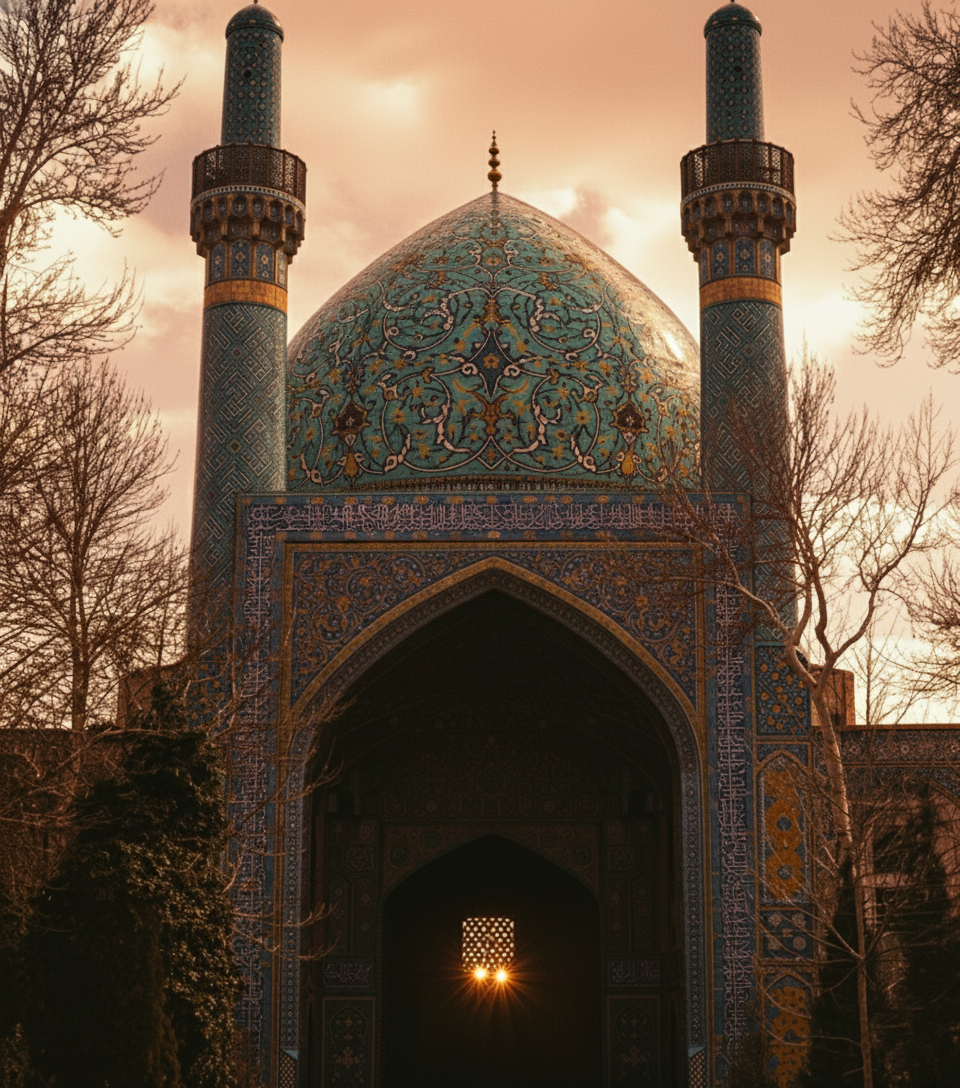
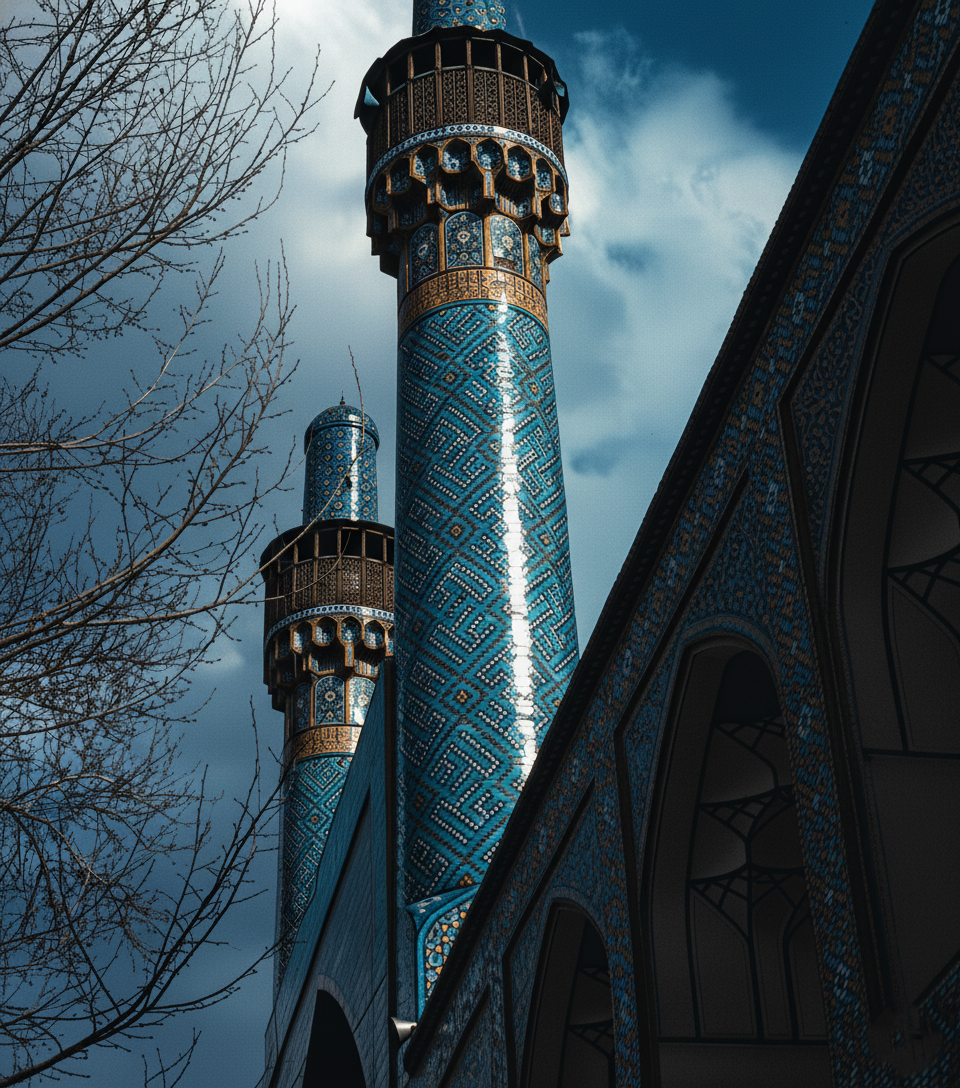
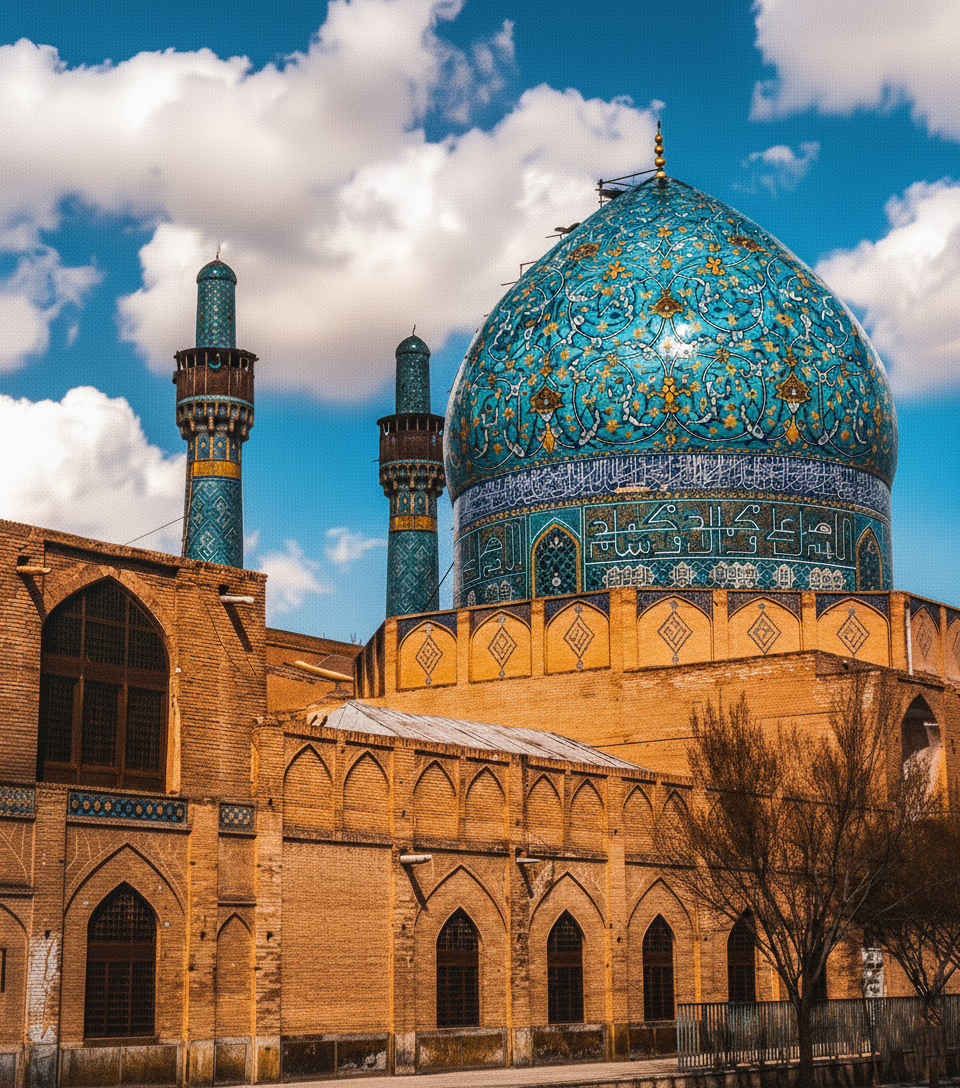
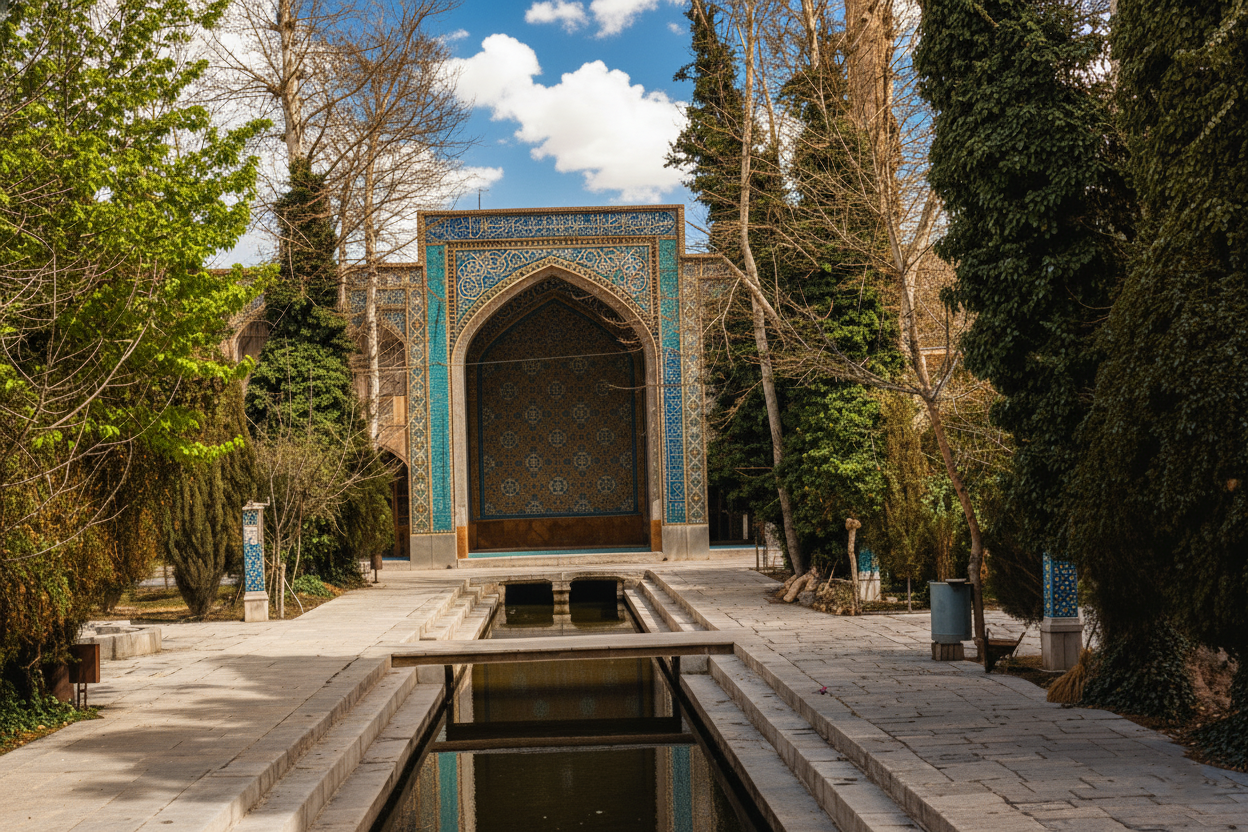
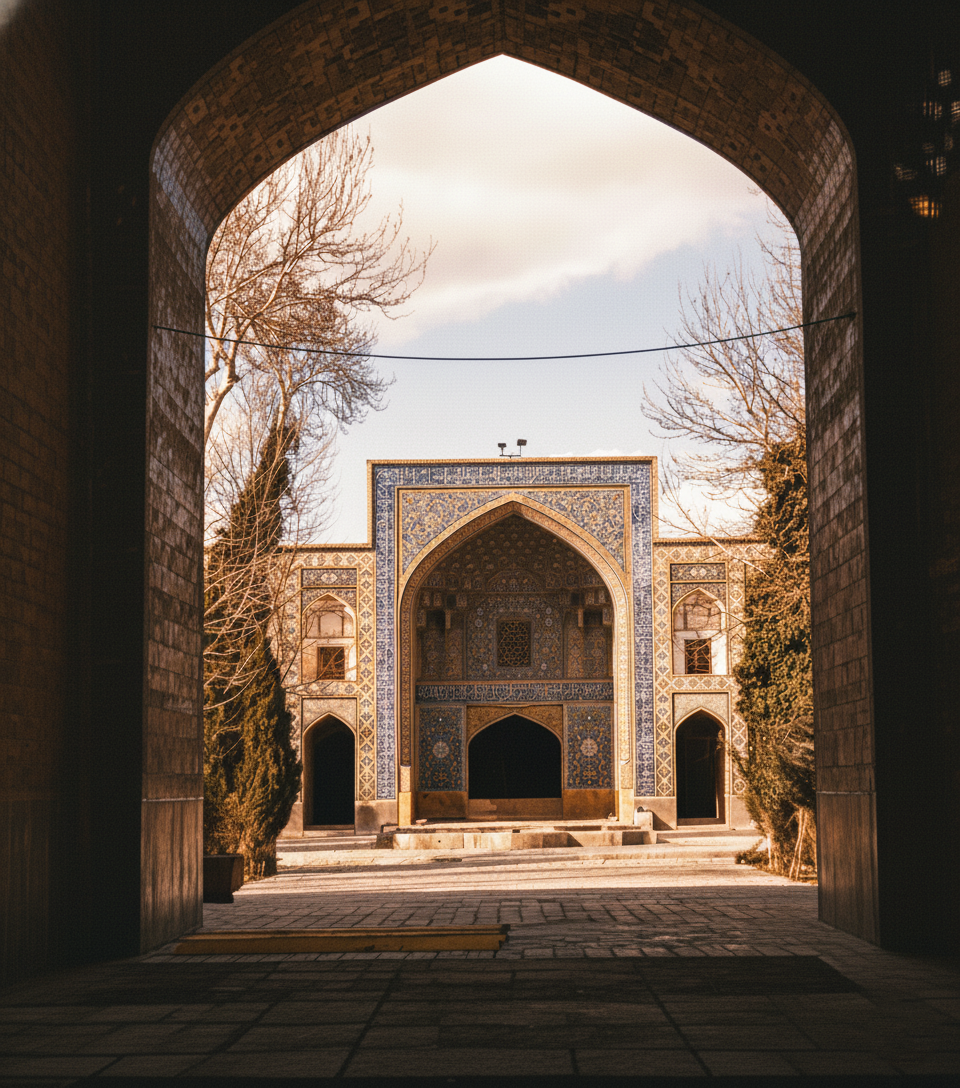
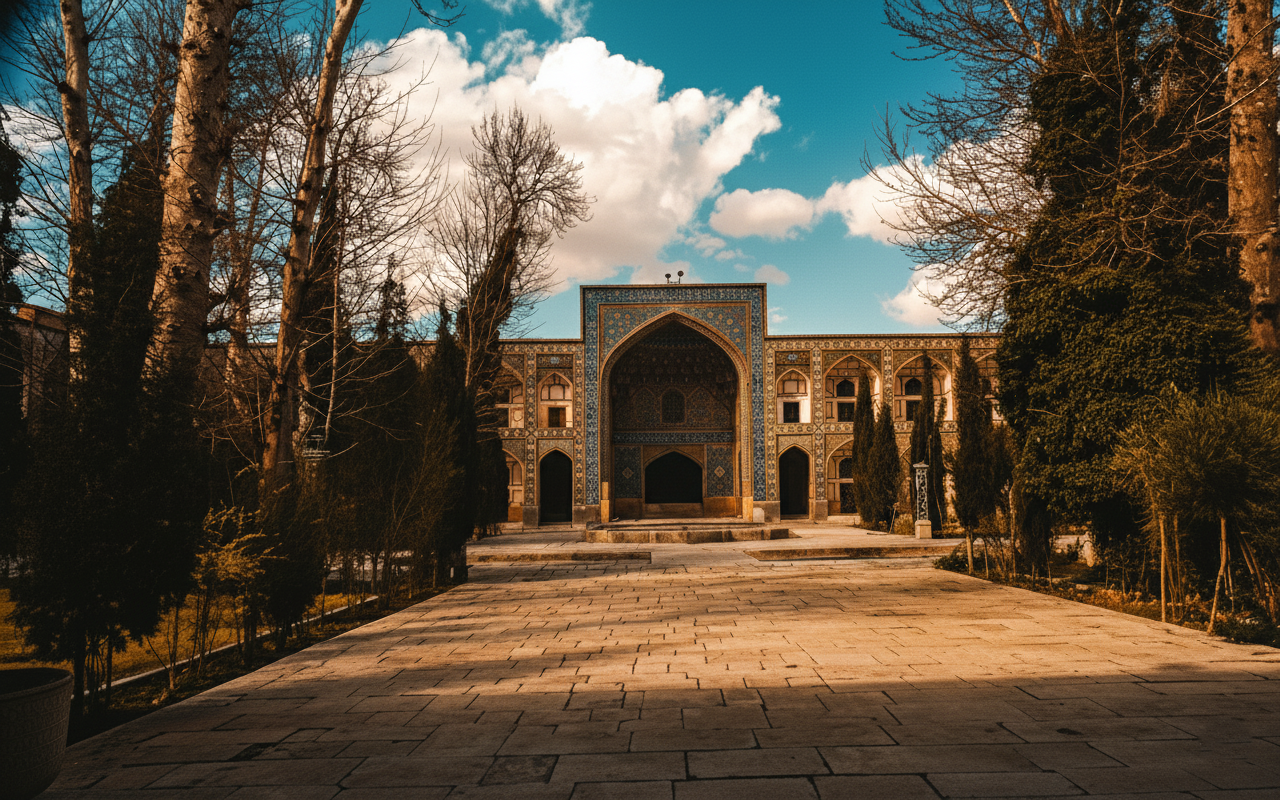
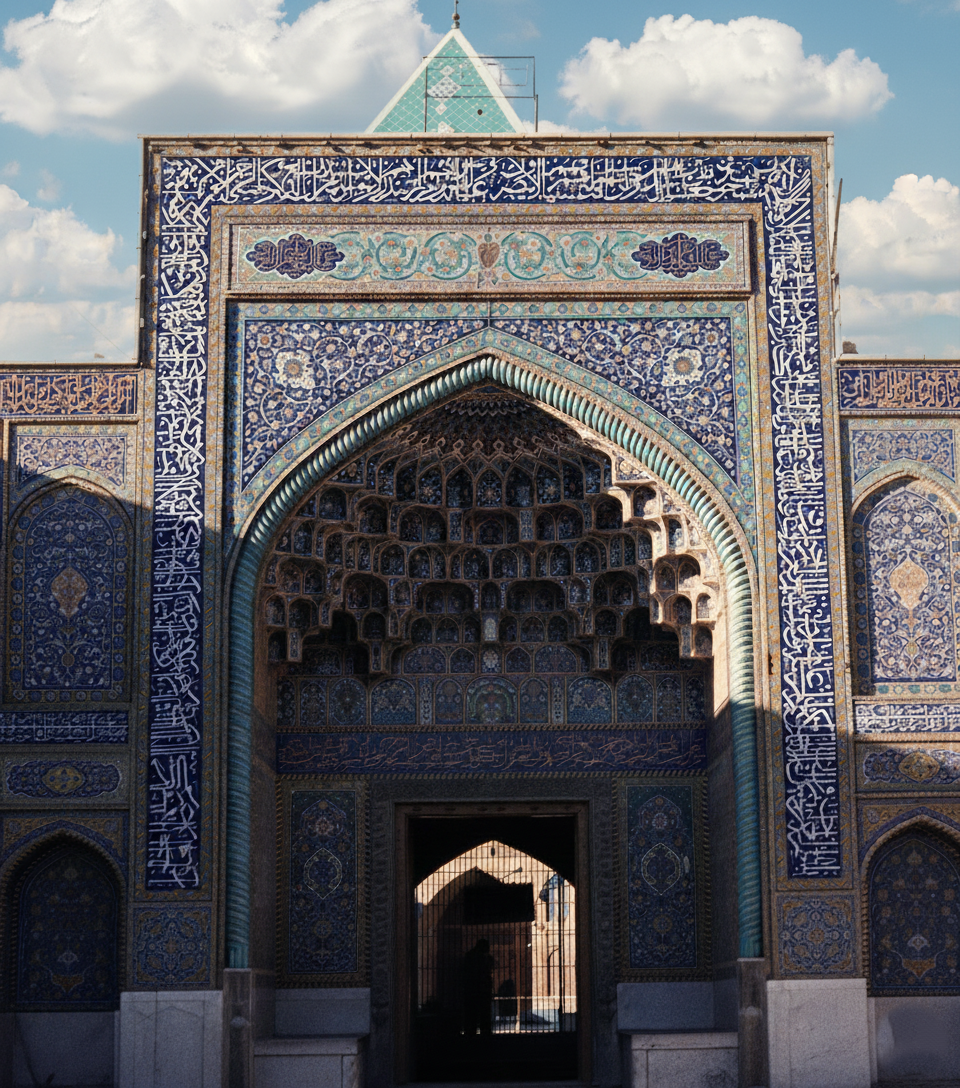
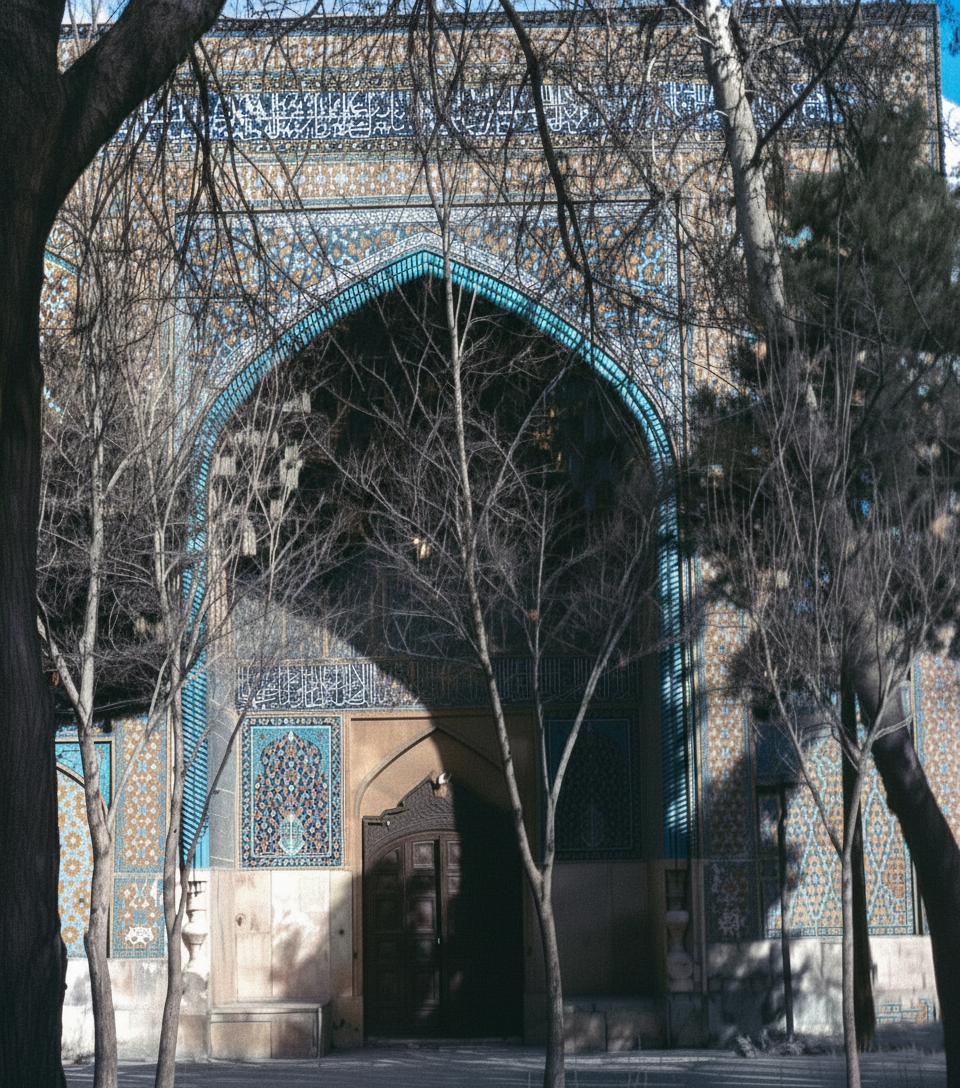
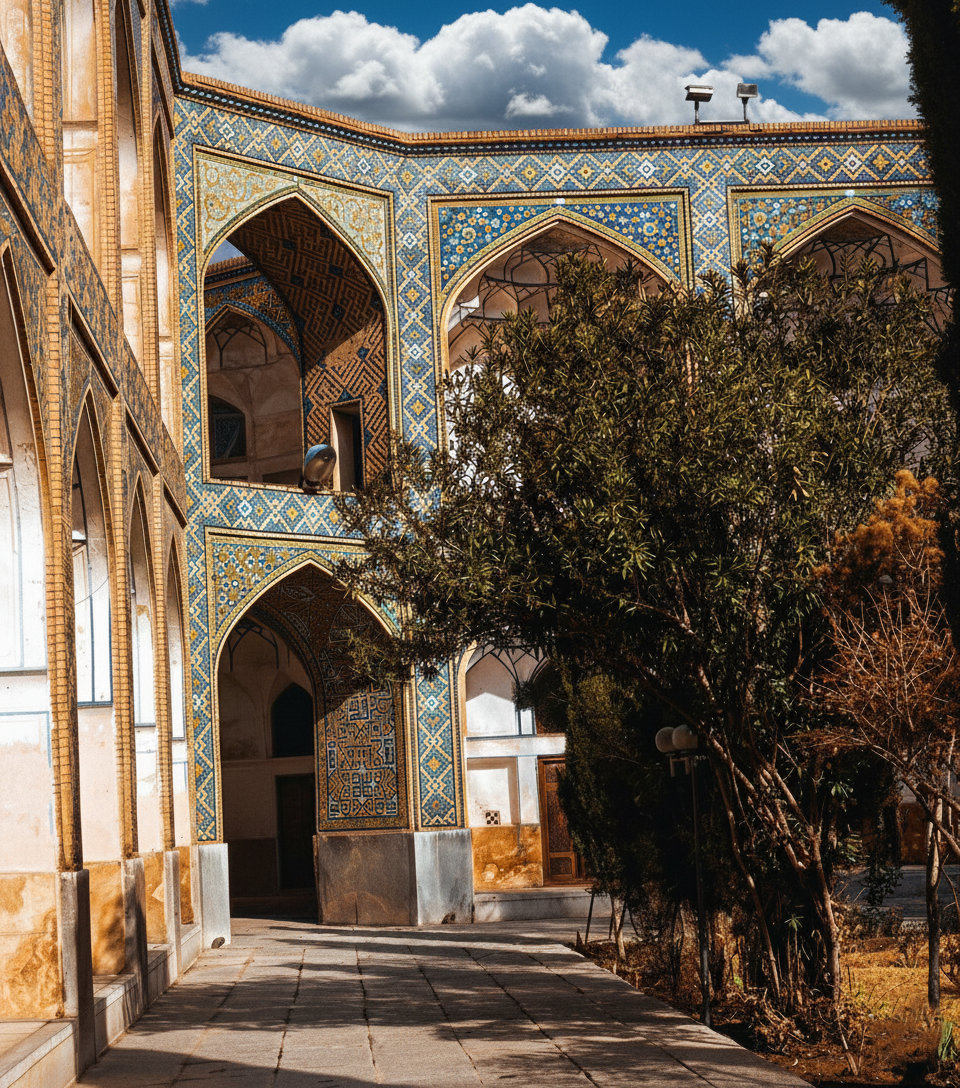
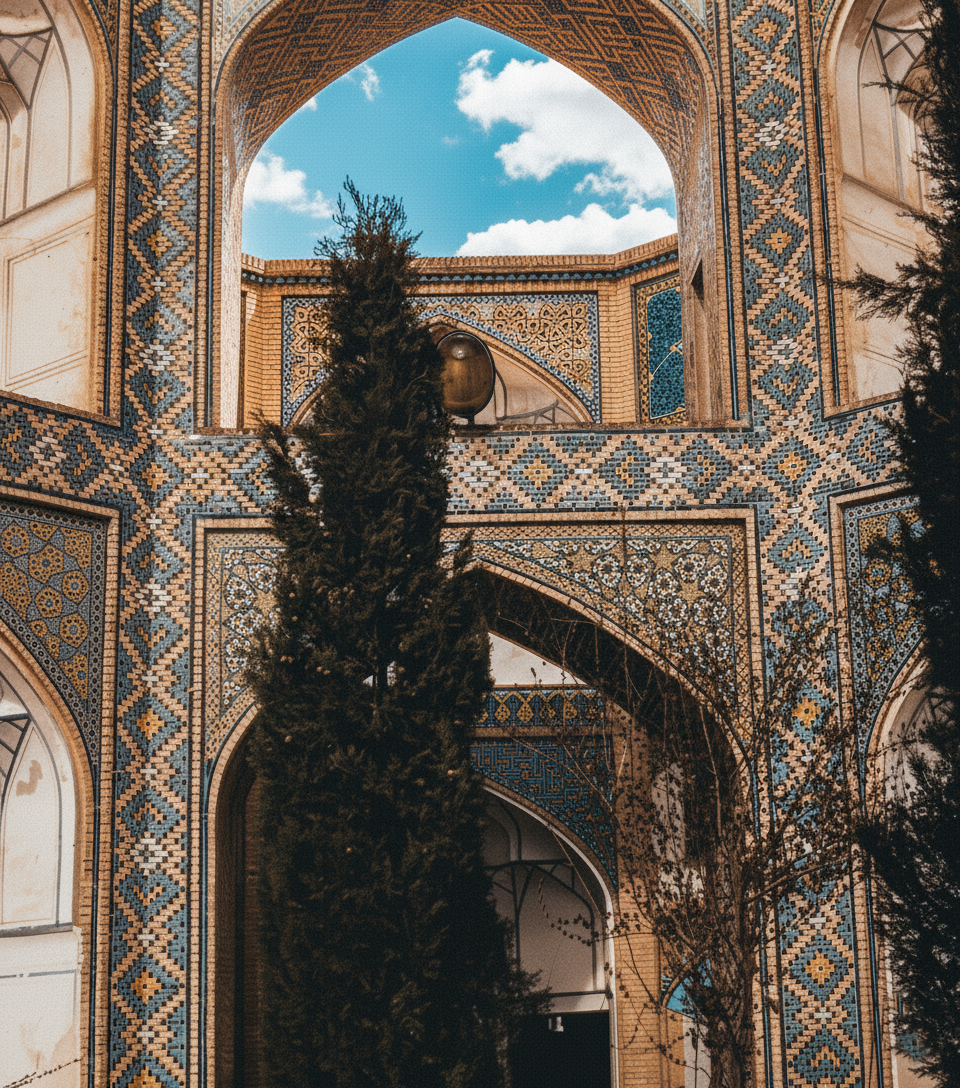
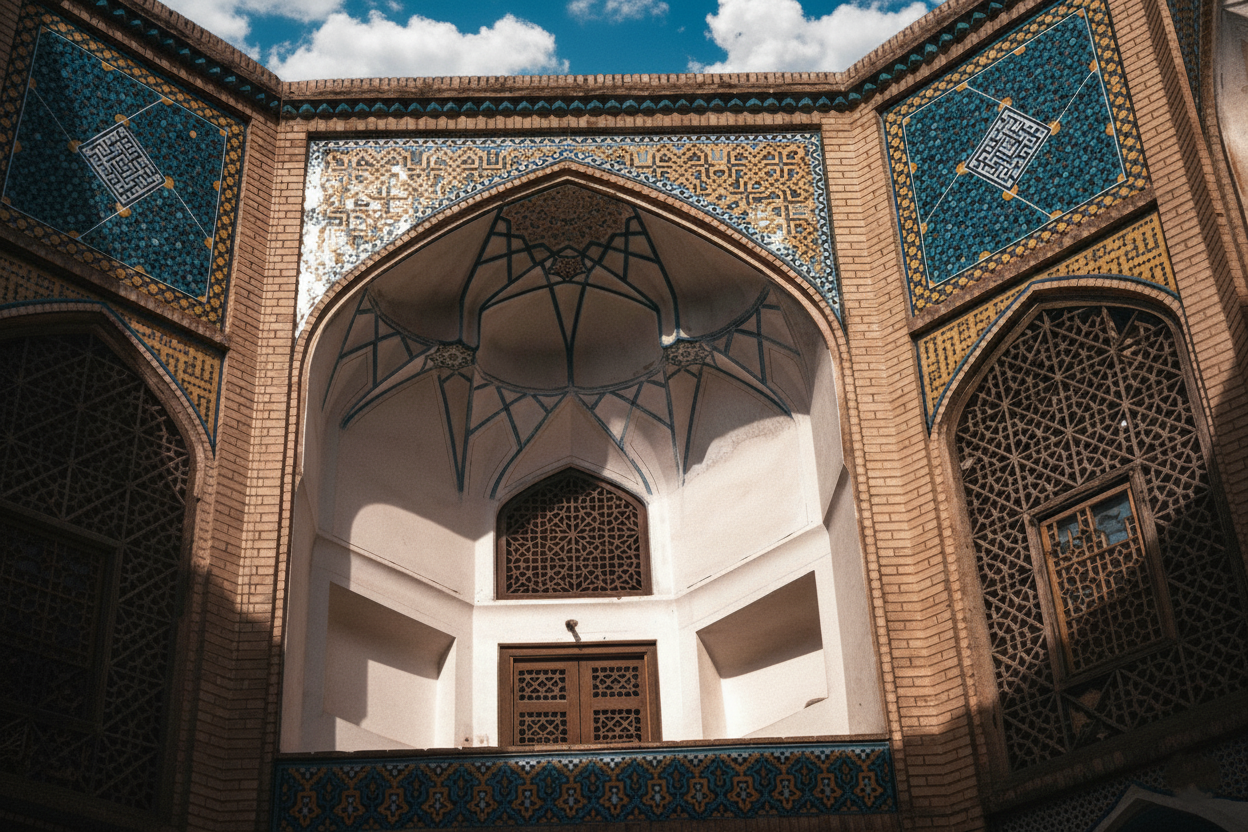
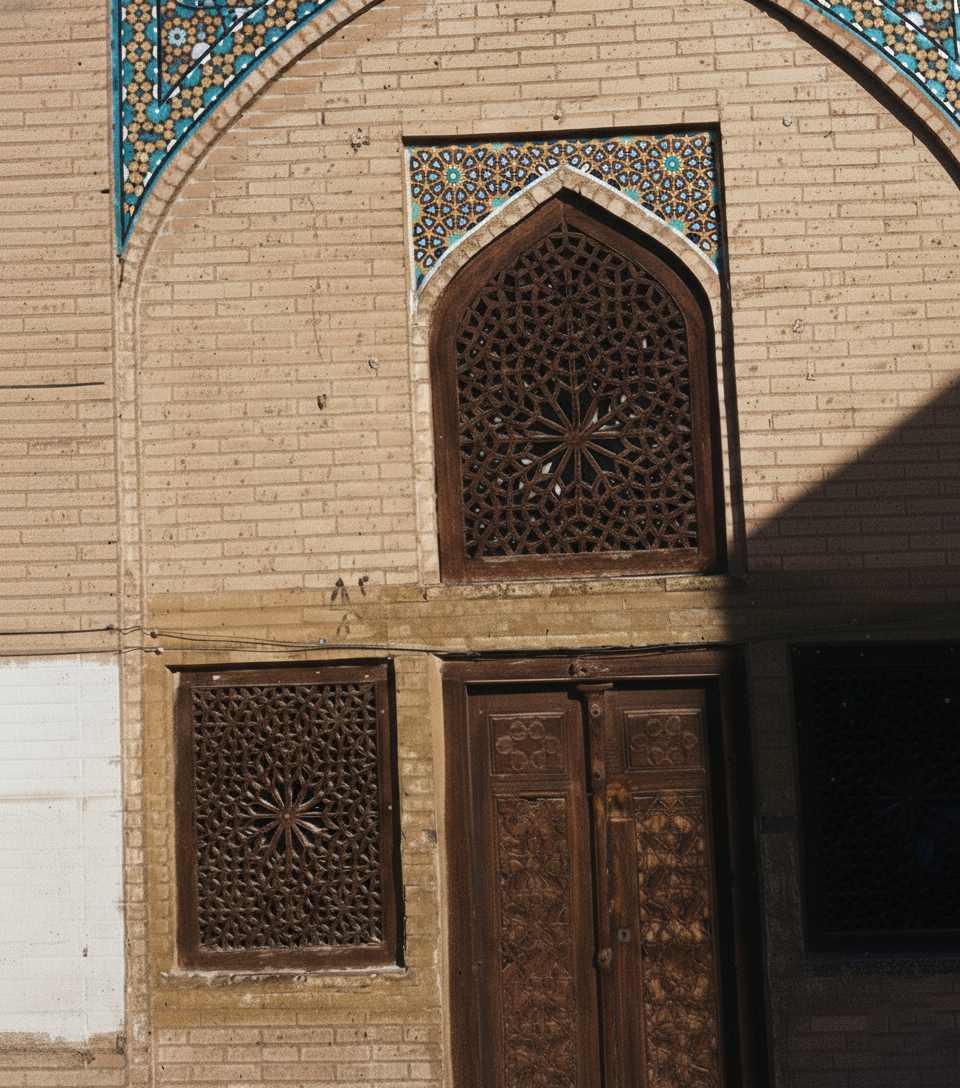
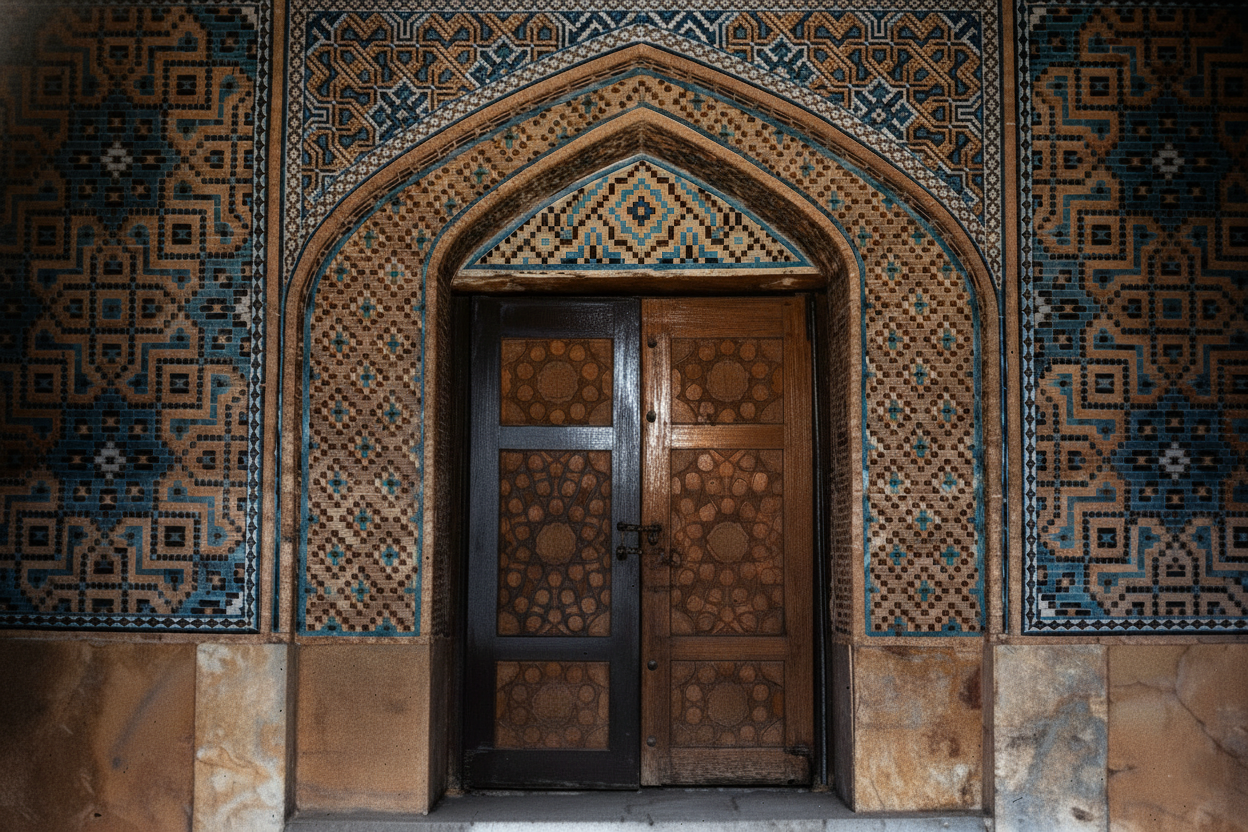
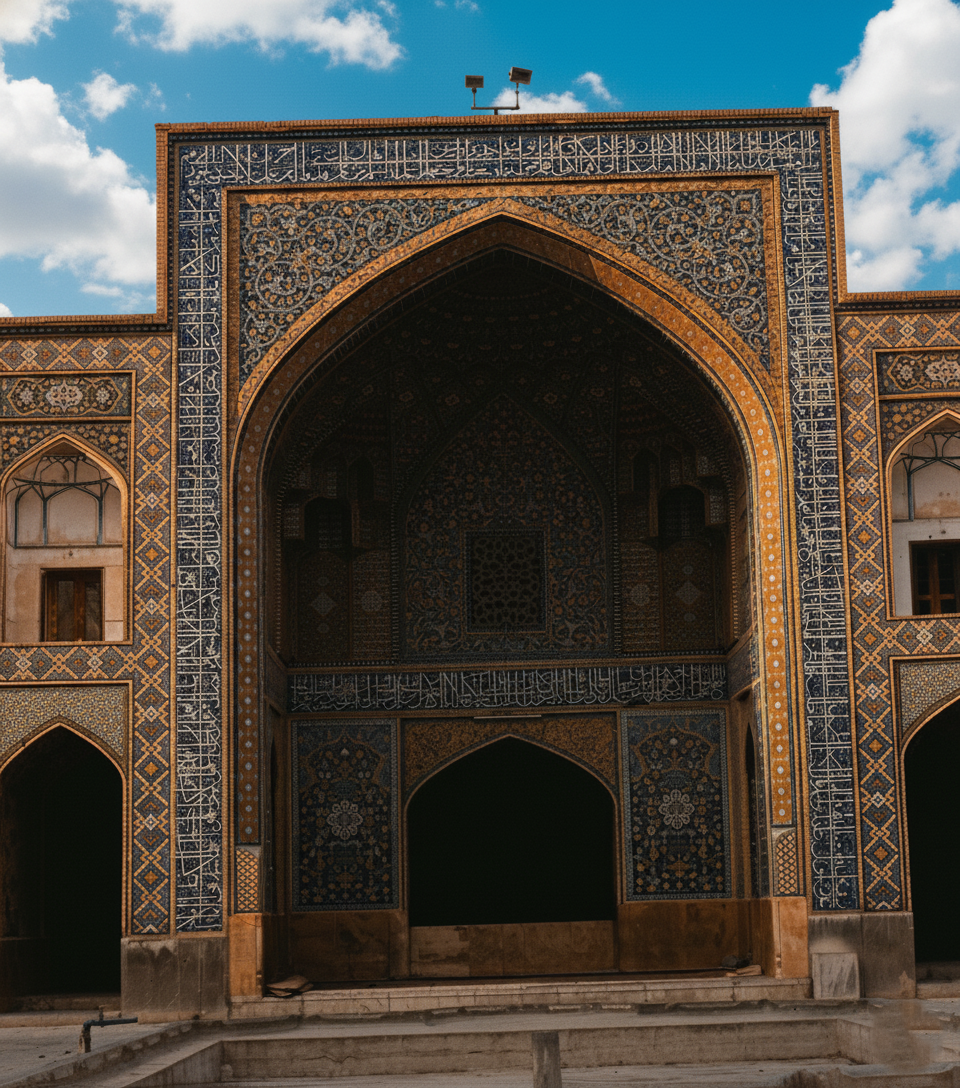
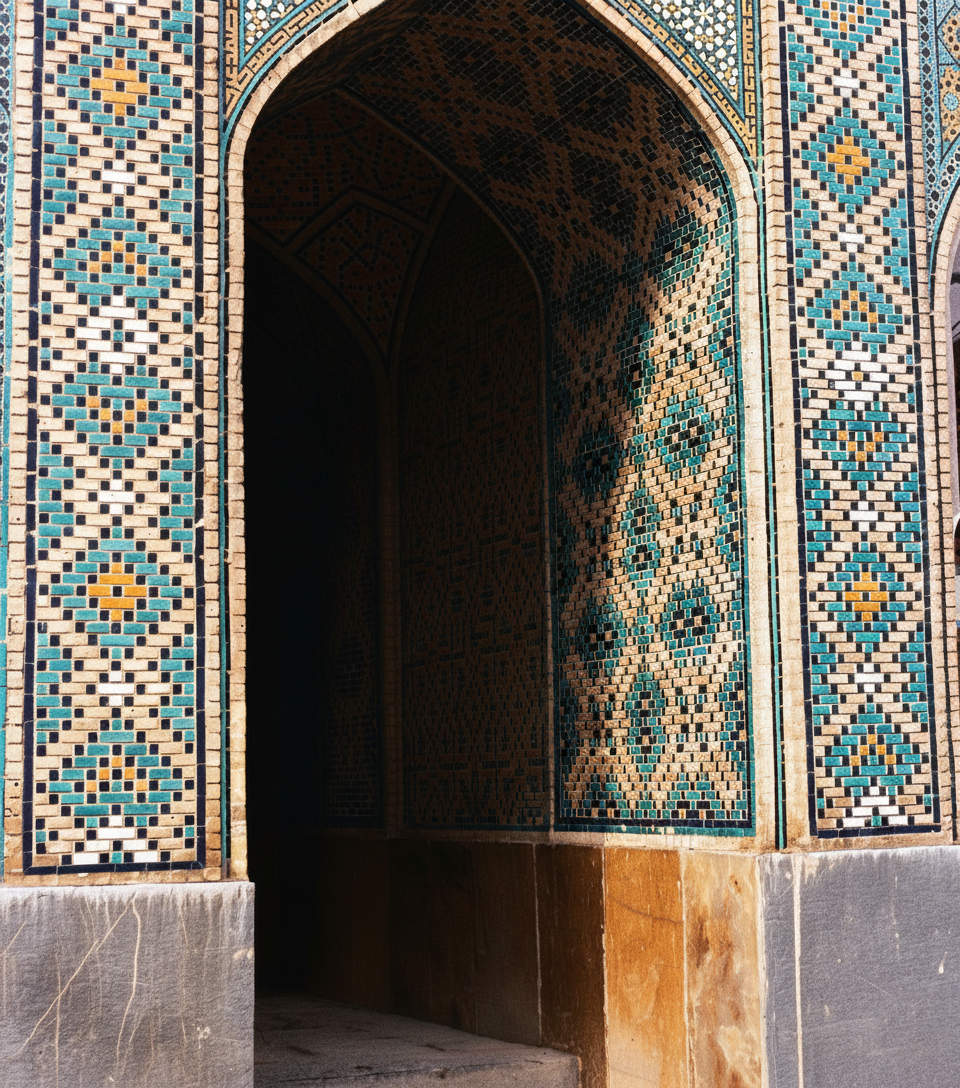
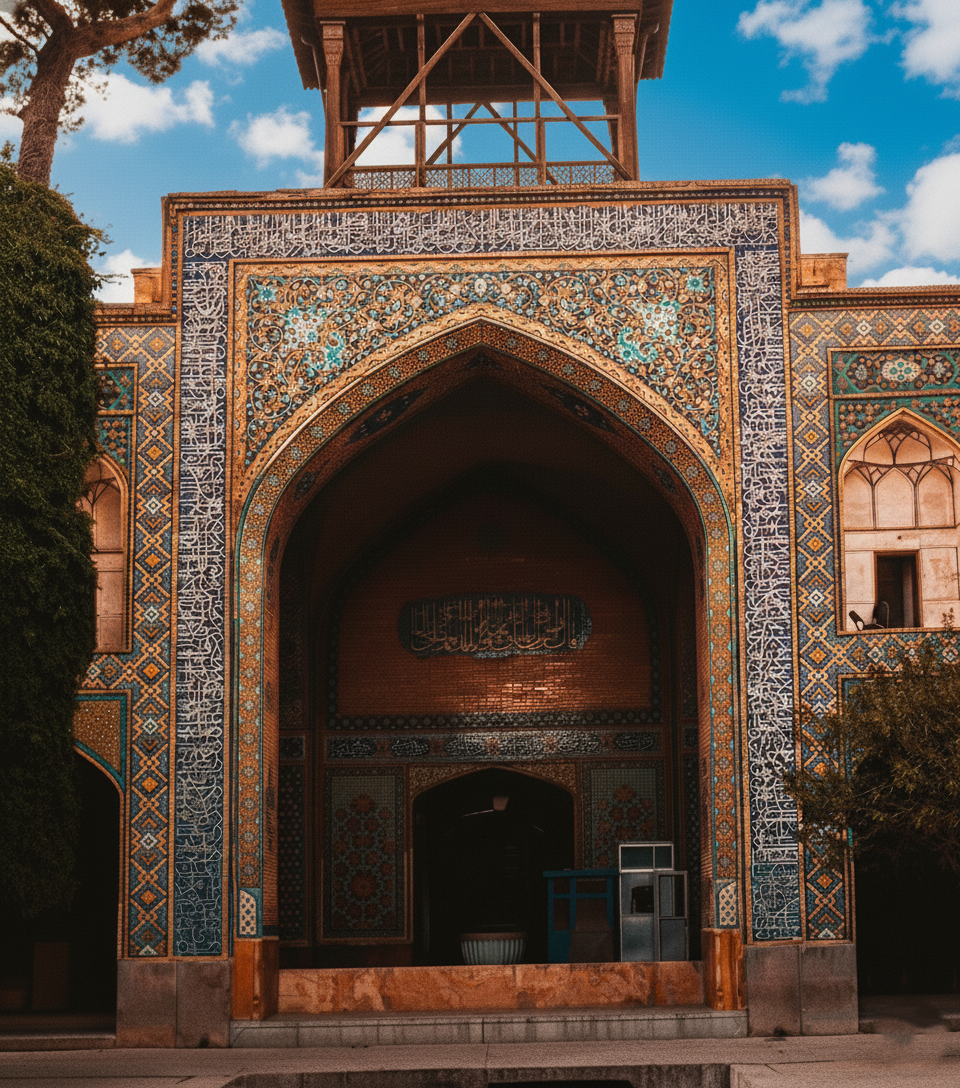
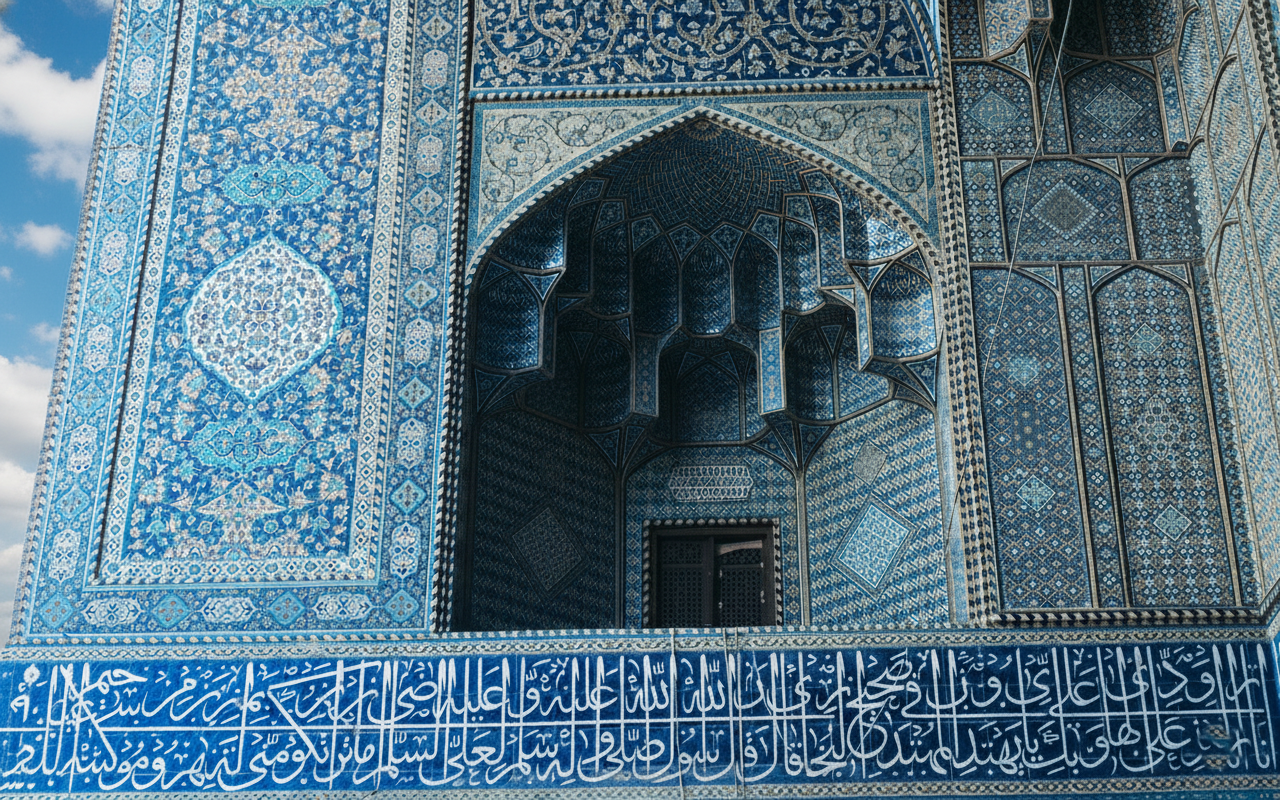
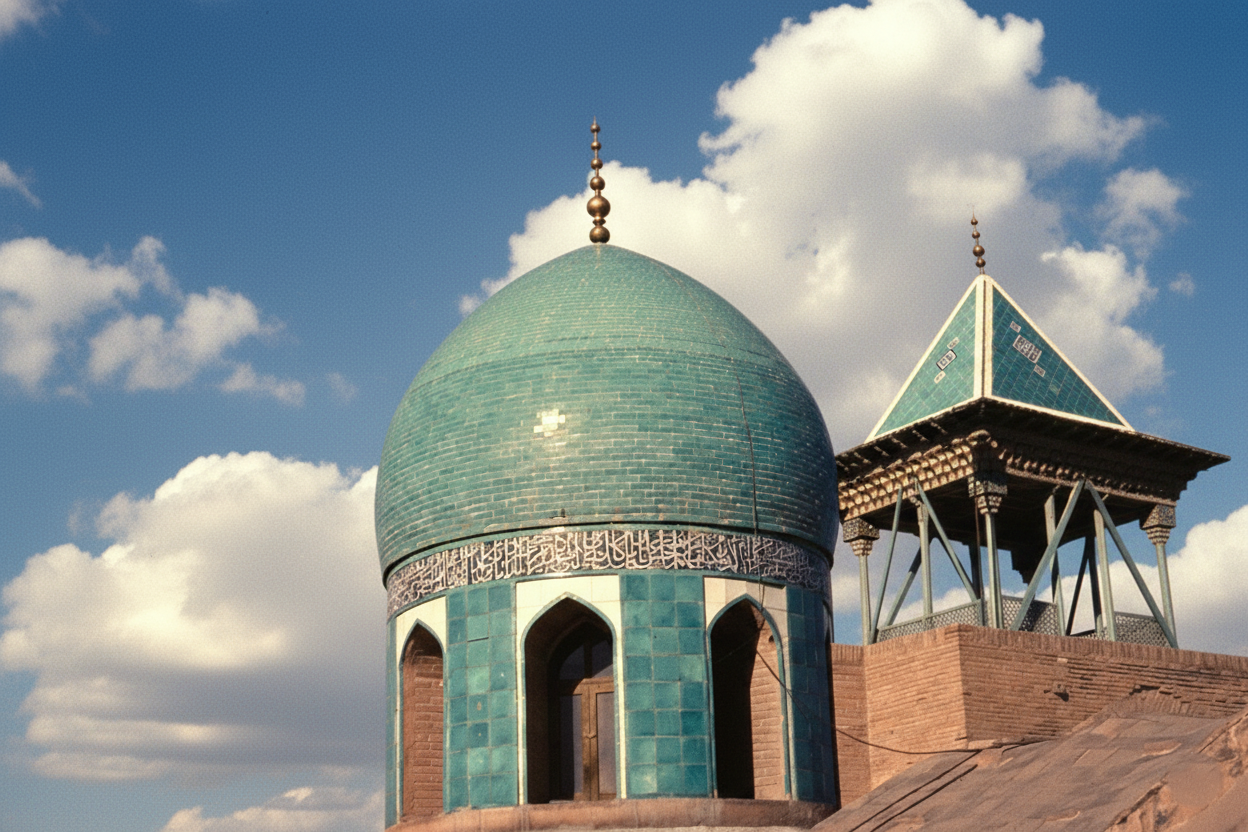
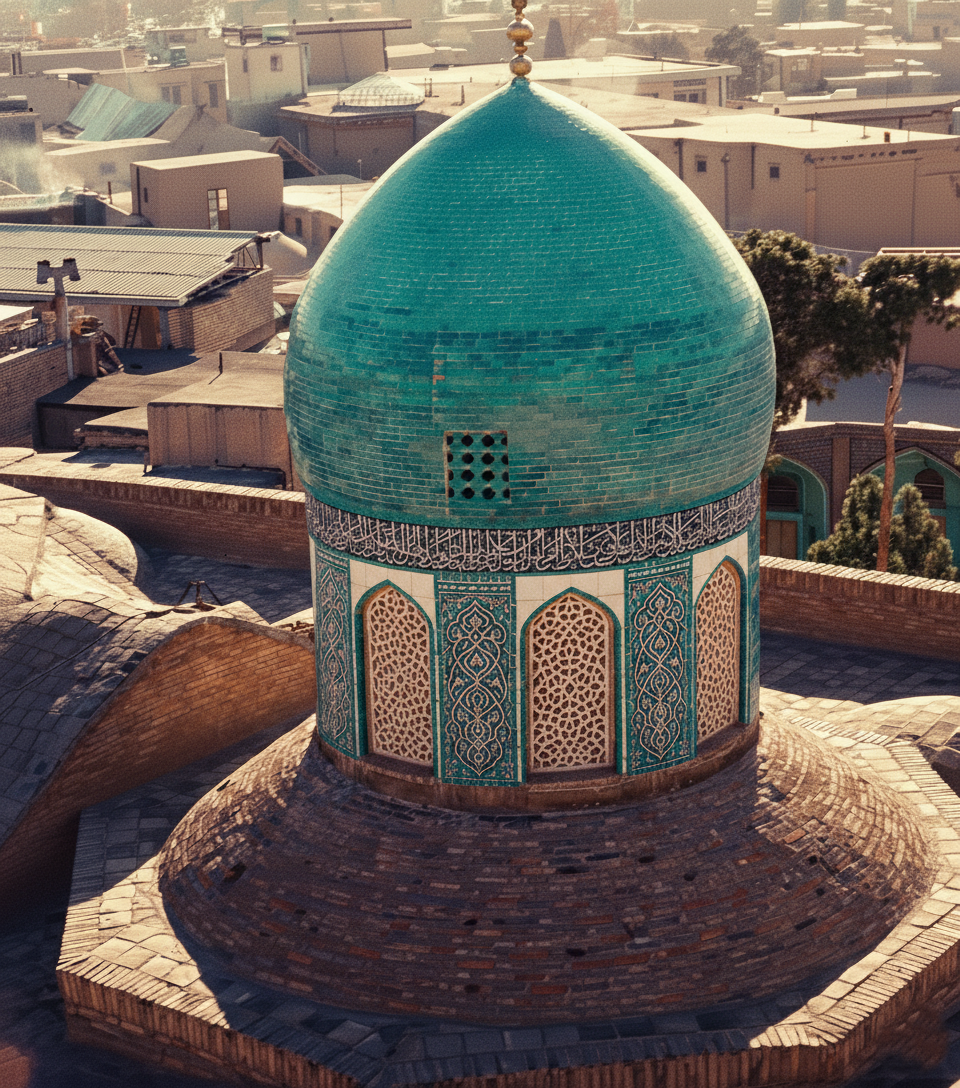
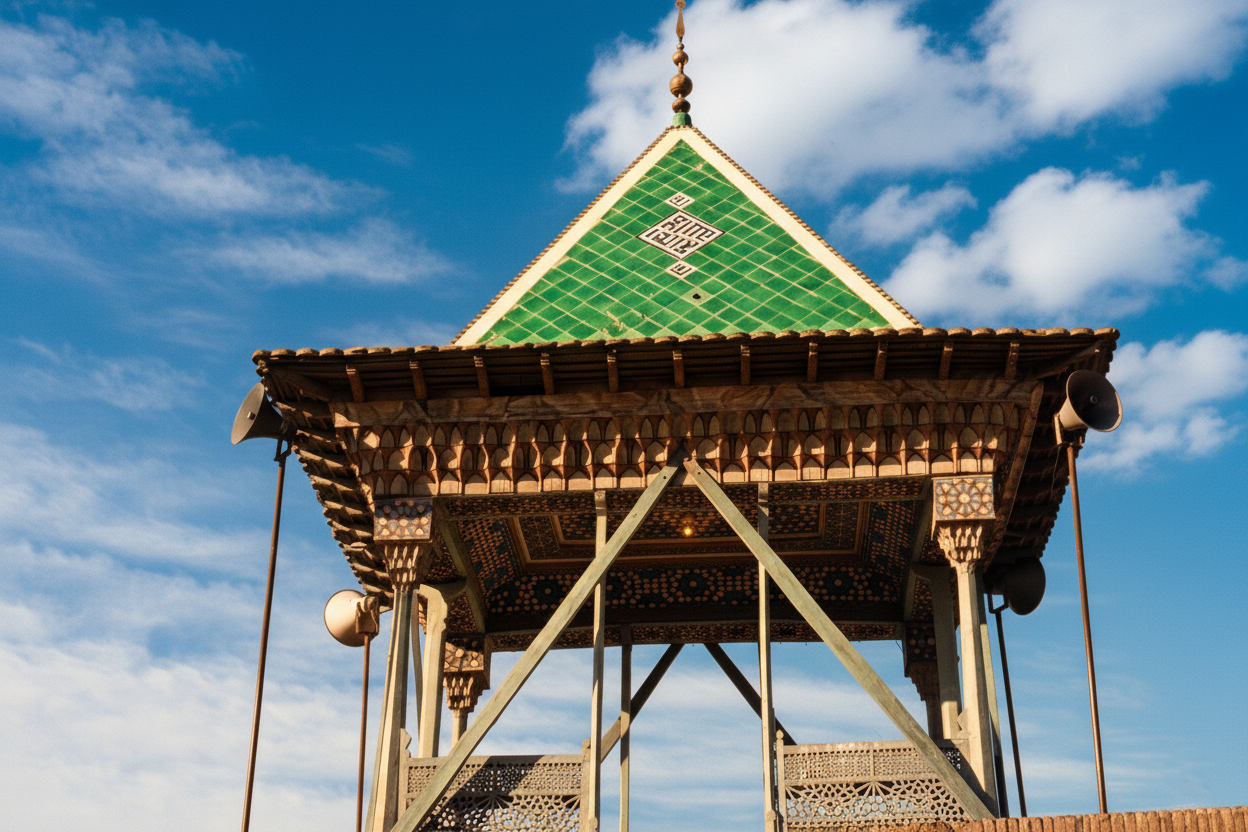
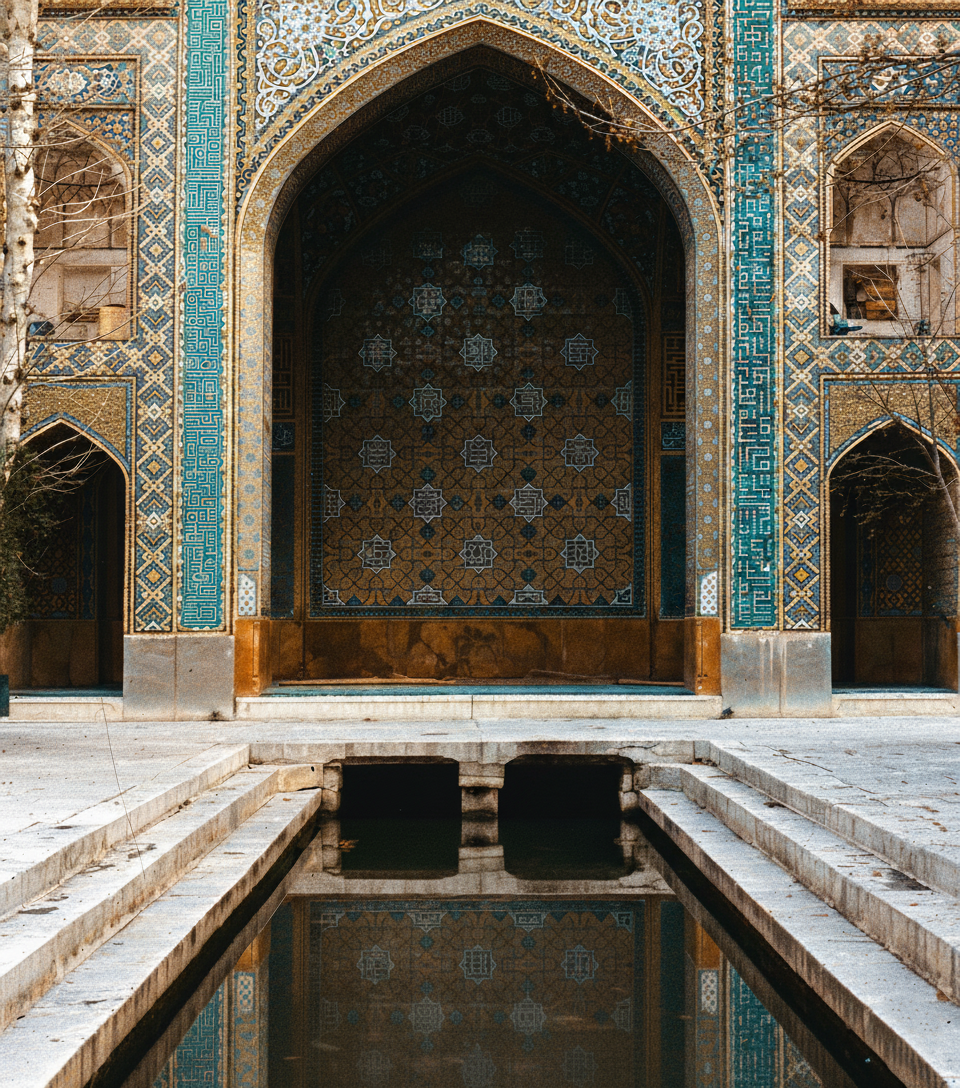
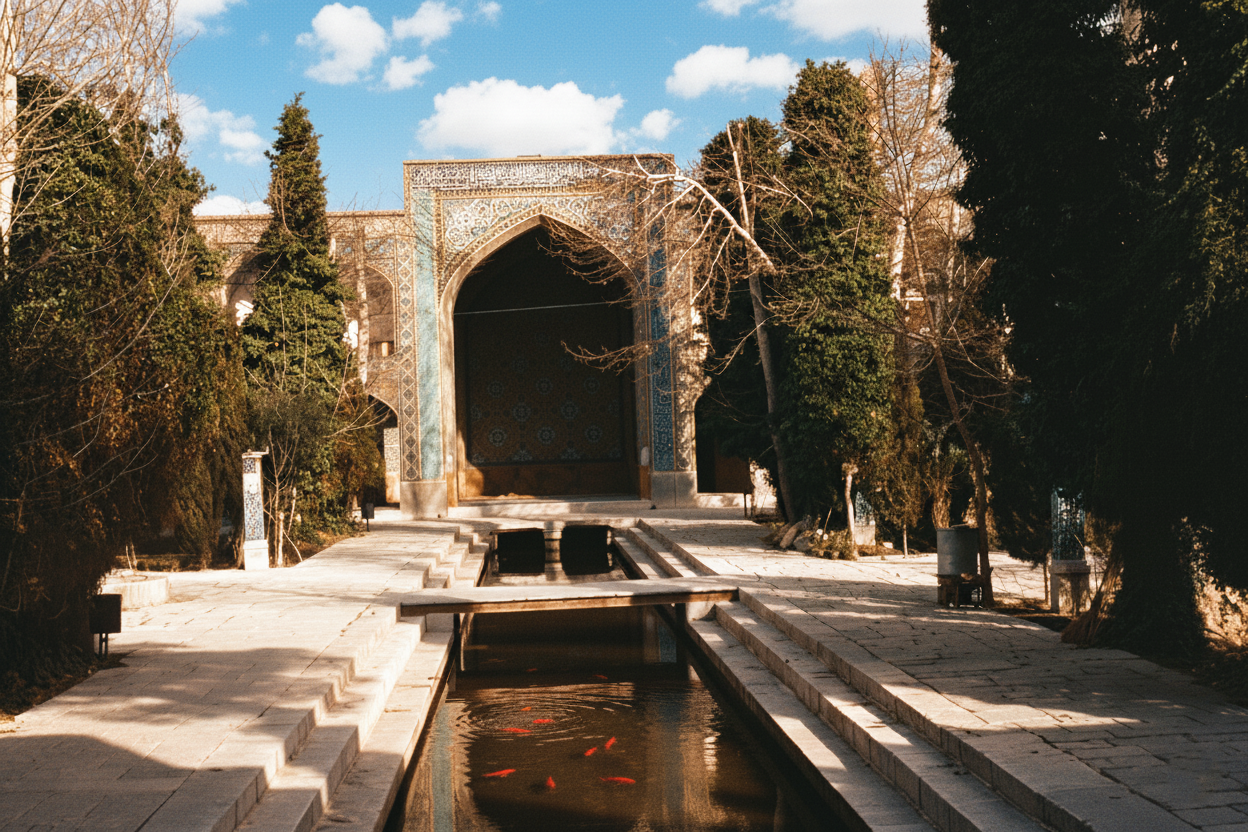
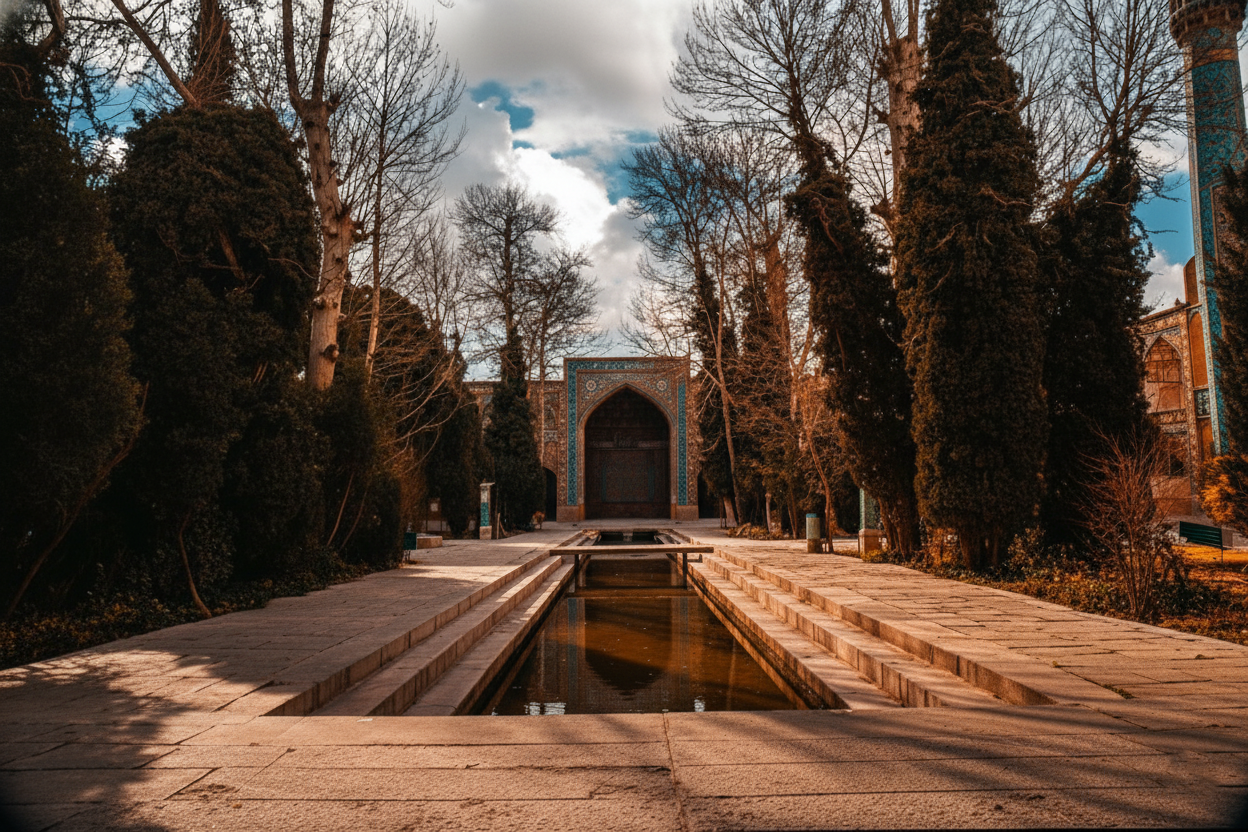
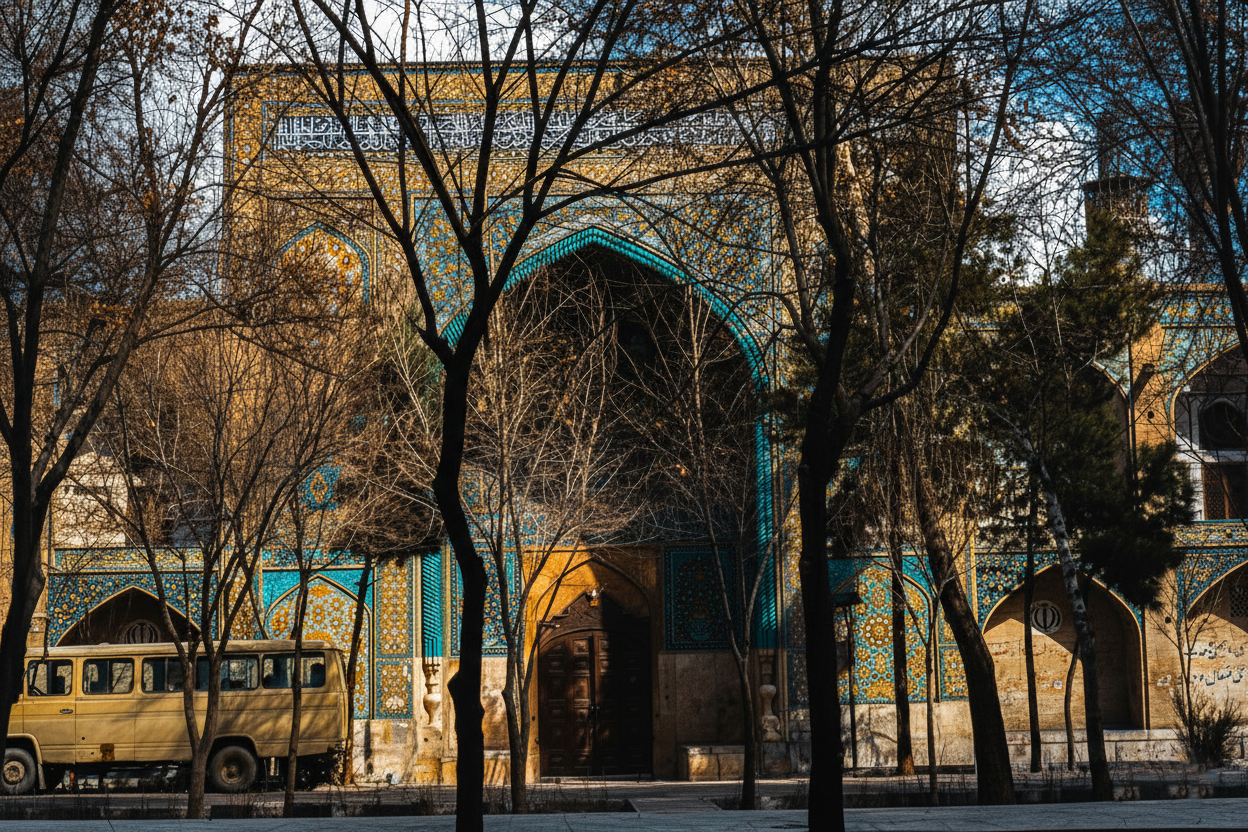
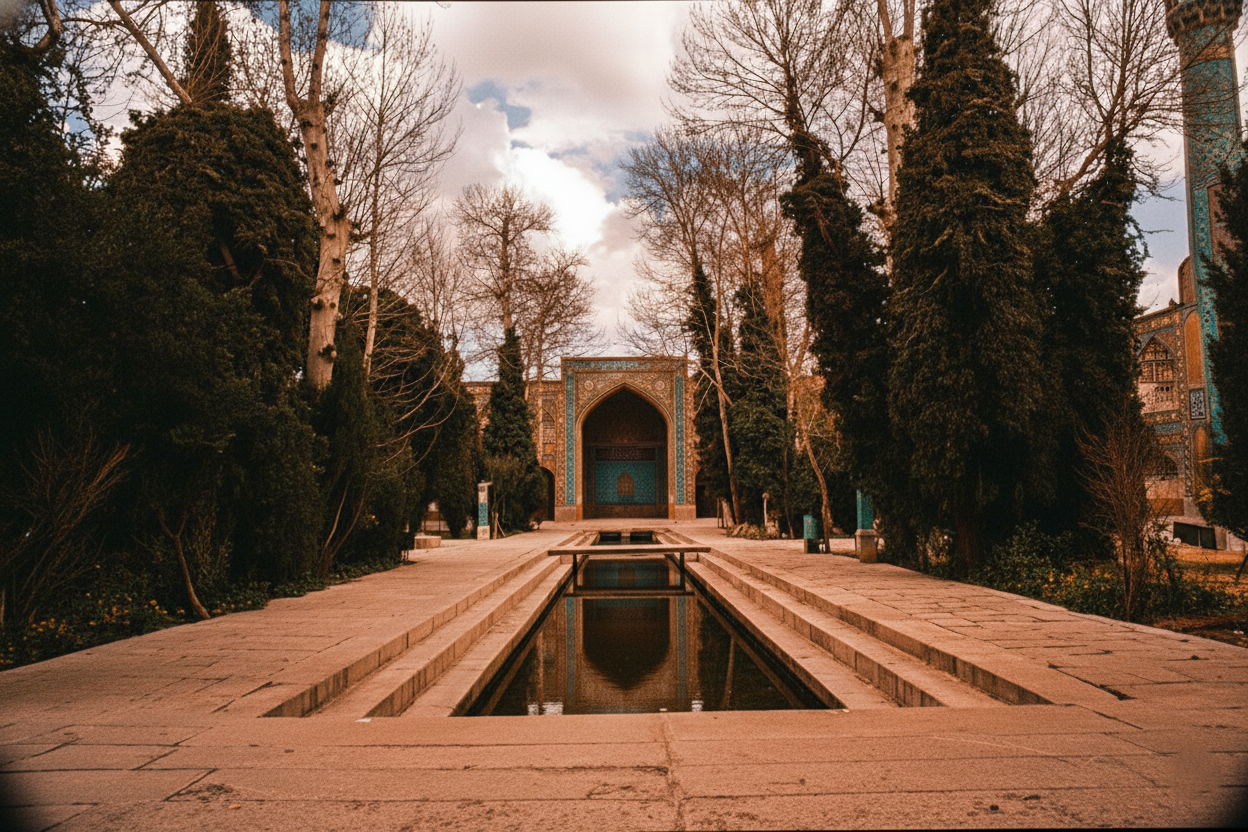
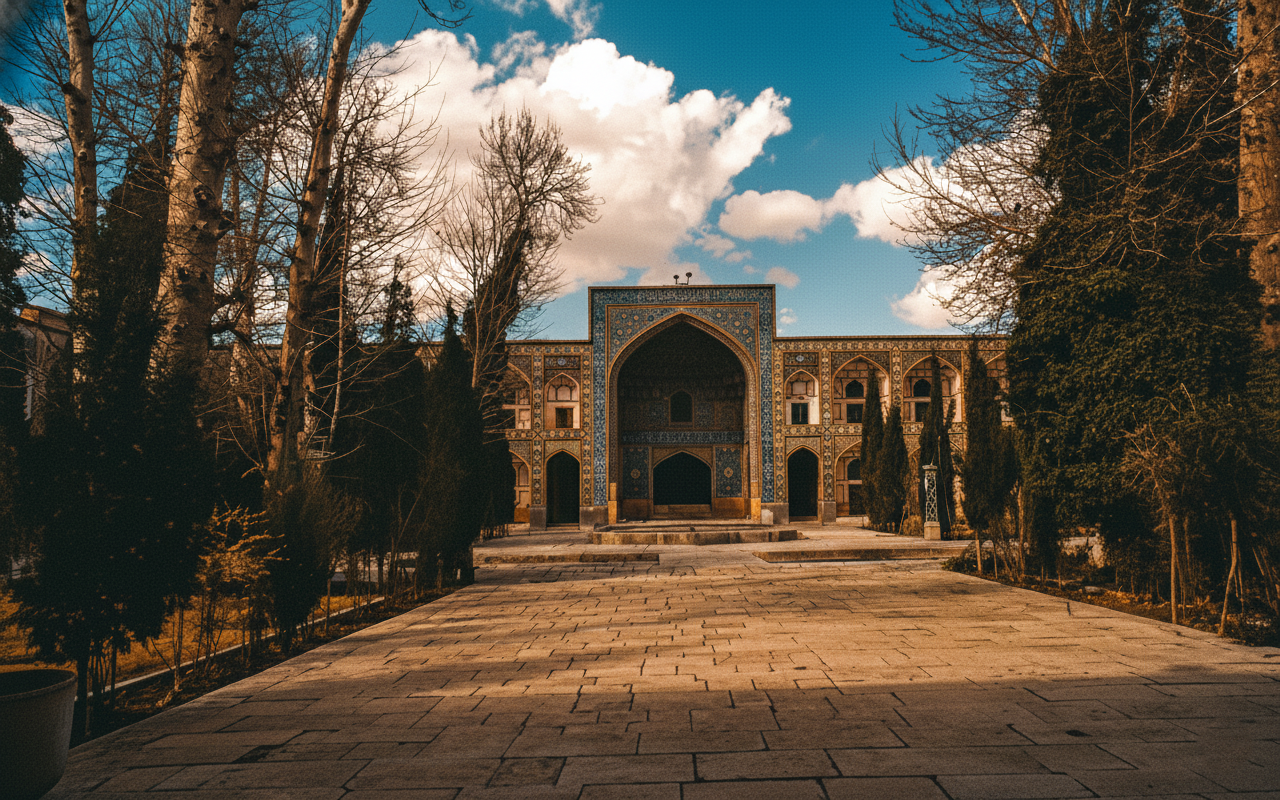
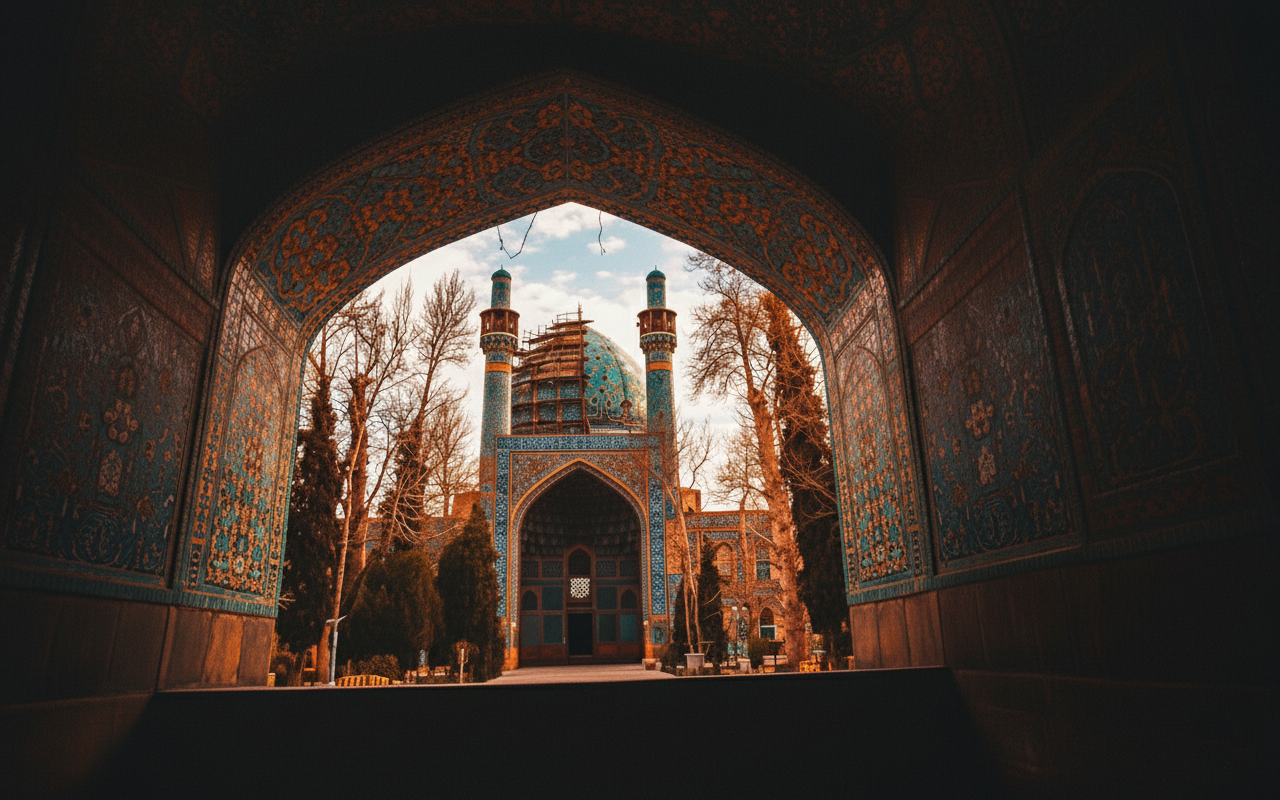
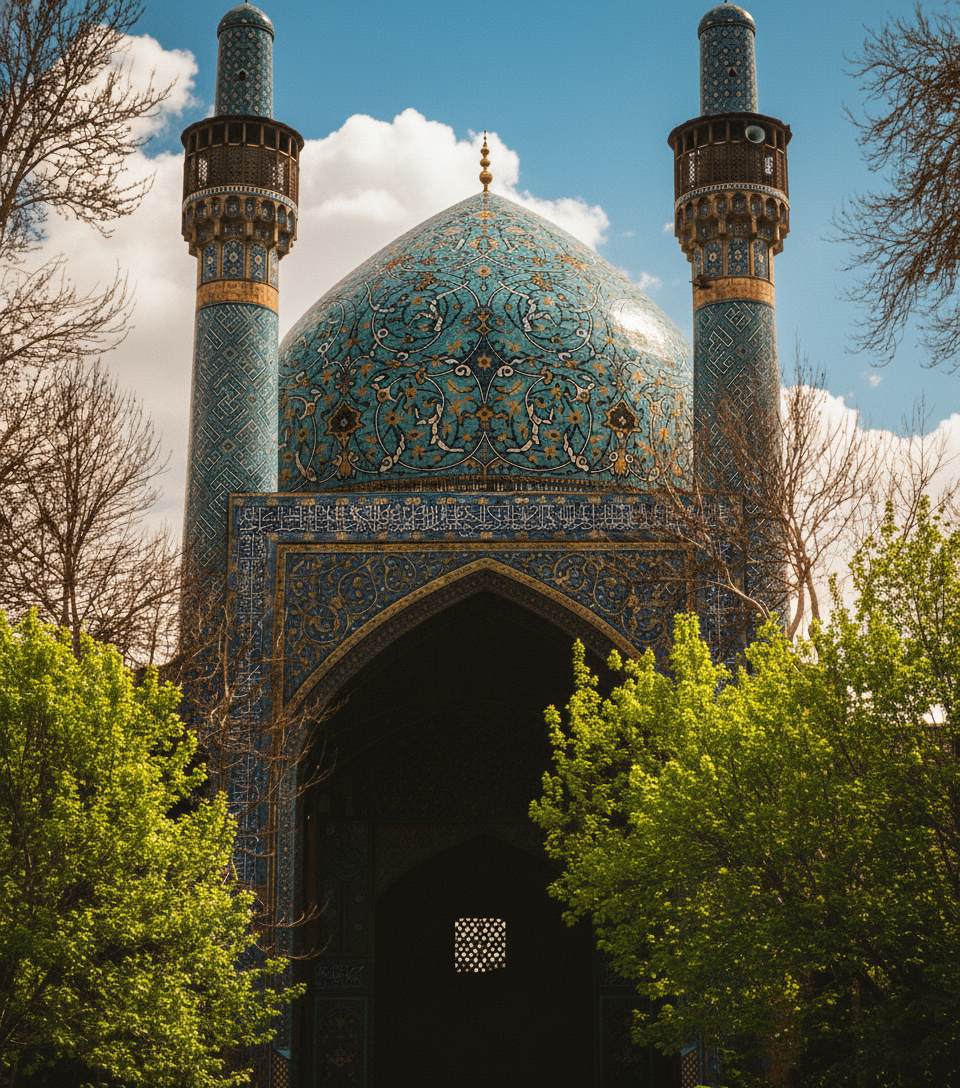
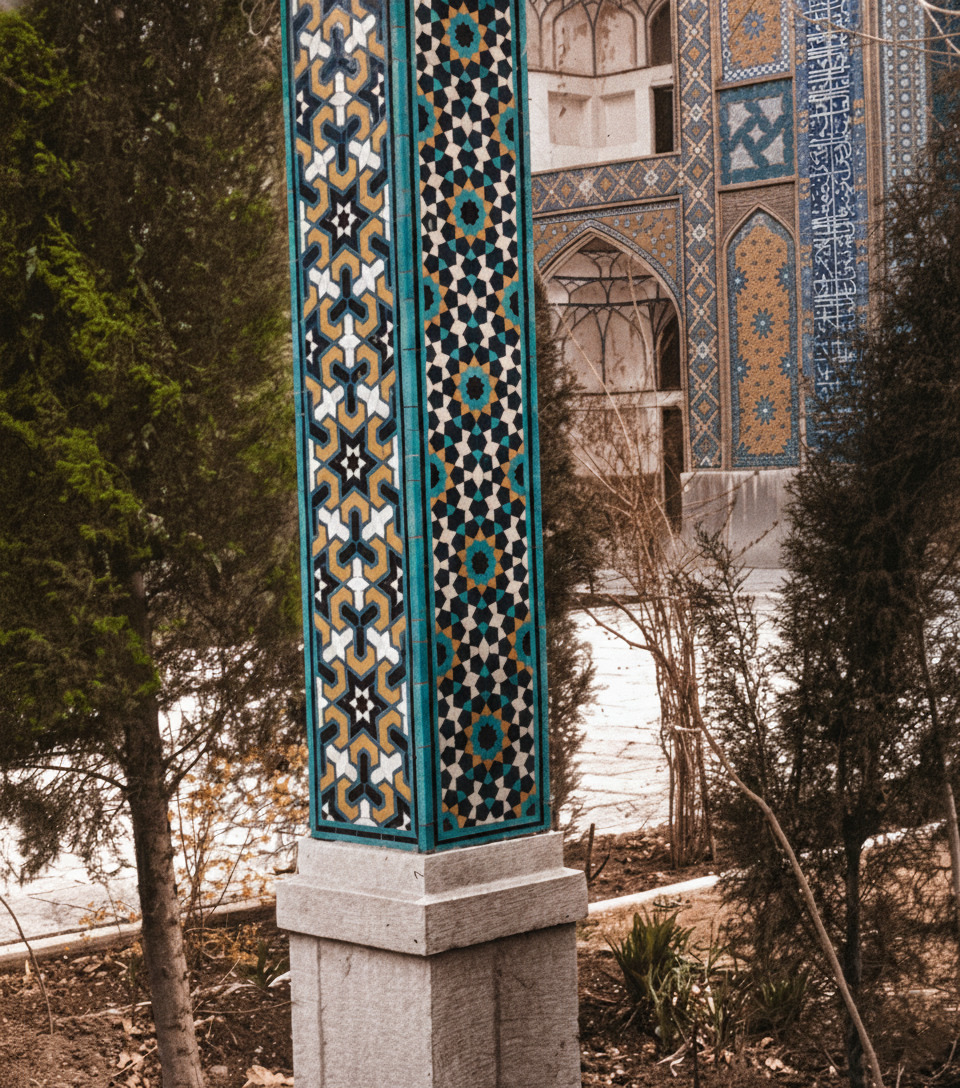
Chahar Bagh School (مدرسه چهارباغ), built 1704–1714 under Shah Sultan Husayn, was the final monumental project of Safavid Isfahan. Located along Chahar Bagh Avenue, the madrasa was part of a self-sustaining complex that included a bazaar and caravanserai, integrating education, commerce, and urban planning within the Safavid imperial city.
-
The Chahar Bagh School (مدرسه چهارباغ), also known as the Madrasah-ye Soltani (مدرسه سلطانی), was constructed between 1704 and 1714 during the reign of Shah Sultan Husayn (شاه سلطان حسین) and represents the final monumental architectural project of the Safavid dynasty in Isfahan (اصفهان). Located along the grand Chahar Bagh Avenue (خیابان چهارباغ), the madrasa formed the intellectual and religious anchor of a larger economic and urban complex that included a caravanserai (کاروانسرا)—today known as the Abbasi Hotel—and a bazaar (بازار) whose revenues supported the stipends of resident students and scholars.
Architecturally, the madrasa reflects the mature Safavid synthesis of education, landscape, and architecture. Organized around a garden-like courtyard with flowing water channels, trees, and planted beds, the complex creates a serene scholarly environment within the dense urban fabric. The courtyard is surrounded by two-story arcades containing student chambers, while a refined double-shell dome (گنبد دوپوسته) rises above the prayer hall. The building’s tile decoration—characterized by intricate floral motifs and a distinctive palette of turquoise, cobalt blue, yellow, and cream—illustrates the late Safavid mastery of ceramic ornament.
Within the framework of Safavid imperial urban planning, the Chahar Bagh School played a crucial role along the city’s principal ceremonial and commercial axis. Chahar Bagh Avenue, laid out in the early 17th century under Shah Abbas I (شاه عباس اول), connected Naqsh-e Jahan Square (میدان نقش جهان) with the royal gardens, palaces, and residential districts to the south. The madrasa’s placement along this boulevard reinforced the Safavid vision of an imperial capital where political authority, commerce, landscape, and religious scholarship were integrated within a unified urban structure.
The complex also reflects the Safavid system of institutional patronage, in which education was financially sustained through associated commercial enterprises. By linking the madrasa with a caravanserai and market, the Safavid state ensured a continuous flow of revenue supporting religious scholarship, demonstrating how architecture, economy, and governance were intertwined in the planning of the imperial city.
Historically, the madrasa also marks the final chapter of Safavid Isfahan. Shortly after its completion, the Afghan invasion of 1722 led to the collapse of the Safavid dynasty, ending Isfahan’s era as the imperial capital. As such, the Chahar Bagh School stands both as the culmination of Safavid architectural refinement and as a poignant reminder of the empire’s final years.
