Chehel Sotoun (The Palace of Forty Columns) (کاخ چهلستون)
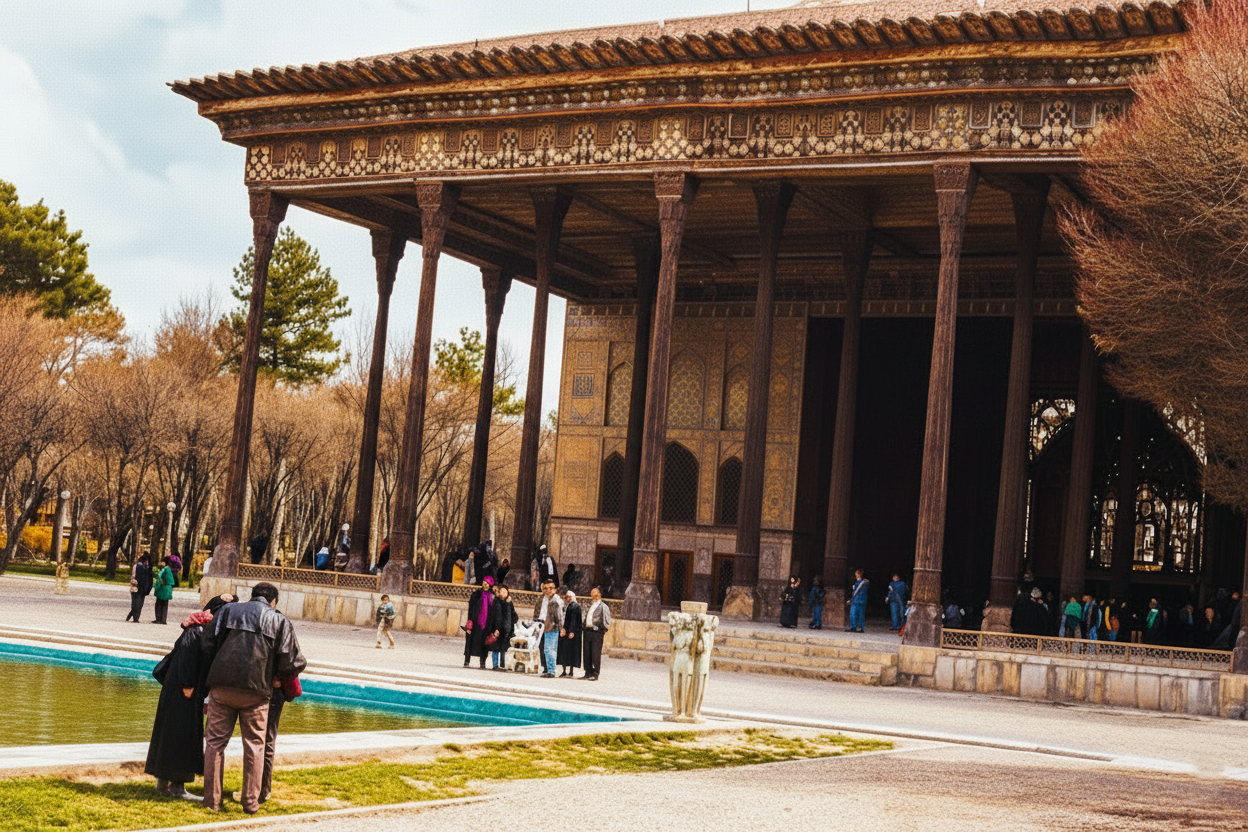
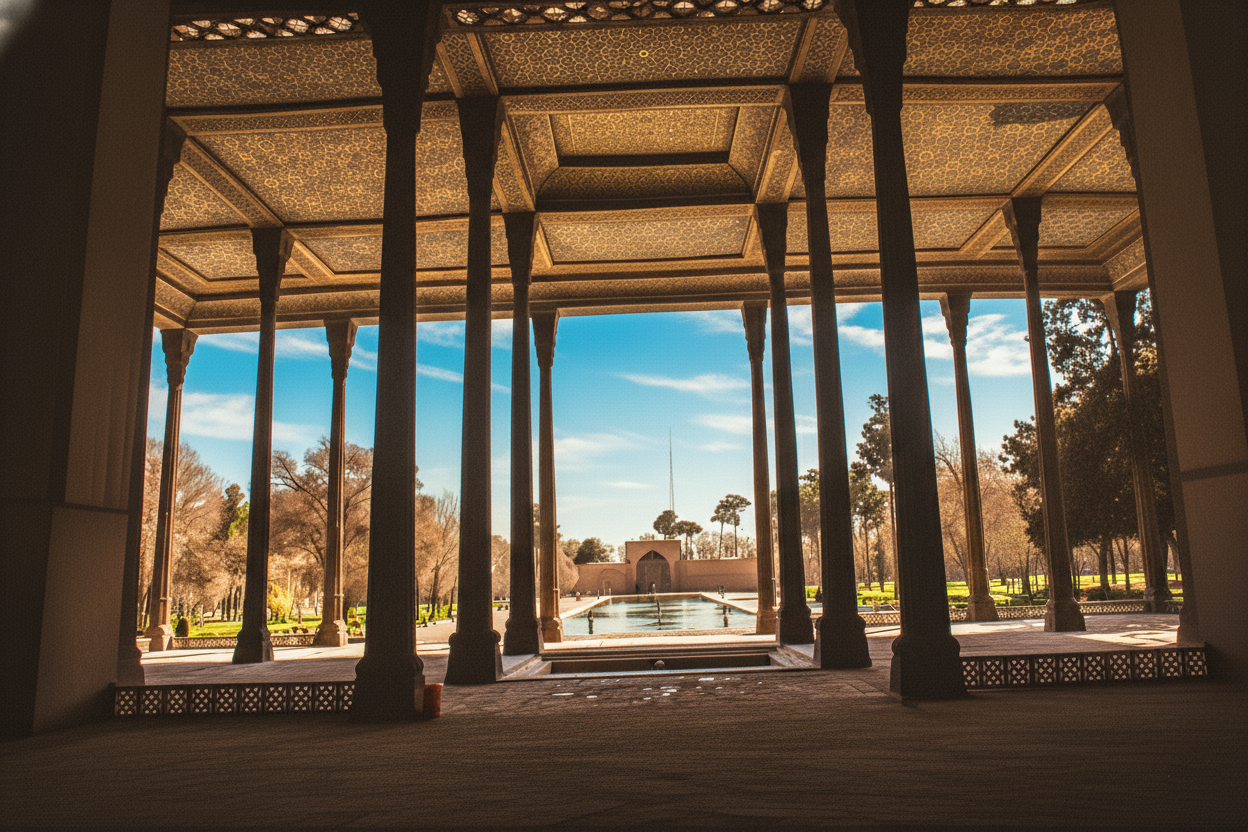
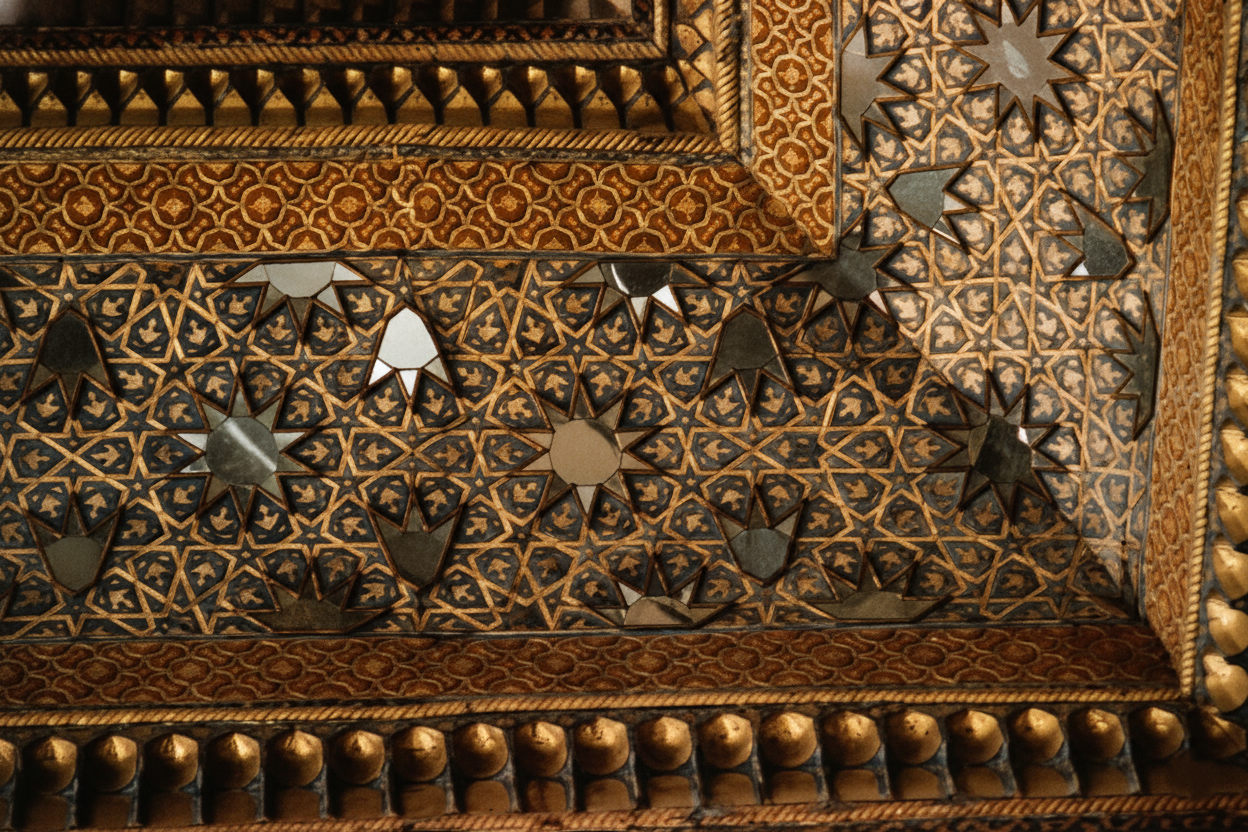
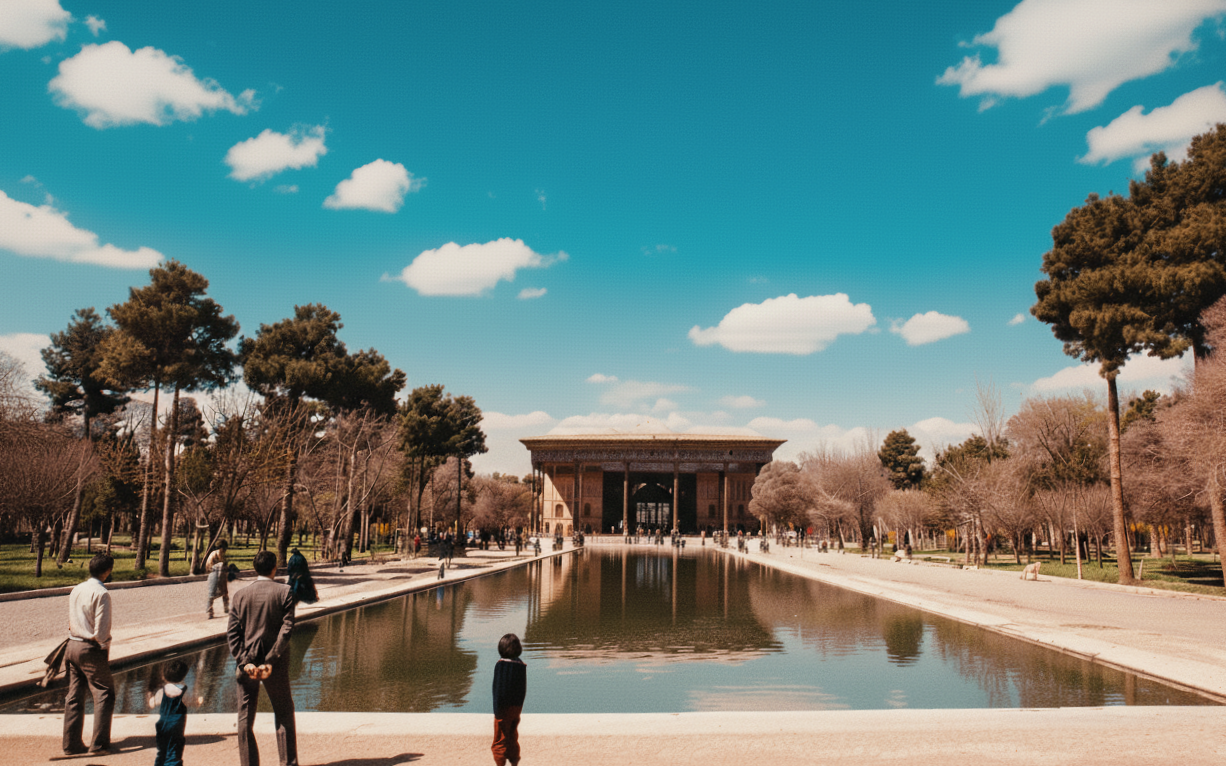
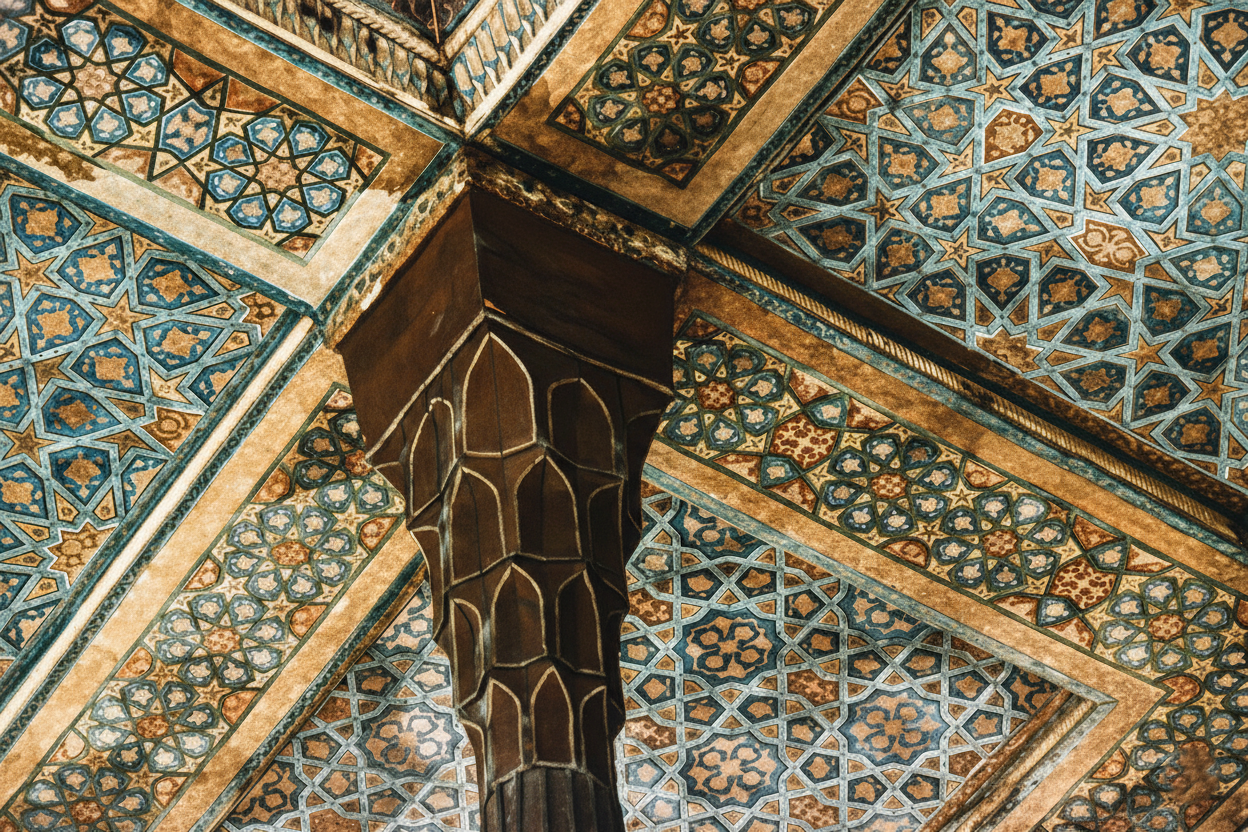
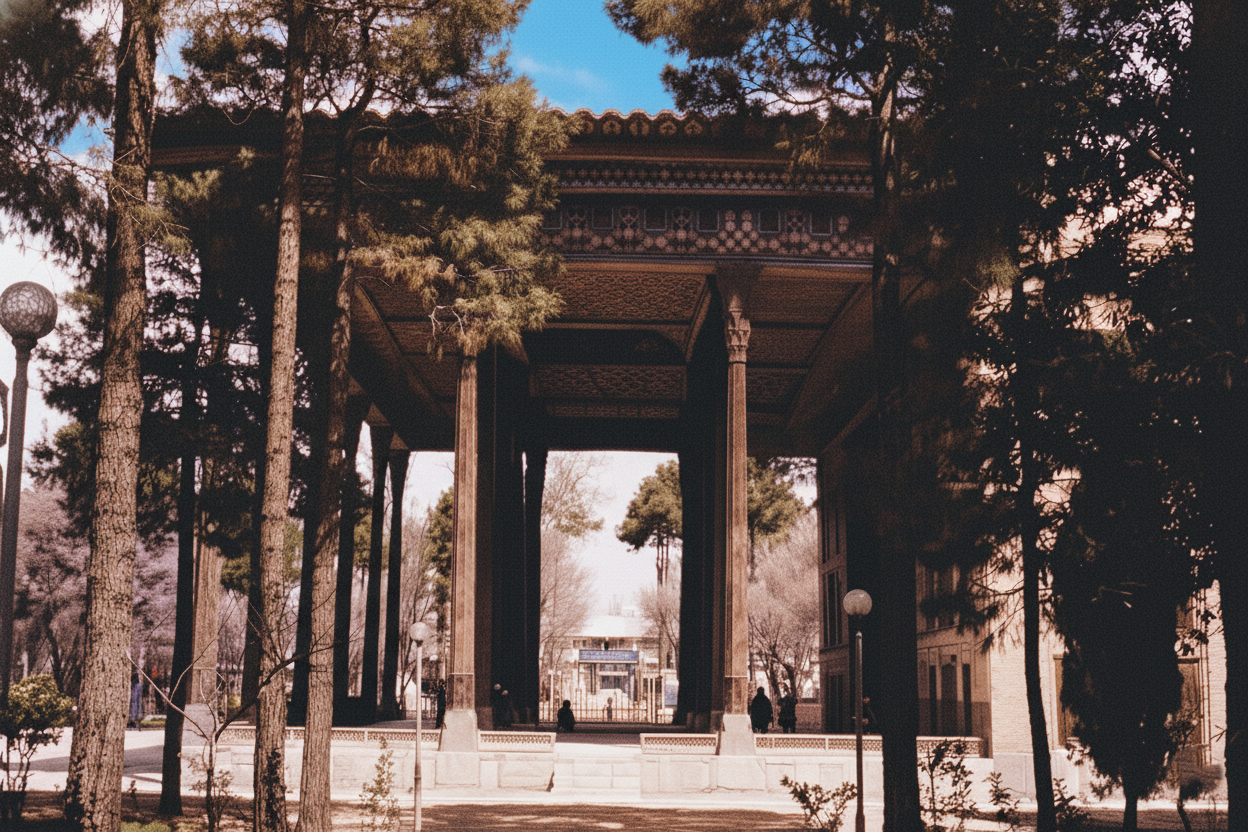
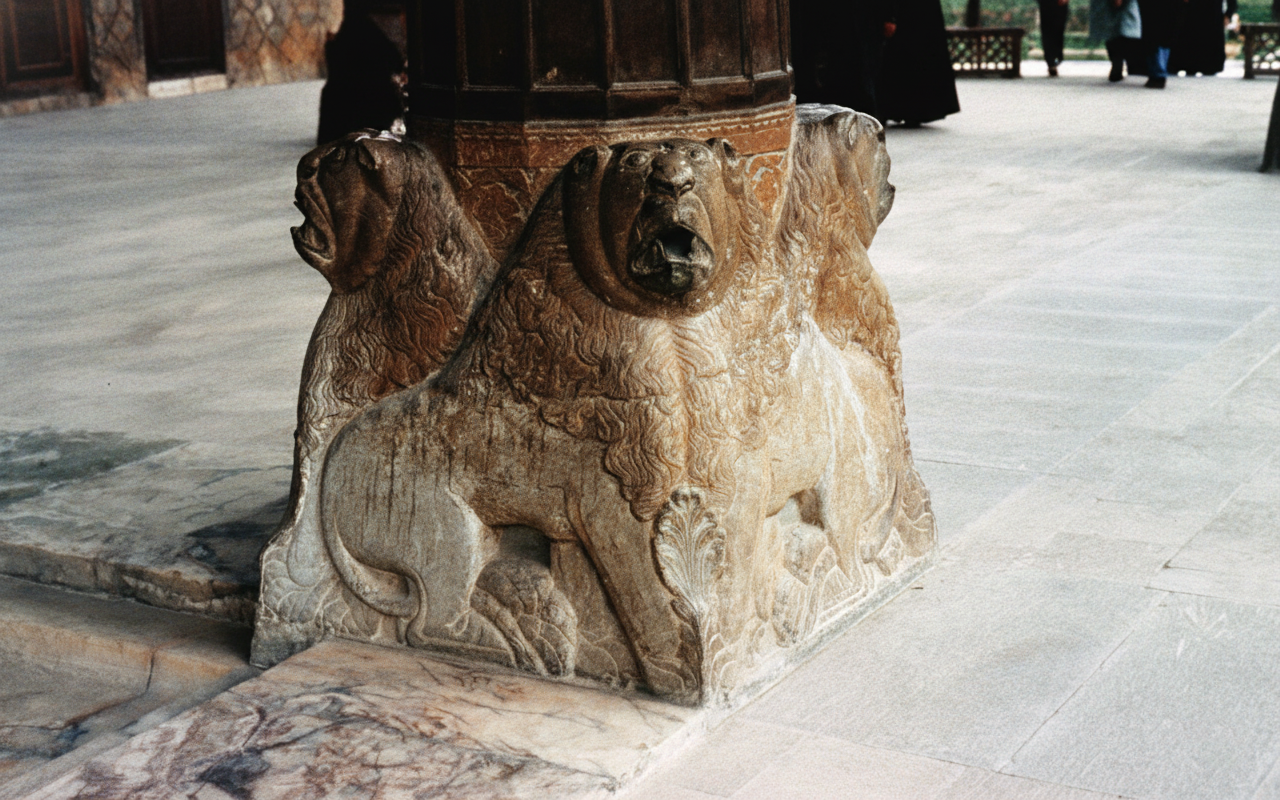
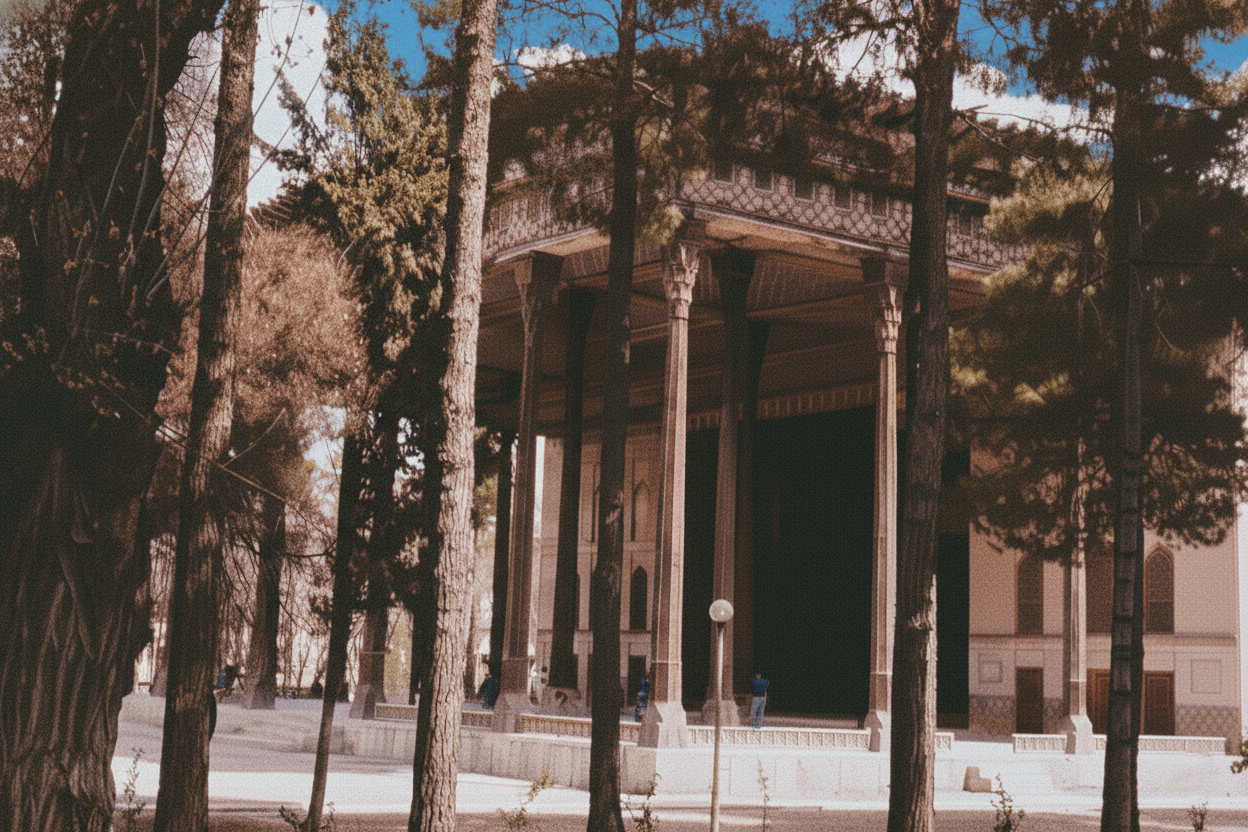
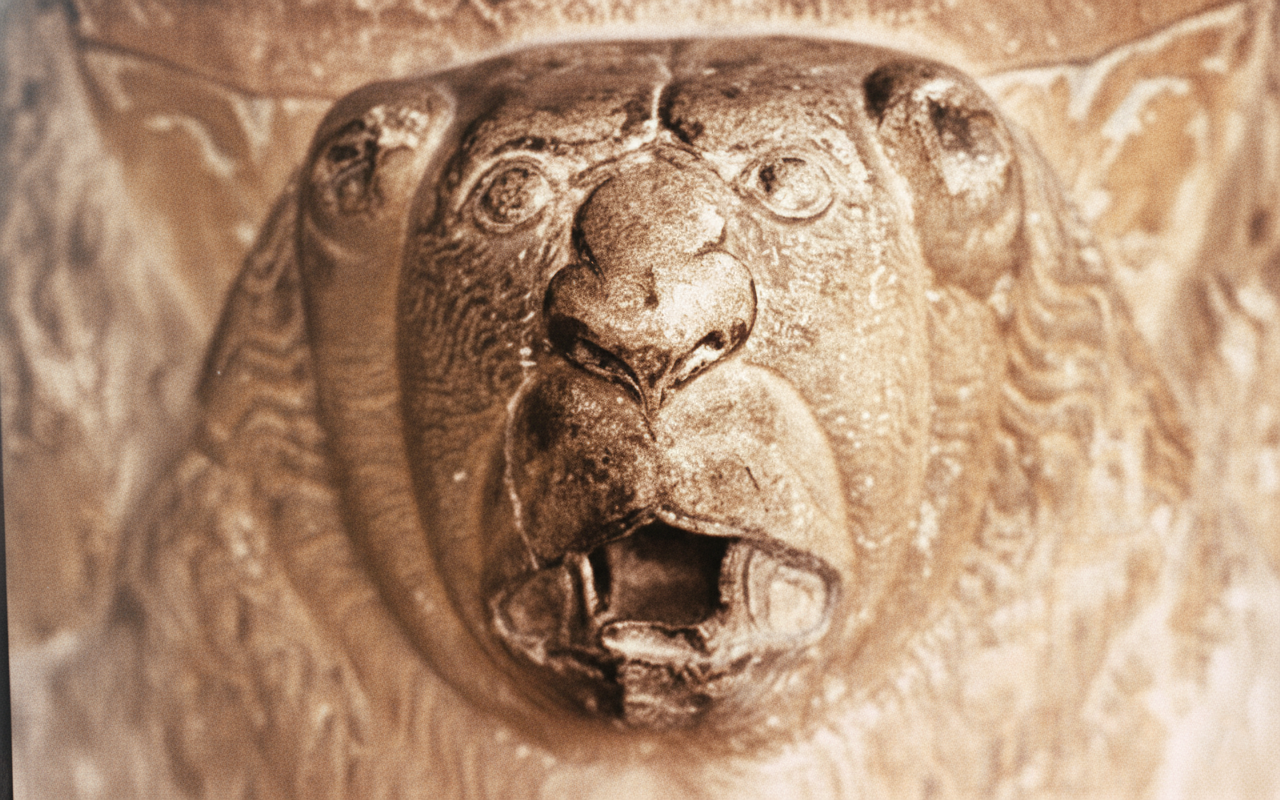
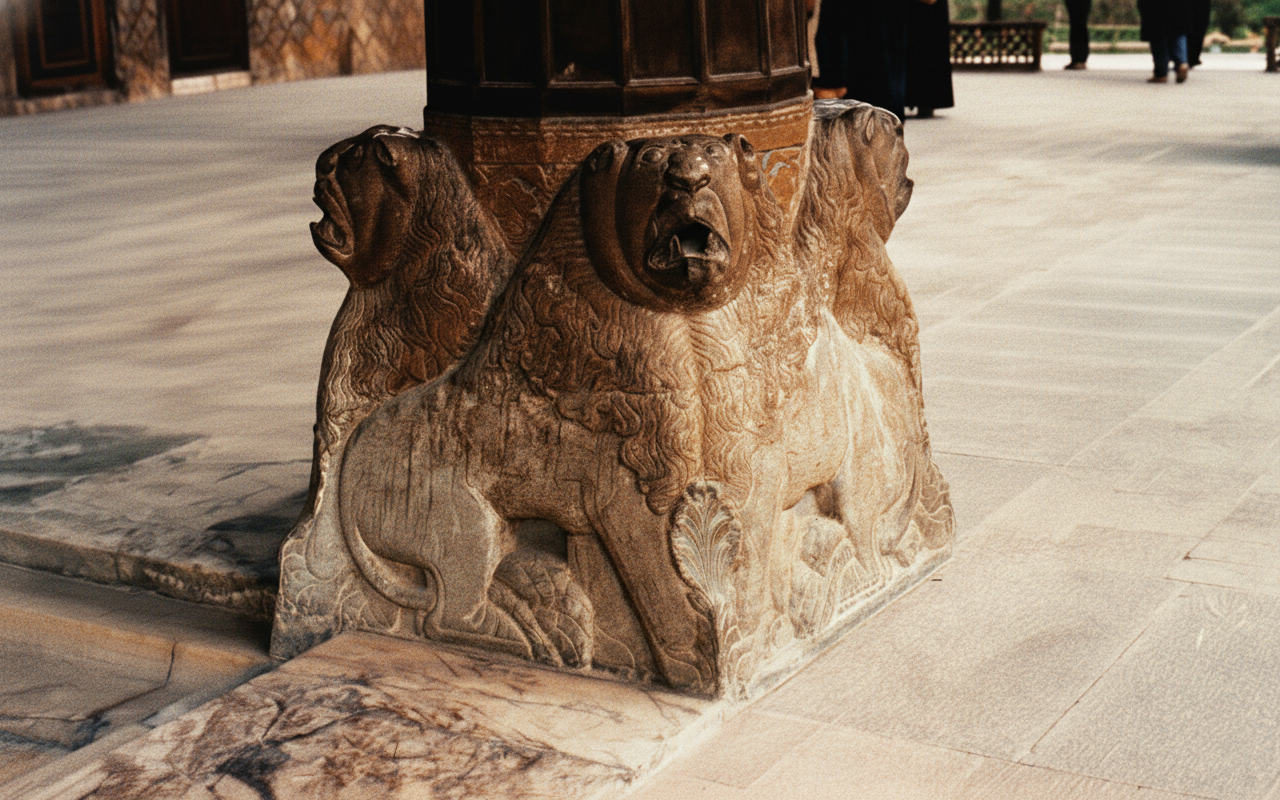
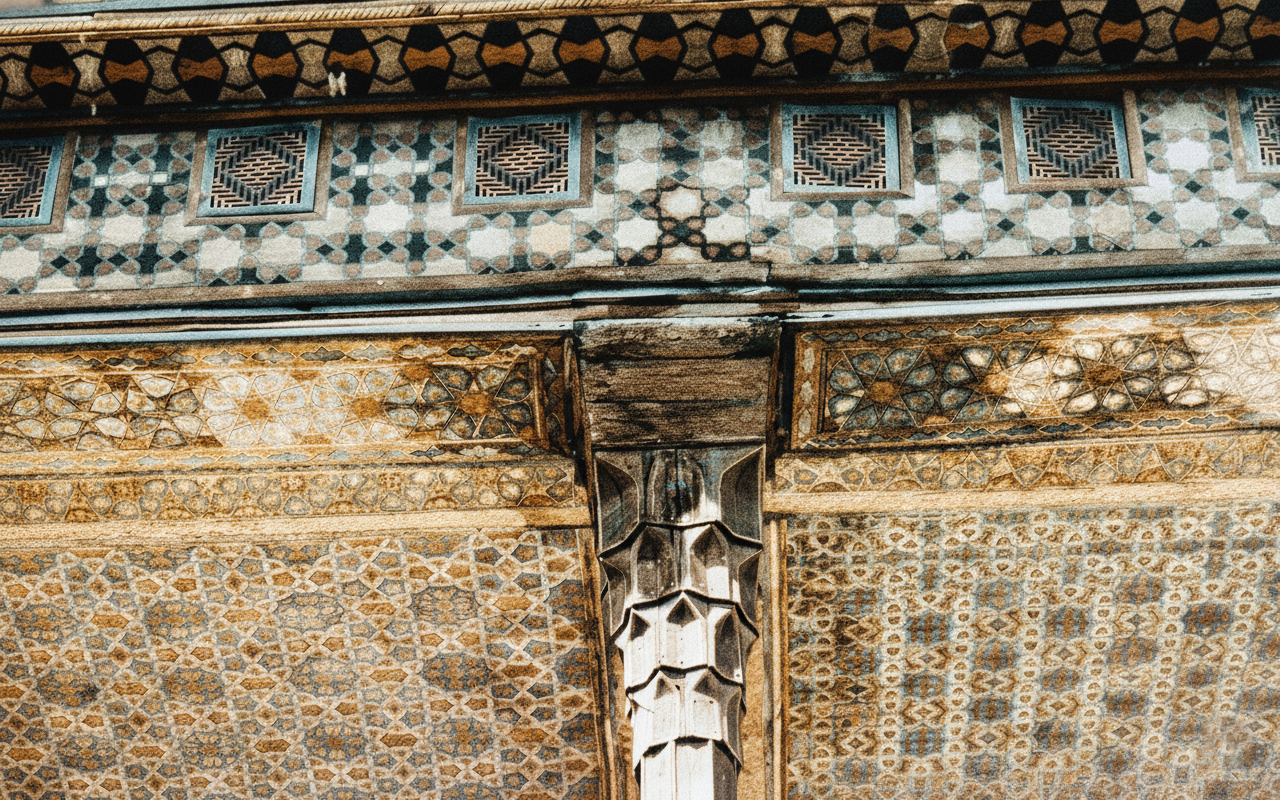
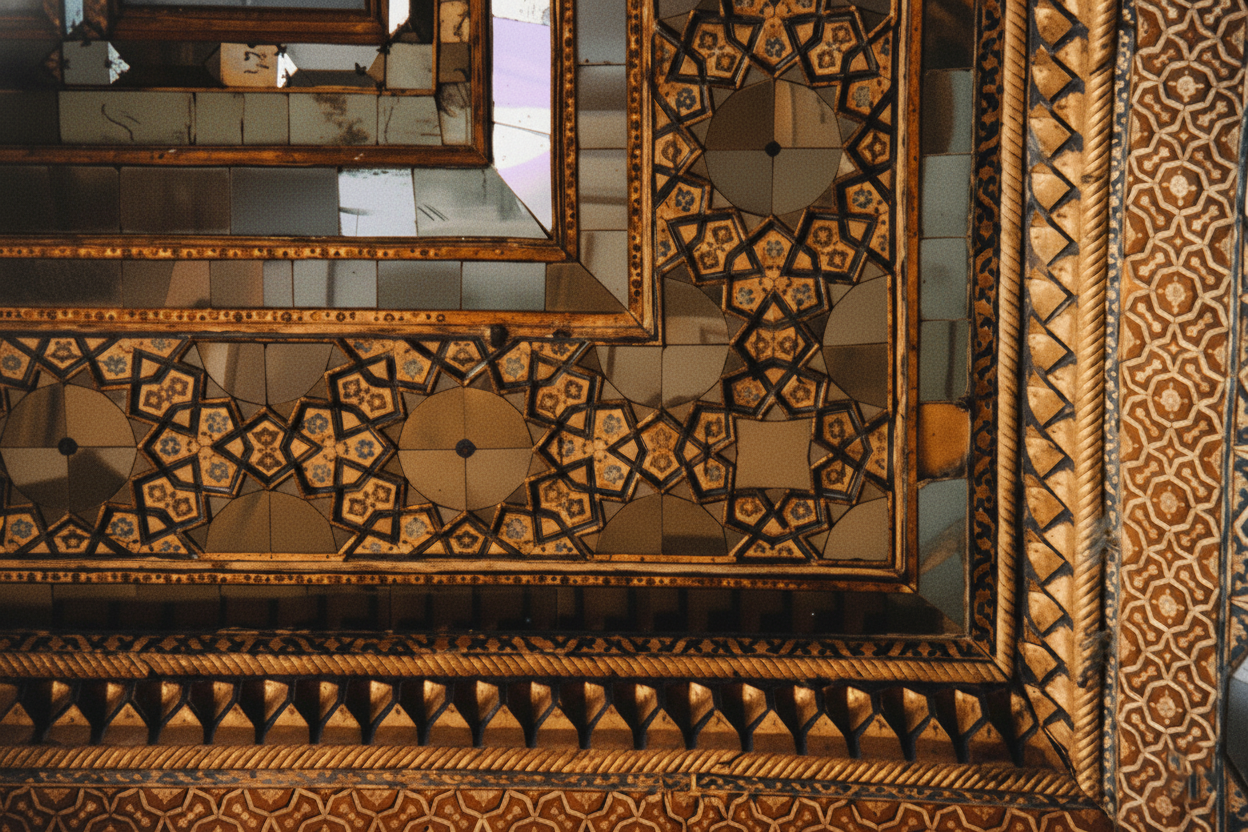
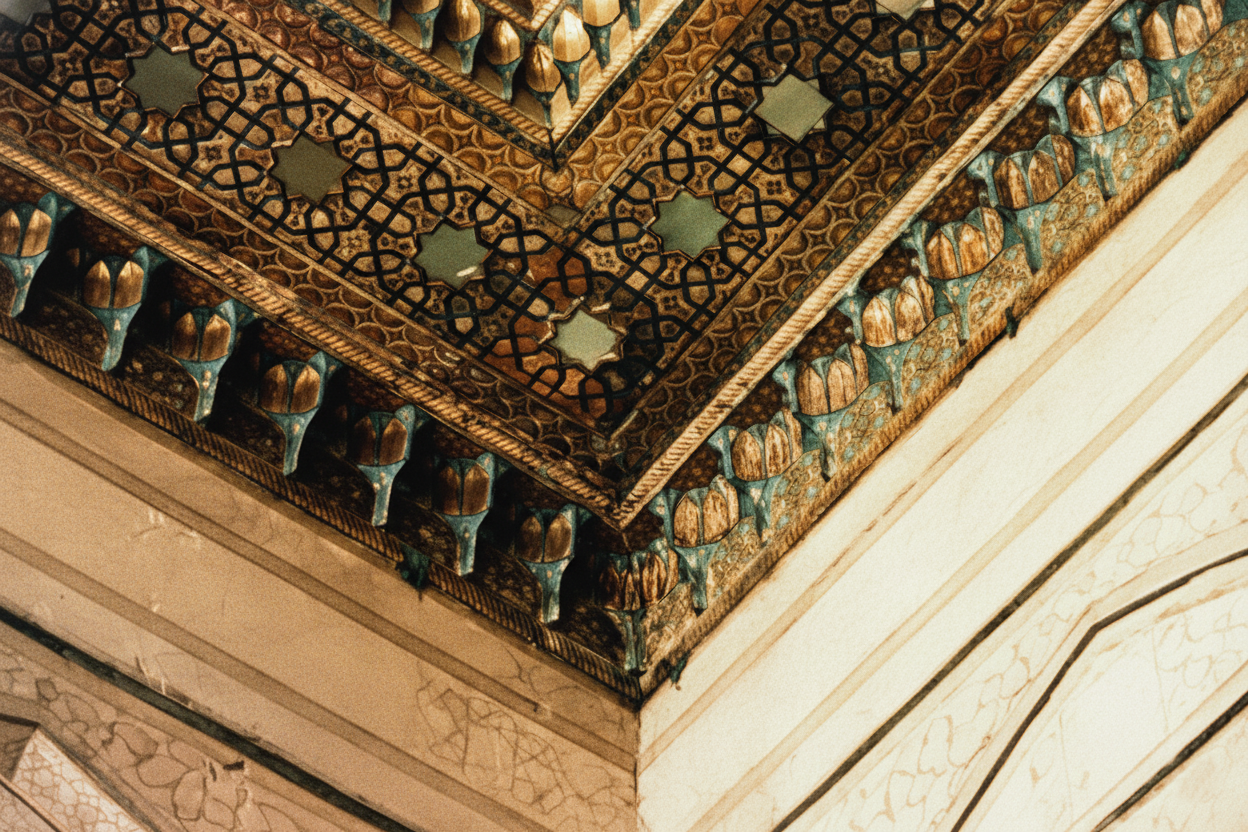
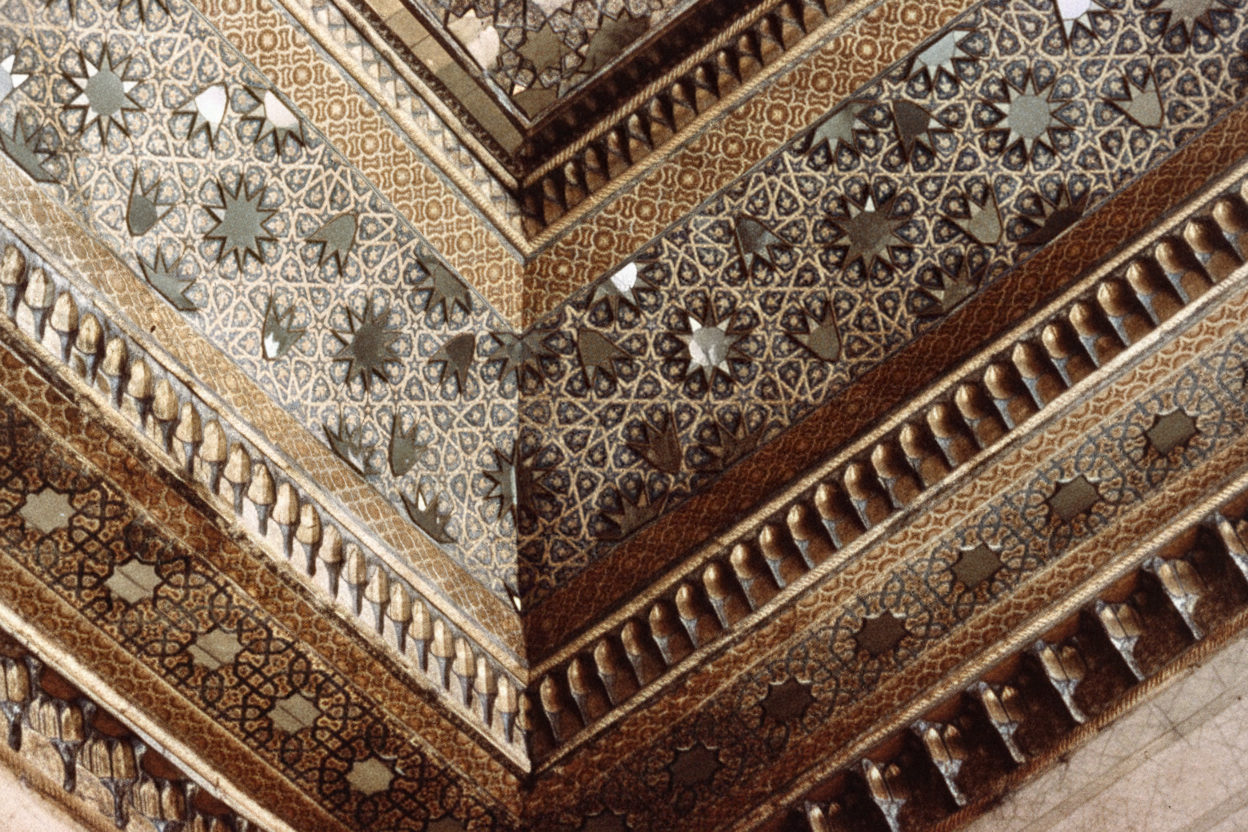
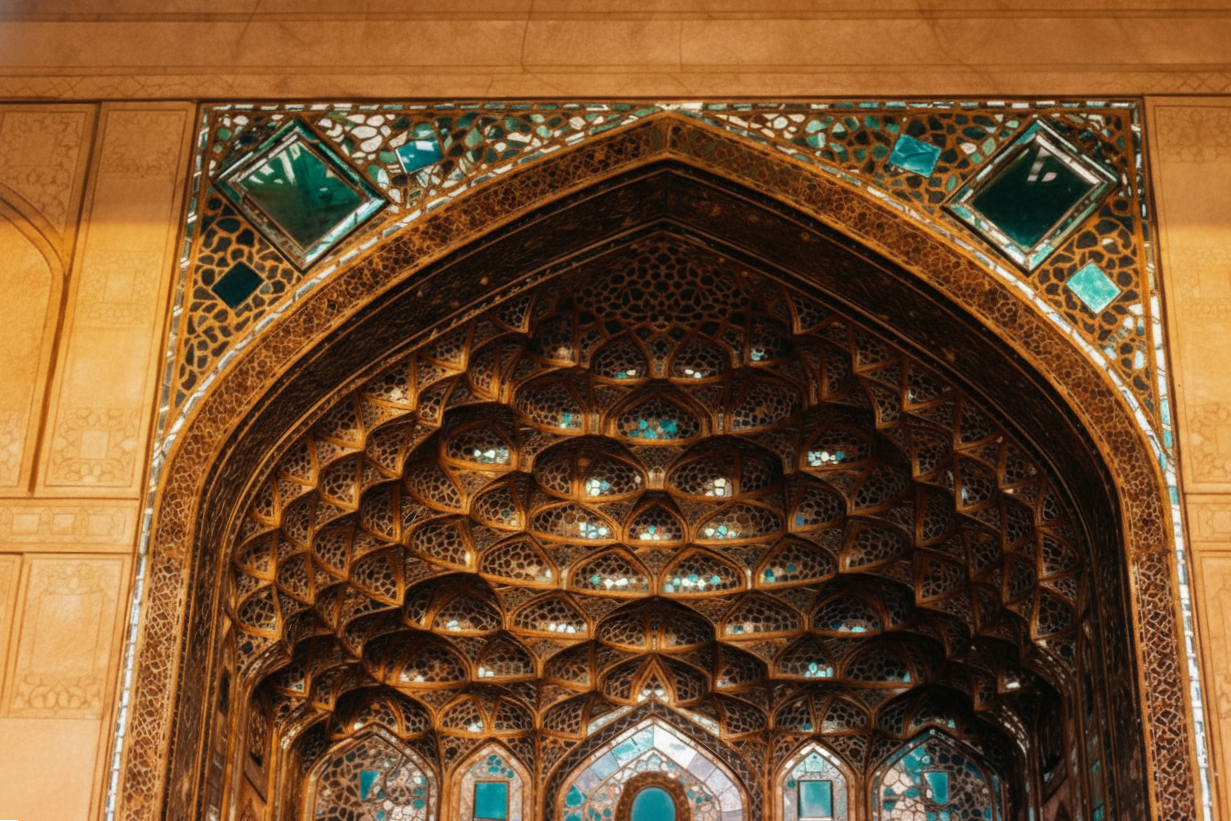
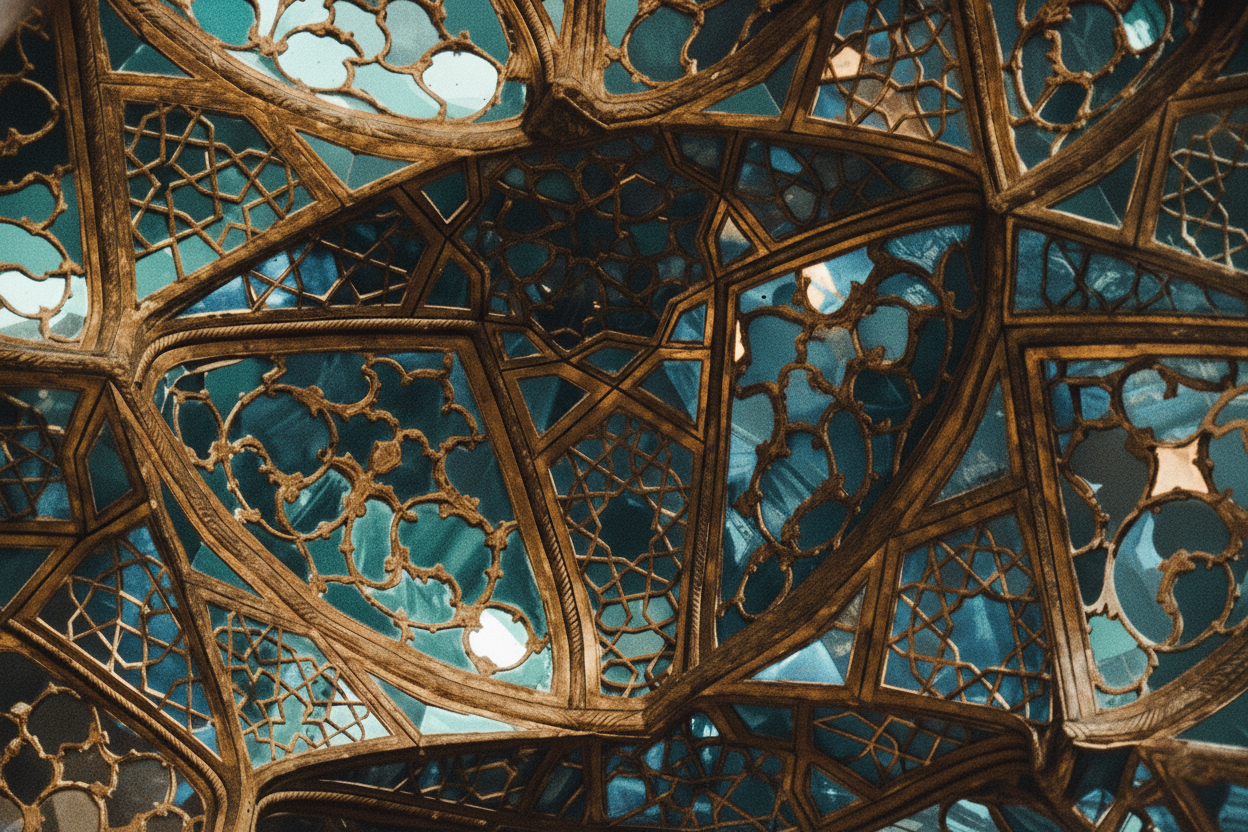
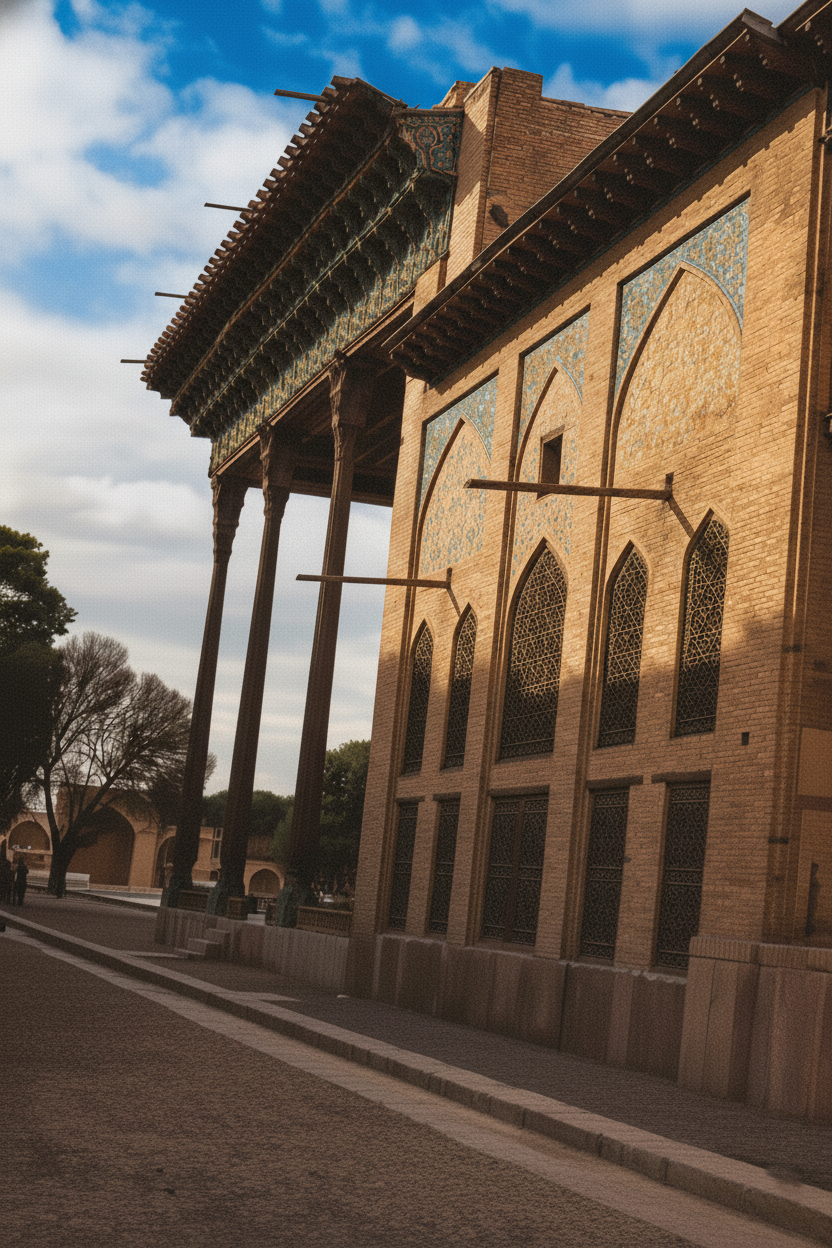
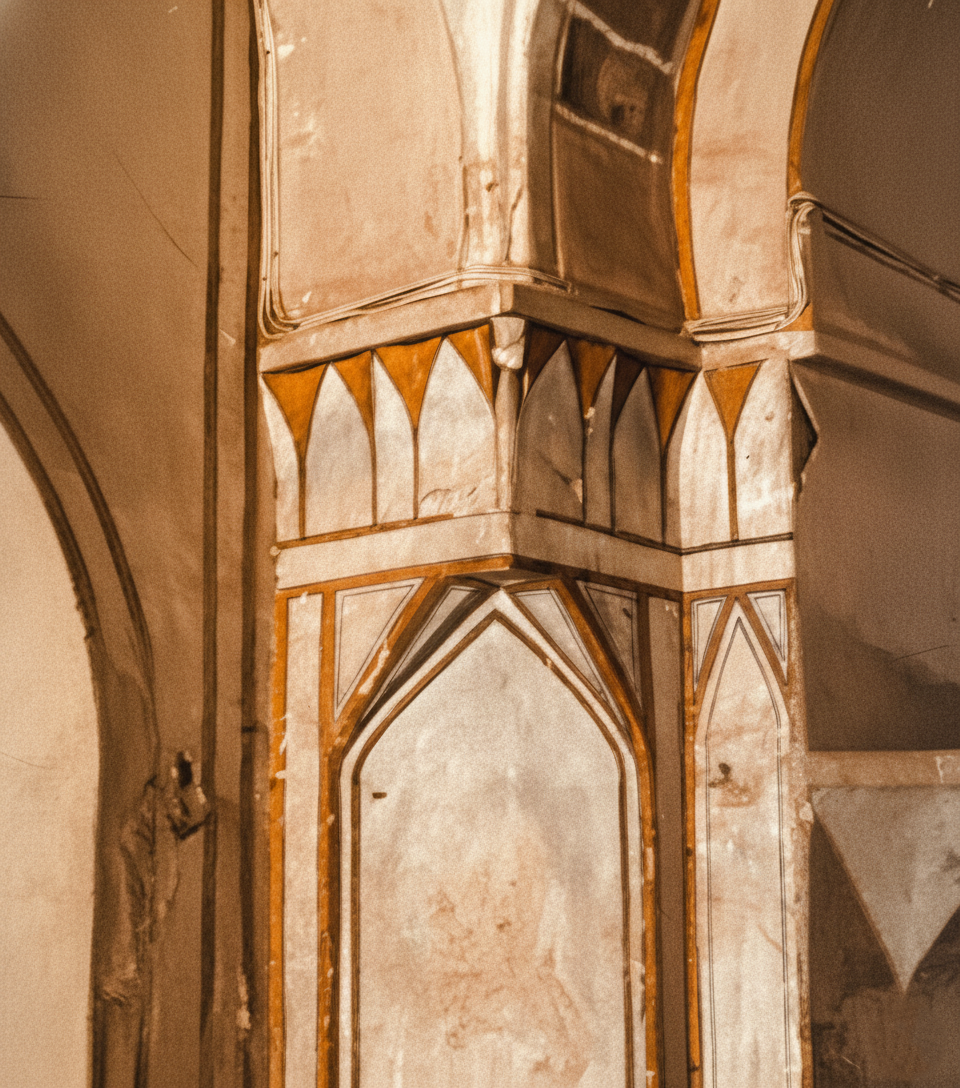
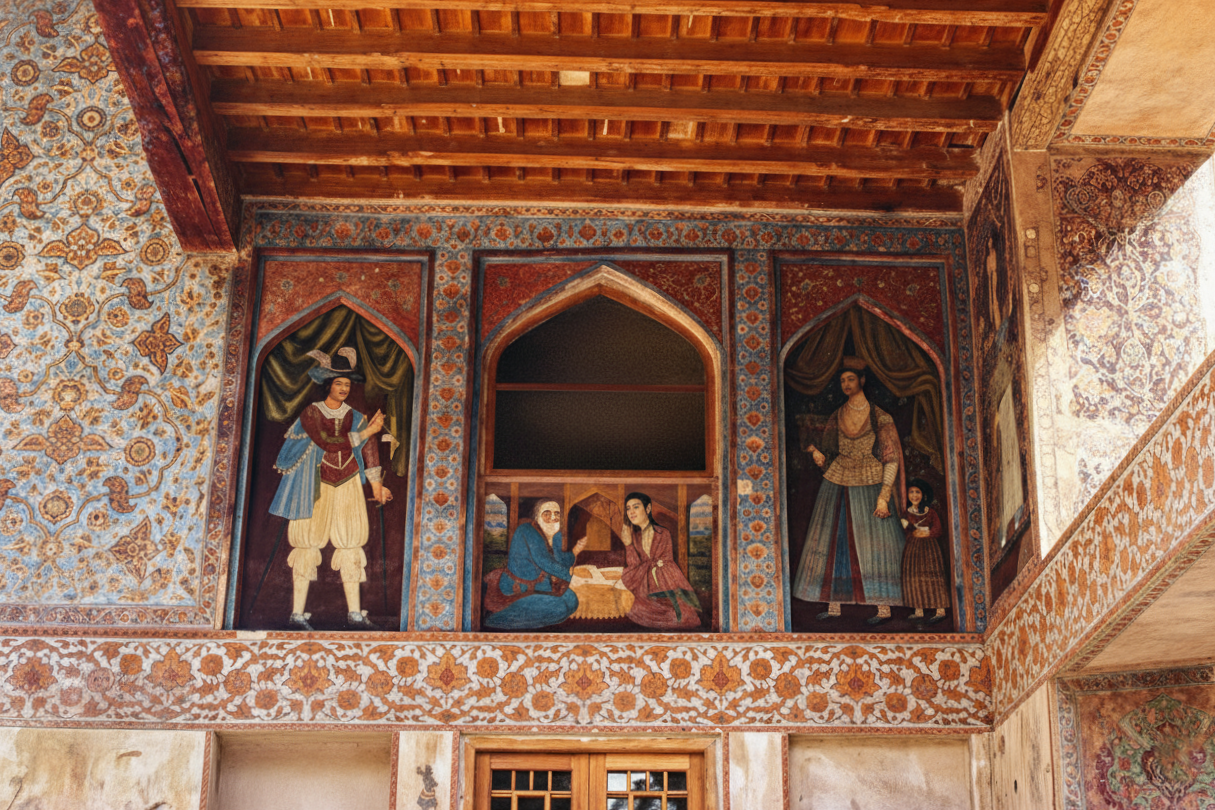
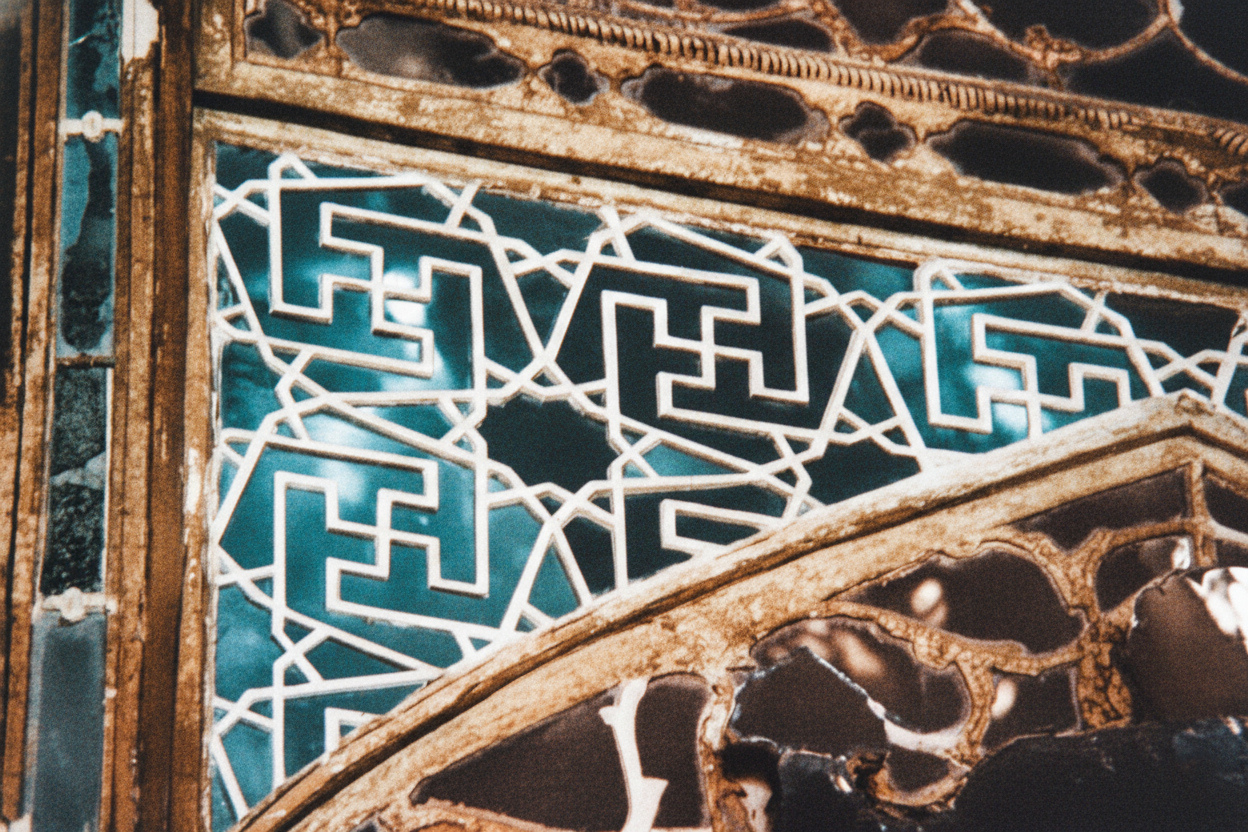
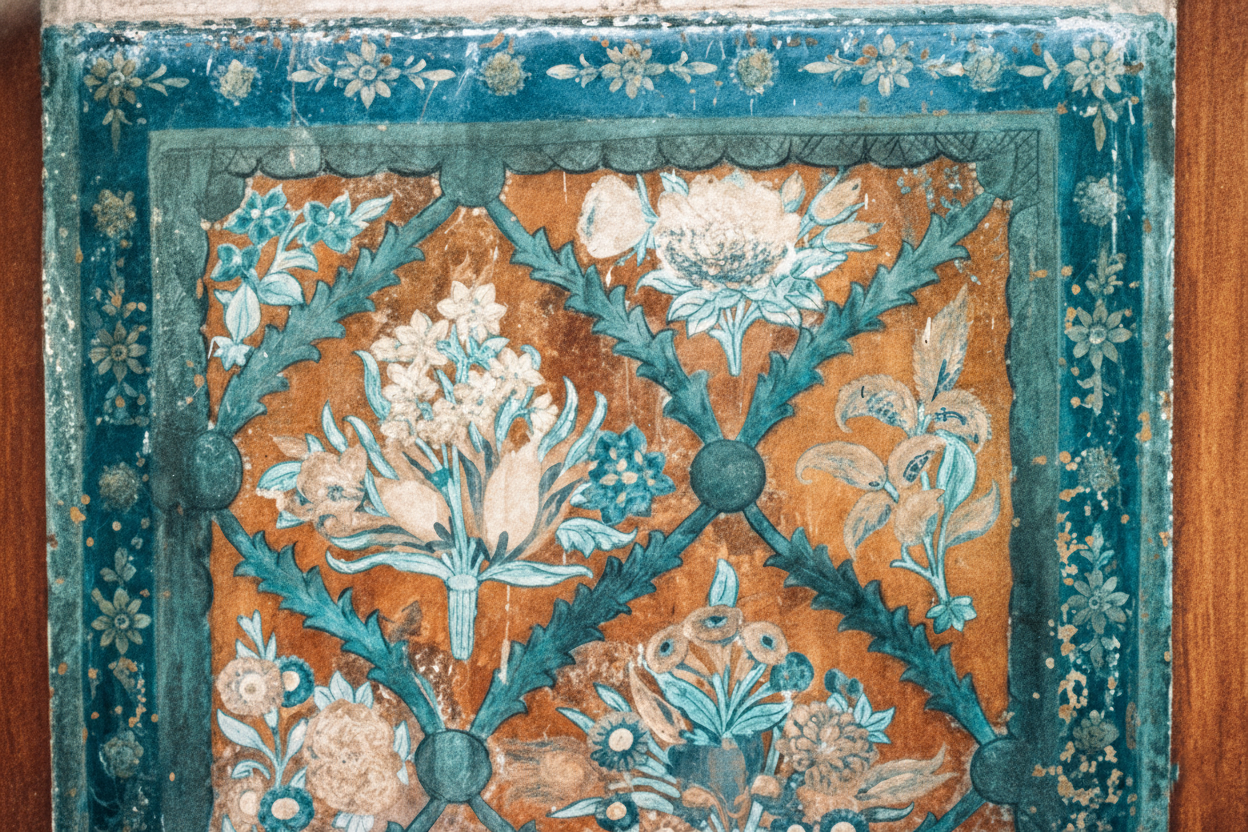
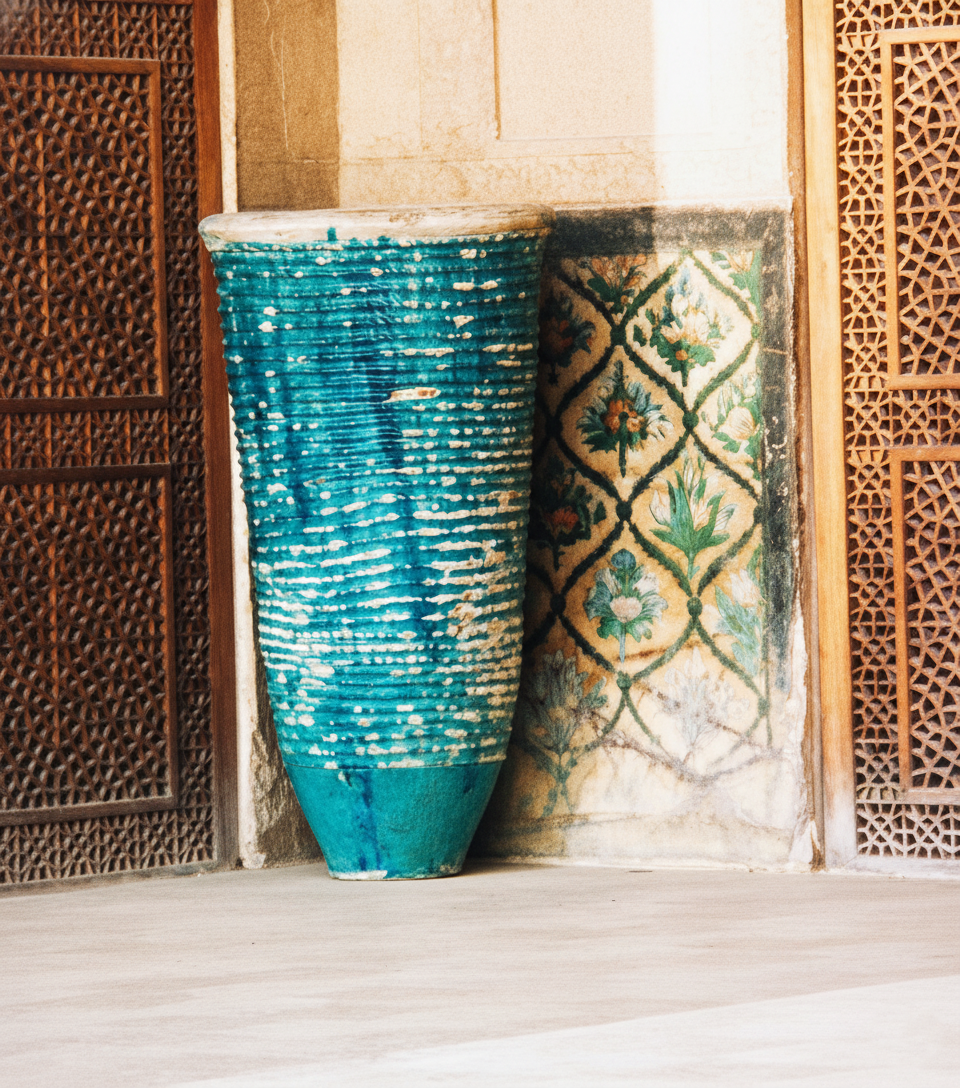
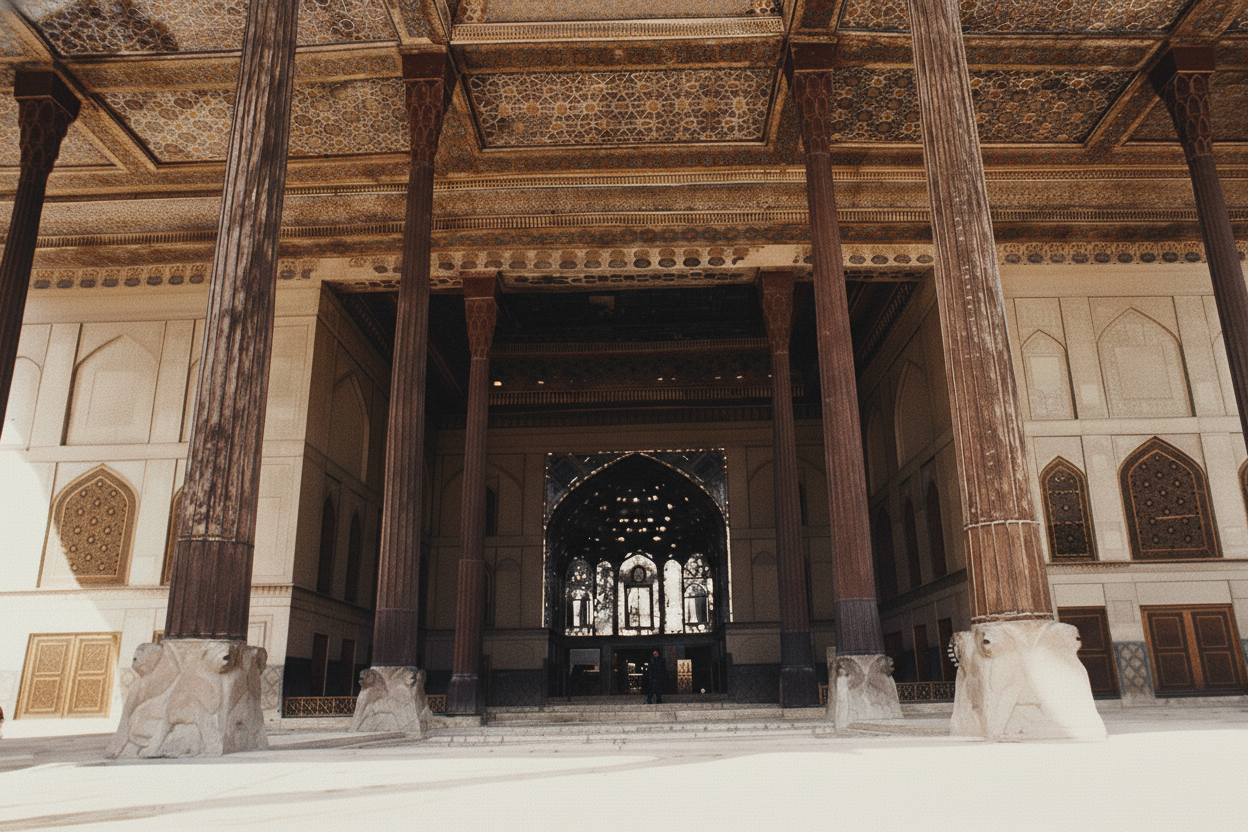
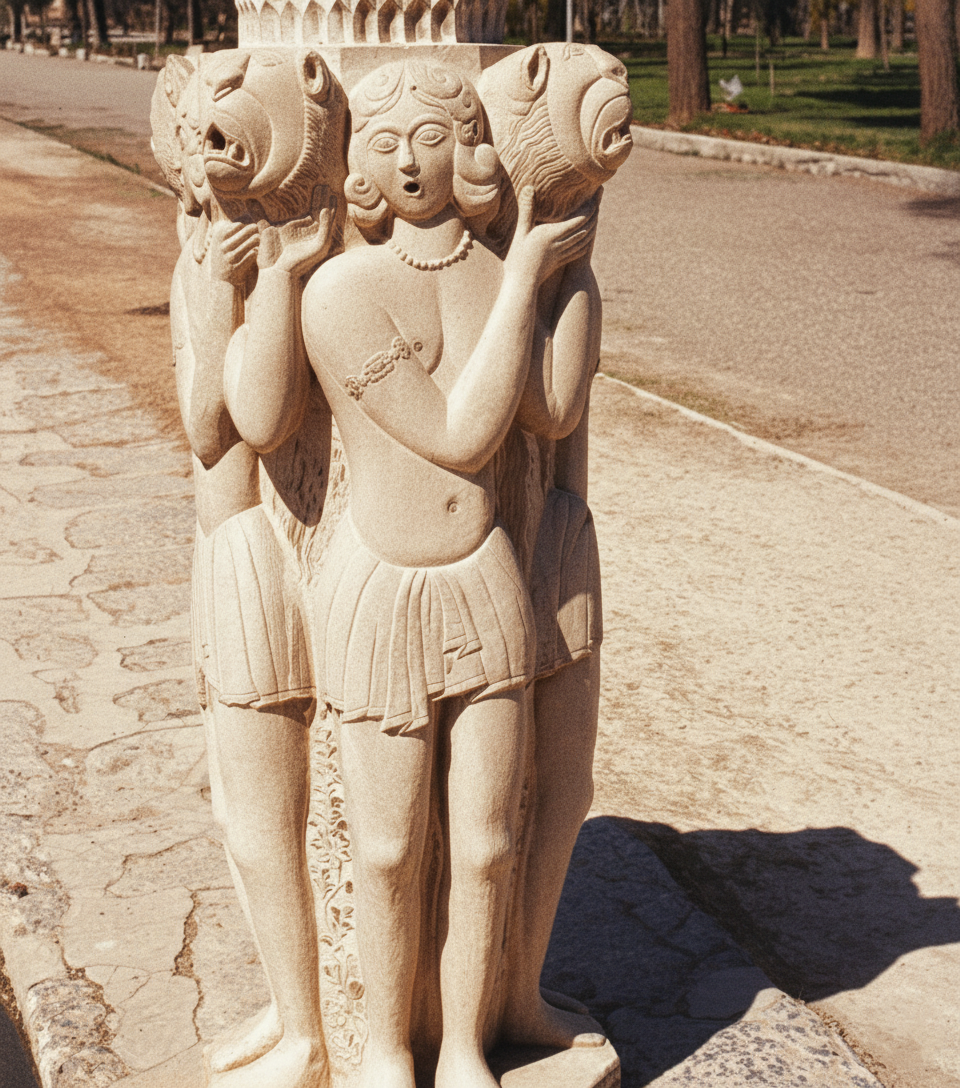
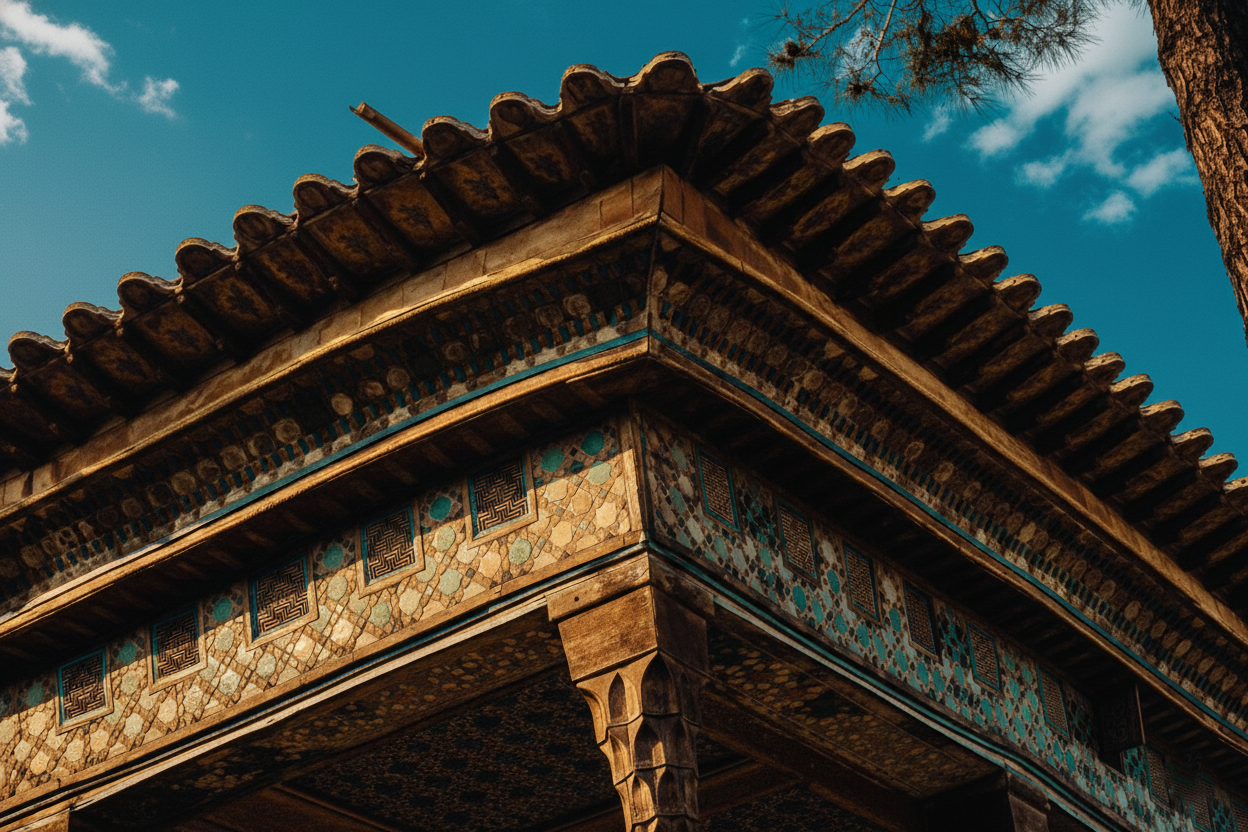
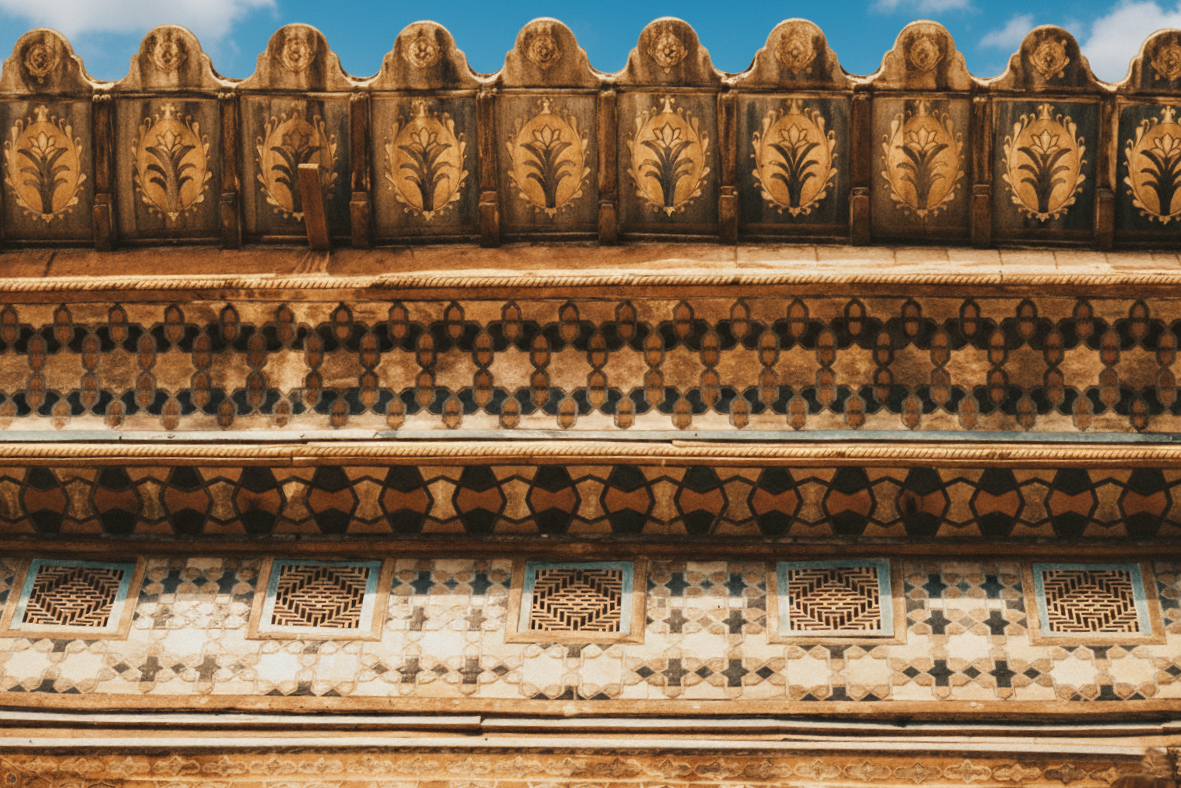
Chehel Sotoun (کاخ چهلستون), completed in 1647 under Shah Abbas II, formed the diplomatic garden pavilion of Safavid Isfahan (اصفهان). Linked to the royal axis of Naqsh-e Jahan Square and Chahar Bagh, its columned talar (تالار) and reflecting pool hosted ambassadors, complementing Ali Qapu Palace in the spatial hierarchy of imperial urban planning.
-
Chehel Sotoun (کاخ چهلستون), completed in 1647 during the reign of Shah Abbas II (شاه عباس دوم) and originally initiated under Shah Abbas I (شاه عباس اول), represents one of the most refined examples of Safavid palace architecture in Isfahan (اصفهان). Located within a vast Persian garden near the royal precinct, the palace formed part of the Safavid “Garden City” concept that integrated landscape, architecture, and imperial authority.
The palace is best known for its columned porch (تالار) supported by twenty slender wooden columns, reflected in the long rectangular pool before the building. The reflection doubles the columns visually, giving rise to the name “Chehel Sotoun,” meaning “Forty Columns.” This axial garden composition reflects the Persian tradition of charbagh (چهارباغ) landscape planning, where water, vegetation, and architecture are carefully coordinated.
Chehel Sotoun served primarily as a diplomatic reception pavilion, where Safavid rulers hosted foreign ambassadors, celebrated royal victories, and staged ceremonial banquets. The interior halls are decorated with monumental fresco paintings depicting Safavid court life, historic battles, and diplomatic encounters, projecting the cultural and political prestige of the empire.
Within the framework of Safavid imperial urban planning, Chehel Sotoun functioned as part of a broader spatial sequence linking Naqsh-e Jahan Square (میدان نقش جهان) with the royal gardens along Chahar Bagh Avenue (خیابان چهارباغ). While Ali Qapu Palace (کاخ عالیقاپو, begun c. 1597) represented the public face of Safavid authority within the square, Chehel Sotoun provided a more secluded diplomatic setting within the royal garden precinct. Together these spaces organized the Safavid capital into a hierarchy of public ceremony, political governance, and private royal diplomacy.
Both palaces feature the architectural element of the talar (تالار), or columned porch. At Ali Qapu, this platform allowed the Shah to observe public ceremonies in the square below, linking the monarchy to the urban population. At Chehel Sotoun, the talar opens toward the garden and reflecting pool, connecting the ruler with the cultivated landscape and the ritual setting of diplomatic gatherings.
Through this spatial relationship between square, palace, and garden, Safavid planners created a carefully orchestrated imperial environment where urban spectacle, royal authority, and diplomatic culture were expressed through architecture and landscape.
