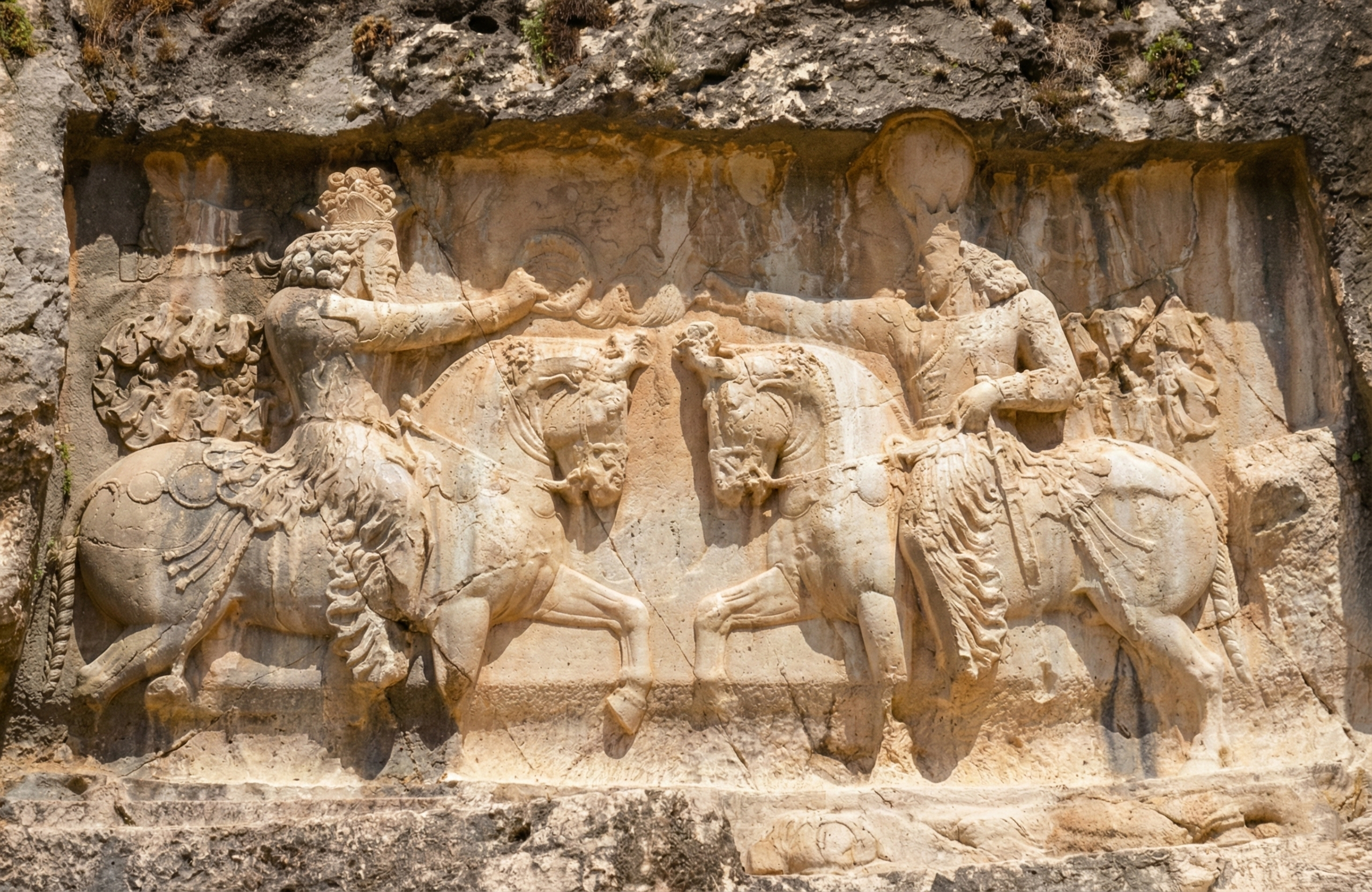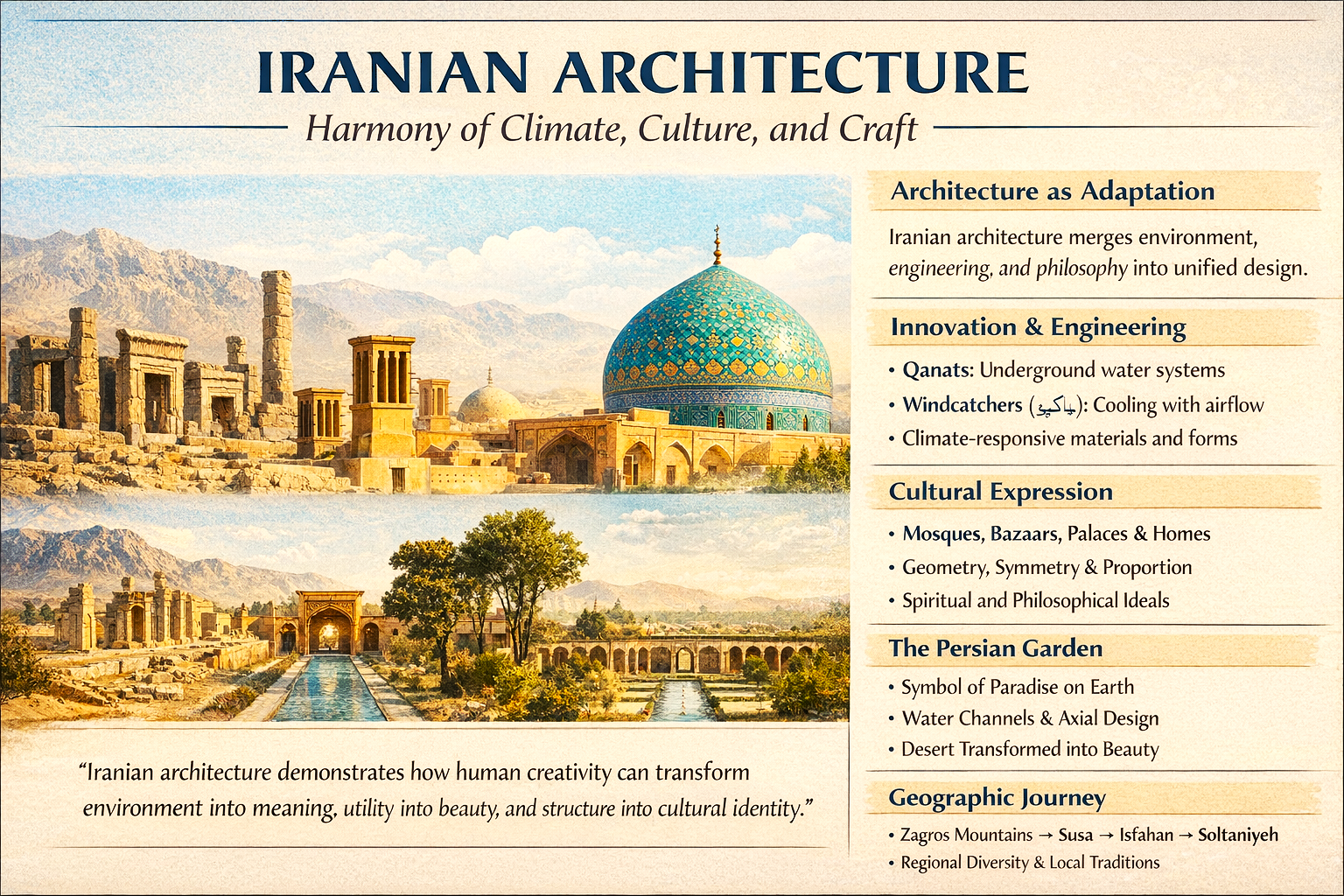
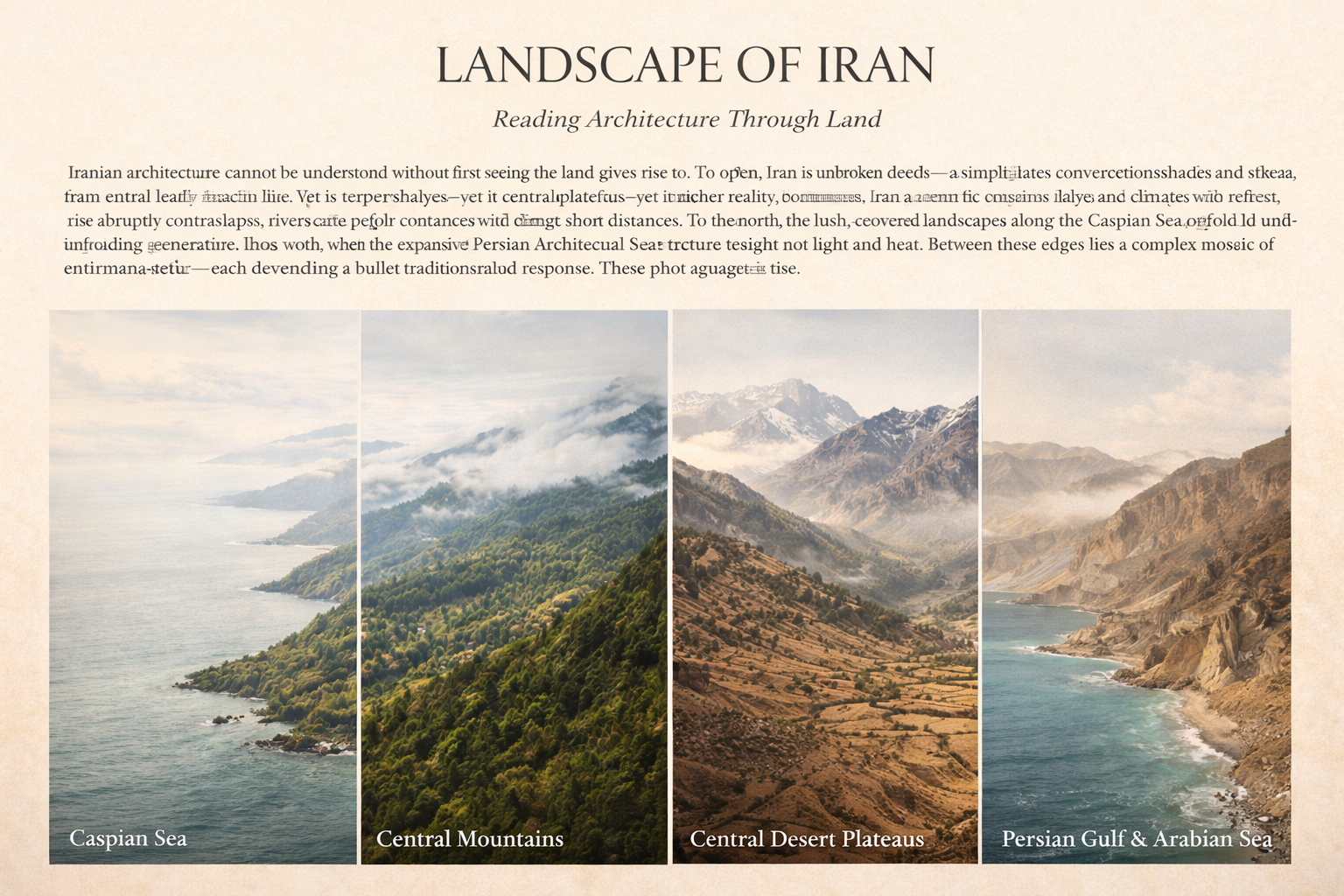
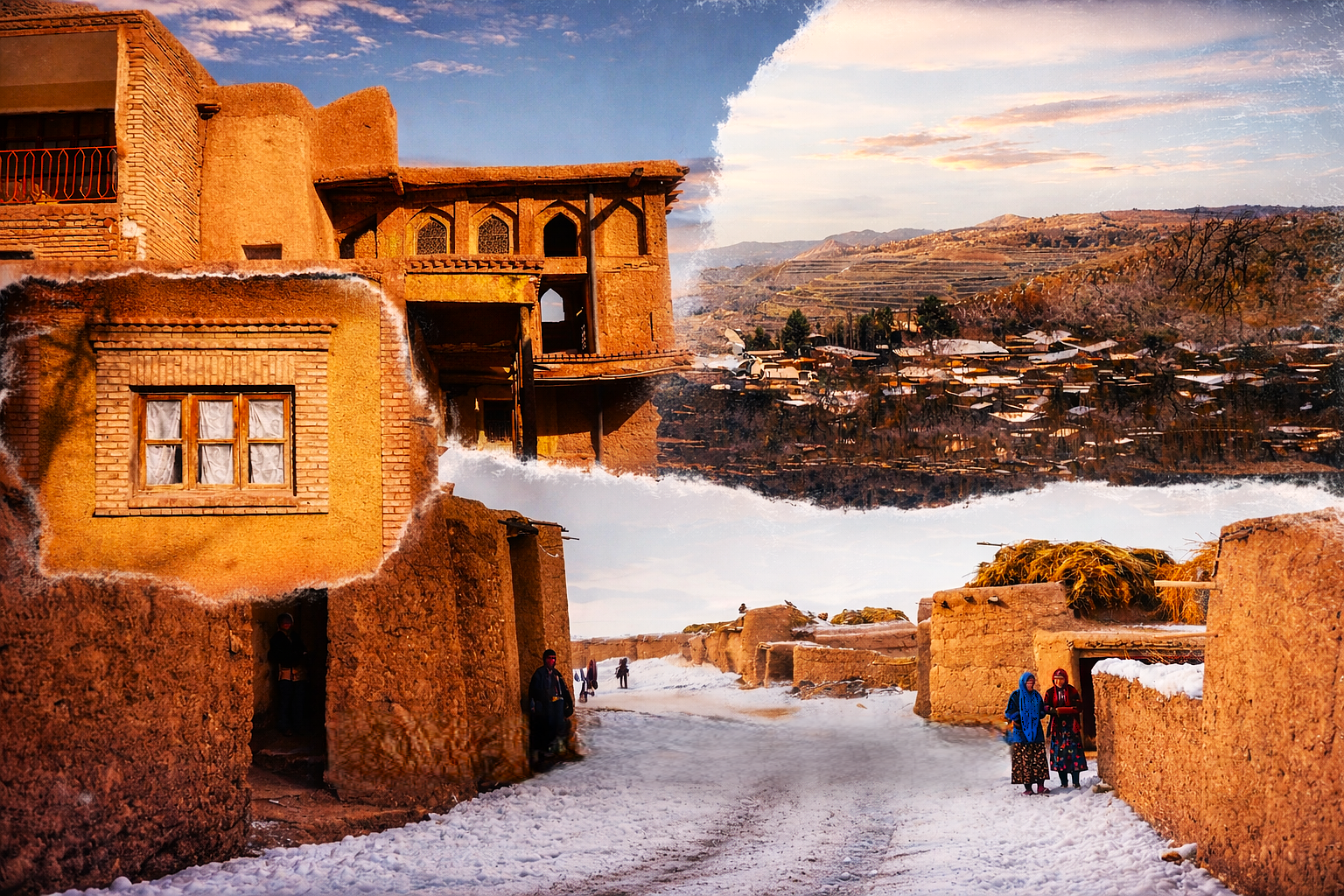
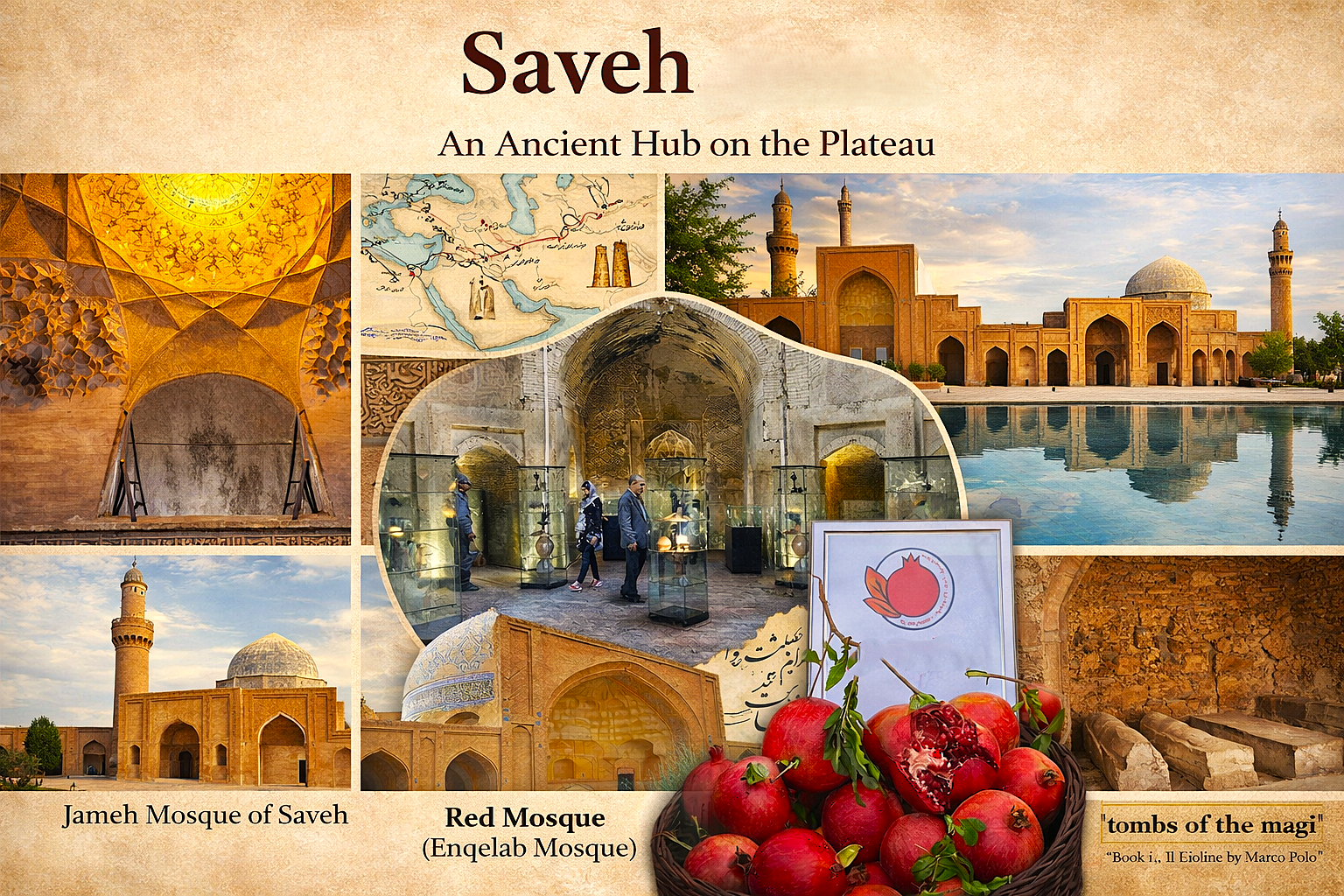
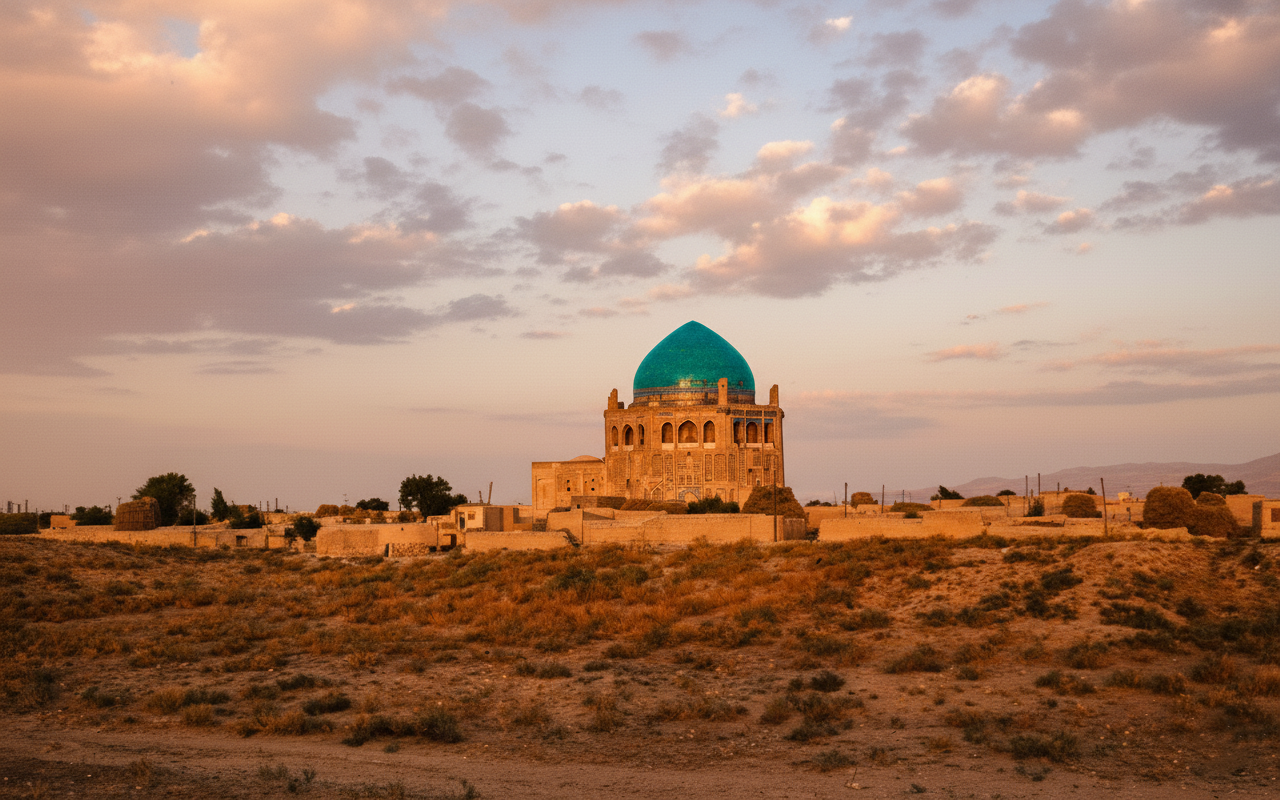
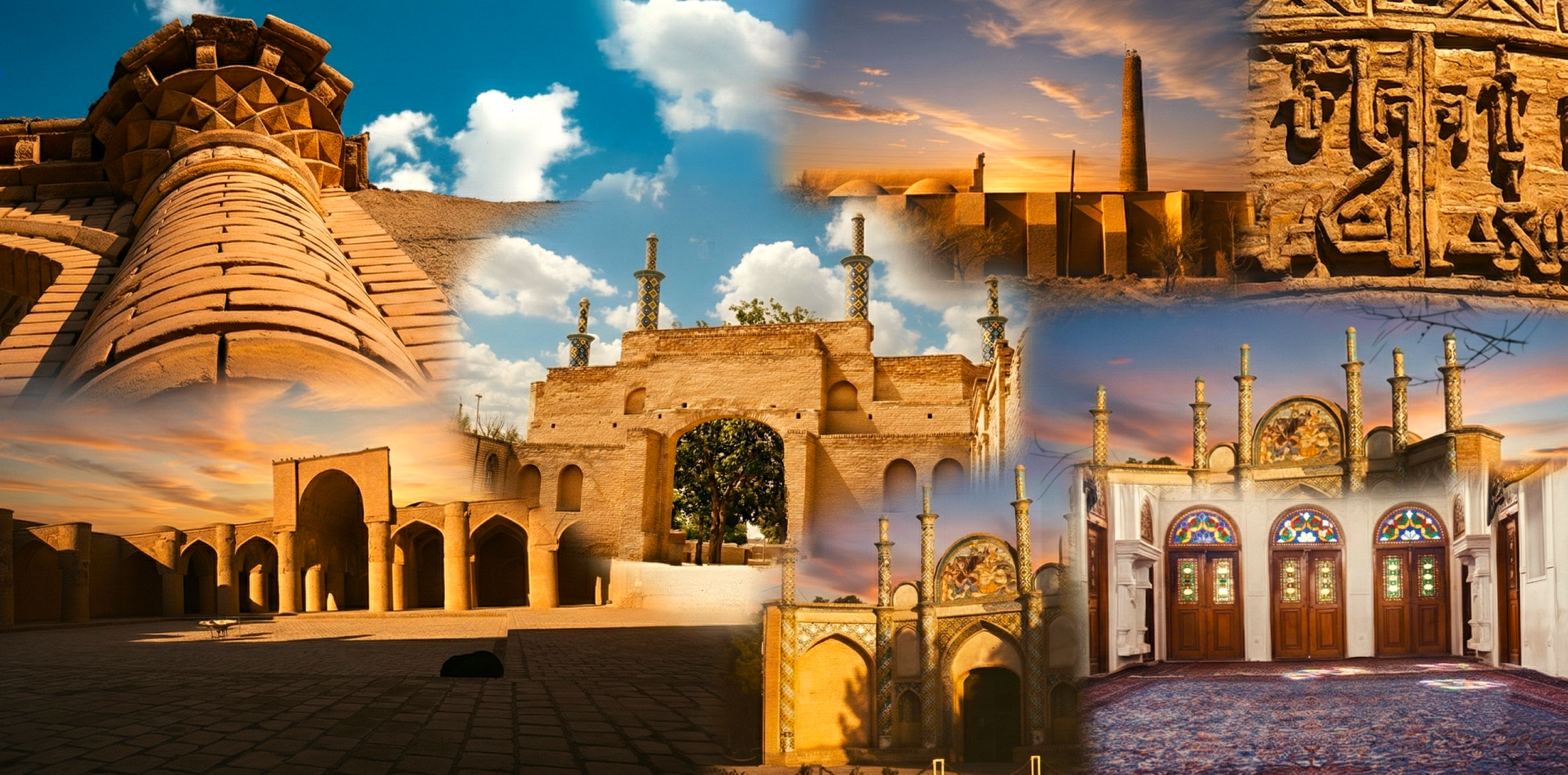
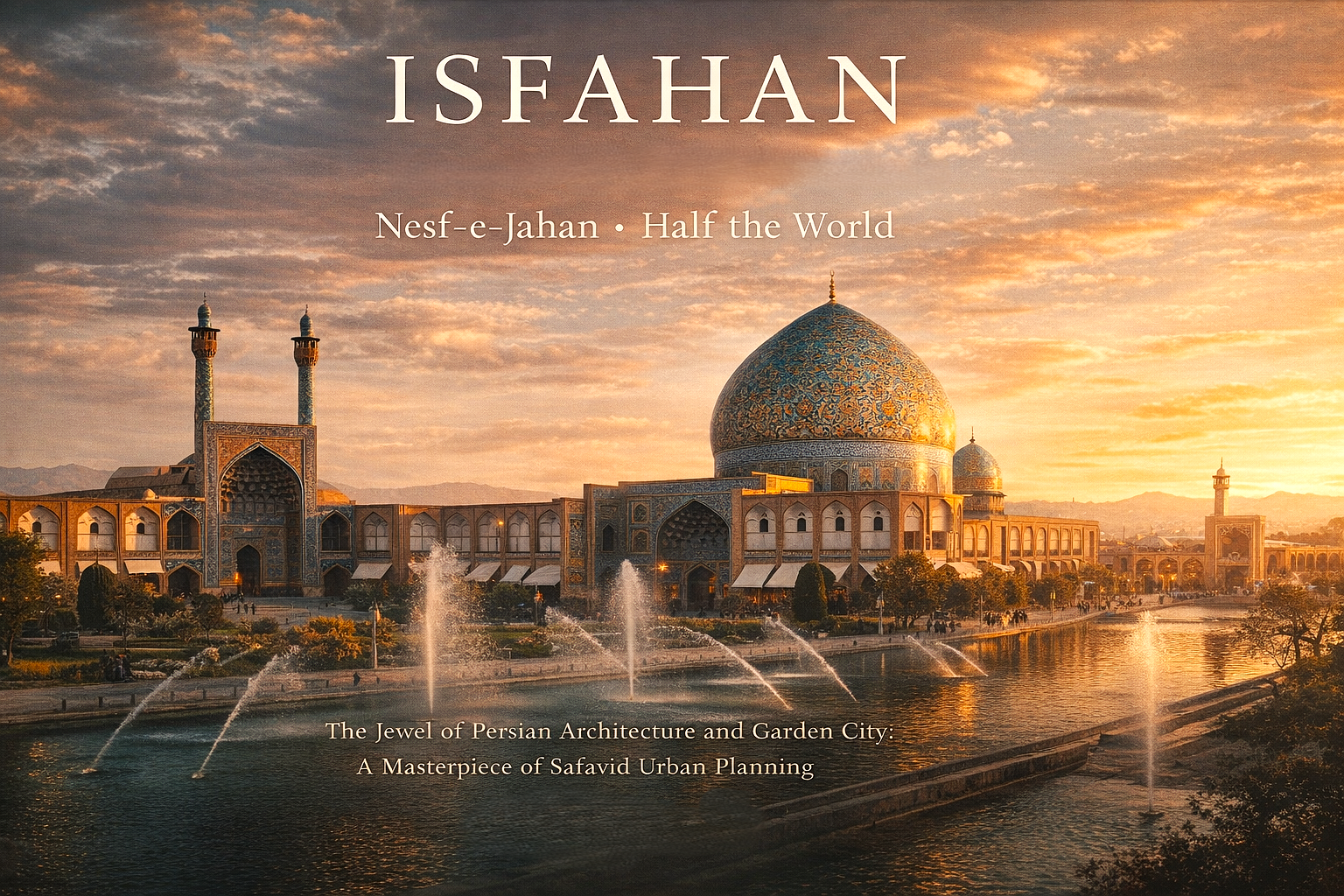
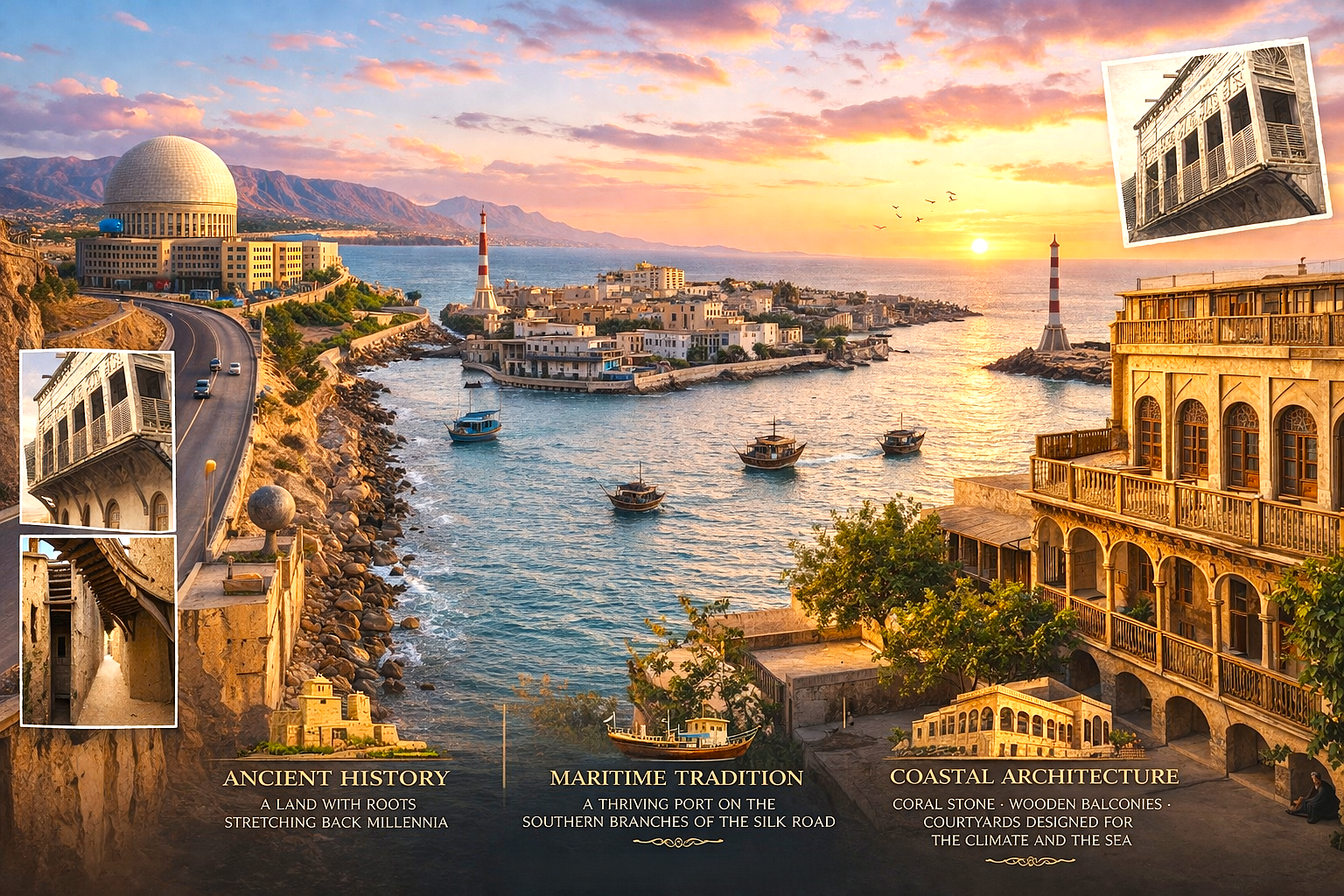
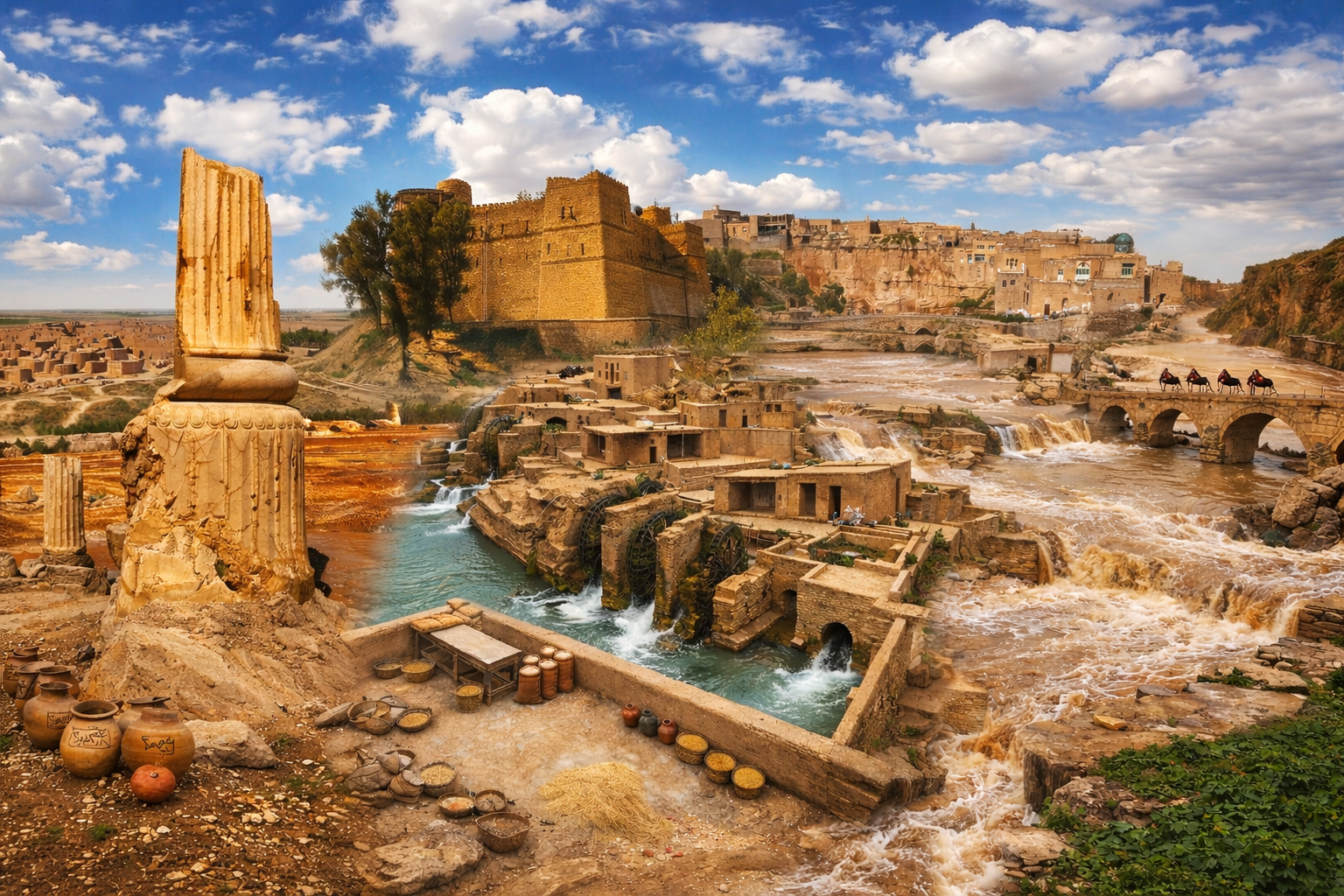
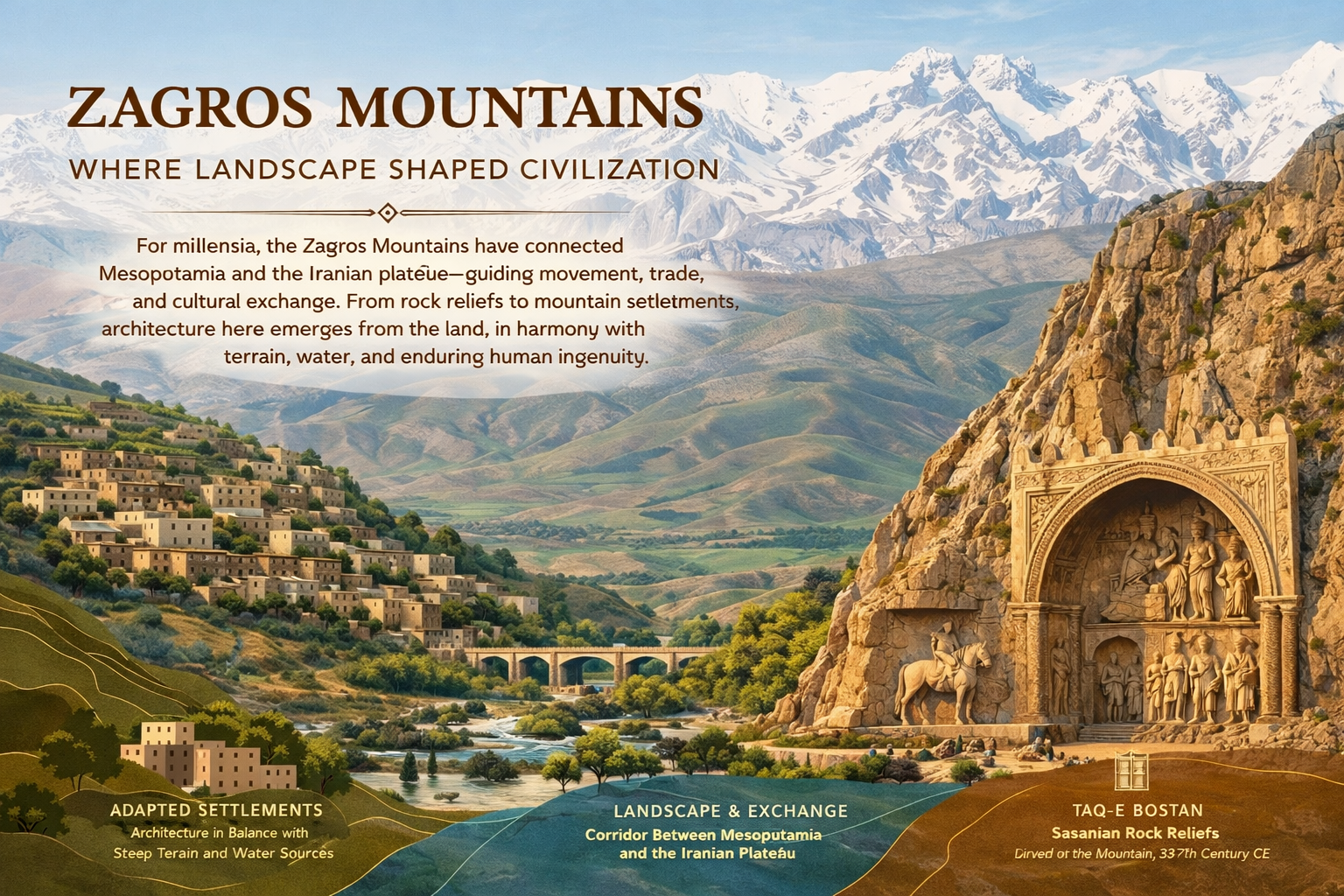
Across the Iranian plateau, architecture evolved through a dialogue between landscape, climate, and culture. From Achaemenid terraces to desert windcatchers and Safavid domes, builders developed innovative responses to environment and belief. Palaces, mosques, gardens, and cities reveal a tradition in which engineering, geometry, and symbolism have shaped enduring architectural forms over centuries.
-
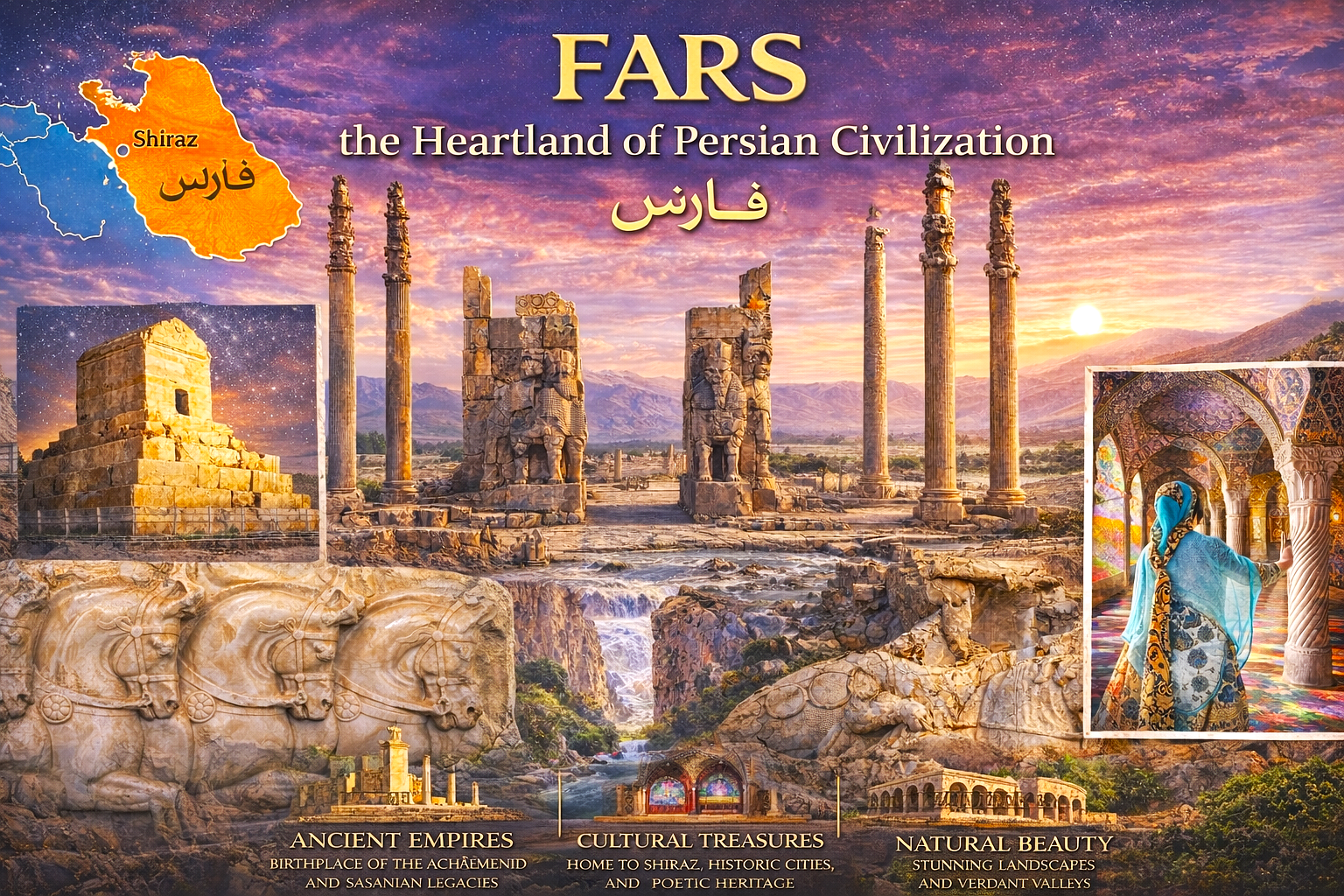
Across the Iranian plateau, architecture has evolved in continuous dialogue with landscape, climate, culture, and belief. From the monumental stone terraces of the Achaemenid Empire to the windcatcher cities of the central desert and the turquoise domes of Safavid mosques, Iran's architectural heritage reflects more than two millennia of artistic innovation and environmental adaptation.
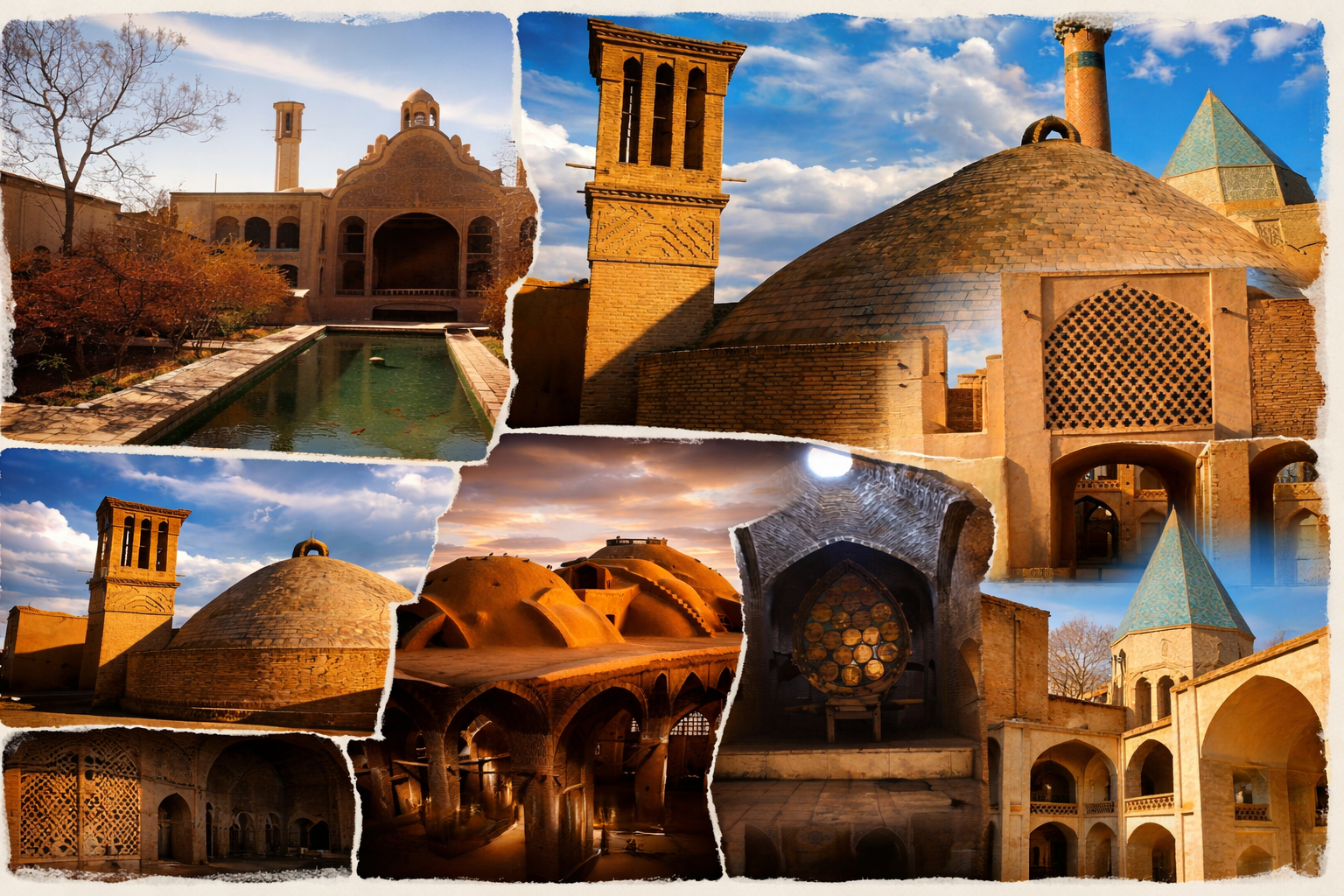
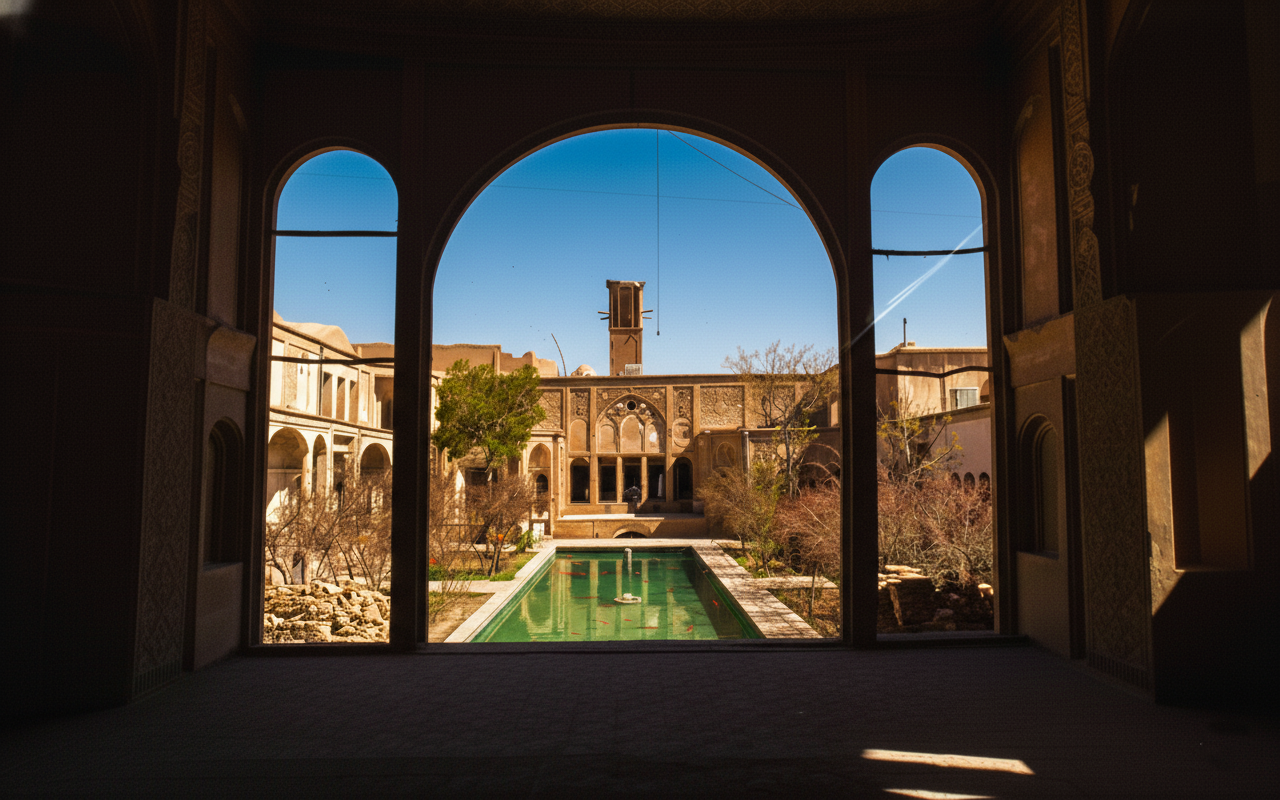
Iranian architecture is distinguished by its synthesis of engineering, symbolism, and craftsmanship. Builders developed sophisticated solutions to the challenges of geography and climate: underground qanat systems transported water across arid landscapes, while windcatchers (بادگیر) captured desert breezes to cool interior spaces through natural ventilation.
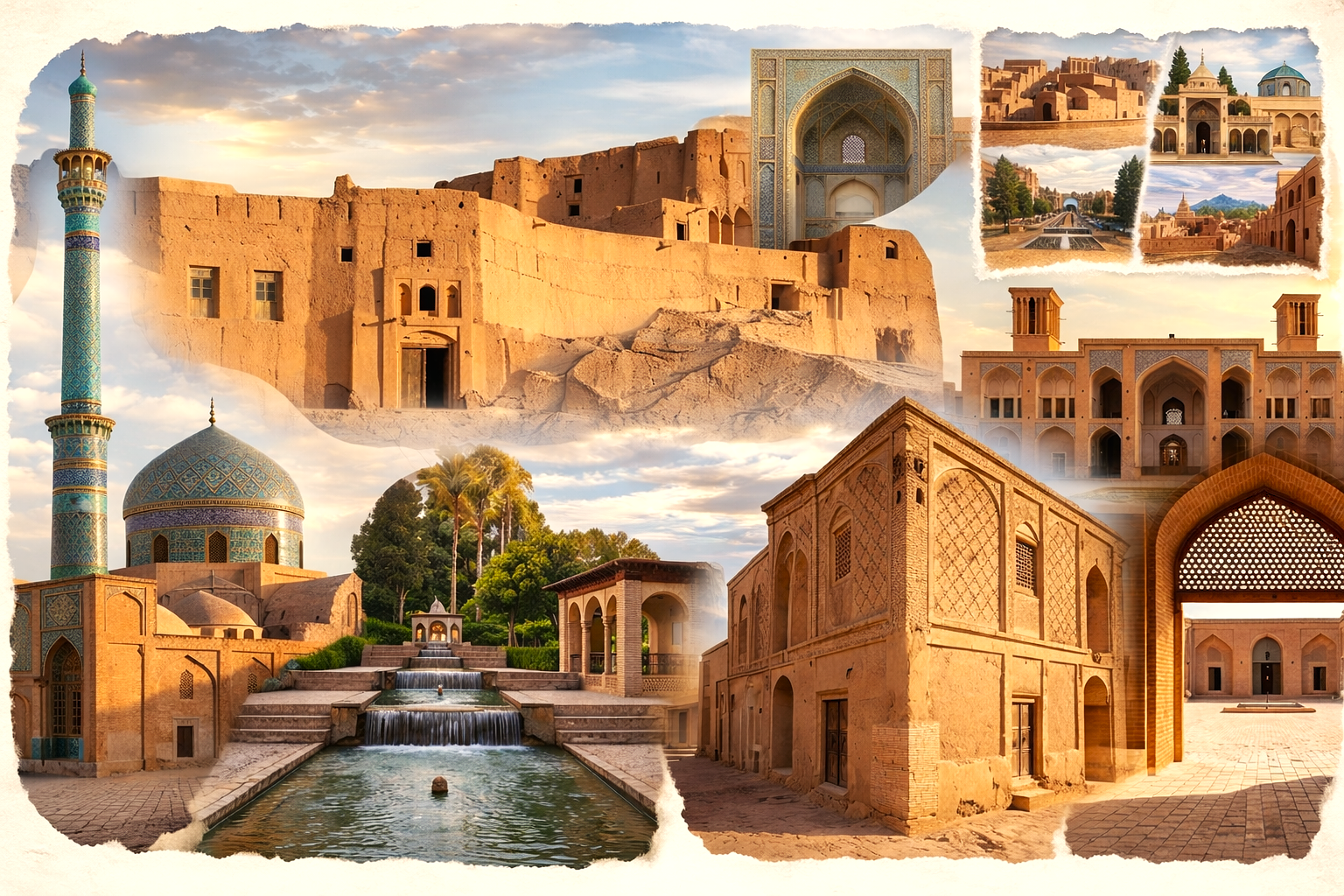
Throughout this long history, architecture served not only practical needs but also cultural expression. Royal palaces, mosques, bazaars, gardens, and houses were shaped by philosophical ideals that emphasized harmony, geometry, and the relationship between humanity and nature. The Persian Garden, with its flowing water channels and symmetrical layout, embodied the concept of paradise on earth, transforming harsh desert environments into cultivated landscapes of shade and reflection.
This gallery presents an architectural journey across Iran—from the Zagros Mountains and the ancient city of Susa to the imperial squares of Isfahan and the great dome of Soltaniyeh. Each city reveals how generations of builders, artisans, and communities transformed local materials and environmental knowledge into enduring architectural forms.
Together, these sites illustrate the extraordinary diversity of Iranian architecture and its lasting influence on the architectural traditions of the Middle East, Central Asia, and beyond.
Iwan (ایوان): Deep Shade, Threshold, and Climatic Moderation
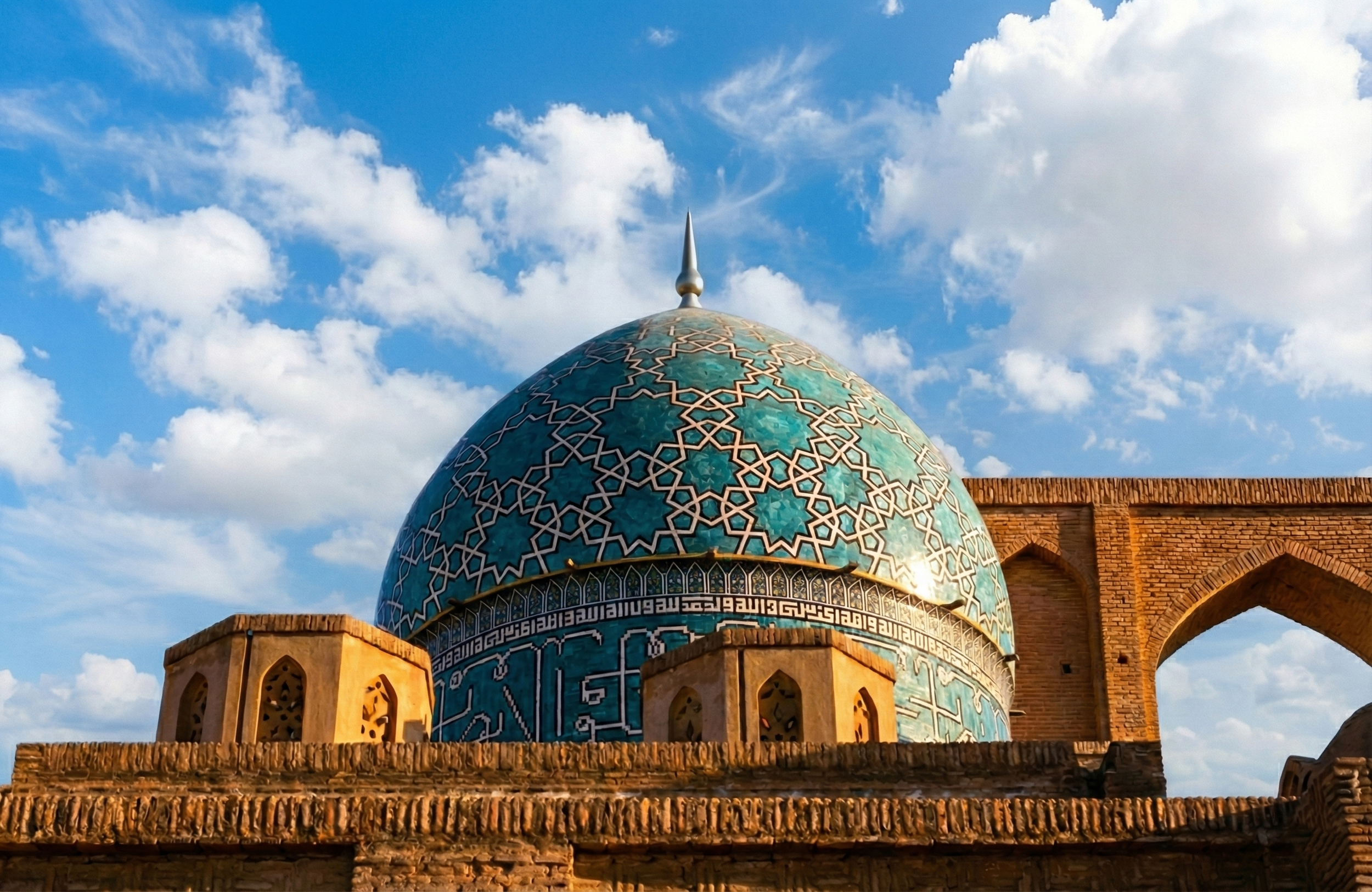
Gonbad (گنبد): Curvature, Stratification, and Climatic Regulation
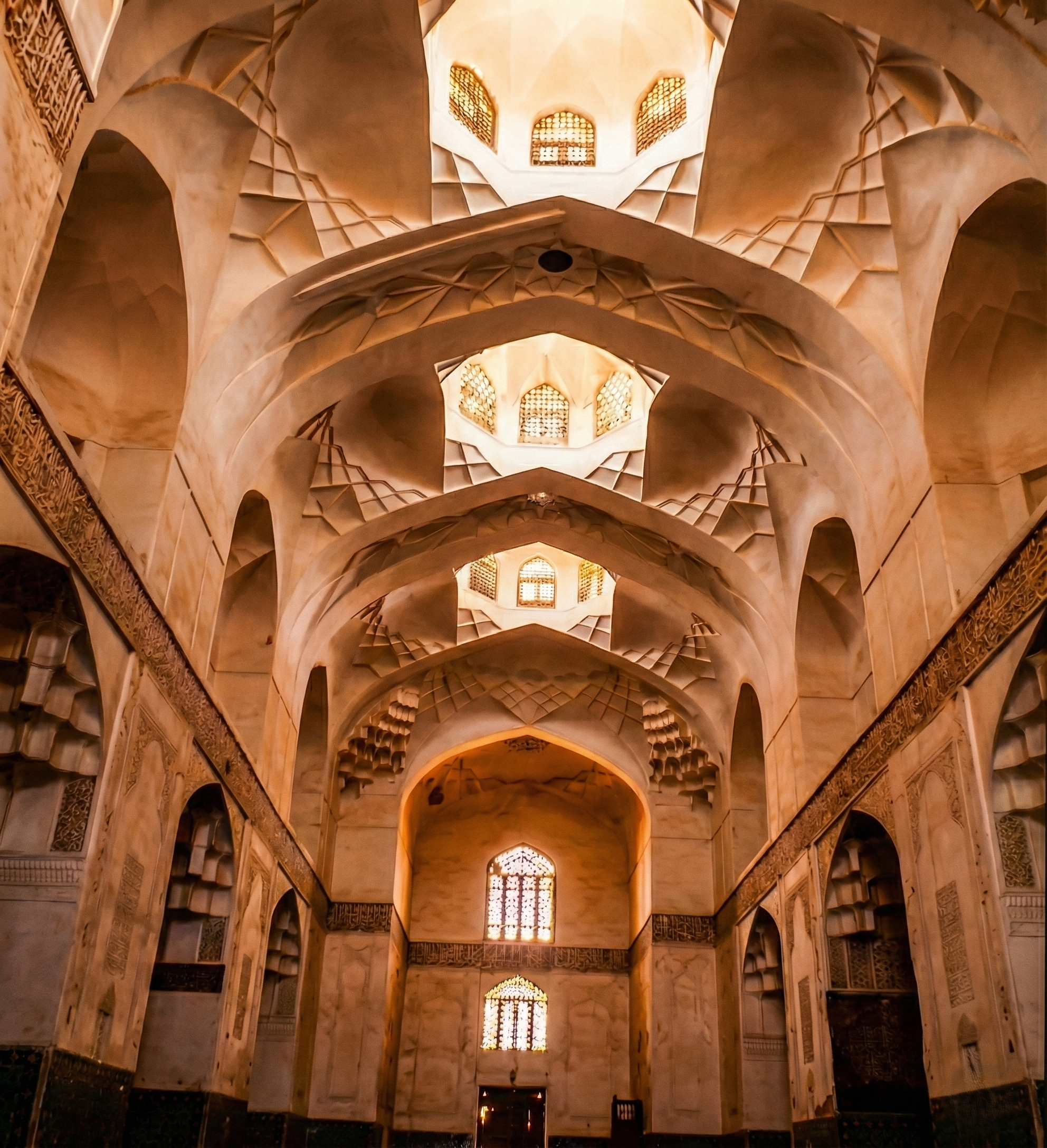
Tāq (طاق): Vaulted Geometry, Thermal Buffering, and Climatic Continuity
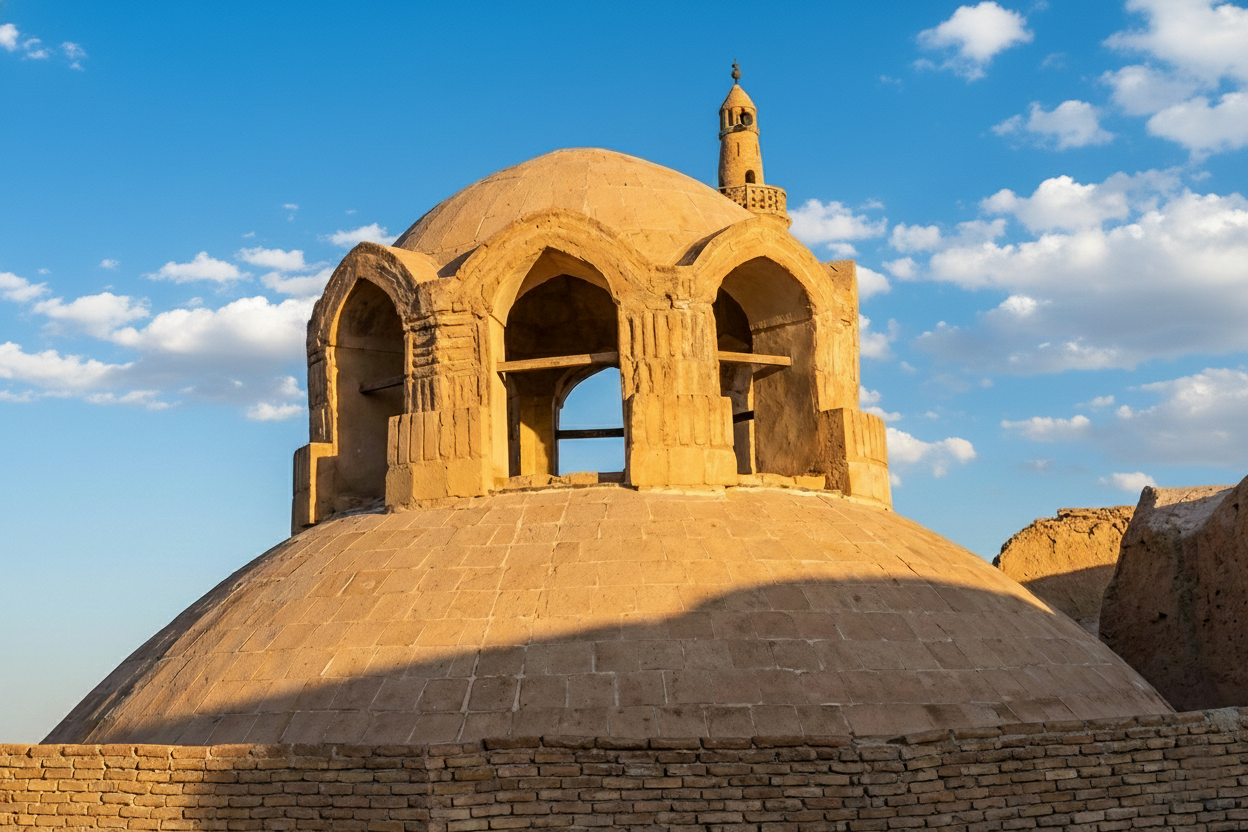
Hoorno (هورنو): Aperture, Geometry, and Climatic Release
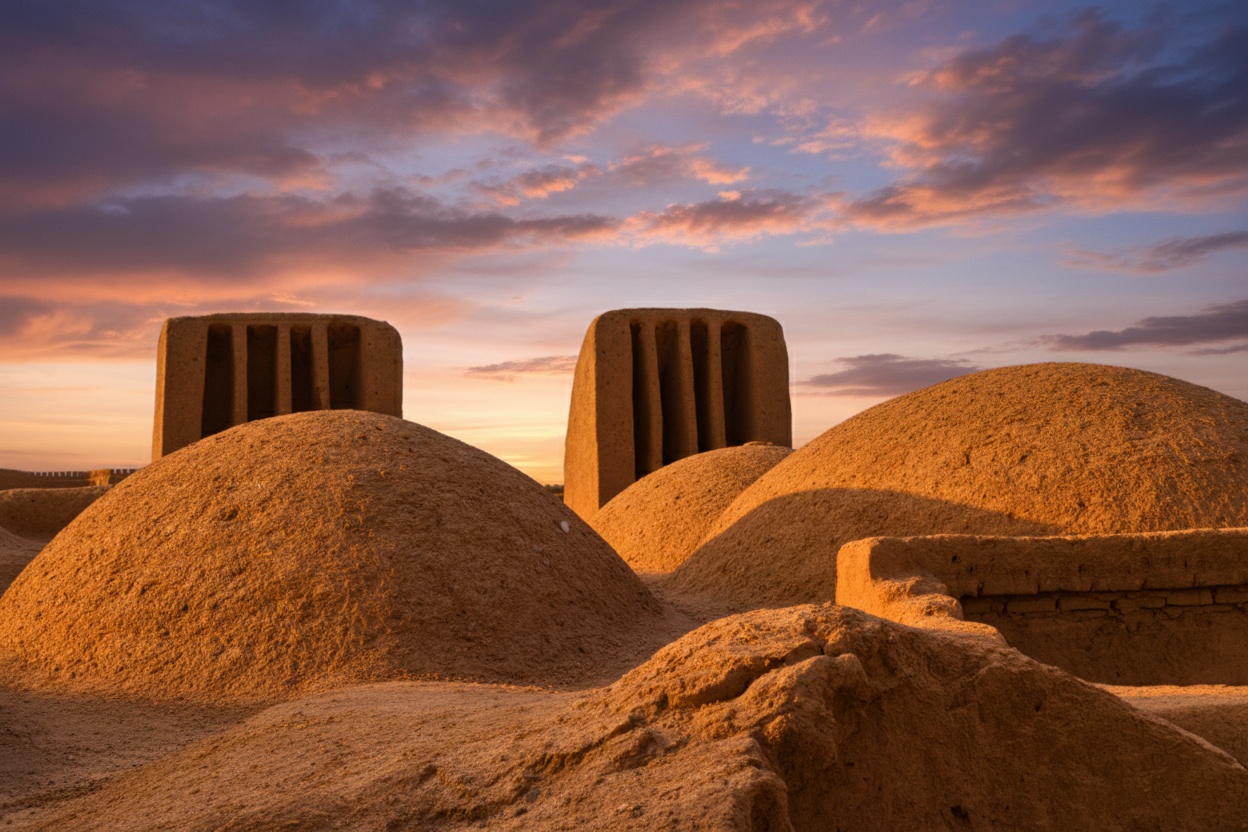
Kāhgel (کاهگل) and Light Plasters: Reflection, Curvature, and Climatic Endurance
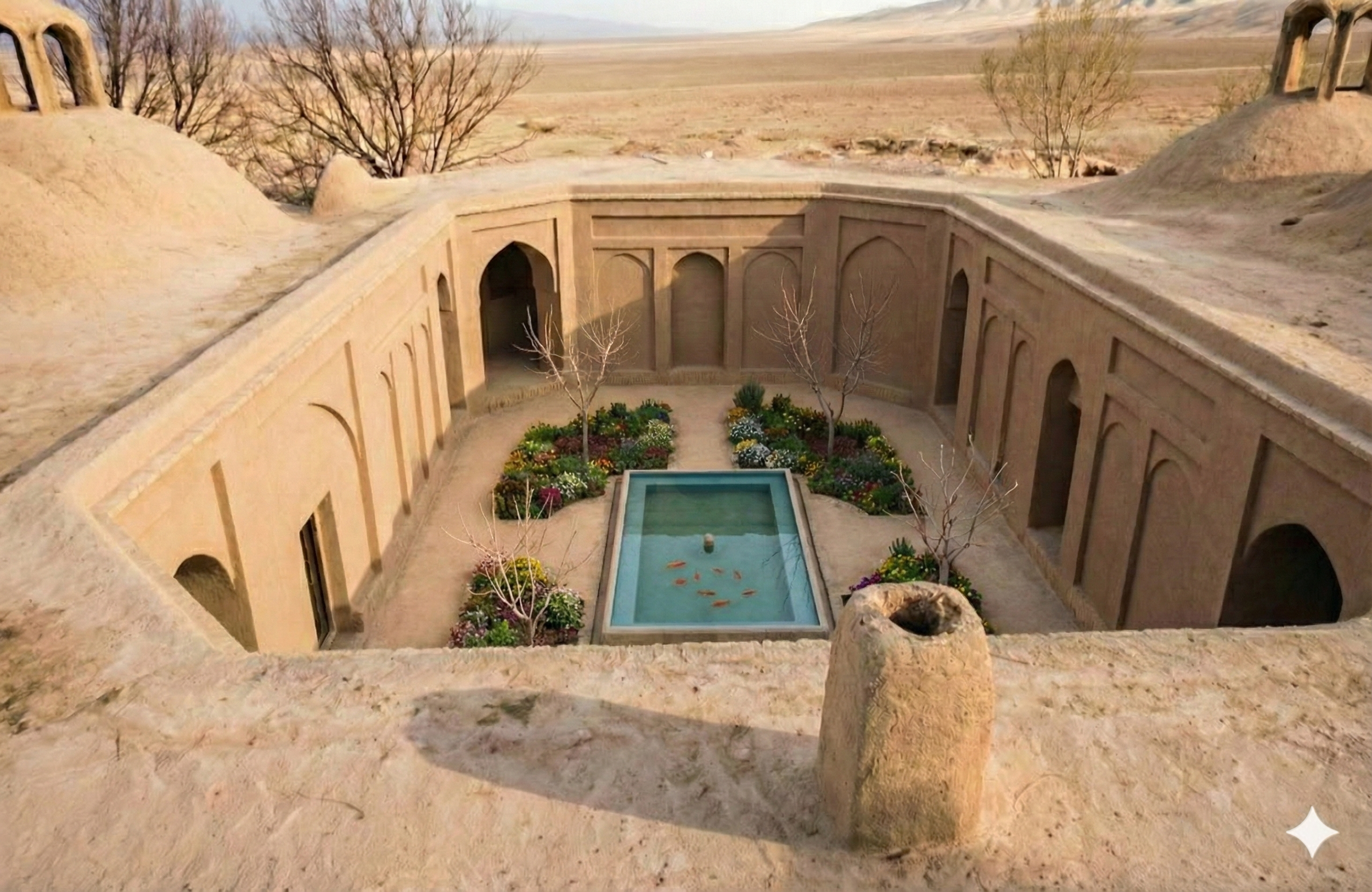
Central Courtyards and Inward Gardens: The Climatic Heart of the Iranian House (حیاط مرکزی و باغ درونگرا).
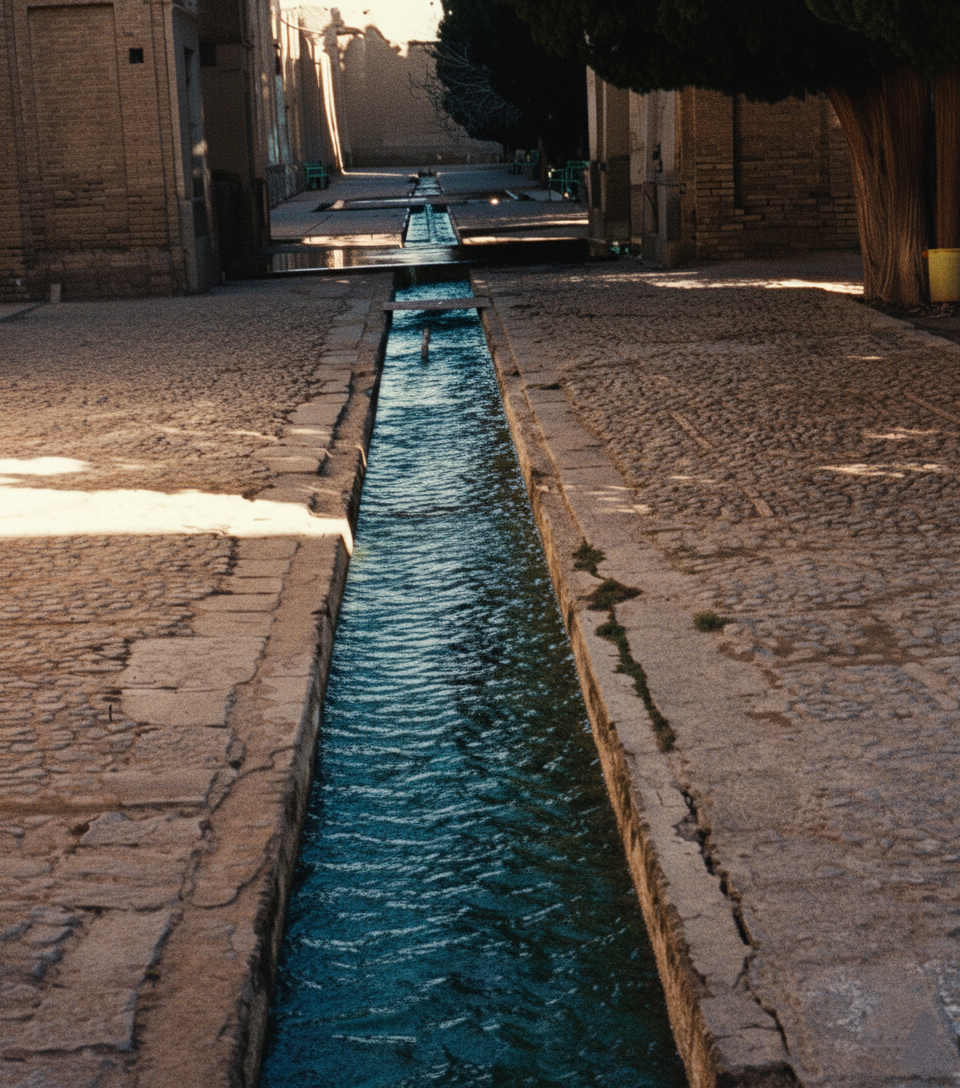
Qanāt (قنات): Subterranean Flow, Climatic Sustenance, and Urban Continuity
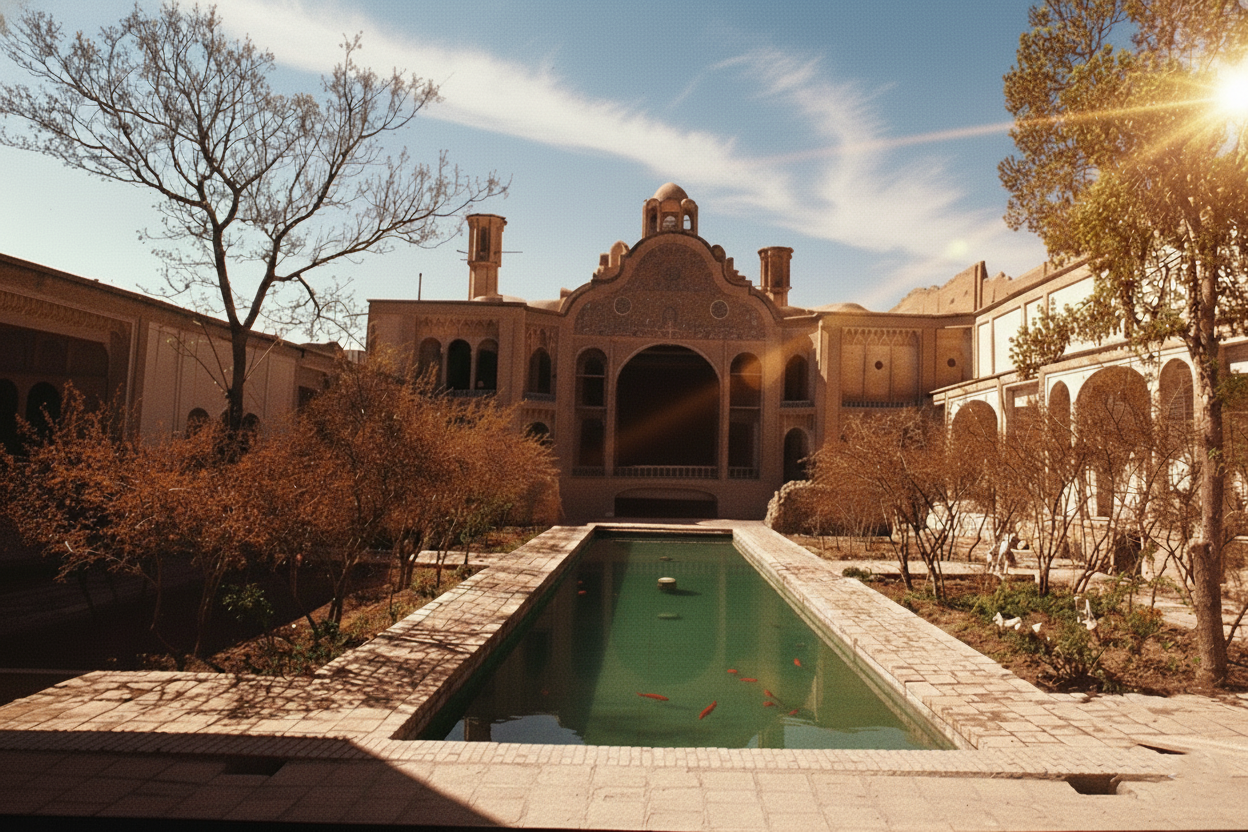
Tabestān-Neshin (تابستاننشین) and Zemestān-Neshin (زمستاننشین): Seasonal Orientation and Climatic Living
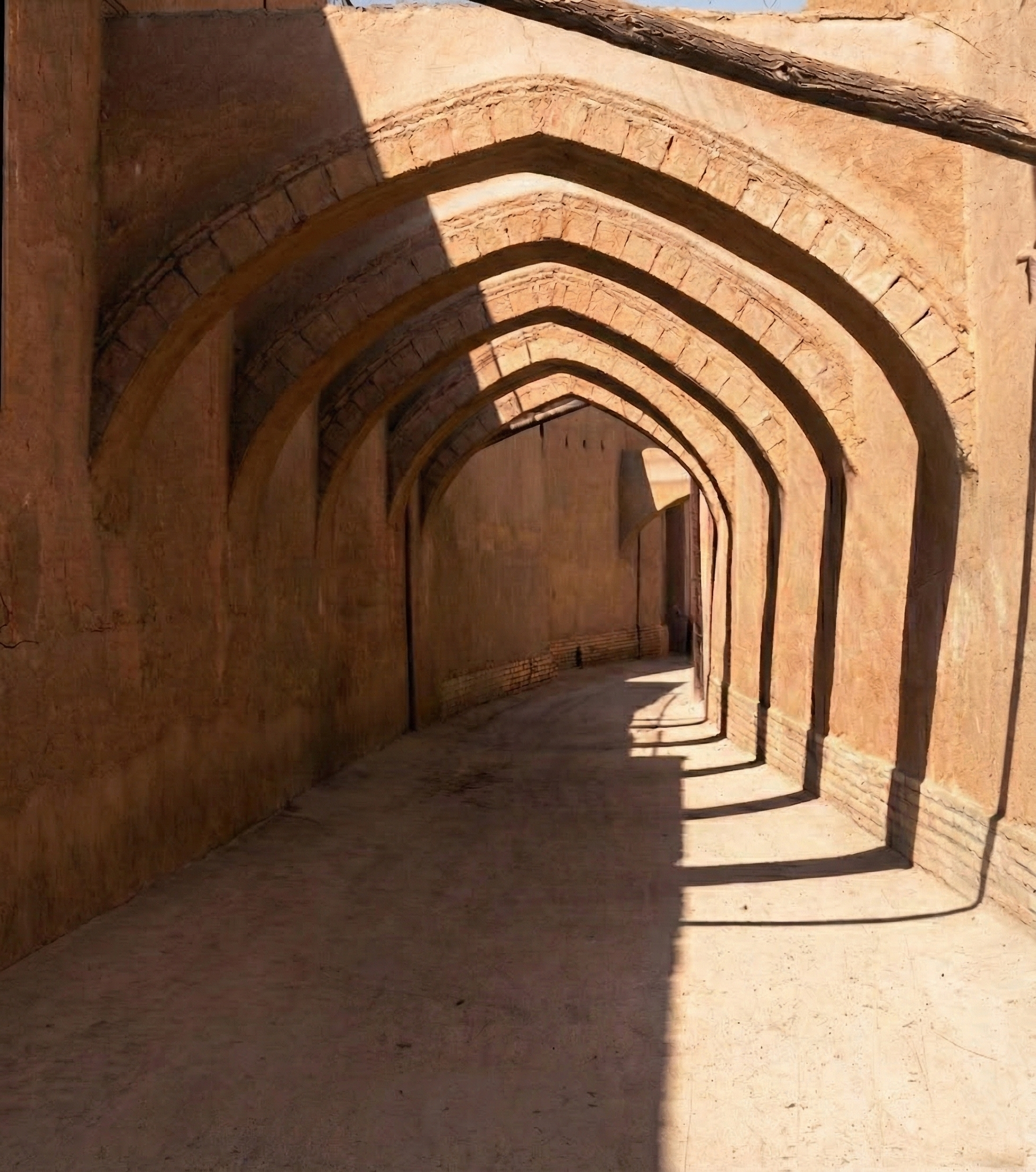
Kucheh-hā-ye Bārīk (کوچههای باریک): Urban Shade, Wind Moderation, and Climatic Continuity
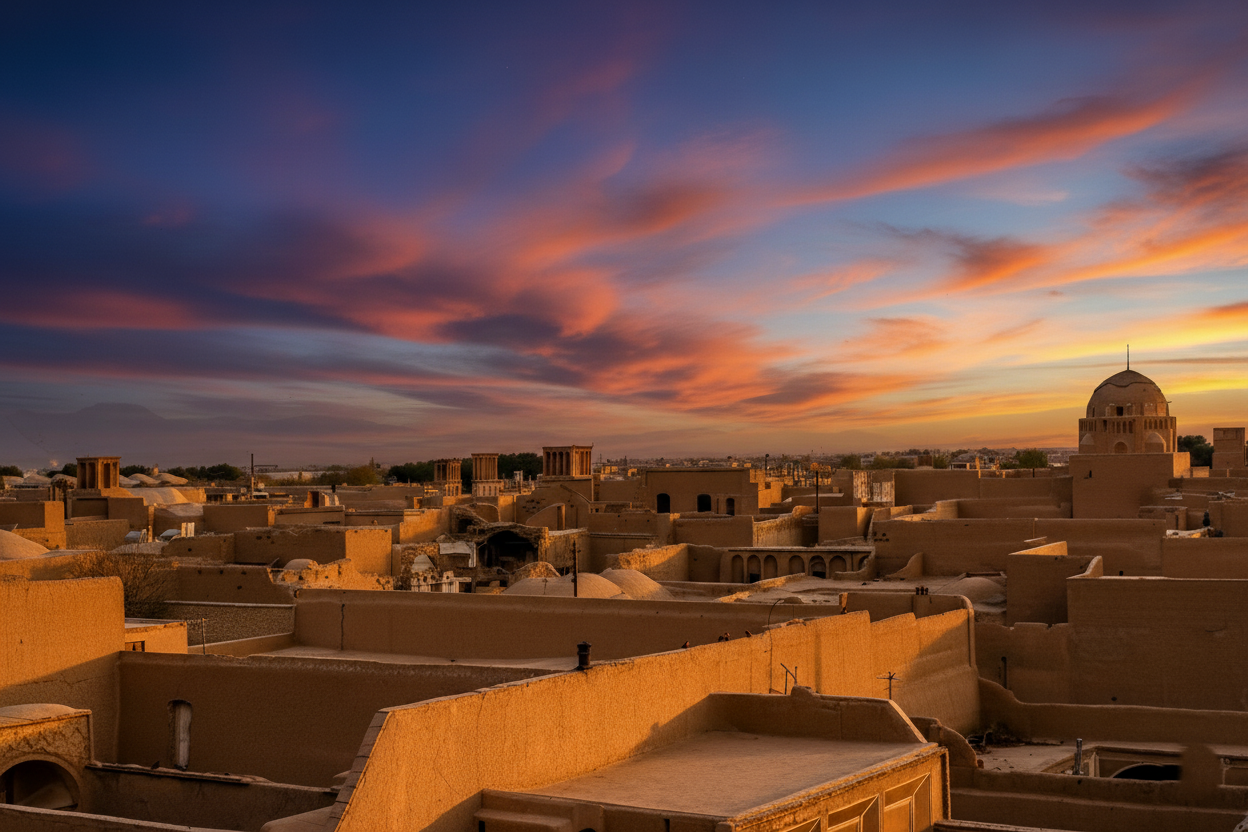
Bāft-e Feshordeh (بافت فشرده): Compactness, Mutual Shading, and Urban Thermal Buffering
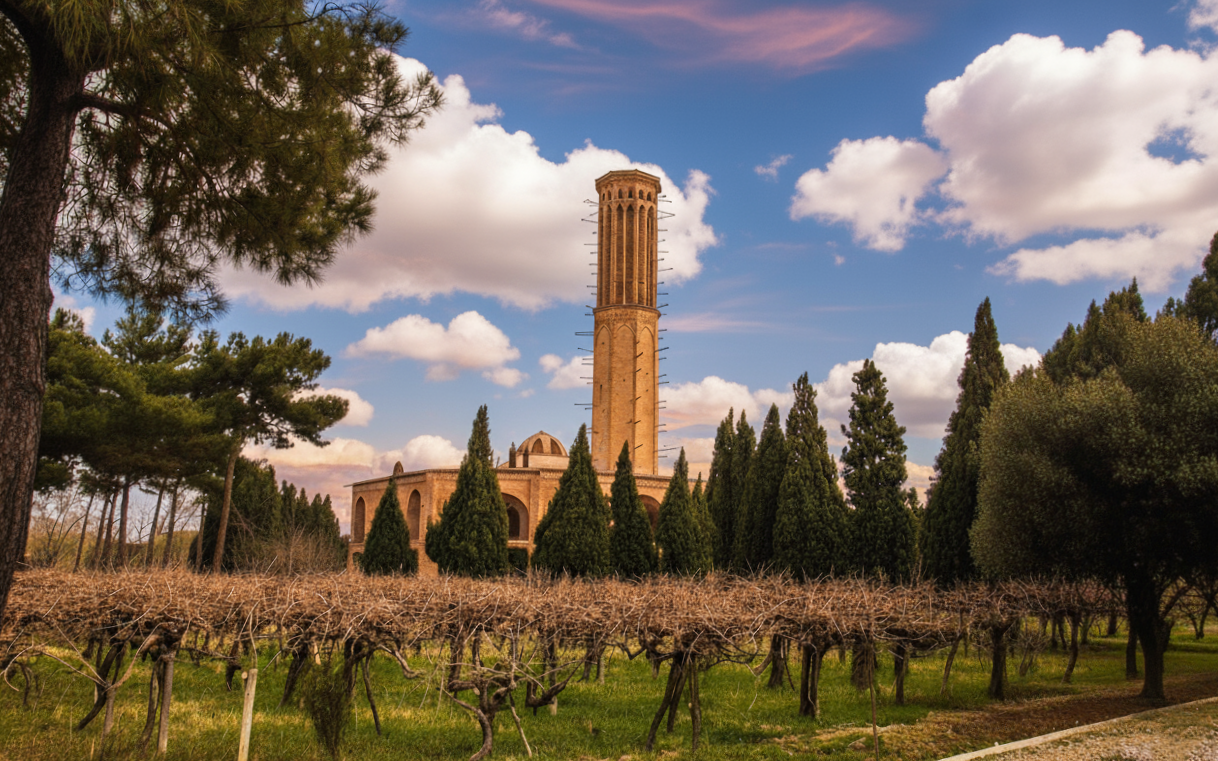
Bāgh-Shahr (باغشهر): Garden Urbanism and Climatic Networks
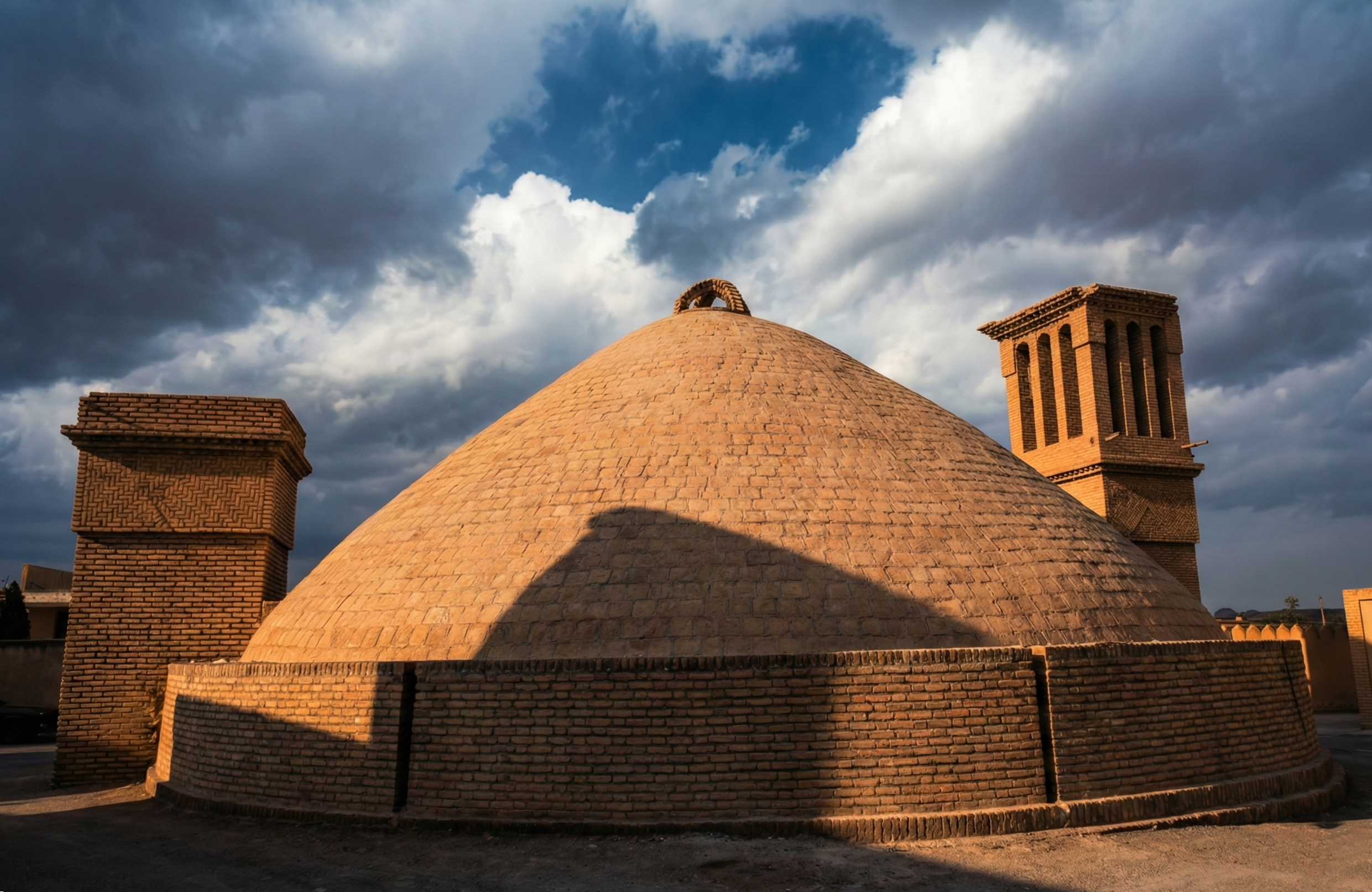
Āb-Anbār (آبانبار): Subterranean Storage, Cooling, and Urban Resilience
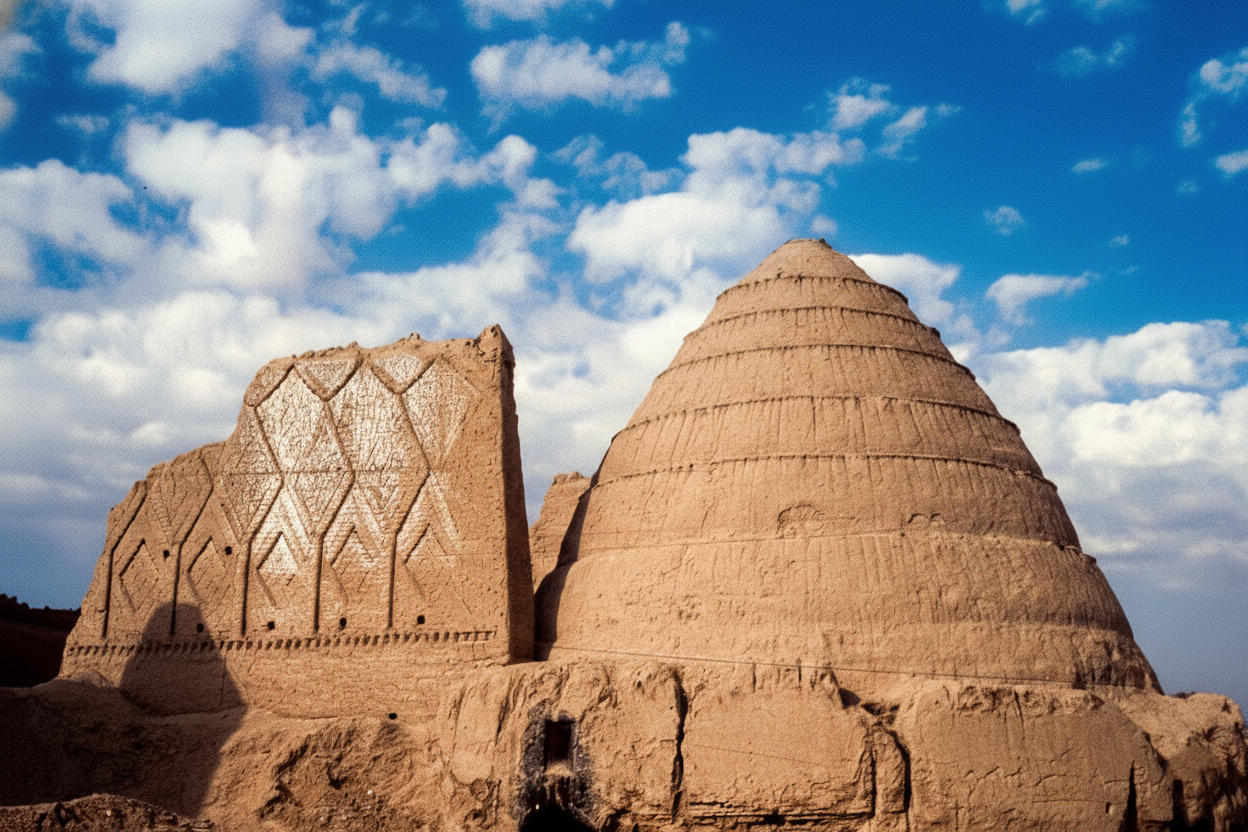
Yakhchāl (یخچال): Communal Cold Storage and Urban Thermal Engineering
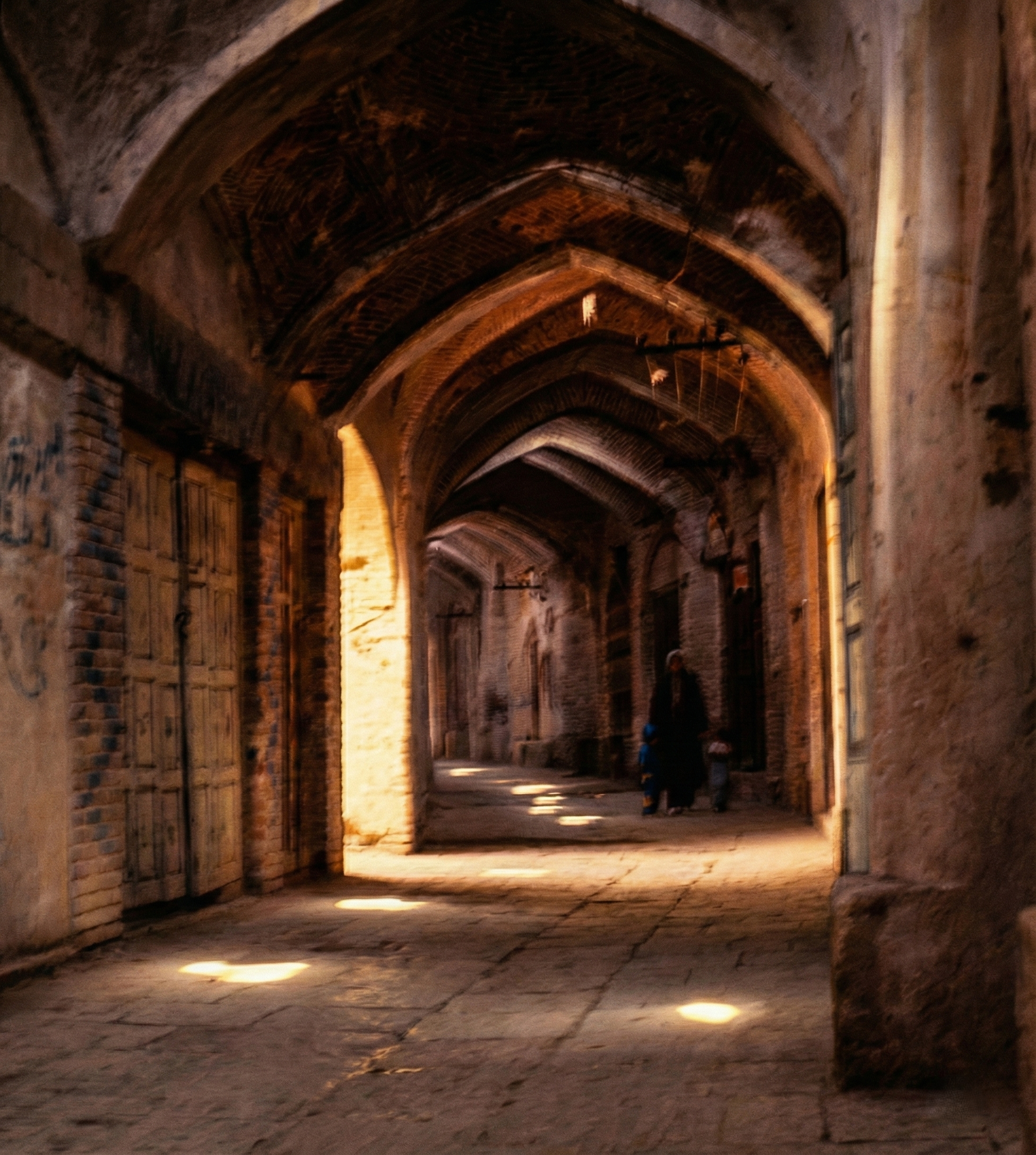
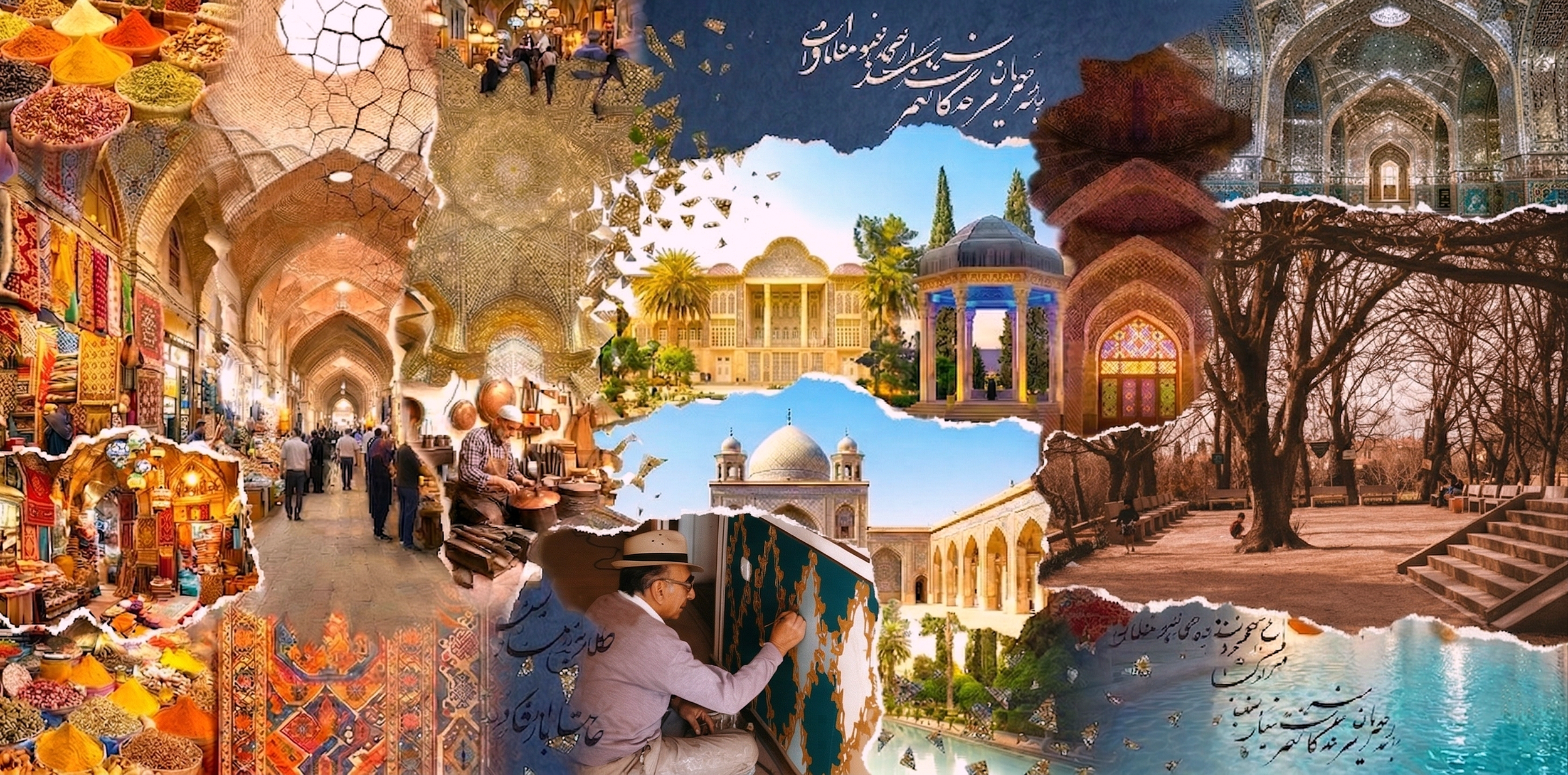
Bazaar (بازار): Shaded Spine and Urban Climatic Artery
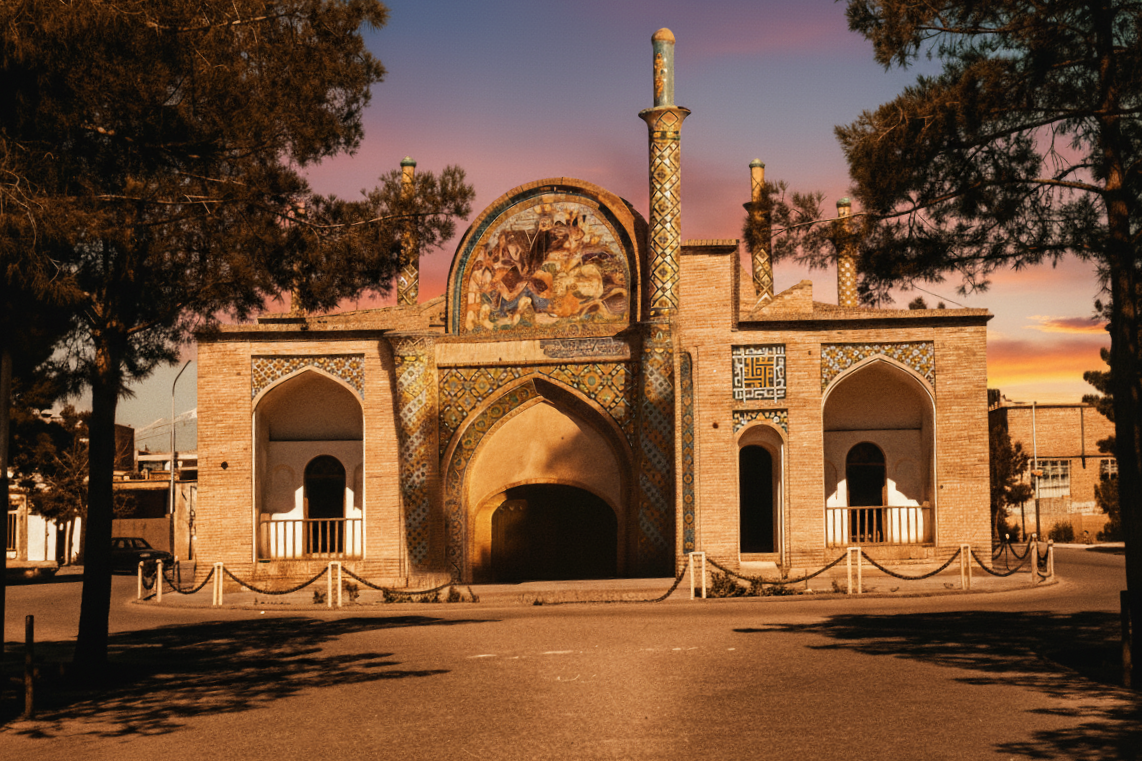
Darvāzeh (دروازه): Urban Thresholds
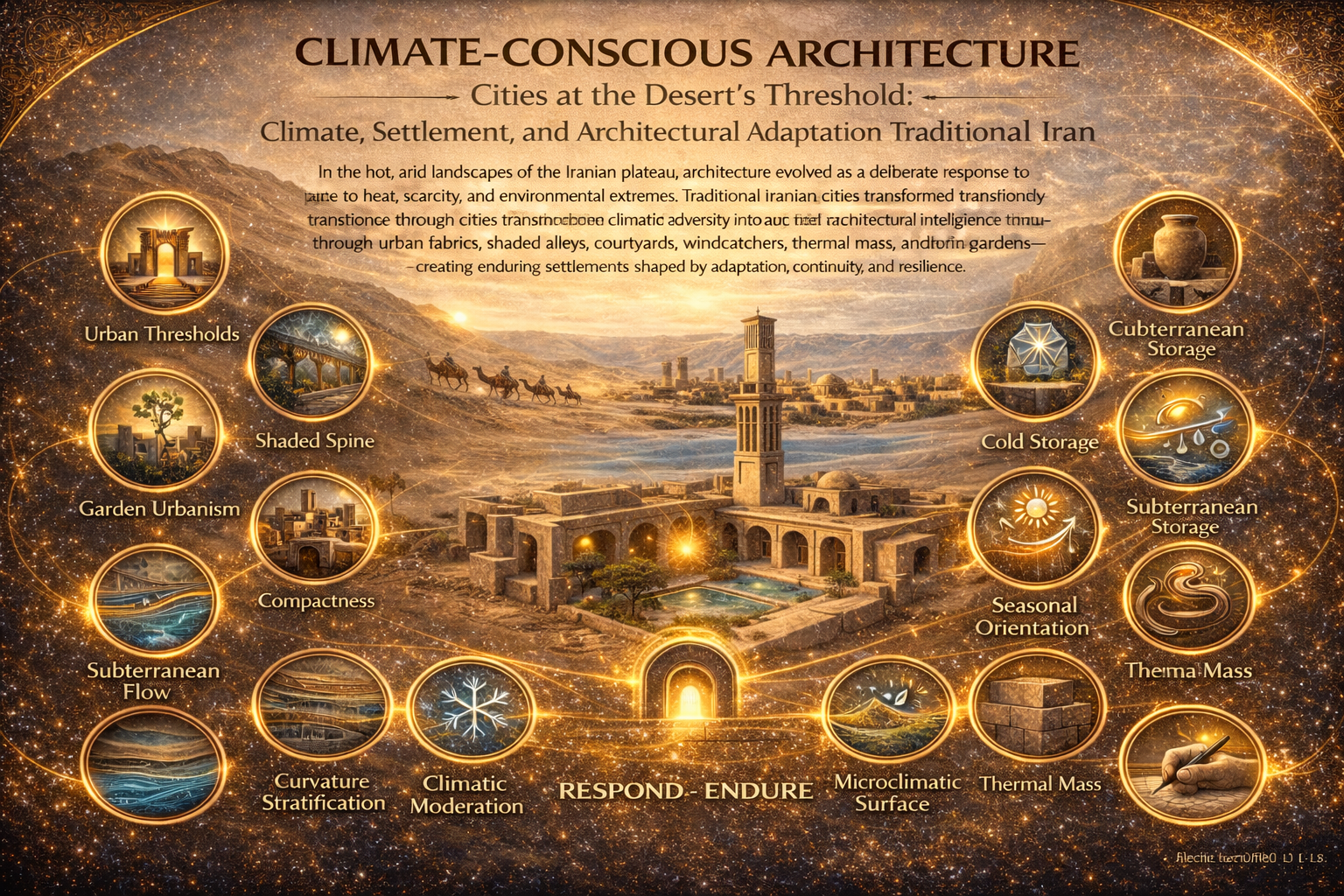
Climate-conscious Architecture
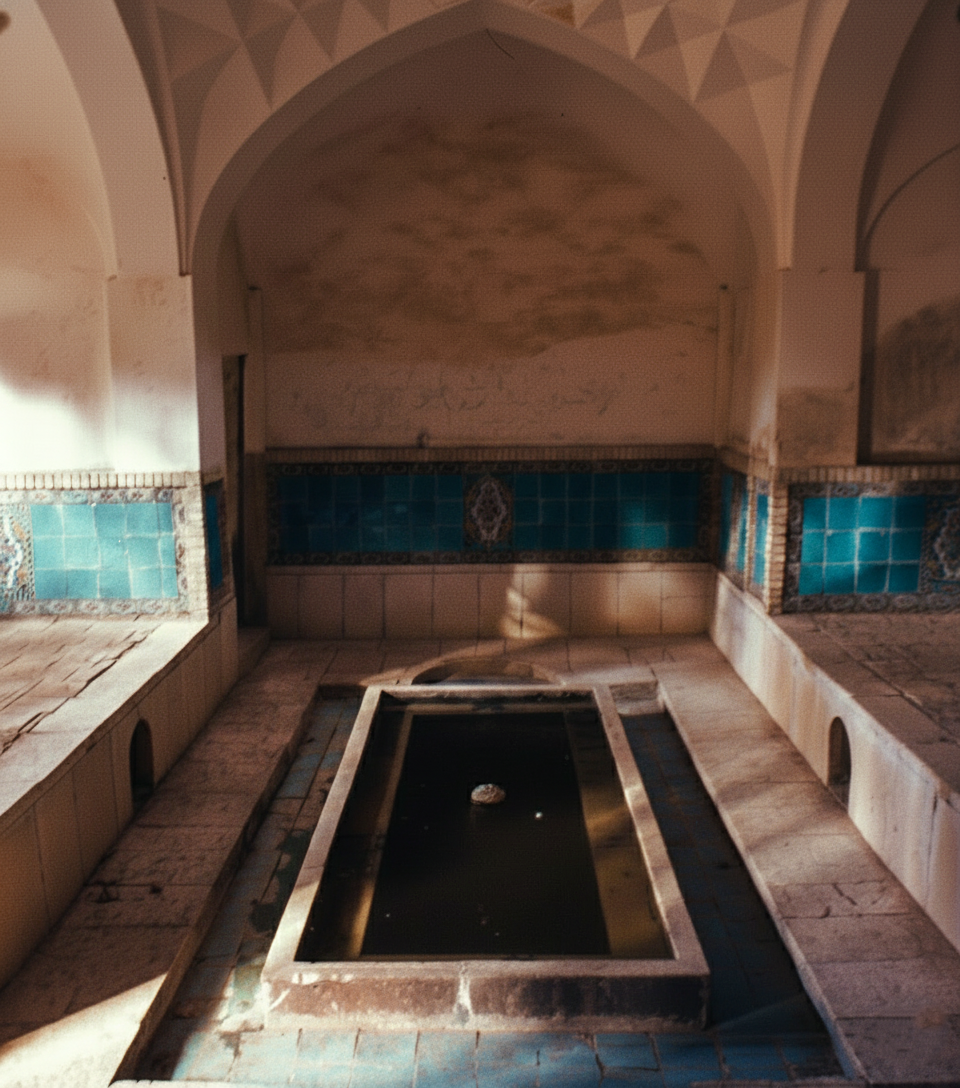
Hamam – حمام باغ شاهزاده (Shazdeh Garden Bathhouse)
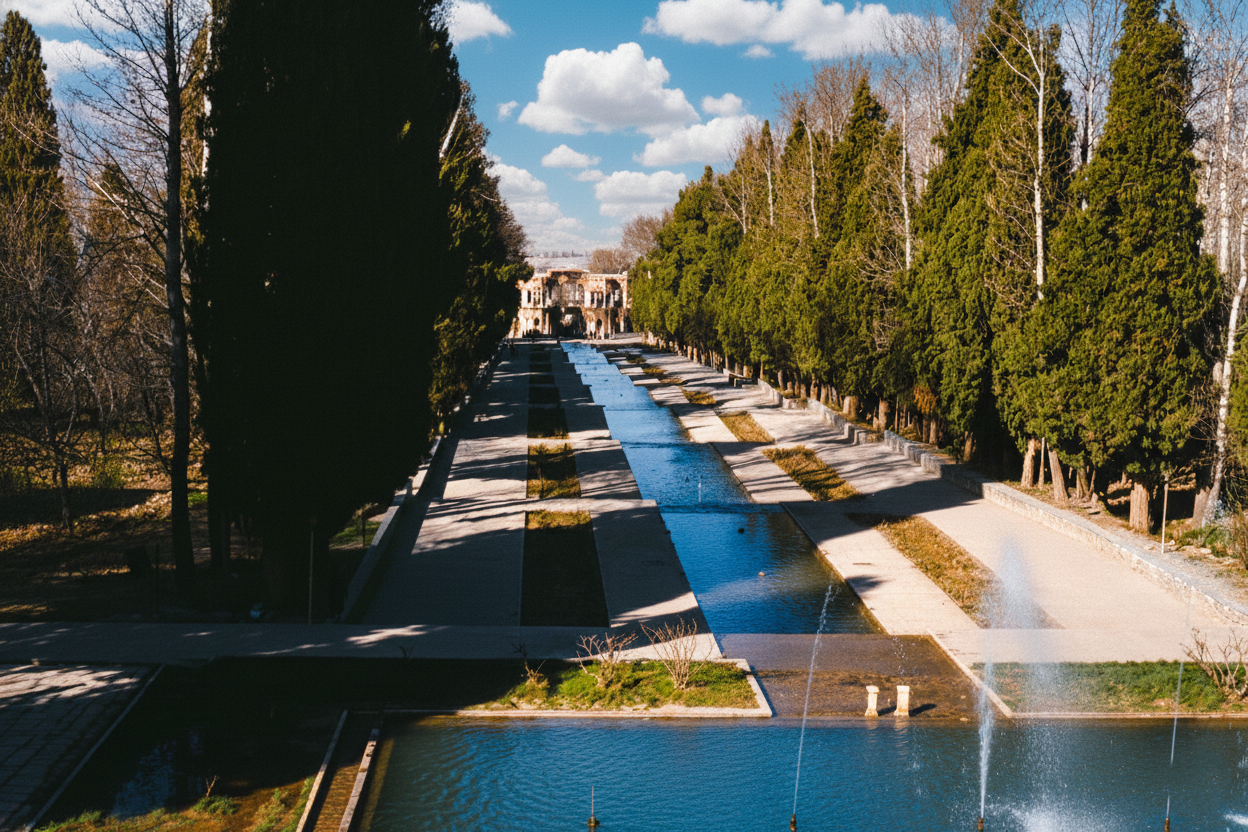
The Garden – باغ شاهزاده (Bagh-e Shazdeh)
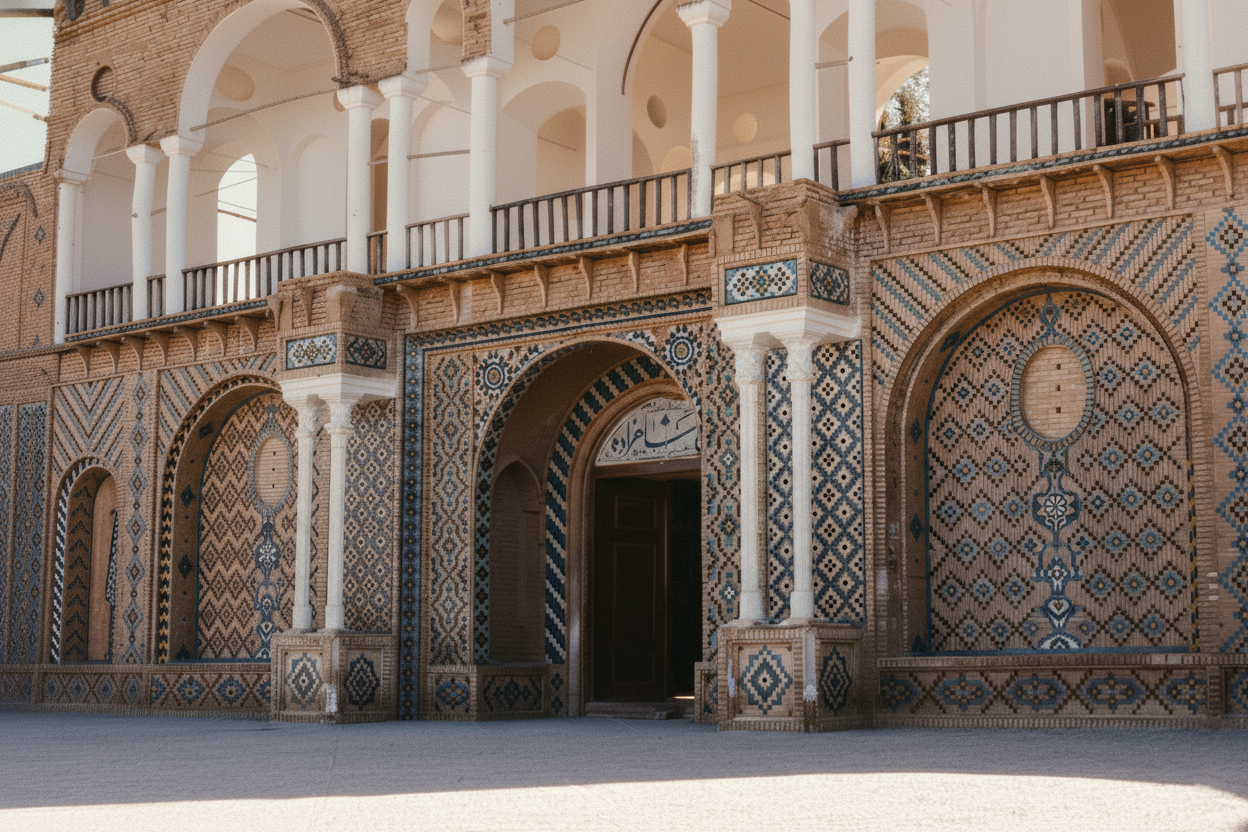
Entrance – ورودی باغ شاهزاده (Bagh-e Shazdeh باغ شاهزاده)