Tāq (طاق): Vaulted Geometry, Thermal Buffering, and Climatic Continuity
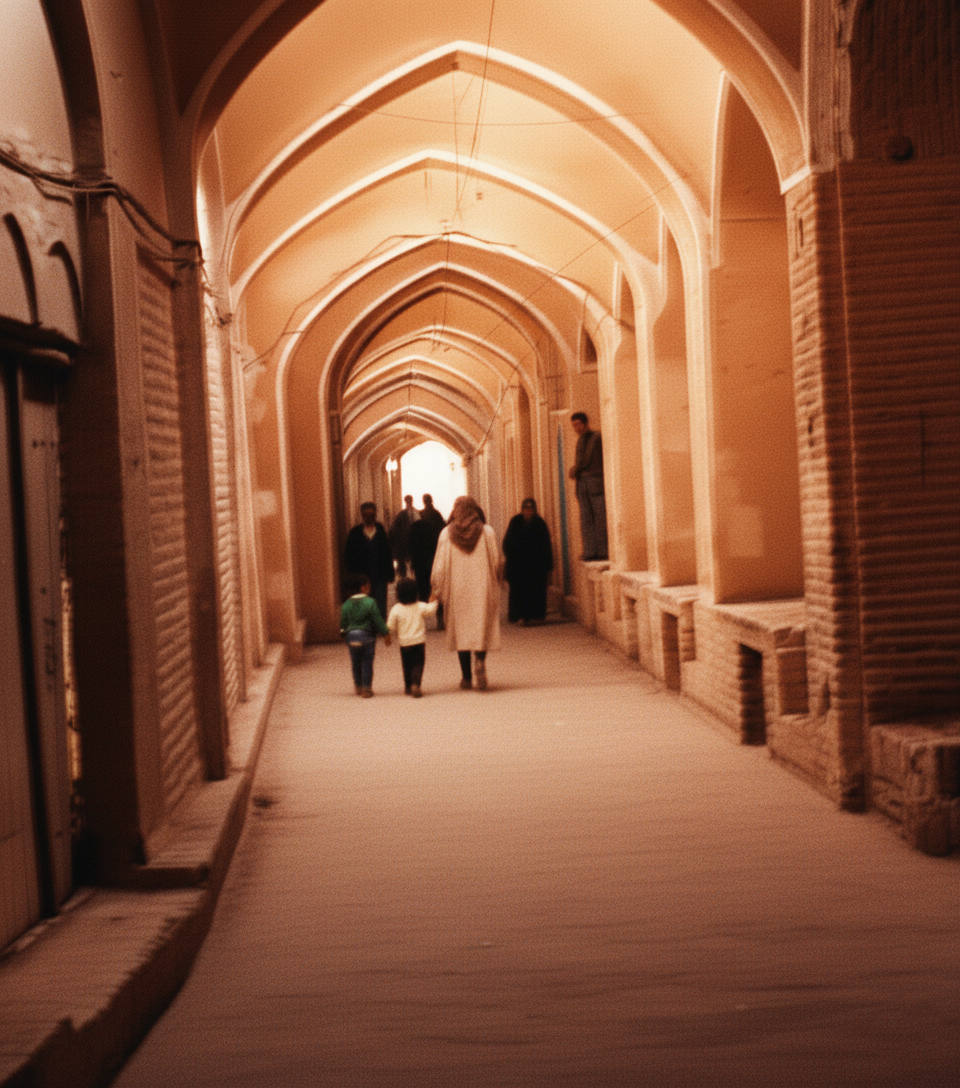
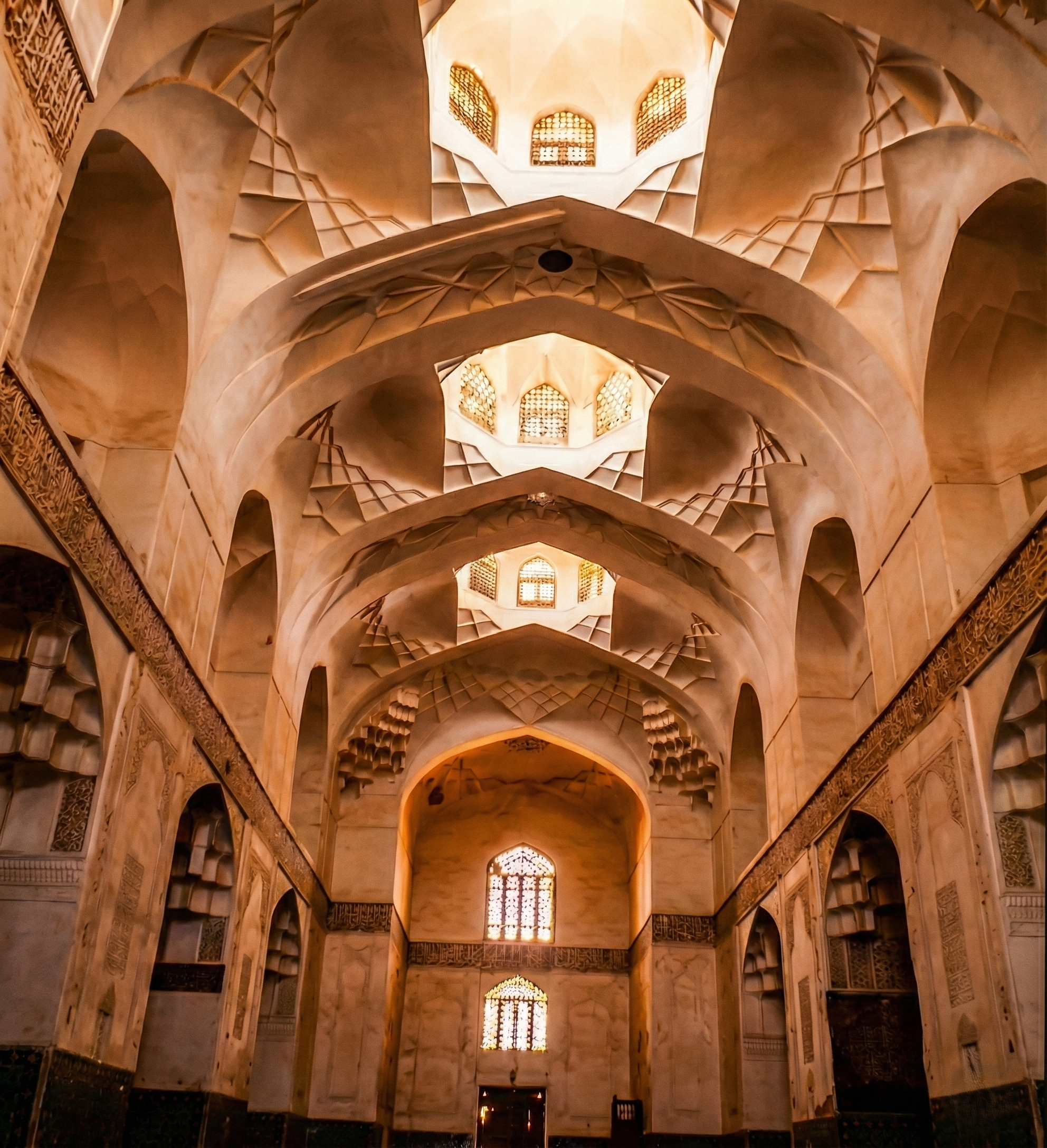
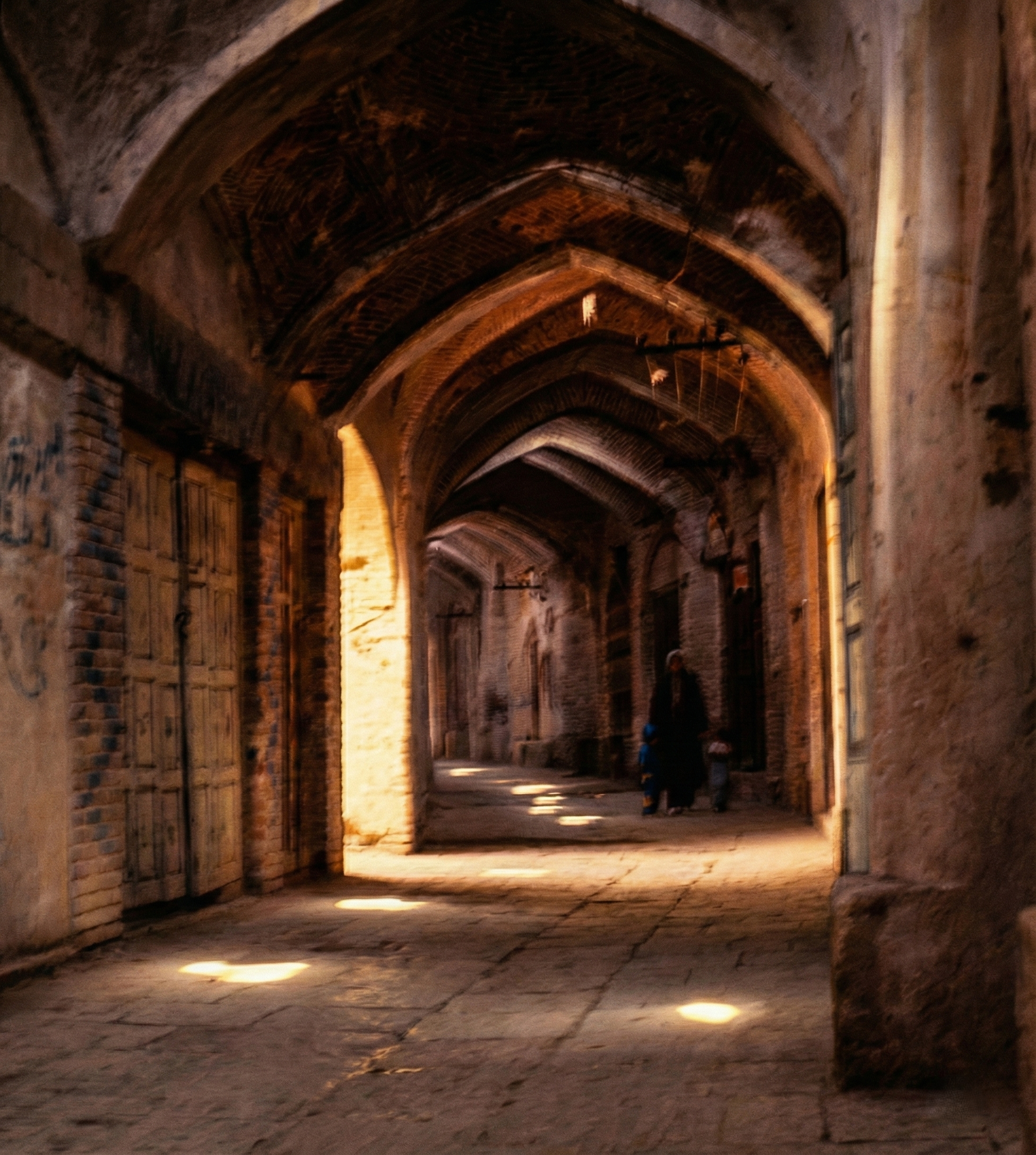
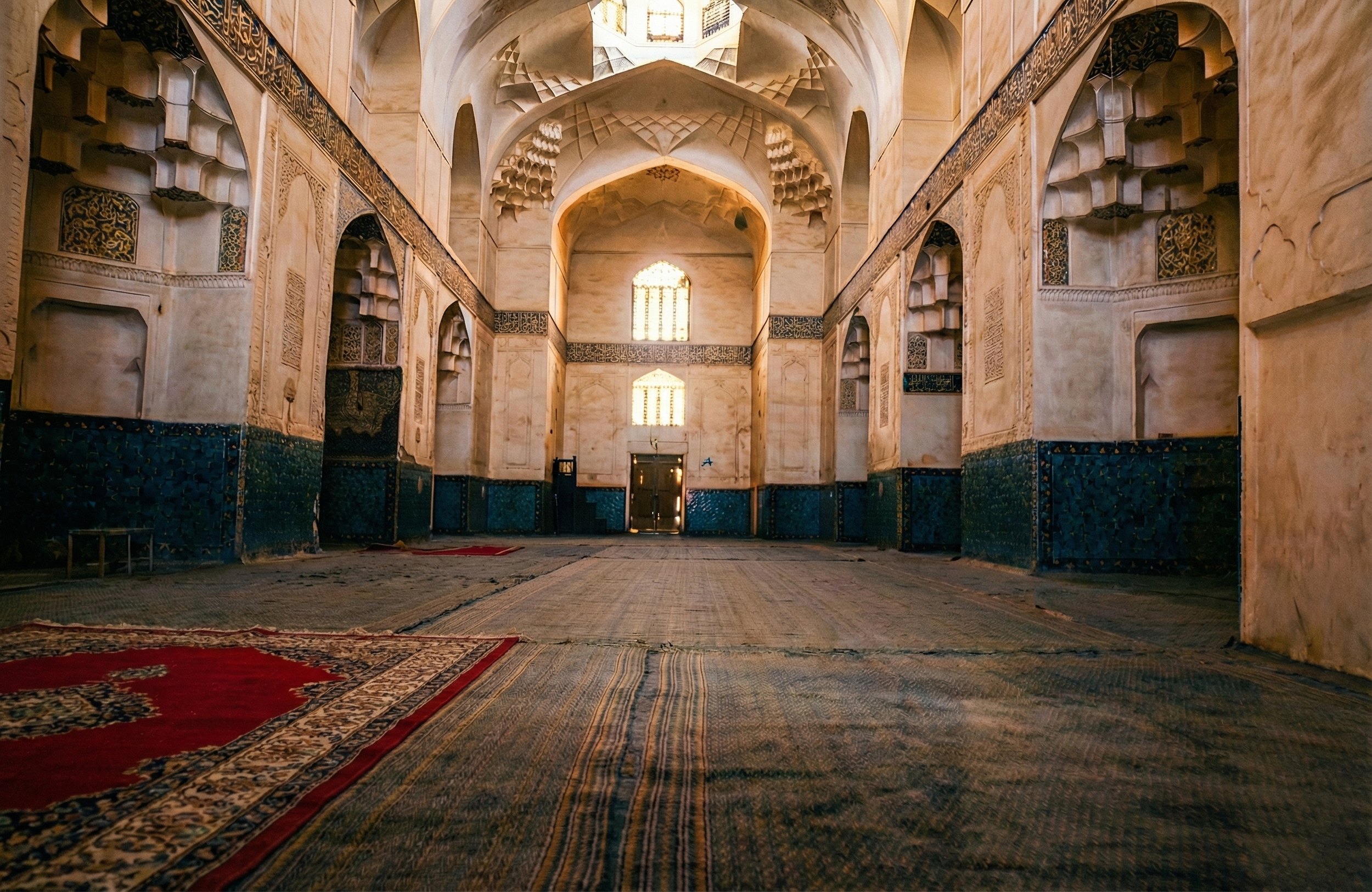
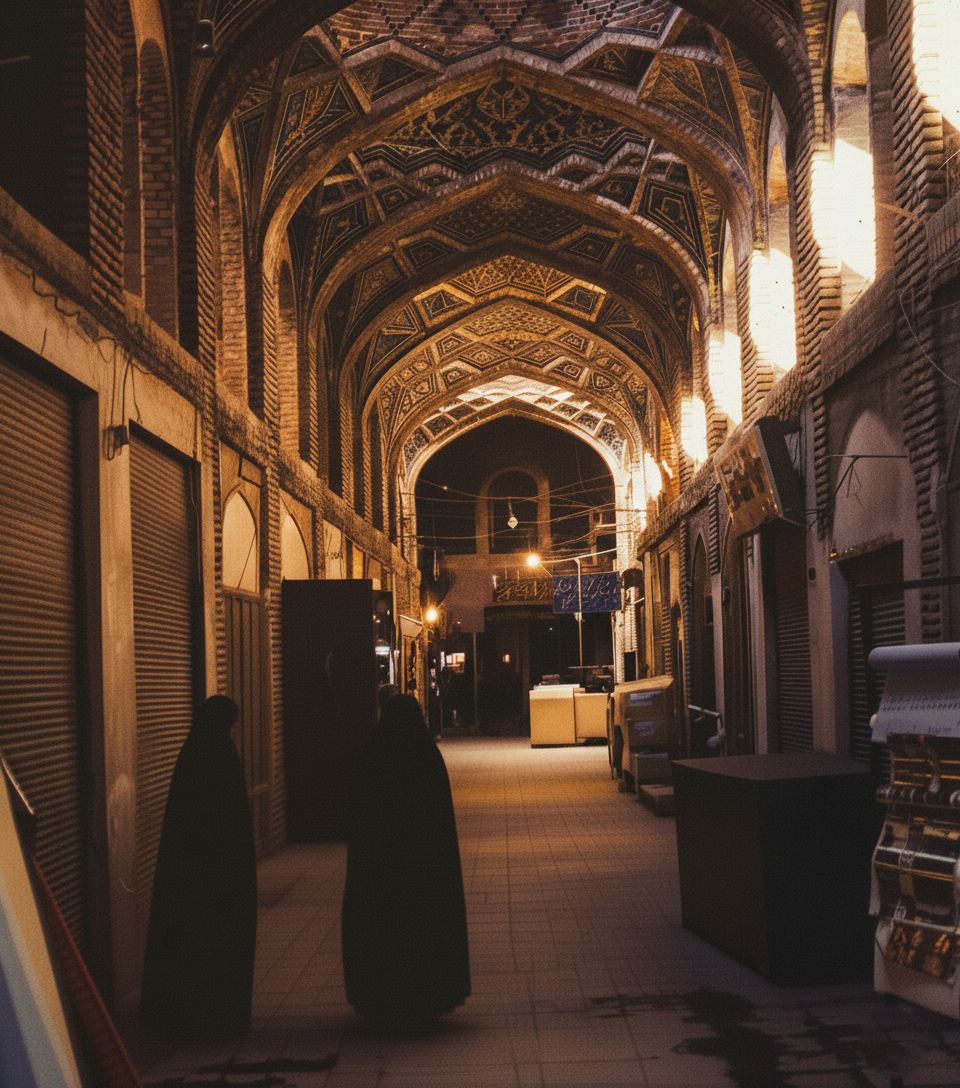
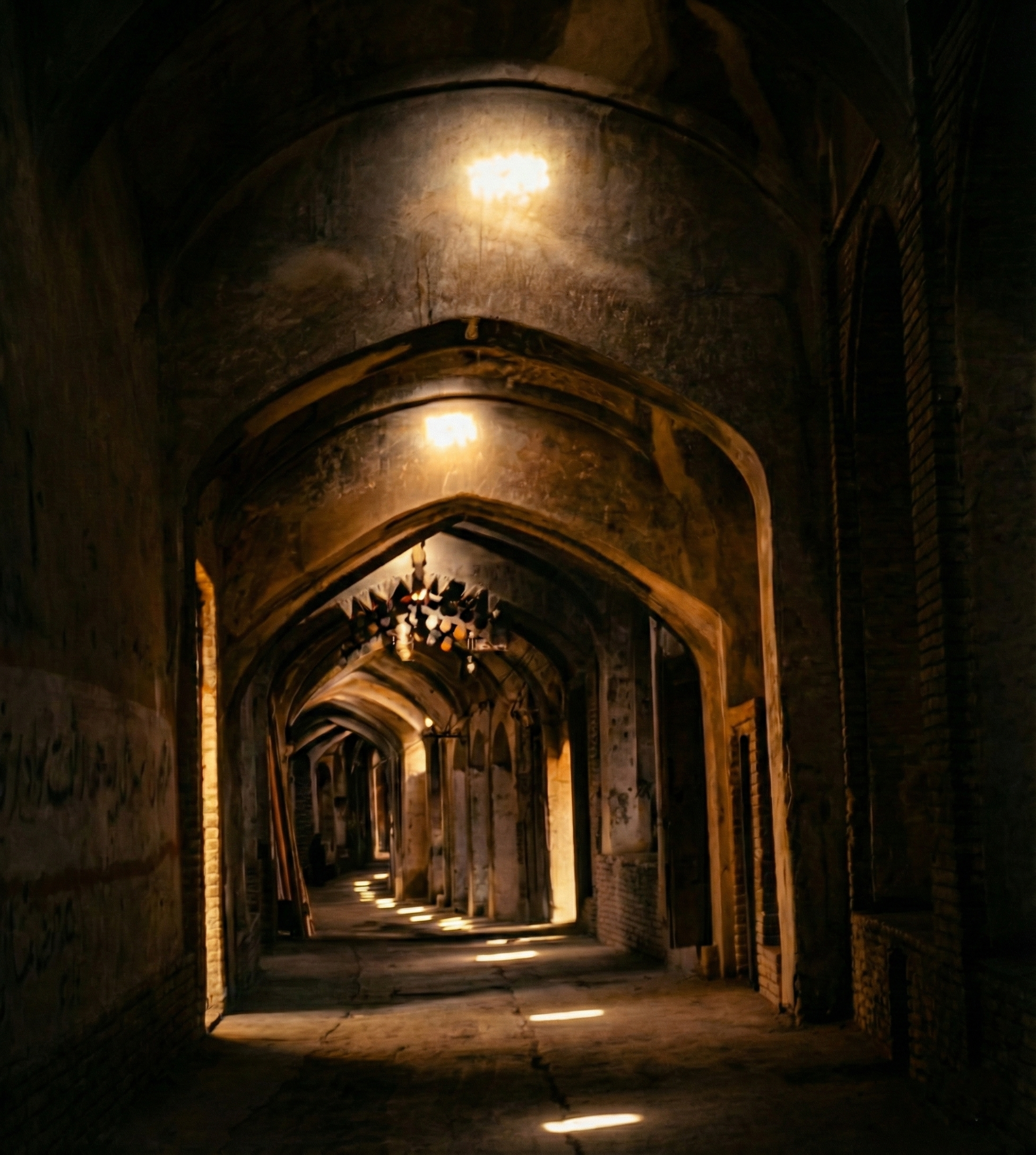
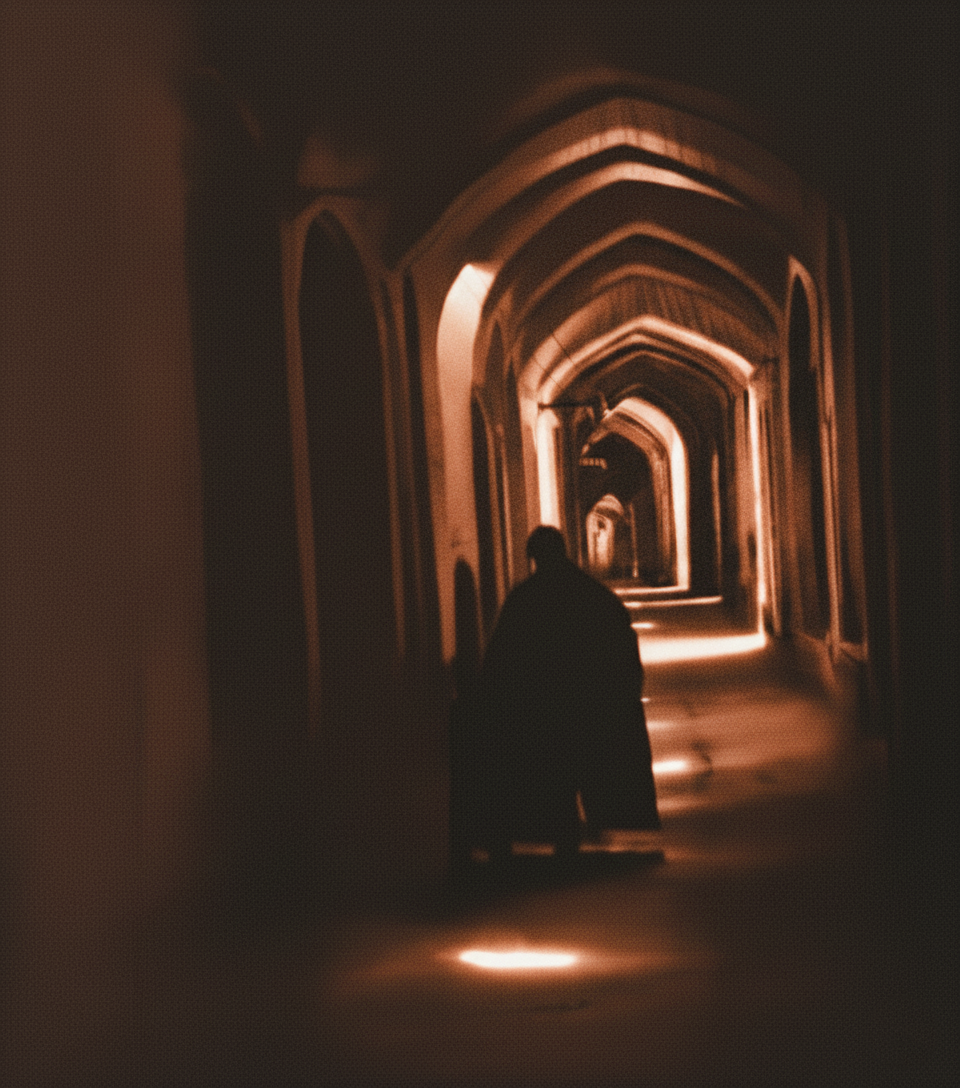
Tāq (طاق), the vaulted form of traditional Iranian architecture, transforms structure into a means of climate control. Through curvature and height, it diffuses solar heat and creates a thermal buffer, allowing warm air to rise above occupied space. Built with thick masonry, it stabilizes temperature over time, demonstrating a quiet yet powerful approach to comfort through geometry, continuity, and material intelligence.
-
Tāq (طاق): Vaulted Geometry, Thermal Buffering, and Climatic Continuity
The Tāq, expressed through barrel and cross-vault forms, is a fundamental element of traditional Iranian architecture, in which structural geometry and climatic performance are inseparable. Like other curved roof forms, the vault moderates solar exposure through curvature and height, transforming the roof from a passive cover into an environmental buffer that stabilizes interior conditions.
Climatically, the Tāq reduces direct solar incidence by distributing heat across a curved surface rather than concentrating it on a flat plane. The increased interior height created by the vault establishes a vertical thermal buffer, allowing warm air to rise and accumulate above the occupied zone while cooler air remains at human level. Thick masonry construction further enhances this effect by absorbing heat slowly and releasing it gradually, smoothing diurnal temperature fluctuations through thermal mass.
In contrast to the Gonbad (گنبد), which concentrates heat and airflow toward a central apex and often functions as an active chimney through an oculus (Hoorno), the Tāq operates through continuity rather than extraction. Vaults organize air linearly along their length, emphasizing containment, shading, and thermal moderation rather than vertical discharge. Their climatic agency is therefore quieter and more passive, relying on section, mass, and repetition rather than on focused convection.
Historically, Tāq systems have been widely employed across Iranian architectural typologies that prioritize movement and extended occupation, including houses, bazaars, caravanserais, baths, and storage spaces. In bazaars and caravanserais, continuous vaults form shaded circulation networks that sustain stable microclimates over long distances. In residential and bath architecture, vaults regulate heat and humidity while enhancing spatial coherence and acoustic comfort.
Theoretically, the Tāq exemplifies a climate-conscious architecture rooted in moderation and continuity. By thickening the envelope through height, curvature, and mass, the vaulted roof transforms enclosure into environmental buffering. In dialogue with more vertically active forms such as the Gonbad, the Tāq demonstrates a complementary strategy within Iranian architecture—one in which comfort is achieved not through mechanical extraction, but through the patient calibration of geometry, proportion, continuity, and material over time.
