Bāgh-Shahr (باغشهر): Garden Urbanism and Climatic Networks
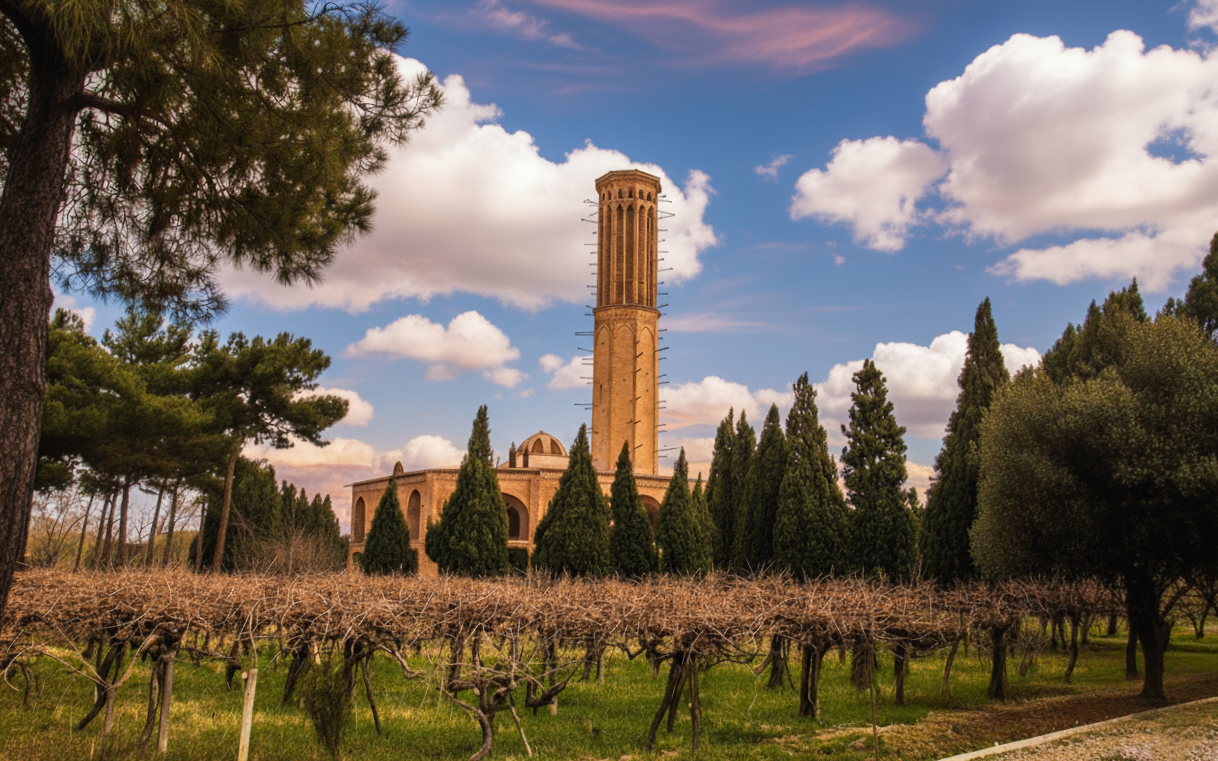
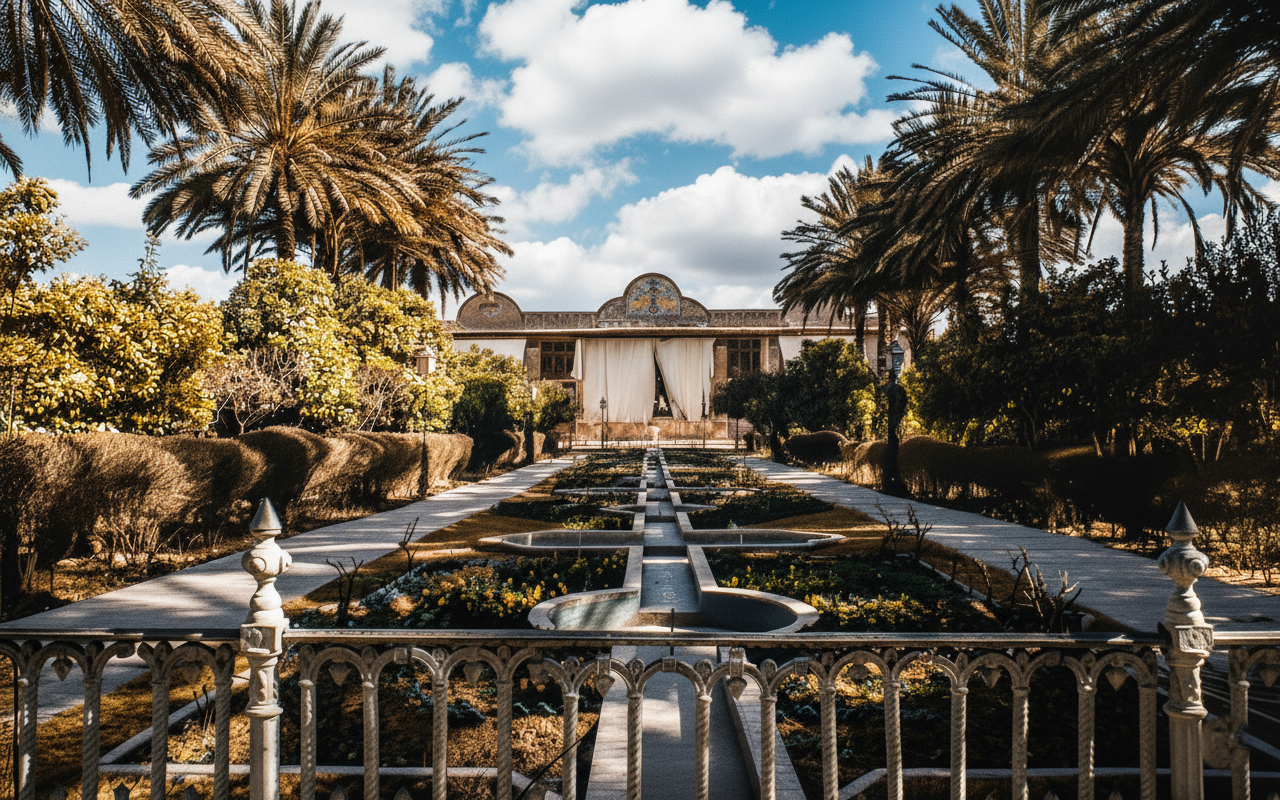
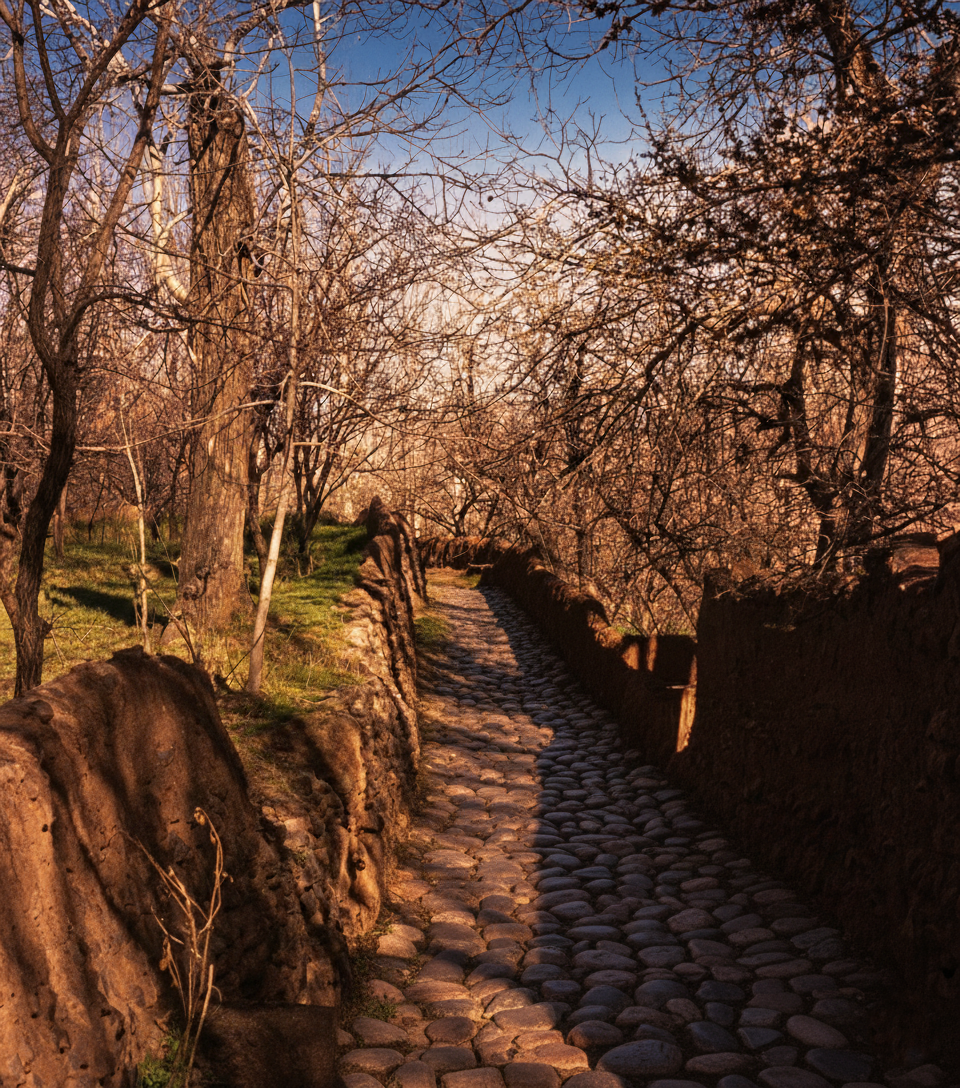
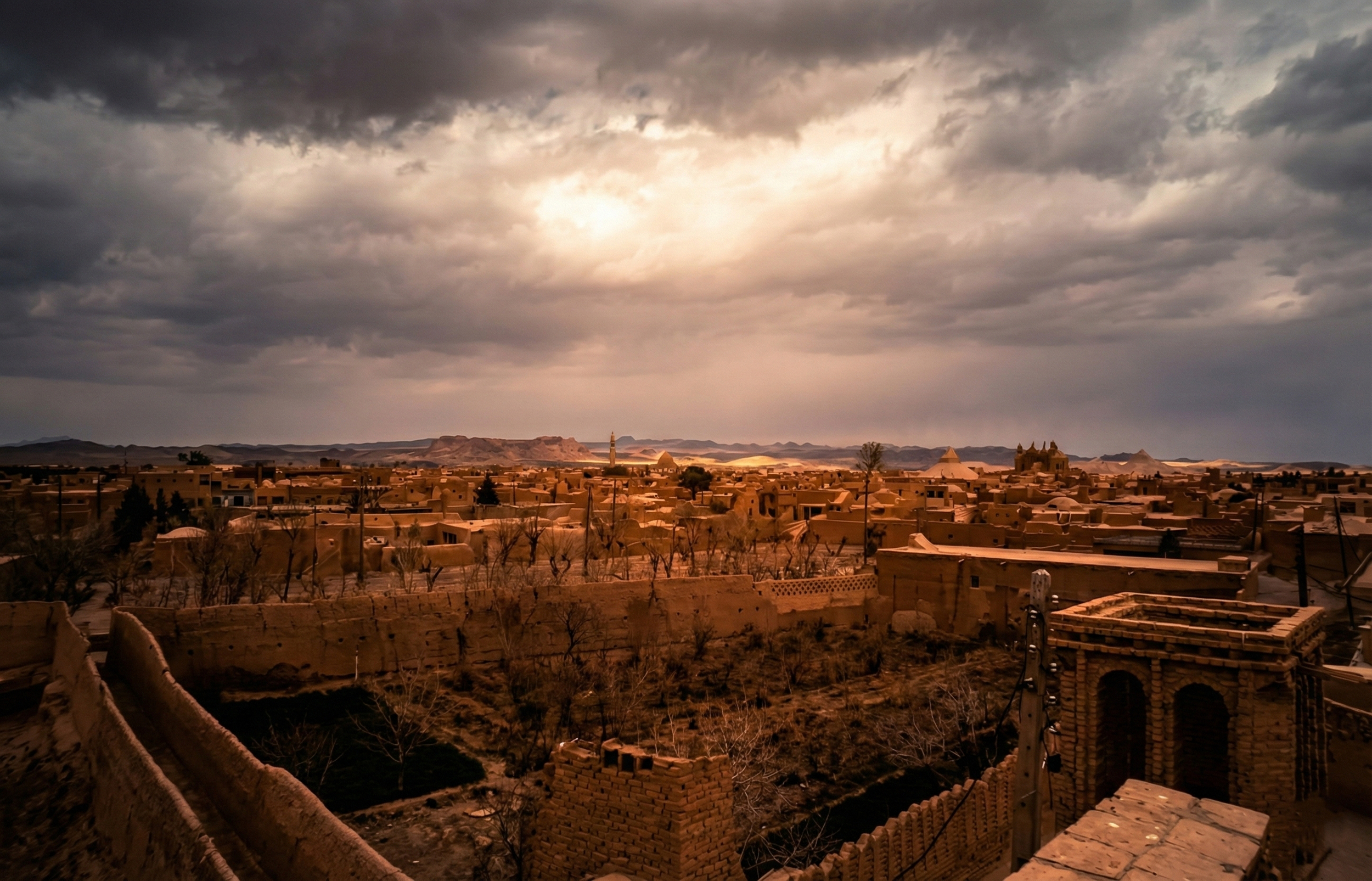
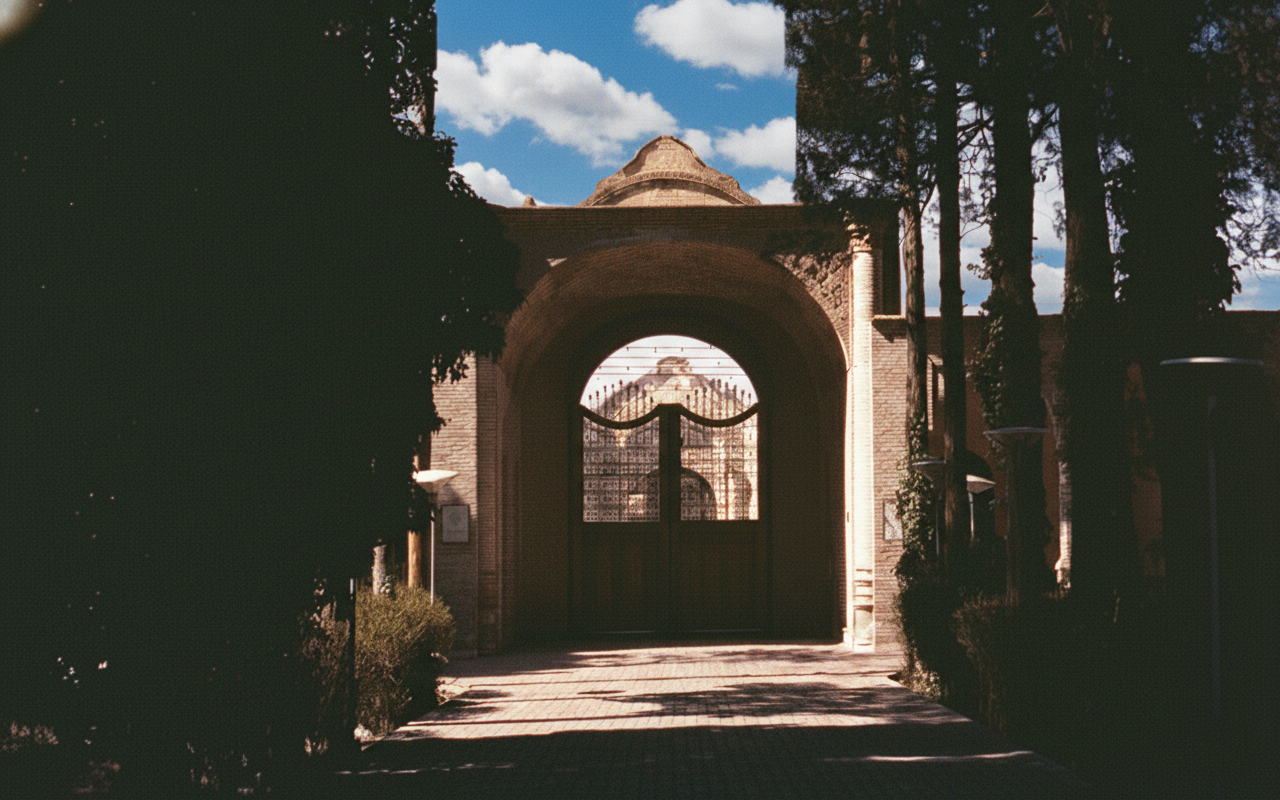
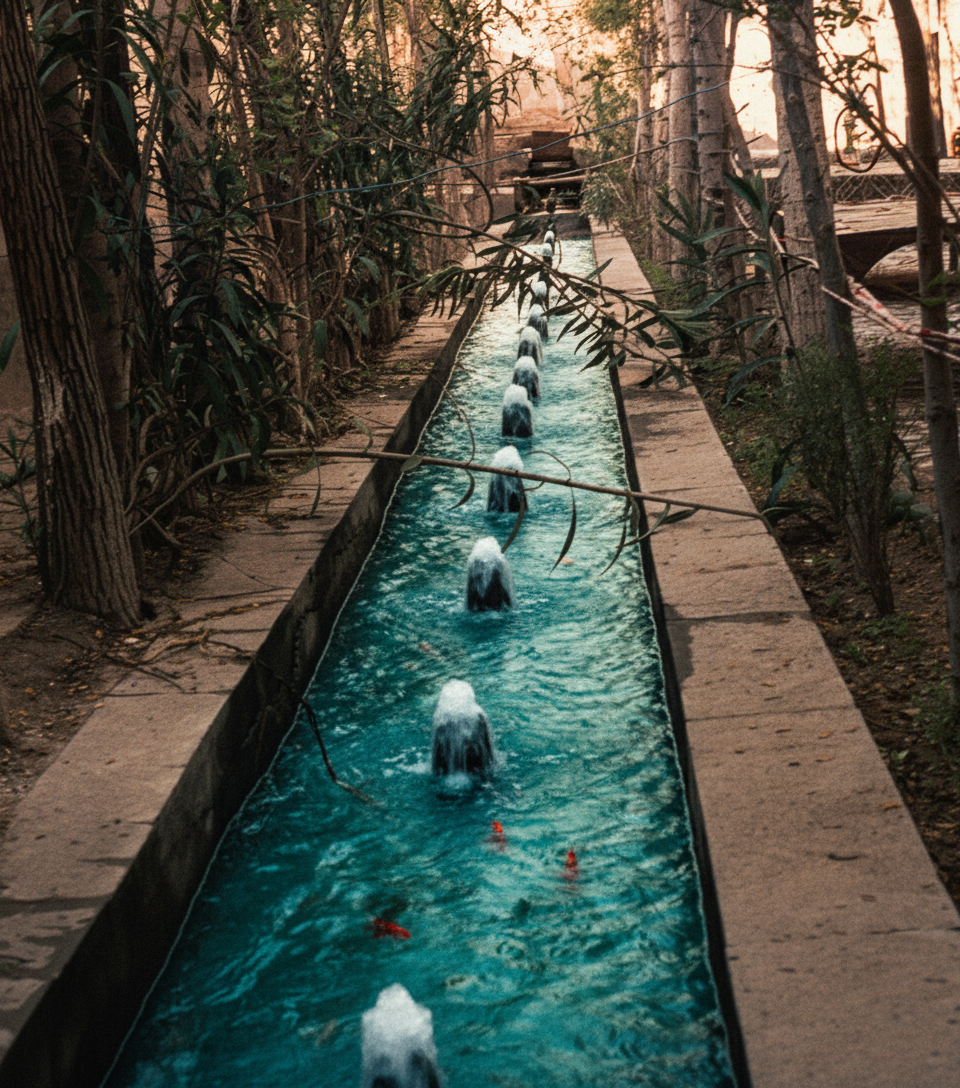
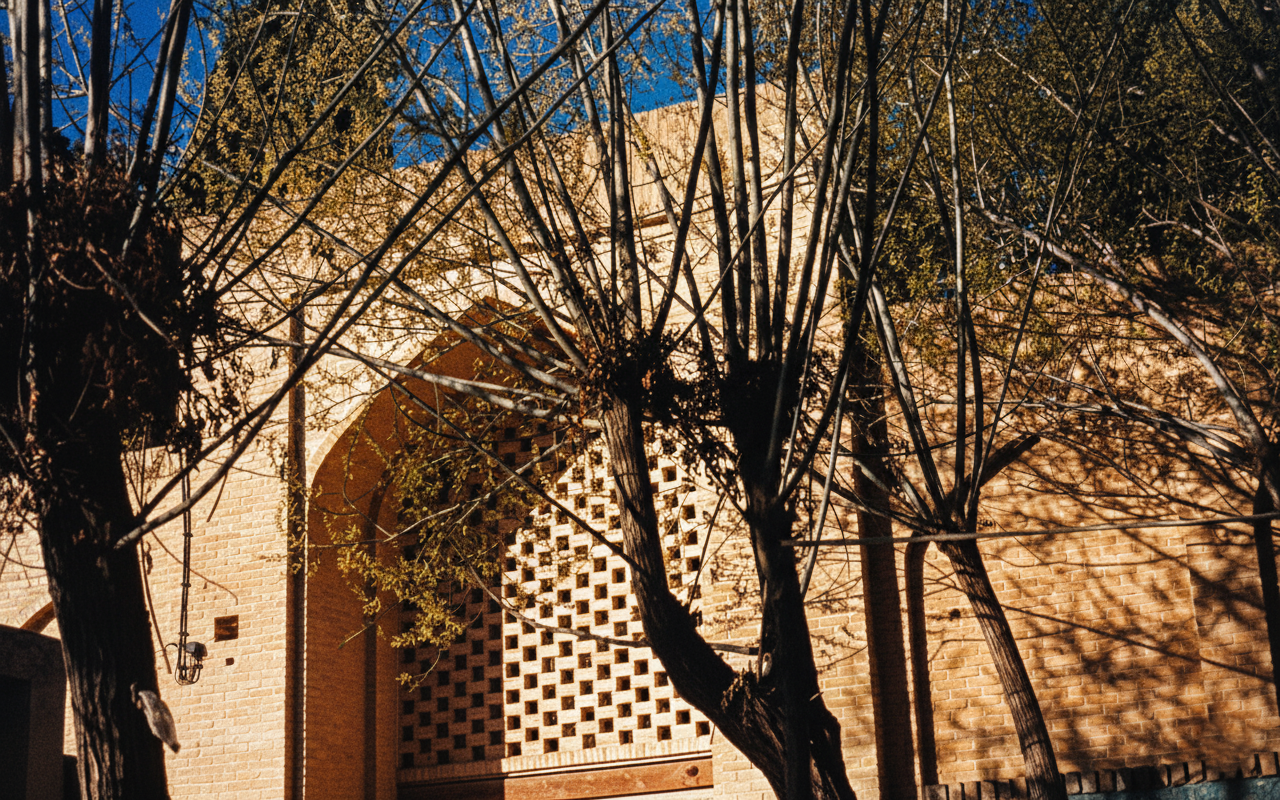
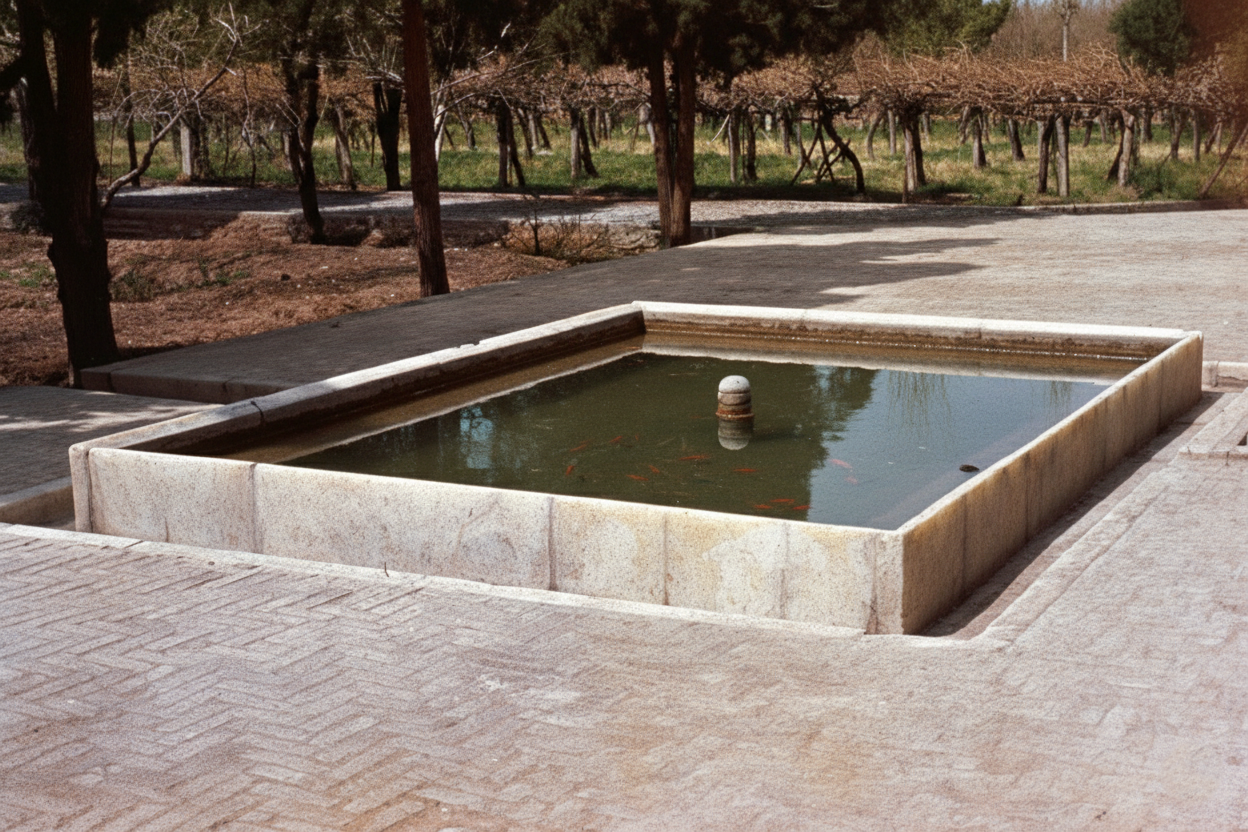
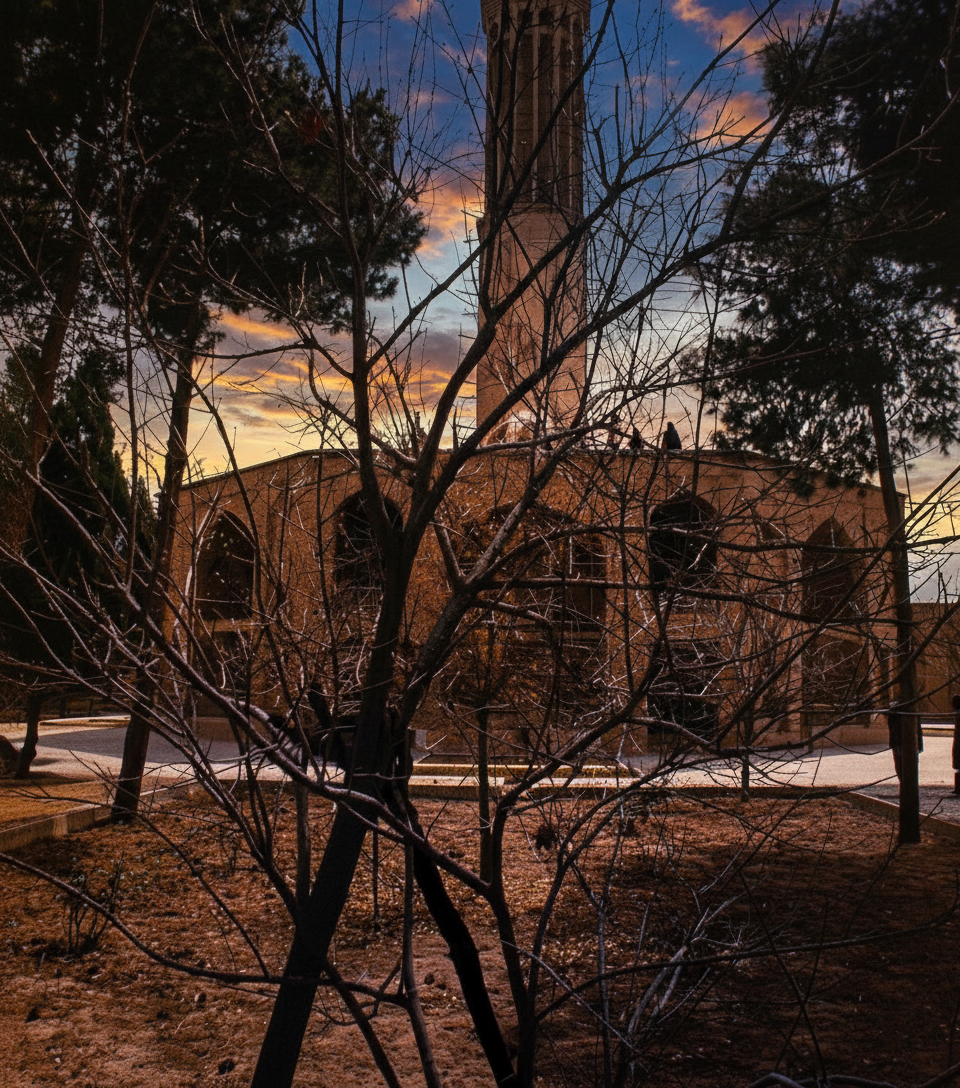
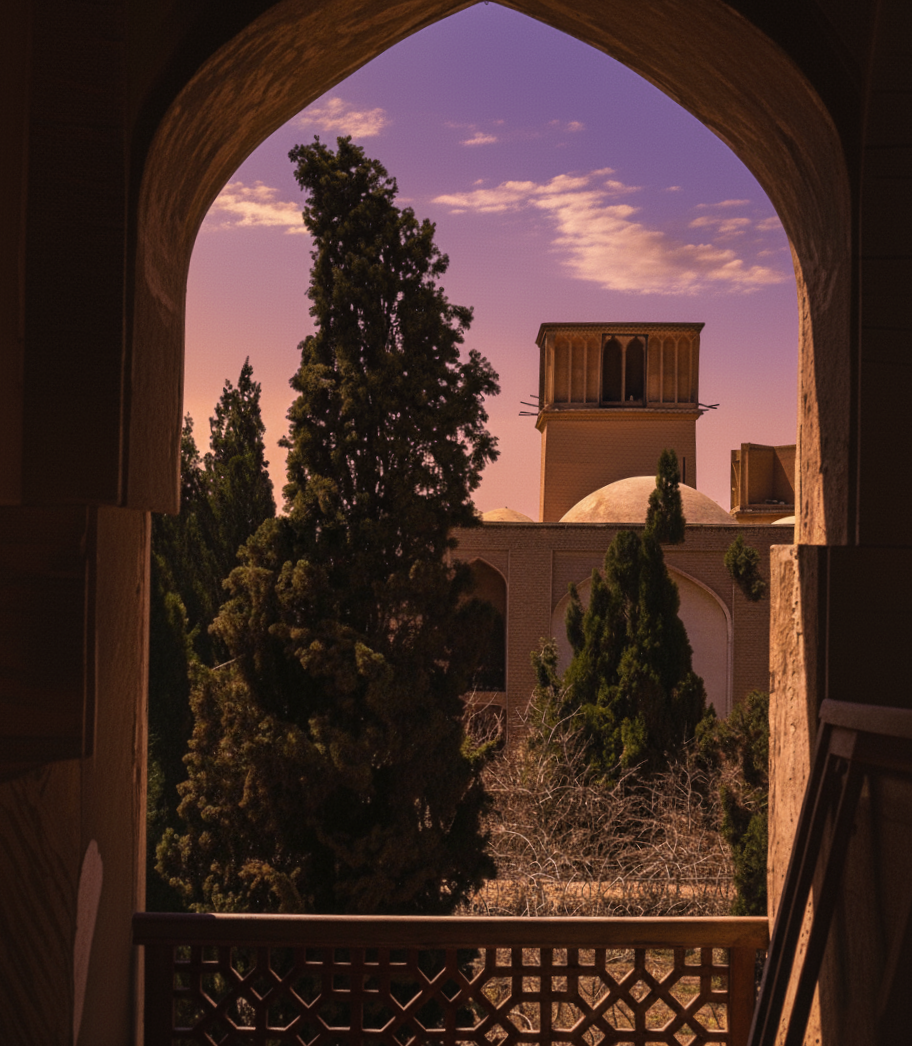
Bāgh-Shahr (باغشهر), or the garden city, reflects a vision of urbanism where landscape, water, and architecture form a unified climatic system. Through trees, qanāt-fed المياه channels, and shaded boulevards like Chahār Bāgh (چهارباغ), these cities cultivated cooler, more habitable environments. Integrating nature as infrastructure, Bāgh-Shahr transformed urban space into a living network of shade, moisture, and environmental balance.
-
Bāgh-Shahr (باغشهر): Garden Urbanism and Climatic Networks
(Urban / Macro-Scale Climatic Elements – بافت و عناصر اقلیمی شهری)
In traditional Iranian urbanism, Bāgh-Shahr—the garden city—represents a climatic model in which architecture, landscape, and infrastructure operate as a single environmental system. Rather than segregating nature from habitation, vegetation and water networks are woven directly into residential districts, allowing the city itself to function as a large-scale climatic moderator.
Climatically, trees, orchards, and cultivated gardens generate continuous shade and evapotranspiration, lowering ambient temperatures and increasing humidity across entire quarters. Water channels fed by qanāts distribute cool water through streets and gardens, enhancing evaporative cooling and stabilizing microclimates at the neighborhood scale. These systems temper heat, filter dust, and improve air quality, producing collective comfort that extends beyond individual buildings.
A central organizing principle of this urban ecology is the Chahār Bāgh (چهارباغ)—a quadripartite garden-and-boulevard structure defined by intersecting water rills and shaded walkways. At the urban scale, the Chahār Bāgh axis distributes greenery and water throughout the city, guiding movement through cooled corridors and linking districts via linear climatic oases. The alignment of trees, canals, and paths creates elongated zones of shade and airflow that moderate heat while supporting social life.
Iconic Persian gardens, such as Bāgh-e Eram (باغ ارم) and comparable royal and civic gardens, functioned not merely as aesthetic compositions but as urban lungs. Through axial planting, reflective pools, and carefully proportioned shade, these gardens cooled surrounding areas and served as thermal reservoirs within the broader urban fabric. Their climatic influence extended beyond their walls, reinforcing neighborhood-scale comfort.
Historically, this garden-based urbanism shaped cities such as Isfahan, Shiraz, and Kashan, in which boulevards, gardens, and qanāt networks structured urban growth and daily life. Residential quarters, public spaces, and landscapes were integrated into a continuous environmental framework rather than treated as separate systems.
Theoretically, Bāgh-Shahr exemplifies a climate-conscious urbanism in which nature functions as infrastructure. Cooling, shading, and humidification are provided by distributed ecological systems rather than centralized technologies. In traditional Iranian architecture, the garden city is not an ornamental ideal but a pragmatic environmental strategy—demonstrating how urban comfort and resilience arise from the calibrated orchestration of water, vegetation, and form at the scale of the city itself.
