Āb-Anbār (آبانبار): Subterranean Storage, Cooling, and Urban Resilience
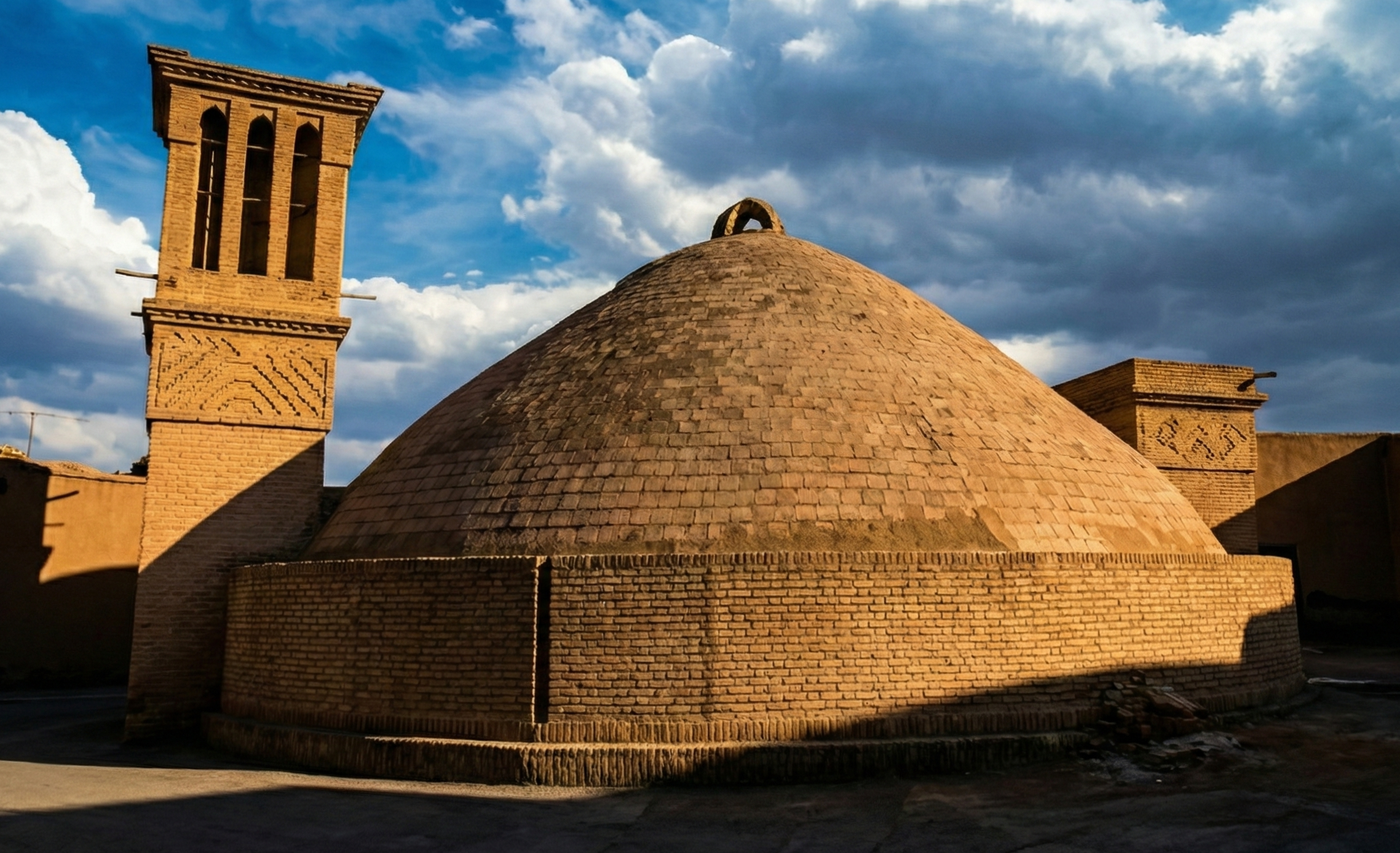
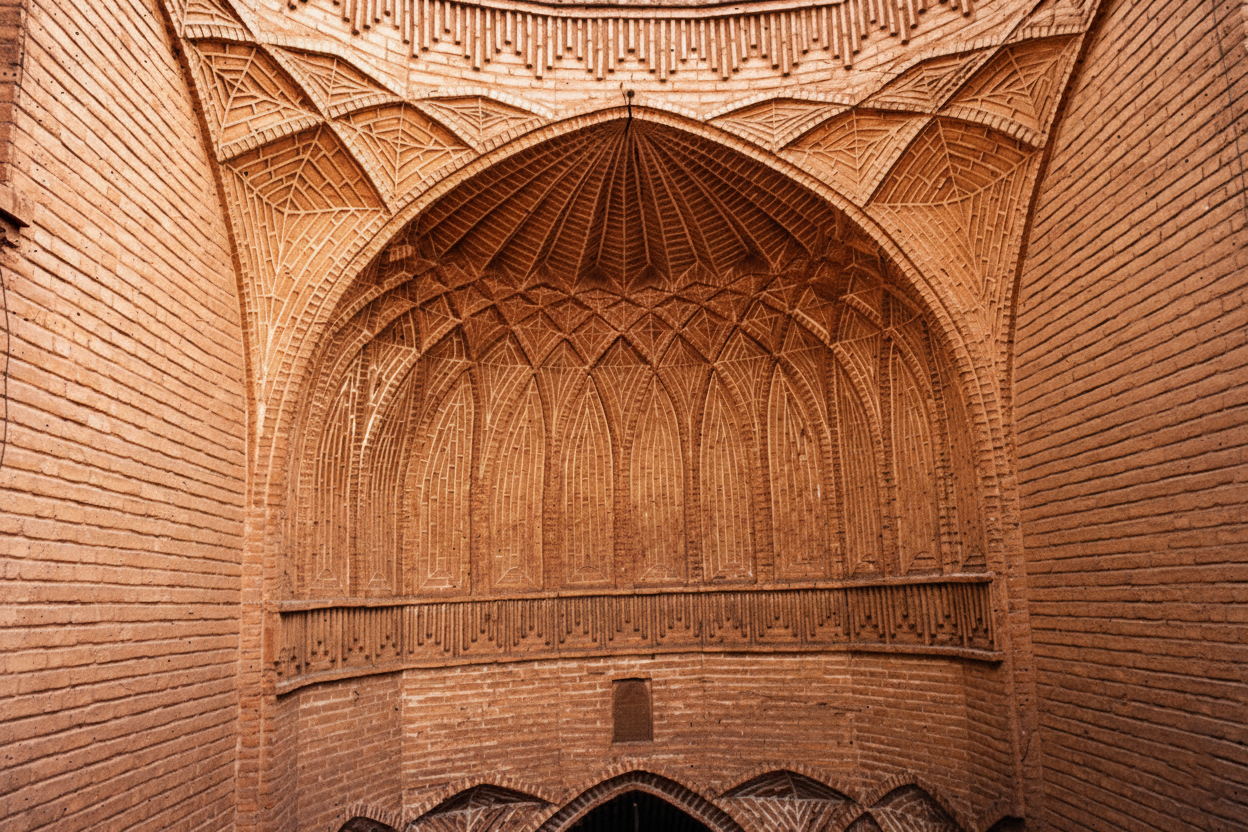
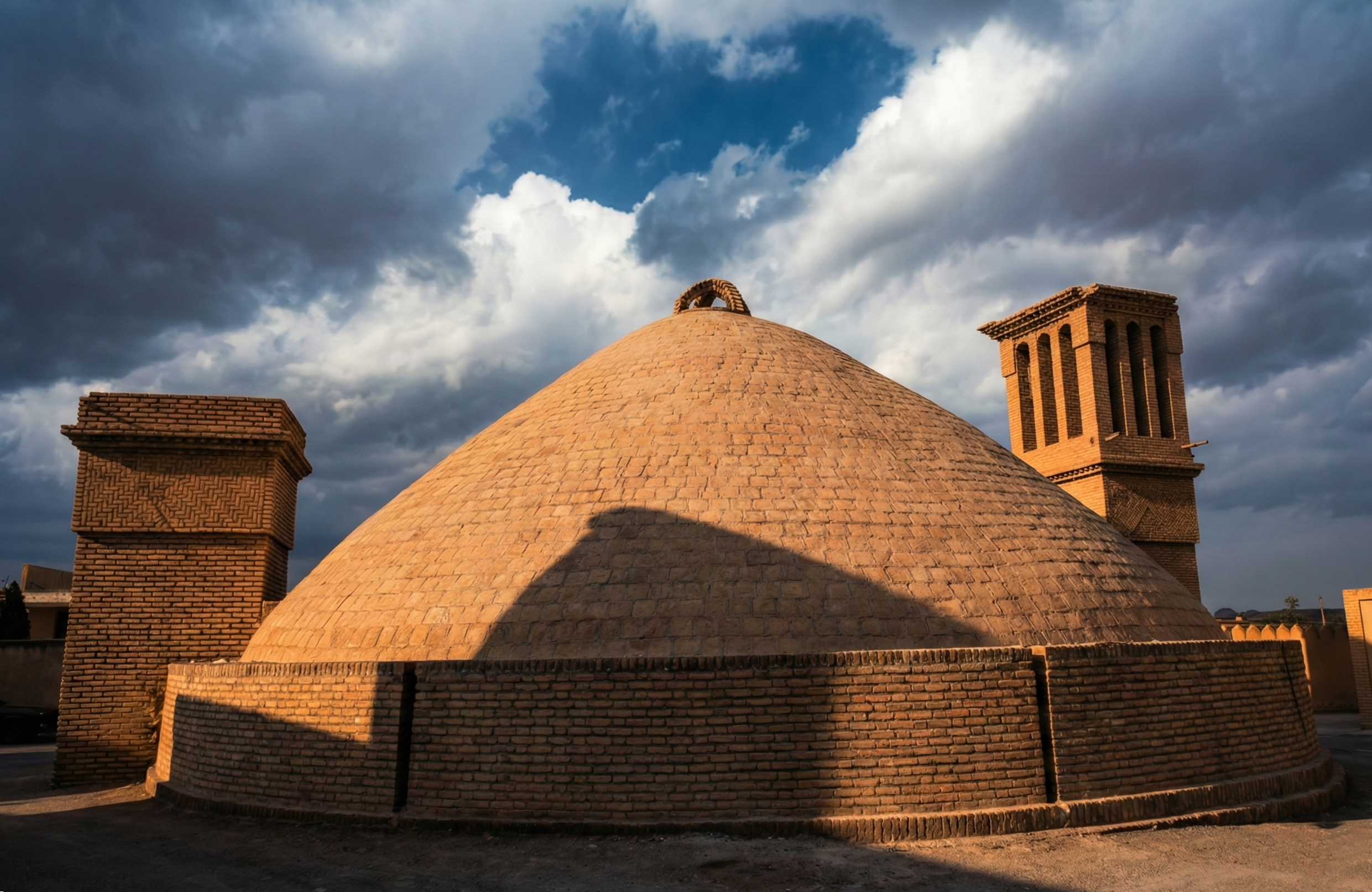
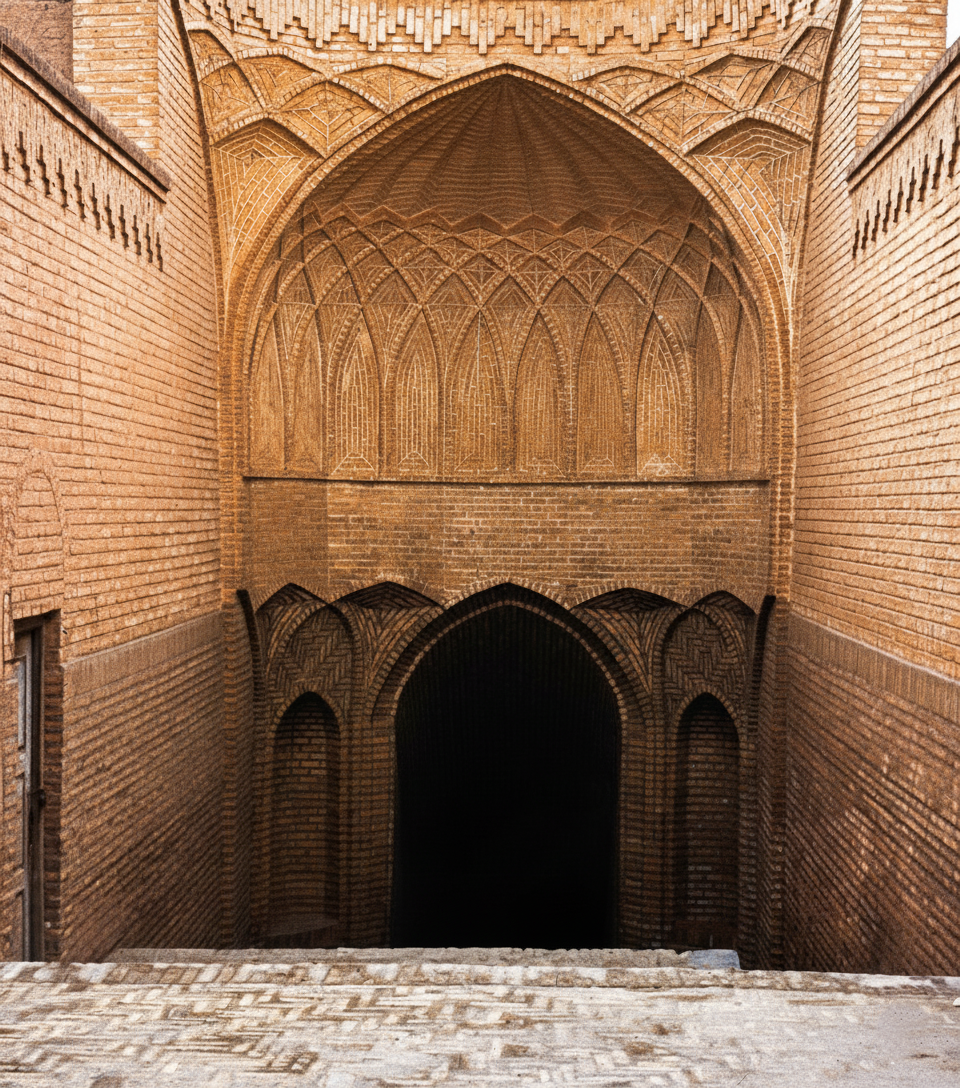
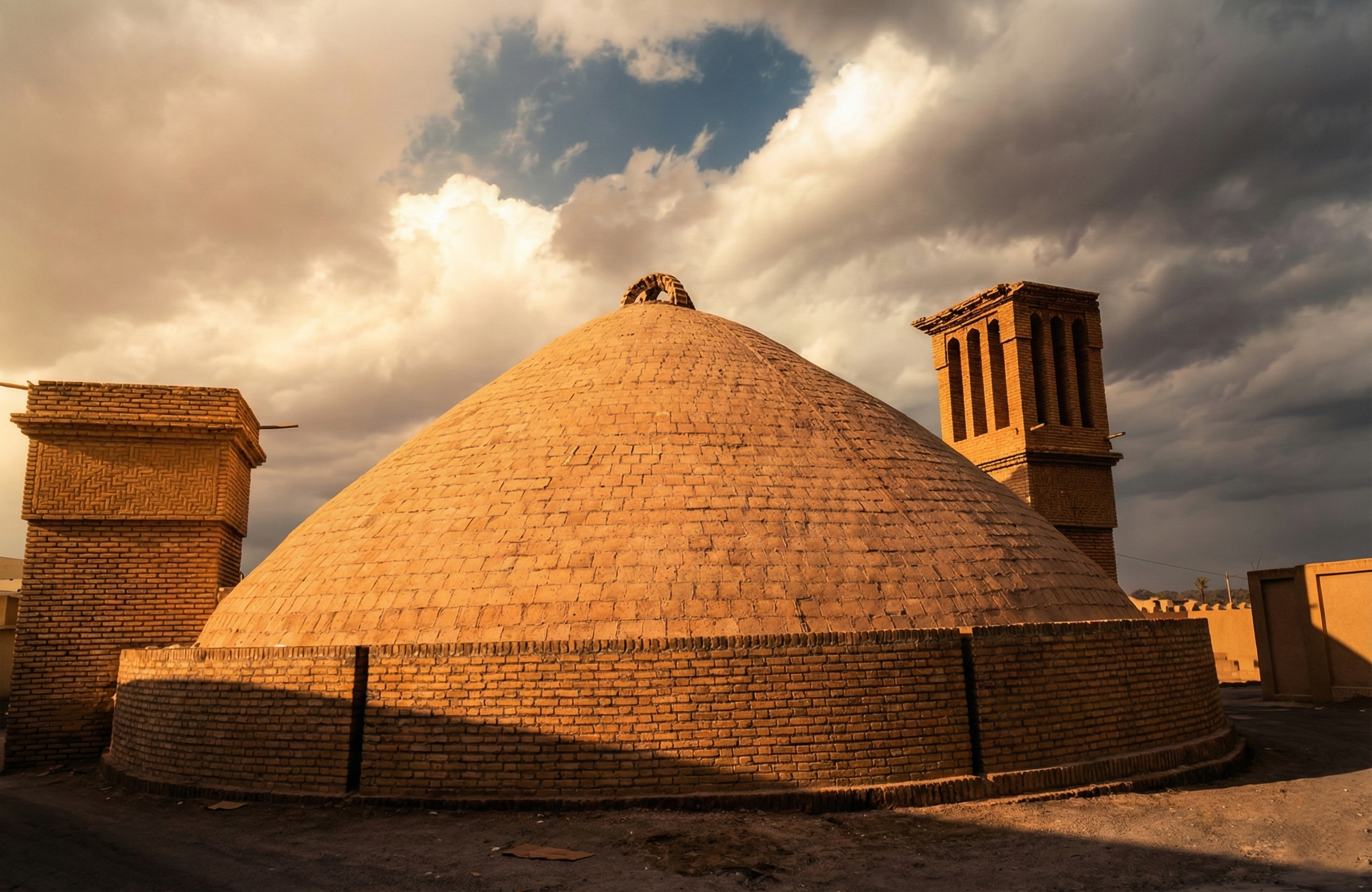
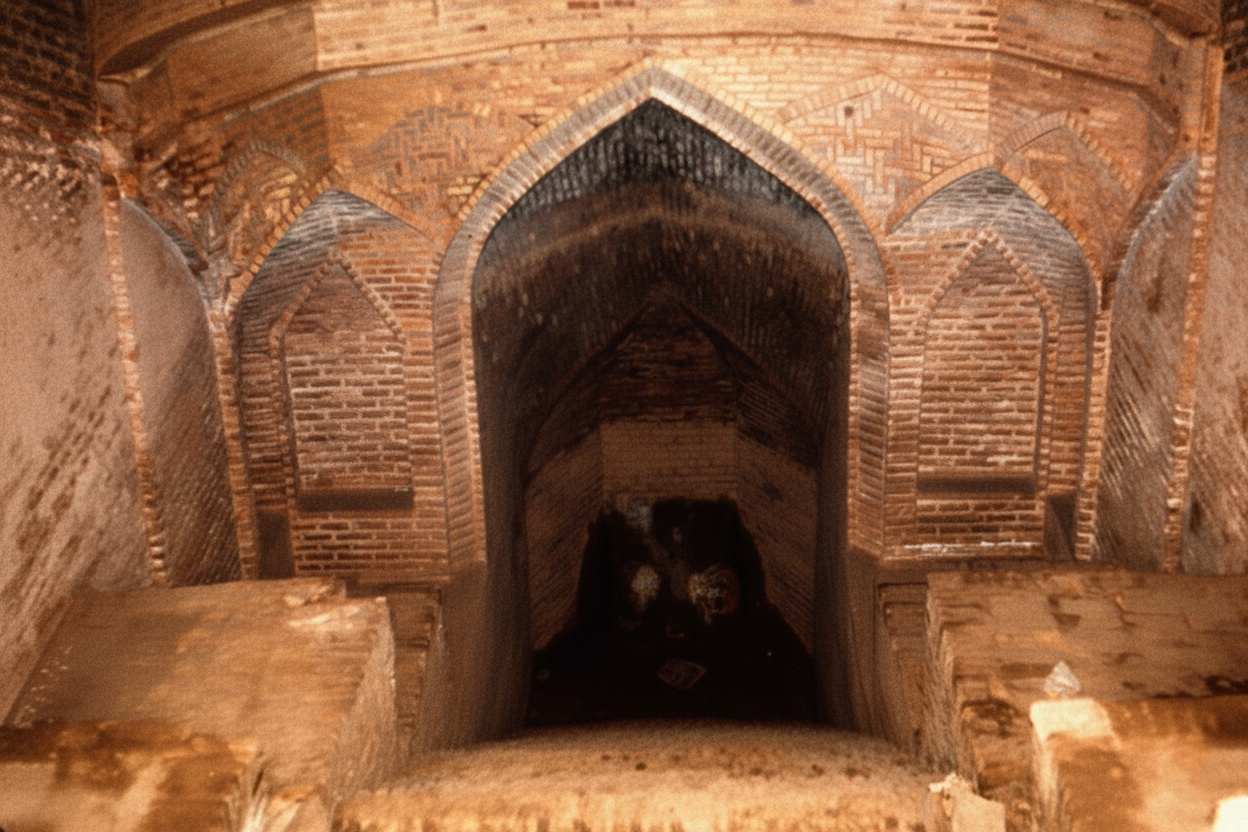
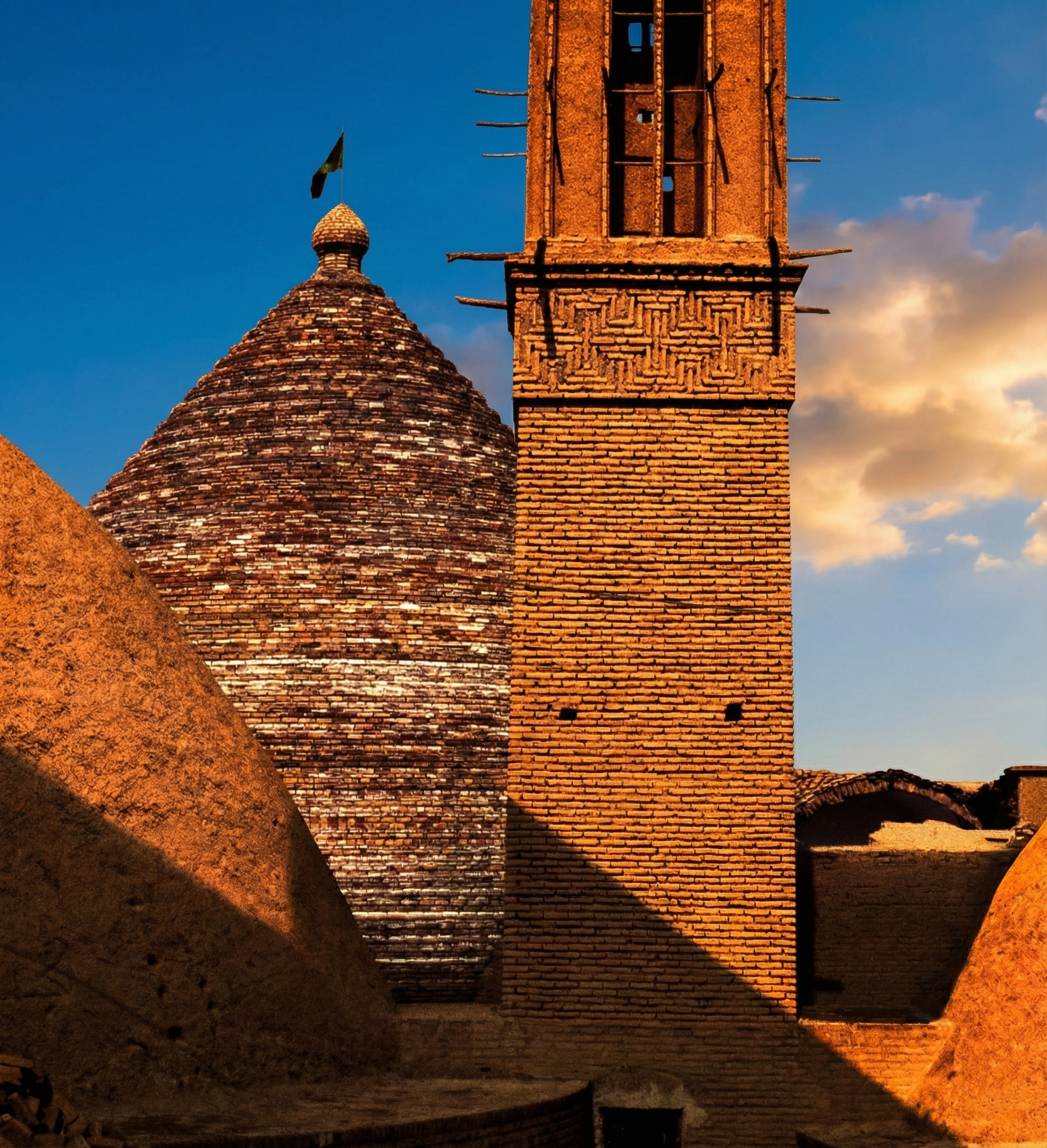
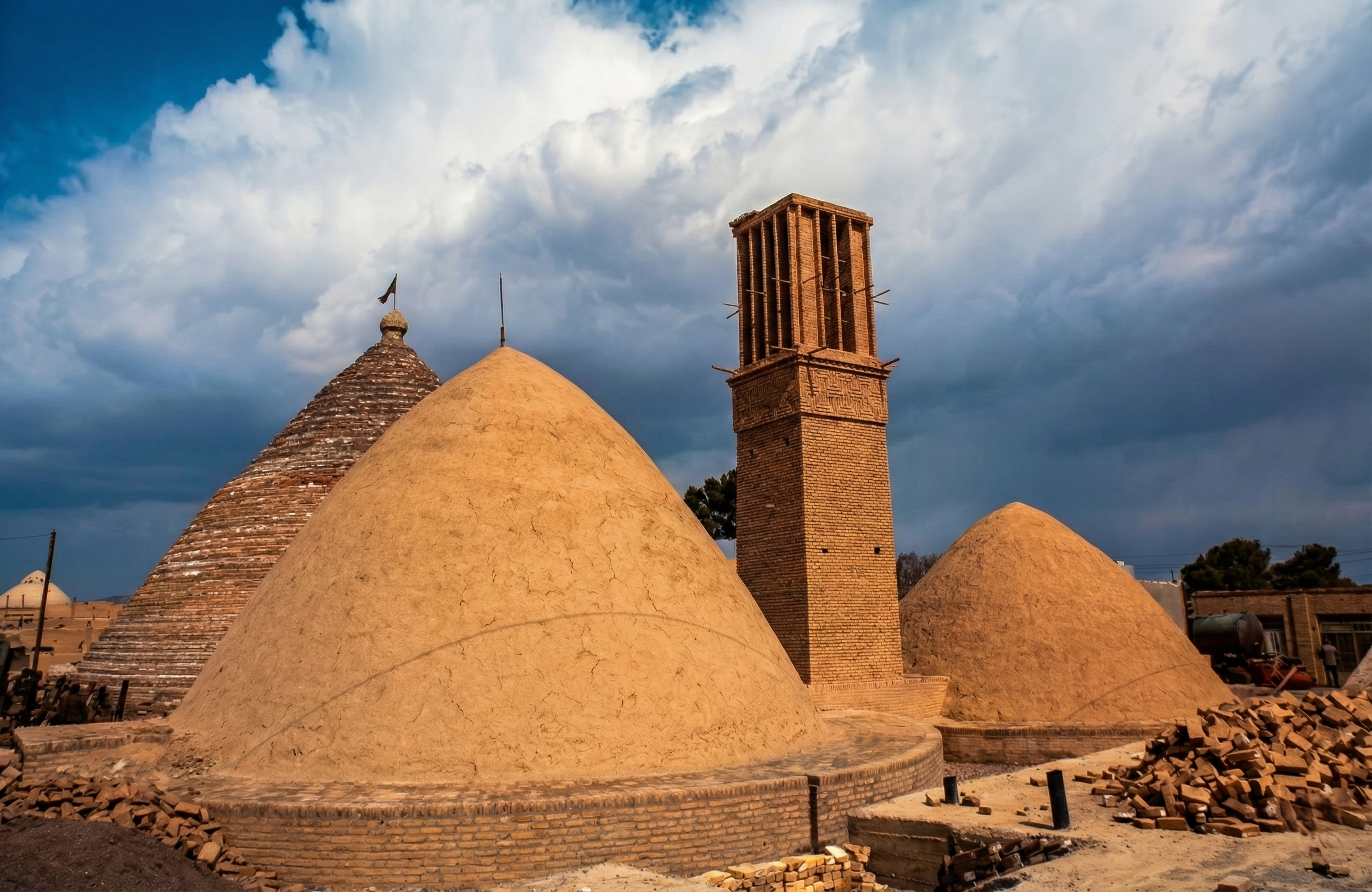
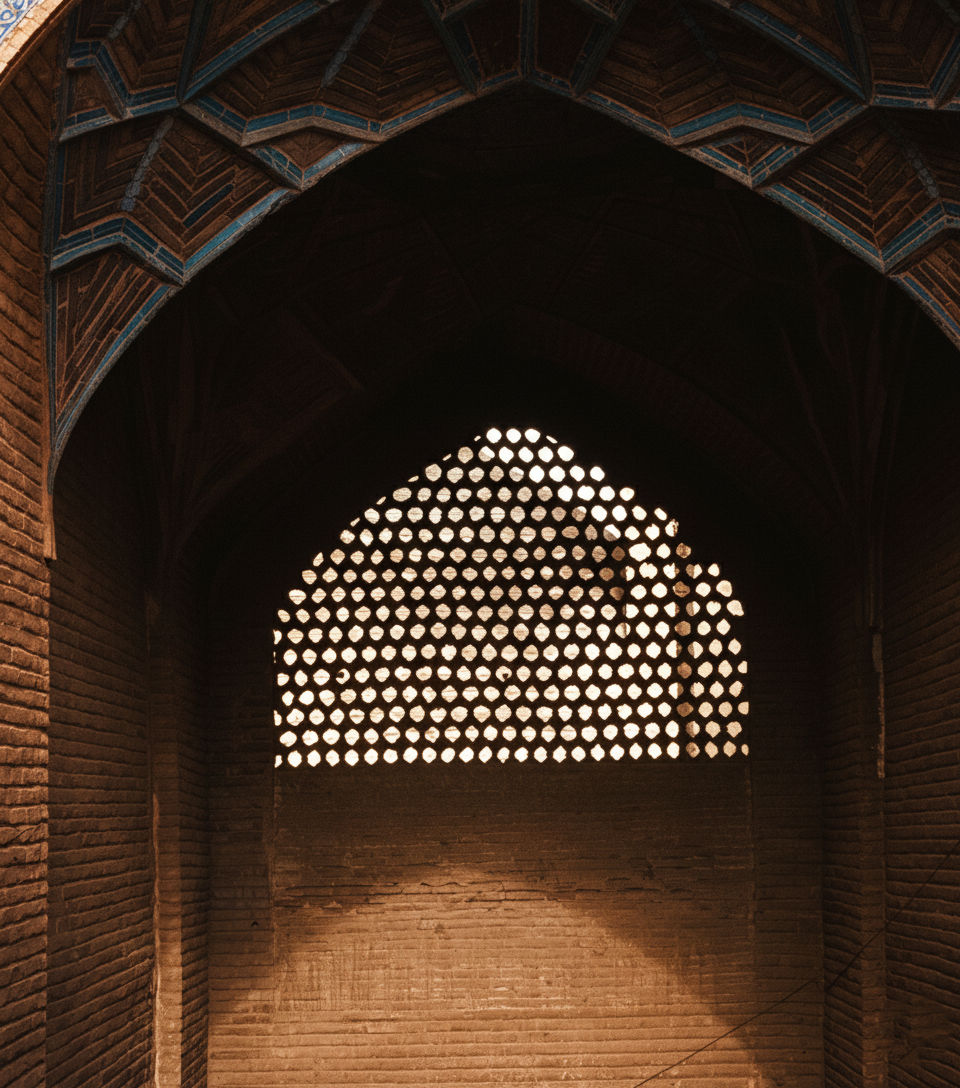
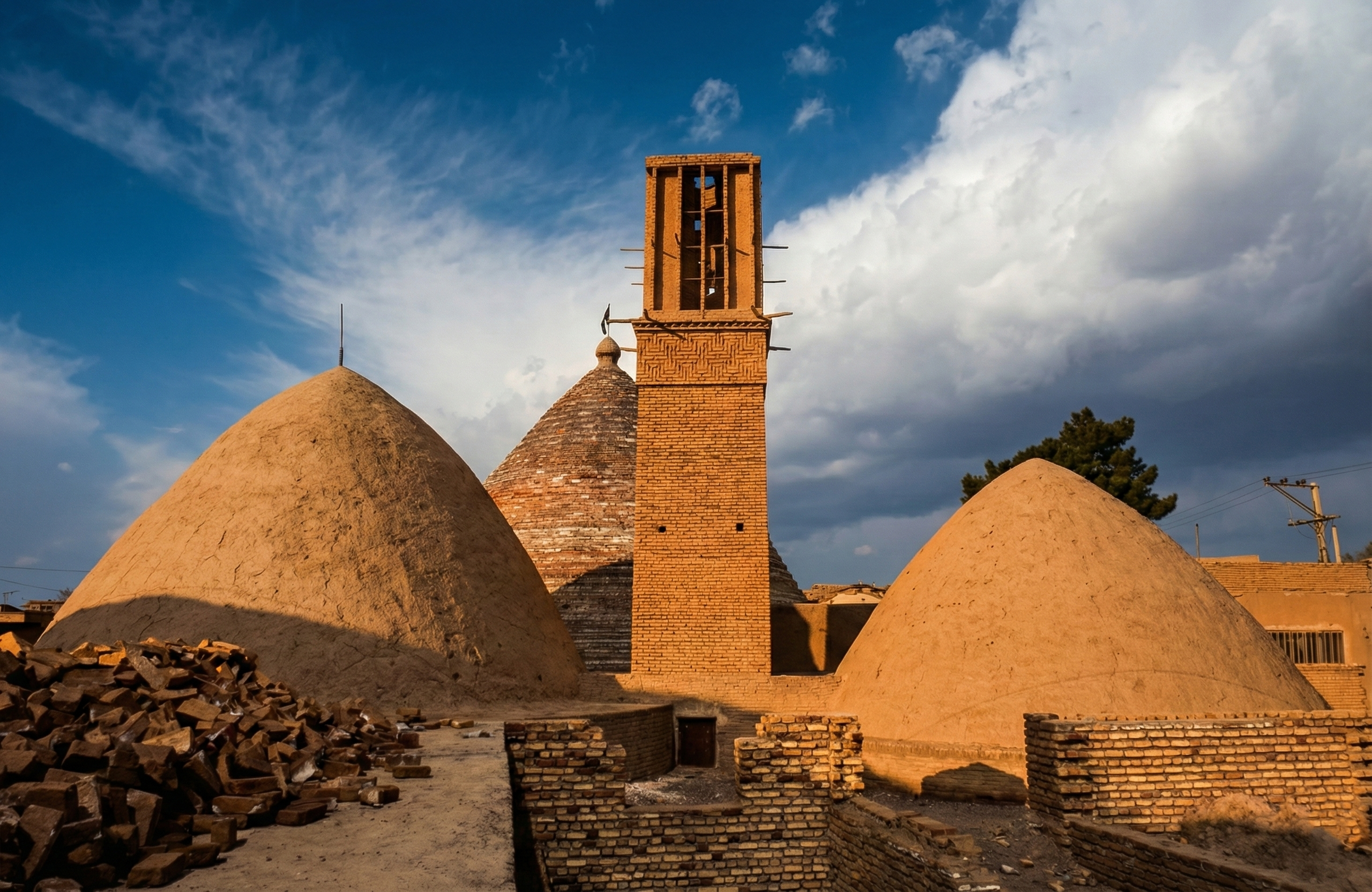
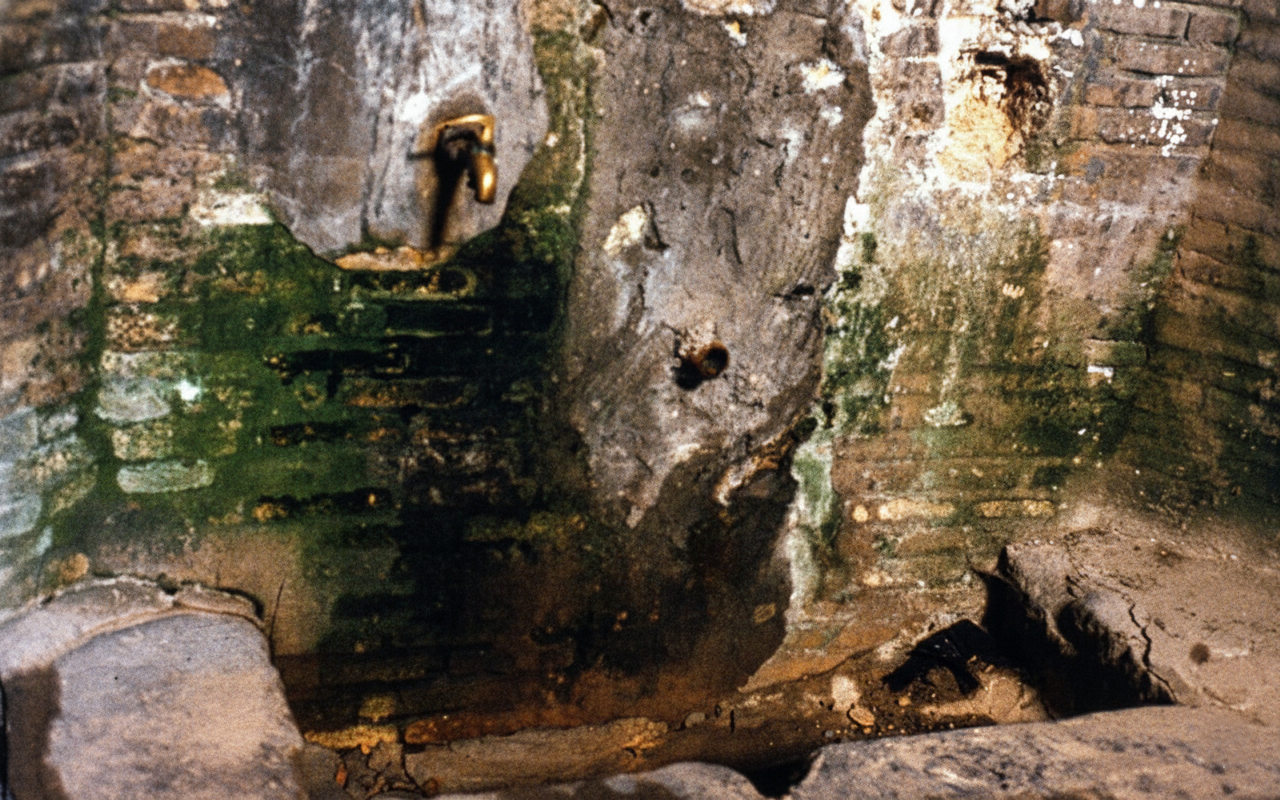
Āb-Anbār (آبانبار), the traditional subterranean water reservoir of Iranian cities, functioned as both infrastructure and climatic device. Built below ground and often paired with windcatchers (بادگیر), it kept water cool while promoting air circulation and hygiene. Integrated into public life, it ensured year-round water access and thermal comfort, embodying a refined system of collective resilience through climate-responsive design.
-
Āb-Anbār (آبانبار): Subterranean Storage, Cooling, and Urban Resilience
(Urban / Macro-Scale Climatic Elements – بافت و عناصر اقلیمی شهری)
In traditional Iranian urbanism, the Āb-Anbār operates as both vital infrastructure and a climatic–environmental device embedded within the neighborhood fabric. These large subterranean cisterns ensured a reliable year-round supply of potable water while contributing to collective thermal comfort and public health in arid climates.
Climatically, the below-grade placement of the Āb-Anbār exploits the earth’s thermal stability to maintain cool, constant water temperatures. Many cisterns are paired with Bādgir (بادگیر) towers, which induce controlled air circulation across the water surface. This airflow enhances convective and evaporative cooling, expelling warm air upward while drawing cooler air downward. The result is not only cooled drinking water but also localized pockets of cooler air around the structure, subtly moderating the microclimate of adjacent streets and gathering spaces.
Beyond cooling, this air circulation plays an important environmental and hygienic role. By preventing heat buildup and stagnant air within the cistern chamber, Bādgir-driven ventilation suppresses conditions favorable to algae growth, anaerobic bacteria, and odor-producing microorganisms. While it does not sterilize the water, the system significantly reduces biological activity by maintaining low temperatures, regulating humidity, and avoiding sealed, stagnant environments. When combined with darkness, thick masonry walls, restricted access, and impermeable linings such as sārūj, the Āb-Anbār becomes a passive water-preservation system grounded in architectural intelligence rather than chemical treatment.
Architecturally, Āb-Anbārs are integrated into public life through domed roofs, shaded stairways, and carefully designed access points. Positioned near mosques, bazaars, or neighborhood nodes, they function as civic anchors—places where infrastructure, climate moderation, and social interaction intersect.
Historically prevalent in cities such as Yazd, Kashan, Qazvin, and Isfahan, Āb-Anbārs were aligned with qanāt networks and embedded within dense urban fabrics. Their presence ensured water security, thermal relief, and hygienic stability within walking distance of residential quarters.
Theoretically, the Āb-Anbār exemplifies a climate-conscious urbanism rooted in storage, moderation, and prevention rather than consumption and correction. By shaping temperature, airflow, and environmental conditions, architecture itself safeguards water quality and collective comfort. In traditional Iranian architecture, the Āb-Anbār demonstrates how infrastructure becomes an agent of the environment—transforming water, air, and earth into a unified system of urban resilience.
