Yakhchāl (یخچال): Communal Cold Storage and Urban Thermal Engineering
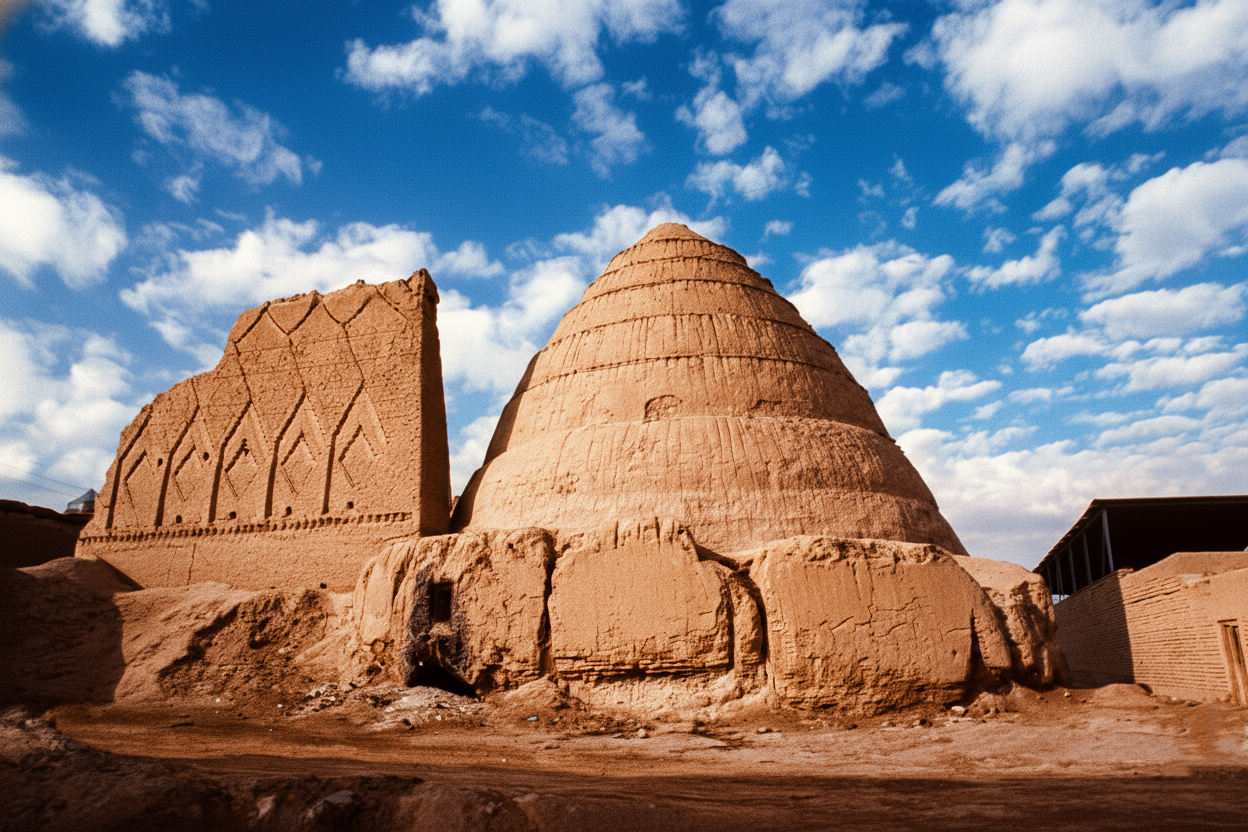

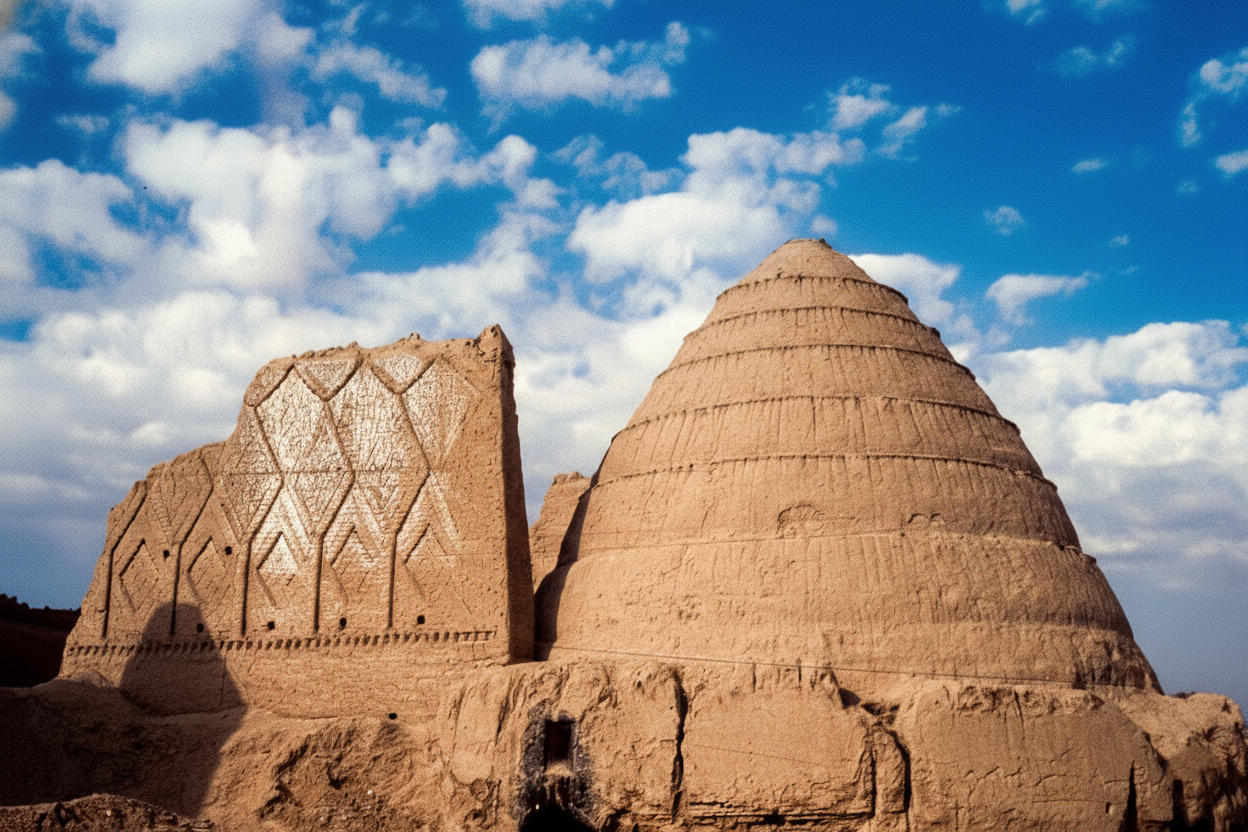
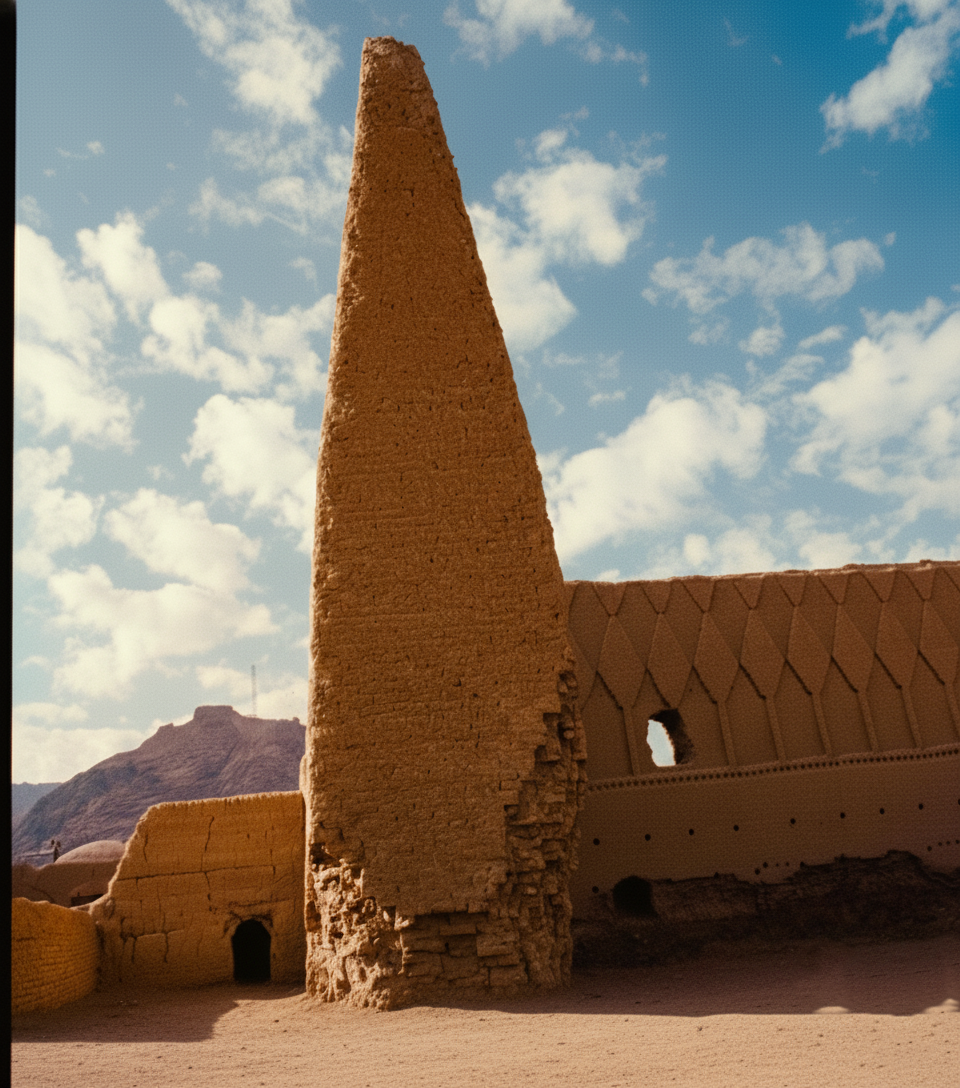
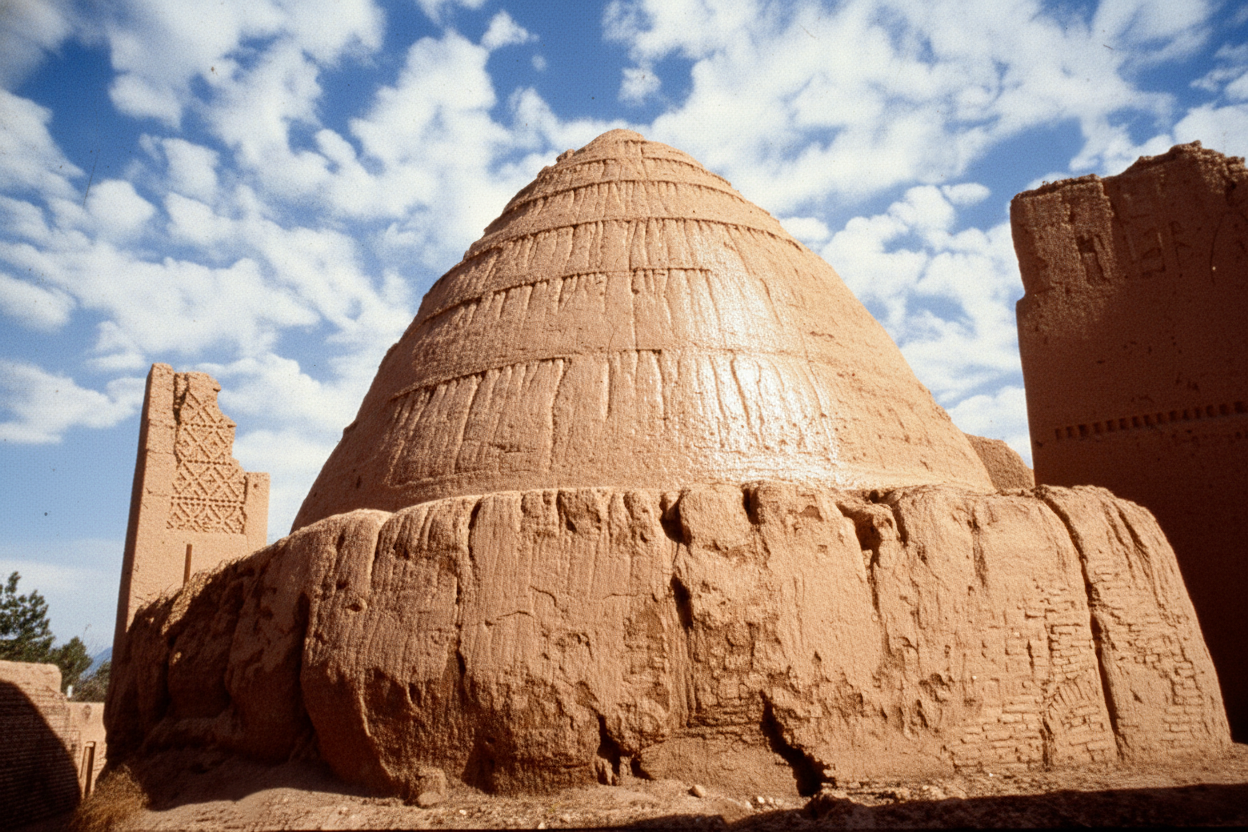

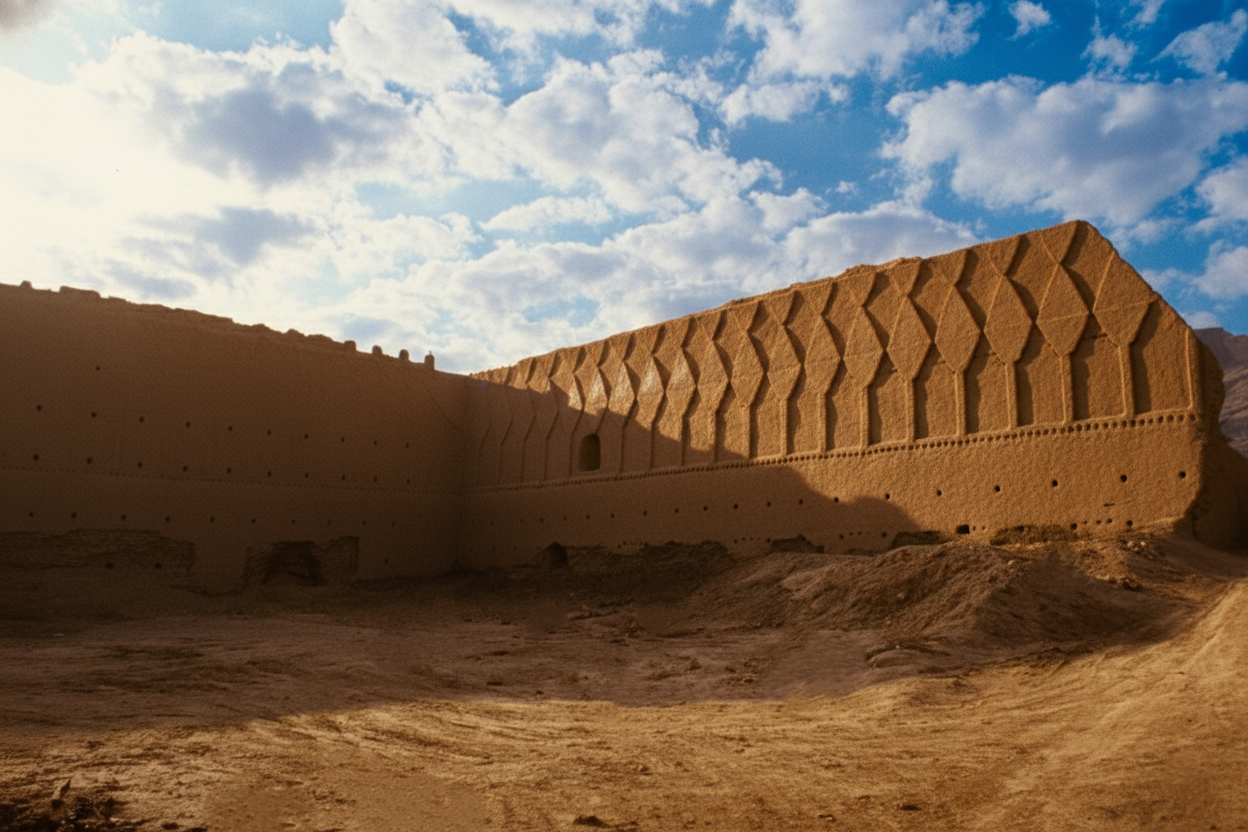
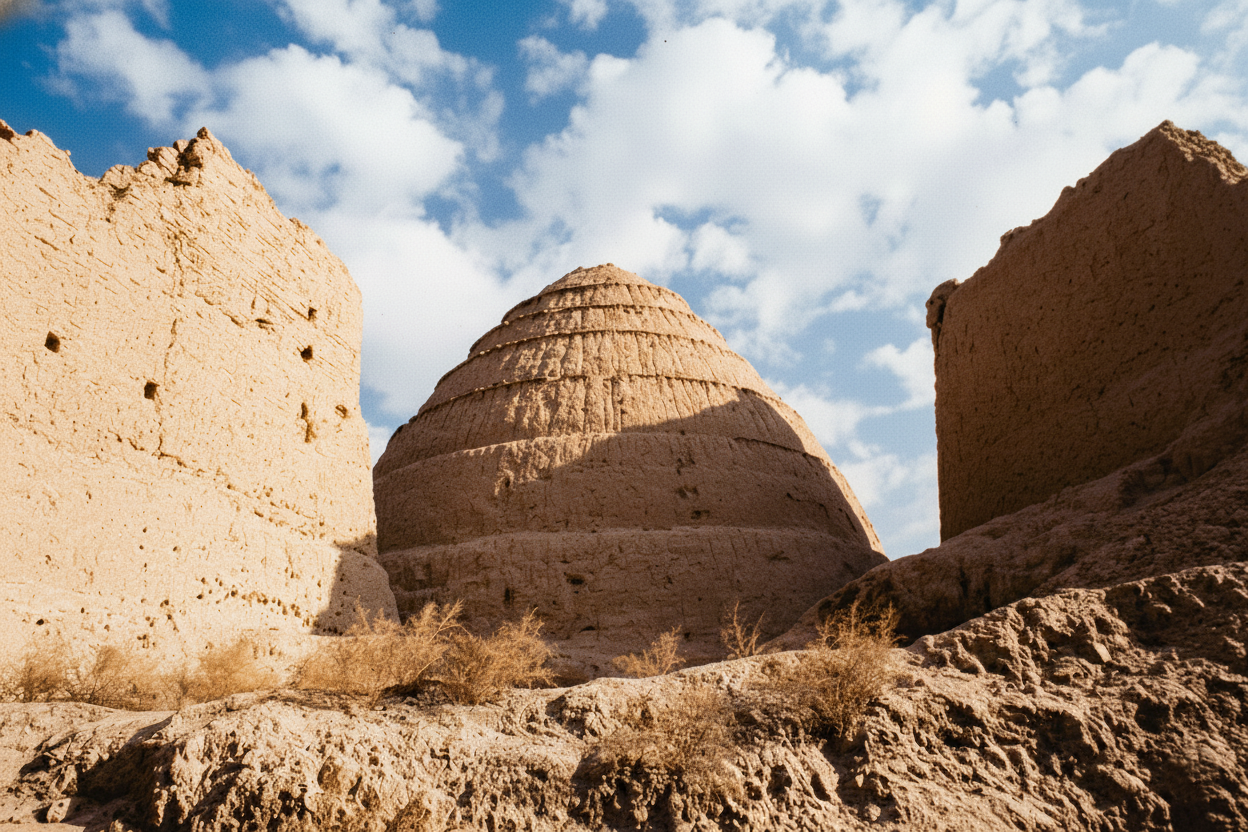
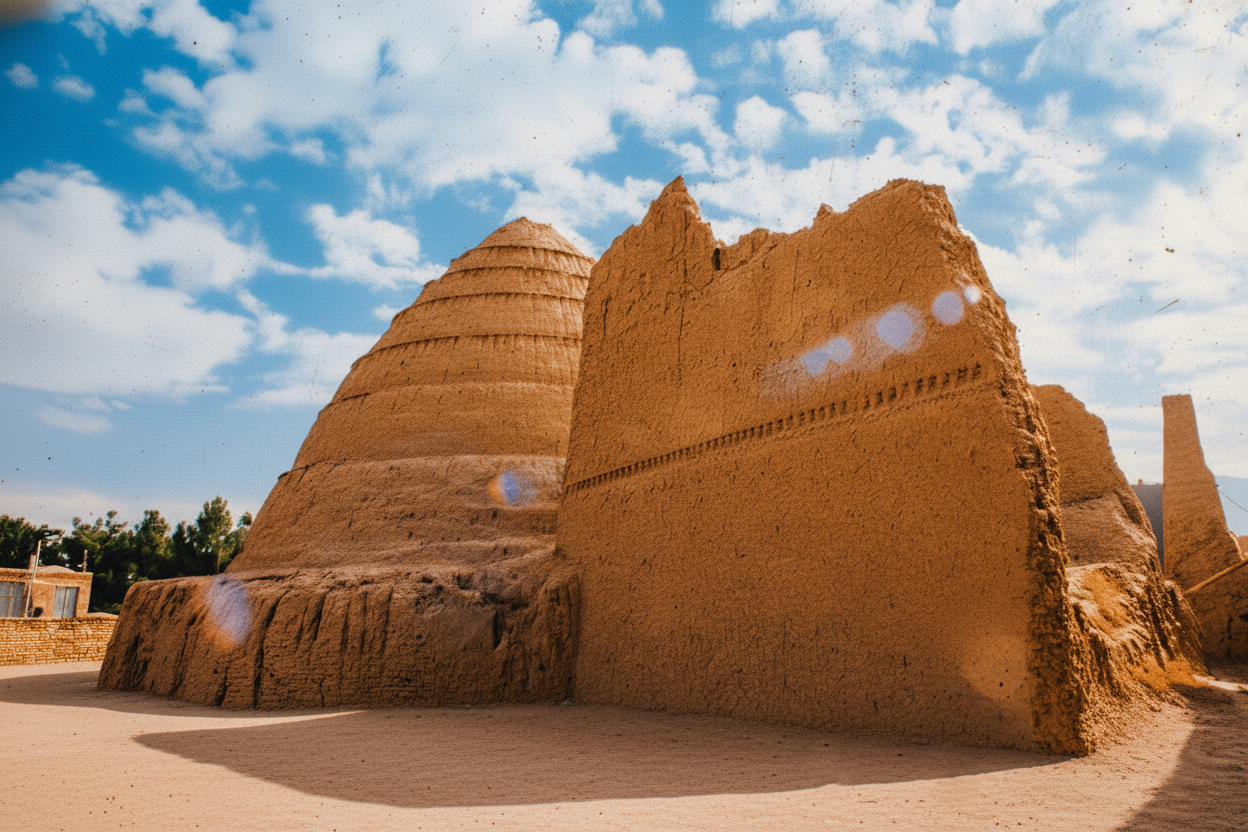
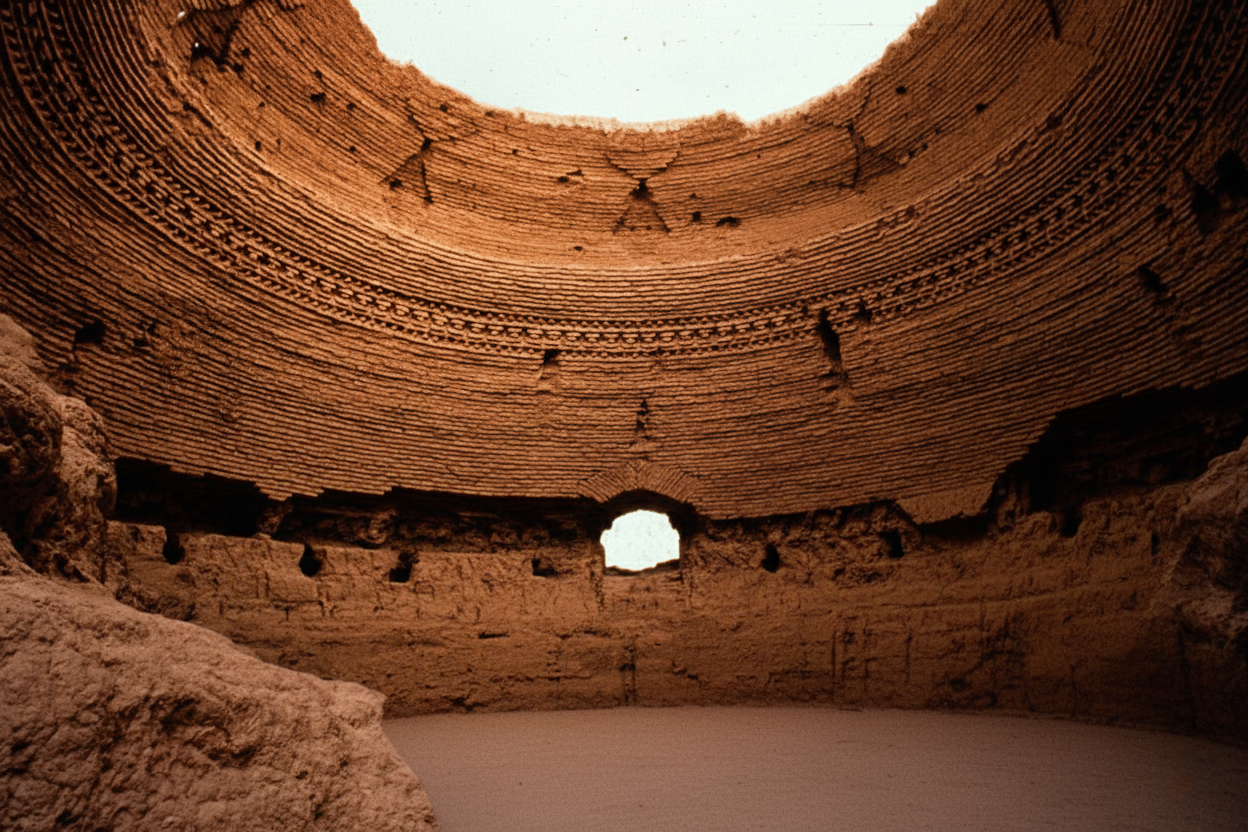
Yakhchāl (یخچال), a remarkable invention of traditional Iranian architecture, served as a communal system for ice storage and cooling. With thick earthen walls, domed forms, and deep subterranean chambers, it preserved winter ice through intense summer heat. More than a structure, the Yakhchāl embodied collective ingenuity—transforming climate into a resource and sustaining urban life through passive, climate-responsive design.
-
Yakhchāl (یخچال): Communal Cold Storage and Urban Thermal Engineering
(Urban / Macro-Scale Climatic Elements – بافت و عناصر اقلیمی شهری)
The Yakhchāl is one of the most striking examples of climatic engineering in traditional Iranian architecture, functioning as a monumental system for ice production, preservation, and urban cooling. Constructed as large, domed mud-brick structures with deep subterranean pits, Yakhchāls enabled communities to store winter ice and preserve it through the hottest months, transforming seasonal cold into a shared urban resource.
Climatically, the Yakhchāl operates through a combination of thermal mass, insulation, geometry, and subterranean depth. Its thick earthen walls—often exceeding several meters in thickness—provide exceptional insulation, dramatically slowing heat transfer. The domed form minimizes exposed surface area while promoting self-shading, reducing solar gain throughout the day. Beneath the dome, deep pits exploit the earth’s stable temperatures, maintaining cold conditions long after external temperatures rise.
Ice was produced in adjacent shallow freezing pools during winter nights, often shaded by tall walls that blocked daytime sun while allowing nocturnal radiative cooling. Once formed, ice was transferred into the Yakhchāl and layered with insulating materials. The stored cold mass not only preserved ice but also created localized zones of cooler air around the structure, subtly influencing the microclimate of nearby streets and gathering spaces.
Historically, Yakhchāls were located at the periphery of towns or along public routes, serving both practical and civic functions. They supplied ice for food preservation, medicine, and comfort, supporting markets, households, and public institutions. As communal infrastructures, they embodied a collective approach to climate adaptation, where thermal comfort and resource management were achieved through shared architectural systems rather than individual technologies.
Theoretically, the Yakhchāl exemplifies a climate-conscious urbanism rooted in seasonal storage and communal resilience. It demonstrates how architecture can capture, conserve, and redistribute thermal energy across time, turning extreme climate conditions into opportunities rather than liabilities. In traditional Iranian architecture, the Yakhchāl stands as a powerful reminder that urban comfort can be sustained through material intelligence, geometric precision, and collective environmental stewardship—long before the advent of mechanical refrigeration.
