Darvāzeh (دروازه): Urban Thresholds
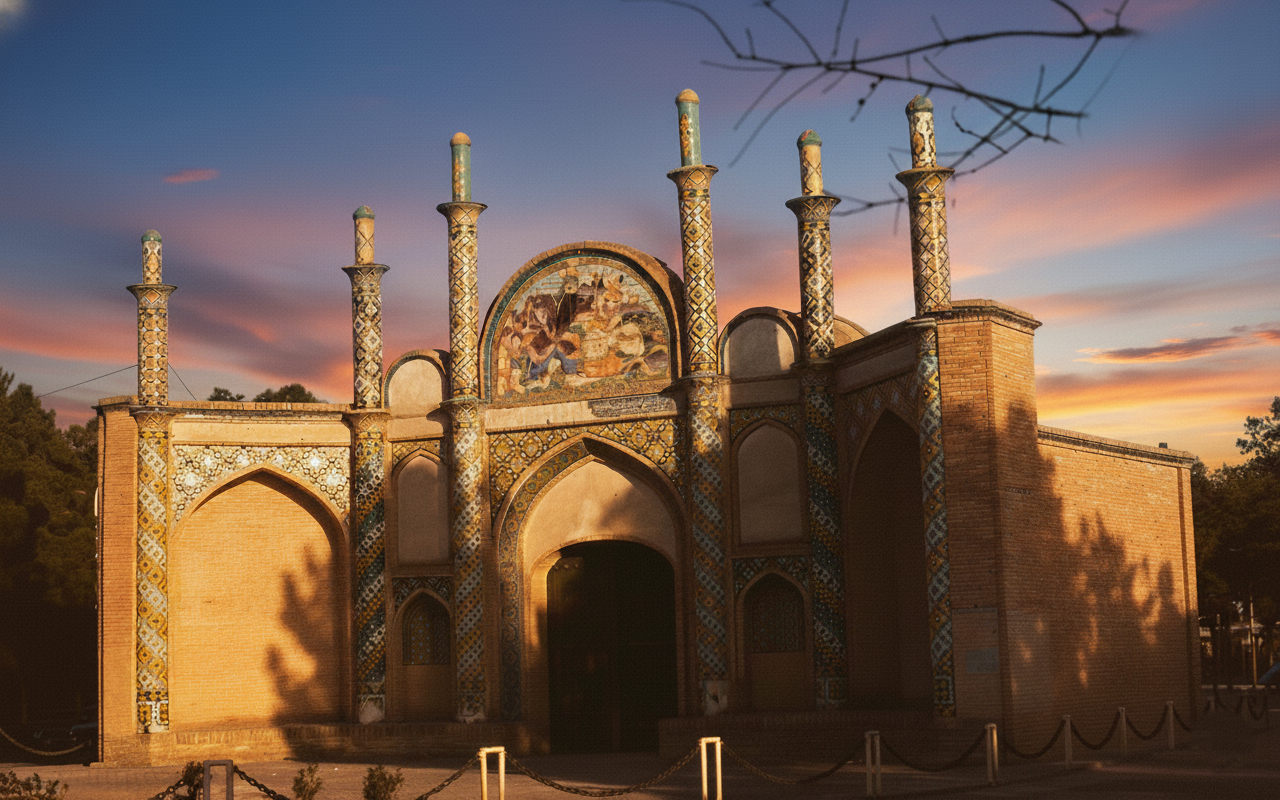
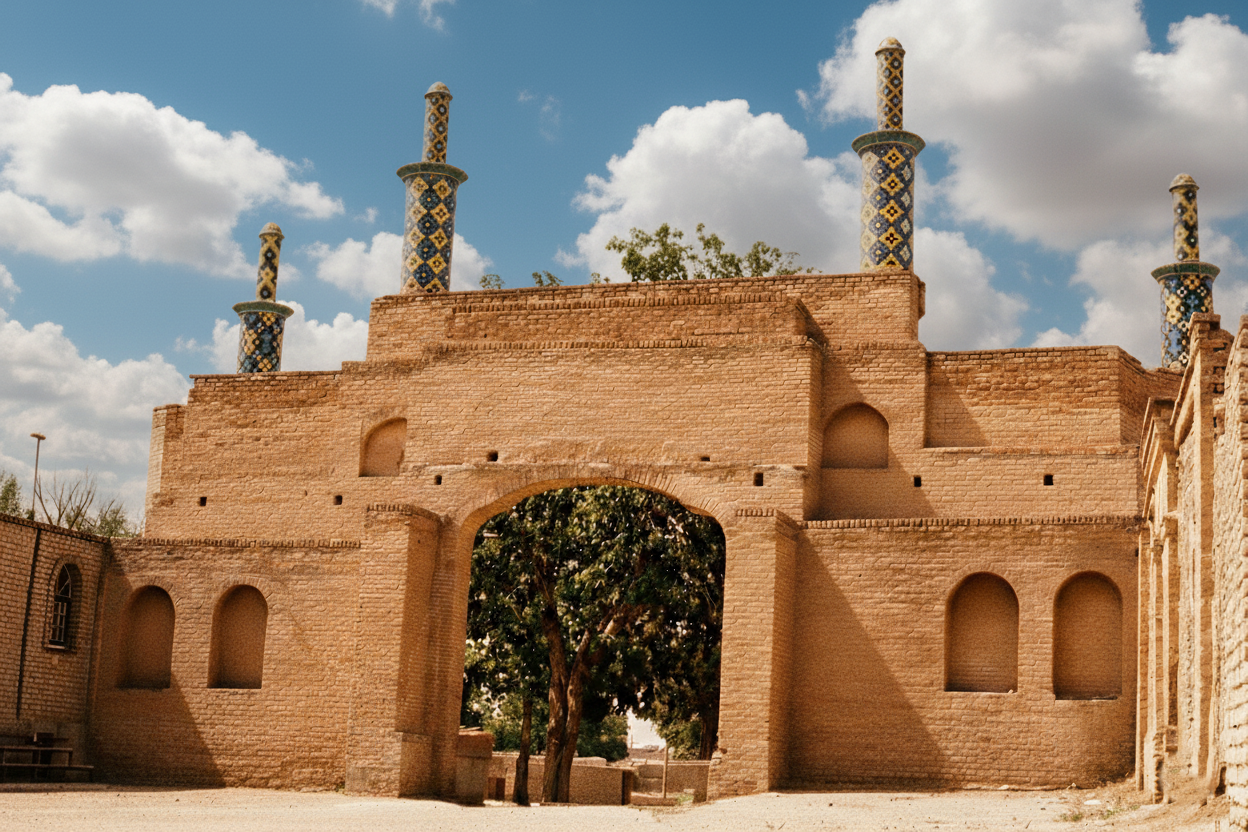
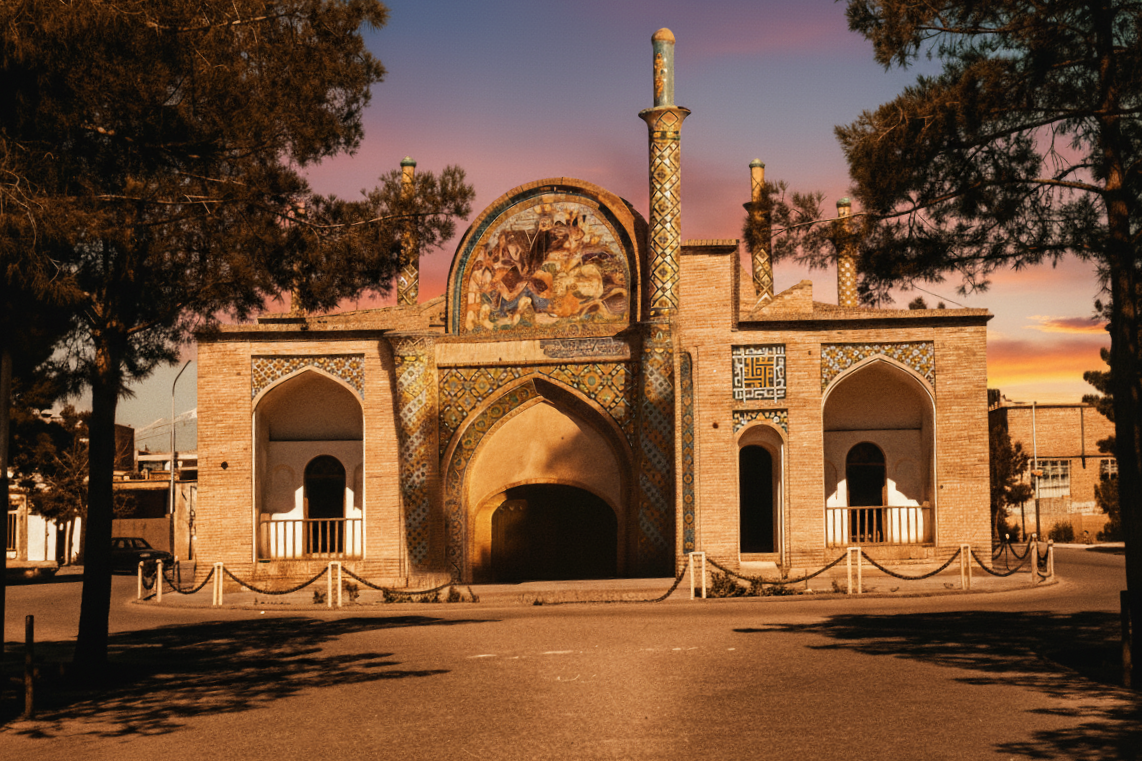
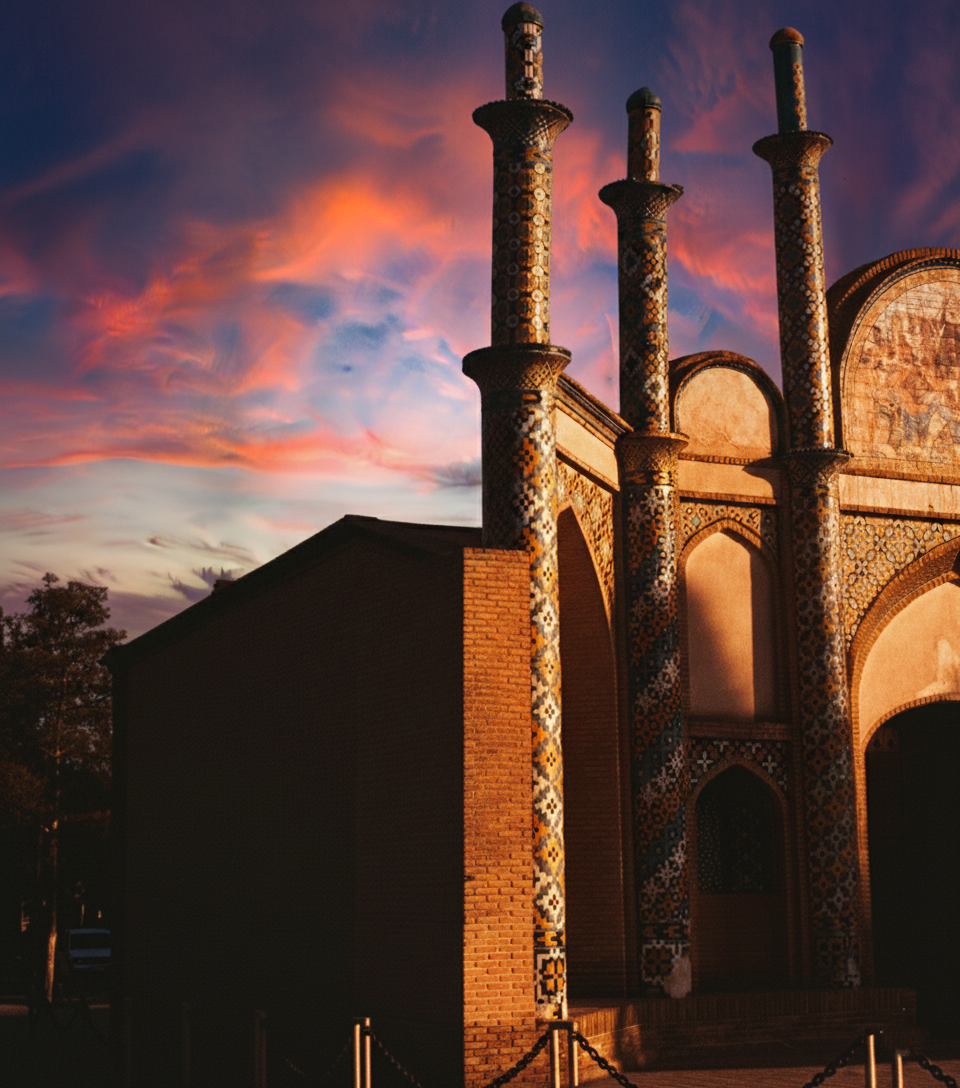
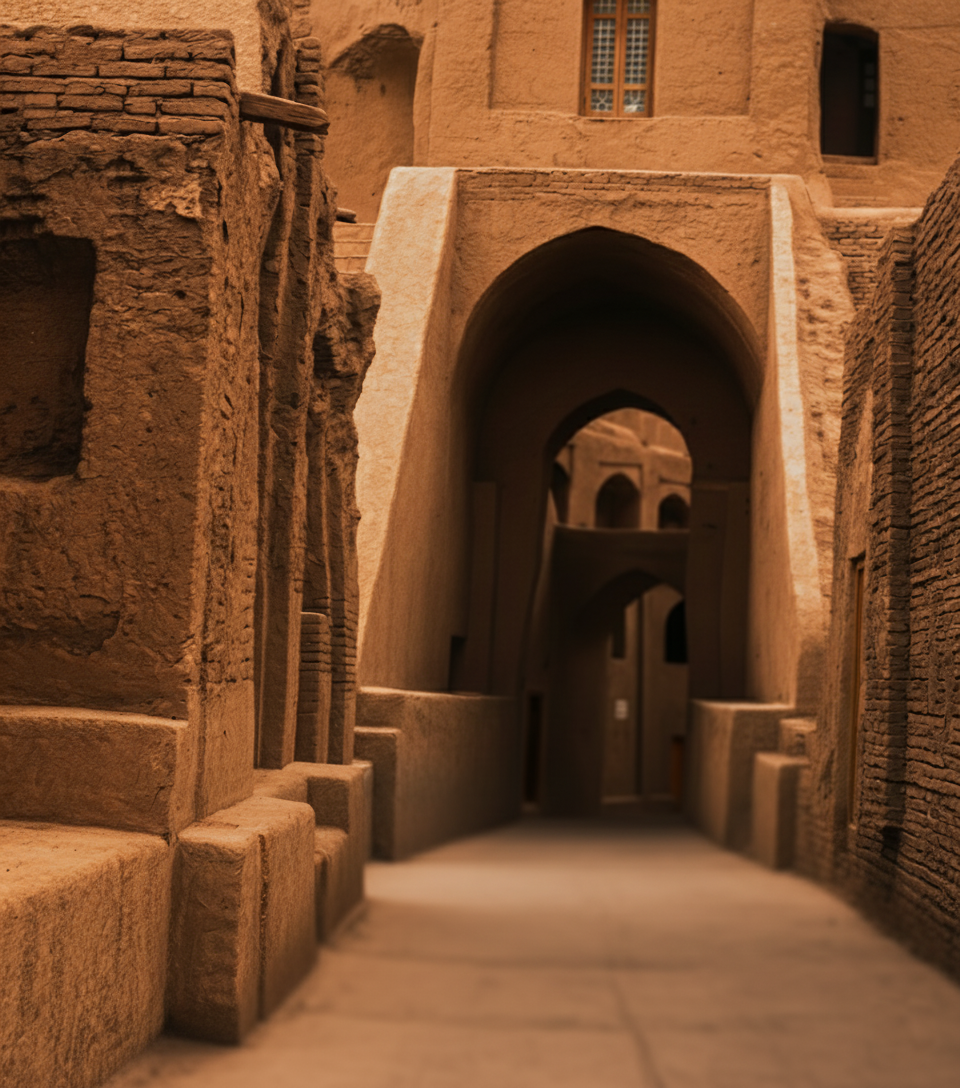
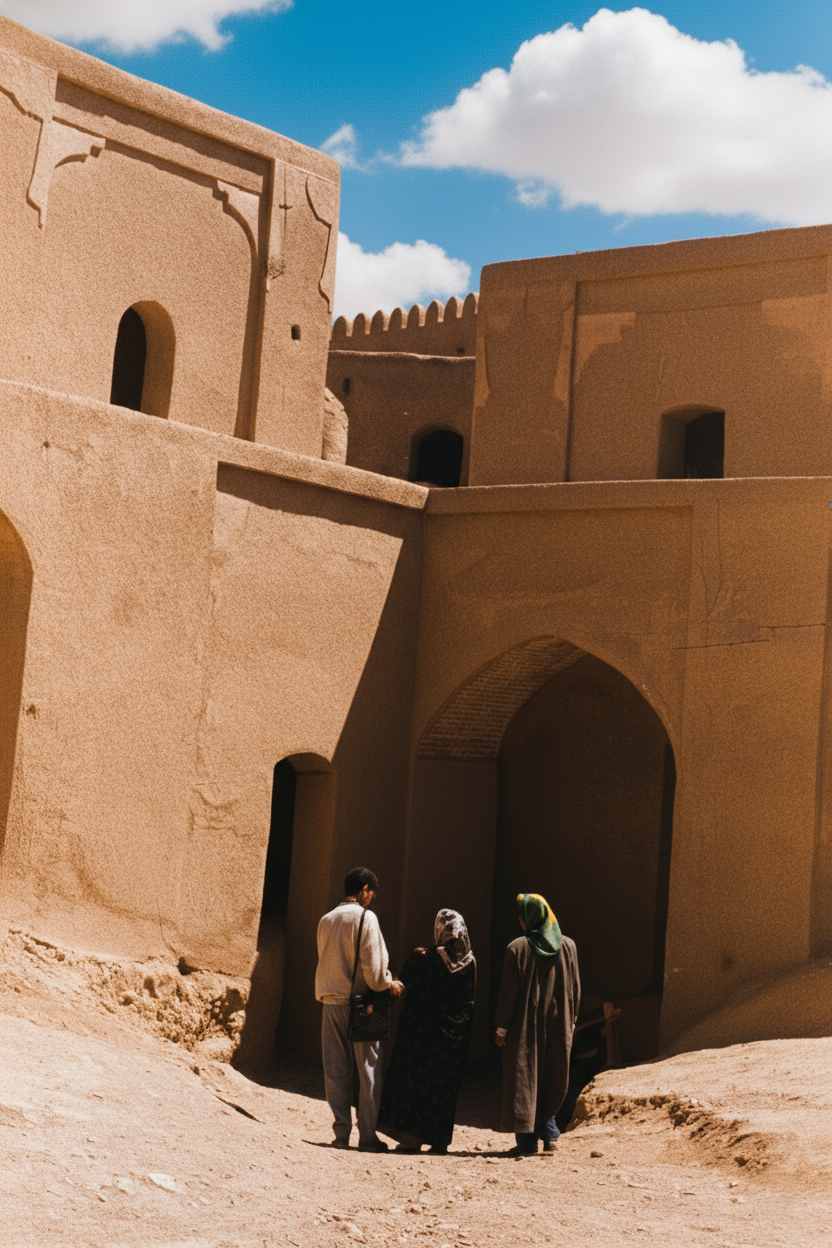
Darvāzehs (دروازه), or city gates, in traditional Iranian cities served as more than entrances—they were climatic thresholds. Carefully oriented to prevailing winds, they guided airflow, filtered dust, and moderated heat before it entered the urban fabric. Through layered passages and strategic placement, these gates shaped ventilation, movement, and microclimates, demonstrating how climate-conscious design began at the very edge of the city.
-
Darvāzeh (دروازه): Urban Thresholds, Wind Orientation, and Climatic Control.
(Urban / Macro-Scale Climatic Elements – بافت و عناصر اقلیمی شهری)
In traditional Iranian urbanism, the Darvāzeh—the city gate—functions not only as a point of entry and defense, but as a climatic regulator at the scale of the city. Positioned at the interface between the landscape and the urban fabric, gates were carefully aligned with prevailing winds, topography, and trade routes, thereby shaping how air, dust, and movement entered the city and how ventilation patterns developed within it.
Climatically, the orientation of Darvāzehs influenced the direction and quality of airflow through the urban fabric. Gates aligned with favorable seasonal breezes drew cooler air into shaded alleys, bazaars, and courtyards, thereby reinforcing natural ventilation across neighborhoods. Conversely, gates exposed to hot or dust-laden winds were often narrowed, bent, or buffered by angled passages, towers, or vestibules that slowed airflow and filtered particulates before air entered the city proper.
Architecturally, Darvāzehs were rarely simple openings. They typically incorporated layered thresholds—arched portals, bent entrances, covered passages, and adjacent plazas—that moderated wind speed, solar exposure, and thermal shock. These transitional spaces created localized microclimates while marking the symbolic passage from open landscape to enclosed urban interior.
Historically, cities such as Isfahan, Yazd, Tabriz, and Shiraz organized their gate systems in relation to regional wind patterns, caravan routes, and water networks. From each Darvāzeh, primary spines such as bazaars and shaded streets extended inward, carrying air, commerce, and social life deep into the city. In this way, the gate functioned as both a climatic valve and an urban distributor.
Theoretically, the Darvāzeh exemplifies a climate-conscious urbanism in which orientation governs environmental performance. By shaping how wind and dust are admitted, filtered, or deflected, city gates transform the urban edge into an active environmental threshold. In traditional Iranian architecture, the Darvāzeh demonstrates that climate control begins not at the building façade, but at the city’s perimeter—where movement, air, and form first converge.
