Tabestān-Neshin (تابستاننشین) and Zemestān-Neshin (زمستاننشین): Seasonal Orientation and Climatic Living
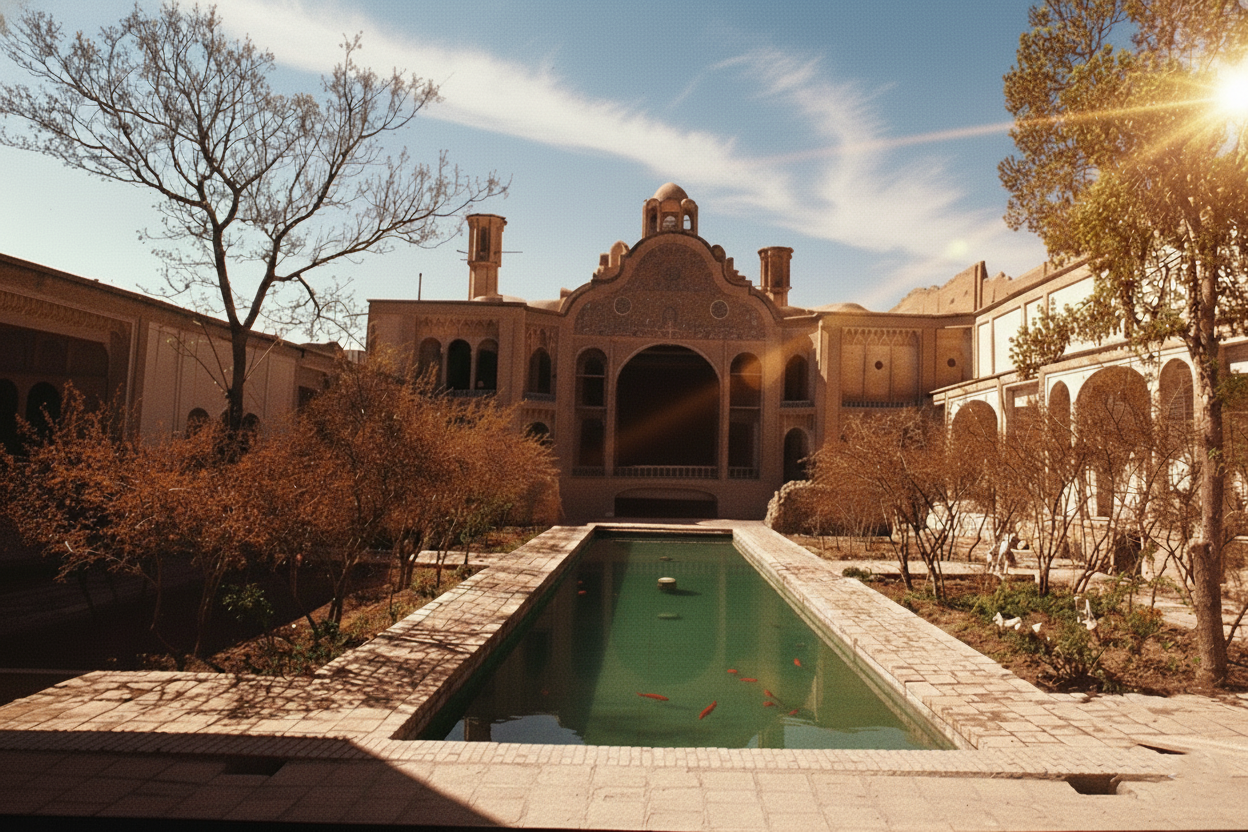
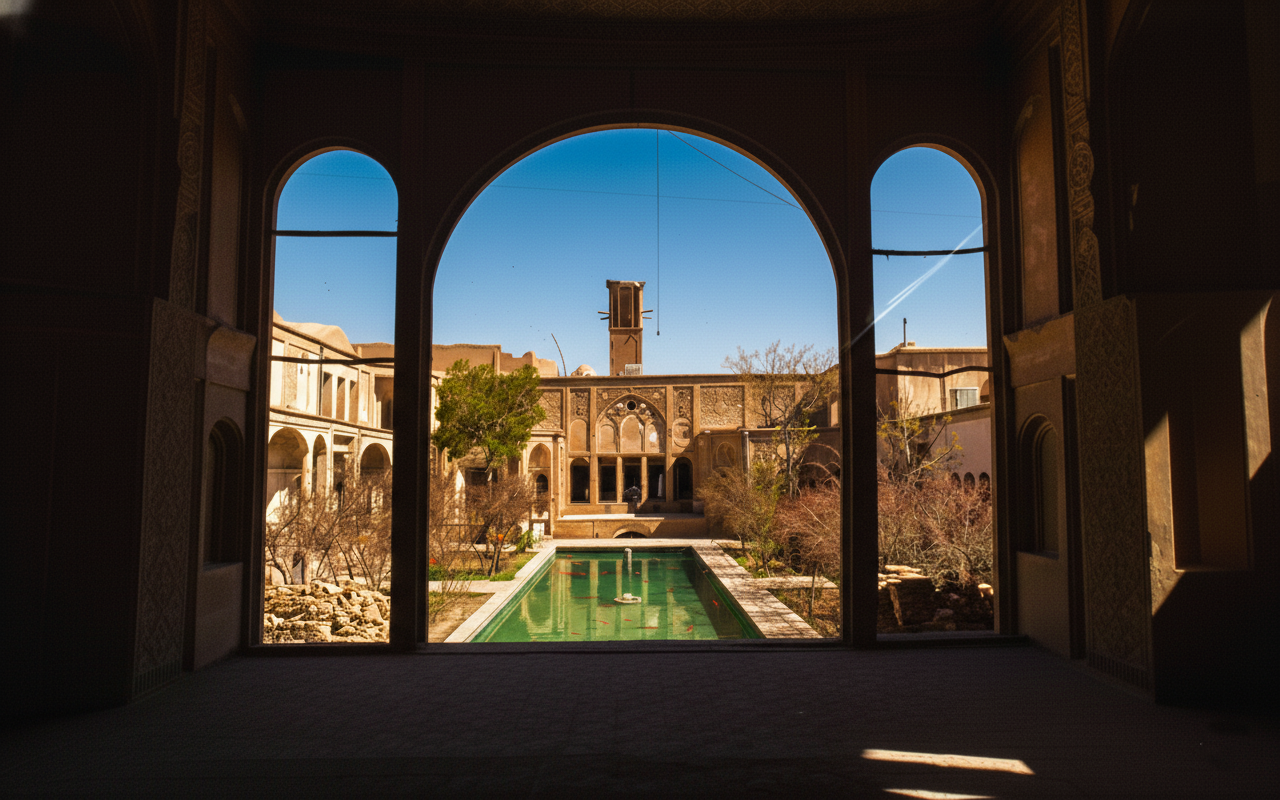
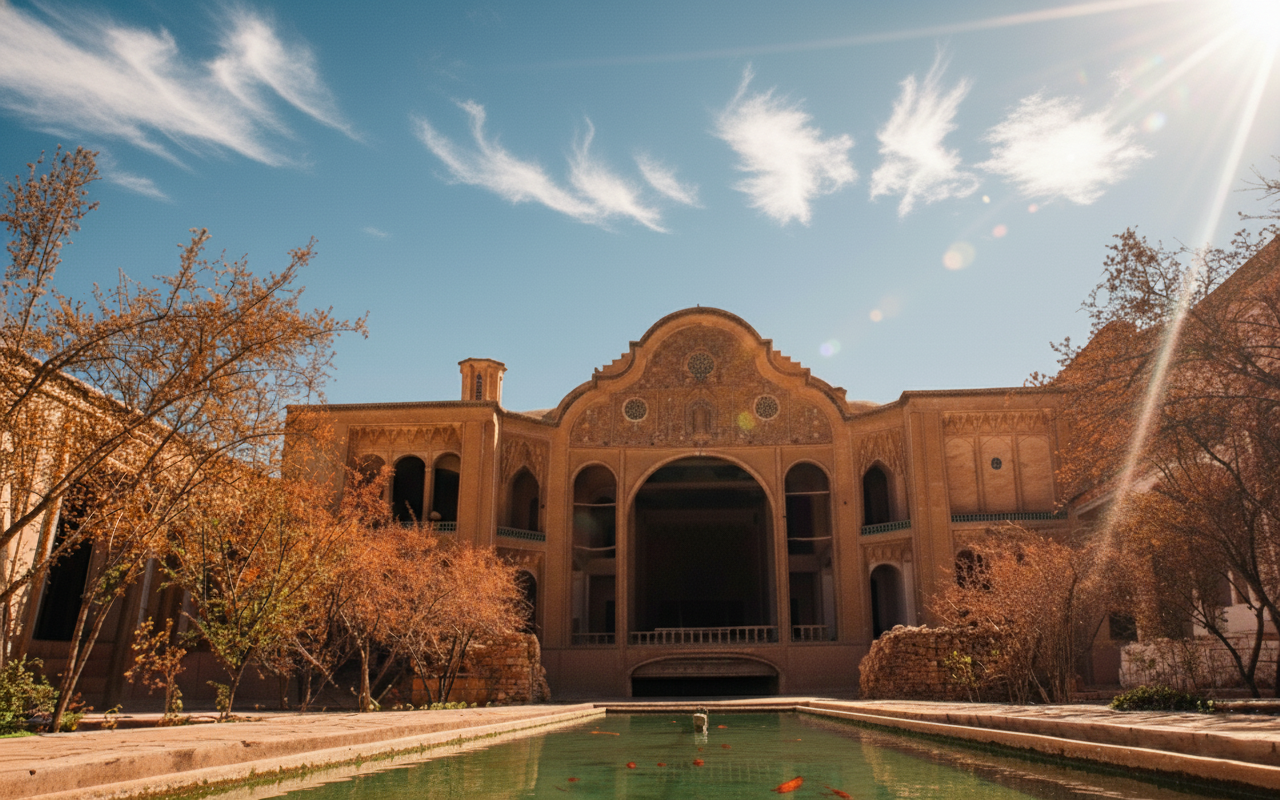
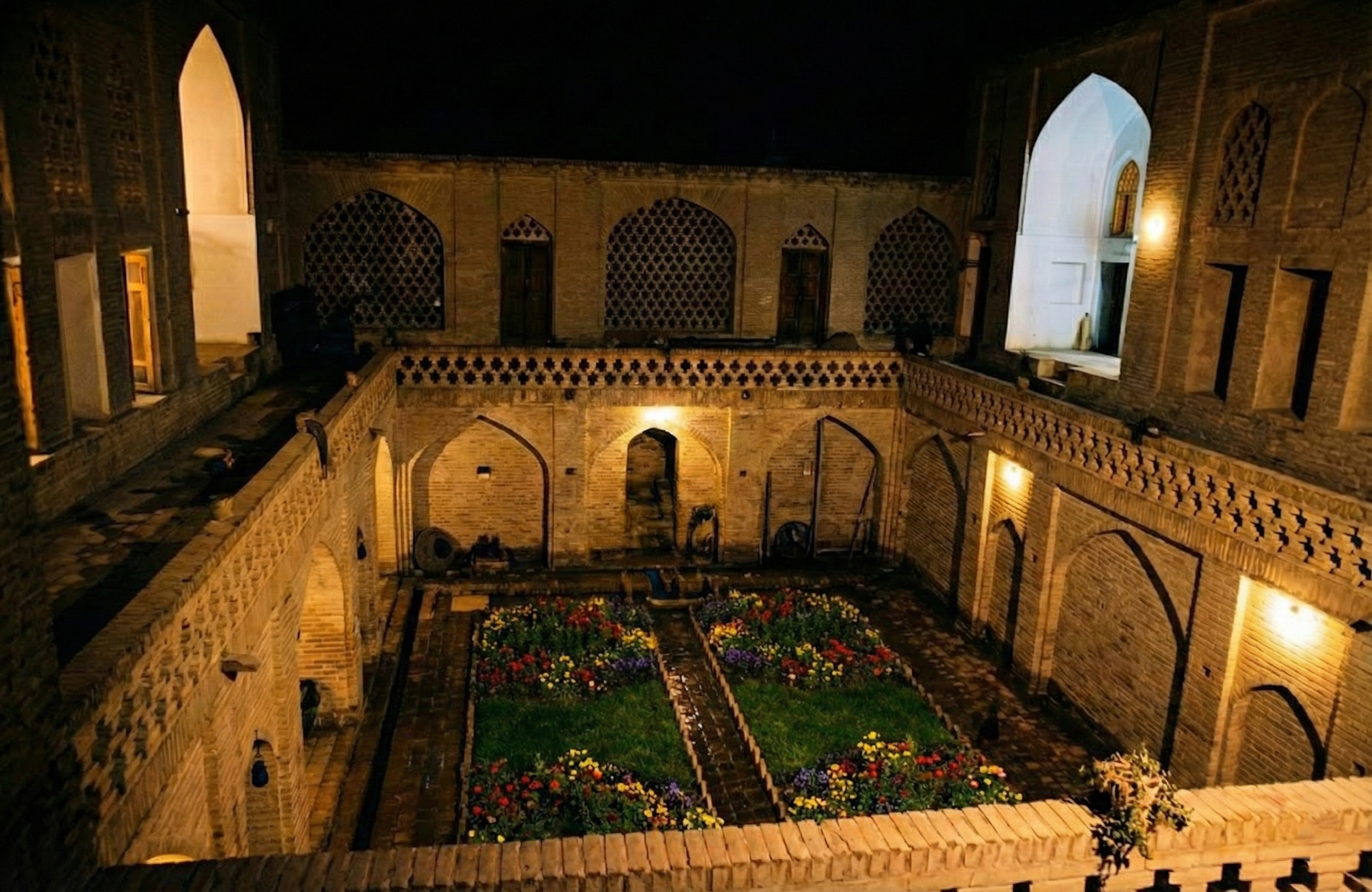
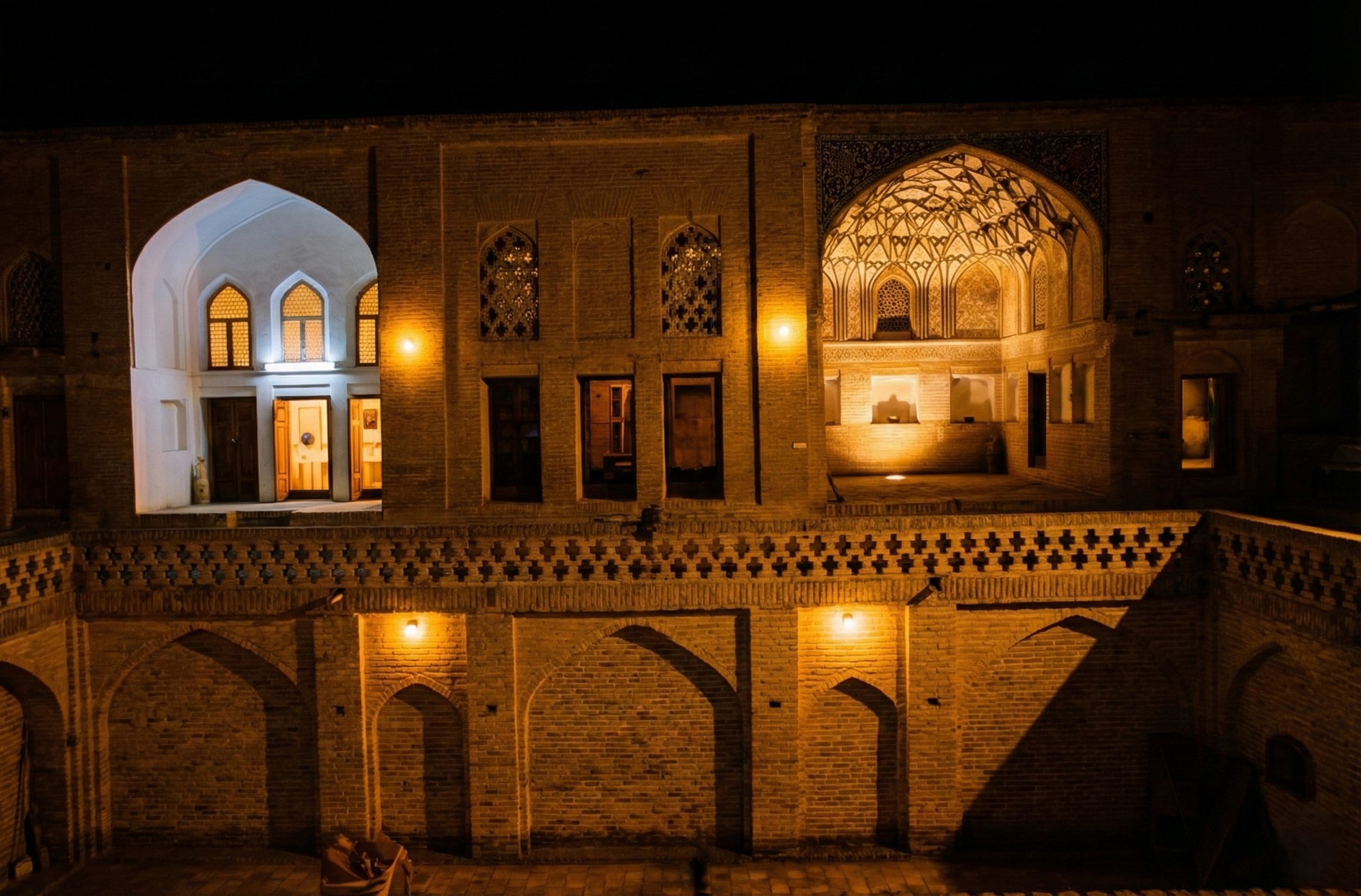
Tabestān-Neshin (تابستاننشین) and Zemestān-Neshin (زمستاننشین) express a seasonal logic at the heart of traditional Iranian living. Summer spaces, oriented toward shade and breeze, remain cool through airflow and evaporation, while winter rooms face the sun, capturing and retaining warmth. Together, they transform the house into a dynamic environment, where daily life shifts in harmony with climate, light, and time.
-
Tabestān-Neshin (تابستاننشین) and Zemestān-Neshin (زمستاننشین): Seasonal Orientation and Climatic Living
In traditional Iranian architecture, habitation is organized seasonally rather than mechanically. The house is conceived not as a thermally uniform interior but as a calibrated field of spaces activated by climate and time. The paired concepts of Tabestān-Neshin (summer living quarters) and Zemestān-Neshin (winter living quarters) embody this adaptive intelligence, allowing domestic life to migrate in response to temperature, sun, and airflow.
The Tabestān-Neshin is typically arranged along the perimeter of the central courtyard and oriented toward prevailing breezes (nessām-row), most often facing north or northeast to minimize direct solar exposure. These spaces are shaded by iwans, deep walls, or overhangs and are commonly positioned adjacent to cooling elements such as ḥowz (حوض) basins, ḥowz-khāneh chambers, vegetated courtyards, or Bādgir (بادگیر) shafts. Through cross-ventilation between courtyard openings and upper exhaust points, cooler air is drawn into occupied zones while warm air is displaced. Shade, airflow, evaporation, and orientation operate together to produce habitable interiors during the hottest months without mechanical cooling.
By contrast, the Zemestān-Neshin occupies sun-facing orientations, traditionally described as ro-be-qebleh (رو به قبله)—a southward or south-eastern exposure that maximizes winter solar gain. These rooms are more enclosed, with smaller apertures, thicker walls, and greater thermal mass, thereby capturing, storing, and retaining heat during colder seasons. Reduced airflow and compact spatial proportions further enhance thermal stability.
Historically, this seasonal differentiation structured residential architecture across Iran—from Yazd and Kashan to Isfahan and Shiraz—where daily and annual routines were choreographed through architectural form. Movement through the house followed shifting climatic conditions rather than reliance on artificial systems, embedding environmental awareness into patterns of life.
Theoretically, the Tabestān-Neshin and Zemestān-Neshin articulate a climate-conscious architecture rooted in orientation, section, and adjacency rather than enclosure. Comfort is achieved not by homogenizing space, but by diversifying it—allowing architecture itself to guide habitation through sun, wind, shade, and time.
