Kucheh-hā-ye Bārīk (کوچههای باریک): Urban Shade, Wind Moderation, and Climatic Continuity
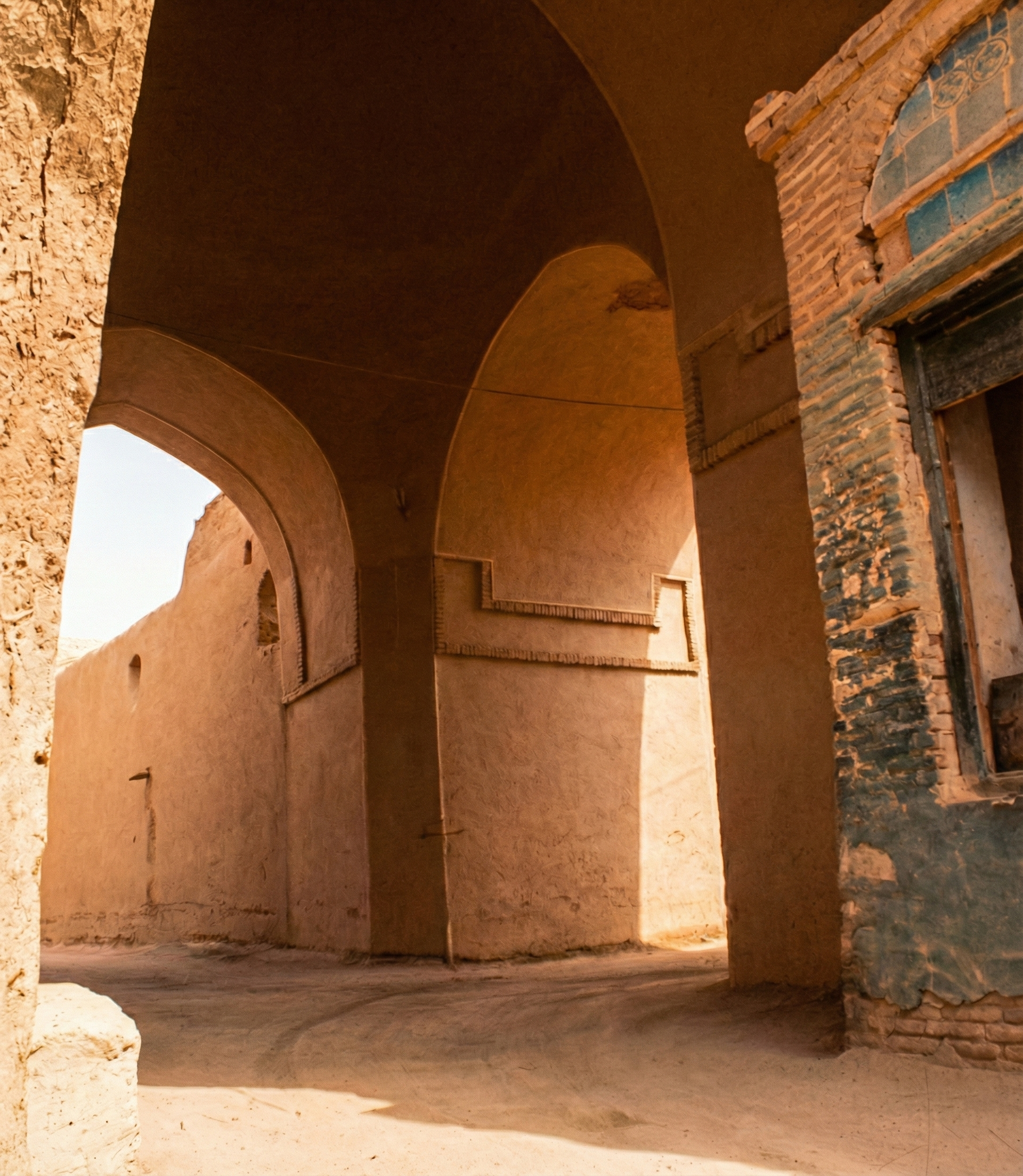
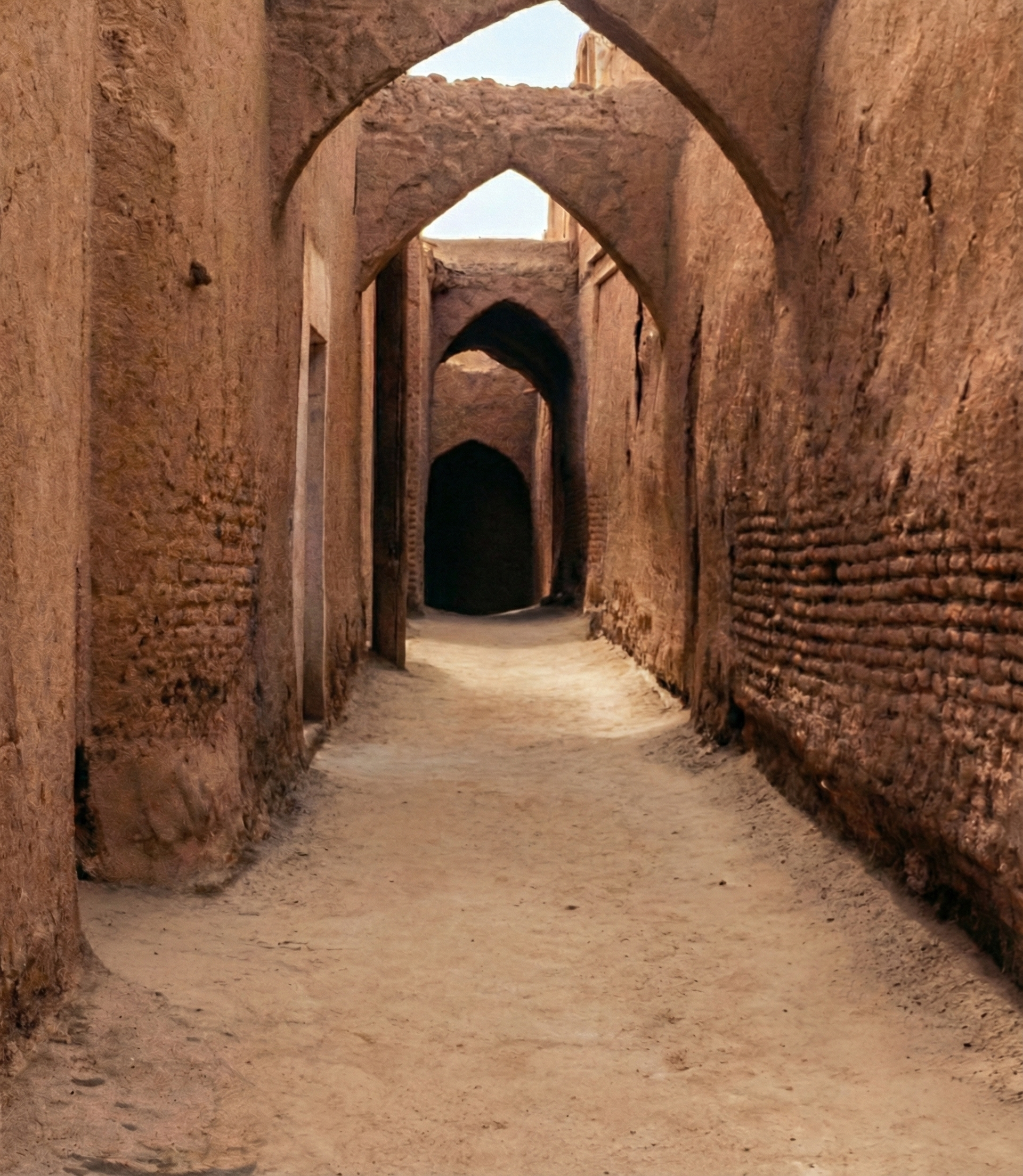
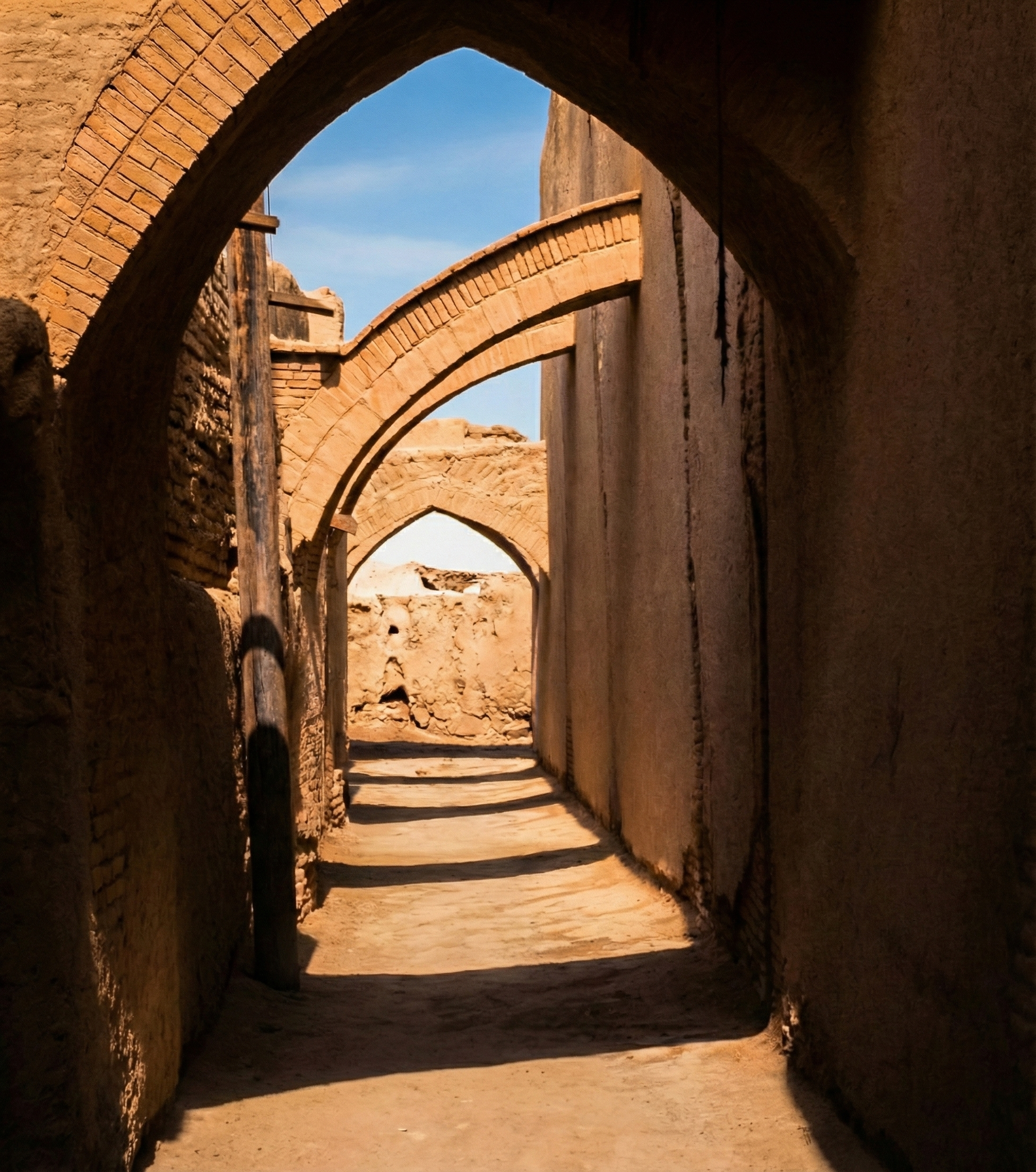
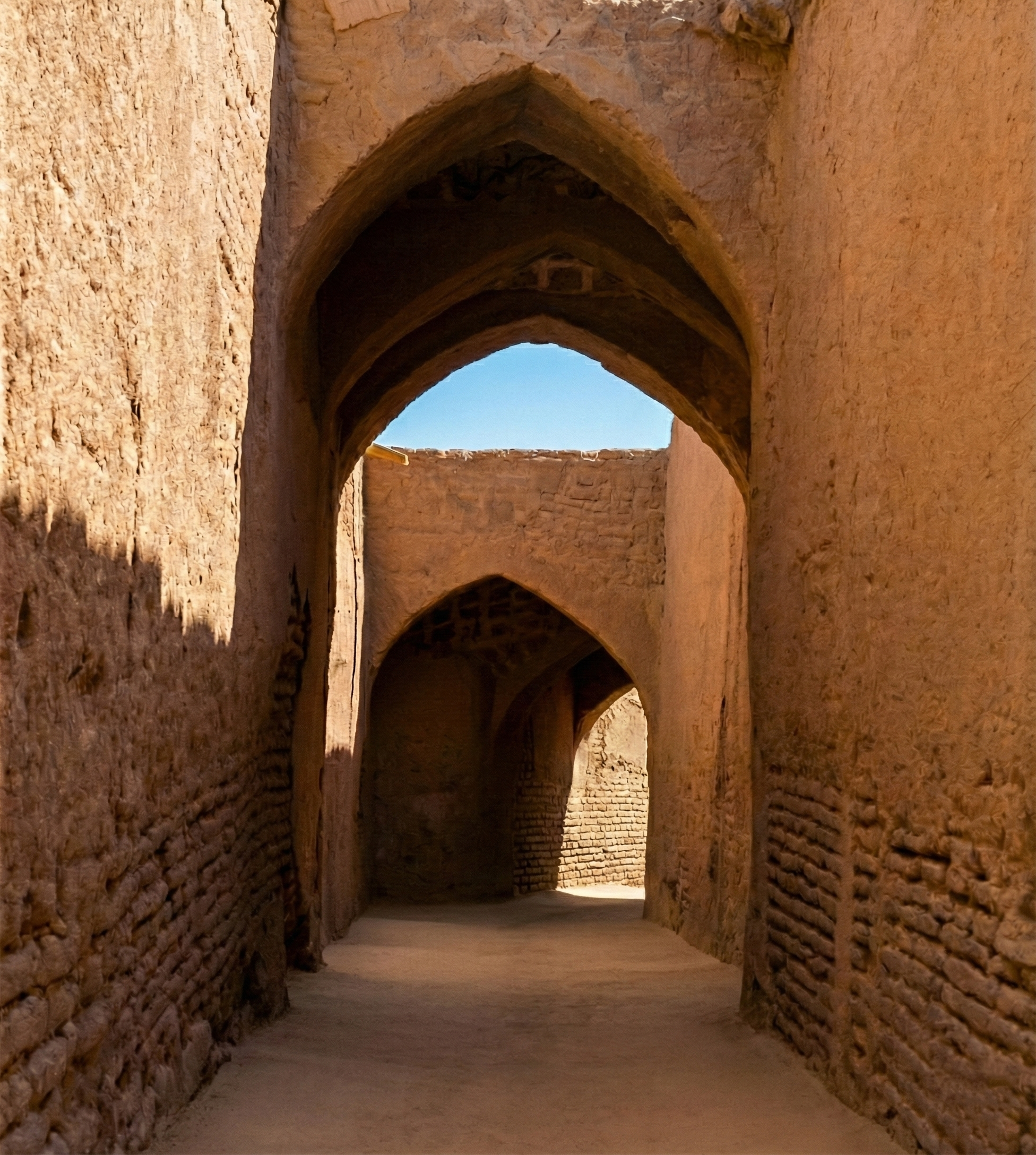
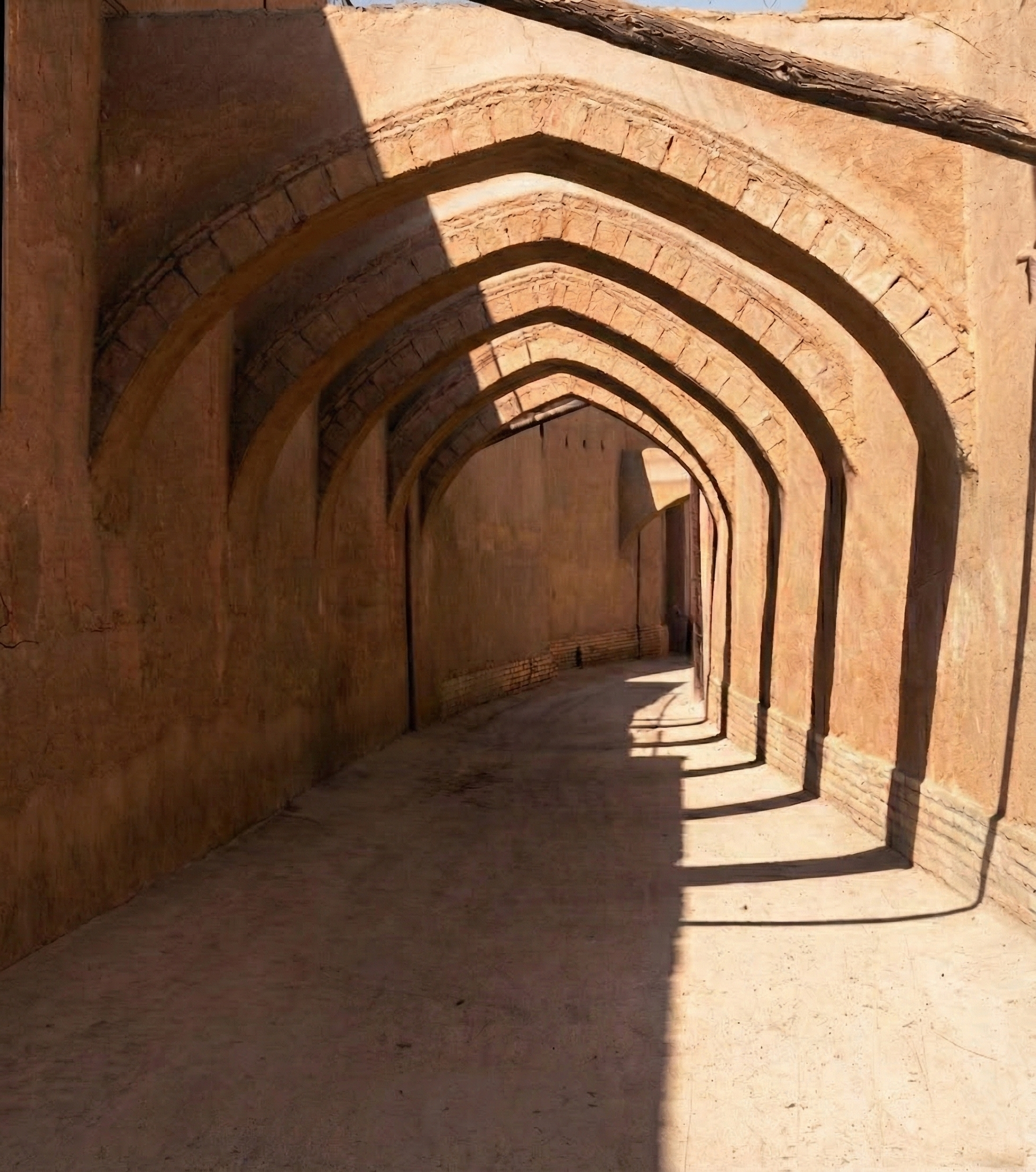
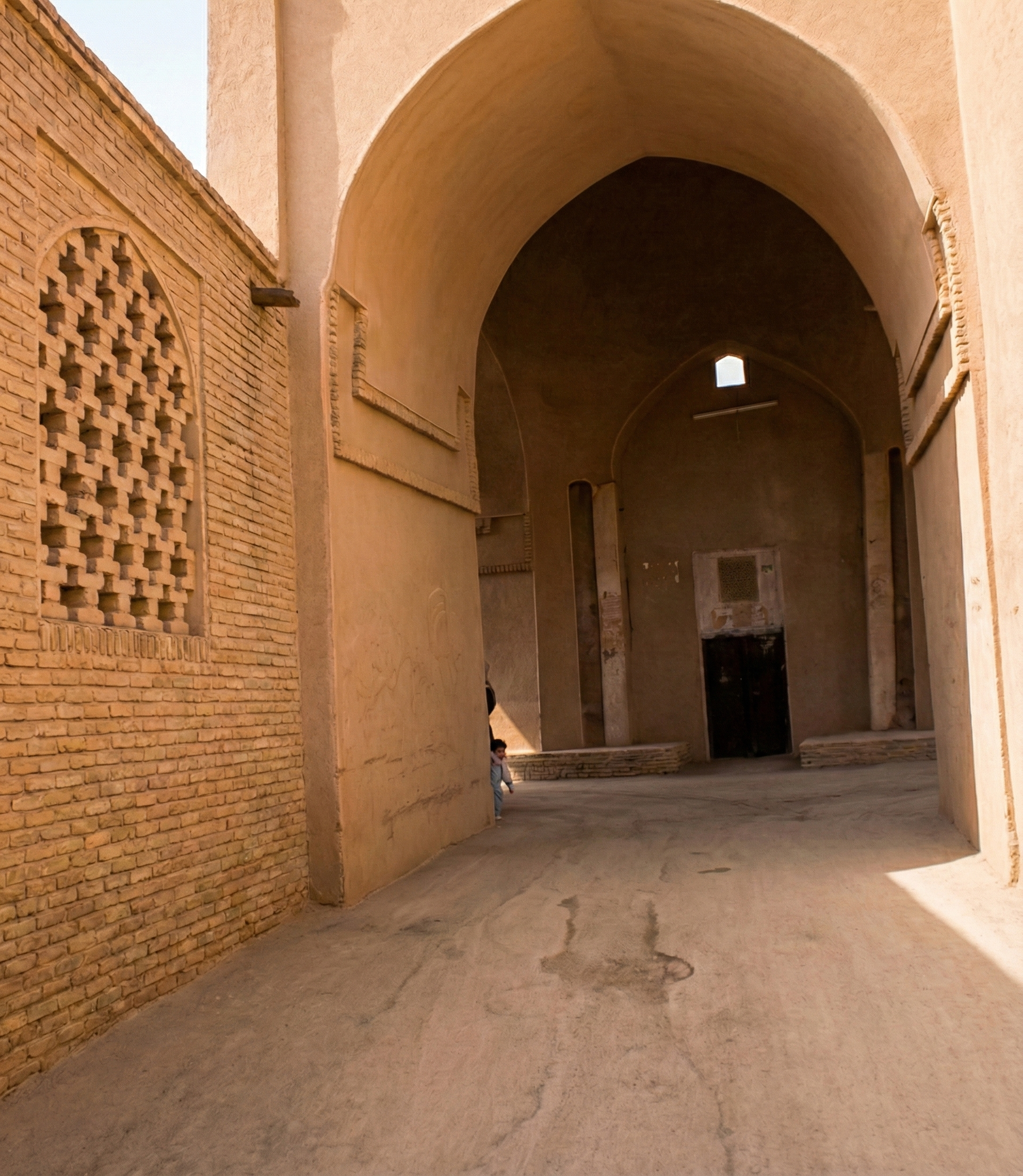
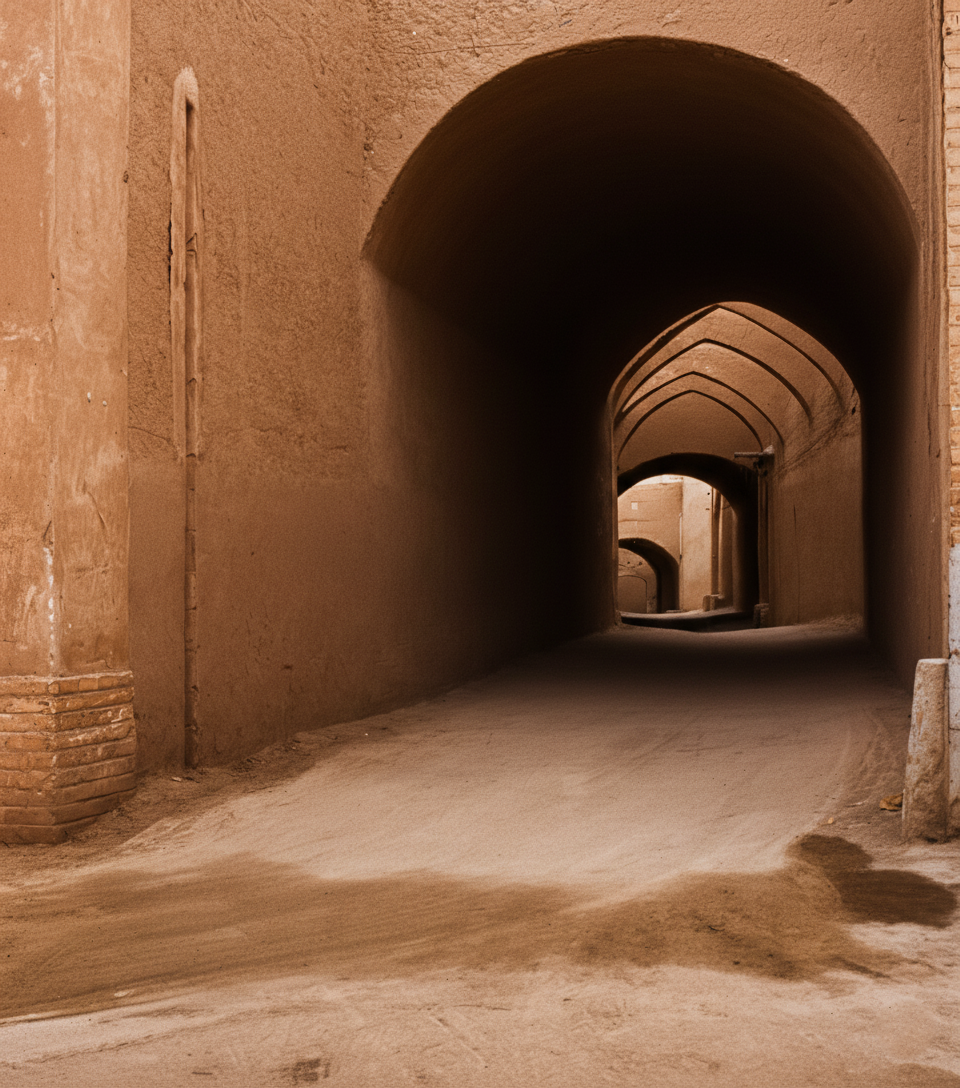
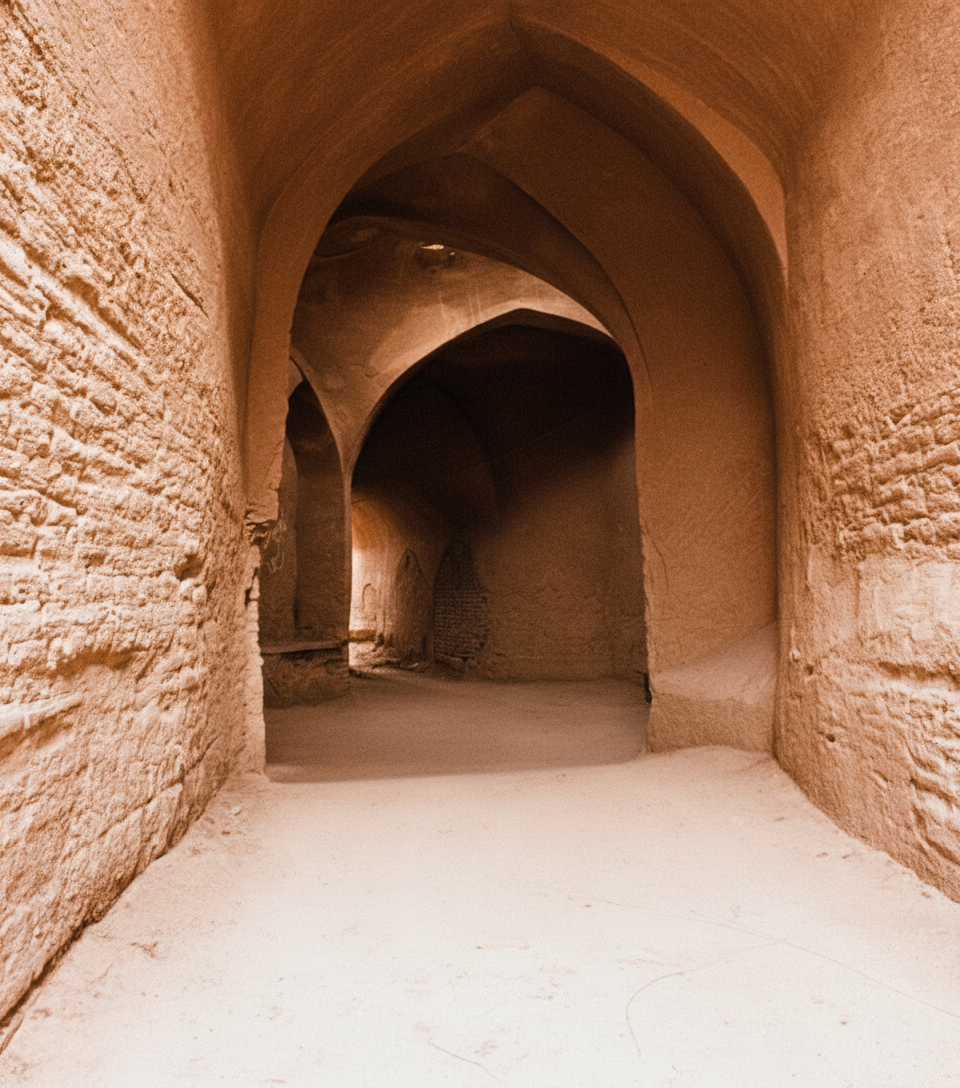
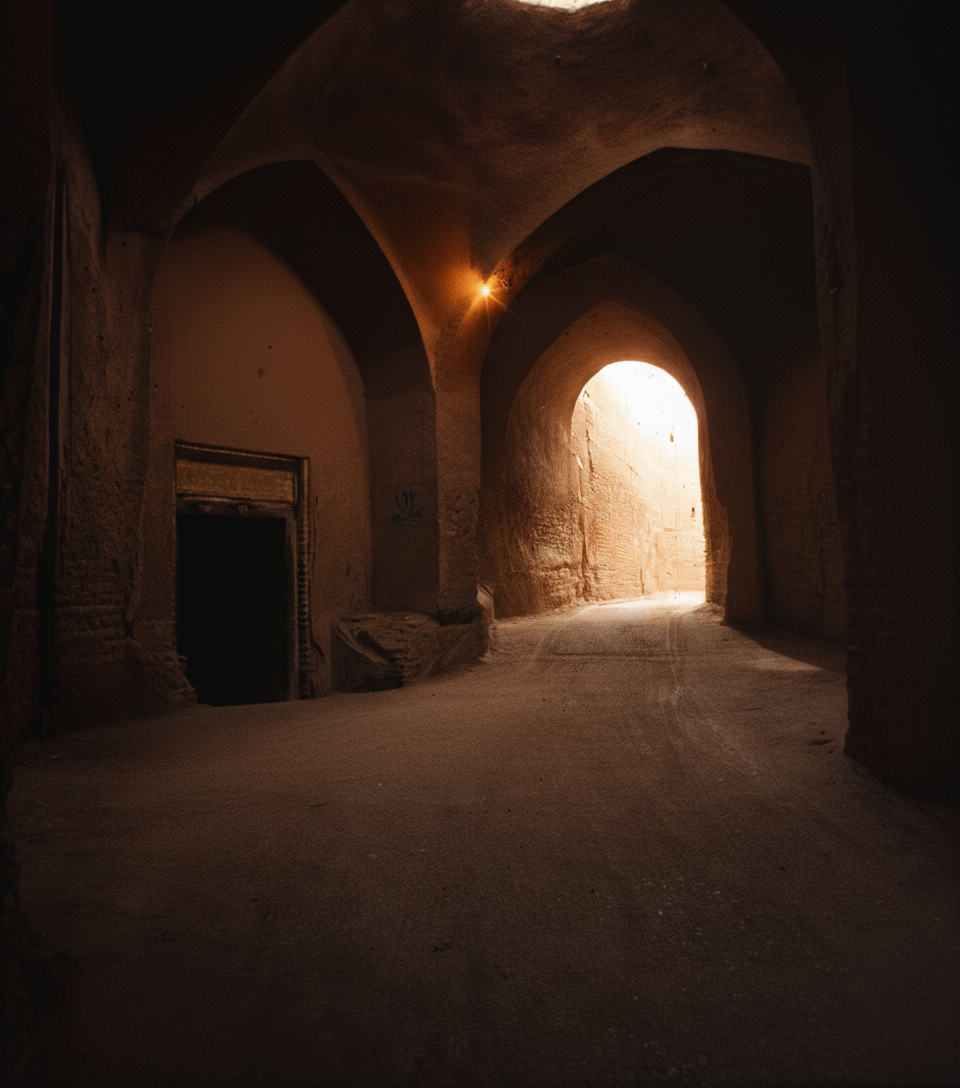
Kucheh-hā-ye Bārīk (کوچههای باریک), the narrow, winding alleys of traditional Iranian cities, function as shaded climatic corridors. Their high walls and tight geometry reduce solar exposure, cool the air, and soften harsh winds while guiding gentle breezes. Integrated with water flow and social life, these alleys transform circulation into a continuous system of environmental moderation and urban resilience.
-
Kucheh-hā-ye Bārīk (کوچههای باریک): Urban Shade, Wind Moderation, and Climatic Continuity
(Urban / Macro-Scale Climatic Elements – بافت و عناصر اقلیمی شهری)
In traditional Iranian urbanism, narrow, winding alleys (Kucheh-hā-ye Bārīk) function as a form of climatic and infrastructural intelligence embedded at the city scale. Far from incidental circulation paths, these alleys are deliberately proportioned and shaped to regulate sun, wind, water, and social life, extending architectural climate control into the collective realm.
Climatically, their tight width and high enclosing walls create continuous shade, significantly reducing direct solar exposure and lowering surface and air temperatures throughout the day. Their irregular, meandering geometry breaks long wind paths, slowing hot desert winds and filtering dust while still allowing cooler breezes to pass through at pedestrian level. In this way, Kuchehs operate as elongated urban wind corridors that temper airflow rather than amplify it.
Hydrologically, Kucheh-hā-ye Bārīk also serves as a rainwater collector and distributor. Roof runoff from adjacent buildings is channeled into the alley, where subtle slopes direct water toward dry wells at intersections, thereby contributing to groundwater recharge. In some cases, alleys incorporate below-grade water channels (jooy-e sar-basteh) that transport water from water wells or qanāt outlets to private or public āb-anbārs. Surface movement and subterranean infrastructure are thus tightly interwoven within the alley section.
Where several Kuchehs intersect or widen slightly, small nodal spaces emerge. These shaded convergence points combine cooler air, reduced wind speed, and proximity, becoming informal sites of social interaction and pause within the urban fabric. Climatic moderation and communal life reinforce one another, demonstrating how environmental design supports patterns of everyday habitation.
Historically evident in cities such as Yazd, Kashan, Isfahan, and Shiraz, Kucheh-hā-ye Bārīk links houses, bazaars, mosques, reservoirs, and gardens into a continuous climatic network. Theoretically, they exemplify a climate-conscious urbanism in which geometry, compression, and continuity replace mechanical intervention. The alley becomes not merely a route of passage, but a climatic, hydrological, and social device—binding the city into a shaded, breathable, and resilient organism.
