Kashan (کاشان)-“desert pearl”
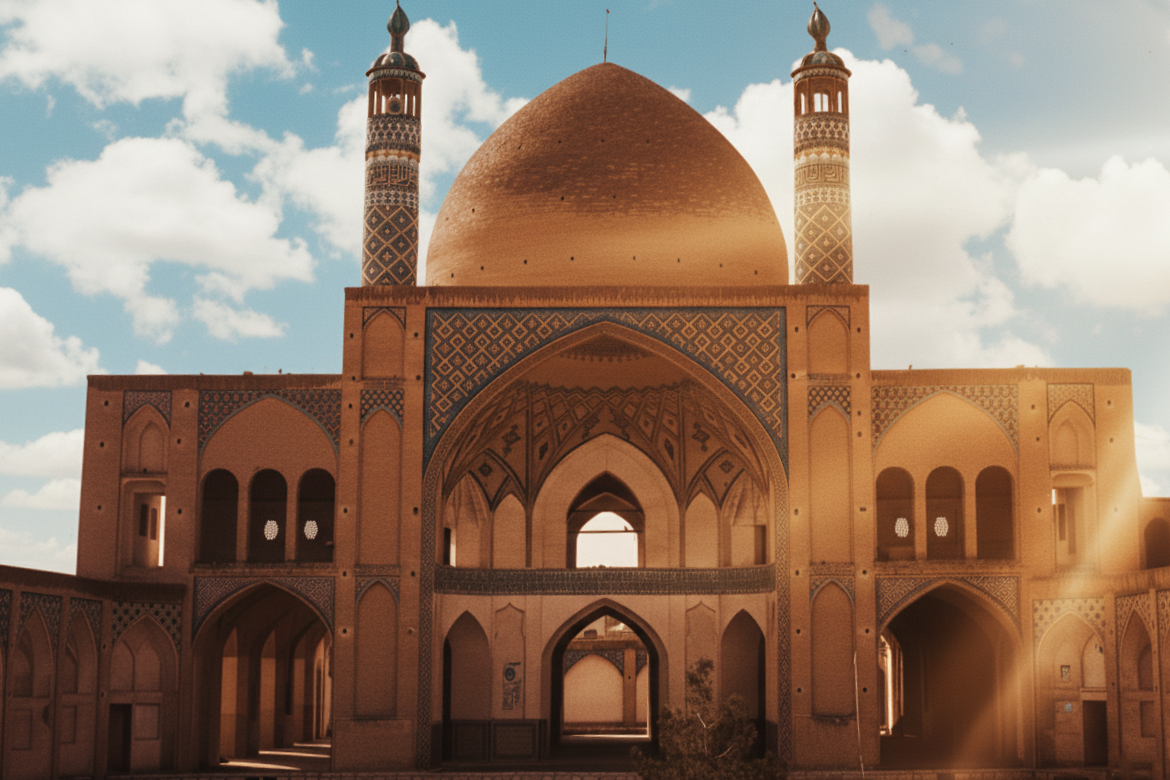
Kashan (کاشان), the “desert pearl” at the gateway to the Dasht-e Kavir (دشت کویر), traces its origins to Tepe Sialk (تپه سیلک, c. 7000–3000 BCE). Flourishing along the Silk Road (جاده ابریشم), its adobe (خشت و گل) cityscape of bazaars (بازار), windcatchers (بادگیر), and courtyard houses culminates in landmarks like Fin Garden (باغ فین, Safavid era) and the Agha Bozorg Mosque (مسجد آقابزرگ, 1778–1789 CE).
-
Kashan (کاشان)
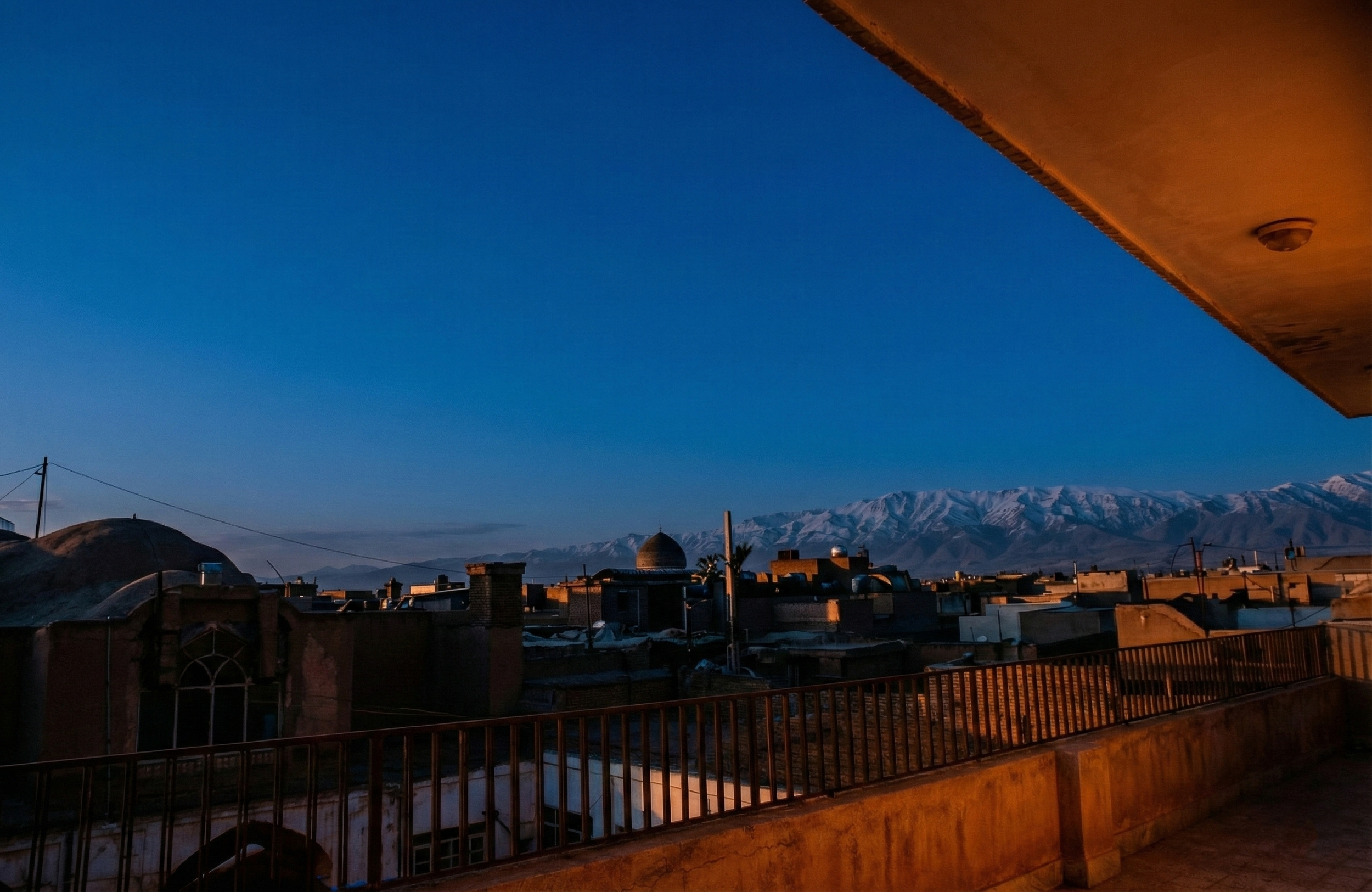
Kashan (کاشان), often called the “desert pearl,” stands at the gateway to the Dasht-e Kavir (دشت کویر) between the Karkas Mountains (کوههای کرکس) and Iran’s central desert. The region’s history extends back to the prehistoric settlement of Tepe Sialk (تپه سیلک), c. 7000–3000 BCE, one of the oldest known human settlements on the Iranian plateau. Over centuries, Kashan flourished through the Seljuk period (11th–12th centuries CE), the Safavid period (16th–17th centuries CE), and the Qajar period (18th–19th centuries CE), becoming a major oasis and strategic trade hub along the Silk Road (جاده ابریشم). Its position between northern and southern caravan routes allowed the city to function as a key commercial nexus, while supporting thriving industries in textiles—particularly silk and velvet—and ceramics. This ceramic tradition is reflected in the term kashi (کاشی), associated with Kashan’s celebrated lusterware tiles used in Islamic architecture.
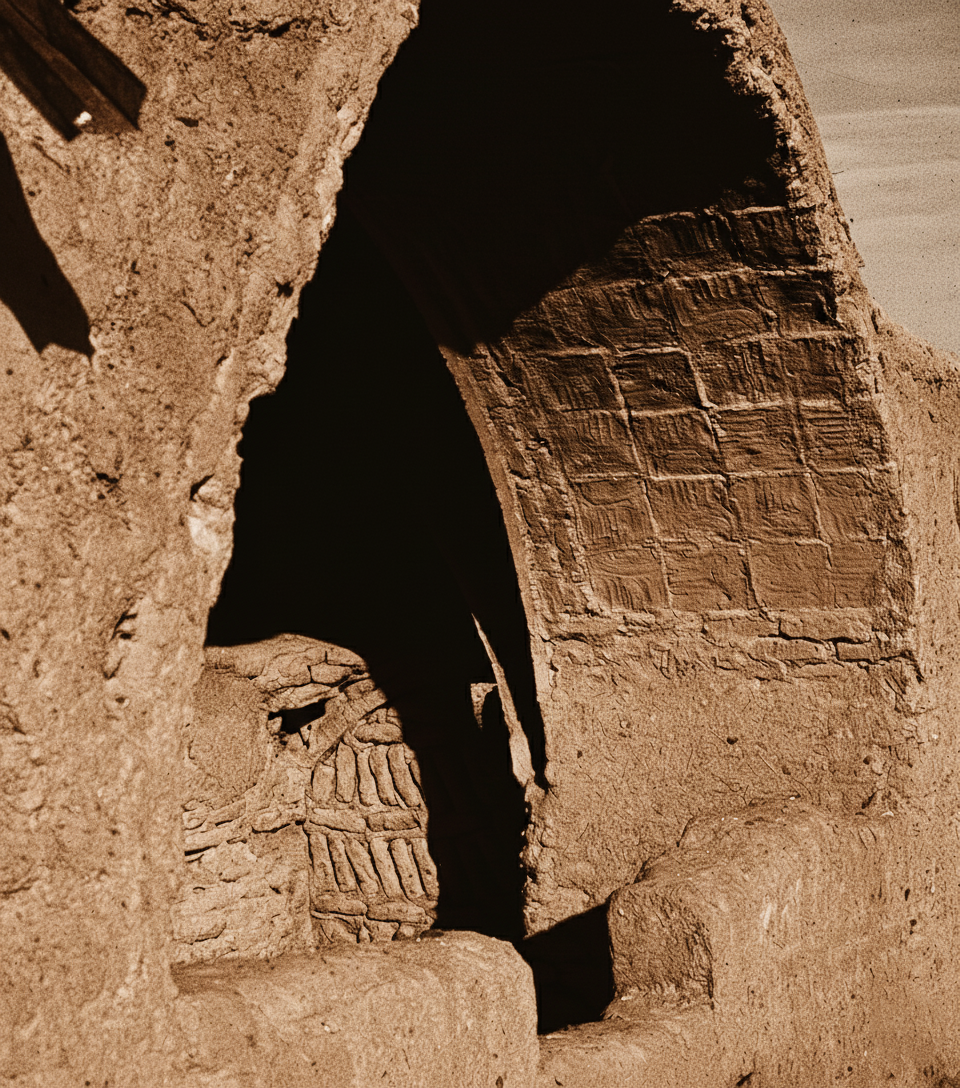
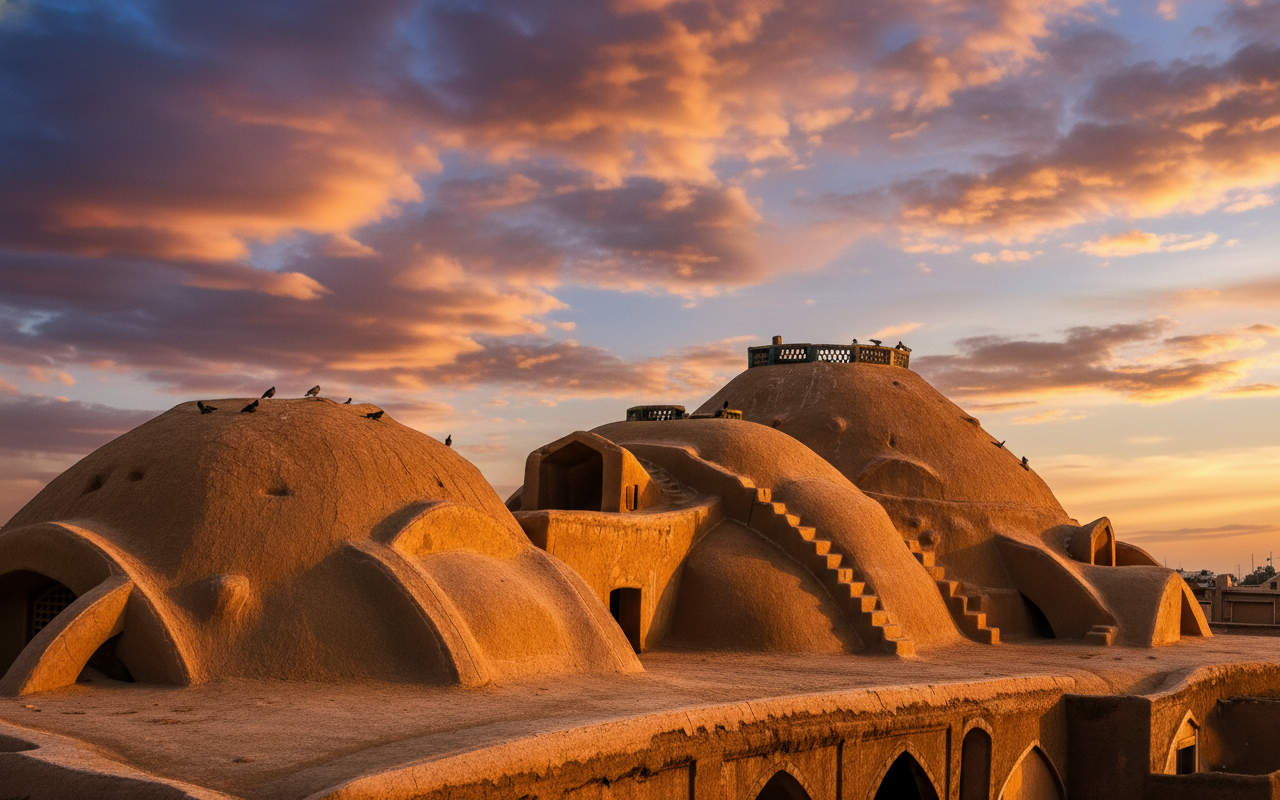
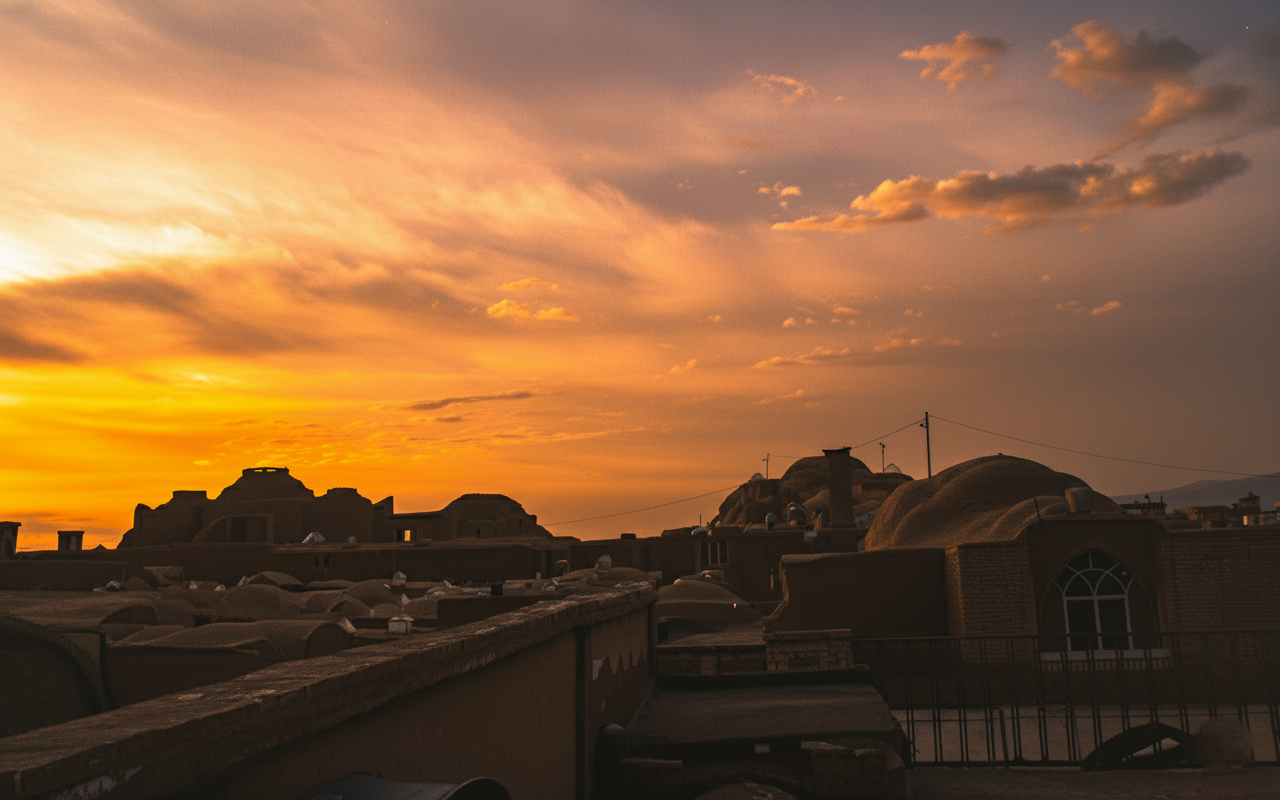
Kashan’s historic urban fabric represents a refined model of desert urbanism. The city is composed of narrow alleys (کوچههای باریک), courtyard houses, bazaars (بازار), caravanserais, water reservoirs known as Ab-anbars (آبانبارها), mosques such as Agha Bozorg Mosque (مسجد آقابزرگ, 1778–1789 CE), and gardens integrated within the urban landscape. Built largely of adobe (خشت و گل), the city forms a continuous earthen environment of domes (گنبد), vaulted roofscapes, and windcatchers (بادگیر) designed to regulate airflow and moderate the harsh desert climate.
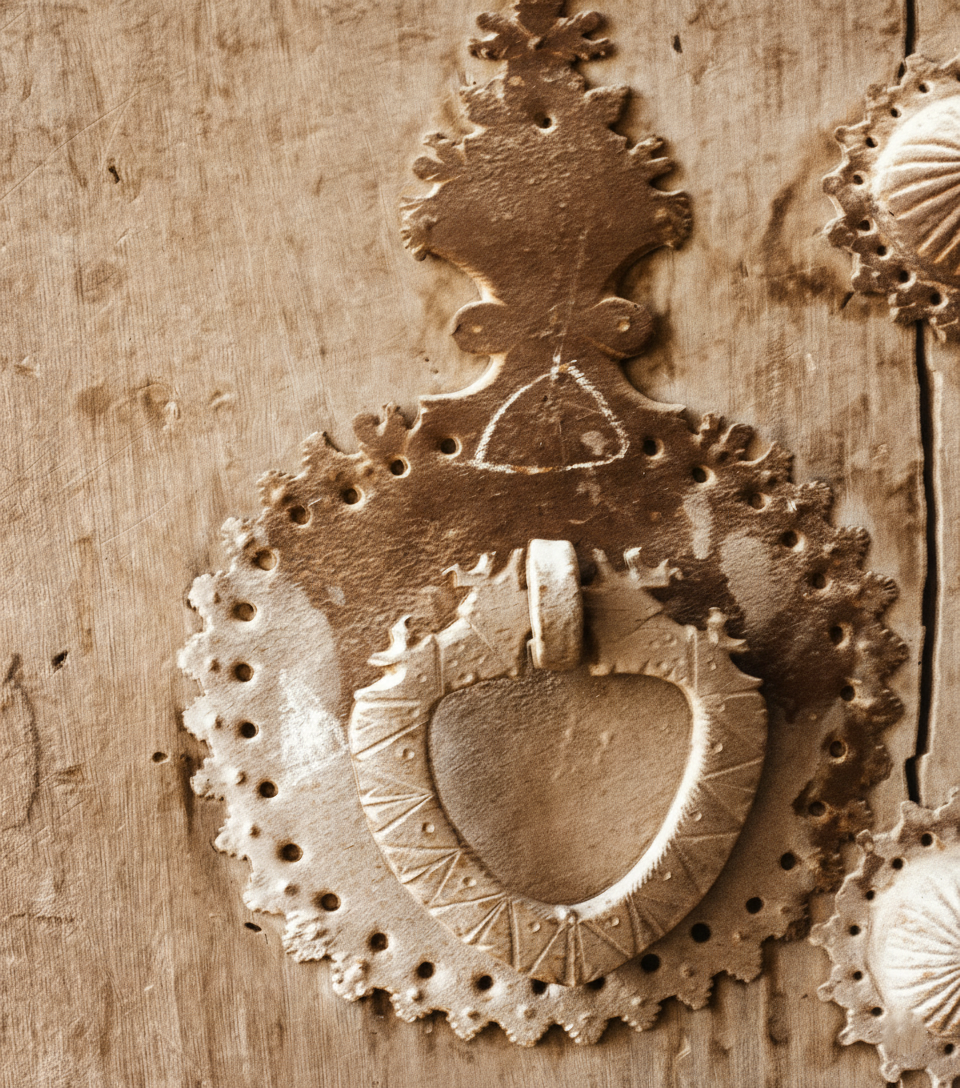
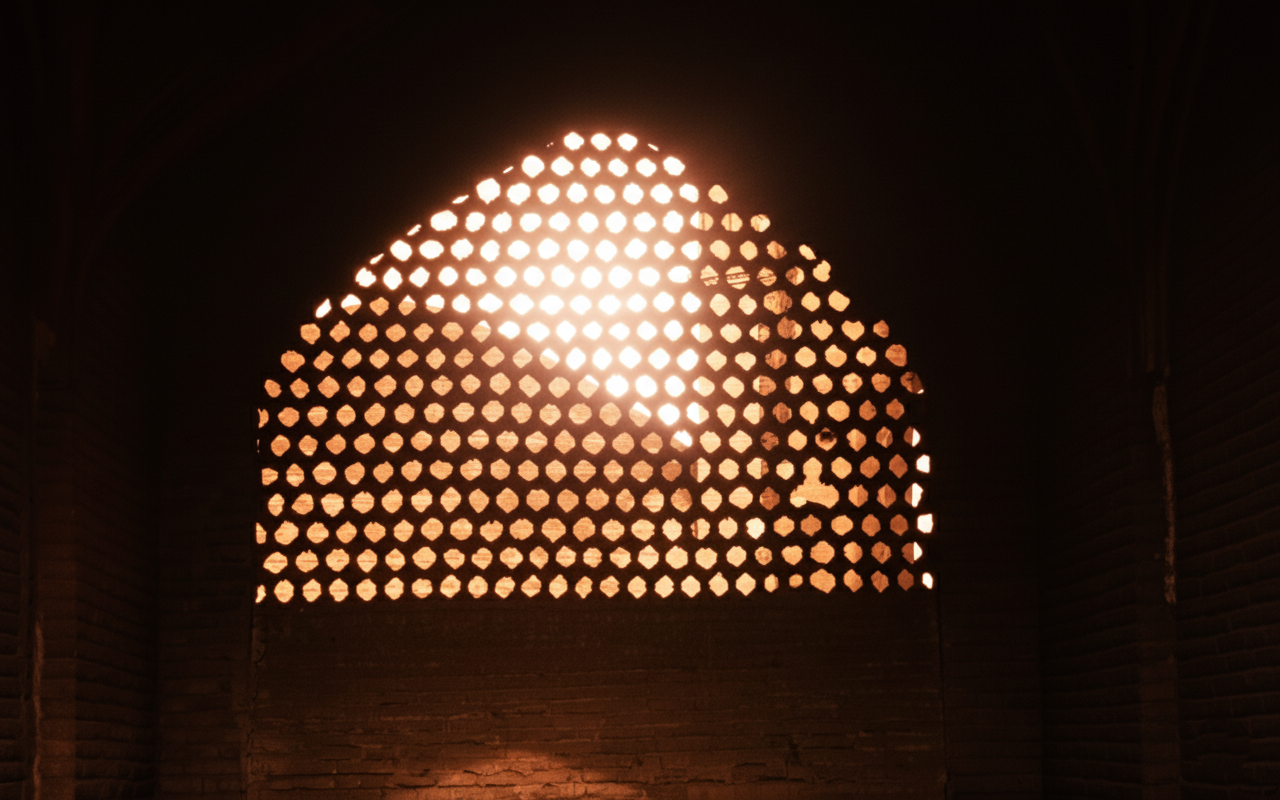
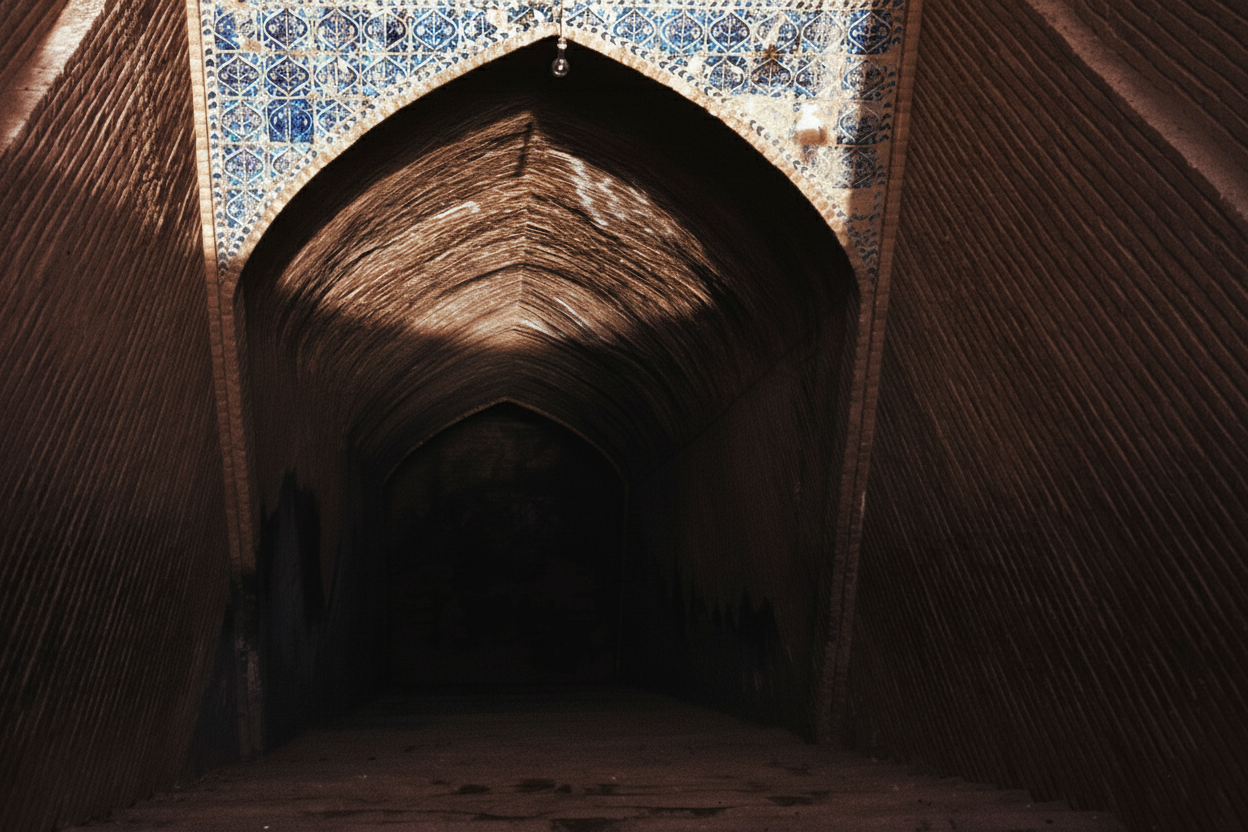
At the center of the city lies the Kashan Bazaar (بازار کاشان), whose origins date to the Seljuk period (11th–12th centuries CE) and which expanded significantly during the Safavid era (16th–17th centuries CE). The bazaar functions as the spatial and social spine of the city. Its vaulted corridors, domed intersections, and caravanserais create shaded environments that regulate light, airflow, and movement, structuring commercial activity and daily life within the surrounding neighborhood mahallas (محله). Architectural details such as Fakhr-o-Madin brickwork (فخر و مدین) and traditional door knockers (کوبههای در) reflect a deep culture of craftsmanship embedded within everyday architecture.
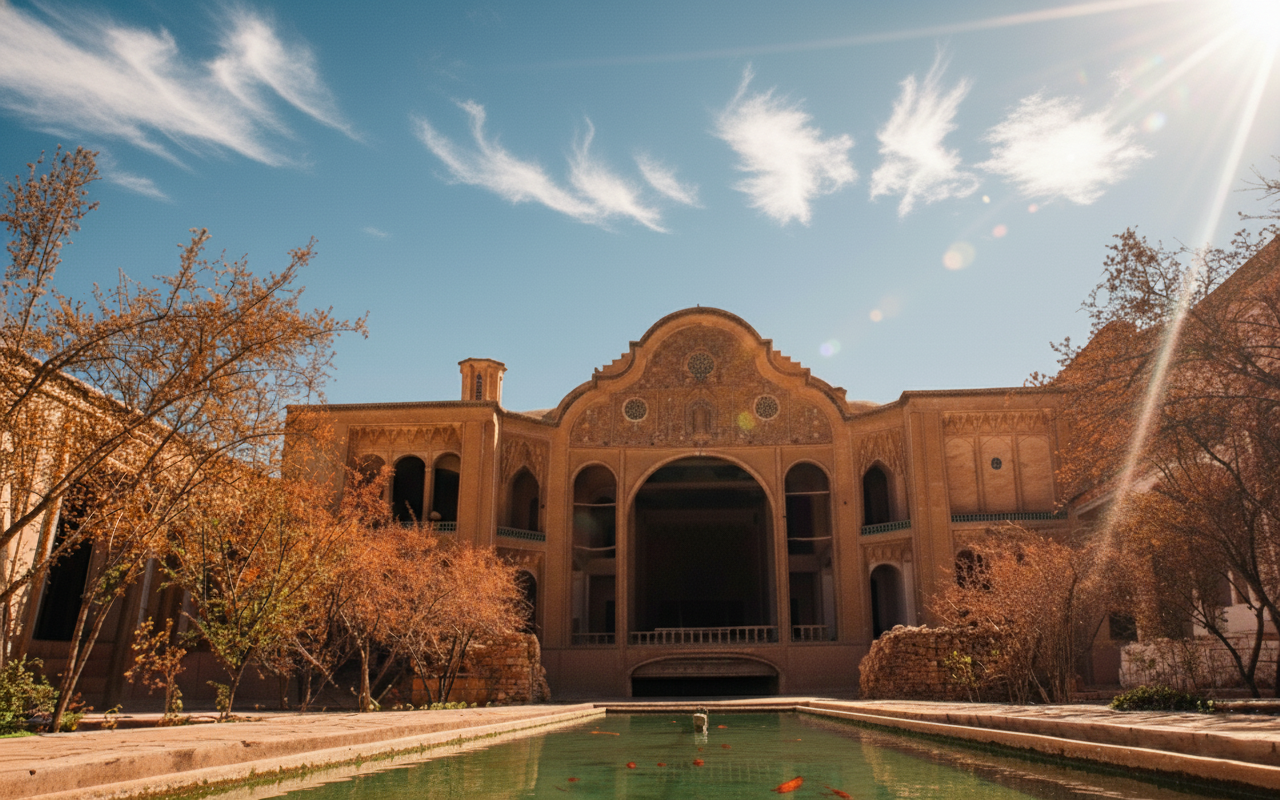
Kashan is also renowned for its Qajar-era courtyard houses built during the 19th century, including the Tabatabaei House (خانه طباطباییها, c. 1835–1840 CE) and the Borujerdi House (خانه بروجردیها, 1857–1892 CE). These inward-looking residences are organized around gardens or baghchehs (باغچه) with reflecting pools that regulate temperature and humidity. Their domed reception halls, elaborate plasterwork, and windcatchers demonstrate the technical sophistication and artistic refinement of traditional Iranian residential architecture.
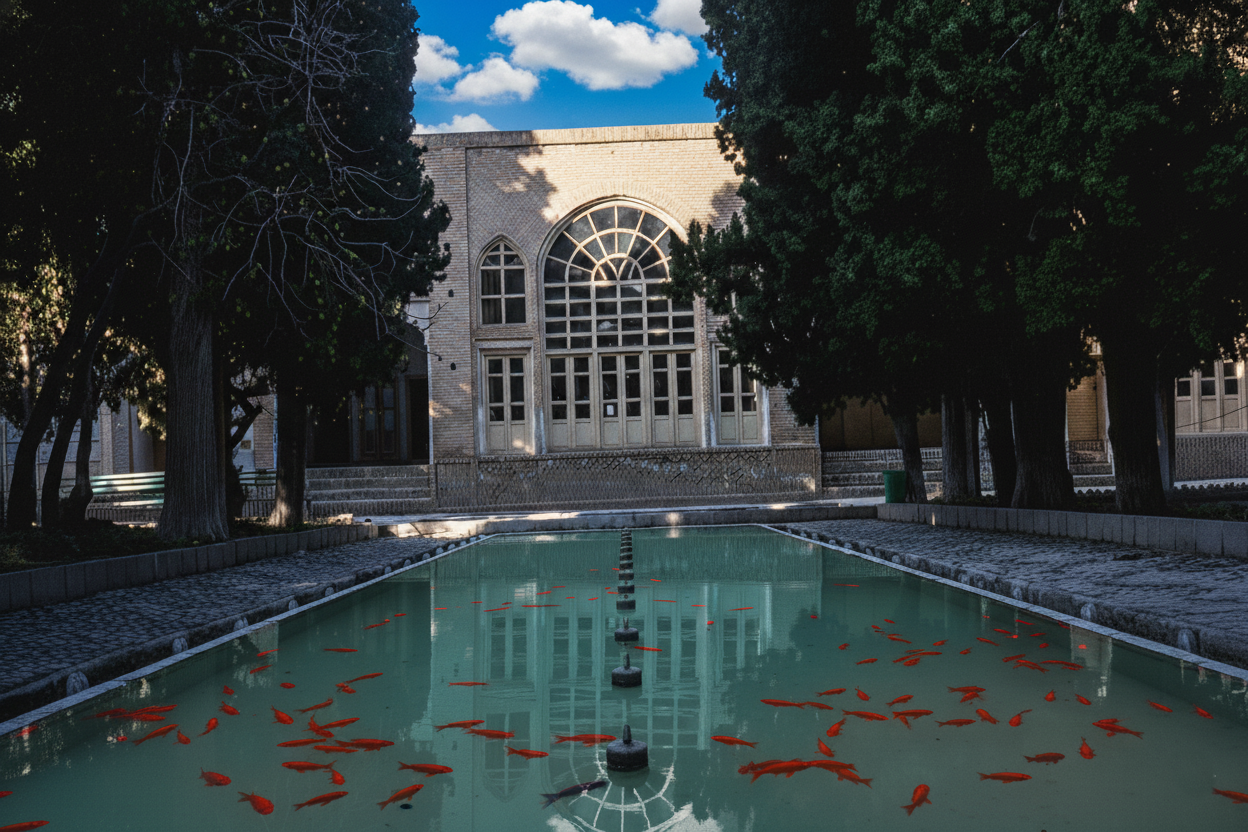
Among Kashan’s most celebrated landmarks is Fin Garden (باغ فین), originally established during the Safavid period (late 16th century CE, reign of Shah Abbas I) and expanded during the Qajar era (19th century CE). Recognized as part of the UNESCO World Heritage Persian Garden listing (2011), Fin Garden exemplifies the geometric order of the Persian garden tradition through axial pathways, flowing water channels fed by natural springs, and tall cypress trees that create a cultivated oasis within the surrounding desert landscape.
Together, Kashan’s historic houses, bazaars, gardens, and earthen architecture form a resilient and artistically refined urban environment. Through the integration of climate-responsive design, craftsmanship, trade, and spirituality, the city expresses a distinct desert identity—an inward-looking yet vibrant cultural landscape sustained behind modest adobe (خشت و گل) walls.