Agha Bozorg, a Place of Worship and School
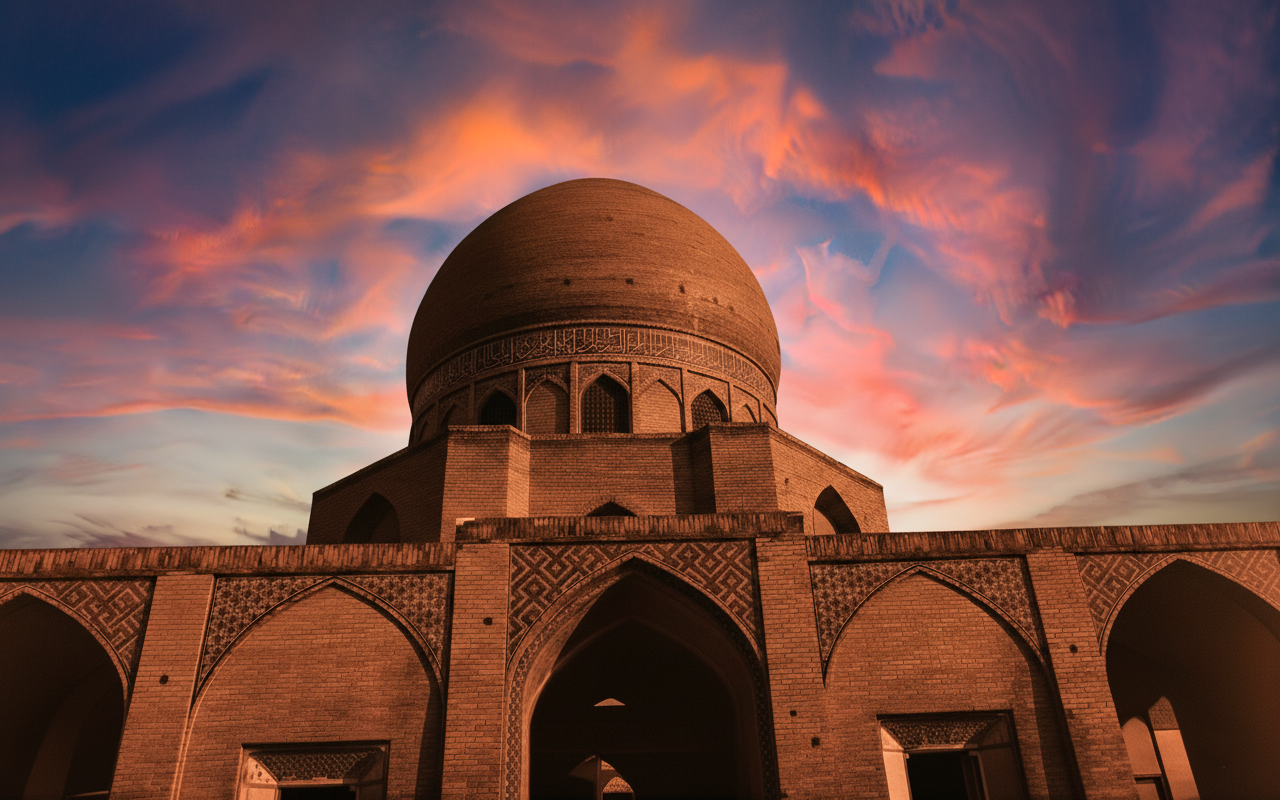
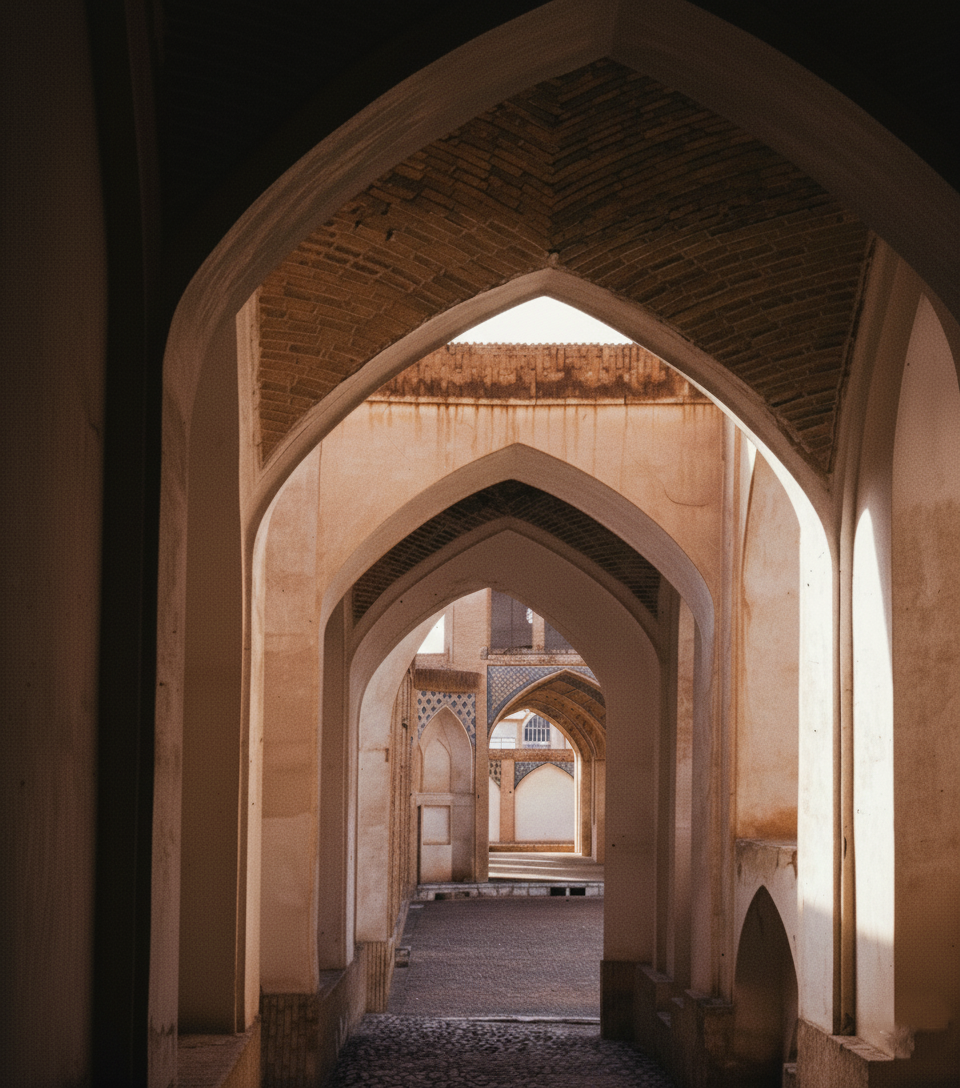
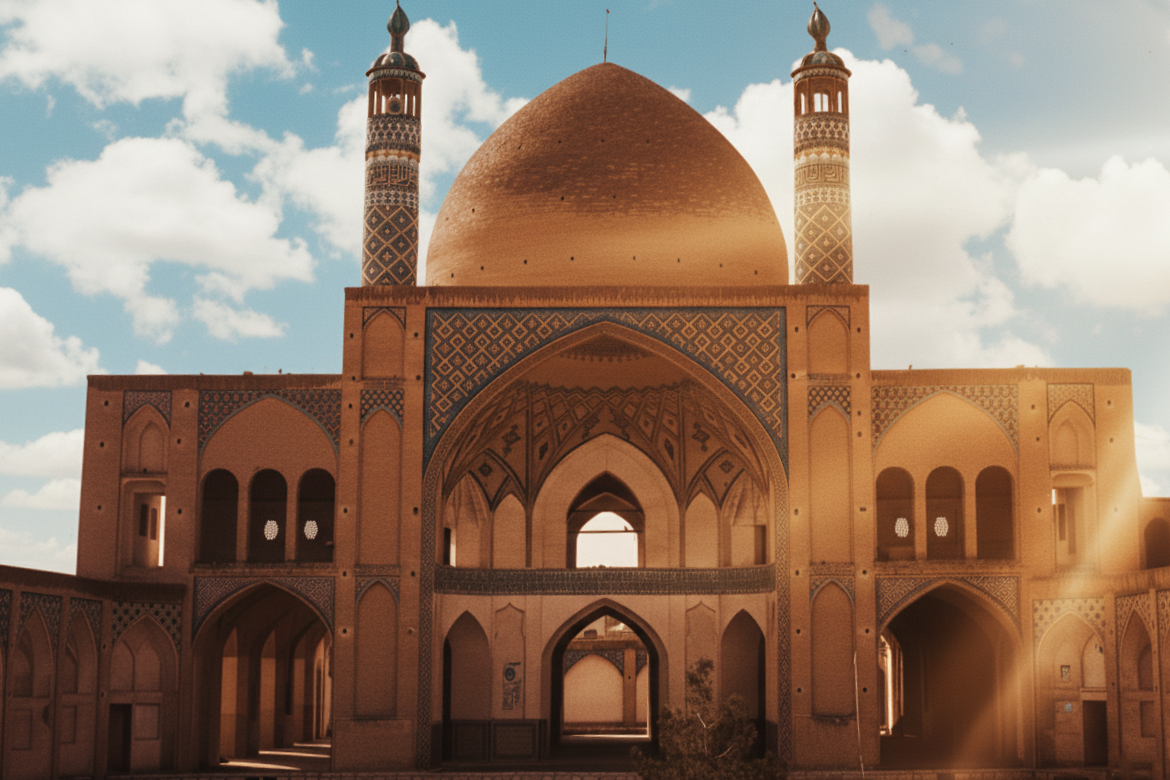
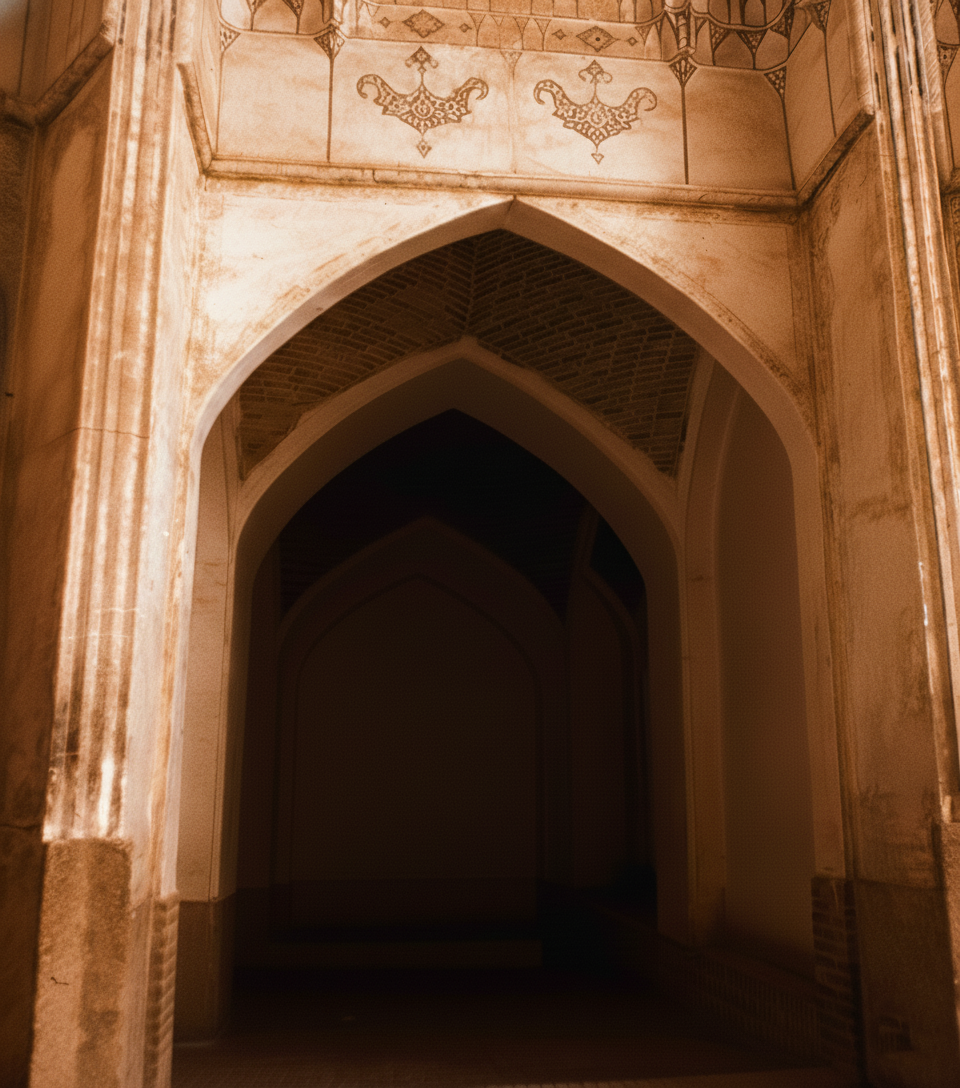
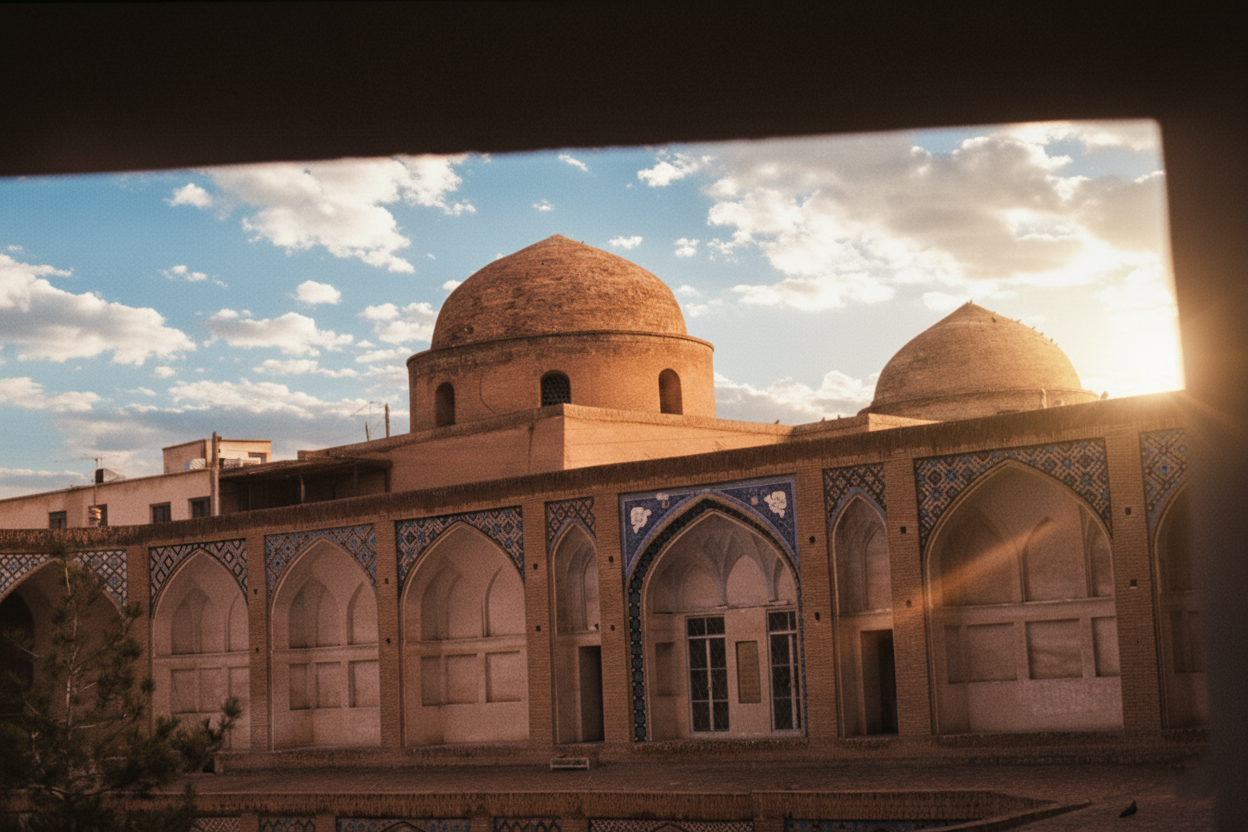
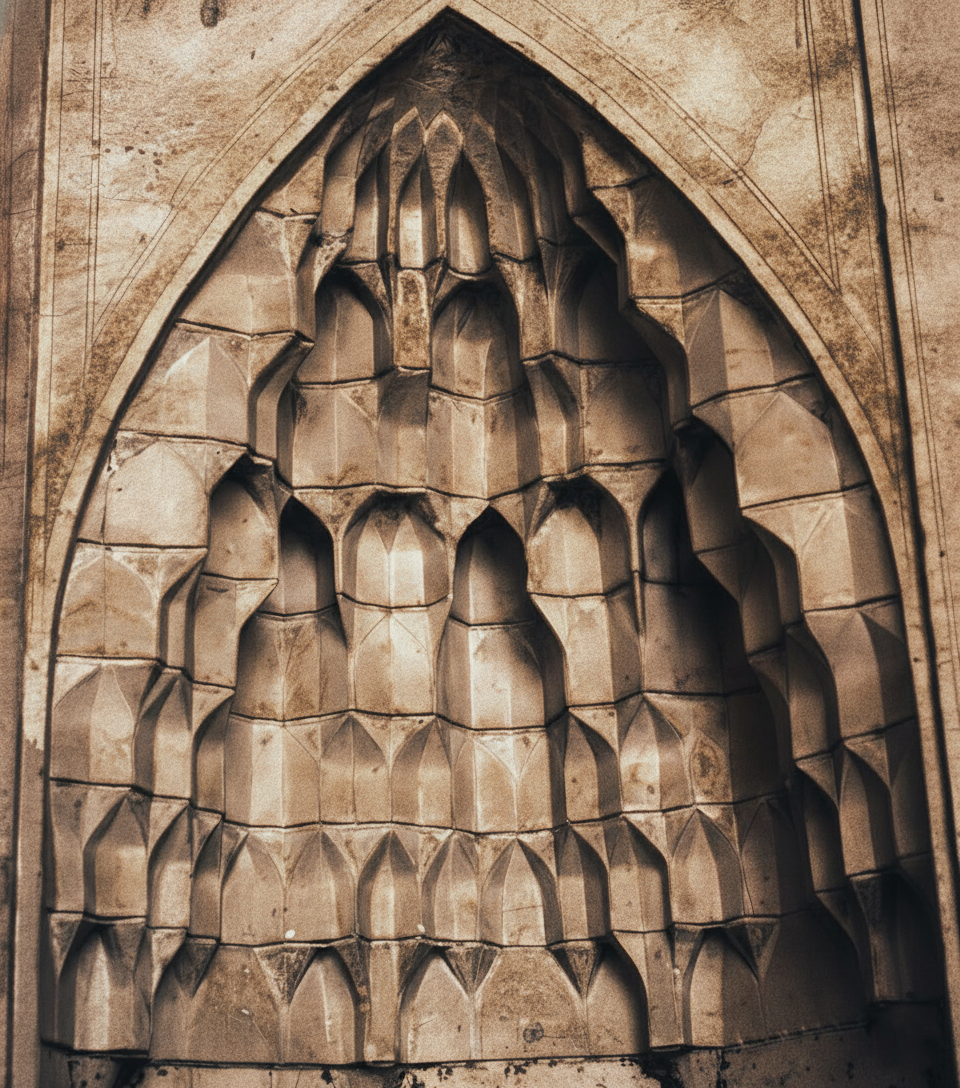
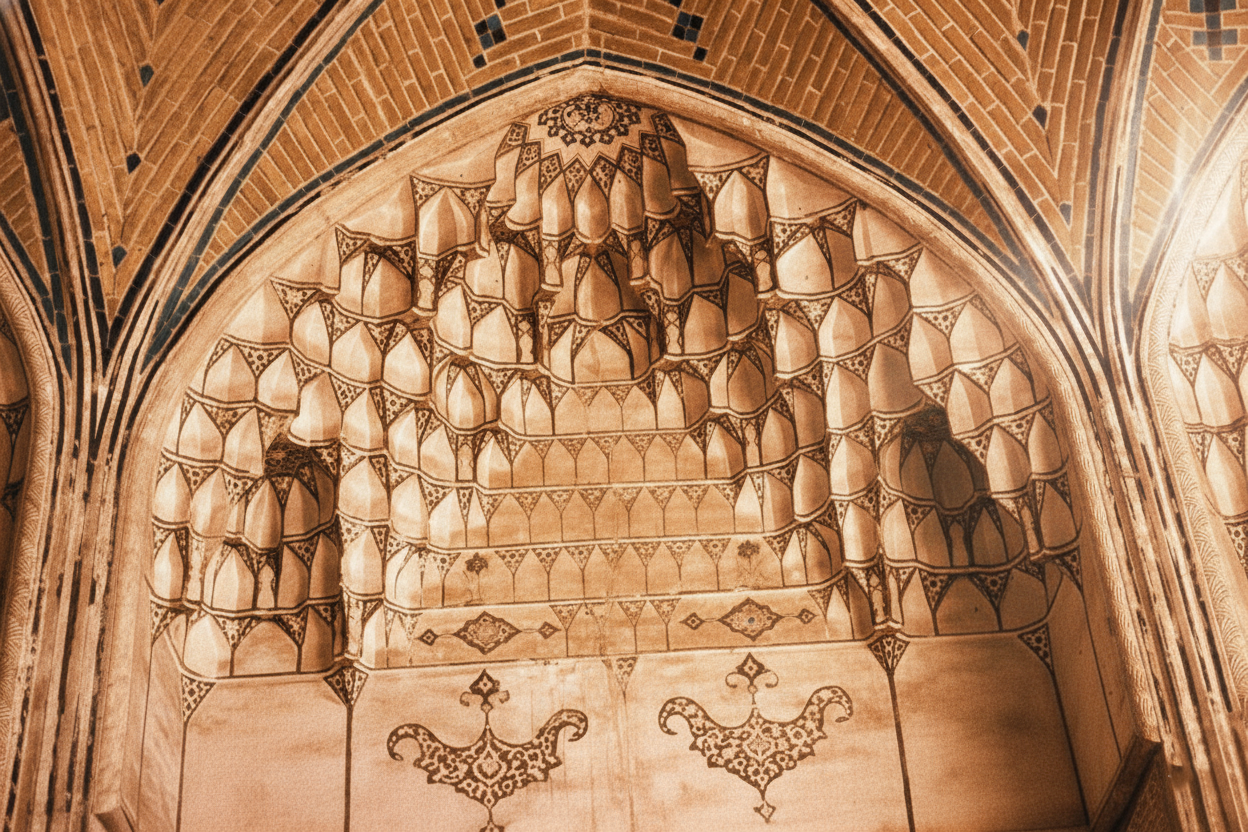
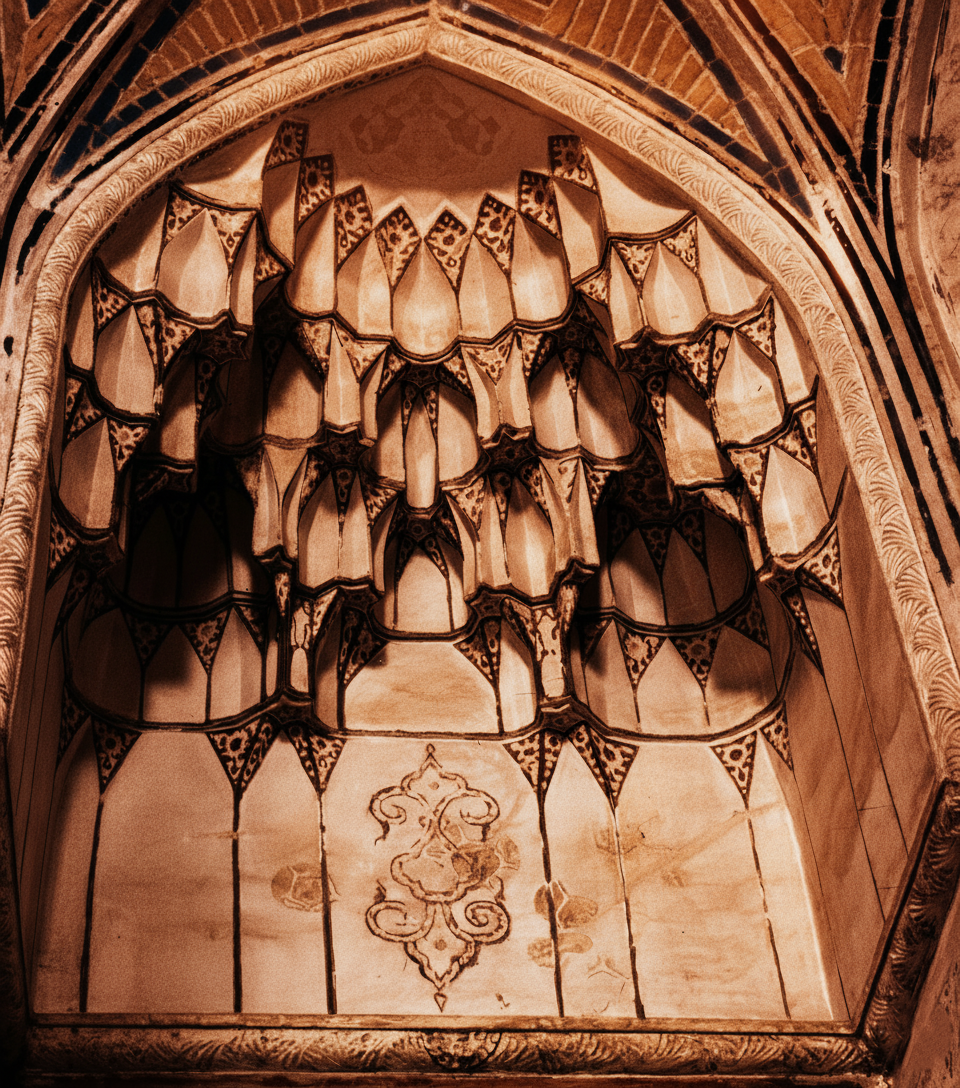
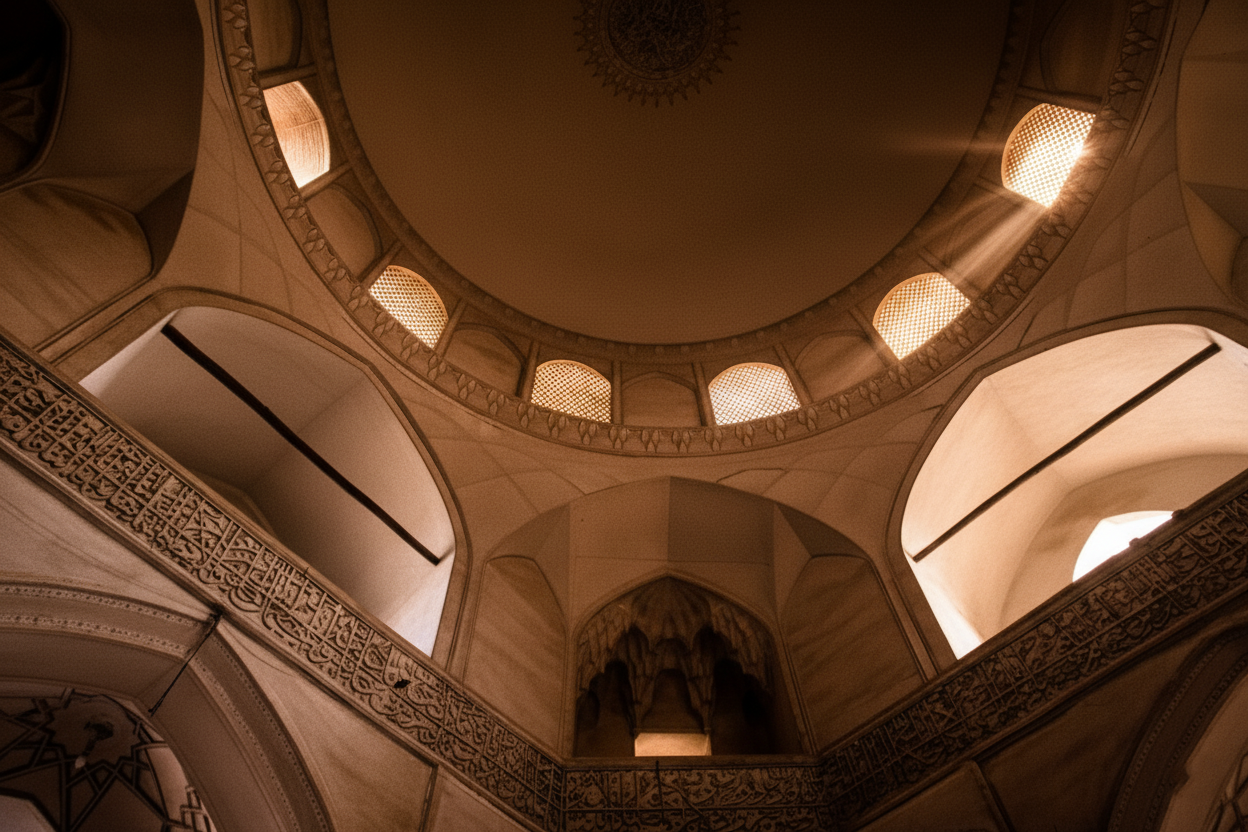
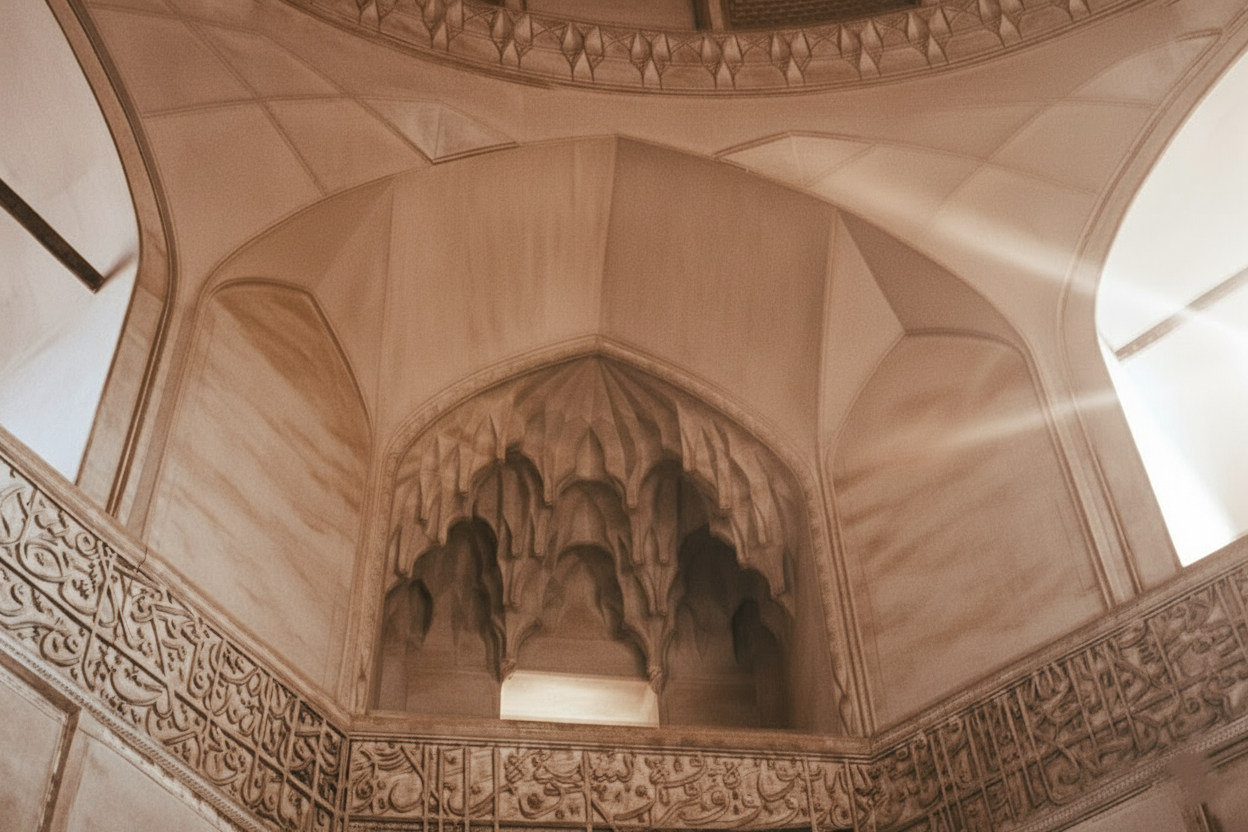

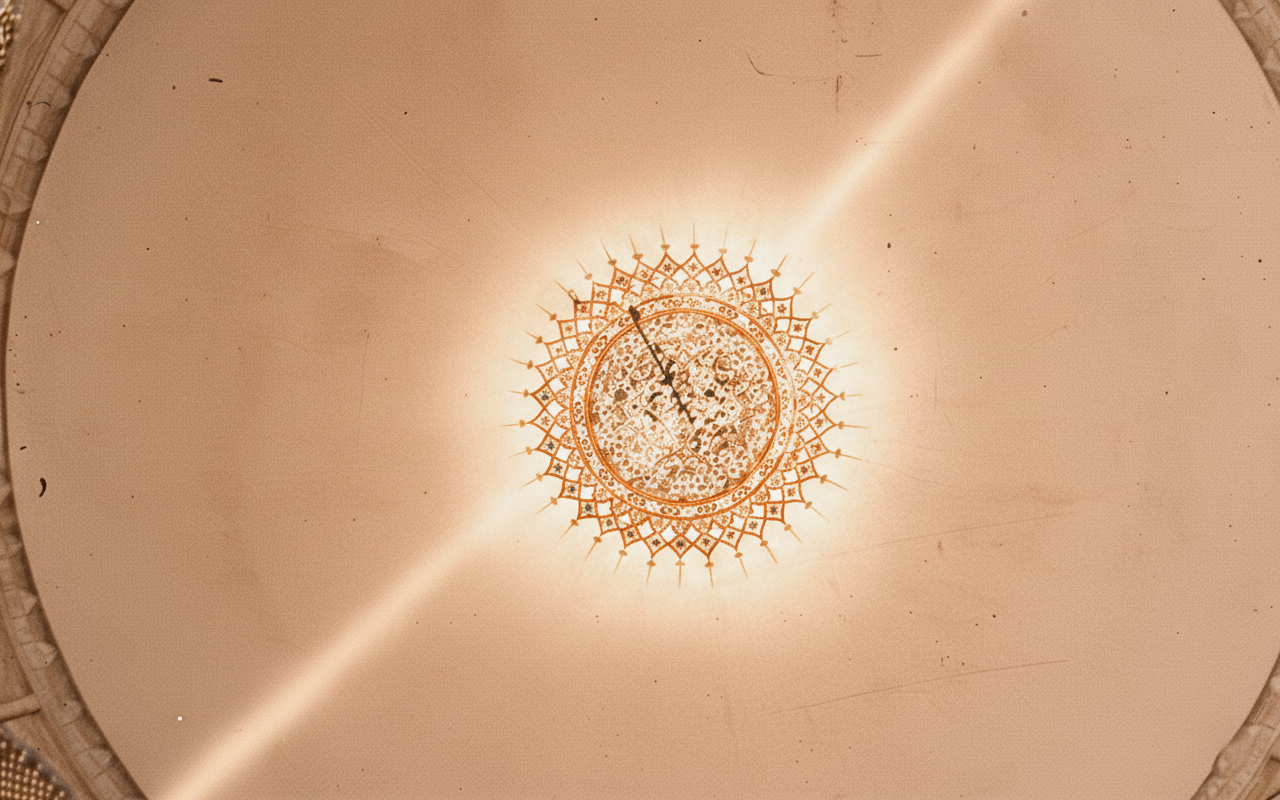
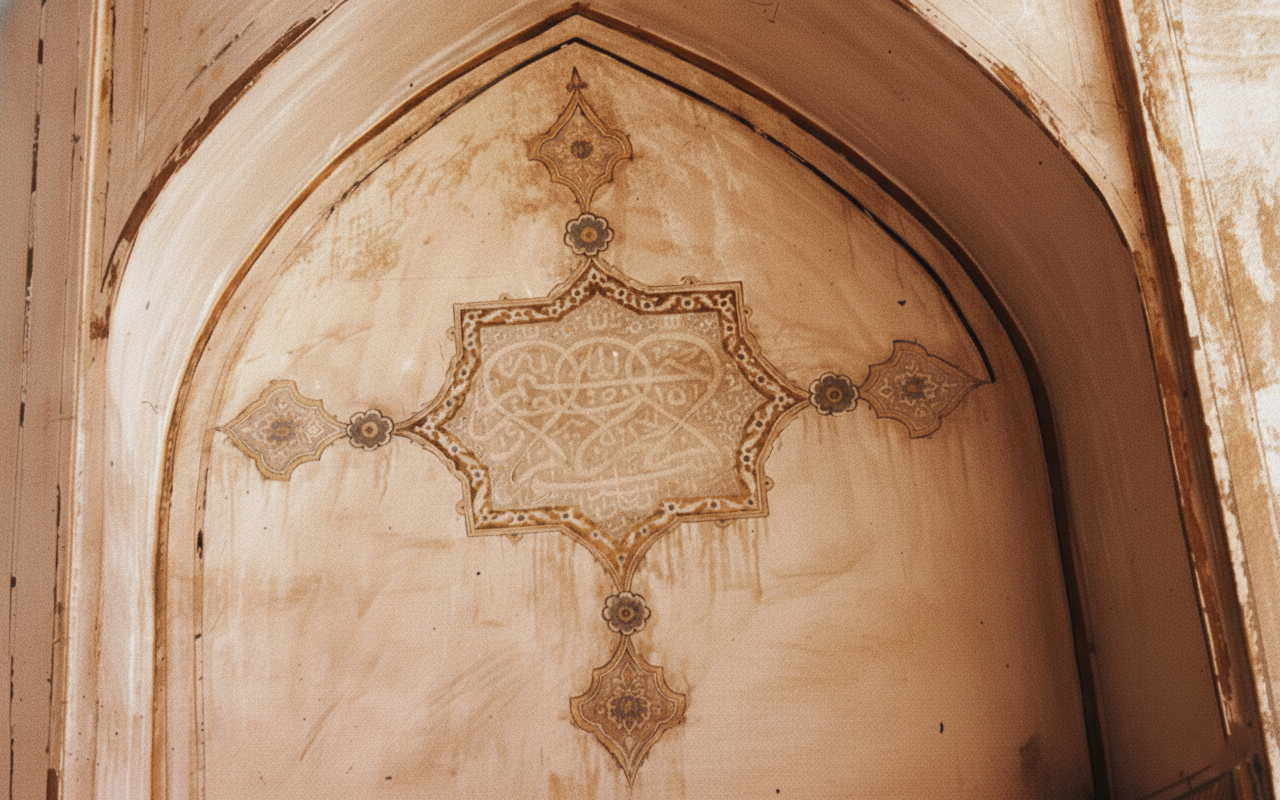
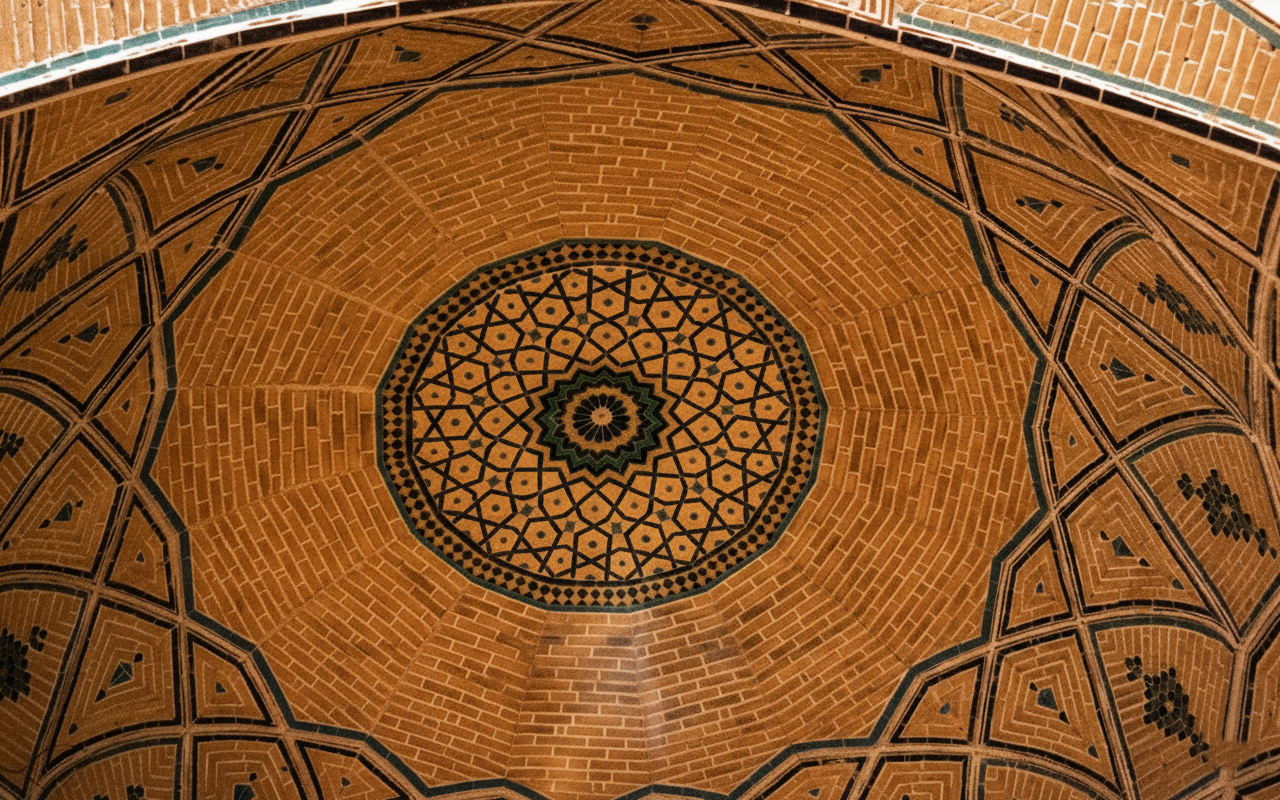
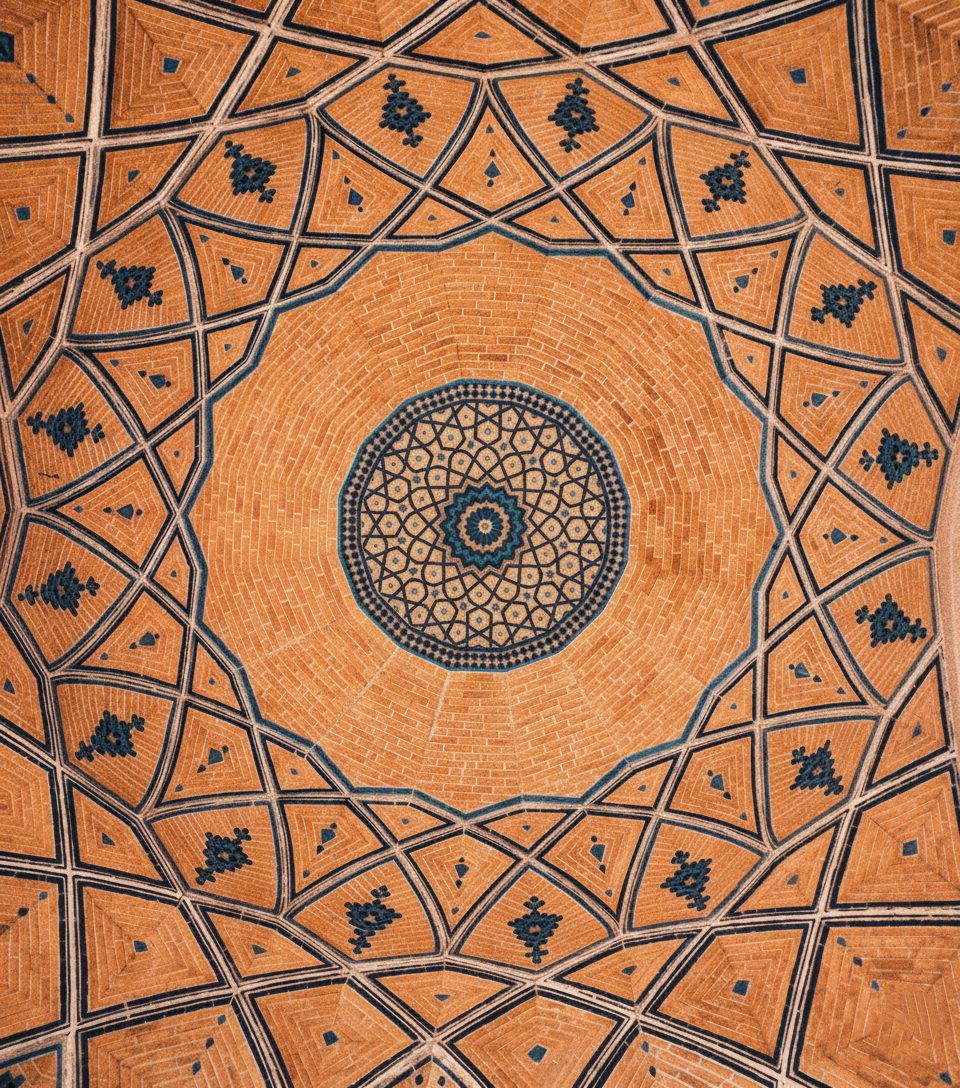
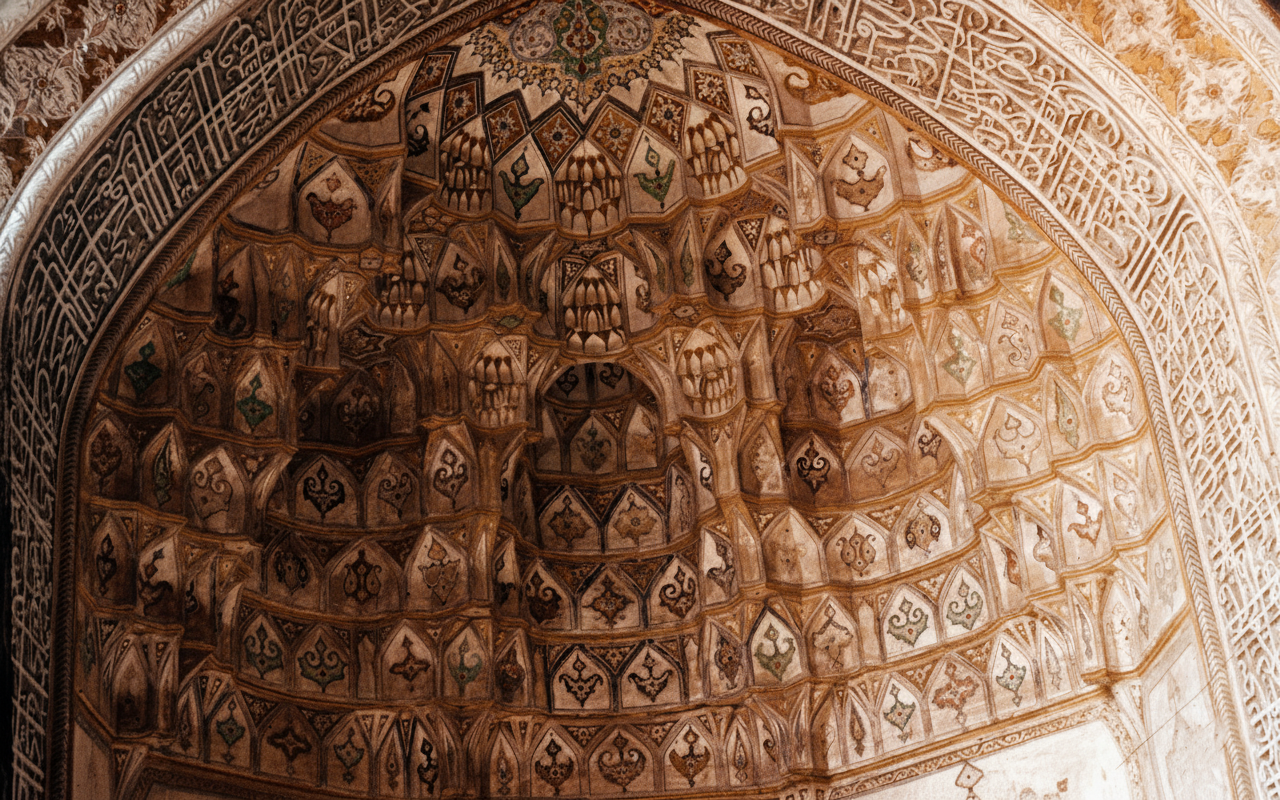
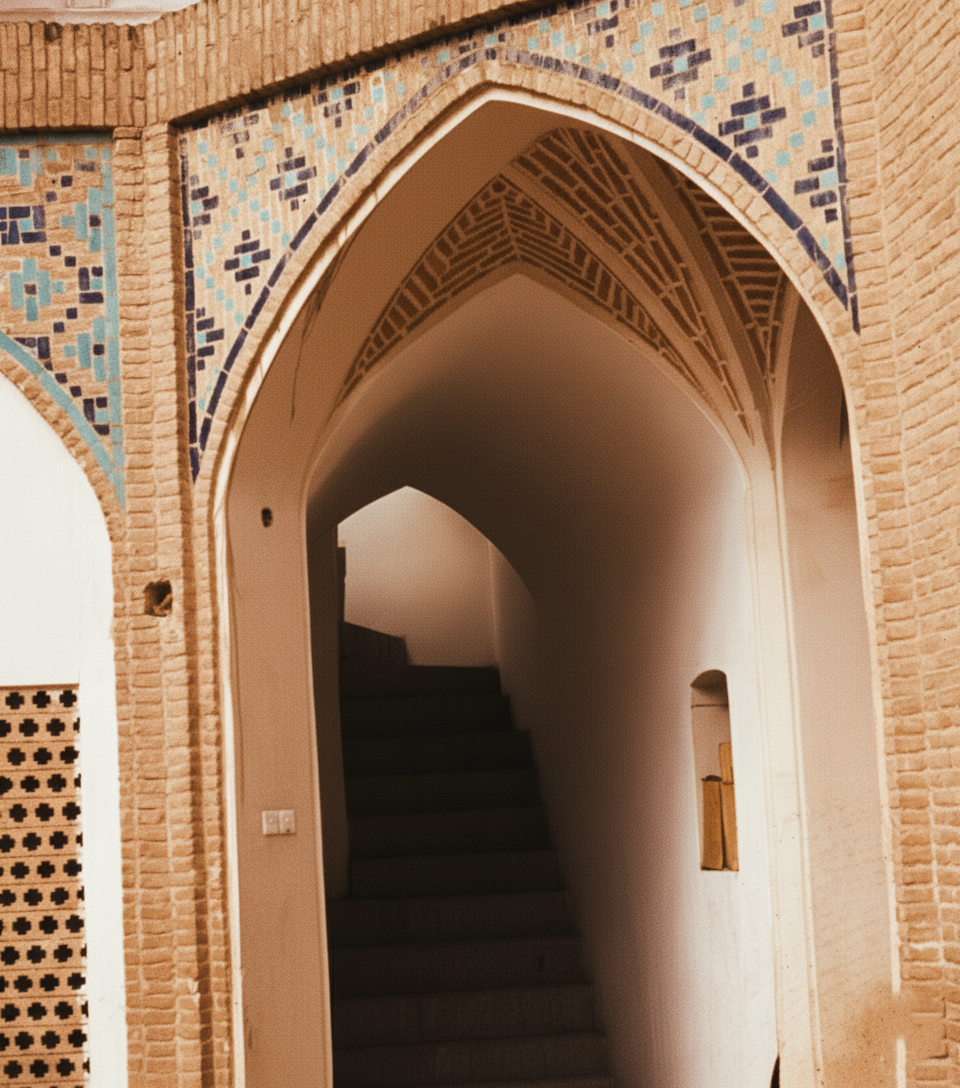
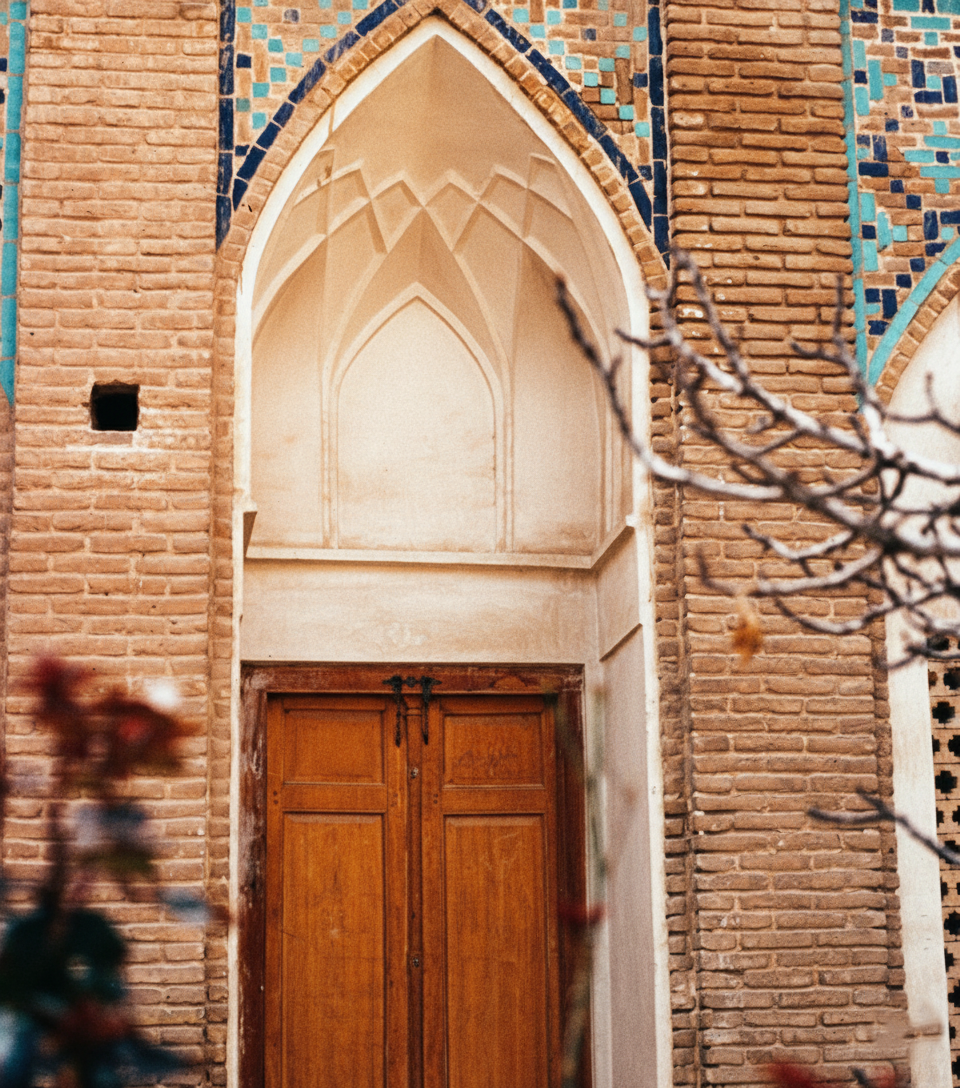
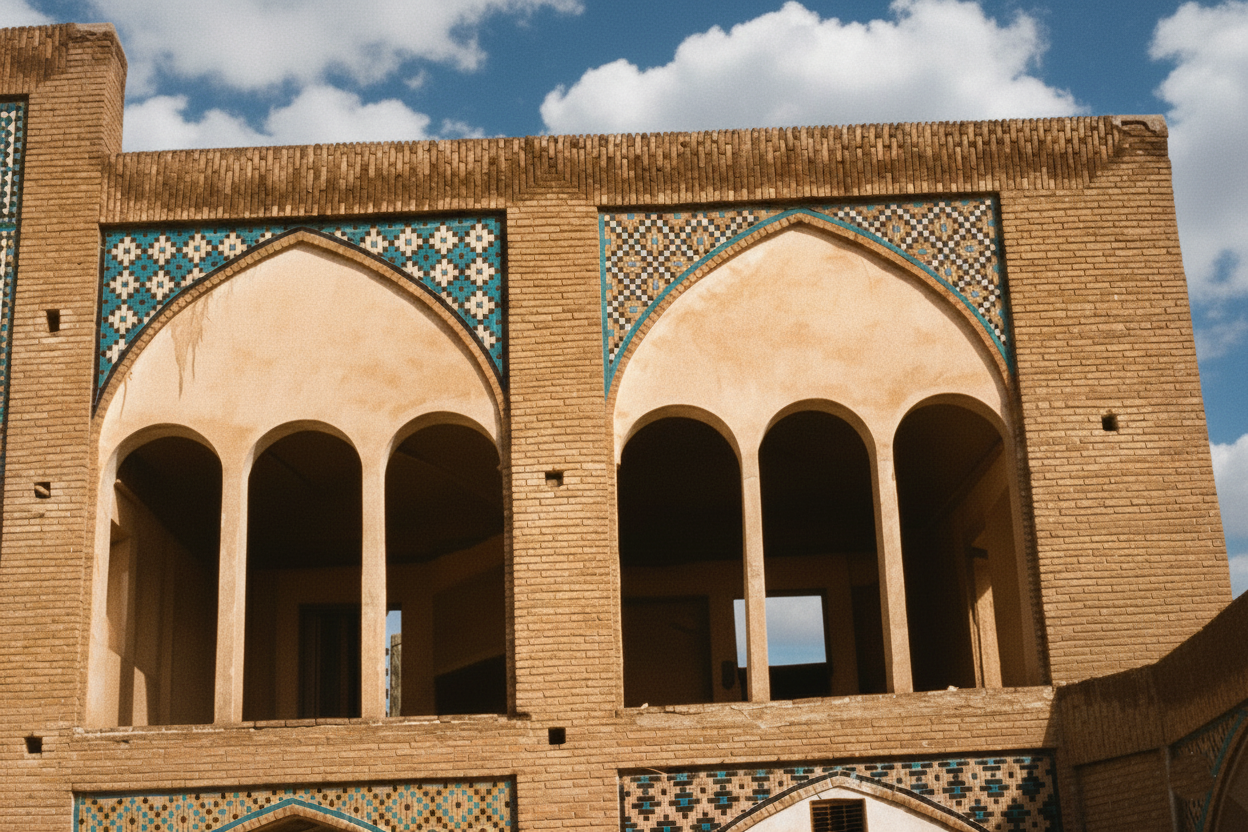
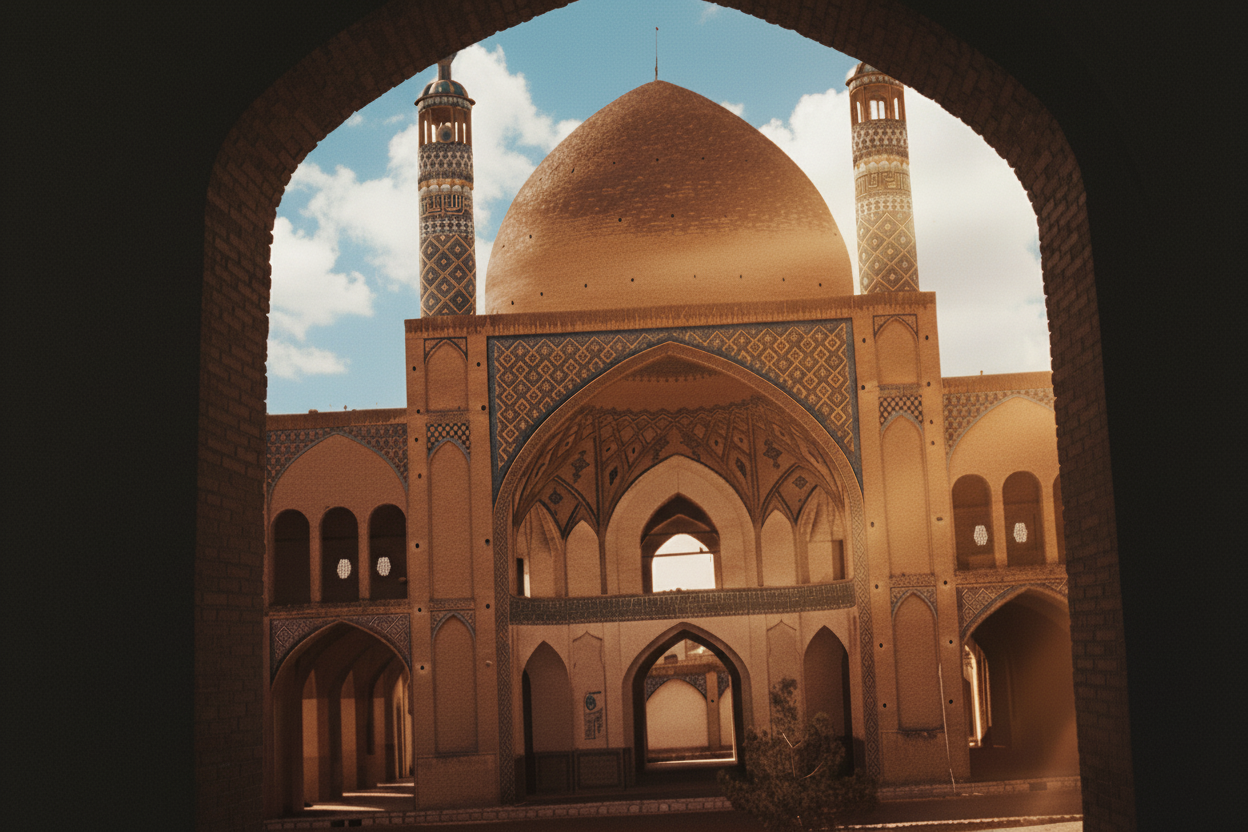
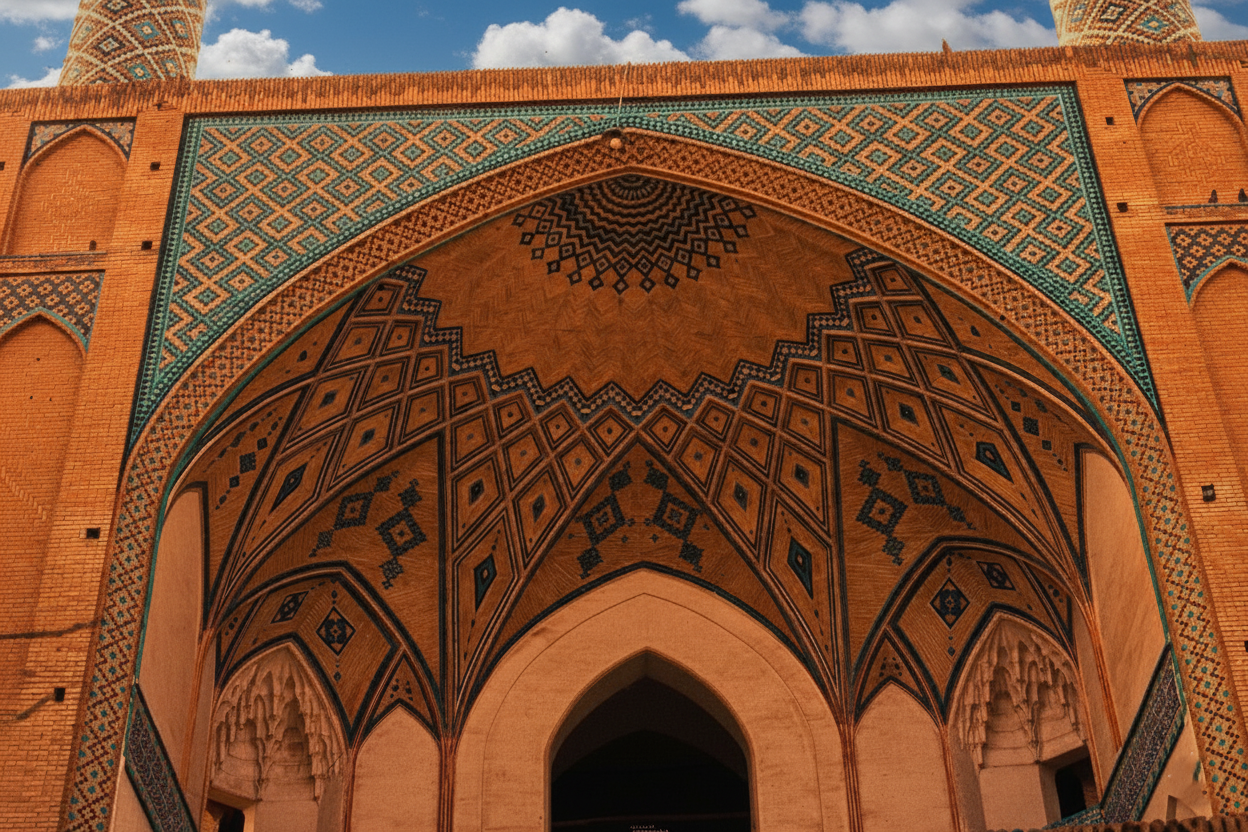
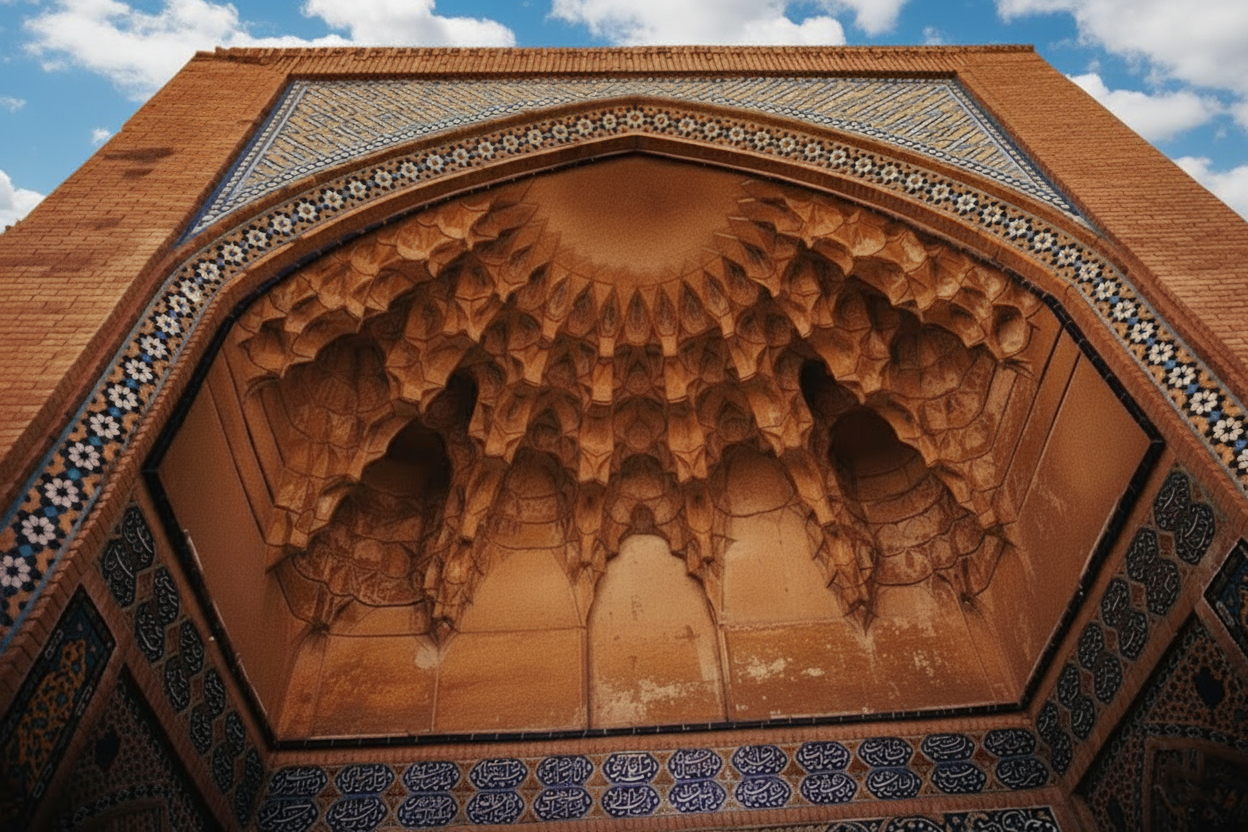
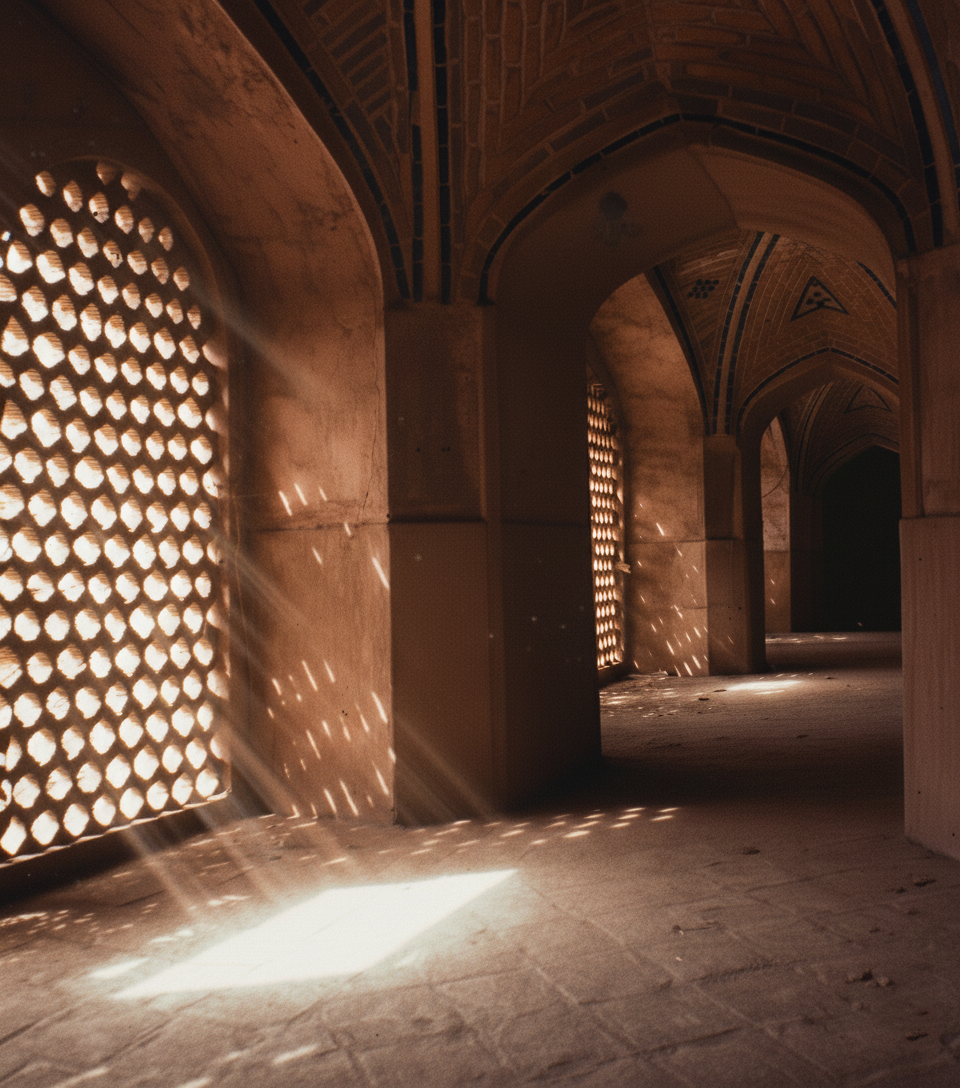
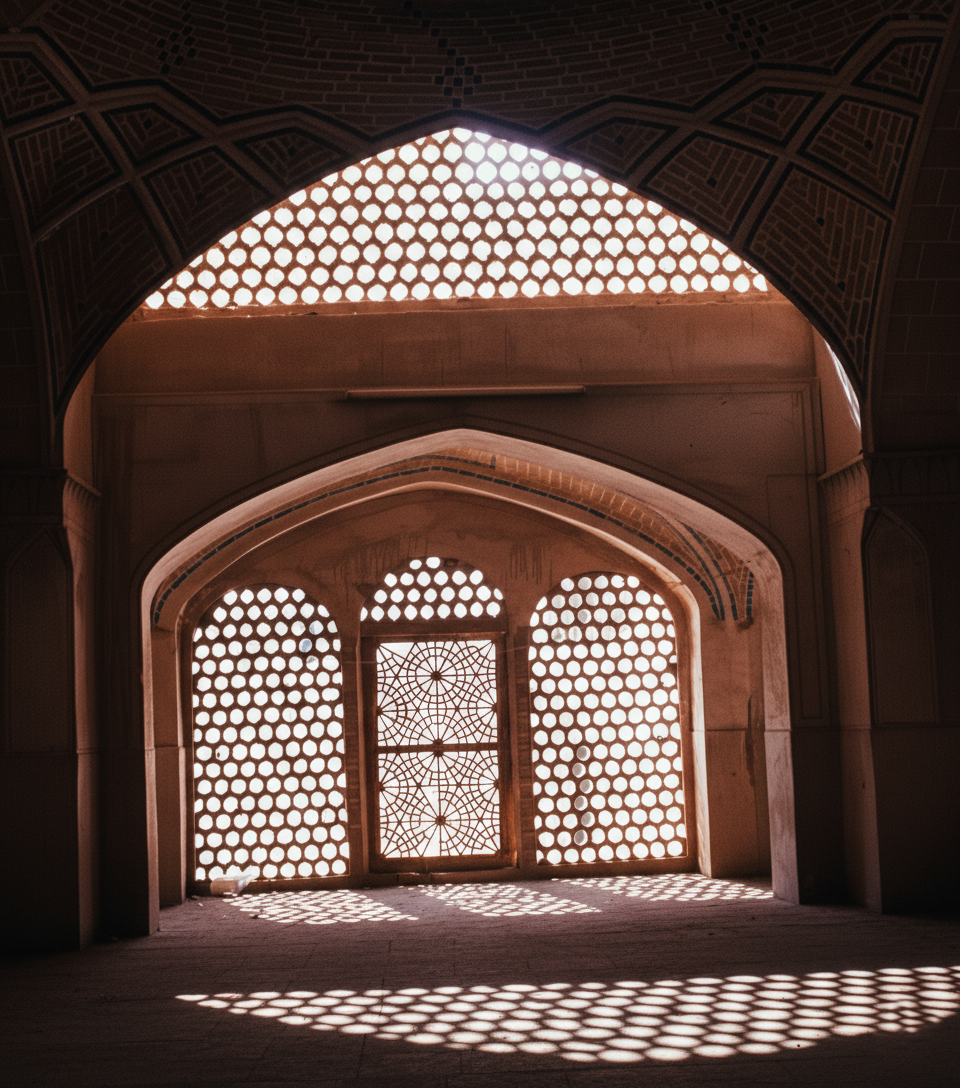

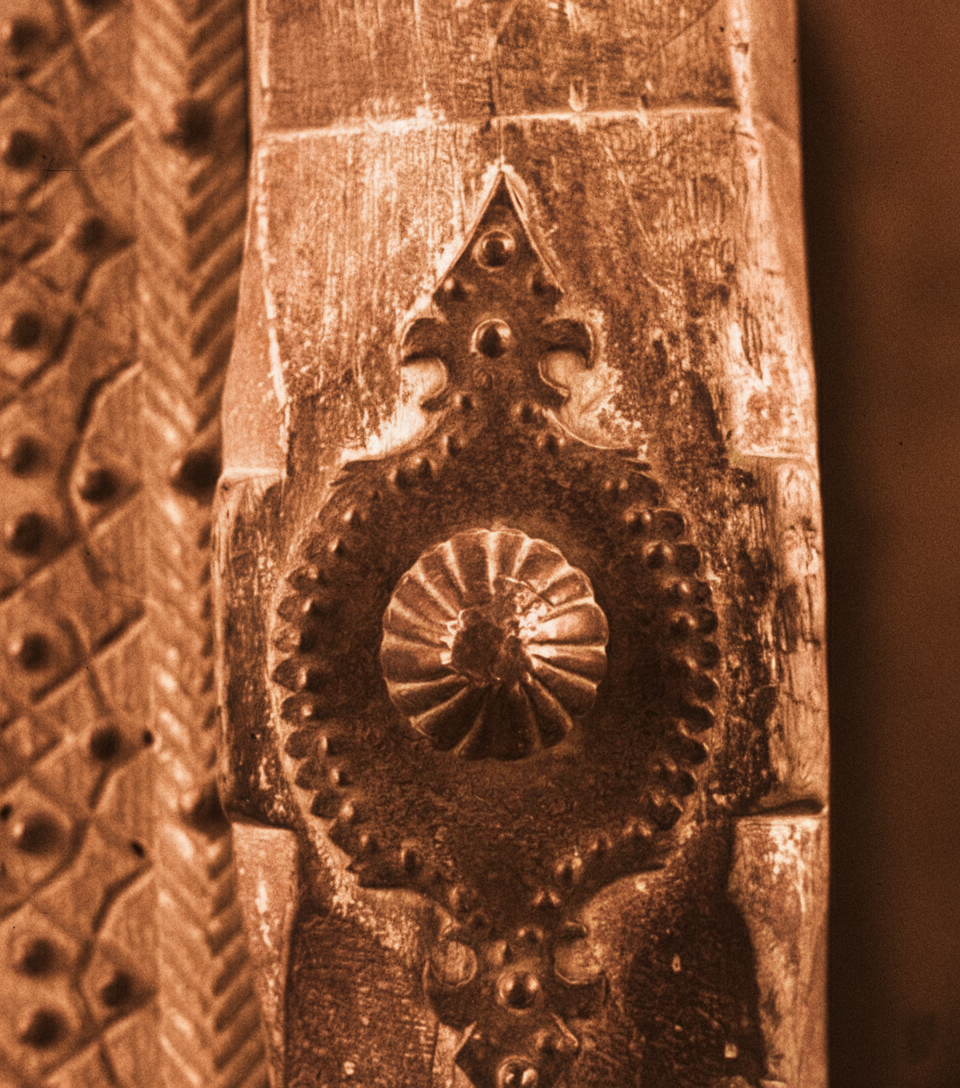
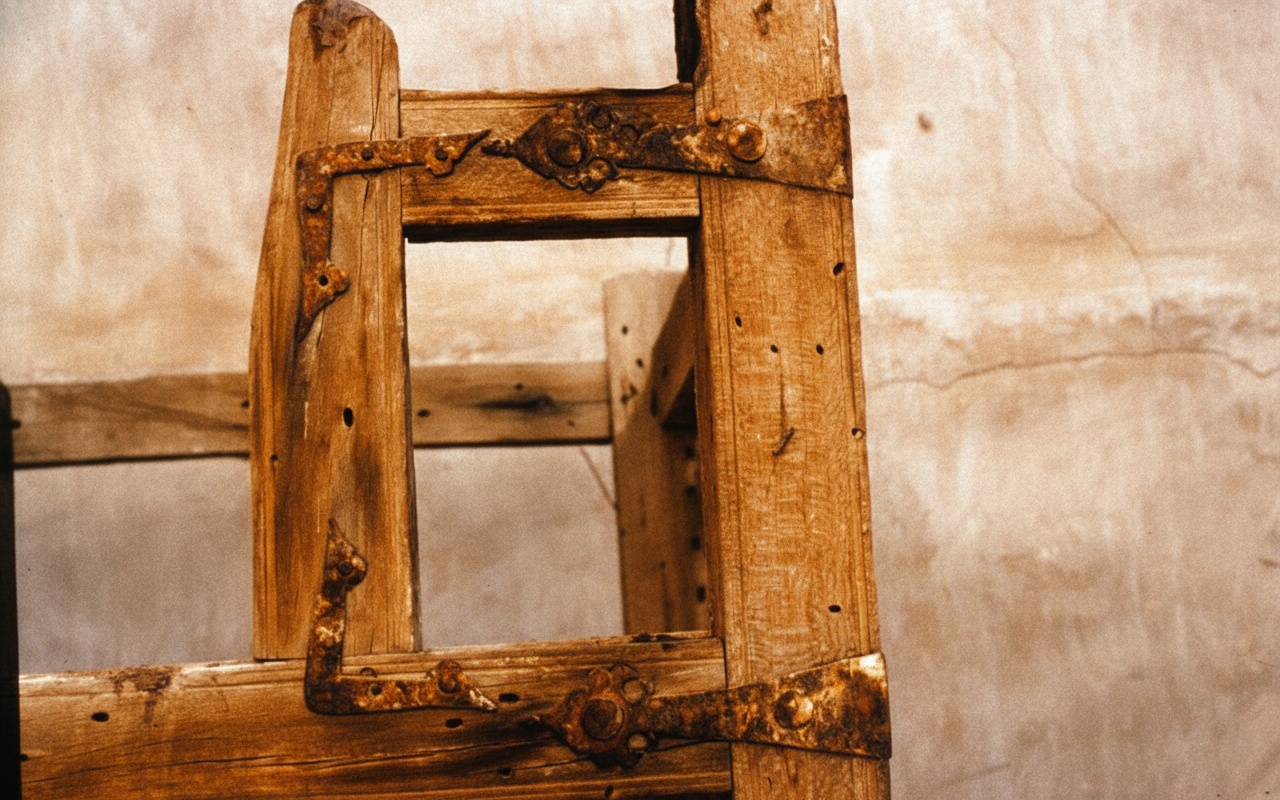
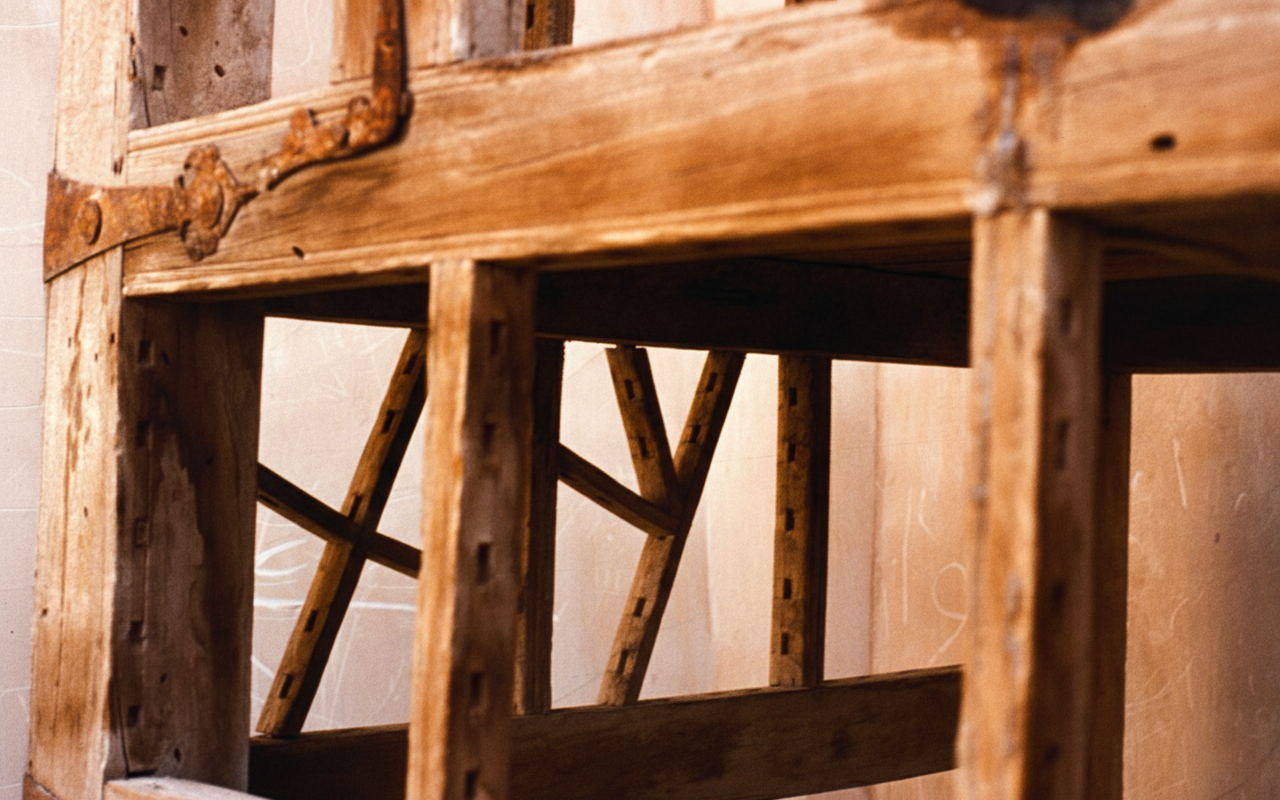
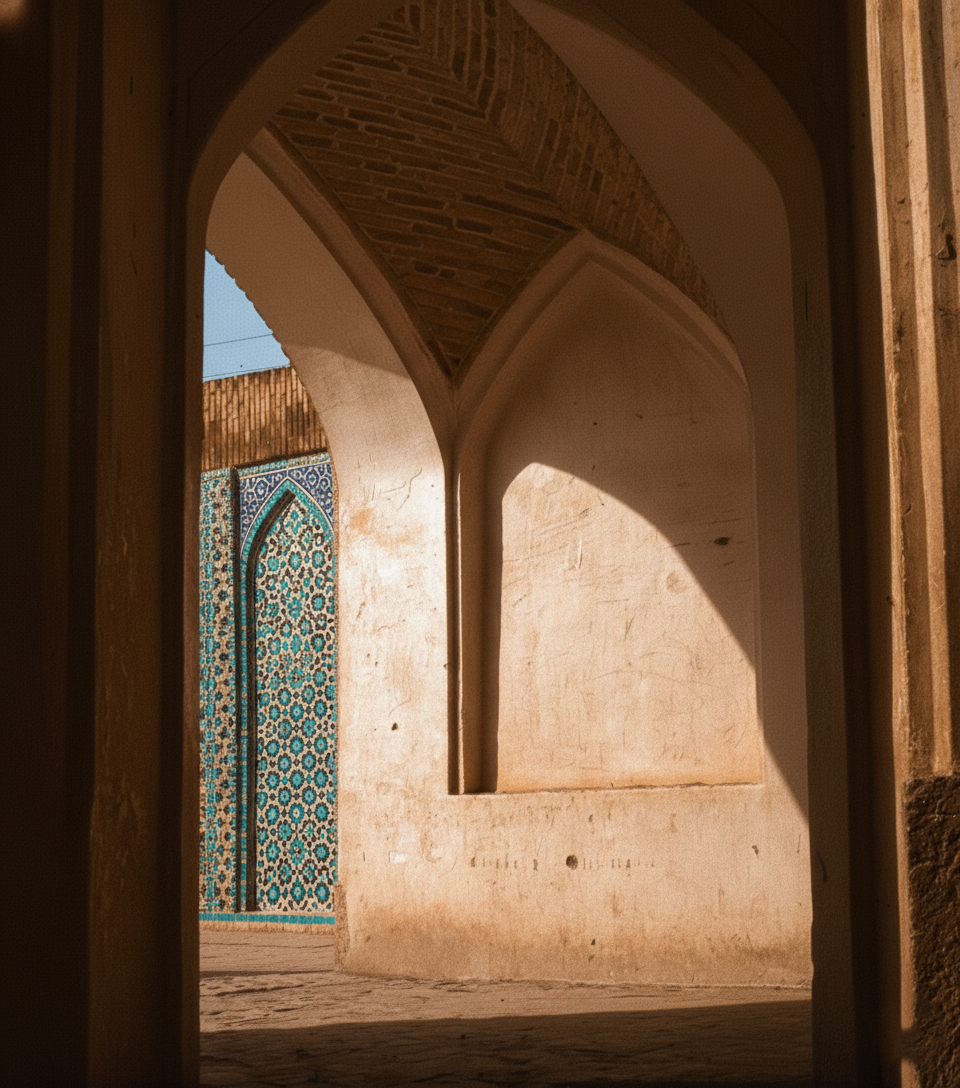
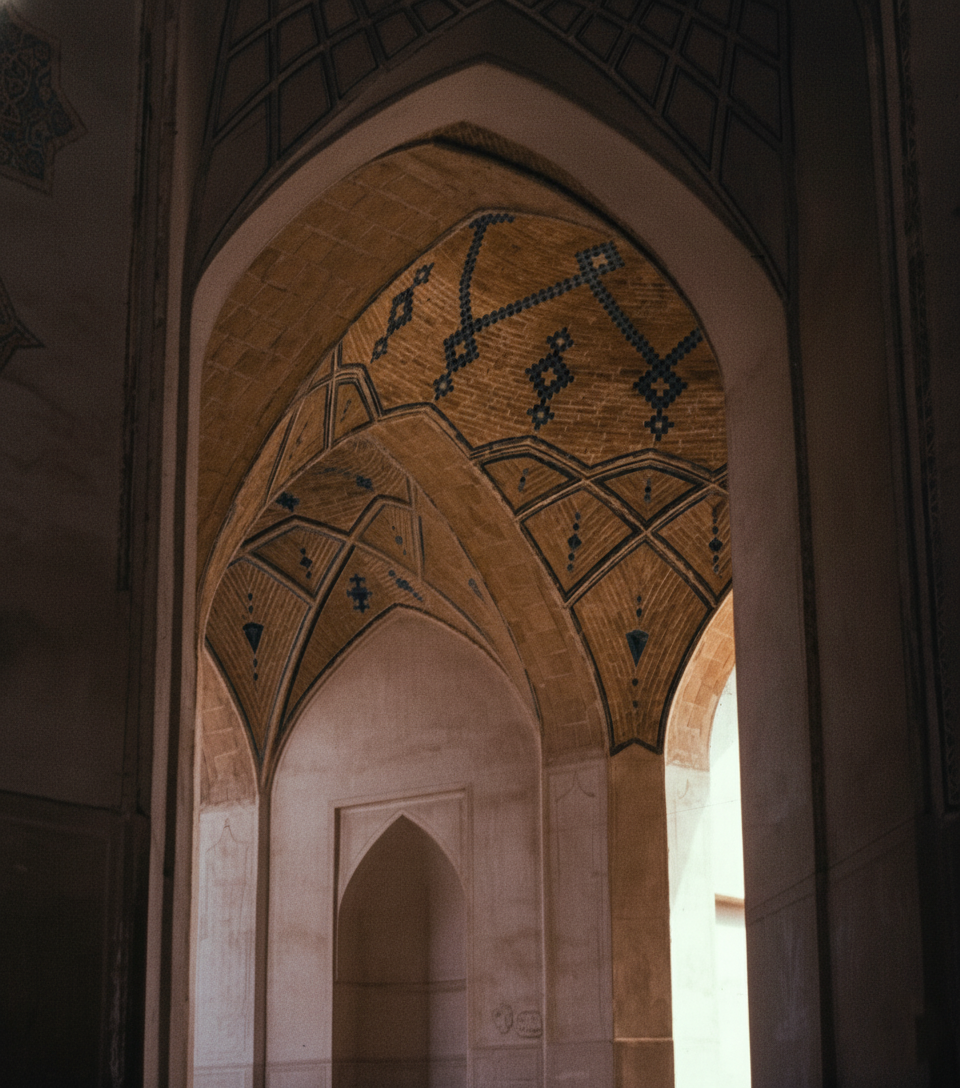
Agha Bozorg (مسجد و مدرسه آقابزرگ), built in the Qajar period (c. 1778–1798 CE), integrates mosque and madrasa within Kashan’s dense urban fabric. Organized around a sunken courtyard, its iwans (ایوان), arcades, and central dome (گنبد) in adobe (خشت و گل) create climatic comfort and architectural harmony with surrounding neighborhoods.
-
Agha Bozorg, a Place of Worship and School constructed in the late 18th century during the Qajar period (c. 1778–1798 CE), is one of the most significant architectural landmarks in Kashan, embodying the integration of religious, educational, and urban space within the city’s dense fabric. The complex is organized around a sunken central courtyard that serves both climatic and spatial purposes. The mosque and madrasa are composed as a unified ensemble, where symmetrical iwans, arcades, and a central dome (گنبد) create balance and clarity within an otherwise organic urban context. Its restrained adobe (خشت و گل) construction and refined brick detailing allow the building to harmonize with the surrounding neighborhood while maintaining a strong civic presence.
Beyond its architectural composition, Agha Bozorg functions as an urban anchor within Kashan’s network of alleys and neighborhoods. The lowered courtyard enhances thermal comfort and spatial intimacy, while the dome and windcatcher elements contribute to the city’s recognizable skyline. Rather than standing apart as an isolated monument, the complex is deeply embedded in the everyday life of the city—physically connected to adjacent residential and commercial areas, and symbolically reinforcing the cohesion between spiritual life, education, and community within Kashan’s desert urbanism.
