The Ab anbar (آبانبار) of Kashan
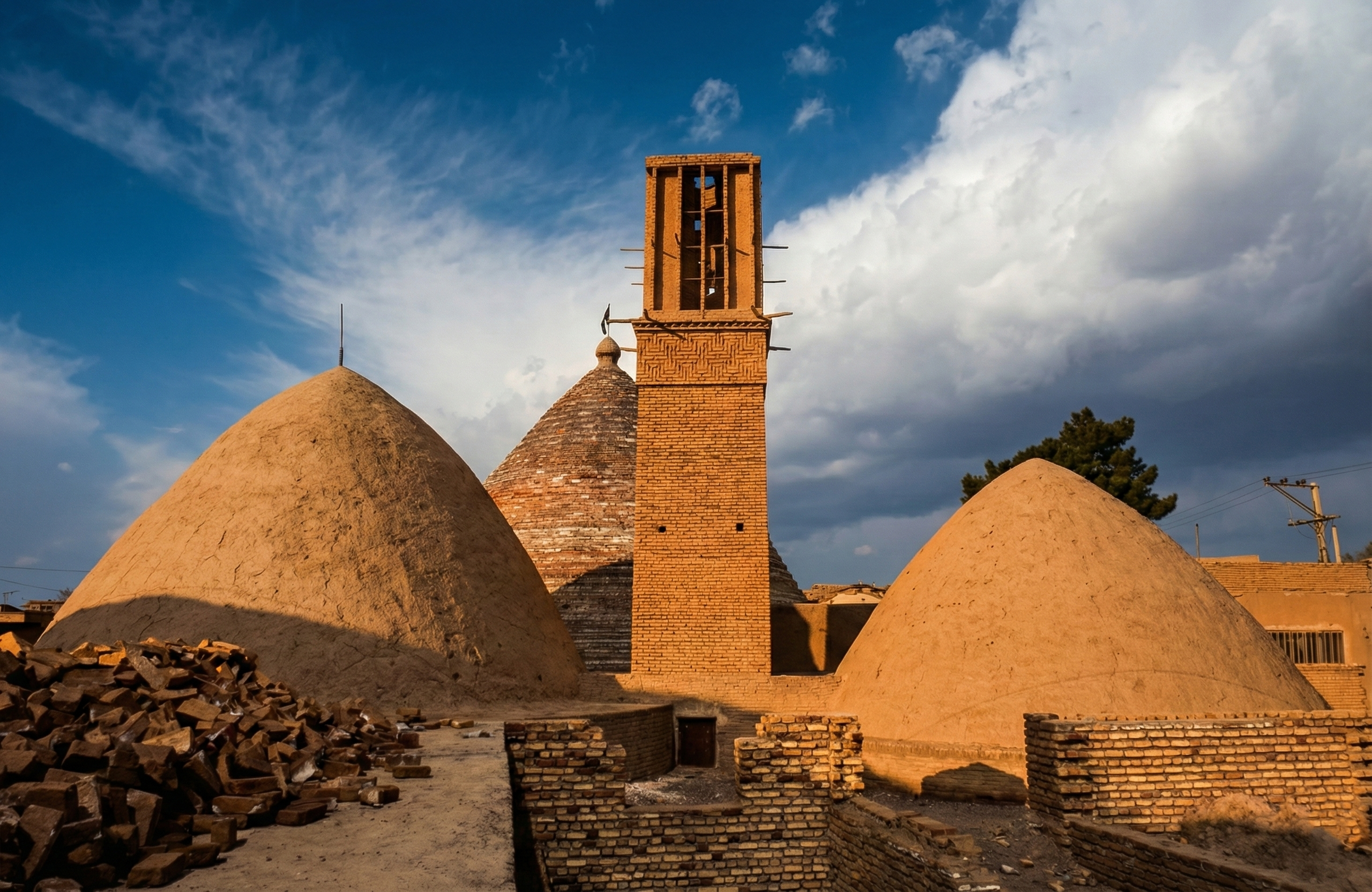


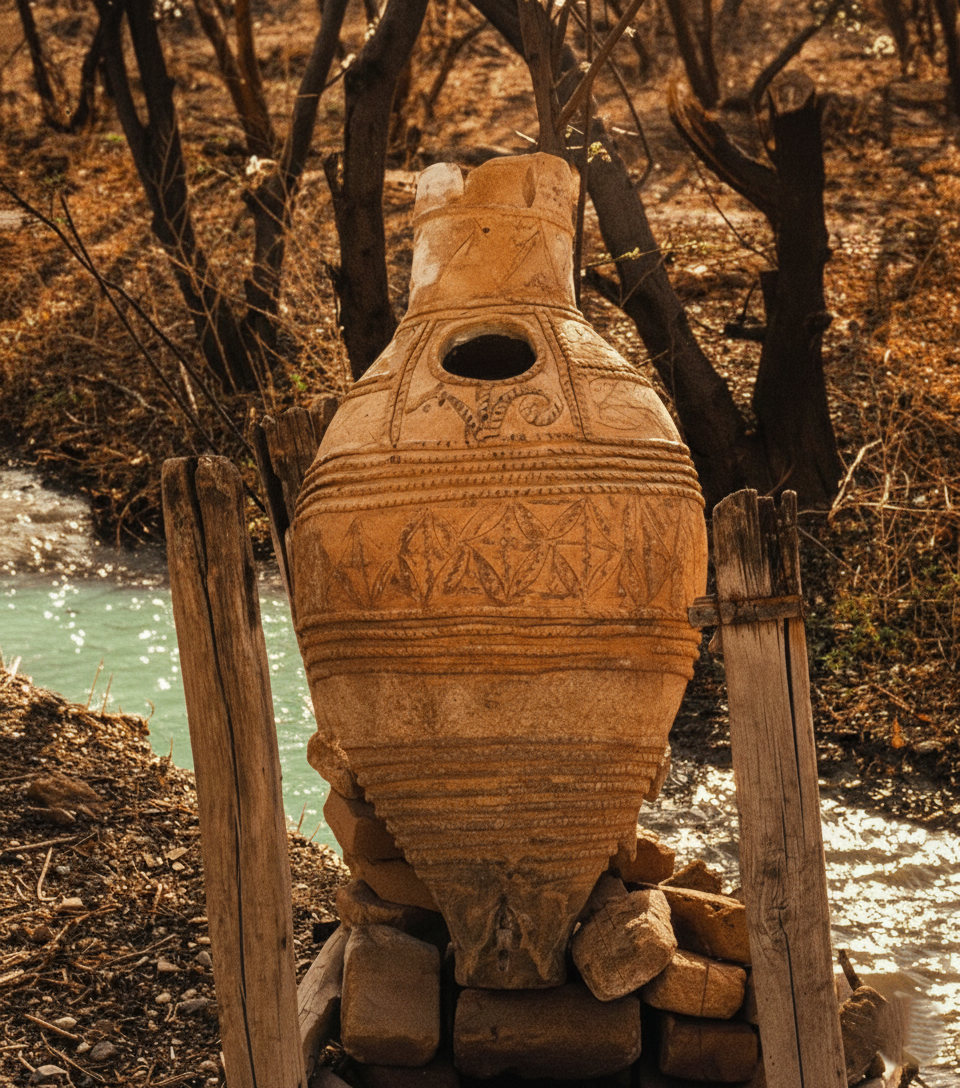


The Ab anbar (آبانبار) of Kashan (کاشان) embodies the architectural response to water scarcity in the desert climate. Built with adobe (خشت و گل) walls, domes (گنبد), and windcatchers (بادگیر), these communal reservoirs preserved precious water while creating civic nodes that reinforced cooperation, social cohesion, and climate-responsive desert urbanism.
-
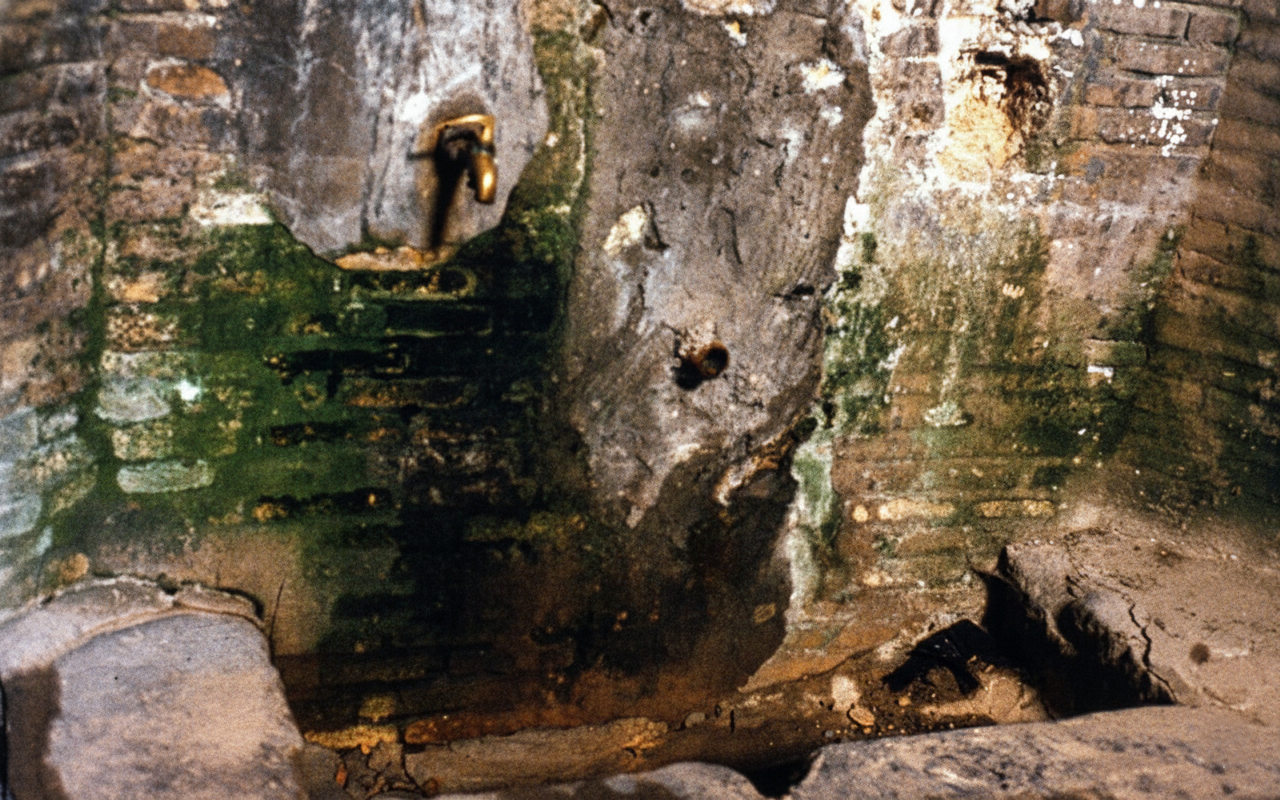
The Ab anbar (آبانبار) of Kashan (کاشان) represents one of the most critical architectural responses to life in an arid desert environment, where water is both scarce and essential to survival. In a landscape defined by heat and limited rainfall, the careful storage and protection of water became a central concern of urban life. The construction of Ab anbars therefore reflects not only technical ingenuity but also a collective social effort to secure and manage this vital resource. Distributed strategically within neighborhood mahallas (محلهها)—often near mosques (مسجد), bazaars (بازار), and main circulation routes—these structures formed an integrated urban network that ensured reliable access to water for the community.
Architecturally, the Ab anbar demonstrates a sophisticated understanding of climate-responsive design. Large underground reservoirs protected water from evaporation and contamination, while thick adobe (خشت و گل) walls provided thermal insulation. Above ground, domes (گنبد) shielded the reservoir and reinforced structural stability, while windcatchers (بادگیر) circulated air to cool the stored water naturally. These elements transformed a utilitarian infrastructure into a carefully engineered architectural form adapted to the desert climate.
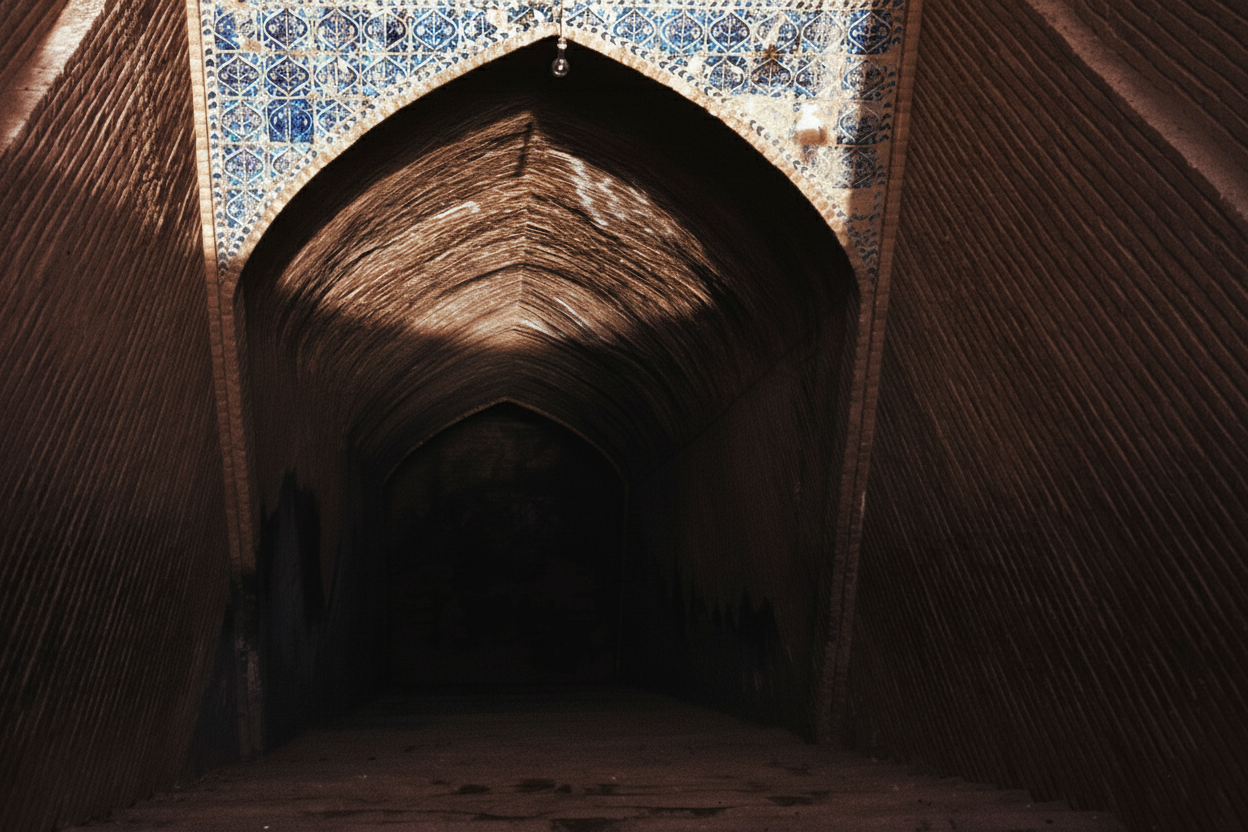
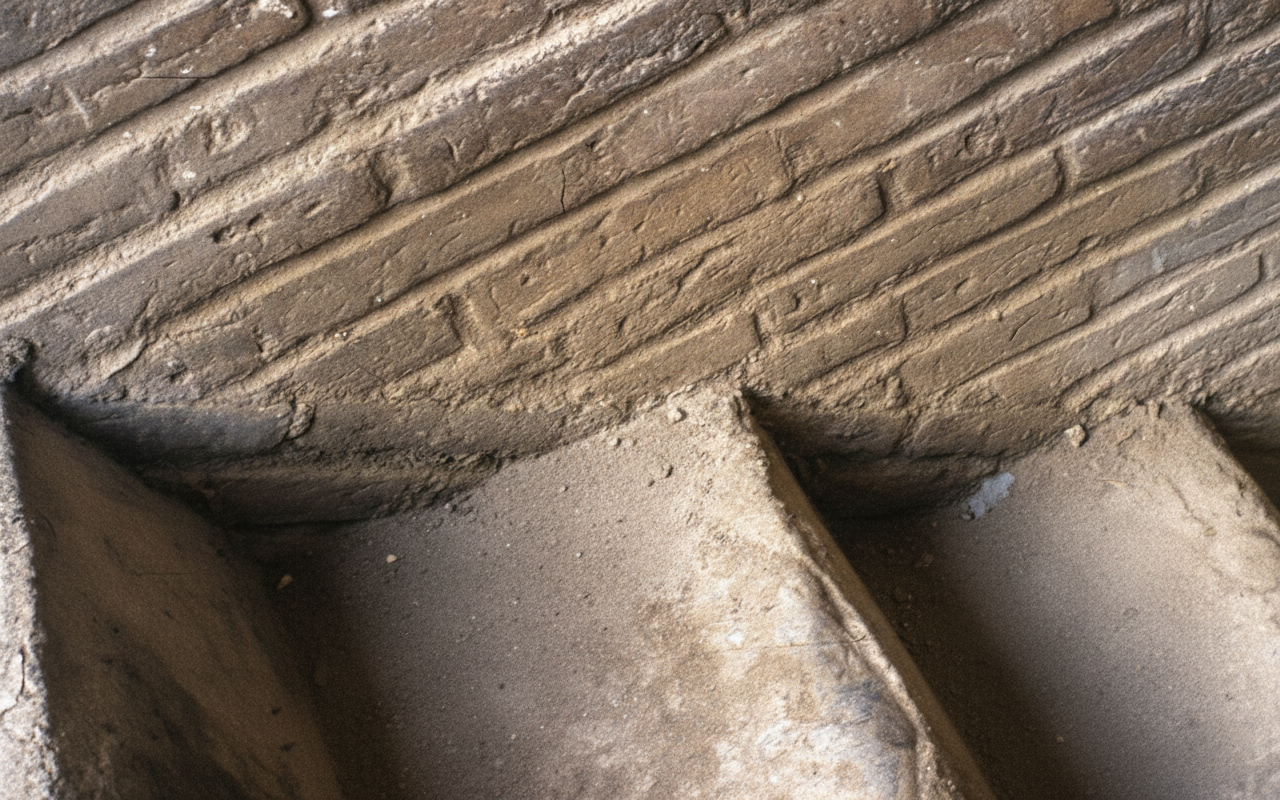
Equally important was the social dimension of the Ab anbar. Access to the reservoir was provided through stairways descending below ground level, creating modest civic spaces embedded within the network of narrow alleys (کوچهها). Because the stored water served entire neighborhoods, the construction, maintenance, and use of these structures depended on shared responsibility and communal cooperation. In this sense, the Ab anbar functioned not merely as infrastructure but as a socio-architectural institution, where environmental necessity, collective stewardship, and architectural ingenuity converged. Within Kashan’s desert urbanism, the Ab anbar stands as a quiet yet powerful symbol of resilience, cooperation, and respect for the precious value of water.
