The Bazaar of Kashan
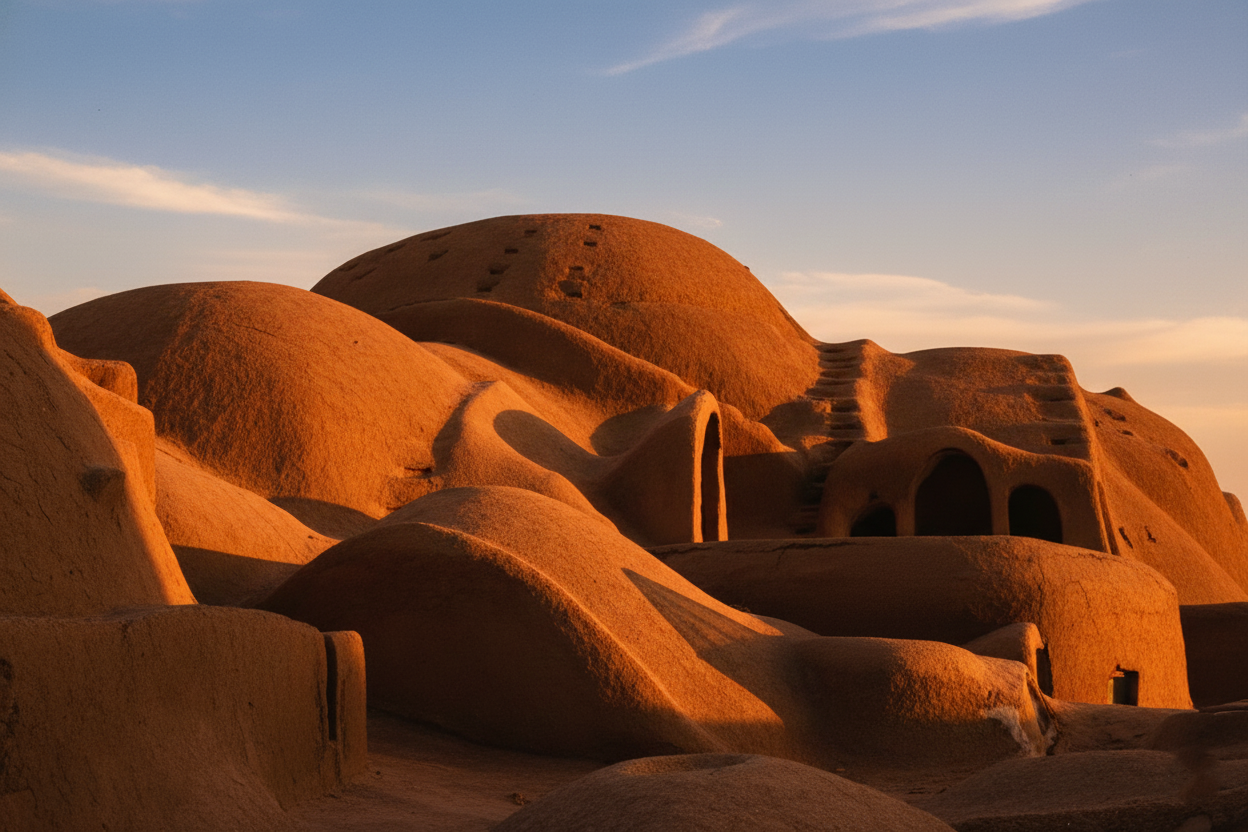
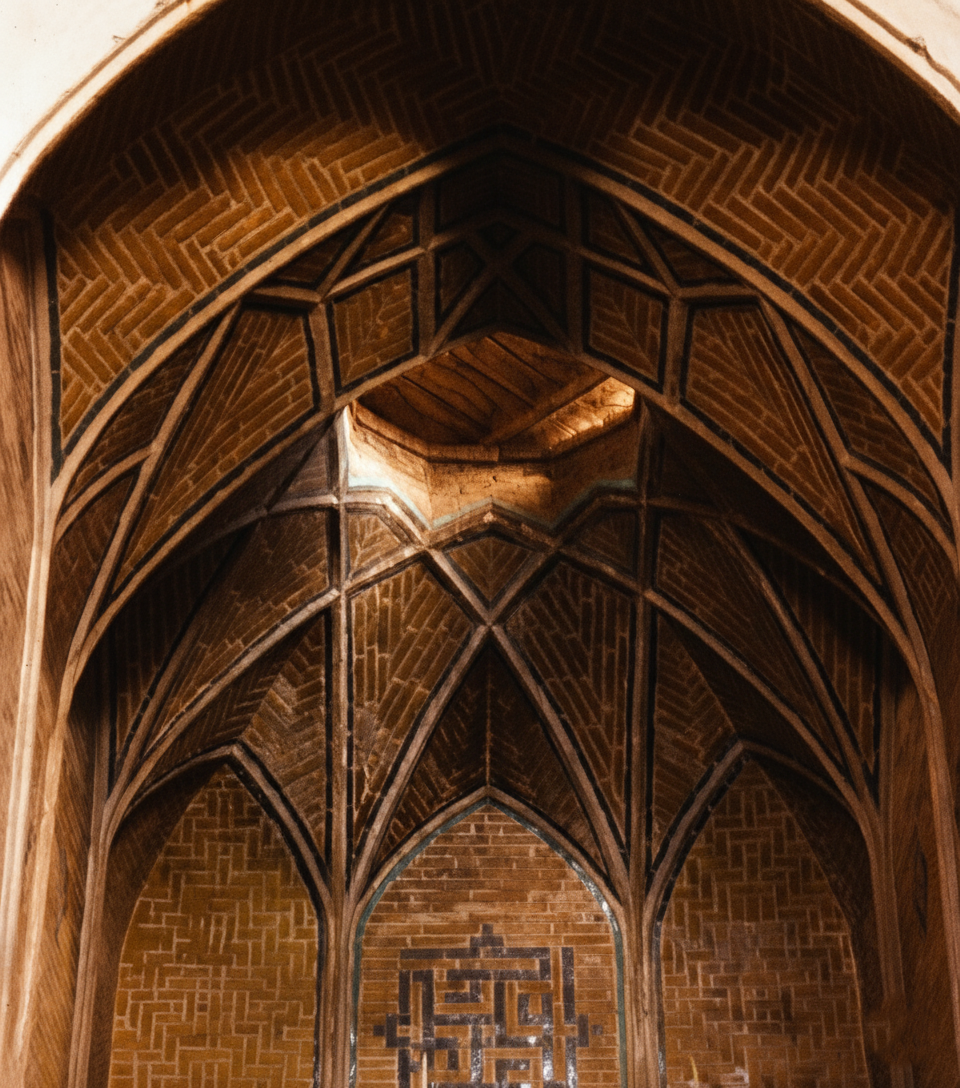
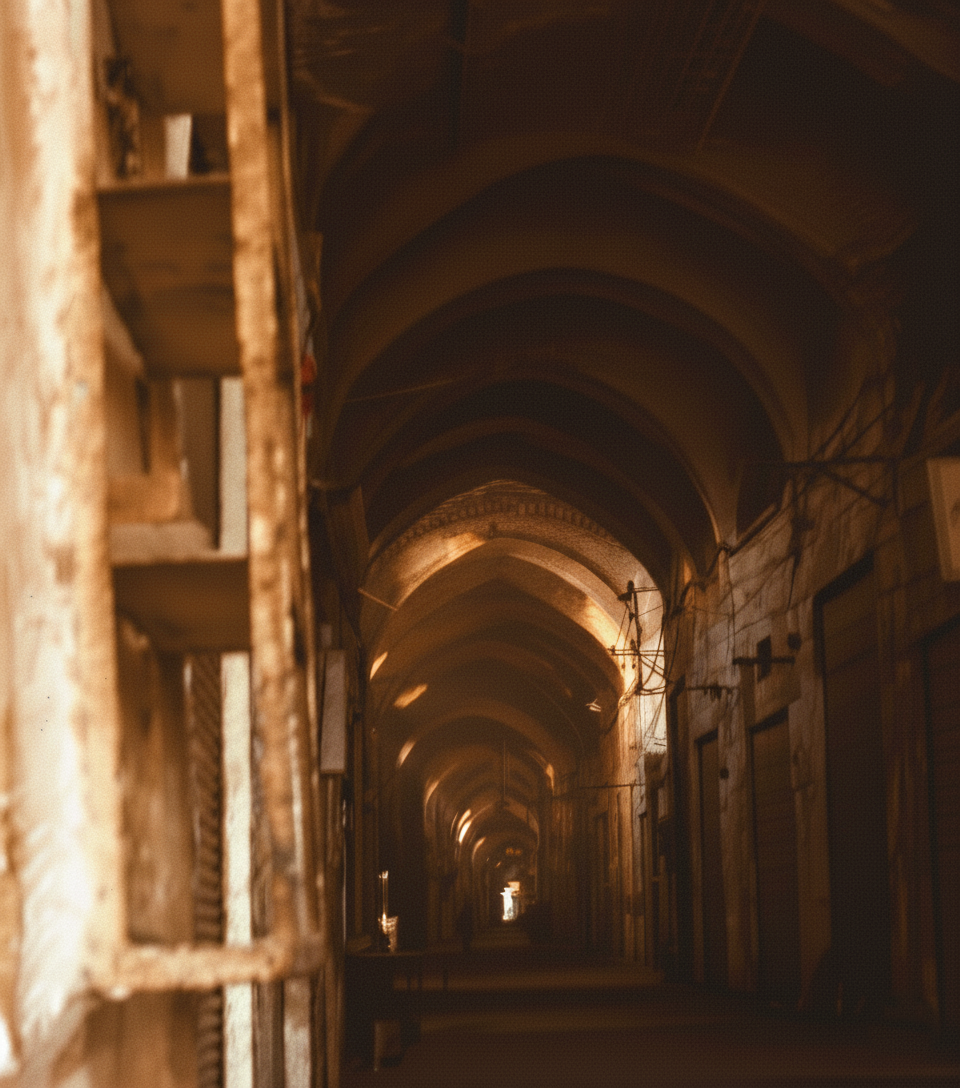
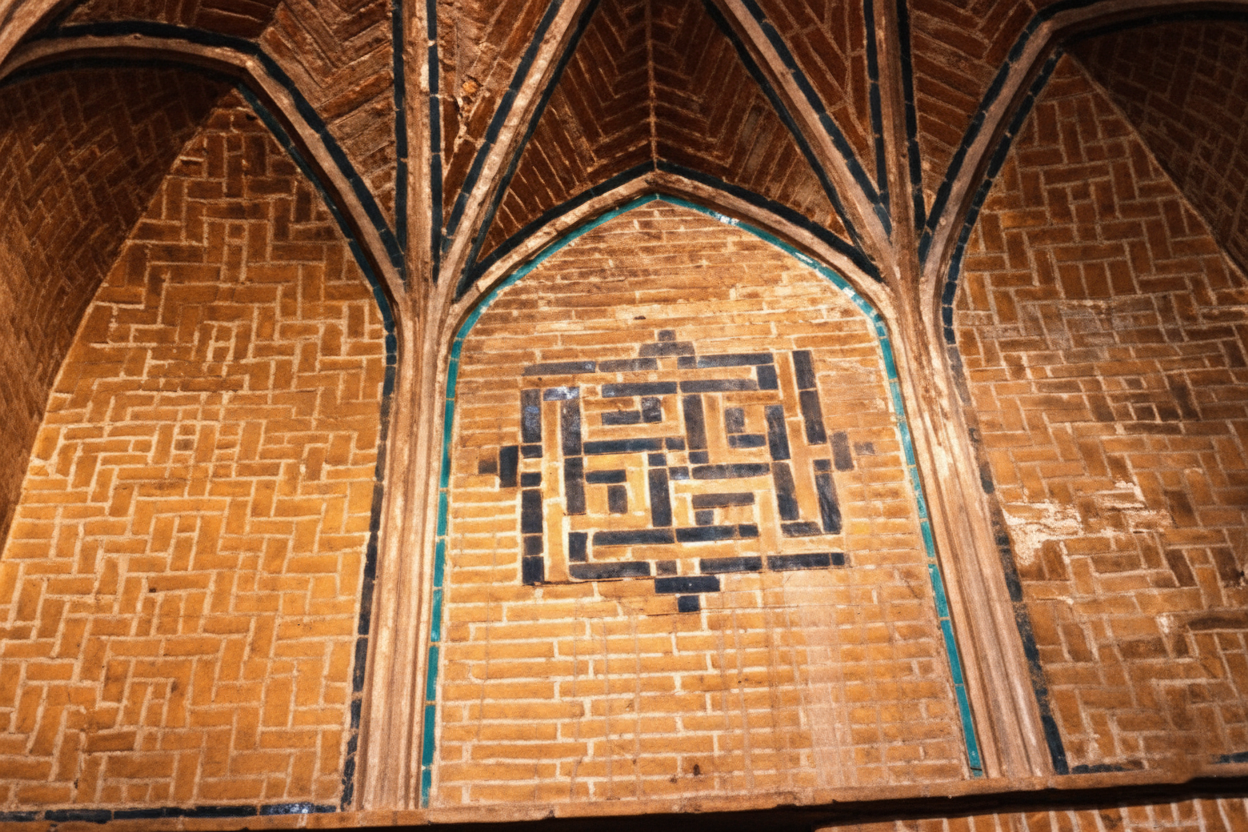
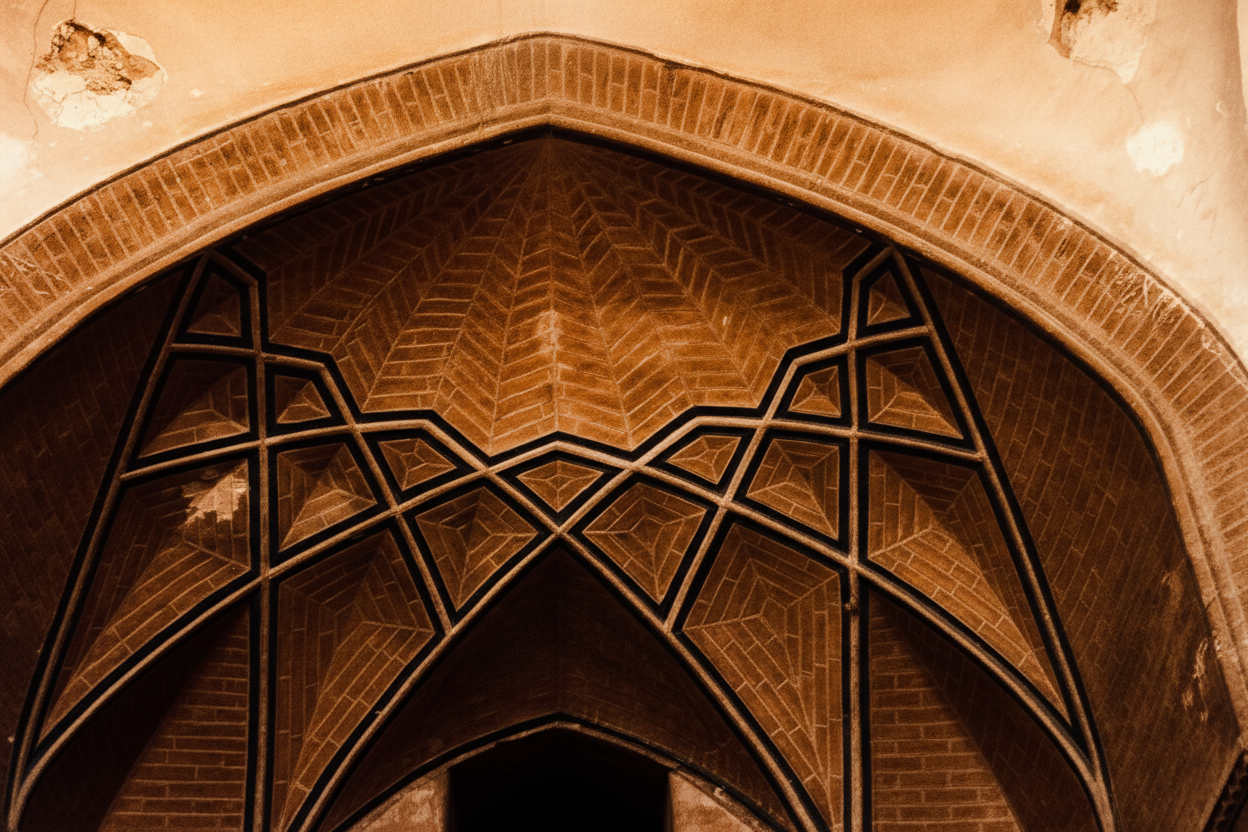
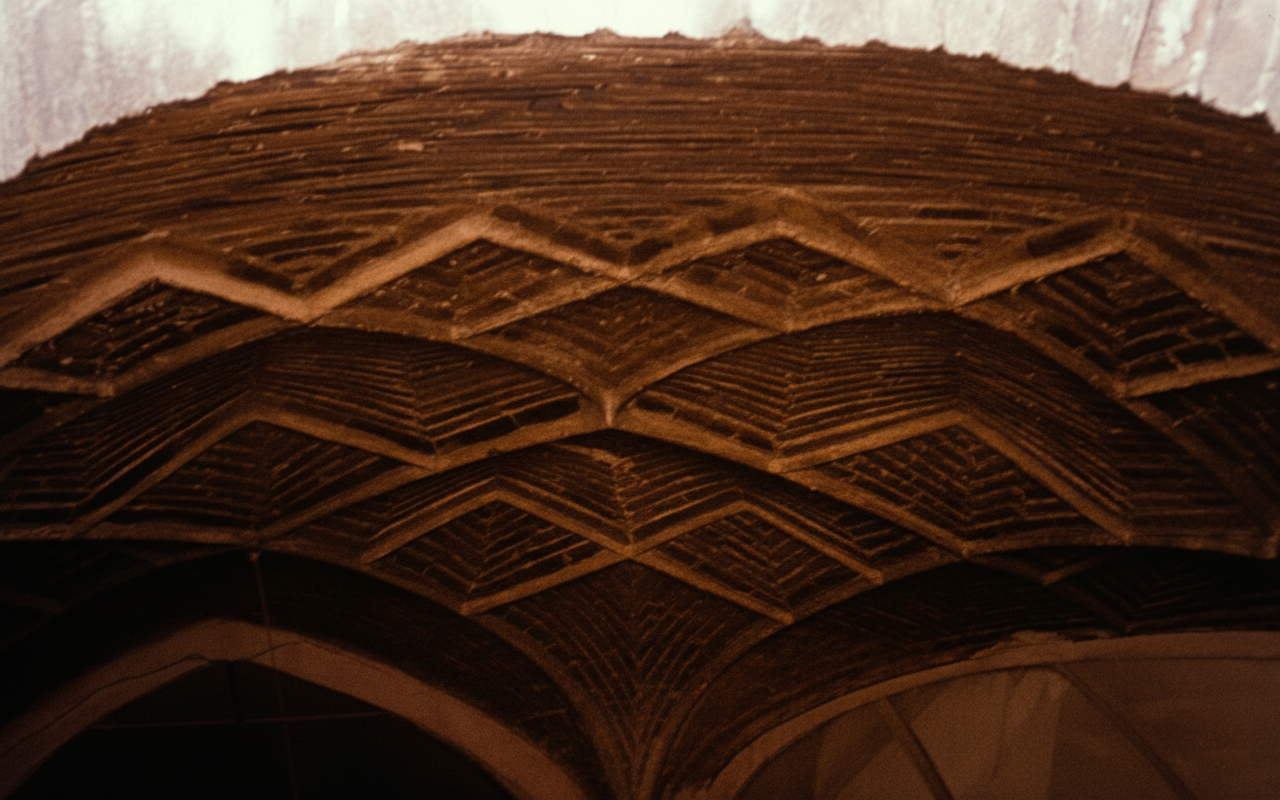
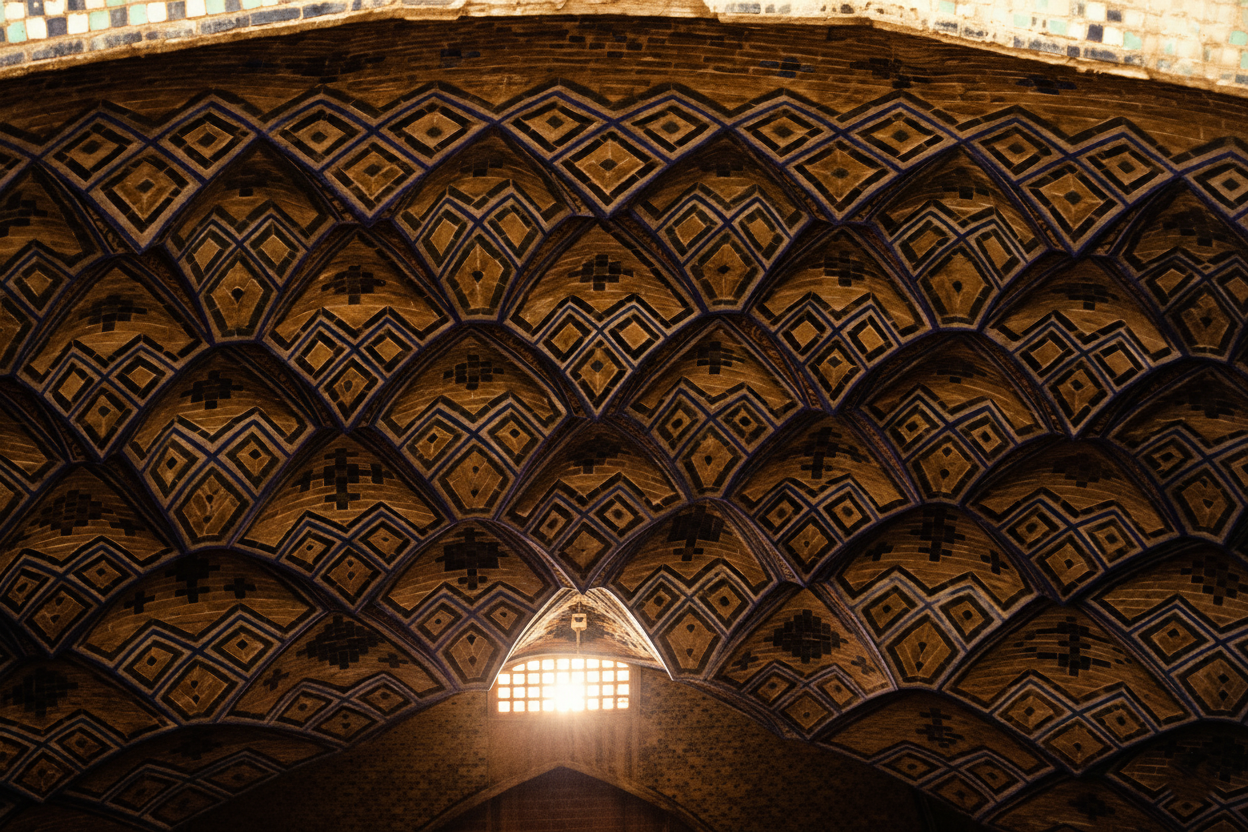
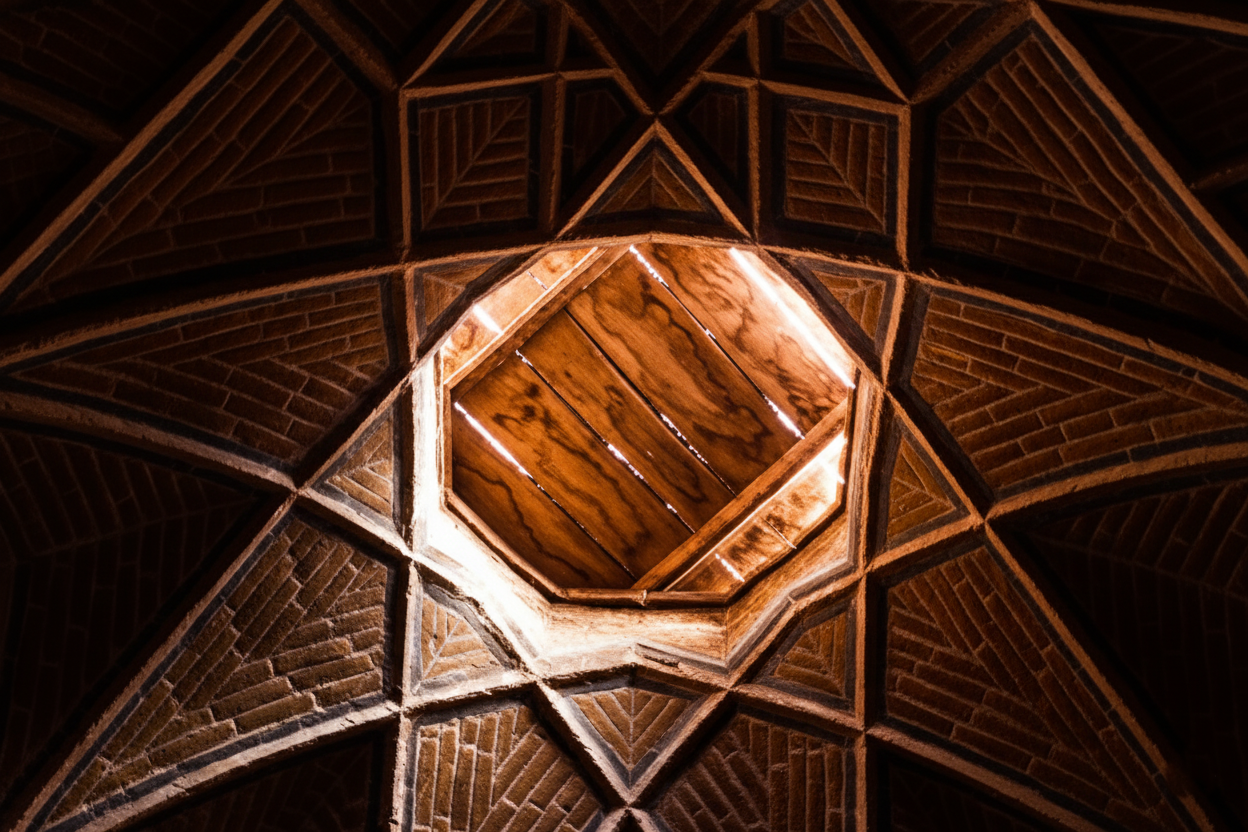
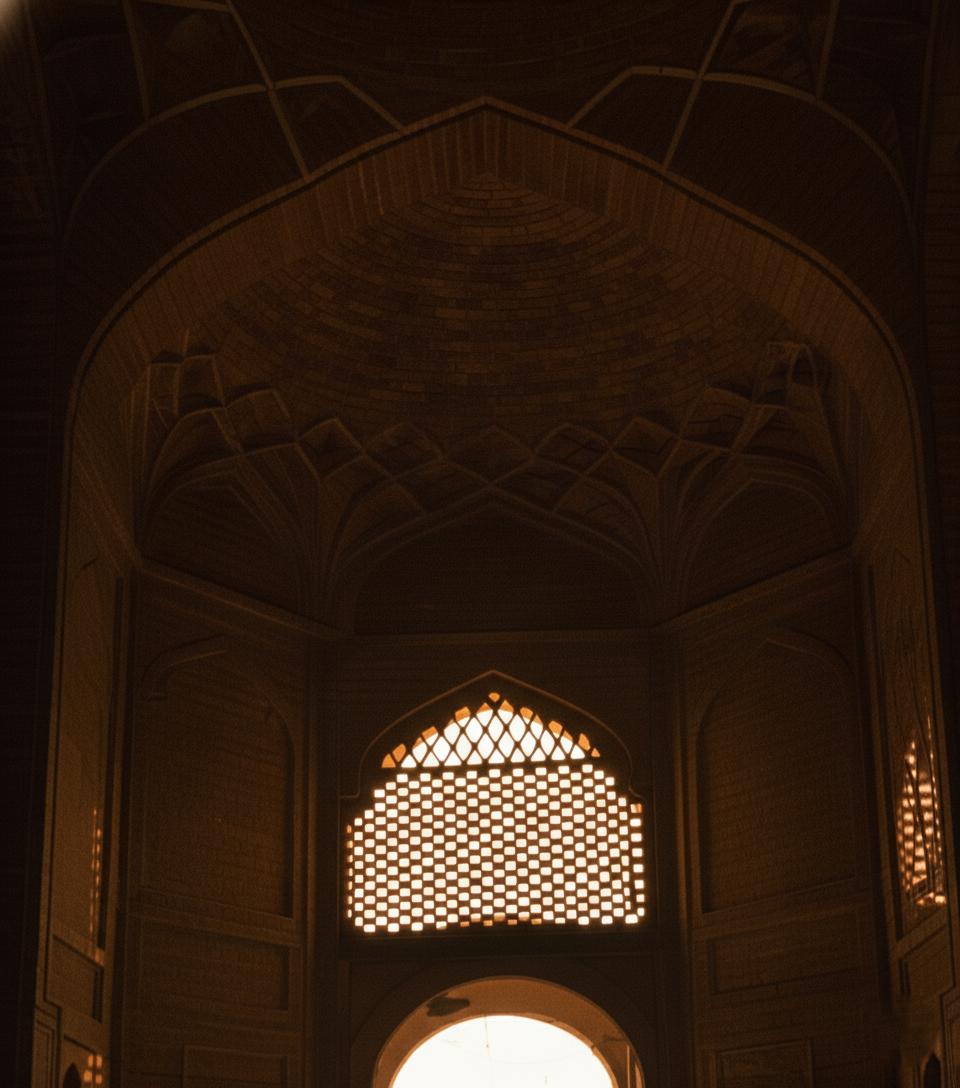
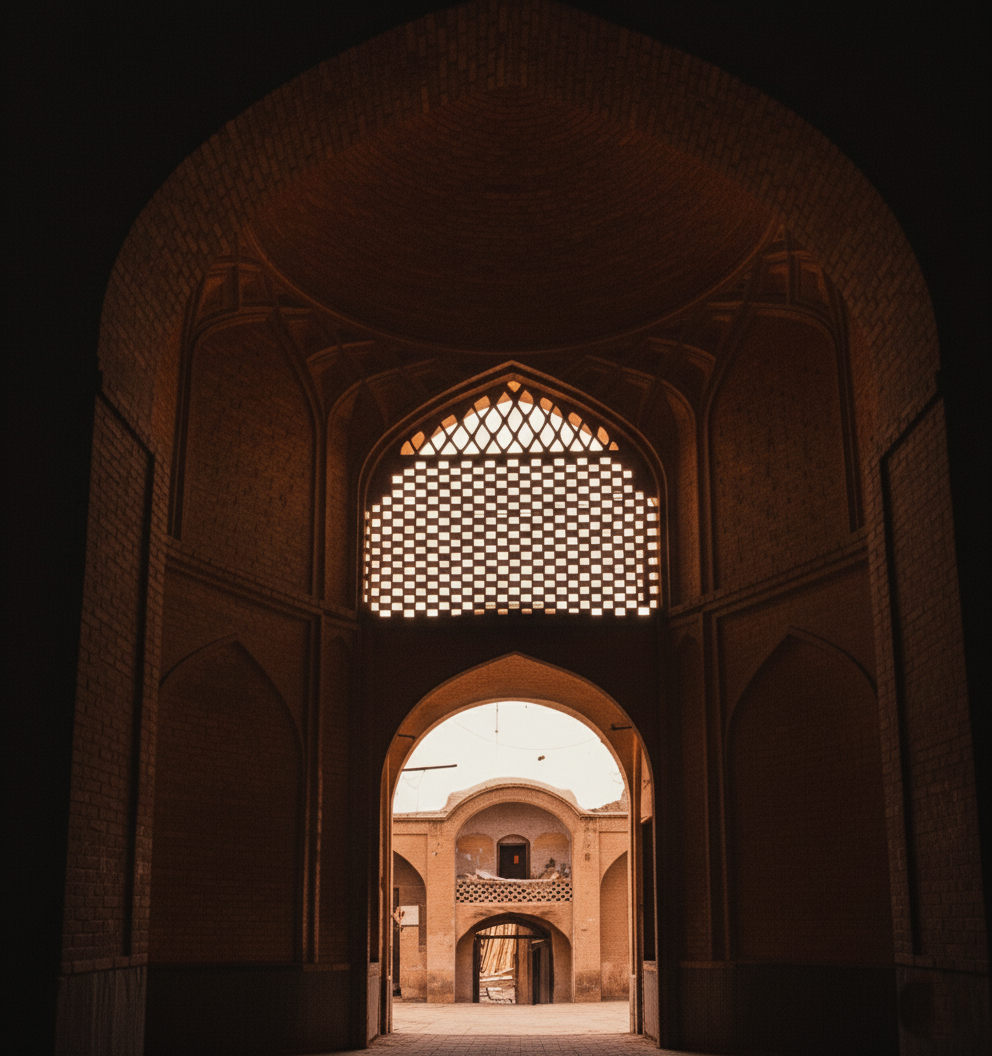
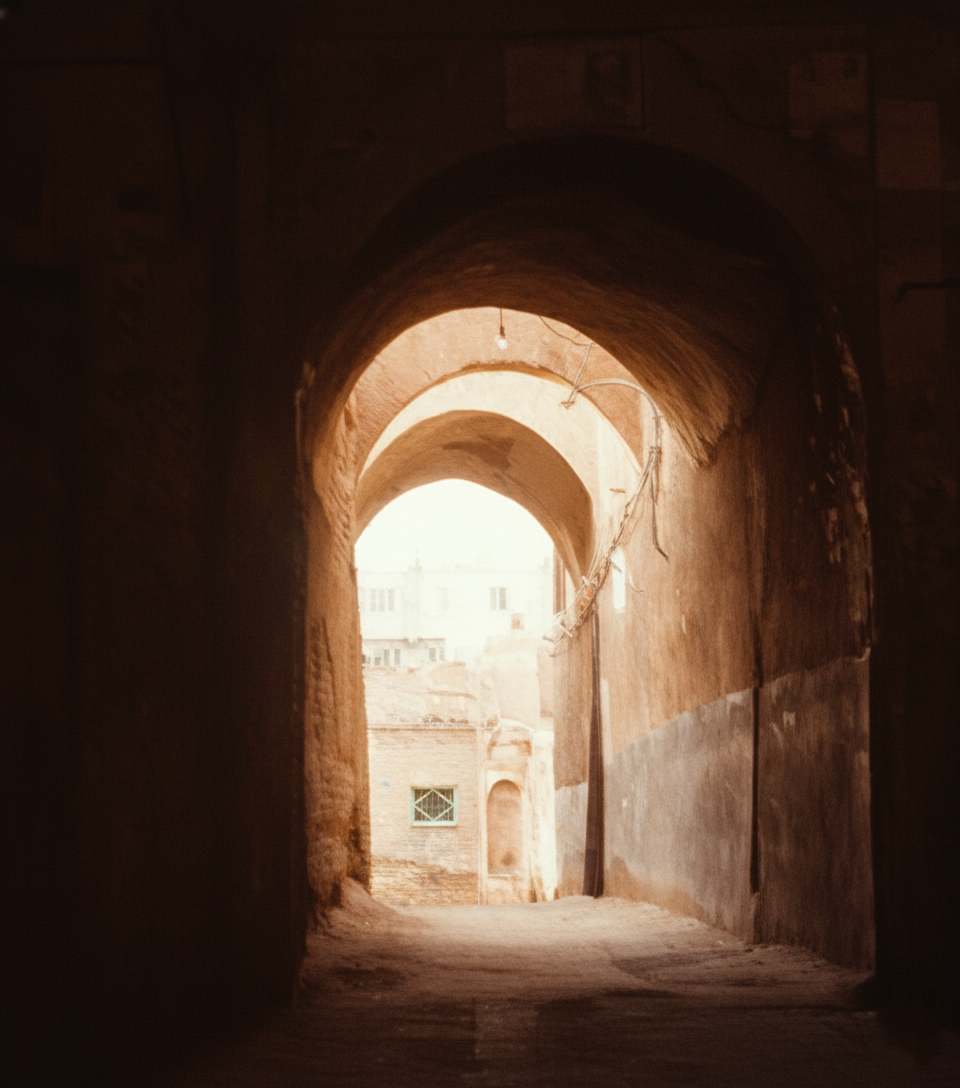
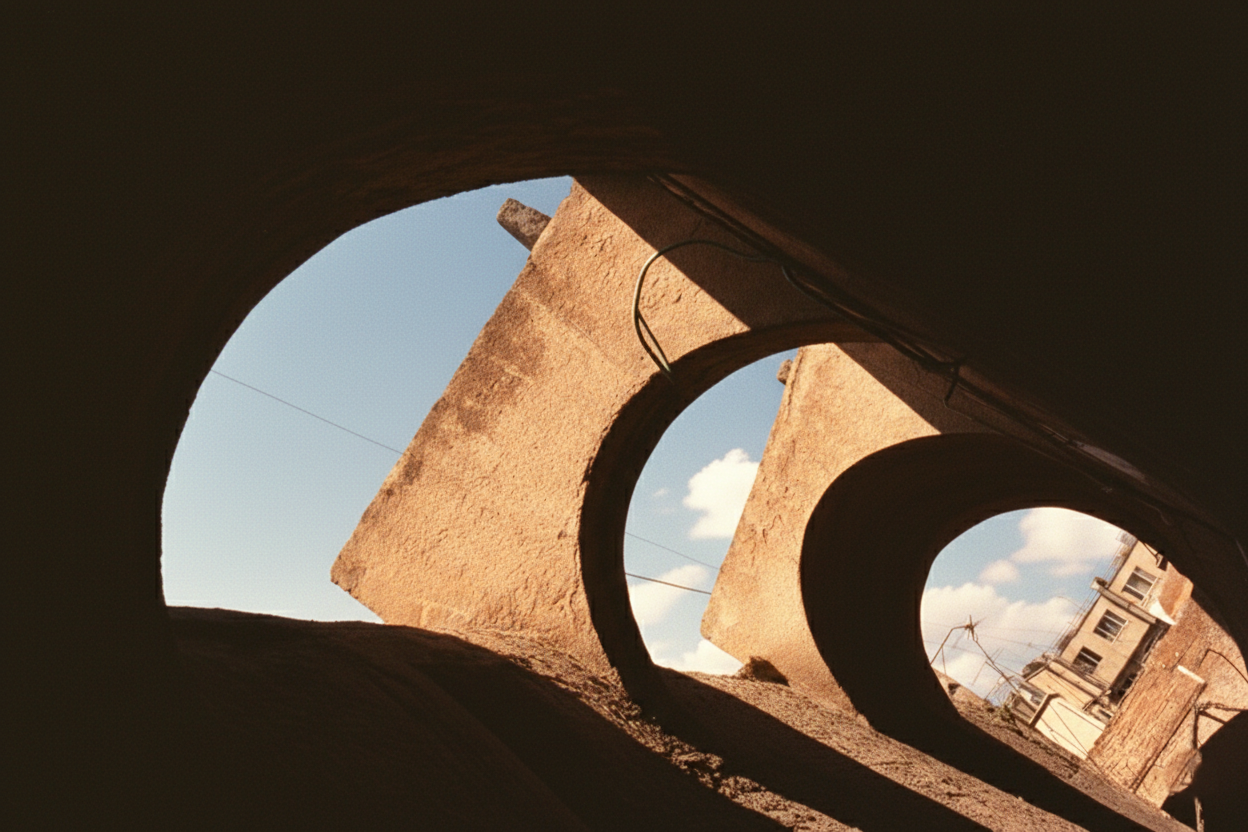
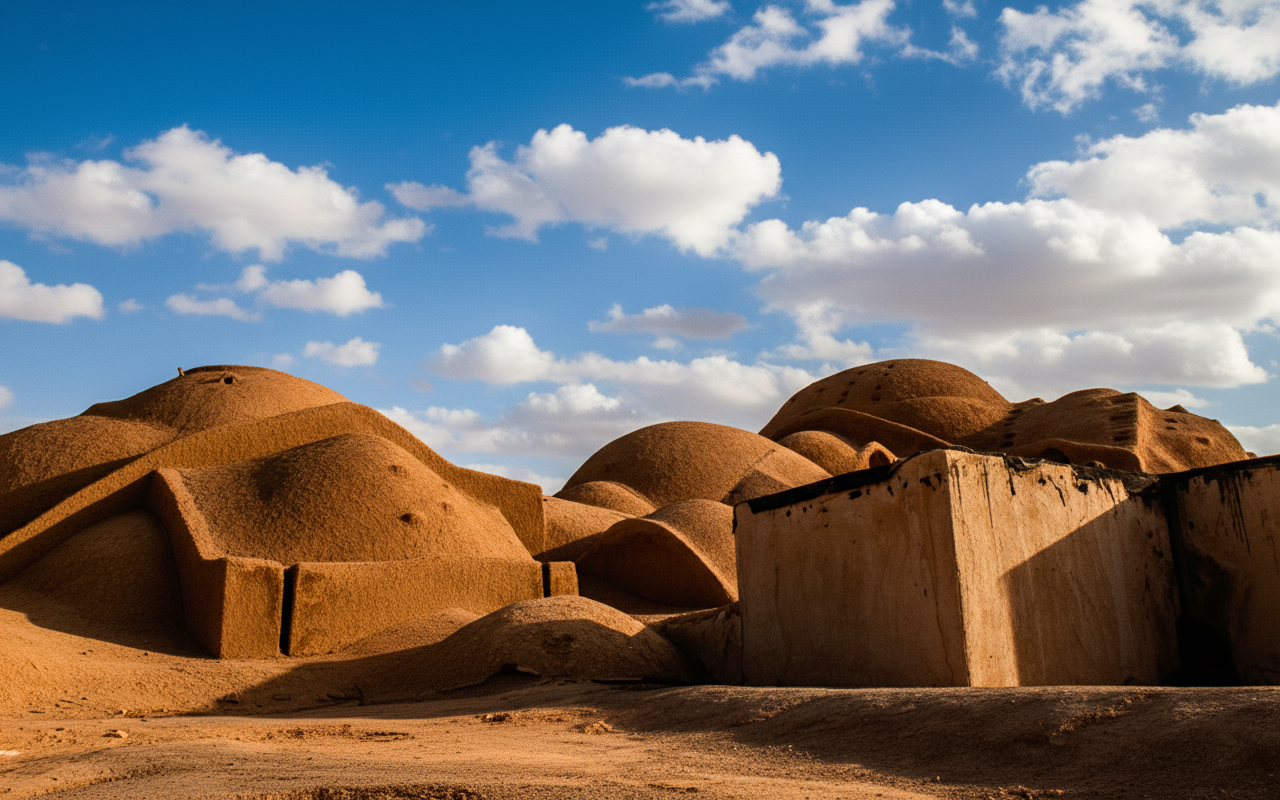
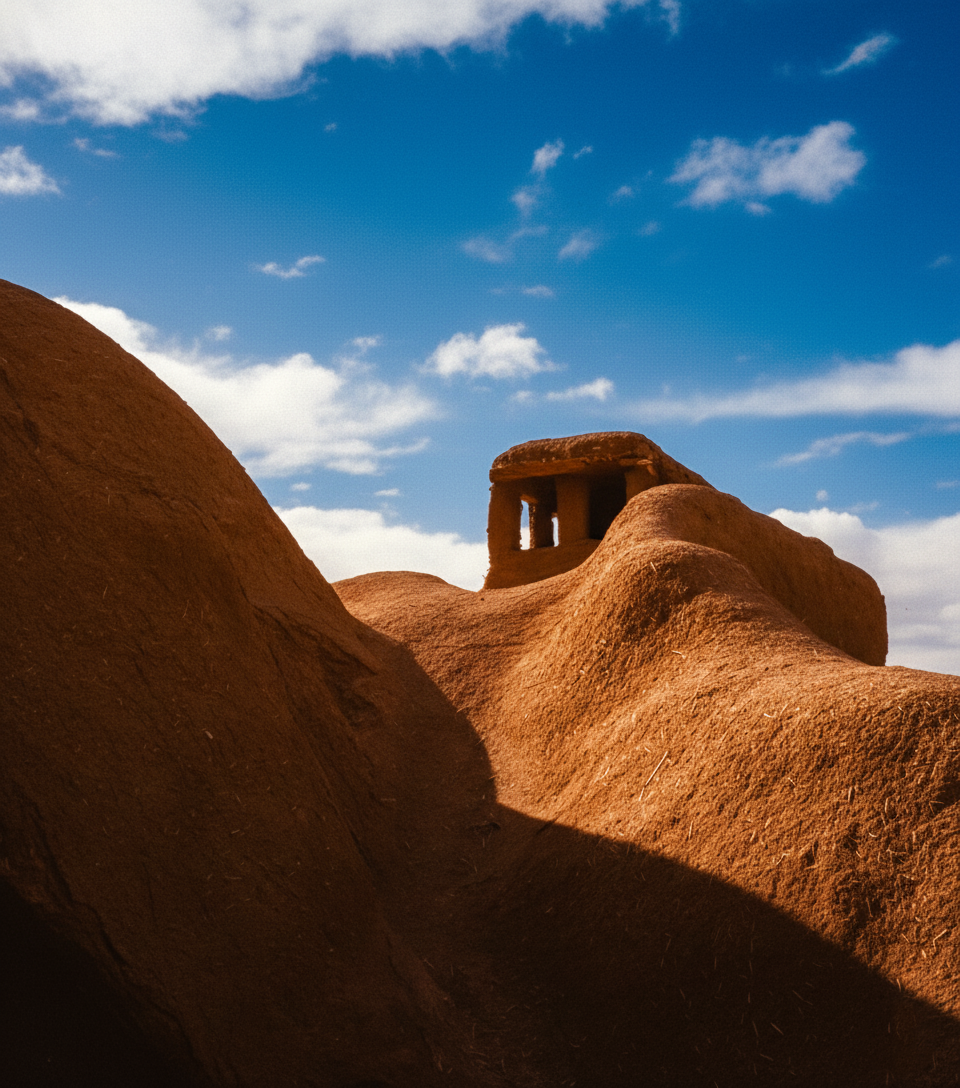
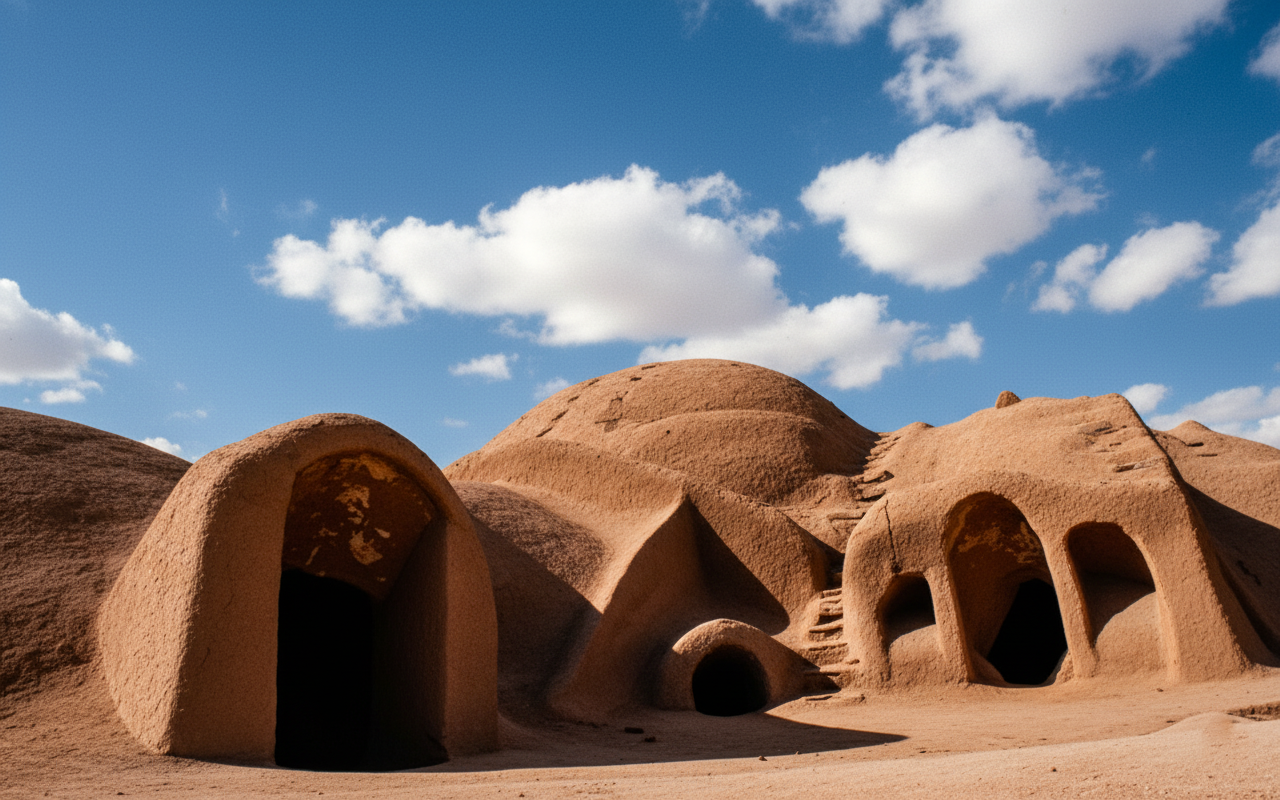
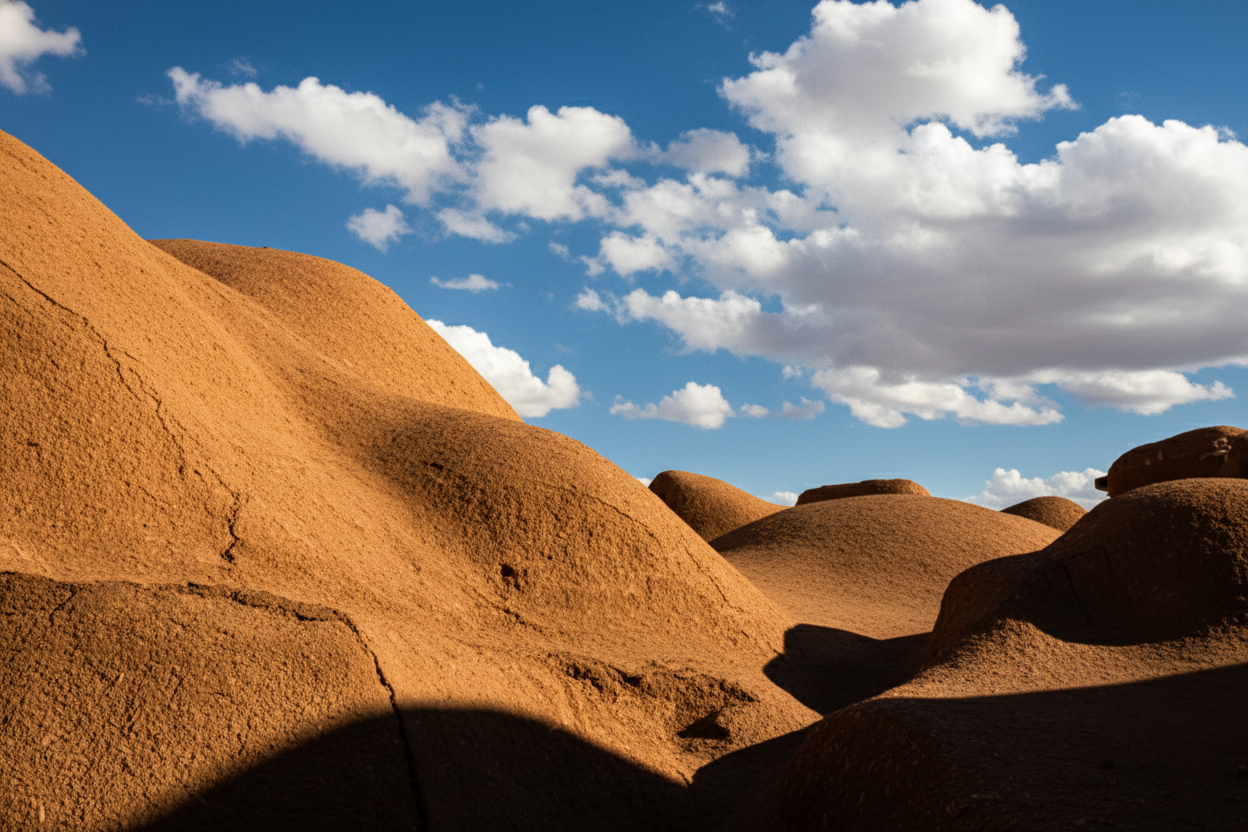
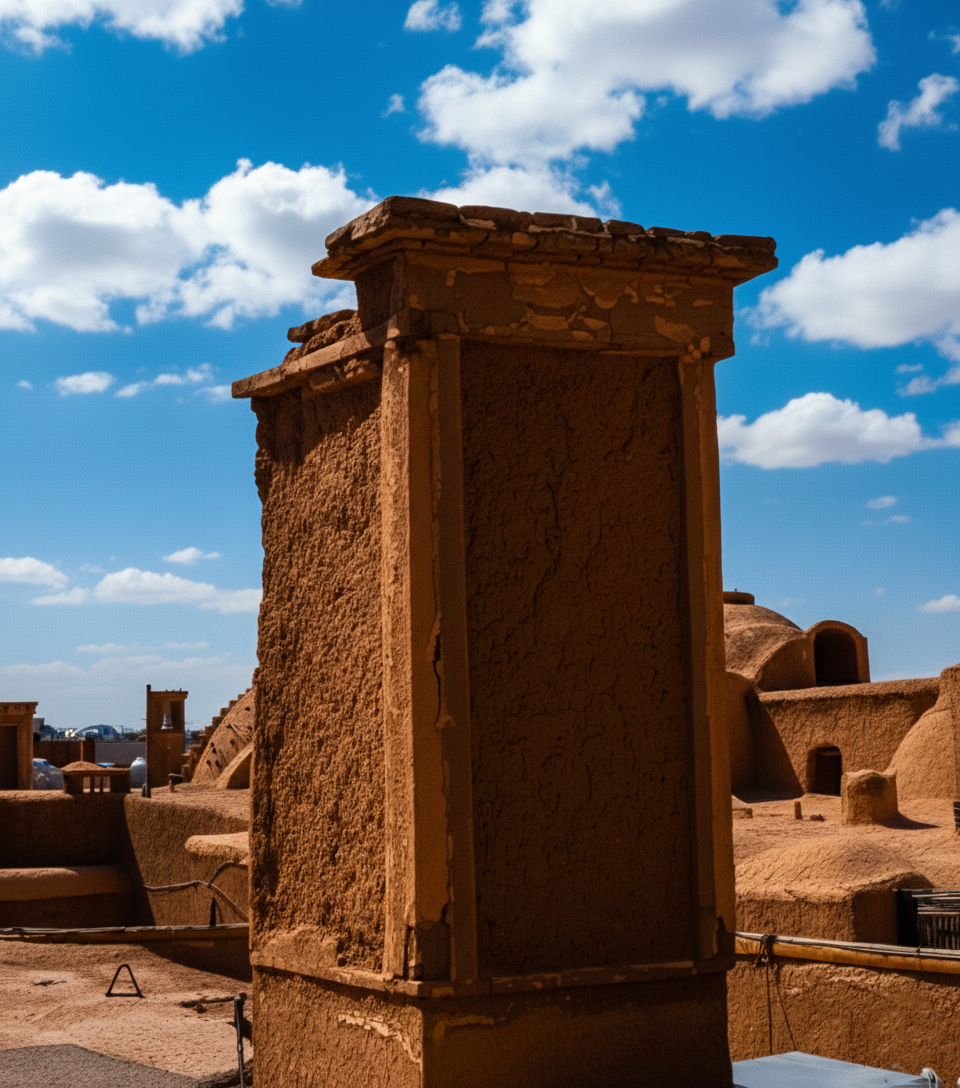
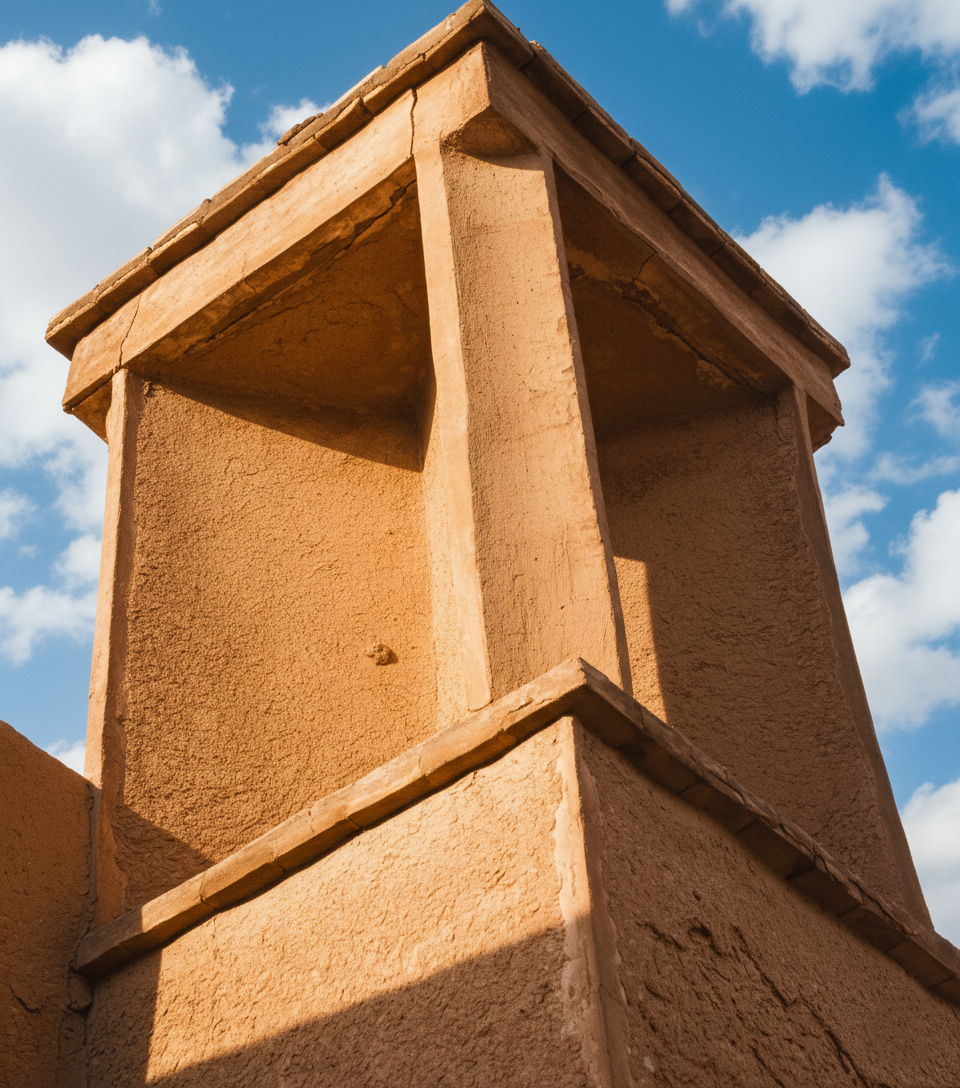
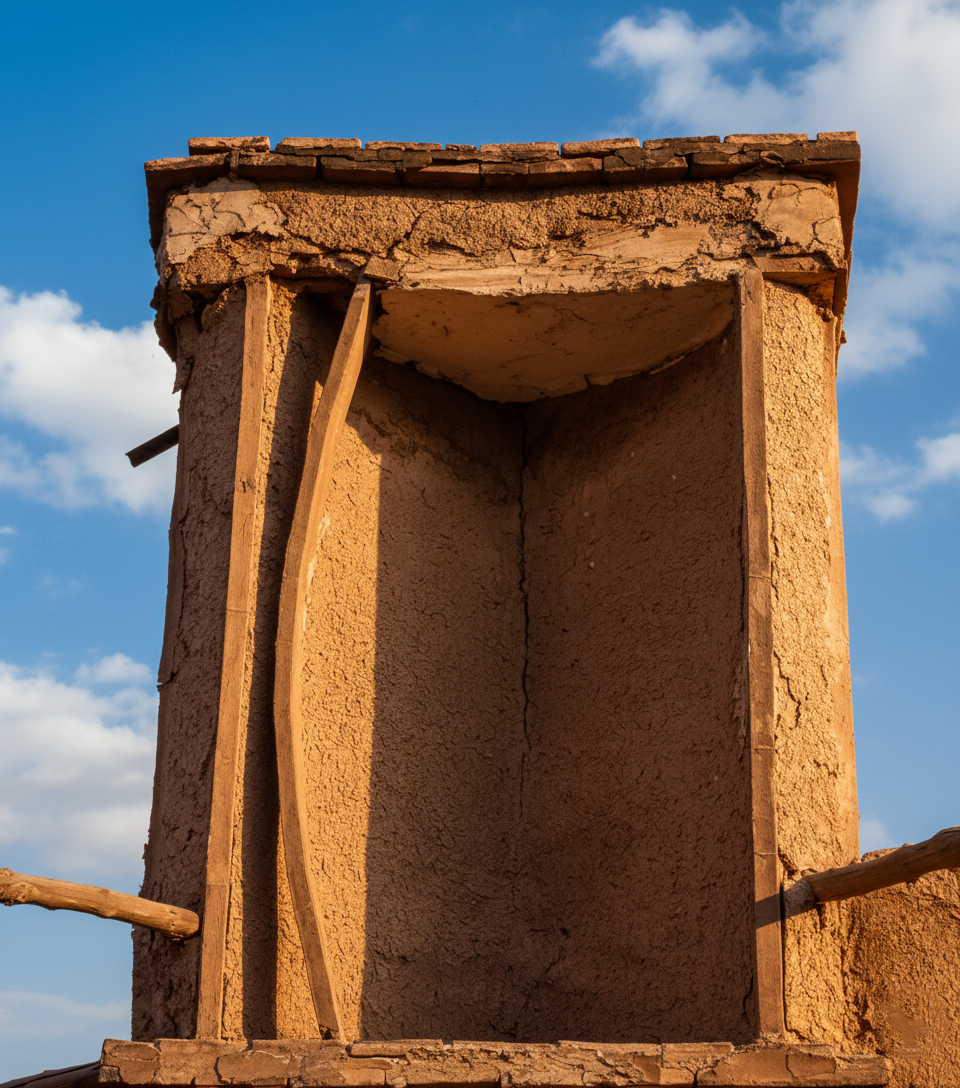
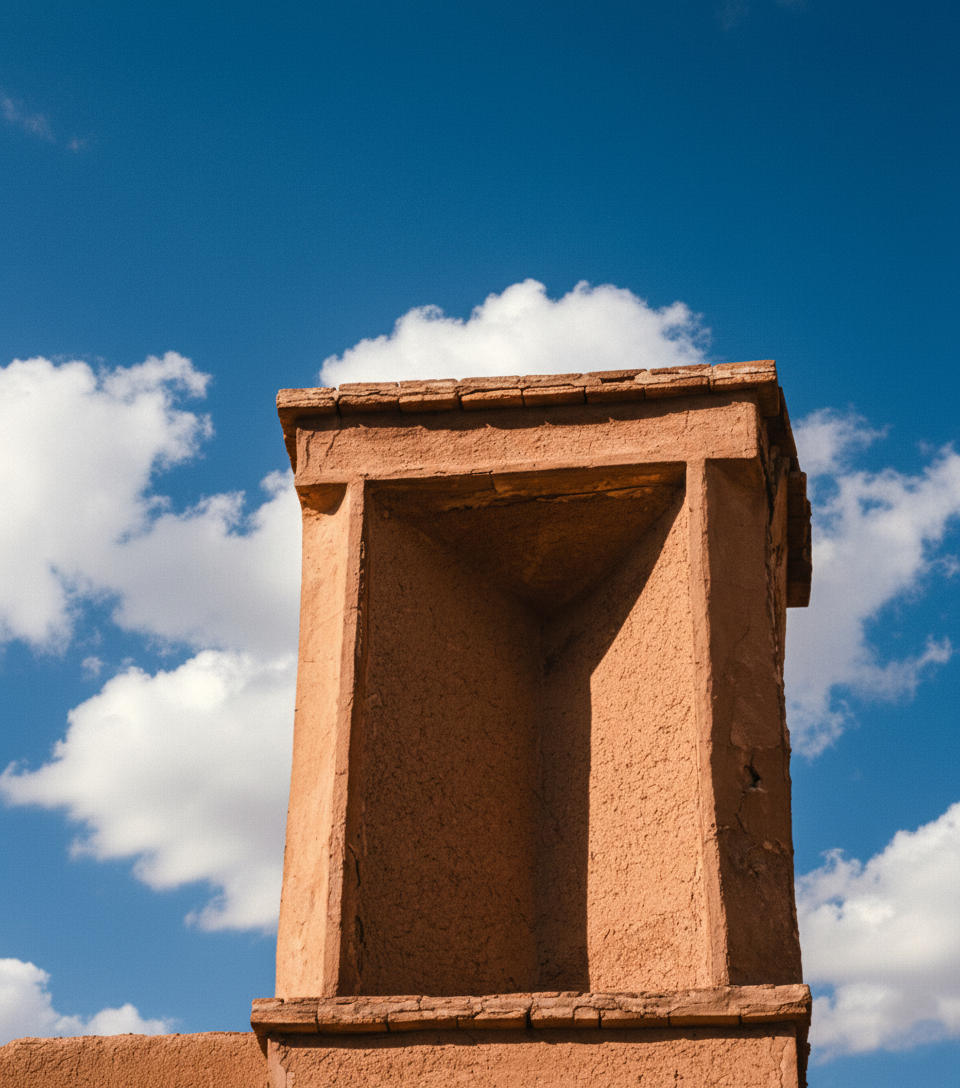
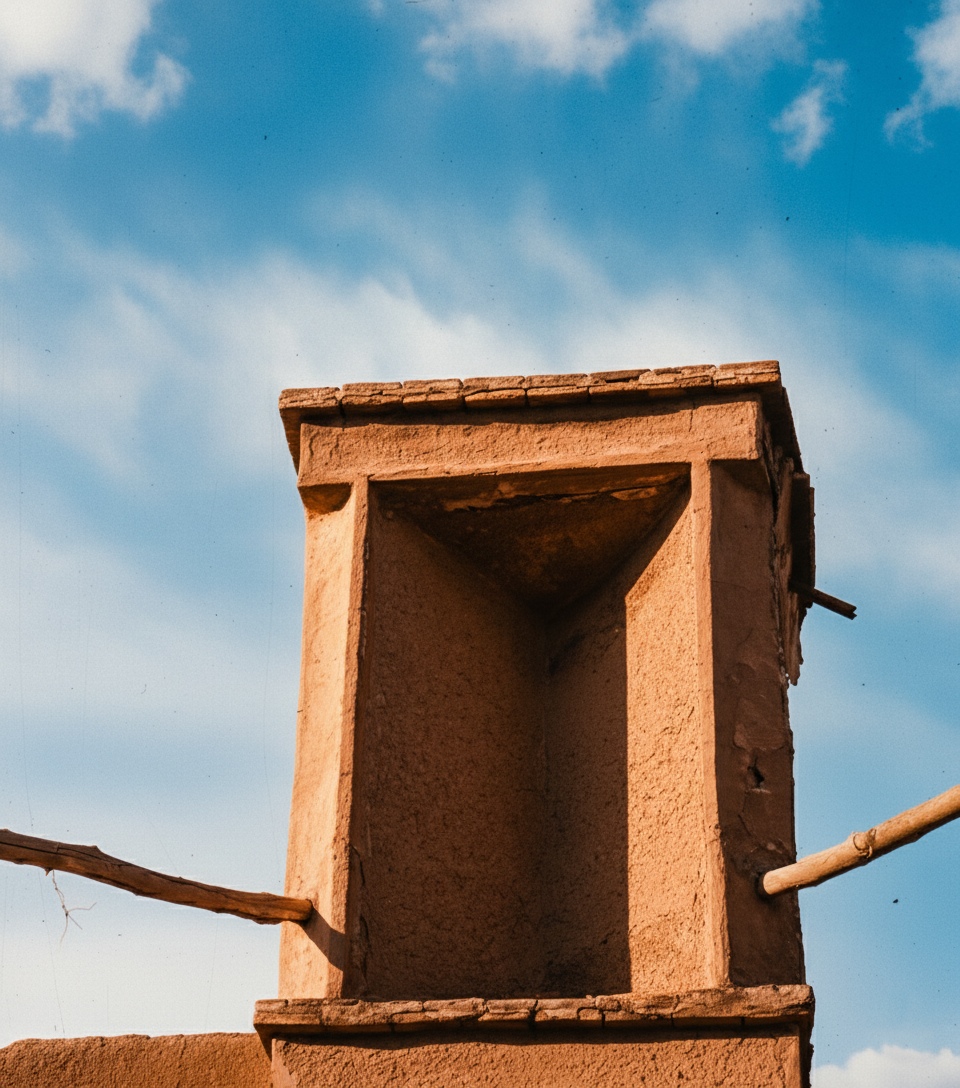
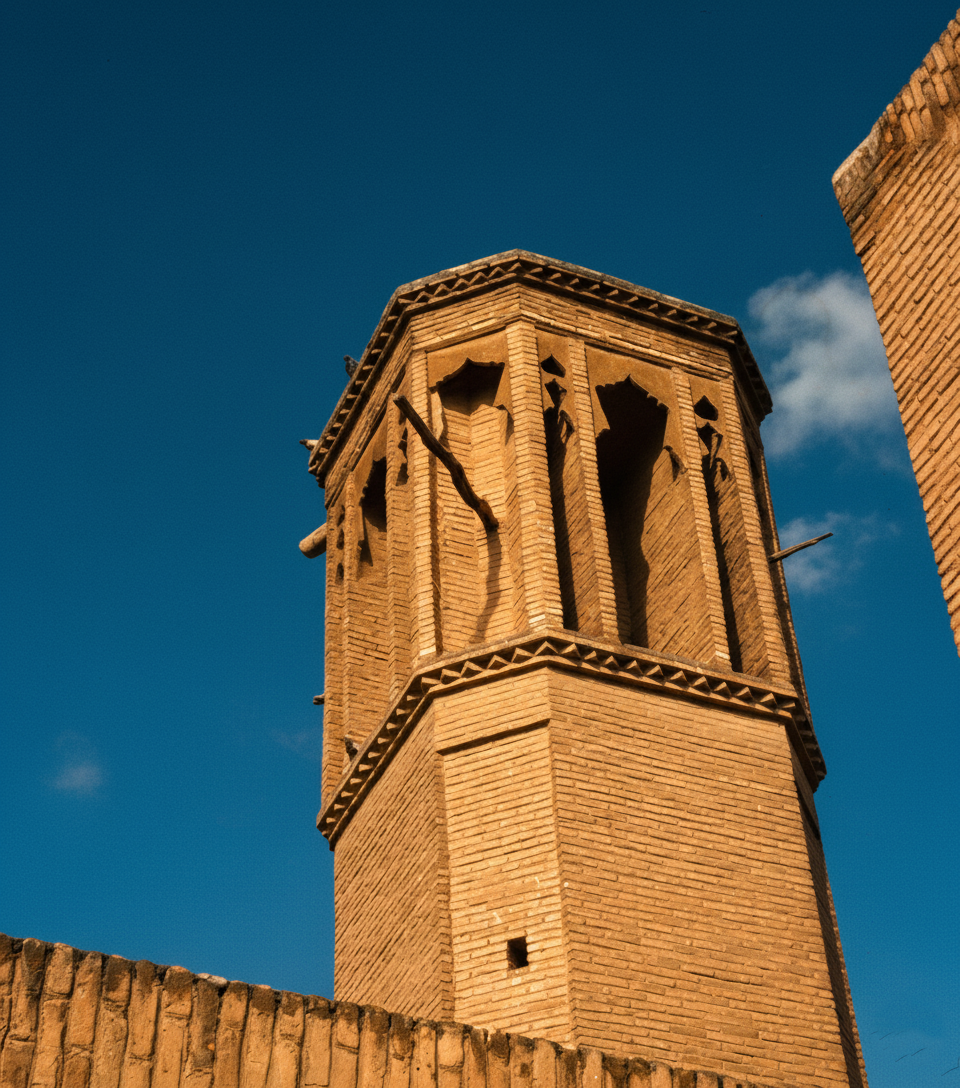
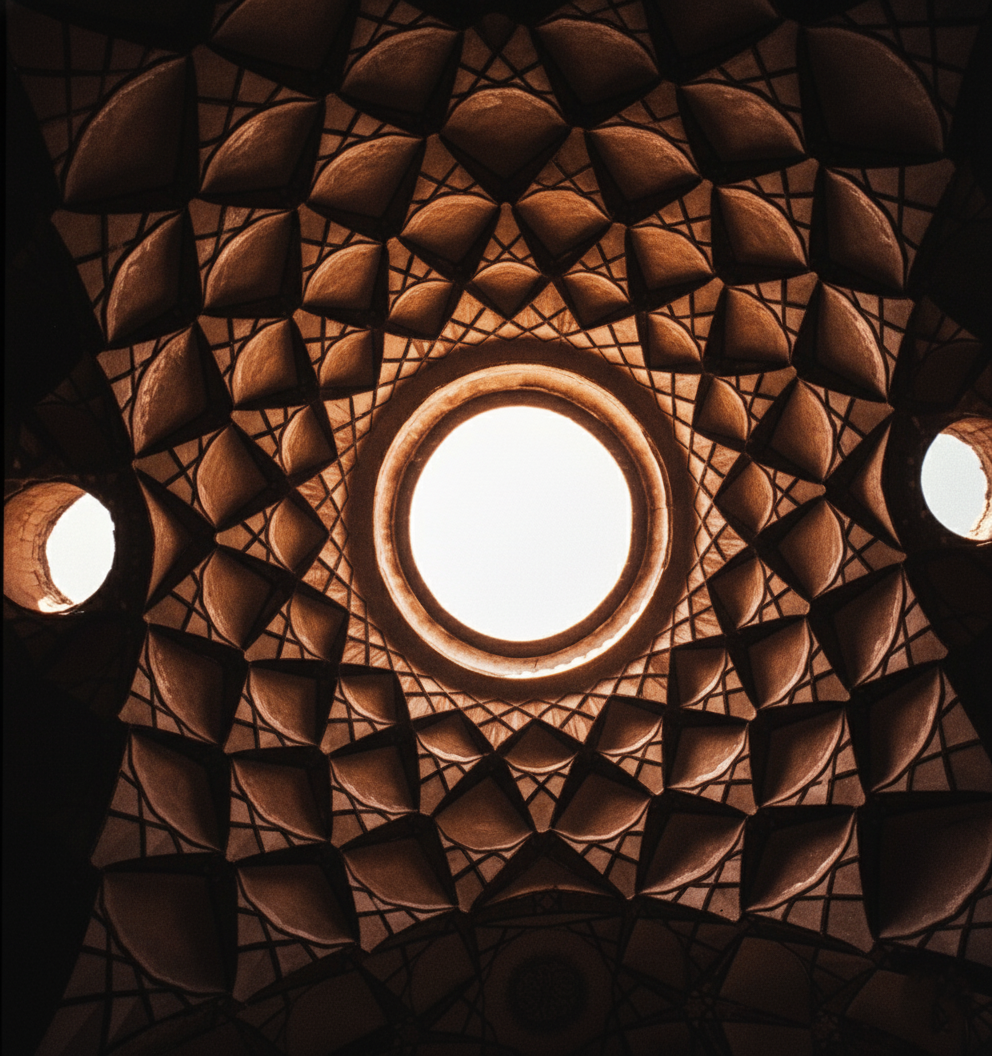
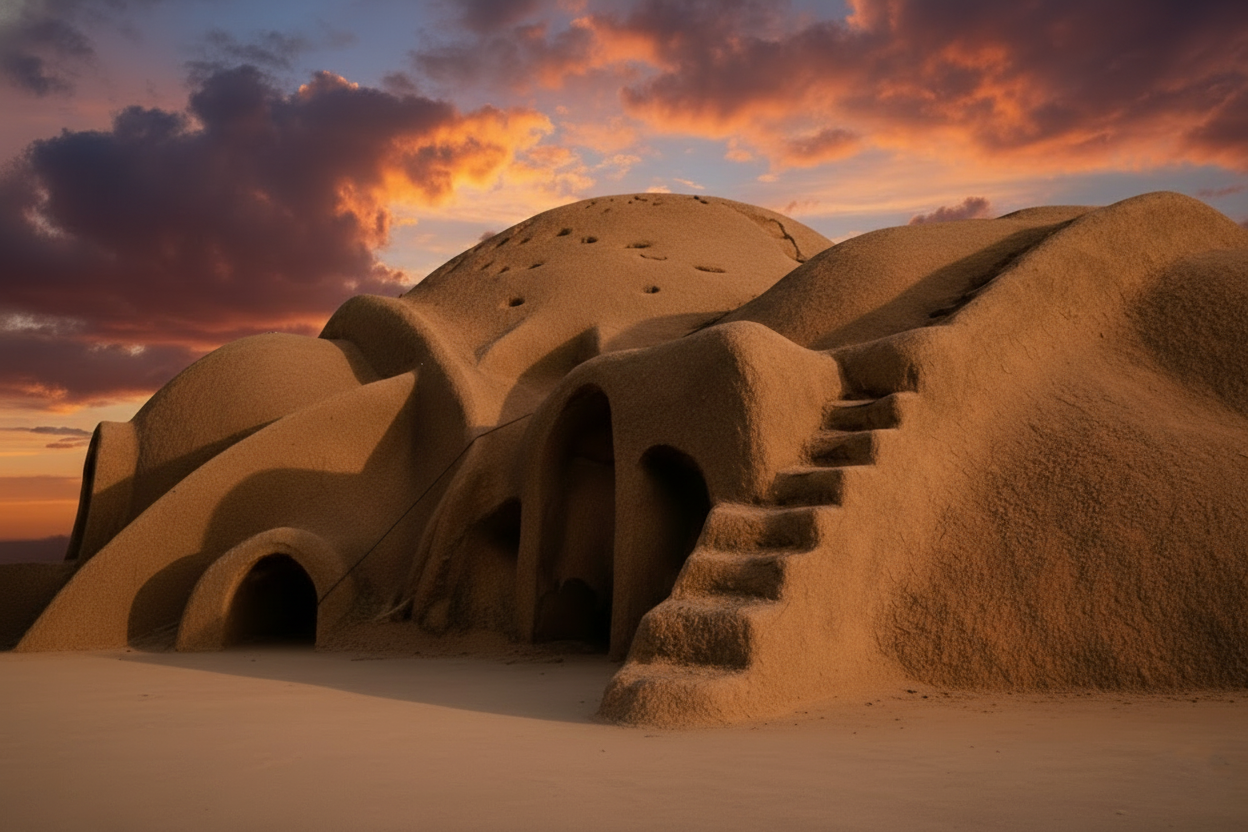
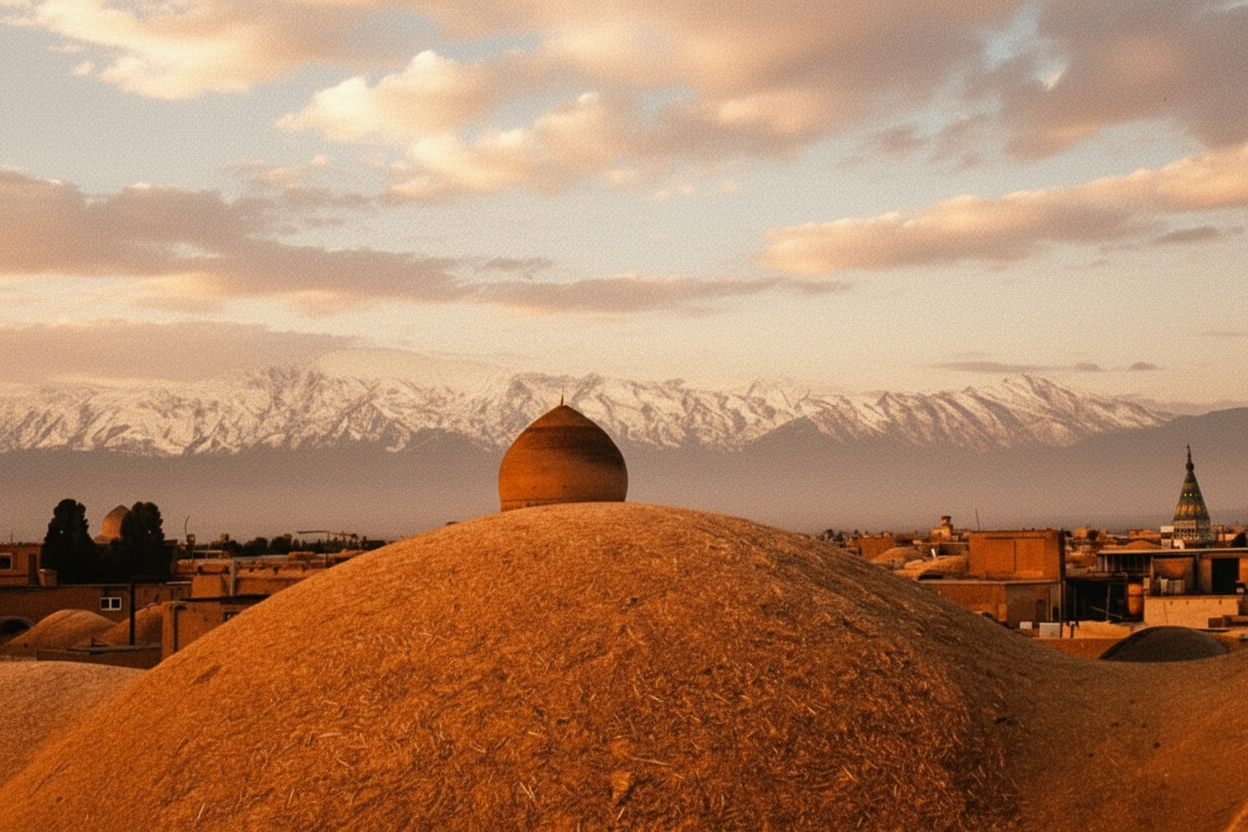
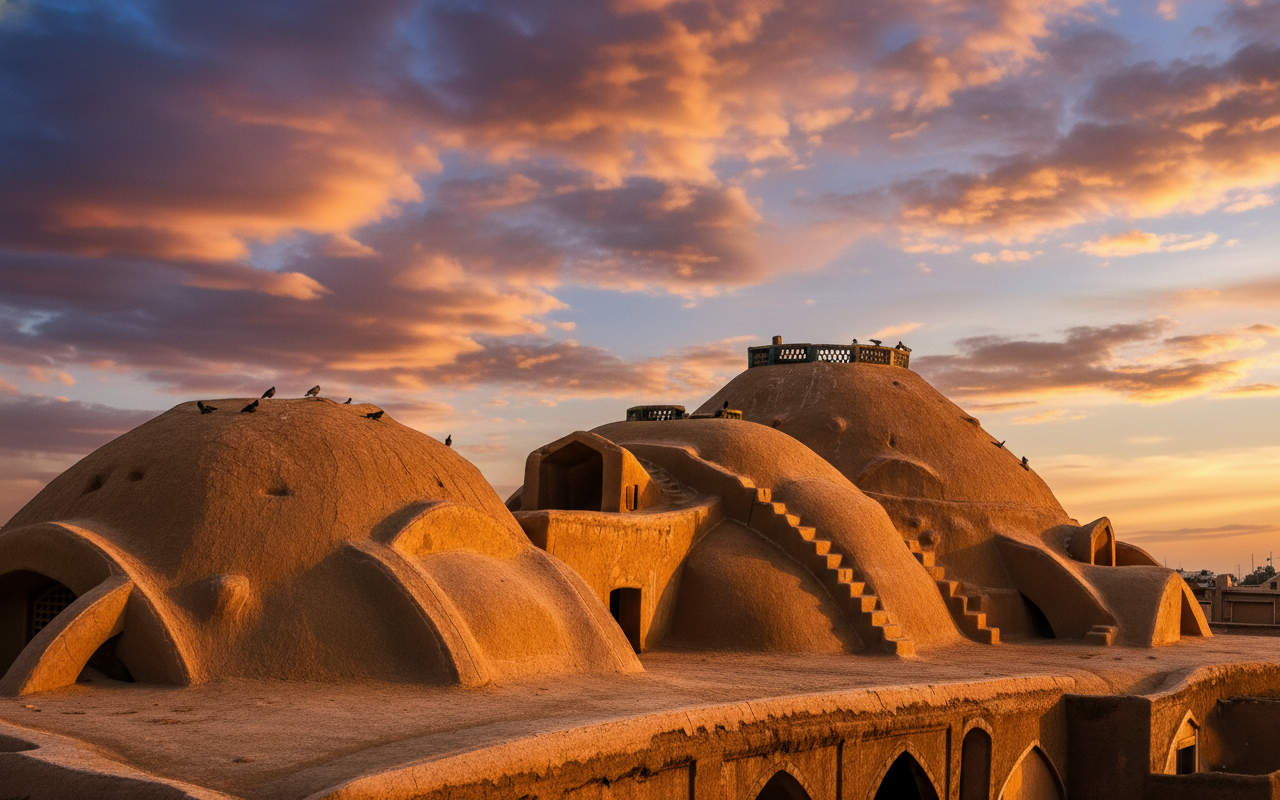
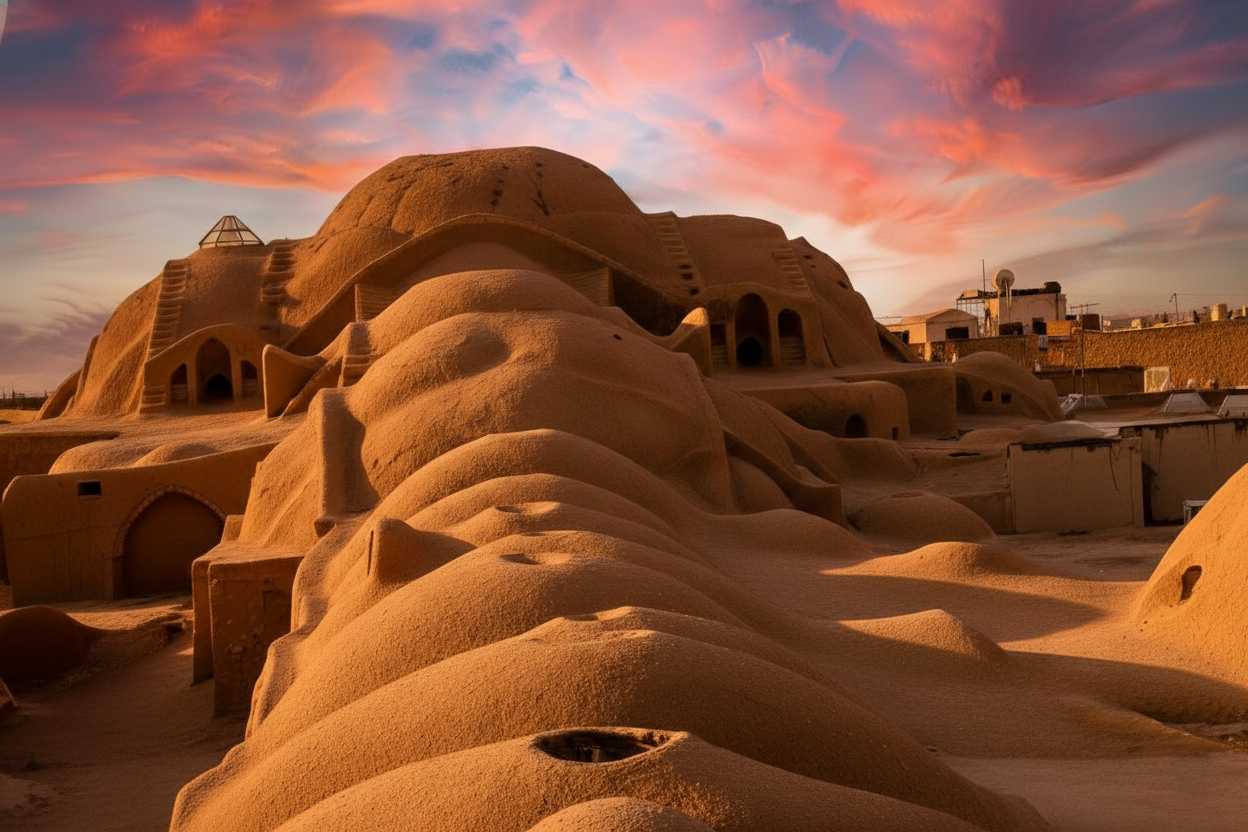
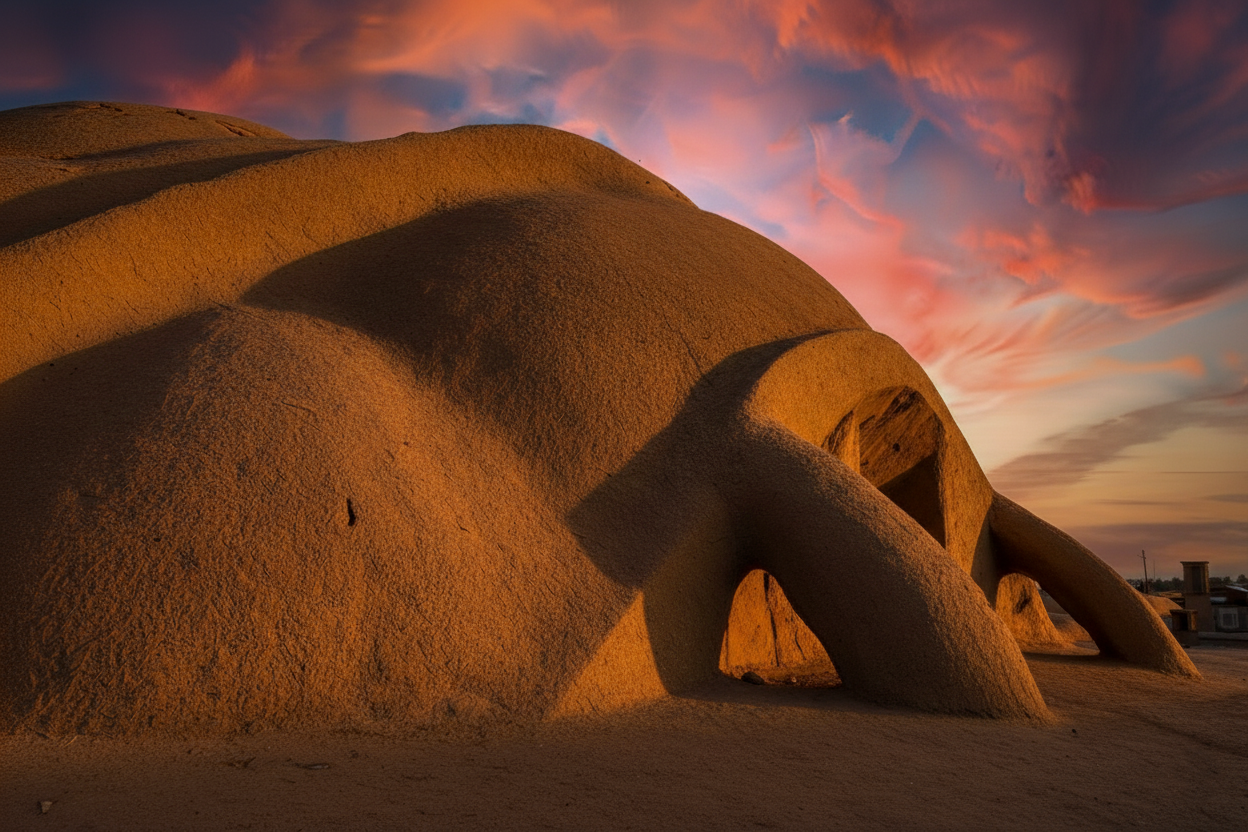
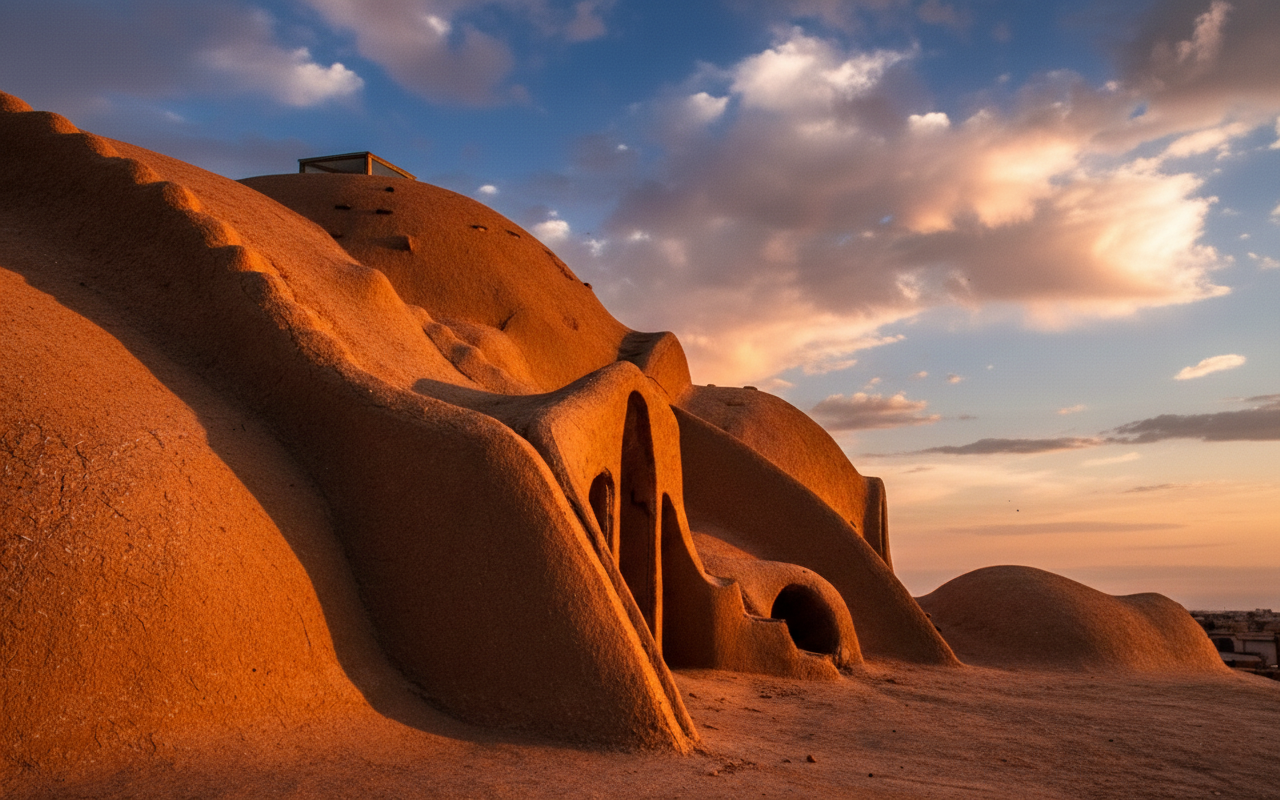
The Bazaar of Kashan (بازار کاشان), originating in the Seljuk period (11th–12th centuries) and expanded during the Safavid era (16th–17th centuries), forms the city’s commercial spine along Silk Road routes (جاده ابریشم). Above its vaulted corridors rises a sculptural roofscape of domes (گنبد) and light wells. This rhythmic composition resembles a man-made desert topography, moderating light, ventilation, and temperature within the dense adobe (خشت و گل) city.
-
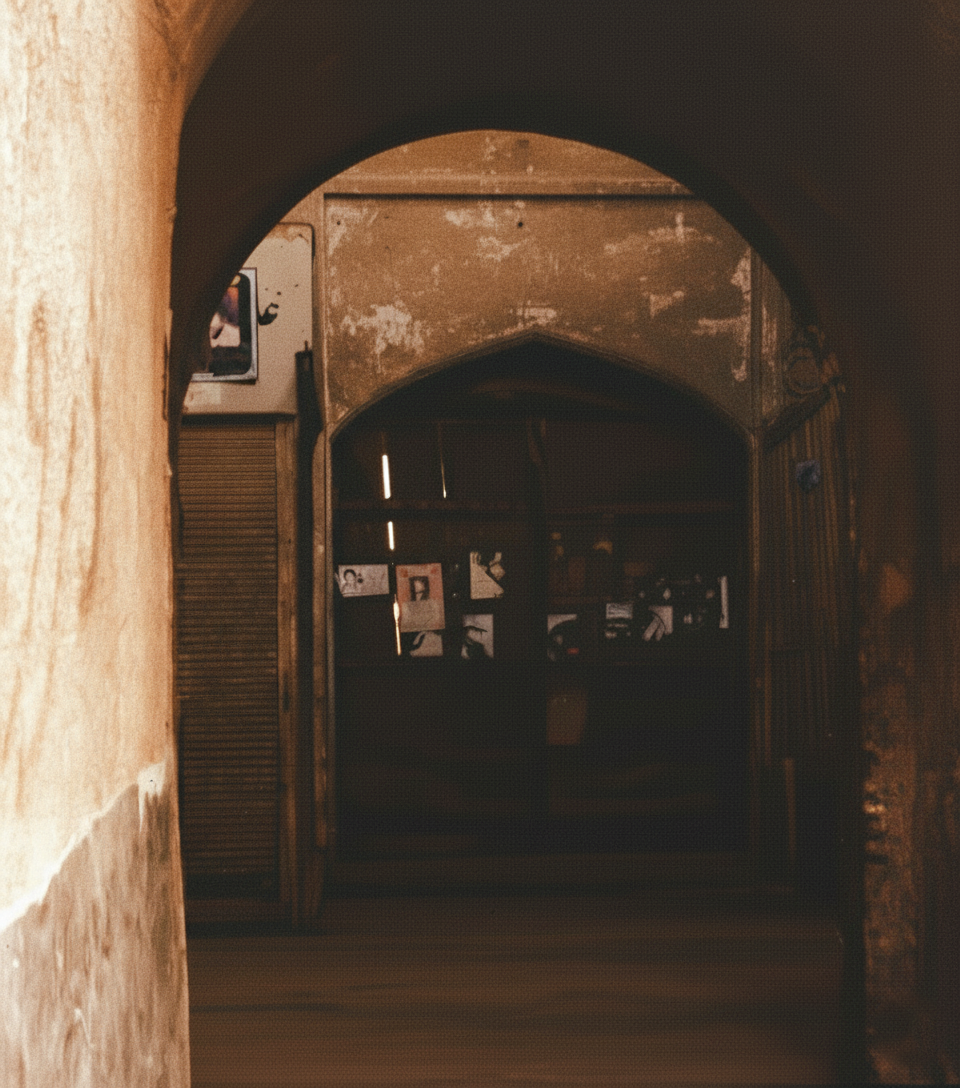
The Bazaar of Kashan, whose origins date to the Seljuk period (11th–12th centuries) and which was significantly expanded during the Safavid era in the 16th and 17th centuries, is the structural and social spine of the city, organizing commercial, civic, and religious life along a continuous covered axis. Evolving alongside trade routes of the Silk Road (جاده ابریشم), the bazaar connects caravanserais, mosques, madrasas, Ab anbars (آبانبارها), and neighborhood entrances, forming an integrated urban network rather than a single marketplace. Its linear sequence of vaulted corridors regulates movement, light, and temperature, creating a protected interior urban realm within the dense fabric of the city.
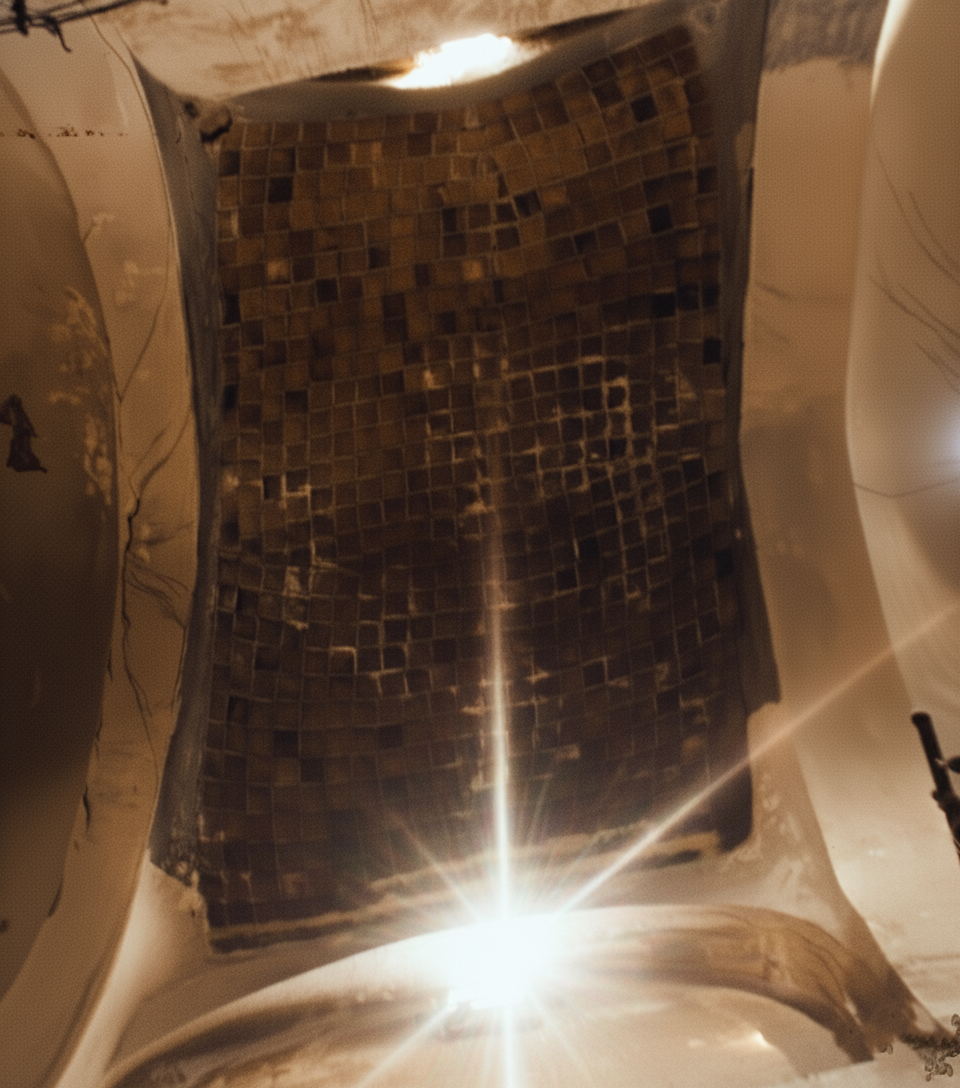
Above this commercial artery rises one of Kashan’s most distinctive features: its sculptural roofscape. A rhythmic composition of domes (گنبد), vaults, and light wells forms a continuous architectural topography that is both structurally expressive and climatically responsive. Many of these domes display elaborate geometric articulation and carefully proportioned curvature, giving them an almost sculptural presence that transforms structural necessity into architectural expression. From a broader perspective, this layered sequence of domes and vaults resembles a man-made desert topography, echoing the surrounding earthen landscape while creating a unified skyline above the city. Openings at the apex of the vaults filter daylight and facilitate ventilation, while the thick adobe (خشت و گل) construction ensures thermal stability. From within, the ceilings create a dynamic play of light and shadow; from above, they contribute to the unified skyline of interconnected volumes. The bazaar’s roofscape transforms infrastructure into architecture, shaping not only commerce but the very form and identity of Kashan’s cityscape.
